Embrace God's truth with our new book, The Lies that Bind

Vision of Healing in Galilee

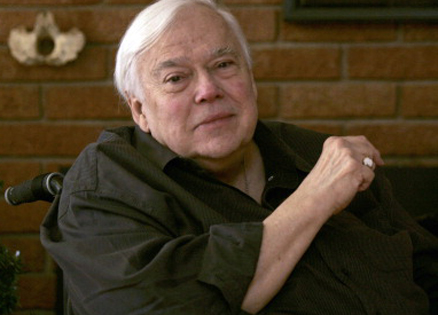
*Reynolds Price passed away on January 20, 2011. We remember him here with this inspiring story.

So far it had been the best year of my life. In love and friendship I was lavishly endowed. I’d recently published my eleventh book. My work had been received more generously than not by the nation’s book journalists and buyers, and for 27 years I’d also taught English literature and narrative writing at Duke University. I’d lived for nearly two decades, alone by choice, in an ample house by a pond and woods that teemed with wildlife; and in February 1984 I’d turned 51, apparently hale.

God's Constant Presence In Article Ad

The previous fall I’d gone with a friend to Israel. It had been my second visit in three years to a place that had fed my curiosity since childhood and was promising now to enter my work. I’d once spent months translating the Gospel of Mark, and I wanted to see for myself the places about which he wrote.

But late in the spring of 1984, tests indicated there was something foreign within my upper spine. Surgery was performed on June 4 and I was under anesthesia for 10 hours. The next morning Dr. Allan Friedman told me he had found a malignant tumor. It was pencil-thick, ten inches long and too intricately braided in the core of my spinal cord to permit him to do more than sample the tissue. I asked how much of it he had removed.

He said, “Maybe ten percent.”

I’ve never known a single hour of doubt that I was made and watched over by the source of all life. But in these early stages of my illness I was at times extremely depressed. From the moment I awoke from the operation, I felt the pain that would become my constant companion.

I now had to face five weeks of intense radiation. A long rectangle was outlined in bold purple dye around my ugly scar, and I was told there was a risk that I might lose the use of my legs. A doctor told my brother my prognosis was “six months to paraplegia, six months to quadriplegia, six months to death.”

And then, on July 3, I had the strangest experience of my life.

I woke at daylight alone in my house, propped on pillows against the head of my old brass bed. No lights were on but I was completely conscious—I’m an easy riser, clearheaded from the moment my eyes click open. I was thinking naturally of the massive violence done to my body, and of all the unknowns that might lie ahead.

Without warning, I was suddenly no longer in my brass bed or even contained in my familiar house. It was barely dawn, and I was lying in modern street clothes by a lake I knew at once. It was the lake of Kinneret, the Sea of Galilee, in the north of Israel—the scene of Jesus’ first teaching and healing. It was the same lake I’d visited the previous October, a 13-mile-long body of fish-stocked water lined with beautiful hills, trees and small family farms.

Still sleeping around me on the misty ground were a number of men in the tunics and cloaks of first-century Palestine. I soon understood with no sense of surprise that the men were Jesus’ 12 disciples and that he was nearby, asleep among them. So I lay on awhile in the early chill, looking west across the lake to Tiberias, a small low town, and north to the fishing villages of Capernaum and Bethsaida. I saw them as they must have been in the first century—stone huts with thatch-and-mud roofs, low towers, the rising smoke of breakfast fires. The early light was a fine mix of tan and rose. It would be a fair day.

Then one of the sleeping men woke and stood.

I saw it was Jesus, bound toward me. He looked much like the lean Jesus of Flemish paintings—tall with dark hair, unblemished skin and a self-possession both natural and imposing.

Again I felt no shock or fear. All this was a normal human event; it was utterly clear and was happening as surely as any experience of my previous life. I lay and watched him walk nearer.

Jesus bent and silently beckoned me to follow.

I knew to shuck off my trousers and jacket, then my shirt and shorts. I followed him.

He was wearing a twisted white cloth round his loins; otherwise he was bare and the color of ivory.

We waded out into cool lake water till we stood waist-deep.

I was in my body but was also watching myself from slightly above and behind. I could see the purple dye on my back, the long rectangle that boxed my thriving tumor.

Jesus silently took up handfuls of water and poured them over my head and back till water ran down my puckered scar. Then he spoke once—”Your sins are forgiven”—and turned to shore again.

I came on behind him, thinking in my standard greedy fashion, It’s not my sins I’m worried about. So to Jesus’ receding back I had the gall to say, “Am I also cured?”

He turned to face me, no sign of a smile, and finally said two words—”That too.” He climbed from the water, not looking round, really done with me.

I followed him out and then, with no palpable seam in the texture of time or place, I was home again in my wide bed.

Was it a dream I gave myself in the midst of a catnap, thinking I was awake? Was it a vision of the sort accorded to mystics through human history? From the moment my mind was back in my own room, no more than seconds after I’d left it, I’ve believed that the event was a gift, a shifting to an alternate time and space in which to live through an act crucial to my survival.

For me the clearest support for my conclusion survives on paper in my handwriting. My calendar notes are sparse—hard happenings only, not thoughts or speculations. And on my calendar for ’84, at the top of the space for Tuesday, July 3, I had drawn a small star and written:

6 a.m.—By Kinneret, the bath, “Your sins are forgiven”—”Am I cured?”—”That too.”

It is the record of an event that had a concrete visual and tactile reality unlike any sleeping or waking dream I’ve known or heard of, and it betrayed none of the surreal logic or the jerked-about plot of an actual dream. The plain fact is that I’ve never since had a remotely similar experience; nor again, had I ever before known anything similar in five decades of a life rich in fantasy.

Over the next five weeks of daily radiation I lay facedown in my body cast while the technician aimed the beam precisely at the target range of my spine; and with my eyes shut I imagined intensely a curative hand laid over my wound, that same hand that had bathed me in Lake Kinneret.

My friend Leontyne Price called. “You’ll be all right,” she said. That was the first arrival, from outside my immediate circle, of a message that came seven more times in the months ahead—the explicit and confident-sounding news that I wouldn’t die, not of this ordeal. Each person wrote or called with no prior collusion—most of them still don’t know each other. One of the strongest assurances came from a woman I hadn’t seen for years, who herself had been stricken with cancer. She phoned and, with no preface, calmly said, “I’ve called to tell you you’re not going to die of this.” Then she quoted the famous talisman lines from Psalm 91: He shall give his angels charge over thee, to keep thee in all thy ways.

Weakened by the treatments, I went to stay with my cousin Marcia and her husband, Paul. I told Marcia about my morning experience in Kinneret. To please her I sketched a rough likeness of Jesus cupping the water to my head. As I did so, I realized I was suddenly concentrating for more than 10 seconds on something better than the pain that roared down my spine.

The fact of regaining just that much on paper triggered the dozens of drawings I’d make in the next two years. All meditations on the face of Jesus, these drawings became my main new means of prayer. If they asked for anything, I suppose it was what I still ask God for daily—for life as long as I have work to do, and work as long as I have life.

In the spring and fall of 1986 I had more surgeries, to remove tumor tissue that had spread up my back and into my neck. There were times each day, for hours at a stretch, when my whole body felt white-hot pain, scalding and all-pervasive. For three years I took the drugs prescribed to me; and then at Duke Hospital I was taught techniques of biofeedback and self-hypnosis that helped incredibly to ease the searing pain, as well as the self-focus and self-pity that pain eventually clutches to itself.

There have been many moments over these past years when I all but quit and begged to die. Even then, though, I’d try to recall the passage of daunting eloquence in the thirtieth chapter of Deuteronomy: I have set before you life and death, blessing and cursing: therefore choose life, that both thou and thy seed may live: that thou mayest love the Lord thy God….

Choose life. In my case, life has meant steady work, work sent by God but borne on my own back and on the wide shoulders of friends who want me to go on living and have helped me with a minimum of tears and no signs of pity.

Ten years have passed. Though I make no forecast beyond today, annual scans have gone on showing my spine clear of cancer—clear of visible growing cells at least (few cancer veterans will boast of a cure).

I’m in a wheelchair—I may always be—but I write six days a week, long days that often run till bedtime; and the books are different from what came before. Even my handwriting looks very little like the script of the ravaged man I was in June of ’84. Cranky as it is, it’s taller, more legible, with more air and stride. It comes down the arm of a grateful man.

Verse of the Day

“It’s time for the verse of the day!” the radio DJ announced. “Isaiah 41:10: Fear thou not; for I am with thee: be not dismayed; for I am thy God: I will strengthen thee…” The local Christian music station was my constant companion on my delivery drives, but until the DJ’s voice piped up, I’d barely been listening. Too many thoughts filled my mind. All the work I needed to do before my wife and I went away for the weekend.

If I could just get rid of my fears. I’d recently taken over the family business, a machine repair shop, and things hadn’t been going well. First, an employee brought a frivolous lawsuit against us, which crippled our finances. Then my shop manager and right-hand man had a heart attack. While he was recovering, I had to handle everything on my own. The stress and worry were eating me alive. I prayed, but was anyone listening?

You Got This In Article Ad

My wife was convinced a weekend getaway to a scenic mountain town in North Carolina would help me relax. “It’ll be good for you, Jeff,” she said. I couldn’t imagine how. Not when the machine shop was on the edge of disaster.

After a few songs, the DJ spoke again. “For you listeners who missed it, the verse of the day is Isaiah 41:10: Fear thou not…” He read out the verse a second time. That was odd. I’d never heard them repeat the daily verse before.

Over the next few days, I struggled to figure out how to keep the business afloat. Soon the weekend arrived, and my wife wouldn’t let me back out of our plans. So we went. The mountain town was peaceful, but I’d lost the ability to relax. My wife and I ducked into a gift shop, and while she looked at postcards, I half-heartedly browsed the aisles, wondering how I could cut our trip short.

I stopped in front of a display of small cards. Each one was printed with a different name on the front and a different Bible verse on the back. Curious, I thumbed through and found mine. Jeffrey. I pulled it from the box and flipped it over.

Fear thou not; for I am with thee: be not dismayed; for I am thy God: I will strengthen thee… Isaiah 41:10.

My fears lifted then. I knew I we would be okay, no matter what. I was listening now.

Verse by Verse

Three hundred seventy-five. What?! How could my cholesterol have jumped more than 150 points in just three years?

“I’m going to start you on a low-dose medication,” the doctor said, “but it can only do so much. You’ll need to change your diet and your exercise habits. Schedule a visit with our nutritionist right away.”

Sugarcreek Amish Mysteries In-Article Ad 2023

Heart disease ran in my family, but I always thought I’d have more time before it became an issue. I was 51—wasn’t that too young for cholesterol medication and fiber-packed diets? Sure, I’d put on a few extra pounds over the years, but didn’t everyone?

I made an appointment with Beth, the nutritionist my doctor recommended. She asked me to keep a food journal for a week before we met.

Beth read through my entries when I went in to see her. “There’s way too much salt and sugar in your diet,” she said. Like the sweets I’d snacked on between meals and the soy sauce in my stir-fry dinner.

“You’ve got six weeks till our next appointment,” Beth said. “With a few modifications, you can lower your cholesterol significantly.”

Easy for her to say. Every year after my physical, I vowed to take control of my cholesterol. Eat right, exercise, say goodbye to those three cookies a day. But I’d slack off after a month. I’d been trying to change my ways ever since my forties. How would this time be any different?

I went home and flipped open my Bible, hoping to find reassurance that God still loved me, high cholesterol and all. Instead I found Philippians 4:13: “I can do all this through him who gives me strength.”

I’d never read that verse in the context of my health before. With my history of failing to follow through, I needed all the help I could get.

I chose a few more verses and scribbled them on yellow sticky notes. I put them on the kitchen counter, my bathroom mirror, my car dashboard—little reminders to lean on God, not just for my spiritual health but for my physical health.

If you find honey, eat just enough—too much of it, and you will vomit. —Proverbs 25:16
On Day One of my diet, I set out to make oatmeal the way Beth had recommended, with no sugar or salt. “Hospital food,” I grumbled, mixing the oats with water.

I had a major sweet tooth. As a little girl, I’d sneak lumps of brown sugar from the bag in the cupboard. I was used to sprinkling my morning oatmeal with brown sugar, which according to Beth was a big no-no.

Instead, I topped my breakfast with two teaspoons of ground flaxseed, a quarter teaspoon of cinnamon and half a diced apple. Bland and flavorless, here we come, I thought, taking my first nibble.

Actually, not bad. Just a hint of sweetness. Before I knew it, I’d scraped the bowl clean!

The rest of the week, I experimented with Beth’s tips, substituting spices for salt and fruit for sugar. If I was tempted to have a dessert, I glanced at Proverbs 25:16, stuck to my refrigerator door. Everything in moderation. Just a little bit of honey—or in my case, cinnamon—to add flavor.

Because of the Lord’s great love we are not consumed, for his compassions never fail. They are new every morning; great is your faithfulness. —Lamentations 3:22–23
It happened on Day 10 of the diet. The laundry was folded, the fridge was stocked and the house was spotless. I sat back with a book. But all I could think about were the chocolate-chip cookies, my husband, Rod’s, favorite, in the cookie jar.

I cut up an apple, ate a few slices. That didn’t satisfy my sweet tooth. What was the harm in just one cookie? I’d been good all week—didn’t I deserve a little reward? I pulled out a cookie, savoring the chocolaty goodness. Cookies should always be eaten in twos, I told myself. I grabbed another. And another.

Before I knew it, I had eaten eight cookies.

My food journal glared at me from the kitchen counter. Not even two weeks into my diet and I’d already failed. How would I make it through another month?

God’s compassions are new every morning, I reminded myself. It was a slipup, not the end of the world. I could start fresh tomorrow. In fact, why wait till morning? That night, I ate a sensible dinner. When I craved dessert afterward, I finished the apple I’d sliced up in the afternoon. The next day, I turned to a new page in my food journal and began again.

Carry each other’s burdens, and in this way you will fulfill the law of Christ. —Galatians 6:2
Every Monday, I had a longstanding breakfast date with my friend Zanne. Usually we caught up over French toast and bacon. I was a little embarrassed to pull out my plastic baggie of flaxseed and cinnamon to dump on top of my boring oatmeal.

“That looks so good,” Zanne said. “You know, I’m really proud of you!”

Zanne asked the waitress to bring us some sides of fruit. Zanne didn’t need to watch her cholesterol. But on those Monday mornings, we were in it together.

The next week at breakfast with Zanne, when I told her I’d lost two pounds, we celebrated with blueberries. Reporting back to a friend made the struggles easier to bear and the victories so much sweeter.

When you walk, your steps will not be hampered; when you run, you will not stumble. —Proverbs 4:12
Maybe there was something to healthy eating. By Week Three, my energy level was soaring. Time to kick things up a notch. I was no athlete. But walking? Even I could manage that. I challenged myself to reach 10,000 steps by the end of the first day.

At 10 o’clock at night, though, I’d only reached 9,000 steps.

“Aren’t you coming to bed?” my husband asked. I sat on the edge of the mattress, checking my pedometer. I was so close!

“Not yet,” I said, putting my sneakers on again. “I think I’ll take a quick turn around the block. I want to hit ten thousand steps.”

Rod stared at me for a moment, then got out of bed. “Can’t let you go alone, now can I?”

It took us 15 minutes to walk around the block. We recapped our day as we went. By the time we reached our driveway again, I had more than 10,000 steps and a new nightly ritual with Rod.

Do you not know that your bodies are temples of the Holy Spirit, who is in you, whom you have received from God?… Therefore honor God with your bodies. —I Corinthians 6:19–20
Week Five was Rod’s fifty-first birthday. We made reservations at one of the best restaurants in town. I pulled out the black Calvin Klein dress that I’d banished to the back of my closet. It hadn’t fit in at least a decade. Now it zipped up easily.

At dinner, we ordered the salad and pork chops. Nothing too crazy. Then the waiter arrived with the dessert menus. Molten chocolate cake. Crème brûlée. Apple crumble. I was full, but I wanted to order two of everything!

Instead, I pulled out the sticky note I’d tucked in my purse. I reread the words from I Corinthians.

I handed the menu back to the waiter. I’d had an amazing meal, without having to stuff myself senseless. Sure, it was Rod’s birthday. But the best gift I could give him was my clean bill of health.

And that’s exactly what I did one week later at my nutritionist’s.

My cholesterol was 179, almost 200 points down in six weeks. “I told you you could do it,” Beth said.

It wasn’t just me. The medication helped. And so did the Great Healer, verse by verse. That’s what made the difference.

Download your free eBook, Let These Bible Verses Help You: 12 Psalms and Bible Passages to Deepen Your Joy, Happiness, Hope and Faith..

Using Our Spiritual Gifts to Help Others

We’re all given spiritual gifts by God. Shawnelle Eliasen watches her son, Samuel, growing into his:

“Let me help you with that,” my 13-year-old Samuel said.

New Every Morning Journal In Article Ad A

The little boy seated next to Samuel looked up. Sam’s hand curled over the child’s smaller one. Together they pushed the glue stick over the back of a John the Baptist cut-out.

We were working in the preschool room at vacation Bible school. Sam’s lanky teen body bent to fit on a toddler-sized chair. He seemed to be all elbows and knees. A boy growing big. As I watched him help the little one paste his paper figure onto a Popsicle stick, I understood that he wasn’t just growing physically strong. He was growing spiritually, too.

As each one has received a gift, use it to serve one another, as good stewards of God’s varied grace. (1 Peter 4:10)

Like every believer in Christ, Samuel has spiritual gifts. One of his is the gift of teaching. I recognized it long ago as he worked beside his little brothers. Even so, when he had the opportunity to provide care in the toddler room at church last fall, he was reluctant. But he said yes. And when he and I had the opportunity to help in the same room for VBS, he was a bit uncertain. But we agreed.

Isn’t this how we grow? By stretching? By pressing a little hard? By leaning into our talents and abilities and gifts and stepping forward into who we were made to be?

When Sam volunteers at church, when he spends time speaking Jesus into young hearts, he’s stretching and growing his gift. He’s using his gift to benefit others, so he’s helping to grow the body of Christ.

After all, gifts are given that they may be used. Shared. Poured on others for the glory of the Lord.

The Word tells us that spiritual gifts are given from God’s generous, varied grace. We have different gifts, but they’re from one Spirit. Serving others, using those gifts, makes us responsible. We’re wisely spending our grace-gift.

And the return is dear.

“Thanks for helping me, Mr. Sam,” the little one said that morning at VBS.

“Any time,” Samuel said.

Stretching and growing and using one’s spiritual gifts brings spiritual satisfaction.

And from Sam’s smile, it was easy to see that it also brings joy.

Lord, let me use the gifts you’ve given me to serve others today–for Your glory. Amen.

Using Faith to Conquer Fear

The voice on the other end of the line was full of alarm. “Marion, come quick. Something’s wrong with Gene.”

Gene and I had met after both of us lost our mates of 25 years. We’d been married for 24 years now and were at a point in our lives where we indulged ourselves a little with massages and pedicures.

NIVFLB Inarticle ad

I hadn’t given it much thought when he’d taken off in his white truck earlier for his regular pedicure at Stonebridge Salon, but with one quick phone call, my old enemy—fear—was upon me just like that.

I drove to the salon, 10 minutes from our house, on autopilot, my mind hurtling back to one dark winter afternoon when I was seven years old. I’d been watching out the window for my mother to come home from work. She was late. A terrible thought struck me.

Your mother is probably dead, like your father. You’re all alone now.

I’d been only two when my father died. Looking out the window for my mother I could feel my heart pound. I bit the inside of my cheek. I didn’t dare turn on the light. That would mean it was really night, way past time for Mother to be home.

Please, please, God, I begged, let Mother appear before I count to ten. I counted as slowly as I could, lingering on nine-and-a-half for the umpteenth time.

At last I saw her. Sweet relief flooded through me as I flipped on the light. I never told my mother how terrified I’d been. And I never anticipated how that fear of losing someone I loved would hound me in the years to come.

What-ifs used to plague me: What if something happens to my husband? What if one of the children has an accident?

I pulled into the shopping center where Stonebridge Salon was. An ambulance and some other emergency vehicles were right outside, with lights flashing.

I hurried into the salon. Two of the hairdressers were bent over Gene. One called his name loudly. The other cleaned up vomit. An EMT took his blood pressure.

Gene slumped in the pedicure chair, his face ashen, eyes half-closed. Someone said that the bottom half of his blood pressure was so low it hadn’t registered. I knelt by the chair and took his hand. It felt limp and clammy.

“Hi,” I said in what I hoped was a normal voice.

No response.

The EMTs got Gene on a stretcher and wheeled him out to the waiting ambulance. I followed, feeling helpless.

Here we go again, came the insidious whisper of fear.

Suddenly it was 1982, a sunny afternoon in September, and I was watching my first husband, Jerry, unconscious, unresponsive, be loaded into the back of an ambulance. I climbed into the front seat as instructed by an EMT. I managed to hold off fear by praying and reciting Scripture silently.

I was doing pretty well until someone handed me Jerry’s flat brown billfold. Holding a loved one’s billfold has got to be one of the loneliest, most isolating experiences in the world.

Jerry was 47 and until then, had never been sick a day in his life. Eventually tests showed that he’d suffered a massive seizure triggered by a malignant brain tumor. Surgery to remove it was unsuccessful. 

As the doctors told us Jerry didn’t have long, the fear of being in our house alone took hold of me. I grew up without a daddy,and I can’t grow old without a husband.

Just before Jerry died 10 grueling months later, God got through to me somehow and cast out the fear, silenced the What-ifs. For good, I’d thought.

A young, kind voice drew me back to the present. “Ma’am? You can get in the front seat.” One of the EMTs gestured to the open passenger door of the ambulance cab. Gene lay very still in the back, not speaking.

A small crowd had gathered in front of the salon. Someone ran over. “Marion, here’s Gene’s billfold and glasses.”

“Thank you,” I said, remaining dry-eyed. But on the inside, I crumbled. It was like being with Jerry in the ambulance, only this time I could hardly even find the words to pray.

Fifteen minutes later we were in an examination room at the hospital. I sat close to Gene’s bed as a nurse started an IV. God, please let Gene be okay, I pleaded silently. Help me not be afraid. It didn’t feel like much of a prayer.

A woman from the business office slipped in. “May I have your husband’s insurance cards, please?”

I opened Gene’s billfold, the creases in the leather sweetly familiar. All the cards blurred before me. I didn’t have my glasses but even if I had, I wouldn’t have been able to see straight, I was so scared. I took out all the cards and fumbled them.

The woman leaned over. “Here they are, dear.” She plucked the insurance cards out of their pile, told me she’d be back soon and left with them.

I tried to put the other cards back in their slots—Gene likes everything in its place—but my hands couldn’t seem to work properly. What was that scrap of paper?

I unfolded it. I squinted and recognized Gene’s handwriting, large block letters, the ink somewhat faded: YOUR THOUGHTS CREATE YOUR EMOTIONS.

Gene loved that simple truth, and we’d often discussed it over the years. Still, I had no idea that he carried the quotation with him.

I held his hand and whispered those five words over and over. Their meaning surged into my being, as surely as the IV pumped healing fluids into Gene. I gazed at his hand in mine, at the wedding band on his finger.

Gene spoke softly. I looked up, leaned closer. “What did you say?” He lifted his head slightly. “What about the mess I made?”

Our friends don’t call him Mr. Clean for nothing. I was so relieved to hear him sounding like himself that I joked, “They said you can’t come back. Ever.”

He laughed. So did I. Our laughter seemed to bubble up in that small room, pushing fear right out.

Gene came home the next day. All his tests were normal. The doctors thought he’d probably taken some morning medication incorrectly and then putting his feet into hot water for the pedicure had created the perfect storm.

Late one afternoon the following week, Gene took his beloved white truck to be washed and detailed (he’s Mr. Clean, remember). “I’ll be back in a couple hours,” he said. I was engrossed in a book I’d been reading all day and only looked up long enough to wave.

It wasn’t until the shadows lengthened on the page and I reached over to turn on the lamp beside my reading chair that I realized how late it had gotten. My hand froze in mid-air. How long had Gene been gone? More than a couple hours.

Darkness fell and fear reared its ugly head again. What if something happened to him? Look out the window. If you don’t see his truck coming, it’ll be just like when you were seven…

Nope, I told fear, I don’t have to do that. Get away from me.

Putting my book down, I got up from my chair. I flipped on several lights and walked to the bay window in the dining room. Sometimes the sun seems to set just beyond the edge of our front yard, turning the view into a magnificent picture postcard.

Tonight was one of those rare evenings. I gazed out the window and let the beauty and glorious mystery of sunsets wash over me.

Think only good thoughts. Refuse fear. No matter what, child. I am always here.

I sat back down with my book in the well-lighted living room. A little later I heard the low rumble of Gene’s truck in the driveway and the sweet sound of the garage door opening. My husband was home. I went to greet him.


Download your FREE ebook, Rediscover the Power of Positive Thinking, with Norman Vincent Peale

Unretiring: 5 Meaningful Job Options for Older Workers

You’re retired, and you’ve got hours of free time. So…how are you going to fill them up? Maybe you have a list of projects you’ve tried to get to over the past few decades, and maybe something additional beckons. It’s called work, but it’s wrapped in a tantalizing new guise. It may be a version of what you’ve always done, or something completely different, but one thing is certain. You want it to have meaning.

“While a lot of people continue to work in their older years because they need the money, almost as many people continue to work because the work is meaningful to them and they find fulfillment in it,” Susan Weinstock, vice president of financial resilience for AARP, told Guideposts.org.

Sugarcreek Amish Mysteries In-Article Ad 2023

Finding fulfillment is deeply personal and unique to the individual. “It can be all kinds of things—helping children, helping other older people, working in the community,” Weinstock said. “It can be a part-time job that brings in a little cash and, at the same time, offers an opportunity to get out and meet people, which—particularly for women—is very, very important.”

There is a wide world of possibilities, but Weinstock offered a few ideas to point retirees in the direction of meaningful work:

1. Become an entrepreneur
It’s an urban myth that all the world’s successful entrepreneurs are 20something young men, Weinstock said. Research has shown that “the highest success rates in entrepreneurship come from founders in middle age and beyond.” Older entrepreneurs have a great shot at success because they tend to have assets for funding, networks of contacts, and the “soft skills” required to interact effectively and harmoniously with others. “Generally, we don’t recommend liquidating your 401k to start a business,” Weinstock cautioned. “Better to find your funding elsewhere and leave that money, because you’re not going to have time to make it up.” The Small Business Administration is an excellent resource.

2. Teach
Classrooms are always looking for substitutes. Experience is a valuable asset and retirees have loads of it. If you were an engineer in a previous life, for example, and you have a knack for math, you may want to try teaching it.

3. Lifeguard
If you’re a good, strong swimmer, you may want to train for lifeguard certification at your community pool. “You’re already there swimming laps, so why not add a couple of hours and get paid for it?” Weinstock said.

4. Care for children or older adults
Childcare is a chance to put valuable know-how to use again. “It’s also great for kids to have experience with older people,” Weinstock said. “Maybe their grandparents live out of town and they can’t spend a lot of time with them.” Working as an in-home caregiver for older people is another way to provide a much-needed service. These jobs provide training to caring individuals, as well as flexible schedules, work that’s close to home, and the opportunity to develop important relationships.

5. Volunteer
Offer your specialized skills to the community. Even retirees who are disabled can do desk work in all sorts of fields. One option is the AARP Foundation Tax-Aide program. Volunteers help low-and moderate-income Americans file their taxes—free of charge.

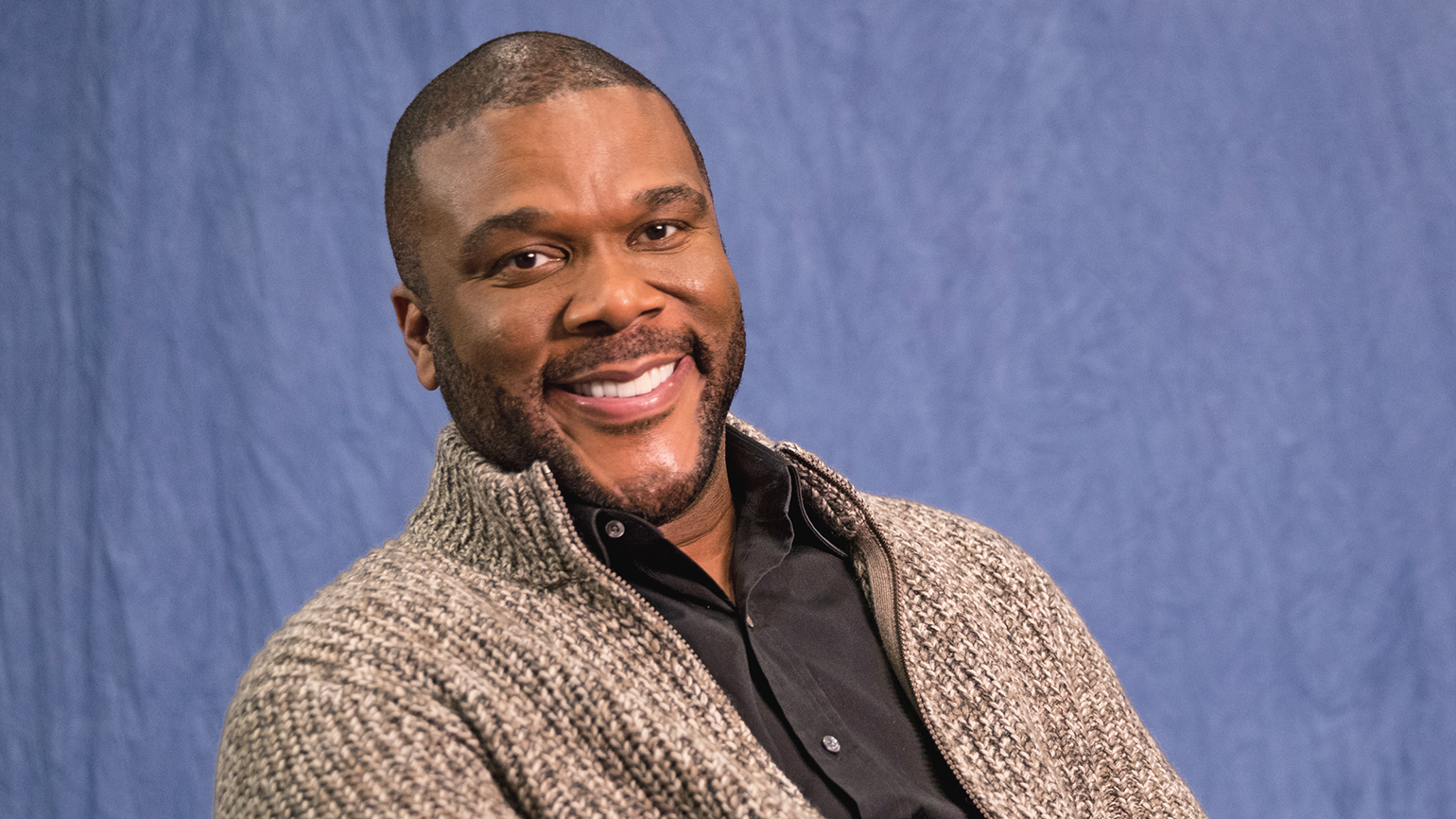
Tyler Perry Shares His Favorite Spiritual Principles

I’d written a book, a collection of inspirational insights and lessons. Now I just needed the right title for it. Then a friend wanted to talk. He was feeling pretty down about his life, and I urged him to see all the good things God had in store for him: love, compassion, peace of mind. If only he’d step up and reach up. “Higher is waiting,” I said. That was it, both my advice and the title of the book.

Tyler Perry on the cover of the January 2018 issue of GuidepostsWe all have dreams deep inside of us. They just need to be pursued. Higher is waiting. It’s up to us to stay in the climb and claim it. Here are some of the spiritual principles I’ve come to trust.

Walking with Jesus L&E evergreen_in article ad

God loves us all. I started out close to the bottom. We didn’t have much of anything, but I got plenty of love from Mamma and my Aunt Mae. I lived for our weekend jaunts out to Aunt Mae’s from our place in New Orleans. Mamma would pick me up from school in her ’69 powder-blue Cadillac Coupe de Ville. She would turn up the volume on the eight-track player in the car’s dashboard and belt out the blues in her unforgettable voice (more on that later).

As soon as our car pulled up, the screen door would snap open and Aunt Mae would appear with arms stretched wide like angel wings. “Lord,” she cried, “my children are here.”

In the mornings, I could hear her singing gospel hymns. I crept out of bed once and tiptoed into the kitchen to listen. “What are you doing, Aunt Mae?” I asked.

“Talking to Jesus, baby,” she said. “Did you say your prayers last night?”

“Yes, ma’am.”

“Then you were talking to Jesus too.”

In New Orleans, on my walk to school, there was a blind man named Mr. Butler, who sold his wife’s praline candy to make a living. I got in the habit of walking him across the busy intersection of Washington Avenue and LaSalle Street. One time, I approached him without saying a word. I just stood there. “I know you’re there, son,” he said, startling me. How did he know?

“I was listening for you,” he said. He might have been blind, but he still saw me. Aunt Mae and Mr. Butler made me feel as if I counted for something. I was noticed. I was somebody who was seen and loved by God.

Prayers get answered. No matter how bad things got, come Sunday morning, Mamma would take me to church. Her uncle DJ was our preacher, and although I wasn’t always in the mood to hear him, one sermon in particular touched my soul. “Children,” he bellowed from the pulpit, “God will answer your prayer. Just ask him. No matter what you’re going through, God will see you through it.”

That night, alone in my bedroom, I decided to put his claim to the test. While the moon cast shadows on the wall and the cicadas sang, I got on my knees, leaned my elbows on the bed, clasped my hands together and closed my eyes. “Let the people who are living inside our TV step out and talk to me and love me so I can love them back,” I prayed.

As a kid, I had a pretty creative imagination. I thought that the TV characters on my favorite shows, like Gilligan’s Island and The Brady Bunch, were real people, about four inches tall, living inside our TV. I didn’t have the nerve to go behind the TV set to tear it apart (my father would’ve killed me). I wanted those people to come into my life.

An impossible prayer to answer? It would seem so. But God understood my little boy’s yearning to love. A few days later, we learned that our neighbor across the street was moving and wouldn’t be able to take her parakeets, Fifi and Pierre—about four inches tall—with her. She asked if I would care for them. Would I ever! Fifi and Pierre were even better than little people stepping out from the TV. God’s answers are even more than we expect.

Forgive even when you can’t forget. On Fridays, my father, Emmitt, would come home from work, his week’s pay folded into the back pocket of his overalls. He’d take a long bath, put on his creased jeans and freshly laundered plaid shirt and yell at us to find his shoes, a hint of the storm to come. When he came home hours later, stinking of alcohol and cigarettes, there would be hell to pay. He’d stomp through the house, and if anyone got in his way, he would explode, his fists flying.

He beat my mother, he beat me, he beat all of us. Afterward he might beg for our forgiveness, but I prayed that somehow when I grew up I could take care of Mamma so she would be free of him. I promised her that one day she wouldn’t have to worry about a thing. As soon as I was old enough, I left home to try to launch my career. But the anger was still there. One day, when I was staying in a run-down, pay-by-the-week hotel in Atlanta, I finally had the strength to call up Emmitt and yell at him. “How could you have treated me so bad?” I screamed into the receiver.

There was a pause. “You don’t know what happened to me,” he said, then hung up. I put the receiver back in its cradle. Something in me began to lift, the darkness to dissolve. It was the beginning of forgiveness.

When you forgive someone, you do not need to let them off the hook. Emmitt did terrible things to us—and I remember all of it. But as I learned about the abuse he had suffered, I found it easier to forgive. It wasn’t something I could do on my own. It was God’s grace.

God’s timing is not yours. My dream was to write and perform. For five backbreaking years, I worked at producing my play I Know I’ve Been Changed. The first time I did it, I spent every cent I had. I rented a theater in Atlanta, hired actors, built scenery, got props. I figured opening night would be packed. You know how many people showed up? Thirty.

Did it stop me? No. This was my calling. I saved up the money to put on the play again, this time in New Orleans. I hired actors, put up flyers, sent out press releases. The same thing happened. The theater was half full. I tried again and again and again, working at dead-end jobs just to raise the money. Finally some guys coaxed me into doing it at the historic House of Blues in Atlanta. That night was one of the coldest on record, and the heat in the theater wasn’t even working. I sat in the dressing room—angry, empty and hopeless.

I got up and started pacing, speaking out loud to God, “You give me these dreams and then you don’t see me through. What’s going on?” God spoke right back: “I’ll tell you when it’s over. You don’t tell me. You will persevere! Now look out the window.” I went to the window and gazed outside. There were people lined up around the block. The performance was a huge success. After that, I could barely turn people away who wanted to book me in their theaters, big venues. What a lesson in persistence. Wait for God to say he’s done. Don’t you tell him.

Love stays with you. I was able to keep my promise to Mamma and take care of her for the last 12 years of her life. At the end, I wasn’t ready to let her go, even though she was in a lot of pain. I’m glad she has no more pain, but I miss her every single day.

I can still hear her singing in the church choir. I could pick out her voice in any crowd, and let me tell you she had a terrible voice, completely flat and off pitch, but it didn’t prevent her from shouting full-throttle about how good God is. I can still feel her hugging me tight, making me feel safe, protected and loved. When I was little, she’d hold my head on her belly and I would get a whiff of her Woolworth’s perfume. “I love you, Junior,” she would whisper, and that was enough for me.

When I moved out, Mamma and I spoke nearly every day. I would ask if she needed anything. She would say, “I need you to be happy.” I guess that’s one reason I never gave up on my dreams.

She loved Christmas, but she had her quirks. Every year, she took her Christmas tree out of its box and set it up but she never put ornaments or lights on it. It would just stand there like Charlie Brown’s Christmas tree. And when it came to giving, she would buy me the same thing every year: plaid flannel pj’s from Walmart. Admittedly I’m hard to buy presents for, but these pj’s never fit. They were way too small for me. And yet I’ve saved every pair. Because they came from her.

She died in early December, so starting at the holidays and going through February, her birthday month, all the way to Mother’s Day, I especially miss her. I didn’t know that grieving could last so long. Mamma’s been gone almost 10 years, but I still feel the ache. Ride the wave, I tell myself. Don’t let it drown you.

Not long ago, I was in the kitchen, thinking of an unfinished conversation we’d had, something we would both cry over. I put my dish in the sink and turned on the water. It came out too fast and splashed onto the counter and onto some family photographs there.

I looked over, and there was a drop of water on Mamma’s face, as if she were crying with me. She’s still in my heart. Love like that—love that nourishes your soul—always will be.

For more inspiring stories, subscribe to Guideposts magazine.

Tyler Perry Finds Forgiveness…and Himself

Tyler Perry was ready to give up on his dream. For years, he had poured his passion and money into performances of his first play, I Know I’ve Been Changed, always hoping that this would be the one that drew a crowd.

But “every time I would go out to do the show, it would fail,” says Perry, 39, the now highly successful author, director, producer and actor.

Go For It In Article Ad

“I would go to my boss and say, ‘I need time off to do the show.’ And they’d say no. I’d go to my desk, I’d sit and I’d pray. God would say, ‘Leave. Quit.’ I’d hear the voice as clear as day. I would leave, do the shows, and they would not work. I’d pray again: ‘God, where are you? You told me to leave.’ And I wouldn’t hear a thing.”

But he stuck with the play because he knew he was on to something. “The work was about adult survivors of child abuse and how one character confronted their abuser and went on to have a better life,” says Perry.

As a child, he himself had endured years of physical and emotional abuse by his father, who was prone to violent outbursts, especially when he drank. But unlike his onstage character, Perry had not yet confronted his own abuser. The message of being changed by forgiveness was there, but the play failed because the man reciting the lines had not yet felt it himself.

It took a few years for him to get there. Back in 1992, Perry saw an episode of The Oprah Winfrey Show in which she recommended writing as a form of healing. At that point in his life, he had never written about his abuse but decided to give it a try.

He wrote a series of letters—using “different characters’ names, because if anyone found it, I didn’t want them to know it was me.” Those letters eventually became I Know I’ve Been Changed. For the next six years, he performed the play, but it didn’t become a success until after he—like his character—confronted his abuser.

In 1998 “I had an argument with my father,” explains Perry, “I was screaming and yelling and using every four-letter word in the book; I was 28 years old and as profane as I could be. But I got an opportunity to have my catharsis on the phone.

“After it was over, I was empty, and I went on this journey to find out what was ripped away. And of course any journey for me is going to begin with faith, begin with God. I didn’t pray immediately, because I was angry with God, angry with everybody. But remembering everything I had learned in church really helped me to get through that anger.

“No matter how far I would stray, no matter what the sin, I would always come back because He would never let me get too far. There would always be something that would happen that would make me pray.”

When Perry went onstage for that last-gasp production, something profound had changed. “I had accepted the words I had written; I had forgiven my father. The show wasn’t hypocritical anymore. It was coming from a very real place. And it started to resonate with people on a different level.”

Perry had discovered that forgiveness “wasn’t for the other person; it belonged to me, it freed me. So many people remain bitter all of their lives. You have to tell yourself, ‘I need to forgive this person for me, so that I can go on. Not for them.’ “

From that moment on, his life—like his show—was Changed. Crowds started showing up to see his performances.

It led to another play and then another, each one expanding his fan base; he developed his signature character, the gun-toting, sharp-tongued, so-bad-she’s-good Madea (whose name comes from a common Southern conflation of “mother dear”), and went on to produce hit movies, television series and a best-selling book.

But that doesn’t mean his road was an easy one; he had held on to his anger toward his father for so long that reconciling with him was “scary,” says Perry.

“If the energy in being angry at a person is your fuel source, you’re afraid to give it up. But once you give it up, it’s like having a car that used to run on unleaded fuel and you switch to diesel; if God is diesel and the anger was your unleaded fuel, you have to learn to reprogram everything in the car to work off that diesel.”

Most everyone finds God by the end of Perry’s plays, with one notable exception. “Madea is a necessary tool to draw people in to hear from the righteous,” says Perry. “That’s what I think of her. She should never be saved. If she was, that wouldn’t show the differences in us.”

For Perry, being an entertainment power player gives him an opportunity to share his message of forgiveness and faith to the world.

“So many people use their films for self-gratification, but for me it’s about uplifting and inspiring people,” says Perry. “It’s been that faith in God, that belief in Christ that has helped me through the toughest times in my life.”

Two-Time Cancer Survivor’s Amazing Mt. Everest Climb

In 2002, Sean Swarner became one of small group of people to successfully climb Mount Everest. More astonishing than that: Swarner scaled the tallest peak in the world with only one lung.

Though Everest is an obstacle course that could bring any climber to their breaking point—– freezing temperatures, risk of frostbite, avalanches, high winds and low levels of oxygen—28-year-old Swarner had already survived another beast—cancer—twice, before he’d even reached 18 years old. Being the first cancer survivor to stand at the “top of the world,” made his victory that much sweeter.  Swarner’s survival story begins when he was 13. He injured his knee playing basketball with some friends and hours later every joint in his body was swollen. His parents rushed him to the hospital. Days passed, the swelling only got worse. After multiple blood tests and visits with an oncologist, Swarner was diagnosed with Hodgkin’s Disease, a cancer of the lymph system.

GP In Article Desktop

His body riddled with cancer, Swarner had to undergo a year of chemotherapy — two to three treatments a week — that left him in a constant state of nausea, and caused him to lose his hair and gain weight. 

“If the cancer wasn’t going to kill me the treatments were,” Swarner tells Guideposts.org.

Miraculously, Swarner went into remission. But that, unfortunately, was not the end of his teenage cancer battle.

When he was 16, Swarner faced an even bigger challenge. Doctors told him he had something called Askin’s Sarcoma after a routine exam showed a tumor in his lung. A rare cancer – only three out of a million people are diagnosed each year – this one was even more deadly than Hodgkins Disease, with a survival rate of just six percent.

The aggressive disease called for aggressive treatment. Swarner would face four day radiation cycles where he would undergo treatment, recover and then begin the process again. It took such a toll on his body that doctors put him in a medically induced coma for those days, so that he didn’t remember the devastating side effects of the chemo. This went on for a year and a half.

“I barely remember being 16,” he admits. “I’ll go visit a hospital now and I’ll smell something that brings back a flood of memories I didn’t know I had. It’s really scary sometimes.”

Facing death not once but twice would cause most people feelings of anger, frustration, even depression. Swarner said he felt all of that, but one emotion trumped them all.

“The way I saw it was I only have two choices: fight for my life or give up and die,” he says. “What’s the logical choice? Well, for me at least, I’m not going to just sit there and tap on my chest and say ‘All right, I’m done.’”

Swarner beat his second bout with cancer, though the treatments and the tumor cost him a lung – if you’ve ever watched the movie Finding Nemo, you’ll laugh when he explains why he calls it his “lucky lung.”

With cancer behind him, Swarner wanted to use his life to inspire others facing the same battles he’d gone through. An eye-opening trip to Guatemala climbing El Volacano de Agua gave him an idea.

“I wanted to do something that no survivor had ever done before,” he explains. “I kept doing research and it was like, ‘Well, why don’t I use the highest platform in the world to scream hope?’”

That’s where Everest came in. An athlete, Swarner was used to logging mile-long runs and rock-climbing with friends, but to reach the tallest point in the world, he had to prepare another part of his body: his mind.

“If you look at it as one big gigantic mountain you are going to freak out,” Swarner says. “If you break it down into smaller chunks, you can do it.”

Of standing atop Everest, he says:

“It’s like taking every motion you’ve ever had in your entire life, putting it into one of those little tiny bouncing balls, squeezing it down to that size and exploding it all at once.”

But reaching Everest’s summit wasn’t the end of Swarner’s journey either. He admittedly got the “climbing bug” and went on to complete the 7-Summits, scaling peaks in Africa, Europe, South America, Australia, Antarctica, and North America.

“I wanted to hit a hospital on every continent and tell those patients ‘Hey, I was in your shoes. My first goal was to go from the hospital bed to the bathroom,’” Swarner says.

Now Swarner is a motivational speaker, giving talks across the globe, an author (his new inspirational eBook series 7 Summits To Success was released earlier this year) and the founder of the nonprofit The Cancer Climber Association, whose mission is to help those impacted by cancer to live an active, healthy lifestyle.

He hopes to set up a mobile camp, touring hospitals across the country and inspiring kids and young adults facing cancer to continue the fight. On a grander scale, he wants his story to teach others that, no matter what mountain they’re facing, they can overcome it.

“You always have a choice in how you want to see things,” Swarner says. “Every day you wake up, the person you see in the mirror is making that choice. Abe Lincoln said ‘Whether you believe you can or you can’t, you’re right.’ That’s how you have to see goals. That’s how you have to see life.”

Two Friends Start a Nationwide March to Better Health

God, guide my steps. I say that prayer nearly every day, as I lead groups of women on hikes through the Rockies, address policymakers at the White House, or give interviews on radio or television. I’m a cofounder of GirlTrek, the largest health nonprofit in the country for Black women and girls.

Our national grassroots movement inspires Black women to live their healthiest, most fulfilled lives. I ask God to guide my steps because he’s brought me so far.

Journey With Jesus in article ad

From the outside, it must have seemed like I was at a high point back in 2009. I was in my late twenties, a first-generation college graduate, a Teach for America alum who’d moved up to a leadership position for a large charter-school network.

BROWSE OUR SELECTION OF PERSONAL GROWTH BOOKS

I was doing work that mattered—serving as a history teacher and administrator at a middle school in Bridgeport, Connecticut, where the student body was more than 90 percent Black and Latino, and coaching other administrators in the network—and making more money than anyone in my family had ever made.

My grandparents were sharecroppers; my mom desegregated her high school in Oklahoma and worked hard her entire life. They were all proud of me, my ambition and my success.

What my family—what most people—didn’t realize was that I was miserable. I was working with kids I loved, helping turn around failing schools, yet I felt trapped, like I was taking on too much and putting in crazy hours to achieve someone else’s dreams and goals, not my own. Did my only worth come through what I did for others?

The one person who understood was my best friend, Vanessa Garrison. We’d met working at the same investment bank to pay our way through college. We bonded over holding down full-time jobs while being full-time students—Vanessa at UCLA, me at USC.

Even though we were in different cities now—after eight years at Turner Broadcasting in Atlanta, Vanessa was working at a nonprofit in Washington, D.C.—we stayed close by phone. I called her one night after work and unloaded everything that had been troubling me.

“I’m tired all the time. Ain’t no sunshine in Connecticut. I’m depressed. But I can’t just quit my job and be free to travel the world. Who’s going to pay my bills?” My laugh was brittle. “I feel so stuck.” I’d grown up poor and committed myself to making the world a better place. I couldn’t turn my back on that commitment.

“I know what you mean,” she said. “My grandmother sacrificed her own health and happiness to raise me and my cousins, and now we’re going down that same path, doing too much, taking care of everyone except ourselves.”

READ MORE: HARRIET TUBMAN’S INSPIRING LIFE

Because her female relatives struggled with chronic disease, she’d been looking into the health problems of Black women. The statistics were sobering.

In the United States, 82 percent of Black women are over a healthy weight, and 67 percent engage in no leisure-time physical activity. We die younger and at higher rates than any other group of American women, from preventable diseases like high blood pressure, diabetes, heart disease, stroke.

“If we don’t want that to become our future…” Vanessa said.

“…We can’t keep on living like this, I know,” I said. “Stopping doesn’t feel like an option. The work I do feels urgent, revolutionary.” I gave it some more thought. “Well, James Baldwin said, ‘Children have never been very good at listening to their elders, but they have never failed to imitate them!’”

“Exactly! We need to make self-care our revolution!” she said. “Whenever we see something inspiring, we’ll share it with each other. Let’s make it our mission to be happy, to not be stressed, to try to find balance in our lives.”

I was in. Exercise and a healthy diet would help, but what we were facing was as much a mental, emotional and spiritual burden as it was a physical one. It would take God! As the Bible says, “Where two or three are gathered….” Little did we know, our two would become 100,000.

From that day forward, Vanessa and I texted, e-mailed and called each other with anything that inspired us. Poetry. Music. Scripture. Stories of women making a difference.

READ MORE: 10 WEIGHT LOSS TIPS THAT WORK

If history is repeating itself, why not look to our history for change-makers? Freedom fighters! I thought, sending Vanessa links to articles about civil-rights activists like Ella Baker and Septima Clark. The history teacher in me really got into that.

One woman we kept coming back to was Harriet Tubman. Harriet grew up as a slave on a plantation in Maryland, but she escaped in 1849. She became a conductor on the Underground Railroad, making many trips back to Maryland to guide hundreds to freedom.

I was so moved by Harriet’s courage that one cloudy Saturday I drove down to Bucktown, Maryland, to the Brodas plantation, where she was born. I parked my car, stepped out and looked around.

On one side of the road were the fields where she had labored. More than 150 years later, a descendant of the Brodas family sat upon a tractor working the land. On the other side stood a tiny information kiosk.

Nearby was the yellow-and-white Bucktown General Store, where a 12-year-old Harriet refused to help an overseer stop an enslaved man from escaping. It was her first recorded act of rebellion.

The overseer threw a two-pound weight that hit her in the head, causing her lifelong headaches and seizures, along with powerful visions that she believed were revelations from God. I had to get inside that store! But there was a padlock on the front door. I saw a woman nearby and called out to her, “Excuse me, ma’am, could you let me inside?”

It turned out she was the wife of the great-great-great-grandson of the original plantation owners. She took off the padlock and opened the door. I was immediately transported to the nineteenth century. From the items that lined the shelves to the potbellied stove in the center of the room, everything looked the way it had in Harriet’s day.

I moved from the doorway to the counter, ran my fingers along the dusty glass of a display case. Harriet Tubman stood here, I thought. Right where I’m standing.

That was when it struck me: Though incredibly heroic and righteous in the face of oppression, Harriet Tubman wasn’t some mythic being. She was a flesh-and-blood human being, an ordinary woman who, one step at a time, walked her way to freedom. That was it! If Harriet could do that, I could walk my way to health and well-being, couldn’t I?

READ MORE: GIRLTREK HELPS WOMEN WALK WITH GRATITUDE

Vanessa and I came to a decision. We would walk to heal ourselves. To free ourselves from suffering depression, disease and early death.

I did more research on the health issues facing Black women. A report from the Centers for Disease Control and Prevention concluded that unless their diet and activity levels changed, African-American girls born in the 2000s have a 55-percent chance of getting Type 2 diabetes. I was shocked. These were the girls I was teaching!

Of course I needed to teach them about the Civil War and Reconstruction, but that didn’t seem as urgent to me as modeling healthy behavior for them, teaching them habits that they could carry through their whole lives.

I started by going hiking every Saturday morning and taking 20 of my middle-school girls with me. Sometimes parents and other teachers would come, and we would do lessons on health and well-being while walking in the woods.

I admit, at first I was as ambitious as usual. I thought I’d start by walking, then work my way up to running a 5K. But something happened when I got outside and walked. The pace of the world slowed down.

I became more aware of my body, of the vibrant world around me—a new bird’s nest, asters poking up through the ground, the breeze whispering in the trees. More aware of God’s abundant grace. It felt like I was breathing it in with each breath of fresh air, letting it heal the damage that my belief in the superwoman myth had done to my soul.

I remembered the passage in Psalms, “For you formed my inward parts; you wove me in my mother’s womb. I will give thanks to you, for I am fearfully and wonderfully made; wonderful are your works, and my soul knows it very well.”

Vanessa told me that she too was feeling a new lightness and joy from walking. “Now we need to bring other women along with us,” she said one day. “Show them how good it feels to take care of themselves.”

READ MORE: ONE MAN RIDES FOR HELP

“I’ve been thinking the same thing,” I said. “The girls on my hikes are going home and talking with their mothers about health. But it should be the other way around, the moms teaching the next generation by example. Healthy living should really start at home and be reinforced at school.”

Vanessa had an idea. “Okay, what if we could rally their mothers to walk for change? First for their own health and well-being, then for their daughters’, then for the whole community?”

I took it even further. “What if we could rally a million Black women to walk?”

Vanessa laughed in delight. “Let’s do it!”

We started out small. In 2010 we e-mailed the women in our families and our circle of friends and colleagues and invited them to join us in walking 30 minutes every day for 10 weeks, either solo or in groups, in their own neighborhoods. We asked them to forward the e-mail.

Before we knew it, we had 500 women walking. Not just walking but talking about it. About getting healthier physically, emotionally, mentally and spiritually. About reconnecting with themselves, with other women in their community and with God.

They were so fired up that the following year, they inspired us to issue a national call to action. Vanessa and I knew we were on to something. Walking for change isn’t anything new for Black women. Think about Harriet Tubman. And the women in the Montgomery bus boycott of 1955 and ’56. We were tapping into something culturally and historically significant.

In 2012, Vanessa and I founded the nonprofit organization GirlTrek (the name came from those weekend hikes I took with my middle-school students) to inspire Black women to lace up their sneakers and walk 30 minutes a day.

Tens of thousands of women in cities across the country have taken the GirlTrek pledge to develop the habit of daily walking, to prioritize self-care and to be the change-makers in their own lives and communities. Our neighborhood walking groups are led by volunteers, and we like to say, “We go hard like Harriet!”

READ MORE: HEALING AFTER DIVORCE WITH TAI CHI

We encourage one another to treat walking as a spiritual practice, giving thanks for life every day. Or, as my mom used to sing all the time when I was growing up, “Walk With Me, Lord.”

Vanessa and I never expected to start a health movement by helping each other get unstuck, but now we expect GirlTrek to reach a million members by 2018. I’ve left the front lines of education reform to focus on GirlTrek fulltime. My salary has been cut in half, yet I’ve never felt more alive or had more of an impact on the world.

Being a source of love for my community had to begin with a love for myself. At last I’m finding a balance between caring for myself and serving others. And every day, I ask God to guide my steps. 

Did you enjoy this story? Subscribe to Guideposts magazine.


Two Caregivers Find Comfort in This Hymn

In this world is darkness, so let us shine—You in your small corner and I in mine.

I wasn’t totally surprised the lyrics to my favorite hymn, “Jesus Bids Us Shine,” popped into my head at that particular moment. They often ran through my mind. No, what surprised me was that I wasn’t just thinking the words. I was singing them out loud. Even stranger, I was singing them out loud on the phone to a man I’d never actually met.

Rejoice in All Things in article ad

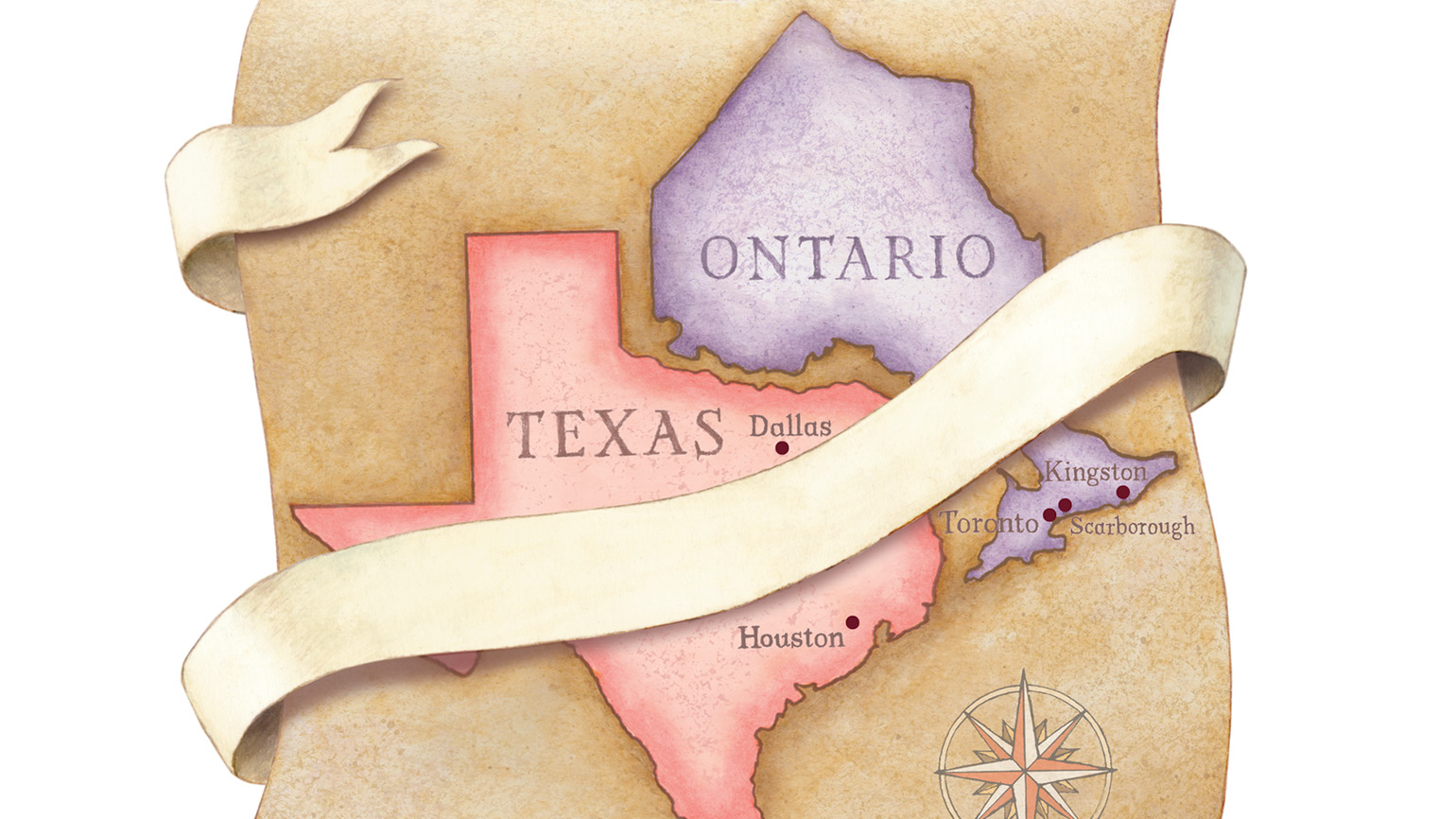
It was the spring of 1989. I was working for the vice president of an engineering company in Scarborough, Ontario. Part of my job was communicating with our suppliers, and I got to know some of them quite well through our phone conversations. My favorite calls came from a guy named Thurman.

He phoned once a week from Houston. I always knew it was him because of his Texas twang. We joked about the differences in weather between Texas and Ontario. He asked me about my job, and I asked him about his elderly mother. We were more than 1,500 miles apart, but I felt close to him somehow. Our conversations left me feeling upbeat and recharged.

When he called on that warm spring morning, I could tell business wasn’t the first thing on his mind.

“How’s your mother doing?” I asked, following a hunch.

“Not so well.” He sounded so downhearted. He said he was going out of town on business and worried about leaving her.

“Why don’t you bring her with you?” I said.

Dead silence. Now I’d done it, poking my nose in where it didn’t belong.

“You know what,” he said, “that might be just the thing she needs. It could really lift her spirits.”

“Exactly,” I said. “Maybe you two could visit Ontario someday. It’s lovely in the spring.”

I have no idea what got into me, but that’s when I started singing the first verse of “Jesus Bids Us Shine.” I finished and Thurman didn’t say anything. I never talked about my faith at work.

“Thank you,” he finally said.

That was my last phone call to Thurman. Shortly afterward I left the engineering company and moved to another city to look after my father, who had become incapacitated. I thought about Thurman every so often, wondering if he ever did take that trip with his mother. I was beginning to appreciate what a caregiver goes through.

Two years later, I went back to Scarborough for a wedding. I stayed with a friend. We went to the grocery store to buy a few things. A familiar voice stopped me in my tracks.

That Texas twang… I listened for a moment, then followed the voice around the corner to the next aisle. An elderly woman walked beside a tall man pushing a cart. She reached for something on a shelf and several cans tumbled to the floor. One rolled all the way down the aisle and up against my foot. I picked it up and walked over to hand it to the man.

“Here you go.”

“Thank you,” he said. He seemed a bit flustered, and I helped him pick up the other fallen cans.

“Thurman?” I asked.

He paused. His face broke out in a smile and he burst into song. “You in your small corner and I in mine…”

I laughed and joined him on the last note. “You have a beautiful voice!” I said.

Thurman’s mother spoke up. “He used to sing in the church choir, but I hadn’t heard a note from him in years, not since some bad breaks and setbacks. Then one day he came home from work singing that song. A few weeks after that, he started coming back to church and it’s made all the difference.”

Thurman nodded and talked a bit about the past two years. He and his mother had started traveling together and eventually made their way to Toronto. He’d stopped by Scarborough to see colleagues and was disappointed to hear I’d moved away.

“I wanted to tell you I took your advice, but I couldn’t find you!”

“Someone made sure you did,” I said. The same one, on a spring day, who put that song in my heart.

This story first appeared in the April/May 2017 issue of Mysterious Ways magazine.

Turn to the Bible to Deepen Your Faith

Establish a relationship with the most popular book of all time. Here are easy ways to spend time with the Good Book and allow it to pour out its riches upon you.

1. Buy a beautiful Bible.

GP In Article Desktop

Learn to love the book itself. An attractive copy will feel good in your hands. Using a Bible that has sentimental value–one given you by your mother, father, pastor or Sunday school teacher–will make you want to spend time with it.

2. Pick it up, open it and read it.

It will never do you any good standing on a shelf.

3. Read through Matthew, Mark, Luke and John.

Read one chapter a day, preferably before bed. This will allow you to go to sleep with healthy, happy positive thoughts soaking into your thought patterns for the next day.

By reading a chapter a day, you will complete these four books in 89 days–okay, a little longer, but most of the great principles of Jesus are found in these books. Master them and you will have His rare secret of great living. Then, when you have read them through twice, read them a third time.

4. On the second reading, underline passages that appeal to you.

And on the third reading, memorize one passage every day. The more passages you commit to memory, the more completely you will be carrying the Bible around in your mind. Say the words over to yourself in spare minutes. These passages will serve as logs to cling to when you find yourself adrift on the sea of life.

5. Take your Bible in your hand, close your eyes and pray that God will give you just the message you need.

We are all afflicted by moods. Sometimes we are fearful and worried, at other times we are angry and resentful; sometimes our loved ones are ill and at times we feel very lonely.

But there is an answer in the Bible to every mood. All you need to do is open your Bible. The first statement you see may not be your answer, for God does not work in such a mechanical manner.

Continue reading and you will come to what He wants to say to you. You will recognize it when you see it. Incidentally, this will help you to become familiar with the entire Bible. In time, this familiarity will enable you to know where to look for help in specific situations.

6. Read the entire Book of Psalms without stopping.

When you have an entire evening in which you can read, devote that time to the psalms. When you finish reading them, you will have such an overwhelming sense of the victory of faith over all the troubles of life that you will want to shout for joy.

In cases of grief and disappointment, I have known this practice to revolutionize a person’s entire outlook. It gives one the whole panorama of human suffering and spiritual victory in one dose.

7. Expand your biblical knowledge.

Perhaps when you’ve worked your way through my suggestions, you’ll have become so interested in the Bible that you’ll want to know the entire book as a spiritual scholar. If so, ask your minister for suggested study books to guide you in your search.