Embrace God's truth with our new book, The Lies that Bind

The Benefits of Being a Slow Decision-Maker

Have you ever decided to paint a room white and then been overwhelmed by how many paint colors exist in the “white” family? I went through this recently, and the process of narrowing down dozens of choices and selecting the best one for my project has me reflecting on how challenging decision-making can be.

A recent study has encouraging news for those of us who waffle back and forth before settling on a decision. Psychologists describe such thinkers as “maximizers” because we consider the ramifications of multiple options before making a choice. By the time we make a decision, we have several good reasons for doing so—and most of the time, we’re happy with the outcome.

The study, which was published in the Journal of Individual Differences, found a significant correlation between maximizer-style decision-making and future-oriented thinking. Maximizers tend to engage in this type of thinking, imagining a tomorrow that’s better than today—and therefore subject to the benefits of making the best possible decision. The study joins other recent research that correlates future-thinking with a positive outlook on life.

Maximizers have high standards for their lives, and their behaviors—like decision-making—often support their ability to meet those standards in areas of life like saving money, caring for the next generation and delaying gratification to reap better rewards down the line.

Roy Disney once said, “When your values are clear to you, making decisions becomes easier.” The relatively small decisions in life—like which of the two dozen white paints is the best one for my kitchen—are opportunities to reinforce decision-making habits that foster a positive outlook, and create a more positive future.

Are you a maximizer? How do you navigate life decisions with ease?

The Beauty in Our Brokenness

With a weary sigh, I put the finishing touches on the dining room centerpiece, a wicker cornucopia overflowing with plump mini-pumpkins and lumpy gourds, resting on a bed of bittersweet branches with bright orange-yellow berries.

As I move around the table placing a foil-wrapped chocolate turkey at each place setting, a familiar sadness washes over me. It’s been years since my mom passed away, and now, with the approaching holidays I’m feeling blue once again. I shouldn’t be surprised. It happens every year at this time.

In the living room, I glumly fill glass bowls with assorted nuts and candy corn. And that’s when I see my favorite bibelot, a winsome ceramic figure of a smiling, kimono-clad Asian boy. Broken.

His right sleeve hangs loose and empty, and his little fist rests on the coffee table, still clutching his slender bamboo pole and tiny lantern. Along with Mom’s love of “oriental décor” (Translation: knick-knacks), I had inherited the little fellow from her.

With his barefoot purposeful stride and cheery cherubic countenance, he had been her favorite, too. At Christmastime, she liked to tuck a sprig of holly in his lantern; in springtime, pink cherry blossoms.

Gently, I gather up his small broken body and carry it to the kitchen table to repair. Alas, I am no expert when it comes to repairing ceramics, but with my trusty tube of superglue, I try my best. I spread the pieces out on a clean dishtowel and examine them carefully.

Broken at the wrist, the figurine’s chubby fist is pierced with a hole designed to carry the weight of his pole and lantern. Thankfully, it’s a clean break.

I line up the tiny broken hand with the green-glazed kimono-sleeve, and apply a thin layer of glue to both surfaces. Then I press the two pieces together and hold, according to instructions, for five minutes.

As the kitchen timer ticks away the seconds, I close my eyes and my thoughts drift from the task at hand to the ancient Japanese art of Kintsugi.

Dating back to the 15th century, kintsugi or “golden joinery” is the art of repairing cracked or broken ceramics with pure gold with the purpose of showing how something broken and fixed can be more beautiful and stronger than the original.

In kintsugi, the shining golden cracks, unashamedly illuminating and exposing the damage, are the aesthetic focal point. Perfect in their imperfection, golden-veined kintsugi pieces are not only more beautiful and stronger than the original unbroken pieces, they are more valuable.

What a lovely idea, I think, that beauty and strength can be revealed in brokenness.

In the Bible, human beings are referred to as “earthen vessels,” and God as our “Master Potter.” Is it possible, I wonder, that beauty and strength might be hiding, waiting to be revealed in our brokenness, too?

For example, I’ve often wondered why, when Jesus appeared to his disciples after his resurrection, his new, heavenly body was not “perfect,” but still bore the marks of the wounds suffered on the cross.

Could it be that, it is through the marks of Christ’s brokenness that his strength, beauty and power are most fully revealed?

And what about our invisible brokenness? I wonder. Our everyday silent concerns and struggles? Is it possible that beauty and strength might be hiding, waiting to be revealed in them, too?

If we’re honest, we are all broken, we all struggle. When we unashamedly confess and shine the light on our brokenness, when we share our stories, we not only open ourselves to God’s healing touch, we also sometimes we help others.

I learned this first-hand through my mom, with whom–truth be told–I didn’t always enjoy the closest relationship. When at age 78, with failing eyesight, she unexpectedly came to live in the in-law apartment attached to our house, I wasn’t so sure it would work out.

We were different in so many ways. Over the years, there were so many unresolved hurts and misunderstandings. But God, the Master Potter, knew what he was doing.

Over the next twelve years, Mom and I had the opportunity to grow to understand, respect and love each other in a way I once would never have dreamed possible.

Maybe, I think, there’s something beautiful in my holiday blues. Maybe my missing Mom is a gift–God’s way of reminding me how he can take life’s most difficult circumstances and mistakes–whatever they may be–and transform them into something beautiful and good…

The timer rings. I open my eyes and look down at the ceramic figure held tightly between my hands. For a moment, I don’t want to let go. When I do, much to my relief the little fellow’s hand stays firmly attached. But is the bond strong enough to hold his pole and lantern?

Carefully, I slide the slender bamboo stick into his tiny fist…. Success!

I return him to his place of honor on the coffee table. If I look closely, a hairline crack encircles his wrist. Like a kintsugi bracelet, I think. His tiny lantern swings gently… invitingly.

Impulsively, with a suddenly hopeful heart, I race into the dining room and break off a tiny cluster of bittersweet berries—and gently tuck them into his lantern.

Download your FREE ebook, Rediscover the Power of Positive Thinking, with Norman Vincent Peale

The Art of Creative Silence

“Then, because so many people were coming and going that they did not even have a chance to eat, he said to them, “Come with me by yourselves to a quiet place and get some rest.” Mark 6:31

We can reduce the pressure in our lives by the practice of creative silence. Most of us today have no idea how to practice creative silence. But it’s a great art, which we all should learn. Rabindranath Tagore, the great Indian poet, said, “Every day wash your soul in silence.” What a good thought that is!

If you want to master pressure, I would urge you to yield yourself everyday to the silence of God. If we encouraged our young people in this practice, they would develop into more efficient men and women. So I offer the suggestion that in every schoolroom in the land, once, every day, there be a brief silent period. Just plain, non-sectarian silence. I would hope, of course, that some child in this silent period just might start thinking about God.

Every family should have a quiet time every day. Everyone in business—or in any place of work—could well have a quiet time each day in his office. Just shut the door, push the papers aside, and be silent. A person communing with the silence will hear right things in it and find new peace.

Excerpted from Positive Living Day by Day, copyright © 2011 by Guideposts. All rights reserved.

The Anointing That Healed

“I have good news and bad news. Which do you want first?” There was a note of alarm in Dr. Hammond’s kind voice. A note I’d never heard in all the years I’d gone to his urgent-care clinic. Sitting on the exam table, I gripped my husband Pete’s hand.

“Whichever you think best,” I said. I could hear the apprehension in my voice too.

Dr. Hammond nodded. “The bad news is you have ovarian cancer. Very advanced. The good news is I’ve already found you a good surgeon. You need to see him right away.”

I heard Dr. Hammond’s words. I saw his mouth move. But for a moment all I could feel was Pete’s hand tighten around mine. The air seemed to have been sucked from the room. Then Dr. Hammond was motioning Pete out into the hall, to give details about contacting the surgeon, I figured.

I sat in the room alone, stunned. I could not possibly have advanced ovarian cancer. Yes, I’d been having troubling abdominal symptoms. That’s what brought me to this clinic. But I wasn’t the type to get sick. I’d raised seven kids, all of them grown now and married.

Lynda’s Café, the neighborhood kids called my house, where there were always tamales to spare and little noses pressed against the screen sniffing the smell of freshly made tortillas. Ours was the bustling house on the block and I was the bustling mom.

I worked in a grocery store bakery, then kept right on cooking and baking after I retired. I never got tired. I loved life. I knew God didn’t make mistakes and everything happened for a reason. But this felt like a mistake.

Pete and the doctor returned. That’s when I knew it was no mistake. Pete’s face was drawn. Whatever Dr. Hammond had told him, it was more than the surgeon’s contact info. The news must be very bad.

“Lynda,” said Dr. Hammond, “I told Pete you need to make your appointment with the surgeon right away. Your chances…” He paused. “Well, just call the surgeon.” Pete drove us home. I looked out at the familiar roads, feeling disoriented.

I’m a deeply faithful person. I totally trust God. But I couldn’t help being afraid. It was like a huge truck had suddenly appeared ahead, gunning straight toward us.

“All we can do is pray,” I murmured to Pete. It was our prayers versus the truck.

Everyone gathered around–family, church, friends. Life became trips to Phoenix for doctor’s appointments. After a procedure to remove fluid from my abdomen, Dr. Hammond even told me I should think about signing up for hospice care.

“But hospice is for dying people!” I protested. Still, I did as Dr. Hammond suggested. When the hospice coordinator learned I wanted to try chemotherapy after surgery, though, she said they wouldn’t be able to offer their services.

“Hospice is for end-of-life care only,” she told me.

I didn’t want this to be the end. I was only 59! I thought back over my life–my first marriage, then marrying Pete, raising our two sets of kids, Lynda’s Café.

Suddenly I remembered something from my church growing up. How our pastor would anoint the sick with oil and pray for them. Our church had believed strongly in the healing power of God’s Spirit. Was that what I needed? A kind of spiritual chemo?

It was as if my sister Mary Margaret read my mind. She was my big sister. She’d always looked out for me. Out of the blue she called and announced, “Lynda, I found a pastor who will anoint you with oil. Remember how they did that when we were kids? He’s coming the day before your surgery.”

Pastor Kenneth Kelly arrived the evening before I went to the hospital. The instant I saw him I felt at ease. He was the pastor of a small church in downtown Phoenix. His eyes were kind and filled with God’s mercy, almost as if a light shone in them.

The anointing was very simple. Pastor Kenneth took a small vial from his pocket, poured a drop on my forehead, then laid his hands on my head. His wife and brother, who’d accompanied him, laid their hands on too.

“Dear Lord, protect Lynda and heal her body,” Pastor Kenneth prayed. “Send your angels to carry her through this surgery and guide the hands of the doctors. We ask this in the name of your blessed son, Jesus.”

That was all. I felt no different when the prayer ended. But I was glad he’d come. I asked if he would come again during chemo. “Of course,” he said.

I made it through surgery. Dr. Bhoola, my surgeon, was straightforward about the remaining challenges. The surgical team had removed as much of the cancer as they could. But the disease was just short of the most advanced stage.

Dr. Bhoola prescribed six rounds of chemo, starting in December. After that, they’d run tests to gauge how my body responded.

Pastor Kenneth came the night before my first round of chemo. Once again, I felt no physical change after the anointing. But my fears were eased. And I needed that, since the effects of chemo were awful. I was flat on my back afterward, so weak I was hardly able to move.

I endured a second round of chemo, then a third. Dr. Bhoola did his best to keep my spirits up, always giving me hope. But the treatment was destroying my white blood cells. If that kept up, I wouldn’t be able to continue.

The night before the third round, Pastor Kenneth had gently asked whether I was prepared for the possibility that God would not heal my body. “Sometimes there’s physical healing,” he said. “Sometimes the healing takes a different form. Are you open to that?”

All I could think to reply was, “Well, if the Lord chooses not to heal me, then I’ll see my mom and dad and everyone else in heaven.” I meant that. But I didn’t want it to happen yet.

The night before the fourth round of chemo, Pastor Kenneth came to our house once again. I sat in a chair in the living room, trying to feel that same sense of comfort I’d felt the first time he came.

He got out the oil and poured a drop on my forehead. Then he laid his hands on me and prayed. He finished and stepped back to talk to Pete.

Suddenly I sat bolt upright. A wave of intense heat passed through my body. “Whoa!” I cried. Everyone turned. “Someone, put on a fan,” I said. “I’m hot! Don’t you all feel it?”

It was the dead of winter, but Pete dug out a fan and turned it on. Everyone crowded around. I’d had hot flashes before. This was like a hot flash on steroids.

“I…I think I was just healed,” I said. Eyes widened.

“Praise the Lord,” said Pastor Kenneth.

“But we’re still doing the chemo tomorrow,” said Pete.

“Okay,” I said. “But I think I was just healed.”

I went through with the treatment. It was the worst yet. I was lying in bed recovering when Mary Margaret called.

“You’re done,” she said.

“What?” I asked.

“With treatment,” she said. “That was your last round. You won’t have to do it again.”

“You talked to Dr. Bhoola?”

“No. I was praying and I got a very strong sense you were right when you said you were healed.”

“Mary Margaret,” I said, “it doesn’t work that way. They won’t stop just because I say so. They’ll think I’m nuts!”

A few days later, I went to see Dr. Bhoola. “Lynda,” he said, “your blood counts are simply too low to continue treatment. We’ll have to stop chemo and I’ll order tests to see how well it has worked so far.”

I underwent tests just before Memorial Day. All through the long weekend Pete and I prayed and agonized, waiting for the results. At last, on Tuesday, the phone rang. It was Dr. Bhoola’s assistant.

“You are one strong woman, Lynda,” she marveled. “The tests show you are one hundred percent cancer-free. We call that NED–no evidence of disease.”

Pete could tell from my expression what the news was. His hand tightened around mine–just like on the day Dr. Hammond had pronounced his diagnosis. Except this time Pete was clutching me with relief. The great danger that had barreled toward us that day was vanquished.

How slight our weapons against it seemed in comparison–a few words and drops of oil. But by then I knew it’s not just oil that heals, or prayers. It’s faith. Pastor Kenneth was right when he said healing takes many forms.

In the end, faith itself is the healing. Even when our bodies feel the weakest, by faith we are filled with God’s strength. With that strength we can make it through anything.

Download your FREE ebook, A Prayer for Every Need, by Dr. Norman Vincent Peale

The Angel Who Brightened His Mother’s Final Years

“Bye, Mom. Talk to you next week.” I hung up the phone, unable to ignore the drumbeat of worry that had been building during our conversation. It was our Sunday call, when we touched base every week.

What was it that had me so concerned about Mom? Her hip? The pain was pretty intense, bone grinding on bone. She’d had a procedure a couple years back, to no avail. But she was her usual uncomplaining self. “The doctor gave me something that I can take before I go to bed,” she’d said. “It seems to help.” No more strolls up and down the block in her walker, though.

Maybe it was how much sleep she seemed to need lately. Up in the morning to do the L.A. Times crossword puzzle, then back down for a nap. Up for lunch and an attack on the crossword in the Pasadena Star-News, then another nap. Dinner and the book that she was reading for her book group. Then bed. “I sleep fine,” she insisted.

The worst thing was being 3,000 miles away. Mom still lived in the Pasadena area, where she’d been born and raised and where my siblings and I had grown up. I envied their proximity to Mom. My older sister, Gioia, lived two miles away and always had Mom over for Sunday dinner. My other sibs, Howard and Diane, lived 45 minutes away, but they drove up frequently. Diane took Mom to doctors’ appointments, as did Howard’s wife, Julie; Howard helped out with her taxes. I felt guilty I couldn’t do more.

My siblings could see through her “I’m doing fine” disclaimers. They could see how thin Mom had grown. “How much did the doctor say you weighed?” I’d asked. “Ninety…ninety-one…” she said. Ninety-one. The same as her age. Gioia bought her groceries every week, all those bottles of Ensure. But Mom needed to put on some weight. She could usually be lured into a scoop or two of ice cream, not to mention some See’s Candies… What else was she eating?

“Don’t you have eggs for breakfast anymore? And bacon?” I asked.

“Sometimes,” she said.

Sometimes. How often was that?

It wasn’t just the distance that made it challenging for me to get a full picture of Mom’s condition but her very nature. Fiercely independent, determined to take care of herself, relentlessly positive. In her mid-eighties, after Dad died, she sold the house they had built together and bought a smaller one “all on one story.” I didn’t see the sense of it. She could still climb stairs with ease. Played tennis several days a week. But she was looking ahead, to where she was now. The walker, the cane, the tennis racquet now retired.

I told myself that I should be grateful that her mind was still sharp, even if she couldn’t recall what she ate for breakfast. She had her daily crosswords, her book group. She didn’t go to church anymore—it conflicted with her morning nap time—but there was her Daily Guideposts next to her bed. Still, this recent conversation unnerved me. “We need to go visit Mom,” I told my wife, Carol. We’d just been there at Christmas, but Christmastime was so busy, so many of us coming and going—kids, grandkids, great-grandkids. What if we caught her on a quieter weekend?

“Mom,” I said, calling her back, “I get MLK Day off. Carol and I thought we’d come out and stay with you for the long weekend. I’ll book a flight that gets in Thursday night.”

I could hear the smile in her voice. “That would be nice.” And then that practical nature coming through. “I’ll leave the door unlocked.”

The Lyft driver dropped us off from the airport. The porch light was on and the front door, indeed, unlocked. Mom called to us from her bedroom as she heard us tiptoe in. We wished her good night. Then we went to sleep—we were still on New York time. In the middle of the night, I heard her get up with her walker and go to the bathroom. At least she can do that on her own. First thing in the morning, I went for a run and Carol went for a walk. By the time we got back, Mom was sitting at the breakfast table, a crossword puzzle at the ready.

Carol looked down at Mom’s plate. “Peggy, is that all you’re eating? Half a piece of toast?”

“I’ll have something to drink later,” she said sheepishly. What? Some tea? A few sips of Ensure?

At once we put it together. Frying an egg, microwaving bacon. It was too much for her. Mom winced as she shifted in her chair. That hip. She had her pills sorted on the counter, but she hesitated to get up for them. We could cook for her all weekend, bring her her pills, but what would happen after Monday?

“Mom,” I said, “you need someone to come in and help you during the day.”

“Hmmm,” she said. “I don’t know.” She went back to her crossword, clearly hoping to end the conversation. Was this stubbornness just the flip side of her strong will and independent nature?

I talked to Gioia. As the eldest, she had the strongest powers of persuasion. And Diane. Mom trusted Diane on medical matters from all those doctors’ visits. Howard too—she relied on him to handle the financial details.

It was Gioia, though, who sat Mom down after our visit. She reminded Mom of the caregiver she’d had before—for a week—after her hip procedure. We would go to the same agency and see if there was someone available to assist Mom a couple days a week.

Mom frowned. “Only for an hour,” she said.

“Mom,” Gioia said, appealing to her sense of fair play. “The person needs to get paid for more than just an hour.” A sigh. “I suppose so.”

Enter Nora. Discreet, kind, good-humored, faithful. Three days a week, she’d arrive at 8 a.m., fix breakfast, help with the morning shower, settle Mom with a heating pad for her hip, do laundry, count out the pills, wash the dishes, get lunch ready, leave some dinner in the fridge and do it all in such a way that her presence was never an intrusion. I was amazed at how quickly Mom warmed to her. “How’s Nora?” I would ask when I called on Sundays. “She’s such a dear,” Mom said.

Texts flew back and forth between my sibs and me. What if Nora came more often? Diane suggested it first. Mom’s response? A categorical no. Then, only a couple weeks later, Mom called Diane out of the blue. “I think Nora should come for the whole week if that works for her,” she said. Done.

For the next two years, Nora made Mom’s home a sanctuary. The book group could drop by; kids and grandkids came and went; we’d fly out and stay for a bit. Nora was such an intimate part of Mom’s life, she felt like family.

Nora was there that Monday when Mom just didn’t feel well enough to get out of bed. Nora was worried. Howard and Gioia took Mom to the doctor’s, then to the hospital. The diagnosis: pneumonia. At age 93, Mom was quick to proclaim to anyone who would listen, “You know, the last time I was a patient here was when I had my last child”—63 years earlier.

I flew out on Tuesday. Spent most of Wednesday with her, Nora texting us prayers. On Thursday a minister from church visited and we gathered around Mom’s bed. The pastor read Mom’s favorite Bible passage, from Isaiah, “about eagles’ wings,” as Mom put it. We sang “On Eagle’s Wings.” Then she turned to me and said quietly, “I’m going to the Lord’s house soon.”

Nora came by that afternoon. Mom’s daily companion for the past two years, a comforting presence and now, miraculously, a beloved friend. Mom looked up and exclaimed, “There’s my angel.”

Nora was the angel Mom didn’t know she needed. She was also my angel, easing my mind, letting me rest assured that the mom who had cared so well for my siblings and me was being so well cared for in her later years. That evening, after all of us had left, Mom died. I’m still coming to terms with her enormous absence in my life. Yet even in my grief, I give thanks for Nora and the Providence who sent her to us.

Share the Care: 7 Tips for Sibling Family Caregivers

For more inspiring stories, subscribe to Guideposts magazine.

The Angel of Persistent Prayer

Just yesterday, it seemed, I was a new mother, but here I was expecting my first grandchild. I was lucky my daughter, Shayne, and her husband, Shawn, lived close by. I didn’t want to miss a second of watching their child grow up.

That got me to thinking seriously about retiring from my job as an art teacher. I was at an age when retirement was an option, and I’d toyed with the idea before. At the dinner table one night, I raised the issue with my husband.

“We can afford to live on one salary,” I said to Buz, “but Shayne and Shawn need both their jobs to support their young family, now more than ever.”

What a help it would be if I watched the baby while they worked. Plus, it would give me a chance to be really close to my first grandchild. That’s what I wanted more than anything else.

“Sounds like you’ve already made up your mind,” Buz said.

Buz was right. It was what I wanted now. Trouble was, I didn’t know if I’d regret my decision later on. And then where would I be? In bed that night, I asked God to give me a sign. Just so I know retirement’s right for me, I prayed.

I knew if I put my trust in God, he would help me. I’d learned that at an early age. My mother drilled it into my head by telling me a fanciful story: A little angel heard a lady praying for a baby with curly red hair. The angel knew this baby was going to have brown hair, straight as a poker.

However, the angel had curly red hair, and that gave her an idea. “Please, God,” she prayed, “let me trade my hair for the baby’s.”

“That mother will love her baby no matter what color hair she has,” came God’s reply. But the little angel was very persistent. Every day she prayed and asked God to answer her request.

Finally the baby was born, with a shiny red curl right in the middle of her forehead. “God hears my every prayer!” the mother exclaimed. The little angel looked down from heaven with straight brown hair, and smiled.

“That story says everything I need to know about prayer,” Mom used to say. “If you’re patient and persistent, like the angel, God won’t let you down. If you ever doubt that, just think of that redheaded baby.”

I held the image of the little angel in my mind until I drifted off to sleep. Morning, noon and night of every day I prayed for my sign. Did God hear me?

I was still waffling the night Shawn called to say the baby was on the way. Buz and I hurried to the hospital. Buz thumbed through magazines on the waiting room coffee table. I was too anxious to do anything but pray.

God, watch over Shayne and my new grand-baby, and remember, I’m still asking for my sign.

The first rays of morning light were peeking through the window when Shawn burst in with the news. “It’s a girl!”

We all tiptoed into Shayne’s room. She looked beautiful, cradling her newborn. “Congratulations, honey,” I said, nearly bursting with pride.

Everything I’d worried over, my doubts and second thoughts and what-ifs, all dissolved in this perfect moment. I knew with complete clarity what I wanted to do. I wanted to have a hand in raising this baby, and I knew that I would never regret my decision to retire.

Maybe the school would let me work with the new teacher on a casual basis. Suddenly everything didn’t seem so black and white. I could think creatively about my new life. After all, I was an art teacher! Everything would fall into place. I was sure of it.

Guess I didn’t need that sign I’d prayed so hard for, after all. All I needed was one look at this baby named Lily.

I leaned in close. Tiny nose, pink lips, delicate skin, her eyes squeezed shut. I peeled back the blanket that covered her perfectly round head-what was this? A silky red curl! We had no redheads on our side. “Does this red hair come from you?” I said to Shawn.

He shook his head. “Nope,” he said. “Lord knows how she got it.”

The Lord did know, and so did I. He hears my every prayer.

The Angel in the Woods That Saved Her Son from Addiction

It was 2:45 a.m. according to the clock radio on my night table. I strained my ears for the sound of my son David’s car pulling up to the house, but heard nothing. Will this be the night he doesn’t make it home at all?

Of my five children David had always attracted the most trouble. At two he pulled a dresser over on himself trying to climb it. At six he barely missed being hit by a car while he was riding his bike.

“His guardian angel sure gets a workout,” my husband, Jeff, and I used to say.

David was 19 now, and finding more trouble than even his guardian angel could handle. He went around with a bad crowd whose main source of fun was drinking and doing drugs, and David was all too happy to join them. It looked like David’s guardian angel had given up on guiding him. So have I, I thought, staring up at the ceiling.

Jeff and I had tried everything to get David to turn his life around. Ultimatums, punishments, pleading. David had promised us a dozen times to change his life.

“I’ve really learned my lesson,” he’d said six months before. That was after spending a night in jail. He’d been drinking and a policeman found him sleeping it off in his car by the side of the road. He’d charged David with intent to drive under the influence of alcohol.

“I see where my life is heading,” David told us when we got him home. “No more drugs and no more drinking from now on.”

But the next night he went out to meet his friends again. “I’m not going to do anything,” he assured us as he pulled on his coat. “I’m just going to hang out. If anybody offers me drugs I’ll just say no.”

I wasn’t surprised when he came home high again the next morning. David couldn’t even admit he had a problem, much less ask for the help he needed to fix it. The words came easy enough, but he wasn’t ready to make the kind of changes in his life necessary to give up drugs. For the kind of friends he had now, getting together was just an excuse to get high, and I no longer believed David’s promises about a new start. Lord, David doesn’t want my help–or yours. But could you keep his guardian angel close?

I heard a car outside and sat up in bed. The front door opened and David’s footsteps sounded on the stairs outside my bedroom. Thank you, God, for bringing him home safe one more night! I pulled on my robe and went to David’s room.

“Are you all right?” I asked from the doorway. “It’s very late.”

David blinked up at me. There was something different about him, but I couldn’t put my finger on what it was. It must be the drugs, I thought.

“Mom,” David said. “An angel drove me home from the party tonight. I swear.”

“An angel?” I said. Yes, definitely drugs. I was familiar with their effects by now.

“I went to a party out in the woods,” David said. “I was high. I started to hallucinate. I thought there were spiders crawling all over my skin.”

I shuddered.

“I knew I had to get out of there, but I wasn’t fit to drive. My car was parked on the street. Remember how you and Dad used to say I had a guardian angel? I asked God to send him to help me get home.” He frowned, as if he were trying to remember what happened.

“I must have tried to drive, but it wasn’t me at the wheel, Mom. I swear I was in the passenger seat. An angel was behind the wheel!”

I walked into the room and sat down next to him. He was my son, and I loved him no matter what. Even if I hated seeing him like this. “It’s okay now. You’re home. You’re safe.”

“The next thing I knew we were parked in front of the house. Mom, God sent me an angel. I’m done messing up. I’m going to change.”

“Okay,” I said, but how many times had I heard this same speech from David? He would promise to try harder to stay away from drugs and alcohol, but he wouldn’t really make a change. “Get some sleep now.”

The next day I told Jeff about David’s angel story. “He must have still been hallucinating,” I said. David’s angel was no more real than his promises. It was all just a fantasy brought on by the drugs. “I’m just glad he didn’t get hurt. Or hurt anyone else.”

The phone rang and my daughter answered it. “David,” she called. “It’s your friend on the phone!”

David came into the kitchen. He looked at the phone and shook his head. “Tell him I can’t talk to him,” he said.

Jeff and I looked at each other in surprise. David never refused friends’ calls.

“I can’t be with those guys anymore,” David said. “If I hang with them I’ll just do what I always do.” He sat down at the table between his dad and me. “I meant what I said last night,” he said. “I really want to change. But I don’t think I can do it alone. I need help.”

I grabbed David’s hand tightly in my own. “David, we want to help you. If only you would really let us.”

That night David stayed at home. And the next night. And the rest of the week. Every evening I expected to see him pulling on his jacket to meet his friends, but he continued to refuse their phone calls. Don’t let yourself believe it, I thought as I went to bed one night, grateful that David was in his own room. Sooner or later he’ll go back to his old ways. He always does.

Months went by and David stayed away from drugs. I knew that for sure, because he never left the house without one of us with him. “Just in case I’m tempted to get in touch with my friends,” he’d explained. He even agreed to attend family counseling sessions and talk about his struggle to our pastor.

“Did David tell you about the angel?” I asked the pastor one Sunday.

“Yes, he insists he was driven home that night. He wasn’t behind the wheel.”

“He was hallucinating from the drugs,” I said. “He doesn’t remember driving himself home.”

“I don’t think it matters if it’s true or not,” the pastor said. “David draws a lot of strength to fight his addiction from thinking God sent him an angel. Who are we to tell him it didn’t happen?”

A few weeks later I was at the supermarket picking up things for dinner. Just knowing David would be joining the family around the table made my shopping more enjoyable. I should enjoy it while it lasts, I thought as I got up to the cash register. The man behind me in line helped me unload my cart onto the conveyer belt.

“David seems to be doing a lot better,” the man said.

“Oh, do you know my son?”

“I live in town,” the man said. “One night several months ago my car broke down up there in the woods. I couldn’t get any phone reception. I asked God to send an angel to help me and began walking. About five minutes later David crashed out of the trees. I recognized him, although he was very distraught; He was yelling about spiders crawling all over him. He handed me his keys and begged me to drive him home. To tell the truth I was a little afraid of him in that state,” the man said, “but I knew if it were my son I’d want him home safe.”

I stared at him. “You drove David home?”

“Yup. I watched him get inside safely and used my cell to get a ride home myself. David sure wasn’t the angel I expected that night, but he was a lifesaver. My wife and I have been praying for him ever since.”

So David’s angel was real, all this time, I thought as I drove home from the store. He wasn’t a hallucination or one of David’s stories. God had answered David’s prayer, why couldn’t he have answered my own? I believed in David’s angel. I believed God was helping him. And now, finally, I believed David had left drugs behind him forever.

Excerpted from A Procession of Angels.

This story first appeared in the May 2008 issue of Angels on Earth magazine.

The Amazing Way This Couple Beat Cancer Together

Eleven years ago, my doctor gave me a death sentence. Incredibly, at almost the same time, my husband got similar news.

I’d recently turned 60. Lynn was 62. We’d thought we were just hitting our prime. The best decade of our lives. Wasn’t 60 was supposed to be the new 40, or something like that? Then both of us were diagnosed with advanced cancer—Lynn with a malignant brain tumor; me, six weeks later, with Stage 4 ovarian cancer.

I asked the oncologist to give it to me straight: How long did I have? Two years. That was her answer. I tried to process the shocking prediction: I could be dead in two years.

Start each day with encouragement for your soul. Order Mornings with Jesus 2019

Well, I wasn’t. I didn’t die. But it was when Lynn and I thought we might be dying that we learned how to live with intent. To make each day matter. To embrace the moment.

What does it mean to live intentionally? Here is some of what we learned:

Be Present
I’m not going to sugarcoat it. Chemo was draining, physically and spiritually. My first instinct was to retreat to the safety and privacy of home, where I could be at my weakest and most vulnerable. My hair was falling out. I had no energy. I couldn’t go to work or take a hike in the mountains around our Colorado home. I couldn’t even bring myself to go to church.

What would I say when everyone asked how Lynn and I were doing? They wouldn’t want to hear that we were feeling discouraged, afraid and overwhelmed any more than I wanted to hear well-meaning suggestions about special diets or miracle supplements that would cure us.

One day our pastor stopped by and I admitted that I’d let my world grow small. “I feel safer at home, where I don’t have to answer any questions.”

He paused and then said, “Remember, just by showing up you encourage others. You don’t have to say anything. They see you and they see your strength. I call it the gift of presence.”

I didn’t understand what he meant until Lynn and I finally did make it back to church. The first time, we left before the service was over so we could avoid conversations. That afternoon I got an e-mail: “You blessed me because you came to church.” By midweek I’d received half a dozen cards saying the same thing. That response gave us the motivation to keep going back. And sometimes the courage to stay and talk to people.

READ MORE: FAITH OVER FEAR IN THE BATTLE AGAINST CANCER

Every three weeks I had to spend a day at the infusion center receiving chemo. Instead of resenting chemo, with all its negative side effects, I decided to be fully present and to “lean into” the experience. I imagined chemo as my friend, not my enemy. It was on my team, and together we were fighting cancer.

Lynn and I were also present for each other. Driving together to our medical appointments (there were dozens of them) and our treatments. Lying in bed, recuperating from chemo (Lynn underwent radiation as well), sometimes too weak to move. We’d jokingly argue about who was the sickest and who should get up and let our old Labrador out. Even who would die first.

Grim, I know, but why not make a joke about what we each knew the other was thinking? Humor can soften reality, and we needed that. Sometimes Lynn would leave me tender notes: “Thanks for all the things you do for me that are seen and unseen,” he wrote. “You are such a good grandmother. Your grandgirls will always remember Oma.”

But it was the many times when we didn’t talk or didn’t try to make light of our situation that meant the most to me. The silence was a communion. We each understood what the other was going through and there was nothing that needed to be said. It was enough to know that we were there for each other, as we’d been for more than 40 years of marriage.

Be Open to the Possibilities
I was diagnosed in December 2005. At the beginning of the New Year I sat at my desk looking at my 2006 calendar with all its blank squares, knowing that the only things I’d be filling in were chemo appointments and doctor’s visits. Was that all I had to look forward to?

My life used to be full of activity, of meaning. There was my job writing and teaching for MOPS, an international faith-based network of moms’ groups. I went for bike rides and long walks with friends, took aerobics classes. Lynn was a lawyer, a partner at his firm. We were active in our church.

READ MORE: 7 ENCOURAGING SCRIPTURES FOR LIVING WITH CANCER

Now it was as if all that had been erased, as if I were on the edge of a precipice staring into a deep, dark void. Two years. That’s what the doctors said.

When someone from church visited one day, I told him how depressing it was to see all those empty squares on the calendar.

“Don’t think of the days ahead as empty. Think of them as open,” he advised me. “Be open to the possibilities. Possibilities that your circumstances might hold more than what you see right now.”

What possibilities, I wondered. Yet a few days later, Lynn woke up early and, while it took him longer than usual to get ready, he went to work. And the day after that he did it again.

I wondered how he had the energy. Then it hit me: This was his way of living intentionally. His work made him feel fulfilled and renewed and purposeful. I loved my job, but I could no longer handle the responsibilities and the 45-minute commute to the Denver headquarters of MOPS. Instead I offered to babysit our grandgirls on the days I felt strong enough.

I dug out a box of dressup clothes. “Look, Oma!” one of my granddaughters said, twirling around. “I’m Cindewella!” We danced. We sang. I hosted tea parties for various “pwincesses,” and we sat at the kitchen counter eating bowls of ice cream together because ice cream always made me feel better. On those nights, I fell into bed exhausted but happy.

From then on, I pushed myself to do something meaningful, something life-affirming, every day. It didn’t have to be big. I played with the grands every chance I got. Other days it was just walking the dog, taking my time to delight in everything the way he did—sniffing the fresh air, even walking through mud puddles. I stayed in the moment, day by day.

READ MORE: STAYING HOPEFUL THROUGH CANCER

Be With Others
Living intentionally means making choices to do what matters most. For us, that meant spending time with the people who matter most. Even at the expense of fatigue sometimes. Showing up at a grandchild’s preschool party. Going for a walk with a friend, just to listen. Attending a funeral not because I knew the deceased but because I knew her daughter. Being in relationships means being inconvenienced sometimes.

We looked for ways to celebrate with others. We attended our granddaughter’s baptism in Denver. I really didn’t feel up to it that day, but I forced myself to go. Sunlight streamed into the church as the minister sprinkled the water, casting such a glow over the baby that I caught my breath with the joy and wonder of celebrating new life!

Lynn and I hosted family dinners more often. No special occasion necessary. No heavy discussions. Just laidback meals and conversation, a time to be together around a table.

Our children gave us a spontaneous fortieth-anniversary party, pulling it off in just a few days. More than 40 people showed up to create a great memory. We ended our first year of treatment around Christmas. Our kids celebrated the milestone with a family “chem-over” party and gave us a golden retriever puppy I named Kemo because of my decision to make chemo my friend.

Be Optimistic
We chose to look at our future with hope. Lynn and I weren’t sure we had a lot of time left but, oddly, we had lots of time on our hands. People don’t ask you to serve on committees or attend meetings when they think you’re dying. So we made a bucket list. Things we wanted to do. Things we wanted to live for.

Lynn wanted to go to Alaska. I wanted to visit New York City at Christmastime. We’d lost a golden retriever not long before we got sick. I wanted one more golden to love. That was Kemo. And there was one more thing we both wanted: to see our daughter Kendall, who’d had three miscarriages, become a mother.

READ MORE: SEUN ADEBIYI LIVING ‘BREATH TO BREATH’

My focus was on living one day at a time. But in accepting that I couldn’t control when I would die, that only God numbers my days, I found a freedom I wouldn’t have known otherwise. A chance to imagine a future for myself. Others helped me do that.

The fall after I was diagnosed, a few friends came over to the house and planted some bulbs in the yard as a sign of faith that I would see them bloom in the spring. They knew that I was afraid to hope at the time. Spring would come three to four months after I had finished chemo, which is often when a cancer recurs.

In the spring of 2007, my scans were clear, and the tulips and daffodils my friends had planted burst into view. How to be optimistic when you might not have long to live? Be open to God’s promise to grow good things in hard places. Be open to discovering new hope. To having a future.

Believe
One summer morning, our daughter Kendall came over and plunked a sign down on our kitchen counter. In big letters it read: BELIEVE.

“Mom, you and Dad just have to believe,” she said.

I looked at the sign, at the word I’d read and written and spoken so many times. And for the first time I saw lie tucked into the middle of it. How often had I focused on a lie rather than believing the truth of God’s promises?

We hung the sign above the kitchen sink. I saw it every day, and every day it reminded me that faith overcomes the fearful lies that distract me. Slowly, an odd peace came over me, a trust that God would provide and prepare Lynn and me for our future, regardless of the outcome.

READ MORE: CANCER SURVIVOR SHARES WORDS THAT INSPIRED HER

Eleven years after that initial diagnosis, we’ve crossed off all the items on our bucket list. Alaska. Christmastime in New York. Our dog Kemo is now a distinguished older golden. Our daughter Kendall is the mother of three, bringing us to a total of 10 grandchildren, a constant source of joy and wonder.

Lynn had a recurrence of his brain tumor and went back on treatment. He had to retire from his legal practice, but is done with treatment once again. I have had no relapses.

We don’t need a bucket list anymore. We’re now on what I call our Divine Detour, using what we learned in one season of our lives to carry out God’s purposes for us in the next. You could say it took a death sentence to teach us how to live with intent.

We’ve held on to that habit. We exercise regularly to keep our strength up for doing what matters most. We love to spend time in the mountains near our home, especially with our children and grandchildren. Lynn is a hospice volunteer and serves as a Stephen minister at church. I mentor mothers through MOPS, and I walk alongside people who have been diagnosed with cancer.

I’ve come to see this as my new purpose, the reason I’m still here—to encourage others living with cancer. Only God knows when our journeys will end. Everything between now and then is a world of possibilities that we are put here to help each other discover.

Did you enjoy this story? Subscribe to Guideposts magazine.

The Aim of Being Aimless

Back in March, I blogged about one of my “Secret Spaces” in New York City, Highland Park, a hidden gem on the boarder of Queens and Brooklyn. My wandering walks there always brought me peace and solace, and I would leave feeling a greater sense of connection to the world. These walks were powerful spiritual experiences.

Since I moved away from the park, I’ve kept up my long walks—I get out of the train a subway stop earlier and walk an extra 20 minutes home, or walk a half hour to a friend’s house instead of taking a cab—but they haven’t felt as fulfilling. It wasn’t until a recent article in the health section of the Washington Post covering a new form of therapy that I realized why.

Read More: Traveling the World with Guideposts

According to science writer Meeri Kim, Shinrin-yoku, or “forest bathing,” is poised to be “the new yoga” in the West. The practice entails going on guided tours of beautiful forests, not to identify wildlife or hike to a set destination, but to slow down and take everything in.

Studies both here and in Japan cited by Kim show that taking the time to wander in nature has enormous benefits: lower stress, lower blood pressure, improved cognition, reduced negative rumination, and so on. One study conducted in Japan even showed that participants who took a three-day forest walk showed a 50% increase in white bloods cells responsible for fighting cancer.

In forest bathing, you purposefully set aside time to be purposeless. That’s what I had been doing. My walks now? No longer aimless. I was headed somewhere—home, my friend’s house—instead of being somewhere.

So I returned to Highland Park, which is now lush and green.

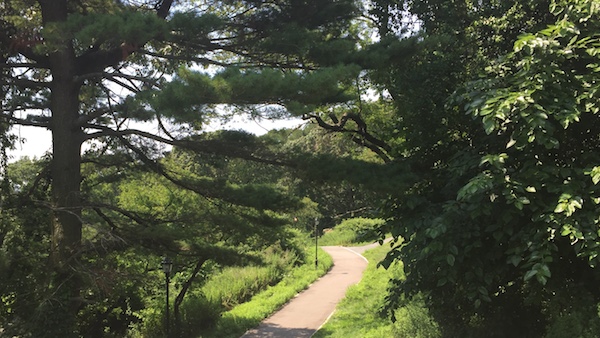
Walking in Highland Park in Queens, New York.

I stopped midway through my walk and sat on a bench. There, I looked at a tree in front of me, for five or ten minutes, and noted every detail–how the branches swayed with the wind, the color of the bark, the sky which made its backdrop. This process transformed the tree into an object of awe and helped rid me of my anxieties about the things I needed to do.

When I set out back home, a state of calm came had over me that I had forgotten I could attain. It even lingered into the rest of the week. I realized, reflecting on my walk, that while spiritual experiences are often intuitive and spontaneous, I still needed this deliberate time.

And you know what? The more disciplined I am about my weekly walks, the more often I notice myself feeling calm and peaceful just walking outside my apartment, or even outside the Guideposts office in the busy New York City financial district. By reminding myself to be aimless once a week, a little bit of peace seeps into the rest of my life.

One Man’s Journey to Sobriety

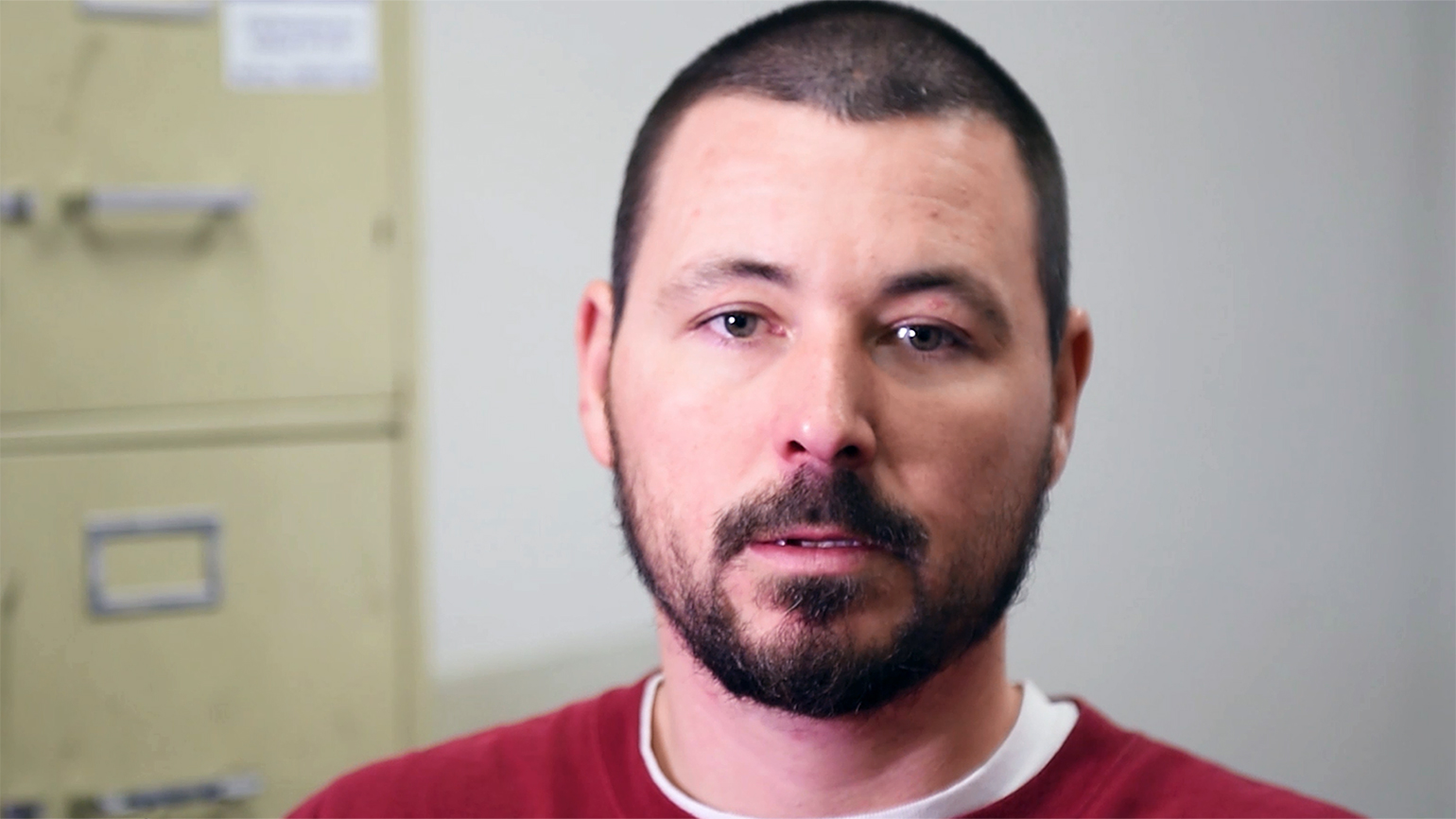
Hi, Guideposts. I’m Gerry Sowards. I’ve been clean and sober for three years. Everything started from where I used to work at the cemetery. I was digging graves there. And I actually buried a friend of mine’s daughter, which was a very young girl. She was, maybe, in her mid-20s, maybe a little older.

That one, right there, really touched me. I mean, it’s touching to hear stories of other people that you see die or pass as a direct result of addiction. But it never really hits home ’til it’s somebody that’s dear and close to you.

Even before I went to rehab, I knew that I wanted to change my life. But when I went to rehab, they started to teach me to fit in society, to be normal again. I almost always say it like a computer, they kind of wiped my hard drive clean, and reprogrammed me, and made me new again.

And then that was a big stepping stone for me. But the biggest stepping stone was when I met God. I had a spiritual connection with God and realized how much that God is sparing me. Because when I got clean, the day before I got clean, that’s what happened. I was on a riverbank, homeless. And I was just at the bitter end.

And I asked God for mercy. I got on my knees. And I meant it with my whole heart. And the very next day is when I ran into Sassy, a friend of mine. She was like, “Hey, you’ve already avoided the liquor store this long. Why not go to a meeting with me, an AA meeting? And if you don’t like what they got to say, heck, I’ll buy you a drink.”

So I go to the AA meeting. And they just spoke fire on me. I mean, everything they said just really hit home. And I was, like—man, I was inspired. Their testimonies were inspiring to me.

And then we got done with the meeting. She said, “So, how do you feel now? Do you still want to go have a drink?” And I said no. I was, like, “I’m not sure what to do now.” She was, like, “Well, I’ve got a little experience in recovery. So why don’t you just listen to me?”

And I did the five-day detox. And so I went up there to Pine Crest, did the 28-day. I graduated the program. I got my certificate. I think I was out for two days, and had a job. Because I knew, right from the start, that the idle time…I got in my head a lot. And I’ve always been told, idle time does the devil’s work.

I’ve already been to jail. I’ve already done the institutions. I’ve already hit my rock bottom. So the only thing left for me was death. That was the only thing left. Because if that’s what it took for me to find God, that was the important part to me, you know? Because, in this life, the real blessings come from above.

Don’t think that addiction has to be the end of your story. Because it can be the beginning of your recovery if you allow it to be. And don’t let people tell you you’re less than. Because I’m telling you, I lived on them cold streets, on the river bank, for multiple years. And that wasn’t the end of my story. And if I can do it, if I can give my life to God and change my life, God will give you the confidence you need.

And mainly, do it for yourself. You can choose. You don’t have to be like that. You don’t have to be homeless. And you don’t have to live a life of addiction. You can be normal. You just have to want it with your whole heart. Just give it to God with your whole heart. I’m living proof. Any time you look in the mirror and you think you’re too far gone, just read my story. And it speaks for itself.

The 7 Most Important Decisions of Your Life

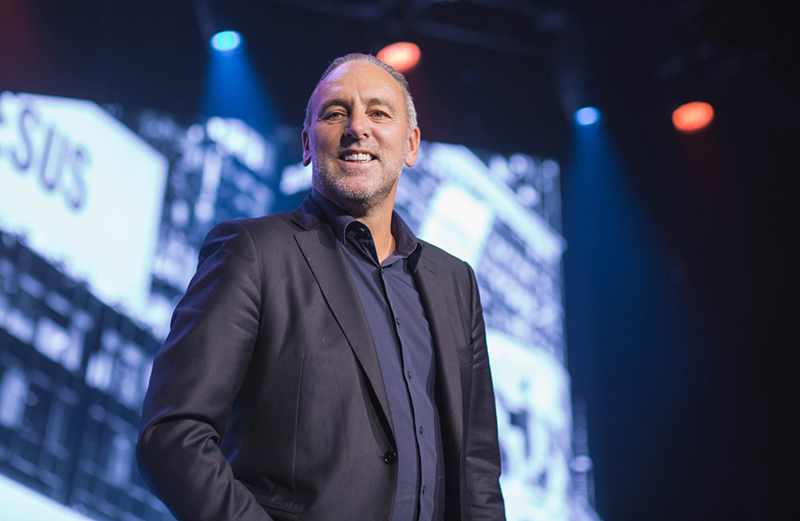
At Madison Square Garden in New York City last week, international megachurch Hillsong held its 2014 stateside conference, a gathering meant to inspire and empower the local and global Church. During the event, founding pastor Brian Houston spoke about the generational impact our decisions can have. Far too often, Houston says, Christians make choices mistakenly believing that the consequences for those choices are small or only affect the self, when in fact, the consequences can ripple on endlessly, trickling down to children and grandchildren and so on, long after we are gone.

The good news is that we can make choices that will positively impact people in the present as well as the generations to come. Here are what Pastor Houston calls the seven most important decisions you’ll ever make, and how to make them wisely.

1) Whom you marry. After salvation, Pastor Houston says the most important decision you will ever make will be the person you choose to partner with for life. That person can build you up or break you down, cause you, your children and extended family and friends pain and suffering, or love and joy. When deciding whom to marry, Pastor Houston says, “Find someone with spiritual passion, who loves Jesus more than you, whose dreams and goals compliment your dreams and goals, and who is consistent.

“Find someone who knows who they are, what they’re about and where they’re going,” Pastor Houston says. And just as important, “Find someone who can make you laugh.”

2) With whom you associate. 1 Corinthians 15:33 says, “Do not be misled: bad company corrupts good character.” That goes for spouses as well as friends, business associates and anyone you keep in your circle. And 2 Thessalonians 3:6 warns against associating with “idle” believers, ones who profess Christ but are not dedicated to living a life which reflects Christ. Be vigilante when deciding who your friends are and with whom you will form working relationships.

3) Where you live. Too many people make decisions on where to live thinking only of what their present situation is. Pastor Houston says not to underestimate the importance of building a community and the power of being connected to an incredible local church. Where you live might help you now, but will it take you where you need to go? “Are you living for comfort or calling? [Your] calling [from God] has to be more important than your comfort.” So make decisions on where you will live and build roots based on what your calling is.

4) What to do. Unfortunately, Pastor Houston says, we often live within the sphere of what our limitations are instead of the limitless sphere of the almighty God who created us with and for a purpose. When deciding what to do, or what you’re “supposed” to do with your life, Pastor Houston says to pay attention to what you’re good at. “When God graces you to be good at something, use whatever God’s put into your hand to do what God has placed in your heart. When you’re doing “what God graces you to do,” you will liberate generations to walk in their purpose, as well.

So don’t fantasize about what someone else is able to do. Admire it, respect it, but don’t be envious of it. Remember: “God didn’t make you one way to use you another way.”

5) When to do it. Just as critical as deciding what to do is knowing when to do it. Ultimately, you could be doing the right thing, in the right place, with the right people, but wind up doing it at the wrong time, and your efforts will fail and have a negative generational impact. When there is synergy, however, and you’re doing the right thing, in the right place, with the right people, at the right time, you’ll see a positive impact on the world around you for generations to come. When making the decision about when to act, pray without ceasing, read the Bible, and speak with godly counselors to help you make the best decision.

6) Why you’re doing it. What’s your motivation for the things you’re doing? Pastor Houston warns against doing the “all the right things for all the wrong reasons,” like wanting to prove someone wrong or wanting to be famous.” These are not good motivations, and they’ll only lead to feeding your own insecurities. You can end up with massive fame but be filled with massive emptiness, like so many celebrities. Instead, focus all of your energy on doing what is pleasing to God for the overarching purpose of pleasing God.

7) What you wish for. Pastor Houston reminds us that God once asked Solomon the simple question: “What do you want for yourself?” Solomon answered: the wisdom to lead your people. Not surprisingly, God gave Solomon wisdom and everything else his heart desired. It’s the simple truth of Matthew 6:33, “But seek first the kingdom of God, and all things will be added unto you.”

What you wish for yourself ought to be in line with God’s will. You’ll know your desires are in line with God’s will when you don’t have to chase after anything you want, besides Him. If you seek Him, blessings will chase you down and overtake you, just by your obedience to God. Pastor Houston says:

“Just make the choice that what you want ultimately is the grace and wisdom to do what God created you to do.”

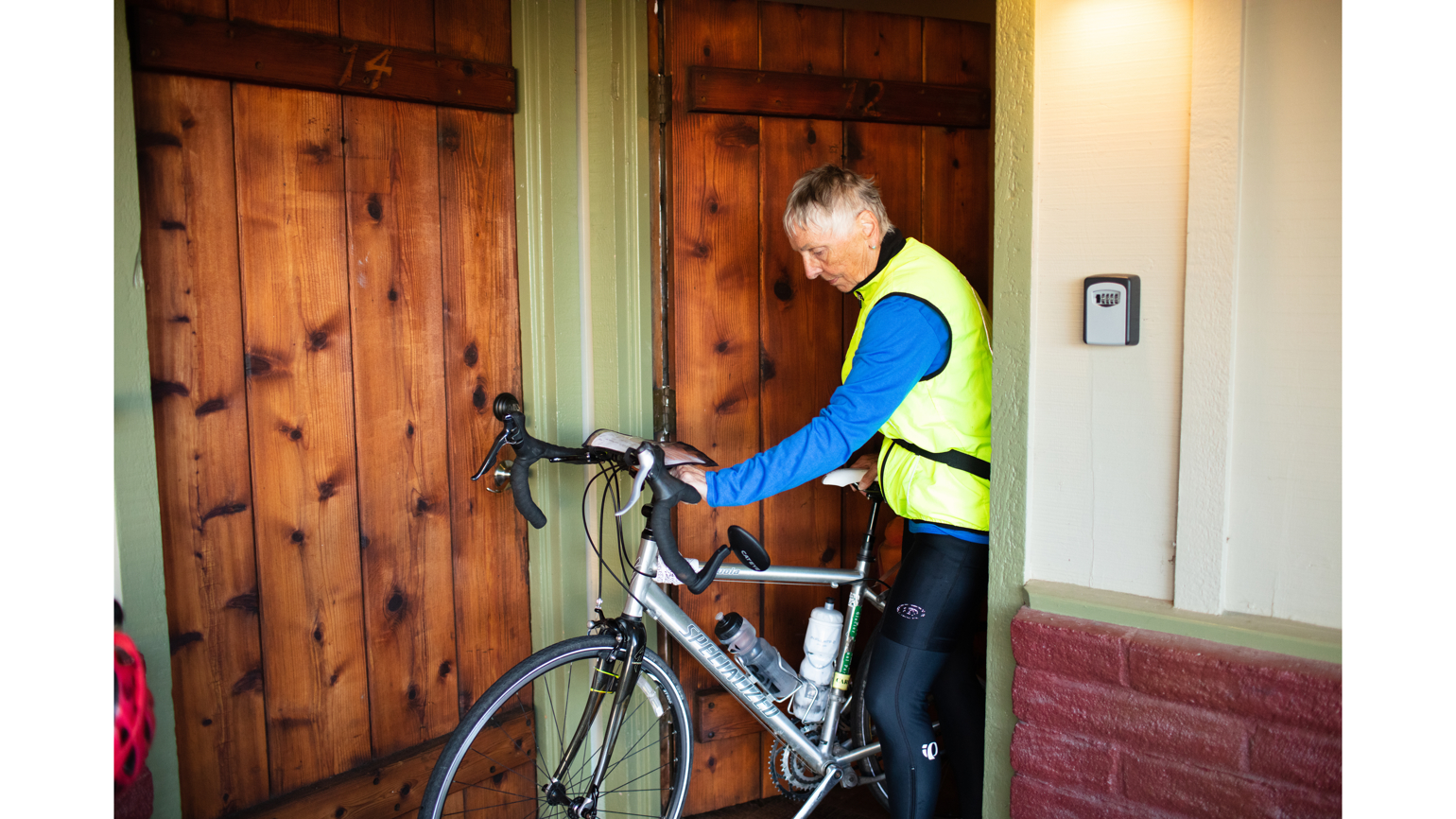
The 77-Year-Old Breast Cancer Survivor Who Biked Across the Country

Carol Zemola Garsee and a group of friends set out to bike from Florida to California in February 2019. She was the oldest woman embarking on the long journey, riding 50 to 80 miles a day for 65 days. Carol shared with Guideposts the highlights of her final riding day in San Diego.