

Embrace God's truth with our new book, The Lies that Bind

Optimistic Thinking Ends Drought

When I receive a call for counseling, the people who seek my help usually have some clear-cut reason for their unhappiness: marital difficulties, broken relationships, emotional problems, financial worries. All very specific, very real.

But there are also some whose complaints are harder to pin down. These people are beset by nameless fears and anxieties. They feel isolated and inadequate. The life-force in them has grown dim. They know they are living far below their potential, but they don’t know why. There is something parched and arid about them, like plants deprived of water. And indeed this is their trouble: They are living in a spiritual drought.

These people remind me of a story from sailing-ship days about a vessel becalmed off the coast of South America. Week after week went by; the wind did not blow; the ship could not move. The sailors were dying of thirst when another schooner drifted close enough to read their frantic signals for help. Back came the answer: “Let down your buckets!” When they did, they found water fit to drink beneath their keel. Far from the coast though they were, the freshwater current from the mighty Amazon River surrounded them. All they had to do was reach for it.

I like that story, because I have spent my life trying to persuade people that the love of God surrounds them at all times, and the way to “let down their buckets” into this limitless reservoir is to apply the insights and principles set forth so clearly in the Bible.

There is nothing obscure or complicated about this message. It tells us that God designed us to live joyous, productive, successful lives. To achieve such lives, he knew we would need his help, and he promised that this flow of power would be available to all who would follow the instructions He set down very plainly. You can choose to accept that blueprint for living. You can choose to ignore it. The choice you make has everything to do with the transmission of that power.

Anyone who observes people closely knows that certain attitudes and certain actions are destructive. Fear, hatred, anger, self-doubt, cruelty, dishonesty, selfishness, promiscuity. These negative forces can reduce the flow of power to a trickle, or in some cases shut it off altogether.

So when spiritually enervated people come to me, I try to offer some suggestions designed to unblock the flow of power in their lives. Here are four of those suggestions .

1. Have a heart-to-heart talk with your conscience.
A remarkable thing, the human conscience. Some people claim they have none, but this is not true. God built a sense of right and wrong into us whether we admit it or not. A wise Frenchwoman, Madame de Stall, once wrote, “The voice of conscience is so delicate that it is easy to stifle it, but it is also so clear that it is impossible to mistake it.”

It has been my observation that one of the most common causes of depression, spiritual anemia and alienation from God is a repressed sense of guilt festering in the unconscious mind. Being human, we all make mistakes. And often, being human, we try to sweep them under the rug. But this is just asking for trouble, because the penalty is a feeling of unworthiness, a loss of self-esteem, a decline of confidence. Countless unhappy people go through life dragging these chains when what they need to do is face up to the transgression, acknowledge it, make amends, ask God’s forgiveness, then forgive themselves.

Your conscience will tell you when you need to do that, if you will just listen to it. Give it a chance!

2. Harness the healing forces in gratitude.
“Be thankful for it!” I sometimes say to a dejected visitor. “For what?” he will reply glumly. “For something you’re taking for granted,” I tell him. I might reach out and touch his hand. “What’s that?” I ask. “It’s my hand,” he will say, surprised. “So it is,” I agree, “but look at it. What an amazing instrument it is! How endless the shapes it can assume, how remarkable the uses it has! Suppose you didn’t have the use of your hands. Or your eyes. Or your ears. Suppose you could never see a sunset again. Or hear a symphony orchestra play.

“To an amazing extent,” I tell him, “appreciation for what you have can lift the depression that comes from dwelling on what you have not. Your mind can hold only one idea at a time. So you can cancel out the gloom of a minus by making yourself focus on a satisfying plus.”

3. Reverse your affirmations.
This third suggestion is one I sometimes give to visitors who come shrouded in gloom and despondency. Their evaluation of themselves is always low, right down on the floor. “I’m no good,” they say. “I’m worn out. I just can’t cope.” To these unhappy souls I sometimes offer these three words: “Reverse your affirmations.”

When they ask me what I mean, I reply that the thoughts in our minds dominate and determine the realities in our lives. Wise men and women have always known this. The Bible puts it succinctly: “As he thinketh in his heart, so is he.” My dictionary says that the word “affirm” means “to state positively or with confidence, declare as a fact, assert to be true.” Almost by definition, then, there is great power in a ringing affirmation.

Years ago a French psychotherapist named Emile Coue urged people to say to themselves, “Every day in every way I am getting better and better.” Some critics accused Coue of encouraging egotism. Others said his message was based on an impossibility: raising oneself by one’s psychological bootstraps. But Coue had hold of something just the same: the power of affirmation to change lives.

My disconsolate visitors need a new image of themselves if they are to escape from the prison of self-doubt that is part of their spiritual drought. As a first step, I urge them to focus on the concept that God made them, and being the Master Craftsman, he made them well. Therefore the good, or at least the potential good, in them far outweighs the bad. “Affirm this,” I say to them, “every single day. Accept it. Believe it. Let this conviction saturate every fiber of your being, and ultimately, astonishing things will happen. I guarantee it!”

4. Listen to what God said.
This suggestion is really the simplest and most effective of all. When someone comes to see me, I point out that they have come to me seeking help, and I am glad to do what I can. “But you know,” I say, “2,000 years ago a person walked this earth who was the sum of all wisdom. He spent three years talking to ordinary people with problems just like yours. He said that heaven and earth would pass away, but his words would not—and they haven’t. They’re available everywhere, as close as the nearest church, the nearest bookstore, the nearest library. How to live happy, useful lives? Be good. Be honorable. Be loving. Be kind. If you think you have troubles, why not listen to what he said? His words will fall like cooling rain on the parched and withered areas of your soul.”

The Gospel of St. John puts it plainly. Speaking of Jesus he wrote, “But as many as received Him, to them He gave . . .” Gave what? Gave power. If you are trying to escape from a spiritual drought, why not reach for that power?

It’s right there, waiting.

Download your FREE positive thinking ebook!

Optimism 101: Imagine a Positive Future

This quote, attributed to the Chinese philosopher Lao Tzu, usually rings true to me: “If you are depressed, you are living in the past. If you are anxious, living in the future. If you are at peace, you are living in the moment.”

But then I read about research conducted by the University of Sydney Business School that suggests that “living in the future,” if done in a positive way, can actually alleviate anxiety and help foster an overall optimistic outlook on life.

The study involved participants who had either been involved in traumatic events like a natural disaster, or faced a challenging health diagnosis like cancer. The researchers administered a number of psychological and physiological tests, the results of which they measured against participants’ level of optimism about the future.

The more optimistic participants were, the more positive their behaviors and attitudes. For example, optimistic flood survivors said they would seek out a vaccine that would protect them from future illness, and patients with tough health conditions squeezed a hand-grip tool with more vigor if they were optimistic.

Professor Donnel Briley, the study’s lead author, says optimistic people are more likely to have positive mental and physical health outcomes, even in the midst of a difficult time in life.

Briley and his colleagues found that the optimistic participants in the study had something in common—an ability to conduct “mental simulation” of a positive future, which made a big difference in their physical and emotional health. For example, visualizing yourself exercising—and enjoying it—actually makes it more likely you will exercise in the future.

This finding has me thinking a bit differently about Lao Tzu’s famous quote. I will still seek peace in the present moment, but I will also endeavor to spend more time ahead and seeing positive things there.

Do you consider yourself an optimist? How do you think about the future?

Life-Changing Tips from The Power of Positive Thinking

On the Wings of an Answered Prayer

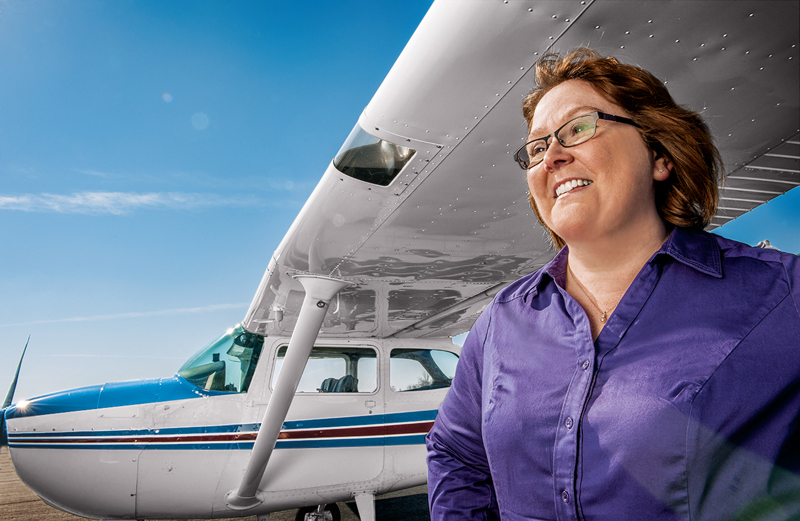
I parked my Dodge Shadow by the tiny western Ohio county airport near my parents’ house, where, in my mid-twenties, I still lived, my life going nowhere. I peered through the windshield at a small plane rolling down the runway.

Its wheels lifted off the ground and the plane rose higher and higher. Like a bird, soaring effortlessly above the earth, nothing, not even gravity, holding it down.

Freedom. How I longed to know that feeling. Watching the planes come and go was as close as I ever got. I came here every chance I could and dreamed of one day piloting a plane myself. What would it be like to fly? To not be afraid? To feel as though I could do anything?

But who was I kidding? No one I knew was a pilot. Certainly no women. Flying was something rich people did. I came from a feet-on-the-ground kind of family. We didn’t go in for wild flights of fancy.

Still, I couldn’t get the idea out of my head. Flying had captured my imagination ever since one unforgettable day when I was five. I was playing in the yard and heard the drone of an engine overhead. I looked up. A little red plane was writing something in the sky. A large, graceful P.

I watched, mesmerized, as more letters formed, smoky white against the clear blue. P…A…T…T…Y. My name, written in the sky! This had to be a sign from God! Even after my mom told me the plane had written Pepsi, not Patty, I still felt it had been a message from above, a message meant for me.

I loved reading about Amelia Earhart, the first woman to fly solo across the Atlantic. I think every book report I ever did was on a book about her. In fifth grade, when we were assigned to come to school dressed as a famous historical figure, you can guess who I went as.

In high school, on career day, I finally got a chance to meet a pilot. I mustered up the courage to walk up to the table where he sat and tell him of my dream of learning to fly. He looked at me, a chubby girl with glasses.

“I’m sorry,” he said. “But you have to have perfect vision to be a pilot. Plus, it’s nearly impossible for a woman to do this job.”

I lowered my head so no one would see the tears in my eyes and walked away, my dream crushed before it even had a chance to get off the ground.

I felt as if I lost something that day that I could never get back. My life since then had been a series of disappointments. I’d had to drop out of college for lack of money. The only jobs I could find paid poorly. I couldn’t even afford to live on my own. I wasn’t dating anyone. Was this all I had to look forward to?

I felt trapped, like a grounded plane hemmed in by thick, dark, depressing clouds.

Watching the planes take off and land at the airport, as I was doing now, was my only escape.

I closed my eyes, imagining what it would be like to fly. I pictured the horizon spread out far below me, a perfect, unencumbered view, the sky fading from blue to purple, then dark pink, the sun barely a sliver, sinking behind cornfields for the night.

It was an image I’d kept reliving from a trip to the Columbus airport when I was six. We’d watched the jets take off and land for hours and the sky looked just like that. It seemed to almost be calling me, the way the sea beckons a sailor.

Dear God, you know how unhappy I am. Help me feel your spirit inside me. Lift me up. Let me spread my wings and fly. I’d prayed like that whenever I came here but nothing changed.

I opened my eyes and turned the car for home. Maybe it was time to get my head out of the clouds and accept the fact that I was never going to be a pilot. If only the longing wouldn’t keep growing inside me.

That fall I went to a local festival. Way at the back, past the craft booths and the food stands, I saw a long line of people snaking across a field. A school was selling rides on a plane as a fund-raiser. A lovely little four-seater. Twenty minutes for $20.

I pulled two $10 bills from my purse. It didn’t matter that we’d just be flying in a circle over rural Ohio. To me it felt as if I were buying a ticket to paradise.

At last it was my turn. I was shown to the front passenger seat. I settled in and glanced at the pilot. Eyeglasses! He was wearing eyeglasses. He smiled. “Ready?” he asked.

“Ready,” I replied. We taxied across the grass field and the plane lifted off. I held my breath. The next moment, I was flying.

“Is this the first time you’ve been in a small plane?” the pilot asked.

“Yes, but I’ve always wanted to learn to fly,” I said. “I didn’t think I could because I wear glasses.”

“No, that’s not a problem,” he said. “It’s a lot of fun. It takes work. And time and money. But there’s nothing like it.”

He showed me how he kept the plane level with the yoke, while with his feet he controlled the rudder. He made it seem simple. Like something even I could do.

Too soon we landed. What the pilot said stuck with me even after I got back to my parents’ house. I’d never actually looked into what it took to learn to fly a plane. What was stopping me? I could only think of one thing. Myself. I didn’t believe in myself.

I checked books about flying out from the library. I learned that a pilot’s license required 40 hours of flight training: 20 hours with an instructor and 20 hours solo. I memorized what all the different gauges and controls were for. I read about other women who’d become aviators.

Still, there was one thing that held me back, one barrier I couldn’t get past. Flying lessons were expensive. I didn’t have that kind of money.

Then one day I was driving through the countryside a few miles south of where I lived when I came upon a small airport. How come I’d never seen it before? There was a beautiful grass landing strip. I saw a sign: “Introductory Flying Lesson $50.” Fifty dollars? I could afford that.

I wrote down the phone number. It took me a few days to build up the courage to call. A man answered. I said I was interested in the introductory offer. I figured it would be a few weeks before he’d have an opening. “How about tomorrow afternoon?” he said.

I told my parents what I was doing. They thought I was crazy. Flying was dangerous, they said. But nothing was going to stop me now.

When I got to the airport, a serious looking middle-aged man with white hair and a mustache came out to greet me. He looked like a cowboy. “You must be here for the intro flight,” he said. “Yes,” I said, swallowing the lump in my throat.

“Come on, then,” he said. He turned and headed toward the hangar. I followed him as we walked around the plane, a tiny Cessna 150, doing the preflight inspection.

“You take the pilot seat,” he said when he was done. My heart raced. The pilot seat! We climbed in. There was barely room for both of us. He showed me the switch to lift the flaps and the control for the throttle.

“Put your hands lightly on the yoke and pay attention,” he said. “If I say let go, let go. I’ll talk you through what I am doing.”

We taxied to the runway. He opened the throttle. “When we hit fifty-five knots, I’ll pull back on the yoke and that will lift the nose,” he said. The plane rattled and shook. The noise of the engine was deafening. We rolled down the runway, my hands shaking. My eyes were glued to the air-speed indicator.

The instructor pulled back on the yoke and the little Cessna lifted gently off the ground, rising toward the heavens, sending my heart soaring with it. It was all I could do not to shout for joy. I was flying a plane! It felt like a miracle.

“Now we’ll level off,” he said. “Pick a spot on the horizon and keep the nose level with that.”

I looked to where he was pointing. The sky was gorgeous, like a watercolor painting, fading from blue to purple, then dark pink. Just as I’d pictured in my dreams. A scene only God could have painted.

It took two years for me to get my pilot’s license. I could only afford to take a lesson every couple of weeks or so. Yet I learned something far beyond how to fly a plane. I learned to believe in myself. And that God loved me. That he would always be there for me. That changed my life.

I got a great job working behind the counter at a county airport. Met my husband. That message I saw written in the sky long ago had been meant for me after all.

Download your FREE ebook, A Prayer for Every Need, by Dr. Norman Vincent Peale

Online Easter Services to Watch from Home

Months ago, no one could have imagined that so many things we take for granted—attending school, meeting up with friends and family, even going to church—would move almost exclusively online.

Many churches have already started streaming their regular services online, so people self-isolating and practicing social distance in their homes can still worship every Sunday.

This Easter Sunday, arguably the most important holiday of the liturgical year, churches are prepared to continue serving their communities.

To help you celebrate, here are several churches that are streaming their Easter services online:

The Washington National Cathedral in Washington, D.C. is offering live webcast of their Easter service—The Sunday of the Resurrection—at 11:15 a.m. EDT on their website.

On Easter Sunday, Pope Francis will conduct mass from the Vatican in Rome at 11 a.m. local time—that’s 5 a.m. EST—followed by the traditional Urbi et Orbi blessing “to the city and to the world.” The Vatican Media will be broadcasting the ceremony from St. Peter’s Basilica.

Highlands Community Church, a non-denominational church in Renton, Washington, will be live streaming Easter services both Saturday and Sunday on their website. On Saturday, April 11, you can watch at 4:30 p.m. or 6:00 p.m. PDT. Sunday services will be at 8:30 a.m., 10 a.m. and 11 a.m. PDT.

The Texas-based Lakepointe Church is also doing Easter online this year. They’re holding several services on Sunday—one at 8 a.m., 9:30 a.m., 11 a.m. and 5 p.m. CDT. You can tune in on their YouTube Channel or via Facebook Live.

Trinity Church Wall Street—the first Anglican church, erected in New York City in 1696—has also made the switch to online services. Their Easter celebration will be held at 11:15 a.m. EST on broadcast from their website.

Along with the rest of their Holy Week services, Grace Cathedral in San Francisco, California will be live streaming their Easter service at 11 a.m. PDT, backed by a quartet from the Cathedral Choir. Additional details can be found on their website.

Antioch Christian Church in Oelwein, Iowa will be live streaming several Easter services. You can tune in at 8:30 a.m., 9:45 a.m. or 11:15 a.m. on the church’s website or on their Facebook page.

As part of their weekly Sunday Worship live stream, the Metropolitan Baptist Church in Largo, Maryland will be broadcasting Easter services at 7:30 a.m. and 10 a.m. EST from their website.

Mariners Church in Irvine, California is offering several services throughout the day. On Easter Sunday, you can watch a live stream at 8:30 a.m., 10 a.m., 11:30 a.m., 1 p.m., 3 p.m., 5 p.m. and 7 p.m. on the church’s website.

Saint Mark’s Episcopal Cathedral in Seattle, Washington will be streaming its Easter service at the same time as its regular church service livestreams—at 11 a.m. PDT on their YouTube Channel. They’ll also be holding an Easter Vigil on Saturday, April 11 at 9:30 p.m. PDT.

Be sure to check with your local church to see if they are offering to stream their own Easter service. Remember to reach out to others. During these trying times, our faith communities can offer much needed love and support.

Online Church Services to Watch at Home

These are uncertain times. As the Covid-19 virus spreads around the world—sickening thousands, creating economic turmoil and shuttering schools, workplaces, stores and restaurants—many people are depending on their faith more than ever. Luckily, staying indoors—or practicing social distancing—doesn’t have to mean missing out on the uplifting atmosphere of a Sunday church service. From coast to coast, many churches are now live-streaming their services so that people people can still connect with their faith community in real time.

Below is a sampling of churches that are offering online services this Sunday—and beyond. You can also check your own church’s website and social media to see if you can tune in remotely.

Marble Collegiate Church, where Guideposts founder Norman Vincent Peale served as pastor for 52 years, live-streams its Sunday service at 11 a.m. ET and its Wednesday service at 6:15 p.m. ET. You can catch the services live, and view archived sermons, on the church’s website.

Grace Lutheran Church in Jacksonville, Florida, is offering both of its Sunday services—traditional worship at 8:00 a.m. and a contemporary service with music at 10:35 a.m.—live on Facebook. If you can’t make it in real time, don’t worry— they archive all of the videos so you can watch them later.

Grace Community Church, a large, non-denominational, Evangelical church, based out of Los Angeles, California, live-streams their service every Sunday at 10:30 a.m. (PST).

The beautiful and historic Grace Church in New York City is live-streaming their Episcopal Sunday services through May 17. They begin at 11 a.m. (EST).

First Christian Church in Chattanooga, Tennessee, is offering an 11 a.m. (EST) live stream of their service this Sunday. Join them on their Facebook page.

The Roman Catholic Diocese of San Diego, in California, offers Sunday Mass in English, Spanish and Vietnamese. These services are not live-streamed, but videos are uploaded to the website every Saturday night at 5 p.m.

First Baptist Church of Gadsden, a 165-year-old parish in Gadsden, Alabama, live-streams its main Sunday service at 9:15 a.m. central time each week.

Saddleback Church, the mega-Evangelical church helmed by Senior Pastor (and best-selling author) Rick Warren, is based in Lake Forest, California. Saddleback has a total of 15 locations in California and four others internationally. They will be offering Sunday services live on their website at 4:00 p.m. and 6:00 p.m. (PST).

The Washington National Cathedral in Washington, D.C., is offering online morning and evening prayer services Monday-Saturday at 7 a.m. and 7 p.m. as well a Sunday Holy Eucharist live webcast at 11:15 a.m. on their Facebook page. You can visit their website for more information.

Presbyterian Church USA has compiled a list of resources for Presbyterian church communities. In addition to a list of links to live streaming Presbyterian services, it also includes information for pastors trying to stay in touch with their congregations and colleagues, ways to respond to community needs during this time, and guidelines and resources for sacramental celebrations. You can learn more here.

The Southern Baptist Church has a Church Search function, where you can locate local congregations. You can conduct a separate Google Search for them by name and visit their websites to see if they’re offering live-stream services.

The United Methodist Church has compiled a page of links to United Methodist churches in cities across the United States, and the Philippines, that are live-streaming their services. Each listing has the time that the service will occur, and goes directly to the web page it will air on. You can also use their Find-A-Church page to see if your local United Methodist congregation is offering live-stream services.

ChristianWorldMedia.com works kind of like Google for live-streaming church services. It’s a site that allows you to search for live-streaming services from all denominations, all over the world. You can refer to the list on the homepage of services worldwide that are live-streaming that day, or type a denomination or location into the search bar to see if/when your preferred service will air.

The Episcopal Church has a Find a Church page to help you look for local Episcopal congregations. To use, enter your zip code. In the search results, click on the church you’re interested in, then the link to that church’s site, where you can find out if they’re offering live stream services.

The Lutheran Church—Missouri Synod is offering live devotions daily on their Facebook page. Information and additional resources can be found here.

The Southeastern District of the Lutheran Church—Missouri Synod has a running list of churches in their district that live-stream their services.

The Evangelical Lutheran Church in America has a Find A Congregation tool that will show you churches near you. Use it to navigate to the site of the congregation you’re interested in, where you can learn if they’re offering live-stream services.

Here’s a link to a list of search results for African Methodist Episcopal services that are live-streaming. If you prefer to join a live stream service closer to home, you can use the Find a Church function on AME’s official site to locate a local church, then find the church’s site through Google to see if they’re offering live streaming services.

The United States Conference of Catholic Bishops has put together a page of resources that include links to online masses, live streams of Pope Francis’ masses, and a list of timely prayers and reflections.

One Red Paperclip Day

One day in July 2005, Canadian Kyle MacDonald sat in his home office fiddling with a red paperclip. He decided to play a game he’d played as a kid and see if he could trade up for the clip. “For a house. Or an island. Or a house on an island,” he joked on the blog he created to chronicle the trades. Little did he know, two years later Random House would publish the zany (but true) tale of his bartering bonanza.

The red paperclip got him a wooden fish pen, which he exchanged for a knob made by a Seattle-based potter. He bartered that for a Coleman grill in Massachusetts, then traded for a generator in California. The lark had turned into quite a road trip for the 26-year-old.

Back across the country he went, to Queens, New York, to trade his generator to a young man who offered him a vintage neon Budweiser sign. During this exchange Kyle says he realized he needed to focus on quickly tradable objects, things with what he calls “funtential.”

The fun certainly shot up with the next trade: A Montreal radio host emailed Kyle to offer up his snowmobile. That snowballed into national media coverage. Kyle landed on a news show and was asked if he’d go anywhere for a trade. “Anywhere but Yahk, British Columbia,” he quipped. The next day, a caller offered Kyle a trip to Yahk in exchange for the snowmobile. Done.

As the media hype escalated, so did Kyle’s trades—a van, a recording contract, a year of rent. But at one point he traded a day with musician Alice Cooper for a Kiss snow globe, which had his faithful blog followers up in arms. Wasn’t his whole purpose to trade up? they demanded to know.

For Kyle the trade exemplified what he’d learned during the red paperclip project—that different things are important to different people for different reasons. And you know what? Turned out actor Corbin Bernsen, best known for L.A. Law, collected snow globes. (He has over 6,000 of them.) And he was willing to offer a movie role for that Kiss snow globe.

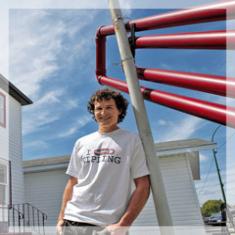
One year and 14 trades after Kyle started his game that day in July, the town of Kipling, Saskatchewan, traded him the role (Kipling citizens auditioned for it) for a house—complete with the world’s largest red paperclip sculpture out front—at 503 Main Street. Kipling also declared the trade day One Red Paperclip Day.

Kyle’s book about his adventure was published last month in the United States, Canada and a dozen other countries. “It’s not a sustainable living model but it sure was fun,” he says. “I just wanted to tell an interesting story, to see who I’d trade with. The best part is all the people I’ve met.”

Kyle’s Tips

1. Things can’t be different until they change.
And you have to make things change.

2. Ask not what your mind can do for you, ask what you can do for your mind.
Instead of using your mind to worry, do things that will give you peace of mind.

3. Look over the fence.
The grass might not necessarily be greener, but you never know what you might find.

One of a Kind Feline

"Girlie must be the one cat you’re not allergic to,” my husband, Jim, said. It didn’t make any sense. I’d agreed to keep a friend’s cat for three weeks, knowing I was highly allergic.

I figured I’d just add allergy pills to my daily medical regimen, since I was already managing type 1 diabetes. But a week had passed and I hadn’t taken one allergy pill. Even with Girlie curled up on our bed at night, none of my usual symptoms had shown up.

“What is it about you?” I asked her one night when I climbed in bed.

Later I woke up to Jim’s gentle shakes. “We have to check your blood sugar!” he was saying. The sheets were wet. I was covered in sweat. My blood sugar was dangerously low–life threatening. Jim gave me a shot to raise it quickly.

“I would have slept through the crisis if Girlie hadn’t batted me in the face with her paws,” Jim said.

Girlie never went back to my friend’s house. She curls up with me every night, like a guardian angel watching over me. And, of course, no one is allergic to angels.

Download your FREE ebook, Angel Sightings: 7 Inspirational Stories About Heavenly Angels and Everyday Angels on Earth

One Last Mother’s Day Note

It was Mother’s Day, and I was especially worried about Mom. This year, for the first time, she would be all alone on the holiday. I kept thinking, If only Gary were with her.

My big brother Gary had been a quiet, caring man who loved helping others. Seven years earlier when my father died, Gary moved in with Mom and was a great comfort to her. They loved to play games together, watch TV and read books. Gary took a job at a convenience store close by.

Then one November evening the store was robbed; Gary was shot and killed. Afterward, Mom’s loneliness was acute, and I never let her out of my prayers.

That Mother’s Day I called to see how she was doing. To my surprise she sounded calm, at peace. Then she told me why.

The day before, she had received cards from her five children and seven grandchildren. But walking back from the mailbox, she couldn’t help dwelling on the one card she would not be getting, the one child she would never hear from again.

Inside the empty house Mom brewed a cup of tea and reread her cards. Finally she gathered them all together and put them on a bedside shelf for safekeeping. And there on the shelf she spotted a book she’d long intended to read. As she picked it up and turned the pages, out dropped an old faded greeting card with a handwritten message. It read: “Happy Mother’s Day. Love, Gary.”

On Dealing with Depression

Q: Dear Mrs. Sherrill,

I almost wrote “Dear Elizabeth” because reading your articles over the years I feel like I know you… I have a question and you don’t have to answer if you don’t want to.

I’m sorry if this is too personal. But after you told about your depression in Guideposts and how you got over it, you didn’t say if it ever came back. My question is, did you ever have depression again or did it just disappear?

Sincerely,
Peggy W.

A: Of course we should call each other by our first names–there are no last names in heaven!

No, my own struggle with depression has not “disappeared,” though it’s never come back in such an incapacitating form.

That dull gray mist still settles over me from time to time, obscuring light and meaning, making it hard to smile, impossible to get the smile down inside. But the grayness no longer terrifies me, and I think there are three reasons for this.

First, I name it. When the early symptoms appear–a feeling that nothing has value, a despair about the whole muddled business of living–I recognize them and give them a label: “This is depression.”

The pattern’s so familiar by now it’s like encountering someone I know. “Oh-oh, here comes that old uninvited house guest.” Can I slam the door before he gets in? I can try.

I call a friend. Read a psalm. Pray. Do something for someone else. And techniques like these work fine in fending off ordinary blues. When it’s depression, though, I’ve learned simply to live through it, reminding it that…

Second, it won’t last. The mist can’t shroud the sun forever. That was the terror of my earlier illness, the conviction that the misery would go on forever. I’d never be well, never be able to walk about cheerily like the people I watched from my attic window, beings from another planet with plans and purpose.

But that was a lie. I did rejoin the planet after a while, and the wait gets shorter each time, because my unwelcome guest can no longer fool me into thinking he’s come to stay.

And Third, I talk about it. Not with everyone, of course. Someone who drags around broadcasting his gloom scares help away. Even friends after a while pull away, confirming his conviction that he’s unloved. Maybe I’m not the actress I think I am, but I flatter myself that I keep my depression out of sight.

But to two or three tried and trusted friends–and how privileged I am that one of them is my husband!–I do talk. What I talk about are the feelings. I don’t try to account for them, or do amateur “analyzing.” I just describe them.

These good listeners don’t refute my self-negating statements. (“Why, look at all the good things in your life!”) Or make light of them. (“You’ll feel better after a good night’s sleep.”) Or offer cures. (“Have you tried St. John’s wort?”) They just let me talk.

And putting words to the feelings, hearing my own voice describe them aloud to someone else, gets them to some degree outside my own head where they’re careening around creating a ruckus, to a place where I can look at them critically.

I read an article recently about the clinical depression that afflicted Abraham Lincoln throughout his life. Yet from suicidal impulses so strong he didn’t dare carry a knife in his pocket, came identification with the sufferings of others, and commitment to a cause greater than himself.

To think that even depression can serve a purpose–lead to understanding, perhaps, or tolerance, or compassion–only confirms my trust that nothing at all, in God’s ecology, is wasted.

Affectionately,
Elizabeth

Read Elizabeth Sherrill’s story about her struggles with depression.

Download your FREE ebook, A Prayer for Every Need, by Dr. Norman Vincent Peale

Old Is Gold

Do you realize the Bible has special counsel for those of us who are older? God promises, “The righteous shall flourish…They shall still bear fruit in old age” (Psalm 92:12, 14).

In Proverbs, God tells us a well-lived life will be rewarded: “Let your heart keep my commands; for length of days and long life and peace they will add to you,” (Proverbs 3:1-2) and “The silver-haired head is a crown of glory, if it is found in the way of righteousness" (Proverbs 16:31).

If you want to make the most of every year of your life, here’s how:

1. Keep in good shape–physically and mentally.
Refuse to believe that aging means constant decline! Determine to continue learning, to be active, to commit yourself to activities that make a positive difference in the world.

“Do you not know that your body is the temple of the Holy Spirit who is in you? Therefore glorify God in your body and in your spirit, which are God’s” (1 Corinthians 6:19-20).

2. Look forward, not back.
Memories are great places to visit, but don’t dwell there. Instead, heed the Apostle Paul’s advice: “Forgetting those things which are behind and reaching forward to those things which are ahead, I press toward the goal for the prize of the upward call of God in Christ Jesus” (Philippians 3:13-14).

3. Trust God in all things.
The God of your youth will not abandon you as you age. “Even to your old age, I am He, and even to gray hairs I will carry you!” (Isaiah 46:4). God wants you to continue to grow in grace is all situations. “He who has begun a good work in you will complete it…” (Philippians 1:6).

So don’t be overly concerned about aches and pains; don’t be distracted by limitations. Aging is one of God’s great gifts. Thank him for each new day–and then get on with the work he (still!) has for you to do.

Norman Vincent Peale’s Legacy on “Hour of Power”

This conversation between Pastor Bobby Schuller and Katie Allen Berlandi first appeared on Hour of Power and is used by permission.

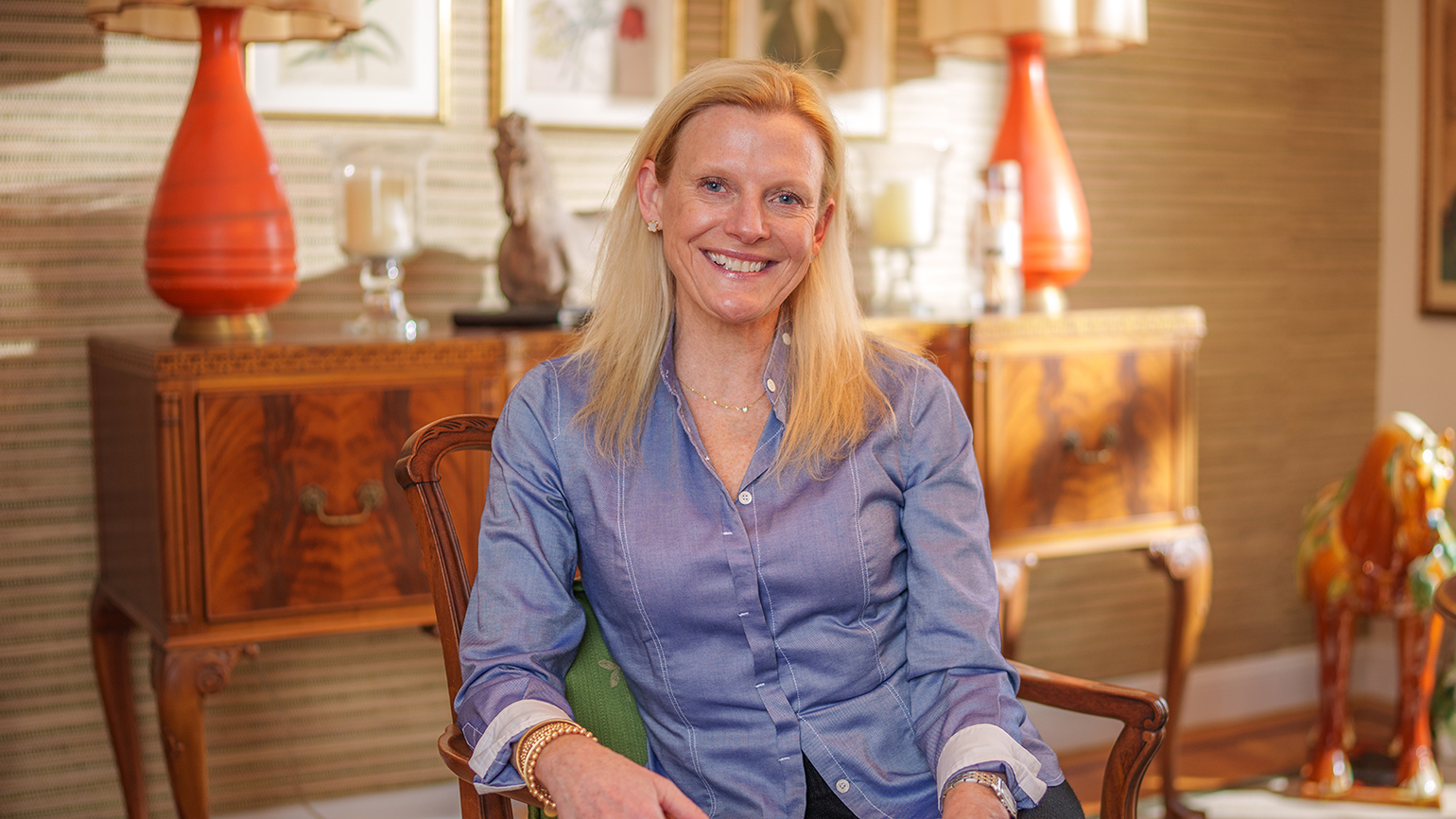
Katie Allen Berlandi is the granddaughter of the late Dr. Norman Vincent Peale, champion of positive thinking. Katie is a clinical social worker with a private practice focusing on children and families. Katie is actively involved in Guideposts and the Guideposts Foundation, focusing on OurPrayer and military outreach. Bobby Schuller interviews Katie.

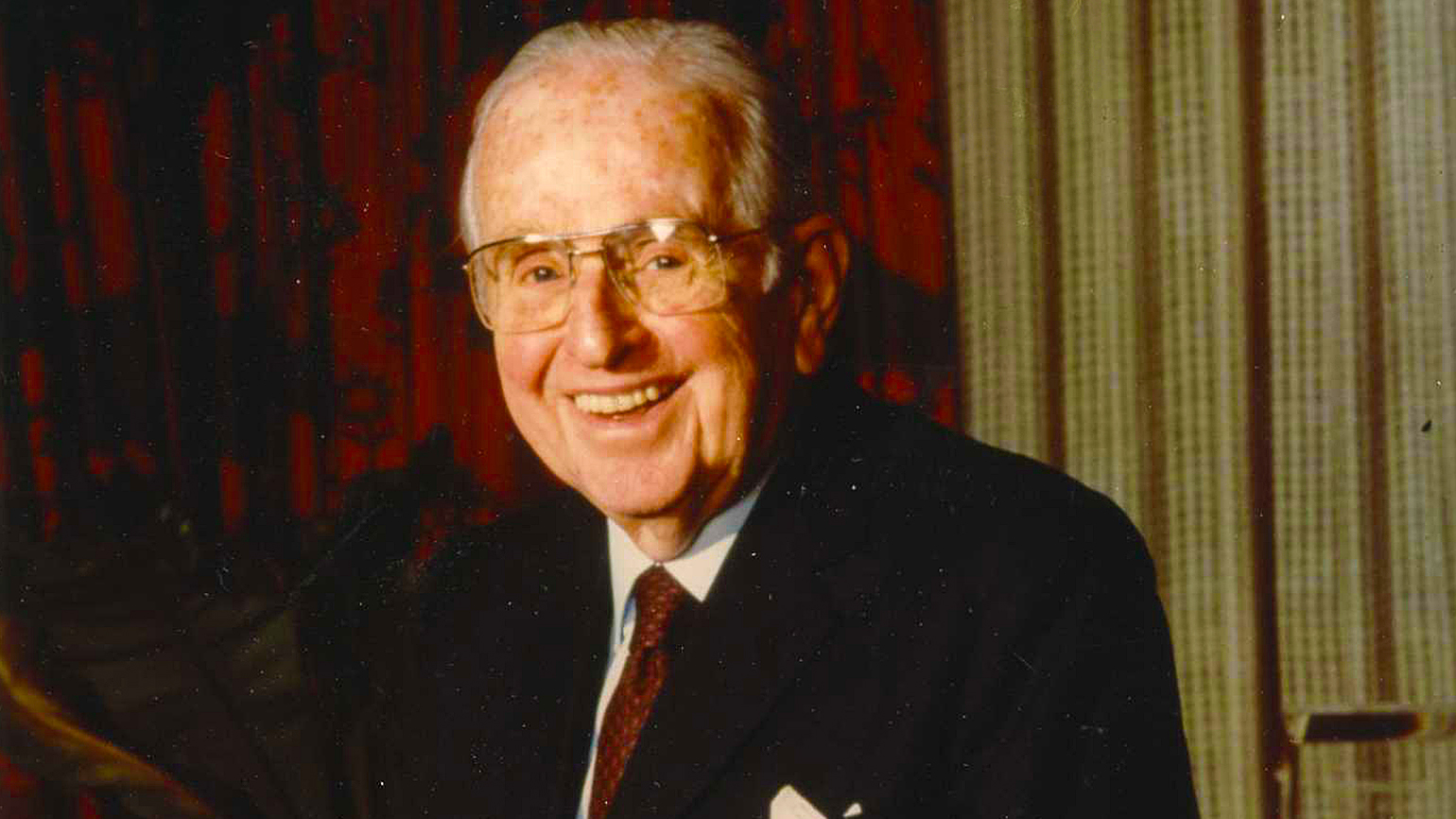
Bobby Schuller: This morning, I am happy to be interviewing our guest, Katie Berlandi. Katie is the granddaughter of the late Dr. Norman Vincent Peale, who was not only a pastor, but an author and a champion of positive thinking. His most famous book is The Power of Positive Thinking, which has sold more than 20 million copies.

Katie and I recently met at a Guideposts event where I was speaking, and I had the chance to meet herself and her mother. It was a great event where I was also able to meet so many of the people who are a part of carrying on Dr. Peale’s legacy. Katie and I have formed a friendship, so I invited her to come out to California and be my guest on the Hour of Power.

We’re so glad you’re here, Katie.

Katie Allen Berlandi: Thank you so much.

BS: I just want to begin by saying what a huge impact your grandfather had on my grandfather’s life.

I feel like the big tipping point and breakthrough for this church was when your grandfather came and spoke in the drive-in church years ago. My grandfather, Dr. Robert H. Schuller was a guy that not a lot of people had heard of outside of this state, but everybody knew who Dr. Norman Vincent Peale was. Your grandfather came and preached, and it was the thing that sort of caused our church to explode.

KAB: Yes, and I remember my grandpa saying how clear it was within moments that your grandfather was going to do tremendous things, and he certainly did and still does. So my grandpa and grandma were both very happy to be as supportive as possible to that endeavor.

BS: Your grandfather was a pastor and what he did for my grandpa personally can’t even be measured. He was a tremendous mentor. My grandfather grew up in a very strict Dutch Calvinist environment, with ‘God hates you and he just can’t wait to put you into hell, but if you’re perfect maybe you’ll escape.’ Then here comes Norman Vincent Peale who talked about God’s love and how we serve a positive God. The timing for my grandfather changed his life radically.

KAB: Well I know my grandfather was humbled about any of that influence. They were great friends, too, and that’s an important element, as well.

BS: Katie, here is a question I know you’ve been asked a lot because I’ve been asked it a lot myself: what’s it like growing up being Norman Vincent Peale’s granddaughter?

KAB: Well it was pretty terrific, I might say. Grandma and grandpa’s ministry, their world travel, their relationships with world leaders and all of that was not at the forefront when we were together as a family. My siblings and I grew up in a town where my grandparents had a country home so whenever they weren’t traveling, they were near to us so that allowed us a lot of very natural, authentic time together.

You know as we all think back on our time growing up with grandparents, over time, the aperture of that lens opens up as we learn more about them. For me, it has been a remarkable experience to learn about the impact and the influence that both grandma and grandpa have had on lives, and I say that with a lot of humility because I know that they felt that, too. Any way they could be helpful, one person at a time, was a gift from God to them.

BS: What do you think is the biggest impact that your grandparents have had?

KAB: That’s a powerful question. You know my grandfather was a remarkable speaker. He spoke without notes, he was quick witted and was filled with humility and emotion. So I’m asking him to channel through me right now as these questions are asked with no notes.

But I would say that their greatest influence would be letting people know that they are loved, they are loved by God and they must love themselves, and through that a full, full life can be had.

BS: What’s amazing is that before your grandfather started saying that, not very many people were saying that in the church in the forties, fifties and even sixties. He’s really the one that brought, in many ways, the church back to what is such a fundamental thing in the bible which is God’s love for people; for sinners. And not in a way that God barely loves you, but that God loves you as you are. I think there are so many pastors today that if you traced their doctrinal heritage, it goes back to your grandfather.

KAB: Without a doubt. And I think grandpa would never consider himself an academic, though I think he was more so than he ever deemed himself to be. He talked of inspirational thinking or positive thinking being a spiritual act. In the way that your book, Bobby, you speak about gratitude being a spiritual act. That, too, is a gift from God.

BS: How did you get involved with Guideposts? Of course that is your grandfather’s legacy that carries on today. It’s still an active ministry that you are involved with.

KAB: Absolutely. I’m a clinical social worker by training, so without a doubt, I was influenced that direction by the work of grandma and grandpa, and the care for people. I’ve always wanted to somehow be able to circle back and have some involvement or perhaps some impact on grandma and grandpa’s ministry.

So I’ve been working with Guideposts, Guideposts magazine, and also Guideposts Foundation, which is a wonderful foundation that’s supported by Guideposts friends, supporters and donors, and we have three outreach divisions. One is in pediatrics, and one is with the military where we provide military personnel with inspirational material all over the world, and for their families, as well. And then we have OurPrayer, which is a twenty-four/seven prayer opportunity. So I help with that, and I write a blog on their website, so I’m really honored and it has opened my eyes even more to the impact of their legacy.

BS: Obviously, Dr. Peale’s message is very important to you. What do you hope to see happen with his legacy?

KAB: I feel, as so many people perhaps do, that his message, and grandma’s message, too, because they were a team, there was no doubt about that, is a timeless one. It’s one of inspiration and positive thinking.

So there’s no time like now to be innovative in the way grandma and grandpa were with starting Guideposts, and what they did with Marble Collegiate Church and with The Institutes of Religion and Health, and all of these things. They were innovative, visionary people, and I think now is the time to use all of grandpa’s works, his writings, his speeches and his sermons, and use our world of technology to get his message out there to more and more people to enhance lives.

Our world has gotten smaller with technology, which means we can get the word out even more. There is already an app on both the Droid and the I-phone, the NVP app where you can listen to grandpa’s sermons. So I encourage everyone to please access those messages.

BS: That’s awesome! I’ll have to check that out. Katie, we feel connected to you and value you and we’re so glad that you have come today. Thank you for sharing your grandfather’s legacy.

KAB: Thank you. And I have a gift for Bobby this morning. When my grandfather spoke at the Crystal Cathedral in 1990, it was the last time he spoke there, and Dr. Schuller sent him a beautiful picture of the two of them with their hands clasped and arms raised.

The inscription from Dr. Schuller on the back said, “To Norman: together we make a great team, love Robert Schuller, Garden Grove, California, Sunday, November 25, 1991.”

So I give this to you and would love to be part of your team in any way, Bobby.

BS: Thank you, Katie! That’s really a sweet gift. I love it!

KAB: You’re welcome.

BS: Thank you again, Katie. We love you and appreciate you so much.

KAB: Thank you.

Norman Vincent Peale’s Granddaughter on His Lessons for Positive Living

When I heard that Simon & Schuster was releasing new unabridged audio editions of my grandfather Norman Vincent Peale’s classic books The Power of Positive Thinking and You Can If You Think You Can, I was beyond thrilled. And not just because I am proud of my grandpa and want more people to know about his work. It’s also because the pandemic has been so hard on our spiritual well-being.

For more than two years, Covid has forced us into isolation, heightening the divisions between us. That’s not how God and nature made us. Humans are wired to be social; our need to connect with others is as fundamental as our need for food and water.

It’s no wonder that rates of depression and anxiety have skyrocketed. As a clinical social worker and school counselor, I know we need my grandfather’s messages of positivity and connection more than ever. Which is why I’m sharing what he taught me about how to be a more positive person and make meaningful connections with others.

Be kind to others.

Small everyday acts of kindness have a bigger impact than you think. I’ve gotten so caught up in my to-do list that my week has sometimes felt like a slog. Then an unexpected spark of kindness would remind me not only to enjoy the moment but also that life is filled with such moments.

A compliment from a colleague. A call from my lawyer husband on a Wednesday afternoon, just to ask how I’m doing. (You know how busy things can get at work!) An email from an old friend saying he’d thought about me while watching the Winter Olympics, remembering that I’d played ice hockey in high school and college.

Each of those kind gestures gave me a boost of the neurochemical dopamine, known as the happy hormone, and encouraged me to pay the goodness forward. As one of the quotes from my grandfather that I keep on my bulletin board says, “Joy increases as you give it.”

Be kind to yourself.

The other day, I met with a student at the Episcopal school where I work. He sets the bar high for himself. He told me he’d made a mistake at lacrosse practice and couldn’t let it go. To help him get out of the negative thought loop, we talked about God’s grace.

“With every step you take, even the missteps, you are loved and valued by God,” I said. That’s something Grandma and Grandpa taught me. I wonder if Grandpa saw that he and I both tended to beat ourselves up for our mistakes and he wanted me to be kinder to myself. Give yourself the grace to slip up, to learn. No one gets everything right every time. Show yourself the kindness you show to others, in both word and action.

Be vulnerable.

How can we connect with others without opening up ourselves? My grandparents taught me that to be able to receive the love of God and of others requires vulnerability. You might think the author of The Power of Positive Thinking never had a negative moment in his life. Far from it. Grandpa shared freely about his own struggles with anxiety. There’s a whole section of the book on how to break the worry habit because he was prone to it himself.

As Van Varner, a Guideposts editor who worked with him for more than 30 years, put it: “Dr. Peale didn’t hide the fact that he had down days. He was, after all, an Ohio-born, plainspoken man.” I believe Grandpa’s emotional honesty helped him reach people from all walks of life. If you find it difficult to open up to others because you’re reluctant to expose yourself to hurt, try opening up to God first. Be vulnerable in prayer. You’ll forge a deeper connection with God and eventually with other people.

Be a part of something bigger than yourself.

You don’t need to start your own non-profit (though if you feel called to, go for it!). Join a group that’s doing something you care about. A community garden or children’s theater. The soup kitchen at your church. Volunteer dog walkers for people with mobility issues. Maybe simplest of all, join a prayer chain. Participating pulls you away from your own problems and gives you the opportunity to connect with someone else and what they’re struggling with.

I volunteer at a foundation that develops public spaces in Pawling, New York, the town where I grew up and where my grandparents lived on Quaker Hill. I’ve found it’s true what Grandpa said: “The more you lose yourself in something bigger than yourself, the more energy you will have.”

That goes for spending time in nature too. Grandma and Grandpa loved taking in all the seasons—the lush lilacs of spring, the glimmer of the summer sun on Quaker Lake, the changing leaves (especially on Grandpa’s favorite Japanese maple), the blankets of snow on their property. In each of these, and even in the harshness of a storm, they saw the workings of God.

Be a good listener.

Grandpa was a storyteller—and a masterful one, at that. But I think he might have been an even better listener. He loved meeting people around the world and hearing their stories. At a crowded event, his blue eyes would lock onto the eyes of the person he was speaking with, and he would listen intently, making that person feel they were the only one in the room.

I felt the same way as his granddaughter. With eight grandchildren (I’m the seventh), family get-togethers at Grandma and Grandpa’s house could grow boisterous. Yet I never got lost in the shuffle. Grandpa would take my hand, his eyes twinkling from behind his glasses, and say, “Katie, tell me what’s on your mind….” Then he’d proceed to give me his undivided attention for as long as I needed.

I didn’t feel as if I had to tell him only good things either. It didn’t matter if I was talking about a term paper that was stressing me, a spat I’d had with a friend or what I wanted to give my mom for her birthday, Grandpa was 100 percent interested.

He showed me how to give someone a sense of connection, how to make them feel heard and valued, something I try to put into practice every day at my job when students come to talk to me. In the end, that might be the most meaningful, positive, life-affirming message we can give someone else: “You matter.”

Order your copy of the unabridged The Power of Positive Thinking audiobook and more titles by Norman Vincent Peale here!

Enter the Norman Vincent Peale Audiobook Sweepstakes, for a chance to win an iPad, the unabridged The Power of Positive Thinking audiobook, and more!

For more inspiring stories, subscribe to Guideposts magazine.