Embrace God's truth with our new book, The Lies that Bind

Meet Lemon the Duck

Lemon is certainly one lucky duck!

When the tiny creature was hatched five years ago, everyone doubted that the duckling would live more than a few days, but Lemon beat all the odds, becoming an inspiration and joy to everyone she meets. 

Mys of Blackberry Valley In Article Ad

Lemon was one of four ducklings hatched during a Portsmouth, Rhode Island classroom science project. Second-grade teacher Laura Backman and her students realized almost immediately that while Lemon looked and quacked like a duck, the tiny bird couldn’t move around like her siblings.

“She was a beautiful shade of lemon when she was born,” says Backman, “but she kept falling over.”  Later they learned that the crested Pekin duck suffers from neurological issues that prevent her from balancing, standing or walking normally.

Backman’s students, however, took turns at recess watching Lemon play in the grass. By caring for her, the students shared in her triumphs and defeats, and learned about love and acceptance. Most important, the children discovered that disabilities and differences don’t make a person or animal less special or valued.

Last year, one of Ms. Backman’s students, Jianna Lewis, who is hearing impaired, developed a special bond with Lemon.

“She could relate to the duck,” says Susan Lewis, the young girl’s mother. Mrs. Lewis recalls that her daughter was once ostracized and mocked, but when the students began to care for Lemon, they became more compassionate and accepting, and began to reach out to Jianna.

Lemon visits classes, summer camps and program for children with special needs. Simply with her presence, she teaches students that although some people face significant challenges, they still can enjoy a happy life if they are loved and respected.  The pair also volunteers in the Pets & Vets program that teaches compassionate animal care and promotes the human-animal bond in inner-city schools.

“While some may consider Lemon a classroom friend or mascot, Lemon is as much of teacher as is Laura,” wrote Dr. Ted White, past president of the Rhode Island Veterinary Association in a letter praising the popular duck. “As a teacher, Lemon has inspired students and symbolized equality among able-bodied students and students with disabilities.”

In honor of her amazing companion, Ms. Backman has written a charming children’s book Lemon the Duck beautifully illustrated by Laurence Cleyet-Merle of France.  

To learn more about Lemon, visit her web site.

Download your FREE ebook, True Inspirational Stories: 9 Real Life Stories of Hope & Faith

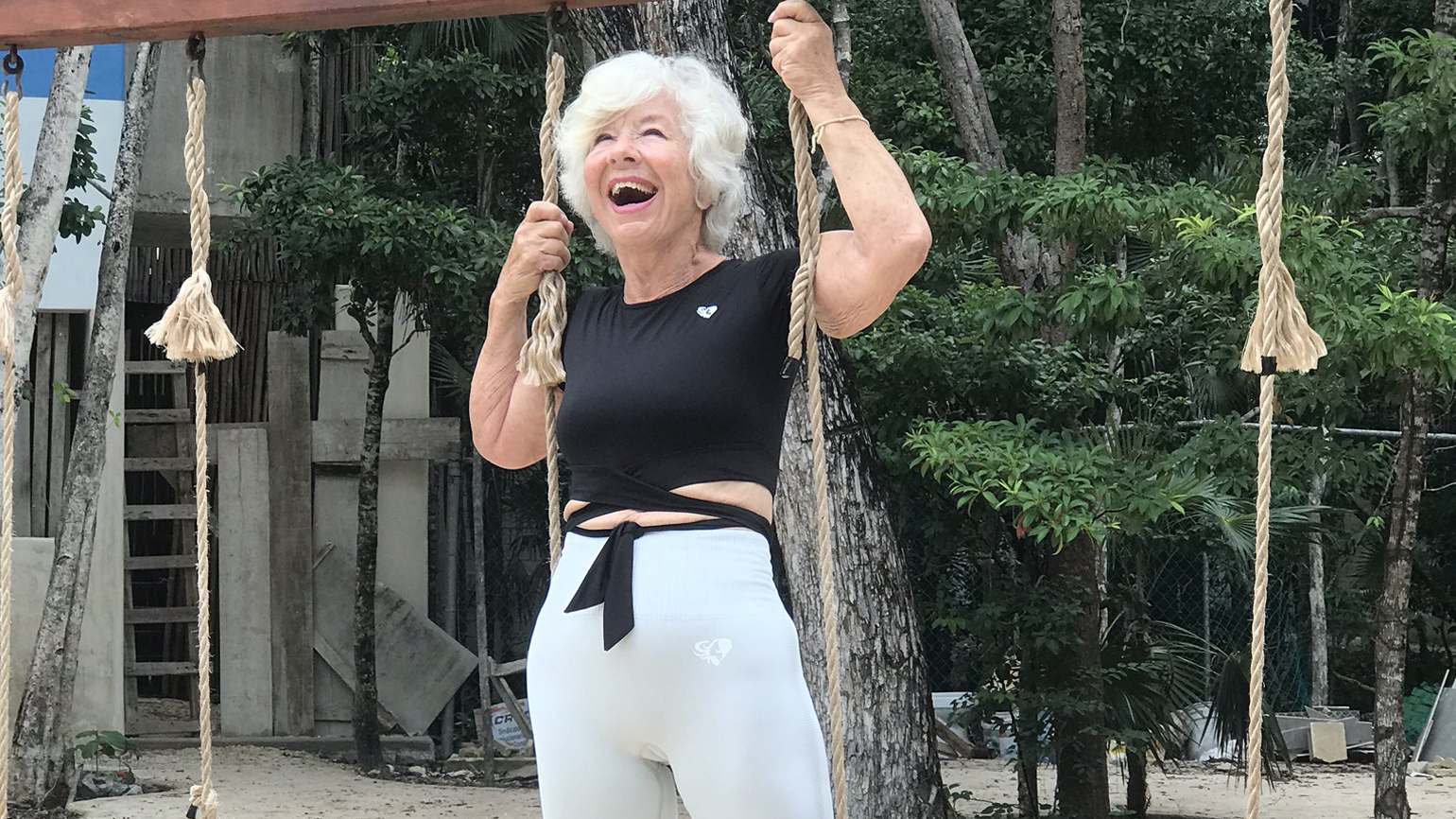
Meet Joan MacDonald, the 75-Year-Old Influencer Proving Fitness Can Happen at Any Age

Getting fit can happen at any age, just ask Joan MacDonald.

The 75-year-old who hails from Ontario, Canada, started hitting the gym regularly just a few years ago at age 70. Back then, MacDonald was out of shape and at a low point in her life.

Inspiration from the Garden in article ad

“I was very unhappy at the time,” she tells Guideposts.org about her routine before she started prioritizing her health. “I didn’t like where my life was going.” She was dealing with added pounds and a recent trip to the doctor only confirmed her fears that her health was declining.

“My medications weren’t working,” she recalls. “My blood pressure was way too high, and I also have kidney issues. They wanted to up my medication, but I was just like, ‘No, I don’t want more medication. There’s no way I want more. There’s got to be another way.’

After a particularly tough conversation with her daughter who’s also a personal trainer, MacDonald knew she needed to be the one to make a change. So, she got to work. More specifically, she got to working out.

In January of 2017, she flew down to Mexico where her daughter was hosting a kind of boot camp for women like her, hoping to shed some weight and feel their best. It’s there that the exercise maven learned how to document her journey on Instagram – an idea sparked by her daughter to keep her accountable once she flew back home.

“It was very grueling at the beginning because I had to learn the technical stuff as well as doing something phenomenal with my body,” MacDonald says of setting up her smartphone and creating a social media account. “I had to learn how to eat properly, how many meals to eat, and how to do my exercises, hoping that I got them done right.”

It was especially difficult because, while MacDonald was dealing with arthritis and swelling in her joints and all of the physical ailments that can accompany aging, she was also fighting against a generational mindset, one that didn’t look at exercise and eating healthy the same way we do now.

“I had thought about exercising but when I was growing up, we didn’t have gyms that women could join or if they joined, they were different from everybody else, that’s how they were thought of,” MacDonald explains. “I thought the gyms were for the guys.” She’d managed to stay active all these years and eat healthy by chasing after her children, taking care of her family, and prioritizing everyone else’s needs above her own. But when her kids grew up, those same habits meant MacDonald didn’t have many hobbies that got her up and moving.

Documenting her fitness journey on Instagram became that hobby.

A quick scroll through her photos shows Joan, now lean and strong, happily walking her followers through her daily gym routine, sharing workout outfit inspiration and her ideas for meal prep. She’s welcoming, understanding how impossible it can feel to start a fitness adventure at any age but especially as one gets older. Along with her nuggets of wisdom and hard-earned advice, she shares personal milestones and thoughtful sentiments about how to age gracefully. And she’s doing something right if her 1.3 million fans are anything to measure by.

MacDonald says most of those followers skew younger than those her own age. She suspects she knows why.

“I think it’s because a lot of them look at me and think, ‘I wish my mom was like that. I wish my grandma was like that,’ and that’s why they’re actually following,” she says. “They’re giving me a lot of good feedback, what they implemented into their lives and I’m blown away by a lot of them, what they’ve done. They just needed someone to show them the way. I didn’t know I was that someone.”

Since starting her journey, MacDonald has been able to ditch all of the medications she was relying on just a few years prior. She lost 50 pounds in her first year of exercising regularly. She knows how lucky she is to have family, friends, and online followers that support her, but she maintains that anyone can and should start putting their health first. She recommends finding a personal trainer if you’re new to working out, just for a month if you can afford it so that you can learn what exercises work for you and how to do them properly. Paying attention to portion sizes and making time to create clean, home-cooked meals instead of ordering takeout is another good rule of thumb.

But most of all, MacDonald thinks the secret to aging better is fairly simple: do the things you’ve always wanted to do, and do them now.

“Take life and live it,” MacDonald says. “Embrace it, because you only get to come this way once.”

Meeting Your Mom’s Needs on Mother’s Day When She Has Memory Loss

Who is your mom and what makes her happy? Any good Mother’s Day plan involves these questions.

But when your mom has Alzheimer’s, it can be no small challenge to come up with answers. Still, it’s crucial to consider these questions—and to open yourself to very real and present-day answers—in order to give your mom a Mother’s Day celebration that truly meets her needs, according to a physician who walked the walk with her own mom.

Mys of Blackberry Valley In Article Ad

“Ask yourself, ‘Who is she?’ I don’t want to say, ‘Who was she?’ but, ‘Who is she?’ said Dr. Cheryl Woodson, a geriatrician, eldercare consultant, speaker and author who navigated her mother’s 10-year journey with Alzheimer’s.

“Inside there somewhere is that same person. Somebody who wasn’t a big party person, or only wanted a couple of her really close friends around, is not going to become one because you want to do that,” Dr. Woodson said. “So, you want to connect with what she might enjoy, not something you wish she could enjoy today. But, even if what you used to plan some was some huge, chaotic dinner, you can’t do that. You can’t bring her into your world. You have to go into her world.”

Dr. Woodson shared the following tips to help plan the best Mother’s Day possible for a mother who lives with memory loss:

Pare down
“If you’re trying to do something big that’s unfamiliar to her, ask yourself who you’re doing it for. Are you doing it for her or are you doing it to try to revise history and make things the way they were? Because they’re not. Do a small something in her own environment. Try to keep the spirit of the holiday without the details. The idea is to bring the love around that person without stressing their capabilities and then disappointing yourself. You can still do the big hats, if that was something that was important to her, or flowers or certain foods you made, but make it realistic for what her level of ability is.”

Keep it familiar
“People with dementia can get agitated when things are unfamiliar because what their brain is saying is, ‘I don’t understand what this is. I want to be where I understand what this is, and that’s home.’ Go very small and very simple. So, maybe you have a few people on Saturday and another few people on Sunday. If these relationships are on-going and she sees these people all the time, that won’t be a problem. Now, in the days of Zoom and videos, it may be better to film greetings, and then you show as much of it as that person can tolerate. You can put a pause on and play it again or play it later, so that she doesn’t get overwhelmed.”

Expect the unexpected
“You have to be flexible because what if she doesn’t want to get dressed that day? It’s okay. And you don’t want to try to force relationship if it’s agitating her. Have somebody to maybe go into another room with Mom and watch her favorite soap opera or her game show, or whatever. There needs to be somebody available who’s there not to be part of the celebration if she needs it, and that doesn’t have to be the caregiver. That may be a day, if you have the resources, to hire somebody.”

Make gifts about her
“Are the gifts important to you or are they important to her? I would do sensory things rather than ‘stuff’. When my mother didn’t know who she was, if you put on music, she could dance—you know, big band swing era. Did your mother enjoy music? Did your mother enjoy art? Is your mother’s favorite movie Casablanca?”

Put aside time for yourself
“This is the time, I think, to circle your wagons. Do not be afraid to tell your kids what you need from them. Maybe you can have your Mother’s Day on a different day, like the Sunday before or the Saturday after, so that you’re not competing with your mom, or you’re not focused so much on making her Mother’s Day perfect that you ruin yours.

“You also need to plan regular respite for yourself. Don’t wait until your tongue is hanging out. Plan something for yourself so you have something to look forward to. Whether you hire a respite worker or convince one of your family members to give you an afternoon off, it has to be regular—next Thursday I’m going to go get my nails done, or whatever. Area Agencies on Aging are a good resource for support. Churches and many other houses of worship have also stepped into this with caregiver and wellness ministries, where you may be able to have somebody who will sit with your loved one for an evening or afternoon so that you can go to a movie with one of your friends. Not somebody who’s going to do dressing changes or pass medications, but someone who will be there to share a meal. You will be a much better caregiver if you put yourself up on your to-do list a little higher.”

Let yourself grieve
“Any loss, any change in routine is a grieving. Acknowledge that for yourself—this hurts. Have support with that, whether it is a pastor or a counselor or a good friend or someplace safe where you can talk about how badly this bothers you. And then you go on and do it. It’s okay to say that this is hard and it’s not the way that you want it to be. It’s not okay to try to make it be what it was. That’s not good for you, that’s not good for her. On Mother’s Day, if she liked flowers, bring flowers. But don’t be upset if she doesn’t recognize what flowers are. It’s not a rejection of you. Her brain is broken. It’s like, ‘Woops! Okay, plan B. Next.’”

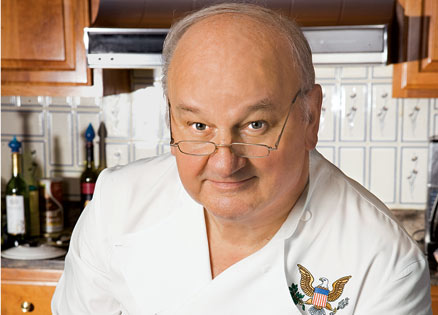
Meet a White House Pastry Chef!

Once people find out I was the head pastry chef at the White House for 25 years, they can’t wait to hear more.

“What was it like, baking for the president?” “You had to fix the most extravagant desserts every night, didn’t you?”

Go For It In Article Ad

Not exactly.

I admit, I was under the same impression when I first walked into the White House for a job interview one cold December morning in 1979. I was ushered into the famous Map Room. Mrs. Carter was seated in one of the red velvet armchairs. She invited me to sit next to her. We chatted for a while. Then she asked, “Roland, if you were to become the head pastry chef here, what sorts of desserts would you serve?”

I did not know her well enough then to know her tastes, so I told her what I myself liked to end a meal: “Simple desserts, based on fresh seasonal fruit.”

That same afternoon I was offered the job. Ah, I thought, perhaps feeding the First Family is not so different from the way my maman fed our family back in the village of Bonnay, in western France.

With nine children to raise, my parents did not have much money. But that didn’t stop Maman from cooking the very best for us. Everything had to be fresh, fresh, fresh! We kept chickens, rabbits, goats and sheep, and our vegetables and fruit came directly from our garden.

Though the chores were punishing, we never went hungry. And every time Maman baked cherry tarts, I was the first to run to the kitchen and breathe in the sublime aromas.

“Someday I’m going to be a patissier,” I’d tell Maman. I could not imagine a more wonderful calling than making pastries!

My parents understood. When I was 14, they sent me to apprentice with a pastry chef in the nearby town of Besançon. It was there I learned the art of decorative chocolate.

I went on to work at the Régence and the George V hotels in Paris, a pastry shop in Germany known for its marzipan, the Savoy in London, where I learned sugar sculpture, then the Princess, a resort in Bermuda.

Everywhere I worked, I saw that the right food could make people feel at home.

Yes, even in the White House. Of course, I created magnificent cakes and towering soufflés for formal dinners. But many nights, I found myself serving simple, down-to-earth desserts.

The Carters preferred Southern dishes like pecan pie with homemade ice cream or silky chocolate cream pie—President Carter’s favorite. I also kept a supply of sugar cookies on hand for 12-year-old Amy.

She loved to bake cookies in the family’s private apartment. I would send up the ingredients. She’d mix the dough, pop the cookies in the oven, then set off roller-skating. Inevitably she’d forget all about them. Smoke would be seen rising above the White House, while an acrid smell filled the corridors, sending Secret Service agents scurrying to my pastry kitchen. I’d direct them to the apartment.

The following morning Amy would sheepishly appear in my kitchen, explaining that she was supposed to take cookies to school. I’d hand her a bagful. “Thanks,” she’d say with a grin. I chuckled, knowing it would happen again.

Each family had their favorites. The Reagans loved having hamburger soup (their invention) on TV trays in the study. But no plastic for them, only the best china and silverware. Afterward, I’d bring President Reagan’s signature dessert—orange flourless chocolate cake.

Mrs. Clinton loved theme parties. One year, for her birthday, she asked me to bake a cake harking back to the 1950s. I created a jukebox with a sugar-sculpted couple dancing on top and chocolate LPs around the sides. “Roland, you’ve outdone yourself!” she exclaimed.

The Bush family was as big as my own. During George H. W. Bush’s term, his grandkids visited often and stopped in my kitchen for some of their grandfather’s favorite chocolate chip cookies.

It turned out to be true, what I thought that winter day I landed my job at the White House. Baking for the First Families was not so different from baking for my own family, for anyone I care for. I gave them desserts with a taste of home in every bite.

Try Roland’s Silky Chocolate Cream Pie (Tarte au Chocolat)!

Did you enjoy this story? Subscribe to Guideposts magazine.

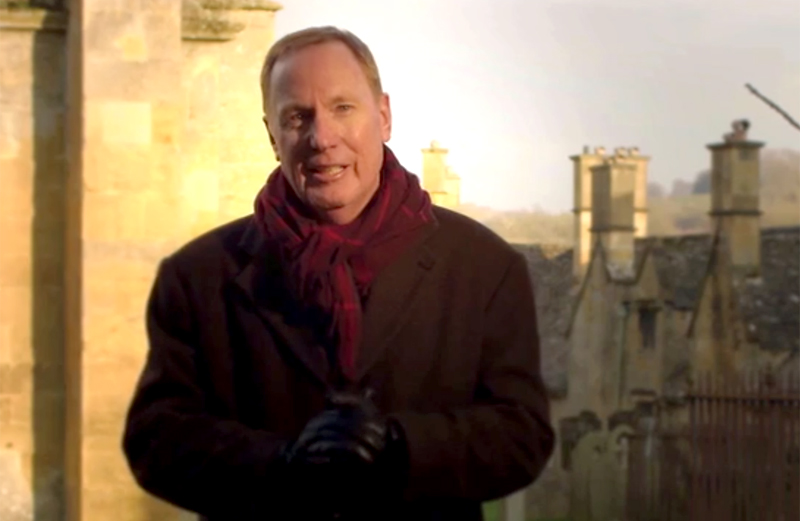
Max Cleland: Revisiting Old Wounds Renews War Hero’s Faith

I knew things were bad when I broke down weeping in the kitchen that evening. It was Thanksgiving. I was loading the dishwasher at my fiancée’s house. Liz and I had just had friends over for a delicious dinner. Yet I was completely miserable.

A few weeks before, I had unexpectedly lost my reelection bid for the United States Senate. Polls had shown me ahead. But this was 2002, the year before we went to war in Iraq. American politics was like a tinderbox. Some commercials had run impugning my patriotism. That’s about all it took.

Pray a Day Vol 2 In Article Ad

A veteran of the Vietnam War, I had lost both legs and an arm on the battlefield. Now I had lost my job. I didn’t know who I was anymore.

I closed the dishwasher and wiped down the counter, trying to compose myself. Our guests had gone home, but I couldn’t let Liz see me like this. She walked into the kitchen. Maybe it was seeing her and thinking about the future we’d planned together. I felt a wave of deep sadness come over me. Future? What future?

I recognized the feeling. It took me straight back to that day atop Hill 471, east of Khe Sanh. That’s where I had reached out to pick up a loose grenade, not realizing it was live. The grenade had been dropped by another soldier on my radio team, though I didn’t learn that until years later.

I thought I had made peace with the war and with my injuries. But this election loss revealed the truth. I was broken.

“Max, what’s wrong?” Liz asked. I was weeping again. I couldn’t stop.

I wish I could say that I cried for just a few days more then got over my election loss and moved on. But I didn’t.

On the outside, the next couple of years of my life looked okay. I got a part-time job teaching political science at American University in Washington, D.C., and even served for a time on a government commission investigating the events of September 11, 2001.

But I barely managed to do those jobs. The minute I’d walk through the door of my small apartment in Arlington, Virginia, I would break down crying. At night I couldn’t sleep. And if I did finally get to sleep, I had weird dreams. I realized what a luxury it had been to serve in the Senate. I had a staff there. An office. A place to go every day. I had work that made me feel like I mattered. Now, I drifted, alone.

I saw a doctor who prescribed an antidepressant. It didn’t help. Liz and I finally called off our engagement. I knew I was in no shape to be a good partner for anyone.

The pain grew unendurable. I remembered an old friend named Howard who had also struggled with depression. How had he coped with it?

I called him. “I’m taking the pills they prescribed, but they’re useless,” I told him.

“Who’s your therapist?” Howard asked.

“Therapist? I don’t have one. I need a job to help me get back on top, not a therapist,” I said.

“Max, you need to talk to someone,” Howard said. “You can’t work your way out of depression. You need help. Talk to my therapist here in Miami. Maybe she can recommend someone up there in D.C.”

I hated thinking of myself as a head case, but I was desperate. I called Howard’s therapist and she recommended someone named Val, who worked at Walter Reed Army Medical Center in Washington.

I steeled myself for my first appointment. Walter Reed was where I had been treated for my Vietnam injuries. When I’d checked out of the hospital in 1968, I’d hoped that I would never have to go back. I had been to war, been wounded, gone through rehab and moved on with my life.

Now I wheeled myself along the hallway toward Val’s office. The guys in the hallway were missing legs, arms and eyes, but those wounds were from wars in Iraq and Afghanistan, not from Vietnam. Wars may have different names but they still do the same thing to soldiers.

My initial sessions with Val weren’t promising. Mostly, I wept. Once, sitting in her office, I heard a familiar sound coming from the room next door. I listened. It was my own voice! A wounded soldier was watching a documentary I had been a part of a few years earlier called Strong at the Broken Places. I could hear myself talking about my war wounds and how I’d come back to make a life in public service.

I felt mortified. If only that soldier knew that the so-called inspirational figure on the screen was actually crying his eyes out right next door!

Val tried to get me to understand that I was a lot like the other wounded soldiers there at Walter Reed. Though my battlefield experience was decades old, I was nevertheless in the throes of post-traumatic stress disorder (PTSD). “Losing your Senate seat was a terrible shock,” she explained. “It made you feel powerless, just like you felt right after your injury in Vietnam. The psychological wounds of war can lie dormant for years until they’re triggered by some new trauma. What you’re going through is understandable.”

Okay, but what exactly was I supposed to do about it? Knowing why I was so depressed didn’t help me feel any better. If anything, I despaired all over again, realizing that my war wounds hadn’t yet healed. I had just buried them under layer upon layer of scar tissue.

One day out of the blue, Val asked, “Max, where’s your faith?”

I stared at her. “Faith?” I exclaimed. What did faith have to do with digging out of PTSD?

“You need something to believe in,” Val said, “something bigger than yourself to hold onto. No one climbs out of depression alone, especially not from PTSD. I want you to work on this.”

If I hadn’t already developed a good working relationship with Val, I might have left her office right then and never gone back. I believed in God. I’d read the Bible. For years I’d started my days with prayer. And where had that gotten me? I didn’t need to go to church. I needed to get better!

Val persisted, asking me each week whether I had done anything to cultivate my faith. She never pressured me to join a church. Instead, she simply wanted me to turn to God as I understood him, like they say in 12-step programs, a loving power greater than myself to help me overcome all the fears, doubts and despair I had been holding in since my injury in Vietnam.

One day I happened across a book called A General’s Spiritual Journey. It was about a man I deeply admired, Lieutenant General Hal Moore, who was now retired. He was a decorated officer who had led his battalion in Vietnam through overwhelming odds in the Battle of Ia Drang Valley.

General Moore, it turned out, was a man of powerful faith who had spent some time praying in a monastery in Kentucky before leading his troops in Vietnam. The book compiled his most profound meditations on God and the soldier’s life.

One passage leapt out at me, where a minister is quoted as saying, When you walk to the edge of all the light you have and take that first step into the darkness of the unknown, you must believe that one of two things will happen: There will be something solid for you to stand upon, or you will be taught how to fly.

I reread those words. I was in the darkness. Yet I didn’t have to stay there! I could do as Val had urged, as General Moore had believed. I could step out and try to find ground to stand on. Maybe I could even fly.

It wasn’t my old war wounds holding me in this dark place. It wasn’t losing my Senate seat. It was trying to base my life on some fleeting accomplishment, on worldly recognition that I thought could somehow take the place of what I had lost on the battlefield. Only God could fill that void.

It’s been over three years now since I read those powerful words from General Moore’s book. With the help of continued counseling sessions from Val and weekly meetings with a group of others who are struggling with their own sense of purposelessness, I am working through my PTSD and trying to turn over my inner demons to God. I pray now with a new, deeper understanding.

I even have an office again. In June 2009 President Barack Obama appointed me to head the American Battle Monuments Commission, overseeing the 24 overseas military cemeteries where our soldiers have been laid to rest and 25 monuments honoring missing and fallen soldiers of the First and Second World Wars.

Helping take care of these men and women who gave their lives for our country and reaching out to other veterans and their families gives meaning and purpose to my days—a meaning and purpose that I now know can come only from a power greater than ourselves, the loving God who lifted me out of darkness into light.

For more inspiring stories, subscribe to Guideposts magazine.

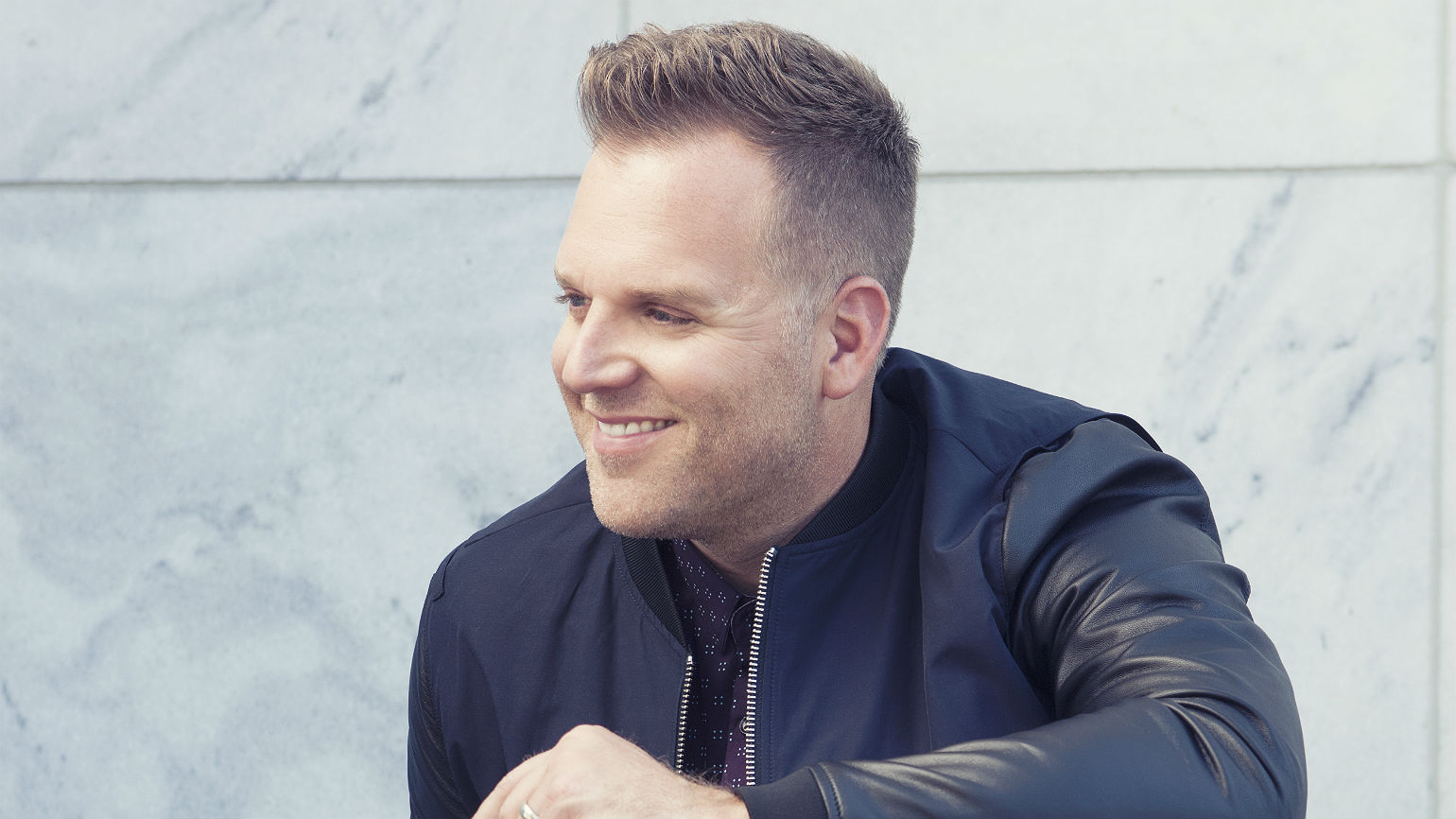
Matthew West Gets Personal On ‘All In’

Christian singer and GRAMMY-nominated artist Matthew West’s latest album gets personal.

Matthew West draws thousands of fans to his shows, has been nominated for four GRAMMYs, and has sold 1.6 million albums, but his latest record is unlike anything he’s done before.  While West has written about personal struggles, often inspired by stories he’s heard from his fans, his newest album All In, is his most personal yet. The 14-track project  which dropped in Sept. of this year, reflects  more of the artist’s story, his struggles, and his unique position as a voice for those hurting and seeking a deeper relationship in their faith.

Rejoice in All Things in article ad

Guideposts.org chatted with West about the new album, how he had to reconnect with God while writing it, and how he’s trying to help others.

GUIDEPOSTS: You’ve spent the last few albums writing other people’s stories into song. Why did you want to get personal again with All In.

Matthew West: Even when I was focusing on other people’s stories as the source of inspiration for my songs, each song still carried parts of my story as well. As a songwriter, I can’t write something that doesn’t resonate with me on a personal level. But in the past, I would take a specific story and then try to write it in this universal way so everyone could relate.

This time, what changed was the actual source of inspiration. I didn’t make a conscious decision this time to take a deeper look at my own story. But just before writing these songs, I had written a book called Hello, My Name Is, in which I shared a great deal of my story. I think that process really unlocked something within me that carried into this songwriting process on All In.

GUIDEPOSTS: Was the writing process more difficult this time around?

MW: Each season of songwriting is equal parts inspiration and perspiration. There are moments when the melodies are flowing and the lyrics are pouring out of me, and then there are moments when I wonder if I’ll ever be able to write another song again. This time though, I did feel like the songs came to me quicker. And the process of telling my own story in this unique way was very freeing. Instead of trying to write everything in this watered down universal voice, I painted with the actual colors of my story, and I hope the listener picks up on that.

GUIDEPOSTS: What are some issues you wanted to address on this album?

MW: For six weeks, I spent every day at a cabin in Tennessee where I have my writing retreats. Once I felt like this album needed to be called All In, I began daily asking God to show me areas of my life where he was calling me to do just that, go all in. These songs were all written in response to that daily conversation with God.

GUIDEPOSTS: “Dream Again” is another song that really stands out on this album, especially considering the crisis our nation is currently facing when it comes to drugs and alcohol. Why did you want to write that track?

MW: This song was inspired by my interaction with some men whom I invited to my concert. These men were going through a drug and alcohol recovery program and I met with them before the show to welcome them and encourage them. I started to say to them, “Guys, my hope for you tonight is that you leave this concert inspired to…” and before I could finish my sentence a voice spoke up from one of the men in the group, “dream again?” and he said it in the form of a question. My eyes started to tear up as I realized this guy was literally asking for permission to dream again, to stop beating himself up over the mistakes he’s made and actually start dreaming that tomorrow could be better than yesterday. That inspired me to write a song for everyone out there who’s had a dream die to let them know that God is still dreaming for them and the best is yet to come.

GUIDEPOSTS: How do you balance your career and family life? Any tricks you’ve learned over the years?

MW: This is the greatest struggle I face day in and day out. I could say all day long that my family matters most to me. But if how I spend my time doesn’t reflect that statement, then I’m only fooling myself. That’s what caused my wife and I to make some bold moves. We homeschooled our kids for four years so that we could spend this busiest time of my career together as a family, seeing the world. Now that the kids are in school, I’ve had to scale back my touring schedule to ensure that my time with my family is protected at every turn. At the end of the day, I don’t want to get to the end of my life having built a successful music career but my kids didn’t really know their dad. I refuse to let that happen.

GUIDEPOSTS: I know you have a nonprofit ministry that tries to help people in crisis as well. When did that get started and what’s the goal of the organization? How have you seen it change people’s lives?

MW: Yeah, I started PopWE with my dad who is a minister. The goal was to be there for people who are coming to our shows, or listening to my music and going through a tough time. To go beyond entertainment and step into the trenches with people, meeting them where they are and helping them to begin a new chapter in their stories. This is what I’ve realized. There are so many hurting people in the world, so many hurting people coming to my shows. People who feel alone, people who need someone to talk to, people battling depression, grief, addiction, anxiety, family issues and the list goes on. I don’t want to just sing for people. Our goal is to be there for people when the music touches their heart and gives them the courage to ask for help. It’s been an amazing thing to go deeper than entertainment.


Mary Wilson’s Supreme Faith

Mary Wilson has seen it all: joy and heartbreak, love and loss, struggle and fame—and through it all, her faith has sustained her. It wasn’t something she had to go looking for; it was a given.

“Most Afro-Americans are brought up in the church,” she says. “So faith is something that’s kind of just in the air. It really is a huge part of me.”

Rejoice in All Things in article ad

As a teenager, Wilson joined the church choir, and it soon became clear that she had not just a dream but also talent. In the late-’50s, she and three neighbors from Detroit’s Brewster-Douglass housing project formed a “girl group” called the Primettes, and together they tried to make that dream come true.

In 1961, the girls—now a trio consisting of Wilson, Diana Ross and Florence Ballard—got their big break when they were signed to a fledgling local record company called Motown. There was one catch: They had to change their name. And the Supremes were born.

“We started out so young,” says Wilson, reflecting on the label’s milestone 50th anniversary. “Now, you can look back on your life and say, ‘What an achievement!’”

But it wasn’t always easy; for their first few years, they were known around Motown as the “No-Hit Supremes.” Then, in 1963, “Where Did Our Love Go” climbed to the top of the charts, and the rest of the decade saw 11 more number-one singles, including “Baby Love” and “Stop! In the Name of Love.”

Eventually Ross left to pursue a solo career, and the Supremes had a number of different lineups in the ’70s. Wilson was the only original member who remained with the group for its nearly two-decade history.

Through all the ups and downs, her faith was one constant. “It is always a part of my life,” says Wilson. “Faith gets me through my everyday.”

Never did she need it more than when tragedy struck her family. In 1994, Wilson was driving with her son Raphael early one morning when she nodded off at the wheel and crashed the car. Raphael died as a result of his injuries, and Wilson was left to pick up the pieces.

“Had I not had faith in my life, I would not have had a strong foundation to stand on,” she says. “Somehow I put one foot in front of the other. I don’t think you ever get over it, but you can’t dwell on it. To dwell on loss only brings you more loss.”

Wilson found a remarkable way to channel her sorrow: by going back to school.

“My mother always wanted one of her children to graduate from college,” explains Wilson. “She herself could neither read nor write. I became famous when I got out of high school, so I didn’t do that. But the thought always stayed in my mind. When I lost Ralphie, I said, ‘I’m going to do what would make my mom happy.’ And that was to go to college.”
 
Keeping up with schoolwork while touring—all at the age of 58—wasn’t easy.

“I was doing my homework in limousines, in hotel rooms, in dressing rooms, on airplanes,” she says. But it was all worth it when she earned her degree from NYU. “I made my mother’s dream come true.”

To this day, Wilson maintains a very full schedule. She has eight grandchildren as well as a great-grandchild. She tours the world as a cultural ambassador and spokeswoman for the Humpty Dumpty Institute, bringing attention to the dangers of landmines. She still performs. And she speaks to groups about her own experiences. Her message is simple: “Dare to dream.”

“Thoughts are very powerful,” she says. “If you can think it, you can achieve it. That means negative thoughts can stop you, as well. So dare to really change your life. Make your dreams come true.”

Mary and Joseph–From Fear to Faith

Animals are not running around with bows on their heads or lights strewed around them helping me capture great Christmas wildlife photographs, so I decided to change gears for a few weeks.

In a previous post, I mentioned how I used to make wooden Christmas ornaments each year for my family. (If you did not get a chance to read about the never-ending miracle story of one of my ornaments, read it here.)

Go For It In Article Ad

I also decided to use the next few posts to tell the story of Christ’s birth through my wooden ornaments.

An angel of the Lord appeared to Joseph in a dream and told him to not be afraid and to take Mary to be his wife. She would conceive from the Holy Spirit and would bear a son, and His name would be Jesus.

Mary was visited by an angel of the Lord and was troubled when he told her she would bear a son even though she was a virgin. “Don’t be afraid, Mary,” the angel told her, “for you have found favor with God!” (Luke 1:30, NLT)

Then, just as the scriptures said, Mary gave birth to a son, and He was given the name Jesus. Can you imagine what was going through Mary and Joseph’s heads as they stood their looking at Baby Jesus?

They each had been through so much before they arrived at this point in the story of Jesus’ birth, but the angel of the Lord told them to not be afraid.

We too need not be afraid. Maybe we feel the Lord has asked us to step out of our comfort zone and do something different. If He asked us to do it, He will give us what we need to accomplish the task!

Be like Mary and Joseph and move from fear to faith!

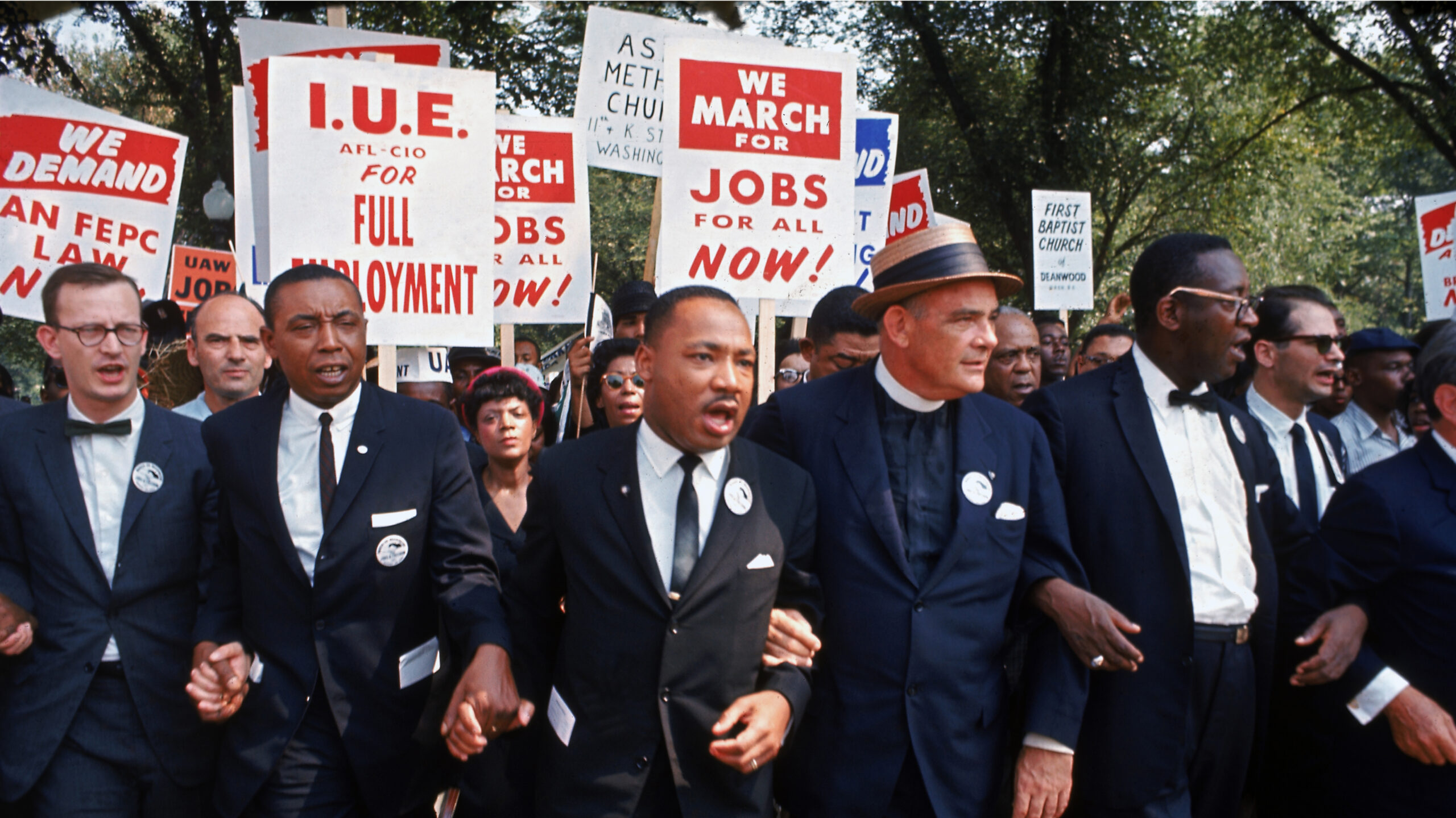
Martin Luther King, Jr. and the Impact of Inspired Leadership

To celebrate the life and legacy of the civil rights leader Martin Luther King, Jr., I’m reflecting on the word “leader” in that descriptive moniker.  While King was unquestionably a brilliant thinker, an expert speaker and a great many other things, it’s his skilled leadership that enabled his message to translate from a man to a movement to a monument—both literal in the stone edifice that stands in Washington, DC, and figurative in the form of civil rights laws that were born from his steadfast work. 

Whether or not you aspire to leadership on a grand stage, each one of us walks a positive path when we lead others by example, inspiration and commitment to our most deeply-held values. Here are three aspects of Dr. King’s leadership that stand out to me:

Pray a Day Vol 2 In Article Ad

1)  Listen and Learn
Martin Luther King wrote, taught, advocated from a position of having read, listened to, and been inspired by others. In addition to his theological training, which informed so much of his view on justice, King was drawn to the teachings of Mahatma Gandhi, the activist who led the movement for Indian independence from British rule. King called Gandhi “the guiding light of our technique of nonviolent social change.” Because King was open to learning from the experiences and philosophies of those who came before him, his own leadership was only strengthened. 

2)  Think Long-Term
Dr. King knew that his views provoked ire and even hatred in too many people to contemplate. In the famous speech delivered at a Memphis church the night before his assassination, he directly addressed the possibility he would be killed for his cause. Invoking the image of Moses, he said, “Like anybody, I would like to live a long life. Longevity has its place. But I’m not concerned about that now. I just want to do God’s will. And He’s allowed me to go up to the mountain. And I’ve looked over. And I’ve seen the Promised Land. I may not get there with you. But I want you to know tonight, that we, as a people, will get to the Promised Land!” Inspired leaders are motivated to lay the foundation today for a future they believe in strongly enough to fight for over the long term.

3)  Fear Not
Martin Luther King acknowledged the reality of fear, and he encouraged people to honestly confront the fears that block their emotional, spiritual and political growth. The image of Dr. King’s seeming fearlessness in the face of arrests, beatings and, ultimately, assassination, models how an inspired leader acknowledges fearful things but finds the courage to respond with love and righteousness. King’s sermon, titled “Antidotes for Fear,” begins with a citation of the Bible verse 1 John 4:18: “There is no fear in love.” King comments, “Hatred and bitterness can never cure the disease of fear; only love can do that. Hatred paralyzes life; love releases it. Hatred confuses life; love harmonizes it. Hatred darkens life; love illumines it.”

What inspires you about Martin Luther King’s leadership?

Married to a Meth Addict, She Had Difficult Choices to Make

Hi, my name is Erin, and this is my story of overcoming addiction—or my family’s story. My husband had a problem with substance abuse, and we have a beautiful family [and] we’ve been able to make it through and overcome a lot of things and overall, our life is much better now.

I think the warning signs are different for everyone. In my case and in my story, the warning signs for me is that the truths don’t add up. And he wasn’t acting the same, or you don’t really—you can’t substantiate any of the claims that he made and inconsistent truths. Another warning sign is just that that gut feeling that something’s wrong, and you need to trust it and listen to your gut. A substance abuser can so confidently lie to you, but then you start believing it and so you just need to really trust that something’s wrong.

Pray A Word a Day - 2023 In article

Other warning signs are losing money, obviously, or not going to a job consistently, no check stubs. Those are things that were consistent with my family problems. And just know that you need to save yourself, so if you feel that something’s wrong, it probably is.

If you suspect that your loved one is using drugs or alcohol, even if you’re not certain, I think you should confront them. And even if they don’t tell you the truth, I think that first step is to not deny it, that it’s happening, but actually confront. It’s really hard, especially if your loved one is your child or your husband or wife; but enabling is the absolute worst thing that you can possibly do.

Enabling is basically giving in to your addict and not letting them feel the actual consequences of what happens. It’s like kind of trying to save them over and over. And so in my case, the enabling, things that I did, were I would try to help him find a job, so I’d actually fill out his job applications or I would pay the mortgage or provide a place for him to stay without him being able to do those things. So he doesn’t feel the natural consequence of him failing.

Making excuses, bailing him out of jail, giving him money—all of those things are enabling, and it’s actually more harmful and hurtful to the person because then they depend on you, that codependency, and then the enabler ends up feeling all of that pain and shame and everything even more than the addict does because they are so absorbed in the drug that they don’t see what they’re doing to other people. So it’s really the codependents and the enablers that feel the brunt of the pain.

Al-Anon was probably the thing that saved me. I learned, first and foremost, that I wasn’t alone in this world—that many, many, many people are going through something similar—or different, but they’ve had that similar feeling of guilt and shame and enabling and learning that what you did isn’t your fault. I mean, what draws you together are similar stories.

But I remember my first meeting that I went to. I went into the meeting; I didn’t say one word. And when somebody just wanted to say hello to me at the end, I just clammed up and I went back into my car and I cried and cried and cried. And I’ve been to many meetings where all the person can do is just cry and cry and cry, but I think that’s the very first step—just going and getting there because it’s so helpful.

I think, without the struggle, you don’t have the gratitude. And so the yin and the yang of life, you have to go through some hard stuff, but you learn a lot about yourself, and your family needs get stronger because of it. So we’re doing really well, and we’re happy. And every day is a blessing, and every day we have gratitude.