

Embrace God's truth with our new book, The Lies that Bind

Inspired to Find Her Own Groove

The moment Dwight’s name popped up on my caller ID, my stomach clenched. We’d been dating for more than a year and were going out to dinner Friday night. I knew exactly what he was going to ask. How am I ever going to get out of this?

“Hello,” I said, trying my best to sound relaxed.

“Pick you up around six?” he said. The words I’d been dreading.

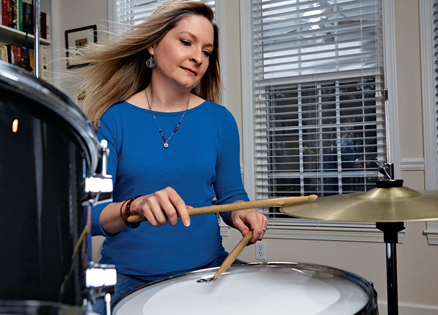
I glanced over at the bulky shapes in the corner of my living room, wedged in next to the dust-covered piano nobody played. A brand-new full set of drums. What would Dwight think of this?

“Or I could just meet you there,” I said hastily. “No reason for you to come all the way out here.”

Silence. Dead silence. My heart was beating like, well, you know. “All right,” he said finally. “But I don’t mind. Wouldn’t you like it if I picked you up?”

“Of course!” I said. I was really crazy about Dwight. He’s an engineer—a sensible, stable guy, someone I could always count on. The opposite of my off-the-wall decision with the drums. “Just not this week. If that’s okay.”

Finally he agreed. I stared at the drum set. What was I thinking? Middle-aged women don’t take up drumming. Maybe painting. Or tennis. Gourmet cooking. Yoga, sure. But not drumming. Definitely not drumming.

It had been embarrassing, the looks I got at the music store when I confessed the drum set was for me, not my kids. Me, a divorced single mom.

There were so many other things I needed to be doing—painting the back porch, writing my novel, catching up on my Bible reading. The laundry, for goodness sake. Sane, constructive activities, like I’d done my whole life.

But worse than that, even after weeks of lessons I was a total flop. Completely uncoordinated. Unable to sustain the most basic beat.

Besides my daughters and my dad, I hadn’t told anybody my strange secret. I knew as soon as word got out people would think I’d lost it. Dwight especially. Even God was probably up there somewhere shaking his head. Or more likely covering his ears.

“This isn’t the talent I gave you,” I could imagine him saying before unleashing a thunderbolt.

But here was the thing. Ever since I was a little girl I’d thought the drums were really cool. My dad had been the leader of a band called the Orbits, and his tales of their gigs around Tuscaloosa, Alabama, had captivated my fertile young imagination.

What could be more awesome than throwing down a backbeat or knocking out a perfect roll, my hands barely visible, just a flurry of motion and that pounding, primal rhythm? Beyond awesome, probably the coolest thing I’d ever do.

If only I weren’t such a klutz. That’s what had always held me back. As a teenager I was constantly dropping things, running into walls and furniture. That’s why my dad had jokingly nicknamed me Grace. Drumming, I knew, required coordination. I was afraid to even try.

Instead I shelved any thought of playing the drums and focused on what I was actually good at. Writing. I loved writing about people who took risks, huge leaps of blind faith. But in those stories no one ever looked like a flop or a fool.

So why had I gone and done this now? Was it some sort of midlife crisis? A need to prove my independence? I’d told myself it was research for my next novel, whose main character was a girl drummer.

I didn’t have the answer. Really, what was the plan? I was never going to be one of the cool kids.

At first I was just going to take lessons without telling anyone. I signed up at the music store at the end of the summer and my teacher patiently showed me how to hold the drumsticks, read music and keep time. Then we moved on to actually drumming—four beats to a measure, over and over. Right, left, right, left.

Simple, no? Not for me. I flailed about like I was swatting bees. “It’s okay, you’re just starting,” Chris, my teacher, said. “And the drums require more grace than any other instrument. You’ll get better the more you practice.”

Grace? That was me all right! At first I didn’t have a drum set, so I arranged pots and pans on the kitchen table. Big mistake. The girls peered at me from the hallway, their hands clapped tightly over their ears. “Mom! Stop!” they groaned. “That sounds horrible!” They were right.

I should have quit right then. But something wouldn’t let me. Persistence or obstinacy, I couldn’t tell you. I broke down and paid $425 for a drum set. Daddy was thrilled when I told him. He came over that very afternoon to help me set it up.

“Drumming is like rubbing your head and patting your tummy,” he said, as he fastened a leg onto the bass drum. “You’ll get the hang of it.” Minutes later he sat on the stool and laid down a groove from the old days.

I watched him rock back and forth, flawlessly alternating the high hat with the bass. I swayed to the beat. Why couldn’t I do that?

At my next lesson I worked on coordination exercises, repeated movements with my hands and feet. Left, left, right, right, left right… Rub your head and pat your tummy? Was Daddy kidding? Why not twirl flaming batons while I was at it?

I couldn’t help but laugh at my clumsiness. Chris laughed too. But it was a kind, understanding chuckle.

“Seriously, am I the worst student you’ve ever had?” I asked, after blowing a pattern. Again.

“Uh, no, I wouldn’t say that,” he said.

“You don’t sound so sure,” I shot back.

He smiled and pointed to the lesson. Sigh. Left, left, right…

I practiced the drums every morning. By then the girls were in school and I could pound away without assaulting anyone’s ears but my own. Chris had taught me a few more backbeats and fills. I went over them again and again. And every so often, when I actually kept a rhythm for just a few beats, I felt like Buddy Rich.

Funny thing about drums: They’re loud. Really, really loud. Bold. Daring. Not like me at all. There was something incredibly freeing about that. Exhilarating. I could feel something in me shaking awake, coming to life.

After practice I rushed to my computer, my mind overflowing with plot points and dialogue, description and character development. A story about a teenage girl who just happens to be one terrific drummer.

Still, my playing had barely progressed at all. I couldn’t hold onto my secret much longer. Dwight was starting to wonder what was going on. Finally, I relented and let him pick me up for our next date, the following Friday.

That night I held him at the door for as long as I could, then said, “Close your eyes. I have a surprise for you.”

I took his hand and led him into the living room. I took a deep breath. Please, don’t let him think I’m a total dork, I prayed. Could I really do this? Did I have a choice? “Okay, you can look,” I said.

He opened his eyes and caught sight of my drum set. “Wow!” he said. “That’s soooo cool.”

He sat down and held the sticks in his hands. Then he pounded out a perfect backbeat.

“You never told me you played the drums,” I said.

“I don’t,” he said. “I was just messing around. Here, you play something for me.”

I wanted to die, right then and there. “No way,” I said. I sat on the couch and covered my face with my hands.

“What’s the matter?”

“I’ve had like a dozen lessons and I still can’t do what you just did,” I said. “I’m awful. I’m always going to be awful. That’s why I didn’t want you to know.”

He didn’t laugh. He didn’t say anything. Slowly I pulled my hands away from my eyes.

“Okay,” he said. “But are you having fun? Do you like playing the drums?”

Fun? What did that have to do with anything? Wasn’t the point to be good at it? All those mornings practicing. Those fleeting moments when I actually nailed a backbeat. The sizzle of the ride cymbal. That deafening, cacophonous sound of me pounding away, oblivious to everything around me.

Fun? It was a blast! The coolest thing I’d ever done. A joy that went beyond awesome, that could only come from…

Maybe God wasn’t covering his ears at my playing after all. Did I dare believe he might actually be urging me on by making me so stubborn?

“I know this sounds crazy,” I said, “but I really do like it. I like it a lot.”

“Well, then, you should keep doing it,” he said. It all sounded so simple and sensible when he said it. Like always.

One day I hope to be able to play an entire song. But until then I’m happy to groove to my own beat. It’s not a secret anymore. No one seems to care that I’m a terrible drummer. They get a kick out of how much fun I’m having.

I finished writing my novel. “I didn’t know you were a musician,” my agent said after she read it. Ha! The biggest thing I’m working on now is planning my wedding. It turns out Dwight didn’t think I was a dork at all. Funny thing about dreams and grace. You never know where they’ll take you. But God does.

Download your FREE ebook, Creativity and Personal Growth: 7 Inspiring Stories On How Crafts Can Change Your Life
Inspired to Craft Comfort

Over dinner, my wife, Jan, and I always talked about our day. Lately, though, our evening talks made me frustrated.

“A woman came into the ER with shortness of breath,” Jan said. Jan had been a cardiac nurse for 10 years. She recognized the warning signs of congestive heart failure. “The patient got to us just in time,” Jan said. “What about you? How was your day?”

“Nothing worth mentioning,” I said, looking down at my plate and rearranging my food with my fork. Jan had made a difference. And with someone’s life. I’d spent the day doing window treatments. Wasn’t there a more fulfilling way for me to help people?

The next day I drove downtown to run some errands. Asheville was a small, artsy town nestled in the Appalachian Mountains. The shop windows were filled with crafts for sale. Especially angels. Anyone could see how popular they were.

I could make angels too, I thought. Really unique angels.

That night Jan and I sat out on the porch swing. I listened to the crickets, watched some lightning bugs shoot across the yard. “I want to start making angels,” I blurted out. “Lots of shops carry angel stuff. The market must be huge.”

Jan rocked the porch swing back and forth with her feet. “You think you can make something beautiful?” she asked.

“I don’t know,” I admitted. “But I’ve got to find meaningful work. I want to touch people. Comfort them. Inspire them. I’ve at least got to try.”

We organized a workplace in the basement, and eventually I came up with a figurine that actually sold locally. I expanded to other towns, and set up shop in an actual studio. I hoped my angels were doing what I intended, but I had no way of really knowing.

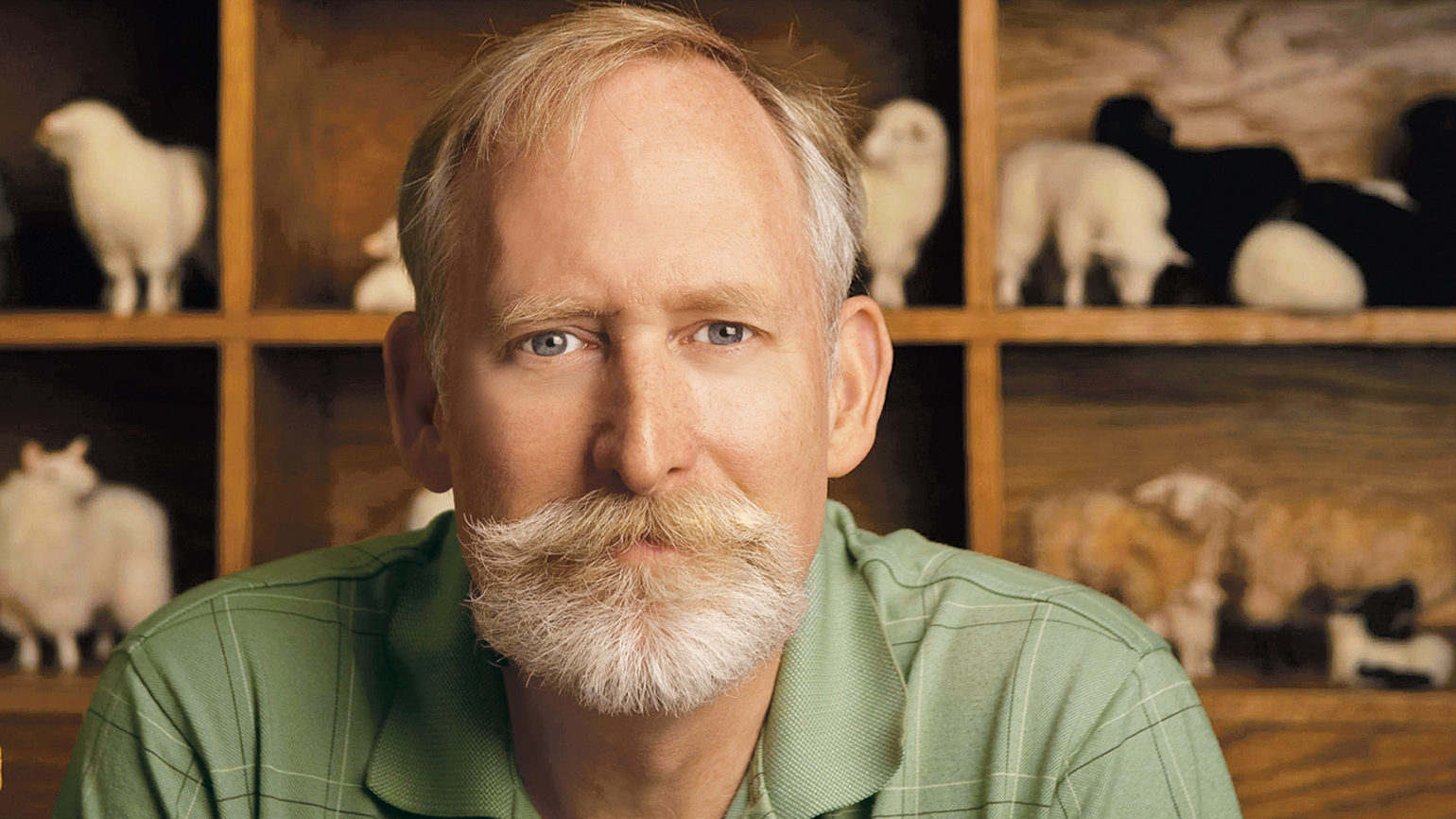
One Saturday after working all day, I flipped through a trade magazine. It featured a piece on antique sheep figurines from Germany. The figurines were made of simple materials, like porcelain and real wool, the article said.

Sheep, I thought. There was something so innocent about them, so pure, so…comforting.

“Sheep?” Jan said when I told her about them later. “You want to go from making angels to making sheep?”

“There’s something about them,” I said. “I don’t know, maybe it is crazy.”

“Well,” she said, chuckling, “you certainly won’t have any competition in the marketplace.”

She was right. I had never heard of a modern-day artist who specialized in sheep!

After several weeks researching and tinkering in the studio, I finally had a few sheep figurines I was happy with. I headed for a shop in town. “Nice to see you, Colin,” the owner said. “But we don’t need any more angels yet. I still have a few left to sell.”

“Actually I’m here about my new line,” I said. I handed her one of my new creations.

The shop owner put on the glasses that hung by a chain around her neck and took the sheep figurine from me. “It’s got a nice hefty weight to it. And is this real fur?”

“It sure is. I use wool, mohair and alpaca.”

“You know, I have a girlfriend going through a divorce. This may be just the thing.”

Soon my sheep were selling as well as my angels. One day I got a phone call in my studio. “You don’t know me,” a woman said, “but I bought one of your sheep.”

“I hope there isn’t a problem,” I said. No one had ever called about one of my angels, and I was every bit as careful with my sheep.

“Oh, no,” the caller said. “My mother’s in the hospital recovering from surgery. The room looked so bare until I put a sheep by her bedside. Now every time she looks at it, she smiles. I think it really makes her feel better.”

That was my first contact with a satisfied customer, but not the last. There was the man who ordered some sheep to be used as models for the person carving his wife’s gravestone. The woman who bought six sheep and found herself actually playing with them like a child.

“I’m forty-five years old!” she said. “But every time I touch these sheep I feel so happy.” Every time I heard one of these stories, I thanked God for letting me know that my work had made a real difference in someone’s life.

It’s been almost 20 years since I made the leap to sheep figurines. Now I also make pigs, lions, bison, Nativities and even an angel, but sheep are by far the most popular.

I’ve traveled to more than 11 countries to study sheep, and make over 60 different breeds. I never get tired of hearing how much comfort and joy my collection, Colin’s Creatures, brings to my customers, and I never get tired of thanking the angels that led this shepherd to his flock.

Take a video tour of Colin’s studio.

Download your FREE ebook, Angel Gifts: Inspiring Stories and Angel Crafts to Nurture Your Creativity

Inspired by the Liberian Lone Stars

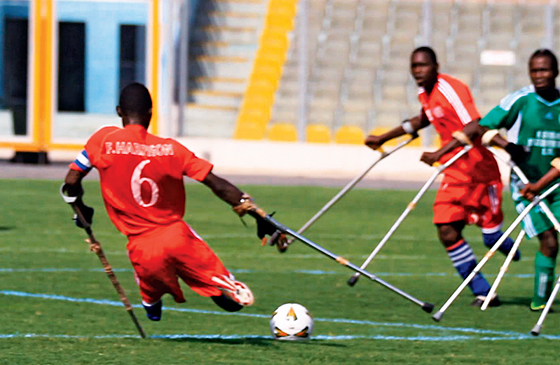
I sat on a makeshift wooden bench on the sidelines of the soccer field, my camera bag slung over my shoulder. Player number 14–his red-and-white Liberia jersey bright in the sunlight–kicked the ball to a teammate across the stretch of sand they used as a field.

It was like any other soccer game, except the players on this field were all amputees.

Men on crutches shooting goals. Goalies blocking shots with one arm. I’d flown to Liberia to make a documentary about the Lone Stars, Liberia’s amputee soccer team. My first attempt at a feature-length film. I’d quit my job to do this project.

But after three days of sitting on the edge of the field, I wondered if I’d made a huge mistake. No one on the team seemed interested in talking. They paid zero attention to me or to Evan, my friend and collaborator. We might as well have been invisible.

“Maybe they’re just focused on the game,” Evan suggested. So we waited for a pause in the action, then tried to break the ice. We explained how we’d read about the Lone Stars, how we wanted to show the world what they do. “Your story is inspiring,” I said.

The players stared at us, their expressions giving nothing away, then crutched back onto the field. My heart sank. We’d dropped everything to be here, and these guys wanted nothing to do with us. Why?

Had I really thought I could do this? I hadn’t trained to be a filmmaker. I was a philosophy major in college. But film was my passion. I’d shot a few short pieces and posted them on YouTube, and after graduation I found work at a small production studio in New York.

Meanwhile, friends who’d studied film had big-time connections and were already making movies of their own. I wanted to do that too. But what would my movies be about? I wanted to do something meaningful.

Then I read a book about soccer in Africa and came across a passage about the Lone Stars, a group of men maimed in Liberia’s bloody civil war. Improbably, they’d come together and formed a team. They’d competed in the biennial Cup of African Nations Amputee Football championship and in 2009 they’d won.

I wondered how they could play at that level on crutches. I poked around online to find out more.

The members of the Lone Stars had vastly different histories, all of them violent. Some were ex-soldiers who had lost their limbs in combat. Others were innocent victims caught in the crossfire. Society shunned them because of their injuries. Now they were champions. Incredible.

How had they moved beyond the violence and hatred of their past? How had they avoided the trap of bitterness and become teammates? God was moving in these men’s lives in a way that was truly inspiring. It was a story the world needed to hear.

“We have to do it,” Evan said when I mentioned making a documentary.

“But where are we going to get the money?” I asked. We’d have to quit our jobs, borrow cameras and somehow scrape the money together to cover initial costs, like our plane tickets. If the project picked up steam, maybe we could do a fund-raising campaign. We’d have to get the team’s cooperation.

The more I thought about the Lone Stars, the more I wanted to tell their story. Evan and I cashed in our savings, maxed out our credit cards and arrived in Monrovia, Liberia’s capital, full of hope. And naïveté, as it turned out.

After three days watching on the sidelines, I had to face facts: This had all been one giant mistake. The Lone Stars weren’t interested. I’d have to crawl home empty-handed. I felt like such a failure.

At one point, the ball rolled out of bounds just a few feet away from us. When I went to kick it back, a player scooped it up without even looking at me.

We needed a way to get through to them. The next day Evan and I brought the team fresh water, a rare commodity in Liberia. The men thanked us, then went right back to playing. Nothing. God, we can’t go home like this. We came all this way. You’ve got to help us out!

After practice, one player sauntered over to our bench. Number 14. He flashed a tentative smile.

“My name is Richard,” he said, holding out his hand. “Thank you for the water. You’ve been sitting out here for days. What do you guys want from us?”

I told him about my love of soccer and my fascination with their team. My belief that the world needed to know their story.

Richard laughed. “We’ve talked to journalists before. They take what they want and then disappear. What makes you different?”

I fumbled for words. Who were we, a pair of 20-something kids? Evan was silent too. “Look, we’re not journalists,” I said finally. “We borrowed money just to get here because we think you have a great story. That’s all we’ve got.”

He paused and looked us over, considering. Then he nodded. “Come tomorrow,” he said, and walked away.

The Lone Stars finally gave us permission to film their practice. We even got a couple of their stories on film. Richard, for example, wasn’t an ex-combatant; he was a casualty of war. He was only three years old when he lost his left leg.

Another player, Dennis, had entered the Liberian Army during peacetime. But within a year, rebel forces rose up, overran his unit and forced him to join. He fought as a rebel soldier for years before losing a leg in combat.

Evan and I got enough footage to make a fund-raising reel. Before we said goodbye, we warned the Lone Stars. No guarantees. But we promised to do our best to get the film made.

Back in the States, we spent the next few months raising enough money to continue our project. On a shoestring budget, we made it back to Liberia in November, just in time for the 2011 Cup of African Nations championship.

This time, the players greeted us with smiles–they knew we were for real. They even invited us to their homes for meals and introduced us to their families. It was the kind of trust we had dreamed of. We traveled with the Lone Stars to Accra, Ghana, and covered their quest for the 2011 trophy.

In match after match the team prevailed. Evan and I filmed them, rooted for them, believed in them. I watched these courageous players–many of them former enemies–come together as a team. What was their secret? How did they forgive each other and move beyond the brutal past?

“Only God knows why things are the way they are,” Richard said. “Maybe he has brought us together to speak to the people of Liberia, to show them who we are and what we can do. We need to reconcile with the past, not dwell on it. We need trust and faith to move forward.”

The Lone Stars made it all the way to the final match, against Ghana. After a dismal first half, they turned the game around. They won 4-3. Watching them celebrate was quite a sight. They danced around the field, ecstatic, singing songs and sending prayers heavenward.

I filmed it all. They’re champions to me not because of their gold cups but because the obstacles they faced–physical disabilities, discouragement, losing loved ones, rejection–were no match for their spirit.

They moved ahead, finding this new purpose for themselves. And always forgiving, through faith, playing and praying. That was their message to the world.

Watch a trailer for Aubrey's documentary!

Download your FREE ebook, True Inspirational Stories: 9 Real Life Stories of Hope & Faith.

Inspired by a Different Kind of Traveling Salesman

He came to our little Methodist church in Glencoe, Illinois, like an old newspaper blown to the front door. No big announcements, no hoopla. The pastor simply said one Sunday morning that Harry Denman, a layman and traveling evangelist, was coming by to speak that evening.

I had never heard of him, and at first I rebelled. Why couldn't they fit him into the regular service? Sunday evening had my favorite television shows.

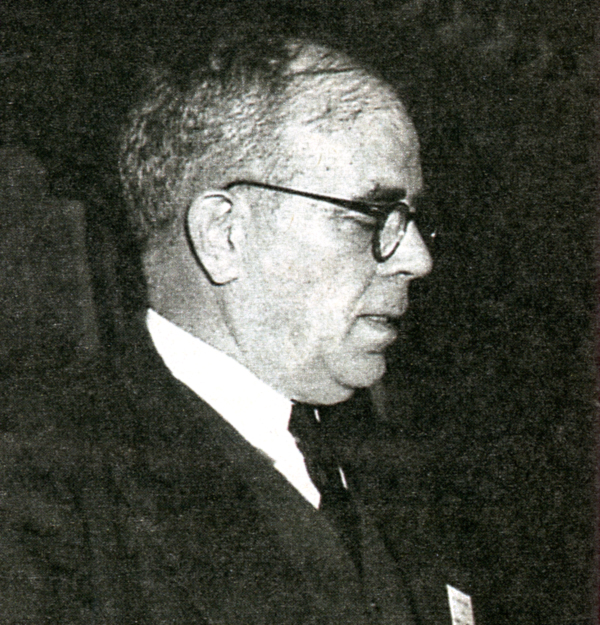
Come that evening, however, I was grudgingly ensconced in a pew. A craggy-browed, graying man in a rumpled suit ambled to the podium. He certainly didn't look like much.

It was his voice that first got me: deep and sonorous, yet with a friendly homeyness. He was easy to listen to. But he reached me even more when he spoke of Jesus. I had always thought of Jesus as being "up there" with God, far removed from the world's nitty-gritty.

But as Harry Denman talked in simple, matter-of-fact terms, I began to feel Christ's presence. This man obviously knew him—knew him as those sweaty fishermen on the Galilean wharves had.

I sat mesmerized as he told how Jesus can help us through our darkest nights, how he can guide us. "Prayer is not just talking and asking; it is listening to God," he said.

Then he spoke about our part in the relationship: love. "I'm not very sympathetic to the idea of just telling people, 'God loves you.' So many people are doing that, and it's not enough," he said. "Love has to be seen."

He admitted he himself had once wanted to put up billboards saying God Loves You. But he felt the Lord telling him, "You don't have to put up billboards. You are a billboard."

I found myself enrapt. Religion, I was beginning to understand, was more than listening to Sunday sermons, and life wasn't just looking forward to job promotions and vacations with the ultimate goal of a company pension.

Life and religion, it seemed, could be an ongoing adventure, with exciting possibilities, and a destination so wonderful I wanted to do everything I could to be ready for it.

Harry Denman left the next morning as quietly as he had come, traveling to his next engagement by Greyhound bus (often his mode of travel), carrying only a briefcase with a fresh shirt, pajamas and a change of underwear—which was just about all he owned.

Intrigued by this unprepossessing person who walked so humbly with God, I endeavored to learn more about him, and read his biography, Harry Denman, written by Harold Rogers.

Born of poor parents in Birmingham, Alabama, in 1893, Harry Denman left school at the age of 10 and worked as an errand boy. His Sunday-school teacher encouraged him to get an education; he eventually worked his way through college and by age 31 had earned his master of arts degree.

He went on to hold leadership positions in the Methodist church, including secretary of its General Board of Evangelism, which he almost singlehandedly forged from one man and a helper in a tiny office to an organization of some 250 people.

But Harry's first love was speaking. He traveled continually and was booked two years in advance. He made more than 400 talks in 19 countries in just one year alone.

During some 50 years of going all over the world, he talked with bartenders, porters, airline pilots, housewives, boys and girls. Cab drivers told this genial old-shoe of a man their troubles and drove away with a good tip, in more ways than one.

When he discovered that one cab driver's wife had left him because of his alcoholism, Harry asked, "Does your wife know you're now sober?"

"She wouldn't believe me," said the driver. Harry took down the woman's address and wrote a letter assuring her that her husband had stopped drinking.

At a restaurant he noted the waitress's wedding band and inquired about her family. Learning she had a brand-new daughter, he asked if the baby had been baptized yet.

"We want to," she said, "but because of my work schedule we haven't been able to make those arrangements." Before leaving the restaurant, he talked with the owner and arranged for the waitress to have the next Sunday off for the baptism.

"It's our actions that speak, not what we say," Harry often said. "Maybe you have a friend or business associate who's in trouble. Help in any way you can, but always watch for the right moment to tell him where you turn for strength and courage."

It was because of this that Billy Graham called Harry the greatest practitioner of personal evangelism in America. "He was one of the great mentors for evangelism in my own life and ministry," Billy Graham wrote, "always ready to share his advice and wisdom with me whenever I would ask him."

Too immersed in his work to marry, he felt all families were his family, and his files bulged with letters and photos of graduations and weddings, and children's drawings.

Since he traveled by air in his church-supported years, he also gained the admiration of hundreds of airline stewardesses. He prayed with them, sent them books, and often wrote parents to compliment their daughters.

Stewardesses, senators, shoeshine men, Africans, Koreans, Jews—Harry Denman knew no distinction among people, regardless of their economic or educational status, or race.

"I never think of anyone as a person of another race," he said. "To me we are just children of God." He began a drive to register black voters and often spoke in defense of Jews.

To Harry no one was beyond God's love and concern. When speaking to a church women's group he was told of a prostitute living nearby. "What have you done about it?" he asked.

"We are praying for her."

"But have you gone to call on her?" he asked. "Have you told her that God loves her and that you love her? Too often we try to substitute prayer for action. We want the Lord to do what we are not willing to do ourselves."

His Bible was his constant companion. He read it on planes, in hotel lobbies, everywhere. Every day he would copy a portion of it by longhand in a stenographer's notebook.

He eventually copied the whole New Testament and Psalms, feeling that in this way he could better absorb them to guide his every thought and action.

A reporter described him as an evangelistic gyroscope who spun around the world. Harry never carried a watch. "There are clocks everywhere," he said, but he also found asking the time usually started a conversation that turned to deeper things.

Never once, he said, had he sensed resentment from any one of the many thousands of people he talked to about Jesus.

A close friend of religious leaders from Oral Roberts to Bishop Fulton Sheen, Harry observed, "We have different churches, but we ought to have an ecumenical movement which will help us work together."

At age 83 he held his last preaching mission, speaking 12 times in one week in Tuscumbia, Alabama. Exhausted, he entered a hospital in Birmingham shortly thereafter. From then on, though no longer preaching, he could still pray and write letters.

At the bottom of his letters he drew a cross, saying, "This is the church." The horizontal beam was labeled "Sacrificial love for all persons." The vertical beam carded the words "Obedient faith in God." And he always concluded his letters (and his prayers) with "Sincerely your friend, Harry Denman."

On November 8, 1976, Harry Denman died. He left nothing material except a rumpled suit, an extra shirt and a change of underwear. What he really left was a legacy of love for his fellowman, a memory of his humility and complete artlessness, and millions of changed lives.

I am grateful to be one of them.

Inspiration and Healing

Is there a link between how we think and how we feel? Does a positive attitude pay off in healing and better health outcomes?

Depends on who you ask. In an op-ed column in last Tuesday’s New York Times, Richard Sloan, a professor at Columbia University Medical School, argued in the negative. He doesn’t believe the data supports the notion that there is a causative relationship between a good attitude and good health.

The primary concern behind Sloan’s article is valid: If a person’s mind has power over the body then wouldn’t it stand to reason that he or she is in part blameworthy for their physical ails? Sloan argues that it is cruel and unfair to hold a sick person accountable on those grounds and I totally agree. My wife has lupus and it is very hurtful when people seem to think that if only she had a more optimistic outlook she would get better. It is hard to be positive when you’re sick. Some days you are just completely bummed out.

To Sloan’s other point I have to take exception. I think the jury is still out on whether a person’s thinking can directly impact health and healing. We may never be able to prove this. Still, in a more general way it makes sense that optimism is a key advantage in keeping or regaining your health. A positive person is more likely to eat right, exercise, take medicine, get rest and follow through on physical therapy. These things are good for her, she believes in them, she does them. Her health is more likely to improve than the negative, fatalistic patient who is probably less motivated toward positive behaviors that improve health.

Some of the most inspirational stories Guideposts has ever published are about amazing journeys in healing, where faith, prayer and a strong spirit play crucial roles. Some people get better because of a miracle. For most, though, they recovered because they took on the battle with an optimistic view. I can’t see where not believing helps you as much as believing.

What do you think? Is a positive attitude good for your health? Post below.

Inspirational Story: Finding a Way to Make a Difference

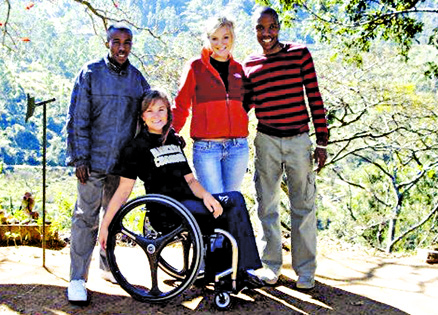
Africa-bound! And only seven hours left of a 19-hour flight before I would arrive in South Africa for my third volunteer trip in three years. But this time it was different. I tried to get some sleep, but couldn’t. The doubts had begun to creep in. I’m doing this for the kids, I reminded myself. I didn’t want to worry about traveling to an orphanage in a remote area, or the fact that I was going alone, without friends or family. Or that I’d be there for a whole year, not just a summer. But I couldn’t help worrying. Plus, I had one challenge other volunteers fighting AIDS in Africa didn’t—I was in a wheelchair.

At eight years old, I was paralyzed from the waist down in a car accident. I spent months in an Easter Seals rehabilitation hospital, learning how to use a wheelchair, how to get up from the floor and how to dress myself. Basically how to live my life as independently as possible. My first day home, I found the usual list of chores on my bed. “Things happen,” Mom said, “but our responsibilities to ourselves and others don’t change.” Making my bed and cleaning my room took forever. But I could still do them, just a little differently than before the accident. I could still do a lot of things. Like swing on the uneven bars in gymnastics, as long as my coach boosted me up. Or be a part of the Friday night family dance parties my mom, dad, sister and I always had. Dad popped in a Beach Boys CD. “Surfin’ U.S.A.” came on. I pumped my arms in the air and twisted in my seat. At 16 I got a driver’s license like all my friends—only I had a car with hand controls.

Community Newsletter

Get More Inspiration Delivered to Your Inbox


Junior year at college, three friends and I volunteered at a Christian orphanage in Durban, South Africa, that took in abandoned babies with HIV. More than a third of the population in the KwaZulu-Natal province had the virus. This was bigger and scarier than anything I’d ever dealt with. But I felt a pull like I’d never felt before. I’m needed here. I know that’s what God is telling me. That I had a responsibility to oth­ers and that I could make a difference.

A church in Durban arranged for a driver to take my friends and me back and forth from our host family to the orphanage. Most buildings were one story, and my friends carried me up the rare staircase or big hill. I fed the babies, rocked them to sleep, prayed by their beds, administered medicine. I returned the next summer with my sister. My chair was never an issue.

I can do more, I thought. This time, after graduation, I made a year-long commitment to Lily of the Valley Children’s Village, outside Mophela, South Africa, where 90 percent of the children are infected with HIV. I would see to the kids’ medical needs and teach math and English.

“You can’t find a friend to go with you?” Mom asked.

I assured her that I could do plenty by myself. Still…I didn’t tell anyone at Lily of the Valley about my wheelchair. I wasn’t sure they would approve. As far as they knew, I was like any other young volunteer who comes over to help out.

Now I stared at the bulkhead in front of me, wishing that the jet engines could drown out my doubts. Who would help me if I got stuck? Would I prove to be more of a burden than a help? Okay, God, I finally prayed, I’ll go anywhere you want, but you have to be my legs.

Soon enough, I arrived in Mophela. People stared at me from the doorways of mud huts. Out in the overworked fields, farmers’ heads turned. Even a skinny cow that wandered across the dirt road seemed to gawk at me. It was a bumpy drive from the town to the children’s village, a circle of one-story houses bordering a game reserve. Wildebeests and giraffes strolled by in the distance. The driver brought my chair around. I climbed in and wheeled into the village.

Kids came up to me, touching my chair curiously. A woman ran out of a cottage shouting in Zulu. The children scattered.

The woman in charge looked baffled, but she was too polite to say anything about my chair. She showed me through the children’s village—22 cottages, each one with a house mother and six children—to the small house where I would be staying. The ground was flat but sandy. My wheels sank and slipped. I strained my arms to get going again.

“Do you need help?” the woman asked.

“No, I got it,” I said.

That afternoon, I met the six, seven and eight-year-olds in my “homework club.” The kids often missed class due to illness, and the schools were overcrowded, so extra instruction was needed. I read books to them and drew pictures. I asked dozens of questions. They just stared at the ground, not saying a word.

Those first few weeks were hard, harder than anything I had done before. Sometimes the kids went home with relatives, neglected to take their meds and came back sick. In class, some remained shy, others listless. I forced myself to keep trying. I needed to prove myself. But how could I tell if I was doing any good?

One night, a big storm hit, the only rain Lily had seen in weeks. I rolled out of my cottage the next morning and my chair lurched, the wheels sinking into mud. I gripped the wheels tight and pushed hard. The chair wouldn’t budge.

All of my worst worries seemed to be coming true. The problems I’d come to fight were too big. I was stuck, hopelessly stuck. I was alone. And a burden to people whose lives were already so heartbreakingly hard.

Out of the corner of my eye, I saw people running toward me. Children, some older ones, some younger. Two of the oldest grabbed the handlebars and the others pushed me forward. The wheels came free. The kids shouted with delight.

“Thank you!” I said, surprised. “Aren’t you sweet!”

The children laughed. “You help us,” one of the older boys said. “We help you.”

You help us. We help you. That echoed in my ears all day. The next morning, there was a knock at my door. “Miss Harston, can we help you?” I opened up. The kids were waiting to push me through the mud to homework club.

The next day, same thing. And the day after that. It became our little ritual. In class, two six-year-old boys decided it was their job to help me up from sitting with them on the floor.
The more they helped me, the easier it got to help them. The kids and I bonded. One day, I tore open a care package from my parents—on top was a CD: The Beach Boys. Soon we were having after-homework-club dance parties. Sometimes the kids came over to my house. We baked cookies and they sat on my couch, practicing English by reading Bible stories. The children’s favorite was David and Goliath. “Even the smallest of us can overcome the worst things,” I told them. Weren’t we all living the story now? Fighting the giants of AIDS and poverty?

I wasn’t alone during my year in Africa. Not at all. I’d asked God to be my legs, and he’d sent the very people I was helping to help me. He’d shown me, more than ever, that anyone, even in a wheelchair, can make a difference.

Download your FREE ebook, True Inspirational Stories: 9 Real Life Stories of Hope & Faith

Inspirational Quotes for Animal Lovers

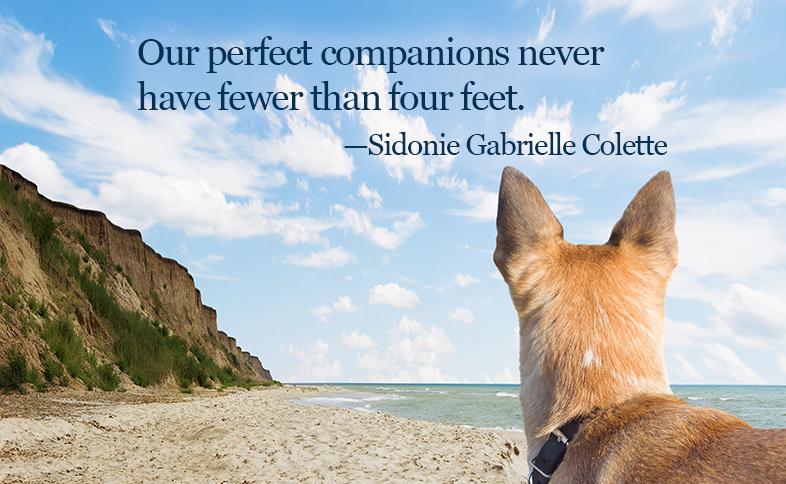
Animals are some of the greatest companions in our lives. We hope you’ll enjoy this uplifting slideshow featuring inspiring quotes about our finned, feathered and furry friends. For more inspiration about animals, treat yourself to 60 uplifting personal accounts of how God blesses us in refreshing and remarkable ways through the living example of our animal companions in Paws from Heaven.

Subscribe to Guideposts’ New Inspiring Pets Magazine ‘All Creatures’!

Inside Oprah’s ‘Super Soul’ Gospel Brunch

In the Old Testament, the Promised Land was a place God agreed to give to the newly freed descendants of Abram. In Negro Spirituals, it was a place free from slavery and oppression—if not on earth, then in Heaven. For Oprah Winfrey, descendant of enslaved people and daughter of rural Mississippi, it is the name of her own immaculately manicured 65-acre estate in Montecito, California. And Guideposts.org is there.

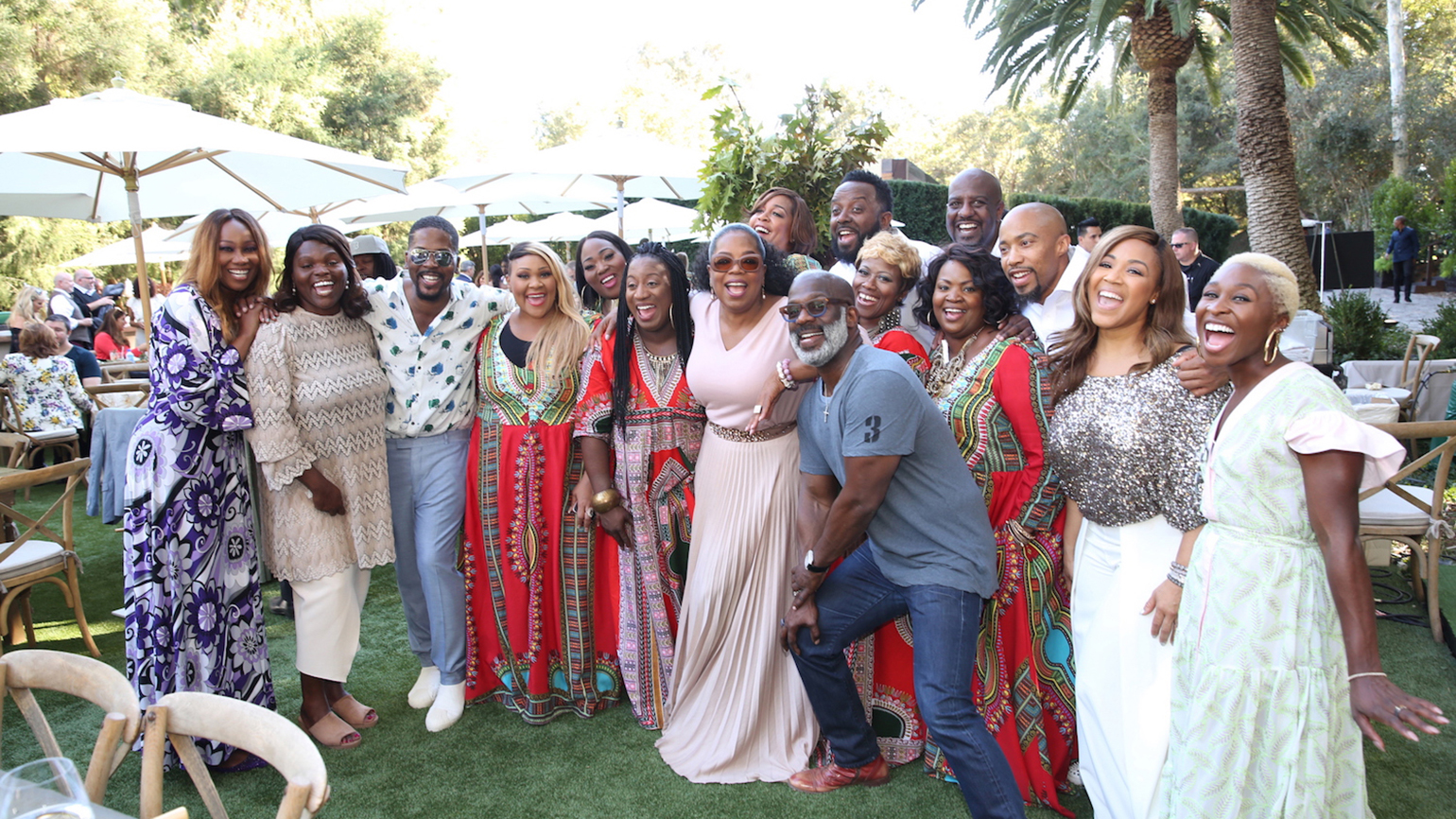
“I don’t do this, ever,” Oprah Winfrey tells the handful of us journalists gathered in a circle around her at a wooden table, under the shade of full-grown pines and oaks. She is emphasizing the rarity of allowing a group of journalists and about 300 celebrity friends, collaborators and guests to come to her home.

Community Newsletter

Get More Inspiration Delivered to Your Inbox


It is a Sunday morning and we’ve all just journeyed via golf carts into her estate. The uphill ride from a staff parking lot, through wrought iron gates, revealed majestic views in all directions: mountains, streams, fountains and even the Santa Barbara coast was visible in the distance if you peaked through her palm trees. Contrasting with the smog-filled Los Angeles just 2 hours to the south, the air in The Promised Land is noticeably sweet with eucalyptus and pleasantly breezy on an eighty-degree day. Other than the sound of gravel crunching beneath golf cart tires, we are wrapped in a comforting stillness.

The significance of Oprah’s home goes far beyond its sensory beauty. This is the property of a Black woman born into poverty to a single mother in the Jim Crow South. This is the palatial estate of a woman who has endured tragedy, abuse, racism, sexism and more to become the first Black billionaire in North America and a notable philanthropist. This is the milk-and-honey land of a human being who has achieved the extraordinary, revolutionized the talk show format and introduced millions of people around the world to ways in which they can deepen their relationship with God, spirit and self. It’s a dream, fulfilled. And she’s inviting us into it.

So we find ourselves down a narrow cul-de-sac, just off of one of her guest houses, seated in an area that her staff has nicknamed The Secret Garden. The exceptional event she’s invited us all here to celebrate is the launch of her latest book, The Wisdom of Sundays. It’s a collection of life-changing insights she’s gained from conversations on her Emmy-Award winning show Super Soul Sunday. It’s a book launch party with the Oprah treatment: an experience for the soul.

[PHOTOS] OPRAH’S SUPER SOUL BRUNCH

She’s planned a stirring gospel concert at her on-property amphitheater, headlined by gospel pioneer BeBe Winans, and a delicious soul food brunch prepared by acclaimed chef Art Smith.

Colin Cowie, who produced her famous 2005 Legends Ball weekend, returned to produce the Wisdom of Sundays Gospel Brunch, with no detail left to chance. Mauve roses in full bloom decorate the tables and match the floor-length gown with a bedazzled belt that Ms. Winfrey wears. The napkins are embroidered with inspirational quotes from the new book.

“Your life is always speaking to you,” reads a gold-lettered Oprah quote against a white cocktail napkin. “The fundamental spiritual question is: Will you listen?”

“Whenever I really, really, really believe that something is going to be impactful, I try to put everything I have into making that possible,” she says of forgoing the traditional book tour in favor of the fête. “And so, inviting people into my home, which I don’t do, is what I decided to do.”

After our inspiring chat (which you can read here), celebrity guests like, Hamilton creator Lin-Manuel Miranda, Julia Roberts, Reese Witherspoon, Kerry Washington, Angela Bassett, Arianna Huffington, George Lucas and Guideposts cover stars Courtney B. Vance, DeVon Franklin, Meagan Good, Roma Downey and more, shuffle into the amphitheater and sit on cushion-covered stone seats for the gospel extravaganza.

Winans, whom she introduces as “my favorite musical director,” Donald Lawrence and the Tri-City Singers usher in Sunday morning praise and worship with the gospel anthem “I Am Healed.”

As Oprah promised, “The Winans family and BeBe, they know some music.”

There’s not a dry eye in the arena when Emily David, a survivor of Hurricane Harvey whom Oprah supported after the America’s Got Talent contestant lost everything in the floods, sings “Bridge Over Troubled Waters”—or when Tony-winner Cynthia Erivo sings the classic, “Stand,” followed by Oprah’s favorite song, “I Surrender All.” Singer Andra Day performs her inspirational hit “Rise,” and icons Yolanda Adams and Erica Campbell join the hallelujah ensemble to close out the concert with the Mary Mary hit, “Thank You, Lord.”

“I want to do something that launches this book into the world in a way that leaves the people who were a part of it [uplifted],” she says. If the laughter, full bellies and tears of joy from her guests throughout the day are any indication, it’s an intention that she’s fulfilled.

In Our Imperfection, Grace Abounds

As much as they may take a toll on our emotions, our imperfections make us human. They can cause us to feel inadequate, unsuitable—even valueless. Yet, our imperfections can teach us to be humble, compassionate and gracious. We have empathy for others because of our own limitations and short comings. Without them, we would expect nothing less than perfection at all times.

The most pressing challenge we all face is accepting our own limitations and faults. The sooner we can accept that our faith in God doesn’t make us perfect, the sooner we can embrace and appreciate His daily grace. When we see our imperfections as stumbling blocks, God sees them as opportunities. Through our vulnerabilities, we discover the power of love, grace and forgiveness with His help.

Throughout history, there are many individuals who impacted the world and other people in great ways, but they, too, had their imperfections. With their limitations and shortcomings, God used them. This reminds me of when I was a child, and my mother would buy me a box of new crayons at the start of each school year. At first, the crayons were new and in perfect shape, but over time, they became worn down and flawed. It didn’t mean that the crayons were useless. On the contrary, some of my best artwork was done with overused and misshaped crayons.

The same thing takes place in each of our lives. We come into the world as a newborn, but it isn’t long before our flaws and weaknesses are revealed. Some of our shortcomings become part of our life struggle, while others go away or become manageable. People of faith have their faults, defects and limitations, but it doesn’t stop God from doing great things through them. In spite of our imperfections, God continues to make us instruments of peace, love, justice and kindness.

Lord, in our imperfections, Your grace abounds.

Indulge Yourself and Reduce Your Stress

Are these economic doldrums we’re stuck in taking a toll on your positive attitude? Mine too. I’m fortunate—I have a good job and little debt, and I’ve been able to up my donations to charity.

Still I find myself stressing about money more than usual, and acting in austerity mode when it comes to things like dinners out, travel, spa treatments. Sure, these are occasional indulgences even in the best of times, but I’ve cut out the last two almost entirely. You don’t really need a massage. You shouldn’t be spending money treating yourself, not in this economy. You should save it just in case… That’s my thinking.

Or it was, until I came across an article in the science section of The New York Times, a short piece about a recent study on the effects of massage. Participants got 45 minutes of either deep-tissue Swedish massage or light massage. Blood samples were taken before and after. Even the researchers were astounded by the results: Just a single session of massage significantly reduced the level of the stress hormone cortisol and boosted the level of the hormone oxytocin, which is linked to contentment and calmness. I always feel more relaxed after a rubdown but here was proof that massage actually relieves stress. And who doesn’t want less stress these days?

It’s hard to keep thinking positive when you’re worried about negative cash flow. Sometimes you need a little indulgence, especially one guaranteed to make you feel good. Go ahead, treat yourself! Guess where I’m headed as soon as I post this blog?

In Celebration of Chocolate

In his book, In Defense of Food: An Eater’s Manifesto, Michael Pollan tells the story of a researcher who showed the words “chocolate cake” to a group of Americans, asking for their gut-reaction word associations. “Guilt” emerged as the top response.

When the same exercise was done with a group of French people, the top response was quite different—it was “celebration.”

As Valentine’s Day approaches, I’m thinking about the gulf that yawns between “guilt” and “celebration.” Imagining the feeling I get when I take in a forkful of luscious chocolate cake, a spoon of creamy ice cream or a few squares of a favorite chocolate bar, I wonder where my inner French eater might be hiding?

For some people, that little zing of American guilt may be a big part of what makes treats like chocolate so pleasurable. For others, a psychological principle called “the disinhibition effect” means that breaking a healthy eating rule once—like no chocolate on weekdays—actually makes us more likely to break it again, which drains chocolate of its “treat” status.

But I suspect that for most of us, we just like chocolate; it makes us feel good. We enjoy its sweet-bitter flavor balance, we associate it with birthdays, Valentine’s Day and other special occasions, and we feel like the day is a little bit more special when we have some.

We’re in good company—chocolate’s positive associations are centuries-old.

Societies have long associated chocolate with medicine. Aztecs, Mayans and European cultures used various preparations of cacao, the base ingredient in chocolate, for its anti-inflammatory properties that lower cholesterol and treat ailments from diarrhea to headaches to coughs to fatigue. To this day, scientists are learning more about medicinal chocolate—though aficionados are often disappointed to learn that to have health benefits, chocolate needs to be free of the fat and sugar that many of us find so delicious.

Then there’s the tradition of Valentine chocolates. In the 14th century, the poet Chaucer wrote that Saint Valentine’s Day is a day in which birds and other creatures choose their mates. It was 500 years later, though, that historians believe chocolate was first connected with Valentine’s Day. In mid-19th century England, the Victorian sensibilities around public expressions of love met the Cupid- and heart-bedecked boxes of chocolate made by Richard Cadbury. Just step into any grocery, drugstore or sweet shop in February, and you’ll understand that the Western world hasn’t looked back.

But back to Michael Pollan and the invitation to ditch the guilt when it comes to Valentine’s Day chocolate—or any day chocolate. One of Pollan’s rules for a healthy relationship with food is never to eat anything your great-grandmother wouldn’t recognize as food. So if you’re snapping off a piece of a chocolate bar, or smoothing frosting onto a rich cake, you can feel good that you are tucking into food with a special, positive history. Maybe then you can remember to celebrate every single bite.

Important Things: September 11, 2001

It was a September morning like any other. The air was still summer warm. The sky was a brilliant robin’s egg blue. I stepped onto the 8:25 a.m. Metro North commuter train, headed toward my office at Guideposts magazine on 34th Street in New York City.

“Excuse me.” I squeezed between a young woman wearing earphones who was thumbing through the color photo-filled pages of Star Magazine, and a middle-aged gray-bearded man reading The New York Times.

Drat. The dreaded middle seat. Oh, well, at least I don’t have to stand.

I put on my sunglasses and folded my arms tightly across my chest, as though doing so might somehow make me not only smaller, but invisible. Before closing my eyes I sneaked glances at the headlines in my seatmates’ reading material—a microcosm of everyday life in twenty-first century America.

On my left, in Star, there was the insatiable culture of celebrity (“Look Who’s Got Cellulite!”). On my right, in the New York Times, bitter partisan politics (“Campaigning for Mayor: City Voters Have Heard It All”).

Oozing from the pages of both—as well as from the jokes told the night before on the late night TV talk shows—was the prevailing tone of world-weary, been there-done that, above-it-all irony.

I’d just dozed off, when someone’s cell phone chirped. Followed by another, and then another. Passengers began speaking in hushed, urgent tones, something about one of the World Trade Center’s twin towers being hit by a plane. Not a small private plane. A big commercial airliner.

How awful, I thought. What a terrible accident.

Several minutes passed, and a second shrill chorus of cell phones announced a second strike.

This was no accident. We were being attacked.

The bearded man next to me became agitated as he punched the buttons on his cell phone to no avail. “My staff is on the 86th floor of Tower One,” he said. “My God, I hope they’re all right.”

As the train rounded the bend north of 125th Street, passengers across the aisle left their seats to peer out the train’s west windows at the terrifying spectacle of the towers burning.

At Grand Central Station, I wedged myself into the crowd at the Hudson News kiosk, transfixed by the horrifying images on the elevated Fox News TV monitors. Fiery orange explosions. People jumping from the towers. Skirts billowing. A man and woman holding hands as they plummeted.

This can’t be happening.

Walking south on Fifth avenue, I watched aghast as the blue sky filled with black smoke hemorrhaging from ugly gashes in both towers. At street level there was the surreal sensation of being in a 1950s Japanese horror movie. People with radios and cell phones pressed to their ears shouted breaking news.

“They’ve hit the Pentagon!”

“There’s a plane headed for the White House!”

At the office, I frantically tried to phone my husband Tom, who had driven into Manhattan earlier in the morning for a breakfast meeting with a client somewhere in the city… But where exactly? Downtown? Uptown? If only I had asked!

I tried to call our daughter Katy at her New York University dorm downtown, on Greenwich Street. I tried to call my sister in her classroom at Middle School 131 in downtown Chinatown, where she taught sixth grade science. But none of their cell phones were working.

“Did you hear?” A young ashen-faced staffer cried out from her office across the hall. “The south tower has fallen!”

I phoned my mother back at our house in New Canaan, Connecticut, and told her not to worry. I phoned my friend Alison, and told her I couldn’t get in touch with Tom, Katy, or my sister, that they were all downtown, and would she please pray?

“Of course,” she replied. “Oh, my God, Kitty. Are you near a television? The north tower is falling…”

My desk phone rang. It was Tom. He was safe. I sobbed with relief. His breakfast meeting had not been downtown, but just five blocks away on 39th Street at the Williams Club where Tom, an alumnus of Williams College, was a member.

We agreed to meet there, where the staff was busy setting up phone banks, and tables with bottled water and emergency provisions.

As the morning dragged on, men and women covered in white dust, looking like ghosts, staggered up the steps and through the door. Survivors from the horror downtown, they had walked the four miles to the Williams Club in shock.

Once we had finally gotten through to Katy and my sister, and made sure they were safe, and called my mother, and our son Brinck at his high school to reassure them that we were all okay, Tom and I headed for home via the West Side Highway. It was three o’clock in the afternoon.

Across from us on the southbound lane, an endless convoy of ambulances and emergency vehicles from the northern suburbs, including New Canaan, moved toward what the newscaster on the radio was calling “Ground Zero.”

I turned around in my seat and looked south where a dismal dirty gray cloud filled the empty space where the twin towers had stood. It seemed impossible that they were gone.

National Guardsmen, armed with rifles and wearing camouflage uniforms and black boots, stood at the Henry Hudson Bridge toll gates, and inspected our car before letting us pass.

When we finally made it home, Tom and I pulled my father’s flag—the flag that had covered Dad’s casket when he died—out from the darkness of the closet and hung it over the front door. Across the street and next-door, our neighbors had put out their flags, too.

As I stood looking at the flag, I remembered how as a teenager, my father’s patriotism had embarrassed me. At high school football games I wanted to hide when he placed his right hand over his heart and lustily bellowed every word to the Star Spangled Banner.

Back then, my father’s old-fashioned, unapologetic patriotism seemed not only corny, but irrelevant.

Forged by the fires of adversity and sacrifice, his patriotism was the birthright of a different generation—the Greatest Generation—surely something that could never burn in my privileged baby boomer’s heart.

Until now.

The two towers were not all that fell on that awful day. If only for a moment, all that was trivial about everyday American life fell away, too. The culture of celebrity. Partisan politics. Irony. All were unmasked as the cheap, shallow, frivolous imposters that they were.

Rising out of the ruins, all that remained standing were the Important Things: Faith. Family. Friends. Freedom. Essential and enduring, they offered meaning and hope to a nation and people suffering incalculable heartache and loss.

Now, I thought, is the time to say, “I love you.” Now is the time to say, “I’m sorry.” Now is the time to say, “Thank you.” Now is the time to make peace with God. Now is the time. Tomorrow may be too late.

On September 11, 2001, it was all so clear.

This story is excerpted with the author’s permission from her latest book, Heart Songs: A Family Treasury of True Stories of Hope and Inspiration. For information on the Inspiring Voices publishing service that published Kitty’s book, visit their website.