


The cast-iron hamburger skillet gave me away.
I was cooking ground beef for dinner. I went to drain the meat—and I couldn’t lift the skillet. I got it a few inches off the stovetop then it clunked back down. I took a deep breath. What was wrong with me?

“Ashley!” I called to my teenage daughter. “Can you give me a hand in the kitchen?”
Ashley came in and laughed when I told her what I needed. “You’re not that old, Mom,” she joked as she drained the meat. She went back to her homework. I went back to making dinner. Maybe it wouldn’t happen again. Maybe I was just tired. Maybe…
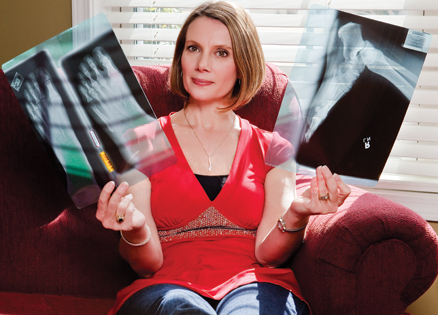
I leaned against the counter. I looked at my arms. I pictured the bones inside them. Who was I fooling? Two years earlier I’d been diagnosed with osteopenia, or low-bone density. I’d done nothing about it. No medication, no exercise, no change in my diet, even though the doctor told me I was a high risk for osteoporosis.
Was I finally paying the price for my denial? I hoped not! I didn’t have time to get sick. I was raising three kids and running a 200-student church preschool. Besides, I was only in my forties. People in their forties don’t get bone disease—right? I’d actually tried medication for a month after the osteopenia diagnosis. But I didn’t really feel like taking the pills. I never refilled the prescription.
I finished mashing some potatoes and took down plates from the cupboard. As long as I was being honest with myself, I might as well admit I’d been ignoring my body a whole lot longer than two years.
It had been twice that long since I first broke my foot helping take care of my ailing grandmother in Oklahoma. I got up in the middle of the night to check on her and tripped over a step. I hobbled around until I got back home. To my annoyance the doctor put me in a cast and told me not to walk. As if!
My husband, Geoff, and the kids offered to cook and clean, but I knew the house wouldn’t run right without me in charge. “That foot took far too long to heal,” the doctor chided me when the cast came off. “I’m recommending that you get a bone-density scan.”
I skipped the scan. The church preschool was just starting up and I still worked my old job, assessing developmentally delayed children for the local school district. That job stressed me out because often I had to convince deeply reluctant parents their children had a problem. My heart ached for those parents. But why did they resist admitting the obvious, especially when treatment was available?
I forgot about my bones until a year later, when I was making my older son Ian’s bed one morning and whacked my foot into an iron bedpost. Broken again! A different doctor also recommended a bone-density scan. When the foot took twice as long to heal as it should have, I finally broke down and got the scan.
I’d never heard of osteopenia. Well, at least it’s not osteoporosis, I thought. The doctor recommended medication, calcium supplements and exercise to strengthen my bones and muscles.
“The longer you wait to make these changes,” he warned, “the more likely your condition will worsen.” I nodded, but inside all I could think was, Not possible. As in, not possible for a young, active woman like me to be hobbled by such an old person’s disease.
I heaped hamburger onto the plates and gave everyone a dollop of mashed potatoes. Had I waited too long? I kept a cheerful face for the rest of the evening, and soon Geoff and I were in bed, lights out. Only then did the fear I’d been suppressing burst forth. Lord! I cried out. What should I do?
I couldn’t help thinking of my great-grandmother and great-aunt, both painfully stooped with osteoporosis in their waning years.
For some reason my mind drifted back to my old school district job. I remembered one mother in particular. I’d just finished assessing her preschool-age daughter in a diagnostic play space, a miniature kitchen. While the little girl made play pies, I calmly told the mother what challenges her daughter would face.
“But that’s not possible,” the mother insisted. “You just don’t know her. She’s fine at home with me.”
Not possible. Those were my words. I remembered the rest of my conversation with the mother, how reassuring I’d been about treatment. How on earth could I have been so good at doling out advice all these years—and so deaf to my own problems?
God had been answering my prayer, telling me what I should do, all along. Every time I ignored my doctors, my family, my own body, I was ignoring the voice of the Healer himself. Denying my problem was denying God the chance to help me.
I made a lot of changes after that night, and no one was more surprised than I to discover just how painless they were. I resumed taking my medication. I took up Jazzercise and loved it. I steamed vegetables for dinner and no one in my meat and potatoes household complained. I even allowed myself a bubble bath each weeknight to reduce stress.
Most of all, I learned to set aside my pride, denial and fear, and listen to that healing voice of God. Praying and writing in my journal each morning, I hear his message loud and clear. My body is a gift. I need to take care of it. And so I do.



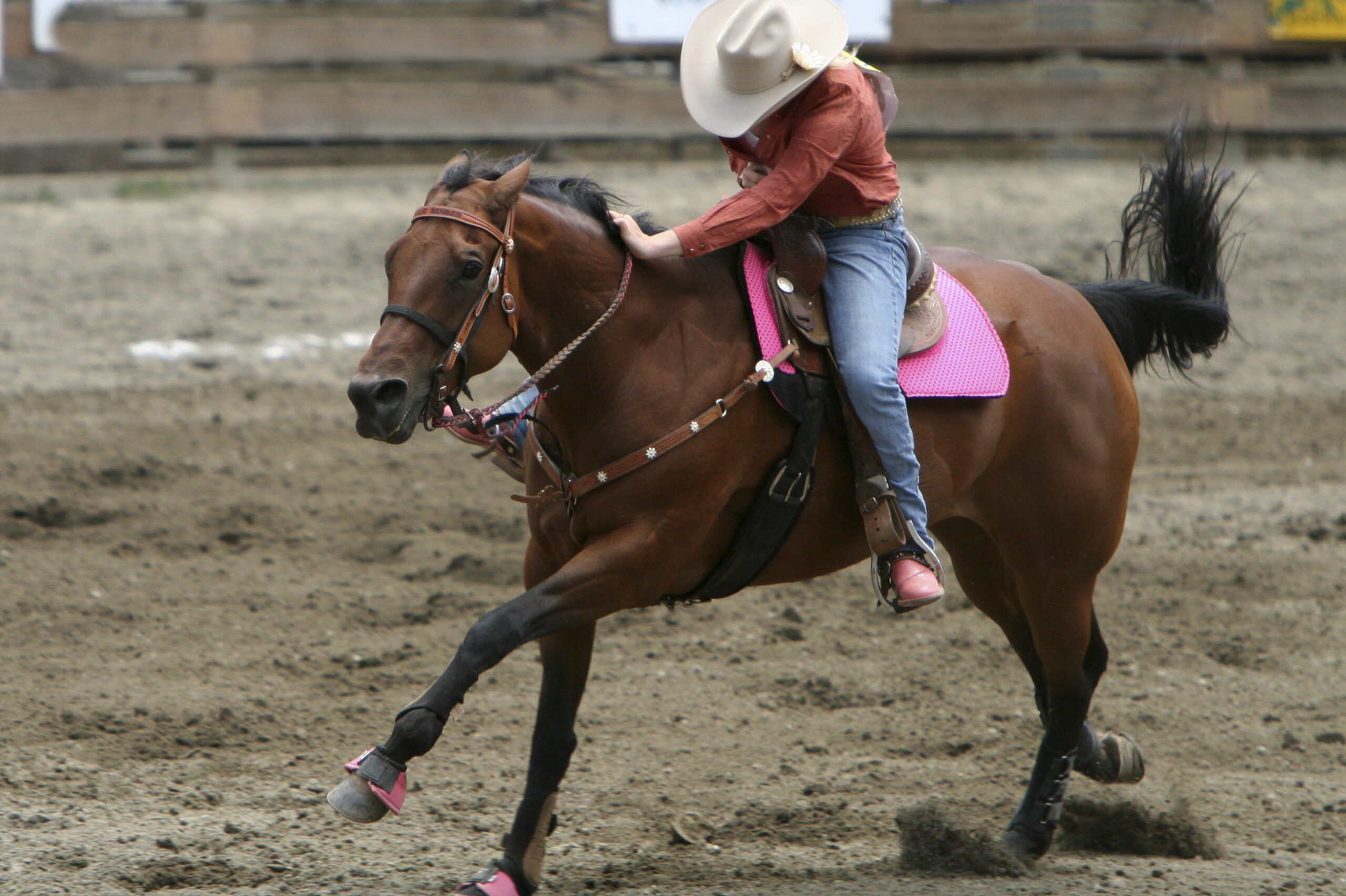

 Miss Rodeo America was a dream I’d been carrying ever since my sister convinced me to run in a queen contest during high school. “You should try it, Ashley,” she urged. “You’re a really good cowgirl.” I’m the youngest of six kids and my entire family rodeoed, so we were going to rodeos and playing in the dirt for as long as I can remember. I competed in barrel racing, pole bending and goat tying, but I always thought rodeo queens were just like any other beauty queens. They couldn’t even ride very well.