Embrace God's truth with our new book, The Lies that Bind

How to Find the Positive in Grief and Loss

May the great name of God be exalted and sanctified… 

These are the opening words, translated from Hebrew, of the Jewish mourner’s prayer known as the kaddish. The prayer continues with more words of praise:Blessed, praised, glorified, exalted, extolled, honored, elevated and lauded be the name of the Holy One.” And it ends with a prayer that “the One who makes peace in high holy places, bring peace upon us.

Who among us, if we read this prayer without any context, would guess such words of praise are recited at Jewish funerals and to mark the anniversaries of a death, called yartzheit (pronounced YAR-tzite)? The kaddish has no mention whatsoever of death, loss, grief, or sadness.

As puzzling as the seeming disconnect might be, the juxtaposition has been deeply meaningful to me as I’ve navigated losses in my life—and it feels especially resonant as I mark the third year since my father’s death.

To me, the kaddish puts the idea of “authentic positivity” to its most challenging test, placing it in the context of grief and loss. After all, the authentic positivity I write about here at Guideposts means recognizing true opportunities for joy without erasing the painful realities of life. Isn’t this what the kaddish is asking mourners to do, to hold in awe the perplexing, beautiful, tragic wholeness of the human experience by speaking words of praise at moments of profound pain?

At various times in my life, I’ve recited kaddish through streaming tears. I’ve allowed the words to swirl around me when I was too overcome by emotion to speak them myself. I’ve even stood silent at times when kaddish was recited, too angrily perplexed by grief to participate in the words of praise in that moment.

But now, as I feel palpably the passage of time since my father’s death in 2019, how each year brings me into a new relationship with his loss, I am experiencing kaddish in a new way.

I feel the pangs of sadness that are implicit in the grieving process. I mourn the lost opportunities for more time together, for more memories made.

But I also feel better equipped to celebrate my father’s life, to feel enveloped in gratitude for the myriad ways I feel his presence in my daily life, to be in a position to carry his memory with me as I step forward into the year ahead. And to feel the strength to recite words of praise and affirmation as a way of living authentically in my grief, which ebbs and flows like tides, like seasons, like this beautiful life.

How to Find a Silver Lining in Unexpected Places

“Was I deceived,” wrote John Milton in his 1634 musical poem Comus, “or did a sable cloud turn forth her silver lining on the night?”

This line is generally accepted to be the origin of the oft-quoted phrase of encouragement, “Every cloud has a silver lining.” Typically, the phrase is offered to mean that even when things are not going well, there is some hidden benefit, some positive thing to be gleaned from the experience.

Reading the original line has me reflecting on new layers of meaning in the famous saying. For one thing, I had never imagined the proverbial silver-lined cloud to be in the night sky. To the extent that I had visualized it at all, I had pictured a stormy cloud darkening an otherwise-blue, sunny sky. The silver lining in my mind came from the sun that kept shining behind that cloud.

Milton’s cloud, however, is illuminated by the moon, not the sun. The darkness in his poem does not come from the cloud, but from the night sky itself. I realize now that we might not even recognize a cloud in this sky at all—if not for its silver lining that sparked to life because of the reflected light of the moon. This is the very definition of authentic positivity—the sun isn’t always going to shine. We can find light in unexpected places when we are patient and observant enough to see it.

Comus, which is a masque—a pre-operatic form of musical dramatic poetry—tells the story of a woman who is frightened and alone in a forest. The comfort of a silver lining in a dark night is a profound image—one that is not surprising in its resonance in the centuries since the masque’s publication.

There is one more aspect of the original quotation that stands out to me—the questioning “Was I deceived…” that opens the line. I imagine there is a context in the masque that might reveal who this question is directed to, but for me, it is a rhetorical moment of self-talk. I suspect we have all had moments when we noticed something so astonishing, so lovely and awe-inspiring, that we asked ourselves, perhaps out loud, “Is this for real?”

The next time you face a dark night, think of Milton’s musing observation and let light ricochet across the sky, turning forth its silver lining against each of your clouds. You won’t be deceived by its brightness.

How to Enjoy the Positive Side of Earlier Sunsets

This summer, my family loved watching movies with friends on a screen in the backyard. It was COVID-safe for our unvaccinated 10-year-old and just plain fun for everybody. But at the height of summer, Movie Night couldn’t even start until almost 9:00 because of those long, luxurious summer evenings—a little late for the younger crowd.

By our Labor Day movie, we relished the fact that we got to start quite a bit earlier, as the sunset began its gradual turn toward winter hours. 

But cinematic silver linings aside, many people start to feel blue when the days get shorter—not to mention the “fall back” moment when we change our clocks for Daylight Savings Time on November 7 this year.

Shorter days and earlier sunsets can be an emotional, metaphorical season of the year. It can feel like we’re turning away from warmth and freedom, toward cold and quiet. In the pandemic era, cold weather means fewer outdoor gatherings, which can prompt feelings of loneliness and just being “stuck.”

Darkness doesn’t have to be a state of mind, though. With authentic positivity, we can acknowledge that there are some challenges we’d prefer not to have to face, but we can find ways to show up with grace and hope, even as the sun sets.

Celebrate Cozy
Just because the sun is down doesn’t mean your whole world needs to be dark. The crisp evenings of fall are the perfect time to set up a new arrangement of indoor candles, lay a fire in the fireplace or simply curl up under a reading light, wrapped in a deliciously soft blanket. Making our own light can be an emotionally resonant response to the darkness outside.

Get More Sleep
There’s a positive aspect of the earlier sunsets at this time of year—the daily rhythm can help us shift our sleep-wake cycles so we get to bed earlier for a healthy night of rest. We’re not talking about full-on hibernation here, but leaning gently into the seasonal sleepiness that comes with shorter days can help us adjust toward a goal of getting 7-9 hours of restorative sleep each night.

Where do you find the light in our shorter days?

How to End a Tough Year on a Positive Note

Everyone, sooner or later, is bound to have an annus horribilis, the Latin term for “a terrible year” that Queen Elizabeth famously brought into modern parlance at the end of 1992.

A tough year is one of those “I know one when I see one” things, usually made up of a combination of profound crises and smaller, more mundane challenges. Having lost my father to cancer in September, I have been thinking a lot about how to bring a year like this to an end in the healthiest and most authentically positive way possible.

Here’s what that doesn’t mean. It doesn’t mean pretending this hasn’t been a terrible, messy, complicated year, or declaring that only blue skies await in the new year.

So how can I—do we—turn the page with authentic positivity?

Call It What It Is
The first step toward positivity in almost any situation is to be honest about it. There’s no sense in spending your energy painting a black-and-white year with a technicolor brush. Instead, embrace the reality that you had a tough year.

Seek Support from Those Who Understand
I don’t know you, but I do know this: you are not the only one who is coming through an annus horribilis (for that matter, neither am I). Connecting with others who are coming to the end of the year with mixed emotions will help you feel less alone—and perhaps more importantly, help you see beyond your own situation.

Practice Checks and Balances
No one has ever had such a terrible year that they made it 365 days without a single moment of joy, a win to balance the losses, a pleasant surprise. Encourage yourself to focus on making a list of reasons to look back on this year with peace and even happiness. It doesn’t have to be a long list but orienting your thoughts in a positive direction will offer a gentle check against the idea that you’re stuck in an annus horribilis.

Make a Plan
Having a plan can help you move forward into the new year with peace and confidence. Your plan could involve connecting with a therapist or support group to help you work through your challenging emotions. It could involve choosing a healthy eating, fitness, sleep hygiene or other wellness plan to step into as the new year dawns. Call it a resolution, call it a plan, call it a promise—call it whatever will best help you move forward.

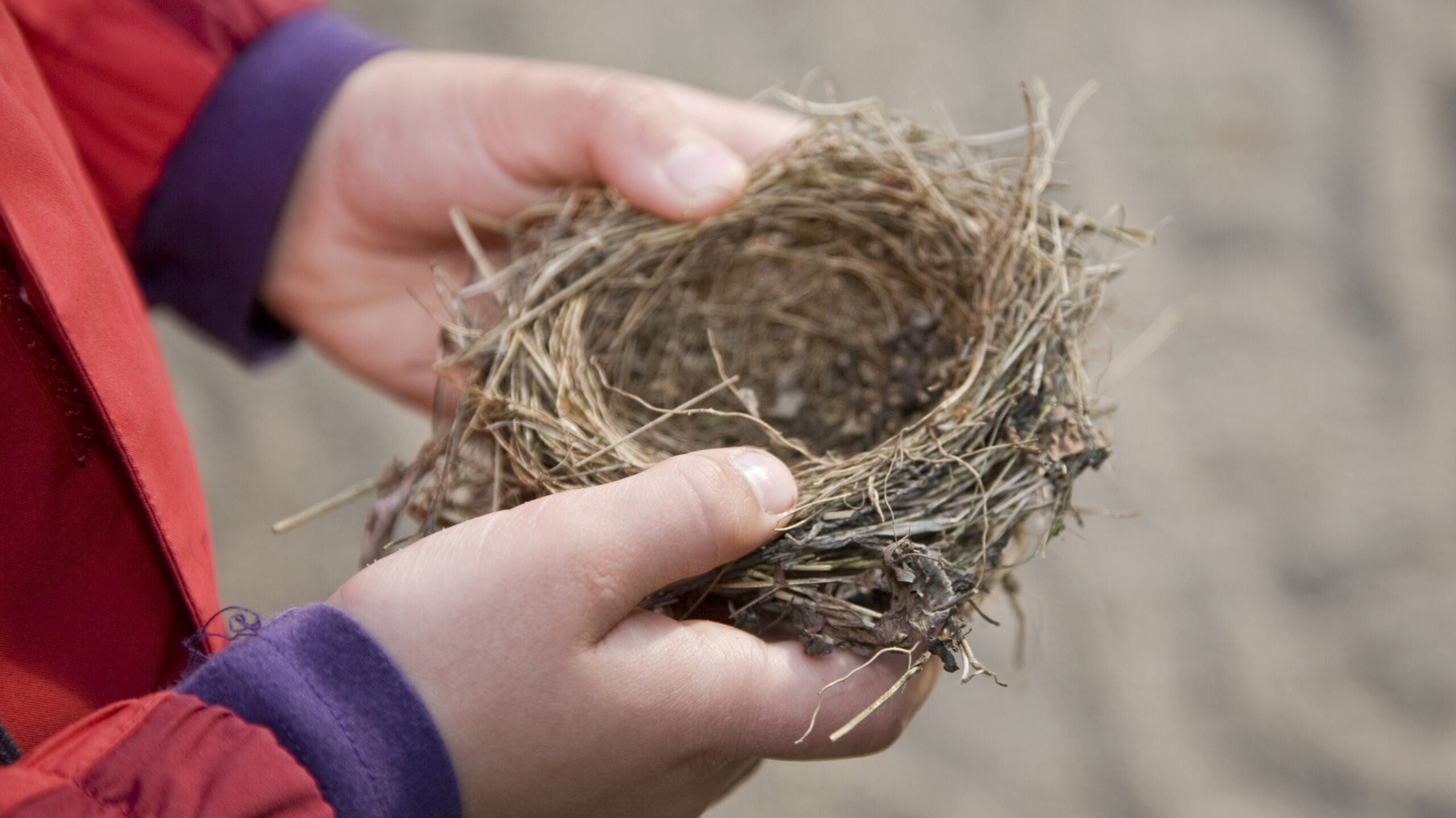
How to Embrace the Empty Nest

I am on the phone with a friend who just returned home from taking her youngest child to college. I ask her how she is doing. “I just want to lie in bed, in my room, by myself,” she tells me. “I told my husband to give me some alone time.”

In two years, I will be in the same situation as my friend, which is why I have been watching how she and other empty nesters handle the next stage of their lives. Part of me is excited as I watch those who take advantage of the opportunities becoming an empty nester offers. I am also fearful about how I will fill those gaps of time that I used to spend packing lunches, driving children to activities and cheering on the sidelines of soccer games.

From watching friends who are doing empty nesting well, I can offer suggestions that I plan to take when my turn arrives soon.

1) Be positive

Looking at this next stage of life as an opportunity goes a long way toward making the most out of the years ahead. After my friend spent a day in her bed alone, she made a list of movie theaters that had weeknight specials and printed schedules for exercise classes to try. She notices when she talks to her children, being positive is better for her relationship with them, too.

2) Accept that relationships will change

Your relationship with your spouse, your children, your parents, and your friends will evolve as you age and that’s okay. You might find you need to baby your children less and your parents more. You might find you finally have time to nurture friendships that you didn’t have when you had lots to juggle — and that can be a great thing.

3) Schedule fun

One friend created a bucket list for this stage of life. She has vowed to check off at least two things on it each year. She just checked off paragliding. (She has an amazing video to show, too.) As empty nesters we may not have kiddos around the family table every night, but we do have time to enjoy activities we weren’t able to try when the children were at home.

4) Make new friends

Many parents become friends with the parents of our children’s friends. When our children leave, that bond may fray. So, it might be time to meet new people. Consider taking up a hobby, joining a book club or running club, or going to industry meetups. My friend’s husband has taken up biking and does it every Sunday morning with new friends who share his interest.

5) Be patient with your partner

Those habits you used to adore in your partner before you had children may now annoy you. You know, like when he tries to fix the washing machine and makes the damage worse or when she tries to fill up the weekend with plans when you’ve been dreaming of relaxing in front of the TV. You no longer have kids home to deflect tension so you will need to try harder to keep your relationship strong.

6) Create new routines

Some days in the thick of my child-rearing years, I walked by coffee shops and noticed people stretched out on comfy chairs reading books or chatting with friends. I felt so envious. As an empty nester it can be a reality. In fact, any new routine can be a reality and that can be exciting.

As we move into the next stage of life, the years ahead can be time for introspection and fulfillment. Enjoy your empty nest!

How to Declutter and Let Go of Family Treasures

Excerpted from Unstuffed: Decluttering Your Home, Mind & Soul by Ruth Soukup…

Every time I write or speak about clutter and the process of getting rid of it, without fail, the most common question I get, and the most common complaint, is “What do I do with all the other people’s stuff in my life? How do I get rid of that?” Through the years, I have discovered, both in my own life and through countless conversations with others, that the hardest things to get rid of are the things that come from other people—the gifts, the heirlooms, and the piles left behind when someone dies. Other people’s stuff, it seems, comes attached to a whole lot of guilt.

Get Your Free Guide to Understanding Medicare

We were faced with a death in the family when my sister-in-law Linda succumbed to a long battle with cancer. It was a devastating loss. With no children of her own, she left everything to my husband and our daughters. While she had been careful to set her financial affairs in order before she died, we were once again faced with the task of sorting through someone’s entire life to decide what to keep and what to leave behind.

The guilt was terrible.

These Christian Living Books Will Help You on Your Faith Journey

You see, Linda was a shopper, and she loved to collect nice things. Her home was beautiful and filled to the brim with her various collections—expensive paintings, Longaberger baskets, Lladró figurines, Halloween decorations, hundreds of pigs in all shapes and sizes, and even a whole dresser full of Silpada jewelry. These collections represented everything she had lived for, and yet they weren’t our collections or our passions. We had no need for them. Our own home was already too full. Even so, it felt like we were literally throwing her life away, and again, we kept far more than we actually wanted.

We returned [home] to Florida with boxes and boxes full of stuff. We got an even bigger storage unit.

And it wasn’t just the stuff from Linda’s own house that we had to contend with; it was all the gifts she had given us over the years. For years, she had showered our girls with elaborate presents—beautiful dresses, customized handmade teepees with matching sleeping bags, a dollhouse, stuffed animals, toys, games and so many things it was almost impossible to keep track of them all. She sent care packages for every minor holiday and hauled suitcases full of gifts to give in person for the major holidays. She truly loved my girls, and her way of showing it was with stuff.

Her death hit us hard.

READ MORE: CHANGE YOUR LIFE BY DECLUTTERING

Not surprisingly, my two daughters, who had absolutely adored their auntie, immediately started connecting all the things Linda had given them to still being connected with her. Linda and all the stuff she gave them over the years became one and the same. Whenever we wanted to weed out a too-small dress, a no-longer-played-with toy, or a set of ripped pajamas, we were greeted with a flood of tears and shrieks of, “But you can’t throw that away! Auntie Linda gave it to us!

We realized that our girls were simply doing the same thing we had done, first after my mother-in-law’s death and then after Linda’s death as well. We were assuming that throwing away someone else’s stuff meant we were throwing away their memory. And we couldn’t bear the thought of throwing away someone we loved.

We struggled with this dilemma for a long time until one day, it finally occurred to us that stuff and memories are not the same thing. If everything is special, then nothing is. The only way we would ever really become unstuffed is to finally give up the guilt.

Separating the Memories from the Stuff

In my own family, eventually all four of us had to come to grips with the fact that hanging on to the piles of stuff Linda had given us—every single fancy silk dress, special toy, blanket, basket, figurine, card, piece of jewelry, and funny singing Hallmark stuffed animal—would not bring her back. Even more importantly, we had to come to accept the hard truth that by equating the person she had been with the stuff she had given us, we were only diminishing and cheapening her memory, not retaining it. Not everything can be special.

The reality was that Linda was so much more than all the silly stuff she left us with! If we really wanted to honor her memory, we needed to do so by remembering the person she had been, the love she had shown, and the impact she had made, not just as an auntie and sister, but as a school principal and community leader, as a daughter and cousin and friend. If we wanted to honor her memory, we could talk about our favorite funny stories, the laughs we shared, the tears we cried, even the fights and frustrations.

Actually letting go of all the stuff has been an ongoing process, one we’ve had to tackle a little at a time. We still have a storage unit we would like to be rid of completely someday. For now, we are content to tackle it in small bites.

Sign up for Guideposts Free e-newsletters and Get Inspiration Delivered to Your Inbox

I don’t think my family is alone in this struggle to separate the people we love from the stuff they leave behind or to separate a favorite memory from the stuff that gets attached to the memory. And as we just saw, this guilt doesn’t just happen in death either, though death can certainly amplify the guilt.

The only real solution is to learn how to make a clear distinction between our memories and our stuff. In order to give up the guilt that causes us to hold on tight to other people’s stuff, we have to first reset our thinking. We have to accept, at our core, the fundamental truth that people and things are not one and the same.

Consider this:

Memories take up space in our hearts; stuff takes up space in our homes.

Memories last forever; stuff breaks, gets lost, and fades away.

Memories bring joy; stuff brings stress.

Memories are honoring; stuff is diminishing.

Memories bring peace; stuff brings chaos.

Memories actually matter; stuff really doesn’t matter at all.

The sooner we can make this mind-set shift and stop equating other people’s memories with the stuff they leave behind, the sooner we can give ourselves permission to stop clinging to the things we don’t need or even really want, simply because we feel that without them, we are losing the person we loved. That’s no small feat.

Chances are that this mind-set shift won’t happen overnight either, especially for those of us who have held on to this guilt for a very long time. It’s not always easy to accept the thought that just because we might be letting go of their stuff, we are not actually letting go of that person. But the simple fact we must continue to remind ourselves of, especially when the guilt starts to creep in, is that memories and stuff are not the same.

Memories and stuff are not the same.

The cover of Unstuffed Taken from Unstuffed by Ruth Soukup Copyright © 2016 by Ruth Soukup. Used by permission of Zondervan. www.zondervan.com.

Ruth Soukup is a writer, speaker, and entrepreneur, as well as the New York Times bestselling author of Living Well Spending Less: 12 Secrets of the Good Life. Through her popular blog, LivingWellSpendingLess.com, she encourages a million and a half monthly readers to follow their dreams and reach their goals, sharing easy-to-implement tips and strategies for saving time and money while focusing on the things that matter most.


How to Cultivate Positive Habits That Last

What is the best healthy eating plan? How about the most effective fitness routine? Or the self-care schedule that will keep you calm and happy?

The answer to all three of these questions is the same—the “best” positive habits are the ones you are able to practice consistently. In other words, good habits that last must be sustainable in the life you are actually leading, here and now.

That doesn’t mean you should think small when it comes to putting positive habits in place. But it does mean using strategies that will help you discern which goals to pursue—and how—in ways that are built to last.

Here are a few tips for building long-lasting habits:

1. Try Before You Buy

Before you buy into a new routine or regimen, that is. Recently, a friend was sharing how helpful she had found “intermittent fasting,” an eating pattern that builds periods of fasting into a daily meal schedule. I was intrigued, hearing her reports of heightened energy and less mindless snacking.

But after a couple of days that included a skipped breakfast and a long, munch-free afternoon, I realized this wasn’t a good fit for me. Taking advice from trusted friends, family members or experts is a great idea—but the ultimate decision about what positive habits will be sustainable for you belongs to you alone.

2. Give It a Chance
Sometimes, the habits you are most motivated to embrace are harder to sustain than you thought. Research shows that it can take an average of 66 days—2 months—for a habit to become ingrained enough to feel routine. Set realistic expectations that a sustainable positive habit might have some “start-up costs” and prepare yourself for an extra investments of time and energy at first.

3. Make One Change at a Time
Good, solid science studies one variable at a time. A research study that examined, for example, indoor air quality in a home, would not be helpful or conclusive if the homeowners installed new air filters into their HVAC system, spent more time with the windows open and started a new daily vacuum routine all at once. If their outcomes improved, who could say which of those changes made the difference? Similarly, when you are looking to make change in your life, focus on one positive habit at a time so you know which habits are improving your quality of life.

4. Reward Yourself
For some, the satisfaction of doing something positive for yourself is an intrinsic reward. But some of us need to be intentional about the reward for our positive habits. One study even suggested that a small piece of dark chocolate consumed after a workout can boost the feel-good neurotransmitters that come from the fitness activity itself. Another idea is to get a time-based coffee maker so you are rewarded with a freshly brewed pot of coffee when you wake up on time. Think of ways to reinforce your new positive habits as they take hold in your life.

How do you integrate new habits into your life? Share in the comments below!

How to Cope with Prolonged Grief in the Age of Covid

I remember when I first heard the term “complicated grief,” a name psychologists use to describe a grieving process that lingers far beyond the initial, acute months following a painful loss. Reflecting on the losses I’d endured in my life, I thought—who could ever call grief un-complicated?

But then I learned that the term actually refers to a specific condition that requires special attention and care. In the age of COVID, with our collective grief over losses both great and obvious and small and invisible, it’s unsurprising that the diagnostic manual psychologists use now has given complicated grief a new name—Prolonged Grief Disorder (PGD).

The American Psychiatric Association lists symptoms that can indicate this condition including:

–Emotional numbness
–A sense of disbelief about a loss
–Avoidance of reminders of the person who has died
–Difficulty reintegrating into normal daily activities

These symptoms are normal during the grieving process. As any of us who has lost a loved one can confirm, manifestations of grief sometimes flash to the surface years or even decades after a loss. But PGD could be at work if those feelings are persistent, consistent and intensely disruptive to our well-being and ability to function.

The sheer volume of loss the world has experienced throughout the pandemic means PGD is emerging for an increasing number of people. The losses of in-person support systems, fully staffed medical care resources and the easy pursuit of pleasurable activities can leave many people feeling trapped in the overwhelmingly painful emotions of grief.

Tashel Bordere, an assistant professor in the department of human development and family science at the University of Missouri, Columbia, told The New York Times a “lack of grief education” is partly to blame for the confusion many people—and even medical practitioners—experience when grief escapes the parameters of social and cultural norms. It makes Dr. Bordere “cringe” that grief is categorized as a “mental disorder” at all, instead of an accepted and normalized aspect of the human experience.

Understanding what PGD might look like empowers mourners to seek help from trained experts who can offer support and hope. Two online resources are:

The Center for Prolonged Grief (directory of therapists)

Together While Apart: Information and home assessments for COVID grief

How are you coping with grief during COVID?

How to Cope When a ‘What If…’ Actually Happens

My husband and I often joke about how grateful we are that we stress out about different things in life. If there’s car trouble, he goes into high-stress mode, but I keep my cool and easily step into problem-solving.

Coping with a here-and-now problem is my strength. My challenge is when the problem hasn’t happened yet, when it lives in the dreaded, amorphous space of “what if….”

Luckily for my marriage (and my life), my husband is skilled in helping me grow in this area, like helping me prepare for a trip without spiraling into over-packing because of “what ifs” that range from weather to a missed flight.

But in areas both banal (like a trip) and enormous (like, God forbid, a catastrophe or tragedy), sometimes the “what if” worry actually comes to pass. When it does, we—especially those of us who have overactive catastrophic imaginations—can feel unstable and deeply shaken.

We all need skills at our disposal to find our feet and cope with as much grace and calm as possible when a dreaded thing happens. Here are three that help me:

1) Call the Anxiety What It Is
Recently, our 11-year-old son contracted Covid-19. As it turned out, he also tested positive for strep throat, and the next week was a whirl of antibiotics (for the strep), too much screen time (for him) and getting used to masking in our own home (for all of us).

A couple of days in, once the most acute symptoms had passed, I remarked to my husband that I palpably felt my stress level easing. I recognized that I was shifting from “what if…” into “here-and-now” problem-solving. Articulating aloud the anxiety of Covid-anticipation helped me feel calmer and freer going forward.

2) Repeat After Me: “I Don’t Like This, But I Can Handle It.”
This phrase, which I learned years ago from a therapist, has been a star in the constellation of my anxiety management strategies. When a dreaded something happens, it’s very calming to give yourself permission to be upset, frustrated, afraid or angry—while also reassuring yourself that you can and will find a way through whatever the moment is challenging you to do. This is an example of an authentically positive outlook, because you are not denying what’s hard, you are encouraging yourself to handle the tough stuff.

3) Think Accurately
A classic mistake that anxious minds make (particularly those of us who tend toward “what if” thinking) is to over-estimate the likelihood that an imagined challenge will actually happen.

When something in that category does come to pass, that can tempt us toward feeling we were right to fret, confirming our suspicions—and somehow leaving us thinking that worrying will protect or even prepare us from the hard things in life.

Especially just after you’ve faced a worried-about-but-unexpected challenge, take the time to look carefully at your thinking about other areas of concern in your life. Are you thinking accurately? Are you spending too much time “working” on solving a problem that may or may not happen? Even if the answer is yes, you will empower yourself simply by noticing your tendencies and encouraging your thoughts back toward accuracy and clarity.

Are you a “what if” thinker? How do you handle it when something you were worried about actually happens?

How to Cope in the Midst of Life Changes

We manage transitions throughout our lives, but managing change can be particularly challenging when multiple transitions happen at once.

For me, the complications began a few years ago after I returned from a nine-month stay in Madrid and settled in Washington, D.C. I was excited at the prospect of starting anew after my whirlwind international adventure teaching English, but I quickly found I was ill-prepared for managing multiple transitions at once. I floundered, completely. Not only was I lonely and having difficulty making friends, but I couldn’t find a job. My first month in D.C. I bounced from interview to interview on a high, fully believing I would settle in quickly, only to crash when things didn’t work out the way I planned. I had very little money and no connections to other people other than my father, who I was living with at the time. I only grew more disenchanted as the days passed.

I’d wake up very early, although I’d slept very little the night before; I’d cry for hours at a time, only leaving bed to use the restroom. I didn’t shower, I bypassed eating altogether. I repeated this pattern day after day. I tried to get over the feelings of worthlessness, the panic I felt over leaving the home I’d created for myself in Madrid. But only when I spoke with other friends who were struggling with depression did I start to understand what I was going through. I decided to seek help from a therapist.

Renowned theologian Richard Rohr describes my six-month liminal period more eloquently than I could:

“[W]here we are betwixt and between the familiar and the completely unknown. There alone is our old world left behind, while we are not yet sure of the new existence. That’s a good space where genuine newness can begin […]”

Now, looking back, I can see that the reverse culture shock I was experiencing was an opportunity for the “genuine newness” Rohr mused about. Here are some tips I learned for coping in the midst of transition;

1) Increase and sustain self-care

Self-care is taking care of yourself spiritually, mentally, emotionally and psychologically. When life is chaotic or overwhelming, I increase my self-care efforts. My self-care consists of regular sleep, hot cups of tea, journaling, painting, cooking myself a nourishing meal and more. These things help me feel replenished. I listen to what I’m feeling and choose what activity I need that day. Pay attention to what your body is telling you it needs and give yourself those things.

2) Cultivate and lean on circles of support

It’s easy to flounder through transitional phases of life when we try to rely only on ourselves. Yes, self-reliance and self-soothing are important coping skills to have in our lives, but when things get tough, we will need to lean on friends or family for extra support. Our connections with others have the potential to carry us through the valleys in life. Make finding and nurturing those connections a priority.

3) Speak to a licensed professional for extra emotional and psychological help

Speaking to a licensed psychologist bi-weekly made a tremendous difference for me when I struggled in the midst of my transition. It was hard for me to admit I needed help outside of myself to feel more whole. But I was depressed. I had to tend to my mental health. I still view therapy as a needed healing space for me. It’s important to have a safe space to release emotions. Over time therapy has the capacity to shift our lives in ways we don’t have the foresight to see beforehand.

4) Shift your possibility consciousness. Believe that better is possible and coming

The key thing that got me through that time, other than bi-weekly therapy, was shifting my frame of mind to imagine the possibilities. When I was depressed and drowning in my hopelessness, I couldn’t see that anything was possible.

When we feel intense emotions, we often think they’ll last forever, instead of recognizing those feelings as temporary. Everything passes eventually. I learned to focus on the things I had done by keeping a running list of what I had accomplished, with no one thing being too small. This not only helped me to create space for what I was experiencing currently but also to create space, once more, for joy. It helped me appreciate the strides I was making.

How to Comfort a Loved One Who Has Moved In

A soft place to land is the carrot at the end of the stick that makes moving somewhat bearable. For an older adult who moves in with a family caregiver, feeling at home depends on how well the new place meets practical as well as emotional needs. Crucial as they are, safety modifications are only part of the equation. A true sense of comfort goes beyond wheelchair ramps and bathtub grips.

If you as a caregiver are moving an older family member in with you, it can be daunting to properly prepare for this major life change. An important first step is to make a careful decision on whether such a move makes sense for both of you. Arriving at a sound decision entails open and honest communication. Your loved one, as well as any other family members who live in the home, need the opportunity to voice any thoughts and concerns.

Keep in mind that this will be a huge adjustment. Challenges can turn on a dime if medical conditions develop or worsen. The Cleveland Clinic website advises caregivers to consider factors such as meal and driving requirements, and ways to stave off caregiver fatigue. Family Caregiver Alliance also offers a tip sheet to help you make the decision. It lists additional factors, such as finances, how much time you can devote to your loved one’s care, how well the two of you get along and what it would mean to securely adapt your home.

If you do decide to move forward, it’s important to involve your loved one in the planning process so that he or she maintains a sense of control. What furnishings and objects should be kept and what should be discarded? Pay close attention to cherished possessions, favorite furnishings and personal items.

Any move is stressful, but relocating can be particularly hard for older adults, who may be leaving a home where they’ve spent much of their lives. A senior move manager can be a great asset, as they are experienced at handling the practicalities, as well as emotions, that often go along with this process. They hire and supervise movers and help to sort, pack and unpack belongings.

Beyond the nitty-gritty of the move itself, it’s important to be as calm and respectful as possible as your loved one settles in. Remember that “your” home is now “our” home and that means carefully navigating a host of changes on everyone’s part. Here are a few tips that may help you provide a more comfortable landing:

  • Set up your loved one’s room or apartment together. Listen to input. Consider arranging furniture and other items to resemble the home he or she has left. You may want to place some family photos in frames or albums in your loved one’s private space, along with a comfortable chair, foot rest and reading lamp. If your loved one has dementia, a special soft blanket or sweet stuffed animal to cuddle can be extra welcoming.
  • Adjust shelves or light switches for better access. Improve lighting throughout the home, including on any ramps and stairs and in entry areas. Use nightlights. If your loved one enjoys watching TV, make the set-up as simple as possible, with an easy-to-use remote.
  • Respect boundaries. Encourage everyone in the home to set ground rules. Make it clear that your loved one’s bedroom is a private space, as is yours. Knock before entering, if it’s feasible given your loved one’s physical condition. If you work from home, make it clear that your office space has to be yours alone. Then carve out more relaxed times of the day to spend quality time with one another.
  • If it works for all involved, spend mealtimes together. The kitchen can be a wonderful place to relax and talk. Your loved one might be able to join in meal preparation, and if not, might simply want to sit and chat as you prepare the meal. There are ways to make the kitchen easier for an older adult to use, like using easy-to-read appliances with push buttons, and open shelving for better access.
  • Try to keep schedules as familiar as possible. Daily routines are especially helpful for people who have dementia. It’s lovely to share meals, but if your loved one is more comfortable eating on his or her own schedule or retiring early, that might work better for both of you. Eating habits and needs can change in a variety of ways with dementia. Learn more tips on ways to adapt mealtimes to someone who lives with the condition.
  • If you’re feeling pressured with all you have to do, you may want to consider getting help from an in-home care aide who can help cook and clean or take your loved one out for walks, rides or errands. A skilled home healthcare aide can also be a great assist with activities of daily living, such as bathing and dressing, or simply getting around safely.
  • Practice patience. Relationship dynamics are often fraught, and living together in one space can easily spark tensions. Patience can be cultivated. Here are some techniques to defuse the frustration and anger that can go with caregiving.
  • When it comes to communication, try to stay as upbeat as possible. Focusing on the positive can make you feel better, even when things get tough. If your loved one has dementia, your body language, tone of voice and simplicity of speech can go far to reduce anxiety and agitation.
  • Don’t neglect yourself. No one needs to tell you that caregiving is stressful. As you and your loved one adjust to sharing a home, you may find yourself cutting back on activities or routines that have been fundamental to your emotional well-being. Learn more tips on how to protect your physical and mental health amid the challenges of caregiving. Comfort for your loved one depends more than anything on having a happy and balanced caregiver. Your well-being is fundamental to both of you.

How to Choose Joy One Day at a Time

Each and every day we are tasked with making life choices. One of the most important is to find joy each day. Whereas happiness is shaped by external circumstances, joy is found deep within. Unless we are intentional in discovering the gift of joy in ordinary things, it will not happen.

Daily life offers many paths to joy. Think about having a meal with friends or loved ones. There is beauty in the simplicity of a meal or the elegance of a cuisine. Breaking bread provides time to relax and get to know others in a safe space. Whether you are having dinner with family or lunch with co-workers, the act of eating together and celebrating friendship brings joy.

Meaningful work also offers joy. In addition to his job, my friend Donnie finds joy while working outside in his backyard or on a home improvement project. Joy can come from having a deep sense of purpose and knowing that what we are doing makes a difference to others. When I speak or teach, it gives me profound joy because it allows me to spread good news and empower others.

Helping others—especially without expecting anything in return—brings joy. My colleague Bernardo’s family emigrated from Brazil to the United States before he was born. He remains in touch with his family in Brazil, and many are struggling to find decent work.

During a conversation with a cousin, Bernardo was moved to help his relative get closer to his dream of being a music producer. The cousin told Bernardo how he had an opportunity to live rent free in the Netherlands and work in this industry. When he didn’t have enough money to purchase airline tickets, Bernardo decided that he would help his cousin pursue his dream, so he purchased the tickets for him. Afterward Bernardo said, “What is $1000-$2000 in a lifetime?” Bernardo’s joy overflowed, knowing that he was able to make a difference for his cousin.

Author and priest Henri J. M. Nouwen wrote, “Joy does not simply happen to us. We have to choose joy and keep choosing it every day.” There are many opportunities to find joy in the ordinary. We must choose it one act and one day at a time.