Embrace God's truth with our new book, The Lies that Bind

How Laura Story Found ‘Blessings’ in Caregiving

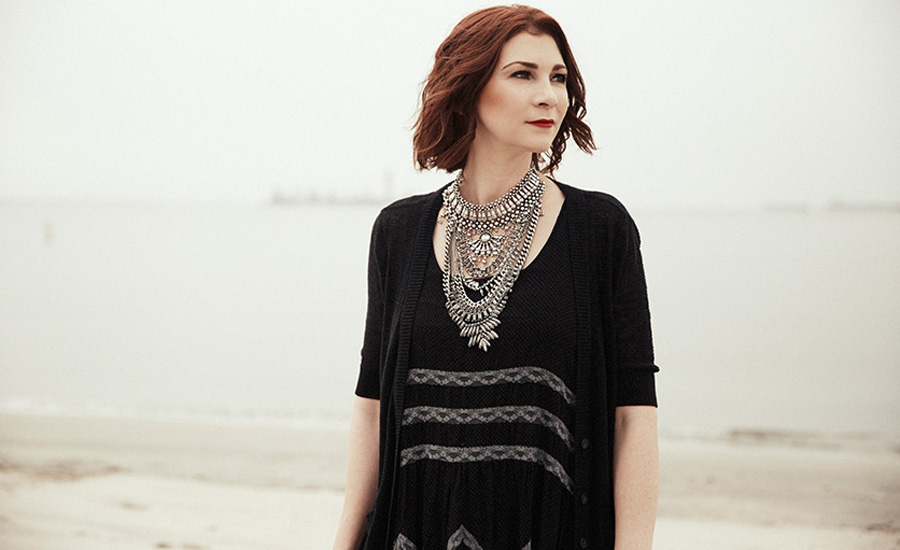
For singer Laura Story, life looks completely different now than she imagined it would on her wedding day fifteen years ago.

After marrying her high school sweetheart, Martin, the couple moved to Atlanta, where she worked as a worship minister at a church, while Martin attended graduate school. When he graduated, she assumed they would move back to South Carolina to be close to family and that one day she would be a stay-at-home mother.

Then, within the first two years of their marriage, a diagnosis changed everything. Doctors told Martin he had a brain tumor.

“That’s heavy news to hear any time in a marriage,” Story told Guideposts.org. “But, I think especially within those first couple years of marriage, it was very clear early on that the plans that we had, they just kind of went off the tracks.”

There were complications with the surgery to remove Martin’s tumor and he ended up staying in the hospital for three months. The surgeries left him with vision and memory deficits, disabilities that impacted every area of the couple’s life. Not only was Martin not able to complete his graduate program, but Story’s dream of being a stay-at-home mom was no longer an option.

Story was no longer just a newlywed. She was a caregiver, too. In her latest book, I Give Up: The Secret Joy of a Surrendered Life, she writes about this new experience.

“It definitely started our marriage off showing us that we’re really not in control of this,” Story said. “We did not have a choice. Like many caregivers, this is something that happened to us. This is something that God, in His wisdom and sovereignty, allowed in our lives.”

For the first few years after the surgery, keeping Martin alive was the only concern. It wasn’t until he stabilized five years later that Story began to struggle.

The long-term caregiving forced Story to reckon with her faith in a new way. She realized that the permanent nature of Martin’s disability, and the couple not having “an amazing ending,” didn’t align with the narrative she often heard about God’s intervention.

“We live with disability,” Story said. “We don’t have this nice, tidy bow on our story. How do I celebrate God in that?”

It was then she realized she had been looking to her husband and the dreams she had for her life to bring fulfillment.

“I would say for a long time, if I had Jesus plus healing for my husband, then I’ll have everything,” Story said. “But, the Bible teaches, if you have Jesus, you have everything.”

Instead of relying on a change in her caregiving situation to bring her joy, Story decided to look for joy and fulfillment in her current situation.

Story’s song “Blessings” was inspired by her faith journey. The chorus, “Cause what if Your blessings come through raindrops/What if Your healing comes through tears,” was a reminder to her that just because God hadn’t healed her husband, didn’t mean God hadn’t heard their prayers. The song won a Grammy and was certified gold by the Recording Industry Association of America (RIAA).

Coming to terms with the permanence of their situation also helped Story open up to a few close friends about her struggles, allowing her to ask for what she really needed.

“What we needed was not the meals or the rides at that point,” Story said, adding that for a while the couple was doing terrible spiritually.

The couple needed help finding people who could help Martin develop job skills. They needed to find people who were patient enough to have the same conversations many times, because of his memory deficit. The things, she added, that are harder to ask for help for and can be harder for long-term caregivers to know how to handle.

Most importantly, Story learned to embrace surrender. Becoming a caregiver was not Story’s choice, but her response to her situation is.

“[I] believe that we can have joy, and we can have peace, even in the midst of hard circumstances,” Story said, “because of the fact that those things are found in Jesus, not in our circumstances.”

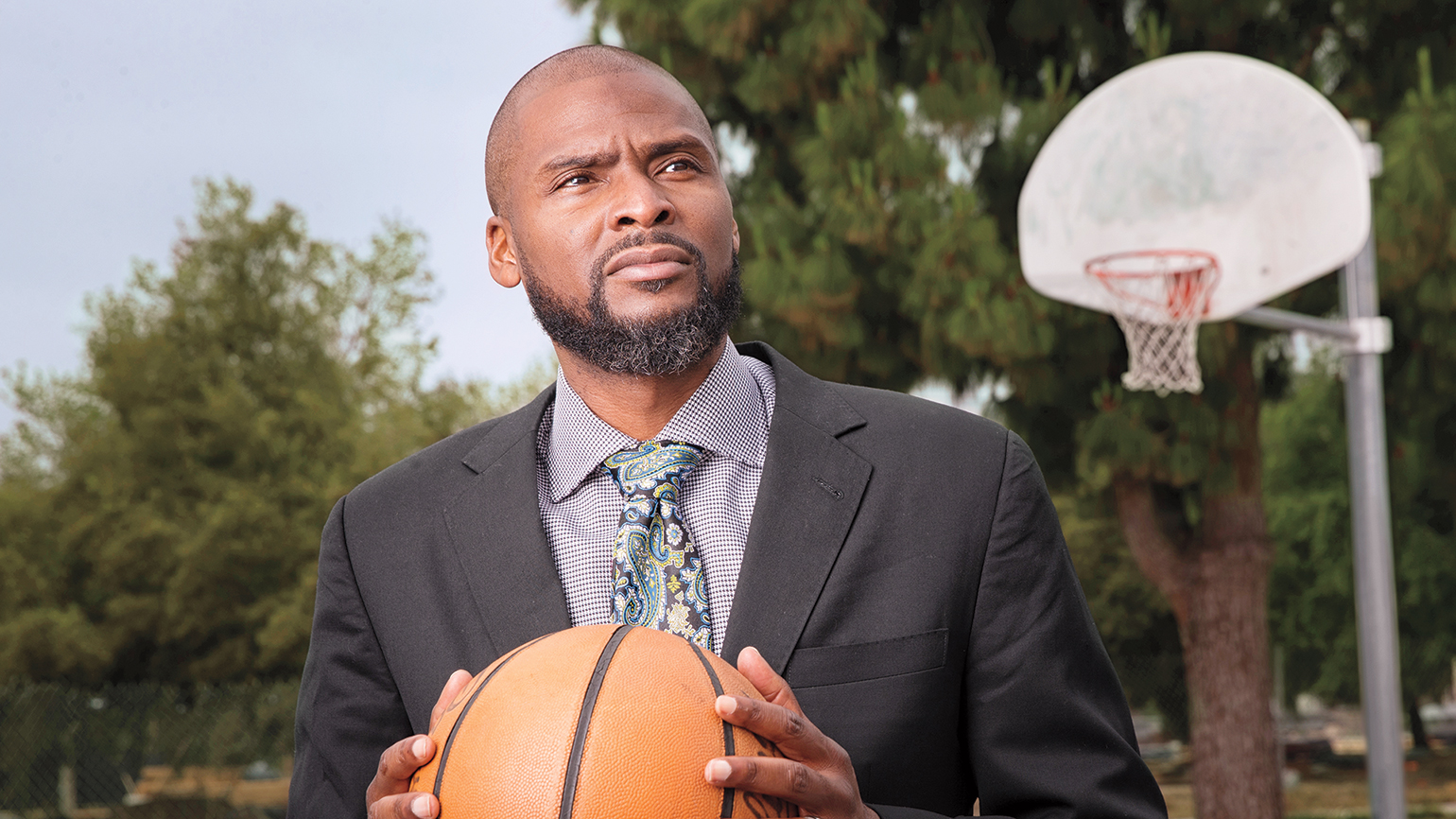
How Keyon Dooling Finally Healed from Childhood Sexual Abuse

I was standing in the men’s room at an upscale Seattle, Washington, steakhouse. I’d spent the day hanging with my Boston Celtics teammate Avery Bradley, volunteering for one of his favorite local charities. We’d helped feed 500 families. Now we were unwinding with some of the other sponsors. NBA training camp was right around the corner. I’d just signed a $1.4 million contract. Life was good.

Just as I was finishing up, I felt something. A hand gripped my backside. Not in an accidental kind of way. What on earth? I zipped up my pants and whirled around. An older dude, stumbling drunk, a few feet away from me, smirking. I didn’t think. My fingers shot out, inches from his face. “I could kill you with my bare hands,” I said, but he just laughed. “What is it you see in me that you would do that?” I demanded, the thought escaping my lips almost before it registered in my mind.

He tried to make a joke. I shoved past him. “I’ve got to get some air,” I said when I got back to the table.

I went outside. There was the older dude, still grinning, still stumbling drunk. Before I knew what I was doing, my hands were around his throat. Squeezing hard. Then arms pulled me away. Avery and the guys we were eating with. “It’s okay. He’s not worth it. Let it go,” they said.

Back in my hotel room, the walls felt as if they were closing in on me. I was frightened, confused. I curled my six-foot-three frame into a ball and called my wife, Tosha.

“I don’t know what’s going on with me,” I said. “I’m just really messed up.”

“Let’s pray,” she said. “Heavenly Father, hold Keyon in your arms. Protect him. Comfort him.” I winced at those words. I’d never been sure that God really did protect me, not after what had happened to me when I was a kid. A secret I’d kept buried inside me for 25 years. I’d never talked about it with Tosha or anyone else.

I told Tosha not to worry, but after I hung up I couldn’t sleep. That awful summer day. It was all coming back. I was seven years old, walking with my best friend to the school basketball court where I grew up in Ft. Lauderdale, Florida.

It seemed as if I’d always had a basketball in my hand. Still in grade school, I started playing against teenagers. Point guard, running the offense, the spark that makes everything happen. I loved the speed, the constant motion, how the other kids looked up to me.

But this day, it was raining hard. Just past an apartment building, an older teenager I knew shouted from a window, “Come hang here until the rain passes.”

All the adults were at work. We listened to hip-hop, rapping along. “Check this out,” the older boy said. He put on a video. Suddenly, onscreen, a man and woman were having sex. I knew it was wrong, but I couldn’t turn away. The older boy ordered my friend and me to touch his privates. Then more. I thought it would never end. When he finally released me, I ran, not even looking for my friend. At home, I got right in the shower, wanting somehow to wash away the shame, the guilt. I couldn’t stop crying. God, I knew, had seen everything. There was no hiding from him. I couldn’t imagine what he must think of me. Why hadn’t I fought back? Had I done something to make the boy think I was interested? I felt sick.

I didn’t dare tell anyone. I was afraid of what my parents and siblings would think of me. Afraid of what they might do to the older boy if I told them. The only way to get through it was to toughen up. Keep my mouth shut. Show the world I was no pushover.

My father was a florist. He kept tons of knives around the house to do his work. I found a thin one, pulled the rubber grip off my bike’s handlebar and slid it inside. If there was a next time, I’d be ready. I was a warrior. The face I wanted the world to see carried over to my game. On the court, I was a slashing, juking, ball-handling wizard. Playing point guard, I was in control—everything went through me. My brothers, my sister and my parents were my number-one supporters. “If you can see it, you can achieve it,” my father would tell me. “That’s the secret. You’ll be unstoppable.”

I liked the sound of that. Unstoppable. I tried never to think about that horrible day. I had to put all that behind me. Keep moving. The same way I got past opponents on the court. Yet anxiety and insecurity would bubble up out of nowhere.

After playing two years of college ball at the University of Missouri, I got picked in the first round of the 2000 NBA draft, the tenth player selected. Since then, I’d been in the league 12 years and my game was only getting better. The Celtics were one of the top teams in the league. The previous season, we’d taken Miami to the seventh game of the Eastern Conference finals. I’d just signed the biggest contract of my life. Coach Doc Rivers had singled me out as one of the team’s leaders. “Keyon gets it done,” he said.

I had a beautiful, devoted wife. Four kids. A perfect life. Why was I letting one encounter shake me up like this? I was sobbing. Like that day in the shower when I was seven. My mind felt like it was coming apart.

I tried another prayer, but the words wouldn’t come. I didn’t deserve God’s love. I could feel him staring down at me, judging me. The shame of that day. It had never left me. I’d felt it at times when I got down, discouraged. The feelings intense, a dark shadow I couldn’t control. It would come over me after a bad game. I’d kick myself for missed shots, errant passes, feeling as if I’d let my teammates down. I’d tried to hold it all together. But it wasn’t easy. Part of me was afraid to let anyone get too close, even Tosha. They’d learn the awful truth about me. Now, as if a dam had burst inside, I couldn’t hold it back.

Getting to the airport the next morning to go back to Boston was harrowing. Being home was no help. I didn’t want to tell Tosha about being molested. Didn’t want to look weak. But something had to give. I didn’t even know what I was saying.

“You’re talking crazy,” Tosha said. “What do you mean we need to repent? I’m worried about you, baby. We need to see someone.”

“No, I can’t,” I said. The thought of spilling my guts to a shrink scared me more than anything. Who knew where that would lead? I wasn’t sleeping. Tosha, our kids looked at me as if they were afraid of me. I couldn’t go on like this. I drove to the Garden, where the Celtics play, wandered onto the court and broke up an informal practice. “The end is near,” I heard myself say, thoughts, phrases ricocheting through my mind. I went to General Manager Danny Ainge’s office. “I’m done,” I said. “I can’t do this anymore.” He listened, then picked up the phone. A couple teammates appeared at the door. “These guys will drive you home,” the GM said. “Let us get you some help. You don’t seem like you’re in a good place.”

That’s for sure. A day later, I walked down the middle of a busy road, cars honking. Suddenly there were police all around. Tosha screaming.

Next thing I knew, I was in a small windowless room, the walls padded. No furniture except for a bed. I couldn’t understand what the doctors were asking me, and I didn’t trust them anyway. “I want out of here,” I demanded. They gave me meds that made me like a zombie. But slowly my mind began to clear.

That night in Seattle. How had I let a drunk man get to me like that? It was nothing. And yet it was as if, with that one grope, he’d opened some kind of portal inside me. That door I’d always kept closed was flung open. All those feelings of shame I’d kept bottled up. It was too much. It was a secret that nearly killed me.

Somehow I’d made it through all those years of repression. Not because of anything I’d done. Because of God. He’d been with me—even when I felt abandoned. He’d never left my side. It was I, in my shame, who had left him. Now for the first time I could actually feel him. An overpowering, physical presence. Holding me, comforting me. The shame, the fear I’d held inside of me, was gone.

The next day, Tosha came and climbed into bed beside me. “There’s something I need to tell you,” I said.

When I was done, Tosha held me tight. “I love you, baby,” she said. “And God loves you. He loves you even more because of what you’ve been through.”

A few days later, I moved to a better room—one with windows. Coach Rivers arrived. He’d flown from his summer house in Florida the moment he’d gotten word.

I told him everything. If Coach was shocked, he never showed it. “I’ve known so many men with a story like this,” he said. “It’s nothing to be ashamed about. I’m here for you. Whatever you need.”

True to his word, Coach got me out of the hospital and hooked me up with an amazing psychiatrist, Timothy Benson at Harvard Medical School. Through months of therapy, Dr. Benson helped me see how a repressed trauma can cause a severe mental breakdown years later, triggered by an event that brings it all back. “It’s called PTSD,” he told me. “It doesn’t affect only soldiers. Talking through what happened, understanding the emotions involved, being open with friends and family are all part of the healing.”

Dr. Benson was right. Talking about the childhood sexual abuse I experienced, the fear buried inside me, has helped me heal. That’s why I’m sharing my story here. If you are suffering as I did, talk to someone—a therapist, a doctor, a person you trust. And talk to God. He sees your soul’s pain and, as my wife put it, loves you even more because of what you’ve been through.

For more inspiring stories, subscribe to Guideposts magazine.

How ‘Just a Job’ Turned into a Career and a Relationship with God

Are you as excited about the newly reimagined Guideposts magazine as we are? Lately I’ve been talking to a few interested media outlets about our recommitment to the readers of our 76-year-old flagship publication. At a time when so many publishers are pulling back from print, our relaunch is newsworthy. Invariably I am asked how I came to Guideposts. It’s a story I love to tell.

At the time, my life was a shambles. I was desperately trying to stay sober after years of alcohol abuse. My sponsors in the 12-step program I attended informed me that I needed to do two things: Find God in my life and find a job. Both prospects were daunting. I had long since drifted from faith and my hands shook so bad, I could barely fill out a job application. But the latter suggestion seemed the most practical, especially since we weren’t talking about a career—just a job I could hang onto for a year while I tried to get my life in order. Any job.

One day I was half-heartedly scanning the want ads and half-heartedly praying for guidance when the phone rang. I wasn’t in the habit of answering the phone, on the assumption that it was usually bad news. Don’t ask me why but for some reason I picked up. On the other end was a woman from a job placement agency who was looking over my résumé and thought there might be an opening for me at a publishing company. Would I be interested in interviewing for an assistant editor position?

All I could think of was, how did she get my name and number? I’d never heard of this agency and was certain I’d never sent them my résumé. I wondered if it was a scam. She read off my address and said, “The offices are just across town from you. I’d be happy to set up an appointment.”

I’d also never heard of the company, Guideposts. What was that, some kind of travel magazine? The prospect of having a job that included travel was appealing and before I knew it, I had a job interview scheduled for the next day. I was only half-convinced I’d show up for it.

The rest you can probably guess. I met with then editor-in-chief Van Varner, who explained that Guideposts was not a travel publication but the country’s leading inspirational magazine featuring true personal stories of hope and inspiration, founded by Norman Vincent Peale. Not exactly my beat. Despair and isolation would be more like it. He handed me a few recent issues, suggested I go home and read them and if I were interested call him back, and we could have lunch. The prospect of a free lunch was a motivator.

I took the job, still thinking that it would only be for a year. That was in 1986, and I’m still here. I discovered a career after all and along the way, with the help of your stories, I found a relationship with God I longed for more than I knew. But I never did find out how that recruiter got a hold of my résumé.

Retelling this story, it got me thinking. How many of you have had that one mysterious moment that changed the course of your life? A second chance, perhaps, or a chance encounter. Maybe you’ll tell me about it here.

How Jewelry Maker Jill Donovan Turned a Hobby into a New Career

What would you attempt to do to find your life’s purpose?

It’s a question lawyer-turned jewelry maker Jill Donovan has been asking for most of her life. At nine years old, Donovan made a commitment to pursue a new hobby every year, and jewelry designing was the latest pastime on her list seven years ago. That hobby became her successful jewelry company Rustic Cuff, which she launched out of the tiny guest bedroom in her Oklahoma home back in 2011. Since then, Rustic Cuff has become something of a phenomenon.

Turn on the TV and you might see people like Gayle King sporting her cuffs on the morning news. Join a Facebook group of 44,000 members, all of whom share an obsession with Donovan’s designs and life philosophy, and you’ll begin to understand why her bangles have such a cult following. The chunky beads, leather prints, and embroidered inspirational quotes aren’t the only thing drawing fans to Donovan’s jewelry line, it’s her story, and the message of hope she inspires, that’s really catching on.

The mother of two never intended for her small hobby to become her life’s passion. In fact, she’d made the commitment to try a new hobby every year as a child because her gymnastics coach made it clear to her that she didn’t have an Olympic-level future in the sport like she’d dreamed.

“I listened [to my coach], and I said, ‘Well, if I can’t devote my life to gymnastics then I’m going to try a new hobby every year until I find my passion, my purpose,’” Donovan tells Guideposts.org.

At 10, she spent a year learning Russian. She spent another year playing the harmonica. Ice skating, painting lessons, and a variety of other hobbies soon followed.

At the same time, Donovan was pursuing her legal career. She thought defending the law might be her calling, but soon fell out of love with the courtroom. She tried teaching law at the University of Tulsa, but even that held little interest. She became a mom to daughters Ireland and August and though they kept her busy, Donovan still felt something might be missing from her life.

“I just kept thinking that there’s got to be something that I can go to bed on a Sunday night and wake up on a Monday morning and be excited about,” Donovan explains.

One year, Donovan, who watched Oprah Winfrey’s talk show religiously when it was on the air, made it her hobby to try and get to a taping of the show. After plenty of fruitless attempts to score tickets to the show, she saw a call-out for guests to volunteer for an “etiquette-themed” episode. The producers were looking for re-gifters, and Donovan thought she fit the bill.

“I had grown up with parents who were big-time re-gifters, meaning, instead of going to the store to buy a birthday gift for your friend, you’d go to your mom’s closet, to all the gifts she had received over the course or her life, and you would have to pick from that closet,” Donovan says.

Those experiences made for some funny stories – like the time she regifted a birthday present to her mother-in-law just one year after the mother-in-law had given the gift to her – that nabbed her a spot on the show. She thought it might be her big break, getting to meet Oprah and possibly try her hand at being on TV since broadcasting seemed to fit with her outgoing personality and love of talking to people.

Instead, Donovan was flown out to a taping in Chicago where she received some brutal criticism from the etiquette experts on the show. They called her regifting hobby “rude,” “tacky,” and suggested she donate her entire linen closet full of gifts to Goodwill.

“Your world just goes into slow motion when you’re being humiliated, and that is how it felt at that moment,” Donovan recalls. “I know relative to what other people are going through in life it was minimal, but at that moment in my life it felt like the lowest valley that I had been through.”

The episode aired three times that year to an audience of millions.

“Every time I’ve watched it, it was worse than what I had remembered,” Donovan says. “I remember going home and emptying my whole re-gifting closet and I said, ‘If this is what doing hobbies or pursuing my purpose, if this is where it got me then I don’t ever want to do another hobby again. And I would be okay never [finding] my purpose.’”

It took Donovan five years to make peace with the embarrassing ordeal.

“I was lying in bed and I just thought, ‘I’m going to let it go,’” she says. “And not only that but I’m going to start doing something again to awaken my soul.”

She had worked for American Airlines while putting herself through law school and had made a habit of buying cuffs in every country she visited as a memento of her travels. She thought crafting jewelry that she could gift to friends and family might be a fun way to tap back into her creative side. She taught herself to engrave quotes and names on the bracelets and over the course of a year, began restocking the shelves of her linen closet.

One day, she felt a calling to gift her creations to people she didn’t know.

“I didn’t really want to do that,” Donovan admits. “It’s okay to give them to friends and family but when you walk up to a stranger and just go, ‘Here, I’d like to give you a bracelet I made,’ that’s awkward.”

Still, she went into her closet, got a handful of cuffs, and decided to wear them in case she felt compelled to give one away. A crowded grocery store served as her first opportunity.

“I saw this girl, one of the cashiers, and that was the line I was supposed to be in,” Donovan recalls. “By the time I got to the front, I thought surely it will be an empty line. There were five people behind me and I thought, ‘Oh this is going to be painful, but I know I have to do it.’ I took off a bracelet and I said, ‘I know this is going to be awkward, but I just feel like I’m supposed to give this to you.’”

The cashier immediately started crying after receiving the bracelet. “Tears would not stop flowing and I said, ‘Are you okay?’ She said, ‘You’d have no way of knowing this, but yesterday I was diagnosed with breast cancer. When I was in the doctor’s office I asked God to give me a sign of hope that everything’s going to be okay.’ And I looked down and I had given her this pink one [the color of breast cancer awareness and support]. Which was bizarre because I had no idea. And she said, ‘Thank you for being that sign of hope.’”

The experience cemented Donovan’s decision to keep creating the cuffs.

Her company slowly grew to 160 employees over the next three years, with showrooms across the country and Donovan advertised her jewelry by writing to people she admired and gifting them a cuff with an inspirational message. She sent a bracelet to Gail King on a whim and a while later, saw her wearing the cuff on TV.

Not long after, Donovan got a letter in the mail. It was a copy of the March issue of O Magazine with a note from the creative director of the publication.

“It said, ‘Congratulations Jill. Rustic Cuff was chosen to be on the wrist of Oprah for her March issue,’” Donovan says. “It was the cuff that I had gifted to Gayle King that Oprah was now wearing. Whether or not Gayle re-gifted it to her, I don’t know exactly, but that was the cuff and that was the full circle moment for me.”

Now, Donovan’s Rustic Cuff has something called a regifting club.

“Every month, people get two cuffs with an inspirational quote on it like, ‘One day at a time,’ or ‘Dream big dreams,’” she says. “They keep one and then the other one I ask them to carry it around their purse for that month and when they find the right person, to re-gift it to that person.”

The practice inspired her new book, The Kindness Effect, where Donovan recounts her journey to starting over and finding her life’s passion and encourages others to do the same. It’s why she asked her Facebook followers the question: “What would you attempt to do if you knew you could not fail?”

It’s why she replied to the thousands of responses she got with encouraging words of wisdom, gifts of bracelets, and even ballroom dancing lessons for a little girl who dreamed of dancing competitively.

It’s all part of Donovan’s philosophy of reinvention. She still attempts a new hobby every year though she says she’s finally found her purpose and she hopes others might be encouraged to step out of their comfort zones after hearing her story.

“For me, none of it is wasted,” Donovan says of her life’s experiences. “All these tools have helped me finally get to this chapter, this chapter of purpose.”

How Jesus Culture’s Kim Walker Smith Found Her Purpose

Singer Kim Walker-Smith never dreamed she’d be a professional musician.

Though today she’s one of the worship leaders for the international ministry Jesus Culture– a music group that has sold one million albums worldwide since their debut in 2005–after college, Smith had begun a career in banking.

Try These Self-Help Books to Reach Your God-Given Purpose

During the day, she’d help people get loans, and in her free time, Smith became the events coordinator for the youth group at her local church. That’s when she learned that God might have a different vision for her life than the one she had imagined.

In 1999, the singer, along with worship pastor Chris Quilala and worship leader Melissa How, lead a summer youth conference that her church had dubbed Jesus Culture. Having seen the effect popular Christian music could have on the young people there, Smith and Quilala decided to record some covers of worship hits to send home with teens attending the conference.

“We wanted all of these young people that were coming and encountering God to have this thing to take home [so they could] keep encountering God,” Smith tells Guideposts.org. “We didn’t want them to go home and lose that momentum.”

That next summer, Smith saw the fruits of her team’s labor. The kids coming back seemed to have an even deeper relationship with God and were able to build more upon that strong foundation.

So Jesus Culture recorded another album. And another. They uploaded live worship videos to YouTube, they even started writing some original music to mix with their popular covers.

Still for Smith, who continued her work in banking, the idea that she should be leading others to Jesus through music didn’t start to sink in until a video of her singing suddenly went viral.

“Somebody put the ‘How He Loves’ video on YouTube and my little brother – probably 12 at the time –called me and was like ‘You’re on YouTube.’ And I said, ‘What’s YouTube?’”

Smith went on to do another conference and tour with Jesus Culture before she found herself at a crossroads. The band had gotten big, adding more members and amassing thousands of fans. With a schedule that had her on the road more and more, Smith had to choose: stick with the safe plan she had made for her life, or take a risk and see where God was leading her.

Sign up for Guideposts Free e-newsletters and Get Inspiration Delivered to Your Inbox

She chose Jesus Culture.

“It felt like I was making a decision to trust God completely with my life, my finances, my dreams, my successes, and my future,” Smith says.

Just eleven years later, Smith has seen that decision pay off with the band’s latest record Let It Echo – their 16th – debuting at No. 2 on Billboard’s Christian Albums chart. The 12-track project marks a departure for the group – instead of covers, they’re now singing only original material and doing it live in front of their home church in Sacramento, California.

It also features songs that show Smith and her bandmates at their most vulnerable. Just a year and a half ago, Quilala and his wife gave birth to a stillborn baby boy. Three weeks later, Smith gave birth to a son, her second with husband and fellow worship leader Skyler Smith. Five months after that, Smith suffered the loss of her father. It was a rough season for the band, one they channeled into their new music.

“It felt like God really taught me this past year, ‘You’re not alone in the fire. It’s hard, it’s tough but it’s not meant to destroy you and I’m not going to let it either,’” Smith says. “It’s meant to refine us and make us stronger and to come out of the other side with this renewed trust in the Lord.”

She hopes songs like “Alive In You” – which was written from that difficult time – will inspire others struggling with hardships. It’s opening lyrics “From beginning to the end/All my life is in Your hands/This whole world may hold me down/But it can never drown You out” speak to the power the singer has found in trusting God through good times and bad.

She’s also grateful that God moved her toward singing all those years ago, allowing her a platform that lets her connect with others wanting to strengthen their faith and live a more fulfilled life.

“Being a part of Jesus Culture has brought fulfillment to my life in many ways. The most important way is in knowing that I’m doing what God has called me to do in this time in my life. I feel the most fulfilled when I’m at the center of His will for my life.”

How Her Sobriety Changed the Family Christmas

When you’re a recovering alcoholic single mom with no job, no money, no house of your own and only partial custody of your kids, the beloved Christmas song has it all wrong. Christmas isn’t the most wonderful time of the year.

I was an active alcoholic for more than 15 years. I’d started drinking in high school. At first, alcohol transformed me from an average, overlooked youngest-of-five into someone daring, funny and popular. For about a decade I kept my drinking under control enough to graduate college, get married, have kids and make a living, but eventually the alcohol took over.

By the end I was drinking vodka around the clock. I had gotten two DUIs, detoxed in the hospital multiple times and burned through a marriage. I couldn’t even hold down a job. I did all of this as a mom to three wonderful kids. I was crippled by guilt. But ruled by my disease, I drank anyway. My shame was most painful at Christmas.

My ex-husband, Brian, had primary custody of the kids because of my drinking. Every other year I’d have them for Christmas Eve or morning, then Brian and I would make sure everyone made it to church and grandparents’ houses. I managed to mess up even this. I’d be late, forget stuff, pass out, try to hide what was glaringly obvious. Every year my vow to stay sober would crumble.

I’d compensate with gifts. I’d max out credit cards, cajole friends and relatives into “loaning” me money and buy the kids stuff they didn’t need. Some years I’d start stressing about the holidays in February. Everything would depend on that one moment, when the kids tore through the big pile of gifts. Their excitement would mean they loved me. That I was a good mom after all.

I thought all of that would change when I finally got sober five years ago. I expected sobriety to make all my Christmas problems vanish. But it was more complicated than that. The last Christmas before I got sober was the worst one of all. Two months before the holiday, I was in detox again. The facility told me a bed had become available at a well-respected local rehab program, which required a six-month commitment. It would mean missing the kids’ birthdays. And Christmas.

“Should I do it?” I asked everyone.

“If you don’t, you’ll be back in the hospital, in jail or dead,” my brother-in-law said. He was one of the few members of my family unafraid to tell me the truth.

Everyone else tiptoed around my drinking. “Try quitting on your own,” they said. “You need to be there for the kids.” Which was of course what I wanted to hear. I’d sober up—well, manage my drinking—through the holidays, then think about rehab. It was my year to host Christmas morning. How could I let the kids down?

Once again I maxed out credit cards and pestered everyone for money. I bought a tree for the apartment (mostly paid for by my parents) and piled up the presents. I was already drinking before Brian showed up with the kids on Christmas morning. Molly, the oldest, was 10. Nora was six. Emmet was three.

Nora and Emmet were too young to know about my disease. But Molly knew more than enough. She’d seen me passed out. Suffered through my chronic unreliability. I tried to pretend otherwise, but deep down I knew she was wounded every time I drank. Still, gifts were gifts. Molly joined her brother and sister tearing through presents. I was relieved to see Brian pull up outside to take us all to church and my parents’ house.

The rest of the day was a blur. By the time Brian took the kids home and I returned to the apartment I was somewhere between drunk and hungover.

I opened the door and stepped inside. Wrapping paper, ribbons and boxes were scattered around the living room. For a moment I thought someone had broken in. Then I remembered. The kids had opened presents that morning and we hadn’t cleaned up. Christmas morning with the kids had been my excuse to avoid rehab—and now I had only the vaguest memory of any of it. Two months later, I was in the rehab I’d rejected in the fall.

The following Christmas, I had 10 months of sobriety under my belt. I was determined to make up for every holiday I’d ruined. One problem: The holidays are a minefield for a recovering alcoholic.

“Be careful,” Alcoholics Anonymous veterans warned at meetings, telling stories of throwing away years of sobriety in a careless moment at a Christmas party.

I was a nervous wreck. Plus, I was still broke and I’d moved in with my parents after getting out of rehab. I’d decided I wouldn’t manipulate people into giving me money this time, so instead I opened a bunch of new credit card accounts and ran them up buying enough gifts to show the kids what a good mom I was now that I was sober.

They sort of liked the gifts. Molly spent Christmas Eve eyeing me warily. I could tell she was searching for signs that I was drinking. The holiday ended with me feeling deeply let down—and equally deep in debt.

“You can’t buy your kids’ trust,” my AA sponsor told me. “Give it time. If you stay sober, it will happen.”

I wanted to believe that. But it was hard to be patient in the day-to-day of parenting. Molly remained wary of me. Sometimes she’d bring up memories of the old days, and I’d have to fight the urge to argue, “I’m sober now! Please forget all that.” Ignoring my sponsor, I kept turning to money.

Kids upset? Spring for a trip to the trampoline park. Tired and stressed? “Let’s go out to dinner!” Christmas coming? Max out those credit cards again. Then it came time for me to work through AA’s ninth step: making amends. The hardest of all was Molly. How could I begin?

“Just be honest,” my sponsor said.

“I’m so sorry for everything I did,” I told Molly, echoing words my sponsor had suggested. “I’m trying my best to stay sober and be a good mom to you and Nora and Emmet. I want to earn your trust.”

A single conversation can’t repair years of damage. But after opening up to Molly, I noticed her opening up a little to me too. She got a good grade on a test and I was the first person she called. She’d still bring up incidents from when I was drinking, but she’d add, “I’m glad you don’t do that anymore, Mom.”

That Christmas I was less stressed because I was more confident in my sobriety. I still bought too many gifts. But it began to dawn on me that even more fun than the gifts was the time we spent together—cooking, decorating and baking cookies for Santa. Each year the holiday got a little better. Bit by bit the kids—and everyone else in my family—trusted me more. Brian and I settled into a good Christmas rhythm. The kids and I established our own traditions.

Last year I rented a house on my own with money saved from my job as an admissions office manager at a private school. The kids helped me move in on a hot August day. As Christmas approached, I got excited about celebrating in our new home.

Over the previous year, mindful of paying rent, I’d tried saying no more often—as in, not rushing out to buy whatever the kids had asked for because I was afraid they wouldn’t love me otherwise. The kids were actually happier. Somehow, more structure equaled less stress. I decided to try approaching Christmas the same way.

Instead of armloads of presents, I bought each kid one gift they really wanted plus a few fun things. I got a skateboard for Emmet, a little camera for Nora and a cell phone for Molly, who was now 15.

The kids and I bought a tree at a tree farm and put up ornaments. We decorated the house and hung stockings from the banister going upstairs from the living room. I took the kids to see Santa at the mall—they were kind of old for that, but they loved it anyway. We baked cookies on Christmas Eve.

There were noticeably fewer gifts under the tree. But the kids were so thrilled with their big gifts, they didn’t seem to notice. I, however, noticed everything. The crisp weather. The glow of lights from our tree. The quiet house when everyone had gone to bed. The excited chatter of opening gifts contrasted with the delicious laziness of staying in pajamas all morning long. I noticed it because I was sober. No crushing credit card bills loomed. No guilt shadowed my heart. It was a day of love and pure celebration.

This is why people like Christmas so much! I thought. It was a revelation. So do I agree with the Christmas song now? Sort of. Don’t get me wrong. I love the holidays. But I love the rest of the year too. My sobriety is a gift that renews itself one day at a time. My kids’ love and trust continues to grow. The God we celebrate at Christmas provides a life I could only dream about when I was drinking.

It’s all wonderful. At Christmas and always.

How Her Horse Helped Her Connect with God

Phil and David and I crept along the yard fence on our bellies and elbows, like soldiers on a battlefield. In the lead, my older brother, Phil, gave a hand signal for us to lay low while he proceeded.

Within minutes, David and I were scrambling up on the golden palomino mare as Phil untied her from the fence. Our older sister, Pat, came blasting out the screen door into the front yard.

“You little brats!” she screamed. “She’s my horse.”

“Just ’cause you’re the oldest doesn’t mean she’s yours,” Phil yelled as he jumped on Maybelle and kicked to get us going.

Maybelle trotted toward the back pasture of our farm with the three of us bouncing bareback and clinging to one another. Sis pursued us on foot. As we passed the barn, I turned and could barely see her, a speck near the creek. After a few minutes I heard the screen door slam. Phil pulled the mare to a walk, and we rode off toward the blackjack thicket that surrounded our Oklahoma farm.

“She’s a good old babysitter,” Phil said, patting the mare’s neck.

“I’m no baby,” David said, with a pout. “Don’t need no babysitter.”

“Phil just means that Maybelle is calm and can be trusted,” I said. “That’s what Dad says. He calls Maybelle a natural babysitter.”

“Mama will be comin’ back soon,” my younger brother proclaimed. My four-year-old brother had remained adamant that our mother would return to the farm.

Phil pulled on the reins, Maybelle stopped and all of us slid off into the knee-deep bluestem grass. He tied Maybelle to a low-lying limb, and the three of us walked through the weeds up over the pond dam. Grasshoppers jumped up around my bare legs. At the sound of our approach, a pair of wood ducks flew off the water and bullfrogs splashed into the muddy pond.

“Mama won’t be coming back to live with us,” Phil said. “She and Dad got a divorce. But we’ll see her sometimes.”

David stamped his foot, sending blackbirds flying from a cottonwood tree. “I’m mad at her.”

Embracing the truth that our mother was gone for good seemed too much to bear. “Well I’m mad at God,” I blurted.

Phil grinned at me. “That a girl, Sissy, go straight to the boss.”

It irritated me that he always remained so calm about the disruption that had rattled our world. I picked up a dirt clod and tossed it at him. “Know-it-all.”

He pulled fishing line and hooks from his shirt pocket. “Let’s catch some grasshoppers and fish.”

While the boys distracted themselves, I returned to Maybelle, untied her and crawled up onto her back. I held the reins loosely so she could graze. I leaned forward and let my arms dangle around her strong neck. I listened as she pulled the grass and munched, as she blew out her breath and switched her tail. I thought about the day Mama cried, told us goodbye and left the farm. Now Dad worked his railroad job, farmed and stayed in a bad mood.

“Got ya!” Sis screamed in triumph, grabbing the reins.

“Don’t take her, Sis. I like just sitting on Maybelle as she grazes.”

Sis motioned for me to scoot back. She grabbed a handful of long white mane and used her bare feet to climb the mare’s front leg, then slid in front of me.

“I like to sit on her too,” Sis admitted. “Makes me feel safe somehow.”

There was a long silence between us. At 13, my older sister had taken on the responsibilities of the house after Mama left. Together we’d burned cornbread and learned to fry chicken. We had stood in the kitchen of our small farmhouse, peeled potatoes, sliced peaches and made cobblers. Sis talked of school and boys, and I talked about my dog and the other farm animals, but during all that time, we’d never discussed Mama’s leaving.

“It’s hard to feel safe sometimes,” I said.

“Yeah. A friend of mine who lost her folks in a car accident says a person can talk to God and it helps.”

Talking to God interested me. “Do you ever do that?”

“Sometimes,” Sis allowed. “When I’m by myself on Maybelle.”

Phil and David came charging over the hill. “Let’s play chicken,” Phil yelled, grabbing Maybelle’s reins and leading her toward a ditch.

Phil squeezed up behind Sis, in front of me.

“Why do I always get stuck in the back?” David wanted to know.

“Because it’s the natural order of things, little brother,” Phil said. “It’s called seniority.”

Our game began as we thumped our bare feet against Maybelle’s sides until she took off in a fast trot, up over the first hill then down, red dirt flying into our faces. The object of the game was to be the last one remaining on Maybelle—which seldom happened, because when one of us started to slide off we clung to the one in front until the pair of us were goners.

As Maybelle scrambled up out of the second gully, David slid to one side and tried to use me to save himself. I clung to Phil in front of me, but David had managed to get me off balance and drag me over with him. We hit the ground with a thud. Phil and Sis lasted just one more gully, then the four of us lay strung out on the ground in giggling heaps as Maybelle calmly stopped and waited for us to remount.

After that conversation with Sis about talking to God, I began to ride Maybelle off alone any chance I got. I’d take her to the deep woods and sit in the shade with the summer sun blazing out across the farm and the locusts humming. I’d been to church only on a couple of occasions with my grandmother, who lived four hours away. The only prayer I’d ever said was the “Now I lay me down to sleep…” prayer, which Mama taught us and Dad seemed to have no time for.

Once, while in Sunday school at Grandma’s church, the teacher had insisted we all pray out loud. Around the circle she came, laying her hand on the shoulder of the one to pray next. I was scared and had no clue what to say. My face burned with embarrassment as the teacher waited behind me and I remained quiet. After an eternity she moved on around the circle and left me with my humiliation.

In spite of that early failure to connect to God, I became determined. Maybelle would help me! As I sat in silence on back of Maybelle and hugged her with my bare legs, I made a number of efforts that didn’t go far. But one day, I blurted out my feelings.

“I’m mad at you,” I said in a whisper. “How could you let our Mama leave?” The words loosened a damn of emotion, and as I continued, the tears rolled and with them came an immense relief. I had the clear feeling that someone was listening.

After that day, I held daily visits with God. I talked to him about my worries. That the four of us would somehow survive on the farm without Mama. That Mama would be okay. I’d talk aloud as Maybelle munched grass and grabbed overhead at the turning leaves. I talked as the crows called out from the pecan grove in the distance.

One day I was in the barn when Sis came in crying. I hid behind some bales of hay, watching as she slid up on our horse and the two of them trotted off toward the far pasture. I asked God to be with my sister and to wipe away her tears.

On a glorious autumn day, when the four of us were scheduled to meet Mama at the cattle guard that bordered the county road and get introduced to her new husband, Hank, it was David who suggested we ride Maybelle to the meeting place. “It seems safer,” my little brother said.

Dad wouldn’t allow Mama and her new husband on the farm, but had agreed we could meet them outside the property near the cattle guard. The four of us, spit shined and polished, mounted Maybelle that morning and started off. Halfway to our destination, Sis pulled Maybelle to a stop. In the distance we saw Mama’s station wagon driving slowly down the county road toward the cattle guard.

“I don’t wanna meet him,” David confessed.

“I’m not all that crazy about it myself,” Sis agreed.

We sat in silence for a moment. The wind made the colorful red, gold and brown leaves dance overhead. By then I’d gotten real comfortable with God. I swallowed hard, took a deep breath and squeezed my bare legs against Maybelle’s great belly for inspiration.

“God,” I said, “please be with us today and help us be kind to Hank.”

Phil shouted, “Amen.” He kicked Maybelle gently. “Let’s get this show on the road.”

That was the start of a long road for us kids, with high points and low points, growing up on the farm. I was a freshman in college before I really explored the memory of that day all of us rode on Maybelle’s back to do something we didn’t know if we were strong enough to do. The old farm had sold and Maybelle had passed. Sis was marrie and Phil was in the Air Force. David lived with Dad and his new wife in southern Oklahoma.

It was a picture in my college mythology book that got my attention, the picture of a grand horse with wings. Transfixed by Pegasus, I considered our Maybelle, who had been so much more than a babysitter. After all, it was while sitting barelegged on her broad back that I had entered into a relationship with God. The golden palomino with a white mane and tail had carried me through difficult days and onto the faithful road I continue to travel, safe in God’s care.

Did you enjoy this story? Subscribe to Angels on Earth magazine.

How Helping Others Can Be Its Own Reward

The sweet and special times you share with someone who needs your help can shine through amongst even the toughest challenges of caregiving. An additional and perhaps less obvious beacon of lending support to another can be the act of giving itself. We all know ’tis better to give than to receive, but it’s not only because giving benefits those around us. It can also improve your health in significant ways.

Doing for others has been shown to boost both physical and mental well-being; among the benefits are lower blood pressure, increased self-esteem, decreased depression and stress levels and greater longevity.

Stress goes along with any caregiving role, but the act of giving can be a powerful stress buffer.

If you feel your calling may be to do work that helps others—such as a paid in-home care aide or a volunteer serving any number of needs—consider how doing so could help you as well.

Giving support—rather than receiving it—may have unique positive effects on key brain areas involved in stress and reward responses, according to one study. Researchers used neuroimaging to look at how brain areas involved in stress-, reward- and caregiving-related activities were affected by giving versus receiving social support.

At the brain level, only support giving was associated with beneficial neurological outcomes. According to the researchers, giving support might improve health by “reducing activity in stress-and threat-related regions during stressful experiences.”

Lower blood pressure was correlated with giving social support in another study. It also found that “participants with a higher tendency to give social support reported greater received social support, greater self-efficacy, greater self-esteem, less depression, and less stress than participants with a lower tendency to give social support to others.”

Helping behavior has also been associated with living longer. Researchers at three universities had 846 subjects from the Detroit area complete baseline interviews assessing past-year stressful events and whether they had provided tangible assistance to friends or family members during that time. The researchers then tracked participant mortality for five years via newspaper obituaries and state death records. “[O]ver the five years of the study, we found that when dealing with stressful situations, those who had helped others during the previous year were less likely to die than those who had not helped others,” said Michael J. Poulin, PhD, a coauthor of the study. “Our conclusion is that helping others reduced mortality specifically by buffering the association between stress and mortality.”

Another way to boost longevity is through volunteer work. One study suggested, however, that motivation is key. Participants who volunteered regularly and frequently lived longer, but only if they were motivated to volunteer out of a true desire to help others, rather than for self-oriented reasons.

Volunteering offers a host of additional health benefits, especially for older adults, according to the Mayo Clinic Health System. It can lower stress levels, boost self-confidence and trust in others, decrease the risk of depression, and even leave you with a positive feeling known as a “helper’s high.”

Lending your time as a volunteer for as little as two hours per week can improve your mental, emotional and physical health, reports the National Association of Area Agencies on Aging. It can reduce chronic pain, risk of disease and social isolation and increase physical fitness, mental functionality, sense of purpose and social connection.

So, give of yourself, if you’re so inclined, and if your heart is in it. It could be one of the best things you do for you.

How He Came to Minister to Hikers on the Appalachian Trail

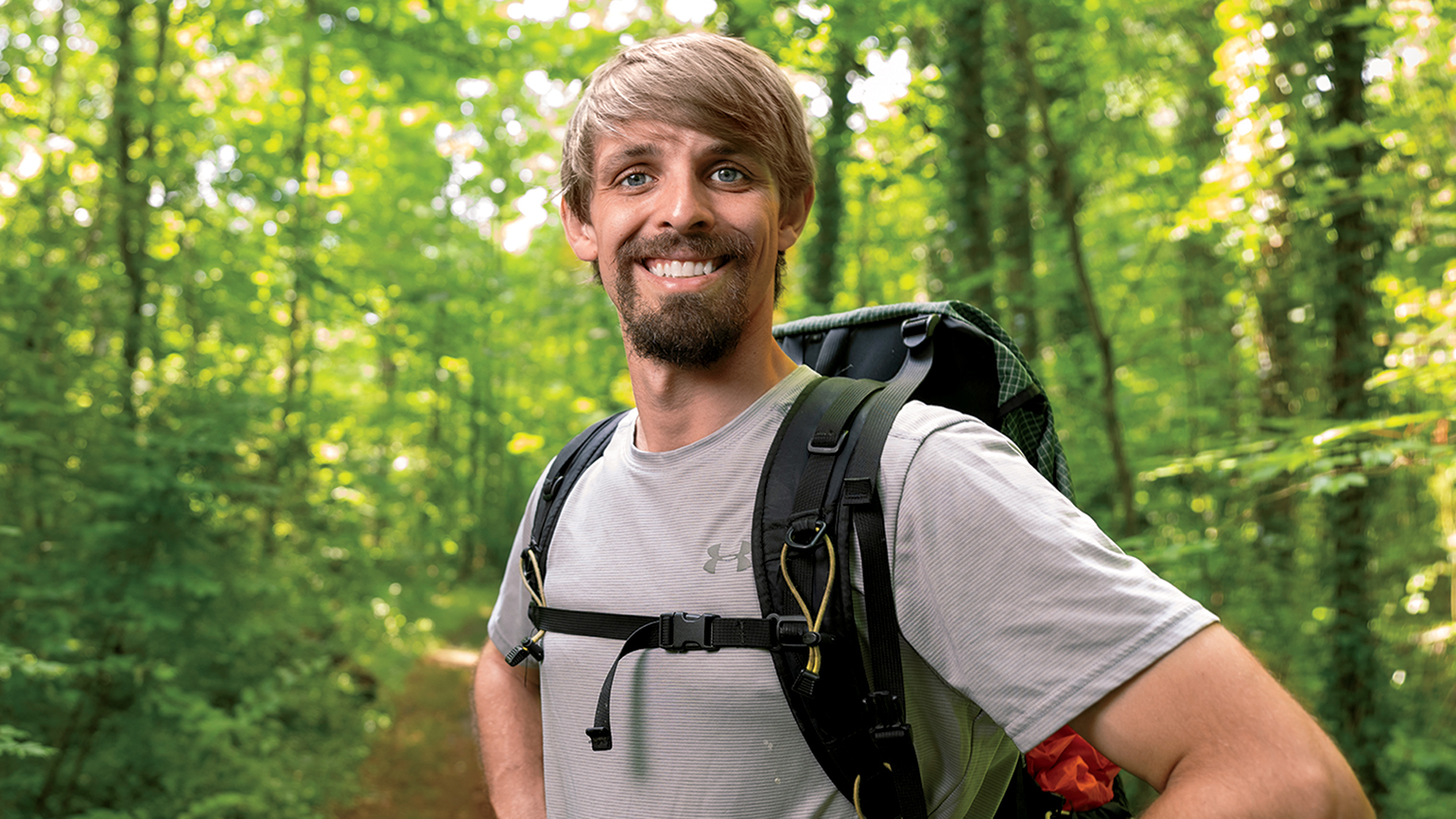
Approaching the summit of Mount Katahdin, the highest point in Maine, I couldn’t believe my good fortune. Day One of my thru-hike of the Appalachian Trail and God was already blessing my hike with his powerful presence!

The hair on my arms stood up. I felt an electric charge in the air. I could see the sign marking the summit. I was starting at the northern terminus of the storied trail, and this was my first day’s goal. Was this what folks mean when they talk about “trail magic”?

Then I looked up and saw a massive thunderhead directly above the summit. The wind picked up, and the electricity in the air intensified.

I wasn’t having a direct encounter with God! This wasn’t trail magic! I was blundering into a thunderstorm atop an exposed peak. A mistake only a rookie hiker would make.

A rookie hiker like me.

Next minute, I was engulfed. Hail pounded down. Stupidly, I ran to the summit, got a picture of myself with eyes closed against the elements and raced back down, nearly slipping on what had become an icy trail.

The only encounter with God I had that day was divine mercy shielding me from the lightning strike that my inexperience had exposed me to.

I reached the base of the mountain, where the trail wends toward its southern terminus, Springer Mountain in Georgia, almost 2,200 miles away, and said a ragged prayer of thanks.

I also thought, Matt, what have you gotten yourself into?

It was June of 2017. Not only was I thru-hiking the Appalachian Trail solo, but I was also doing so as an official United Methodist Church trail chaplain. Since 2013, the Holston Conference of the UMC has selected a member to travel the length of the trail, befriending hikers and bringing God’s love to a place where many people are on a spiritual as well as physical journey.

If you had met me four years earlier, you would never have predicted that one day I would embark on a challenging long-distance hike as a witness for Jesus. Not in your wildest dreams.

I was sitting in jail in Virginia for selling methamphetamines. I’d sold the drugs to support my opioid addiction. I’d been an alcoholic, drug addict and dealer for years.

My dad had abandoned my mom when she was pregnant with me. Mom was 19. She dropped out of college. My stepfather struggled with meth addiction, and there was lots of fighting and instability in our house.

I experimented with drugs and alcohol in high school. Experimented—who was I kidding? By graduation, I was a full-blown addict, the guy who got crazy drunk at parties to overcome shyness, then felt deeply ashamed the next day and drank more to blot it all out.

I got booted out of the Army after failing a drug test. Lost jobs. Totaled a brand-new car and broke my neck. The accident introduced pain pills to my menu of substances.

At last came the inevitable arrest and felony conviction. I detoxed in jail and, for the first time in years, experienced the world as a sober adult. I was 23.

A preacher came into the jail periodically to read from the Bible and deliver a sermon. Most of the inmates ignored him. I wasn’t particularly interested in what he was selling, but his sincerity was hard to ignore. I realized he was the first apparently good person I had encountered in years.

I wound up in a court-ordered treatment program, which was followed by a year of strict supervision. I took up running at the recommendation of a treatment counselor.

One day, I jogged past a small Methodist church. Remembering the jailhouse preacher, I started attending. Church was one of the few places my restricted license allowed me to drive.

Why did I keep going to that church? Why did I stay sober? The answer is simple. People welcomed me—a felon, a drug dealer, a guy who’d wrecked his life. On some level, those jailhouse sermons had gotten through to me.

I wanted more of that. Unlike alcohol or drugs, God actually filled my deep well of inner need. I wasn’t waiting around for the next fix. His presence was a constant.

I was baptized and started a 12-step program at the church. People kept telling me I should consider a call to ministry. I attended some conferences and shared my testimony at other churches.

At one conference, I saw a video about the Appalachian Trail chaplaincy. Poor guy, I thought, figuring some unlucky pastor got tasked with that ministry each year.

I’d added occasional hikes to my workout routine, and some friends got the mistaken impression I loved being in nature. My main experience with the great outdoors had been passing out on my way home from parties.“

“Matt, you should apply for this trail chaplaincy,” a friend urged.

You had to apply to torture yourself like that?

“You’ll meet people in our conference doing the interviews. Think about it.”

I did want to meet more people in the church. I figured I was such a newbie, I’d never get picked. I applied. A few months later, I was shaking hands with an enthusiastic interview panel and being told to start buying the gear I’d need.

With help from the church, I had almost eight months to prepare. By the time I blundered into that hail-storm on Katahdin, I was physically fit but still very inexperienced in the wilderness—and in ministry.

It was one thing to share my story in a 12-step group or at a church service. I couldn’t picture going up to a stranger and saying, “Hi, want to talk to an ex-junkie about Jesus?” I’d received training in practicing the ministry of presence—getting to know hikers and helping people in need. I planned to lean on that training and share the Gospels when asked.

The day after Katahdin, I set out through Maine’s 100-Mile Wilderness. I vowed to be more careful. And I realized that, no matter how nervous you feel, when you’re hiking, you have no choice but to put one foot in front of the other, a little like sobriety. Life becomes very simple when it’s one step at a time.

Everyone on the A.T. adopts a trail name—a nickname expressing something about you. Mine was Trigger, the name Willie Nelson gave his old, beat-up guitar. I’d beaten myself up pretty good as an addict. I prayed I had what it took to meet this responsibility.

In July, I pulled off the trail to resupply in Stratton, Maine. I ended up eating with other hikers at a hostel. A burly guy struck up a conversation. He was a retired Marine, hiking the trail north with his wife. Because of their early start, they were nearing the end.

“At first, I didn’t know why I was out here,” he said. “In the Smoky Mountains, I realized: I’m looking for a purpose. The military was always my purpose. Now I think I need something spiritual.” He eyed me.

“Cool,” I said, “I’m a United Methodist trail chaplain. The church sends one each year to meet hikers.”

He brightened. “You mean a church cares enough to send a minister to meet someone like me?’

“It’s what Jesus did,” I said.

He blinked back tears. “Thank you, man. I think I just found my answer.”

That was better than any electric charge in the air. This was more than trail magic. For the rest of the hike, I would stumble into many such conversations.

I met people grieving a loved one or wrestling with a big life transition. Many had endured struggles with addiction. They were encouraged to learn that a chaplain had shared that struggle. What I’d always thought of as my weakness turned out to be a ministerial strength.

Not everyone was happy when they learned I was a chaplain. One woman in New Hampshire pushed back.

“I’m Jewish,” she said.

“I’m not here to convert anyone,” I told her. “Just meet people where they are.”

She relaxed, and we discovered a shared love of the musician John Prine. We ended up singing a duet of his song “Angel from Montgomery.”

I hiked through bugs, rain, stifling heat, freezing cold. I got blisters and muscle aches. I was always dirty.

Many days I hiked alone. Each night, I crowded into a lean-to with other hikers to share food, sleeping space and stories.

I wended through New Hampshire’s granite peaks, the old hills of Massachusetts, the mid-Atlantic’s gentle landscapes (notorious for rocks, roots and mud) and the wooded heights of the Great Smoky Mountains.

The trail became its own world. The farther I hiked, the more I felt God was beside me, step by step, guiding my way as he had since I got sober.

Growing up in a chaotic household, I’d always assumed there was something wrong with me. I’d wasted years hiding my insecurities behind a fog of addiction. On the A.T., all I had was myself, the stuff in my pack and God. Life was reduced to its essence.

It was fall as I entered Georgia. The leaves were gone, and nights were frosty. I approached the trail’s end with mixed feelings. A crowd of church people, friends and family would be waiting. Thoughts of a warm bed and a burger were enticing.

I would miss the simplicity of the trail and my daily conversations with strangers. Maybe everyone was right. Maybe I was called to be a minister. I loved talking about God. And for the first time in my life, I’d achieved a big goal without messing up.

I walked the last days with a group of hikers I’d gotten to know. I reached Springer Mountain, surrounded by cheers and hugs. I signed the trail register, and that was it. I was done.

It was hard to convey my feelings. I was glad God knew what I couldn’t express. One foot in front of the other. God always at my side. Those were lessons I would take with me long after the hike was over.

I did go on to become a licensed Methodist minister. Now I help oversee the trail chaplaincy program. I’d love to do another big hike someday, maybe the Pacific Crest Trail.

For now, I minister on a more everyday trail. It’s a different kind of adventure. And like everything else with God, that’s more than enough.

For more inspiring stories, subscribe to Guideposts magazine.

How Hardship Can Give Us the Tools to Do Good

If we let them, our negative experiences in life can hold us back from reaching our goals, trying new things and much more. As humans, we have a tendency to dwell on our bad experiences; they can prevent us from moving forward as we fear what has happened in the past. Although we can’t change the past or forget the dreadful things that have happened to us, if we try, we can find lessons within these experiences. How we interpret our hardships shapes how we live today. It doesn’t lessen the pain or suffering, but it can make us stronger.

When I think of people who have suffered great hardships, the writers Victor Frankl and Elie Wiesel come to mind. These two individuals along with many others survived the unimaginable evil and sufferings of the Holocaust; yet, they have greatly impacted thousands of lives since. Frankl said, “Those who have a ‘why’ to live, can bear with almost any ‘how’.” Though this is true, living with the past wasn’t an easy task for those who survived this tragic time in history, but they continued to live their lives with purpose and helped others.

After several months in concentration camps, Frankl returned to Vienna, where he developed and lectured about his own approach to psychological healing. He believed that people are primarily driven by a “striving to find meaning in one’s life,” and that it is this sense of meaning that enables people to overcome painful experiences. Wiesel continued on to become a professor of humanities, help establish the United States Holocaust Memorial Museum in Washington, D.C., campaign for victims of oppression in places like South Africa and Nicaragua and was awarded the Nobel Peace Prize in 1986.

Thankfully, most of us have not faced the devastatingly cruel conditions that those imprisoned in the concentration camps did. But each of us has faced our own hardships in life, and if we can find lessons within these experiences and discover our “why” to live, we can flourish because of them.

Lord, help us to turn our pain and hardship into tools to do good.

How ‘Hamilton’ Star Leslie Odom Jr. Almost Missed His Shot

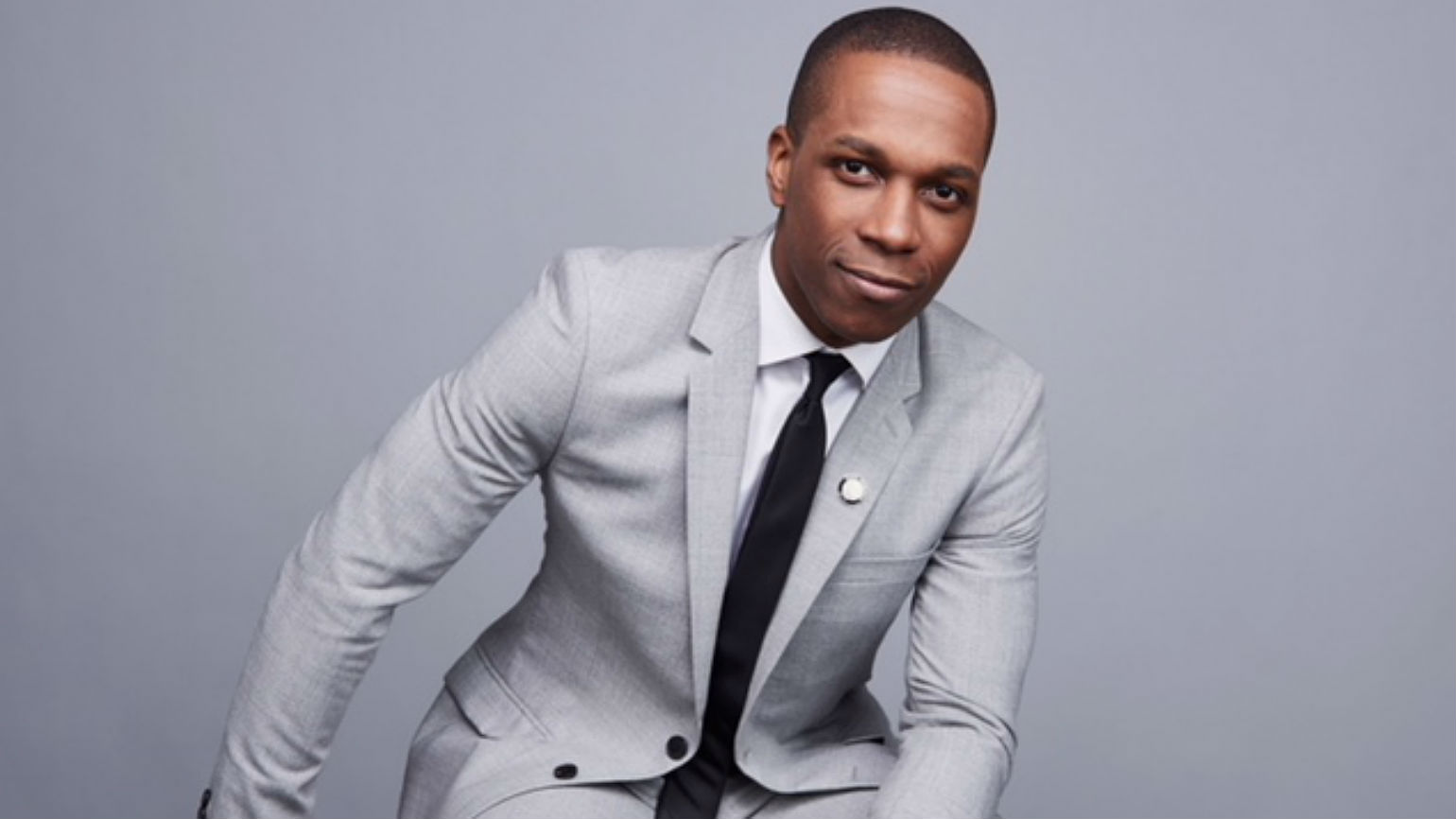
Leslie Odom Jr. has both a GRAMMY and a Tony award sitting on his shelf. The singer is fresh off of a role in the international box office success Murder on the Orient Express. Oh, and he played Aaron Burr in a tiny Broadway show you might have heard of called Hamilton.

The 2016 Tony award-winning musical – which used hip-hop to recount America’s earliest beginnings through the eyes of one of its founding fathers, Alexander Hamilton — became one of the best-performing Broadway shows in history. It was heralded as a cultural achievement. It spurred an interest in America’s legacy. It had young kids rapping about historical figures like George Washington, John Laurens, and the Marquis de Lafayette.

And Odom almost wasn’t a part of it. Battling depression after a decade of acting with no big success to his name, Odom almost quit the profession before he got his biggest roles.

Thankfully, he stayed the course and, these days, Odom’s plate is more than full. Guideposts.org caught up with Odom just a few days before the release of his new book, Failing Up: How to Take Risks, Aim Higher, and Never Stop Learning. The new father of a 1-year-old girl with his wife Nicolette Robinson, is in the middle of reshoots for his upcoming movie with Kate Hudson and preparing for his first book tour. In fact, it’s all this success that ultimately pushed him to pen a book about failure.

“I started from nothing,” Odom tells Guidepost.org. “It was a really tough road to get to this very fortunate position that I find myself in now. I think there’s something that’s important in holding your private struggles and your battles, holding that up against the triumphs; it makes the triumphs sweeter.”

He’s hoping that sharing his struggles will inspire those who aren’t yet where they want to be.

For Odom, his inspiration to ultimately become an actor began with his social studies teacher back when he was an unruly ten-year-old growing up in Philadelphia. Miss Turner, he recounts in his book, urged him to become an orator, competing in school and regional competitions and eventually inspiring his passion for the stage.

“I was a kid with some behavioral issues and discipline issues. It could’ve gone [another] way for me, really,” Odom says. “I met a woman who turned things around for me at that time. Miss Turner is unique to me, in Philadelphia. I know that not everybody has as supportive a network as I had, but in the book, I do challenge the reader to point out three people. I know that there are three people on this planet that care about you, that love you, that want you to win. It’s really about identifying those three people and allowing them to help you.”

When Odom was considering quitting acting for good, another mentor, Stuart Robinson, stepped in. After graduating from Carnegie Mellon University and moving out to L.A. to pursue acting, Odom fell into a depression after failing to get the roles he was hoping for.

“I was about to turn 30 and I really was going to quit,” Odom says. “This was six years ago, so this is before Hamilton, before Smash, Person of Interest, Law and Order SVU, some of the biggest things that I have done, I would’ve never made it to, but I was really tired of the up and downs,” he says.

“I dealt with depression on and off, certainly in my twenties when I was starting out. Part of that was because of the aimlessness and the insecurity and the instability, but I was just sick of it.”

He sat down with Robinson to see what else he could do and was given some much-needed tough love.

“He heard me out,” Odom recalls. “He heard me in the state that I was in and he said, ‘We can talk about that. We can talk about other things you might do, and things you might do with your life, but I’d love to see you try before you quit.’”

Odom felt taken aback.

“At this point, I had been a professional actor for a decade, so I was confused. I thought you’d be hard-pressed to find somebody who tries harder than me,” Odom says. “When the phone is ringing, when I get an opportunity, I knock the ball out of the park. The phone’s not ringing. [Robinson] said, ‘Exactly. So what did you do today, for yourself, in the absence of the ringing phone? Did you call anyone? Did you email anyone? Did you read anything? Did you practice? Did you study?’ He just opened my mind up to all the possible ways that I could fill a day for myself.”

It was that proactive way of thinking about pursuing his passion, reaching for his goals, that changed the course of Odom’s career.

“My life changed,” he says. “I was sitting on the couch. I was waiting for things to come to me and sitting on that couch, I was ignoring at least half of my responsibility as a businessman, as a freelance artist, as a person who was on a path. I had to get off that couch.”

Once he began actively campaigning for himself and his abilities, he found himself with a new problem. He was in New York working with Hamilton creator Lin-Manuel Miranda on the musical that would eventually change his life. He was involved in the production from the beginning, reading for the part of Burr who also serves as a pseudo-narrator of the show, but he hadn’t been promised anything. There was no official offer, no steady paycheck, just a dream shared by Odom and the rest of the cast.

Around that time, a new TV series he auditioned for wanted to bring him out to L.A. to begin filming. It would add plenty of money to his bank account and maybe, if it did well, make him a household name – two things most actors can only hope for.

Odom turned it down.

“There was a lot of money that that TV show was offering me, and my family certainly needed it,” Odom says. “There were no guarantees with the Hamilton thing. There was no guarantee that, even if Hamilton was a success, if it made it to Broadway, I didn’t have anything in my contract that would guarantee that they would take me. I turned that TV show down, but in my heart, there was no other option. That was the only option that I was going to be able to sleep at night. That was the only option I was going to be able to live with. It sounded a little crazy to people as I was telling them what I was looking to do, but, it paid off.”

Odom shares that story in his book in the hopes that it might motivate someone else to make a life-changing decision, and pay attention to their intuition, that inner-voice that can guide you to seemingly impossible opportunities.

“The people that I respect the most, the people that I revere and sort of look up to, the careers, especially, that I look up to, there’s a tremendous amount of risk involved in those careers,” Odom says. “I share it, only because that’s going to help somebody. Somebody’s going to be like, ‘You know, that’s a crazy story that I heard and maybe this is my moment to do something crazy.’”

Odom ends his book by sharing another personal moment, reflecting on the way the world has changed since he played Burr at the Richard Rogers Theater in New York just two years ago. He recounts his experience performing at the University of Virginia’s bicentennial celebration in Charlottesville, Virginia, just weeks after a white nationalist rally injured over 20 people and ended with the deaths of one civilian and two police officers. It marked a shift in the country, one that was hard to believe after the success of Hamilton and the progress Odom felt the show was partly responsible for.

“There was something about Hamilton that felt like the world had changed, and we were on a path to a certain kind of inclusion, and a certain kind of hope, and a certain kind of, you know, America. It just felt like, ‘Wow, things have really turned a corner,’” Odom says.

“I think, without being too political, [there’s been] a resurgence of a certain kind of hatred, a certain kind of ugliness in this country. A major, emboldened, undeniable, and unashamed bigotry and prejudice that we’ve seen in this country, has been unleashed from somewhere. I needed to hold both of those things at the same time,” Odom says of ending the book talking about Charlottesville.

“I needed to reckon with this moment in my life that happened right after this other moment,” he continues. “I performed at the White House. Hamilton performed at the White House. A year or two later, [in today’s political climate] it’s almost unimaginable.”

Still, Odom hopes that by balancing out the more inspiring parts of his story – the Broadway success, the accolades, the personal moments of joy – with some of the harder truths about the struggles we all face living in the world today, people will find a relatability and a sense of hope after finishing the book.

“I never want to be too far from the lesson and the struggle of my journey,” Odom says. “I know how fleeting these moments are. The bad moments are fleeting, and the good ones are fleeting too.”

Still, he has hope that people can achieve what they were created to achieve.

“I just believe so strongly that there is no dead end when you are actively following your passion and actively putting one foot in front of the other to make a dream come true,” Odom says. “You will be guided. Whether it’s mentors and teachers and friends, or whether it’s universal laws showing up to push you forward.

How Gratitude Helps Roberta Messner Cope with Chronic Pain

Hi Guideposts, I’m Roberta Messner.

The most important thing I have actually learned on the journey of pain and healing, I’ve learned through sciatica. That was not a welcome visitor, I will tell you.

I had been divinely healed from a lifetime prison of pain, and I thought my life was going to be just seamless from then on out. No problems, everything would just go swimmingly. That did not happen.

Now, in the past I’d had all this intercranial pain and facial pain, sciatica steals you. You are a prisoner in a chair, a bed, whatever. You cannot get out of pain. So what happened with sciatica was, pain made me pause. I could not move like I did before, and I had to think.

I began to just let myself go back in time, and I would think of a really difficult time on a pain journey that helped me, and it would always be a person. There were real unexpected people sometimes, and yet they can turn around your life in just an instance.

And all during Covid, every day, I wrote a letter to one of those people who helped me at a critical time. Sometimes it was the first time I had ever said thank you, because I didn’t even know until I developed sciatica that I didn’t even acknowledge the blessing. And so I did that everyday, and sometimes I gave people a second thank you.

Unknowingly, what happened was gratitude tapped into my being. That is the most profoundly life-giving thing there is, if we can just be grateful. This really has been a key for me, that you just go back and realize you were never alone. And really, you will never be alone.

And that has really taught me to really trust God in those unanswered questions. To trust that He is going to send the exact people we need. Just as people, earth angels, whatever you want to call them, showed up at the right time way back when, they are going to right now and in the future. And then the next thing that happens is, you realize that you have the power to be that person for another person.

You never know a life that you will touch in just one comment, and to just realize the stunning power of that, I think that is the most important thing, if you have to live with pain.