Embrace God's truth with our new book, The Lies that Bind

How to Handle the ‘Shock’ of Good News

“Good news is rare these days,” said the journalist Hunter S. Thompson, “and every glittering ounce of it should be cherished and hoarded and worshipped and fondled like a priceless diamond.”

Thompson may have been referring to the actual news headlines of his day, but I take his meaning more personally. The past year has brought some really difficult news into my life, from medical diagnoses for people I love to professional disappointments to parenting challenges.

God's Constant Presence In Article Ad

I’ve worked on bouncing back from setbacks and living positively in a new normal, and I’ve grown as a person in the process.

But recently, a beautiful piece of good news came through the door—a medical treatment had proved successful for someone I love very much. And strangely, it took me a moment to be able to take it in, to embrace the sparkle of Thompson’s priceless diamond. I realized that just like when I faced bad news, there was a shock associated with positive news.

Life coach Triffany Hammond writes that the way we handle good news impacts our happiness. Specifically, if we let good news only take the form of relief, the “oh, whew” of the emotional world, we aren’t allowing it to fully permeate our minds and hearts.

She suggests focusing instead on the gratitude that good news inspires, the “oh, thank goodness” feeling that is a well-established way to feel more joy and inner peace.

Hammond also recommends replaying the scene of the good news you’ve just received, visualizing it in detail and taking a moment to bask in all the positive consequences that roll out from its initial delivery. When I visualize the doctor saying, “This was a very good scan,” for example, I can focus gratefully on her team’s medical skill, and anticipate summer ice cream shared with my loved one.

How do you cradle every ounce of a “good news” moment, cherishing it like the precious diamond it is?

How to Give and Get Respect

One of the deepest desires of human nature is to be well thought of, respected, loved. How do you gain the esteem of others? Jesus tells us the secret in John 13:34: “As I have loved you, so you must love one another.”

Here’s how to gain the respect you crave:

Give esteem, respect and love to other people.
In this life we only get back what we give. Give hate to the world and you will receive hate. Cultivate an attitude of superiority and you will be treated with an attitude of superiority. Practice feelings of prejudice and ill will and contempt and that is what you will get back. The whole universe is an echo cavern. What you send out reverberates back to you. That is what Christianity teaches. “A new commandment I give you: Love one another” (John 13:34). That is the smartest, shrewdest, most subtle formula for abundant living that ever was created.

Never let people upset you.
If somebody is rude to you, bothers you, does something unjust to you, you have to be the kind of person who won’t let himself become upset. If you can do this, gradually you will win over the people who have been attacking you, annoying you. You will gain their respect. It is not an easy thing to do, but it is a great thing and, with God’s help, you can do it. “If it is possible, as far as it depends on you, live at peace with everyone” (Romans 12:18).

Put other people’s needs on a par with your own.
This is what Christ meant by loving your neighbor as yourself. Philippians 2:3-4 admonishes us to “in humility consider others” and to look “to the interests of others.”If you do this, amazing pathways of service will open up to you. You may run into opposition. You may be laughed at. But the rewards of meeting a need, of righting a wrong, of improving your world far outweigh the possible risks or hazards.

If we will do our part, God stands ready to do his. But he doesn’t go where he’s not invited. So the last and most important bit of advice I have to offer is three simple words: Ask him in. If you do, you will be blessed. And if you share this blessing with others, you will be loved…and respected.


How to Forgive Someone Who Has Hurt You

Forgiving others can be hard, especially when we have been hurt, rejected or offended by someone we trust. At a church I served in the past, I recall a member, Sophia, telling me about her personal battle with forgiveness. 

When Sophia was young, her father abandoned the family. They faced many hardships, and her anger toward him grew. Eventually, Sophia married and had children of her own, but she still wasn’t able to resolve her abandonment issues and resented her dad even more.  

Sophia went on to explain how she joined a six-week Bible study program based on habits, hang-ups and hurts. The program caused her unresolved issues with her father to resurface. During one of the sessions, the facilitator noted that forgiveness releases people from the burden created by others. 

He told the group that no one should be held captive by the pain others have caused. Sophia asked herself, “How could I release myself from the pain my dad caused me?” Her father was no longer alive, but the memory of his actions prevented Sophia from moving on. 

The thought of forgiving her father challenged Sophia. It would mean she needed to accept what he had done to her and her family—and be okay with it. In one of the class sessions, the facilitator suggested they write a letter to the person who had hurt them. Sophia decided to do it; it was time to let it go. 

She wrote about all of the pain and anger her dad had caused. She shared how his rejection and abandonment impacted her life. She finished by writing that she was now ready to forgive him and move on.

After she completed the letter, she read it out loud to an empty chair representing her dad. This was the beginning of her healing process. During the final class, Sophia shared with the group that writing the letter was one of the best things she had ever done. She felt free from her pain and ready to move on. 

When we forgive others, it doesn’t mean that we forget what they have done although in some cases, people do. What it does mean is that we are no longer emotionally and spiritually held hostage by their actions. Life is too short; we must learn to forgive. If not by our own power, we can with God’s help.

How to Focus on Your Blessings

As humans, we tend to dwell on the hardships, struggles and setbacks we face rather than the everyday blessings. This is why we must pause to reflect on the goodness and blessings of God. Focusing on everyday blessings doesn’t negate our struggles, but it can help us put things into perspective and give us the courage to move forward. When we do this, we discover that our lives consist of more positive moments than negative, more blessings than trials.

Let us begin by taking time to reflect on the blessings of summer. Days are longer, warmer and brighter. We can swim at the beach, take long walks without fighting the cold and much more. It’s a great time to enjoy being outdoors with those we love dearly. Myself, I enjoy playing tennis outside rather than inside. For me, this is a blessing.

We must also stop to reflect on those who are important to us, they are each a blessing in our lives—family members, friends, neighbors, co-workers, church family and even those who provide a service to us such as doctors, nurses, police and so forth. Life without them wouldn’t be the same. Humans were created to be social, not to go through life alone.

Most of all, we must remember to be thankful for God’s presence in our lives. No matter what problem we face, we are never alone. He is with us every second of every day.   

I encourage you to write a list of everyday blessings in your life. Put it in a place where you can see it each day, to serve as a reminder of all the good in your life. And keep adding to it. When stress, anxiety or sorrow strikes, we have a tendency to focus only on what is causing these emotions rather than the good that is still in our lives.

But if we intentionally pause each day to reflect on our blessings—especially the goodness, mercy, grace and kindness of God—our mood, attitude and perspective will change for the better. Every day with God is a good day.

Lord, thank you for the many blessings in our lives, especially Your presence. Help us to be mindful of them.

How to Find Your Sweet Spot in Life

My little quilt was ugly. There was no other way to describe it—the lopsided edges, the ungainly stitches, the puckered patchwork. The quilting teacher, who studiously kept her gaze on my homeschool co-op classmates’ more orderly and symmetrical quilts, pursed her lips: “Perhaps you should consider cake decorating next quarter.”

It was not the first should I had encountered. But I was too busy dreaming of a life of adventure and travel to be bothered with perfecting my quilting or baking skills. I didn’t know it then, but those adolescent dreams were the first inklings of what would turn out to be my sweet spot in life. 

New Every Morning Journal In Article Ad A

What is a sweet spot? I define it as that wonderful place, where the things you love meet the needs of the world, and your passions create positive change in your community and the world around you. 

Each person’s sweet spot is unique. 

A talented crafting friend of mine in Portland makes adorable bespoke baby outfits and donates the proceeds to help sexually exploited women in Europe. My uncle, a gentle giant of a man, is a gifted ukulele teacher and gives free music lessons to prison inmates in California. My sister-in-law uses her skill as a professional photographer to raise awareness and resources for disabled children in Zambia. A computer programmer friend is teaching a homeless young man he met on the subway to code. A local optometrist spends a few weeks a year fitting people for glasses, often the first pair they’ve ever owned, in the poverty-stricken mountain villages of Nicaragua. 

Each of these individuals is doing what they love, what they’re gifted at and trained for, and using that to help to the world a better place. 

Sweet spots are different for everyone—starting an ethically conscious business, raising funds by doing something you love to help a cause close to your heart—each one is valuable, each one is a gift to the world. 

Some know early where our sweet spot is in life, but for most it’s a process of trial and error and gradual discovery. It took me most of my thirties to finally home in on mine—writing fiction and working in international aid. I worked for seven years with a faith-based organization in central Europe, then started writing novels that celebrate the things I love most—travel, food, strong women overcoming big challenges with hope and courage and social justice issues related to women. It took years for me to figure out how to blend the two elements of writing and international work successfully; years of saying no to the “shoulds” and yes to what I truly loved. I had some detours along the way (here’s looking at you, short stint in event planning!) But when I finally found my sweet spot, I experienced deep joy and satisfaction. Getting to do the things I love feels like getting to eat cake all day! 

If you’re confident that you know what your sweet spot is in life, and you’re living in it now, then fantastic! If you’re not entirely sure, here are a few ideas to get you started. 

1. Get rid of the “shoulds” in your life

Stop worrying that what you love isn’t good enough or thinking that it can’t help someone. Any gift, skill or passion can be used in some way to make your community and the world a better place.

2. Make a list of the things you love

Are you passionate about cutting hair, backpacking, making a great batch of kombucha or practicing yoga? If you love it, write it down. If you’re stuck on discerning what you really love, think of the things you played pretend about as a child. I told adventure stories. Then, as soon as I could write, I created little books bound in cardboard from cereal boxes. As I matured, my core interests essentially stayed the same. What do you naturally gravitate toward now? What are the things you would do for free, or just for the sheer joy of them? Those are most likely part of your sweet spot in life. 

3. Now start brainstorming

Search online to see who else loves the things you love and what they’re doing to help the world. What clubs, organizations or movements need your skills? How about friends, neighbors and religious organizations in your community? Want to travel further and donate your unique skills in other parts of the world? I guarantee there is someone who needs just what you have to offer! Band together with others, help each other brainstorm and discover.

It is not an easy task. Finding your sweet spot is often a long process, peppered with detours and disappointments, but it is so worthwhile in the end. When each of us finds our unique sweet spot in life, our whole selves, our communities and the entire world, are better for it. 

How to Find Your Life’s Purpose

Why am I here? What am I supposed to do with my life?

Best-selling author Eckhart Tolle’s advice on how to find your life’s purpose is quite simple: start by knowing who you are.

Community Newsletter

Get More Inspiration Delivered to Your Inbox


Backstage at a recording of Oprah Winfrey’s second installment of her popular speaker series, Super Soul Sessions last week, Tolle said that people must first understand what makes them special.

“The light of God that shines through every human being is their innermost essential identity,” Tolle says. “In that sense, you are special.”

READ MORE: HOW TO GET THE ‘LIFE YOU WANT’

Though humans have a tendency to define themselves comparatively, based on the people around them, Tolle suggests understanding specialness in a way that’s solely between you and God.

“It’s a specialness that honors the uniqueness of you and the way in which you can contribute in your own unique way to this universe.”

Your contribution to the world, he says, is simply a manifestation of your understanding of your connection to God.

“It’s not everyone’s destiny to create something huge,” Tolle says. The key is not the number of people you impact but the way in which you impact them. “There are people who are happy doing little things, who don’t have huge ambitions, but they love what they do. They enjoy every moment of it. That’s a way of being special because everyone who comes into contact with you feels better after coming into contact with you.”

Life coach and author Marie Forleo, another Super Soul Sessions speaker, emphasized this more fluid approach to finding your purpose when she shared her own unique journey from corporate America to coaching millions of people.

“I love what I do but I’m open to things transforming and moving on and having new passions in the future,” she says.

For those still looking for their next step in life, Forleo says:

“I think if you pay attention to that little voice within, it’s always talking and if you can be still enough to hear it and pay attention to your curiosities and what brings you joy and explore what’s really interesting to you, then your whole life will begin to unfold.”

For Tolle, joy is not necessarily something that you find when you’re confident you’re on whatever you deem to be the “right track.” Instead, he says joy is something that can be experienced right now, in every moment and in every stage of life.

“If you haven’t found [your purpose] yet just see if you can transform the little things that you do every day into a joyful task,” he says.

“Even if it seems not terribly meaningful, enjoy the present moment. Don’t treat your present moment as your enemy and also don’t treat it always as a means to an end, just a stepping stone that enables you to arrive at a mentally projected future point that you think is more important than this one. Be open to [enjoying the present] and the way in which you can fulfill your special function in this world will arise.”

Watch part 2 of Super Soul Sessions with Eckhart Tolle and Marie Forleo on OWN or online at SuperSoul.TV

How to Find the Positive in Grief and Loss

May the great name of God be exalted and sanctified… 

These are the opening words, translated from Hebrew, of the Jewish mourner’s prayer known as the kaddish. The prayer continues with more words of praise:Blessed, praised, glorified, exalted, extolled, honored, elevated and lauded be the name of the Holy One.” And it ends with a prayer that “the One who makes peace in high holy places, bring peace upon us.

The Daily Bible Large Print relaunch with digital free gift in article ad

Who among us, if we read this prayer without any context, would guess such words of praise are recited at Jewish funerals and to mark the anniversaries of a death, called yartzheit (pronounced YAR-tzite)? The kaddish has no mention whatsoever of death, loss, grief, or sadness.

As puzzling as the seeming disconnect might be, the juxtaposition has been deeply meaningful to me as I’ve navigated losses in my life—and it feels especially resonant as I mark the third year since my father’s death.

To me, the kaddish puts the idea of “authentic positivity” to its most challenging test, placing it in the context of grief and loss. After all, the authentic positivity I write about here at Guideposts means recognizing true opportunities for joy without erasing the painful realities of life. Isn’t this what the kaddish is asking mourners to do, to hold in awe the perplexing, beautiful, tragic wholeness of the human experience by speaking words of praise at moments of profound pain?

At various times in my life, I’ve recited kaddish through streaming tears. I’ve allowed the words to swirl around me when I was too overcome by emotion to speak them myself. I’ve even stood silent at times when kaddish was recited, too angrily perplexed by grief to participate in the words of praise in that moment.

But now, as I feel palpably the passage of time since my father’s death in 2019, how each year brings me into a new relationship with his loss, I am experiencing kaddish in a new way.

I feel the pangs of sadness that are implicit in the grieving process. I mourn the lost opportunities for more time together, for more memories made.

But I also feel better equipped to celebrate my father’s life, to feel enveloped in gratitude for the myriad ways I feel his presence in my daily life, to be in a position to carry his memory with me as I step forward into the year ahead. And to feel the strength to recite words of praise and affirmation as a way of living authentically in my grief, which ebbs and flows like tides, like seasons, like this beautiful life.

How to Find a Silver Lining in Unexpected Places

“Was I deceived,” wrote John Milton in his 1634 musical poem Comus, “or did a sable cloud turn forth her silver lining on the night?”

This line is generally accepted to be the origin of the oft-quoted phrase of encouragement, “Every cloud has a silver lining.” Typically, the phrase is offered to mean that even when things are not going well, there is some hidden benefit, some positive thing to be gleaned from the experience.

Pray a Day Vol 2 In Article Ad

Reading the original line has me reflecting on new layers of meaning in the famous saying. For one thing, I had never imagined the proverbial silver-lined cloud to be in the night sky. To the extent that I had visualized it at all, I had pictured a stormy cloud darkening an otherwise-blue, sunny sky. The silver lining in my mind came from the sun that kept shining behind that cloud.

Milton’s cloud, however, is illuminated by the moon, not the sun. The darkness in his poem does not come from the cloud, but from the night sky itself. I realize now that we might not even recognize a cloud in this sky at all—if not for its silver lining that sparked to life because of the reflected light of the moon. This is the very definition of authentic positivity—the sun isn’t always going to shine. We can find light in unexpected places when we are patient and observant enough to see it.

Comus, which is a masque—a pre-operatic form of musical dramatic poetry—tells the story of a woman who is frightened and alone in a forest. The comfort of a silver lining in a dark night is a profound image—one that is not surprising in its resonance in the centuries since the masque’s publication.

There is one more aspect of the original quotation that stands out to me—the questioning “Was I deceived…” that opens the line. I imagine there is a context in the masque that might reveal who this question is directed to, but for me, it is a rhetorical moment of self-talk. I suspect we have all had moments when we noticed something so astonishing, so lovely and awe-inspiring, that we asked ourselves, perhaps out loud, “Is this for real?”

The next time you face a dark night, think of Milton’s musing observation and let light ricochet across the sky, turning forth its silver lining against each of your clouds. You won’t be deceived by its brightness.

How to Enjoy the Positive Side of Earlier Sunsets

This summer, my family loved watching movies with friends on a screen in the backyard. It was COVID-safe for our unvaccinated 10-year-old and just plain fun for everybody. But at the height of summer, Movie Night couldn’t even start until almost 9:00 because of those long, luxurious summer evenings—a little late for the younger crowd.

By our Labor Day movie, we relished the fact that we got to start quite a bit earlier, as the sunset began its gradual turn toward winter hours. 

Inspiration from the Garden in article ad

But cinematic silver linings aside, many people start to feel blue when the days get shorter—not to mention the “fall back” moment when we change our clocks for Daylight Savings Time on November 7 this year.

Shorter days and earlier sunsets can be an emotional, metaphorical season of the year. It can feel like we’re turning away from warmth and freedom, toward cold and quiet. In the pandemic era, cold weather means fewer outdoor gatherings, which can prompt feelings of loneliness and just being “stuck.”

Darkness doesn’t have to be a state of mind, though. With authentic positivity, we can acknowledge that there are some challenges we’d prefer not to have to face, but we can find ways to show up with grace and hope, even as the sun sets.

Celebrate Cozy
Just because the sun is down doesn’t mean your whole world needs to be dark. The crisp evenings of fall are the perfect time to set up a new arrangement of indoor candles, lay a fire in the fireplace or simply curl up under a reading light, wrapped in a deliciously soft blanket. Making our own light can be an emotionally resonant response to the darkness outside.

Get More Sleep
There’s a positive aspect of the earlier sunsets at this time of year—the daily rhythm can help us shift our sleep-wake cycles so we get to bed earlier for a healthy night of rest. We’re not talking about full-on hibernation here, but leaning gently into the seasonal sleepiness that comes with shorter days can help us adjust toward a goal of getting 7-9 hours of restorative sleep each night.

Where do you find the light in our shorter days?

How to End a Tough Year on a Positive Note

Everyone, sooner or later, is bound to have an annus horribilis, the Latin term for “a terrible year” that Queen Elizabeth famously brought into modern parlance at the end of 1992. 

A tough year is one of those “I know one when I see one” things, usually made up of a combination of profound crises and smaller, more mundane challenges. Having lost my father to cancer in September, I have been thinking a lot about how to bring a year like this to an end in the healthiest and most authentically positive way possible.

Light for Life NASB Study Bible in Article

Here’s what that doesn’t mean. It doesn’t mean pretending this hasn’t been a terrible, messy, complicated year, or declaring that only blue skies await in the new year. 

So how can I—do we—turn the page with authentic positivity

Call It What It Is
The first step toward positivity in almost any situation is to be honest about it. There’s no sense in spending your energy painting a black-and-white year with a technicolor brush. Instead, embrace the reality that you had a tough year.

Seek Support from Those Who Understand
I don’t know you, but I do know this: you are not the only one who is coming through an annus horribilis (for that matter, neither am I). Connecting with others who are coming to the end of the year with mixed emotions will help you feel less alone—and perhaps more importantly, help you see beyond your own situation.

Practice Checks and Balances
No one has ever had such a terrible year that they made it 365 days without a single moment of joy, a win to balance the losses, a pleasant surprise. Encourage yourself to focus on making a list of reasons to look back on this year with peace and even happiness. It doesn’t have to be a long list but orienting your thoughts in a positive direction will offer a gentle check against the idea that you’re stuck in an annus horribilis.

Make a Plan
Having a plan can help you move forward into the new year with peace and confidence. Your plan could involve connecting with a therapist or support group to help you work through your challenging emotions. It could involve choosing a healthy eating, fitness, sleep hygiene or other wellness plan to step into as the new year dawns. Call it a resolution, call it a plan, call it a promise—call it whatever will best help you move forward. 

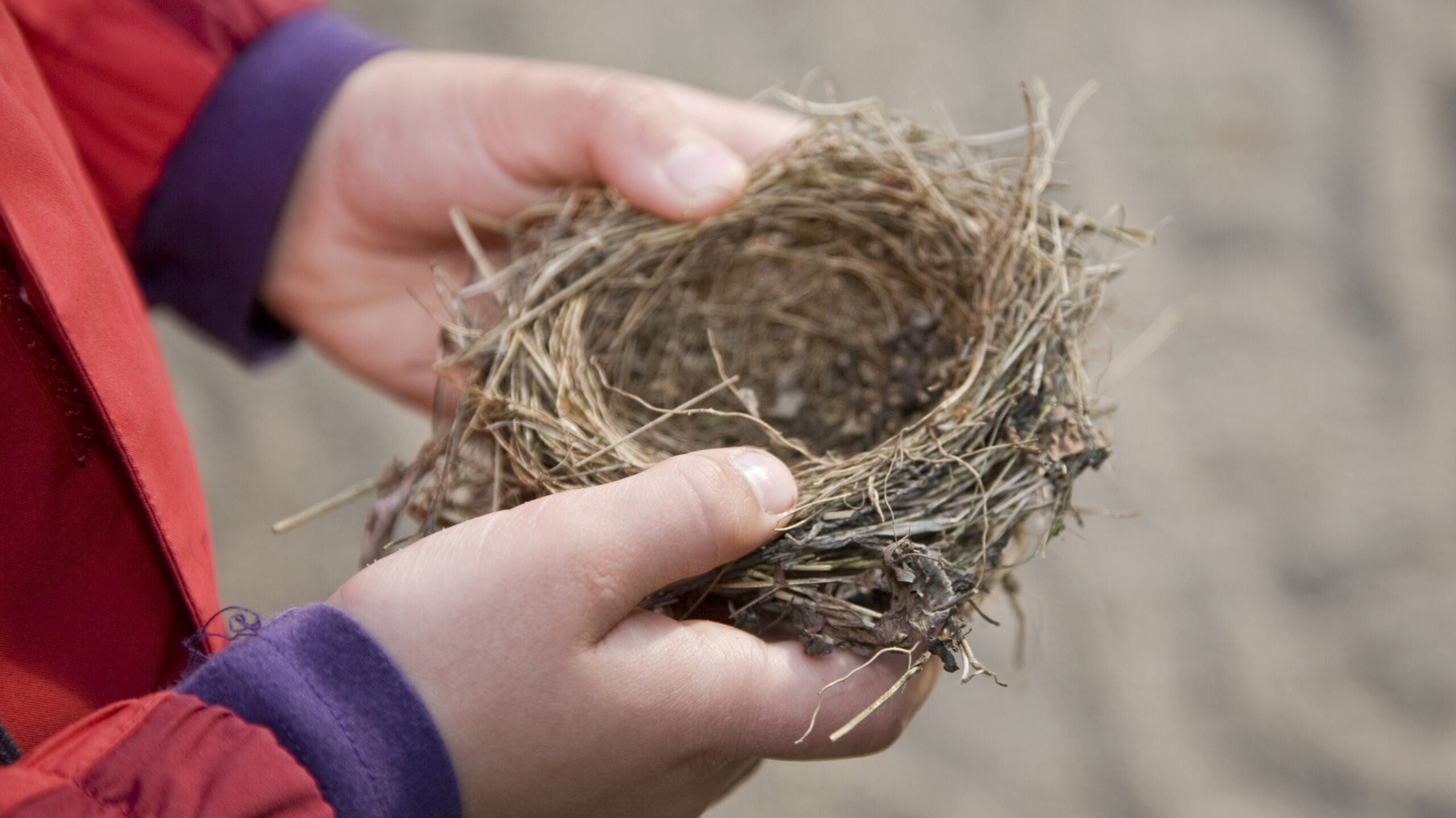
How to Embrace the Empty Nest

I am on the phone with a friend who just returned home from taking her youngest child to college. I ask her how she is doing. “I just want to lie in bed, in my room, by myself,” she tells me. “I told my husband to give me some alone time.”

In two years, I will be in the same situation as my friend, which is why I have been watching how she and other empty nesters handle the next stage of their lives. Part of me is excited as I watch those who take advantage of the opportunities becoming an empty nester offers. I am also fearful about how I will fill those gaps of time that I used to spend packing lunches, driving children to activities and cheering on the sidelines of soccer games.

Pause & Pray In Article Ad

From watching friends who are doing empty nesting well, I can offer suggestions that I plan to take when my turn arrives soon.

1) Be positive

Looking at this next stage of life as an opportunity goes a long way toward making the most out of the years ahead. After my friend spent a day in her bed alone, she made a list of movie theaters that had weeknight specials and printed schedules for exercise classes to try. She notices when she talks to her children, being positive is better for her relationship with them, too.

2) Accept that relationships will change 

Your relationship with your spouse, your children, your parents, and your friends will evolve as you age and that’s okay. You might find you need to baby your children less and your parents more. You might find you finally have time to nurture friendships that you didn’t have when you had lots to juggle — and that can be a great thing.

3) Schedule fun

One friend created a bucket list for this stage of life. She has vowed to check off at least two things on it each year. She just checked off paragliding. (She has an amazing video to show, too.)  As empty nesters we may not have kiddos around the family table every night, but we do have time to enjoy activities we weren’t able to try when the children were at home.

4) Make new friends

Many parents become friends with the parents of our children’s friends. When our children leave, that bond may fray. So, it might be time to meet new people. Consider taking up a hobby, joining a book club or running club, or going to industry meetups. My friend’s husband has taken up biking and does it every Sunday morning with new friends who share his interest.

5) Be patient with your partner 

Those habits you used to adore in your partner before you had children may now annoy you. You know, like when he tries to fix the washing machine and makes the damage worse or when she tries to fill up the weekend with plans when you’ve been dreaming of relaxing in front of the TV. You no longer have kids home to deflect tension so you will need to try harder to keep your relationship strong.

6) Create new routines

Some days in the thick of my child-rearing years, I walked by coffee shops and noticed people stretched out on comfy chairs reading books or chatting with friends. I felt so envious. As an empty nester it can be a reality. In fact, any new routine can be a reality and that can be exciting.

As we move into the next stage of life, the years ahead can be time for introspection and fulfillment. Enjoy your empty nest!

How to Declutter and Let Go of Family Treasures

Excerpted from Unstuffed: Decluttering Your Home, Mind & Soul by Ruth Soukup…

Every time I write or speak about clutter and the process of getting rid of it, without fail, the most common question I get, and the most common complaint, is “What do I do with all the other people’s stuff in my life? How do I get rid of that?” Through the years, I have discovered, both in my own life and through countless conversations with others, that the hardest things to get rid of are the things that come from other people—the gifts, the heirlooms, and the piles left behind when someone dies. Other people’s stuff, it seems, comes attached to a whole lot of guilt.

Go For It In Article Ad

Get Your Free Guide to Understanding Medicare

We were faced with a death in the family when my sister-in-law Linda succumbed to a long battle with cancer. It was a devastating loss. With no children of her own, she left everything to my husband and our daughters. While she had been careful to set her financial affairs in order before she died, we were once again faced with the task of sorting through someone’s entire life to decide what to keep and what to leave behind.

The guilt was terrible.

These Christian Living Books Will Help You on Your Faith Journey

You see, Linda was a shopper, and she loved to collect nice things. Her home was beautiful and filled to the brim with her various collections—expensive paintings, Longaberger baskets, Lladró figurines, Halloween decorations, hundreds of pigs in all shapes and sizes, and even a whole dresser full of Silpada jewelry. These collections represented everything she had lived for, and yet they weren’t our collections or our passions. We had no need for them. Our own home was already too full. Even so, it felt like we were literally throwing her life away, and again, we kept far more than we actually wanted.

We returned [home] to Florida with boxes and boxes full of stuff. We got an even bigger storage unit.

And it wasn’t just the stuff from Linda’s own house that we had to contend with; it was all the gifts she had given us over the years. For years, she had showered our girls with elaborate presents—beautiful dresses, customized handmade teepees with matching sleeping bags, a dollhouse, stuffed animals, toys, games and so many things it was almost impossible to keep track of them all. She sent care packages for every minor holiday and hauled suitcases full of gifts to give in person for the major holidays. She truly loved my girls, and her way of showing it was with stuff.

Her death hit us hard.

READ MORE: CHANGE YOUR LIFE BY DECLUTTERING

Not surprisingly, my two daughters, who had absolutely adored their auntie, immediately started connecting all the things Linda had given them to still being connected with her. Linda and all the stuff she gave them over the years became one and the same. Whenever we wanted to weed out a too-small dress, a no-longer-played-with toy, or a set of ripped pajamas, we were greeted with a flood of tears and shrieks of, “But you can’t throw that away! Auntie Linda gave it to us!

We realized that our girls were simply doing the same thing we had done, first after my mother-in-law’s death and then after Linda’s death as well. We were assuming that throwing away someone else’s stuff meant we were throwing away their memory. And we couldn’t bear the thought of throwing away someone we loved.

We struggled with this dilemma for a long time until one day, it finally occurred to us that stuff and memories are not the same thing. If everything is special, then nothing is. The only way we would ever really become unstuffed is to finally give up the guilt.

Separating the Memories from the Stuff

In my own family, eventually all four of us had to come to grips with the fact that hanging on to the piles of stuff Linda had given us—every single fancy silk dress, special toy, blanket, basket, figurine, card, piece of jewelry, and funny singing Hallmark stuffed animal—would not bring her back. Even more importantly, we had to come to accept the hard truth that by equating the person she had been with the stuff she had given us, we were only diminishing and cheapening her memory, not retaining it. Not everything can be special.

The reality was that Linda was so much more than all the silly stuff she left us with! If we really wanted to honor her memory, we needed to do so by remembering the person she had been, the love she had shown, and the impact she had made, not just as an auntie and sister, but as a school principal and community leader, as a daughter and cousin and friend. If we wanted to honor her memory, we could talk about our favorite funny stories, the laughs we shared, the tears we cried, even the fights and frustrations.

Actually letting go of all the stuff has been an ongoing process, one we’ve had to tackle a little at a time. We still have a storage unit we would like to be rid of completely someday. For now, we are content to tackle it in small bites.

Sign up for Guideposts Free e-newsletters and Get Inspiration Delivered to Your Inbox

I don’t think my family is alone in this struggle to separate the people we love from the stuff they leave behind or to separate a favorite memory from the stuff that gets attached to the memory. And as we just saw, this guilt doesn’t just happen in death either, though death can certainly amplify the guilt.

The only real solution is to learn how to make a clear distinction between our memories and our stuff. In order to give up the guilt that causes us to hold on tight to other people’s stuff, we have to first reset our thinking. We have to accept, at our core, the fundamental truth that people and things are not one and the same.

Consider this:

Memories take up space in our hearts; stuff takes up space in our homes.

Memories last forever; stuff breaks, gets lost, and fades away.

Memories bring joy; stuff brings stress.

Memories are honoring; stuff is diminishing.

Memories bring peace; stuff brings chaos.

Memories actually matter; stuff really doesn’t matter at all.

The sooner we can make this mind-set shift and stop equating other people’s memories with the stuff they leave behind, the sooner we can give ourselves permission to stop clinging to the things we don’t need or even really want, simply because we feel that without them, we are losing the person we loved. That’s no small feat.

Chances are that this mind-set shift won’t happen overnight either, especially for those of us who have held on to this guilt for a very long time. It’s not always easy to accept the thought that just because we might be letting go of their stuff, we are not actually letting go of that person. But the simple fact we must continue to remind ourselves of, especially when the guilt starts to creep in, is that memories and stuff are not the same.

Memories and stuff are not the same.

The cover of Unstuffed Taken from Unstuffed by Ruth Soukup Copyright © 2016 by Ruth Soukup. Used by permission of Zondervan. www.zondervan.com.

Ruth Soukup is a writer, speaker, and entrepreneur, as well as the New York Times bestselling author of Living Well Spending Less: 12 Secrets of the Good Life. Through her popular blog, LivingWellSpendingLess.com, she encourages a million and a half monthly readers to follow their dreams and reach their goals, sharing easy-to-implement tips and strategies for saving time and money while focusing on the things that matter most.