Embrace God's truth with our new book, The Lies that Bind

Hope in the Soup Kitchen

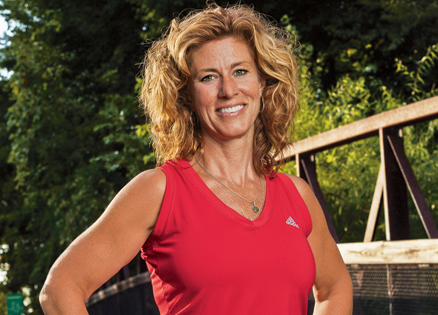
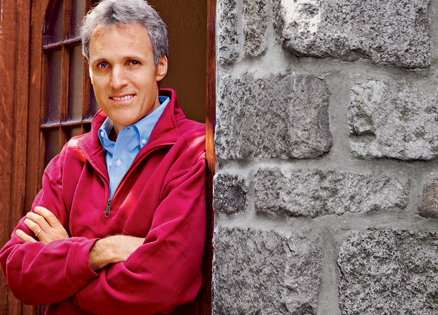
Lunch hour is crazy at SAME Café, the 40-seat restaurant my husband, Brad, and I run in Denver.

Between cooking, serving, chatting with regulars and overseeing our staff, I hardly get a chance to eat. One day a woman in her fifties dressed in a business outfit strode in. “Hi, Libby,” she said.

New Every Morning Journal In Article Ad A

I did a double take. Wow, she’s come a long way.

The first time she came to the café almost two years ago, she didn’t have money to pay for a meal. No problem. Like many customers, she volunteered to work. After a bowl of Brad’s white bean spinach soup and a slice of apple, pecan and bleu cheese pizza, she washed dishes and swept. Look at her now. I stole a glance at Brad, in the kitchen. Wasn’t this what we’d hoped for?

In 2003, on a flight home from Texas, we’d hatched this crazy dream. I was a teacher and Brad worked in IT. We’d both done a lot of volunteering at soup kitchens. It was something we felt called to do, feeding the poor. If only it weren’t so dispiriting at times.

“Remember the creamed peas we had to make?” I asked Brad. Big industrial cans of peas we mixed with flour—the end result looked like wallpaper paste. Probably tasted like it too. The guests didn’t seem any more inspired than we were. They sat at tables eating off of trays, nobody saying a word. “I wish we could start our own place.”

“Why don’t we?” Brad said. “Something more like a restaurant where people wouldn’t mind hanging out.”

We started jotting down ideas, me on a cocktail napkin, Brad in the margin of a magazine. “We’ll have a menu,” I said.

“Healthy food, fresh organic vegetables,” Brad added. He was the cook in our house, and a good one too.

“No cash register,” I said. “Just a donation box on the counter.”

It would be a charity, but we didn’t want our diners to think of it as a charity. “If a customer can’t pay,” Brad said, “he can help wash dishes or mop the floor.”

Brad signed up for culinary classes at night and I began looking for possible venues. Right away we hit hurdles. “There’s no such thing as a free lunch,” one potential landlord sniffed. “You seem like nice kids, but you’re crazy to think this will ever work.”

I met with brokers, contractors and suppliers, only to watch them walk away, shaking their heads. Was our idea that unrealistic? Lord, you’re going to have to clear the way here. We can’t do this on our own.

No bank would lend us the money to open a restaurant with no cash register. The only way we could get funds was to cash in thirty thousand dollars from our IRA—almost everything we had.

“Maybe we should just forget about this,” I said to Brad one night.

“Libby, this is something we believe in. We’ve gotta do it.”

Finally, a landlord agreed to lease us space on Colfax Street. We put flyers around the neighborhood, asked friends to spread the word, and held our breath.

Our first customer was a woman in her forties. She told me she was recently divorced and she and her two kids had no place of their own. “Could I have a salad?” she asked. I brought her a plate of greens with fresh fruit and nuts. Her eyes grew wide. “These are the first fresh vegetables I’ve had in four months,” she exclaimed. That alone made our struggles to open the café worth it.

Word traveled fast, thanks to stories in the papers and on TV. Soon we had more than 50 customers a day. “What do I owe you?” one patron asked.

“Whatever you think the meal’s worth,” I said, “whatever you can afford.” A few ate without paying or donating an hour of work. But most gave what they could, even if it was just a dollar.

At first Brad and I kept our day jobs. It was the only way to make ends meet. Then a funny thing happened. People from all walks of life started coming: lawyers, doctors, architects. They came for Brad’s cooking. But they also liked what our café stood for.

SAME is an acronym. It’s short for our credo: So All May Eat. Those with money gave, and then some. One of our customers left a check for five hundred dollars. Another bought one thousand dollars in gift certificates. Still another donated a truck so we could haul produce from organic suppliers. Eventually we were able to quit our day jobs and work full-time at the restaurant.

Our dream is coming true. We serve healthy food to people in need. We treat everyone with dignity. We hoped to develop a sense of community—the feeling that God had drawn us together, the comfortable and the poor, so that we might help one another. The woman in business attire was one of them.

Something was different about her that day. Something besides her outfit. She stopped at the counter and ordered greens with sun-dried tomatoes and goat cheese, and a ham and pineapple pizza.

“I have something to tell you,” she said. “The last time I was here, I started talking to a woman I’d met here before. She said, ‘There’s an opening in my office. Why don’t you come in and apply?’ I did—I got the job!” I knew what was different about her—confidence. Hope.

“I’m so happy for you,” I said.

She opened her purse. “I can pay now. How can I ever thank you?”

“You just did,” I said.

Try Brad’s Curried Carrot Soup!

Hope in July

Notice anything different about your magazine this month?

Rather than put a person on the cover, we decided to celebrate our country’s birthday. In fact, artist Margaret Cusack created the quilt you see especially for Guideposts readers.

Light for Life NASB Study Bible in Article

Usually we do this sort of theme cover at Christmas, but isn’t the Fourth of July the second most important birth we celebrate? The birth of our deepest hopes and aspirations as a people?

Almost every article this month pays tribute to the enduring national promise of the American Dream, the promise of a land where anyone can achieve anything. Marathoner Meb Keflezighi’s inspiring journey from an impoverished village in Africa to his standing as one of the world’s elite distance runners is only part of his amazing story; gaining his American citizenship was his proudest moment.

Divorced mom Janis Collins and the Labrador retriever her son rescued from an abusive home discover a new kind of freedom—freedom from fear and isolation—watching fireworks burst in the skies above. Justin Willoughby broke the chains of his addictive eating patterns and not only lost 600 pounds but found himself. Today he teaches others how to care for the bodies they’ve been blessed with. Kate Braestrup undergoes an incredible transformation when she refuses to let the passion of her husband’s dream die with him.

You will recognize correspondent Byron Pitts as one of the new young stars of 60 Minutes. Yet did you know the secret that nearly held him back from the goals he yearned to reach all his life? And what could be more American than Little League baseball? JoEllen Langmack introduces you to a coach who not only teaches the game, but touches lives forever.

Yes, America is a country built on dreams, and so is this issue of Guideposts.

Hope for the Warriors

More than 49,000. That’s how many American servicemen and women have been wounded in Iraq and Afghanistan since 2001. A sobering number.

Sadder still are the new battles they face to reintegrate into life at home, a life that, for many, has been forever changed by the physical and psychological wounds they’ve sustained in the service of their country.

My family experienced the effects of combat through multiple deployments. We were also living on a military base and surrounded by servicemembers and their families who were dealing with the severities of war.

Our close friend Marine Lieutenant Colonel Timothy Maxwell and his unit, based at Camp Lejeune, North Carolina, experienced the worst that combat has to offer. In 2004 shrapnel from a mortar attack left Tim with a severe traumatic brain injury (TBI), one of the signature combat wounds of these wars.

He didn’t get a big welcome-home celebration with his unit. Instead, Tim went from one military hospital to another for treatment, transferred from Germany to Maryland to Virginia.

For a while his wife, my friend Shannon, was making the five-hour drive from Camp Lejeune to the VA hospital in Richmond several times a week.

She never seemed to let it get her down, but I could tell it was hard on her—balancing being caregiver, wife and mom to two small children with her new role as a patient advocate, navigating a military medical system that wasn’t yet equipped to handle the surge of wounded returning veterans and the types of injuries they had.

“We’re blessed to have so much support,” Shannon told me in the fall of 2005, after she and Tim had returned back to Camp Lejeune. “But what about all the families who don’t? The ones who need someone to talk to? Someone to show them how to manage the paperwork and tell them about the best hospitals or how to talk to their kids about their parent’s injuries? It’s got to be even more overwhelming for them.”

Maybe it didn’t have to be. Maybe something could be done to give Tim and other wounded vets the welcome home they deserved and raise money to help their families. Something that would remind people how important our servicemembers’ sacrifices are. But what?

I was pregnant with my second child and at home on bed rest that fall, so I had plenty of time to think about it. An auction? A benefit dinner? A bake sale? Nothing seemed dynamic enough to make people feel involved.

Maybe it was because I missed being active myself, but one day in October I kept thinking about my favorite form of exercise pre-pregnancy: running. How could that help wounded vets? Wait! I had it! I grabbed the phone off the nightstand and called Shannon.

“What do you think about putting together a race?” I said. “The registration fees can go toward wounded servicemembers and their families and we’ll have a big celebration too, to welcome them home. People will see that they can do more than just write a check. They can run! As a show of support.”

The words tumbled out from somewhere deep inside me.

For a moment Shannon was quiet. Then she said, “Robin, I love it! Let’s do it.” Within minutes we had a name: Run For The Warriors. Over the next few weeks we tossed around ideas. Where would the race be held? How would we get the word out?

We turned to Bonnie Amos, wife of Lt. Gen. James F. Amos and the II MEF Commander for help. I e-mailed her and laid out our idea. She wrote back right away, demonstrating amazing support.

Major General Robert Dickerson, Commanding General of Camp Lejeune, gave us permission to hold the event there. A race wasn’t the typical type of event held on the military base, but both Generals were passionate about the needs of the wounded and their families, and offered their full support.

“No pressure,” Shannon and I joked. We talked to a few other military wives and got them on board. We picked a date for the run. What better than the next Armed Forces Day, May 19, 2006?

We had seven months to get everything lined up. All of us volunteers were motivated. But it wasn’t easy planning an event of this magnitude when we had families to care for, regular jobs to do. Just months in I gave birth to my daughter. With a toddler son to chase after too, I was exhausted.

And that was peanuts compared to what Shannon faced. She was my inspiration.

Still, I sometimes wondered if we were doing the right thing. Talking to God has always been part of my life, and I turned to him more than ever. Lord, will this event make a difference? Will people even show up? Please let it all work out…and keep an eye on the weather, okay?

Early that spring of 2006, Shannon, the other military wives and I spread the word about the race. We were stunned by the response. The entire community surrounding Camp Lejeune stepped up.

Church groups, the Junior ROTC, the Boy Scouts and other organizations came forward with donations. Now the pressure was on. This had to be a success.

On May 19 I arrived at the starting line at Camp Lejeune. Shannon and Tim—who’d made amazing progress in his recovery—and their kids were there too. Shannon and I took a look around. More than 2,000 runners…what a turnout!

But one look at the sky and our hopes crashed. It was overcast. Windy. You could feel the rain coming. Big rain. If the race got canceled and everyone went home, the vets wouldn’t get their celebration. People wouldn’t see the impact of the run. We would fail in our mission.

No, no, I couldn’t think like that. My faith kicked into high gear.

Lord, I prayed, please don’t let it rain. If it’s too late for that, please let people enjoy this run. Let it mean something. Just then, the Base Sergeant Major walked up. “What’s your rain plan, Mrs. Kelleher?” he asked. Marines always have a plan.

“There’s no plan for rain, sir,” I said. “We’re going to stay outside.”

With that, the skies opened up. The rain came down in sheets. Really, Lord?

Shannon grabbed my arm. “Look!” she said. Men, women, children, community leaders and more—they were all running, all drenched, all having a great time honoring our wounded heroes, laughing, yelling, singing. Willing to sacrifice. Who minded a little rain?

After all, wasn’t “Improvise, Adapt and Overcome” the unofficial motto of the Marine Corps? The first-ever Run For The Warriors raised over sixty thousand dollars. More than Shannon and I dreamed.

By the end of the year, we’d turned our group of military wives into a nonprofit called Hope For The Warriors. Run For The Warriors has become an annual event, held in cities across the country.

We added other programs too. Like A Warrior’s Wish, which grants wishes to severely injured servicemembers, Team Hope For The Warriors, which provides adaptive equipment and race support to ensure that our warriors are defined by their achievements rather than by their injuries, and the Outdoor Adventures Program, which gives injured heroes the chance to take part in outdoor sports.

The end goal of every program is the same: to restore self, family and hope for wounded servicemembers, their families and the families of the fallen, and help them with immediate financial and moral support as well as long-term needs.

Folks across the country contribute to Hope For The Warriors in their own personal way. Schoolchildren have started lemonade stands and illustrated cards. One military wife even wrote a cookbook and donated the proceeds to us. It’s amazing to see.

One thing I’ll never forget is the letter I received from Marine Colin Smith’s father. Colin had mobility and other issues as a result of TBI. At first, his dad didn’t want any help. But he quickly went through his retirement money and the family’s house wasn’t safe for someone in a wheelchair.

Then he found Hope For The Warriors. We provided them with a home loan so they could afford a customized handicap-accessible house.

“There aren’t words to thank you all enough for what you’ve done for us,” he wrote. “Because of you, my son has a safe place to live, and I know that we truly aren’t alone. That people really do care.”

That was when it hit me that this organization that started with a small group of military wives and a race in the rain had grown into something so much more, kind of like the mustard seed in the Bible that grew from a grain into a great tree with branches big enough to shelter all the birds.

We at Hope For The Warriors work tirelessly for the day there will no longer be a need for a nonprofit like ours. Until then, we’ll keep marching forward, like the brave men and women who serve our country.

Download your FREE ebook, True Inspirational Stories: 9 Real Life Stories of Hope & Faith

Hope for Alcohol Addiction: Knowing the Signs

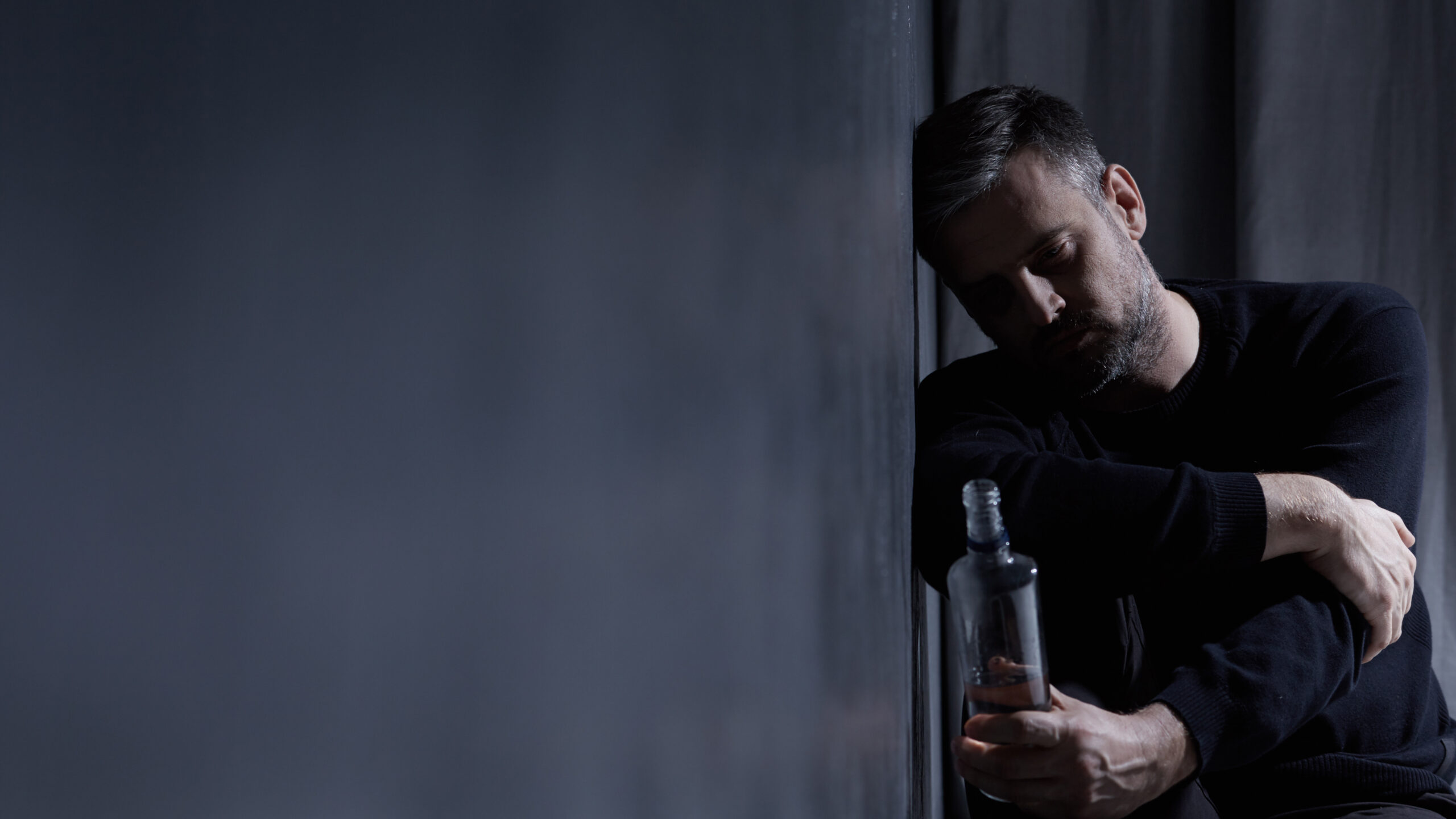
April is Alcohol Awareness Month. According to the National Institute on Alcohol Abuse and Alcoholism, alcohol-related deaths are one of the most preventable causes of death, with nearly 100,000 people impacted a year. Still, there is hope: alcoholism is treatable and with support can be managed.

If you’re wondering whether you or a loved one is dealing with alcoholism or alcohol abuse, here are just a few signs that the NIAAA offers to help you decide if you need help:

Go For It In Article Ad
  • Drinking alcohol even when it increases depression, anxiety or other health issues
  • Drinking or the aftereffects of drinking impact your ability to work, sleep or go to school
  • Drinking or the aftereffects of drinking impact your relationships with family and friends
  • Drinking increases risky behaviors that cause you or others harm (driving while intoxicated, operating machinery, swimming or other illegal behavior)
  • Trying to cut back or quit drinking doesn’t work 
  • The effects of alcohol wearing off are nausea, sweating, shaking or other signs of withdrawal.

Only a doctor can diagnose alcoholism or alcohol abuse, but if any of these signs seem familiar, resources like NIAAA and Alcoholics Anonymous have been helping people get treatment for decades.

If you don’t have signs of alcoholism or alcohol abuse, the NIAAA recommends drinking in moderation (no more than 2 a day) or not at all, depending on your family’s medical history and your own. Find more hope for addiction and recovery on Guideposts.org.

Hope and Faith in Times of Sadness

It was 2000, Advent, my favorite time of year, and I was in London, one of my favorite places. The streets were hung with fragrant evergreen swags, the tall red bus crowded with holiday shoppers. And in a seat on the bus’s upper deck, I was struggling not to cry.

It was a familiar pattern, this sudden plunge for no reason into a bottomless sadness. What’s the matter with you? I scolded myself. Neurotic…ungrateful. I was calling myself all the old names when the bus passed Westminster Abbey.

Pause & Pray In Article Ad

A posted schedule announced that the Rev. Robert Wright would be speaking on sin that Sunday. The subject suited my bleak mood exactly.

I’d had such attacks as long as I could remember, and they were always as unaccountable as this one. I can still hear my father’s cry of bafflement the one and only time I tried to tell him how I was feeling.

Not happy? With a loving family, good health, material comfort beyond anything he had dreamed of in his own childhood! He told me that as a boy he was sent each Saturday to the store, clutching the dime that was to buy Sunday’s meat for the family of nine.

“Don’t forget to ask the butcher,” his mother would remind him, “to throw in the liver for the cat.”

They didn’t have a cat.

How could a child who had been as fortunate as I fail to be happy? How could I, years later as a young wife and mother, be anything but content? When in 1953 I was diagnosed with clinical depression, my father was dumbfounded.

“You have no right to be sad! You have a husband who loves you, two beautiful kids, a nice home. And you can have a steak anytime you want one!”

It was all true. That’s the terror of depression, the dark mystery that distinguishes it from sorrow. Depression can throw its gray pall over us when the sun is brightest.

You can have a steak anytime you want one. The words have become shorthand for my husband, John, and me for all the things that ought to make a difference and don’t.

Doctors–and I’ve gone to many–say the roots of depression are complex: a mix of chemical imbalance, accumulated stress and early experience. The specifics are different for each individual, but one ingredient is almost always present. Self-rejection.

It usually starts in childhood, this sense of somehow not measuring up. Though many of us react by becoming high achievers, the belittling voice inside continues its destructive work. For me, it had become immobilizing by 1955.

I was in my mid-twenties, with all the good things my father had listed, my writing beginning to sell, and a much-wanted third child on the way. Still, a paralyzing sense of failure drove me to a tiny room in the partly finished attic of our home in Mount Kisco, New York.

And there I lay, curled on a cot, the door locked on the world, while a succession of babysitters covered the hours that John was at work.

And it was at this lowest point, when my own thoughts were only of suicide, that I began to discover a world waiting to offer not blame, but help.

It was John who at first had to drive me to the sessions with a psychiatrist. Dr. Avraam Kazan gave a name to the shapeless sadness I’d carried from infancy. He called it grieving. And that was what it felt like–some ancient, inconsolable bereavement. But no one close to me had died.

“No one had died,” he agreed. “But as an infant, you didn’t know that.” The event we were discussing I knew about only from casual references by my parents to a European trip when I was a baby.

My father’s work as a private detective sometimes took him overseas. The case he was working on in January 1929 meant a lengthy stay in Paris, a long-awaited chance to take Mother with him. Her parents agreed to come north from Florida to care for me–an ideal arrangement for all concerned.

“Except,” Dr. Kazan pointed out, “for the ten-month-old that was you.”

My parents simply disappeared one day and never, as far as I knew, were coming back. “Four months later, when they returned, they would have been strangers. Emotionally, you lost your parents as surely as if they had died in a car crash.” Worse, for me, he believed, since the “loss” went unrecognized.

Would this small episode really be enough, I wondered, to account for lifelong feelings of insufficiency?

I think of people I know who suffered actual trauma early in life–whose parents really did die, or who were abused, neglected, abandoned–yet emerged as self-confident adults fully in charge of their lives. Could parents’ absence for a few months really cast such a long shadow?

Dr. Kazan, at any rate, believed it could. “Babies are self-centered little creatures. To a baby, if the mother goes away, it’s his fault. The message to the psyche is, ‘I’m no good.’”

I’m no good. How many of us–for reasons as apparently slight as mine–tell ourselves this lie in childhood! And having told it, we latch on to every negative that comes along as proof.

In Paris, my mother had become pregnant again. Desperately seasick all the return trip, she could barely stand by the time the ship docked in New York.

Her parents had brought me to the pier to meet the ship. While she was gone I’d not only started to walk, but as Mother recalled, was running up and down the dock, grandparents in pursuit.

“I looked over the railing and saw you,” she told me years later, “and I just groaned at the idea of running after you.” I understood that groan; at the time of this conversation I was chasing my own toddler. And I understood a little more about the melancholy that envelops some of us in childhood.

We’re the ones who are quick to interpret every parental groan, with its cause in an adult world we know nothing about, as dissatisfaction with us. My brother, for instance, was born in November 1929, the month right after the stock market crashed.

To my not-yet-two-year-old mind, my parents’ distress–actually over financial hardship–was my fault, the new baby a better replacement.

Children handle a low self-image in different ways. Mine was to withdraw behind an imaginary door, retreating into books and solitude. Later, my choice of writing as a profession enabled me at least part of the day to close a literal door on the world.

Our various coping mechanisms keep us going, often for many years, till too many ingredients of depression–chemistry, personal history, outside pressures–occur together. For me the crisis in 1955 was part hormonal, part grief over my father’s recent death, part old feelings of worthlessness.

And a crisis, when it shows us our need for help, can be good news.

It had sent me to Dr. Kazan. By the time my daughter was born, in February 1956, he had found medication that allowed me to venture beyond the house. It was a shaky equilibrium at first, and the place of greatest threat was the supermarket. Simply stepping inside, I’d feel the panic rise.

So many choices! In the indecision which marks depression, I would pause and consider, walk on and return, grab something, put it back, select something else. 

When the pounding of my heart grew too strong I would lift the baby from the shopping cart, seize the two-year-old by the hand and flee to the closed-in safety of the car. Beside me on the seat, my little boy would regard me solemnly. “We forgot the food again, Mommy.”

Dr. Kazan made a common-sense suggestion that at least kept us from starving: “Find a small grocery store.” I developed a repertoire of such strategies to get me through routine tasks.

Unable to confront the blank page on the first draft of a new story, I took to writing between the typed lines of previous work. I ran errands when the fewest people were about. I was functioning again, but it was hardly living.

Psychiatry had explained some of the why of my depression–removed some of the frightening mystery–but further help was obviously needed.

Others, I knew, found strength in God. Religion had played no role at all in my childhood home; now for the first time in my life I began to read the Bible. A new world opened before me! A loving God, visions of strength and joy beyond my wildest hopes.

And then I discovered the part in this new world that would be required of me.

This is my commandment, read the words printed in red ink, that you love one another.

For some people such a command poses no problem. I’m married to one of them. I’ll leave our table at a restaurant in some town where we’ve never been, be gone five minutes, and come back to find another chair pulled up, John and a “really interesting guy” in rapt conversation.

But what if, like me, your instinct is not to pull up a chair, but to close a door?

It was to a spiritual helper named Joe Bishop that I turned this time. To Joe I confessed my lifelong pattern of pulling away from people.

“When I take a break from writing,” I told him, “I’ll head off on my own. Drive to a bird sanctuary. Go to a museum. Don’t ask anyone else along, just do my own selfish thing.”

What puzzled me, I went on, was that I had friends I enjoyed doing things with. Why did I need to be by myself when I could have a good time with others and give them pleasure too? “I’ve tried to change, but I can’t seem to.”

“And why,” asked Joe, “do you want to change? Do you think when God created you, he meant to make someone else?”

I had been the editor on Joe’s writing projects for years, he reminded me. “I saw long ago that solitude is as necessary for you as food and drink. Why not thank God for feeding you in this way?”

Then, the closed door that I’d struggled against all my life was–acceptable?

Not only acceptable, Joe went on, but God-given. “Perhaps God made you someone who enjoys being alone because he wanted you to be a writer.” My impulse to hide–“it’s led you to help other people tell their stories.” I was, Joe insisted, a profound lover of people, “in your way, not John’s.”

Me? Whose self-image was that of a distant, standoffish person–I cared deeply for others? It was one of those heaven-tinged moments when in the mirror of someone else’s eyes we catch sight of a better self than we knew.

Joe’s portrait of me, I suspect, was largely a projection of his own deeply caring nature. But perhaps that too was an insight into this God I was meeting in the Bible! Perhaps, like Joe, God saw us not in terms of our character, but his.

As I left Joe’s study that day, I knew I was holding a key that would let me more and more often unlock that door. The key is acceptance of myself as I am, not as I wish I were. Not as I might someday become. Not in comparison to anyone else.

I can accept myself–delight in myself–because, the Bible tells me, God made me for himself, and can use all the particulars of my history for good. The very things I like least about myself, indeed, may be those he values most.

It was the beginning of true healing, not the completion. There’s no quick fix, I’ve discovered, for the disease of depression. Though the down cycles are less severe and come less often today, that self-destructive voice still whispers its accusations.

Like all of us who have struggled over the years with a poor self-image, I need to hear the message of self-acceptance again and again.

I wasn’t expecting to hear it that Sunday in London as I headed toward Westminster Abbey. I took a notebook along with me; during the sermon on sin I planned to make a list of the changes in myself I needed to make.

And this is what I heard: “To love myself just as I am,” said Dr. Wright, “is to accept God’s evaluation instead of my own. I am right now as loved and worthy of esteem as I ever shall be, already infinitely loved and respected.”

Sin the minister defined as “the condition of not knowing this.” Repentance, he continued, comes when “we weep for the sin of ever having thought of ourselves as unloved, for not having loved ourselves as we are.”

There in that high-arched nave I did weep. In the notebook that I had brought along to list my shortcomings, I wrote instead, You are infinitely loved this very minute! When that little voice next whispers to me that I’m no good, that sentence will remind me that God is of another opinion.

Read Elizabeth Sherrill's response to a query from a reader about her fight against depression.

Download your FREE ebook, Paths to Happiness: 7 Real Life Stories of Personal Growth, Self-Improvement and Positive Change

Hope and Faith in Intensive Care

The thing that scared me most was the anesthesia. The fear was so overwhelming I couldn’t sleep the night before my surgery. I lay there in my room on the cardiac ward with the lights off, trying not to keep checking the clock on the wall. But I couldn’t help it. Every time I looked, only a minute or two had gone by. It seemed like morning would never come. I could accept that a surgeon would do the repair work my heart needed, but being “put under”? That sounded unsettling, close to being “put down,” what you’d do for a pet that was beyond help. Too close to death.

I’m not normally a fearful person. I feel comfortable with doctors and listen to their medical wisdom with a combination of awe and trust. That my heart had a valve defect was information I’d known for decades. Every year I’d go to my cardiologist, get my heart checked out, sit and chat about exercise and cholesterol levels—neither of which was ever a problem for me. I listened to the doctor explain that there was a weakness in the walls of my aorta and someday this could cause trouble. Someday, in my mind, was far off. People who had heart surgery, well, weren’t they usually…older? Members of the “zipper club” like my father, showing off their chest scars at the swimming pool.

Faithful Paws and Purrs In Article Ad

Read More: Rick’s Favorite Bible Verses to Overcome Fear

I always performed well on cardiac stress tests and was confident—perhaps overconfident—of my health. But then I did all those things you’re supposed to do. I ran, went to the gym, ate well, slept well, had regular physicals. And I took care of my spiritual health. I’m active in my church, sing in the choir, teach a rambunctious bunch of kids in Sunday school and make prayer a part of daily life. I trusted the doctors to keep an eye on my body and God to watch out for my soul. It seemed like the perfect division of labor. Until now.

At my last visit with my cardiologist there’d been nothing alarming. Then I had a CT-scan for another doctor—she was worried about a cough I had. On a picture-perfect autumn Saturday, I jogged the 15 blocks from our apartment in upper Manhattan to Columbia Presbyterian Hospital, had the scan and jogged home. I felt great. But a couple days later the doctor called me back. “Your lungs look fine,” she said, “but that aneurysm in your aorta is really big. You’d better talk to your cardiologist about it. Right away.” An aneurysm? I felt a prickle of fear. Didn’t people die from ruptured aneurysms?

My cardiologist saw me right away. He tapped his pencil on his desk and pointed out the aorta in a large model of the heart. “You’ll need to have open-heart surgery,” he said.

The fear came over me like a cold wind. Open-heart surgery would be a huge ordeal. I’d be under anesthesia for hours, lying on a table in the operating room. The idea of it gave me the creeps. A machine would take over for my heart and lungs. I wouldn’t even be breathing on my own. “Isn’t there some less invasive way of doing this?” I asked.

“No,” he said simply.

I headed back to work. On the subway I took out my pocket Bible, a green volume I picked up years ago, now so battered I’d taped it together. I turned to the Psalms as I do every morning on my commute and tried to pray. But nothing would come. The rhythm of the cars careening along the track, the usual background for my spiritual ritual, jarred me and cranked up my fears. All I could think of was being in that operating room, unconscious, cut off from the world, cut off from God.

I called my old college roommate Jim. He and I have prayed each other through tons of situations over the years. We’re godparents to each others’ kids. “It looks like I’m going to have to have open-heart surgery.” I filled him in.

“We’ll keep you in our prayers,” he said before hanging up.

The news that I needed surgery traveled fast. My wife, Carol, e-mailed family and friends and more friends e-mailed back, asking to be put on her list for updates. Her collection of e-mail addresses started to look like a Christmas card list that had gone haywire. We heard from people we hadn’t seen in years, friends from college and high school, parents from our boys’ kindergarten days.

Two days before the operation, we met with my surgeon in his office. Still wearing his scrubs, fresh from surgery, he gave us a PowerPoint presentation on how he’d repair my aorta and replace the defective valve. It was a polished talk, meant to allay my fears. “I do this operation 200 times a year,” he said, “and I’ve never lost a patient.” Of course, that made me think, I could be the first.

“It’s the anesthesia that worries me,” I admitted. “All those hours that I’ll be out of it. It makes me panicky.”

“Talk to the anesthesiologist before surgery,” he said. “The drugs they use these days are very good. There’s no reason to worry.” But to be told a fear is irrational doesn’t make it go away. I couldn’t get out of my head the image of me with a machine pumping my blood and breathing for me, my mind dead to the world.

I checked into the hospital and got prepped for surgery, my chest shaved and marked as though my heart was a bull’s-eye. Carol brought me a big salad for dinner and the nurses were in and out of my room, checking my blood pressure, monitoring my heart. But then they all left.

I lay there in the cardiac ward feeling very much alone, unable to sleep, unable to pray. In my daily meditation I often recite an ancient prayer: “Jesus Christ, have mercy on me. Rescue me and save me. Let thy will be done in my life.” That night I tried saying those words, but I felt no sense of spiritual connection. All I felt was fear.

Carol came by in the morning with a friend who promised to distract both of us. We talked about everything but surgery. All too soon visiting hours were over. Carol kissed me on the forehead and was gone. The nurse came for my things. I took one last look at my Bible and handed it over. Any minute now I’d have to go to the operating room and be put under. I almost didn’t answer the phone when it rang. “Hello,” I said.

“Rick,” came a warm, familiar voice.

“Tibby,” I said. Elizabeth Sherrill and her husband, John, are longtime Guideposts contributors and good friends.

“You are the last person I would ever expect to be in the hospital for heart surgery,” she said.

“That’s what I thought,” I said.

“How are you?” she asked.

“Pretty anxious,” I admitted. “You know, what I really dread is the anesthesia. It’s like being dead.”

“John had the same feeling before his knee surgery,” she said. “He discovered he couldn’t fight it. He had to let go.” Let go. Being out of it during surgery wasn’t something I could control, any more than I could control my fear. But that didn’t mean I was cut off spiritually.

John and Tibby prayed for me, right there on the phone. I didn’t try to pray with them. I let go and let their words do the work for me. No, I couldn’t pray for myself—not right now and not during the surgery—but I could depend on all the people who had promised to pray for me. They would keep me connected to God. Just as a machine would do the work of my heart and lungs, I could trust my friends and family to do the work of my soul.

“Amen,” Tibby and John said. “Amen,” I echoed. The technicians were at the door with a gurney, ready to take me to the operating room. The surgery went very well. It was long—I didn’t wake up in intensive care until 2:30 a.m.—and the recovery was hard, but I felt cared for every step of the way. Not just by doctors and nurses, but also by clergy, my family, friends and colleagues. I felt sustained by their prayers.

A year later I’m in good health again. I run, go to the gym, eat carefully and read a few psalms from my battered Bible every morning. And whenever someone says, “Keep me in your prayers,” I take the request very seriously. Prayer can be hard. Sometimes just trying to pray is enough. And sometimes you have to let go and trust others to do it for you.

Download our FREE prayer ebook.

Honoring the Process of Grief and Loss

“Grief is a cruel kind of education,” writes the award-winning novelist Chimamanda Ngozi Adichie  in the early pages of her powerful new memoir, Notes on Grief.

“You learn how ungentle mourning can be, how full of anger. You learn how glib condolences can feel. You learn how much grief is about language, the failure of language and the grasping for language…. Grief is not gauzy; it is substantial, oppressive, a thing opaque.”

Faithful Paws and Purrs In Article Ad

Adichie’s writing leaps off the page and grabs readers in a fierce, emotional embrace. The raw, gaping loss she describes in this slim volume about the death of her father in the summer of 2020 is, in my view, what qualifies it as a “Positive Reading List” selection.

Positive? How could such pain be positive?

Because it is true.

In this space, I write about “authentic positivity,” the idea that positivity is incomplete and even false if it does not acknowledge and embrace the full range of emotional experience, including the so-called “negative” emotions of sadness, anger and grief.

In describing the chasm Adichie’s father left in her life and heart—and in honestly sharing the unexpected ways in which the loss left her unmoored and desperately sad—she defines what authentic positivity looks like in the context of grief. In particular, she offers two profound truths for anyone who has experienced a devastating loss.

One is that loss is loss is loss. That Adichie’s father was 88 years old when he died of unexpected complications from kidney failure does not change the profundity of his loss. As she puts it, “Age is irrelevant in grief.”

The other is that in acknowledging the heavy, messy, cruelty of grief with soul-rending honesty, Adichie offers a narrative that stands in refreshing contrast to the language of sympathy that can only be described as “toxically positive,” such as “he’s in a better place” or “at least you have memories of your time together.” 

I read the 67 pages of “Notes on Grief” in a recent afternoon, feeling each word coursing through me as I near the second year after the loss of my own father, who died at age 74. 

If grief is “a cruel kind of education,” this book was a loving kind of education, the sort that makes space for anyone who has ever lost a loved one to move through their pain with the brave, heart-rending understanding that comfort and grief are not opposites.

Honoring Lillian Yonally, WWII Pilot

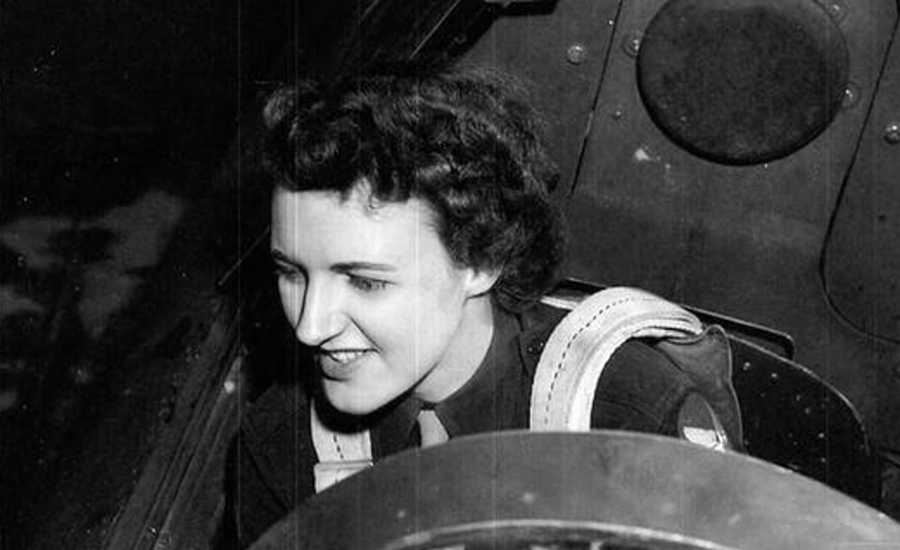
In celebration of Women’s History Month, I’d like to introduce a woman who helped the U.S. Air Force answer the question “Should women be flying planes and bombers during WWII?”

Lillian Yonally inspires me with her strength, a strength that comes through in her bearing, her eye contact, her every word and gesture. She is a straight-talker who enjoys sharing tales of her experience as a WASP (Women Airforce Service Pilot) in World War II with the same objective determination that drove her to pursue that Air Force pilot duty back in the 1930s. 

Faithful Paws and Purrs In Article Ad

This is a woman who never gives up, and wants to encourage others to do the same. 

Of the many stories she told me about her experiences, I was most struck by two: the fear she discounted as she decided to trust her plane to keep her safe, as live ammunition was fired at the targets she pulled a mere 30 feet behind her. I found myself wondering if I would have the guts to continue flying as shells exploded all around me! The other thing that amazed me was the fact that she and the other WASPs would deliver damaged/malfunctioning planes to their destinations after they were repaired with no subsequent testing. 

Lillian married, raised a family, and served her country with dedication and purpose. And now she continues on, telling her story and firing others up. As she says, “Believe in yourself and in a higher power to look after you.” And, in her 10th decade, she continues to exemplify the purposeful life. What an inspiration!

Home Sweet Home

Everyone told me I was out of my mind. And maybe they were right. What 63-year-old woman from Iowa up and moves to New York?

My closest friends in Sioux City were shocked. “Shirley, people in New York aren’t like people in Iowa,” they told me. My 39-year-old son, Blyth, agreed with them. “Are you sure you’ve thought this through, Mom?” he said more than once. Everyone I knew tried to dissuade me. “Your life is here,” they said.

Faithful Paws and Purrs In Article Ad

Frankly, I had no clue what I was doing. I was too old for a midlife crisis, I knew that. But I was sure God was calling me to New York, for whatever reason.

The idea had struck like a thunderbolt that summer when I was going over reading materials for a women’s church retreat. One of the books was a guide to aging that stressed sharing your life stories with family. That’s when it hit me—I didn’t have any family nearby to talk to about that sort of stuff.

READ MORE: MEET CUPID’S HELPERS, TRULY ANGELS ON EARTH

I was divorced, and both my parents had passed away a decade earlier. Blyth was really the only family I had, and he lived all the way out on Long Island in New York.

My future flashed before me. I pictured myself holed up in some nursing home in the middle of Iowa. No family, no visitors, no one to share my life with. Lonely.

A voice in my head said, You could move to New York….

I almost laughed out loud at the thought. Move to New York? I’d lived in the Midwest all my life. Not once had I dreamed of trading cornfields for skyscrapers. Maybe if I were 20 years younger.

And yet I couldn’t stop thinking about it. As if God had planted the idea in my brain. It nagged me throughout the retreat, in the quiet moments when I was supposed to be meditating.

Was moving to New York really so ridiculous? After all, Blyth was there. He loved his job as a performance-arts director for a university. And, well, as comfortable as I was in Sioux City, sometimes I did wonder. I had my job, my friends, my church. But life was routine, humdrum. Could there be something missing?

I returned home from the retreat and did a little homework. I was good at that—I’d worked as a secretary for many years before taking a part-time job at J.C. Penney.

I contacted a church in Long Island and asked about senior housing in the area. The answer wasn’t promising. If I wanted an apartment, I’d have to get in line. There was an eight-year waiting list.

Maybe I needed to broaden my search. In order for me to move, my new city had to be 1) close enough to Blyth, 2) near a J.C. Penney store, so I could transfer jobs and 3) not too far from a Congregational church.

One result caught my eye. A place called Poughkeepsie. Where in the world was that? I wasn’t even sure how to pronounce it and I was going to move there? At 63? I searched and found that it was located along the Hudson River 60 miles from New York City, two hours from Blyth.

That January, I reached out to the Congregational church in Poughkeepsie. “How might a nice senior find affordable housing in Poughkeepsie?” I asked.

The church secretary put me in touch with a Realtor, a member of the congregation, who got back to me with several housing options. I filled out three applications and prayed on it.

By March, though, I hadn’t heard back from anyone. I was flying out to visit Blyth at the end of the month—the perfect opportunity to make a stop in Poughkeepsie. Unless God didn’t want me to move. Maybe I’d misheard? Confused, I called my first choice of the apartments I’d applied to.

“This is kinda funny,” the property manager said. “Someone gave notice today. Can you move in on May first?”

Before I could give it a second thought, I heard myself say, “I’ll take it.”

I got off the phone and instantly entered panic mode. I wrote out a massive to-do list. May was only two months away! How could I say goodbye to my life in Iowa just like that? How could I find a job? And move all my stuff?

I tackled the first item on my list—finding a job. I contacted the manager of the J.C. Penney store in Poughkeepsie. We set up a meeting during the week I’d be in New York visiting Blyth.

I brought along my last performance review and hoped for the best. I worked in the men’s department at the J.C. Penney in Sioux City and I loved it. What if she stuck me in a department I hated, like children’s shoes or, worse, hosiery?

“Well, your review looks great,” the manager said. “I have an opening in the men’s department. What do you think?”

I didn’t need to think! Now came the hard part—figuring out how to get all my stuff to Poughkeepsie, 1,400 miles away, on a budget. I’d never driven more than four hours by myself. Would I need someone to accompany me?

But packing up boxes, I heard it again. That same calm, quiet voice that’d convinced me to move to New York in the first place. Do you really think I’d take you this far without a plan?

In late April, I loaded up my car and headed east with my trusty map. I made it to Poughkeepsie in three days. My new apartment was in walking distance of just about everything, even a park. A sense of peace came over me, as though I was finally home. Home in a place I’d never heard of just a few months before.

READ MORE: A SINGLE MOM’S SECOND CHANCE AT LOVE

Little by little, I settled in. When I wasn’t working part-time at the store, I explored New York State. I joined a book club, took daily walks and attended free film screenings at the library. Yet something was missing.

I was lonely. I longed for someone to share my new life with. So I landed on another totally crazy idea—to give online dating a shot. I created a profile on a dating site for seniors and, once again, prayed that I was hearing God right.

That July, just as my account was about to expire, I came across the profile of a man named Charlie. He was from a place called Saugerties, an hour from Poughkeepsie, and he attended church every week. How bad could he be?

I sent him a message. “How about we meet on Sunday?” he replied. I suggested drinks. Quick and painless, not like a disastrous three-hour dinner date I’d recently been on.

We met at T.G.I. Friday’s for peach lemonade. Charlie sat across the table from me. “I want to really see you,” he said.

Over the next five hours, we talked about our kids, our jobs and my recent move. He didn’t take his eyes off me, leaning in to catch my every word. I had an excuse prepared in case I wanted to leave early. But I never had to use it.

We both had the day off on Tuesday, so we agreed to meet again, this time to visit the Franklin Roosevelt library and the Vanderbilt mansion in Hyde Park.

“What are you doing on Friday?” Charlie asked at the end of the day.

“I’m going to New York City to meet Blyth,” I said. “I made plans to travel into the city with a friend, but she backed out.”

“What if I go with you instead?” Charlie said with a big smile.

It was a little soon for him to be meeting my son. But I hadn’t done anything by the book so far. We met Friday morning at the train station and spent the day in Manhattan, wandering around Times Square and holding hands like a young couple in love.

That night at dinner, Blyth and Charlie hit it off too. On Saturday I met Charlie’s family for his niece’s birthday.

Charlie wasn’t anything like the men I’d dated in Iowa. He was curious about every little thing, just like me. The kind of guy who loved a trip to the library, spent summers camping with his three sons and dressed up as Santa Claus every year at his church’s Christmas party.

On weekends, we took day trips and hikes, went to concerts and even a lighthouse festival. I could be myself with Charlie, could confess my neat-freak tendencies and past relationship mistakes. He brought out a more relaxed side of me.

For my birthday, he bought me a turquoise bike so we could explore some of his favorite trails. I stopped making so many lists, stopped making so many plans.

Charlie was the guy I’d always dreamed of falling in love with. I just never imagined that it’d happen in New York, of all places.

But God knew. A year later, we got married. We sang the song “Amazed” to each other at church, surrounded by our children and friends, and settled into Charlie’s house in Saugerties.

I couldn’t have planned it better if I’d tried.

Download your FREE ebook, Paths to Happiness: 7 Real Life Stories of Personal Growth, Self-Improvement and Positive Change.

Home Is Where Your Faith and Family Are

Ginny, my daughter, was beside me as I wove our van through a thick ribbon of traffic. We were having a girls’ day out at the mall in Richmond, Virginia—dress shopping for her senior prom.

“What are you thinking for colors, Gin?” I asked.

A Journey of Faith In Article Ad - Avail Now

“Anything except for black or red,” she said. “I’ve already done that.”

I smiled, remembering all the dresses. All the dances. All the sweet, girl-growing-up milestones. But just as quickly, my smile faded. Even those sweet memories were pocked with a certain amount of guilt.

We had moved three times in four years for my husband Jeff’s job. Ginny and her two younger brothers, Johnny and Alex, had been shuttled across the country.

Three years earlier Jeff was offered a transfer to Arizona. That time we decided it was best for him to make the move without the kids and me. Though it was hard to be separated, we just couldn’t uproot them again.

Still, there was the guilt. Guilt that I had made them change their lives so many times and that our family wasn’t all living together under one roof. Was that what God really wanted for us? I wondered.

“I’ll treat for lunch today, okay?” Ginny said.

“Thanks, Ginny. Sounds great.” I glanced at my girl—those vivid green eyes, that bright smile. I could hardly believe she’d be graduating soon and going to college.

Jeff had put in for time off to come to Ginny’s graduation, but who knew if a last-minute job emergency would come up? Oh, how I longed for us all to be together again.

Jeff and I go way back. We met in kindergarten in our small Iowa town. Our childhoods were steady and solid, both families rooted in Midwest farming soil. When we married we bought a house a few hours from where we grew up.

Jeff got a job as an engineer at a local aluminum company. We started a family. First came Ginny. Then Johnny. Then Alex. We were so content in our little home with farm fields scalloping our yard.

I was thrilled the kids would grow up the way we had—rooted in the same Midwestern background.

Then, one day, when Ginny was about 12, Jeff came home from work with big news. “Sarah, the company offered me a promotion,” he said.

“Oh, honey! That’s great!” I said.

“Just one thing…”

“What’s that?” I asked.

“It’s…well, it’s in San Antonio.”

I had to have heard him wrong. “As in San Antonio, Texas?”

Jeff nodded. “I know we hadn’t planned on this,” he added. “But I think it could be good. For you, for me and for the kids too. It would expand their horizons.”

Jeff and I spent the next few weeks praying about the move. We talked it over forward and backward and prayed some more. The offer was good. In the end, the choice was clear. Lone Star state, here we come!

We packed the kids, dog and goldfish into our van and drove nearly 1,000 miles south to the new house. There, the brown boxes lining the walls made it seem like we were in a crazy cardboard maze.

The boys quickly disappeared, as if hiding from their new lives. Jeff and I went through the house looking for them.

“Try their bedroom closet,” said Ginny, her arms still wound tightly around our golden retriever.

That’s where we found them, talking about how they missed their grandparents and our old house back in Iowa. Jeff carried the boys out from the closet. Tears streaked their faces. It broke my heart.

Eventually, though, we all settled in. The boys made friends through basketball, football and baseball. Ginny played volleyball and filled our home with giggling girls.

Our neighbors were welcoming, most of them transplants to Texas too. Jeff and I found a great church. For two years life moved along with a steady, sweet patter.

Then the Texas plant closed. We moved again. Back to Iowa—but to a different town from the one we’d lived in before. Two years after that? Jeff was transferred to Virginia.

That was when I went from questioning God to getting good and mad. “This isn’t what I wanted, Lord,” I complained each night. “Moving the kids every time they get settled tears my soul. I want stability for them, remember? Roots.”

Thankfully, the kids fell into a new groove again, even if I didn’t. They made good grades and tons of new friends. That’s why, when Jeff was offered the job in Arizona, we decided it was best to let the kids be.

“I just can’t put you guys through that kind of change again. I’ll fly home as much as I can,” Jeff promised.

But our lives did change. When Johnny or Alex needed fatherly encouragement, sometimes I had to step into the role and imagine what Jeff would say. If all the kids needed to be at three places at once, I had to juggle the driving. I missed my husband and the kids missed their dad.

“Look at the positives,” I reminded them one evening as we huddled around Alex’s birthday cake. A work project had gone into overtime and Jeff hadn’t been able to make it home for Alex’s special day.

“We’re a family and we love one another. Love is like glue. It keeps us close even when we’re apart.” We sang “Happy Birthday,” but the absence of Jeff’s voice echoed loudest of all.

Now the guilt stabbed at me again as we inched toward the shopping mall. Lord, I prayed, I know I complain a lot. But that’s because I love my family so much. Help me believe that this was all your will and not my fault.

Just then Ginny turned in her seat to face me and took a deep breath. “Mom, you need to know something,” she said, “because Johnny and Alex and I realize how much it bugs you.”

“Know what, sweetheart?”

“You need to know that moving us kids was the best thing you’ve ever done.”

What?

“The best thing?” I asked.

“Remember that thing you said about love being like glue? You were right. The boys and I are tight,” she said. “We trust and depend on each other, and always will. And all of us have learned to make friends easily. Plus, we adapt really well to new situations.” She squeezed my arm. “And so do you.”

“But, Gin, I feel so badly for making you guys leave your friends and…”

She stopped me. “Mom, when I have my own kids, we’ll move. At least once.” Ginny paused. “Okay, just once.”

We both laughed. I squeezed the steering wheel, trying to blink the tears from my eyes. Where I had seen hurt and upheaval, my daughter had seen growth and goodness. Growth and goodness that could’ve come only from one divine and loving source.

I’d been so caught up in blaming myself that I could hardly feel God’s presence.

Yet, when a boy slid in next to Alex at the lunch table his first day at a new school, when a teacher encouraged Johnny or Ginny met a great pastor at youth group? Each time my children were comforted? It was God.

And the rest? Ginny’s upcoming graduation, our family having to live in separate states for another year, maybe more? Jeff getting another transfer? No matter where the future led, God would be with us, keeping us rooted in the deepest, richest, most nurturing soil of all—faith and the love of family.

“Let’s do lunch before we hit the shops,” said Ginny. “Where to?”

“Anywhere,” I said. “Anywhere at all.”

Download your FREE ebook, The Power of Hope: 7 Inspirational Stories of People Rediscovering Faith, Hope and Love

Home Instead Senior Care Celebrates 25th Anniversary with ‘Ready to Care’ Initiative

Since its founding 25 years ago, Home Instead Senior Care has had one mission: to improve the lives of aging adults and their loved ones.

It’s a simple, yet powerful approach created out of the personal caregiving experience of Paul and Lori Hogan, whose journey caring for Paul’s grandmother motivated them to work toward a future where all families could care for their loved ones at home.

extraordinary women of the bible

The need for quality senior care has only increased in the years since Home Instead’s founding. According to Statista, by 2029 nearly 21 percent of the United States population will be older than 65.  Home Instead estimates that approximately 25 million Americans over the age of 60 are facing economic instability. In 2019, as part of their mission to improve senior care, Home Instead is providing more than 80 million hours of care to seniors across the world.

To continue with their mission, and have others join them, Home Instead is commemorating their decades-long service by creating incentives for people to take small steps to bless seniors. These “Care Missions,” launched through their Ready to Care initiative, allows participants to sign up to receive weekly messages (which they can opt out of at any time) asking them to complete a “care mission.” These missions include anything from taking a walk with a senior to giving a senior a compliment. For every completed task, the foundation is donating $1 to GIVE65, a digital donation platform focused on raising money for senior-focused nonprofits.

Ready to Care is one of many ways the organization is providing care. The company also offers in-home care providers and provides a multitude of resources to combat caregiver stress. The Home Instead website describes the philosophy behind the initiative as “if everyone can do a little bit of care, we can care for everyone.”

The matching drive runs through July 31, 2019. Participants can join at any time and can complete older missions as well as those announced each week.

Holy Smoke! How One Woman Learned That to Quit Smoking Is a Blessing

Did you know that in the Bible, there are 139 references to the healing power of God’s love?

Indeed, when Jesus walked on earth, he brought a two-pronged message of good news. First, he preached the message of forgiveness, offering imperfect people reconciliation to God and the promise of eternal life.

New Every Morning Journal In Article Ad A

Secondly, he healed people. Physically, emotionally, relationally and spiritually, Jesus healed people.

Forgiveness and healing: two sides of the same coin that, according to the Bible, pretty much sum up what God is all about. I discovered it in a surprising way.

I was 24 years old, driving north on Orlando’s South Orange Blossom Trail. Gripping the steering wheel of my lime green Mustang with one hand, with the other I raised the car’s cigarette lighter, glowing ruby-red, to the Winston clenched between my lips.

Okay, God, I inhaled the delicious nicotine-laced smoke. This is my last cigarette. I promise.

But before I could exhale, I knew it was a promise I would not keep.

I couldn’t understand why it was so hard for me to quit smoking. I mean, I really wanted to stop. I’d seen the photographs that compared a healthy pink non-smoker’s lungs to the blackened lungs of a smoker. I agreed that it was a dirty habit. I worried about my persistent cough and ticklish throat. But no matter how hard I tried to quit, I just wasn’t able to do it.

Turning right into my apartment complex as Todd Rundgren warbled “Hello It’s Me,” I took one last drag and parked.

“Hey, hoo-ney!” I did my best Ricky Ricardo impression to make Sandy laugh. “I’m hoo-me!”

My roommate Sandy and I worked in the advertising and public relations department at Tupperware. When Sandy joined the company, we hit it off immediately. Both of us loved the Beatles, had big feet (size 10), and—most importantly—we discovered that we shared a simple faith in a loving God.

There was only one major difference between us. Sandy did not smoke. And she did not approve of my smoking.

“It’s disgusting,” she said. “Plus, it’ll kill you.”

Since becoming a Christian in college, I had flitted from church to church, never staying anywhere long enough to call any one congregation “home.” I enjoyed visiting churches and liked the way each church had something unique and colorful to offer. At some point during the service of every church I visited, I closed my eyes and silently begged: Please God, help me quit smoking. 

I was Protestant. Sandy was Roman Catholic, a regular churchgoer who frequently invited me to join her for Sunday mass. On a chilly February morning in 1977, I finally agreed.

Orlando’s St. John Vianney Catholic Church was a modest, cement block structure, just off the South Orange Blossom Trail. I’d never been inside a Catholic church before. The sermon, which the priest called a “homily,” was about Saint Blaise, a physician who lived in Armenia in the fourth century when Christians were being persecuted by the Romans.

Saint Blaise loved Jesus and was martyred for his faith. Because he once saved the life of a young boy who was choking on a fish bone, he became known in the early church as the patron saint for curing sicknesses of the throat.

“Today is February third,” said the priest, “the Feast Day for Saint Blaise. As many of you know, a special blessing of the throat is offered on this day. If any one of you would like to have your throat blessed, please come forward and I will pray for you.”

I glanced at Sandy.

She raised her eyebrows as if to ask, Well?

I took a deep breath and stepped forward.

What if the priest asks if I’m an official member of his church? I worried. What if he only blesses Catholics?

The priest looked at me with compassionate brown eyes. He asked no questions.

“In the name of Jesus,” he said, “on this Feast Day of Saint Blaise, I pray that you no longer suffer from any illness of the throat and that you be healed by God.” With his right thumb, he gently marked my forehead with the sign of the cross. “I bless you in the name of the Father, and the Son, and the Holy Spirit.”

That was it. No spiritual swooning. But I was impressed by the priest’s tenderness and generosity—especially to a visitor.

When I returned to the apartment, I reached into the bottom of my purse and pulled out a half-full pack of cigarettes.

Okay, God. I crumpled up the pack and tossed it into a white wicker wastebasket. And I never smoked again.

Now this is, admittedly, a dramatic example of a faith-based healing. Very often healing takes time—especially the healing of broken relationships. As with any prayer, sometimes God’s answer to a prayer for healing is “Yes.” But sometimes it is “Wait” or “Not now.” But no matter what God’s answer may be, the first step toward healing is to step out in faith, and with the unwavering trust of a child, ask.

Is there an area in your life—physical, emotional, relational, or spiritual—that cries out for healing? Talk to God, our great and loving physician, whose nature it is to heal and for whom, the Bible says, nothing is impossible.