Embrace God's truth with our new book, The Lies that Bind

Helen Keller’s Profound Faith

From my perspective, Helen Keller, perhaps my greatest hero, had faith unmatched. Faith in herself, faith in the power of the human spirit, faith in the power of giving of oneself and faith in God. I think about Helen Keller throughout the year, but very often at Christmastime when spirits, on the whole, are in both the joy and giving modes. Helen Keller found joy in applying herself fully to learning, to studying and to giving of herself by sharing her gifts and talents with the world around her. She did this the whole year through.

Just last week I read this quotation from Helen Keller in the Daily Scripture & Reflection newsletter from OurPrayer, a Guideposts outreach program: “True happiness is not attained through self-gratification, but through fidelity to a worthy purpose.” It was followed by OurPrayer’s advice, “Listen to your inner voice and focus on your purpose.”

Walking with Jesus L&E evergreen_in article ad

Perhaps one of the ways we can begin to find that purpose, and ultimately true happiness, is to take some notes out of Helen Keller’s book of life. Her formula of faith would be a good place to start. If we have faith in ourselves, in others, in the power of giving of ourselves, and in God, a worthy purpose would come to us with relative ease. If we look beyond our own needs and desires and focus more on how we can share our gifts and talents with our communities and beyond, gratification will come to others and to ourselves. This gratification and focus on a purpose feed on each other, keeping in motion the rhythm of giving.

Most of us can both see and hear, yet it can still be hard to find our purpose, and hence true happiness. Helen Keller, without sight or hearing, found her purpose and lived it earnestly and joyfully. I hold the faith she had in herself, in others and in God close as I traverse my days. 

He Learned to See His Wife Through God’s Eyes

I lay in bed asking a question I never imagined I’d ask: Was my marriage about to collapse?

My wife, Anne, and I were recent empty nesters. After nearly 25 years working and raising a family in the Northeast, we’d moved to Nashville to start the second act of our life together. I passed the reins to younger leadership at the church I’d planted in Connecticut. Anne left behind a middle school teaching career. Our three kids were away at school. For the first time since our newlywed days, it was just the two of us.

Journey With Jesus in article ad

It wasn’t turning out the way I’d planned it would.

Anne had been reluctant to move. She didn’t seem to understand that after a pastor steps down, he can’t keep attending the church he once led. That’s unfair to the new leadership. I needed a change anyway. The church had been my life. Only a clean break would disentangle me from the web of relationships and responsibilities.

I’d grown to love Nashville after spending time here to work on the side as a songwriter, a passion of mine. I urged Anne to keep an open mind, but she valued routine and tranquility. The move felt traumatic to her, she said. I couldn’t understand it. Nashville seemed like a great change of pace to me.

We began arguing the moment we arrived. After years of biting her tongue as a pastor’s wife, Anne suddenly told me what she really thought. Her uncharacteristic bluntness took me aback.

“You’re selfish, Ian,” she said. “I devoted myself to supporting your ministry. Did you ever thank me? Now you’ve dragged me to this place, where I know no one. How long do I have to keep living your life? I don’t even know who I am anymore!”

“I wish you would find out!” I shot back. How unfair to blame me! Was it my fault Anne avoided conflict and shied away from asserting herself? I’d longed for her to break free and discover her own interests and passions. Yet every time I said so, she turned sullen and told me I just didn’t understand.

We went to see a marriage counselor. Piled our bedside tables with relationship books. Went on marriage retreats. The more we butted heads, the more we each silently wondered whether divorce was the only way out.

The problem was, Anne’s conception of me was out-of-date. I had been a self-centered frat boy when we met in college. And I did at that time have an alcohol problem, which harmed our relationship. But just a few years after we married, I attended 12-step recovery meetings and got sober. I hadn’t had a drink in years.

True, I hadn’t always been the most involved husband and father. Pastoring is a full-time job and then some. Ours was a family ministry. Everyone played a role. My love for my wife and kids was never in doubt, at least in my mind.

Anne’s feelings would have been justified if I’d become one of those functioning alcoholics who copes with stress by getting drunk every weekend. But I’d dealt with my drinking. I’d built a life around ministry. I was there for my family when it counted.

Lying awake, trying not to think about divorce, I eventually ran out of complaints. The thought of life without Anne was unbearable. When we’d met as undergraduates at Bowdoin College, in Maine, she’d felt like my salvation, the light of my life.

I grew up in a family ravaged by alcoholism. My hard-drinking father had a triple liver bypass, multiple strokes and a heart attack. Two of his sisters died from alcohol-related causes. I took my first drink at age 13 at the home of a friend whose parents were away. I drank so much, I passed out and had to be rushed to the hospital in an ambulance to be treated for alcohol poisoning.

For more than a decade, I lived a double life. To my party friends, I was the crazy guy always ready for one more drunken stunt. At church, I was an earnest member of the youth group, sensitive, artistic. Deep down, I was plagued by self-doubt, a sense that I lacked something essential that everyone else had. Drinking wiped away those insecurities.

Then I met Anne. With her, I could be myself. She was kind, steady, patient, deeply faithful—everything I’d lacked and yearned for growing up. We fell in love right away and married soon after graduating. For years, our partnership seemed to work—for me anyway. I began a job with Young Life, a nondenominational youth ministry, and then attended seminary. Anne pursued teaching. Our first child was born four years after our wedding.

Around that time, I saw a therapist to deal with depression left over from my childhood. “How much do you drink each day?” the therapist asked. She refused to treat me until I dealt with what she called my alcohol problem.

I bristled at what the therapist said, but the signs were obvious. I was stashing liquor in the garage and sneaking drinks when no one was looking. My behavior was alarming and embarrassing Anne. I attended some 12-step meetings and vowed to stop.

To my astonishment, I did stop. It was a relief to name the problem and commit to overcoming the family curse, to turn my life over to God. Sober, I felt invigorated at work. I delighted in the birth of our daughter. Eventually I stopped going to 12-step meetings. I was cured.

So why, all these years later, did Anne keep talking about me as if I were still the boozing, immature frat boy she’d met in college? She was the one who hadn’t changed. Heck, why had she married me in the first place?

The sleepless nights and daily arguments continued. I was growing desperate. I begged God to help me see Anne with the same love he saw her. A friend noticed how haggard I looked and asked what was wrong.

“Anne and I are really struggling,” I said. “Nothing seems to be working.”

“You want to know what worked for us?” my friend said. He and his wife had endured a similar period of conflict. “The Enneagram.”

“The Ennea-what?” I said.

“It’s one of those personality tests,” he said. “We attended a marriage retreat where you learn about how your personality type affects your relationship. It changed everything for us.”

I gave him a skeptical look.

“I felt the same way,” he said. “Now I can’t recommend it enough.”

Personality type. Was that what our problem was? Seemed too easy. But Anne was open to the idea. Maybe we were both desperate for a solution, no matter how off-the-wall it might seem.

We enrolled in a weekend Enneagram retreat hosted by a church in Houston. We were led through exercises to determine where we landed in the Enneagram’s system of nine interrelated personality types.

I was surprised when the exercises zeroed in on our personalities with uncanny accuracy. According to the Enneagram, I was a Type Four, an individualist ruled by outsize emotions and driven by a mix of ambition, yearning and envy of others’ seeming perfection.

Anne was a Type Nine, a peacemaker whose dread of conflict was so profound, she would merge with others’ desires and viewpoints to the point of total self-effacement. That could be great for the people around her but terrible for her self-development. Like many Nines, she ended up feeling resentful and unsure of what she really wanted.

The weekend was a revelation. Suddenly Anne and I saw each other with new eyes—with God’s eyes, understanding at last the fragile, imperfect people we were beneath the makeshift performance of everyday life. And I saw myself. One of the key characteristics of a Type Four is a belief that only someone or something else can fix our deep-rooted imperfection. Type Fours look for mates who can “complete” them.

I had done that with Anne, using her steadiness and devotion to help prop up my own fragile ego. Work also helped fill the hole. So did travel, songwriting and a constant quest for accomplishments or new experiences.

And, of course, the first of those hole fillers had been alcohol. No wonder Anne kept talking about me as if I’d never left my drinking days behind. I’d quit the alcohol, sure. But not the -ism. I’d just turned to new substances, including Anne herself. It was an unfair and intolerable burden to place on her.

“I’m sorry for all the ways I’ve let you down,” I said to Anne on the last night of the retreat. “I feel like I’m seeing the real you for the first time. Can you forgive me?”

“I can,” Anne said. “I understand now why you are the way you are. We both have a lot to forgive.”

By now we were both wiping away tears. I reached out to Anne to hold her. “I am so looking forward to our second act,” I said.

“Me too,” she said. “I love you.”

Love. It had been the answer all along. It always is. But so often we lose touch with it, wrapped up in our own fears and ego needs. Now I felt God stripping all of that away.

Back home in Nashville, I began attending 12-step meetings again. This time, I took the program seriously, found a sponsor and worked the steps. The day I made explicit amends to Anne was one of the most freeing days of my life.

Anne changed after the retreat too. She attended Al-Anon for the first time, made friends, saw a counselor, got more involved at church and even learned to teach others how to use the Enneagram.

My commitment to sobriety remains a cornerstone of my life. The new direction I took after that retreat became the foundation for a whole new career as an Enneagram teacher. I’ve also written a best-selling book, The Road Back to You: An Enneagram Journey to Self-Discovery, and delivered talks all over the country about how understanding personality with a spirit of love and vulnerability can change people’s lives.

In a way, 12-step programs and the Enneagram share a key characteristic. Both are systems, ways of understanding and living. If you dabble in them, the way I dabbled in the 12 steps early in my marriage, they may or may not help you. But if you are ready to see yourself as God sees you, with all your strengths and flaws, and if you are ready to surrender to God and let him lead you on a better path, you can do amazing things.

You can even heal a broken marriage and embark on the second act of your life with the person you love most in all the world.
 

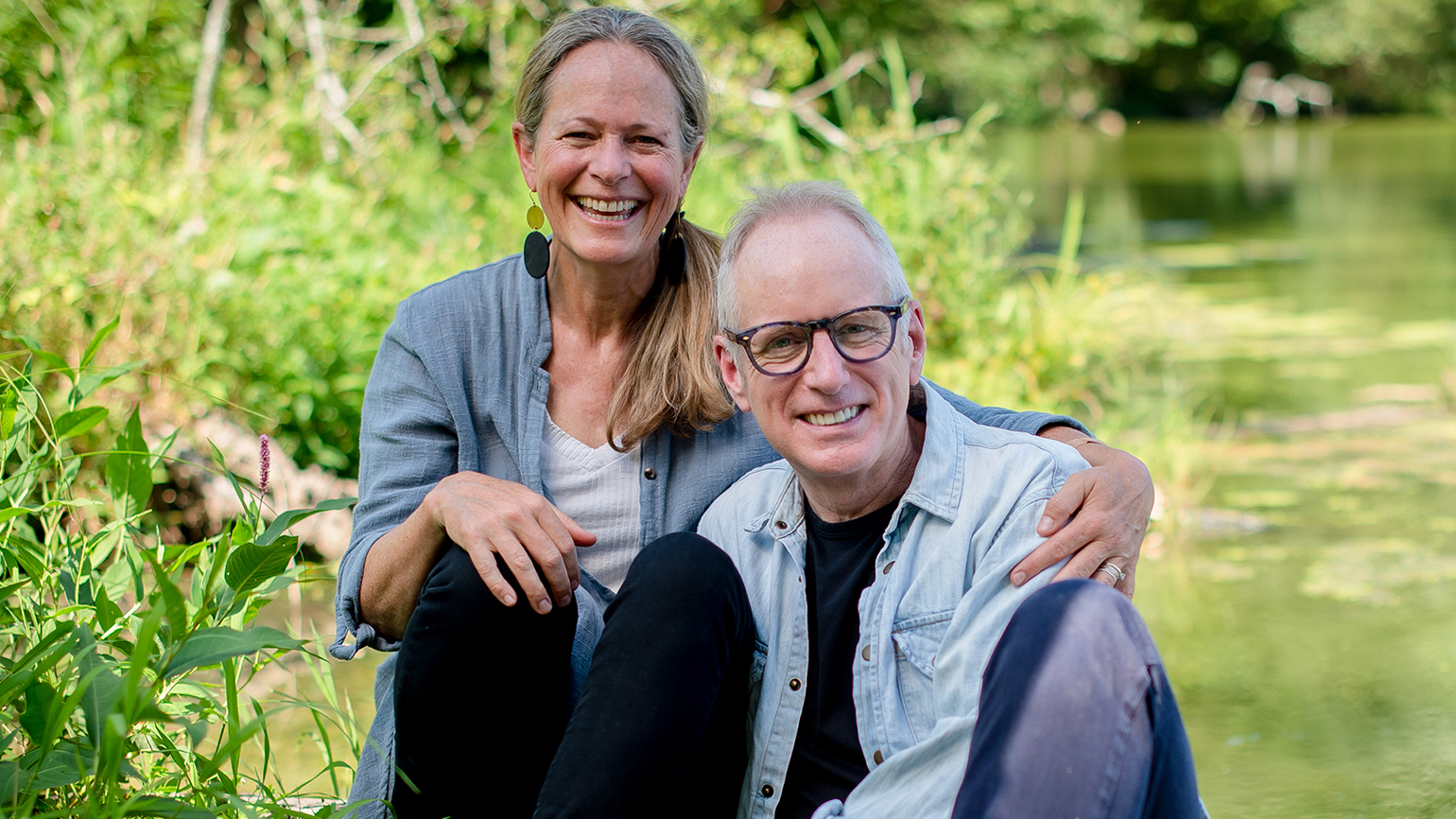
The Road Back to You cover Ian Morgan Cron is a psychotherapist, Enneagram teacher, host of the popular podcast, Typology, and author of the national bestseller, The Road Back to You: An Enneagram Journey to Self-Discovery.

For more inspiring stories, subscribe to Guideposts magazine.

He Found Hope in His Effort to Cope with COPD

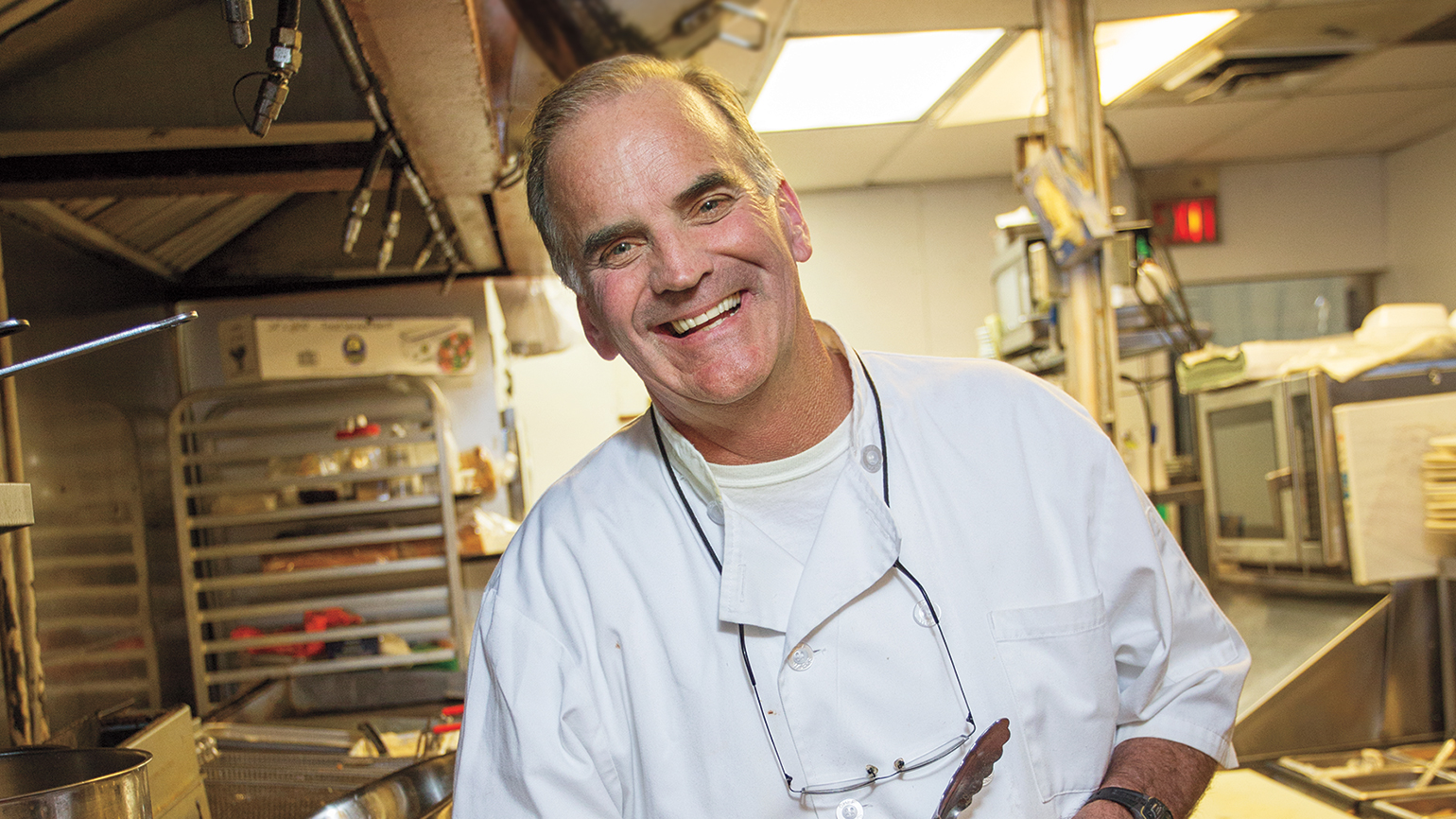
My wife, Cathy, sat with me in the doctor’s office. I needed her there. It was hard for me to process what was being said. When you don’t get enough oxygen in your lungs, it affects your brain too. After three years of seeing specialist after specialist with no diagnosis, I was depressed. I was constantly sick, too weak to help around the house, struggling for every breath and so exhausted I could barely work.

The doctor looked up from my chart, peered over his glasses and said, “Sean, from all that you’ve said and what the tests show, I think you have the beginnings of COPD.”

Pray A Word a Day - 2023 In article

COPD. Chronic obstructive pulmonary disease. It was like getting a death sentence. I’d read enough to know: There was no cure. It could only get worse. I’d be wheezing till the end. Cathy held my hand. She asked a few questions, but I hardly heard the answers. I wanted to get out of that office as fast as I could. COPD—the worst news I could have imagined.

I’d watched both of my parents die of lung-related diseases. They puffed on cigarettes all day long. Dad would fall asleep with a cigarette in his mouth— amazing the house didn’t burn down. He owned a tile-setting company, and my brothers and I helped in the family business. Inhaling clouds of powdered cement, breathing in construction debris. Dad’s first bout with cancer came when he was 40—and yet he lived another 48 years, hauling around an oxygen tank with him. Mom was diagnosed with emphysema decades after Dad got cancer.

I wasn’t going to be like them. I had smoked in my early twenties, then given it up. I was intent on living healthily. I ran marathons, swam at the Y, worked out at the gym, played soccer with my buddies, tossed a football with our kids. Call me a fitness fanatic. That’s fine by me. I wanted to rewrite the family script.


Then I turned 50, and things started to go wrong. Way wrong. I’d go for a run and develop an intense headache, tightness in my chest, a wheeze. I’d drag myself inside. “Gosh, the air is heavy today,” I’d say to Cathy. She’d look at me, mystified. “Sean, the air is just like it was yesterday.” Not to me.

At Soccer City, where our men’s team played, I’d find myself subbing out after just a few minutes, gasping for breath. I’d sit on the bench, take a break and then go back in. Same thing all over again. During morning swims at the Y, I’d start to choke after just a couple laps. I’d get out and hack up a white, gooey phlegm-like substance.

“This only happens when I swim,” I told the lifeguard.

“Maybe you shouldn’t swim anymore,” he said.

Cathy and I owned a couple of restaurants. Normally I loved being at the center of things, savoring the food in the kitchen, acting as host in the dining room, getting to know the customers. If your name is on the business—Sean Cummings Irish Restaurant—people expect to see you. But then I’d come down with some respiratory infection and be out of commission for a week or two. One of my doctors put me on steroids, but they made me so grouchy that all the employees avoided me.

Worst of all, Cathy and I couldn’t even sleep in the same bed anymore. I’d drift off, propped up with pillows against the headboard. Then I’d wake up with a coughing fit, hacking away till I thought my lungs would collapse. It frightened her to death. Frightened me too.

“You look too healthy to be this sick,” more than one doctor had said. Small comfort in that. I just wanted an answer. I got X-rays, CT scans, MRIs. A host of scary possibilities were ruled out—lung cancer, asthma, emphysema, bronchitis, allergies—but I still felt bad. Cathy and I were burning through our savings. We couldn’t go on like this much longer. Why couldn’t anyone tell me what was wrong and fix it?

Now I knew. COPD was chronic. There was no fix. Cathy and I returned home from that doctor’s office. I wanted to curl up and die. Didn’t want to see anybody, didn’t want to go to the restaurants, didn’t even have the heart to ask anyone for prayers. In my big Irish Catholic family, I had a priest for an uncle and a couple aunts who were nuns. I could imagine them delivering some bromides about faith and trusting in God’s way. I didn’t want to hear any of that.

One morning, I sat alone in the kitchen, nursing a cup of coffee, my favorite sports radio talk show in the background. I wished the noise would drown out my sorrow. One of my first jobs had been washing dishes at a neighborhood restaurant, radio blaring. I was so young, I had to stand on a milk box to reach the sink. Turned out to be pretty good preparation for what I ended up doing. What better way to know what people like—and don’t like—than seeing what they leave on their plates?

“They need to quit serving that crud because no one’s eating it,” I would joke with a buddy, scraping a plate of some uneaten “specialty of the house.” I wished I could scrape my own plate clean of all the crud it was serving up: anger, despair, self-pity.

How do you know what works at a restaurant? You didn’t just look at the upside—all those nice people sitting at their tables—you look at the downside too. What isn’t working, what can be fixed, what is left on the dirty dishes. I wanted badly to run away from COPD. But that wasn’t going to solve anything. I needed to stare it in the face.

Just then a voice boomed from the talk radio show: “It’s not about the knockdown but the ‘get up,’” one of the hosts said. I’d heard those words before and plenty like them. This time they seemed directed right at me, a message. Where was my ‘get up’? Hadn’t I always been a fighter?

I started reading everything I could about COPD online. What doctors said, what other patients did to help themselves, what medicines might work. I found I had to be careful; you can’t trust everything on the web. Some of what I read was alarmist, some seemed like quackery, and some made good sense. I gave myself a list of things to focus on, things I could do every day: get exercise, eat healthily, practice prayer and meditation and focus on special breathing techniques. That was my “get up.”

I couldn’t run like I used to, but I could do a combination of jogging and walking. I would drive to the lake near our house and start making my way around the trails. I would kick up my speed. Until I had to slow to a walk. Walk, run, walk, run.

Afterward I would lie in the grass and take in the fresh air, doing some breathing techniques I’d found on YouTube. Exercises to open my lungs. I closed my eyes and asked God to clean any impurities out of my body. I imagined a plunger pushing out the disease, wiping it out of my system. I swung my arms and legs over to one side, then the other. I pictured Jesus like a laser, cleaning and scrubbing as I breathed.

Every morning started with quiet meditation, 15 or 20 minutes. I would read a devotion or listen to a podcast, then go into silent prayer. I focused on my breath and imagined taking in clean, clear air and exhaling dark, dirty air—like those dishes I washed as a kid.

I made sure what I ate was healthy. Whole grains, lots of fruits and vegetables, fish, chicken. I kept a food journal. Over time I discovered what worked and what didn’t. For instance, if I ate anything with white flour, I’d get sluggish and tired. Same with oily foods or anything fried. I was glad to have my restaurant background. Not only could I make sure I made healthy choices, but we could add some healthy choices to our menu.

My doctor prescribed various medicines. It took almost 18 months before we settled on the right one. I had to be very patient and very honest. With both my physician and the Great Physician. I trained myself to thank God every day for the life I had. I’ll admit i get frustrated at times. I crash and have to slow down. I retreat to the house and take to my bed, sleeping for hours. It’s easy to feel sorry for myself, but I limit those times. I actually set the timer on my phone and give myself 15 minutes to indulge in anger, despair, sorrow. Then the timer buzzes, and I shake it all off.

I am able to be back in the restaurant, back with people, back doing the work I love. I don’t hide what I’m going through. I talk about it. Yes, I have a chronic disease. I also have something else to go with it: chronic hopefulness.

That’s what I’ve discovered. Hope is something you can work at. You can put it on the menu, you can dish it out, you can consume it whole. I got a diagnosis that seemed like a death sentence. Instead I found a way to make a new life.

For more inspiring stories, subscribe to Guideposts magazine.

A Spiritual Solution

The worst week of my life? No question: The one that began on July 20, 1981. The best week of my life? Again, the answer is easy: that same week.

“Two hundred and forty pounds!” my doctor said, eyeing the numbers on the scale grimly. “Noma Jewell, for a five-foot-two, 28-year-old, that’s dangerous. You’re either going to be dead or in a wheelchair by the time you’re 30.”

extraordinary women of the bible

Friday, near the end of my shift at the beauty salon where I worked, my boss called me into the back for a “talk.”

“Noma Jewell,” he said, “I like you. The customers like you. You do a good job here. But I can’t keep paying a salary to someone who spends half her time resting up in the ladies’ room. If you don’t do something, we’ll have to let you go.”

But did I want to do something? That was the question. I’d fallen back on the usual excuses all my life—I was “big-boned,” I had a slow metabolism, it was all in my genes.

Fact was, I was addicted to eating. From the moment I woke up to the moment I turned off the TV at night, I ate.

Cookies, doughnuts, candy bars and ice cream made up the majority of my daily caloric intake. I threw in half a dozen muscle relaxants to cut the back pain caused by those 100 extra pounds.

I finished my shift and got into my car. My heart was racing. Okay, take it easy. You can fix this. You’ll drop 40 pounds. That should be enough to keep things okay at work and keep you out of the coronary unit. You’ve lost weight before. You can do it again.

It was so pointless! I’d slimmed down more times than I could count. At 14, I was so scared of starting high school as a fatty that I lost 50 pounds over the summer. I literally starved myself. I gained it all right back by the new year.

Same thing in my early twenties. My girlfriends settled into marriages and careers while I languished at a dead-end job. So I went on a big-time diet. I lost 85 pounds in six months. Again, I packed it all back on within a year. My problem wasn’t taking the weight off. It was keeping it off.

My latest reason for piling it on was a sad but familiar one: men. I’d gone through two broken engagements in the past six months. Fine, I figured. Men don’t like me? I can deal with that. I’d rather stay home with the TV anyhow.

I was now more than 60 pounds heavier than when I’d started at the salon.

Driving home I stopped at a red light near the convenience store where I usually stocked up. I tried not to think about it. I knew what was coming.

I’d go home and scour the apartment, dumping all my goodies in the trash. I’d survive on white-knuckle willpower. It would keep me going for a few months, till I’d lost enough to get the boss and my doctor off my back, and go back to eating the way I wanted to.

I’d feel good too. My back wouldn’t hurt so much. My clothes would fit. But inevitably something would set me off—a rude comment at work, an argument with a friend or relative. That’s all it took.

5 Easy Ways to Exercise More

I would pull right back into the convenience store and walk out with two boxes of cookies and a gallon of mint chocolate-chip. It was the only thing that would make me feel better. People were lousy friends. Food never let me down.

Sitting at that traffic light—the longest of my life—it hit me like a ton of bricks: I had let myself down, time and again. Trying and failing. Now I was in real trouble. I wasn’t just overweight, I was dying, as sure as if I had a fatal disease.

Did I want to live or did I want to overeat? This time I had to make a choice, a real choice. I had to do something different.

I closed my eyes. God, help me. Help me. I can’t handle this. I’m powerless. You need to do something here because I can’t. It’s as simple as that. If you heal me, I’ll spend the rest of my life helping other overweight people. I’ll even give the money I save on junk food to a church or charity.

I opened my eyes. The light had turned green. I put my foot on the accelerator, not exactly sure what had just happened, but sure that something had. Talking to God was nothing new to me. But crazy as it sounds, I had never brought up my weight.

I was ashamed, I guess. Or maybe I was afraid that if I really honestly asked for his help, I would have no choice but to accept it and change.

I went home and threw away all my junk food, just as planned. Something felt different. There was no urgency, no desperation, no frenzy of self-loathing. I felt a sense of calm—almost of foreknowledge. This time something really would change. Somehow I just knew it.

The next day at work one of my regulars came in. For a second I didn’t recognize her. “What happened to you?” I asked as she settled in for a shampoo. “You look like you lost 20 pounds!”

“Thirty,” said the woman.

I had to know her diet secret. “Actually,” she explained, “a friend introduced me to a recovery program for overeaters. There’s no diet per se. They put a spiritual slant on your overeating. You ask God for help in losing weight.

“Obesity isn’t just a physical problem. It’s a spiritual one. Once you bring God into the equation, everything changes.”

Change. That word again. Was I ready for it? Suddenly I remembered that feeling I’d gotten at the traffic light the night before. It flooded through me again: Lord, you sent this woman in here today!

A couple of days later I walked into a 12-step program for overeaters. I didn’t want to be there. Then people started talking and sharing. One by one they told their stories.

One man talked about how he’d come to see the connection between his parents’ drinking and his drift toward obesity as a child. My father had been a heavy drinker. I’d never made the connection between Dad’s zoning out with a bottle of whiskey and my doing the same with a box of cookies.

A slender girl talked about the “God-shaped hole” inside her—one that she’d tried unsuccessfully to fill with pies and milkshakes, until she learned to bring her desire for food to the one place where it could truly be healed.

The time came for newcomers to raise their hands. I forced mine up and managed to stammer out a few words about myself. Folks applauded warmly. Afterward people crowded around. I walked out armed with a fistful of phone numbers. “Call anytime,” everyone said. They meant it too.

So began my new life. Instead of a mad dash to lose weight through iron-willed determination, I took things a day at a time, and took God with me every step of the way.

Yes, the weight came off. But something more did too—the shame and anger, the feelings of worthlessness that had plagued me my whole life. I learned to turn it all over. My higher power was no longer food. That’s how I kept the weight off.

Start each day with encouragement for your soul. Order Mornings with Jesus 2019

Guess what? This year marks 24 years since my doctor and my boss read me the riot act. That worst week ever turned out to be the best—an incredible turning point I could never have imagined as I sat in my car desperately waiting for that long light to change.

Seven years into my new life I met a wonderful man. We fell madly in love, married and—most unbelievably of all—honeymooned in France without my gaining a pound (or starving myself)!

Before, I’d lost weight for me—so I could fit into a dress, attract a man or maybe have other women envy or admire me. Now, I discovered there were other, far better reasons to keep the weight off—and that they all involved helping others. In 1986 I joined a church and started teaching Bible classes.

The experience made me realize how much I enjoyed working with children. I went back to school for the diploma I’d never managed to get before (back in the days when the only thing I could be sure of finishing was a jumbo-sized package of cookies).

Today, I’m a tutor and mentor, working with inner-city kids. That’s a miracle.

Oh, there have been setbacks. In 1990 both my parents died. I stopped talking to God, fell back into old patterns: watching TV, snacking compulsively, using food not as nourishment, but as an escape from my feelings. I relapsed, gaining 25 pounds in six weeks.

Fortunately, I had a support network: people who wouldn’t let me slip back into my old self-destructive ways. People who, when I didn’t return calls, showed up at my door. I got back on track, and the weight I gained came off again.

Then a few years ago my husband had triple-bypass surgery. There was the temptation to use the event as an excuse for another relapse. But this time I did the right thing, turning to my friends and to God for help.

I got through it without gaining a pound. Instead of destroying myself I reached out and helped others in their recovery.

As much as nearly anything, helping other overeaters played a huge part in keeping me where I need to be today. When you learn how to be there for others, you learn how to be there for yourself too.

Food was never just food to me. It was a substance I abused, like drugs or alcohol or tobacco. It was a substitute for a real relationship with God. Today I am a miracle. That’s what change is—a miracle. And personal change, I’m convinced, never happens without God.

Download your FREE ebook, Paths to Happiness: 7 Real Life Stories of Personal Growth, Self-Improvement and Positive Change.

Heavenly Dispatch

I sat behind the wheel of my patrol car that cold November afternoon, listening quietly to the football game on the radio. As long as it didn’t drown out the squawks coming over the police frequency, that was allowed. But my mind wasn’t on the game. It wasn’t even totally on the job. Two weeks earlier, my family had been dealt a huge blow: My Uncle Tony, Big T, was gone.

A massive heart attack took him in his sleep. Uncle Tony didn’t have children, so I was like a son to him. We both had hectic schedules—he was a director for his church—but we always checked in. I couldn’t imagine life without him. Especially with Thanksgiving coming up. Our big Italian feasts at his house were legendary: Seven courses! It’s a wonder I rolled out of there still in good enough shape for patrol duty.

Walking with Jesus L&E evergreen_in article ad

When my wife Nikki and I needed a break between antipasti and lasagna, Big T reluctantly put on the NFL Network for us. He wasn’t a football fan, but he got a kick out of watching us. We’d turn the volume up, way up—cheering on our teams, hollering at the TV. “Loud enough, Charles?” he’d tease me, mock-covering his ears. “Why ya watchin’ a buncha guys chasin’ a ball anyway?” I could still hear him laughing.

Now he was gone. Nikki, an editor for Guideposts, tried to lift my spirits. “Uncle Tony will always be with you,” she told me. But I wasn’t so sure. As a cop, I need to be logical, cynical even, always looking to connect the dots. How could Big T still be with us?

I booted up the Info-Cop system and shifted into gear. “I miss you, Big T!” I said, pulling out of my space, not even sure who I was speaking to.

“FIRST AND TEN AT THE 25!” I nearly jumped through the roof. The volume on the radio had shot up, way up. I turned down the dial. It didn’t work. What’s going on?

I pulled over, cut the engine. Only when I restarted did the volume return to normal. Big T? Impossible, I decided. Just a busted radio.

The next day, I took out a different car. Started it up and turned on sports radio, still wondering about the day before. Just as I pulled out, the volume shot up again. Same exact thing.

This time I laughed. I pictured my uncle, wherever he was, covering his ears, shouting over the noise. “Loud enough, Charles? Loud enough?” I couldn’t wait to tell the family on Thanksgiving.

No other officer had radio problems in the cars I’d taken. Since then, neither have I. I’d already heard what I needed to hear, loud and clear.

5 Healthy Habits Found in the Bible

What Does the Bible Say About Habits? 

The word “habit” only appears once in the Bible, in Hebrews 10:25. Even though the word is scarce, Scripture still points us to ways we can keep positive habits in our lives. 

For example, 1 Corinthians 6:19-20 tells us that our “bodies are temples of the Holy Spirit” and that we should “honor God” with them. This includes the things we do in our day-to-day schedule—our habits.  

Community Newsletter

Get More Inspiration Delivered to Your Inbox


The Bible tells us that our habits within our everyday lives take work and that it is worthwhile to put our efforts into them; as Colossians 3:23 states, “whatever you do, work at it with all your heart, as working for the Lord…” Scripture also instructs us to always do our best (2 Timothy 2:15) and make sure everything we do is done with love (1 Corinthians 16:14). 

While it might seem like our daily habits are ours alone to pursue, the Bible reminds us that anything we do requires encouragement—something that we can receive from others and should also freely give out. Returning to Hebrews, we can see the context for the one mention of “habits” in the Bible, in Hebrews 10:24-25:

And let us consider how we may spur one another on toward love and good deeds, not giving up meeting together, as some are in the habit of doing, but encouraging one another…

Keep this in mind as you attempt to include new, positive habits in your own life. Taking the time to cheer for others in their pursuits to improve their lives is always worthwhile. It might even bring us our own motivation. Here are five habits you can start to stay healthy, according to the Bible.

Smiling woman in workout clothes does her exercise bible habits

5 Healthy Bible Habits

Taking care of our physical health is essential for our spiritual well-being. By following the tips below, we can maintain a healthy lifestyle that will help us avoid many potential problems down the road. Additionally, spending time with God is essential for peace of mind and soul. In our hectic lives, it can be easy to forget about our relationship with Him, but if we make an effort to connect with God daily, we will see immense benefits in all areas of life.

Woman makes a healthy bible habit and eats a salad

1. Eat Healthy Foods

Give us this day our daily bread. —Matthew 6:11

Giving us this day our daily bread by consuming healthy foods that sustain us is part of God’s providence. A healthy diet is essential for our physical well-being, providing the nutrients our bodies need to function properly. Eating healthy foods can also help to protect against diseases such as heart disease, stroke, and cancer. Furthermore, a healthy diet is a critical part of maintaining a healthy weight, which is important for both our physical and mental health. The next time you’re tempted to skip a healthy meal or snack, remember that God wants us to take care of our bodies – after all, they are temples of the Holy Spirit.

Young couple exercising together for their bible habits

2. Exercise Regularly

But those who hope in the Lord will renew their strength. They will soar on wings like eagles; they will run and not grow weary, they will walk and not be faint. —Isaiah 40:31

Exercise is an important part of maintaining one’s health. It helps to us healthy and strong, while also improving our mental and emotional well-being. Regular exercise is a way of showing our respect for the body God has given us. We are His temple, and we should take care of His temple. Even going for a walk is a way to do that. So, let us all make sure to exercise regularly for our health and for the glory of God.

Person holding another person's hands for their comforting bible habits

3. Stay Away from Harmful Substances

Do not be tempted by evil things, which can do no good for you. —Galatians 6:7-8

When it comes to harmful substances, it is best to heed the advice of Galatians 6:7-8 and stay away from them. These substances can do nothing but harm you, both physically and spiritually. They can damage your health, relationships, and connection to God. It is simply not worth the risk. So many other things in life can bring you joy and happiness. Why put yourself in danger by tempting fate with these dangerous substances? If you are struggling with addiction, there is help available. Reach out to a trusted friend or family member, or seek professional help. You don’t have to face this battle alone. Remember, God is always with you. Lean on Him for strength and guidance as you overcome this obstacle in your life.

Woman resting in bed for her bible habits

4. Get Plenty of Rest

In peace I will both lie down and sleep; for You alone, O LORD, make me dwell in safety. —Psalms 4:8

In today’s fast-paced world, it can be easy to sacrifice rest to complete tasks or tick items off our to-do lists. However, this often leads to feeling exhausted, both physically and mentally. Getting enough rest is crucial for our overall health and well-being. It helps to improve our moods, boost our immune system, and promote tissue growth and repair. In Psalms 4:8, we are reminded that God is the one who gives us the peace we need to lie down and sleep well. When we take the time to rest, we put our trust in Him and His promises. So the next time you feel tired, take a few moments to rest and recharge. You will be glad you did!

Woman hiking out in nature with her eyes closed for her healthy bible habits

5. Spend Time with God

Be still, and know that I am God. —Psalms 46:10

It can be difficult in our busy society to find time to be still. We are constantly bombarded with stimulation from devices, television, work, and other obligations. However, it is important to take time each day to clear our minds and focus on God. When we do this, we can connect with God deeper and receive guidance and strength for the challenges we face. Spending time with God doesn’t have to be complicated or time-consuming. It can be as simple as taking a few minutes to sit in silence, listening for God’s voice. Alternatively, you could read a few verses from the Bible or say a short prayer. Whatever form it takes, making time for stillness and reflection is an important part of a healthy spiritual life.

10 Bible Verses About Habits:

Woman holding a Bible with verses about habits

  1. I will always obey your law, for ever and ever. —Psalm 119:44
  2. Start children off on the way they should go, and even when they are old they will not turn from it. —Proverbs 22:6
  3. Blessed are those who hunger and thirst for righteousness, for they will be filled. —Matthew 5:6
  4. Let us not become weary in doing good, for at the proper time we will reap a harvest if we do not give up. —Galatians 6:9
  5. A sluggard’s appetite is never filled, but the desires of the diligent are fully satisfied. —Proverbs 13:4
  6. For the Spirit God gave us does not make us timid, but gives us power, love and self-discipline. —2 Timothy 1:7
  7. In the morning, Lord, you hear my voice; in the morning I lay my requests before you and wait expectantly. —Psalm 5:3
  8. So do not fear, for I am with you; do not be dismayed, for I am your God. I will strengthen you and help you; I will uphold you with my righteous right hand. —Isaiah 41:10
  9. Above all else, guard your heart, for everything you do flows from it. —Proverbs 4:23
  10. I can do all this through him who gives me strength. —Philippians 4:13

READ MORE ABOUT POSITIVE HABITS:

“Heal Me, O Lord”

I woke up with the same tormenting headache I had gone to bed with, and struggled to the bathroom. I grasped the sink with both hands and reluctantly raised my pounding head to the mirror.

The face reflected in the glass was a fiery red mask of tiny bumps and large acnelike sores. Hundreds of them. The horrible rash covered my face like the Egyptian plague of boils in the Bible. The unending headache and rash comprised the mysterious condition I had lived with for 12 long, unbearable years.

Whistle Stop Cafe In Article Ad May 2023

Here I was, a middle-aged woman with two teenage sons and a husband, and I could hardly bear to raise my head and look in the mirror.

Tears blurred my vision as I tried to remember the smooth, milk-white complexion I used to have. My fingers twitched, longing to claw at the fiercely itching skin on my face.

I had tried everything—special diets, oatmeal soap, baby oil, vitamins and enough creams and ointments to fill a small drugstore. And the long line of doctors I had seen had passed by like a dwindling parade of hope. The rash had only grown worse, and my face swelled, itched and turned tomato-red at the slightest stimulus.

Suddenly the pain behind my eyes tightened as if someone were packing cotton into my sinuses. I reached for a bottle of pain medication and quickly swallowed a couple of pills. I took the maximum of eight pills a day. But they only forestalled the worst of it—when the pain crept down my neck, making clear thinking nearly impossible.

I felt consumed by despair, by the long years of this strange affliction. I had prayed so many times for it to go away. “Oh, God, why don’t you help me?”

I dabbed at my eyes and dressed for work. My head ached so much I could hardly pull a comb through my hair. I thought about crawling back into bed. But, of course, I couldn’t. I liked my work as a third grade schoolteacher. I had to keep going.

As I entered school that morning a little girl peered up at me, her eyes wide with surprise and dismay. “How come your face looks like that?” she asked.

I raised my hands over my cheeks and tried to explain. But I fell silent. I had no answer.

Not long after, someone told me about a dermatologist. I had seen half a dozen specialists already, but I made an appointment, ready to grasp at anything. I sat slumped on his examining table after a long series of allergy tests.

“Well, maybe we have an answer,” the doctor said. “It appears you are allergic to yourself.”

I stared at him disbelievingly. “You must be kidding!”

“I know it sounds strange, but these allergy tests show you are allergic to your own bacteria.”

Hope blew away like the last autumn leaf. Allergic to myself. How could I escape that?

“We’ll make a special serum, using your saliva,” said the doctor, “and teach you how to inject it.”

And so began the next three years of giving myself shots. The headaches were not quite as severe, nor the rash quite as red—partial relief. The doctor did everything he could, prescribing medicines, creams and consultations. Still, the ever-present plague was agonizing, embarrassing.

So I followed my old, exhausted pattern and found yet another doctor. This time an outstanding allergist. More tests. More money. He decided I was allergic to a long list of foods, and put me on a diet. For a year I existed on nothing but peas, potatoes, carrots, lettuce and lean meat. My weight plummeted to 102 pounds.

“You’re wasting away, Mama,” said my son one morning as I packed my lunch of canned peas. He was right. Something dreadful was happening to me. And despite it all the daily headaches persisted, and the humiliating rash and acne were splashed across my face as big and red as ever.

This is no way to live, I thought dismally as I draped a scarf across my head and left for work.

Then one Sunday as I struggled to teach my Sunday school class, I heard myself saying, “God is the answer.” I paused, the echo of my words thundering in my head. As the class continued, the words burrowed inside me like a splinter.

At home after church I lay on the sofa with a warm cloth across my forehead. I gazed out the windows at the silent woods across the road. The words I had spoken that morning nudged at me.

I am a Christian, I thought. I tell other people God is the answer, that they can find wholeness through him. Yet I’ve been a prisoner of this condition for nearly 16 years.

Suddenly the familiar old story of the woman in Mark 5:25-34 focused in my mind. The woman who touched the hem of Jesus’ robe and was healed. I was so much like her. I too had suffered a condition for many years, gone to countless physicians, spent nearly all I had and was not better, but worse.

The difference was the woman in Mark had finally gone to Jesus with faith—and was healed.

Did such healings still happen today? I wondered. If so, could healing really happen to me? There on the sofa, the idea of real healing from God spun in my head. It almost seemed too ancient to be real. If only I could be sure.

The weeks passed and winter melted away. The incredible idea of healing lingered in my mind like a held-over Christmas present. I toyed with the ribbons, afraid to open it, afraid it might turn out to be empty…but strangely unable to turn away.

Then one Sunday something happened. I lay in bed trying to find diversion from my headache by watching television. On the screen stood a beautiful young woman—Cheryl Prewitt, Miss America 1980.

“God healed me,” she said. “I prepared myself to be healed, and God healed me.”

My heart began to pound with a strange excitement. She was speaking to me! No, God was speaking to me! He did still heal people today.

“Come quick!” I called to my husband and boys. As they hurried to the bedroom I pointed to the TV, where the radiant young woman still spoke. Tears poured down my face. “If God can heal her, then he can heal me,” I said.

Finally, after 16 desperate years of trying everything else, I was ready. Again I relived that biblical story in my mind. What was it Jesus had said to that woman after she had brushed her fingertips across his robe? “Your faith has made you whole.” And what had Cheryl Prewitt said? “I prepared myself to be healed.”

Faith, there was the key. There was what had been missing before. My faith had grown flabby, like out-of-shape muscles. I knew intellectually that God is powerful and can heal. But somehow I had to get that knowledge from my mind down into my heart. I had to believe it as absolutely as I believed the sun would rise tomorrow.

On May 1, I began to prepare myself for healing like an athlete training for the Olympics. I sat down in the kitchen rocker with a pad of paper and my Bible. I flipped to the concordance in the back—to the heading of “healing, health and faith.”

I picked out verses, then looked them up, writing each one down word for word. It took a couple of days, but I finally compiled a list of 36 Scriptures—sort of a training manual for my faith.

The next day I tucked the papers into my purse. While driving to work I pulled them out and laid them on the seat. At the first stoplight I focused on Psalm 103:2-3. “Bless the Lord, O my soul, and forget not all his benefits…Who healeth all thy diseases,” I whispered.

I closed my eyes, saying it over and over, letting it sink down inside me. At a stop sign my eyes fell on another from Jeremiah: Heal me, O Lord, and I shall be healed…. ” I said it over and over.

All day I kept it up—before getting out of the car, walking along the school corridors, sitting in the playground at recess. Not a spare moment was lost; by the end of the schoolday my Scripture papers were dog-eared from wear.

In the weeks that followed this became my constant routine. The papers were as inseparable from me as my shadow. And by some inexplicable process the 36 Scriptures were slowly sinking into the core of my being with roots of belief.

I was actually beginning to believe—really believe—that I could be healed. I could almost feel my faith stretching and rippling with new strength.

I circled July 12 on the kitchen calendar. “Lord, this is the day I’m asking for complete healing,” I said.

Then I added another exercise. I began to visualize my complexion as pink and clear as a newborn baby’s, and my sinus passages free and well. I imprinted it on my mind day and night. This exercise became rather a strenuous one, because the mirror was such a contrast from my image.

The mirror is wrong, I told myself. Soon it will reflect my inner image.

Late that spring I hurried past a mirror at school. Suddenly I stopped, backed up and peered into it. I ran my fingers across my face. Was it my imagination or did the fiery-red rash seem a bit faded? And my headache. Didn’t it seem better? “Oh, thank you, Lord!” I cried. “You are healing me.”

July 12 dawned warm and shiny through the bedroom window. I tiptoed to the bathroom mirror, took a deep breath and looked into it. The rash still lingered on the lower part of my face, and a faint sinus headache tugged behind my eyes.

I will not give up, I thought. With a sudden burst of faith I said, “Well, Lord, this is the day! I know it will happen.”

When the sun set in an orange glow I went to a mirror again. Again I stared at my reflection, tears sparkling on my face. A face completely smooth and clear! It was the face I had imagined. The headache of the morning had drifted away as well. God and faith had made me whole.

For almost a year now I have not experienced a single headache, and my skin remains clear. I’ve gotten rid of all the old ointments, medicines, allergy shots and diets. The only thing I’ve kept are my precious dog-eared papers—those powerful Scripture exercises that brought my faith to life.

For there’s one thing I’ve learned: Though it’s important to keep physical muscles well-toned, it’s even more important to keep “faith muscles” strong. For they are the ones that churn the spiritual energy, that move the mountains in our lives. Even a mountain like mine, which had towered over me for 16 years.

A few weeks ago at a meeting a stranger tapped my shoulder. “Your complexion is so beautiful,” she said.

“Oh, thank you,” I said, breaking into an unusually big smile. A smile, I’m sure, no one there really understood…except me and God.


Here are the 36 scriptures Marilyn used
Proverbs 4:20-22 Mark 1:34 John 10:10 James 5:15
Romans 10:17 Mark 5:34 III John 2 I Peter 2:24
Matthew 7:7,11 Mark 10:52 Hebrews 13:8 Psalm 42:11
Matthew 8:7, 13, 17 Mark 9:23 Malachi 4:2 Psalm 6:2
Matthew 9:29, 35 Mark 11:22-24 Matthew 4:23, 24 Psalm 41:4
Matthew 14:14 Luke 6:19 Psalm 30:2 Psalm 103:2, 3
Matthew 15:30 John 14:13, 14 Psalm 91:9, 10 Isaiah 53:4, 5
Matthew 17:20, 21 Acts 10:38 Proverbs 3:7, 8 Jeremiah 17:14 I
Matthew 19:2 Galatians 3:13 Exodus 15:26 John 4:4


Healing My Grief

The bulldozer drove back and forth over the mountain of photographs–several hundred thousand dollars’ worth, more than a decade of my hard work. I stood at the Fort Myers, Florida, county dump, watching it get ground into the dirt. Was this all my whole life really added up to?

Some weeks earlier, on June 15, 1986–Father’s Day–my teenage son, Ted, had been killed by a reckless driver. Nothing had given me a moment’s peace since. Not my wife, Niki, who was lost in her own grief, not my work, not even my faith.

God's Constant Presence In Article Ad

Everything I’d spent my life doing just plain stopped making sense.

For years I’d supported my family as a photographer. Seashores, sunsets, stuff like that. I’d begun taking pictures out of a deep love for God’s natural world, a beauty that nourished my soul, but soon that was swallowed up by the concerns of making a living.

I’d set up my camera, and instead of marveling at what God had created, I’d be calculating how many prints of the scene I would sell.

Photography had become something I did without thinking. I’d even found myself mechanically kicking into gear, loading photos into our van and making the drive to Ann Arbor, Michigan, with Niki for a big art show just a few weeks after our son’s death.

Not that Niki and I were up to doing much of anything, but this show was part of the routine in my line of work, a long-standing business commitment.

We’d set up our booth as usual, with all the popular scenic shots out front. I went through the motions, chatting with customers. Once they left, though, I sank into my chair, the emptiness in my heart overwhelming me again.

God, where is the beauty in a world where my son could die so senselessly?

My eye traveled to the half-dozen “art shots” I’d relegated to the rear of the booth. Black-and-white photos of the Everglades that I’d been experimenting with. Niki and I had driven through the area countless times.

From the car, the Everglades hadn’t looked like much, a featureless sea of sawgrass taking up space between the crowded beaches and tourist attractions. Nothing to take pictures of, I’d thought, until Tom Gaskins, a real Florida old-timer, and Oscar Thompson, a fellow photographer, convinced me to get out of my car and get my feet wet.

The moment I stepped into the swamp, I knew this was a whole other Florida, hiding in plain sight.

A whole other world, really, I thought, sitting there at the art show. Untouched, mysterious, profoundly peaceful, like it had come fresh from God’s hands.

All at once I knew what I wanted–no, needed–to do, for myself and for my grief.

As soon as we returned to Florida, I bought another camera–a bulky, old-fashioned 8-by-10 view camera with accordion-pleated bellows and all. It took large-format film that needed to be loaded shot by shot in big, black plastic film holders. Time-consuming, but perfect for high-definition black-and-white shots.

The next morning I loaded our van with my entire inventory of stock color prints and took them to the dump, where I watched the bulldozer flatten the mountain of photographs. I felt an unexpected sense of release. It was time to start over.

I drove home and called my friend Oscar. I asked if he wanted to help me take some pictures out in the swamp. “These are going to be different,” I said.

“Different how?” Oscar asked.

“I’m not sure,” I said. “I just know I’m supposed to do this.”

Late that afternoon, with my new large-format camera and a stack of black-and-white film in the backseat, Oscar and I drove out to one of the old oil roads that cut through the Everglades. I pulled over, hefted the camera onto my back and climbed into the swamp, Oscar behind me carrying the film.

Water soaked through my shoes and up my legs. I looked at the sweeping expanse of water, trees and sky. I could feel something happening. A picture was coming together, and I’d been drawn here, to this exact place, to take it.

Off in the east, the moon was just rising over a distant line of cypress trees. A huge single cloud began floating across the horizon, almost like wings, straight toward the spot where the moon was coming up. I set up the big camera and waited, letting the stillness of the swamp settle over me. In a few minutes, moon and cloud aligned. Perfect.

Oscar handed me a film holder. I slid it into the camera and tripped the shutter.

Nothing happened. The shutter was stuck. I grabbed another film holder and held it over the aperture for what I guessed was a good exposure time. The spectral moon suspended in the sky, the cloud beneath like a cupped hand waiting to receive it.

Every time I look at that photograph, even now, 18 years later, that stillness, that same mysterious peace, settles over me. I’ve been trying to capture a “moon shot” with the same magic to it ever since.

The timing has never again been as perfect as it was that first moment of my new life, the moment when God drew me back to the wondrous world he created and set me on my way as a photographer again, and to healing.

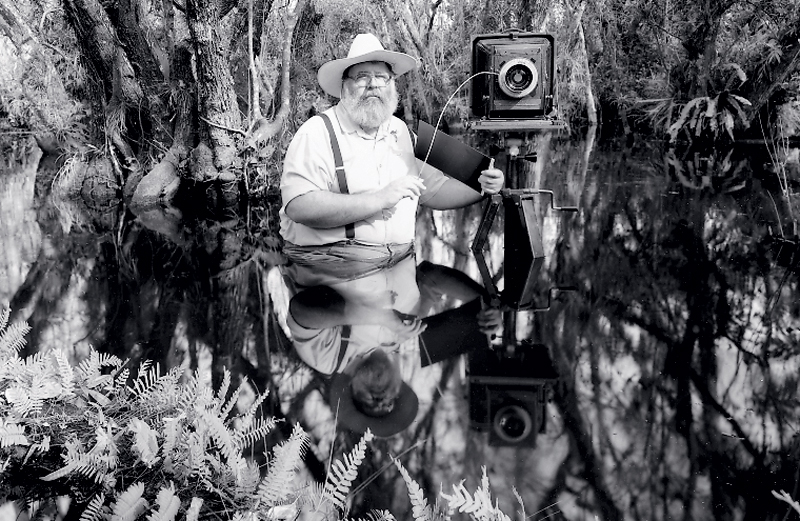
A Clyde Butcher photo of the Ever

Healing from Past Hurts

Be kind to one another, tender-hearted, forgiving each other, just as God in Christ also has forgiven you. (Ephesians 4:32, NASB

As a high school and college cheerleader, I found tan legs to be an important asset. So, I tanned—probably more than I should have—at tanning salons and lying on an actual beach when time allowed.

Sweet Carolina Mysteries In Article Ad

So, I guess I shouldn’t have been surprised when the biopsy on my left leg came back positive for melanoma in October 2006, but I was floored! I simply couldn’t believe I had skin cancer! When all was said and done, the doctor had skillfully removed the cancerous mass, leaving a 4 1/2 inch scar on the upper back part of my left leg. (Praise the Lord, all of the tests since the surgery have come back negative—I am 9 years cancer-free next month!)

But I remember so well the weeks following that surgery. I had to be very careful with the incision, dressing and re-dressing it with a certain kind of bandage. Still, it seemed like that scar took forever to heal. Just about the time it would start to close completely, I’d accidentally hit it while getting out of the car and intense pain would shoot through my body. It hurt so much—almost as much as the day my doctor made the incision!

Michelle Medlock Adams is healed of melanoma.Today, though I can still see it, the scar has faded, and it hasn’t caused me any pain for more than eight years.
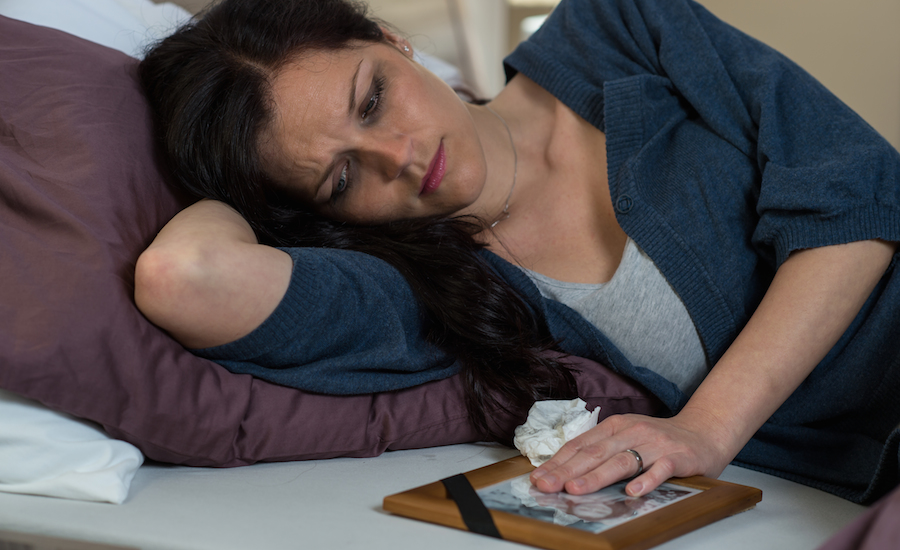
Maybe you haven’t had to undergo a major surgery leaving you with a scar, but you’ve probably endured some emotional pain in your life, leaving you with one or more painful heart scars.

And, if you’ll be honest with yourself, some of those heart scars are still open wounds, never completely healing because you keep re-opening them with your words.

Every time you talk about that heart scar and replay how badly you were hurt, your heart takes a hit, just like when I bumped my leg getting out of the car. Then that scar is torn open again, and the hurt returns.

When you dwell on painful experiences in the past, your emotions go right back there, causing you to feel real pain in the present. So, don’t do it!

Instead of recounting all of the painful times in your life, start sharing just how good God has been to you over the years.

You have a choice to make every time you open your mouth. You can choose to recall the hurts and pains of the past, or you can choose to praise the Lord for sustaining you through the hard times and giving you an inexplicable joy in spite of life’s circumstances. If you choose the latter, those old heart scars will completely disappear—just like my leg scar slowly faded with silicone gel pads and tender loving care.

I say, let the healing begin…

Pray this with me:

Father God, I praise You today for all of the good things in my life. You truly are a good God. And, Lord, I ask You to take away all of the hurts from my past and replace them with your healing love. I receive that healing today. Help me to forgive those who have hurt me as only You can. In the Mighty Name of Jesus. Amen.

Healing from Our Hurts

Many of us wrestle with some form of emotional hurt in our lives. Although our childhood is brief, the hurt caused in our early years can linger into adulthood. Our hurt can result from our own actions or those of others.

Sometimes the hurt stems from life events such as the unexpected death of a loved one, divorce, loss of job or things beyond our control. In those moments, we sometimes feel that God is to blame for allowing the pain.

The Lies That Bind In Article Ad

To live is to experience hurt. It doesn’t take much to end up with a broken heart. Many times deep-rooted hurts can lead to anger, resentment and bitterness, getting the best of us.

In the movie Forrest Gump, there is a scene where Jenny, his longtime girlfriend, goes back to her hometown. It is the home where she experienced abuse and hurt.

As she and Forrest walk towards the house where she grew up, she picks up rocks and throws them at the house until eventually she breaks a window. She falls to the ground, and Forrest sits down beside her saying, “Sometimes there aren’t enough rocks.”

Do you ever want to throw rocks at those who have hurt you?

Pain is inevitable, but with God and prayer, healing is possible. Here are some ways you can begin to heal from emotional hurts:

  • Appeal to God for help in dealing with your hurts and pain. Your feelings and well-being matter to Him.
     
  • Acknowledge the deep-rooted hurts you have experienced.
     
  • Realize that you cannot right all wrongs.
     
  • Release the bitterness in your life into the hands of God.
     
  • Forgive yourself, God and those who have hurt you. Forgiveness frees us from the pain and moves us toward healing.
  • ​Seek pastoral care or counseling to work through unresolved issues.

​The next time you feel hurt feelings coming on, pray, God, right now, I need your peace. Please calm my mind and replace my hurt with your caring love.

Psalm 147:3 offers us this hope: “He heals the brokenhearted and binds up their wounds.”  

Lord, please help me to release my hurts, to forgive those who have hurt me that You may heal my wounded heart.

Healing a Marriage Through Recovery

I stood outside the bedroom door and said a quick prayer for courage. Then I walked in. My husband Jim lay in bed reading. He glanced up with uncharacteristically sober eyes. Jim sometimes took a night off from drinking after an all-out bender. Tonight was one of those rare nights.

“I’m going to a twelve-step meeting,” I said, trying to sound more resolute than I felt. I didn’t have to explain that the meeting was for loved ones of alcoholics. The look that crossed Jim’s face told me he knew full well what I was talking about.

Sugarcreek Amish Mysteries In-Article Ad 2023

We had discussed his drinking problem many times, but I’d never actually done anything about it. Jim kept his eyes fixed on his book. He didn’t say a word. I walked out.

You might think such a negative scene would never happen to the daughter of Zig Ziglar, world-famous motivational speaker and champion of positive thinking. You might think Zig Ziglar’s daughter was a model person who always made good choices and did not end up at age 30 on her second marriage, this time to a total drunk.

Well, if you thought that you would be wrong.

My mom and dad were wonderful, loving parents and all my life I wanted to follow their example. Instead, I fell in with a bad crowd in junior high and before I knew it I was married at age 18 to a man twice my age.

I got out of that marriage when his hot temper crossed the line from verbal to physical abuse five weeks after our daughter was born. For seven years I prayed for a husband who would love me like my dad loved my mom. A stable provider, a good influence on my daughter, Amey.

Then I met Jim Norman, a successful businessman on the rebound from a divorce.

Jim had three kids of his own, a college-age daughter and 12-year-old twins. They were great kids. A good sign, I thought. Jim and I had a lot in common and I got along with his friends. We all liked to drink socially.

“My ex-wife said I’m an alcoholic,” Jim said when we were dating. “You don’t think so, do you?”

“No,” I said. Jim didn’t seem to drink much more than I did. I drank with clients sometimes (I was in sales) and I might have an occasional drink or two after putting Amey to bed. But that was it.

I thought so for Jim too—for the first three months of our marriage. Then for no apparent reason Jim’s drinking escalated. He’d come home from work and fix himself a scotch and water, then another and another.

“I love you guys,” he’d gush to me and the kids at the dinner table, his words slurring. When he finished eating he’d pour himself a large snifter of cognac and disappear into our bedroom, where he kept his easy chair facing the TV.

By the time the kids were ready for bed Jim was passed out in his chair, the TV blaring.

“What’s going on with you?” I asked one morning.

“What do you mean?” Jim answered defensively.

“Your drinking is out of control.”

Jim looked at me. “I like a few cocktails in the evening but I’m no drunk. My dad was an alcoholic. He drank from sunrise to sunset. I never drink before five o’clock.”

That evening, when I saw the scotch and water come out yet again, I defiantly poured myself a bourbon and Diet Coke. Not enough to get drunk, just enough to take the edge off my gathering fear. What if Jim did this every night?

Jim did do it every night. Weeks became months and Jim’s drinking became part of our family routine. So did my bourbon and Diet Cokes—the kids called it “dirty Coke”—but of course I didn’t get drunk like Jim.

I had to keep up with the kids’ homework and activities. A cocktail or two helped me cope with Jim’s nightly disappearance to his easy chair in the bedroom.

Jim and I were youth leaders at our church. Every Sunday, driving home after services, I looked at Jim’s kind, sober face and wondered whether he really was the answer to all those prayers I’d prayed for a good husband.

My mom and dad liked Jim. But we never drank in front of them. I thought Jim was part of your plan, Lord. What went wrong?

The kids started avoiding Jim in the evenings. His 12-year-old daughter, Jenni, and I stopped getting along. I began adding Amaretto to my after-dinner coffee. It helped my stress.

One day I picked up Jim from the doctor’s office. He’d hurt himself horseback riding. The doctor pulled me aside.

“Mrs. Norman, I’m going to be blunt with you. I’m a recovering alcoholic myself so I know the symptoms. Your husband has a serious problem. When you’re sick and tired of living with a drunk, call me. I can help.”

I hardly knew what to say. I drove Jim home in silence. A serious problem. How serious was it? Jim’s work didn’t seem to suffer. It wasn’t like he was out at some bar every night or on the street.

Several months later Jim and I went to a charity benefit. Jim drank until he was incoherent. The next night we went out to dinner with some friends and he did it again. Then he came home and drank everything in the house.

I’d never seen him drink like that. It was as if he was trying, and failing, to quench some desperate thirst. The next morning I called the doctor.

“I’ve got a phone number for you,” the doctor said. He gave me the number of a man who he said was experienced in 12-step programs. “Do your best to follow his advice.”

I called the man and told him my story. His reply shocked me. “You realize you have a problem,” he said.

I was so taken aback I was practically speechless. Me? What did he mean?

“You can’t do anything about your husband’s drinking,” the man said. “No one can persuade an alcoholic to stop drinking except the alcoholic.

“Your problem is that you’re too involved in your husband’s drinking. It’s taken over your life and you need to get it back. You’re as sick as he is. Get help for yourself. There’s a twelve-step program for loved ones of alcoholics. I can direct you to a meeting. Will you go tonight?”

“I—I guess so.”

He hung up. I stared at the phone, confused. A meeting? What kind of meeting? If this was God answering my prayers it sure didn’t feel like it. Why did I need help? Jim was the drinker!

But in my heart of hearts I knew, I just knew, the man on the phone had spoken some truth I didn’t yet understand, something that had gnawed at my soul for a long time. I was just so afraid to admit it.

So that evening I walked into the bedroom and told Jim I was going to the 12-step meeting. And I went.

The meeting was in an old house in a slightly run-down neighborhood. A group of women sat in chairs drinking coffee. Right away I felt out of place.

The women seemed to be speaking a foreign language. They talked about “detaching with love,” “feelings are not facts” and “you’re only as sick as your secrets.” They said normal people don’t marry drunks so we spouses had to work on our own issues.

They encouraged me to turn my husband over to the care of God and find a “sponsor,” someone who could help me work the program’s 12 steps. Step One: We admitted we were powerless over alcohol, that our lives had become unmanageable.

Well, that certainly applied to Jim. His drinking was destroying our lives. Still, I knew there was more.

When I got home I sat on the edge of the bed, looked deep into Jim’s yellowed, bloodshot eyes and announced, “I’m turning you over to God and I’m going to work on making myself better.”

The next evening I was stunned to hear Jim say, “I went to a twelve-step meeting today.”

“You what?”

In a quiet voice he said, “What you said about turning me over to God scared me to death. It really sunk in. I thought about it all night. And today I just went. Are you going to keep going to your meeting?”

I nodded. We weren’t sure what to say after that. This was new territory.

I didn’t trust Jim to stay sober, so I stuck with my 12-step program for family and friends of alcoholics. But Jim stuck with his meetings. In fact, he seemed to be having a better experience than I was. He found a sponsor and began moving through the steps and recommitting himself to God.

I had trouble finding a sponsor. Worse, I was unsure how to live with the new, sober Jim. It even felt awkward drinking my “dirty Coke” in front of him, so I drank only when I went out of town.

I came to Step Four in my program, making “a searching and fearless moral inventory” of myself. I sketched out my history with Jim and the years before. The folks in my program said I had to recall everything I possibly could and be totally honest. Honest with myself and God.

Turns out being honest was the hardest thing I’d ever done.

What struck me was, Boy, I did a lot of drinking in those days! I noticed practically every dumb thing I’d ever done, every humiliating situation I’d found myself in, every regret I had was connected to alcohol. What if I was an alcoholic?

But…that couldn’t be! All these years I’d functioned well. I’d taken care of the kids. I’d run interference for Jim’s drinking. It wasn’t the life I’d envisioned when I’d prayed for the right husband. But I’d done my best to make it work.

Or had I? Oh, I prayed all the time. But did I pray for the right thing? Can we really pray if we aren’t being honest?

I’d put off confronting Jim’s drinking because I didn’t want to confront my own. What if Jim was the right husband after all because through him I was finally seeing my own problems? Not just with alcohol but with honesty.

The moment I let that thought in I saw with stark clarity just how I’d been deceiving everyone, especially myself. I’d say I was deceiving God too, except God is never deceived. He sees everything. He saw me. He heard my prayers. And he answered them in his own special way.

I found a 12-step meeting for alcoholics, separate from Jim’s. We’ve both been sober well over 25 years now.

For a long time I thought that because of all my bad choices God couldn’t possibly use someone like me to glorify him. Today I have the joy of seeing how God is using the story of my past to comfort and encourage those who are still on their journey from brokenness to hope.

Ask God for help and he will meet you in your greatest weakness. He will transform that weakness into strength, self-deception into rigorous honesty. He will make you the person he always meant you to be.

Download your FREE ebook, True Inspirational Stories: 9 Real Life Stories of Hope & Faith