Embrace God's truth with our new book, The Lies that Bind

Guideposts Classics: Johnny Cash on Overcoming Addiction

The old man asked, “Are you feeling better now, Johnny?” I’d been lying there a long time, staring at the ceiling and fighting off the sickness. Now I looked at the old man. He looked like he was behind bars. But I knew that I was the one behind the bars, only I didn’t know where the jail was or how I got there.

The old man said, “Let me know when you’re ready.”

GP In Article Desktop

I forced myself to sit up. “I’m ready now.”

Ready for what? I wasn’t sure why I’d been arrested. I figured it had something to do with the pills. Once before the pills had put me behind bars, but that time I was lucky.

READ MORE: LORETTA LYNN ON A MOTHER’S LOVE

That was in 1965. I had gone into Mexico to get a supply of the pills I felt I needed to stay alive. As I was re-entering at El Paso, the customs inspector found the pills.

That time I spent a day in jail. Because it was my first arrest, the judge let me off with a year’s suspended sentence. There was a newspaper reporter in the courtroom; his story went out on the wires, and that’s how people found out I was an addict.

A lot of people already knew. By then, I had been on pills five years. I took pep pills to turn me on enough to do a show. Then I took depressants to calm down enough to get some sleep.

That, at least, was what my friends said. They said I was working too hard and traveling too much and trying to squeeze too much out of every day. They said maybe I should take some time off.

I knew better. I tried pep pills the first time because they happened to be available one day when I was in the mood for a new kick. The high they gave me was beautiful. I felt I owned the world, and the world was perfect during those lofty moments.

I couldn’t believe that a couple of little pills could contain so much beauty and joy. I stayed on pills because they made me feel great. If people wanted to give excuses for my habit, I let them.

Then I began to realize that the highs were getting lower. The few pills I was on every day weren’t enough anymore. I had to go from a few to several, then to dozens. Still that old feeling wasn’t there. I was always nervous and tense and irritable. I didn’t want to eat. I couldn’t sleep. I started losing weight.

So I went on depressants, looking for lows, looking for peace. When I found peace, I couldn’t trust it because I knew it was a fleeting peace. Soon I would crave to get high, and the highs would not come to me.

READ MORE: TENNESSEE ERNIE FORD HONORS HIS FATHER

After the El Paso mess, I took an apartment with a friend who was also on pills. One day when my supply ran out, I remembered that he had some in his car. He was asleep and I couldn’t find his keys, so I went out and broke into the car.

When he later accused me of this, I denied it violently and we almost fought. He knew I was lying, and I knew he did. Next day, I admitted it, and he said he understood. We were like two cowardly kids forgiving each other for being afraid of the dark.

In time, I became afraid of everything. I would be a nervous wreck before a show; I was never sure of myself during a performance; I didn’t believe people when they said things had gone all right.

Sometimes I was too sick to work. Sometimes I didn’t even show up. It didn’t take booking agents long to stop risking their money on me. Even though I knew this meant a loss of income to others in the show, people who were good friends, I didn’t care. I didn’t care about anything.

I knew I was killing myself. I had seen drugs kill others. Whatever drug an addict is hooked on, he has to keep increasing his daily dosage to feel anywhere near normal. This is the nature of addiction. The day comes when he takes the overdose that kills him.

Knowing this, I accepted early death as the inescapable fate of addicts: There was just no other way out. Even when I thought of all the things I had to be thankful for, I could find no hope for myself, no chance for change.

I was 12, I remembered, when electricity came to the small Arkansas farm where I was raised. Dad bought a radio, and I’ll never forget the first Saturday night I heard the exciting country music from the Grand Ole Opry, in Nashville. That moment, I discovered my future.

Right away, I started writing my own country songs, and I told everybody I was going to become an entertainer. I guess only my mother believed me. We were poor, and so she took in laundry to pay for a few voice lessons.

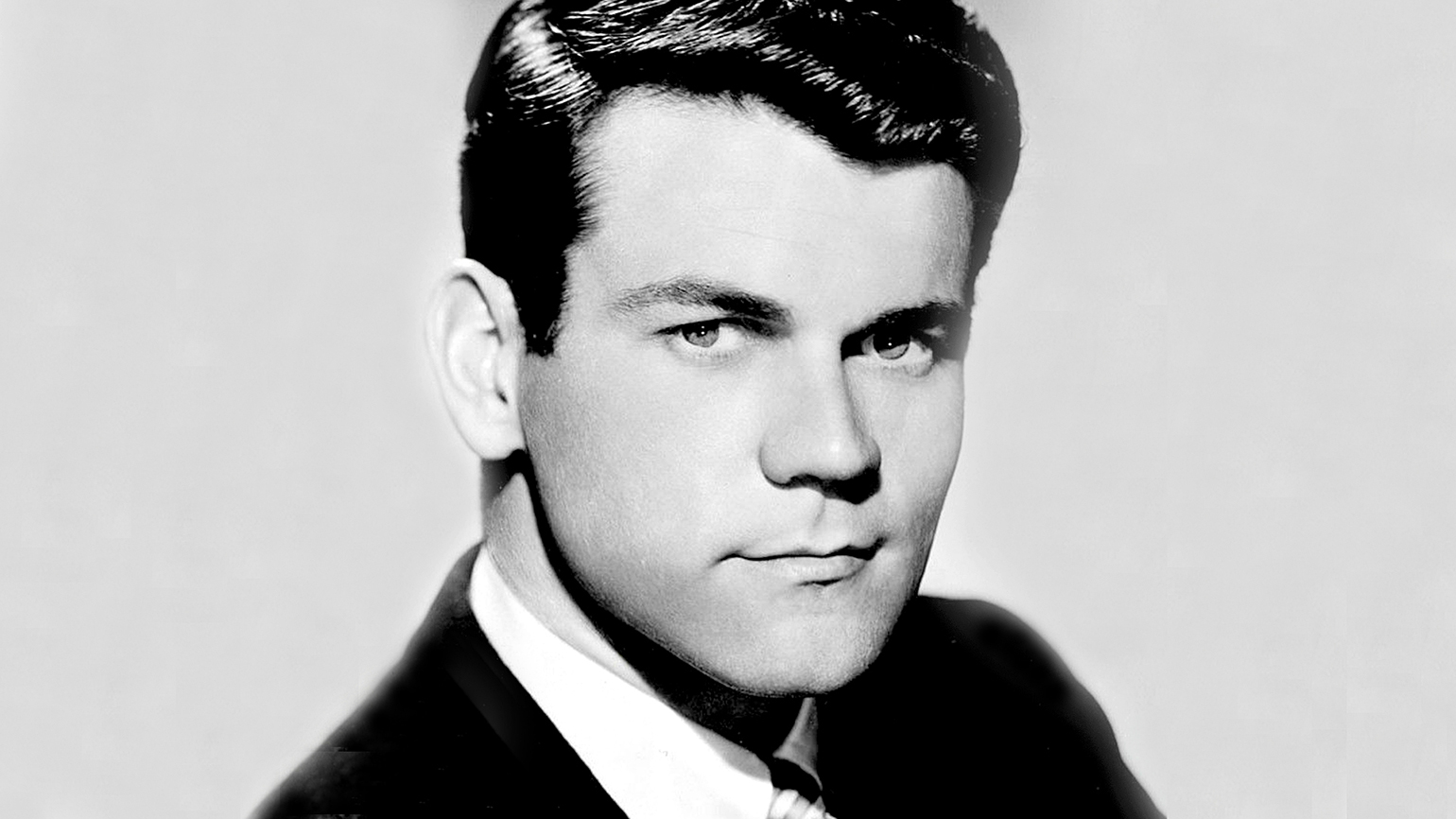
READ MORE: GLEN CAMPBELL ON GOD’S GRACE

At 17, I earned my first money at performing: the $15 first prize in an amateur contest. Then I learned to play the guitar.

In 1954, I attended a radio-announcing school, hoping that becoming a disc jockey might open doors to performing. To earn a living, I sold houseware door-to-door.

I got to know guitarist Luther Perkins and bassist Marshall Grant. We put together an act; we rehearsed a lot; we worked whenever we could, whether or not we got paid. After a year, we agreed that the only way we could find out if we were ready for the Big Time was to audition for somebody big.

We auditioned for Sun Records, which led to our first recording. This led to a two-year contract at the Grand Ole Opry.

We made more recordings. We went on the road. We became known. By 1960 we had advanced enough to put together a show of our own. Then I moved on to the high of pills.

By 1967, I was on the verge of a nervous breakdown, and I knew it. I was usually on a hundred pills a day, but I got no pleasure from them, no peace. I couldn’t stand my life, but I couldn’t find my way out of it.

One day my friends talked to me about entering a mental institution, and the thought of that completely shattered me. I got into my car, well supplied with pills, and headed south. I remember crossing the Georgia border. Next thing I knew, I was staring at a ceiling and an elderly jailer was asking me if I felt better.

I got up. He unlocked the door. I asked, “How did I get here?”

He said, “One of the night men found you stumbling around the streets. He brought you in so you wouldn’t hurt yourself.”

READ MORE: MINNIE PEARL ON RECOGNIZING GOD’S GIFTS

I followed him down a corridor and into his office, and I asked, “How much time do you think I’ll get for this?”

He shook his head. “You’re doing time right now, Johnny, the worst kind.” He handed me an envelope. “Here are your things.” As I was putting things into my pockets, he said, “I’m a fan of yours, Johnny. I’ve always admired you. It’s a shame to see you ruining yourself. I didn’t know you were this bad off.”

I’d heard that sad song before, from concerned friends. I said, “Yeah. Sure.”

He said, “I don’t know where you think you got your talent from, Johnny, but if you think it came from God, then you’re sure wrecking the body He put it in.”

I said, “Yeah. Sure. Thanks. Can I go now?” He nodded.

That morning, as I stepped into the warm sunshine, I took a quick but deep look at my life over the past seven years, and I knew that I was a better man than that.

Maybe it was the reference to God that suddenly cleared my mind. I had been raised by religious parents; faith had always meant a lot to me; I have tried to express it in some of my songs. But until that morning it hadn’t occurred to me to turn to God for help in kicking my habit.

I remembered this: “Know ye not that your body is the temple of the Holy Spirit which is in you, which ye have of God, and ye are not your own?” (I Corinthians 6:19). This helped convince me that I must try to break my habit. But how?

READ MORE: ROY ROGERS ON FINDING FAITH

And I remembered this: God had given me a free will, and I had freely used it in deciding to experiment with the drugs which had now robbed me of it. I realized that to be free again I would need all the will power I could acquire and I knew this power could come only from God, Who had created me free.

I asked Him to go to work on me, then and there.

Back in Nashville, I went to June Carter and Marshall Grant, and I told them, “I’m kicking pills, as of now. I don’t expect it to be easy, so I’ll need your help. See to it that I eat regular meals. See to it that I keep regular hours. If I can’t sleep, sit and talk to me. If we run out of talk, then let’s pray.”

We prayed a lot. I am a free man now, as I have been since that morning when I discovered that I could be once again.

Because of the kind of work I do, it is difficult to sweep past mistakes under the rug. Every once in a while, I meet some youngster who knows I used to be an addict, as he is now, and he asks me what he can do to kick his habit. I tell him what I learned, “Give God’s temple back to Him. The alternative is death.”

For more inspiring stories, subscribe to Guideposts magazine.
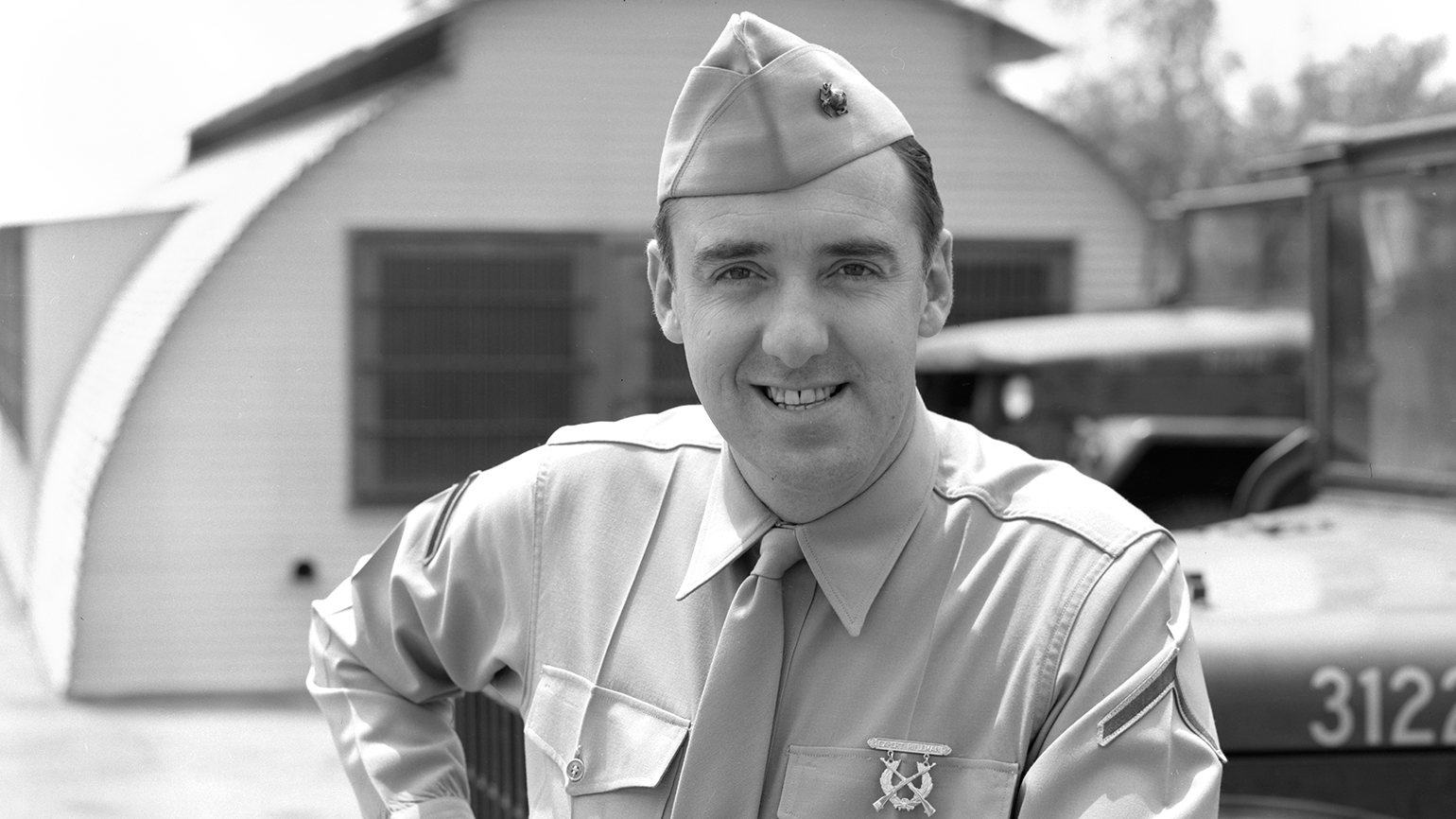
Guideposts Classics: Jim Nabors on Putting God First

When I went home to the little country town of Sylacauga, Alabama, after my dad’s death, I found myself wondering all over again how kids can ever repay all their parents have done for them.

What, for instance, can you pay for being given the love of a town? After Dad’s funeral a Negro woman came up to me. “Son,” she said, “I just got to tell you how much your daddy meant to our family. He kept my two boys out of jail.” Then she burst into tears.

The Lies That Bind In Article Ad

Dad was an officer on Sylacauga’s police force and there wasn’t a more loved man anywhere. He would make about $12 a week, and he was always giving away some of that.

Dad couldn’t stand to see a man sitting in jail on Sunday. He was forever opening the doors and giving some vagrant his freedom and a couple of dollars to help him on his way.

And how can you repay sacrifice? With Dad giving away his money we never had much cash around the house. Mother didn’t complain–she just went to work. She got a job as a waitress in Sylacauga’s truck-stop diner serving coffee and eggs 14 hours a day, seven days a week.

But Mother was glad to do it because she had a dream. “Your daddy and I want you young ones to make something out of yourselves,” she’d say to me and to my two sisters. Our parents saw us through high school and they saw us through college too.

So when I graduated I had a debt to pay. I was starting out with love and sacrifice behind me. To make it all worth their while, I was determined to accomplish great things.

It didn’t work out that way.

I had hoped for a job in advertising. So I packed a suitcase, borrowed a few dollars and moved to New York to start my career on Madison Avenue. I never once got past the receptionist’s desk.

I tried everything I could think of to be less bashful and country. I bought myself some clothes like the gray flannel uniform I saw everywhere. I had my hair cut city-style. I even worked at perfecting an eastern accent. But it didn’t do any good. I ended up with a job as a typist.

I also ended up with a bad case of asthma from the New York weather. So I wrote home that all my education was getting me in New York was the wheezes and that I was moving on.

I’d heard that California was a good place for asthma. Four years after I left New York I was hustling crates around a warehouse in Los Angeles. Four more years passed. I was almost 30 and I’d achieved exactly zero. It was the low point of my life, as far as self-confidence went.

And yet, strangely enough, that time was a high point too. For from another direction life suddenly took on meaning. I’d taken to slipping into the back of St. Paul’s Roman Catholic Church in Hollywood, just to listen to the Mass.

I didn’t understand much of what I saw and less of what I heard, but I sensed somehow that it represented the only thing on earth that really mattered.

Slowly as I went through weeks of instruction, I learned to put a name on a feeling I’d struggled with so many years. It was guilt–guilt because I had not repaid my parents’ investment in me.

And more slowly still God’s answer came forward: We repay our parents not by “succeeding,” but by becoming the completed persons He intends us to be. The day I put Him in the center of my life was the day I took that first step toward becoming a whole person.

And you know, a funny thing happened. When I stopped trying so hard to win success, I relaxed and became plain Jim Nabors from a little country town in Alabama.

I dropped the last pretense of an eastern accent. I dressed the way I wanted. I began doing some of the crazy things I’d always wanted to do, like going to an amateur show nights after work and putting on a little skit.

Hometown folks used to say I had a good singing voice so in my skit I had this country boy with the heavy hillbilly accent suddenly sing an aria from Grand Opera. The audience had as much fun as I did and I was asked to come back.

And then one night Andy Griffith was sitting out front. After the show he asked me to read for a part on his TV program, and I have been in show business ever since.

The person least impressed at this change of affairs is Mother. She comes out to California, off and on, to cook me blackeyed peas and cornbread. She’s glad I’m steadily employed, of course, but she still puts the money I send her in a special bank account in my name, “just in case.”

It’s a good precaution. In Hollywood they say you’ve arrived when they name a sandwich after you. Sure enough, there’s a Jim Nabors’ Special for sale at the studio commissary now: pastrami with tomato.

But I notice that my name on the menu-board is pasted over the name of another actor who “arrived” just a few years ago, and I’m sure someday someone else’s name will be pasted over mine.

That’s why I give thanks every morning of my life that when I found the real Center of things, it was the One Who cannot change.

For more inspiring stories, subscribe to Guideposts magazine.

Guideposts Classics: James Earl Jones on the Importance of Mentoring

Today I am known for my voice as much as for my acting. It has been my good fortune to receive jobs such as the speaking role of Darth Vader in George Lucas’s Star Wars trilogy and the voice-over announcer for CNN cable television. I also narrated Aaron Copland’s Lincoln portrait on a compact disc I recorded with the Seattle Symphony. Perhaps my greatest honor came when I was asked to read the New Testament on tape.

But it took a long time to believe such good things could happen to me. When I was a youngster I stuttered so badly I was completely unable to speak in public.

Witnessing Heaven In Article Ad 827x123

Since I was eight I’d had trouble speaking. It was so bad that whenever I stood up in class to read, the other kids snickered and laughed. I always sat down, my face burning with shame.

I’m not sure what caused my stuttering. Perhaps it was an emotional problem. I was born in Arkabutla, Mississippi, and when I was about five, I moved to live with my grandparents on their farm near Dublin in northern Michigan. It was traumatic moving from the warm, easy ways of catfish country to the harsh climate of the north, where people seemed so different.

BROWSE OUR SELECTION OF BOOKS ABOUT PERSONAL GROWTH

Fortunately, my granddaddy was a gentle man, a farmer who taught me to love the land. He was short and he had a prodigious amount of energy. He even built a church to please Grandmother, a fervent worshiper of the Lord. All sorts of people were invited to our little church; white, black and American Indian came together in a nondenominational fellowship. Granddad’s Irish heritage came out in his love for language; during the week he used “everyday talk,” but on Sunday he spoke only the finest English.

As much as I admired his fluency, I couldn’t come close to it. I finally quit Sunday school and church, not wanting to be humiliated anymore. All through my grade school years, the only way the teacher could assess my progress was for me to write down everything I had learned.

Oh, I could talk, all right. Our farm animals knew that. I found it easy to call the pigs, tell the dogs to round up the cows, and vent my feelings to Fanny, the horse whose big brown eyes and lifted ears seemed to express interest in all I said. But when visitors came and I was asked to say hello, I could only stand, pound my feet, and grit my teeth. That awful feeling of my voice being trapped got worse as I grew older.

Then, when I was 14, Professor Donald Crouch came to our school. He was a retired college professor who had settled in nearby Brethren, a Mennonite community. When he heard that our agricultural high school was teaching Chaucer, Shakespeare and other classics, he couldn’t stand not being a part of our school. So he left his retreat to teach us English, history and Latin.

Donald Crouch was a tall, lean man with gray hair; English was his favorite subject, poetry his deepest love. He’d been an associate of Robert Frost. He held a book of poems as if it were a diamond necklace, turning pages as if uncovering treasures. He memorized a poem every day, explaining that if he ever lost his eyesight he would still be able to savor all that beauty.

When he learned that I not only loved poetry but was writing it, we found a kinship. There was, however, one difficulty between us. Professor Crouch (we always called him that) could not stand the fact I refused to read my poems to the class.

“Jim, poetry is meant to be read aloud, just like sermons,” he pressed. “You should be able to speak those beautiful words.”

I shook my head and turned away.

Then he tricked me. I labored long and hard on a poem, and after handing it in I waited expectantly for his critique. It didn’t come. Instead, one day as the students assembled, he challenged me. “Jim, I don’t think you wrote this.”

I stared at him in disbelief. “Why,” I started, anger flooding me, “’course I did!”

“Well, then,” he said, “you’ve got to prove it by getting up and reciting it from memory.”

By then the other students had settled at their desks. He looked at me meaningfully and nodded. With knees shaking, I walked up before my peers.

“Jim will recite his latest poem,” announced Professor Crouch.

For a moment I stood breathless. I could see smirks and wry smiles on some faces. Then I began. And kept going. I recited my poem all the way through—without hesitation or fault! I stood amazed and floated back to my desk in a daze, amid wild applause.

Afterward, Professor Crouch congratulated me. “Aha,” he said. “Now we have something here. Not only will you have to write more poetry and read it aloud to know how good it feels, but I’m sure that you will want to read other writers’ poetry before the class.”

I was dubious about that, but said I’d try.

Soon I began to discover something other stutterers know. Most have no problem singing because the lyrics’ rhythmic pattern flows by itself. I found the same cadences in poetry, and before long my fellow students actually looked forward to hearing me recite. I loved the rolling beat of The Song of Hiawatha, especially since I had Indian blood in my veins. “By the shores of Gitche Gummee,” I recited. “By the shining Big-Sea-Waters…”

I discovered I did have a voice, a strong one. Under Professor Crouch’s tutelage, I entered oratorical contests and debates. He never pushed anything at me again; he just wanted all his students to wake up. He never even pressed us with religion but figured if we did wake up we would find God, find our calling and, in so doing, find life.

As my stuttering disappeared, I began dreaming of becoming an actor, like my father, who was then performing in New York City. No one in my family had ever gone to college. But encouraged by Professor Crouch, I took exams and won a scholarship to the University of Michigan.

Like this article? Sign up for “Your Weekly Inspiration”,  a weekly newsletter of Inspirational stories of hope and faith – Click Here.

There I entered the drama department and after graduation fulfilled my ROTC responsibility by serving with the Army’s Cold Weather Training Command on mountain maneuvers in Colorado. It was in the Army that a Jesuit chaplain helped me understand who God really was and opened the door to which Professor Crouch had led me.

Later, on the GI Bill, I signed up with the American Theatre Wing in New York and supported myself between roles by sweeping floors of off-Broadway stages. In 1962 I earned an Obie for my role in an off-Broadway production of Othello, and have been an actor ever since.

Meanwhile, I always kept in touch with my old professor, by letter and telephone. Every time we talked it was always, “Hi, Jim. Read any good poetry lately?” He was losing his sight and I remembered his early explanation of why he had memorized poetry. In later years when I was doing Shakespeare’s Timon of Athens at the Yale Repertory Theatre in New Haven, Connecticut, I phoned him. “Can I fly you in from Michigan to see it?”

“Jim,” he sighed, “I’m blind now. I’d hate not to be able to see you acting. It would hurt too much.”

“I understand, Professor,” I said, helped in part by the realization that though my mentor could no longer see, he was still living in a world vibrant with all of the beautiful treasures he had stored.

About two years later I learned Donald Crouch had passed on. I thanked God for all the professor’s help and friendship.

And so, when I was asked to record the New Testament, I really did it for a tall, lean man with gray hair who had not only helped to guide me to the author of the Scriptures, but as the father of my resurrected voice, had also helped me find abundant life.

For more inspiring stories, subscribe to Guideposts magazine.
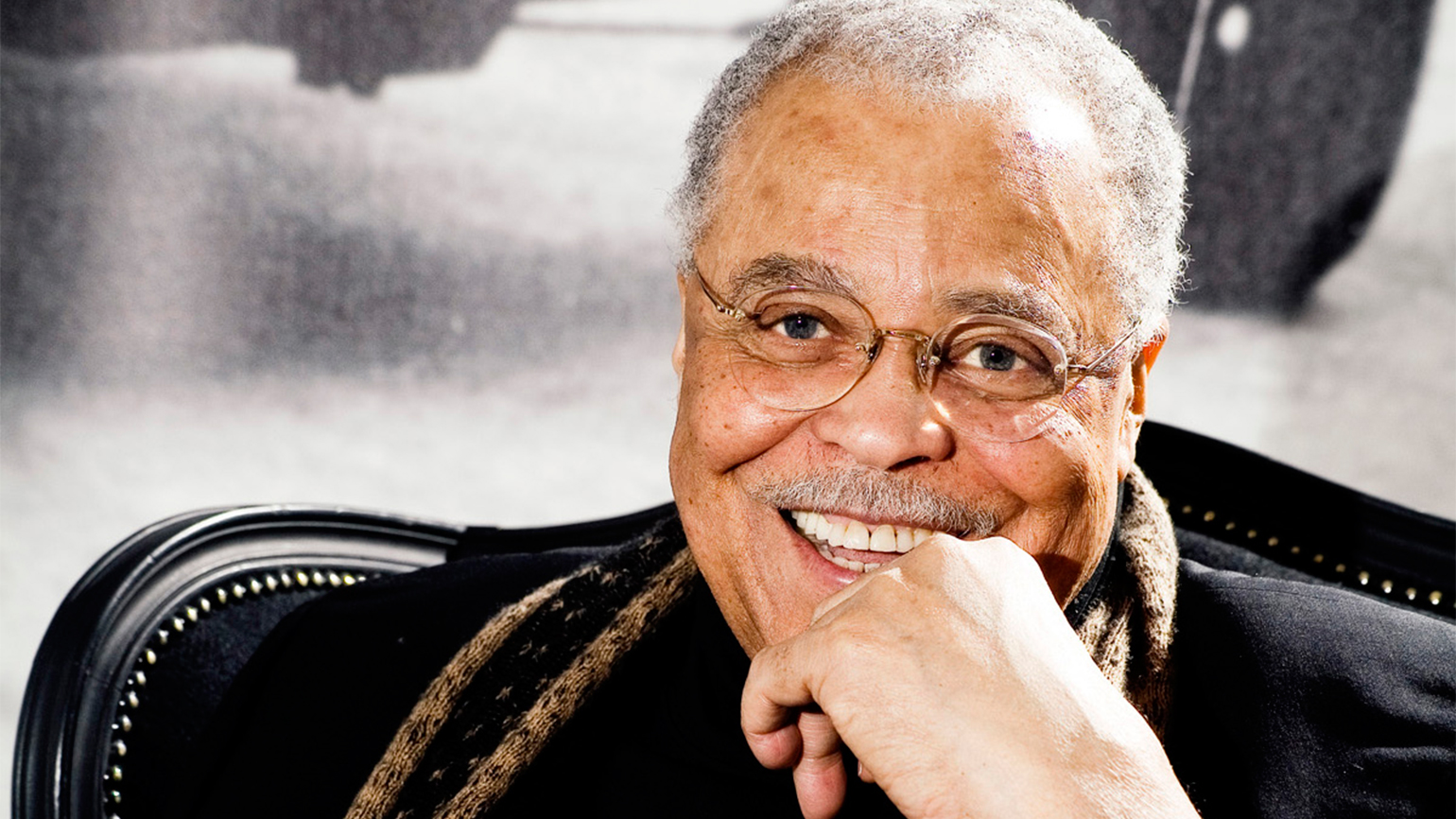
Guideposts Classics: Harold Russell on a Soldier’s Faith

It sometimes takes cold, black disaster to inspire one to achieve the heights of success.

But for my accident I would now be back at my pre-war job as butcher. Instead, I have been in motion pictures, on the radio, subject of magazine articles—but best of all, I have had a chance to show other disabled veterans like myself that it is possible to bounce back from utter despair to undreamed-of success and happiness.

Faithful Paws and Purrs In Article Ad

On that black June day in 1944 when I lay on a hospital bed, looking down at two big bandages where my hands used to be, I frankly thought it meant the end of useful living for me. What can I do now, I asked myself bitterly? Probably just live out my years on an Army pension.

ENJOYING THIS STORY? SUBSCRIBE TO GUIDEPOSTS MAGAZINE!

This self-pity and despair didn’t last very long though. There is something in most people that won’t let them take defeat lying down. Call it anything you like, but to me it is faithfaith in God and in myself, faith that I can always rise from every setback. A man is licked without this.

At Walter Reed Hospital there was no funeral atmosphere. Nobody pitied himself or anyone else. A guy with both legs gone was called “Shorty;” a man with but one leg, “Limpy;” and a soldier with only one arm, “Paperhanger.” As for me—I was “Hooks.” This may sound grim, but we had to develop a sense of humor, and this was the best way to do it.

My first reaction to the hooks, which were to serve as my hands, was one of dismay. The first day I tried them on, it was worse—it was torture. Unable to make them do anything, I was ready to give up. But the next day I tried again —and kept on trying until I made them work.

My first experiences out of the hospital were also trying ones. Those I met with a sense of humor were most helpful. Take the little old lady to whom I sold meat before the war. When she saw me, she broke out with: “Oh, you poor boy.”

Then, realizing that this was the wrong approach, she stopped and chuckled, “No wonder you lost your hands. Goodness knows you sold them to me often enough weighing my meat. They didn’t belong to you anyway; I bought them many a time with my potroasts.”

I liked that reaction—frank and sassy.

The two chaplains in our hospital were two of the finest representatives of God I have ever known. They realized that it wasn’t enough to simply tell us to have faith; we had to be shown how to apply faith in overcoming our handicap.

In their talks with us these chaplains had many a sharp, realistic question fired at them. They never tried to duck the “hot ones.” With patience and understanding they answered everything as best they could—and their best was of real comfort to me and to the others.

There were Protestants, Catholics and Jews in our ward, but no one was concerned as to who belonged to what church. There may have been atheists there, but I doubt it. Certainly there were some who had grave doubts as to God’s justice in view of their own calamity. I know I never gave up on God, and I don’t believe anyone else did either—really.

I have found that you can’t tell how religious a man is by what he says, or does.

Before my accident I recall during our combat training that religion never showed much on the surface, but was very much there under the surface. All of us put up a tough front. We belonged to the school of realism. War was rough, so our actions and talk had to be rough—we figured. And the paratroops, I can safely say, were the toughest bunch of all.

One man in our company, Big Joe, was the most awesome physical specimen I have ever known. Huge in stature, a calloused hulk of muscle, Big Joe swore furiously, drank mightily and was ready to fight at the drop of a hat. He might have been Satan himself as far as the others were concerned, but I knew different.

On our practice jumps I sat next to Big Joe in the plane and jumped right behind him. As the tense moment arrived just before we were to go spilling out into space, I could see Big Joe’s face relax. It grew gentle, serene, and his lips moved in a quiet prayer. At this moment I think he felt very close to God. But once on the ground, he was a man of fierce action again, ferocious, grim, the Devil himself.

Not all soldiers concealed their religion with such camouflage. I know of one soldier—we’ll call him Steve—who did just the opposite. He was friendly, brimming with good humor, a thorough extrovert in every sense. To appreciate this story, you must get the picture of the inside of an Army barracks. Bunks are lined up on either side, sometimes as many as thirty on one floor. Privacy simply doesn’t exist.

In the evening just before lights went out, there was always a terrific hubbub … men coming in from pass, loud arguing, singing and constant traffic back and forth to the shower. Steve was always right in the middle of the loudest argument or the noisiest singing—until he saw time running short. Then he would break away and hustle out of his clothes.

But just before he climbed into bed, he always knelt quietly with folded hands at the side of his bunk … and prayed.

The noise, the bright lights, the confusion never bothered him. No one ever made fun of him or kidded him for it. In fact, underneath, these hard-bitten men admired and respected him for his open faith. To them it represented real courage in the face of possible ridicule. But I actually believe that Steve never felt that he was being conspicious. To him it was the right and natural thing to do.

The first occasions when he kneeled by his bunk there was no let-up in the noise about him. The men simply took a quick, surprised glance at Steve, then looked away. But after several nights there was a noticeable lull while he prayed. Voices died down, horseplay subsided until he had finished. It simply didn’t seem right to be kidding around during those few moments.

I mention these few experiences because I have heard so many people say that the youth of today are turning away from religion. Nothing can be farther from the truth. What many people consider irreverence on the part of youth is merely impatience—impatience with churchmen who won’t take more initiative in working out some of the post-war problems.

Young Americans—especially veterans of the past war—want to see the men of God roll up their sleeves and tackle such problems like these same ex-servicemen tackled the problem, say, of demolishing an enemy pillbox. Just talk isn’t enough. They want action!

My chance to act the part of Homer Parrish in The Best Years of Our Lives was one of the finest things that will ever happen to me. Not because it made me a Hollywood celebrity, but because it gave me a chance to show thousands of other disabled people that a handicap can give them the necessary impetus to achieve more than if their calamity had never happened.

I know this to be true with many others beside myself. A close friend of mine was a great athlete before he lost both legs. This blow changed the course of his life, and now he is a brilliant lawyer with a great future before him. He admits that but for this accident his present achievements would never have been realized.

There are hundreds, thousands of similar cases. And they were all able to rise from the depths, I feel sure, not only because they had courage, but because they also had a great source of inner power—religious faith.

For more inspiring stories, subscribe to Guideposts magazine.

Guideposts Classics: Fred Rogers on a Grandfather’s Love

The rain beat relentlessly against the windshield as we sped down the highway to Mercer. Pennsylvania. Mother sat next to me in the front seat. Since leaving from Pittsburgh nearly an hour ago, we had barely said a word.

It was 1952, and Ding-Dong was dying.

Pause & Pray In Article Ad

Ding-Dong was my grandfather, Fred Brooks McFeely, my mother’s father—and one of my best friends for as long as I could remember.

He earned his nickname years ago one sunny afternoon when he plunked me down on his sturdy lap to teach me the old nursery rhyme. “Ding Dong Dell.” The name stuck.

ENJOYING THIS STORY? SUBSCRIBE TO GUIDEPOSTS MAGAZINE!

I was grown up now, two years out of college and working in New York for NBC television. Just yesterday Mother had telephoned me at work with the news of Ding-Dong’s illness. Well into his 80s, he’d been in a nursing home for several years. In recent months. however, his condition had worsened.

“The doctors say it’s just plain old age,” Mother had explained to me quietly. “They say he’s fading fast.” There was a long pause. “Do you think you could come home, Fred? I think we should visit him as soon as possible.”

I made plans to fly from New York to Pittsburgh that evening.

In one sense, it was good to get out of the city. Lately it seemed that nothing had been going right. When I first graduated from college and arrived at NBC, I was a starry-eyed idealist—bursting with enthusiasm for the potential I felt that television held not only for entertaining, but for helping people.

I was particularly interested in children’s programming. But these were the early days of television and there didn’t seem to be much interest in such things.

So my goals seemed to be shifting—and this bothered me. I really didn’t know where I was going, or why. My self-confidence had sunk to near-zero. And never had I felt so far away from God.

I’d taken to stopping by St. Patrick’s Cathedral on Fifth Avenue for morning prayer before going to work. Mostly, I prayed for guidance. But I was still uncertain and confused…

“Fred,” my mother interrupted my thoughts as our car continued on the wet highway. “He might not know you.”

“What?” I asked.

“Your grandfather,” she answered. “He’s all mixed-up. He doesn’t know what day it is. Sometimes he doesn’t even know where he is.”

I felt my throat tighten. Poor Ding-Dong.

“But he is happy,” Mother went on. “And he loves to watch television.”

“He does?”

“Yes, he loves to watch TV—especially The Kate Smith Hour. He knows that’s one of the shows you work on. And from what I gather, he’s forever telling everyone in the home about his grandson in New York City. He’s so proud of you, Fred. You’re special to him. You always have been, you know.”

I nodded silently.

READ MORE: BOB KEESHAN ON SHARING

Listening to the rhythmic sound of the windshield wipers, I let my thoughts travel back to childhood …

As a youngster, there was nothing I liked better than Sunday afternoons at Ding-Dong’s rambling farm in western Pennsylvania. Surrounded by miles of winding stone walls, the rustic house and red brick barn provided endless hours of fun and discovery for a city kid like myself.

I was used to neat-as-a-pin parlors with porcelain figures that seemed to whisper, “Not to be touched!”—to clean, starched shirts and neatly combed hair warning, “Not to be mussed!”—and to the inevitable wagging of an adult’s “Don’t do that, you might hurt yourself!” finger.

I could still remember vividly one afternoon when I was eight years old. Since my very first visit to the farm, I’d wanted more than anything to be allowed to climb the network of stone walls surrounding the property.

My parents would never approve. The walls were old; some stones were missing, others loose and crumbling.

Still, my yearning to scramble across those walls the way I’d watched other boys do grew so strong that finally, one spring afternoon, I summoned all my courage and entered the drawing room where the adults had gathered after Sunday dinner.

All were chatting softly, sipping cups of tea and coffee. I cleared my throat. No one seemed to notice me.

“Hey,” I said hesitantly.

Everyone noticed me.

“I, uh—I wanna climb the stone walls,” I said. “Can I climb the stone walls?”

Instantly a chorus went up from the women in the room.

“Heavens, no!” they cried in dismay. “You’ll hurt yourself!”

I wasn’t really disappointed. The response was just as I’d expected. But before I could leave the room, I was stopped by Ding-Dong’s booming voice.

“Now hold on just a minute,” I heard him say. “So the boy wants to climb the stone walls? Then let the boy climb the walls! He has to learn to do things for himself.

“Now scoot on out of here,” he said to me with a wink. “And come see me when you get back.”

“Yes, sir.” I stammered, my heart pounding with excitement.

For the next two and a half hours I climbed those old walls—skinned my knee, tore my pants, and had the time of my life. Later, when I met with Ding-Dong to tell him about my adventures, I never forgot what he said.

“Fred,” he grinned, “you made this day a special day, just by being yourself. Always remember, there’s just one person in this whole world like you—and I like you just the way you are.”

I wondered now if he ever knew how important that day—and his words—had been to me. I wondered if there was any way I could ever repay him…

The rain was letting up as we drove in the main drive to the neat clapboard cottage where Ding-Dong stayed. A white-uniformed nurse answered the door. “Mr. McFeely’s had a nice day,” she said as she let us in. “He’s watching TV now. Kate Smith’s show is on. It’s his favorite program.”

“Ding-Dong?” I said, peering into the dimly lit room. He was sitting in a chair next to the bed.

“Ding-Dong?” I hardly recognized him. He was so tiny, so frail and bent. He lifted his head.

“Hello,” he said, extending a feeble hand. “Hello, young man. Have a seat.” He motioned to a nearby chair.

“Have a seat,” he repeated, “and watch this show with me. This is Kate Smith. This is a fine show.”

I sat in the chair and watched the program. When the commercial came on, Ding-Dong said, “You know, young man, this television’s a mighty great invention, I’ve got a grandson in New York, and he told me all about it. He’s something, that boy. And he’s going to do great things in television. Yes, he is.”

Ding-Dong was smiling, his blue eyes twinkling ever so faintly.

“Yes,” he went on, “I’ve got quite a grandson. Would you like to meet him?”

It was obvious Ding-Dong didn’t recognize me. But that was all right with me. Wherever in time or place Ding-Dong was in his weary old mind, t just wanted to let him be. All I could hear were his own words echoing in my head:

There’s just one person in the whole world like you. And I like you just the way you are.

“That’s some grandson you’ve got,” I said. “You know, I believe he is going to try to do good things in television. He sure cares a lot about you. You’ve helped him understand some of the most important things in life.”

Ding-Dong smiled and nodded. He seemed very happy, but he was tired. He asked to be put to bed. The nurse helped him up from his chair. Mother and I tucked him in. We chatted a bit more and then sat quietly until he fell asleep.

On the way home, we were silent. But I felt strangely happy inside—somehow peaceful. Something very special had happened that afternoon. In a very personal way, God had answered my prayers.

I was beginning to understand what it was He wanted me to do with my television career: He wanted me to offer children the same kind of reassurance, encouragement and sense of self-worth that Ding-Dong had given me.

I didn’t know exactly how or when the right opportunities would arise, but I felt confident now that I would be ready to meet them.

A few weeks later, I received an invitation to leave New York and join a small educational television station in Pittsburgh that was looking for a person to develop new programming.

I jumped at the chance. And it was from those small beginnings—hand-built sets, props and puppets—that the themes and characters that now populate Mister Rogers’ Neighborhood evolved.

That was 26 years ago. Today, through the wonder of television, Mister Rogers’ Neighborhood is visited each day by millions of children throughout America and other lands.

There have been changes over the years; characters and special guests to the Neighborhood come and go. But one thing—my message to the children at the close of every show—remains the same.

“There’s just one person in the whole world like you,” the kids can count on hearing me say. “And people can like you just the way you are.”

Ding-Dong, I know, would agree.

For more inspiring stories, subscribe to Guideposts magazine.
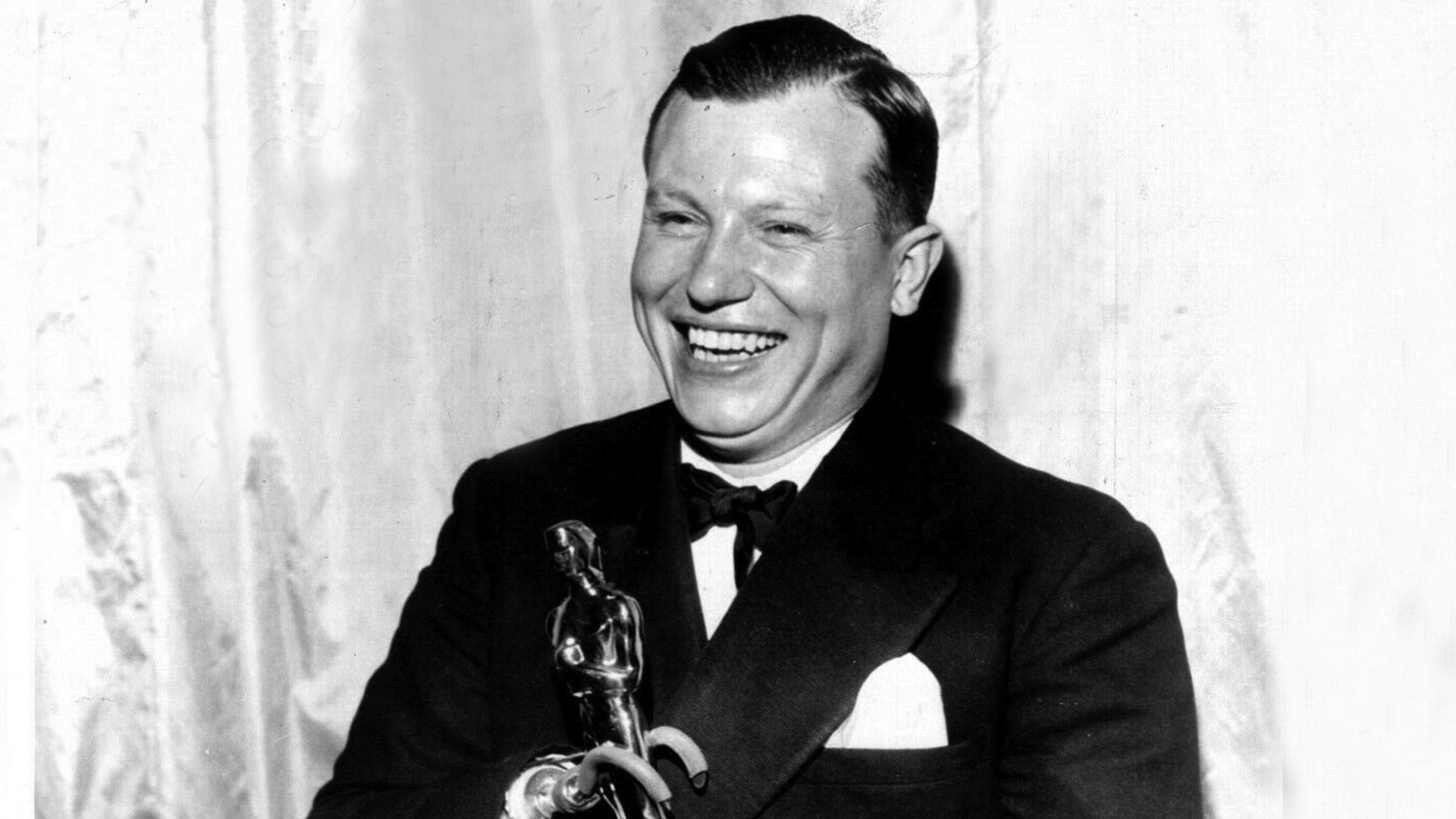
Guideposts Classics: Douglas MacArthur’s Favorite Thanksgiving Story

In 1908 Hachiro Yuasa, a 17-year-old Japanese boy, said goodbye to his parents and sailed for the United States. Raised in an earnest Japanese Christian family, Hachiro had long dreamed of coming to America to live the simple, Christian life of an American farmer and, later, to get his university education.

On ship, thin, young Hachiro composed an imaginary letter telling of his long-awaited arrival in California. He pictured his father at dinner, holding the letter, as he bowed his head for grace:

You Got This In Article Ad

“Our Heavenly Father, we come together again, as a family. Yet one of us is away. May Hachiro’s presence be with us through the warm letter he has written. In Christ’s name…”

ENJOYING THIS STORY? SUBSCRIBE TO GUIDEPOSTS MAGAZINE!

But Hachiro didn’t write that letter—not for eleven years. His words about America always seemed to come out bitter. He did not find the Christianity he expected. In the restaurants no one said grace. Once, at a YMCA, he laid his pocket change on a dresser in the men’s dorm before going out to look for a job. When he returned, the “Y” secretary gave him a stern lecture about the care of money.

“But why?” Hachiro wanted to know. “Isn’t this the Young Men’s Christian Association?”

And where was this respect for individuals? California in 1908 was not an easy place for a Japanese person to live. Prejudice ran high. In time, Hachiro did find work picking cherries in the fruit fields near San Jose; but his hours were from sunup to sundown and, at irrigation time, far into the night.

Evenings, when he wasn’t working in the fruit fields, he would wash dishes in the farm kitchen. There, he attacked the pots and greasy water that were to become such a part of his life.

Standing over the sink full of dirty dishes and some of his own tears, he again composed in his mind a letter about America. But again he did not write it, because it would be bitter:

“I am not a brother to Americans. Our working crew is Japanese. Only the foreman is American. He spoke to me once. He said: ‘See? Them too green. No pick ‘em.’

“But I feel better now. I have formed a layer of ice around my heart which protects me.”

After two years of farm labor during the day and dirty dishes at night, Hachiro realized he was not making the headway in English he would need to enroll in an American university. So, in 1910, still thin and frail, Hachiro Yuasa moved to Oakland and went for a few months each to grade school, then high school.

He supported himself by house cleaning, window washing, and lawn mowing, at 25¢ an hour. He was a silent young man, moving solemnly about his chores. Hachiro liked the mechanical work—he didn’t have to talk to anyone and it gave him a chance to practice his verbs:

“I am cutting the lawn, you are cutting the lawn…I mow, you mow, he mows. We mow the lawn…”

Learn more about Veterans Awareness Month and what you can do to help.

At the end of four years in this country, Hachiro, thinner than ever, had put aside seven $10 gold pieces and learned enough English to be accepted as a freshman at Kansas State. He had reached his goal, but he wasn’t ready, even yet, to let the ice melt from his heart.

For one thing, the only work he could find was washing dishes again and cleaning floors.

Each morning Hachiro swept out laboratories in the school’s Department of Entomology. Through sheer loneliness, he went over each bit of floor three times to wipe up every speck of dust.

In time, he was given work, grinding up bones for laboratory examination. But he grasped at the opportunity, instantly buried himself in his science, still making no friends and, now, wanting none. Cut off from the human life around him, memories of the old dream about an individual’s dignity were stuffed into a forgotten corner of his mind.

What letters Hachiro’s family had from their son were brief and contained little about America.

Eleven years passed.

While Yuasa was doing graduate work in Urbana, Illinois, the Reverend and Mrs. Roger Augustine of that town decided to share their Thanksgiving with a foreign student. Hachiro was invited.

Hiding behind a shell of scholarly and scientific reserve, Hachiro arrived at the modest home. But at the door he was greeted by a real smile, and Mr. Augustine took Hachiro’s hand in both of his.

Hachiro smiled back reluctantly, on his guard.

Dinner was ready. He sat down at the table with the family of four: mother, father, and two children. Behind a set smile, Hachiro was watching closely for the first sign that they might be fooling…Perhaps they really wanted him to do the dishes.

Then, carving knife in hand, the father bowed his head.

“Our Father: We have come together strangers. Let us part forever friends.”

They meant him! Struggle as he might against it, memories came flooding back of Hachiro’s own family. Grace before meals. The warm, close-knit family circle.

He looked at the faces around him. There could be no doubt about it: these people liked him, wanted to know him, thought of him not as Japanese, but as a person. An individual.

That night Hachiro wrote to his mother the letter about America he had put off for so many years.

“I was wrong when I looked for a whole government or a job or a school to respect me as an individual,” he wrote. “This is not where to find Christianity. Love and kindliness are things that happen inside each separate man. The individual, the person-to-person relationship—that is the important thing.”

Hachiro soon began to find friends. He told one of his instructors about a research problem that had been bothering him. The professor said, “Drop up to my house tonight, and we’ll go over it. I’m glad you asked me. I’ve been interested in your work.”

He told a fellow graduate student he hadn’t made many friends. “We’d like to have you in our science fraternity,” said the young man. “But you always seemed so busy.”

When Hachiro completed his work at the university, he had a new goal firmly rooted in his mind: show Japan the importance of the individual human being.

Hachiro returned to Japan in 1924 and took a post as professor of entomology at Kyoto Imperial University, the center of Japan’s scholastic life. But while his reputation as scientist and teacher quickly soared, his own dissatisfaction with the kind of education offered at Kyoto grew, too.

The formal, stereotyped schools in Japan offered no chance for the personal relationships that Yuasa had found all-important. There was no discussion, no questioning of what was spoken from the lectern. Student and teacher were separated by an impassable gulf of formality.

Finally, Yuasa could stand it no longer. He spoke out against god-shelves in school rooms, the bowing to Imperial Portraits. He took a stand for Christian principles. Young students, feverish over Japan’s successes in China, reported him to their military instructors. Hachiro began to see his name chalked on the walls:

“Down with the traitor Yuasa!”

Forced to resign, Yuasa left Japan for America. Many of his friends think it was just in time. During the years of World War II that followed, it seemed to Dr. Yuasa that his life was a failure…

Five months after the bomb was dropped on Hiroshima, Dr. John MacLean, minister of a large church in Virginia, got up and made a suggestion that the United States, by some act of love, show the world a Christianity more powerful than war.

His idea spread, and the “act of love” soon focused on a new kind of university for Japan, the International Christian University. Plans were drawn up.

The school would be for students of all faiths, an experiment in stressing the importance of the individual in contrast to the dictatorship teachings of pre-war Japan. Living-rooms in faculty apartments, for instance, would be over-sized to encourage informal discussion groups right in the professors’ homes.

On school property was planned a cooperative farm. Allowing professors to pitch in and work with their hands beside the students would develop a new kind of relation to authority.

On-campus dormitories would teach students to make friends more easily in a democratic situation.

Before long the proposed university had the backing of more American churches than had ever before cooperated on a single project. Help came, too, from labor and from management; from pacifist Quakers and from military men; from liberals and from conservatives.

In Japan, meanwhile, the response to the idea of this new school has been amazing. Out of a crippled economy, Japanese people in 1949 raised over 160 million yen (about $450,000) for the building fund, 95% of the money coming from non-Christians. This interest by Japanese of all religious faiths is very significant.

Ironically enough, the site chosen for the school was where an aircraft factory turned out fighters during the war, a few miles from Tokyo. There, last April, the entire Orient watched as International Christian University was formally opened amidst much fanfare.

But for one man the real christening of the University is taking place this month. On campus and in his home he is celebrating Thanksgiving dinner. And into his home he is inviting students to share the close personal companionship.

It will be a new experience for these young students to be personally sought out by such an important man, a man who learned about individual freedom at the grass roots level of America, the man who was unanimously chosen President of this great university experiment…Hachiro Yuasa

Did you enjoy this story? Subscribe to Guideposts magazine.

Guideposts Classics: Don Murray on Standing Up for His Beliefs

Six years ago I discovered that the test of my convictions was how much I would be willing to sacrifice for them—even if it meant jail.

While registering for the draft in 1952, I said that I would serve in any capacity that was not part of the military.

God's Constant Presence In Article Ad

When called up, I restated my convictions. But I had a great deal of difficulty in establishing my points because I was so healthy, and I was an actor. They fingerprinted me, photographed me, and booked me on a charge of violating the draft act. I faced a $10,000 fine and five years in prison.

READ MORE: SHIRLEY LONES ON FATHERLY LOVE

Though I had no money, a lawyer agreed to represent me for a nominal fee because he believed me. During the next 30 days, until my trial came up, I was thoroughly investigated by the FBI, and faced a grueling cross-examination by a suspicious and hostile prosecutor.

During that day of interrogation the prosecutor tried hard to talk me into avoiding all the trouble by accepting induction; I told him I couldn’t because of my beliefs.

“What are your beliefs?” he demanded.

“One way of putting them,” I answered, “is that the teachings of Christ, and my own human experience, convince me that nothing is gained by violence and killing except more violence and killing.”

“Don’t you think you could be wrong?” he asked.

“It’s true I could be wrong,” I said, “but it’s absolutely what I believe to be right. And if I didn’t have the faith and the courage to stand by what I believe to be right, then I’d betray the heart of my own character and my own human soul. And I’d betray all those in my country who have taken a stand on conscience and have suffered, and even died for it, but persevered.”

He said nothing, and left.

READ MORE: RICARDO MONTALBAN ON THE POWER OF PRAYER

When my case came up, the prosecutor refused to prosecute. He told the court he was convinced I was telling the truth, and there would be no point in sending me to jail.

I first sensed an abhorrence for violence when I was a kid in high school, a feeling that grew steadily stronger in the years after. Somehow I learned early in life that there are simpler, more satisfying ways of settling conflicts than resorting to physical strife.

For instance, my father is a Catholic and my mother a Congregationalist; both are active in their own churches. Yet each of my parents has held strongly to his or her religious belief in a spirit of real understanding, one for the other, with that deep love which is the beginning of all understanding. This was a lesson for me to learn and profit from in my own home.

After my experience with the draft board, I found there were ways I could serve my country other than by fighting. I volunteered with the Church of the Brethren for overseas duty. In their training sessions, the Brethren impressed me tremendously as people who freely give a portion of their lives to make themselves useful to others.

And when Bob Richards, Olympic pole vaulting champion and a minister of this church, talked during our training periods, I made a commitment to try to lead my life that way. Later I, myself, joined the Church of the Brethren.

I was assigned as a laborer in German refugee camps for one year, and then I spent 18 months in Italy, first among the homeless and often lawless street orphans, and finally in the refugee camps around Naples.

These refugees were of all faiths: Protestant, Catholic, Jewish, Mohammedan, and even Buddhist. All of them had run from tyranny of Nazism or Communism and ended up behind barbed wire. They had been in the camps from eight to ten years and, not allowed to hold jobs outside, had led idle, almost vegetable existences.

My main tasks were to teach them English, and to organize other activities. But I soon realized that primarily I had to give them a reason for getting out of bed in the morning. Refugee camp life had destroyed them as normal human beings, for spiritually, they were dead.

It took six months before I even could start to dispel their apathy. The first advance came when trips were organized outside the barbed wire. Then, when I learned that they could make objects with their hands, beautiful things of wood, leather, and metal, this was encouraged.

But their handicraft had to be appreciated by others, too. Where could we get these items sold? A plan was worked out with the Navy wives who put on a bazaar to sell the wares, and the refugees entertained at the bazaar too. It was amazing. The camps came alive.

READ MORE: PATTY DUKE ON TRUSTING IN GOD

At Christmas I suggested we put on a show, just the story of Jesus in English, with a few carols. The permanent staff had a few doubts about the idea, but let me go ahead. About 1,200 of the refugees came streaming in, some of them in protest. I held up my hand and shouted above the din—in Italian. They quieted down, I think, just to see if I could speak Italian.

My little speech concerned respect for the story of Jesus regardless of their own different faiths. Maybe they listened because they knew I could have gone home before Christmas, but had volunteered to stay among them six months more. Afterwards, however, they listened intently to the little play.

Oh, there were victories like this, but the whole thing was a humbling experience because I felt so terribly inadequate. Maybe the greatest thing that happened to me was that I did feel so useless. Sometimes I thought I reached some of them. Other times I doubted it.

One person who made me doubt that I had reached any of them was a brilliant fellow, of about my age. He had good looks and an Olympian physique, but one of his legs was badly crippled from polio. He was bitter and belligerent.

After 18 months in the camps it was clear to me that the only thing that could help the refugees was a sensible plan for immigration. Just before I left, I took a census so I could tell their stories and help them in some way when I got back home.

While interviewing this young, crippled fellow, I asked him the usual questions: how he came to the camp, how he existed there, what he thought of his future. That last question put still greater bitterness in his bitter smile. He started to leave, then turned and said:

READ MORE: DEAN JONES ON GOD’S PEACE

“I don’t understand you. You are an American. You come from the land of big cars and refrigerators. But you walk around camp in one shabby suit of clothes, eat what we eat, and have nothing more than we have, though you probably could have much more. Yet you seem to be happier than the American officials and tourists who have all the things we do not have.

“I am afraid for you. I am afraid that the things I’ve lived through, and the things you have taken it upon yourself to live through, might destroy you and your happiness as it destroyed me. Why did you ask for this? Why did you come here?”

I knew at this moment, that for my own soul at least, everything I had tried to do in the camps hinged on my answer. Yet I could only answer what I felt and knew:

“I am an American, yes, but there is more in America than big cars and refrigerators. There is a faith, too. There are Americans who remember that they are children of God. And maybe in different ways, you and I are trying to be among those children.

“I came here because I am a Christian and believe in the power of non-violence. And as a Christian I should serve wherever there is despair and suffering. As a Christian, I also believe despair and suffering can be ended without violence through the power of Christ’s love for us. That has kept me in these camps although I have often wanted to run from here.”

The bitter smile left his face. He became very intense. “The cynical part of me knows you are naive,” he said, “and one day you will die the kind of death that destroys all innocence. Yet, there is still a spark of the idealist in me, and with that spark I pray that your hopes and dreams will escape that kind of death.” And he walked out.

“And with that spark I pray…”

The words echoed and swelled in my heart. I had reached him, and I knew that what I had tried to do was not without purpose.

There is always heartache in an unpopular stand though you know it is right. But there can be triumph too, when you do not compromise that right.

For more inspiring stories, subscribe to Guideposts magazine.

Guideposts Classics: Diane Sawyer on Aiming High

Many of us, I think, can look back and recall certain specific moments in our lives that take on greater importance the longer we live.

“The past has a different pattern,” T.S. Eliot wrote, when viewed from each of our changing perspectives.

Pray A Word a Day - 2023 In article

For me, one of those moments occurred when I was 17 years old. I was a high school senior in Louisville, Kentucky, representing my state in the 1963 America’s Junior Miss competition in Mobile, Alabama.

Along with the other young contestants, I was doing my best to hold up under the grueling week-long schedule of interviews, agonies over hair that curled or wouldn’t, photo sessions, nervous jitters and rehearsals.

In the midst of it all, there was one person who stood at the center—at least my psychological center—someone I viewed as an island in an ocean of anxiety.

She was one of the judges. A well-known writer. A woman whose sea-gray eyes fixed on you with laser penetration, whose words were always deliberate. She felt the right words could make all the difference. Her name was Catherine Marshall.

From the first moment I met Catherine Marshall, I was aware that she was holding me—indeed all of us—to a more exacting standard.

While other pageant judges asked questions about favorite hobbies and social pitfalls, she sought to challenge. She felt even 17-year-old girls—perhaps especially 17-year-old girls—should be made to examine their ambitions and relate them to their values.

During the rehearsal on the last day of the pageant, the afternoon before it would all end, several of us were waiting backstage when a pageant official said Catherine Marshall wanted to speak with us.

We gathered around. Most of us were expecting a last-minute pep talk or the ritual good luck wish. Or at most an exhortation to be good citizens, but we were surprised.

She fixed her eyes upon us. “You have set goals for yourselves. I have heard some of them. But I don’t think you have set them high enough. You have talent and intelligence and a chance.

“I think you should take those goals and expand them. Think of the most you could do with your lives. Make what you do matter. Above all, dream big.”

It was not so much an instruction as a dare. I felt stunned, like a small animal fixed on bright lights. This woman I admired so much was disappointed in us—not by what we were but by how little we aspired to be.

I won the America’s Junior Miss contest that year. In the fall I entered Wellesley College, where my sister, Linda, was beginning her junior year. I graduated in 1967 with a B.A. degree in English and a complete lack of inspiration about what I should do with it.

I went to my father, a lawyer and later a judge in Louisville’s Jefferson County Court. “But what is it that you enjoy doing most?” he asked.

“Writing,” I replied slowly. “I like the power of the word. And working with people. And being in touch with what’s happening in the world.”

He thought for a moment. “Did you ever consider television?”

I hadn’t.

At that time there were few if any women journalists on television in our part of the country. The idea of being a pioneer in the field sounded like dreaming big.

So that’s how I came to get up my nerve, put on my very best Mary Tyler Moore girl journalist outfit, and go out to convince the news director at Louisville’s WLKY-TV to let me have a chance.

He gave it to me—and for the next two and a half years, I worked as a combination weather and news reporter.

Eventually, though, I began to feel restless. I’d lie awake at night feeling that something wasn’t right. I’d wait for the revelation, the sign pointing in the direction of the Big Dream.

What I didn’t realize is what Catherine Marshall undoubtedly knew all along—that the dream is not the destination but the journey.

I was still working at WLKY when, in 1969, my father was killed in an auto crash. His death—coupled with my urge to make a change—spurred me in the search for a different job and also seemed to kindle my interest in the world of government, law and politics.

I racked my brain. I put out feelers. And then one of my father’s associates said, “What about Washington?”

Several months later, in the autumn of 1970, I said goodbye to my mother and Linda and to the good folks at WLKY, and boarded a plane for Washington, D.C.

Now, I know this may sound incredibly naive, but when the plane landed at National Airport, I got off with a very firm idea of where I wanted to work. At the White House.

True, in the eyes of official Washington I might be right off the equivalent of the turnip truck, but working in the White House was exactly what I had in mind!

Thanks to a few kind words of recommendation from a friend of my father’s, I was able to obtain an interview with Ron Ziegler, the White House press secretary, and I was hired.

Those were heady days. The Press Office, located in the West Wing of the White House, was the hub for information flowing between the White House and the media. I worked hard and I worked long and loved every part of it.

Then came Watergate.

In the summer of 1974 the President resigned. Immediately I was appointed to his transition team in San Clemente, California.

My assignment on the West Coast was supposed to last only six months. But a few days after my arrival the President made a request that I was totally unprepared for.

He asked me to consider staying on in San Clemente—along with several other writers and aides—to assist him in researching and writing his memoirs. I had to make a choice, and a choice that I knew would have consequences.

“Career suicide.” mumbled some of my friends.

But I had worked for this man and he had been good to me. Now he was asking me for something that I was in a position to give. I have never regretted the decision. I stayed.

One day in the long exile, Catherine Marshall and her husband, Leonard LeSourd, called to say they were nearby. They came for a visit, and once again I felt the searching gaze and, implicit in it, the words. “What is next?”

Again I came to appreciate the immense power of someone who is unafraid to hold other people to a standard. And again I realized the way a single uncompromising question can force reexamination of a life.

Today, after three years as co-anchor on the CBS Morning News, I’m co-editor of CBS’s 60 Minutes television newsmagazine. We work at a breakneck pace with long hours and constant travel thrown in.

I keep a suitcase packed at all times so that I can be ready to fly out on assignment at a moment’s notice.

My New York apartment, which I see far too little of these days, has become my refuge, the place where I’m free to pad about in jeans and a sweatshirt—no makeup, no contact lenses, no hairspray.

Sometimes I unwind by playing the piano. Or I relax by doing something simple but satisfying—baking a pan of muffins or cleaning out an old junk drawer. These are the times of silent reassessment.

When I go out into the world again—and who knows where I’ll be flying next?—I can almost hear a wonderful woman prodding me with her fiery challenge to stretch further and, no matter how big the dream, to dream a little bigger still.

God, she seems to be saying, can forgive failure, but not failing to try.

Read more Guideposts Classics!

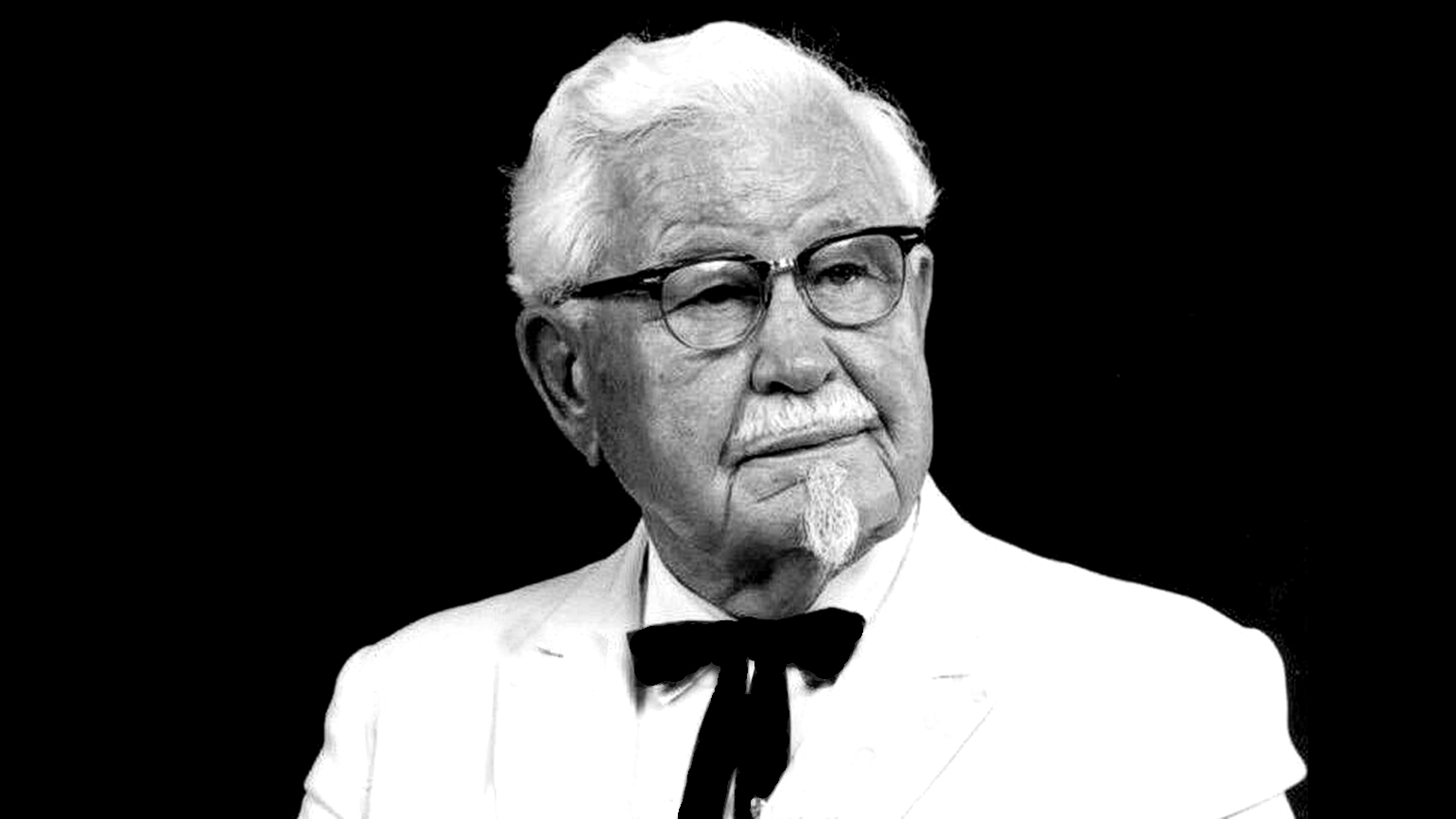
Guideposts Classics: Colonel Sanders on Life After 65

Some people spend a good share of their lives planning for retirement, but the idea has never appealed to me. I guess I’m from the old school. I believe that God expects us to be productive—in some way—all of our days.

It has long been my philosophy that a man will rust out a lot sooner than he will wear out, and that is why today at age 78, I have no intention, no desire, no inclination to sit down and get rusty.

GP In Article Desktop

Oh, I’m not as tough as I was a few years ago. My feet and legs bother me sometimes, and my wind isn’t as strong, but I have no complaints. Teddy Roosevelt, I believe it was, said that 90 per cent of the work in this country is done by people who don’t feel well, so I’ve got company.

I had a good chance to retire at 63, but I couldn’t see any percentage in loafing. At the time, I was located in Corbin, Kentucky, where my wife and I had settled in 1929.

We went there from Kentucky’s Bluegrass country and opened a service station after the Depression hit. The station evolved into a restaurant and motel, which by 1954 had grown quite successful. That was about the time a man offerred me $165,000 for the business.

Now, if I’d been planning to spend the rest of my life suntanning, this would have been the time to jump. But my wife and I decided against selling. We liked the restaurant business because it brought us into contact with people—and we love people.

Then the blow fell. The state resurveyed the road that ran in front of our place, Sanders Court and Care; and when the highway was rerouted, we were cut off from the traffic. Business fell off, and by 1956, we were lucky to get out with enough to pay the bills.

Was I finished at age 65? It seemed so. My wife and I were completely discouraged.

When we walked out of our motel-restaurant for the last time, it seemed like a million memories passed through my mind.

I remembered at age five when my father died, leaving my mother with two small children and another on the way. There was the time I had lost my first job (clearing a woods for $2 a month) at age ten.

Then I had dropped out of school in the sixth grade to go to work. A series of jobs followed: house painter, soldier, fireman on the railroad, ferryboat operator, chamber-of-commerce secretary, insurance salesman and acetylene-lamp salesman.

I even practiced for a while as a lawyer after receiving a degree through a correspondence course.

When we started into the restaurant business, I recalled our first try at serving meals. We had just one table and six chairs. (It was to grow to 142 chairs.) There was the struggle for mortgage money, the long hours, hard work, growing friendships.

Little things came back to me, like the road signs I had painted myself on the sides of barns for 150 miles in both directions on Route 25. They advertised our motel and our food, especially our chicken. (I reasoned that hunters were less likely to shoot the hearts out of “o’s” if the signs were on barns instead of billboards.)

All that came to an end in 1956. My wife and I were still talking about our next move when my first Social Security check arrived. It was for $105.

“That won’t go very far,” I remember telling her. Then I had a wild idea. The restaurant business was my line, and fried chicken our specialty. Many people who had passed through Corbin had wished that we had a restaurant in their town in Florida or in Illinois or in Texas.

Why couldn’t I take our recipe for fried chicken on the road and try to franchise it?

As always when on strange footing, I said a prayer in which I asked God to direct my steps and bless this new idea if it was right. All my life I have given Him 10 percent of everything I made in my work.

Cashing the $105 check, I loaded into my 1946 Ford the following items: a pressure cooker, a 50-pound tin of flour (containing a mixture made from 11 herbs and spices) and a blanket to sleep under.

My offer to restaurateurs was a simple one: I would show them how to fry chicken in exchange for their promise to pay me five cents for every chicken they sold.

It would be on the honor system. I had no intention of auditing anyone’s books, because I figured it would take a rather cheap thief to fudge on that arrangement.

I drove all over the country, sleeping many nights in the car to save money. Quite often I got a free meal from restaurant friends. One of them, Pete Harmon of Salt Lake City, bought the first Kentucky Fried Chicken franchise.

The second sale was made in Indianapolis, and the third in Kokomo, Indiana. After that, business began to boom. A car wasn’t adequate enough to take me from place to place, and I began flying.

By 1964, in just eight years, I had 600 franchises operating on the honor system and more bookkeeping work than I knew what to do with.

When I was offered two million dollars for the business, I sold out, but agreed to continue working in a public-relations capacity.

If I have learned anything in life, it can be summed up this way:

Hard work beats all the tonics and vitamins in the world.

The therapy of work is good for you whatever your age. Will Rogers years ago said life begins at 40. Times have changed. People are living longer, fuller, more creative lives. So I say, “Life can begin again at 65.” It sure did for me.

For more inspiring stories, subscribe to Guideposts magazine.
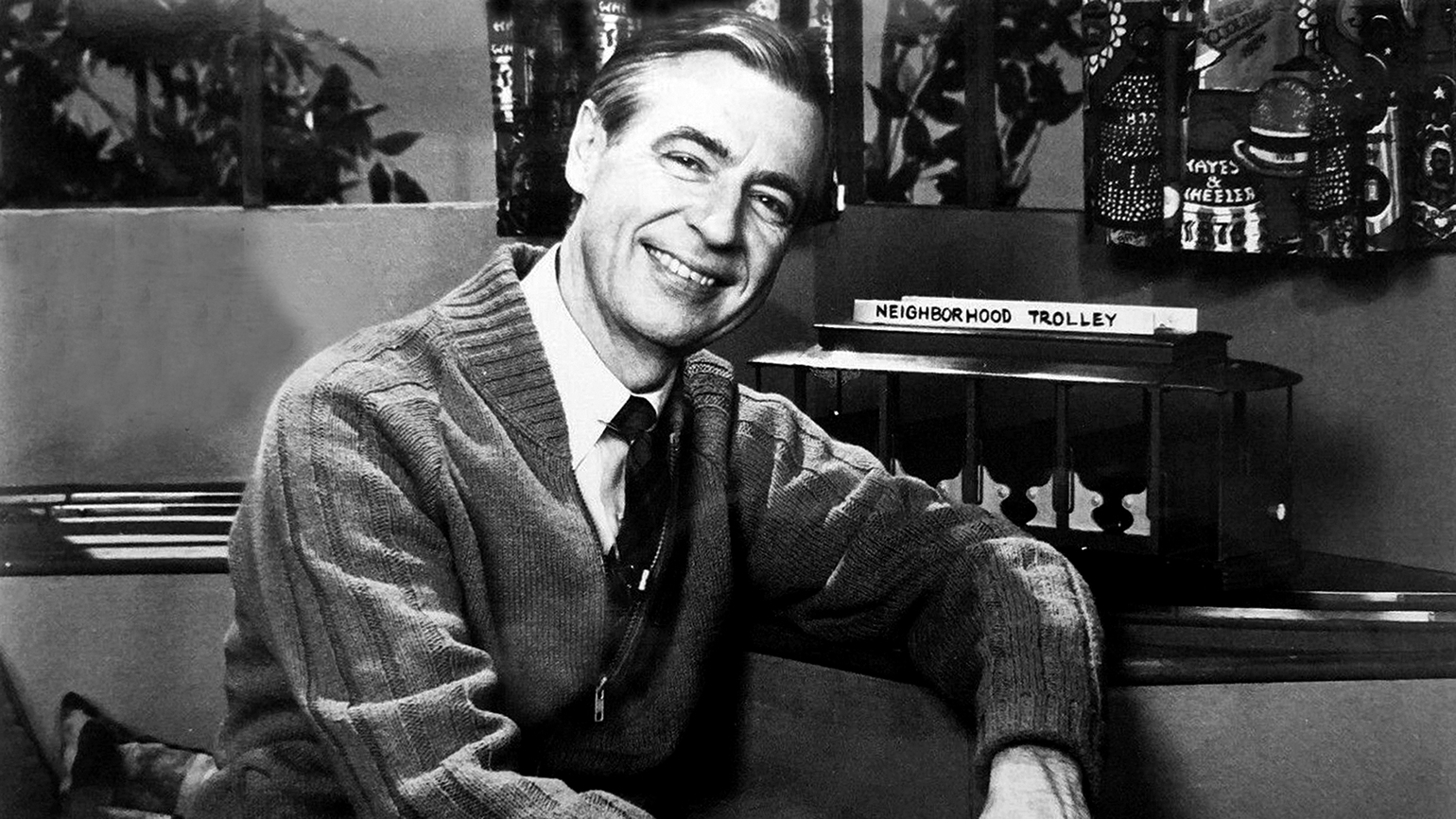
Guideposts Classics: Chuck Yeager on Aging with Positivity

All my life I’ve flown planes: as a World War II fighter pilot, as the first test pilot to fly faster than the speed of sound. Here I am, 62 years old, and you might think I’ve had my fill of flying. No, sir. I still get a lot of pleasure out of flying an F-20 jet fighter.

But I know too many people who have erected barriers, real brick walls, just because they have gray hair, and prematurely cut themselves off from lifelong enjoyments by thinking, I’m too old to do this or that—that’s for younger people.

Inspiration from the Garden in article ad

Living to a ripe old age is not an end in itself; the trick is to enjoy the years remaining. Unfortunately, many people do not consider fun an important item on their daily agenda. For me, that has always been high priority in whatever I’m doing.

Not long ago the Piper Aircraft people asked me to fly one of their airplanes nonstop from Seattle to Atlanta, to try to establish a new distance speed record. I did it, shaving a couple of hours off the old record. Nobody needs to remind me of how lucky I am. Or how blessed I’ve been by God.

People don’t change just because they grow older. What was fun at 24 is still fun at 62, and I fly, hunt and fish every chance I get. I’m not as limber as I was, but I can still pull eight or nine G’s in a high-performance aircraft, just as I did years ago. And I’m not alone: The two best pilots I’ve known, Andy Anderson and Bob Hoover, fly as much as they can. Bob is still giving air shows around the country every weekend, just as he did back at Dayton’s Wright Field in the early 1950s.

Given our backgrounds and experience, we aren’t doing anything extraordinary. We still have our eyes, reflexes and good health, so strapping us inside an airplane’s cockpit is no different from a 60-year-old driver’s turning on his car engine.

Life is as unpredictable as flying in combat. If the day comes when a flight surgeon tells me I can’t fly anymore in high-performance jets, I can always sneak out back and fly ultralights. Just like when the day dawns that my friend Andy and I can’t manage our treks into the Sierra to fish for golden trout—well, there are still nearby lakes and plenty of rowboats.

You do what you can for as long as you can, and when you finally can’t, you do the next best thing. You back up but you don’t give up.

For more inspiring stories, subscribe to Guideposts magazine.

Guideposts Classics: Carol Heiss on Living with Purpose

There came a moment of special torment for me during the 1960 Winter Olympics at Squaw Valley, California. For 14 years I had worked hard for that very moment, but when it came I was scared to death of it.

Over 8,000 people were crowding the skating arena, a battery of TV cameras was bringing I don’t know how many millions of spectators close to rinkside, but now I was thinking about only nine people, the nine judges for whom I had to do the best skating of my life.

Pray A Word a Day - 2023 In article

For days I’d felt nervousness coming and going in spasms. Part of it was the excitement of the spectacle; some of it was the responsibility of representing our country and, too, there was the memory of four years before when I had been beaten.

Today would be my last Olympics, I knew that. I had to win now if I was going to keep the promise I’d made Mother…

“Ready, Carol?” someone said.

How do you answer a question like that, after 14 years of preparation?

“God,” I whispered, eyes closed, “please let me do the best I can.”

Then I saw the swirl of my red skirt and the glint of the sun on a steel blade and I realized that I was out there alone.

For four minutes and ten seconds I skated. I don’t remember much about those minutes, only that the jumps and turns and complicated figures seemed to take an eternity to execute. At last I was finished.

Then there was the long anticlimax of waiting while other nations competed. Finally the Stars and Stripes fluttered from the highest pole and I stood on the winner’s podium with a gold medal.

What did I feel? Happiness, relief, gratitude, loneliness. People swarmed to congratulate me and telegrams were arriving. Pierre Brunet, my coach and booster of 12 years, hovered nearby, shining with pride.

But still I was lonely. I wanted to be able to reach out to my sister Nancy and brother Brucie back home; I wanted to hug my father–or just see the expression on his face.

Dad couldn’t come with me; he was a baker back home in Ozone Park, Long Island, and he hadn’t the time or the money for a trip to California. Most of all, though, I wanted the impossible: I wanted to be able to say to Mother:

“Look! Here’s the gold medal.”

It had been Mother’s idea that I take up skating. I was five years old when she enrolled me in The Brooklyn Skating Club. If I hadn’t taken to skating, Mother would have seen to it that I tried something else because she believed in the fun and discipline that an earnest effort at athletics provided.

Of course, I did like skating and for the next 14 years I was off the ice for a period no longer than four weeks at one stretch. Eventually, Nancy, two years younger than I joined me at the rink, and in another two years, Brucie.

We liked to practice in pairs or as a trio, and we came to know that whatever we did well, we did for Mother. She was always there at rinkside, slender and youthful, twinkling with encouragement.

It wasn’t that Mother just sat and watched us, however. She was an artist and a textile designer and would bring her art work with her. What she accomplished while we skated helped to pay for our lessons and membership fees.

Other times she would be knitting our skating clothes–Mother was always busy.

When I was seven, Pierre Brunet became my instructor. It got so that I could hardly wait for a lesson from this wonderful man who, in turn, began to take a serious look at my skating potential.

“You’re a natural athlete,” he told me, “but you’re not a natural form skater.” Only through long, intensive training, Mr. Brunet thought, would I become a fine figure skater.

When I was eight, with competition in view, with more money to be spent on equipment and dues and other necessities, Mother sat me down for a very sober talk.

“Do you really love skating?” she asked me. And of course I did. “Well then, Carol, you have to decide, now, whether you are going to skate just for the fun of it or very seriously.”

To me the choice was no choice; “serious” skating was fun. Nonetheless, this was the important moment of my life. Then and there, a goal had been set. From then on we aimed for the top.

There were eight formal tests to pass before qualifying for championship competition; these took almost nine years to accomplish. Meanwhile, skating ruled our house.

Six days a week the family was up at 5:30 A.M. We left the house at 6:15, dropped Dad at the bakery in Kew Gardens, laced on our skates in Manhattan at 7:00. At 11:30 we’d head for Professional Children’s School and at 4:00 we’d be back in Ozone Park doing our homework.

Dinner was at 6:00 and then, at 8:30, we’d go to bed. Often our days included ballet and piano lessons (to develop a musical ear), and summer activities like outings at the beach, but basically, for 11 years, our schedule was unchanged.

Sometimes when I tell people about this daily regimen, a look of pity comes on their faces. I think these people do not realize the fun we had or the richness we discovered in being together. What frightens people is not the hard work we put in, but the routine.

The word “routine” can have an ugly sound, calling forth pictures of dull sameness, conformity, rigidity. But when you are working towards something, routine can be an adventure.

I can’t tell you the thrill I’d feel when a jump I had been practicing for months would suddenly start coming easily to me. The surge of power was exhilarating.

And I don’t think that the bright side of a routine is reserved just for skaters! Surely even the dullest-sounding task can be made to have flavor and excitement.

I’ve known people who have found gratification in seemingly unrewarding routine–housework, for instance. If the goal is to create a happy and loving family, why shouldn’t washing dishes and preparing meals possess a special drama all their own?

In Philippians 3:13-14, Paul writes: …This one thing I do, forgetting those things which are behind, and reaching forth into those things which are before, I press toward the mark…

For me, I had to do without many things because of skating; there were dates that I missed, and movies and lots of things that teen-agers normally enjoy, but life was never lacking in interest or fullness.

“Live deep instead of fast” was a statement that Mother once read to us from a magazine article. She believed in that. It was always as though she were saying that life is indeed brief, that no part of any day should be frittered away on surface matters.

Routine with a purpose, we learned, was the best cure for waste and laziness.

Our goal of goals was the Olympics. Yet, when I finally won the opportunity to compete, we were faced with tragedy. Mother was dying of cancer. Nonetheless, we traveled together to the Olympics in Italy that winter and every day she was at the rink as usual, I wanted desperately to win–for her.

I skated well that day. As always, I performed better before an audience, felt my muscles and body react to the crowd, and when I sped off the ice, I was hopeful. But Tenley Albright beat me by two-tenths of a point.

“It’s not really losing,” Mother said, and she wasn’t just easing the pain I felt at having failed. “Everyone gains something, win or lose.”

“Yes,” I replied, “I know that. But,” and I looked at her hard, “at the next Olympics–I’ll win.”

A few weeks later, in Germany, I beat Tenley Albright for the world championship–but to me it wasn’t the same as winning an Olympics gold medal. A month later, at home, Mother died. She was 41 and she did not want to die. There were “so many things to do.”

Today, my father lives alone in the house in Ozone Park. Both Nancy and Brucie are away at school, skating on their own. Nancy has a high national ranking; she missed last year’s Olympic Games only because of an ankle injury. Bruce, at 16, is Middle Atlantic Men’s Champ.

I am 21 now, and married to a skating champion-turned-lawyer, Hayes Allen Jenkins. We live in an apartment in Akron, Ohio, where, along with a new skating schedule and plans for motion pictures, I am caught up in meals and laundry and household chores.

The medals I have won are in a drawer and if, occasionally, I look at them, it is to remind me of what a wonderful beginning my life has had, and what power there is in purpose.

More stories from Winter Olympians!

For more inspiring stories, subscribe to Guideposts magazine.
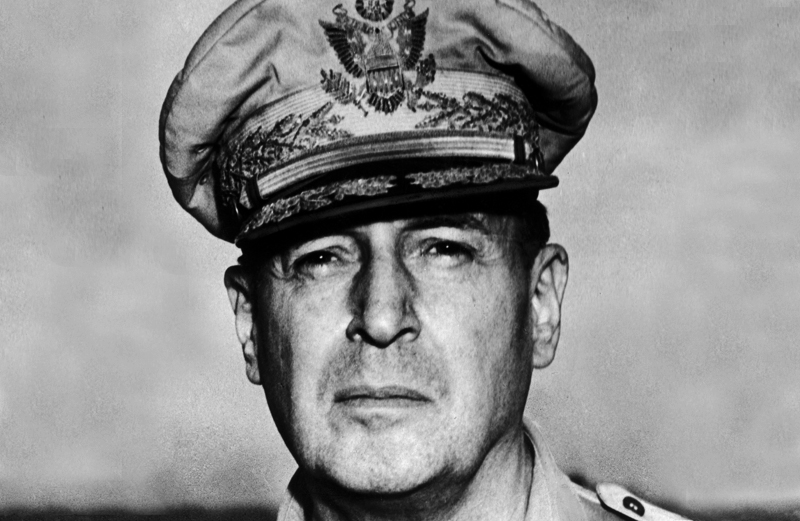
 

Guideposts Classics: Ben Vereen on Using God’s Gifts

One night while I was appearing in my biggest Broadway hit, a show called Pippin, I was in my dressing room relaxing after a demanding performance of song, dance and mime when my good friend Shirley MacLaine came backstage to see me.

“When did it happen, Ben?” she asked, her face all aglow with enthusiasm. “You were such a quiet youngster on the set when we made Sweet Charity together, and now look at you—out on that big stage—doing all those wonderful things. When did it happen?”

Light for Life NASB Study Bible in Article

I could have answered her, but it would have taken hours to explain. So I just passed it off with the flip remark, “Well, I guess I’ve finally graduated from my apprenticeship.”

In my heart I knew what she meant. I held been a very quiet, introverted person when I made that movie with Shirley. But that was because I hadn’t yet found my true self. At that time. I was a performer who was deeply tormented by guilt.

Shirley’s remark put everything in focus, and I found myself reviewing my life and the choices I had made.

I was born in Florida, but when I was very young, my family moved to the rough Bedford-Stuyvesant section of Brooklyn. My mother was a domestic who worked for a time as a wardrobe mistress for Broadway shows. She was from Louisiana, and could she sing the blues!

My father was a church deacon who also worked in a paint factory to support our growing family. It was in his church that I first discovered my talents as a singer. When I was four, I sang my first solo there—and experienced my initial joy at entertaining people.

In the slums where we lived, there was only one place where young people could enjoy themselves and show off their talents—the street. I lacked the athletic abilities that offered instant status, but I did have a talent for dancing—and that won me the nickname of “Twinkle Toes.”

It was my godfather, the Reverend Eddie, an itinerant preacher, who took me off the streets. He started taking me along on his spiritual rounds.

Whenever a minister went on vacation, my godfather would substitute for him, conducting services and visiting the congregation in their homes. He ministered to people and comforted the poor and sick.

“Wherever the flock of God is. I will be there,” he would say to me. As I grew older I realized that Reverend Eddie was the closest follower of Jesus I knew. Like Jesus, he went among the people and ministered to them. I decided that I wanted to become a minister like my godfather.

The conflict in my life began soon after that when my mother was convinced by a salesman that my natural talents as a dancer could win me fame and fortune if I enrolled in a local dancing school.

My mother loved the theater, so she gladly made the sacrifice, and soon I was dancing away with a bunch of other kids—all of us bent on becoming Bill Robinsons and Fred Astaires.

At first I took the classes casually, but the more I danced, the more I liked it. I seemed to have a natural talent for it, as I had for singing, and I spent lots of time practicing, while also continuing to practice my religion.

It was when I began appearing in public and basking in the glow that came from an audience’s applause that my conscience started to bother me. I felt that by singing worldly songs and dancing worldly steps, I was turning my back on my religion.

It wasn’t that my parents or my godfather actively opposed my new career. They didn’t. It was just that I felt agonizing guilt for wanting to be an entertainer. That guilt became a crushing burden.

Everything I did outside the church during this period when I was starting a musical career filled me with remorse. Our church was desperately trying to get a hearing for gospel music on the radio.

The networks only wanted pop music—except maybe on Sundays. Here I was dancing and singing frivolous songs in public instead of doing something to promote religious music on the air.

While I was suffering all those doubts, I married into a religious family, and their quiet devotion to their beliefs doubled my guilt. Then, almost too coincidentally, I appeared in an off-Broadway musical play, The Prodigal Son, that reflected my own life.

I played Brother Luke, a minister who leaves his church to seek religion in the outside world. Instead. he finds only emptiness and loneliness. In the end, he returns to the church.

I felt that it was a good Biblical play, but when it flopped, I regarded it as an omen that God was punishing me for being a performer instead of a minister. I was so afraid of God and the possibility of His vengeance that I decided to enter the ministry.

I studied for the ministry for six months. But fear is poor motivation for that calling. So, still full of fears and doubts, I left the ministry and returned to the world of entertainment. The reason I gave to myself was that maybe bringing enjoyment to people would please God.

So I began calling on God before going on stage at every performance. I would say things like this to Him, “I’m going out there to minister to a lot of people—please guide me.”

But I still couldn’t relax completely or throw myself into roles with total conviction because I couldn’t seem to rid myself of the feeling that I had failed God by not becoming a minister.

This went on for a long time. Then one Saturday I stayed up all night after a performance meditating and agonizing about my dilemma. Suddenly I heard a voice.

“Why do you fear Me?” it asked gently. “What have I done to you but given you life. I love you. Why have they taught you to fear Me?”

Those were not words I had read or heard, yet the voice seemed familiar. It was a voice that I had heard before, whenever I was deep in prayer.

The voice went on. and I wrote down what I heard. “I speak to you and I call your name on the wind and on the wing of a bird. Why have they taught you to fear Me?”

It was an incredible, life-changing experience. After that morning, I no longer feared God. Not only that. my guilt feelings about being in show business disappeared. My next show on Broadway was Jesus Christ Superstar in which I played Judas.

I read the Bible over and over in preparation for that role and found in it all the answers to the fears that had haunted my life, answers like the opening lines of Psalm 27: “The Lord is my light and my salvation; whom shall I fear? The Lord is the strength of my life; of whom shall I be afraid?”

In my next show, Pippin, I received not only my greatest notices, but a Tony Award as well for the best performance of the season by a male actor in a musical.

So, when Shirley MacLaine asked me that question backstage—“When did it happen. Ben?”—I realized that my liberation from guilt was complete.

It had begun that quiet Sunday morning when God spoke to me. He made me realize at last that by using the talents He had given me I was making the best possible use of His gift of life.

Isn’t that true for all of us?

For more inspiring stories, subscribe to Guideposts magazine.