Embrace God's truth with our new book, The Lies that Bind

Discover the Healing Power of the 23rd Psalm

One of the best-loved chapters in the Bible is Psalm 23. Here David, a former shepherd himself, compares us humans to sheep lovingly cared for by The Good Shepherd. “The Lord is my shepherd, I lack nothing. He makes me lie down in green pastures, he leads me beside quiet waters, he refreshes my soul” (verses 1-3).

The human mind, like the human body, needs refreshment and encouragement. And like the human body, a mind can be wounded. Sorrow is a wound. It cuts deeply, but sorrow is a clean wound, and will heal, unless something gets into the wound—such as bitterness, self-pity or resentment.

Community Newsletter

Get More Inspiration Delivered to Your Inbox


Wrong is also a wound. When I deliberately do something I know is wrong, I wound my mind, and it is an unclean wound. Time will not heal that wound. Gradually, a sense of guilt will develop, and that can destroy a life. There is only one Physician who can heal this wound.

“He refreshes my soul” can have another meaning. Moffatt translates it to read, “He revives life in me.” Like a watch, the human spirit can just run down. We lose our drive and push. We become less willing to attempt the difficult. Like squeezing the juice from an orange and leaving just the pulp, life has a way of squeezing the spirit out of a person. The dawn of a new day leaves us cold and hopeless.

The Bible tells us that God made the first human being, “and breathed into his nostrils the breath of life; and man became a living soul” (Genesis 2:7). And God has the power and the willingness to breathe a new breath of life into anyone who has lost his own energy and enthusiasm.

Just as a shepherd makes sure his sheep are content and well-cared for, so God wants to restore joy and gladness to your life, to heal the wounds that wear you down.

Take time today to read Psalm 23…and be refreshed by its good news!

Did This Police Officer Have a New Calling?

One of my officers tapped me on the arm right after I got off the radio telling the precinct that we’d made a bust. “Sarge,” he said, nodding toward the squad car. “The girl says she knows you.” Yeah, I wanted to say. Right.

I’m in charge of the St. Petersburg, Florida, vice squad, and we’d just busted a drug deal in an alley off Fourth Street, a notorious neighborhood. I was focused on the dealer, not the prostitute we’d caught him selling a rock of crack cocaine to.

Community Newsletter

Get More Inspiration Delivered to Your Inbox


I glanced at her, huddled in the backseat of a squad car. Typical crack addict: pale and thin to the point of emaciation, with short, dirty hair. How did she know me? Had I arrested her before? The officer handed me her driver’s license. The young woman in the picture looked so different—long hair and big brown eyes—I checked the name. Melissa Collora. Age 21. I almost dropped the license. I did know her. When I was a kid, the Colloras lived right next door. This was the little girl I used to babysit.

I went over to the squad car. “Melissa? What are you doing?”

Her sunken brown eyes were glazed but unmistakable. “What do you think?” she said, then looked away.

“Is there anything I can do to help you?”

“If you can’t get me a rock, just leave me alone,” she snarled.

I didn’t ask the question I really wanted to ask. What happened, Melissa, to the girl I used to know?

I’m a man of faith. I try to see the best in people, as I know God does. That’s not easy with a job like mine. I’m a 15-year police veteran. The past seven years I’ve run the vice squad. I see the worst that people do to one another—and to themselves—and I deal with some truly hopeless cases. Cases so terrible and heartbreaking I can’t afford to let myself get emotionally involved. I couldn’t imagine that Melissa Collora was one of them.

I remembered being at the Colloras’ house on steamy summer days when I was 15 or so. Melissa would have been about three. Her brothers and I played football in the yard. Melissa would sit on the swing-set clutching her teddy bear, watching us with those big brown eyes. So sweet. So innocent.

I remembered her father too. All the boys on our block loved Mr. Collora, a big guy with a great sense of humor. He owned a gas station and an auto lot, and he’d let us kids play around in his jalopies. Then about the time Melissa was eight, Mr. Collora died. I went into the Army shortly after that. I hadn’t seen Melissa or her brothers in the 13 years since.

I called my mother as soon as I got home that night. “Guess who I arrested today,” I told her. “Melissa Collora.”

“That’s terrible, Tim,” she said. “I’d heard she was in trouble.”

Mom filled me in. Mrs. Collora remarried. Melissa’s step-father abused her. In 1993 her mother committed suicide. Melissa went to live with relatives outside New York City. That’s where she discovered crack and life on the street.

I hung up the phone, depressed. Not because it wasn’t a familiar story. It was. This time, though, I had actually known the girl before her life went wrong. That’s what really hurt.

The next time Melissa and I crossed paths, she was getting arrested on yet another prostitution charge. “You see her a lot?” I asked the arresting officer.

“Melissa? She practically owns the corner of Forty-eighth and Fourth. Even wrote her name in the cement to keep the other girls away.”

She had a black eye and bruises all over her arms. “Melissa, what can I do?” I asked, though hard experience told me not much. I was a vice cop, not some bleeding-heart social worker.

“I told you before,” she snapped. “Just leave me alone.”

Since age 18 Melissa was booked more than a dozen times for drug possession and prostitution. Sooner or later she’d rack up enough convictions to send her to state prison for a very long time.

I’d see her every week, either at the station house or walking the streets. She wouldn’t look me in the eye. Sometimes I ignored her. My cop instincts said she was never going to change. That’s what the streets do to you. I’d seen it a thousand times. The damage starts young. By the time they start taking drugs and selling their bodies, it’s too late. But then I’d think, How can I turn my back on this kid? Invariably, though, Melissa would tell me to get lost.

“That girl’s a lost cause,” the guys on the squad said. “Why do you keep trying?” But no matter how many times I told myself it was pointless, I kept picturing that wide-eyed little girl in her swing, who’d had her whole life ahead of her.

One day I gave a presentation about prostitution to a St. Petersburg civic group. One of the slides I used was a booking shot of Melissa. A woman in the audience asked who she was, and I told Melissa’s story.

The woman came up to me afterward along with a friend. “I’m Linda Cheney, from Praise Cathedral,” she said. “This is Tracy. We’re looking for a woman to sponsor for the Walter Hoving Home in New York, a recovery program for prostitutes. How about Melissa?”

“I don’t think she’s your girl,” I said. “Melissa, she doesn’t want to recover.”

Linda slipped me her card. “Call me if anything changes.”

“All right,” I said. “But I doubt it will.”

There I was again, the hard-nosed cop.

I stuck Linda’s card in my desk drawer. I probably would have forgotten about it, except for a few days later. My team cornered a prostitute and her client in a rubble-strewn lot off Forty-eighth Avenue. It was Melissa. I turned and walked away. I had a sick feeling in my stomach. Melissa was looking at hard time now. At least 10 years. She was barely in her 20s.

“She wants to talk to you,” one of my officers said.

I walked over slowly and leaned into the window of the squad car. Melissa was hunched over in the backseat, her hands cuffed behind her. I didn’t say anything. Just stood. What was there left to say?

She stared at her feet. “I think … ,” she began. She lifted her head. Those big brown eyes looked straight into mine. “I think I need help.”

My instincts said, don’t trust her. Crackheads use anybody and anything to get what they want. She was in deep and she knew it. She’d say anything. Drugs strip you of your soul. I thought about the first time we’d busted her. She told my guys she knew me. Why? She didn’t have to. Had that been a cry for help? That one part of her the streets hadn’t claimed? Was it enough? “I’ll see what I can do.”

Back at the precinct, I fished Linda Cheney’s card out of my desk and called her. “I think I found one for you,” I said. “I’ll take it from here,” she replied.

She called back the next day. “The Hoving Home will take her,” she said. “My church will cover the plane tickets and fees. All we need now is the judge’s approval.”

“I’ll talk to the prosecutor, but don’t get your hopes up,” I warned her. “You’ll have to convince the judge that Melissa wants to turn over a new leaf.”

“Tracy or I will testify,” Linda said. “We met with Melissa in jail this morning. She told us she’s accepted Jesus. She wants to start a new life. That’s why she asked you for help.”

Don’t kid yourself, lady, I wanted to say. But I kept my mouth shut. I would have to testify at Melissa’s trial. You don’t lie on the stand. I wasn’t going to say anything I didn’t believe, no matter what Melissa claimed. What if she was sincere, though? Linda and Tracy believed her, but they were church ladies. Turned out the prosecutor was on board. What about me? What did I believe? I wasn’t sure.

The judge was a real hardliner. He scowled at Melissa as the bailiff led her into the courtroom. He was ready to send her away right then.

“Your Honor,” the prosecutor began, “the state recommends that Melissa Collora’s sentence be commuted to treatment at the Walter Hoving Home in New York. A church group is willing to sponsor the treatment.”

The judge looked incredulous. Tracy took the stand. She spoke of Melissa’s faith conversion and said she believed it was sincere. “Who are we to know what is truly in a person’s heart?” she asked.

The judge looked at her. “If I had a nickel for everybody who comes into my court and says they’ve changed their lives, I’d be a rich man.”

I was next. The judge fixed me with his sharp eyes. “Your Honor,” I said, “if I had a nickel for everyone who tells me that they’ve changed their lives, I’d be a rich man too.”

“So what makes this young woman different?” he countered.

“It’s my understanding,” I continued, “that Melissa Collora has had a transformation. I believe faith can change lives. I believe it can change Melissa’s.”

There was dead silence in the courtroom. Finally the judge spoke.

“I’ve never seen anything like this,” he said. “A veteran police supervisor testifying on behalf of a prostitute?” He turned to Melissa. “Young lady, I was going to sentence you to ten years. I commute your sentence to treatment at the Walter Hoving Home. A lot of people are sticking their necks out for you—me included. Do not violate this trust. Don’t blow this chance. It’s your last one.”

He banged his gavel and Melissa was led away.

Melissa called me from Linda’s cell phone on the way to the Hoving Home. “Tim, I just want to thank you … ,” she started to say. Then the signal faded. I didn’t need to hear anymore. What I did for her wasn’t much, but I think it was the best thing I could have done. Even a vice cop can’t go through life letting it harden him. Maybe that’s where I’d changed. I believed in her.

It’s up to Melissa now. And to the One who made sure our paths kept intersecting until we both saw what he did—a young woman with a whole new life ahead of her, a life in him.

This story first appeared in the July 2004 issue of Guideposts magazine.

DeVon Franklin on Greenlighting Faith

I work in Hollywood. maybe you’ve seen some of the films I’ve worked on—The Pursuit of Happyness, The Karate Kid, Hancock, Jumping the Broom and Heaven Is for Real, to name a few. But you might not recognize me. That’s because I’m not an actor. I’m the guy behind the scenes.

As a former senior vice president of production for Columbia Pictures and the current president and CEO of the newly formed Franklin Entertainment, my job is to get films made. I’ve shepherded productions from beginning to end.

I’m proud to help produce family-oriented, uplifting and inspirational films. It’s what I’ve dreamed of doing since I was a kid. Life is good, and I feel very blessed. But I didn’t always feel that way. My journey was complicated and sometimes painful.

It goes back to my dad, Donald Ray Franklin I. He was handsome, outgoing, charming—the center of attention at social gatherings, the kind of man people gravitated toward. He had ambition and the intelligence to match it. He was working his way up the corporate ladder at UPS. Fast.

That meant going on a lot of after-work outings, where drinking was a way for an up-and-coming young executive to fit in with the old guard, the established successes. He should have known he couldn’t handle it, with his family history. His father and two of his brothers were alcoholics.

But that’s the way it always happens. No one wants to be an alcoholic. Dad thought he had it under control, I guess.

He didn’t. He stayed out later and later and would come home too drunk to make it to work in the morning. Finally he was fired from UPS. My mom, Paulette, had to fill the gaps.

Somehow she managed to raise me and my brothers—Donald Ray II and David Brandon—and hold down a receptionist job, all while trying to deal with Dad and his addiction. M y early childhood memories were disjointed and hazy, scattered snapshots of family dysfunction.

I remember Dad staggering through the front door one night, reeking of booze. Mom hid the car keys because she didn’t want him to head back out for another round. He flew into a rage. He pinned her down on their bed.

“Give me those keys!” he bellowed. Mom resisted. Dad yelled louder. I stood frozen in the corner, helpless, petrified.

Mom would beg God to take away Dad’s desire to drink, ask him to heal our family, but things only got worse. Dad’s drunken rages were frequent. He would steal Mom’s hard-earned money—money that was supposed to keep food on our table and a roof over our heads—for his binges.

He didn’t seem to care about us anymore, or care about anything but getting drunk.

Then one day, Dad left. I was too young to understand it fully, but I knew that something big had happened. Days, weeks, months went by—and still no sign of him. But Mom never gave up on him. She’d always pray for him. I never heard her say one negative thing about him.

I was nine years old when all of a sudden Dad started coming around again, like an answer to Mom’s prayers. That’s why she never said anything nasty about him. She knew he would come back.

And he was different. He was sober. He found a job and a place to stay. He even began going to church. It was really great for a while, until he had a massive heart attack.

Years before, doctors had said he needed a heart transplant. But he had ignored their advice, and the years of alcohol and nicotine abuse damaged his heart even further.

My mother brought my brothers and me to see Dad in the hospital the next day after school. We spent the afternoon together. Before we left, he had us all huddle close to him so he could hug us.

“As soon as I get out of here we’re going to go to church together,” he said. “We’re going to be a family again.” I hugged him with all my strength, wanting desperately to believe that, needing to believe it.

The next day, just as we were walking out the door for another visit with Dad, the phone rang. Mom answered. “No!” she screamed. “Please, no!” She hung up, sobbing. Dad had suffered another heart attack. He was dead, at only 36.

Mom took us to the hospital to see him one last time. We walked through the double doors of the gray, sterile morgue. There he was, my father, lying on a metal slab, his eyes closed. I might have thought he was sleeping if it hadn’t been for the eerie stillness of his body.

“Kiss your dad goodbye,” Mom said softly. I watched as Donald Ray kissed him, and then it was my turn. When I stepped forward I tried not to hesitate. I leaned in and kissed my father on his forehead. He was cold as ice.

I stepped back, feeling a chill inside, as if something deep within me had died with him.

How could God let this happen? Why did he answer Mom’s prayers only to take Dad anyway? Mom always told us that God had a plan for everyone, but allowing a man’s life to end just when he was putting it back together? That made no sense at all.

Mom ushered us out. I took one last look back at my father, lying on that cold slab, a tableau of lost promise. As the morgue door swung shut, sealing the distance between us, I vowed, That is not going to happen to me. I will make something of myself.

I buried my anger, hurt and confusion inside, and threw myself into academics and activities. As a teenager, I had something planned every waking moment. I helped out at the church led by my uncle, Dr. D. J. Williams, my grandmother’s brother-in-law, and preached my first sermon at 15.

I developed an interest in theater and got involved in the program at school. I didn’t just watch movies and television shows, I studied them, wanting to figure out how stories and scenes were put together, wanting to know how to move and inspire people through entertainment, the way The Cosby Show and The Color Purple inspired me.

By the time I entered college, at the University of Southern California, my ambition was at full throttle. I became a business-administration major with a cinema-television minor, a hybrid education to complement my Hollywood aspirations.

Instead of going home for breaks and holidays, I stayed in Los Angeles and worked, some summers holding three jobs just to make ends meet. I was that driven.

During my years at USC, I was an intern for Will Smith’s management and production company. When I graduated, I became his producing partner’s assistant.

I showed such potential, he entrusted me with responsibilities typically given to executives. I read scripts and attended development meetings and after-work events, where connections were made.

My life was not so different from my dad’s early in his corporate career. It wasn’t lost on me that I’d inherited his ambition and his head for business. But that meant I might have inherited his weaknesses too, so I did everything I could to make sure I didn’t go down the road he did.

One night I stayed late at work and mapped out a long-term plan for myself, each rung up the ladder clearly marked with age and title. No chance I’d lose my way. I would be a junior executive by the time I turned 25. I would become vice president of a film company at 30.

I had everything set to happen before I hit the age of 36. With my drive and work ethic, what could go wrong?

But 18 months later, I was still an assistant. I was working harder than ever but I wasn’t going anywhere. I was stuck. Frustrated. Miserable. Angry.

Was this God’s plan for me? Wasn’t my dedication to him and to my career enough to show I was different from my dad? I was going to church, praying regularly, preaching whenever my uncle called on me.

Every task I put my hand to, I accomplished as close to perfection as I could. Why wasn’t I getting ahead? Was there something about me that wasn’t good enough?

One morning when I got to the office, I felt frustration and depression overwhelming me. I escaped to a quiet bathroom and locked myself in a stall. Call it my emergency prayer closet, but that’s where I had it out with God. “You said I can come boldly before you. Well, here I am.…”

I let everything out, my fears and my desires, my hurt and my confusion.

I’d been racing to beat the clock, determined to get to the top of the ladder before the age of 36.

Thirty-six. When everything ended so tragically for my dad.

Was fear driving me instead of faith? Because I was scared my time would be cut short before I fulfilled my potential? I’d thought I was doing what God wanted, but my perspective was off-kilter. My ambition needed to be rooted in faith, not fear.

I took a deep breath. “God, I need you to move today,” I said. “I can’t keep living like this.”

That evening, my boss called me into his office to tell me it was time for me to move on. I was shocked, but I realized God had heard my prayer and had answered. After a series of unproductive interviews I decided it was time to quit and just step out in faith.

Less than a week later, I was working as a junior executive at a prolific production company, Edmonds Entertainment. I’ve always made sure to set aside time to be in God’s presence, reading the Bible daily and honoring the Sabbath, even if it meant missing an evening shoot.

The more I’ve surrendered to God, the more he’s moved on my behalf. Six months after my thirtieth birthday, I landed the vice-president position I’d aimed for. That six-month delay was like a little reminder from God: My time, son, not yours.

Now, at 36, I’ve just been given the opportunity to run my own production company. I’m achieving my dreams, going on faith, not fear, which is what God wanted me to understand all along.

I always wonder what it would be like if my dad were still around to experience all of this with me. I hope that he’d be proud of me and my brothers. Yet I’m thankful for my Heavenly Father. I know that first and foremost, I am his son, and I will go anywhere he leads.

Did you enjoy this story? Subscribe to Guideposts magazine.

Desperate to Help Her Addicted Daughter, a Mother in Denial Turned to God

Mrs. Naman, we need you to come to the high school—immediately.”

The phone call was from the secretary at my 15-year-old daughter Natalie’s school.

I have three children, one older than Natalie, one younger. I had never been summoned to a school office before. And certainly not for anything like this. It just wasn’t possible!

I called my husband, Peter, a surgeon at the hospital in our Pittsburgh suburb. “Meet me at Natalie’s school,” I said. “They said she was caught with substances. What does that mean?”

“Not good,” said Peter. “I’ll be there.”

Natalie was in the principal’s office, surrounded by school officials and three police officers.

I couldn’t process everything they were saying. “Possession…heroin…backpack…zero tolerance…suspension…charges.”

On the principal’s desk were small packets of white powder, a spoon and syringes.

This couldn’t be happening. There had to have been some mistake. We were a loving, happy family from a nice neighborhood. Peter was a respected doctor. I had dreamed of becoming a mom my whole life, and I had worked hard at it. Natalie was a wonderful child. Bright. Creative. Game for anything. Practically perfect.

“Are you sure?” I asked the circle of stern faces. “Natalie is a good girl. I never saw any sign of this.”

“Parents often don’t,” one of the police officers said matter-of-factly.

On the way home, Natalie insisted it was all a mistake. “It wasn’t mine, Mom,” she said. “Someone asked me to hold it for them. I don’t have a drug problem. You’ve got to believe me!”

“If she’s injecting heroin, that’s serious,” Peter said later that night. We’d stayed up talking to Natalie; now it was just the two of us. “Heroin affects the brain in unique ways. It is very addictive, especially for adolescents.”

“She told us it wasn’t even hers,” I said. “Shouldn’t we give her the benefit of the doubt?”

I remembered occasionally finding little packets in Natalie’s room like the ones I’d seen on the principal’s desk. I’d had no idea what they were and left them alone. I suppose I hadn’t wanted to know. I’d put them out of my mind.“

Natalie needs to go into treatment immediately,” Peter said.

“She’s not some junkie,” I said. “What will her friends think? Everyone will know! She’ll be an outcast.”

Peter shook his head. “We need to intervene as soon as possible,” he said.

Reluctantly, I agreed to enroll Natalie in an outpatient treatment program, the least disruptive option. I certainly wasn’t going to send her away to some facility. There would be so many questions.

And I insisted that Peter and I tell only our parents, no one else in our extended family or circle of friends. Other families at school would find out through the rumor mill, but there was no need to tarnish Natalie’s reputation.

I went to bed shaken but determined to turn this situation around. I also felt something I hadn’t experienced before. Anger toward God.

“How could you let this happen?” I demanded. “I did everything right.”

I had worked so hard to be a perfect mom. I’d been a teacher before the kids were born, but I’d quit to raise them. My dream was the kind of family you see in Hallmark movies. I’d planned so carefully, so perfectly. This couldn’t be happening. Not to us.

October? Time to pick pumpkins and decorate Halloween cookies as a family. Christmas Eve? Arrive at church early to get front-row seats. I made meat loaf from scratch, baked, always brought treats for school parties. I covered all the bases. Heroin wasn’t part of the plan.

What I couldn’t accept was how all of those positive experiences had led Natalie to…drugs.

“It’s my fault,” Peter said. “I should have been home more.” His hospital schedule was demanding.

“I was the one who was home with her,” I said. “Which is worse?”

For a while, it seemed as if my instinct to keep things quiet and give Natalie a chance to do better was working. The school wanted to turn her suspension into an expulsion, but we convinced the administration to allow Natalie to become a full-time online student.

She was charged with drug possession, convicted and sentenced to probation with treatment, which she was already doing.

Natalie seemed relieved to be out from under the social pressure of in-person school. A boy asked her to a dance. We let her go and even invited other families to gather at our house before chaperoning the kids. Some of the moms seemed standoffish or awkward, but others were nice. How many people knew about Natalie? Inside I cringed. Shouldn’t this be a private matter?

I tried not to notice at first that Natalie’s grades were slipping. (She was just struggling with remote learning, I told myself.) Or that she was staying up later and leaving the house with people I didn’t know.

Then I found a syringe in Natalie’s room. I confronted her, and she insisted she had no idea how it got there. I wanted so badly to believe her, but Peter warned me that things were getting worse.

Soon the signs were unmistakable, even to me. Natalie began nodding off during meals. Disappearing for an entire day or night. She began to look haggard.

I worked harder and harder. We took her to psychiatrists and counselors. I relented and agreed to send to her to an inpatient treatment program. I was desperate, desperate to turn all this around, to get back to the way I thought things were.

I tried to reason Natalie out of using. Begged. Cried. Issued ultimatums. I scoured her room for drug paraphernalia. Stayed up all night waiting for her to come home.

By this point, I’d given up on God. One Sunday, our priest said in a sermon that sometimes God comes alongside us in suffering but doesn’t immediately solve the problem.

Well, he should, I thought bitterly.

I felt as if we were in this alone. “Where do you even get drugs?” I asked Natalie one day as we drove to the store. I couldn’t imagine drugs being sold in a town like ours.

“You mean walking distance or driving distance?” Natalie responded. I looked at her in shock.

“It’s everywhere, Mom. So many kids my age take drugs. Families here have tons of money, and parents have no idea what’s going on.” We passed a house, and her face darkened.

“What?” I asked.

“The guy in that house will sell you any drug you want,” she said. “See why it’s so hard to quit?”

After yet another relapse, Natalie began telling me, “I just want to close my eyes and never wake up.”

One Saturday morning, I peeked into her room and saw her motionless on her bed. Her skin was purple.

“Peter!” I shrieked. Natalie had overdosed. Peter rushed in with a container of Narcan, and Natalie revived. I staggered out of my daughter’s room and collapsed in the hallway.

I began to cry. I couldn’t stop. I lay on the floor unable to move. Just like Natalie, I wanted to close my eyes and never wake up.

That thought frightened me. I sat up. “I have to go out,” I told Peter. Natalie was stable and under his observation. I drove straight to our church. The sanctuary was open but unlit. I walked to a pew and got on my knees.

A sensation of utter weakness and imperfection engulfed me. I was broken. Natalie was broken. Our family was broken, and I couldn’t fix or even hide the problem.

“I can’t do this on my own,” I said to God. “Please give me your strength and wisdom.”

I didn’t hear an answer. But on the drive back home, I began to feel more clearheaded. I had been trying to do the impossible: fix someone else’s addiction. I had gone against everything the professionals told us. I’d downplayed the severity of the problem. Denied, denied, denied. Kept things quiet. Tried to force Natalie to get better.

I had turned away from the one thing I needed most: trust.

I had not trusted God—my biggest denial of all. I had not trusted our friends or extended family enough to be honest with them or ask for help.

And I hadn’t trusted Natalie. She was an adolescent and needed guidance and love. But if she was going to get better, the change would have to start with her. I couldn’t will her into recovery. I wasn’t in control.

I wish I could say I returned from the church transformed into exactly the mom Natalie needed me to be. That’s not how it works. I’d simply taken the first step on a long journey. That meant trusting my daughter to God.

It took another overdose and more than a year of relapses before Natalie finally decided, on her own, that she’d had enough and wanted to get better.

Along the way, I gradually figured out how to help her. I attended support groups and talked to a therapist. I worked on setting aside my drive for perfection that made it so hard for me to let Natalie make her own decisions. I stopped denying that we weren’t the perfect family.

How long had I burdened Natalie with my outsize expectations? Probably her whole life.

“I can’t fix this for you,” I told her. “But I love you, and I’ll be at your side when you’re ready to try.”

By the grace of God, Natalie is two and a half years clean now. She decided to enter a treatment program, and she is determined to remain sober. This year, she started taking community college classes.

Our family remains a work in progress, but I have hope. Why? Maybe it’s moments like a recent afternoon when Natalie and I were on our way home from running errands.

“One more stop,” I announced as I pulled into the church parking lot. We had parked in this exact spot at church many times over the years of my daughter’s addiction. I had always invited Natalie to come inside. Mostly she stayed in the car and played on her cell phone. I knew better than to ask this time. “Just going inside to pray for a few minutes,” I said. “I’ll be right back.”

“Wait,” Natalie said. “I’ll come.”

I did my best to hide my elation.

The sanctuary was open but unlit, just as it had been on that day she’d overdosed. We knelt side by side. I wondered what she prayed for, but I didn’t ask.

Together we lit two candles near the entrance and watched their soft glow.

“I prayed for you,” Natalie said as we headed back outside. She reached out to take my hand.

“Me too,” I said, giving her hand a squeeze.

We approached the car.

He hears us,” Natalie said.

“He does,” I said.

For more inspiring stories, subscribe to Guideposts magazine.

Desert Solitaire

I woke up this morning 3,000 miles from where I wanted to be. My wife Kate and I just finished a week’s vacation backpacking in Death Valley, the desert national park in California. Maybe hiking through barren, rocky canyons and sleeping in frigid mountain passes isn’t everyone’s idea of an idyllic vacation. But Kate and I needed to get away from New York, away from people and noise and city urgency—and there is probably no place farther from all that than Death Valley, a 156-mile-long, bone-dry trough surrounded by towering mountain ranges.

Death Valley is the hottest (over 130 degrees in summer), driest (less than two inches of rain per year) and lowest place in North America (282 feet below sea level). I had never been there, despite growing up in California. Kate had been once before at a pivotal time in her life. She was deciding whether to pursue ordination as an Episcopal priest. Sitting under an ancient stand of limber pines at the top of Telescope Peak (11,049 feet above the valley floor, to give an idea of the immense contrasts), she said yes to God. We thought the park would be a good place to seek what we so desperately miss in New York—the spiritual renewal of solitude.

Well, cresting the Panamint Range, which separates the valley from the rest of California, I wondered whether we were overdoing it on the solitude. Death Valley on a winter weekday is very, very, very empty. All around rose silent, implacable mountains.

The valley floor, white with salt deposits, stretched to the limit of sight—a long way, since the dry desert air is remarkably, almost disorientingly clear. I didn’t say anything, because I know how much Kate loves the desert. But inside I wondered, Is this place too harsh? It all looked so lifeless, so indifferent. “The desert never really loves you back,” Kate said approvingly. How could that be a good thing?

Then we began walking. We explored three parts of the park: Fall Canyon, a narrow red-rock canyon winding into the Amargosa Range; sand dunes at Mesquite Flat, rising about 100 feet above the valley floor; and sagebrush country at Emigrant Pass in the Panamints, about halfway between the valley and Telescope Peak. The going each place was slow—rocky, sandy or snowy. But the slower we went, the more I began to see.

In Fall Canyon, a turkey vulture patrolled the canyon mouth, lazily riding air currents, scanning for mice and gophers—the very tip of a complex canyon ecosystem. On the dunes, I noticed something black and shiny near my foot. I bent down and saw an inch-long beetle shuffling through the sand. It turns out there are four species of beetle found only in Death Valley—along with 15 species of snail, four species of fish (yes, fish!) and a dozen species of plant. Many more desert plants and animals also call the valley home, from bighorn sheep to the puffball-sized kangaroo rat, which metabolizes water from dry seeds and reabsorbs the moisture it exhales while breathing.

The valley, it turns out, teems with life. You just have to know where to look. On our last (cold!) morning at snowbound Emigrant Pass, we awoke to a frozen tent, temperature below 10 degrees, solid ice in our water bottles—and the sound of a lark greeting the sun. From where we camped we could see the eastern side of the Sierra Nevada mountains, including Mount Whitney, highest mountain in the continental U.S.

The day before we had been on the valley floor. I realized suddenly that in this supposedly barren place we had seen, in a way, the whole world—the high, the low, the silent places, the singing birds, the sprouting sage and the dry, dry earth. Kate is right. Unlike forested mountains with chattering streams and flowery meadows, the desert does not love you back. It’s too busy surviving. But that doesn’t mean it doesn’t deserve your love. You have to learn how to love it. How to look beyond its stony exterior, listen to its pregnant silence and let it live on its own fierce terms.

That sounds daunting, and I was daunted at first. But by the time we drove away, back to Los Angeles and the airplane home, I didn’t want to leave. Maybe in Death Valley I, too, in some inarticulate way said yes to God. On his own fierce terms.

Jim Hinch is a senior editor at GUIDEPOSTS. Reach him at jhinch@guideposts.org.

Deliverance Alley: Helping the Homeless with Substance Abuse

The place I call Deliverance Alley is a vacant lot of grass and dirt in a neglected south Dallas neighborhood. Drive by and you won’t see much. A sign on a deli across the street reads: “No trespassing, prostitution, drug dealing, loitering, weapons or criminal activity will be tolerated.”

Why do I call this seemingly god-forsaken slice of scarred urban ground Deliverance Alley? What if I said it’s where God delivered me one afternoon almost two decades ago?

When I landed in Deliverance Alley, I wasn’t just homeless. I was far from home in every possible way. I’d been born into a military family in Kansas City, Missouri. My dad, Wendell Gene Parker, was a lieutenant colonel in the Army. My mother, Mary Ann Parker, raised me and three younger brothers.

My dad served in Korea and Vietnam. I was five when he was transferred to a base in Europe. It was the 1960s. Dad was upfront with me and my siblings about the advantages of moving to Europe. “We are a Black family,” he said. “There is a lot less racism over there than in America. Sad but true.”

The military was one of the nation’s first major institutions to desegregate. On our base in Europe, I played with kids regardless of skin color. We traveled to European cities on vacations, visited art museums and learned German. Teachers at school taught us about the realities of slavery and the many contributions made by Black people to American life.

Everything changed when we returned stateside in the early 1970s. Just off the plane in South Carolina, I noticed “White” and “Colored” signs on the restrooms. That was illegal, but the airport didn’t seem to care.

My father always spoke his mind, and I am every inch his daughter.

“Excuse me,” I said to a passerby, pointing at the whites-only bathroom. “What color do I have to be to go in there?”

The woman regarded me with an expression of utter disdain. How dare you? she seemed to say before stalking off. Dad yanked me right out of that airport. “You have no idea what you’re doing,” he hissed. “You could get us all killed.”

We settled in Texas, where my dad was promoted to assistant commanding officer at Fort Hood and bought a house in Dallas for Mom and us kids. My brothers were good kids and had jobs after school, but they were still harassed by police almost every day.

Living in a constant state of fear wears you down. I told Dad I wanted to join the Army, but he said it was no place for a woman. I turned my back and moved to New York. I worked as a customer service manager for telecom companies. I made good money.

There was one problem. Remember how I said I was my father’s daughter? That had a downside.

Dad parented my brothers and me with military discipline. We followed a schedule, did chores and never talked back. Every weekend, he made us straighten up our rooms like little soldiers. We had to clean, fold and put everything away. When I say clean, I mean even the baseboards.

I chafed under Dad’s rules and told him I wasn’t in the Army. I even wrote him a letter when I was little telling him I was glad he’d been sent to Vietnam because now I didn’t have to clean my room. Imagine receiving such a letter from your child.

On my own for the first time in New York, I gave free rein to my contrarian side. I partied on weekends and enjoyed the nightlife. I met and married a man who’d seen combat in the military, but his PTSD contributed to him abusing me physically. I had to leave that marriage for fear of my life.

I returned to Dallas and met another man. I fell hard. They say love is blind. Tell me about it. I didn’t even realize at first that he sold drugs. He was good-looking and seemed to do well financially, and he treated me like a queen. Turned out, he was riding the 1980s cocaine wave by cooking and selling crack.

I can’t explain why, but at some point, I decided to join him. Maybe it was that misguided love, more desperation than devotion. I started doing drugs myself and dealing.

I had been raised in church, and I believed in God. I knew I was violating every moral principle Mom and Dad had tried to instill in me. I was aware that I had crossed a line and might never be able to turn back. So many addicts can’t. That is what addiction does to you. It takes over your life. Totally. Eventually even the drugs couldn’t dull my shame and self-loathing.

To this day, I am haunted by the time a little girl, just a wisp of a thing, came to the door of a crack house I ran. “Is my momma here?” she asked. “We’re hungry, and she took our food stamps.”

The woman had tried to sell the food stamps for drug money. “Go take care of your kids!” I screamed at her, surprised by my rage. But I went right back to selling drugs. It was as if I had lost my soul.

Eventually I left that bad boyfriend behind—but not the drug trade. I discovered I was pregnant with my boyfriend’s child. I vowed to go straight but was soon back selling drugs to support myself. Arrested for drug possession, I was forced to ask my parents to take temporary custody of my son.

They went ballistic at first, but I was their daughter and they did what they could to support me and my child.

I begged God so many times to help me get sober, but my contrarian spirit was too strong. Deep inside I refused to give my life to God the way I had given my life to drugs and addiction.

That’s when I wound up at Deliverance Alley. I was homeless, just released from another stint behind bars and ready to forget my troubles by getting righteously high. Night was falling, and I figured I was out of last chances.

It was 2007. Deliverance Alley was a popular spot for addicts. There was an old sofa on the grass and a bucket for a bathroom. A bunch of my drug-using friends were there, and they welcomed me back.

I sat on the couch, prepped my crack pipe, raised it to my lips. Out of nowhere, a voice spoke in my mind: “Say goodbye to all this, Rhonda.”

I jumped up, looked around. Was someone playing a trick on me? The voice spoke again, same words, even louder, clearer.

I freaked out. I ran across the street. I looked back at the vacant lot, and I didn’t recognize it. As if I’d been transported to another place.

Some kind of powerful presence seemed to come down and root my feet to the sidewalk. I heard people speaking. “Queen, you all right?” That was my street name. Everything seemed far away.

I took the drugs out of my pocket and handed them to someone. It was as if I had let go of something more than just the drugs. I felt a warmth enfold me. I broke down weeping.

The presence freed my feet and directed my steps to a place called Dallas International Street Church. They run a one-year residential discipleship program that includes counseling and addiction recovery. I laid down my contrarian spirit, admitted I was powerless and surrendered myself to that life-giving program. To this day, I can’t explain how it all happened, only that I felt as if my soul had been freed.

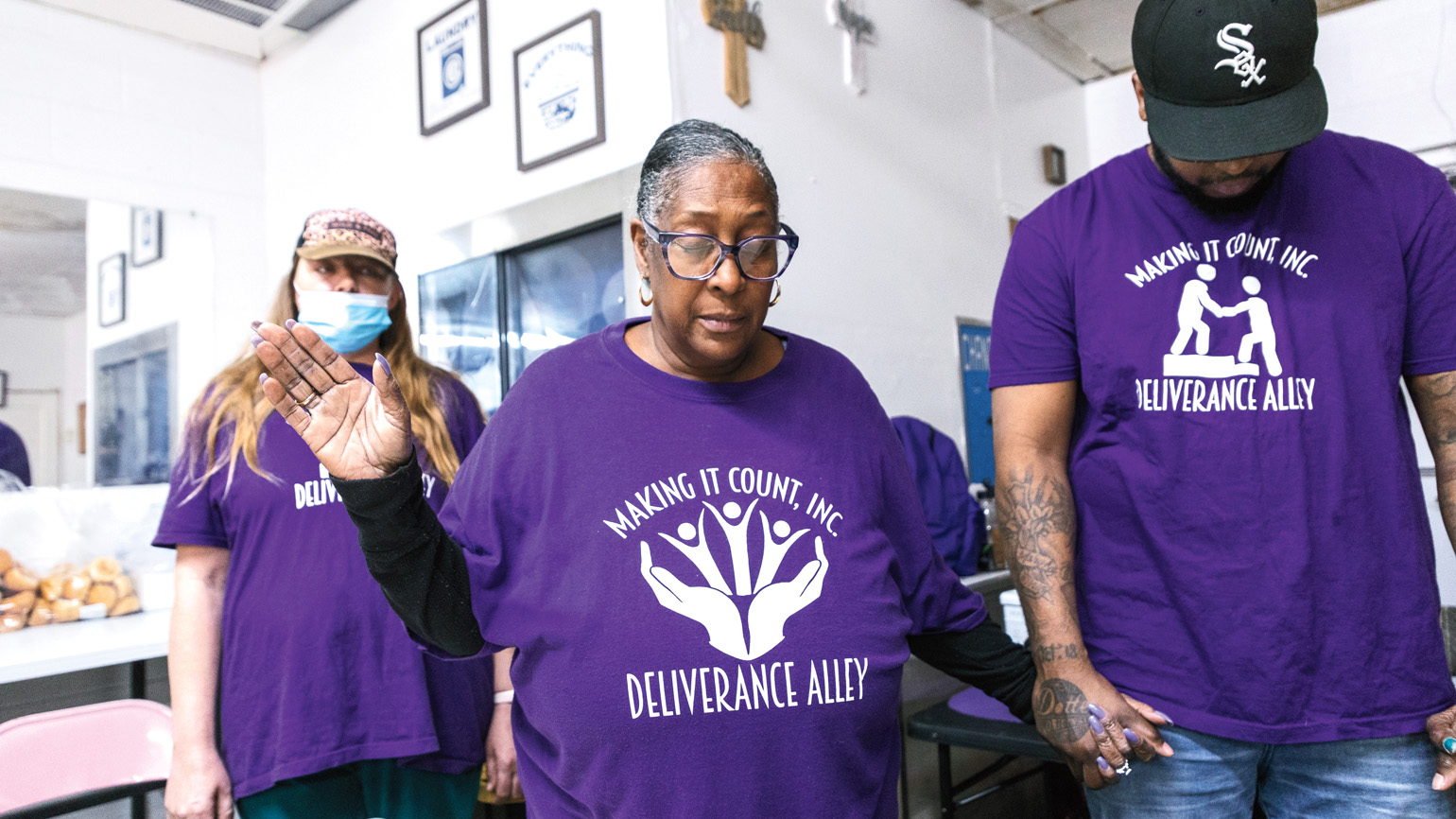
Fast forward 17 years. I am sober, married and the founder of an organization called Making It Count, Inc., which offers housing and street support services to people like I once was: lost, homeless and wondering if there’s any hope left for them. I help them see there is.

I reconciled with my child and my parents. Before my dad died in 2015, I made amends for the ways I had hurt him. Including that mean letter I’d sent him in Vietnam. I came to accept that for a man like him, strict discipline was the way he best knew to show love. I forgave him for that.

I am also grateful to him. I believe it was the military discipline he’d instilled in me that enabled me to form the daily responsibilities that helped me stick with recovery. God guided me, but I had to do the work.

I run Making It Count, Inc., the same way. Guests in my sober living house do chores, keep their rooms spotless and stick to a schedule. As an active addict, the only structure in your life is getting the next fix. Recovering addicts need new structures. Being contrarian and questioning the status quo are necessary sometimes. Addiction recovery is not one of those times. My guests sometimes chafe at my discipline. In the long run, they are grateful, just as I am. In recovery, surrender equals freedom.

Since Making It Count, Inc., was founded in 2010, we have distributed more than 100,000 meals, 75,000 hygiene kits and 12,500 coats to people who need them. We partner with churches and other regional service providers. Every Wednesday, we launder people’s clothes for free. We have been recognized by numerous Dallas civic organizations, and I recently received a community service award from the Greater North Dallas Business and Professional Women’s Club.

I give all the credit to God and my tireless volunteers.

Making It Count, Inc., is now in the process of designing and getting permits for our new headquarters. I envision a full-service resource center for homeless people struggling with substance use. A place of love, acceptance and pathways to recovery. I’m sometimes asked if it is possible to get sober without bringing God into your life. I suppose it might be, but that hasn’t been my experience. It was God who spoke to me that day at Deliverance Alley and moved my feet and soul in the right direction. There’s no other explanation.

Guess where I plan to locate that headquarters? That’s right. Deliverance Alley. My husband and I recently bought that vacant lot. We do street ministry there now. I can’t wait until the building goes up and we can begin offering deliverance on a major scale.

Like I said, there is always hope. There is always another chance. That’s God’s promise. And God always delivers on his promises.

For more inspiring stories, subscribe to Guideposts magazine.

Delilah Has Love to Spare

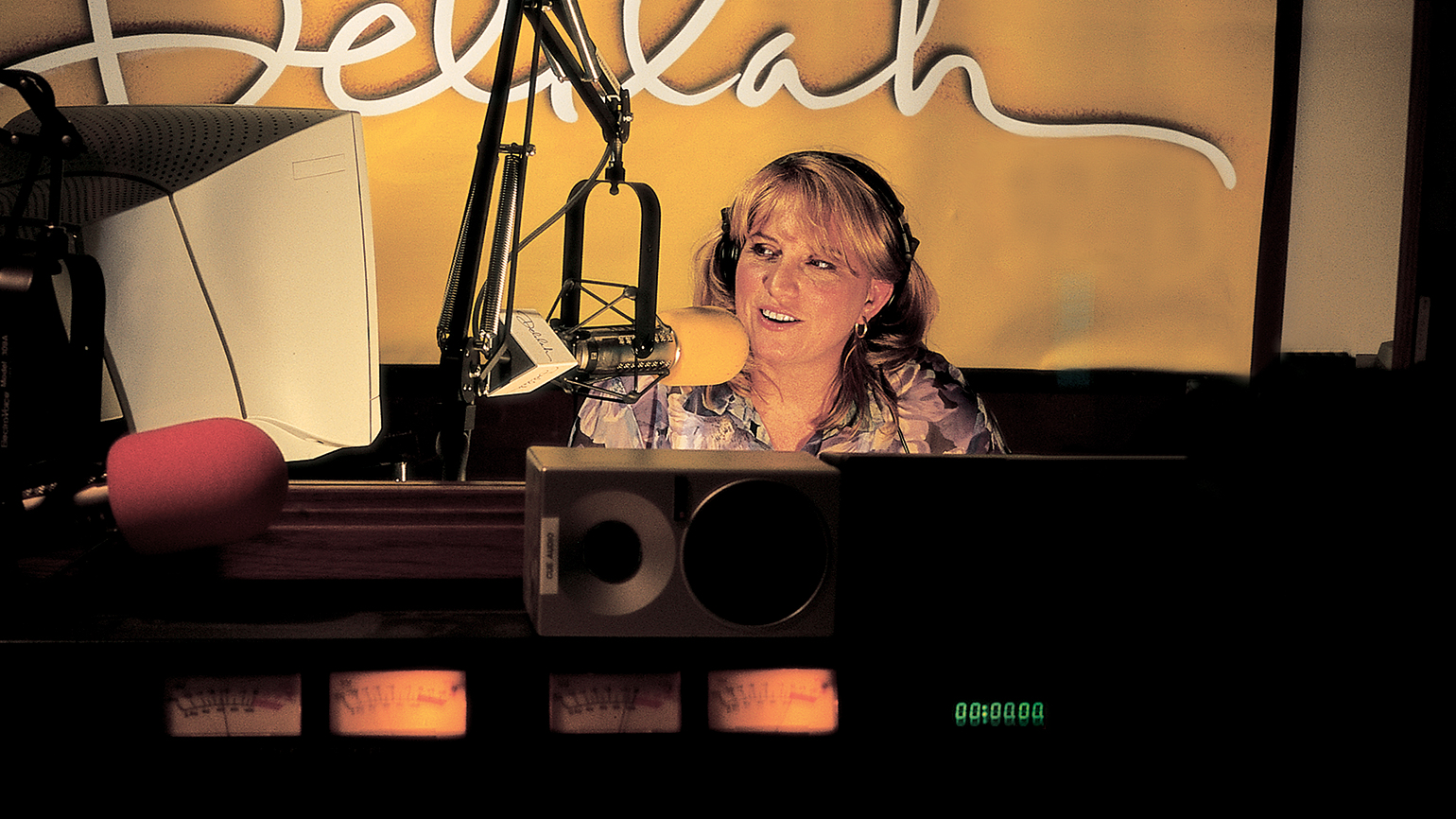
One of my favorite things about doing my radio show is hearing people’s stories. Every night, without fail, someone will call to wish a spouse happy birthday or congratulate a child who’s graduating. Then as their story unfolds, I realize that it was the whole reason God had me in the studio that night—to make that connection, to have that conversation, to share a prayer or piece of Scripture, to share a memory or song.

Years ago, when I was in my twenties, I went to a tiny church—there were maybe 50 or 60 members—where the minister, Pastor Mike McCorkle, preached a life-changing sermon. I asked him about it recently, and he doesn’t even remember what he said. I do. I’ll never forget.

He imagined that when he stands before the Lord, when he dies, he’s going to be asked two questions. The first is “What did you do with me?” Did you give God your best or just the scraps? Was faith just an afterthought? Did you put Jesus at the center of your being? And the second: “What did you do with the people I put in your path?” Every person you encounter, your family members, your teachers, your friends, your coworkers, even strangers, are put there for a reason. Did you honor them? Did you respect them? Did you take the time to get to know their story?

The conversations I have with my listeners are real. They know I’m going to be honest with them and they can be honest with me. Most of them know about the joys in my life and the deep sorrows I’ve had to face. None of which I could have gotten through without my faith.

I met a homeless woman on a blistering hot day in Philadelphia, and in my efforts to help her and people like her I started a charity called Point Hope (named for one of the coldest places on the planet: Point Hope, Alaska). A woman at a refugee camp in Ghana sent me an e-mail asking for help. I figured it was some sort of scam at first, but when I followed it up through friends at World Vision, I discovered she was indeed real. Since then, I’ve made dozens of trips to that refugee camp, adopted children from it and supplied it with fresh water, schools, medical stations and adult career and farming programs.

Someone was put in my path, and I felt compelled to respond.

I have 13 children—10 adopted, three biological. I’m heartbroken to say that two of them are already gone from this world. Sammy came from an orphanage in Ghana. We knew he had sickle cell anemia when he became part of our family, but he blossomed in our home. He loved to eat, to laugh, to tease, to draw, to paint, to dance. On the night the adoption was complete, he said to me, “Mama, I always thought I would die alone in the orphanage.”

As it was, he died in our arms at age 16 from complications of sickle cell. The doctors did all they could, but they couldn’t stop his heart from failing. Before he passed, Sammy pointed to me and my husband, Paul, and put his hands in the shape of a heart. Now when I am struggling and missing him, I whisper a prayer. Sometimes even within the hour, I’ll be led to something heart-shaped in nature, a seashell on the beach, a sandstone on the path. Signs from God that my son’s spirit lives on.

My world shattered a year ago, on October 2, 2017. That night, my beautiful son Zachariah Miguel Rene-Ortega, the last child I carried in my womb and gave birth to, chose to leave us. He was just 18 years old and had been battling depression. These have been the hardest months of my life and that of my family. I miss Zack every minute and hour of every day. Despite the heartache and grief, I praise God for the life I live. I know that God is looking after us, and that knowledge—along with the love and understanding of family, friends, and so many others—has kept me going.

One of my most endearing memories of my Zacky illustrates what his heart was truly like and truly capable of. When Zack was just 10 years old, a girlfriend from church let me know that the African Children’s Choir was going to perform at our church. I had been working in Ghana, West Africa, for five years and had adopted two young girls from there.

My girlfriend knew I’d love the music, and even though the choir children were from a different country, my adopted girls might like seeing other children from West Africa. We’d arrived home late the night before, after a long drive from snow-covered mountains, and woke up in time to get to the 10:30 a.m. service and the choir performance. The sink at home was full of breakfast dishes; the living room was a makeshift laundry center for ski gear. Snowboards and sleds leaned against the side of the porch.

After the service, I took my daughters to meet some of the young performers. The director of the choir, a middle-aged man from the Midwest, approached me with a broad grin, grabbed my hand and pumped my arm as he exclaimed, “Thank you! Thank you! We will be happy to come to the farm for lunch.” I tilted my head to one side and said, “Excuse me?”

“Your son, the little boy in the green shirt, just told me you have a huge farm with lots of goats and cows, and then he invited me to bring the choir to lunch. Normally the church sponsors a lunch for us at the cafeteria or a local restaurant, but your pastor is not here today,” he said. “I guess no one thought about how we would feed the children.”

The man’s enthusiastic smile was met with my bewildered expression, and just as I was about to explain that my house was filled with ski gear and my fridge was all but empty, Zack appeared at my side. He put his arms around me and said, “Mom, I told him what a good cook you are and how you feed all the orphans in Africa. Can they come home and have lunch with us?” His impish face was absolutely adorable, and his smile did to me what it always did: made me absolutely incapable of saying anything but yes….

Thirty children, eight adult chaperones, plus the director and his wife. That meant 40 guests along with my own household of 10…. My mind raced into action. I hurriedly called my husband, Paul, and asked for help. He had just dropped our teenage girls off at the farm. He agreed to rush back to the farm and start picking up skis and snowboards. I called two of my adult children, Tangi and Trey Jerome, to help as well.

When I got home, the skis, snowboards and damp gloves had all been snatched up and tossed in bins, the dirty dishes in the sink were shoved in the dishwasher and a huge pot of water was already on the stove and beginning to boil. Within a half hour, the bus arrived and 30 children between the ages of five and 18 started spilling out.

It was freezing outside, and I knew their bodies had not yet had time to acclimate to the cold, so the children were not the least bit interested in staying outside to look at our goats, horses or even the zebra. They all ran into the house trying to get warm, and although my house is a good size, together we filled up every room.

The food was ready soon, and we provided lunch. Once everyone had eaten their fill, the kids sang. Even more beautiful than the songs they’d sung at church.

After two hours of breaking bread and sharing stories and songs, the director said the choir had to leave; they had a long road trip ahead of them. The kids gave us hugs and prayed for us, then filed outside. As the bus rumbled up the long drive, light snow began to fall. I was ready to collapse into a heap when I heard Zack declare, “I hope it snows really hard and the bus gets stuck and they have to spend the night here with us!” That was one time I was so grateful that his prayers were not answered!

Zack was like me in many ways, one being that he had a big heart for others, especially those who were hurting or in need.

I won’t hold my last-born biological baby again until eternity. I won’t stroke his long, beautiful hair or feel his breath against my skin. I won’t hear his voice—except for the few recordings I have—until I see Jesus face-to-face. I hope the Lord won’t mind if I rush to hold both Zack and his older brother Sammy in my arms before getting the tour of paradise.

In the days and weeks after I lost my boys, I did not know if I had the heart to go on. When Zack took his own life, I had to step away from my radio program for three weeks before I could find the strength and courage to put my voice back on the air. The outpouring of love, support and prayer from my listeners—the hundreds of thousands of you who in that moment stopped in your path to consider where my heart was—restored me.

For more inspiring stories, subscribe to Guideposts magazine.

Decluttering Tips for Your Home

Adapted from: Make Room For What You Love. Copyright © 2016 by Melissa Michaels. Published by Harvest House Publishers, Eugene, Oregon. www.harvesthousepublishers.com. Used by Permission.

Retreating to your home should feel like a reward at the end of a long day. It’s a sacred space and clutter is an unwelcome housemate. Not only does clutter take up space in your home, it also weighs down your spirit. Start feeling lighter and more joyful by using these tips to keep your home organized and functional today.

1) Refine Your Closet Hanging Space

Take everything hanging in your closet out and lay it across the bed. Item by item, pick up from the bed what you would wear this week or in the next few weeks. Focus on items that fit well and are in good condition. If you have many similar pieces, get rid of the ones you can spare. Put your clothes back in your closet, from longest to shortest, category by category, left to right. If you have hanging accessories, such as belts, hang them on a belt hanger or looped through a regular hanger on the left side of the closet if there’s room. Set aside your scarves and other accessories to tackle in another project. Whatever is left can be donated!

2) Tidy Your Closet Shelves, Floor, and Shoe Area

Dust the shelves and vacuum or sweep the floors. Make the shelves functional (decide how many items you can stack without a hassle to get them out) and fold the items carefully so they look tidy. Group bags, shoes, sweaters, and T-shirts together. Shoes can be tucked into back-of-the-door or wall shoe pockets, an extra drawer, or an under-the-bed organizer for easy access if you don’t have room in your closet. Make a list of future organizers or supplies you need to make the most of the space you have.

3) Declutter Your Dressers

Empty your clothing and belongings from dresser drawers. Wipe out drawers and even add new drawer liners if you want to. Assign each drawer a purpose, with space for each category of belongings (such as socks, undies, slips, tights, pjs.). Now put back what you really use, what is in good condition, fits, and you actually like to wear. Match up socks. If you have lone socks, start a lonely sock basket, and if the mate turns up you’ll be able to return them to the dresser. If the drawers become too crowded, pare down or relocate items if you have another option. Donate or dispose of what’s left.

READ MORE: HOW TO DECLUTTER AND LET GO OF FAMILY TREASURES

4) Organize your living areas

Use lidded boxes and small trunks to store phone cords, notepads, and any other random things you need in your bedroom. Use storage boxes on your desk for your labeling machine, stapler, and hole punch; and another on a bookshelf near the dining room for extra drinking glasses. Give your family a small trunk to stash all those game controllers and cords so your TV area stays neat and tidy. Use larger, tall, open baskets to store extra throw blankets or even to toss in extra bedding or throw pillows when you are sitting or sleeping.

5) Clean up your kitchen

Don’t let your pantry look cluttered and feel disorganized. Small open baskets are perfect for grouping pantry items to give you a streamlined and clutter-free pantry or cabinet while making it easier to find what you want at a glance! I have a baking basket in my pantry. When the urge to bake strikes, I can easily grab it and find all the little baking items I need, such as baking powder, baking soda, vanilla, almond extract, salt, and measuring spoons. Utilize the vertical space under the sink by adding stackable drawers, shelf risers, or adjustable units specifically made to fit around sink pipes. Fill the drawers or shelves with cleaning supplies under the kitchen or laundry sink, and cosmetics and toiletries under the bathroom sink.

6) CELEBRATE!

Curl up with a good book and a cup of tea and delight in how wonderful it feels to have such a pretty and organized home. Sleep tight!

Death—the Bridge to Life

When we lose a loved one, there is a great empty place in our lives that seems impossible to fill. Yet we must go on.

The Gospel of John tells us that Jesus made a remarkable statement when he walked in the temple courts of Jerusalem during the Feast of the Dedication—what Jews today call Hannukah, the Festival of Lights. “I am the light of the world,” Jesus said (John 9:5). He continued, “My sheep hear my voice, and I know them, and they follow me; and I give unto them eternal life; and they shall never perish, neither shall any man pluck them out of my hand” (10:27-28).

The Light of the world drives away the darkness and sadness we associate with death. His light is life, eternal life, and no one within that radiance need fear anything. Dr. Norman Vincent Peale once said: “Darkness is powerless before the onslaught of light. And so it is with death. We have allowed ourselves to think of it as a dark door, when actually it is a rainbow bridge spanning the gulf between two worlds.”

Death is a fact of life. It is wise to accept it and plan for its consequences. The grief it causes is entirely natural. But remember: Death does not have the last word. The risen Son of God gets the final say, and he is all about light and life!

Download your FREE ebook, A Prayer for Every Need, by Dr. Norman Vincent Peale.

Dear Aging: Thank You

Sponsored content provided by Arnicare.

Aging brings certain things in life into perspectives, like the ability to move and take on the opportunities ahead. Guideposts.org teamed up with Arnicare for the “Dear Aging” contest to find out. Readers were asked to share their growing older stories, wisdom and experiences, from writing about how their bodies have changed to what they’re doing to stay healthy.

Community Newsletter

Get More Inspiration Delivered to Your Inbox


For Linda, growing older and wiser does come with some aches and pains, but also opportunities to love, learn and be more present and open to joy. She shares what it means to trust in the uncertainties that life brings by being grateful.

Dear Aging,

Are you my friend? Are you my foe? Some days you are both. Aging is not for the faint of heart, yet I’m so grateful to have the gift of life each day. Opportunities to live and love and continue to learn.

Aging, you have taught me much. I’m not as impulsive or explosive as I once was and I’d like to think I’m kinder; even to myself. My body hurts more often now and I often blame you, so in fairness, I must give you credit for all you’ve done to help me value my body. I respect what it needs now, I’m mindful of what I put into my body and exercise is no longer a chore. Aging, you have made me love to move just because I can!

Aging has made me realize how little I knew and how much more I know now. I don’t have all the answers but I trust God with the uncertainties. I’ve learned to be present and to grasp the lovely moments of joy that are gifted to me daily on this journey of life. And the seasons of sadness and grief can be teachers too. Without your tutelage, Aging, would I have ever realized that? I think not.

Lastly Aging, I’m learning you are more friend than enemy, because of you I can advise the “ youngers” to be in the moment and enjoy the journey, not just the destination. The only one that taught me that is you, dear Aging. For all that you are and will be to me, even though you confuse and frustrate me at times, just know I’m truly thankful for you.

Sincerely,

Linda

Dear Aging: How It Feels to Get Older

Sponsored content provided by Arnicare

What are some of the wisdom, changes and perks of getting older? Guideposts.org teamed up with Arnicare for the “Dear Aging Contest” to find out. Readers were asked to share their growing older stories, wisdom and experiences, from writing about how their bodies have changed to what they’re doing to stay healthy.

For contest winner Carolyn Bolz, the win comes full circle with Guideposts Magazine.

“Can you believe that when I was in high school, I was one of the winners in Guideposts Magazine’s Youth Writing Contest?” Bolz wrote in an email. “My story about how my sister Judy and I participated in a Christmas program for Deaf students was awarded a $500 college scholarship.” Bolz said both she and her sister are not Deaf, but know sign language and were asked to join the Deaf students in their program that year. Bolz wrote a poem on her changing body and the hopes she has for the future.

Dear Aging,

As I have gotten older,
I’ve learned to be strong
And not to worry
That things may go wrong.

My life has definitely
Changed for the best,
Although at times,
I have to stop and rest.

Of course, my hair
Has begun turning gray.
Plus, I notice wrinkles
Almost everyday.

I also need my glasses
To read the fine print
Or I can find myself
Having to squint.

Despite these troubles,
I feel just fine,
Even if my health
Isn’t perfect all the time.

I want to stay hopeful
As I start growing old.
I can’t wait to see
The next years unfold.

Yes, I have learned
Being joyful is the key
To aging gracefully!
(Don’t you agree?)

Your friend,
Carolyn

Deanna Favre Opens Up About Defeating Her Husband’s Addiction

That first week of October 2004 was tough, one of those weeks where right out of the blue your life will never be the same again.

My younger brother Casey had died in an ATV accident down at our home in Hattiesberg, Mississippi. The funeral was on Saturday. My family went through the motions in shock.

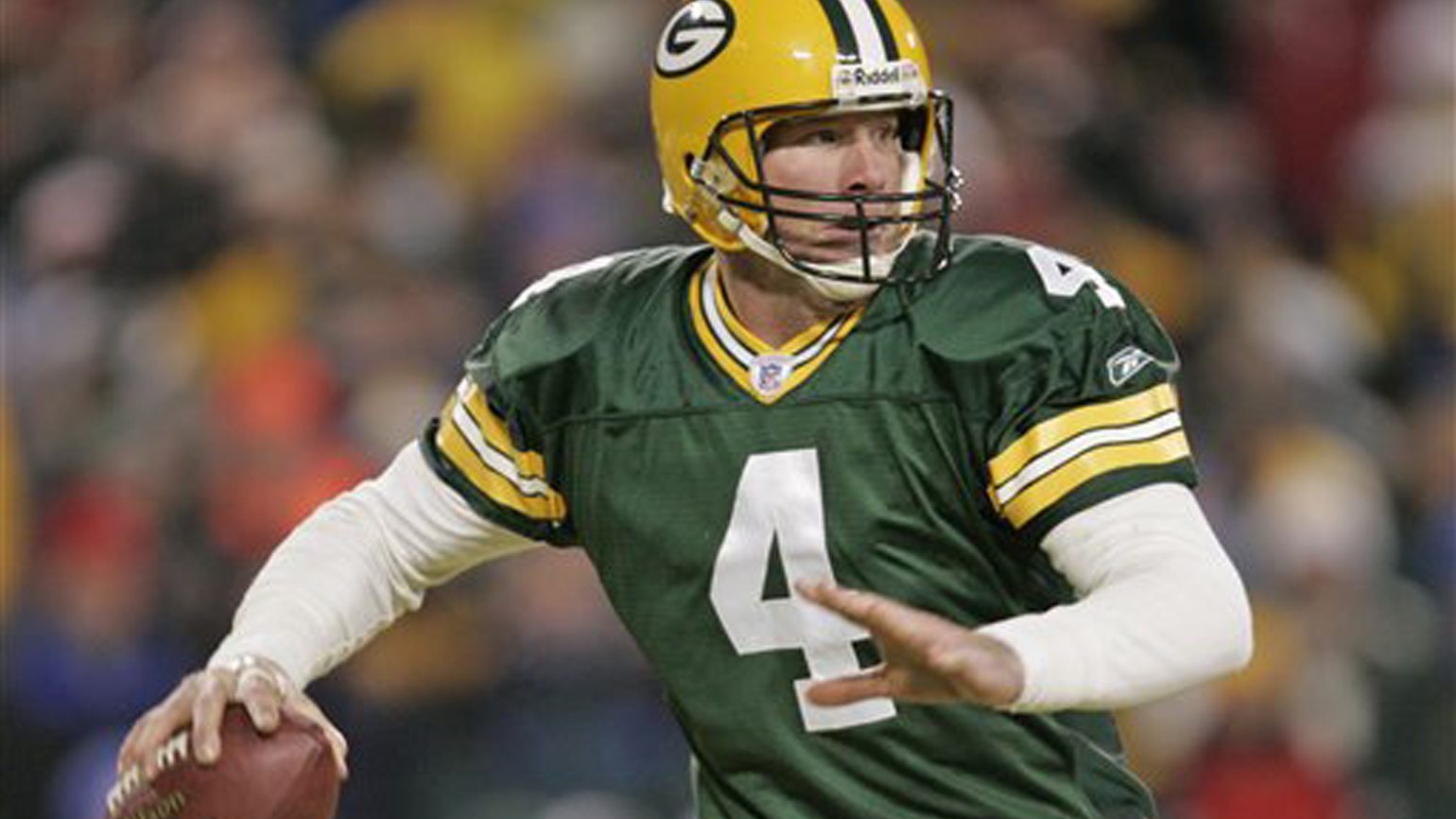
The next day we flew back to Green Bay where my husband, Brett, was quarterback for the Packers. The Packers lost their game on Monday night against the Tennessee Titans, 48 to 27.

On Wednesday I went in for my regular gynecological exam. I had my doctor check a lump I’d found during a self breast exam two months earlier. Immediately he sent me to the Van Dyke Haebler Center for women. I told myself not to worry. I had no family history of breast cancer. I was 35 and in excellent health.

Life was good and Brett and I counted our blessings. We’d had our ups and downs, but things were strong between us now and this didn’t seem like something to get too worked up about.

But I was still grieving my brother’s death. And this cancer scare just seemed like too much to take in. After a mammogram and ultrasound the radiologist said we needed to do a biopsy.

I felt my heart pound. “Will the biopsy tell us right away…if I have cancer?” I could barely say the word. “We’ll call you tomorrow,” he replied carefully.

Every time the phone rang the next day it was Brett calling from the Packers’ practice facility. No matter how many times I told him I’d let him know as soon as I heard, he kept calling. “Go run some laps,” I teased him. “Study your playbook, sign some autographs, throw a few footballs. Don’t call me again until after 12.”

The phone rang right after 12. Not Brett again, I thought. It was the doctor. “I’m sorry to tell you,” he said in measured tones, “but you have breast cancer.” A trembling rose from somewhere deep in my bones and a buzzing filled my ears. Cancer. Brett was on the phone in minutes. All he could say was, “Oh, God.”

It seemed like Brett and I had known each other forever, and we almost had. We grew up together in the small Mississippi town of Kiln. We went to the same school through 12th grade. I remembered his cute blond cowlick and the way he sat in the bleachers in high school with the laces of his high-top sneakers untied.

We got to know each other playing two-on-two basketball—I was just as much a jock as he was. One day he called me up and I could hear a lot of voices in the background saying, “Ask her, ask her.” Finally he drawled out, “Will you go with me?”

We were officially a couple, but most of what we did together was sports. We played catch on our dates and for a present he bought me a glove and a catcher’s mitt. When his dad saw Brett firing fastballs at me, he came running out of the house. “Boy,” he said, “you can’t throw that hard to a girl!” It didn’t stop Brett. Or me, for that matter.

I loved him, even if he wasn’t the most romantic guy. On the way to our senior prom he drove off with his wallet on the top of his car so he couldn’t even pay for our dinner. In college he courted me with a plastic red rose—following a spat when I wouldn’t speak to him for a month.

Then he gave me a second red rose the next date. The third one appeared in his car shortly thereafter. “I guess this is the last one,” I said, inspecting it. “Why do you say that?” he asked. “Because the tag on it says three for ninety-nine cents.”

Brett got drafted from the University of Southern Mississippi to Atlanta, then traded to Green Bay. After years of soul-searching I followed him up there, only to find out that the quiet, kind Brett I knew and loved had become a loud, rough party animal.

For the first time I saw a mean streak in him and I didn’t know where it had come from. He had mood swings that he’d never had before. He disappeared sometimes without even telling me where he was going.

One day I discovered a plastic bag filled with white pills. Painkillers. He was horribly addicted to painkillers, partly as a result of all the injuries he played with. We got through that. He went to The Menninger Clinic and got help. We went through counseling together and he was once again the best friend I’d ever had—and by now my husband. I prayed for him through countless games, praying he’d make it through without an injury.

There were wonderful thrilling trips to the Super Bowl and tragic bittersweet moments like the night he played against the Oakland Raiders right after his dad’s death, making the game a tribute to his father. That night he threw for a total of 399 yards and four touchdowns…with tears in his eyes.

All that confidence and strength evaporated when I got the cancer diagnosis. I’d never seen Brett so shaken up. He was pale and in shock. We hugged for a long time and then Brett studied the breast cancer material I’d been given as though it were a playbook. Which, in a way, it was.

I told our two daughters, Brittany, 15, and five-year-old Breleigh. “I’ll be okay,” I reassured them. My cancer was stage II, considered early, and the doctors felt they could treat it with a lumpectomy, not a mastectomy. I went to New York for surgery and Brett called constantly (it was mid-season). “Don’t worry about anything,” he said. “Just be strong and get through it.” “Pray for me,” I urged.

The surgical team was confident, but they insisted on four rounds of chemo and six weeks of radiation. How bad could that be? I wondered. The first round of chemo was right before Thanksgiving. I’d never felt so sick in my life. It was like the worst flu you can imagine. I’d promised to make cornbread dressing for the holiday dinner we’d have with friends. What usually took about 30 minutes took all day.

Losing my hair was painful too, more than I would have thought. In the morning my white cotton pillowcase looked like it had been transformed into black satin—covered in hair. I didn’t want to have patches of bald spots. I told my hairdresser to shave my head. I bought wigs and Packers knit caps to wear.

Once, Breleigh came into the bathroom after I had taken my shower. Her eyes locked on my bald head. Finally she said, “Mommy, your hair looks really pretty.”

“Thanks, sweetie,” I said, “but I know it doesn’t.” We both giggled.

Eventually both Brittany and Breleigh cut their hair off to show support. Brett got into the act too. The night he came home with his hair totally shaved, I was overcome.

Cancer can make you feel so alone. Love and support are the only antidotes. Brett used his experience getting off painkillers to share his strength with me. It wasn’t my strength or Brett’s. It was our strength.

Brett went public with my cancer. I started receiving hundreds of letters. The prayers gave me strength on days when all my energy was spent. Each woman in my Bible study picked a Bible verse to encourage me, and an artist arranged them around the verse from Philippians: “I can do all things through Christ who strengthens me.”

At night, when I was too weak to do anything, I sat on the chair with the ottoman in the living room—Brett’s chair, we call it—and answered all those letters. Encouraging others with cancer made me feel better.

In mid-May, when I had just a bit of hair on my head, I drove to a broadcast station to record what I thought was a radio spot for breast cancer awareness. “No, Deanna,” I was told. “It’s TV.” Not only that, they wanted to take a picture of me for a poster. Without a wig. No way. I felt so vulnerable. But I remembered all the people who’d written to me. Okay Lord. If this helps one person get through what I’ve been through, then sure. Help me through it.

In the spring I got a clean bill of health. Brett was ecstatic. So were the girls. But life will never be quite the same for all of us. Cancer changes you. It might sound trite, but Brett and I both have a renewed sense of how precious life is, how blessed we are. It’s as if even the everyday things are vivid.

No matter how often we speak to each other during the day, we always say “I love you.” We’ve both become big note writers and card senders, encouraging each other. Just the other day I discovered a letter Brett had hidden in my vanity drawer when he went off to training camp.

God has given us strength to do more than we ever thought possible and he’s knitted us into the partners he knew we could be. Not long ago we were at Disney World with a group from Breleigh’s cheer squad.

Suddenly I noticed Brett pulling a pink blossom from a flower bed, giving it to Breleigh. Then he said with a smile in front of the group, “Give this to your mother and tell her how much I love her.”

I thought of the boy with his three-for-ninety-nine-cents roses, and gave thanks for who we were now. Cancer and the trials we’ve faced could have driven us apart. By God’s grace we were driven toward each other—for support, for strength, for love.

This story first appeared in the October 2007 issue of Guideposts magazine.