Embrace God's truth with our new book, The Lies that Bind

God Is Always on Call

Michelle Cox reassures her young grandchildren that they can always call her, no matter what. And realizes that God is telling us the same thing.

I travel a good bit, and my grandchildren like for me to tell them about my trips before I leave. So last Sunday when we had lunch with five of our six grandbabies, I told them about my upcoming trip to Dallas as part of a press junket for the red carpet premiere of War Room.

I showed them the pictures of the historic hotel where I’d be staying and of the huge Majestic Theatre where the red carpet event would be held. Then I said, “Grandmama will be flying on an airplane.”

My four-year-old granddaughter, Ava, said, “I want to go with you!”

“I wish you could, baby, but Grandmama will be working until late at night. Maybe you can go with me on an airplane for another trip.”

Her little face turned serious as she looked at me. She said, “But I can call you if I want to.”

“Sweet girl, you can always call Grandmama. Anytime you want to call. Okay?”

And then it was as if God whispered, “Just like you can do to Me.”

I’m so grateful that no matter where we are and no matter what’s going on in our lives, we can always call on our Father with the full assurance that He’s waiting on our call—and His line is never busy.

He’s even given a 9-1-1 number for us to call in Psalm 91:1-2: He who dwells in the secret place of the Most High shall abide under the shadow of the Almighty. I will say of the Lord, “He is my refuge and my fortress; My God, in Him I will trust.”

Over this past year as I’ve read your comments on my posts, I’ve realized that many of you are going through tough circumstances with seemingly unfixable things happening in your lives. I’ve been through some of those times myself, and the one thing I can tell you is that God is faithful. So I thought today might be a good time to share some of those precious promises He’s given us about calling on Him.

Are you in trouble? As for me, I shall call upon God, And the LORD will save me. (Psalm 55:16)

Do you need an answer? “Call unto Me, and I will answer thee, and shew thee great and mighty things, which thou knowest not.” (Jeremiah 33:3)

Do you need salvation? And it shall come to pass, that whosoever will call on the name of the Lord shall be saved. (Acts 2:21)

Do you need reassurance? Because He has inclined His ear to me, Therefore I shall call upon Him as long as I Iive. (Psalm 116:2)

Sweet friends, whenever you need to make one of those spiritual 9-1-1 calls, rest in the assurance that God is always waiting, and He’ll be sufficient to answer whatever you’re calling Him about.

God Guided This Recovering Addict to Plant a Community Farm

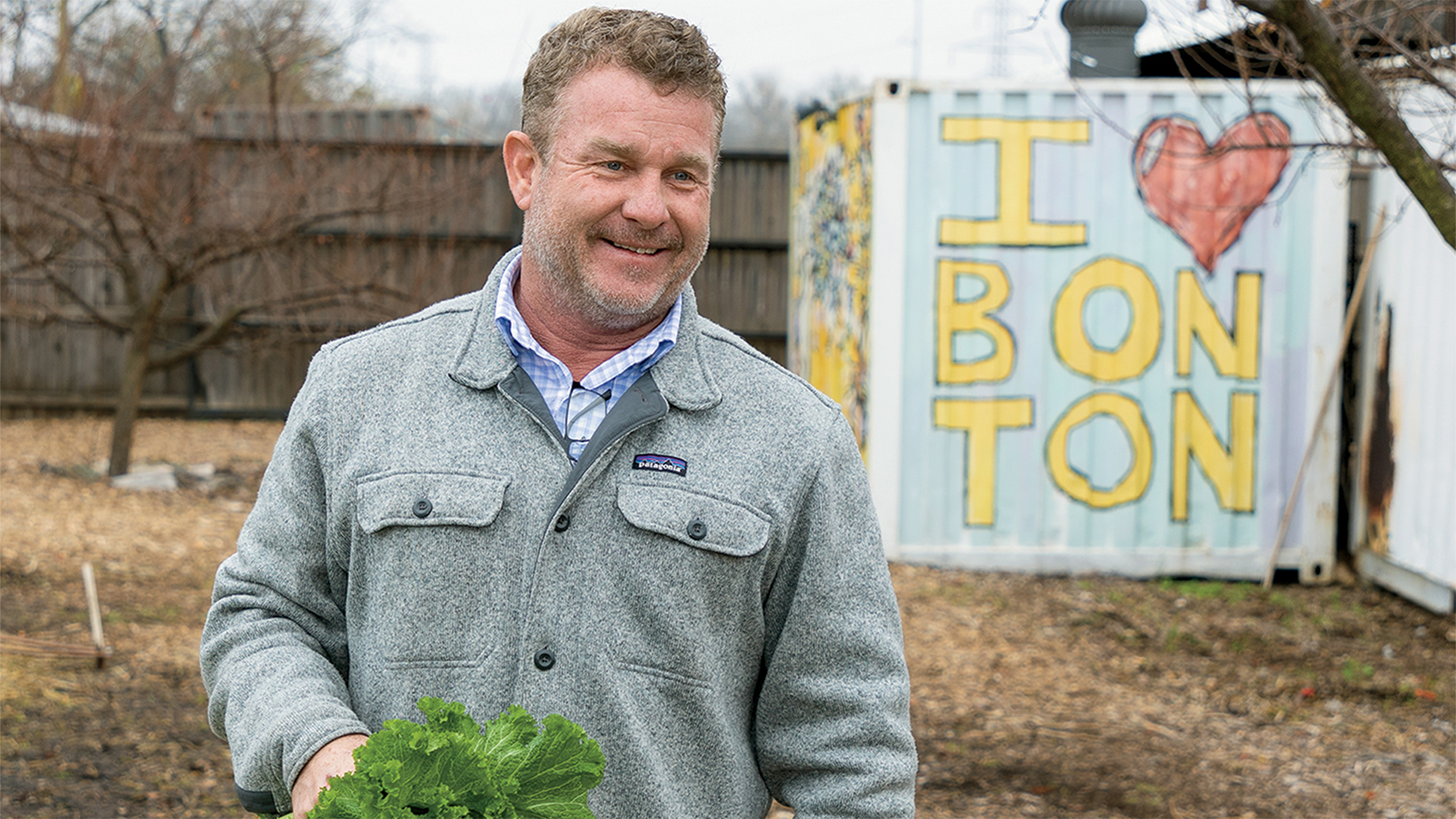
I live on a farm—a real farm—in the middle of one of America’s largest cities. You can see the skyscrapers of downtown Dallas from the fields near my house.

If that doesn’t surprise you, maybe this will: I knew nothing about farming when I moved to this neighborhood. I didn’t know much about life. I was a recovering cocaine addict who came close to destroying myself and my family and yet still struggled to contain a mighty ego.

Now I’m a farmer. I live in a house once owned by Habitat for Humanity and oversee Bonton Farms, a non-profit enterprise that grows organic produce, runs a market and a café and employs people from the neighborhood who are a lot like I used to be—looking for that connection to grace and love that will enable them to become all that God intended them to be.

Bonton is one of Dallas’ most challenged neighborhoods. The per capita income is $24,000. Almost a third of residents live below the poverty line. Many have been incarcerated. This is not a typical farm community.

Why would someone who knows nothing about farming start a farm in the middle of a big city a decade after entering recovery from substance abuse? Doesn’t that sound crazy?

How I got here is a God story, pure and simple. I simply can’t take credit for this oasis of fertile soil and spiritual renewal. The truth is more wonderful than that. I’m living proof that God can take the driest, deadest husk and transform it into a source of life and love that never stops giving.

Two decades ago, I was literally thousands of miles away from my current life. My wife, Marcy, and I lived in Portland, Oregon with our two elementary-school-aged boys, Beau and Cole. Marcy and I ran a chain of Schlotzsky’s Deli restaurants. We’d met in college and I was still head over heels in love with her.

Our stable family fell apart when Marcy was diagnosed with cancer. She died after two years of grueling treatment.

I had grown up going to church but I never took faith seriously. I was more interested in my own ambition. When Marcy died, I had nothing to fall back on spiritually. I had poured everything into my vision of a perfect family on the road to success. I depended on Marcy for my day-to-day emotional well-being. Her death left a hole I didn’t know how to fill.

I became profoundly depressed. I left our business unattended. I went through the motions with the boys but mostly I withdrew into myself and shut down.

One evening, some friends told me I needed to get out of the house. For some time, I turned down their requests but eventually I gave in. My friends took me out—to a strip club.

Going out and getting into fights became a regular source of release. I’d leave the kids with a sitter and carouse late into the night. I made up excuses about bruises.

One night, I wound up in a car driven by strangers. They took me to their apartment and offered me a line of cocaine. It was an even more intense adrenaline rush. Right there I knew I’d found my new best friend. I didn’t even have to hurt anyone to escape my depression.

Like all drug addictions, mine spiraled out of control. Much of that time is a blur. What I know is that, two years after Marcy died, I was alone in my house, my business and everything else around me was in ruins and my kids were living with my parents in Texas. I was in danger of losing the house because I hadn’t made a mortgage payment in seven months.

A large group of family and friends flew out from Texas and staged an intervention. They dragged me to a residential treatment program and promised to care for the boys while I worked on my addiction.

I was at the Hazelden program in Oregon for three months. I was full of rage and refused to eat, so they put me on suicide watch. I came out determined to stay sober, be a good father and walk a different path.

What happened? Part of the Hazelden program was seeing a spiritual counselor. My counselor didn’t push any particular faith but she did ask me what I believed and why. When I told her I didn’t believe much of anything, she asked what it would take for me to believe in God.

I couldn’t put that question out of my mind. I also couldn’t help noticing that other men in the treatment program, all from different backgrounds, seemed somehow more whole than I felt. What did they have that I didn’t? They had surrendered to a higher power and they were following the program while I held back. I was too consumed by shame, too convinced I was irretrievably broken to turn to God or stop using drugs.

One night, I couldn’t stand it anymore. I got down on my knees and cried out, “God, I don’t know if you’re real, but if you are, and you’ll have me, I’m yours. I quit!” I said in a loud voice. It was a semi-incoherent prayer. The moment I said it, an indescribable peace and joy came over me. Life and hope flooded into the hole of despair that had appeared after Marcy died. For the first time in two years, I felt like I had a reason to live.

Out of rehab, I sold off what remained of my business, sold the house in Oregon and took the boys to live closer to my family in Texas. Eventually, I found a job at a supply chain company and moved to a Dallas suburb. I worked, went to church, went to 12-step meetings and tried to figure out what to do with myself now that my life no longer revolved around cocaine.

I met a man named Johnson Ellis, who attended Prestonwood Baptist Church. Johnson was a longtime Christian who became a spiritual mentor. He told me about a community group and Bible study he worked with in the Bonton neighborhood near downtown Dallas.

“You should come,” he said. “You’d learn a lot, and you have a lot to offer.”

I didn’t know what I had to offer but I trusted Johnson. The Bible study was run by a Christian community service organization called Bridge Builders. About a half a dozen men from the neighborhood came to the meeting. Most of them had been incarcerated recently and, like me, they were trying to figure out what to do with their lives.

I had wondered what I, a white guy with a relatively new faith and a background in business, had to contribute to a Bible study in a predominantly Black neighborhood with few economic opportunities. Turned out, everyone in that room had a lot in common. We were at a crossroads in our lives. We had made a lot of mistakes. We were asking God which way to go.

I went to that Bridge Builders group every Saturday morning. It was the highlight of my week. I began to get an uncomfortable feeling every time I prayed. “If you like Bonton so much, why are you there only one day a week?” God seemed to ask.

God’s questions grew more insistent. “Shouldn’t you be sharing your life with that community? I could use someone like you to help create some opportunities. Do you want to work for a supply chain company for the rest of your life? Or do you want to join me in doing something new?”

For the first time in my life, the words in the Bible began to come to life. In the Gospel of Mark, Jesus says the greatest commandment is to love God with all your heart, soul, mind and strength, and to love your neighbor as yourself. The prophet Isaiah says that true fasting is not just abstaining from food but sharing with the hungry, welcoming the poor into your home and clothing those with nothing to wear. At the end of the Gospel of Matthew, Jesus gives his followers a great commission: to make disciples all over the world.

All of those passages challenged me to act on my faith, not just talk about it. At the same time, I remembered a passage in the prophet Jeremiah, in which God says, “For I know the plans I have for you, plans to prosper you and not to harm you.” What would happen if I quit my job, moved to Bonton and dedicated my life to ministry there? Would that prosper me? It felt more like harm!

I couldn’t shake the feeling that my future was in Bonton, not the surburbs. My boys were grown and out of the house by this point. I put my house up for sale figuring I’d have a while to sort things out while the house sat on the market. It sold in 60 days.

There were no houses for sale in Bonton. People don’t tend to house shop there. The median home value is two-thirds lower than the Dallas metro area average.

I was at City Hall asking whether there was even some vacant land I could buy when I ran into someone from Habitat for Humanity. He mentioned that they had a house in Bonton.

“It’s got some challenges. The previous owner defaulted and it’s been vacant for a while. Vandals stripped out the copper wires and pipe and people have been using it as a drug house. Want to be the caretaker while we restore it?”

I said yes.

I started hosting the Bridge Builders at my new house. Our first meeting, I met a guy named David Richie wearing an ankle monitor while he was on parole. He launched into a story about how the monitor made it impossible for him to get a job because the parole officer had to call the employer to verify the interview before giving permission to leave the neighborhood.

“What do you think an employer does when a parole officer calls and says the person they’re about to interview is a convicted felon with an ankle monitor?” Richie said.

Another guy told how he’d been excited to be asked back for a second interview at Pilgrim’s Pride. He spent most of his remaining money on a suit for the interview but when he arrived, the manager said, “Oh, we didn’t want to interview you, we just wanted to get a look at you because we thought you might be the guy who recently robbed the bakery. But you’re not him, so thanks for coming.”

I realized one thing this group needed was some resume-building opportunities to make it easier for folks to get a job. Together we formed a neighborhood cleanup organization and recruited other guys to go around cleaning streets and doing other projects.

I noticed a lot of the guys kept showing up to work sick. “Why’s everyone so tired all the time?” I asked.

“Bonton is a food desert,” was the reply. “No grocery stores here.”

“Not one?”

“Just the junk food the liquor stores carry.”

Here’s where God must have spoken right through me. “We should start a garden.”

I had not gardened one day in my life.

The guys and I planted a garden in front of my half-gutted house. People in the neighborhood who knew how to plant vegetables helped us. The garden grew and other people from the neighborhood began coming by to offer advice.

One guy who’d always seemed mean when I greeted him on the streets turned out to be a master gardener. He began working for us and pretty soon we had a big group of employees and volunteers and a bunch of acreage in vacant lots under cultivation.

We started selling produce at farmers markets then started our own market. A café followed. Now we are raising money to build some affordable housing plus a community bank and a health and wellness center.

I would love to say I had some master plan that shepherded Bonton Farms from its small start to what it is today, a non-profit with a $4 million budget, more than 60 employees, 10,000 annual volunteers and a mission to disrupt the systems of inequity that created this place and its many challenges. We do that by feeding bodies, minds and hearts, and by restoring lives through discipleship, in a neighborhood usually ignored and cast aside.

Like I said, it’s a God story. And the story is still being told. God is not done with me, or Bonton Farms. He is always transforming and renewing. Always bringing new life out of hard soil.

One soul, one neighborhood at a time.

For more inspiring stories, subscribe to Guideposts magazine.

God and His Mother Inspired Michael Colyar to Get Sober

Every morning, i look in the mirror and I like the guy I see. My mother and God are the reasons for this.

Every day, I give thanks for being alive, for having two children I love, for having a woman I love, a job I love. When someone asks how I’m feeling, I usually say, “Supercalifragilisticexpialidocious.”

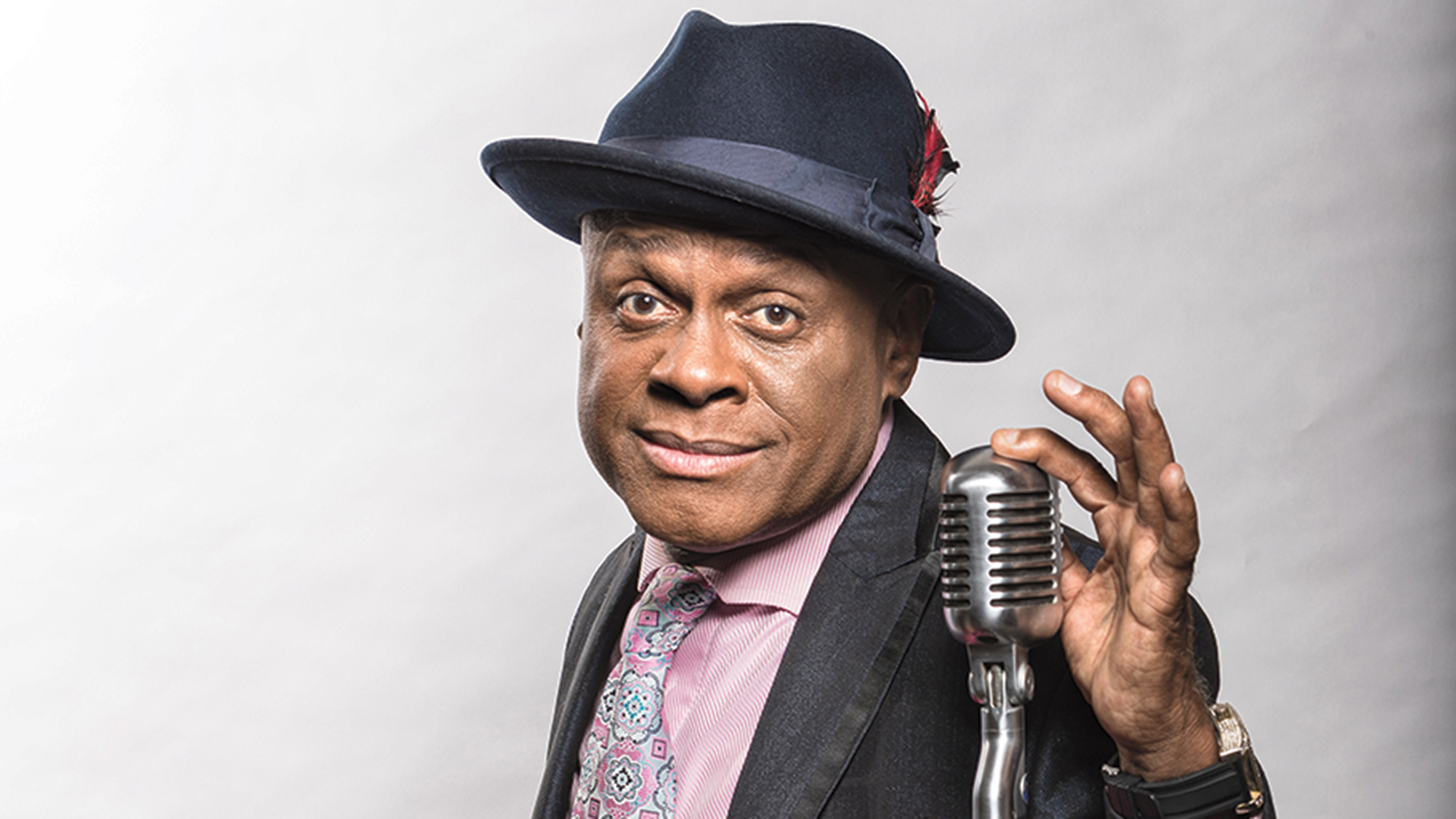
I’m a comedian, an actor and a motivational speaker. I’ve done street comedy, stand-up, television, movies. I’m supposed to say funny stuff.

Except now I mean it. That’s also because of Momma and God.

Seven years ago, I was a hard-core crack addict. I’d smoke rock all night, then come home at 3:30 a.m., feeling crazy and exhausted. My wife would be in the bedroom, having fallen asleep waiting up for me. I’d sit beside her feeling sick and guilty. Then I’d go into the bathroom and smoke another rock. That’s the life of a crackhead.

I used crack for 23 years. But I was a functional addict. I worked, made money. I was successful. Everybody thought I was hilarious. Inside, though, I was a mess.

How did I stop? They say addiction runs in families. My dad was an alcoholic. He drank a fifth of booze a day and died of a heart attack when he was 51.

Thanks be to God, recovery runs in families too. I never told my momma about my addiction, but she knew. Of course she knew. Momma always knows. More than anyone else, she inspired me. She loved me, prayed for me, never gave up on me. The rules she taught me growing up—love God, be kind, respect yourself and others—formed my foundation. I leaned on that foundation in recovery. Momma’s love came from God. At last that love reached me and helped me get clean.

Growing up, I never knew that my family and I were poor. When everyone around you is poor, you don’t know what you don’t have.

I was raised in the Robert Taylor Homes, a 16-story public housing project on the South Side of Chicago. When we moved there in 1962, most families saw the projects as an improvement on the falling-apart places they came from. That’s how it was for us. We were on an upward path.

We would have stayed on that path if my dad hadn’t drunk all the money he made. He was a tailor who could alter and press a suit to perfection. The minute he got paid, he took that money and bought a case full of booze. Whatever he didn’t drink, he sold on Sundays when liquor stores were closed.

Lucky for me and my four older brothers, Dad wasn’t an angry drunk. He just got funny and sentimental and then passed out. He was always the life of the party, the guy everybody wanted to be around.

He and Momma fought, but they agreed on how to raise kids. We had rules and were expected to follow them. Momma was a devout Catholic, and she prayed all the time.

I loved my dad, but I swore I’d never become a drunk like him. Though I always knew he loved us, I also felt the effects of his alcoholism every day. The instability. The fights with Momma. I wanted no part of that.

Still, I was a lot like him. I was always the funny guy, a storyteller like my dad. In high school drama class, I realized you could make a whole audience laugh, not just your friends.

A friend encouraged me to try comedy on the streets. I told him he was nuts—until I saw how much money he made doing a routine on State Street. I gave it a try. People gave me money! For telling jokes!

The first winter after I started doing street comedy, I noticed something. Snow and biting wind would keep my audience away. So I loaded up my stuff in my 1967 Buick LeSabre and headed out to Los Angeles, the show business capital, where it’s summer all year long.

I did comedy on the Venice Beach boardwalk. Right away I drew lots of tourists and locals. It was a diverse crowd, and my comedy tackled issues like racial prejudice. Word spread, and soon I was being dubbed the King of Venice Beach.

Movie stars came to see me. So did producers. I got invited to audition for TV and films. My career took off.

So did my party life. I’d never become like Dad. I could handle a drink. I knew how to have fun with drugs.

Then someone introduced me to cocaine. It was like electricity coursing through my body, giving me boundless energy and confidence. More of that, please!

“You like that stuff?” a friend of mine asked one day. “Then you’ll love this.” He handed me a glass pipe that had a small white rock inside it. I held a lighter under the pipe and inhaled.

Wham! A cocaine high like I’d never experienced. The high didn’t last long.

“Give me another,” I said.

And so it began. For a long time, I told myself I had everything under control. I only smoked rock at parties. I wasn’t like those crazy crackheads on the street.

In fact, I was an addict—just like Dad. I didn’t control crack. Crack controlled me. I found myself getting high in strange motel rooms with sketchy people just because they had rock. One time, I was in an alley buying drugs. I reached toward my pocket, and the dealer must have thought I had a gun. He pulled out a real gun and pointed it at me.

“Get out of this neighborhood,” he said. I did. Fast.

I told myself I wasn’t a real addict because I still had a house, my wife had spending money, and I kept landing roles. But after I started turning up high for auditions, the roles dwindled. My wife gave up trying to make me quit. Eventually our marriage ended.

Being an addict is exhausting. All you think about is getting high. Whenever I talked to Momma back in Chicago, I tried to make it sound like I had everything together. She knew otherwise. Mothers always know.

Then she got breast cancer. I wanted to be sober for her. I was tired of living the way I did. I tried to quit. I just couldn’t. The craving for that high was too intense.

Momma died before I got sober. I was devastated. All my life, she’d been my foundation. In her eyes, I saw myself as I really was.

At last I broke down and contacted a group called Cocaine Anonymous, a 12-step program that’s modeled after Alcoholics Anonymous. I got clean, had a serious relapse, then got clean again. I’ve been sober ever since—seven years. What a gift.

Many addicts don’t stick with recovery. The odds were against me. I work in an industry where alcohol and drug use are common. I’d been addicted a long time. And I am my father’s son.

I loved my dad. I don’t want to make him sound one-dimensional or blame him for my addiction. But it’s a fact that addiction runs in families. If I’d known that earlier—really known it, believed it, acted on it—maybe I would have been more careful. Maybe I would have pushed away that glass pipe when it was offered to me.

Like I said, recovery runs in families too. Even for those of us who have addiction in our genes, there is hope. The hope comes from God.

For me, that hope was delivered through my momma’s unwavering love. It was her love that raised me with a strong foundation. Her love in the prayers she prayed for me every day. Her love in the example she set and the inspiration she provided.

Today I’m traveling around the country doing a one-man play. It’s a show with a message. And that message is: Through determination and hard work, you can overcome whatever challenges you face—especially if you put God first. Right up there with your momma. (I think God will understand.)

The show is called Michael Colyar’s Momma. That was her message to me. Now I’m sharing it with the world.

For more inspiring stories, subscribe to Guideposts magazine.

Glory and Grace

On the day before her 88th birthday my mother fell at her assisted-living facility and suffered a concussion and multiple strokes.

Thank God she survived. But her mental and physical abilities were severely limited.

I flew from my home in Dallas to the facility in San Antonio to be with her. I knew I couldn’t stay forever, but I wanted to. Mom had always been there for me.

Can the staff here take good care of my mother now that she’s so helpless? I worried. I didn’t want to leave without knowing Mom was in good hands.

I slept in the room with her for two days, and still my worries hadn’t stopped. On the third morning, sitting in a chair by her bed, I began to pray.

Long ago my mother had taught me not to ask God for what I wanted, but to ask instead for his strength and guidance. “Where you lead me, I will follow,” I prayed.

It made me think of that old hymn, “Where He Leads Me, I Will Follow.” The tune got stuck in my head. “Where he leads me, I will follow…” I began to hum out loud.

How’d the rest of it go? Oh, yes: “He will give me grace and glory; he will give me grace and glory.” Singing those words in my head comforted me. Grace and glory. I couldn’t let my worries shake my faith. I would just have to trust that Mom would be okay, as hard as that was.

Just then, there was a knock on the door. Two nurse’s aides walked in. “We’re here to help your mother take a bath and get her ready for the day,” one of them said.

They took my mother gently by the hand and helped her out of bed, making sure she got her footing before they led her to the bathroom. All the while, the aides talked to my mother like a person, not a patient. I was impressed by how professional and kind they were. How could I have not appreciated the staff here before?

When they were done with Mom, the aides turned to leave. “Wait a minute,” I said. “I just want to thank you two for taking such good care of my mom.”

“You’re welcome,” one of the aides said. “If your mom needs anything, we’ll be here.”

“I’m Gracie,” the other aide said. “And this is Gloria.”

Give Thanks for Tax Day

My dad always stayed up late on April 14 working on tax forms. I can see him sitting at his old roll-top desk, stacks of papers and receipts piled up next to him, a calculator ready to add the numbers.

“Night, Dad,” I said, as I headed off to bed. “That looks like a lot of work. You must hate having to do our taxes.”

He looked back at me and one would expect a gaze of harried impatience or complete exasperation. Well, yes, there was a furrow or two in his forehead–could he finish it all in time?–but then he said with utter sincerity, “Paying taxes is an opportunity we should all be grateful for.”

Grateful? It’s not a response you hear much. Give thanks for taxes? Thanking God for all those pieces of paper and the forms that need to be filled out with all the correct information? Rushing to the post office on April 15 to make sure it’s all postmarked on the right date?

I suspect most of us dread having to file our taxes. I’ve given up trying to do it myself. If there’s anything I’m grateful for it’s our accountant who knows how to make heads and tails of 1099s and W-2s and Schedule C’s and whatever else he asks for.

But Dad believed April 15 was a time to give thanks, and maybe it was that very feeling that kept him at it late into the night, thanking God for what few of us think of thanking God for.

“When you pay your taxes you’re participating in what our country does,” he said. “And you have to give thanks that you’ve made enough to even have to pay taxes. I look back over the year and realize how fortunate we are.”

How fortunate we are. That’s the part I try to hold on to at tax time. I can see how much we earned and how much we spent. I can look at all our charitable deductions, how much we gave to our church and to causes we truly care about (quite frankly, it never seems enough).

Taking a note from Dad’s book, I try to think of April 15 as a day to count my blessings. Tax collectors were even more hated in Jesus’ day than they are in our time, and yet, Jesus befriended them.

And when some of the Pharisees tried to trick Jesus by showing him a coin with Caesar’s image on it and asking him whether it was lawful to pay taxes, he reminded them of what their real priorities should be: render to Caesar what is Caesar’s and to God what is God’s.

So when I drop that envelope in the mail on April 15–or before, God willing–I give thanks. I am incredibly blessed to be living the country I live in, even with all its faults. I vote in every election and I pay my taxes.

I thank God for the chance. I am blessed.

GirlTrek Helps Women Walk with Gratitude

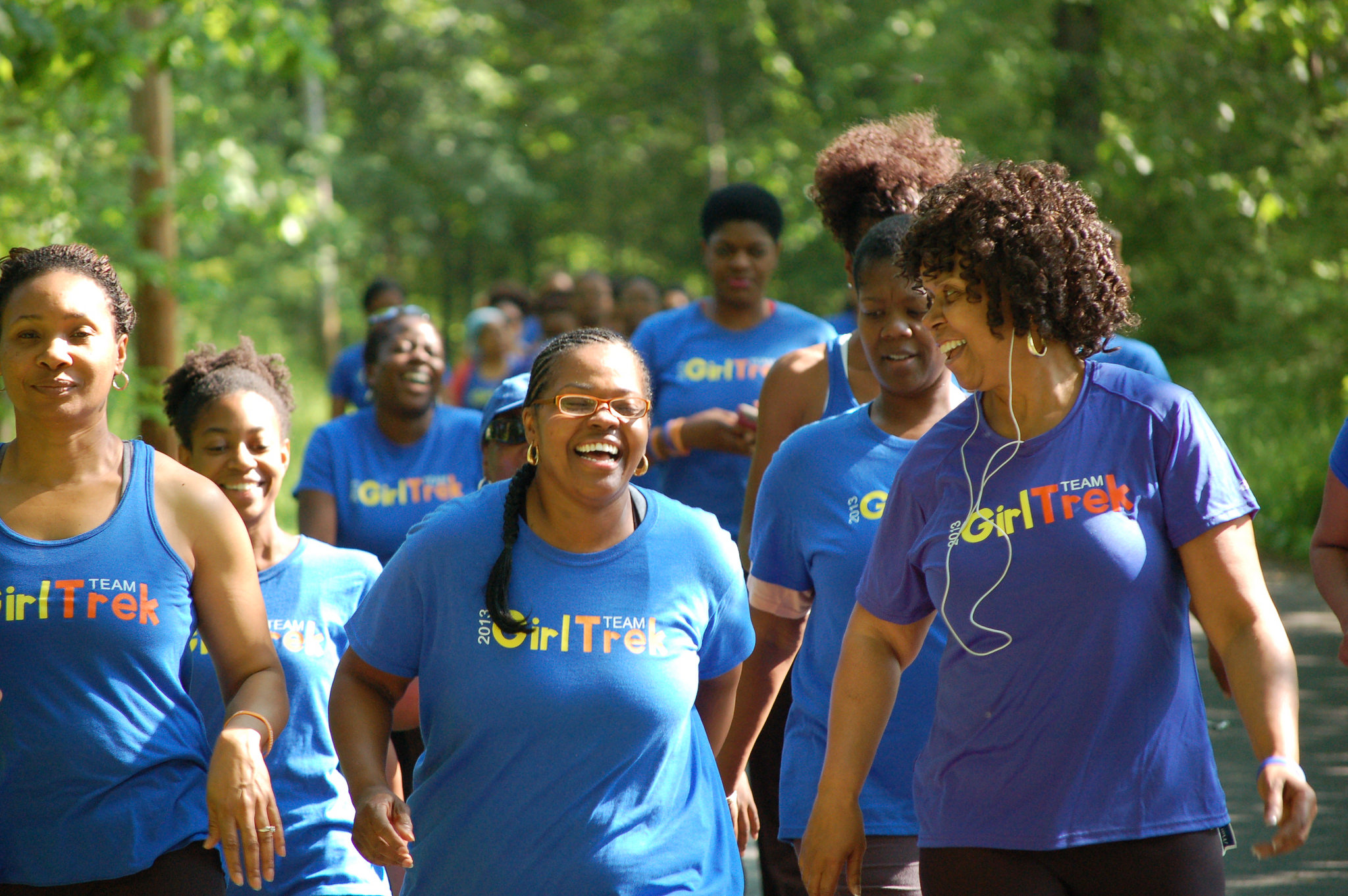
Walking for exercise is good for the body. Gratitude is good for the soul. GirlTrek, the largest health movement for Black women in the country, is bringing walking and gratitude together this month to help women live their healthiest lives.

GirlTrek is encouraging their 80,000 members nationwide to walk with gratitude for 40 days. In the 40-Day Gratitude Trek, members continue their daily habit of walking in their neighborhoods for at least 30 minutes a day, but also incorporate sending thank you notes, emails, text messages, etc. to deserving people. The expressions of gratitude brighten someone’s day and help members focus on living with a grateful heart.

READ MORE: HOW TO BE MORE GRATEFUL

The Gratitude Trek ends on the day after Thanksgiving—what the founders are calling “Blue Friday,” after the “superhero blue” color they encourage members to wear as they walk.

“Each day we walk, we take stock of our lives, slow down and count our blessings,” GirlTrek founders T. Morgan Dixon and Vanessa Garrison say. “After our walk, we write a heartfelt thank you letter or #GratitudeGram to anyone who is making the world better.”

Not only do these actions help keep members physically healthy, Dixon and Garrison share that the gratitude challenge has emotional benefits, as well.

“Through a daily commitment to express to others how much they mean to us, we are able to heal our wounds, transcend our pain, to put aside ego and pride and to celebrate and share our light with others,” they say.

Gingerbread Men

President Lincoln’s mother used to make gingerbread men for him when he was a little boy using the most common sweetener of the time—sorghum. You can usually find sorghum tucked in among the molasses, corn, and maple syrups in your local grocery store. If not, you can substitute molasses.

Ingredients

½ c. milk ½ tsp. baking soda
½ c. sorghum syrup or light or dark molasses 1 Tbsp. ground ginger
3 ⅓ c. unbleached all-purpose flour ½ c. (1 stick) cold salted butter
2 Tbsp. packed brown sugar

Preparation

1. Preheat oven to 325F. Lightly grease 2 baking sheets. Pour the milk into a glass measuring cup. Add the sorghum syrup (or molasses) and stir the two together. In a mixing bowl, combine flour, brown sugar, baking soada and ginger. Slice the butter into small pieces and cut into the flour mixture with a pastry cutter or 2 knives until the mixture looks like coarse cornmeal. Add the milk-and-sorghum mixture and stir well with a fork or spoon. Knead until smooth.

2. To make the gingerbread men about 4 inches high, break off a piece of dough a little larger than a golf ball. Place it on the work surface and roll it lightly under your palms to form a pencil-thin rope of dough about 12 inches long. Break off a 4-inch-long piece and set aside; this will become the arms. Fold the remaining rope in half to form a narrow, upside-down V. Grasp at the folded top, pinch together 1 inch down from the top and twist, forming the head and neck. Place the arm piece across the back under the neck. Gently press to secure. Place on the prepared baking sheet. Repeat these steps with the remaining dough.

3. Bake until the cookies are lightly browned, about 15 to 20 minutes. Watch closely as the sorghum or molasses in the dough tends to burn quickly.

Makes 18 cookies.

Nutritional Information (serving size: 1 cookie): Calories: 170; Fat: 6g; Cholesterol: 15mg; Sodium: 85mg; Total Carbohydrates: 26g; Dietary Fiber: 1g; Sugars: 9g; Protein: 3g.

Don't miss Rae's inspiring story about researching her book about Abe Lincoln's culinary tastes and preferences.

Ghraybeh

A cookie with Lebanese flair!

Ingredients

1 c. butter 1 c. chopped almonds
1 tsp. orange-blossom water 6 Tbsp. confectioner’s sugar plus ¾ to 1 c. for decoration
2 c. flour

Preparation

1. Preheat oven to 350°F. Mix butter and orange-blossom water until smooth.

2. Combine flour and sugar. Stir into butter mix until blended.

3. Stir in nuts. Roll into 1-inch balls, then shape and curve to make crescent moons.

4. Place on ungreased baking sheet about 2 inches apart and bake 10-11 minutes.

5. When cool, gently roll in confectioners’ sugar. Dust again with confectioners’ sugar before serving.

Make 3 dozen cookies.

Nutritional Information (per cookie):  Calories: 100; Fat: 7g; Cholesterol: 15mg; Sodium: 45mg; Total Carbohydrates: 10g; Dietary Fiber: 1g; Sugars: 4g; Protein: 1g.

Try more of Michelle’s Christmas cookie recipes!

Read Michelle’s story!

Getting Through the Day with Grace

I was thinking the other day, after a good stretch of days filled with drama and trauma and stress, that we’re actually only ever given one problem: how to get through today well, with grace and patience and faith and love and wisdom. Then the day comes to an end.

For some reason that idea was immensely comforting to me. We don’t have to do it all; my job on any given day isn’t to resolve every issue, see the end of the tunnel, or make others happy. My job is not to be happy, to get what I want, enlighten the whole world, or convince others so they understand what I am going through. My job today is deal with today in a Christian manner. Lord knows that can be plenty!

Tomorrow I can worry entirely about tomorrow. But today–oh yes, today!–is what I can do something about now. The moment I am in is the moment God wants me alive, focused, faithful.

Read More: 8 Ways to Worry Less

As the sun goes down, my job is to find the good that was mixed in with the bad, the satisfaction mixed in with the frustration, the grace mixed in with the temptations. My job is to confess my faults, make amends where I can, forgive what I can, accept my limitations, and rest.

There was evening and there was morning–the first day. Life is easier when we live it the way God ordained it: one day at a time.

Getting Arrested Saved His Life: A Tale of Sobriety and Grace

They’re going to find out.

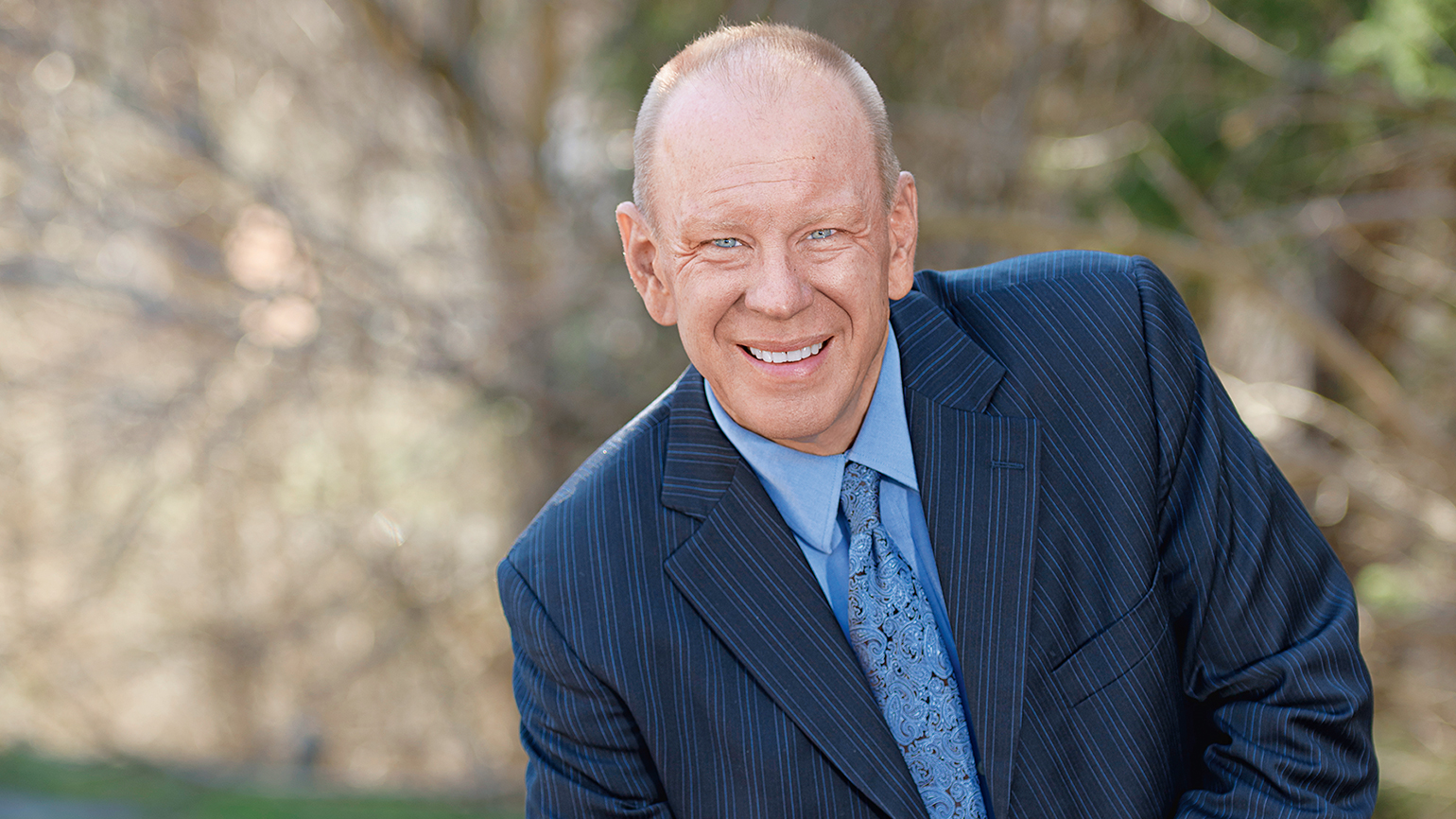
I traveled a lot for my job as CEO of Caron Treatment Centers, one of the largest and most respected addiction treatment programs in the country. Usually alone, which was how I’d managed to keep my secret for so long.

They’re going to find out.

This time, Caron had a full week of events scheduled in Florida. Strategic planning sessions, meetings with potential donors, fund-raisers… Almost every hour of every day, all eyes would be on me.

They’re going to find out.

There was no way I could keep up the façade the whole time. Or was there? My wife, Frances, had mentioned that our daughter Teresa would be on spring break from college that same week. So I invited Teresa to join me. With her around, I wouldn’t slip up. I’d stay at the top of my game.

BROWSE OUR SELECTION OF BOOKS ABOUT PERSONAL GROWTH

Maybe I put so much pressure on myself to achieve at the highest level because I’d come from such humble beginnings. I’d grown up on a pig farm in Missouri, the oldest of five sons. Baling hay, feeding slop to our pigs, hitting the books, going to church—that’s how I’d spent my childhood. My family and faith had taught me the value of hard work and service. I’d been the first in my family to graduate from college, and my father had encouraged me to “reach for the moon.” I’d set an ambitious goal for myself: becoming CEO of a nonprofit organization before the age of 40.

I was fortunate that my background in business and fund-raising led me to a development executive position at Hazelden, another well respected addiction treatment center. Caron hired me in 1995 as its president and CEO. The small-town farm boy had made it big.

Caron was struggling financially when I took over, and I was determined to get us back on track. By 2008, total revenues had quintupled to $60 million and fund-raising numbers were at an all-time high. The board of directors was impressed, our employees were happy and I was respected in the addiction treatment field.

But success had come at a cost. The higher I rose, the harder I worked. And the more I turned to alcohol to manage my stress.

I’d taken my first drink during my freshman year of college. I liked the taste, the buzz. I liked how it made me feel. I wasn’t the insecure kid fresh off the pig farm anymore. I could do anything!

Oddly, working in addiction treatment made it easy for me to hide my drinking. In our field, alcohol isn’t served at business functions, so I didn’t have to worry that I’d embarrass myself in front of colleagues. But I looked forward to business trips. They were my time to drink.

The same discipline that served me so well in my career helped me cover up my drinking. My life became completely compartmentalized. If I drank around Frances or our children, it was minimal and in a social context. I rarely drank in our community. Only when I was away on business did the drinking escalate into abuse.

Even then, I kept things under control. For years, I made deals with myself and stuck to them. I’ll drink on one night of this three-day business trip and one night only. During the early 2000s, however, something snapped. Work was going well; I was happily married and an involved father. But for some reason, I couldn’t keep my deals with myself anymore.

On business trips, I would get drunk every single night. Then I would find myself planning extra trips specifically so I could drink.

I would put in a 14-hour day and unwind at the hotel bar afterward. I work so hard, I’d tell myself. I deserve this. Beer was my drink of choice. I got to the point where I could throw back 12 in one night, easy. Alcohol made me feel funnier. Braver. Smarter. I’m a social person, and I loved interacting with my fellow bar patrons.

The next morning, I’d wake up queasy. As much from guilt as from my hangover.

To appease my conscience, I worked even harder. I threw myself into being a super CEO, super husband, super dad. I exceeded our fund-raising goals. Coached Little League. Built a deck on our house. I thought that drinking actually made me a better leader, husband and father because it pushed me to overachieve. That’s how I rationalized it anyway.

On the outside, my life looked great. On the inside, I was rotting away. My secret ate at my soul. That is what secrets—and untreated addictions—do. From my work, I knew exactly what was happening to me: the inevitable progression of alcoholism. I knew I needed help, but where could I go? Word would get out that the CEO of Caron was in rehab. Then our organization and the addiction treatment field and, even worse, the recovery of thousands of people would be called into question. I prayed about it constantly. Even God didn’t seem to have a solution.

By the time I went on that weeklong work trip to Florida, I was acting from a place of fear. Fear of being found out. Of losing everything I cared about. Which was why I’d brought my daughter Teresa along with me.

That worked the first night. Teresa and I went to dinner and a movie. The second night, my nerves were frayed. Teresa decided to turn in early after dinner. “I’m going to meet a friend,” I told her. “I’ll be back later. Don’t wait up for me.”

My friend was one of the only people who knew what I did to unwind. And even he didn’t know the extent of it. We met at a bar halfway between our hotels. I sat down, adrenaline pulsing through me, and ordered a drink. As soon as that cold beer slid down my throat, the tension of the day ebbed. Five or six beers later, I couldn’t remember why I’d been so stressed in the first place. By then, my friend had left. I kept drinking.

Later that night, I got behind the wheel of my rental car and headed back to my hotel.

I’d almost made it when—bam! The car stopped. I stumbled out and onto the freeway exit ramp. I stared at the guardrail I’d hit. Everything felt fuzzy and far away.

Blaring sirens. Flashing lights. A police officer got out of his patrol car and walked up. “Sir, have you been drinking?” he asked.

This is it, I thought. The jig is up.

I struggled through the field sobriety tests. The officer cuffed me. I failed a Breathalyzer test. I was taken to the county jail, booked for DUI and tossed in a cell. There, behind bars, the oddest feeling came over me. Relief. Almost cathartic relief. I didn’t have to lie anymore. My secret was out.

I used my phone call to talk to my wife, back home in Pennsylvania. “Frances, the most amazing thing happened,” I said, feeling almost giddy. “I’m in jail.”

“You’re…what?!”

“I was arrested for driving while intoxicated.”

“But you hardly ever drink….”

“This is actually a good thing.”

“I fail to see how this is good news,” she said, distraught. Frances said she’d talk to Teresa and ended the call.

I could no longer minimize or deny my addiction. It was real and it was public—with local media even reporting on my arrest. I made the immediate decision to seek treatment. I didn’t go to Caron because it’s standard protocol not to treat your own employees. I spent six weeks at a residential treatment center in the desert. “Don’t go easy on me,” I told my counselor there. “I’ll do whatever it takes to hold on to my job and my family.”

Just one week in, the chairman of the board of Caron informed me that I was being put on medical leave and that I might not get my job back. My family was understandably also very upset, and I knew it was going to take a lot to regain their trust.

“Now you can understand the definition of being powerless,” my counselor said. “The only thing you have power over is your willingness to recover.”

It didn’t sink in. I kept obsessing about what to do to save my job and my marriage. That’s what occupied my mind on my daily jogs in rehab. One day I was out jogging when I took in the stark beauty of the desert around me, the mountains looming beyond. I felt very small.

I was powerless. Powerless to keep my job. Powerless to save my marriage. Powerless to control everyone and everything around me. If I wanted to live and be sober, I would have to let go of my own will and accept the will of my higher power. There in the stillness of the desert, I asked, “God, let me be a vessel of your good will, wherever that goes.”

Recovery remained my priority when I went home. I found a sponsor, went to 12-step meetings regularly. And I began making amends to everyone in my life.

I’d thought my children hadn’t been hurt since I never drank around them, that coaching their sports teams and being involved in their activities meant I was a good dad. “You were there, but we didn’t want you to be,” they said. “You were always angry.”

I needed to hear how my behavior had affected them. Getting honest about my addiction has allowed me to build honest, healthy relationships with my children and my wife.

On my sixtieth birthday, we invited friends over for a barbecue and to watch the Major League Baseball All-Star Game. At one point, my wife turned to me and said, “Who would have thought such a horrible disease would make our relationship so great?”

That very public DUI in Florida nine years ago could have ended my career and my marriage, but getting found out turned out to be the best thing for me, something God knew I needed. Through extensive treatment, support and a commitment to recovery, I was blessed with the opportunity to become a better man, one day at a time. A more effective, more understanding leader at Caron. A more open, loving and emotionally present husband and father. Instead of living in fear, I am living in dignity and grace, and I am so grateful.

For more inspiring stories, subscribe to Guideposts magazine.

Get Lucky With These Positive Thinking Tips

All the St. Patrick’s Day mentions of “the luck of the Irish” reminded me of some fascinating research that I came across. Psychologist Richard Wiseman, a professor at the University of Hertfordshire in the U.K., did a 10-year study of 400 men and women who considered themselves either extremely lucky or extremely unlucky. He found that lucky people might seem to get all the breaks, but it’s not because they lead magically charmed lives. It’s because they “generate their own good fortune.” Their luck comes from their attitude and behavior—more specifically, their positive thinking and positive actions.

Wiseman also discovered that it’s possible to change your luck. When he trained the unlucky people to act and think positive, like the lucky ones, they noticed results within a month: They were happier and had more good things happen for them. Want to improve your luck? Here are some tips based on Wiseman’s research.

Make the most of chance opportunities. Strike up conversations with strangers. Talk to the friendly-looking person who’s standing on line behind you or sitting next to you on the bus or whose locker is in the same row as yours at the gym. You never know what might develop out of a simple chat—a job contact, a friendship, a romance.

Be open to new experiences. On personality tests, lucky people score higher on openness, meaning they prefer variety and novelty in their lives and tend to be unconventional. To develop more openness, Wiseman suggests making a list of six things you’ve never done but want to try. Number them 1 to 6. Roll a die. Whatever number comes up, that’s the experience you try.

Expect good things to happen. When you go into a situation expecting a positive outcome, that’s what you’ll get. Do you have an important event coming up? Visualize success first. Sit in a quiet place. Close your eyes. Take a few deep breaths and relax. Imagine the situation in as much detail as possible—the setting, sights, sounds and smells. Picture the other people and what they might say. Think about what you would say and do. Visualize yourself achieving the outcome you desire. Then go out and do it.

Turn bad luck into good. When something negative happens, unlucky people tend to have a defeatist attitude and give up. Lucky people face adversity too. The difference is, they see the positive side of it. They look at obstacles as opportunities to learn and grow, to do something different, something better. The next time you run into a roadblock, look at it not as a dead end but a detour. How else can you reach your goal? Explore the possibilities and you’ll make your own good luck!

Get Inspired, Start Writing

Did you miss me?

I mean last week. I didn’t blog. But I have a note from the teacher. Her name is Debbie.

I was in Vero Beach, Florida, helping Amy Wong and Rick Hamlin teach one of our Guideposts “mini-workshops.” What are they? I’ll explain.

As many of you know, every two years Guideposts holds an inspirational writing contest. I hate calling it a contest because it implies losers and winners and almost everyone who enters has something important and brave and honest to say in their story.

We can’t award everyone with an all-expenses paid trip to our week-long writing boot camp in Rye, New York, in an old mansion on the Long Island Sound. So we whittle the thousands of entrants down to 15 or so (by the way, every new editor hired at Guideposts is required to go through the workshop, me included way back in…well, never mind).

Then we spend the week working hard on teaching and learning the art of powerful, first-person, inspirational storytelling. Most attendees—I’m still avoiding using the word winner—say the experience changed their lives.

READ MORE: A HUSBAND’S FAITH BOLSTERS A WRITER’S DREAM

Many of them become regular contributors to the family of Guideposts publications. In fact, we think of our workshoppers as family, our far-flung eyes and ears across the country looking for the people and the stories you tell us you love.

If it weren’t for the workshoppers, we wouldn’t have those wonderful narrators you relate to so deeply. In fact, in the August issue we have six pieces originated by workshoppers, ranging in age from 32 to 95! That blows me away.

Anyway, in between the big biennial workshops, we have these periodic mini-workshop weekends for the writers who have gone through the Rye boot camp and are working on promising manuscripts. This past weekend we got together with a dozen of our workshop friends at a little resort in Vero Beach, Florida. That’s what I was doing instead of writing a blog.

So who’s Debbie? Debbie is beloved best-selling romance novelist and Christian writer Debbie Macomber, whose generosity makes the workshop program possible. She joined us for dinner Saturday night, which was a lot of fun. In addition to being an incredibly popular author and Daily Guideposts devotional writer, Debbie is also a very funny speaker.

So that’s my excuse. What’s yours?

READ MORE: DEBBIE MACOMBER’S SPIRITUAL BOND WITH HER READERS

We don’t have a writers workshop contest this year (only in even-numbered years) but at exactly this time next year we will be reading the story submissions for the 2016 Writers Workshop held in that old mansion I told you about.

Can’t you see yourself making the trip to Rye on the wings of a true, personal story of faith in action? Dr. Peale always said to visualize. Visualize yourself winning the contest. Whoops. There, I said it. But you know something? You’re a winner just by trying. So get started. Please. We need you.

P.S. Millie update: she’s doing really well and is now on an experimental cancer treatment using a substance—a peptide—derived from a mushroom. I call them her magic mushrooms. Julee and I thank you for your continued prayers for our sweet Golden girl. We hope God gives us as much time with her as he can spare…but then I understand he always needs angels up in heaven.