

Success is something we all strive for, but it’s the journey to success that has the most to teach us. Trials and hardships, failures and frustrations, you’ll probably encounter all of these things on the road to success. But finding the inspiration to overcome setbacks, stay focused, and live positively is part of the victory.
9 Practical Tips to Make Your Weight Loss Resolution Last
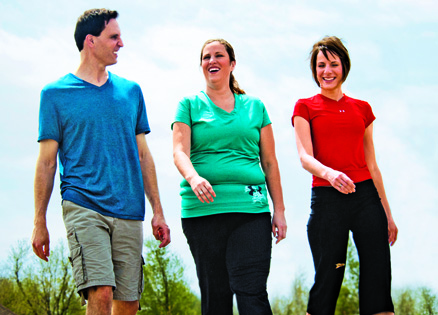
Get organized. Be more patient. Lose weight. If you’re like most Americans, your New Year’s Resolutions List for 2019 reads something like this. Perhaps most of all, you want to get into shape and shed those holiday pounds. But did you also know that you have an 80% chance of failure?
That’s right: A whopping 80%. Most people fail to adhere to their weight reduction plans by the time Cupid’s love notes are in their mailbox and a box of chocolates is sitting open on their kitchen counter. That’s because, experts say, typical dietary and exercise goals are way too lofty. Far better to take things more slowly and make them a way of life.

When I lost nearly 100 pounds almost a decade ago, I rarely saw the numbers on my doctor’s scales move more than one pound per week. I’ll admit, it was hard getting used to the slow progress. I wanted people to notice what was happening, and with those pitiful pounds, no one said a word.
But because some of the meds I was on kept me from losing faster, I had to accept my meager weight loss. Now I’m so glad I did because I’ve been able to keep that weight off. Let me show you some of the strategies that have worked for me after the holidays each year.
Find an accountability partner. My sister Reb fills that role for me. If I’m not being totally honest about things, she lets me know. And because we’re in this healthy living thing together, the relationship isn’t threatening.
Use a two-pronged approach. Both dietary changes and exercise are needed for best results. Find a way to move your body that fits your lifestyle to be most successful.
Rid the house of leftover holiday foods. If cakes and candies aren’t around, the chances that you’ll consume them go way down. Make it difficult…very difficult to make bad choices.
Don’t put yourself down. This only serves to add to your stress, which doesn’t help any situation. Instead, set only two or three healthy eating habits for the New Year. And don’t restrict entire food groups either. Remember, you can have just about any food in moderation, just not everything at once. We’re talking about a lifetime change, not a momentary shift in eating patterns.
Besides, overly restrictive diets lower one’s resistance to infections, and flu season peaks right after the holidays, in January and February. When I was losing, I only changed one dietary habit at a time. When I stopped losing with that one change, I then made another adjustment.
Make changes for yourself, not someone else. You are the most important person on this plan. This is not the time to try to be a people pleaser.
Drink more water. Most of us are chronically dehydrated, which makes one feel sluggish. Stay hydrated to improve overall health. Avoid fruit juices, too. They may seem healthy but many contain a lot of sugar and hidden calories.
Get enough sleep. Most people have disruptive sleep during the holidays. To repair and recharge your body (and live longer!), you require at least seven hours per night.
Keep a food diary. If you write it down, your eating is more mindful and you’re paying attention to your actual appetite. You may not think three M&Ms makes a difference, but calories do add up.
Spend more time with those you love. An important part of any plan in any year!
9 Inspiring Labor Day Quotes

For Labor Day we share these quotes that celebrate the importance and value of hard work, reminding us all that our labors are worthwhile.
9 Inspirational Quotes for Retirement
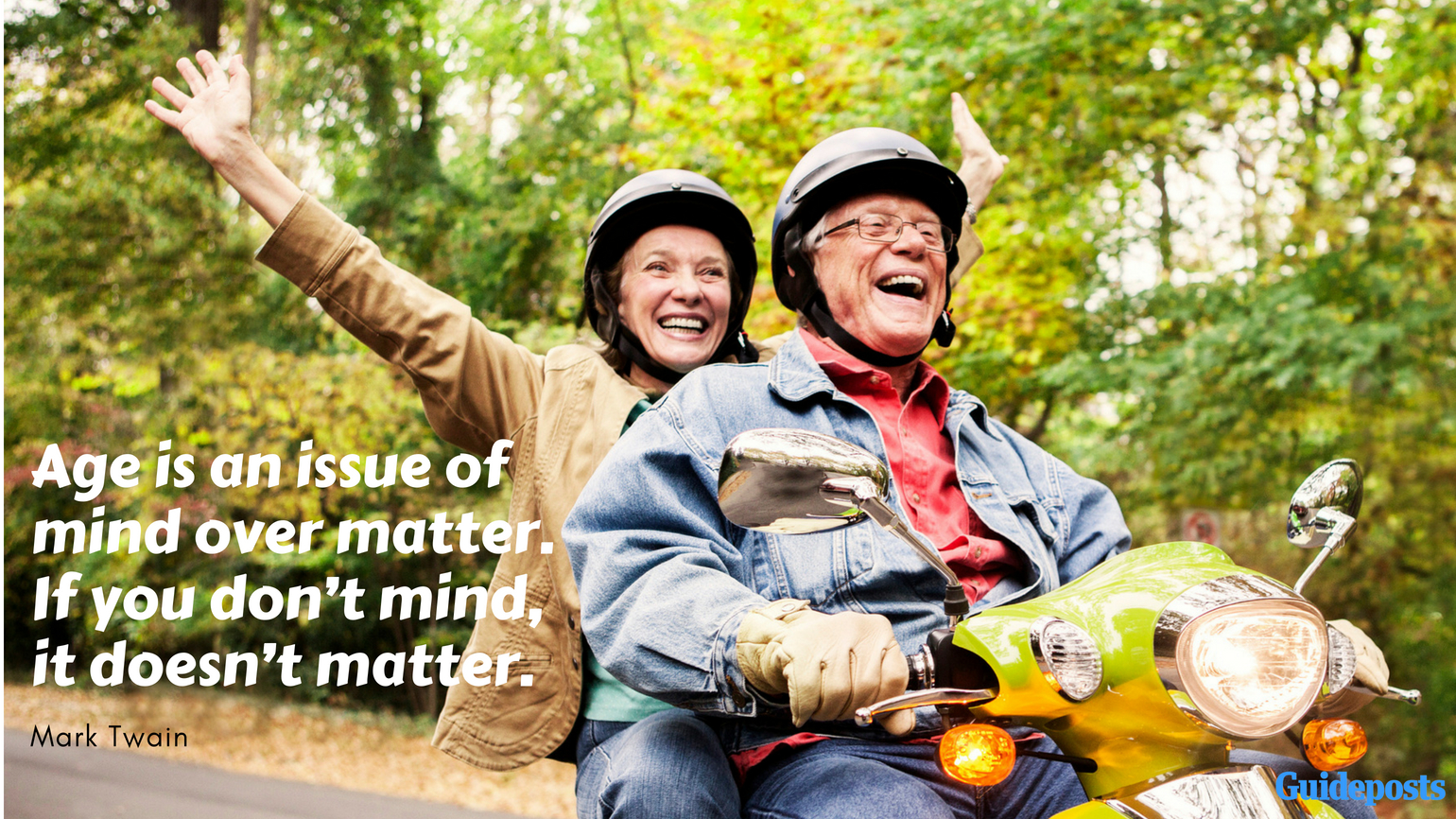
Retirement is never the end of your journey. Enjoy these nine motivational quotes to inspire you as you plan for the next phase of your life.
9 Healthy Habits You Can Actually Stick With

Do you know what’s better than a New Year’s resolution? A new habit. Resolutions are well-intentioned goals that usually don’t last long-term. Habits are routines we train ourselves to follow, a way to ensure long-term success. Most importantly, healthy habits are ones we can keep throughout our life, letting us age better, live longer, and enjoy the time we’ve earned.
These are nine easy-to-do habits that will improve your life in the new year. Which one are you going to try?

8 Ways for Caregivers to Take Care of Themselves

My husband, Lee, and I were sitting in the doctor’s office, waiting to hear the results of a stress test. The cardiologist looked grave. “Lee,” he said, “you could drop dead at any moment. Your heart is operating at only twenty-five percent.” Twenty-five percent? Lee had always been so healthy!
Lee’s face turned pale. He seemed a million miles away. “You’ll need bypass surgery,” the doctor went on. “And after that, there’ll be a lot of rehab.” It could go on for weeks, months. Lee wouldn’t be able to lift anything or have energy to do much.

Neither of us was young—I was 75 and Lee was 81—but that had never stopped us from doing the things we loved. Writing and singing folk songs, seeing our friends at the Blackbird (our favorite coffeehouse), going to church, working in the garden at our farm. I’d worked for years as a child therapist, and Lee had only just retired from the public TV station in town, where he’d been a top-notch fund-raiser.
I tried to stay focused on the doctor, but what scared me most was becoming Lee’s caregiver. How would I do it? I dreaded the loss of freedom. And I had very little patience for all the things caregivers were supposed to handle: bedpans, wheelchairs, medications, getting up in the middle of the night, all the constant reassurance and support. It made me feel small just to admit it to myself.
For the next few days, we waited for the surgery to be scheduled and tried not to let our worries run wild. In preparation, we bought two deluxe recliners, comfy enough for Lee to sleep in and for me to be next to him, along with a device to help him stand. That meant I wouldn’t have to lift him. We listened to music and talked. I worked on a 1,500-piece jigsaw puzzle.
One day, I wandered outside to take photos of the wildflowers, the birds, the setting sun, the wild turkeys, seeking comfort in God’s creation. Normally I’d post my favorite images on Facebook with some sort of uplifting comment. But I wasn’t feeling so upbeat right now. What could I say? I didn’t want to bum people out.
I announced the upcoming surgery. My fingers hovered over the keyboard. “My friends say, ‘Live in the moment,’” I typed. “Lee and I try, but sometimes we can’t find the off switch to our worries.” I frowned at the words. Should I delete them? I thought of what I’d learned in my years as a therapist. Honesty was everything. Even painful honesty. So I posted the comment.
Later that day, I logged on and was amazed by the number of comments, more than I’d ever gotten before. There were lots of prayers and some lighthearted comments (“Lee is in for a good chance to catch up on videos and reading”), but it was especially helpful to hear people mirroring my feelings. “It’s okay to feel scared,” one friend said. “Or even inadequate.”
In early October, Lee underwent double bypass surgery. He seemed to bounce back. The doctors said his heart was strong. He was in good shape otherwise. I didn’t hesitate to post pictures this time, of Lee smiling ear to ear. And pictures of his nurses and doctors. And the friends who came to visit. Each night I slept next to him at the hospital.
We were back at our farm in a week. I let everyone know on Facebook. The next morning, Lee stirred early. “Can you put on my compression socks?” he asked.
“Of course,” I said. I tugged and pulled but could barely get the socks up past his ankles. The nurse at the hospital had made it look so easy. I stood and yanked hard, worried that maybe I was hurting Lee. Finally, done.
“Can you help me to the bathroom?”
“Sure,” I said. I nearly collapsed under his weight, but we made it there. And back again. Then he wanted a blanket. A glass of water. Soon it was time for his medication.
“Anything else?” I couldn’t stop myself from snapping. “I can only do one thing at a time.”
“I’m sorry,” he said. That only made me feel worse. All my fears about being a lousy caregiver to the man I loved seemed fulfilled. Would every day be like this? If only I could get outside, take a picture, gaze at the wildflowers.
But there seemed no end of things to do. That day or the next or the next. I loved to cook, but in all our 38 years of marriage I’d never had to do breakfast, lunch and dinner for both of us before. Day after day. One morning, I got up before dawn just to get outside. But before I could even get my shoes on, Lee was up. “Can you help me with my socks?” he asked. “I have to get up to go to the bathroom.”

walk together.
I nearly came apart. After that, we made a deal. I needed time on my own to recharge. “Lee,” I told him, “unless it’s an emergency, you’re on your own until 7:30 a.m.” I’d set out a tray next to him with everything he’d need in the morning: pills, half of a banana, some nuts, ginger ale. He understood.
I was able to go outside and connect with nature before I launched into my caregiving role. One night, Lee had a panic attack. And another one. “I drag myself out of bed hoping for a spectacular sunrise,” I wrote on Facebook, “after a night when Lee’s emotions exploded with a panic attack, our second in our up-and-down path after major surgery. All I can do is caress his head, sing soothing songs, pray to God and hope that eventually both of us can calm down and sleep.”
Again the comments came: “Panic attacks are NO fun. I used to have them in the dead of night. Hoping and praying that ALL anxiety passes soon and you both can relax a little.” “Hang in there. It will get better.” “I know this is scary and hard.” It was scary and hard. I didn’t have time to call friends, go out for lunch, go to the Blackbird or even church. Facebook was my refuge, my support system.
In mid-November, Lee had to go back to the hospital. He kept having falls, and the doctors were trying to figure out why. They put in a pacemaker and a defibrillator. I posted photos whenever anything positive happened. Pictures of Lee in physical therapy. Pictures of a high school classmate who visited us one day. “Here, Alice,” she said to me. “I’ve done a painting for you.”
She’d copied a photo I’d done of our garden house, the sun shining through the windows. The painting was magnificent. “Your posts have made such a difference to me,” she said. “Every day they give me a lift.” All this while I’d been worried about sounding self-absorbed or complaining or saying too much or doing too little. But the photos and the posts communicated more than I could have ever imagined.
Lee is home now. He’s going to cardiac rehab, and I’m not a full-time caregiver anymore. I’ve had time to do the things I love—being outside, taking pictures. When we were in the hospital, a friend from church made a delicious apple pie for us, and I’d been waiting to return her plate until I had something to put on it. That moment finally arrived. A big slice of the pineapple upside-down cake that had just come out of my oven. I dropped it off at her house and took a picture.
You can probably guess what I posted on Facebook, the smiling face of a friend who prayed for us—and baked for us—and followed us as Lee and I were going through a hard time. I’d written about our experiences in more detail than I ever intended. That turned out to be a good thing. The best thing, in fact.
Did you enjoy this story? Subscribe to Guideposts magazine.
8 Tips for Bringing Food to a Loved One with Cancer
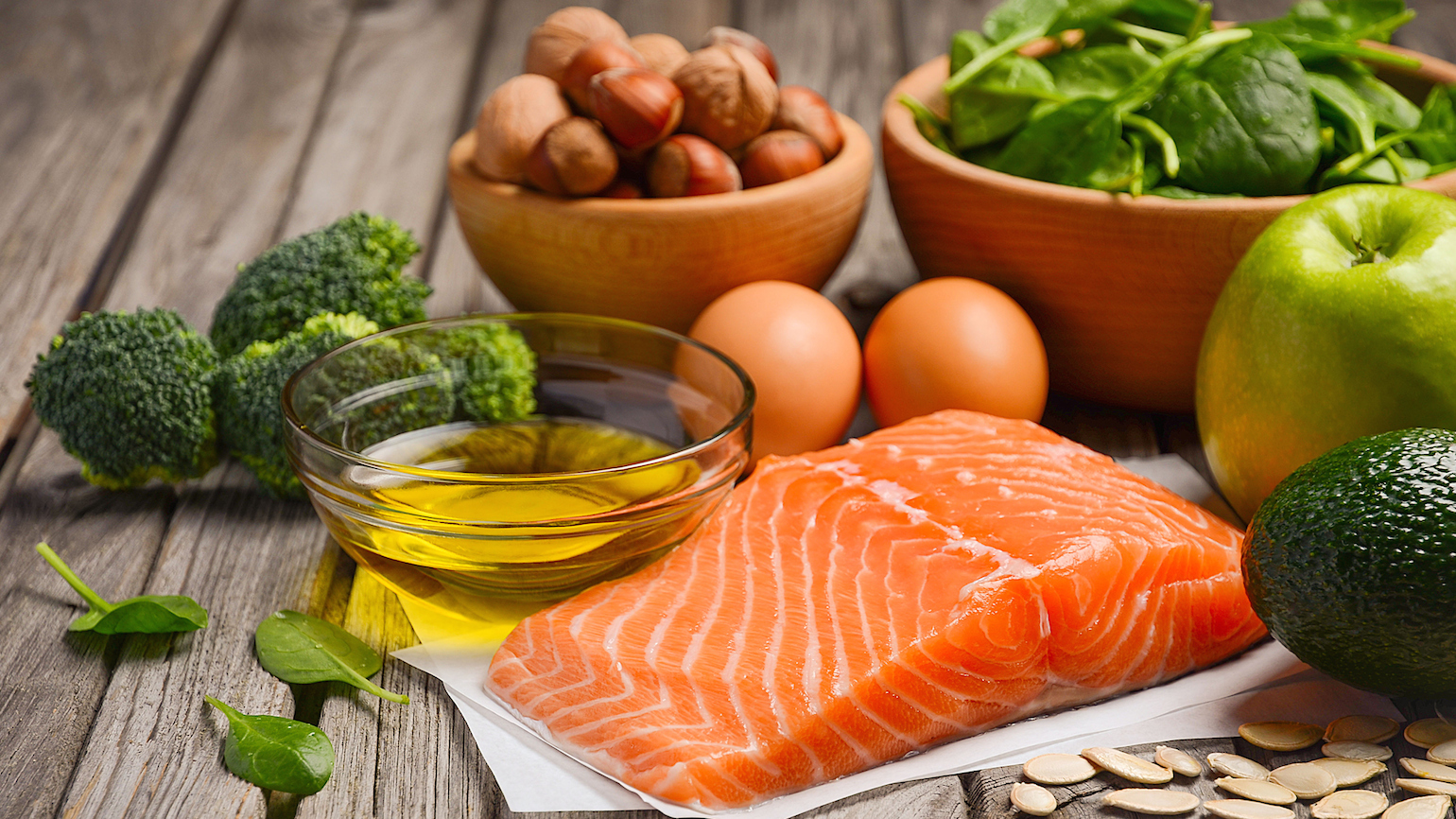
Following the shock and overwhelm of a cancer diagnosis, well-wishers want to know what they can do to help. Providing food to the patient and her family is perhaps the top request. But there are some tricks of the trade to ensure food delivery is well organized, in line with dietary restrictions the patient has been given, and most of all, comforting and appealing to a loved one who craves nourishment and support.
Get hope for Breast Cancer here

1) Ask Before You Cook
Don’t be shy about asking specific questions about what types of foods are helpful to bring. Food tastes different to people undergoing chemotherapy, which can be a scary and frustrating experience for them. “Just the act of asking and validating that the patient has this new situation is so appreciated,” says Stacy Kennedy, senior clinical nutritionist at Dana-Farber Cancer Institute/Brigham & Women’s Hospital in Boston. Ask if there are any foods or ingredients that the patient’s doctor or dietician has told them to avoid, like grapefruit, which is not safe to eat when taking the breast cancer medication tamoxifen. Plan to check in regularly with these questions, because preferences often change on a daily basis during treatment.
2) Food Safety First
No one wants to make a cancer patient sicker, so make food safety a priority. Colleen Doyle, director of nutrition and physical activity at the American Cancer Society in Atlanta, lists some best practices for keeping food contamination-free: wash your hands thoroughly before preparing food, use separate cutting boards for meats and vegetables, cook fish, poultry, meat, and eggs thoroughly, wash fruits and vegetables before cutting or peeling, and check expiration dates on all packaged foods. She suggests gently reminding the patient’s family to refrigerate leftovers within two hours, and to discard uneaten food within three days. The old maxim, “If in doubt, throw it out!” are helpful words to live by.
3) Think Drinks
Preparing batches of smoothies or infused waters can help with two issues many cancer patients struggle with, says Kennedy. First, despite the patient’s need for hydration, “water can taste terrible, like metal.” Secondly, the textures of even favorite foods can be unappealing. “Sometimes drinking your nutrition feels more comforting than eating it,” she says. Bring fresh ingredients like mint, melon, cucumber, or lemon to add to a pitcher of water. Or make smoothies, which can be portioned into mason jars and frozen (leave about an inch of space in the jar to avoid cracking). There are virtually limitless smoothie recipes, including those made with yogurt or non-dairy milks, fruits, vegetables, and grains.
4) Have Sense with Smells
During chemotherapy, patients can be very sensitive to smells, and they can be turned off of eating by the presence of strong or unpleasant aromas. Doyle recommends preparing foods that can be served cool or at room temperature to lessen their aromas, or even placing a slow cooker on a porch or back patio to avoid permeating the house with smells. Be sure to check in with your loved one about their preference, though–some patients might find their senses of taste and smell diminished by treatment, so strong flavors and scents might actually be appealing.
5) Make Every Bite Count
“People going through chemotherapy tend to feel full sooner; even seeing a normal-sized plate of food is a turn-off,” says Kennedy. She suggests thinking of foods that you would serve at a cocktail party—bite-sized items like lettuce cups, sliced wraps, or crostini that can be filled or topped with nutrient-dense foods like avocado, winter squash, pesto, or dried fruits. These foods contain potassium, magnesium, and other nutrients that tend to become depleted during treatment.
6) Be a Team Player
It takes a village to support someone through cancer, so assembling a team of helpers is a great way to share the workload, avoid overlapping on tasks, and make sure the whole family is supported, including the spouse and children of the patient. Setting up an email thread, social media group, or online platform like Meal Train will keep communication going without requiring organizational energy from the patient or her family. Kennedy has developed a free app for Dana-Farber called Ask the Nutritionist: Recipes for Fighting Cancer, where the patient can select recipes that sound tasty and meet dietary requirements like high-protein, lactose-free, or high-fiber. One click shares the recipes with support team members, who can then download shopping lists and head for the store when it’s their turn to cook. The app is available for both iPhone and Android devices.
7) Pack It Up Right
Package your food so it’s easy to serve, portion, and clean up. Kennedy says many patients undergoing chemotherapy are hyper-sensitive to metallic tastes, so avoid aluminum trays and foil whenever possible, choosing glass, ceramic, BPA-free plastic, silicone, or cardboard containers instead. Including some plastic silverware is also a good idea. Doyle recommends packing up individual portions, especially if you are bringing enough food to freeze extra servings. Attach clear re-heating instructions to each dish to make serving easier. And set up an easy system for retrieving any non-disposable serving dishes, such as having the family leave them in a bag on the porch for you to pick up.
8) Deliver the Goods
How you deliver food can be nearly as important as what you bring. Find out what time of day the patient prefers the food to arrive. Also check in to see whether the person wants to combine a visit with the delivery, or simply wishes you to drop off the food and go. Some people set up a cooler on the back porch so support team members can safely leave cold or warm foods for the family to bring in at their convenience. Others crave companionship, even if that means simply sitting together for a while. “Cancer and cancer treatment can be very isolating,” says Kennedy, “so company and social connection might be exactly what they need.”
Holly Lebowitz Rossi is a freelance writer based in Arlington, Massachusetts
8 Things You Probably Didn’t Know About St. Patrick

On St. Patrick’s Day, Ireland’s most famous saint inspires many to wear green, march in parades and hunt for shamrocks but do you know the legend behind the holiday? Here are 8 St. Patrick facts you probably didn’t know about the saint and why he is celebrated around the world.
READ MORE: St. Patrick’s Day Activities for Families

8 St. Patrick Facts

1. The Patron Saint of Ireland wasn’t Irish
St. Patrick, the apostle of Ireland, was actually born in, what was then, Old Kilpatrick, Scotland.
2. St. Patrick was once enslaved
When he was fourteen, Patrick was captured during a raiding party and taken to Ireland as a slave to tend and herd sheep. He managed to escape at age 20 after he dreamt God told him to leave Ireland by going to the coast. He was able to persuade a group of sailors to bring him back to Britain where he reunited with his family.
3. St. Patrick was led by vision
Patrick had many dreams that spurred his decisions in life. In one dream, he heard the people of Ireland, who practiced paganism at the time, calling out for him to walk among them. He began his priesthood studies shortly after having that vision.
4. St. Patrick brought Christianity to Ireland
Though Ireland was made up of mostly Druids and pagans when Patrick first came to the country, the saint was able to convert entire kingdoms to Christianity over the four decades he spent there.

5. St. Patrick is associated with the shamrock
The shamrock is a symbol we often associate with St. Patrick’s Day and many mistake it as the symbol of Ireland but it’s really connected to St. Patrick, who used the clover to explain the concept of the Trinity to non-believers.
6. St. Patrick is not associated with the color green—but blue!
Though you might get a pinch if you’re not wearing the country’s signature green, the color used to represent the famous saint is actually blue. Several pieces of art depicting the saint show Patrick sporting blue vestments. King Henry VIII once used a blue flag with an Irish harp to represent Ireland and even now, blue can be found on country flags, coats-of-arms and sports jerseys.
7. St. Patrick’s life is steeped in various legends
There are quite a few legends surrounding the popular saint, including one that claimed Patrick was able to drive all the snakes out of Ireland. Though it’s true that the reptiles don’t inhabit the island, this is probably due to the cool climate, not St. Patrick. Scholars believe the term “snakes” in ancient texts may refer to pagan ritual beliefs and practices, not the animals themselves.
8. St. Patrick’s real name wasn’t Patrick
Though much about Patrick’s life is speculation, we’re pretty sure his real name wasn’t Patrick. According to Irish legend, his birth name was actually Maewyn Succat, or in Latin, Magonus Succetus. He took on the name of Patrick when he became a priest.
READ MORE ABOUT ST. PATRICK FACTS:
8 Motivational Quotes for Decluttering
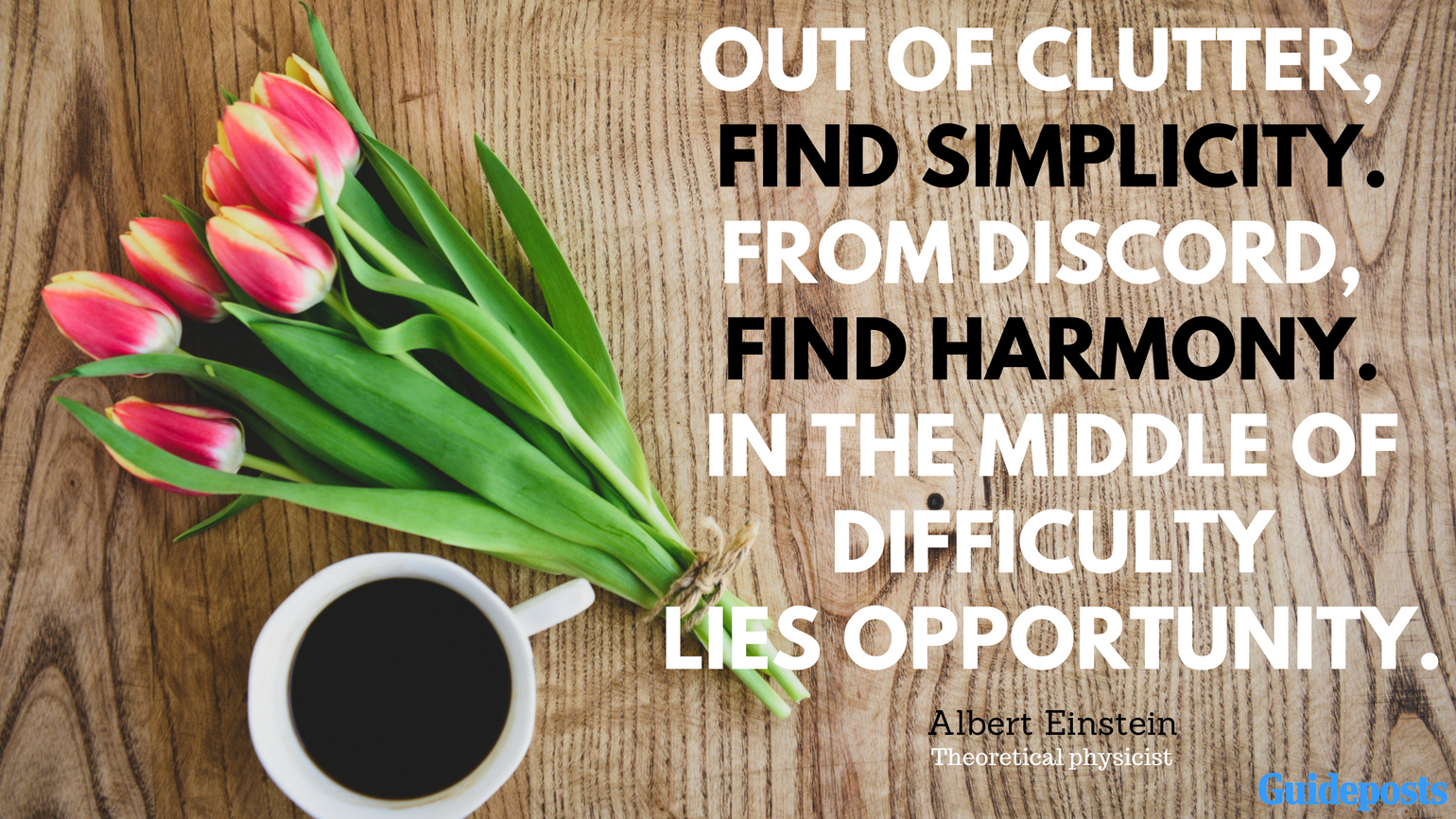
If you’re looking for help decluttering or getting organized, we hope these quotes will give you just the inspiration you need.
8 Life-Changing Tips from ‘The Power of Positive Thinking’

Change your thinking and change your life with these nuggets of wisdom, from Dr. Norman Vincent Peale. Each faith-filled message is designed to guide you on the journey of becoming your best self.
8 Inspiring Quotes for Hope
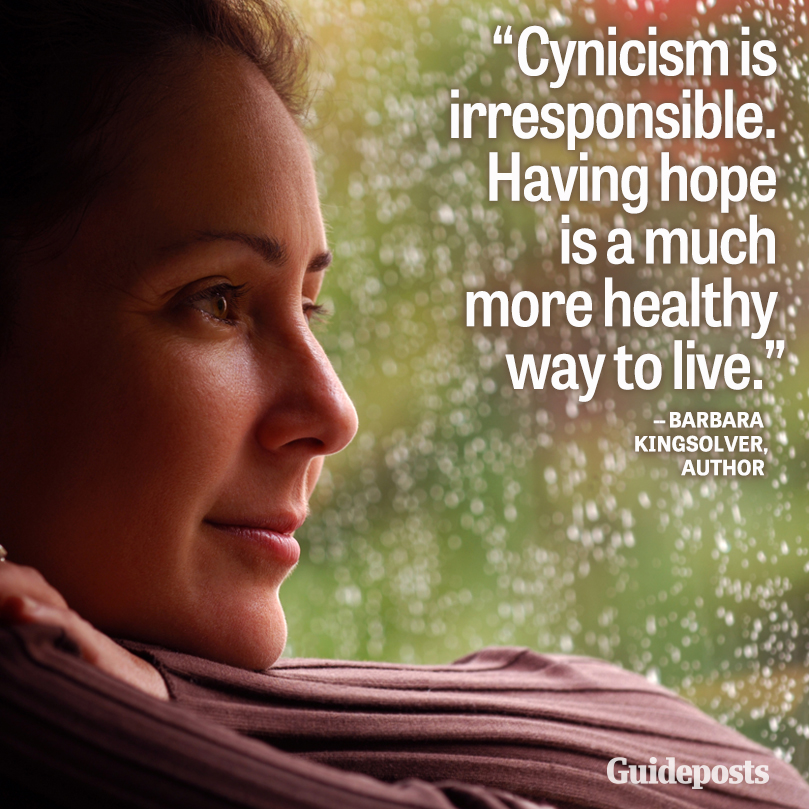
Enjoy these inspirational quotes and photos and find hope and strength for tough times.
8 Inspiring Desmond Tutu Quotes
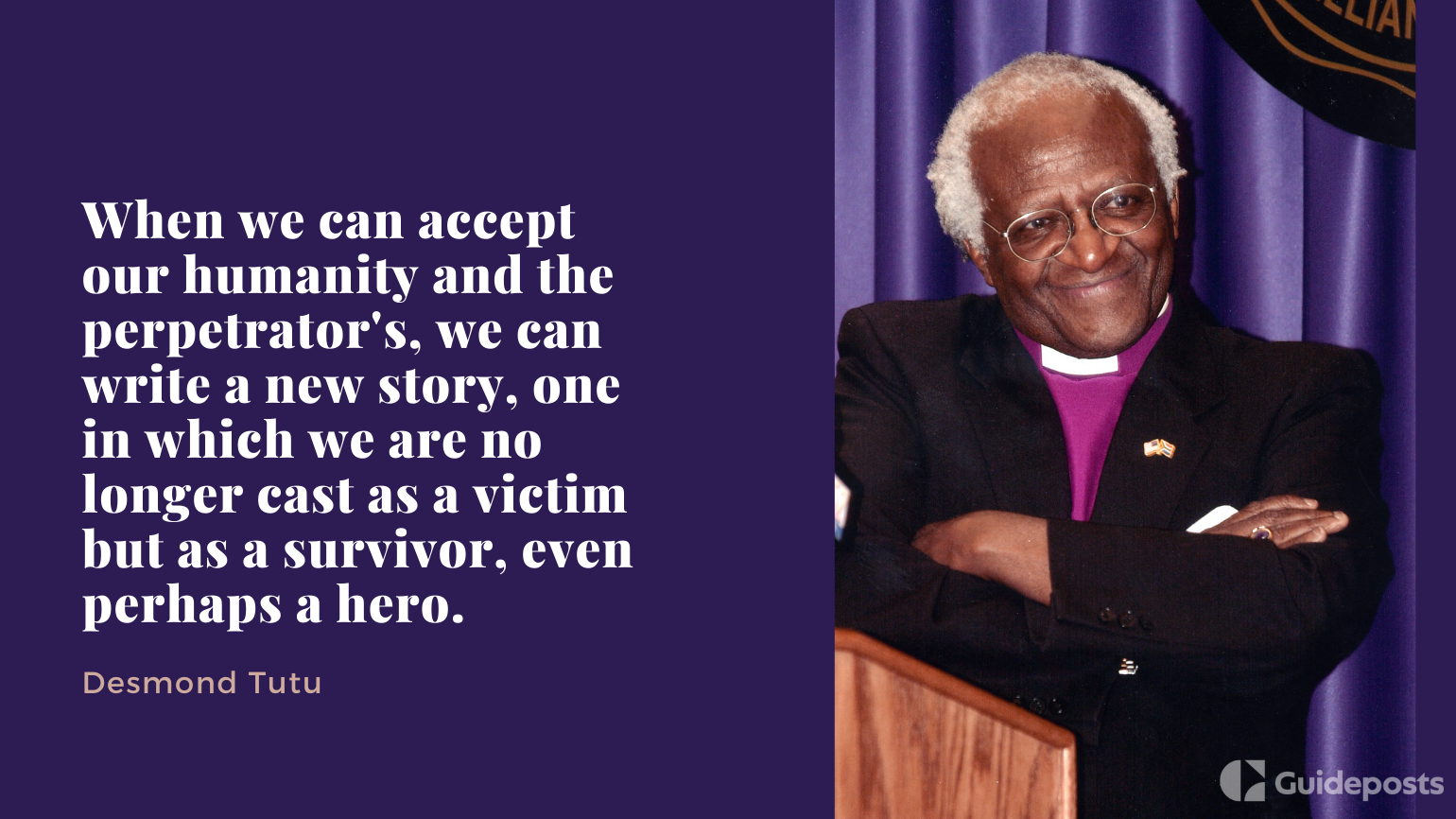
Archbishop Desmond Tutu played a key role in ending racial segregation in South Africa. Here are some of our favorite quotes from the Christian leader that has inspired millions for generations.