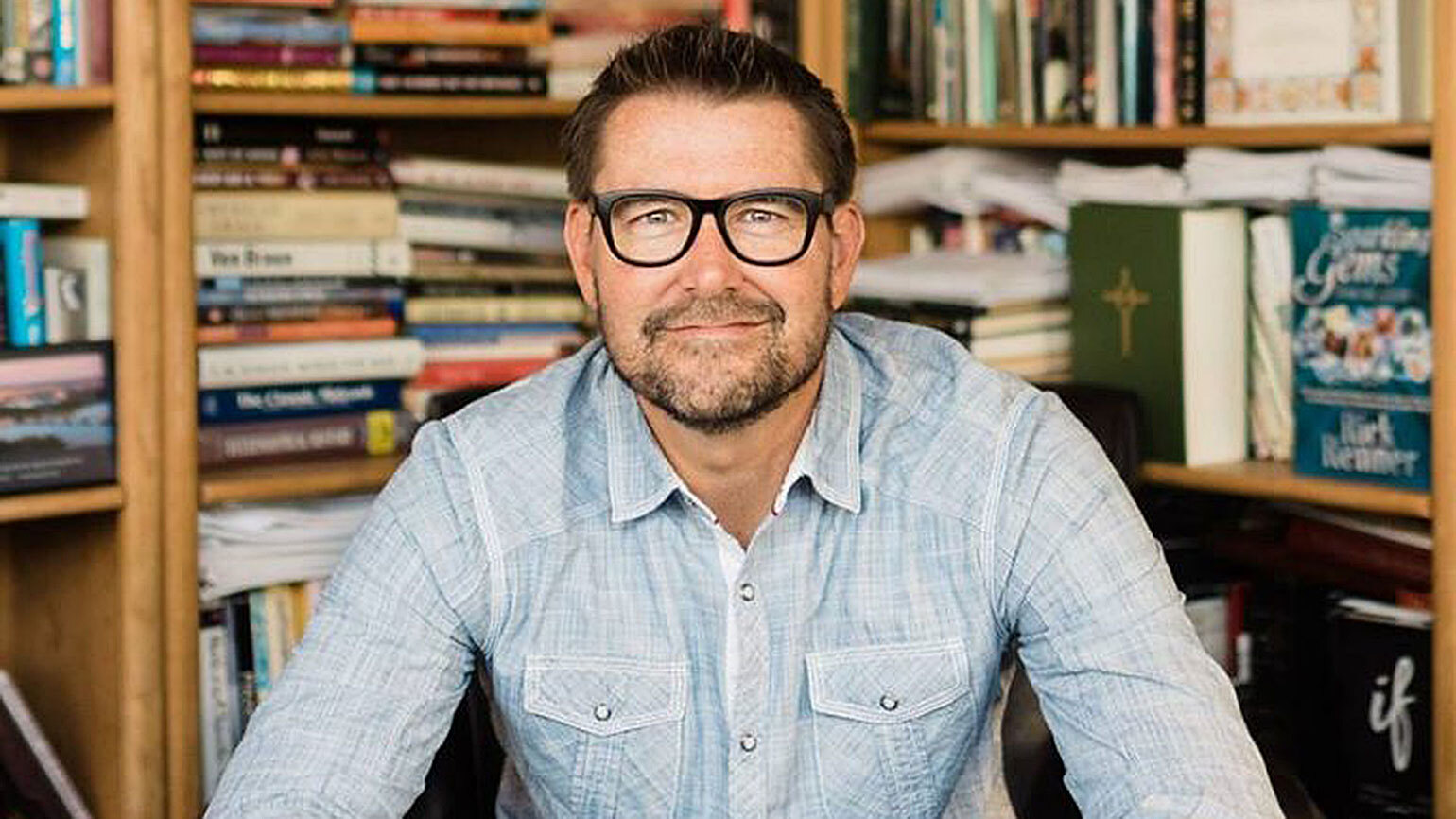
Embrace God's truth with our new book, The Lies that Bind

7 Steps to Weight-Loss Success

Two years ago I lost 45 lbs. then last year put a good portion of them back on.  Instead of despairing, I'm ready to re-boot and start over. 

Maybe you're in the same boat.  If so, let me share seven things that helped me drop those unwanted pounds:

New Every Morning Journal In Article Ad A

1. Keep a Food Journal.
I personally use WeightWatchers.com to track what I eat. It’s a great place to find out about how much and what you can eat and still lose weight. It charges a fee, so if you’re on a tight budget, you could sign up for the free weight loss website, SparkPeople.com. It’s got many resources and advice to help you on your way.

2. Join a Gym.
I joined a relatively inexpensive gym in my neighborhood, mainly for the treadmills and yoga class. What I found was that while exercising at first exhausted me, it didn’t take long until I felt more energized and less hungry.

3. Find a Diet Buddy.
My neighbor was given advice from her doctor to lose weight and when we found out that we had similar weight goals, we joined forces. First, we started a weekly weigh in and then eventually she too joined the gym with me and so once a week, we’d go to the health club, weigh in, work out and take the yoga class.

4. Wear Your Motivation on Your Wrist.
A former colleague once gave me a motivational wristband: Don’t give up. Serendipitously, I happened to find it early on, and have been wearing it religiously. When I feel tempted to overeat or slough off exercise, all I have to do is look down and read the motivational message, which helps keep me on my self-improvement track.

5. Find Inspirational Role Models.
I was lucky enough to work with two women, Julie Hadden, Season 4 Biggest Loser runner-up who lost almost 100 lbs, and Tammie Temple, our 2009 New Year, New You contest winner who not only lost 63 lbs but ran a 5k with her teenage son! These women’s honesty, hard work, dedication and faith inspired me to take on what seemed insurmountable. They helped me realize that if they did, so could I! You can find inspirational weight loss stories on our site.

6. Get a Lap Cat.
As silly as it may sound, having Mimi, my eight-year-old tuxedo cat, or Smooch, my two-year-old rescue cat, on my lap at night as I read or watch television, helps me not get up for snacks. I simply can't disturb their lazy snoozing.  They're just too cute and comfortable!

7. Stay Focused.
I realize that there are many projects I’d like to take on this year but they can wait. My commitment is to achieve my goal by year end. So I’m holding off on other things so I can put my energy into planning my meals, keeping my larder well stocked with healthy foods, taking the time to exercise—it pays off!

7 Questions to Help You Spiritually Prepare for Retirement

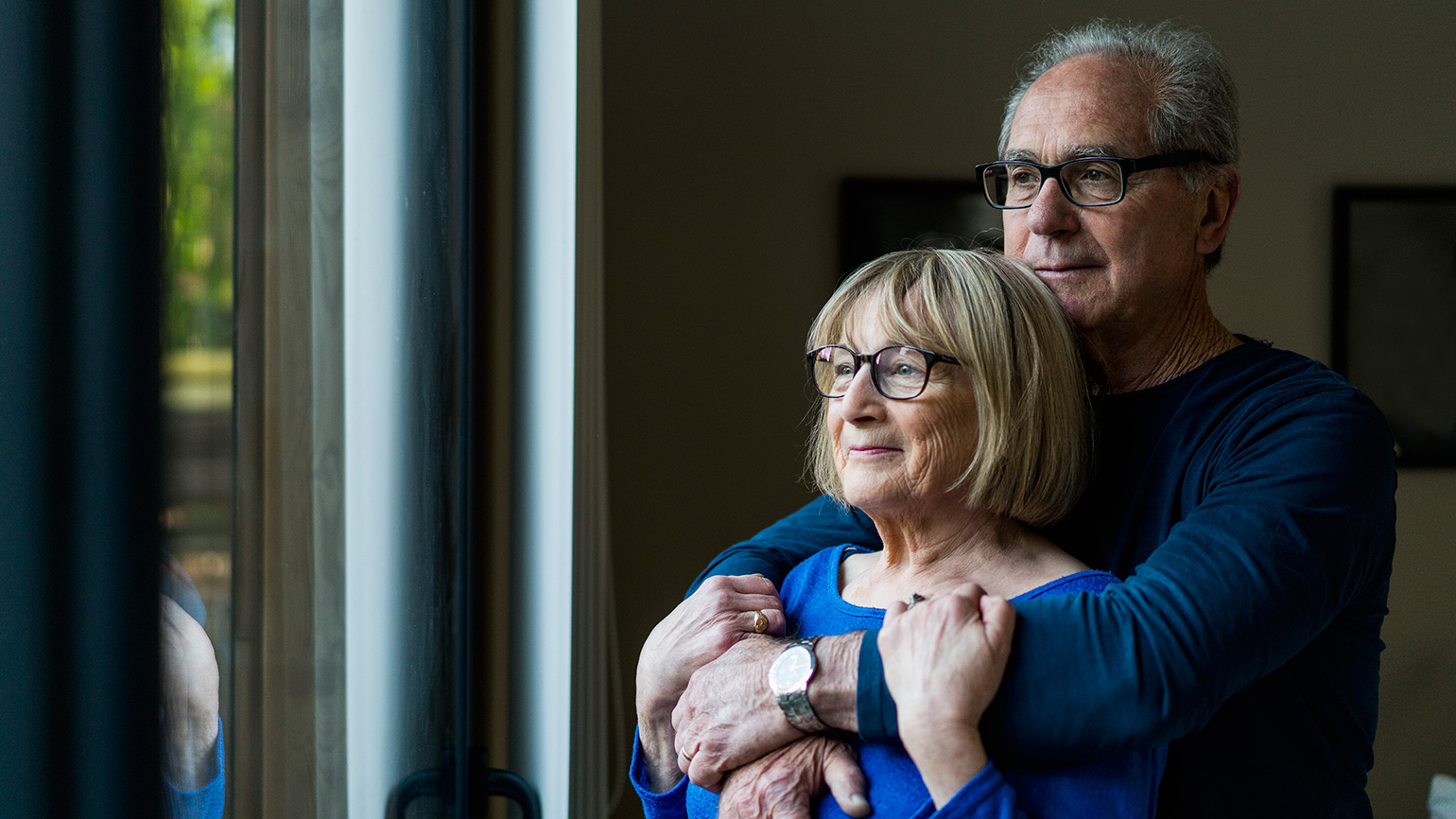
It’s common to struggle, as Joe Morris did, to find purpose in retirement. Even when people are financially ready to stop working, they might not be emotionally or spiritually ready. How do you prepare spiritually for retirement? Pastor Bill Gran of the Good Samaritan Society suggests considering these seven questions, based on chaplain and professor George Fitchett’s assessment of spiritual needs:

1. What kinds of things give me meaning and purpose and bring me hope and joy? “It’s worth asking this at each stage in life, as we are at our core spiritual beings,” Gran says. “We hunger for experiences that bring meaning and purpose to our lives.”

Faithful Paws and Purrs In Article Ad

2. How do I live out that which gives me meaning? This can be a challenge if your job was central to your identity. Gran looks to his father’s example. “My dad retired from farming. Always a tinkerer, he got into making pop-can twirlers. He sold them and donated the money to church missions. That gave him a new purpose.”

BROWSE OUR SELECTION OF BOOKS ON POSITIVE THINKING

3. What is God doing within me? Where am I being led? Listen for direction as you understand God. Journaling, prayer and meditation are particularly good ways to do this.

4. Can I change? Can I accept the fact that I’m not doing what I used to do? Am I open to other things bringing me purpose and joy? “It takes courage to let go of long-held beliefs about yourself and try something new,” Gran says.

5. How do I celebrate what’s meaningful? Your priorities may change in retirement, and the ways you express them may change as well. “I used to feel bad that I didn’t keep up with my hobbies of camping and hiking,” Gran says. “But then I realized that my grandchildren are my hobbies now in this new season of my life.”

6. What is my community? Are those around me a resource or a source of conflict? It helps to have people around us who inspire, encourage and support us as we find our way in retirement, like Joe Morris’s 85-year-old flight instructor.

7. Whom do I look to for guidance? Think about the people you’ve gone to in the past for help. Talk to them again or to someone in a similar role. Be willing to listen. You might also turn to spiritual writers whose works resonate with you.

For more resources on finding fulfillment later in life, visit good-sam.com/guideposts.

For more inspiring stories, subscribe to Guideposts magazine.

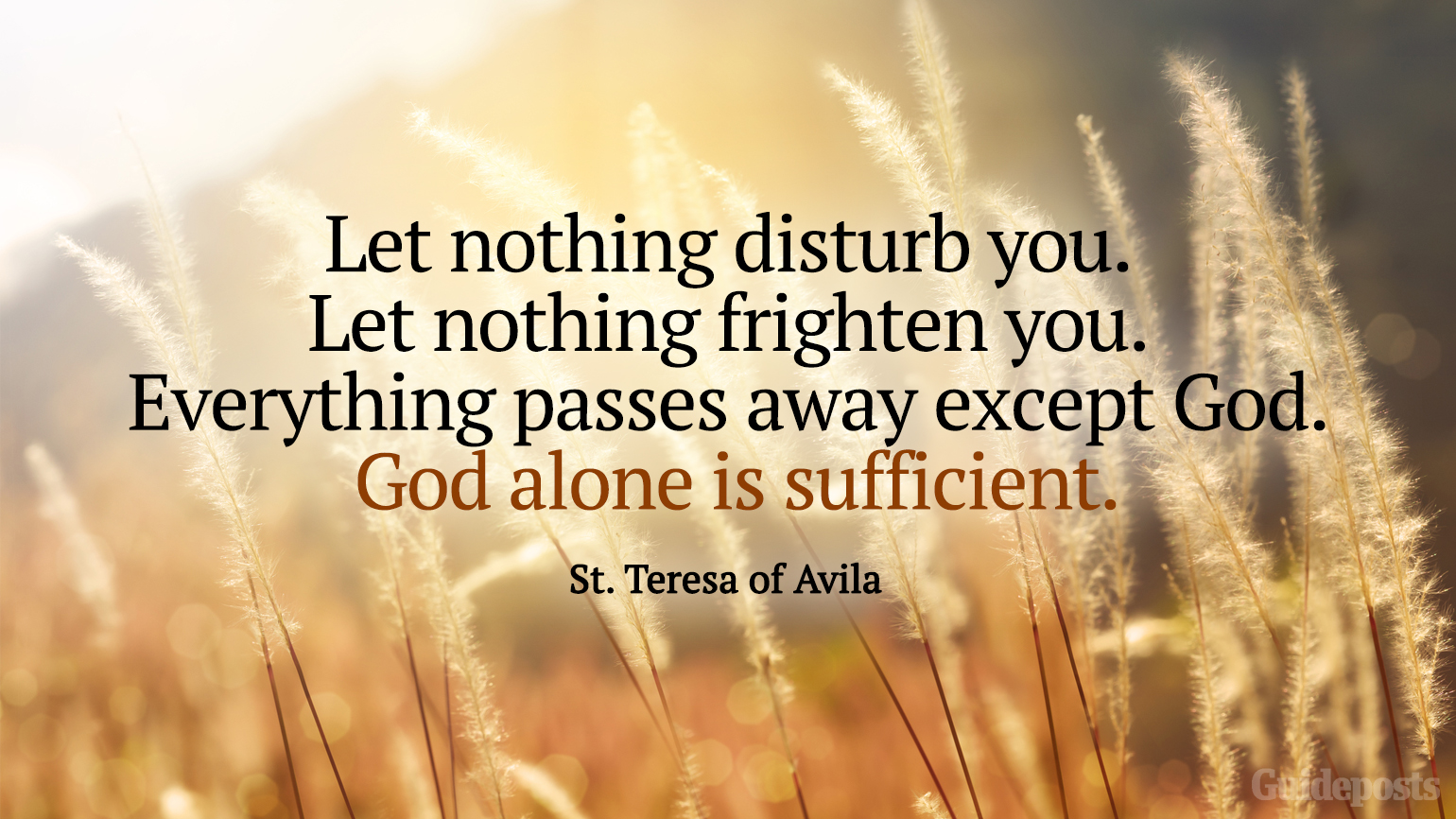
7 Inspiring Teresa of Ávila Quotes

Saint Teresa of Avila is the author of a beloved book on prayer, The Interior Castle, was canonized as a saint in 1622, and is the subject of famous sculpture by the Italian sculptor Bernini, Ecstasy of Saint Teresa. She joined a convent as a teen in the 1500s, and helped reform her order of nuns and founded other monasteries. In her lifetime, she emphasized the practice of three virtues: humility, detachment and charity. Her work remains very influential among Christians and all those interested in prayer. Enjoy this collection of inspiring quotes from  Saint Teresa of Avila.

7 Inspiring Quotes to Overcome Fear

Fear can be debilitating, often stopping us from pursuing the things we love and enjoy in life. Here are eight of our favorite quotes, from seven courageous people, to help you foster a clear mind and a calm heart for whenever fear arrives.

7 Habits to Help You Enjoy a Longer, Better Life

There are experts that say the best years come in the second half of life. Although there are no guarantees, there are simple things you can do today to help you benefit from the blessings that arrive with gray hair and reading glasses. 

1. Reduce Stress

Sugarcreek Amish Mysteries In-Article Ad 2023

Everyone experiences stress. Too much or long-term stress, however, can have a negative effect on your health. While no one has a stress-free life, there are steps you can take to manage your response to stress, from scheduling regular time for meditation and prayer to stepping outside to enjoy nature when you need a break. Check out some of our tips in 8 Ways to Calm Down Right Now or 10 One Minute Stress Busters.

2. Sleep Well 

During sleep our body and brain work to support brain function and maintain physical health. During REM, or the Rapid Eye Movement phase of the sleep cycle, our brain files memories and learned information so that we can better access them when we’re awake. This also forms new pathways that improve cognitive function. 

Our body also repairs and heals itself in sleep, staving off disease. If you’re having trouble getting a good night’s sleep, try these tips: 5 Tips to Sleep Better.

3. Eat Better

You don’t have to adopt some crazy diet or give up all sweets. Instead, try to eat a few more vegetables and fruits. You can also eat more whole foods. A  whole food is an ingredient in its natural state, one that comes in its own wrapper. While it’s even better to eat cuisine that is organic, locally grown or pesticide-free, start by shopping for groceries that require no packaging. In his book The End of Dieting, Joel Fuhrman, M.D., lists foods with the most immune-boosting and anti-cancer effects. Among them are leafy greens (spinach, kale, Swiss chard), walnuts, avocados, berries, mushrooms, onions, tomatoes, beans, seeds, and apples. They not only have health benefits, they taste good too.

4. Check with Your Doctor

When you feel good, it’s tempting to avoid going to the doctor.  No matter how you feel, though, it’s a good idea to visit your doctor for an annual check-up. The doctor will most likely check your blood pressure (high blood pressure may have no symptoms) and depending on your age and family history, the doctor may recommend  certain tests or screenings, like a mammogram or a colonoscopy. Your doctor may also do blood tests to check your cholesterol or screen for hormonal imbalances. Each of these tests can help identify any potential problems. You and your doctor can then determine the next steps needed to treat anything that comes up. 

5. Keep Moving

Back in 400 B.C. Hippocrates extolled the benefits of physical activity. Now, new research from McMaster University found the same. Exercise lowers blood pressure, regulates hormone levels, controls our weight, strengthens our bones and muscles, reduces our risk for cancers, and improves mood. Some research also says it has the power to keep us young. Physical activity—including exercises to enhance flexibility, strength, and balance along with aerobic movement—slows aging on a cellular level.  You don’t have to take up running marathons. Just work more movement into your day. Try these 5 Easy Ways to Exercise More.

6. Do Something You Love

A critical habit of aging gracefully is filling your day with joy. What makes you jump out of bed in the morning? Where is your unique signature or contribution to life? If you want to lengthen your life, aim for a state of “flow,” a single-mindedness that harnesses all emotions into one action and produces a kind of rapture. Defined by psychologist Mihály Csíkszentmihályi, flow happens when all senses are so focused on an activity that a person becomes oblivious to his environment. It’s different from leisure (which is also important) in that it involves an element of challenge, requiring certain skills. Flow provides a cerebral vacation from the stressors of life. For some people, it might be running, and for others it might be jigsaw puzzles. Only you kow what will bring you so much joy that you easily lose track of time while you’re doing it.

7. Connect with Friends

Simply said, we are better together. A paper published in the American Journal of Public Health identified high blood pressure, cardiovascular disease, disability, cognitive decline, and depression among the conditions affected by loneliness, which is more rampant than you think. According to Cigna’s U.S. Loneliness Index, nearly half of Americans report sometimes or always feel alone. Steps to build a social network include getting involved with your church, joining a cause, volunteering for an organization, attending civic association meetings, creating or finding a Meetup group, participating on online forums, checking out a support group, or trying a weekend retreat or seminar. 


7 Facts A Nutritionist Wants You To Know About Eating Healthy

Understanding the value of “good” nutrition—especially as we age—can get a little tricky. Unlike your “diet” which encompasses all the lifestyle choices that affect your health, from eating to exercising and sleep, “nutrition” is concerned with the kind of fuel you put into your body.

In simple terms, it’s the science of how the body breaks down food and converts it to energy.

It’s important to understand the difference because, while “eating healthy” is a relatively subjective notion—and what’s healthy for one person may not be healthy for another—nutrition is a universal language. Everyone, no matter their age, should be concerned with the food they’re eating and how that food is benefitting (or harming) them.

Guideposts.org chatted with Lauri Wright, a licensed nutritionist and spokesperson for the Academy of Nutrition and Dietetics to better understand nutrition and why it’s so important the older you get. Here are seven facts she wants you to know.

Fact #1: Food Is Energy 

It’s easy to view food as the enemy, especially when you’re trying to lose weight or eat healthier. Words like “fat” and “carbs” can scare anyone committed to dieting, but Wright says instead of viewing food as an adversary, look at it as the gas that keep your engine running.

“It provides the energy for the body to do its work,” Wright tells Guideposts.org. “That’s anything from getting up and walking across the room, cooking dinner, or walking your dog; those type of volunteer activities.”

Wright said the body needs a “constant amount of energy” to continue doing the basic processes to sustain life, such as “your heart beating, your brain making decisions, the blood traveling.”

Fact #2: Carbs Are the Best Form of Energy 

Contrary to what many fad diets would have us believe, carbs are actually good for us. So many people steer clear of carbs because they equate them with weight gain. Wright says it’s about moderation and getting the “right kind” of carbs in your diet because, as it turns out, they’re the best energy-provider.

“The best form of energy for the body, what the body was designed to run on, are carbohydrates,” Wright explains. “Those are your breads, your cereals, rice, pasta, fruits [and] vegetables. Those all contain carbohydrates and more of the complex carbohydrates.”

Wright said carbohydrates provide energy that stays with the body for hours, unlike protein and fat.

“If your car is designed to use high octane unleaded gasoline, in a pinch, you can use the low octane, but your car’s not going to work as well,” Wright said. “That’s exactly what our body’s like. We can use protein and fat in a pinch, but it’s not going to work as well as if we used the carbohydrates.”

Fact #3: Protein Serves a Purpose—Especially as We Age

Speaking of protein, Wright says that it has a very important job to do for our bodies, especially as we rack up the years.

“We need it for our immune system to help fight off infections. We need it to build the blood vessels, the blood cells that carry oxygen,” she said. “Also, not eating enough protein can go hand in hand with wasting the muscle of the body. We need protein for the muscles.”

Wright said that protein maintains the muscles as we age, protecting it from the muscles wasting that occurs—particularly with seniors—from a lack of activity or not using the muscles as much.

“Protein is critical and very critical in seniors,” she continues. “I always talk about making sure you have a good protein source at each meal. When you have it spread out, for example, three times a day at least 20 grams [for] breakfast, lunch, and dinner, it helps prevent that muscle wasting versus not eating any protein all day long [and] then just eating it at dinner time.”

Fact #4: You’re Probably Eating Too Much Salt 

Salt is not necessarily a bad thing when it comes to food, but Wright says Americans are notorious for eating too much of it. What’s worse, many of us don’t realize how high in sodium our diets actually are.

“On average, the typical American gets about four to five times the recommended amount of sodium,” Wright reveals. “That can be an issue for high blood pressure. It can also be an issue for people that have heart failure. Overall, our goal is to reduce the sodium in our diet.”

Of course, that’s easier said than done.

“People get a taste for salt. It’s hard to back away from it,” Wright acknowledges. “I always recommend one of the first things is use a salt alternative. Mrs. Dash for example is a great way to do a salt alternative that adds a lot of flavor without that sodium.”

Wright also suggests people start with not adding salt when cooking because it still gets into canned food and some of our preserved food.

“You can get a lot without even realizing it,” she said. “It is a good step for all of us to find alternatives to flavor our foods with something that doesn’t contain sodium.”

Fact #5: Flavor Is Key 

Wright says that many of her older patients, even her own father, struggle with their sense of taste as they age. As a result, older adults tend to eat less frequently or not at all, meaning they aren’t meeting their nutrition requirements. There’s a simple fix for that: herbs and spices.

Wright recommends growing a fresh herb garden in the kitchen and snipping off bits of basil or rosemary as needed, or simply buying prepackaged herbs and spices at your local grocery store.

Fact #6: Reading Labels 

Nutrition labels are on everything these days but reading them is still a problem for many people. With ingredients too complicated to pronounce and percentages that don’t seem to add up, it can get confusing trying to discern exactly what’s in the food you’re eating. Wright has some tricks to make things simpler.

“I always like people to start with what is the portion and what are the calories?” Wright explains. “Then, look at some of the first things listed, these are what to avoid. They have the saturated fat, the trans-fat, and the sodium. You’re looking for lower levels of those. Then, as you scan farther down, what to include. You’re looking for those percentages of vitamins and minerals that are listed.”

As far as actual ingredients, there’s an easy way to figure out what your meal is made of.

“[The ingredient list] is in descending order by weight,” Wright says. “Really, the first five ingredients are probably what the product has the most of. By the time you get to some of the things put in there to preserve it, so it doesn’t spoil, that’s farther down. There’s not much in there.”

Fact #7: Food Is Meant to Be Enjoyed

According to Wright, the biggest lesson she wishes she could impart on all of her patients is that food should be enjoyed. Loving what you eat, looking forward to healthy mealtime, that’s the best way to get the most bang for your buck, nutrition-wise.

“I think nutrition is the sustenance of life,” Wright explains. “We want to have a good relationship with our food. It shouldn’t be about don’t do this, don’t do that. It shouldn’t be about restriction and rules. Instead, it should be about enjoying the flavor and having a good relationship with food.”

7 Encouraging Bible Verses for Dementia Caregivers

This article is based on information provided by Home Instead Senior Care.

Communication is a continual challenge to caregivers of people with dementia. When loved ones lose the ability to recognize you, as well as others, knowing how to respond can be difficult. Sometimes the best approach is to get the facts up front by introducing yourself at the outset of a visit. In other situations, for example, when the person is adamant about speaking with someone who isn’t there, it may be most comforting to bend the truth a bit. The point is always to maintain a good quality of life for your loved one, this can also have the added benefit to you as the caregiver

Witnessing Heaven In Article Ad 827x123

Consider these approaches when someone with dementia doesn’t recognize you or other visitors

· When someone has reached a stage of no longer recognizing people, or of recognizing some people but not others, it can help for any visitor to introduce him or herself and to explain your relationship. So, for example, you can simply walk in and say, “Hi, Dad, I’m Jack, your youngest son,” and then keep chatting. If your loved one gets agitated or upset by this approach, then you can work the information into the conversation in a more casual manner.

· Another approach is a much-debated technique known as “therapeutic fibbing.” The idea is that holding the truth back from someone with dementia can be a good way to handle a stressful situation. It is best to try another technique first, and then possibly use therapeutic fibbing if other things fail.

· So, if for example, your loved one insists on speaking with a particular person who is not around, you might try redirecting the conversation. You could ask him or her to tell you about her relationship with “this person” and why “this person” is so important. If that doesn’t comfort or distract your loved one, you certainly could try telling her you are “this person.” The important thing with this technique is to make sure you aren’t robbing the dementia patient of the full human experience by protecting him or her from emotions that we all have. Instead, it is about doing what is kind and contributes to your loved one’s quality of life.

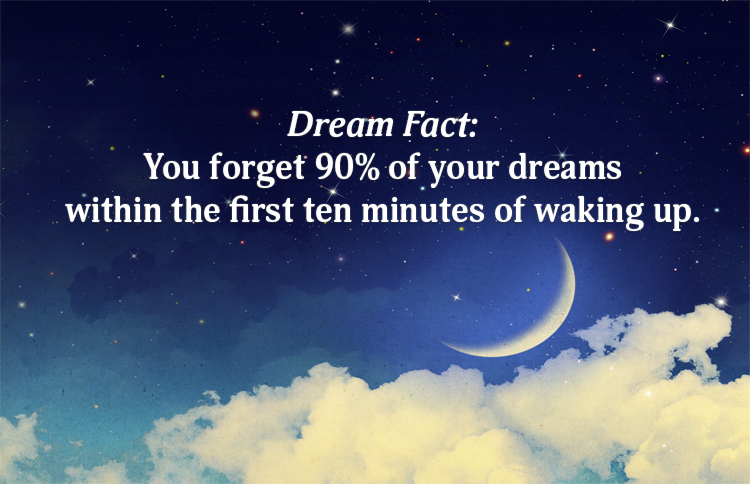
7 Dream Facts You Probably Didn’t Know

Dreams. Everyone has them, but what do they really mean? We can’t answer every question you’ve ever had about your own dreams—you might try an expert for that—but we can shed some light on the act of dreaming itself: how, why and even when you’re most likely to dream. Here are seven dream facts you probably didn’t know. 

Find Hope, Inspiration, and More in our Free eBooks

Mys of Blackberry Valley In Article Ad

7 Decluttering Tips from Joshua Becker

In 2008, Joshua Becker had a casual conversation with his neighbor that changed the course of his life. Becker was cleaning out his garage while his son played by himself in the backyard. When he complained to his neighbor about feeling frustrated with the chore, his neighbor commented, “Maybe you don’t need to own all this stuff.”

The comment stuck.

Becker realized that his possessions were holding him back. He and his family became dedicated minimalists, clearing their home of unnecessary belongings and ultimately becoming spokespeople for the minimalist movement.

“I’ve found far more joy and meaning and fulfillment and even happiness in owning fewer possessions, says Becker. “It means my life is more open to the things that I want more of in my life.”

Becker’s new book The Minimalist Home is focused on breaking down how to practically put minimalist concepts to practice in every room of your home. Becker is quick to point out that while decluttering and minimalism are closely related, minimalism is about much more than cleaning house. 

“Minimalism is the intentional promotion of the things we most value by removing anything that distracts us from it,” Becker told Guideposts.org. “It’s about minimizing possessions, it’s about owning less, but it’s really more about crafting the life that you want to live. I [got] rid of my possessions so that I [could] free up time and money and energy and space to do the things that mean more to me.”

So how can someone start clearing their space so they can focus on what means the most to them? Becker offers this advice: 

1. Start small 

Becker’s first suggestion for those looking to declutter is not to tackle too much. 

“Most people, when they think about decluttering, they tend to think of their garage or their basement or their arts and crafts room, but those are actually the hardest spaces to finish,” Becker says. “Start in an easy, lived-in space.”

Becker usually recommends starting with your car, then moving to the living or dining room. 

2. Decide what the space is for

Once you’ve chosen a room to declutter, Becker says the first thing to do is ask yourself a simple question: what is this room for?

“Define the purpose of your space,” Becker says. “Start looking around your room and looking for the things that don’t help you [achieve that purpose]. What’s detracting from the room’s purpose rather than contributing to it?”

3. Go through your belongings

Becker says it is crucial to actually go through each item in a room before deciding its fate.  

“Don’t just scan the room with your eyes or open a closet or open a drawer, but physically touch every single item,” he says. “Then every item can be sorted into one of three piles. Either a discard pile, a relocate pile or a keep pile.”

4. Start with you

For families or those living with roommates, Becker has an extra piece of advice. 

“The most important tip is that you can’t start by getting rid of anybody else’s stuff first,” Becker says. “Parents will always think of all the clutter in their kids’ rooms…but it is entirely unfair for you to start by making your kids get rid of their things. You have to do your stuff first.”

5. Avoid stumbling blocks

Everyone has things they are attached to. Whether it’s a special collection or an aversion to getting rid of books or board games, these are the collections of items that become hardest for people to let go of when attempting to declutter. 

Becker has one simple tip to keep from getting stuck on your most beloved possessions:

“Don’t [get] rid of the hardest things first,” he says. “Start by getting rid of the easy things.”

Becker says that after going through easier items and seeing some of the benefits of owning less stuff, it becomes easier to approach items they are attached to. 

6. Don’t sell—donate

Another stumbling block Becker encounters is when people hold on to things because they want to sell their discarded belongings.  

“Trying to sell everything you’re getting rid of just adds time, stress and usually frustration to the process,” Becker says. 

Instead, Becker recommends donating your belongings. Don’t get stuck feeling guilty about how much money you spent on items you don’t really need. 

“You can’t change the past you can only learn from it,” Becker says. “Just because you made a mistake by buying things that you’re not using doesn’t mean you have to carry [them] into the future.”

7. Ask the hard questions 

Becker sees decluttering as being about way more than keeping a clean house. He says analyzing our possessions and attachment to those possessions can bring up uncomfortable feelings for people—and that they shouldn’t ignore those feelings. 

“When you start really looking at the things that you have and really trying to get rid of everything that you don’t need, you [ask], ‘Why is it so hard for me to get rid of this or get rid of these types of things?’” Becker says. “Once [you] start facing those questions, that’s when [you’re] really on the verge of some important self-reflection and self-discovery.”

Most importantly, Becker says to focus not on losing clutter, but on regaining control of your space—and your life. 

Minimalism isn’t about the things you get rid of,” Becker says. “It’s about the things you get to add into your life because of the possessions that you’ve gotten rid of.”


7 Daily Habits to Reach Your God-Sized Goals

Pastor Mark Batterson is no stranger to dispensing life advice; after all, Win the Day is his 20th published book. The best-selling author of the blockbusters Chase the Lion and The Circle Maker, which have sold millions of copies, believes writing is one of the best ways for him to communicate. “I want to help people tap their God-given potential” he says. “Your potential is God’s gift to you, what you do with it is your gift back to God.”

Batterson, the founder and lead pastor of National Community Church, which has several campuses throughout the Washington D.C. region, says that his newest book seems to be resonating with a wide swath of the population.  “Maybe it’s the times that we are living through,” he says, adding that the book seems to be particularly popular in athletic circles.

Light for Life NASB Study Bible in Article

But it’s likely Batterson’s lively and no-nonsense—dare we say fun—approach to turning your life around that is inspiring so many people. Chock full of examples from the Bible, his own life and scores of others, Batterson builds the case for living day by day. “I try to help people see old things in new ways. I turn the kaleidoscope so they can see things from a different angle—see God differently and see their life differently.”

Here’s his advice on how to win the day—which in turn, will help you conquer your God-sized goals.

1. Flip the Script. Batterson points out if you want to change your life you often need to change the story that you tell both yourself and others. “You have to convince yourself that winning is possible,” writes Batterson. And he should know. In graduate school Batterson took an aptitude test that indicated writing was not a natural aptitude. 20 books later Batterson is happy he told himself a different tale.

2. Kiss the Wave. The main point here? Accept your past and embrace the obstacles you face. “You’ve got to come to terms with the pain that has made you who you are,” writes Batterson “Kissing the wave is simply acknowledging: ‘It is what it is.’”

3. Eat the Frog. What to-do list items are you most tempted to procrastinate on? Get them out of the way (eat the frog!) and do them first thing in the morning. How you start the day sets the tone for the rest of it.

4. Fly the Kite. How you do anything is how you’ll do everything. So go ahead and dream big, but start small. Little by little bad habits are broken. It builds confidence and creates momentum so that you can go after those God-sized goals.

5. Cut the Rope. Playing it safe is actually risky. You’re only one decision away from an entirely new life but you’ve got to step out in faith and take chances. You must imagine the unborn tomorrows and then establish new habits—one day at a time.

6. Wind the Clock. Keep Going—God hasn’t given up on you, so don’t give up on him. Keep winding that clock with faith, hope and love.

7. Seed the Clouds. Take proactive measures today that will produce desired outcomes tomorrow. For Batterson, that means starting each and every day with his daily Bible reading plan. Don’t worry about next week, next month or next year. Seed the clouds and God will make it rain.

7 Calming Evening Activities You Can Do Without Screens

Most of us turn to our phones, tablets or televisions at the end of the day. But did you know that screens stimulate your brain and keep you awake rather than calm you down? Cell phones, for example, emit blue light, which blocks melatonin, the hormone that makes you sleepy. 

Relaxing and getting a full-night’s sleep every night is essential to a productive life. Here are seven activities you can take on that don’t involve or require screen time. 

A Journey of Faith In Article Ad - Avail Now

Meditate
Meditation is a great method for relieving anxiety and letting go of negative thoughts. Yoga, stretching or simple breathing exercises—including breath prayers, simple prayers that can be spoken in a single breath—are all great forms of meditation. Clearing your thoughts with these methods will help put your mind in a better state before sleep. 

Read a book
Did you know that reading can make you happier? According to a 2016 survey conducted by researchers at the University of Liverpool’s Centre for Research into Reading, Literature and Society (CRILS), reading can provide profound therapeutic exploration to regular stress management. By diving into a different world, whether real or fiction, we’re provided with the joy of new views and perspectives. Reading also induces sleep by putting your consciousness at ease (light reading is suggested at bedtime to put your mind in a calmer state before sleep).

Practice gratitude
Take a few moments every night to seek out something positive that happened to you or your loved ones. Think about a person you’re grateful for in your life and the positive impact they have on you. Gratitude has many powers—it calms anxiety, reduces stress and maintains a positive mindset. Not only will it end your day on a peaceful note, but it will help you start the following day with an uplifting, grateful attitude. 

Read the Bible
Our daily responsibilities can make it difficult to connect with God during the day. Make the most of your down time every evening by reading the Bible and learning about God. Focus on comforting verses and allow the truth of each word to calm your heart and mind. Prayer will allow you to have a deeper sense of peace, and thus, a good night’s sleep. 

Write in your journal
Take some time before bed to get in touch with your emotions, thoughts and goals by writing them down. You can include important things that happened during the day as well as your hopes for the day or week ahead. Getting your troubles or worries on paper can also help you grow closer to God—as you write your problems down, you’re opening your heart to God’s voice, wisdom and love. 

Listen to soothing music 
Listening to music is good for your heart and mind. Music expands our horizons and gives voice to our prayers. The Psalms, which were written to be sung, can be heard on soothing instrumentals and vocals. Get yourself in a relaxing mood by listening to the word of God through calming melodies, bringing you comfort and a better night’s sleep. 

Enjoy nature
An evening walk can be a great way to spend a few minutes alone with all the beauty that nature has to offer. Step away from noises or interruptions by taking a walk around your neighborhood, sitting on your porch or relaxing in your backyard. Embrace the wind in your hair, the setting sun on your cheeks or the grass under your feet and let nature be a comforting presence in your life. Not only will it benefit you spiritually, but studies show that a natural environment can help your physical health by improving blood pressure and heart rate.