Embrace God's truth with our new book, The Lies that Bind

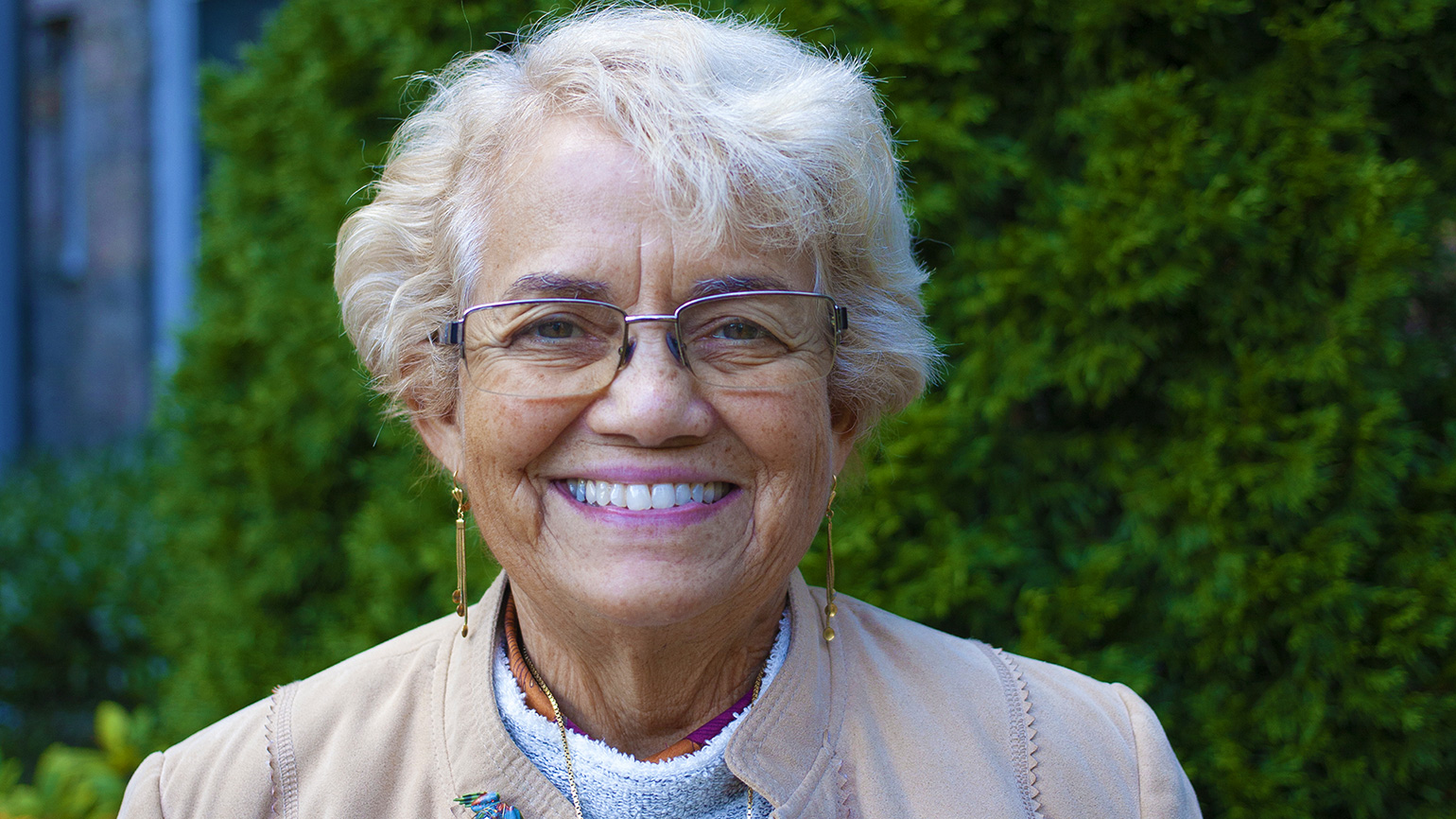
She Realized That God Was Working Wonders in Her Son’s Heart

I picked up the phone and called my son. I simply had to know. “Carlos,” I said, “I want you to be honest with me. Why don’t you believe in God? Could you ever believe?”

It was a very direct question. I am a very direct person. And for years I had been wondering and worrying about my son Carlos’s relationship with God.

Carlos is 51. He is a father. He and Bridget, the mother of his son, Santiago, live across the country from me in Miami. (They have been together for a long time, but they do not believe marriage is necessary. That’s a whole separate issue I have learned not to discuss with them.)

Carlos is not my only child, but his relationship with God has always been a special concern for me because at one time he wanted to become a priest. He was my most poetic, thoughtful child. If anyone were going to become a priest, it would be Carlos.

Then he went to Spain for his junior year abroad in college. He came home and announced, “Mom, I’m an atheist.”

What?

That was not possible. My relationship with God has been the cornerstone of my life since I was a child. My goal as a mother has been to instill the same faith in my own children.

I was born in the Dominican Republic and immigrated to the United States when I was eight years old. I attended Catholic schools. I married a Catholic man, and we had a large family.

I attend Mass every day. My relationship with Jesus is personal. I talk to him, and I follow his lead. It is because of Jesus that I have been able to overcome many challenges.

My husband and I divorced when I was 42. He was very traditional and expected me to be a traditional Catholic wife. I tried to meet his demands but couldn’t. I went back to school and renewed my teaching credential. I adopted several more children on my own. I felt God calling me to serve by becoming a mother to orphans. I was devastated when Carlos told me he had stopped believing in God.

How could that be? His father and I had tried our best to do everything right. We’d sent our kids to Catholic school and taken them to church every Sunday. I’d volunteered in the parish and helped launch catechism programs for Spanish speakers. My husband had edited the parish newsletter. Carlos had worked in the parish office on weekends.

His faith had seemed so sincere. He never complained about going to church. Rarely gave me trouble at home. He even wanted to enroll in seminary after high school, but the director told him to go to college first.

Look how that turned out!

Over the years, I had tried to coax Carlos back to church. But our relationship has been complicated. Carlos was in seventh grade when his father and I divorced. He took the breakup of our family hard. The custody arrangements were tangled, and we went long stretches without talking.

We have remained close since Carlos became an adult. For years he told me that he was not interested in going to church.

“Mom, I know your faith means a lot to you,” he would say. “I’m not against that. It’s just not for me. I’ve become too rational.”

Carlos earned his doctorate and worked in academia. That’s where he met Bridget. Their relationship wasn’t a traditional Catholic marriage, but I didn’t think it was my place to interfere.

Then Santiago was born. A change came over Carlos. He had been a gifted athlete in high school and college. His college water polo team won the state championship. Everything seemed to come easily to him.

Santiago had language and movement difficulties. He needed speech and physical therapy. Carlos decided to stop teaching at the University of Miami, where he and Bridget both worked. He devoted himself full-time to Santiago’s care.

“Mom, we’re going to have Santiago baptized,” Carlos told me one day. “We’d like you to be there.”

Really? Baptized?

“Are you becoming a believer again?” I asked.

“No,” he said. “I just…think it’s the right thing to do.”

I watched Carlos with his son. Their bond was tight. Carlos worked with Santiago every day, helping him with exercises and practicing words.

“I love him so much, Mom,” Carlos said. “I had no idea.”

A few years later, Carlos had another piece of news. “I’ve started taking Santiago to catechism class.”

Again, Carlos insisted he was not becoming a person of faith. “It’s the right thing to do,” he repeated.

I longed to use this as an opening to talk about God. But every time I broached the subject, Carlos didn’t want to talk about it.

What could I do? One day, half against my better judgment, I called him and asked him flat-out to tell me about his faith.

“I promise I won’t argue,” I said. “I just want to understand.”

Carlos was quiet. “It’s complicated,” he said. “Maybe you could say… I teeter-totter.”

“What does that mean?”

“Let me tell you a story,” Carlos said. “Do you remember Ana María’s quinceañera?”

Did I! It was one of my most treasured memories. Years earlier, Carlos’s oldest sister, Connie, invited the family to celebrate her daughter Ana María’s coming of age.

The quinceañera—derived from the Spanish word for 15—is one of the most beloved occasions in a Hispanic family. It takes place the year a girl turns 15. She is introduced to the world as an emerging adult. It’s a rite of passage that begins with a church service and finishes with a party.

Ana María chose 14 girls in matching gowns to accompany her and her father up the aisle. In an elaborate service, the priest blessed her and dedicated her to God with a special Mass.

The girls carried treasures from Ana María’s childhood: her baby shoes, her baptismal dress, her first communion prayer book, a special doll—items that represented the childhood she was leaving behind.

Connie’s faith is like mine, deep and straightforward. So is Ana María’s. Their love for each other, and for God, was obvious. The service was a thanksgiving for the life of this special girl. Ana María committed herself to God before an audience of family and friends.

“When I entered the church and saw Ana María there at the altar, surrounded by everyone, something happened, Mom,” Carlos told me. “I started thinking back to all those years you took me to church as a child. So many happy memories.”

Carlos and I shared a laugh about how hard it used to be to corral him and his siblings during Mass when they were toddlers.

“You would take me to the bakery after Mass,” he said. “You’d have coffee. I’d have a cookie. You told stories to keep me entertained, sometimes about Jesus. I loved that.” (Carlos’s nickname growing up was Cookie Monster because of his love of sweets.)

“Sitting there in the church, watching Ana María, I asked myself, Can I really leave all that behind?” He paused. “I guess I’ve been asking that question ever since.”

He told me about a poem he’d read in high school. “The Hound of Heaven,” by a British Catholic poet named Francis Thompson, is about how God patiently and persistently pursued Thompson all the years he was a derelict alcoholic and drug addict.

At last Thompson cries out, “Who are you?” God answers, “I am he whom thou seekest.”

“I’m always wondering, Is the hound of heaven coming after me?” Carlos concluded. “I miss believing. Mom, I want to believe. I just find it hard.”

Always before, when the subject of faith came up, I had to fight to keep myself from trying to convince Carlos.

Not this time. Carlos’s heartfelt story about his conflicted feelings made it easy to set my worries aside.

God had been answering my prayers for Carlos, and I never knew. Maybe I would live to see the hound of heaven catch up with Carlos. Maybe I wouldn’t. It didn’t matter. I could trust God to take care of his relationship with Carlos. God was already taking care of it.

My job was simply to love my son.

Of course, another quinceañera couldn’t hurt. JoJo, Ana María’s eldest, recently tried on her mother’s quinceañera dress. It fit. JoJo has already turned 15.

I’ll make sure that Carlos gets an invitation.

For more inspiring stories, subscribe to Guideposts magazine.
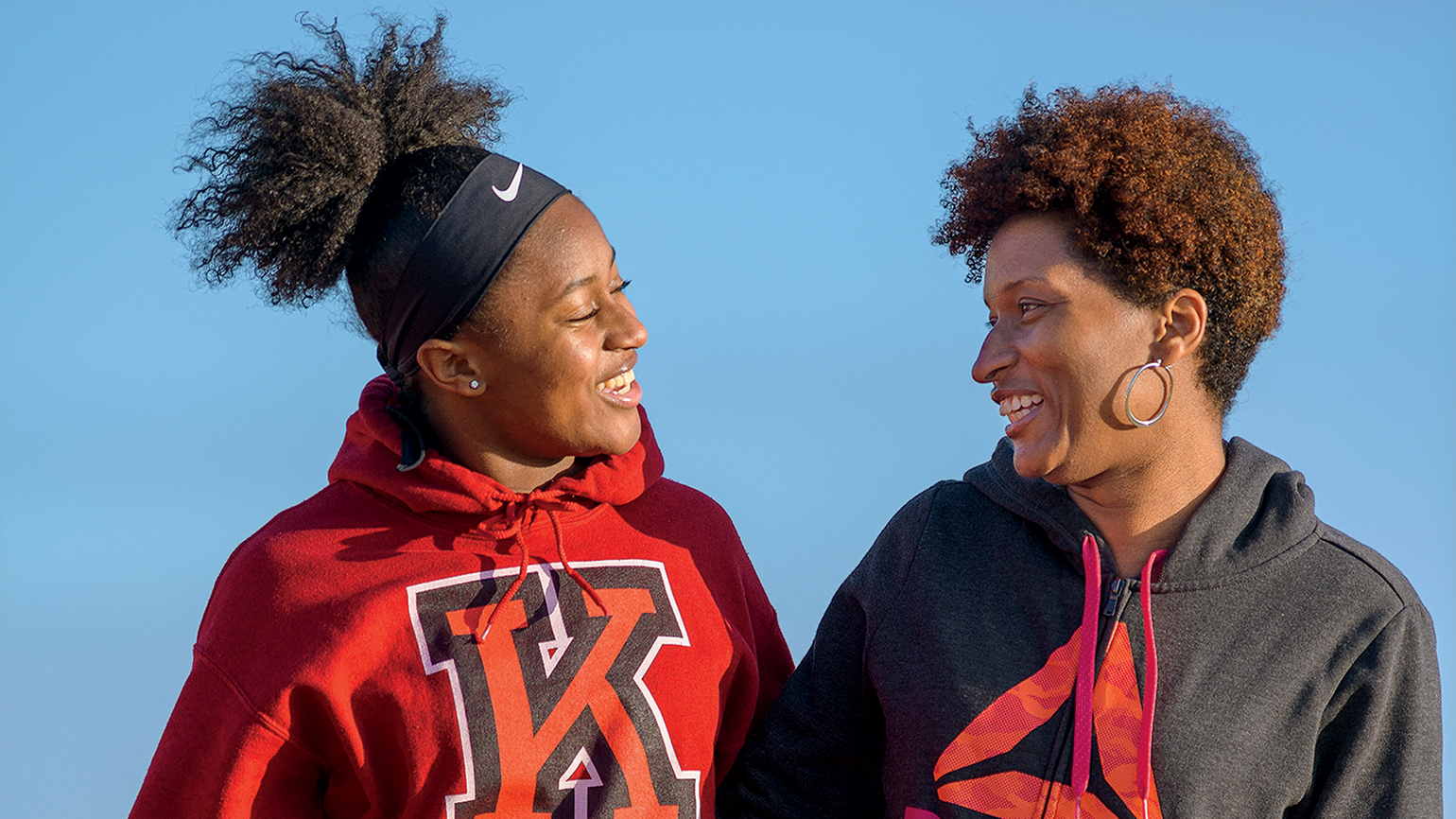
She Realized Her Kids Needed a Mom More than a Coach

I grew up playing sports. Both my parents played multiple sports in high school, and my dad went to college on a football scholarship. I played softball as a child and excelled on my high school field hockey and track teams. My husband, Kenny, was playing professional basketball overseas when we met. He now works in education and coaches youth and high school basketball.

Kenny and I weren’t surprised when our daughters, Kennedi and Kassadi, showed early athletic promise. Watching them outrun other kids on the playground, I knew they were destined for greatness on the track. Kennedi, our older daughter, was competing in the Junior Olympics track and field championships by age seven. Kassadi wasn’t far behind.

Walking with Jesus L&E evergreen_in article ad

By the time Kennedi started middle school, our family life revolved around practices, track meets, plus regional and national championships. I had visions of college scholarships, maybe even the Olympics.

I did not envision sitting in a pediatric orthopedist’s office almost two years ago, staring at an MRI image as the doctor calmly explained that Kennedi’s posterior cruciate ligament—the thick tissue stabilizing the back of her knee—was torn. Her season was over.

“Immediate surgery might be necessary,” the doctor said. “I’ve almost never seen this kind of injury in a child. It’s a complicated repair, and recovery can take a long time. She might not regain full athletic function.”

Kennedi was 13 years old. The day before, at a regional Junior Olympics qualifying event, she’d misjudged her long jump landing and ended up sprawled in the sand pit, screaming in pain.

This was not supposed to happen. Sports weren’t just part of my family life. They were part of my prayer life. Athletic accomplishment was God’s gift to my family. Part of our story. The story was supposed to end at the Olympics. Not in the operating room.

The doctor kept talking, but I had a hard time following the words. Why, God? How could you do this to my child?

I didn’t set out to become a track mom. Kenny and I weren’t thinking Olympics when we signed the girls up for track. We knew they were fast, but we had an open mind.

Still, I couldn’t help noticing at the first practice that Kennedi was especially good at sprints and the long jump. By the time the season ended, I was crushed when she didn’t qualify for the regional Junior Olympics. She was only six years old.

The next year, she qualified and made it into the national finals. I began to think we might have a future track star on our hands. Kenny and I talked about it, prayed about it and decided to make track a household priority. That meant committing to a full schedule of practices, extra workouts, meets and faraway championships.

We didn’t ask the girls if that’s what they wanted. Of course they did! Who wouldn’t want to use a God-given talent to the fullest? Plus, they kept winning, and every kid likes to win.

Slowly but surely, track took over our lives. Weekends, even some Sunday mornings, were devoted to training. We stopped taking vacations so the girls wouldn’t miss any practices. I would make time to visit local attractions wherever we traveled for meets and call that vacation.

We missed birthdays, family cookouts, Wednesday night Bible studies and youth group meetings. We spent thousands of dollars on meet fees, equipment, training and travel expenses. I even restricted the time the girls could spend swimming with their friends, which would sap the energy they needed for competition.

When the kids were little and played soccer, I used to shake my head at the parents who hollered and criticized from the sidelines. But when a track championship was on the line and I could tell one of my girls wasn’t giving her all, what else was I supposed to do?

“Let’s go, baby!” I’d shout at Kennedi if she started falling behind. “Faster! Move those legs!”

If the girls lost, the car ride home was no fun. “Where was the effort on that last sprint, Kassadi?” I’d demand. “Kennedi, you were faster in practice last week. What happened?”

Point by point, we went over every mistake and missed opportunity.

Standards were just as high at home. If practice was canceled because of rain, I took the girls out the next day for a makeup workout. During the summer, between track seasons, I supervised more workouts.

I bought some used hurdles from a yard sale and started hauling them to the track in the back of our SUV. If the gate to the track was locked, I tossed the hurdles over the fence and the girls and I followed.

The reward was posting victory photos on social media.

“Love your two beautiful winners!” people gushed in comments. I got a rush with each dose of praise. Our family looked just as I wanted in those photos: Kenny and me smiling, our arms around our beloved medal-winning daughters. We were happy, fit, accomplished. Living proof of God’s abundant goodness.

Where did Kennedi’s injury fit into all of that? She was in terrible pain. Her season was over. She might require career-altering surgery.

To our immense relief, the surgeon we consulted said intensive physical therapy would probably be enough to return Kennedi to competition. The injury had likely been caused when Kennedi, trying to squeeze out a bit more distance on a jump, extended her leg too far and bent it backward on impact. Going for the win had torn her knee ligament.

There was more good news when I discovered that some of the country’s best physical therapists were at my nearby alma mater, the University of Delaware, which has a top-ranked physical therapy program.

Kennedi was assigned to a senior therapist named Greg Seymour, and the two of them clicked right away. Kennedi seemed hopeful.

My feelings were more mixed. I kept thinking about her extending her leg that extra distance. The more I thought about it, the more I wondered whether Kennedi had been trying so hard because she feared what would happen on the car ride home if she failed to make finals.

Was I partly to blame for her injury?

For the first time in years, our family life did not revolve around track and field. Track season was over, and there were no more practices to run off to. Kassadi reveled in the freedom.

Three days a week, Kennedi and I made the 45-minute drive to the university for therapy. I knew better than to coach from the sidelines. Greg was an expert. My heart cried out every time Kennedi winced through a stretch or an exercise. I became her biggest cheerleader.

One day, I worked up the courage to ask if she thought I’d been too hard on her when she was competing.

“Yes!” Kennedi said. “Remember that movie we watched about kid athletes?” She meant Trophy Kids, a documentary about overbearing sideline parents that she and Kassadi and I had watched on Netflix at the start of the last season. The girls told me I was just like the parents in that movie.

“Well, at least I never cursed at you.”

“No, but you treat me differently when I win and when I lose,” Kennedi said. “I wish you were the same even if I have a bad day on the track. I feel like you don’t accept me just for who I am.”

That stung. Bad. But I couldn’t object. In my heart, I knew what she said was true.

In fact, if I were totally honest, I would have to admit that my girls were happiest when track season was over. They enjoyed doing well, and they definitely loved hanging out with their friends at meets. But training? Stressing over meets? Not so much. I probably cared more about the medals than they did.

Or maybe it was more accurate to say I cared about winning differently. Somehow I’d begun basing my own self-worth on my girls’ accomplishments. My constant criticism had bent them into thinking the same way. On their own, they would have kept things in perspective.

My prayers changed. I was already praying every day for Kennedi to heal. Now I added a new request: Lord, please heal my heart so I can accept my daughters as the people you created them to be. Help me seek my satisfaction in you, not in their accomplishments.

The following summer, we tried something different: an actual family vacation. We spent a week in Myrtle Beach, South Carolina. We relaxed on the sand, played in the water (no swimming restrictions), ate great food and visited family and my husband’s old college on the way there and back. It was the best time we’d had together in years.

Kennedi was cleared to compete that fall. She joined the volleyball practice team at her high school, then moved to the indoor track team. We’re back to a hectic family schedule.

Not everything is the same, though. We seldom miss church or youth group anymore, even if that means skipping practice or a meet. And I don’t critique the girls’ performance. At least, I try not to. I’m learning to trust that if my daughters decide not to run track in college, that simply means God has something even more wonderful in store.

It’s their story—God’s story—not mine. My job is simple: Worship God, love and support my daughters. If I do that, we’re guaranteed to win.

For more inspiring stories, subscribe to Guideposts magazine.

She Learned to Focus on Loving—Not Judging—Her Daughter

My 20-year-old daughter, Brittany, had left the computer on in my bedroom. She’d been using it to chat with friends. The chat session was still on the screen.

Maybe I shouldn’t have read it, but I’m a mom and I couldn’t help myself.

A Journey of Faith In Article Ad - Avail Now

“We’ll meet you at the WreckRoom,” Brittany had written at the end.

My husband, John, Brittany’s stepfather, walked in.

“Have you ever heard of a place called the WreckRoom?” I asked him.

“No,” he said with a shrug. “Why?”

“Brittany’s going there tonight.” I looked up the WreckRoom online. What?! It was an all-ages gay nightclub on Thirty-Ninth Street, the heart of Oklahoma City’s gay neighborhood.

That couldn’t be right. Why would Brittany want to go there?

I’d grown up in a very conservative church environment and raised Brittany the same way. Where I came from, the Bible was crystal clear about homosexuality. Someone who lived that way was out of God’s favor.

Brittany was living at home while working and attending community college. In some ways, she was a grown-up. In others, she was still pretty naive. Maybe she just didn’t know what the WreckRoom was.

And yet…why was my whole body rigid with fear?

I racked my brain for reassurance that Brittany wasn’t gay. There was that guy she pined over in high school who was dating someone else. Later he broke up with that other girl, and he and Brittany went to the prom—but nothing came of it. Other than that, she had never dated, never had a boyfriend.

Not that John and I gave her much wiggle room. We taught a singles class at church based on the purity movement. The idea was to avoid casual dating and focus on marriage. We steered Brittany toward group outings with friends, and she never rebelled against that.

The only time she and I had a big disagreement over this subject was when she expressed curiosity about one of her eighth-grade teachers, who was a lesbian. “That’s kind of cool,” Brittany said when she found out.

“It’s not cool,” I replied and followed up with a lecture about what I believed the Bible said about sexuality. Brittany stopped talking about her teacher.

I called John over to the computer. We stood there staring at the screen, both feeling deeply uncomfortable. John’s daughter from his first marriage, Melissa, had apparently been questioning her own sexuality as well. Brittany and Melissa were only a year apart. Were they influencing each other?

Melissa had moved out as soon as she turned 18. She and I had a difficult relationship. Earlier that day, she’d driven over from her mom’s house, where she was living, to hang out with Brittany. They were out now getting something to eat. It was clear from the chat session that they were planning to go to the WreckRoom together.

“They are not going to that place,” I said to John.

“No way,” he said, though we both knew he didn’t have a lot of leverage with Melissa.

We confronted the girls when they came back. “Do you even know what the WreckRoom is?” I asked Brittany.

“You read my chat session!”

“You left my computer on. You are not going to a gay bar. Homosexuality is wrong. You know that.”

An expression I had never seen before came over my daughter’s face. Defiance. And something else. She looked wounded.

“How do you know it’s wrong?” she said. “My friends go there, and I like it. I don’t see anything wrong with it, and I’ll go back as soon as I get the chance.” She stormed out.

For two weeks, we fought. I quoted Scripture, gave lectures. Brittany never outright said she was gay, but I knew she was fascinated by that whole subject. Dismayed and bewildered, I issued an ultimatum: “You know what I believe. If you can’t follow my rules, you have to move out.”

Brittany packed up her things and moved into her own apartment.

The following months were a nightmare. Brittany all but cut me off. She came over for Thanksgiving, but I ruined it by using the opportunity to lecture her.

Emotions warred inside me. Horror. Fear. Shame. Regret. How could my own daughter do this to me? And yet I missed her so much!

Brittany’s childhood hadn’t been easy. My first husband was a drug addict who was abusive and neglected our children. Once, driving under the influence, he wrecked his car and killed Brittany’s youngest brother.

I had to get out of that marriage. The divorce and her dad’s chaotic life took its toll on Brittany. She was never rebellious. Just quiet and contained, bottling up her emotions. There was a lot about her life I didn’t know.

I thought I’d done everything right. Read Scripture to Brittany and her brother, Garrett. Monitored what they watched, who their friends were. Where did I go wrong?

Reading First Corinthians one day, I came to the part where Paul says that if someone “is sexually immoral or greedy, an idolater or slanderer, a drunkard or swindler,” a believer should “not even eat with such people.”

Brittany came over later that day to do laundry. She sat uncomfortably at the kitchen table, waiting for the wash to finish.

A sudden impulse to open my heart came over me. I joined her at the table and told her about the Corinthians passage. “I don’t know what that means,” I said, starting to cry. “Am I not even supposed to eat with you?”

Brittany did her best to remain stone-faced, but she began to cry too. We stared at each other helplessly. When the laundry was done, Brittany folded everything and drove away.

Soon after, her life unraveled. She flunked out of college and got a DUI. To my utter confusion, she moved into a filthy house with relatives who used a lot of prescription pain medication. Brittany was sleeping on a dirty mattress on the floor. I went over one day to visit. Overwhelmed by depression, she didn’t even get out of bed.

I was overwhelmed too by emotion. I felt caught between my love for Brittany and my obedience to what I read in Scripture, what I’d been taught to believe. I didn’t dare tell anyone at church. What would they say?

Part of me was relieved that John was having his own struggle with Melissa. Both he and I had endured rocky first marriages. It would have been so easy for either of us to sit in judgment.

One day, I was out getting the mail when my friend Juli drove by. Juli is one of the most perceptive, straighttalking people I know.

“What’s wrong?” she asked.

“Oh, it’s Brittany,” I said.

Juli eyed me. She knew exactly what was going on. “You blame yourself, don’t you?” she said. I nodded.

“Let me ask you,” she said. “If Brittany had turned out perfect in your eyes, would you have taken credit?”

“Of course!” I said.

Juli shook her head. “Then you would be full of pride. Whatever Brittany did, it’s God’s job to judge. Your job is to love your daughter.”

Juli drove away, and I stood there, feeling stung. Then, to my amazement, a sense of liberation began to build inside me. If Juli was right, I could love my daughter as she was without having to answer all the hard theological questions.

Right there by the mailbox, I prayed about it. As clear as day, God replied, Why would Brittany ever want to be with someone as judgmental as you are?

Another passage from Corinthians came to mind: “Love is patient, love is kind. It does not envy, it does not boast, it is not proud. It does not dishonor others, it is not self-seeking, it is not easily angered, it keeps no record of wrongs. Love does not delight in evil but rejoices with the truth. It always protects, always trusts, always hopes, always perseveres.”

I went inside and called Brittany. “Want to go get coffee sometime?”

“I would love that!” she said.

Slowly we worked to rebuild our relationship. We got coffee. Went to garage sales. I called her just to talk and avoided the issue of sexuality. The more we talked, the easier it became. I knew it was a risk for Brittany to trust me. I didn’t want to let her down.

John and I decided to take the whole family—Brittany, Garrett and Melissa— on a five-day Caribbean cruise. It sounded kind of crazy. But we realized that what we needed most of all was undistracted time together.

We threw a bon voyage party, and Melissa invited her best friend Robbie and his boyfriend. I had met these young men before and, frankly, found them extremely nice and easy to talk to—once I let go of my judgment.

They arrived with a huge cake decorated like a cruise ship—a peace offering. I realized they’d had to work just as hard to accept someone like me, a conservative Christian who disagreed with how they lived.

We had a great time at the party and an even better time on the cruise. Something must have happened out there on the water. Soon after we returned, Brittany began pulling herself back together. She found work and entered into a long-term relationship. Her partner, Nicole, became like a third daughter in our family.

I no longer hide what I tell people at church because I’m no longer ashamed of my daughter.

I feel closer to God than ever when I remember that he extended infinite grace to me, enabling me to extend grace and love to Brittany.

I don’t have all the answers. What I do know is that the Bible tells me to trust, to hope and to persevere in love. Those are words Brittany and I can embrace with all our hearts.

For more inspiring stories, subscribe to Guideposts magazine.
She Gave This Abused Polar Bear a Beautiful Life

On a cold November night in 2002, an unlikely group huddled in the FedEx hangar at Detroit Metro Airport. The animal activists, local media and zoo specialists were waiting for a plane carrying a unique passenger: an 18-year-old former circus performer—a polar bear named Bärle.

Like many circus animals, Bärle’s past was heartbreaking. She was born along the west bank of Canada’s Hudson Bay in 1984. Her mother was poached, and Bärle, just a cub, was shipped to Germany. She wound up with an animal trainer who took his bear show to the Suarez Brothers Circus in 1990.

Mys of Blackberry Valley In Article Ad

A circus that toured Mexico and the Caribbean was no place for polar bears, who thrive in extreme cold. For 13 years, Bärle (pronounced “bearlah”) and six others suffered the searing tropical heat and endured beatings at the hands of their trainers. They were forced to live in cages in which they couldn’t lie down fully. In November 2002 the U.S. Fish and Wildlife Service took custody of the seven polar bears, and a FedEx plane ferried them to zoos across the United States.

Detroit was the last stop. Finally, Bärle’s plane landed.

The onlookers kept a respectful distance as the bear’s crate was placed on the hangar floor. One of the specialists from the Detroit Zoo approached slowly. She knelt, laid her hand on the mesh of the cage and softly called Bärle’s name. The bear, tired and ragged, locked eyes with her and smiled slightly. Else Poulsen smiled back.

If anyone could speak the language of bears, it was Poulsen. She was a zookeeper and a trainer, but foremost, a bear behaviorist. She’d found her calling in bettering the lives of abused and captive bears. She was known for coming face-to-face with these majestic creatures and asking, “Who are you? What can I do for you?”

Poulsen’s affinity for bears went back to childhood. Her family liked to visit national parks, and bear sightings were common. She was three years old when she saw her first bear—a black bear catching a trout in a stream. Poulsen’s parents told her something that stuck with her: Bears need room to be themselves.

As an apprentice keeper at the Calgary Zoo in Canada in the early 1980s, Poulsen began to see the truth in that lesson. She worked with every type of animal at the zoo during her four-year apprenticeship and realized that it was the bears she understood most. She learned that they are smart and have complex emotional lives. As she told Laurel Neme, a writer for National Geographic, she learned that “bears smile just like we do” and “every bear is an individual.”

Poulsen discovered that a bear’s personal history affects its behavior and decisions, much as our personal history affects ours. She made sure to respect whatever the bears had been through—whether it was years of forced performance and abuse, being separated from family members or living in cramped enclosures that were nothing like their natural habitats.

She found out their individual stories and social needs and formed bonds with each bear. “I understood early on that to make a difference in the life of a bear, I had to develop a meaningful relationship—meaningful to the bear,” Poulsen wrote in her book Smiling Bears: A Zookeeper Explores the Behaviour and Emotional Life of Bears.

Bears need room to be themselves. From Snowball, a female polar bear who paced because of obsessive compulsive disorder, to Miggy, an eight-month-old American black bear cub who was motherless and in need of guidance, Poulsen observed and addressed each case with care. She might consult a neuroscientist, as with Snowball. Or she would create a distraction, such as the goldfish-filled pond liner she installed in Andean bear Melanka’s enclosure. Or she’d become part of the process herself—for instance, occasionally biting Miggy’s ear to discipline her like a mama bear would.

Each bear she worked with touched her heart, perhaps Bärle most of all. Two weeks after her arrival at the Detroit Zoo, the polar bear started interacting with items in her enclosure. “There was straw everywhere, mixed with water, feces, food, urine, toys, boxes and feeders,” Poulsen wrote in Bärle’s Story: One Polar Bear’s Amazing Recovery from Life as a Circus Act. “It was a delightful mess that I was only too happy to clean up so she could start the discovery process all over again.”

Empowering Bärle was imperative to her recovery. In the zoo’s safe environment, she was encouraged to try new things and make mistakes. Poulsen wanted her to learn that she could make her own decisions. She wasn’t going to be told what to do. There would be no more punishment, no more pain.

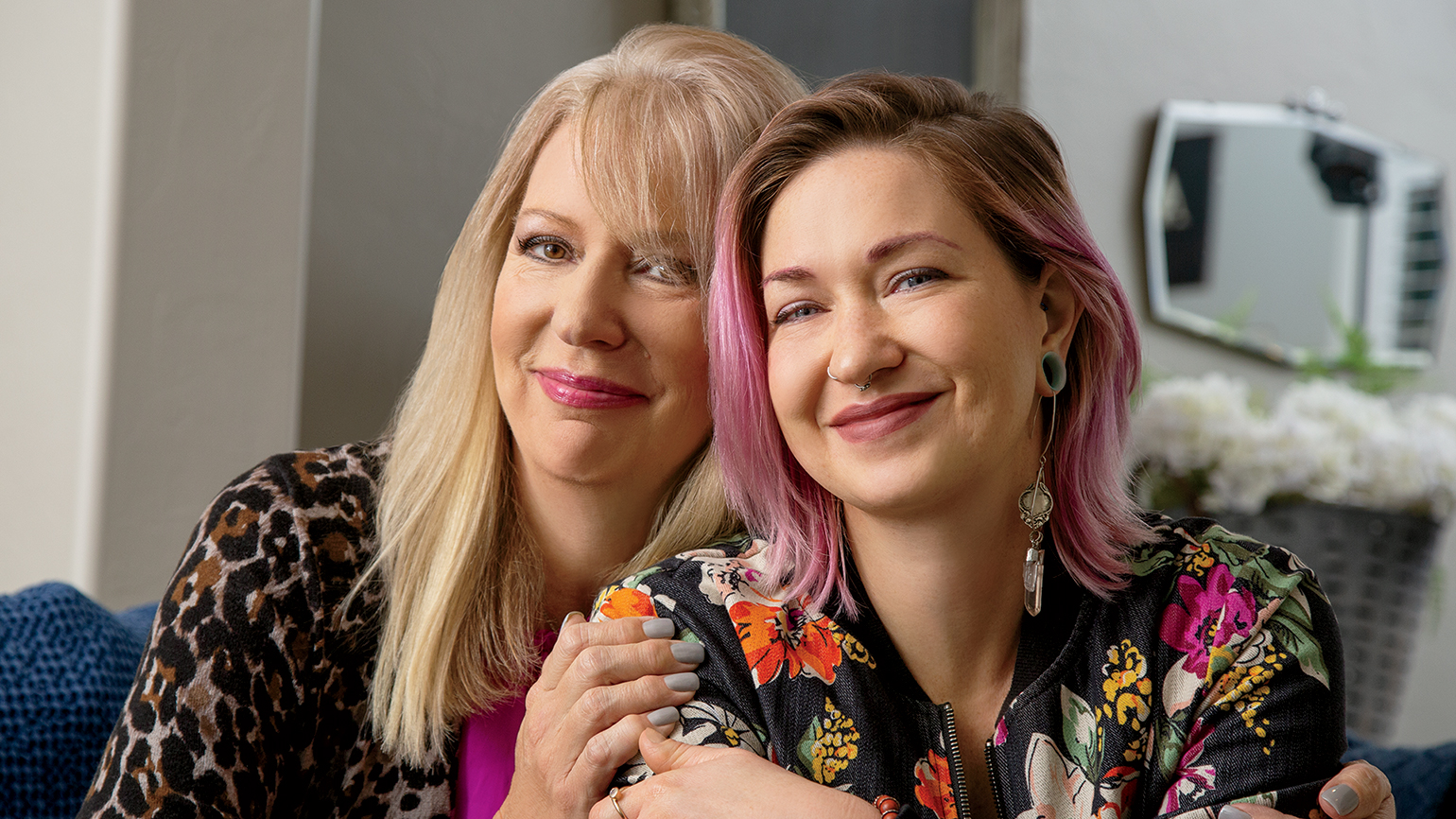
Slowly, Bärle’s behavior shifted. For enrichment, she went on daily scavenger hunts and used puzzle feeders. She played with a ball and had fun tossing items into her 150-gallon stock tank. She tried new foods and napped for hours at a time, which was crucial for both her mental and physical healing.

Bärle settled in at the Detroit Zoo’s Arctic Ring of Life, a four-acre tundra habitat with indoor and outdoor spaces and a freshwater pool. Seven other polar bears lived there, and she grew close to a male named Triton. Two years after her arrival, Bärle gave birth to a daughter, Talini. Watching mother and cub bob around in the water and “chase” seals that they saw through a thick underwater window, Poulsen knew Bärle’s rehabilitation was complete. She had “lived to recover from her trauma through human compassion,” Poulsen wrote in Bärle’s Story.

Bärle died in July 2012 at the age of 27. Because of Poulsen, she got the chance to live the life she deserved. “People always ask zookeepers who their favorite animal is,” Poulsen told Laurel Neme. “For myself, it’s the animal that needs you the most.” Bears need room to be themselves. They also needed Else Poulsen.

Did you enjoy this story? Subscribe to All Creatures magazine.

She Founded North America’s Largest Elephant Sanctuary

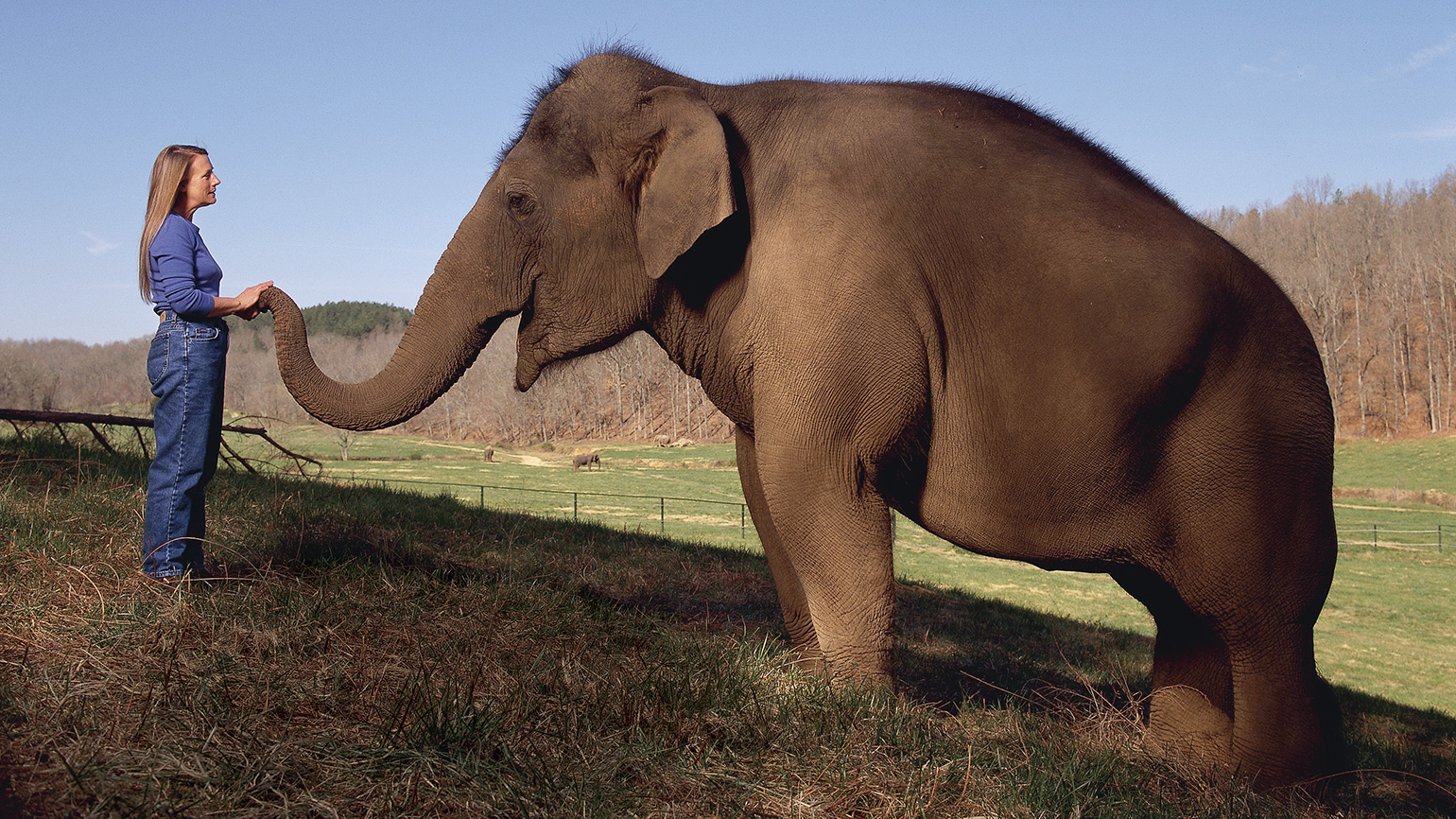
One morning when she was 19, Carol Buckley heard her dog barking frenziedly. She looked out the window of her Southern California home and couldn’t believe her eyes. A man was taking a baby elephant for a walk. “I ran outside and introduced myself,” Carol says. “The man had just bought the elephant as a mascot for his tire dealership. ‘Come and see her anytime,’ he told me. By the time they’d finished their walk, I was at the store waiting for them.”

Carol was always bringing home injured rabbits and birds, so naturally she showed up every day to take care of the little elephant. She taught her some simple tricks, like curtsying and playing the xylophone with her trunk.

You Got This In Article Ad

“I fell in love,” Carol remembers. “She was so smart, so responsive. Being with her was almost like being with a close friend.”

Elephants form extraordinarily deep, lifelong relationships. In the wild, they protect their wounded or sick, nurture their young, and grieve when one of their own dies. A tire dealership was hardly an appropriate place for such a sensitive creature, Carol decided.

Her dad helped her get a loan to buy the elephant. But it was up to her to find a way to support herself and an animal—now christened Tarra—with one of the largest brains on the planet and a diet of more than 150 pounds of food a day. Carol had taught Tarra a complete routine of tricks. She was out of school and looking for a path in life. So Carol and Tarra took their act on the road, working in circuses around the country.

“It was a huge adventure,” recalls Carol. “Tarra loved performing. She couldn’t wait to get into the spotlight. Definitely she was born to be a star.”

Carol varied Tarra’s routines to keep them challenging, and during off hours she’d find an empty field or riverbank where they could play. Something troubled her though. Most owners and trainers weren’t nearly so considerate of their animals. Cramped trailers and cages, the same old routines, even cruelty. Being a captive elephant was no fun.

And not just for other elephants. Carol noticed that Tarra wasn’t enjoying performing the way she once did. So Carol came up with a radical stunt. “People imagine elephants’ legs being big, clumsy columns,” she says. “Not true. Tarra has incredibly flexible feet and toes. I decided she would become the world’s first roller-skating elephant.”

She enlisted the help of a welder and a bootmaker—who refused until Carol had him meet Tarra. Tarra took to skating like she’d been born on wheels. Circuses and promoters ate it up.

Carol liked to hold question and answer sessions with the public, especially children. One day when Tarra was seven years old, a woman stood up and said, “How can you feel good about what you’re making this animal do?”

Carol was taken aback. I love Tarra, she thought. I’d do anything in the world for her. All the same, the woman’s words wouldn’t leave her alone.

One day while Carol was watching some children feed Tarra apples and oranges, the father of one of the kids extended an orange. Tarra reached for it with her trunk. The man pulled it back. Tarra reached again. Again the man teased her, pulling the orange away. “He was using her to show off, I guess,” says Carol.

Something in Tarra just snapped. Gently but firmly, she pushed the man over with her trunk. Take that! Remember, Tarra needs 150 pounds of food a day.

Carol was shocked, even alarmed. Tarra had never done anything like that. Then that woman’s words came back to her. Looking at Tarra, Carol suddenly saw something she’d never seen before: a wild creature whose deepest needs were going unmet. If I really love you, Tarra, I have to do what’s best for you.

But how? By sending Tarra, now deeply bonded to Carol, back to the wilds of Asia? Not an option. Still, as a first step, Carol got Tarra out of circus work. The two embarked on an odyssey from zoo to zoo, wildlife park to wildlife park, trying to find an environment where Tarra could live a life that was closer to what it would have been in the wild. But there were always problems: not enough space in one facility, demands for Tarra to perform or give rides in another. A zoo or wildlife park might be a better place for an elephant than a circus, but it was still miles from what Tarra really needed.

Then one morning, Carol woke up with an incredible image in her mind. She couldn’t really explain it. More than an image. A vision. A place of fields and forests and rivers, where retired zoo and circus elephants could live as the magnificent wild creatures they are, completely free from human interference and demands.

Such a place didn’t exist yet—no one was more aware of that than Carol. But she suddenly understood that it had to, and that it was her mission in life to bring it into existence.

“The Elephant Sanctuary spent ten years as an idea before it finally came to fruition,” says Carol. “I looked all over the country, trying to find a landscape and climate that would mimic what an Asian elephant would experience. I got a partner, and ultimately we zeroed in on Tennessee. A realtor took me to this property here in Hohenwald. It was the exact picture that had been put in my head. I felt I’d been led to it. Everything was right.”

In 1995, the nonprofit Elephant Sanctuary opened with Tarra as its founding member. Half a dozen Asian elephants retired from zoos and circuses are now enjoying a new lease on life on nine hundred unspoiled acres of Tennessee countryside. Support comes from a variety of places, including corporations, foundations, and ordinary people who want to do something kind for elephants.

Perhaps most notable of all, the sanctuary is closed to the general public. Cameras set up around the sanctuary allow for videoconferencing and online visits, but there are no noisy crowds to bother the residents. These are retirees, after all.

“Elephants live up to seventy years,” says Carol. “Some of our elephants have spent decades in unpleasant environments. It can take them a while to recover and realize they’re in a safe place, but when it happens it’s wonderful. You can tell by that spark in their eyes. They know they’re home.”

Just ask Tarra.

For more inspiring stories, subscribe to Guideposts magazine.

She Expresses Gratitude All Year Round in Heartfelt Notes

Does your family go around the table at Thanksgiving sharing what they’re grateful for? My family has its own twist on that tradition, and we do it year-round—not just the fourth Thursday of November. It goes back to me losing the spirit of the holiday many years ago.

“This tablecloth will never do,” I’d told my husband, Kevin, as we set the table one Thanksgiving when our kids, Esther and Ron, were young. “It’s got a stain.” Kev said it didn’t matter, that I could cover the stain with my new turkey salt and pepper shakers. “But my parents will be here!” I said. They were coming from out of town, and I wanted everything to be perfect.

Walking with Jesus L&E evergreen_in article ad

Although I’d been out of Mom and Dad’s home and married for more than a decade, I was still trying to prove myself to them as a wife and a mother. Criticisms from my childhood constantly echoed through my mind: “No, that’s not the right way,” Mom would tell me, or “If I want something done right, I’ll just have to do it myself.” Whenever she and Dad visited us, I braced myself for more faultfinding.

I knew I’d lost sight of the reasons for Thanksgiving: celebrating God’s care and provision, showing others how much we appreciate them, spending time with the ones we love. There was just so much to do! That year, like every year, I got bogged down in the long list of details, from cooking to cleaning to decorating. That—along with my perfectionism—stole the joy from our celebration. Until God got my attention as only he could.

The summer Esther was 12 and Ron was 9, Kevin and I attended a marriage retreat for pastors and their spouses. I found myself leaning forward when the speaker talked about correcting others. “When you criticize someone, tell them in person,” she said. The speaker explained that seeing the kindness in your eyes and hearing the gentle tone of your voice will show your loved one that you want to make the relationship better. Not change them.

“But when you have a compliment, put it in writing,” the speaker told us. “Then the person you’re praising can save it to read whenever they feel invisible and unappreciated.” As a mom of tweens and the wife of a busy youth pastor, I knew that feeling well. Did Kevin and our kids ever feel the same way?

On the drive home from the retreat, I thought, I do a lot of correcting, but I don’t know how often I give compliments. Especially in writing. I made a mental note to put this idea into practice at the next Thanksgiving, when there would be just the four of us. I mentioned it to Kev that fall, and he was all for it.

After our tummies were full of turkey, mashed potatoes, seven-layer salad and cherry pie, I put our names in a basket, then handed out pens and blank note cards. “Okay, we’re each going to pick a name and write a message to that person saying what we appreciate about them.” Esther and Ron rolled their eyes practically up to the ceiling. I could tell what they were thinking: Great, another one of Mom’s family-improvement plans.

Kevin told the kids that he and I had agreed beforehand about the Thanksgiving messages. Ignoring Esther and Ron’s sighs and slumped shoulders, I passed around the basket. “God, please make this work,” I whispered. “Or at least let it not be a total failure.”

The room was silent as we labored over our notes. After we all finished and exchanged cards, we read the compliments we’d received aloud. I thought Ron’s note, “You are smart,” was too brief, but Esther sat up straighter in her chair after reading what her brother had written about her. And when I read Kev’s declaration, “I am proud of your singing and writing talents,” I fought back a couple tears.

I decided from then on to write more notes to our family. A list of five things I liked about someone tucked into a lunch sack. A note of praise left on a pillow. A card that read, “I miss you already” hidden among the clothes in a suitcase.

The unexpected bonus was the depth of joy I felt while writing those messages. Was it the act of writing? The extra effort it took? Or the tangible expression of gratitude? Whatever the reason, this renewed sense of thankfulness seeped into our family life. Giving thanks became a year-round habit, not just once a year.

Kevin began giving me greeting cards more often, something I’d missed from our dating days. I saved every card, tucking them into a drawer in my nightstand, so I could dip into them whenever I was feeling sad or stressed. Reading that Kev appreciated my constant prayers for our family or my hard work reassured me that I was valued. It even helped me let go of some of that penchant for perfectionism.

I still have a letter tacked to the wall in our bedroom that Kevin had written me during a very hard time in my life: “You will accomplish great things for God. The Lord is holding you close to his heart. Jesus has great plans for your future.” The knowledge that someone—not just anyone but the man who lived with me and knew all of my faults—believed in me was a game changer.

When Esther went to college 1,500 miles from us, Kevin and I were thrilled to receive a thank-you letter from her that first semester. Our daughter highlighted our generosity, unconditional love and understanding. When Ron moved away after high school, we got a note thanking us for having rules. “I’ve met a lot of people lately whose parents didn’t care what they did,” Ron wrote. “I realize now what a different person I’d be if you hadn’t set some boundaries in our family.” That message made all the conflicts during our kids’ teen years seem worth it.

I branched out beyond our family. “God will never let you go” to a friend whose family was falling apart. “Atta Girl” on the essays and math tests of the motherless student I tutored. Thank-you notes to coworkers and friends. Nothing long or flowery, just simple expressions that showed how much I valued that person.

These days, I send my compliments via email or social media more often than I do with pen and note cards. But I still make a conscious effort to look for, and praise, good qualities in others—a habit that’s made a positive difference in my perspective.

I no longer need to have everything perfect on the Thanksgiving table or at any other time. I’m more interested in how I can help the people around me feel loved and appreciated. Especially in writing. Because the power behind every word is the power of God’s love.

For more inspiring stories, subscribe to Guideposts magazine.
She Bonded With an Injured Robin

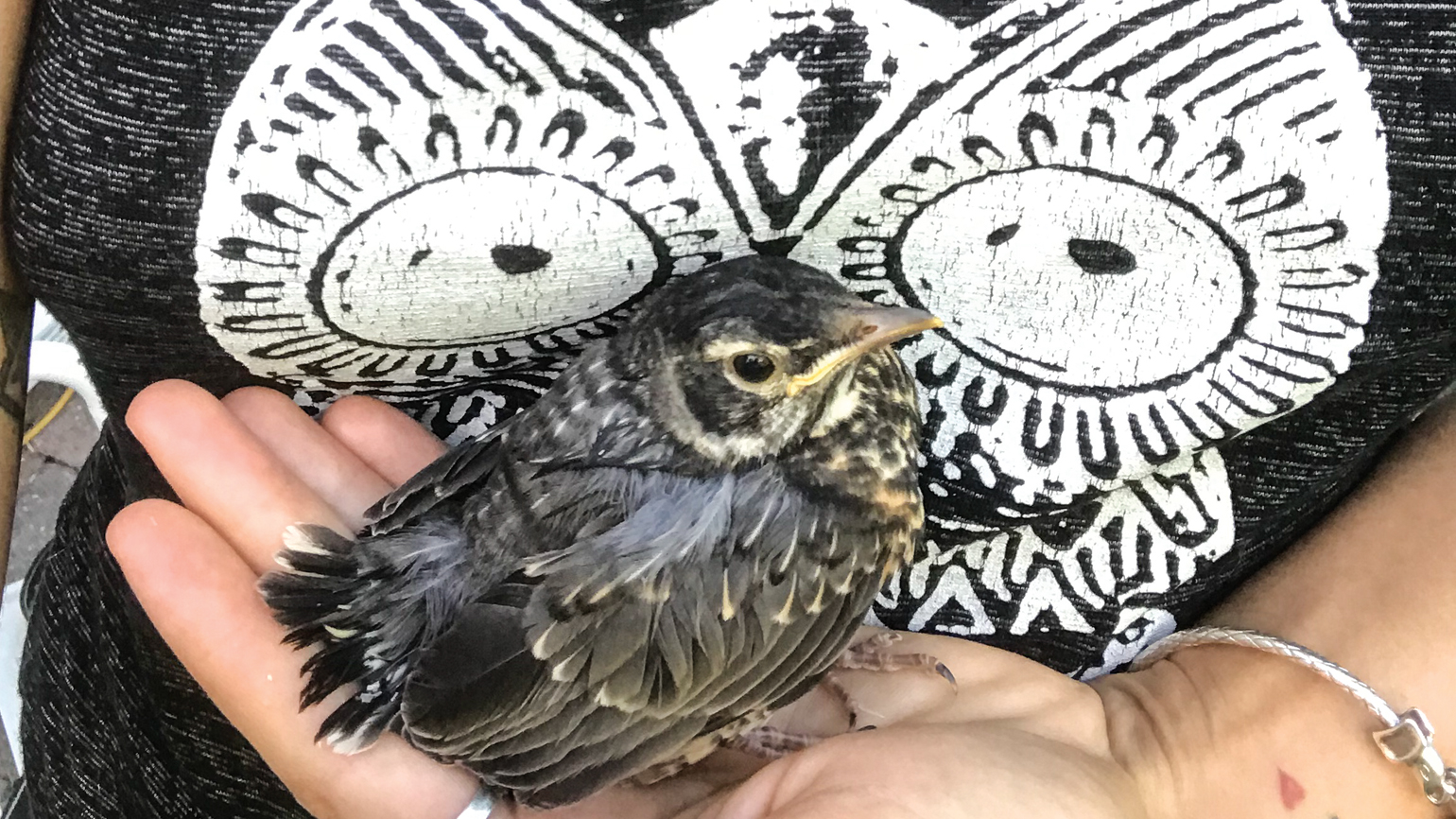
It was a typical morning for Kara Twomey. She was taking her rescue pup, Cassie, for a walk in her Winnipeg, Canada, neighborhood, when a loud caw startled her. Some crows rose up in a flurry of black feathers. One of them had snatched a baby robin, but as the crow took flight, it dropped the baby to the ground. Kara rushed over.

Cassie took a closer look, sniffing the tiny creature. Kara knew she couldn’t leave him there. Gently, she carried him back home and settled him in a box lined with grass. “He looked like he was in shock,” she says. The fall had injured the robin’s feet, and he wasn’t able to curl his toes to perch.

Faithful Paws and Purrs In Article Ad

“I’ve always been an animal person,” Kara says. She has worked with rescued elephants in Sri Lanka and monkeys at a sanctuary in Guatemala. “I have also rehabilitated injured birds. But this robin was different. He couldn’t fly yet; he needed a mom.”

A veterinarian friend recommended that Kara feed the bird dabs of wet cat food using a tiny paintbrush. “It was like having a human baby,” Kara says. “I was feeding him every hour, changing the water, changing the grass and leaves in his box. It was a lot of work.”

After a week together, Kara started bringing Squeaker—named for his talkative nature—out to her yard, where he would hop in the grass. He needed to learn how to perch and fly. In the beginning, he was able to get only a few inches off the ground. He would practice inside by flying up each step of Kara’s staircase. Soon his foot healed, and his wings grew strong enough to take him up to low branches in a tree. Kara always stayed close because several cats prowled the neighborhood. Within a few weeks she knew he was ready to spend the night outside in the tree.

“That first night was such a milestone,” Kara says. “I was excited for him but sad he’d be gone.” In the morning, Kara heard chirping. She looked out to see Squeaker’s head poking through the branches of the tree. “He was like, ‘I’m still here!’”

For the next couple of weeks, every time Kara went outside Squeaker would fly over and land on her shoulder or head. He’d even stand on her forehead while she sunbathed in the yard. When she went into the house, he chirped for her. And when she taught him how to dig for worms, he’d stand on her foot—always as close to his rescuer as possible. “I really became his mom,” she says. “We bonded. I loved this little creature.”

One day, Squeaker decided it was time for him to explore on his own. He flew off, out of sight. Kara had known for some time that this day would come. She just hoped she had done enough to prepare the robin for the big world out there.

One month later, Kara was outside with Cassie when Squeaker swooped down and landed on a branch right near her head. “I was so happy to see him and to watch him flying so well,” she says. “I think he wanted to show me he was okay.” They chirped back and forth for a few minutes, Kara holding back tears.

“We don’t think of the common bird as anything special, but Squeaker taught me so much with his love and his determination to recover. It was inspiring. It’s a reminder of how connected we all are.”

Did you enjoy this story? Subscribe to All Creatures magazine.

Sharing the Good News of Faith—and Llamas?

My husband, Tom, had come up with more than a few crazy ideas in our 29 years of marriage, but this one topped them all. “We are not buying a llama,” I told him. “No way.” We had just driven home after spending the afternoon at a huge llama exhibition and show on the Ohio State Fair grounds. We had gone there for the dog show, where for five years we’d shown our beloved boxer. Roxie was a beautiful champion show dog whom I’d loved as if she were one of our children. She’d drawn us into a life I could never have imagined. Roxie came into our lives when she was a puppy and everything changed. Summer weekends were spent going to shows across the region. It became all-consuming.

For months, we didn’t even go to church. That was the one drawback about showing dogs. But I’d so enjoyed it—the competition, the people we met, the time bonding with Roxie. I was sure God understood. Then, at six years old, Roxie was diagnosed with an inoperable brain tumor and died. Nearly a year later I was still heartbroken. I’d thought coming to the show would be a way to relive happy memories, but all I felt was sadness. “I can’t do this,” I’d told Tom halfway through. We left the arena. Just outside the doors was a huge sign: “Come see the llamas.” “Let’s check it out,” Tom said. I thought he was joking. An hour later we were still walking past pen after pen of these leggy, furry animals. Tom was fascinated, peppering the farm owners with questions and getting their business cards.

Light for Life NASB Study Bible in Article

The whole three-hour drive back to our 32-acre hillside hobby farm, Tom was lost in thought. “Sometimes I feel like we should be doing something more with our lives,” he said, as much to himself as me. At last we pulled into the driveway. Tom announced, “I’m going to buy a llama.” He’d always been like this, impulsive and full of ideas. Wanting to buy the farm when we were just starting out in our marriage, volunteering us to teach Sunday school and then to lead a youth group. Never mind that we had no experience—he just leaped in and trusted God to figure out the details. I was more cautious and liked to weigh all the pros and cons. God gave us brains so we could think things through, right? And I couldn’t see anything good about this. Why llamas, and what would we do with them?

“There’s good money to be made in breeding them,” Tom said. “The breeders mentioned there’s a huge demand, and it could supplement our retirement.” I was 50. Tom was 52. I was glad he was thinking about our future, but still, llamas? “It seems too risky,” I said. We’d raised a few horses and cattle, not that we’d ever gotten rich off it. Tom let the subject drop. I noticed he kept all the llama farm business cards on his dresser, though. A couple of months later he called me at work. “There’s a llama farm north of Columbus,” he said. “I want to go have a look this weekend.”

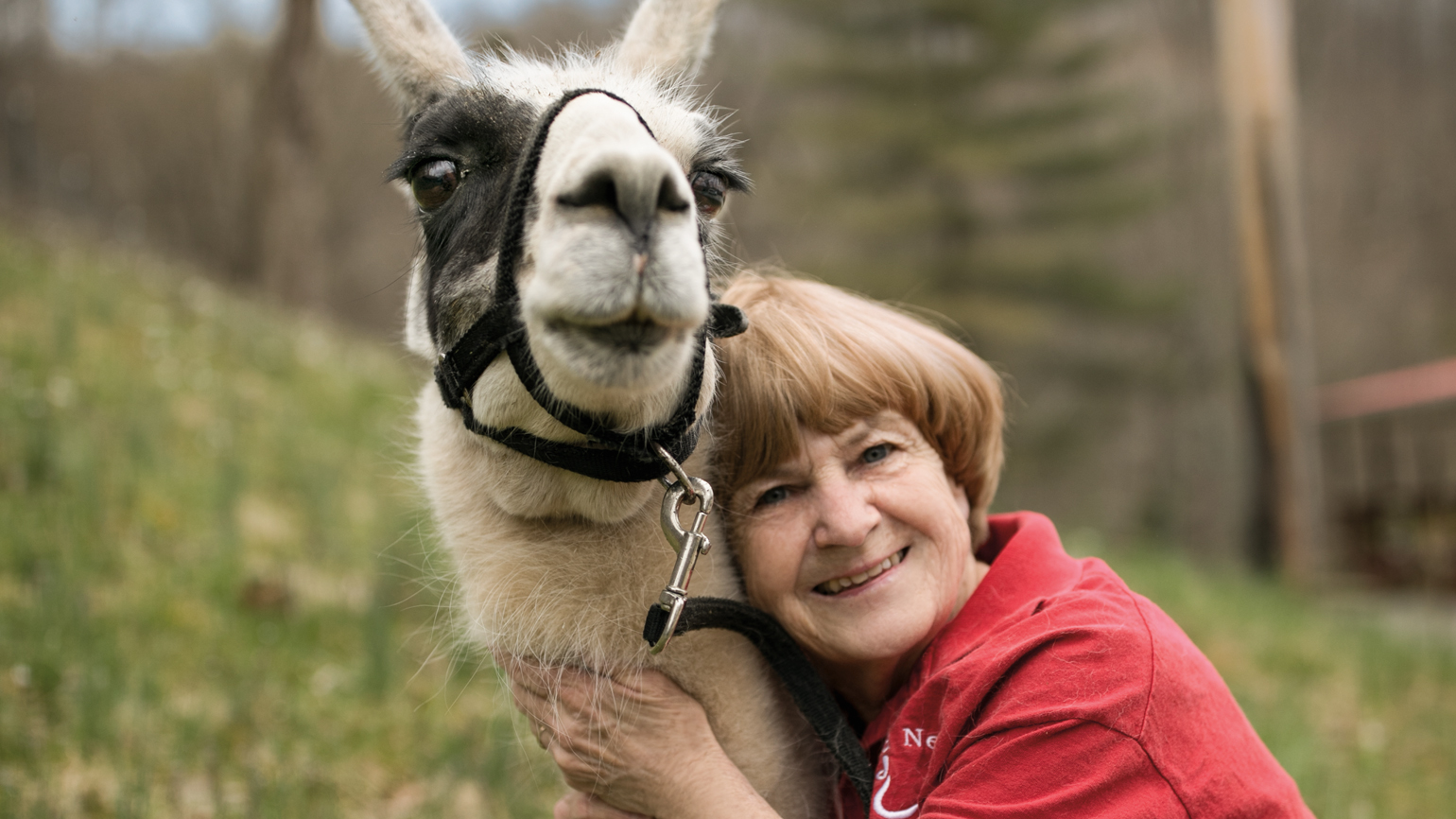
More than 100 llamas ambled about the farm’s rolling fields. Tom was like a kid in a candy store. Was this the future he envisioned for us? Llamas everywhere? We both worked full-time, Tom for a plastics manufacturer, me in the computer department of Marshall University’s school of medicine. Solid, dependable jobs. One llama in particular, a spindly-legged fuzzy brown-and-white baby, took a liking to Tom. Her name was Emily. She followed him like a puppy. “How can we resist?” Tom said. “Let’s just start with her.” I still wasn’t feeling it, but how much trouble could one little llama be? “Okay,” I said. “You’ll need to get two,” the breeder added, not so helpfully. “They’re herd animals. They don’t do well alone.”

Six months later, when they were old enough to be weaned, we brought home Emily and a solid brown male baby named Fabian. We opened the back doors of the trailer and the llamas walked into our freshly mown field. Emily nosed the grass and began nibbling. Fabian sniffed the air around him. I can’t explain it, but something took hold of me. There were just the two of them, surrounded by open field, their wool sun dappled. It seemed as if they were exactly where they belonged, as if God had reached down and placed them on our farm himself. Was he trying to tell me something? “They’re beautiful,” I said. “They really are.”

Tom nodded, but he had that faraway look again. What now? I thought. A few days later I found out. “We should take the llamas out to places where folks can meet them,” he said. “Nursing homes, schools—that kind of thing.” I remembered the breeder stressing that it was important to get the word out, to have people interact with the llamas, in order to build a successful breeding operation. I hadn’t thought we’d start right away, though. “I’ve been praying for a way for us to get involved in some sort of ministry outside of church,” Tom said. “The llamas could be the answer. They’ll be a conversation starter for sure.”

An animal ministry? I thought about Roxie and all the places we’d taken her. People constantly came up to us, wanting to pet her. But I’d never seen it as a chance to talk about God. If anything, the dog show circuit had pulled me away from church, from practicing my faith. I’d regretted that. Now it was as if God was giving us a chance for a do-over. With llamas, of all things. “We could call our farm Good News Llamas,” Tom said, “and we can share the good news of Jesus Christ where we go.” A few days later I called a nursing home in our area. They were thrilled to have us visit. The residents’ faces lit up when they saw Emily and Fabian.

“I’ve never seen a llama in real life,” one woman said. She couldn’t stop petting Emily. The llamas were as gentle as could be. We didn’t talk directly about God, and yet there was no doubt that he was there, working through us, bringing joy and laughter to people. Not long after that we visited a school. A boy came up to Fabian, a scowl on his face. He was dressed all in black. Everything about him said, “Leave me alone.” Yet he buried his head deep in Fabian’s wool, holding the llama tight for nearly 20 minutes.

Fabian never tried to pull away. He connected with this boy in a way I never could have imagined. At the end of our visit, a teacher told me, “That boy comes from a very difficult family situation. I’ve never seen him show any kind of affection.” I found myself spending more and more time with our llamas, and it wasn’t just to learn how to keep them healthy and happy. Emily still followed Tom around like a puppy. Every night when he came home from work she was by the fence, waiting for him. When Emily and Fabian were nearly a year old, the breeder told us we needed to separate them so they wouldn’t mate too young.

Of course, that meant buying two more llamas so everyone could have a friend. When we finally began breeding them, the babies were so cute I couldn’t bear to part with them. So much for our retirement income. Every year we welcomed two or three new llamas to the herd that became part of our family. I heard about all the uses for llama fiber, and from that came an entirely new ministry. Our daughter, Mitzi, started Wooly Mountain Ministries, speaking at churches and using llama wool and her spinning wheel to share the message of Jesus Christ. I too learned how to spin the fiber into yarn, perfect for knitting and crocheting. I began teaching spinning, dyeing and felting.

We went to more schools and nursing homes, festivals and parades, even the llama show on the Ohio State Fair grounds—the place where it all began. Our schedules got so busy, we ultimately left our jobs to devote more time to the ministry. The llamas turned out to be a wonderful retirement plan after all! Today we have a herd of 18, including Emily. She’s 23 now and still loves meeting people. People are drawn in by the llamas, but they also ask about the ministry’s name. “What do you mean by good news?” they say. I tell them of God’s love and how he wants the best for each of us, if only we allow ourselves to trust and go where he leads us.

Did you enjoy this story? Subscribe to All Creatures magazine.

Sharing Food and Faith During This Difficult Holiday Season

This year’s holiday season is going to be a memorable one for all of us, if for nothing else because of the pandemic. The question is, will we remember it as a joyous season or one tinged with grief and sadness? I’m hoping that with care and intention, with empathy and understanding, we can keep it special.

In trying times like these, I find the Serenity Prayer especially useful. This heartfelt plea to God to grant us serenity, courage and wisdom was written by American theologian Reinhold Niebuhr, who was also my grandfather.

Sweet Carolina Mysteries In Article Ad

For me, cooking is a kind of service—to others, to community, to family. For years, I cooked Sunday suppers for my church in Brooklyn, big pots of pasta or stews for friends and strangers, a tradition that inspired my recent book, See You on Sunday.

The Christian church is built around the sacrament of the Eucharist, a commemoration of the Last Supper. In every religion, food is central: communion, Shabbos dinner, the feast after Ramadan. People are lonely, now more than ever, and they yearn to be part of something meaningful. Here’s how making and sharing food can make life better over the holidays.

Try Sam’s recipe for Pan-Roasted Chicken with Mint Sauce

Adapt your traditions. Is your family going to be scattered this year? There are still ways you can celebrate together. Technology will play a key role. Over Zoom or Skype, you and your loved ones can not only share the meal but cook it together, making the same dishes—stirring, chopping, roasting, baking as a group.

Pay particular attention to keeping family traditions alive, whether that’s trimming the tree, opening presents or baking Grandma’s apple pie. Watch the ball drop together and ring in the New Year with a virtual toast that 2021 will be a better year for everyone.

Deck the halls. Even if you find yourself having to celebrate alone, you should have a Christmas tree—and I don’t mean a sad little Charlie Brown tree. Go big: Hang wreaths, arrange lights and greenery, set up a crèche. And turn up the music! I find it difficult to be morose as I listen to Christmas carols while I’m cooking, even if I’m just cooking for myself.

Focus on flavor. I’ve heard from many readers of The New York Times, where I’m among other things the food editor and a former restaurant critic, how much confidence they’ve gained in the kitchen from having to cook at home for several months now. People who never used to bake are telling me, “I can make a pie crust from scratch now.”

At my house, we usually have a lot of people over for Christmas dinner—like, a lot. This year it will be just me, my wife and our two teenagers. But you know what? I’m going to lean into that and glory in turning out a wonderful meal for just the four of us.

Try Sam’s recipe for Roasted Potatoes with Onions and Rosemary

The trick is to concentrate on the flavors we associate with the season, then scale everything down. Instead of cooking a whole bird, I might bread and fry turkey cutlets. Serve them with mashed potatoes, a simple pan gravy, green beans and a bit of cranberry sauce.

You don’t have to whip up the usual vats of mashed potatoes; take four potatoes, cook them up, then mash them with butter, milk, salt and pepper—and you’re done. If you still want to tackle a large turkey, cook the thighs or breasts and freeze what you don’t cook for later.

Set the table with intention. People get nervous when I say that. They think I’m being fancy, but I’m not. It doesn’t matter if you bring out the good china and glassware—or even if you have good china and glassware; what matters is that everything is neat and looks as if it’s in the right place, even if things don’t match. If you can manage a cloth napkin and a nice tablecloth, that’s a great way of indicating that this is a meal unlike others.

There’s a ritual to setting the table that I love, and I think real magic lies in creating and maintaining these types of rituals. The most important thing is to never set your holiday table as an afterthought. Set it thoughtfully because you care about what will happen at it. It’s not just about eating. You’re sharing love and connection and fellowship.

Flowers and candles are great as long as they’re set low so they don’t get in the way of the food or people’s sight lines. And the best and most overlooked practice of holiday meal-making? Warming the plates. Warm plates are not fancy. They’re sensible. It makes all the difference. If you pour hot gravy on a cold plate, it just congeals.

You can put the plates in the oven on the lowest setting or on top of the stove near the heat escape vent, and turn them a couple times. Some dishwashers even have a simple warming function.

Count your blessings. A holiday rule of mine is to always offer thanks to one and all for being present and for helping out. When it comes to the official blessing, though, I wing it every time. It’s important to take a moment to reflect on what you’re thankful for and whatever truths you wish to acknowledge.

It’s always tough at the holidays to be missing lost loved ones, and Covid will make it even tougher for many this year. This is only my second Christmas without my mom. She was a very good cook. I will be cooking with her over my shoulder this year, giving me helpful notes.

I have faith in food and in the belief that we can all make this holiday a meaningful and joyous one, where we come together to celebrate the miracle of Christmas with the people we love. The world may be on fire, but we have each other. You say the blessing, I’ll carve, and we’ll get started.

Try Sam’s recipe for Honey-Roasted Sweet Potatoes With Yogurt Sauce

For more inspiring stories, subscribe to Guideposts magazine.

Seven Ways a Pet Can Bless Your Life

’Tis the season to count our blessings—including our pets that provide companionship and improve our quality of life. Over the years I’ve had many different pets, including dogs, cats, rabbits, guinea pigs, gerbils, goldfish, turtles and a hermit crab. I’ve learned something wonderful from each one. We currently share our home with two golden retrievers—Ernest, 13, and Petey, 4. When it comes to reasons to be grateful, they are surely near the top of my list. Here’s why:

1. They’re the best welcoming committee.

Inspiration from the Garden in article ad

I love coming home to someone who’s so happy to see me. We have a large window in our front door, and from the moment my dogs hear my footsteps on the porch, they are waiting there, jumping and wagging their tails like it’s the best moment of their day. Ernest always pushes past his brother to receive the first pat from me while Petey waits with a shoe (or two!) in his mouth. Even if I’ve only stepped out for a few minutes, they greet me with unbridled enthusiasm.

2. They keep me amused.

If laughter is good medicine, my dogs keep me extra healthy. Ernest, our senior, has a habit of sleeping in funny places—including on top of the coffee table. Youngster Petey enjoys collecting and relocating shoes. (I often have trouble finding two that match.) I may not be the best dog trainer—instead of correcting these behaviors, I find them hilarious!

3. I have a buddy for any activity.

My dogs are up for joining me in anything I do. It’s nice to have them resting by my desk as I’m working from home, even if they occasionally interrupt a Zoom call. They are good company while I’m outside gardening, and it’s always better to take a walk accompanied by my dogs. Praying in my big green chair, with a dog snuggled on each side, warms my spirit. I’ll never be lonely with dogs.

4. They protect me. 

One thing most dogs take seriously is barking like crazy to alert us when someone approaches the house. Their barking is not just for possible intruders. It also goes for visitors. Neighbors. Delivery people. Squirrels. A blowing leaf. Sometimes their early warning systems malfunction, but that’s okay. I like knowing they’re on duty.

5. They inspire me to be my best.

I have a T-shirt that says, “Be the person your dog already thinks you are.” I love this saying. It’s true. My dogs don’t care if I’m too tired to play, brooding over some complicated work problem or throwing myself a pity party because I gained a few pounds. From the moment I wake up in the morning until I lay my head on the pillow, my dogs want nothing more than to be with me. Because of this, I never want to let them down. I can be the person they already think I am!

6. They comfort me when life gets ruff.

Sometimes I think my dogs know I’m upset even before I know it. They press in close. They nudge my arm. They lick my face. They somehow sense that I need comforting. The best part? They don’t scold or offer unsolicited advice. They’re just there for me.

7. They point me toward God’s love.

Who else never judges me? Who rejoices when I come to them and wants to be with me always? Who loves me even though I don’t necessarily deserve it? It’s no mistake that dog is God spelled backwards.

Our pets are our friends. Our family. Our companions, confidants and counselors. What are some reasons you are grateful for yours?

For daily animal devotions, subscribe to All God’s Creatures magazine.

Seeing God in a Beloved Dog’s Eyes

A friend called to share a heart-stopping experience she had three weeks ago. Grace is 94 years young, feisty, loving and honest. Her husband died many years ago under hospice care; my friend Jackie and I were his nurses.

Grace was always grateful for the care we gave him, but to be honest, we enjoyed ourselves immensely when we visited them. To be with them was like being part of The George Burns and Gracie Allen Show. They were hilarious.

New Every Morning Journal In Article Ad A

Life has been challenging for Grace since her husband died, followed by her son—who was much too young to die—and with the additional heartache of her only daughter not being fully well. But she could still find humor, laughter and joy in many things and continued to play bridge and have lunch with friends.

Her greatest blessing for the past 14 years has been her beloved dog, Gretchen. They were constant companions, from getting up in the morning until slipping back into bed at the end of the day. They did everything together all day long, including falling all over each other many more times than either of them would admit.

But then, three weeks ago, Grace had to make a decision. Gretchen wasn’t eating anymore and she no longer had the energy to bark. She was sluggish, tired all the time, could no longer jump into Grace’s lap and Grace could not bend over to pick her up and comfort her. They visited her very kind veterinarian; after blood work and X-rays, he delivered the news that Gretchen had cancer in her lungs, brain and many other parts of her body. It was devastating, and the decision was made to put her to sleep. Grace asked to be alone with Gretchen for a while and for her doctor to place her in her lap for the last time.

The vet closed the door and they were alone. Grace looked down into Gretchen’s eyes, and Gretchen looked back at Grace. What passed wordlessly between them was a deeply moving and spiritual experience. Grace was looking into the eyes of love—pure and simple love. Grace said it was so beautiful, love expressed without words yet felt so deeply. Best friends acknowledging in an instant all that had gone on between them, all they meant to each other, their gratitude for the love and loyalty they shared for 14 years.

When scripture tells us that God abides where love is, this is what is meant. God enables us to experience him in even the littlest of his creatures, and when we do, we know it.

The very loving doctor and his staff allowed Grace to hold Gretchen when she was given her last shot. Gretchen went off into the gentlest sleep knowing she was loved well her whole life and understanding too that she had fulfilled her destiny to love Grace well. She died in the arms of her very best friend. God is so good all the time; he had allowed Grace to see him in Gretchen’s eyes. It was the best it could possibly be!

Saying Goodbye to Her Beloved Beagle

Charlie wasn’t my dog. I was just his caretaker by default. He belonged to my husband, Brandon. Really, his heart belonged to Brandon’s first wife, Sherise, who had died in a car accident. Still, when I realized our time with Charlie was coming to an end, it hit me hard.

At nearly 15, Charlie was old for a beagle. He had been declining for months, the cancer spreading inside him. There was no ignoring his hacking cough and the way he dragged himself across the floor. Watching him night after night, unable to ease his torment, I couldn’t help but think about all that he’d given Brandon and me. As well as the debt I owed to a woman I would never know.

Mys of Blackberry Valley In Article Ad

I’d met Brandon online a dozen years earlier. He was a widower and had a freezer stocked with Hot Pockets.

Still, I was drawn to him. He dropped movie-worthy lines at just the right moment, charmed me with thoughtful gifts and knew how to make me belly laugh.

The first time Brandon invited me to his house, two-year-old Charlie rushed to the front door to greet me. Then he whipped around the living room like something out of a Tom and Jerry cartoon.

“He seems to like you,” Brandon said.

Just my luck, I thought. I wasn’t a dog person. I didn’t like the shedding. The barking. The licking.

Brandon had given the beagle to Sherise on her thirty-third birthday, before they were married. Charlie and Sherise had bonded deeply, but eight months later, she was gone. “Charlie camped out at the front door for three weeks, waiting for her to come home,” Brandon said.

He told me Charlie had carried him through the darkest time of his life. He and Sherise had just bought a house, a house they’d planned to fill with children, when she died. Brandon had drowned his sorrows in beer for the better part of a year, and Charlie had been right there, grieving with him.

I met them two years after Sherise’s death. Brandon and I fell for each other and eventually married. Every morning after Brandon left for work, Charlie cried, worried that, like Sherise, Brandon would never return. I didn’t blame him. But I also couldn’t stand the whining, so I made an effort to spend time with him. Slowly we warmed up to each other. I took him for runs and cuddled with him.

Brandon and I had three sons. Charlie always wanted to be part of the action, lapping up spilled milk, traversing rooms littered with Legos and plopping on top of board games in midplay. If the kids’ antics took a toll on him, he didn’t show it, even as he developed cancer at 10, lost his left hind leg at 12 and had surgery for a bleeding growth at 14.

This dog I’d never wanted…he’d taught me so much about perseverance, acceptance and love. He’d captured my heart. Charlie had become a dear friend. He was my dog, even though it didn’t start off that way. Despite all of that, I knew that part of him still belonged to Sherise.

Charlie couldn’t communicate his last wishes, but as he neared the end, it became clear to me what we needed to do.

One night, after settling into bed, I turned to Brandon. “We have to give Charlie back to her.”

“What?” he said, confused.

“We should scatter some of his ashes at Sherise’s grave,” I said.

Brandon nodded, smiling softly.

I looked into options and decided to hire a mobile veterinarian who would come to our house, deliver an injection and help Charlie make his journey to the big dog park in the sky. The crematory would split his ashes for us. Half would stay in an urn on our dresser; the other half would be laid to rest with Sherise. We talked to the boys, and they agreed with the plan.

Two weeks later, almost 14 years to the day of Sherise’s funeral, I packed lunch, Brandon put Charlie’s ashes in our van’s cupholder and we set out to reunite our dog with his first love.

We stopped for flowers. Roses for Sherise; sunflowers for Charlie. The boys brought drawings with them. Our six-year-old, Jack, drew Charlie next to a rainbow bridge with the word giddyap. Eight-year-old Max’s piece showcased an angel welcoming Charlie to heaven. Brian, his twin, drew Charlie as an angel beside an old-style telephone. The caption read: “This is what you can use to call us.”

I laid out a blanket next to Sherise’s plot, and we ate our peanut butter and jelly sandwiches while sharing memories of Charlie. The time Brandon replanted all of the flower beds and Charlie sunned himself on top of the freshly turned soil, smashing the pansies. The time he couldn’t find his way out from under the duvet cover. And the time he tried swimming but sank like a stone.

Then Brandon pulled out the bag of Charlie’s ashes. I suggested we sprinkle them beneath the vase on Sherise’s headstone, closest to her. Brandon removed the vase and each of us took a turn scattering the ashes into the earth.

The boys arranged their drawings by her headstone. Brandon stood back, his eyes teary.

“If someone had told me 15 years ago that I would get married, my wife would die six months later and I would visit her grave with my second wife and our three sons to scatter her beagle’s ashes, I never would have believed it,” he said.

We stood back from the grave, our boys sitting beside the headstone, and Brandon put his arm around me. In his inimitable way, Charlie had been a gift to Sherise. Then Brandon. Then me. And our boys. Here we all were, connected by the true gift—our dog’s boundless love.

For inspiring animal-themed devotions, subscribe to All God’s Creatures magazine.