Embrace God's truth with our new book, The Lies that Bind

Turkey-Corn Soup with Tortilla Chips and Avocado

Ingredients

2 teaspoons olive oil

½ cup chopped yellow onion

½ cup chopped celery

1 cup chopped carrots

1 teaspoon dried thyme

1 teaspoon ground cumin

½ teaspoon salt

¼ teaspoon ground black pepper

4 cups reduced-sodium chicken broth

14.5-ounce can diced tomatoes, undrained

2 cups cubed leftover cooked turkey (about 12 ounces)

4-ounce can diced green chilies

2 bay leaves

1 cup frozen corn

1 ripe avocado, pitted and diced

4 ounces baked tortilla chips, broken into 1-inch pieces

Preparation

1. Heat oil in pan over medium heat.

2. Add onion, celery, carrots; cook 3 minutes, till soft.

3. Add thyme, cumin, salt, pepper; stir. Cook 1 minute, till thyme and cumin are fragrant.

4. Add broth, tomatoes, turkey, chilies and bay leaves; boil. Add corn; return to boil.

5. Reduce heat to low; cover; simmer 10 minutes.

6. Remove bay leaves; serve; top with avocado and chips.

Serves 4

Tugboat Lentil Soup

Read about how this recipe helped a sea-faring couple, Joe and Carolyn Meagher, change their lives in our story entitled A Lentil Soup to Change Your Life.

Ingredients

1 pound dried lentils

1 tablespoon olive oil

1 cup onion, chopped

2 cloves garlic, minced

2 cups carrots, sliced

1 cup celery, sliced

1 8-ounce can tomato sauce

6 cups water

1 14-ounce can vegetable broth

2 bay leaves

1 pound sliced chicken sausage (or ½ cup leftover shredded chicken)

Black pepper, to taste

1 teaspoon sea salt

Lemon slices, for garnish

Red wine vinegar

Preparation

1. Rinse and pick over lentils for stones. In a Dutch oven, heat oil till hot. Toss in onion, garlic, carrots and celery. Sauté for 10 minutes or till onion is translucent and vegetables are tender crisp.

2. Add tomato sauce, water, vegetable broth, bay leaves and lentils. Bring mixture to a boil. Cover; reduce heat and let simmer for about 25 minutes or till vegetables are slightly soft.

3. Add chicken sausage and pepper. Cover and let cook for another 10 minutes or till sausage is heated through. Add salt.

4. Ladle soup into bowls. Top with lemon slices and a dash of red wine vinegar.

Serves 8 to 10

Brother Andrew’s Ginger Cookies

Brother Andrew Corriente, an award-winning baker and Catholic Capuchin Franciscan friar, shares a cookie recipe that’s sure to be a hit for the holidays.

Ingredients

Cookies
5 tsp. ginger
1 tsp. cinnamon
¼ tsp. allspice
¼ tsp. black pepper
1 c. unsalted butter (straight from fridge), cut into ½-inch cubes
½ c. light brown sugar (or dark brown sugar)
½ c. sugar
2 tsp. baking soda
½ tsp. fine sea salt (¼ tsp. table salt or coarse kosher salt)
¼ c. molasses (omit if you have dark brown sugar)
½ tsp. pure vanilla
1 medium egg (straight from fridge)
2 ½ c. all-purpose flour
Cinnamon Sugar
4 tsp. cinnamon
¼ c. sugar
Glaze
4 c. sifted powdered sugar
1 Tbsp. honey
½ tsp. almond extract or vanilla extract
½ c. warm water

Preparation

Cookies
1. Preheat oven to 350º and position rack in the middle of the oven.

2. Add the ginger, cinnamon, allspice and pepper, butter, brown and white sugar, baking soda and salt into the bowl of a stand mixer fitted with a paddle attachment. Beat on medium speed until no clumps of butter remain, about 2 to 3 minutes. Scrape sides and bottom of the bowl.

3. Whisk together molasses, vanilla and egg in a separate bowl, and slowly drizzle into the mixer bowl while running on medium speed. Scrape sides and bottom of bowl.

4. Stop mixer and add the fl our. Turn the mixer on low and mix until no visible clumps of fl our remain.

5. Scoop about 1½ to 2 tablespoons of dough, and gently roll between the palms of your hands and place on a parchment-lined baking tray. Place in the freezer for 20 minutes or 40 minutes in the fridge.

Cinnamon Sugar
1. In a bowl, whisk cinnamon and sugar together; set aside.

2. Once dough is chilled, roll each ball in the cinnamon sugar and place on a baking sheet lined with parchment, leaving about a 2-inch space between the dough balls.

3. Bake at 350º for 12 to 15 minutes (rotating the tray at the 8-minute mark). Cookies are done when the edges are hardened, the tops are very soft and cookies don’t stick to the parchment paper when lifted.

4.Leave to cool on tray for 10 minutes; the residual heat will con-tinue cooking the cookies. Trans-fer to a wire rack to completely cool the cookies before icing.

Glaze
1. Place sugar, honey and extract into a bowl. Add 4 tablespoons water and combine with a whisk.

2.If you’re using the glaze as icing, test the thickness by drizzling some on a plate. If it spreads too much, add another tablespoon of powdered sugar and check again. If it doesn’t spread enough, add another tablespoon of water. Add more water if you want thinner glaze. Pipe icing, drizzle glaze with a fork, or dip the cookies into it.

Yield: about 25 cookies.

Nutritional Information (serving size: 2 cookies):  Calories: 440; Fat: 16g; Cholesterol: 55mg; Sodium: 320mg; Total Carbohydrates: 75g; Dietary Fiber: 1g; Sugars: 53g; Protein: 3g.

Read Brother Andrew’s inspiring story from the 2021 Joys of Christmas!

Related Video

Trisha Yearwood’s Broccoli Casserole

Mama was a schoolteacher for 25 years. She even taught me in the third grade! My best friend in elementary school was Julie Perry. Her mom taught second grade. Julie had already had her mom as a teacher, so she showed me the ropes. We were friends through high school graduation. We spent lots of time at each other’s homes, working on school projects or having sleepover parties. I ate a lot of meals at Mr. Edwin and “Miss” Julianne’s house. This recipe came from Miss Julianne.

Ingredients

2 10-oz. packages frozen chopped broccoli 4 Tbsp. grated onion
2 large eggs, beaten 10 oz. sharp cheddar cheese, grated
1 c. mayonnaise Salt and pepper
1 10-oz. can cream of mushroom soup ½ c. bread crumbs

Preparation

1. Preheat oven to 350°F. Butter a 9x13x2-inch casserole dish.

2. Cook broccoli in water, drain and set aside to cool. In large bowl combine broccoli, eggs, mayonnaise, soup, onion and 2 cups of cheese. Add salt and pepper, then pour into casserole dish.

4. Bake for 30 minutes. Remove casserole from oven and sprinkle with bread crumbs. Top with remaining cheese.

5. Return to oven and bake till crumbs brown slightly and cheese melts, about 10 minutes.

Serves 8 to 10

Try Trisha’s recipe for Cheese Straws!

Read about Trisha’s first attempt at hosting Thanksgiving dinner!

Trisha Yearwood’s Breakfast Lasagna

When her husband, Garth Brooks, requested a breakfast lasagna, Trisha Yearwood created this hearty recipe, which is now a Christmas morning tradition in their home.

Enjoy this excerpt from Guideposts’ The Joys of Christmas 2022.

Ingredients

Nonstick cooking spray
12 oz. center-cut bacon
2 Tbsp. olive oil
1 lb. bulk sage-flavored sausage
1 shallot, diced
10 oz. frozen chopped spinach, thawed
4 oz. diced pimentos, drained
4 c. grated cheddar cheese
1 ½ c. grated Gruyère cheese
¼ c. all-purpose flour
2 c. whole milk
Kosher salt and freshly ground pepper
9 oven-ready lasagna noodles
6 large eggs, whisked

Preparation

1. Preheat the oven to 350°. Spray a 9×13-inch baking pan with cooking spray. Using kitchen shears, cut the bacon into small pieces, dropping them into a medium saucepot. Cook the bacon over medium heat until crispy, 5 to 7 minutes. Drain on a paper towel, and reserve 1/4 cup of the drippings in the pot.

2. In a medium skillet, heat the oil over medium heat. Add the sausage and cook, breaking it up with a wooden spoon, until browned, 7 to 8 minutes. Remove the sausage with a slotted spoon and transfer to a medium bowl. Add the shallots to the skillet with the sausage drippings and cook for 1 to 2 minutes, until the shallots soften a bit. Stir in the spinach and pimentos and cook for 2 to 3 minutes, until heated through. Add the sausage and bacon to the spinach mixture and toss to combine. Set aside.

3. Mix the cheddar and Gruyère in a large bowl. Return the pot with the bacon drippings to medium heat. Whisk in the flour and cook, whisking, until slightly browned, about 2 minutes. Add the milk and continue whisking until slightly thickened, about 5 minutes.

4. Remove the pan from the heat and add 3 cups of the grated cheeses. Stir until the cheese has melted, 1 to 2 minutes. Season with 1/2 teaspoon salt and 1/4 teaspoon pepper.

5. Spread 3/4 cup of the cheese sauce over the bottom of the prepared pan. Layer 3 noodles over the sauce. Top with one-third of the bacon-sausage mixture, one-quarter of the remaining grated cheeses, and one-third (about a heaping 1/2 cup) of the cheese sauce. Repeat the layers two more times, making sure all the top noodles are covered with the sauce.

6. Add 1 teaspoon salt and 1/2 teaspoon pepper to the whisked eggs and pour over the lasagna. Top with the remaining grated cheeses.

7. Bake for 40 to 45 minutes, until the cheese is golden brown and bubbling and the eggs are set. Remove from the oven and let rest for at least 15 minutes before serving.

Yields 8 servings.

Nutritional Information:  Calories: 1280; Fat: 99g; Cholesterol: 305mg; Sodium: 2080mg; Total Carbohydrates: 37g; Dietary Fiber: 2g; Sugars: 5g; Protein: 59g.

Read Trisha Yearwood’s inspiring story about Garth’s breakfast lasagna from Guideposts’ The Joys of Christmas 2022!

Traveling the World with Guideposts

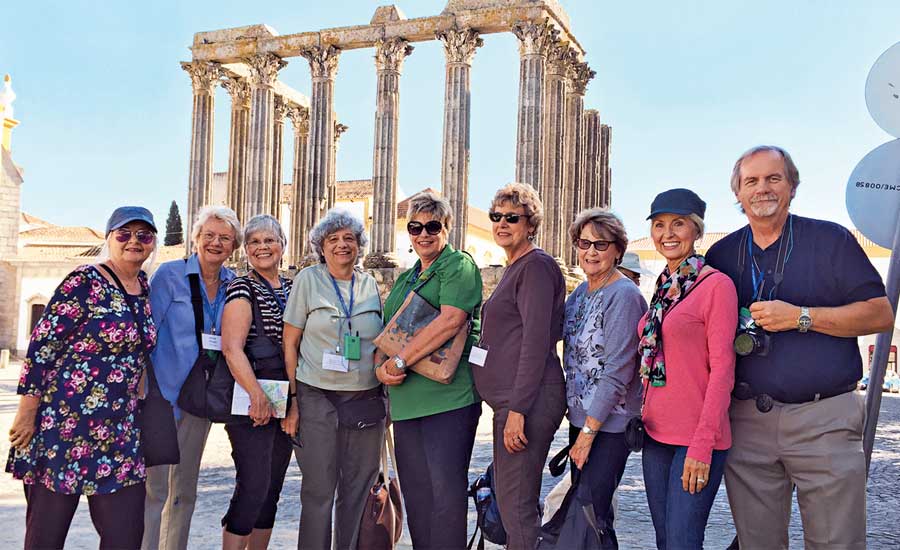
What makes a trip memorable? I’ve had the pleasure of going on several of the tours Guideposts and Collette Travel offer to our readers and every time, no matter where we’ve gone, people agree on the biggest highlight.

More on that in a minute, but let me tell you about some of the wonderful things we’ve seen and done, like wandering the narrow streets in Old Jerusalem or standing on the banks of the Jordan River. On that same trip we explored the ruins at Ephesus, in Turkey, where Paul preached some two thousand years ago. If those stones could talk…

There was the trip to Ireland where we kissed the Blarney Stone and warmed up in a traditional Dublin pub. We also visited Trinity College to see the golden pages of the Book of Kells, a beautifully illuminated manuscript of the Gospels done by Irish monks at the Abbey of Kells in the eighth century.

TRAVEL TO SOUTHERN ITALY & THE AMALFI COAST WITH GUIDEPOSTS! DON’T MISS THIS AMAZING 12-DAY TOUR.

Later we were scheduled to go to the Cliffs of Moher. It was a gloomy day and our guide kept saying they could be obscured by fog, but just as our bus pulled up, the clouds lifted and the sun rose like a curtain and lit up the cliffs as though they were meant just for us.

I felt the same way on our trip to Italy when we gazed up at the newly cleaned ceiling of the Sistine Chapel, seeing long-familiar images with new eyes.

The guides we’ve had have been wonderful—warm, welcoming and wise. But I have especially vivid memories of the people I’ve traveled with.

I remember one woman who came on the Ireland tour. She’d been hesitant about traveling by herself. That feeling didn’t last long, and soon she made such good friends that one of them, a recent widow, asked if they could be roommates on the next Guideposts trip.

I’ve made good friends myself, including a couple from Texas. The man gave everyone on the trip angel coins, a token I still treasure. More recently he and his wife came to New York City and took me up on my offer of visiting the Guideposts editorial office (he’d had an article in a recent issue of our magazine Angels on Earth). No surprise that he handed out more angel coins.

Is it just because everybody has Guideposts in common that my travel mates are all so nice? On our journey to the Holy Land, a woman who used a wheelchair wondered how she would be able to maneuver through the crowded, uneven streets of Jerusalem. This was a pilgrimage of a lifetime. She couldn’t miss it.

Her daughter helped her, and then so did we all, taking turns pushing her wheelchair, making sure that the way was clear.

Moments of prayer happen naturally, like grace at mealtimes, and there are spirited spiritual discussions—nothing scripted, just good conversations between like-minded people. Recently, on our trip to Portugal, one woman asked our guide if she could help us honor Veterans Day. Everybody agreed.

And so, while we were still on the bus, she had a man who was a veteran read aloud the famous World War I poem “In Flanders Fields,” and we had a moment of silence. It was moving and profound.

If I glance back through my photos, I can see places we visited, like Assisi, Italy, where Saint Francis walked, and the Mount of the Beatitudes, where our Israeli guide read to us from the Book of Matthew. What really makes me smile even more are the people in front of the landmarks, companions who became friends.

“I’ve never had such a wonderful group, so easygoing, everybody getting along,” our guide on the last trip said. Maybe he says that all the time. But I wouldn’t be so sure. At the end of that trip I asked everybody, just to be sure, “What did you like best about this trip?”

“The people,” they said. It’s the same answer every time. The people are what makes the journey so special.

For more info about traveling with Guideposts, visit Collette Travel.

Did you enjoy this story? Subscribe to Guideposts magazine.

Traveling Mercies

My perpetual fear when traveling is that I’ll leave something somewhere, something important, something that will be hard to replace. And on a recent trip to Norway I did.

We were in Kirkenes at the end of our trip by ferry up the coast, past endless fjords, at really the end of everything, close to the most northern point in Europe.

We were now flying back to Oslo. We were at the airport when I realized–darn!–I’d left something really important back at the hotel. (Let me be exasperating by not exactly saying what it was.)

We called the hotel. We talked to the front desk. Could they check our room?

They did. They found the item (what a relief). But now a second request: Could they send it to Oslo?

“I’ll get in my car right now,” the fellow at the front desk said, “and bring it to you at the airport.”

Time was ticking. Our flight was leaving at 11:30. It would be boarding soon. We were already through security, and I didn’t want to go back out. No time for that.

We waited. We paced. I would like to say I prayed, but I was too anxious for that. And too irritated with myself.

Finally the cell phone rang. The fellow was here at the airport. “Could you come to security?” I asked. I envisioned him putting the item through the X-ray machine and me receiving it at the other end.

“Sure,” he said. With just moments to spare–our plane ready to board–he appeared. He put the item in the X-ray machine. I passed along some Norwegian kroner to the woman at security who passed it to him.

“That’s not necessary,” he said, shaking his head.

“You deserve it,” I said. I owed him thanks. More than thanks. I tucked the item under my arm and headed to our plane.

“Traveling mercies” is a name we give to prayers for anyone on a trip. They can be vaguely worded because you never know what difficulties might lie ahead. You want to be reminded that no matter how far you go, God will be there.

God can send just the right helper along the way. Godspeed to that!

Train Song ‘Give it All’ Shines a Light on Teen Suicide Prevention

Your favorite band from the ’90s is back and they have an inspiring story to tell.

The guys from the Grammy-award winning pop-rock band Train are masters when it comes to crafting catchy lyrics and summer anthemstheir 2011 hit single “Hey Soul Sister” is probably still stuck in your head—but they have a new album out now and the recently released video to its title track carries a very powerful message.

The group partnered with SoulPancakewho specialize in internet funfor their newest music video “Give It All” which highlights teen suicide and is serving as a call-to-action for viewers to help prevent more lives from ending too soon. The band hopes that the videowhich features two teenage dancers delivering a powerful message about loss, healing and letting go through dance and the beauty of art, will serve as a catalyst for change when it comes to how we view mental health. They also hope the video can serve as a source of inspiration and hope for teens struggling with thoughts of suicide and self-harm.

“We want to be a voice for those who are struggling, to those who have pressed through and those who are healing,” Train frontman Pat Monahan says.

Take a look at the video below.

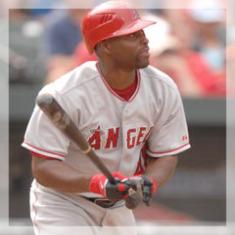
Torii Hunter’s Baseball Dream

The first time Torii Hunter saw his father smoke crack cocaine, he was seven years old. He didn't understand what his dad was doing.

But that episode marked the beginning of a lifelong struggle for Hunter, a struggle of coping with the heartache of knowing that the father he loves is a drug addict. And a struggle of doing everything he could to get his father to give up drugs, only to fail time after time.

Community Newsletter

Get More Inspiration Delivered to Your Inbox


Hunter possessed the inner strength and determination to overcome growing up in a drug-sated household and neighborhood to become a major league baseball player. He's the brilliant outfielder for the Los Angeles Angels, a man who has won seven Gold Gloves as the best defensive center fielder in the American League and twice played on the league's All-Star team. But it never was easy.

His struggle entailed living without electricity and having to scrounge for food in his Pine Bluff, Arkansas neighborhood. "If you have someone doing drugs," says Hunter of his father, "that makes you poor because they take all the money, the lights are turned off, there's no food in the house.

When you're sick like that, you're not thinking about anything else but that sickness. You're not thinking about your family or your wife or your kids."

The struggle for Hunter involved walking as a boy through the streets with his three brothers, searching in local crack houses to find his father and coax him back home. And there was the humiliation, fear and sense of loss.

"One day my Chicago Bulls jacket was missing," recalls Hunter. "I knew my dad had gone, but I didn't think he would wear my jacket. So I just chalked it up to somebody stealing it.

Then, like a week later, I woke up one morning and saw my jacket hanging over the edge of a chair in the dining room. I was like, 'Wow, there's my Chicago Bulls jacket.' And then I saw my dad lying on the couch. And I said, 'Oh, okay, he had it all that time.'

So I put it on and left for school. I raised my hand [in class] sometime that day, and something fell out. It was a [crack cocaine] pipe. I picked it up really quick, and I raised my hand and told the teacher I needed to use the restroom. She said all right.

So I went to the restroom, wiped my finger prints off the pipe, opened up the back of the toilet, put it under there and closed the toilet up, and left it there. I was in tears. I was in the 8th grade, 13 years old."

That incident, says Hunter, is one of the PG-rated ones that he can relate about his father's drug addiction and the disheartening escapades he and his brothers embarked on regularly while growing up.

Their mother—who was a rock for Hunter and his brothers—"would sit up crying at night and give us hugs. She always told us, 'Don't ever do your kids like this.' and, 'Be the best father you can.'"

And that's what Hunter has tried to do with his life. He's tried to be the kind of father for his sons that his own father was never able to be for him. "I tell them, 'You know the way I treat you guys, it's because it's the way I wasn't treated. I was a man before I was supposed to be a man.'

I want my kids to be kids…I tell them, 'I spoil you guys, but I also help you with the homework. Because I didn't have that. And I want to give you everything that I didn't have.' So I think my dad taught me a lesson, without knowing he taught me a lesson."

His father's behavior also gave Hunter the inspiration to move beyond his drug-infested neighborhood, to build something positive out of his life.

"I was tired of eating with candles," he explains. "I was tired of not eating at all. I was tired of knocking on people's doors asking for bread or sugar or syrup or hot dogs or anything." He saw that baseball could give him the opportunity to help his family—and his father.

"My motivation was to get my family out of poverty," says Hunter "I wanted to be their hero, the first guy to help my family out." Once he was financially able, the 32-year-old baseball player tried giving his father money and sending him to rehab programs to help him escape his addiction. But while rehab would take his father off drugs for a time, he would always relapse.

"He ain't never off drugs," says the son. "Programs don't work. I don't care what you say." What does help, though, is vigilance and love, says Hunter: "Just love and being there for him and being supportive, watching him, keeping him around family, and watching every move. That's hard when you play professional baseball."

Hunter has moved his father to North Dallas, where he and other family members now live, so they can watch over his father and try to keep him from the drug culture. "But it's hard to keep tabs on him," Hunter concedes. "He's been in rehab like 10 times. And he always falls back."

But Hunter still loves his father. He loves the way he is when he's off drugs. "When he's clean, he's the coolest guy in the world," says the ballplayer. "I'm like, 'This is the dad I've been looking for.' He's clean for a year, he's outside playing basketball with you, he's taking you shopping or different things like that. And then, boom, once he's missing in action, that's when you know he's using again."

Hunter says the ballpark is a safe haven for him, one of the only places he can put aside thoughts of his father's addiction. He also gains moral and emotional support from his family, as well as from his religion.

"My mom raised us in the church," Hunter says. "So whenever I got down, whether it was off the field or on the field, I always went to my bible. It kept me strong. That's what kept me on the right path, just reading my bible and staying with the Lord."

Too Strange to Be Coincidence

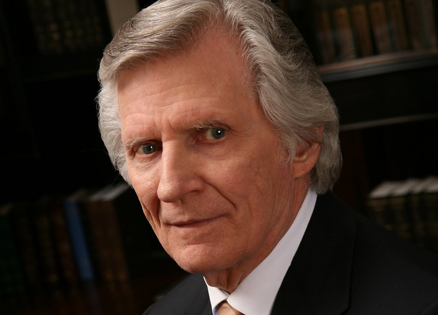
The Christian community was saddened this week when it learned that David Wilkerson, evangelist, author of The Cross and the Switchblade, and founder and pastor of the Times Square Church in New York City, died. Here’s a story he wrote for Guideposts magazine in 1961.

Whenever I talk about two strange events, someone usually comments. “That’s very hard to believe.”

Community Newsletter

Get More Inspiration Delivered to Your Inbox


They are hard to believe. Yet I myself saw them take place, one on a street corner, the other in a prize fight hall: two rather unlikely places for conversion. But maybe that’s the very point of these stories: that when the Holy Spirit begins to work on your heart, it doesn’t matter where you are or what you’ve done or any of the other externals of the situation; something pretty nearly unbelievable takes place.

Almost five years ago, after a series of strange “coincidences” brought me to New York City to work with teen-age street gangs, I was invited to lead a city-wide revival aimed at teen-agers. Fifty churches raised over $4,000 and rented a prize fight hall, St. Nicholas Arena, for two weeks. The funds were supplied by the churches; all I had to do was supply the teen-agers.

Now I have always been a little suspicious of people who are “guided” into positions where they attract attention to themselves; and I was suspicious of myself. “Lord,” I said, “I don’t want to stay in New York five minutes unless it’s Your idea, not mine. I’m going to contact the leaders of the roughest gang in the roughest section of all New York. If they respond, I’ll know it’s You at work and not me.”

Talking to police, I found that two gangs qualified as toughest, the “Chaplains” and the “Mau Maus,” both in the Fort Green section of the city. The Chaplains had recently declared war on the police department: one method of fighting was to drop sandbags on passing officers from a rooftop. The leader of the Chaplains, I learned, was a boy called Buckboard. Buckboard had a vice-president named Stagecoach. The name of the Mau Maus’ leader was Israel; his vice-president, Nicky.

I set out for Fort Green looking for Israel and Buckboard. My only weapon was a trumpet—blown by a friend. We parked in front of P.S. #27 where members of the Chaplains and Mau Maus went to school. I began my ministry that afternoon by the simple technique of telling my friend the bugler to blow Onward Christian Soldiers.

Two hundred teen-agers swarmed to the corner where we stood. They yelled, whistled, threw obscenities and catcalls. How was I going to get them quiet long enough to talk to them? I tried the most direct technique I knew: prayer. I climbed up on a box so that everyone could see me, lowered my head, closed my eyes and prayed. My heart ached for these boys and I could not stop the tears from rolling down my face. Soon there was silence and I began to talk.

I preached a simple sermon that afternoon, using as my text, For God so loved the world . . .* When I finished I stepped down from the box, wondering what to do next.

No one in the crowd moved.

“I would like to meet some of your leaders,” I said. Silence.

I waited a moment and then went on: “What’s the matter? Are you afraid to shake hands with a skinny preacher?”

From the edge of the crowd, someone shouted: “Yeah. What’s the matter Buckboard, you chicken?”

Two figures separated themselves from the group. They wore dark glasses, long hair with duck-tail cuts, tapered trousers, continental shoes. They carried canes.

“I’m Buckboard,” one of them said. “I’m president of the Chaplains and this is my vice-president, Stagecoach. Slip a skin, Preacher.”

I had never heard this expression. When I held out my hand, he didn’t grasp it, but slid his palm along mine. Then I slipped a skin with Stagecoach. After that I spoke to them quietly for perhaps five minutes. To this day I do not know exactly what I said. I am quite positive I myself could never have “reached” these boys. It was as if I, Dave Wilkerson, were not speaking at all, but were being spoken through.

And then this nearly incredible thing happened. While I talked, Buckboard became emotionally distressed. Tears welled into his eyes. He dropped to his knees in front of the bystanders. Stagecoach looked at him in amazement—though I am sure he was no more amazed than I—and then he became distraught also.

“You’re coming through, Preacher,” Buckboard said, oblivious to the snickers around him. “Keep talking.”

I did keep talking. I talked about the power of Christ to end hatred.

Then I said, “Now I’d like to meet the president of the Mau Maus.”

Buckboard raised his head long enough to point out a boy standing on the edge of the crowd. “That’s him—Israel.”

“Slip a skin, Israel,” I said.

Israel hesitated but the crowd egged him on. Slowly he and his vice-president, Nicky, moved forward. We separated the four boys from the crowd, walking them over to our car for more privacy. There all but Nicky began to cry openly, and as the teen-agers looked on from a distance in open-mouthed disbelief three of the four boys dropped to their knees and asked for prayer. I blinked hard wondering if it could be real.

Then I turned to Nicky. The boy only stared at me sullenly. Then he spat on my shoes. “Keep away from me, Preacher, you’re not going to make me cry.”

God did not reach Nicky—not then. I did, however, get a promise from Buckboard and Israel to bring their gangs to the St. Nicholas Arena for the revival the following week.

They came with their thumbs hooked in their pockets, cigarettes hanging from the corners of their mouths, some swinging switch blades. They took seats toward the front. Just as I stood up to speak, Nicky walked down the aisle and took a seat with his gang in the forward rows. He slouched low in the chair and blew a smoke ring into the air. I looked down into his face and saw nothing but hostility. When I started to speak my words sounded hollow. Catcalls interrupted me and cries of: “Let’s have action!”

After several attempts at speaking, I stopped. I folded my hands in front of me, as I had on the street corner, and I simply stood still and prayed. I prayed silently for five minutes, a long time in front of restless teen-agers. But as I prayed the calls for “Action!” died away and St. Nicholas Arena became unimaginably quiet. When I finally spoke again, all I said was a simple, “Come.” Not in a loud voice — just “Come forward now.”

And then Israel was rising from his seat. He turned to his companions. “All right, you guys,” he was saying, “on your feet.”

His friends rose. “You followed me everywhere before, didn’t you?” Israel said. Nods. “Then follow me now. I’m going up there.”

Without waiting, Israel turned and walked to where I stood. “Preach, I want to know this Christ you talk about.”

If it hadn’t been for the tears in Israel’s eyes, I would have thought it was a joke. But tears are a sign that the Holy Spirit is at work. One by one every boy in Israel’s gang rose and walked forward — including Nicky.

That night I gave each of these new fledgling Christians a Bible. I tried to give them pocket size New Testaments but they wanted big Bibles, the kind you carried in your hand and everyone saw.

I could hardly sleep that night for wondering what was to happen next. A phone call woke me early: it was a police lieutenant.

“What have you done with these boys?” the officer wanted to know. “For years they’ve run at the very sight of a policeman. You come along and after a few days they’re knocking on our door. Know what they want? They want us to autograph their Bibles!”

This was the beginning of a new life for these boys and a new ministry for me. A few days after the revival a group of ministers invited me to come to the city as their full-time gang preacher. I accepted, and today I am director of “Teen Challenge,” the organization formed to back this work.

The hardest part of my ministry now, as at the beginning, is to believe what I see with my own eyes. Could they be real—these lightning conversions? Will they last? These are not easy questions to answer.

When a boy is converted we take him to his local church where the never-ending process of Christian growth really begins. Eighteen months after their conversions I met Buckboard and Stagecoach and Israel again in Fort Green. They were each wearing a freshly pressed Army uniform. Very proud. Very straight.

And Nicky—the boy who had spat on my shoes when I talked to him?

This week, his schooling over, Nicky Cruz is coming back to New York with a license to preach, and a new bride. It’s hard to tell which he is more excited about. He’s joining me, full time, in this evangelistic work with troubled or simply lonesome kids at our Teen Challenge Center in Brooklyn. He will be working with the same tools I used: a trumpet and a willingness. A trumpet to get someone to listen, and a willingness to let the Holy Spirit do the talking.

Read more about the inspiring story of how David Wilkerson found his spiritual calling in New York City.

Download your FREE ebook, Mysterious Ways: 9 Inspiring Stories that Show Evidence of God’s Love and God’s Grace

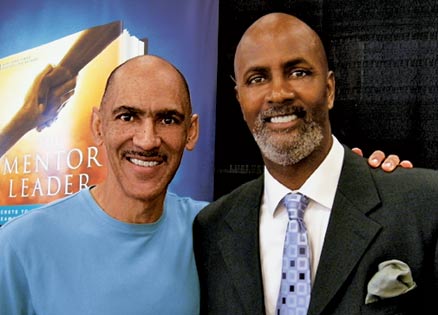
Tony Dungy: When Mentors Mold the Man

Tom Lamphere, team chaplain for the NFL’s Minnesota Vikings, and I were having breakfast at Jerry’s Market when he said something that took me by surprise. “Tony, let’s study the Book of Nehemiah.”

I’d been with the Vikings for a year as their defensive coordinator, a position I hoped would lead to my dream job: NFL head coach. Tom and I had become good friends, and I considered him a spiritual mentor.

Still, I couldn’t help but wonder, Where is he going with this?

“It’s only thirteen chapters but Nehemiah is filled with lessons about leadership,” Tom said. “Lessons that I’d like you to apply to your own life.”

I nodded.

“I see you becoming a head coach,” he said. “And when God gives you that opportunity, I want you to be prepared.”

I started reading Nehemiah, and Tom and I got together for breakfast every Monday to talk through each chapter. Nehemiah was a Jewish official in the court of the Persian king. With unwavering faith in God, he led the people of Jerusalem to rebuild the walls of protection around the city in just 52 days.

The more Tom and I discussed Nehemiah, the more I saw how God had already been working some of those vital leadership lessons into my life through the mentors he put in my path. Other lessons I had yet to learn.

Nehemiah 5:15-16 “The early governors…lorded it over the people. But out of reverence for God I did not. Instead I devoted myself to the work on this wall.”

I grew up in Jackson, Michigan. Besides my parents, CleoMae and Wilbur Dungy, the person I looked up to most was Allen Truman.

Allen was a tremendous athlete five years older than me. That’s a big deal when you’re 12 and in Little League. Allen was my coach, and he kept mentoring me after our season ended. He’d take me to Detroit Tigers games or to shoot hoops with his friends or just throw the football around.

Allen warned me about guys who had great talent but got caught up in thinking they were better than everyone else.

“You don’t have to run with the crowd,” he told me. “You have a lot of gifts. You’re going to do big things. Just stay focused.”

Later I realized that what Allen did for me was pretty exceptional. After all, when I got to be a teenager and star athlete myself, I didn’t always think about the scrawny 12-year-olds in the neighborhood who might need a role model.

It wasn’t until I studied Nehemiah that it hit me how Allen had been wise beyond his years.

When Nehemiah was appointed governor of Jerusalem, he didn’t take advantage of people like his predecessors had. He treated everyone fairly, from the nobles to the poor, and stayed focused on his mission, two hallmarks of a good leader that my boyhood hero and mentor Allen instilled in me.

Nehemiah 4:19-20 “Then I said to…the people, ‘The work is extensive and spread out, and we are widely separated from each other along the wall. Wherever you hear the sound of the trumpet join us there. Our God will fight for us!”

I’ll never forget Leroy Rockquemore, the African-American assistant principal at my predominantly white junior high. One of the first days of school Mr. Rockquemore sat down next to my friends and me in the cafeteria. For a small man, he had a big, booming voice.

“What do you boys think of the Jackson 5?” he asked. “And what’s up with the Tigers?”

Why is the assistant principal being so nice? I wondered. What does he want from us?

Mr. Rockquemore kept dropping by our lunch table, asking us about our families and friends, our interests. It took me a while to figure out he was making an effort to learn more about us because he cared.

Even after I moved on to Parkside High School, Mr. Rockquemore kept tabs on me. I was the starting quarterback on the varsity football team. Senior year the coach named me co-captain along with a white teammate.

The other captain was a top player but so was my friend Bobby, who’d been leading the offense with me since sophomore year. Like me, Bobby was black and I believed that he’d been passed over because Parkside had never had two black captains.

I was so incensed, I quit the team. I figured I’d just concentrate on playing basketball.

Right before fall practice, I got a phone call. I recognized that booming voice. Mr. Rockquemore. “Tony, come to my house. I need to speak with you.”

I sensed Mr. Rockquemore was going to try to talk me into going back to the football team, and I really didn’t want to discuss it. Still, I met with him. I respected him too much not to.

“You love playing football,” he said. “And the other guys on the team look up to you as a leader. You’ve got to reconsider this.”

“No way,” I said. “It’s not fair…”

Mr. Rockquemore silenced me with a look. “Tony, you have a God-given talent. Why would you let anything stop you from doing what you have the ability to do?”

That got me. I loved football. If I believed God had given me my talent for the game, why should I let anything get in my way of fulfilling it?

I swallowed my pride (no easy feat at age 17 and still something that’s hard to do) and returned to the team. We went on to have a strong season, one that got me noticed by college scouts.

If Mr. Rockquemore hadn’t talked sense into me, I wouldn’t have gotten a scholarship to play quarterback for the University of Minnesota. He showed me how a leader handles challenges, by facing them and not running from them, a lesson I saw repeated in the Book of Nehemiah.

Nehemiah and his people faced great opposition—scorn, hatred, threats—yet he never let any of that sway him from his goal. He rallied his team to defend themselves against attack and continue rebuilding the wall, reminding them that God was with them every step of the way.

Nehemiah 9:33 “In all that has happened to us, you have remained righteous; you have acted faithfully…”

I graduated from Minnesota a team MVP, sure that I would be going to the NFL as a quarterback. But on draft day, the phone never rang. Finally I signed with the Pittsburgh Steelers as a free agent. Coach Chuck Noll played me as a reserve, mostly on defense, and on special teams.

All-Pro safety Donnie Shell and I roomed together. My second year I got mono in training camp. I went from practicing with the guys to sitting on the sidelines. One night I vented to Donnie, “Why would God lead me to this point only to set me back?”

“Tony, you’ve always said that God is number one, that he knows what’s best. But now that you’re faced with this challenge, it doesn’t seem like that’s what you really believe.”

Whoa. Where was my faith? Right there in our training camp dorm room, I got down on my knees. Lord, I’m ready to put you first. I believe that I’m going to get better and play but if I don’t, I trust you to let me be able to handle it.

You know what? I got better. The Steelers won the Super Bowl that year. But the next season I was traded. The following year I was traded again. My understanding of what Donnie, who was as much a faith mentor as a football mentor, taught me about trust deepened.

As chapter nine of Nehemiah recounts, God keeps his promises to us and provides for our every need, and a good leader remembers who the true leader is.

Nehemiah 8:10 “…for the joy of the Lord is your strength.”

My playing career lasted just three years. Then in 1981, Chuck Noll hired me as the defensive backs coach for the Steelers. I was only 25, the youngest coach in the NFL.

Most of the players were older than me. They’d been showing me the ropes not long ago, and now I was supposed to tell them what to do? As if they’d ever listen to me like they listened to Coach Noll!

My first day on the job Coach Noll sat me down. “Look, I hired you because I like what I see in you,” he said. “Don’t try to imitate me. Be who you are and concentrate on your strengths.”

I was relieved to hear that from someone I respected so much as a leader and as a person. I was still learning the X’s and O’s but I could rely on my greatest strength, my faith. From then on I coached with a confidence that came from knowing God was truest to me when I was truest to myself.

Being a mentor leader means bringing out the best in people, like Coach Noll did with me. And Nehemiah did with the people of Jerusalem, for example, stepping aside and letting Ezra, with his priestly expertise, explain the law of God.

Nehemiah 1:11 “Lord, let your ear be attentive to the prayer of this your servant… Give your servant success…”

I coached for the Steelers for seven years. Next came a three-year stint with the Kansas City Chiefs. Then I landed the job as defensive coordinator for the Vikings. That’s what brought me to those weekly talks with Tom about the Book of Nehemiah.

Our breakfast Bible study honed in on two key points. One: Nehemiah’s opportunity to help his people rebuild Jerusalem came in God’s time, not his. Two: Nehemiah equipped his mind and heart to be ready for that opportunity.

The preparation I understood. I grew my knowledge of football tactics and strategies. I made myself think of the big picture, as if I were leading not only the defense but the entire team.

It was the waiting I struggled with. Two years passed and no head coaching openings came my way. I was frustrated, very frustrated.

“Just keep doing your job and wait on God’s timing,” Tom said, reminding me how Nehemiah kept praying and waiting until the king of Persia granted him leave to go to Jerusalem.

The following year, 1996, it happened: I became the head coach of the Tampa Bay Buccaneers. Thanks to Tom’s spiritual mentorship, I was ready for the responsibilities that came with that job and for what came down the road—becoming the first African-American head coach to win a Super Bowl when I led the Indianapolis Colts to victory in 2007.

I retired from coaching three years ago, but I’m still involved with the game I love. These days you can find me on the Sunday night NBC show, Football Night in America.

I’m grateful to God for this newest opportunity, as grateful as I am for the people he brought into my life to lead me on the path he planned for me.

Allen Truman. Leroy Rockquemore. Donnie Shell. Chuck Noll. Tom Lamphere. Mentors. They guide us and challenge us to be our best. They shape our faith and our lives. Good mentors create good leaders.


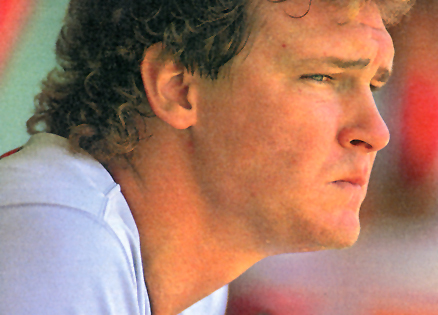
Tommy Herr: ‘You’re Always on God’s Team’

I still don’t believe it.

Friday night, April 22, 1988. Busch Stadium. I’m in total shock. I’m sitting here in front of my locker in a nearly empty Cardinal clubhouse, half in and half out of my white home uniform with the famous St. Louis redbirds across the front. There are lots of surprises in life, and especially in baseball, but this is not one I saw coming. No way.

Earlier this evening we dropped a close game to the New York Mets, our archrivals in the National League’s tough Eastern Division. I came off the field feeling tired and a bit discouraged. It’s funny how much more tired you feel when you’ve lost. The hit I’d managed off Mets ace Ron Darling looked like a meager accomplishment in the face of our defeat.

Well, we’d just have to go out and get ’em tomorrow. Or so I thought.

As I was brooding on our loss—and the Cards’ slow start, someone tapped me on the shoulder. “Whitey wants to see ya.”

“Whitey” is Whitey Herzog, the legendary manager of the Cards and one of the shrewdest minds in baseball. I’ve played for Whitey my entire major league career, and being summoned to his office is still a little like being called into your dad’s study as a kid. Not everyone likes Whitey, but everyone respects him. I think he’s terrific. He’s taught me most of what I know about playing major league ball, transforming a shy kid from Lancaster, Pennsylvania, into an all-star second baseman with some pop in his bat and some speed on the bases. I’ve played in three World Series for Whitey and the Cards. I’ve always considered it a great honor to wear the St. Louis uniform.

Wonder what Skip wants, I mused wearily, making my way to the cramped little office behind a wall of lockers. Maybe a pep talk, though why, when I was having one of my hottest starts ever, a nine-game hitting streak and hitting safely in 11 of 12 games. Still, none of that mattered if we weren’t winning.

As soon as I stepped through the door I knew something big was up. General manager Dal Maxvill was standing behind Whitey, who was seated at his desk.

“Sit down, Tom,” said Whitey, pointing to a chair and running his hand across the snow-white brush cut for which he is nicknamed. Dal dosed the door quietly behind me as I lowered myself into the chair. I looked at Whitey and then at Dal questioningly. I felt my stomach start to churn. Oh, no, I thought. Not me!

“Tommy,” Whitey began in a tired, even tone, planting his elbows on the cluttered desktop and leaning forward, “you’ve been a fine player for me for nearly eight seasons. You’ve given the Cards everything we’ve asked of you. But…”

That “but” stopped my heart.

“But,” said Whitey, drawing a deep breath, “we’ve traded you to the Twins for Tom Brunansky.”

For an instant, time seemed to stand still. I kept trying to define and redefine the word trade in my head. I knew exactly what it meant: to exchange, to swap, to get rid of. I just wanted it to mean something different this one time. I wanted to make believe I was being asked my opinion of such a wild idea, not being told that it was a done deal.

Dal took over, earnestly trying to explain why the move was good for both the players and their teams, and how the Cards desperately needed a power-hitting right fielder like Brunansky. I didn’t hear most of what was being said. Whitey folded his arms across his chest and stared down at the clutter. My eyes rested on a picture on the wall behind him—my picture—hanging along with some of the other veterans of pennant-winning and world-championship Cardinal teams: shortstop Ozzie Smith, pitcher Bob Forsch, outfielder Willie McGee. I wondered if Whitey would take down my picture now.

“…the Twins, of course, will contact your agent about your contract…”

I couldn’t believe it. I didn’t want to believe it: no longer a Cardinal. I’d started my career here. I’d expected to finish it in St. Louis as well. I was in my prime as a ballplayer. Thirty-two years old. What about my friends on the team? Our locker-room Bible study group? Why? Why didn’t Whitey and the Cards want me anymore?

“I think you understand management’s position.” Dal was winding up. “The Twins would like you to report in time for tomorrow night’s game against the Cleveland Indians in Minneapolis. Good luck, Tom.”

I just wanted to get out of that office. Be by myself. Lick my wounds. Whitey was looking at me blankly. What emotions was he masking? I knew this wasn’t easy for him either. Almost as if in slow-motion replay, he stretched out his hand to mine. A dozen thoughts swirled in my head. How would I break the news to Kim and the kids back home in Lancaster? To my folks? What would I do with our condominium in St. Louis? Where would I live in Minneapolis? I didn’t know a soul there. How could I play baseball in anything other than a Cardinal uniform?

When I walked out of the skipper’s office a media horde was waiting. Amazing how news travels. I faced them in a daze. They posed all the expected questions: Are you sorry to leave St. Louis? (Yes.) Will you like playing for the Twins? (I hope so.) Are you bitter at the Cards, Tommy? (A little bit, I’m afraid, but I’m trying to understand.) Private moments can be so public when you’re a professional athlete.

So here I am, sitting listlessly in front of my locker. I mean, my former locker. Number 28. It’s nearly midnight. Everyone’s gone home. I’d better get moving. I start to pull off my red stirrup socks and the rest of my Cardinal uniform. It will be for the last time. It hurts.

Saturday morning. Here I am on the plane to Minneapolis. The flight is bumpy and seems long. I try to nap, unsuccessfully. I can’t get last night out of my head. The first thing I did after talking with Whitey and the press on Friday was call Kim back home in Lancaster. She and the boys, Aaron, seven, and Jordan, two, were planning to come to St. Louis for the season after school let out.

“Kim, we’ve been traded.” Pause. I could sense her shock through the wire. Kim started to cry softly. When a ballplayer is traded, his family is traded along with him. Kim was thinking about the other Cardinal wives she’d have to say goodbye to, their prayer group she’d helped start. Baseball wives feel like teammates. They form many of the same bonds and alliances among themselves as their husbands do in the clubhouse. Sometimes a trade is harder on a wife than on the player.

“We’re going to Minnesota.”

“Well,” Kim replied, catching her breath, “I know this must be God’s will, Tommy.”

I know it too, but that isn’t helping me much with the human side of things. I know I am part of God’s great plan, a plan that is infinitely more important than the little twists and turns in my baseball career, but my ego has taken a major broadside. All my life I’ve triumphed at sports. Back in Lancaster at Hempfield High I starred in track, baseball, basketball, football. You name it. If you could kick it, throw it, bat it, catch it or run after it, I was good. I was blessed. I signed with the Cards right out of school, and in a few years I was playing in the bigs. I’m not accustomed to being told to pack my bags. I’m always the guy everyone wants…

Saturday night. It’s late. My first game as a Twin was a disaster. I got to the park from the airport a few minutes before batting practice, just enough time to climb into the uniform waiting for me and shake a few hands. Veteran pitcher Bert Blyleven has my old Cardinal number, 28, so I had to settle for another. I was given 33. Interesting. A change in number didn’t inspire me, though. I went 0-for-4 at the plate and we lost to a streaking Cleveland.

Here in my room at a Holiday Inn near the Metrodome I am restless. Sleep is impossible. I page through my Bible, but concentration is elusive. I’m reading Romans but thinking about
Busch Stadium—I realize that all the truth I need is contained right here in this Book, but I just can’t seem to get my sense of rejection pushed out of the way. I call Kim. Aaron gets on the phone. He’s crying.

“Daddy, why aren’t you a Cardinal anymore?”

Sunday. Another fruitless day at the plate, another sleepless night in my hotel room. Will things ever get better?

Tuesday. I’m feeling desperate. I’m batting .000 in the American League. I couldn’t even get a hit tonight in the series opener against lowly Baltimore, which is mired in the worst losing skid in league history. I try to force myself to sleep but just end up tossing and turning.

Finally I get out of bed and pick up the Word again. What would the ancient Hebrews have thought of baseball? Of batting averages and trades? Well, there was Joseph. Joseph was traded. Traded by his brothers for 20 shekels. Imagine how he must have felt. At least I was traded for someone of equal value; I certainly wasn’t a slave. Joseph too lost something he wore proudly, perhaps too proudly, his many-colored coat, just as I lost my Cardinal uniform. And I guess you can say I felt as if I had been cast into a pit of sorts: I mean, the enclosed Metrodome is hardly the grand open-air ballpark that Busch Stadium is.

Joseph’s story lifts me. I see how he turns his rejection into triumph and learns a lesson in humility and forgiveness. But first Joseph has to face up to his rejection, accept it as a fact of life. We all face rejection at one time or another. The greatest rejection of all was Christ’s crucifixion upon the cross. He was traded for 30 pieces of silver. What is my infinitesimal suffering compared to that? My sense of loss compared to His? Christ triumphed over rejection by rising from the dead. We too must triumph over rejection in our daily lives. Rejection, the Bible tells me, is a prelude to triumph.

Wednesday. Tonight I got a hit. Finally. Four, in fact. I felt as if a huge weight lifted. The guys in our dugout practically gave me a standing ovation. And I’m feeling more comfortable at second base in the Dome. It’s a pretty good park after all. Getting to know my new teammates helps too. As it turns out, shortstop Greg Gagne, my partner on double plays, is a Christian.

Maybe things are falling into place, I’m beginning to like the Twin Cities. The fans are incredible. Today I got a call from a local Christian group welcoming me to Minnesota. It still hurts a little to think about the trade. But dwelling on rejection (the Cards don’t want me and all that) is no good. I’ve got to get over it and go to work on the baseball diamond like the veteran I am. In this game your time in the sun is very short. You might as well relax and enjoy it. Besides, Kim pointed out something important: The Twins gave up a good player because they wanted me. I hadn’t thought much about that. I can see now that the trade wasn’t personal. Baseball is a business as well as a sport, and the Cards’ decision was a business decision, an even exchange, one good player for another.

Another thing. In ’85 when the Cards won the National League Championship, there was a pretty active group of us Christians on the club. In the last few years we’ve kind of dispersed. Ricky Hotton pitches for the White Sox. Andy Van Slyke went to Pittsburgh. Todd Worrell is still a Card. You know, maybe God is scattering us the way He scattered the first apostles to spread the Word.

I could get traded again any day now. Baseball isn’t permanent. But my Christianity is. That’s the important part. You don’t get traded off God’s team. Everyone’s a starter.