Embrace God's truth with our new book, The Lies that Bind

This Father Found Hope and Help for His Daughter Battling Addiction

I came home from work that day and could barely recognize my own daughter. She was right in front of me, slouching down the stairs. There was no missing those piercing blue eyes, those strong hands for shooting baskets. But something was different, something was wrong. My 17-year-old had changed so quickly these last few months.

We’ve always called her Breezy—like her headlong embrace of life. When she was little, people stopped us in shopping malls to tell me how beautiful she was—her eager grin, her wavy blonde hair, her clear, delicate skin. But the girl who shouldered me aside and stalked outside that day wore a scowl. Her hair was dyed black, her face blotchy and broken out. “Breezy,” I said.

A Journey of Faith In Article Ad - Avail Now

“What?”

“Where are you going?”

“Out.” A car had pulled up. Breezy’s new friends were in it. They were older. Their arms were covered with tattoos. Their noses were pierced. Their hair was dyed black. They stared sullenly from behind the windows.

“Not with them, you’re not,” I said.

“I’m late,” she snapped, and ran out the door. She was already climbing into the back seat when she turned and yelled, “You can’t tell me who my friends are! I hate you!” Then the car sped away.

I stood, silence settling over me. Shelley, my wife, stared at the floor then walked to the kitchen. Not long before, Breezy had been a happy girl. The house had been filled with the laughter of her basketball teammates. But, then, over the course of the summer before her senior year, everything changed. I’d always been so sure about the way we raised Breezy. Where had I gone wrong?

Breezy, our middle child, was a tomboy, a daddy’s girl, the one who never left my side. Shelley, sometimes, found her hard to handle. But I knew her like I knew myself—she was fearless, tough, a bit willful at times. I remember driving up our block one day. A 10-speed bike was rolling toward me, piloted by a tiny form. It was Breezy, four years old, straddling the cross-bar and leaning low to reach the pedals. To stop she kicked her foot against a wall.

She bypassed dolls and went straight to sports—soccer first, then basketball in third grade. When I washed the car, she scrubbed the hubcaps with her own little sponge. When I went to the store, she was out the door before me, blonde ponytail jammed through the back of her baseball cap. I can still feel the slap of sun as we eased the convertible from the cool, dark garage. “Take the top down, Daddy!” she’d yell.

To my regret, we didn’t go driving very often. I was a business consultant. I worked evenings and weekends. I left for weeks on assignment. I knew my family missed me. But we caught up on vacations. And I made sure the kids got the no-excuses discipline I had growing up. I’d been a military policeman in the service, then worked as a cop during college. I was strict. I was loving. And it worked.

I remember once, when Breezy was a junior in high school, she asked if we could go out to dinner, just the two of us. In the booth, she started crying. “I was trying not to tell you, but I can’t be dishonest with you. Dad, I’m so sorry, but I went to a party where there was beer and I tasted one. It was terrible!”

At first, I flushed with pride at her honesty. But then a small fear spoke. Parties. Beer. Where else was she going? Was she still Daddy’s little girl? I resolved to keep an even closer eye on her.

By high school, Breezy was a basketball star. My work had kept us moving every few years. But we finally settled in a Portland suburb so Breezy could join one of the state’s best teams. I wanted to make sure she had every opportunity. Shelley and I—when I was in town—would cheer so loud at her games that Breezy said we embarrassed her.

Though Shelley and I cheered for Breezy together on the court, we differed when it came to discipline. Shelley was more willing to give Breezy space; I was a stickler for the rules, maybe because of my police background and maybe because I wasn’t always around to watch her. Strict rules did the job when I couldn’t.

Then, right before her seventeenth birthday, Breezy was caught missing practice. Her coach threw her off the summer team and told her that if she wanted to rejoin in the fall, she needed to shape up. It was then that I began to notice changes.

First, our house fell silent. The hungry athletes who came home with Breezy to raid the fridge and watch the big-screen TV disappeared. She took to her room. Loud, hostile music sent out the message: Stay away. Strange kids began to drop by and loiter on the lawn. She dyed her hair. Then came that day when I got home from work and she told me she hated me before getting into the car with people my instinct told me were no good.

Things didn’t improve that fall. One night I was working late. The phone rang. It was our pastor. “Jim, I don’t know how to tell you this.”

“What?”

“Breezy is addicted to methamphetamine. Shelley’s taken her to the hospital. They’re there right now.” I twisted the phone cord. How come I hadn’t known? Why hadn’t I seen that this was what was behind the changes in my daughter? Suddenly, I knew all the answers to the questions that had been plaguing me. I knew why she wouldn’t speak to us. Why her looks changed so drastically. Why she snuck out to careen through the city with those sinister “friends”. Everything clicked. Drugs.

“Jim, are you there? Are you okay?”

I put the phone down and got into the car. The speedometer edged to 75. Freeway lights flicked past. At the hospital, a doctor led me through the ER to a bed encircled by a curtain. He tugged the curtain aside, and there was Breezy crouched on a bed, long arms curled around bony knees. She looked up warily. I could tell she was regretting the confession to Shelley that had landed her here. Why hadn’t she come to me like she had about the beer?

“Breezy,” I said. But her eyes were vacant, cold.

“Your daughter has been using for about six months,” the doctor said to me. “I asked what time she last took drugs. She said eight o’clock tonight.”

I looked at my watch. It was 9:30 P.M. She’d been home that night, and even out driving with our youngest daughter.

I stumbled from the bed and hid my eyes. But I warned her. I watched her. Drugs were against the rules. I gave her everything. What did I do wrong?

Within a few days my wife found a treatment center recommended by a friend, and drove Breezy there. It was a nine-month program. No phone calls, but she could write to us. At home, I checked the mail obsessively. But no letters arrived. I’d taken some time off, so all day I sat at home, trapped in my deepest interior. At first, I tried blaming Shelley. Too permissive. But then I wondered. Was it me? Had I been too strict? I replayed Breezy’s childhood, the times I laid down the rules, especially about drugs. I remembered telling her what I had seen as a policeman—furtive, conniving addicts stripped of everything but their desire to get high. Should I have done more?

The days wore on. My thoughts twisted and re-twisted, always looping back to a single image: Breezy staring at me, through me in that emergency room. As a cop I had seen countless addicts cycle through recovery programs. An addict is an addict, I’d concluded. Now the thought crushed me. How can I guide her? How can I make her Daddy’s little girl again?

Then, one morning, exhausted and broken, I started my morning devotions at the kitchen table. Outside a drizzling rain soaked the trees. The house was quiet. I was alone, staring at the Bible that lay closed on the table before me. I buried my face in my hands. Lord, how do I get through this? How do I know you have your hand in this? I opened the Bible and leafed through it. Suddenly, a new image came to mind. Always before, I had obsessed over what I did, what I should have done, what I could do now. What about God? He’s the healer, not me. Breezy is in his hands, not mine. This was a hard thought. I resisted it. But I’m the father, I insisted. I’m the one who takes care of things and shapes my kids. But the image of God the healer wouldn’t go away.

I realized I needed to commit Breezy to his hands and concentrate on the one thing I could do: love my daughter. I grabbed a pen and paper. “Dear Breezy,” I wrote. “I’ve been praying for you. I hope you’re doing all right. I love and miss you. Dad.” No lectures. No threats. I took the letter to the post office.

Returning home a short while later, I leafed through the mail. My heart leaped. Her handwriting on a letter! I tore open the envelope and read, “Dear Dad. Many things are happening here at rehab. I’m feeling better. I never want to go back to the dark life I was living.” I held the letter in my hand for a long time, my tears falling on it. Was it only coincidence that it had arrived on just this day? Or was it the answer to a prayer I’d found so hard to say? To give my daughter completely to a higher power.

Breezy is out of rehab. Yet, she still struggles. We all do. I believe her when she says she’ll never return to drugs. But Breezy’s part, like any addict’s, is not easy. She finished high school and is working, and thinking about going to college. She’s let go of her druggie pals, but has found it hard to make new friends. I pray for her constantly.

One Sunday not long ago we were getting ready for church. I was about to shout up the stairs for Breezy to hurry up when all at once she appeared at the top. My mind froze and so did Breezy. I looked at her for a long moment, as if she were poised in some limbo between the young, innocent Breezy who’d once been my little sidekick, and the Breezy who had been ravaged by methamphetamine, a shadow daughter whom I didn’t know. Then she smiled, her eyes bright and clear. “Let’s go,” she said. “I don’t want to be late.”
This Family Was Inspired to Lose Weight—and F.A.S.T.

A November evening and my family, as usual, was eating. All of us, my five siblings and I, plus spouses and kids, were at Mom and Dad’s for Mom’s birthday. We were plowing through a typical Dean spread—chips, dip, cupcakes, cake and ice cream.

Mom and Dad were on the sofa, where they sat so often the cushions had permanent indents. None of us was what you’d call skinny. But watching everyone, myself included, polish off slabs of cake, I suddenly realized “not skinny” was the understatement of the year.

Go For It In Article Ad

The real word for us was “fat.” Not fatter than most people we knew—65 percent of Nebraskans are overweight—but fat nonetheless. Out of shape. Nowhere near the vigorous people God created us to be.

We’d tried to lose weight. But something was missing. Something I was still feeling my way toward that evening when, on impulse, I blurted, “Hey, listen up! We need to have a family meeting.”

Conversation stopped and everyone turned to look at me, their eyes puzzled.

“Um,” I said, “I’m sorry to interrupt, guys, but, well, I think we need to talk—about our weight.” The room got quiet. “Look, I’ve been thinking about this a lot lately. We’re the closest family anyone could ask for. We talk about everything—except this one issue.

“Look at us. I’m at least 30 pounds overweight. Jeremy’s more than twice that. And the girls are always yo-yo dieting. Dad’s diabetic, and he and Mom can hardly get on the floor to play with their grandkids. But we never talk about it.

“I can’t believe I’m bringing it up now. If it wasn’t for a TV show I’ve been watching, I’d probably still keep quiet.”

“TV show?” someone asked tentatively.

“Yeah, The Biggest Loser. You guys have seen it. You probably remember me making fun of it, all those personal trainers and tailored diets. But I realized something. The show does have the key to losing weight. It’s just not what they say it is.” Everyone leaned forward.

“It’s accountability,” I went on. “The reason people on that show lose weight is because they know that if they sneak downstairs to gorge on brownies at midnight, the whole world will know. They don’t want to let the audience down.

“Here’s what I think. What if we became each other’s audience? Dieted together? Held each other accountable? We talk every day. Why can’t we use our closeness to lose weight? I’m sick of being fat. I want to be healthy. Don’t you think we could do it if we all did it together?”

There was a moment of stunned silence. I knew what everyone was thinking. Dieting for the Deans would mean unlearning eating habits formed way back when Mom, feeding a big family on a small income, had fallen back on a fattening diet of fried chicken, pizza, ice cream and snacks.

We liked eating that way. Heck, most people we knew liked eating that way. Giving it up would be painful.

I sketched out a plan I’d been concocting, all about daily exercise and monitoring each other’s calories and nutrition. Before I finished, excited voices began drowning out my words. “Of course!” cried my sister Julie. “Why didn’t we think of it before?” “I love it,” said Jeremy.

Suddenly, Dad’s voice cut in. “That sounds nice, Tony. But the holidays are coming up. Don’t you think we should wait till after? I don’t want to miss my cherry pie.” Dad loved his cherry pie.

Instantly, the room deflated. “Dad’s got a point.” “Yeah, maybe we should wait.” It was late. Soon everyone was heading for the door.

Thanksgiving came. Weirdly, while we polished off turkey, rolls, stuffing and pie, everyone talked about my diet plan. What was going on? An answer seemed to come from someplace outside myself. They want to do it. They just don’t know how.

The next day I sat at my computer. I’d found a website maintained by the Harvard School of Public Health called “The Nutrition Source,” an easy-to-read guide to eating right. Using its recommendations, I put the finishing touches on a chart that set out the amount of calories, fat, carbs protein and fiber each of us should consume daily.

I wrote out a few ground rules. Everyone had to exercise at least 30 minutes a day, burning at least one more calorie than they had the day before. No foods were off limits. As long as we met our nutritional targets, we could eat what we wanted—even cherry pie.

Everyone had to check in with a partner daily and report what they ate. Most important, partners had to call each other whenever temptation struck.

When the plan was finished, I sent an e-mail out to everyone: “Guys, no more procrastinating. If we’re going to do this diet, we have to do it now. Everyone meet at my house tomorrow morning for a weigh-in. I’m serious.”

The next morning I lugged a scale into the kitchen. Everyone filed in, Mom, Dad, Tracy, Tina, Jamie, Jeremy and Julie. Their faces were nervous but hopeful. Dad stepped on first. “Two hundred seventy-one,” he said, as if he couldn’t believe he’d let himself go so far.

Mom was next. She stepped up and gasped. “Two-hundred-sixty-five,” she whispered. “I had no idea.” For a moment the room was silent. Mom stepped down, tears in her eyes. Suddenly Jeremy put an arm around her shoulder, “It’s okay, Mom,” he said. “You’re going to lose it.”

“Yeah!” echoed Jamie. “We’re here for you!” Soon, everyone was cheering.

That night at 10, when we knew no one would be there, we trooped to a local gym, which had agreed to give us a two-week free trial membership. We were a sorry-looking bunch, most of us wearing big shirts to hide our un-gym-like bodies.

“Let’s start with the treadmill,” I said. Mom and Dad had trouble getting balanced, so I set their machines to the slowest setting. Even so, pretty soon we had to help them off. Dad was wheezing. The rest of us weren’t doing any better.

The next night, though, we were back. Even Dad was amazed at how much easier it was. And we kept on improving.

Tracy, who had about 30 pounds to lose, bought a second-hand treadmill to use at home, since her schedule sometimes kept her from making it to the gym. She ran up and down her basement stairs for a little more exercise.

Jeremy started playing basketball every night. I took up swimming. E-mails flew. “Guys, I found a great bagel—whole wheat, 19 grams of fiber, only 150 calories.” “You’ll never believe this. There’s a chocolate cream-filled cupcake, only 100 calories a pack, five grams of fiber.”

The night before our next weigh-in I lay awake. What if no one lost an ounce? What if this fails? Didn’t losing weight come down to willpower anyway? If it did, we were sunk. God, I don’t want to let everyone down. Please make this work.

Just like at Thanksgiving, I seemed to sense an answer: It has to be more than just about you. I didn’t quite understand.

Until suddenly I realized what the missing ingredient had been in our other dieting efforts. Accountability, to each other and to God. If we could be true to each other this time, we’d be true to God and the plan would work.

He wanted us to be healthy, made us to be. God was with us. I felt myself relax.

Saturday morning, everyone showed up in my kitchen. Everyone cheered. Jamie got on. She was 13 pounds lighter! Everyone else lost weight too, an average of seven pounds apiece. We all looked at each other. Without another word, we fell into a giant bear hug.

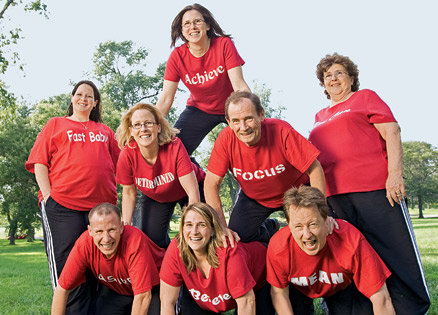
Two and a half years later, our bear hugs take up a lot less room. Our family lost a combined total of 500 pounds on the diet we call F.A.S.T.—Families Always Succeed Together. We’ve kept it off. Dad’s diabetes is gone. Mom lost 72 pounds. Tina runs half-marathons.

We’ve been on TV, written a book, and this year we’re organizing people all over the country to try our diet.

It’s been a heady ride. None of it, though, beats what happened just the other weekend. The family got together at Mom and Dad’s. We sat around talking—and eating—while the kids played on the floor.

Well, not just the kids. Mom and Dad were down there too. I don’t think they sat on that old sofa once.

Learn more about Tony Dean’s weight-loss program in Lose Weight the F.A.S.T. Way and The 10-Day Quick-Start Program.


This Chuck Wagon Chef Followed His Heart—and His Stomach

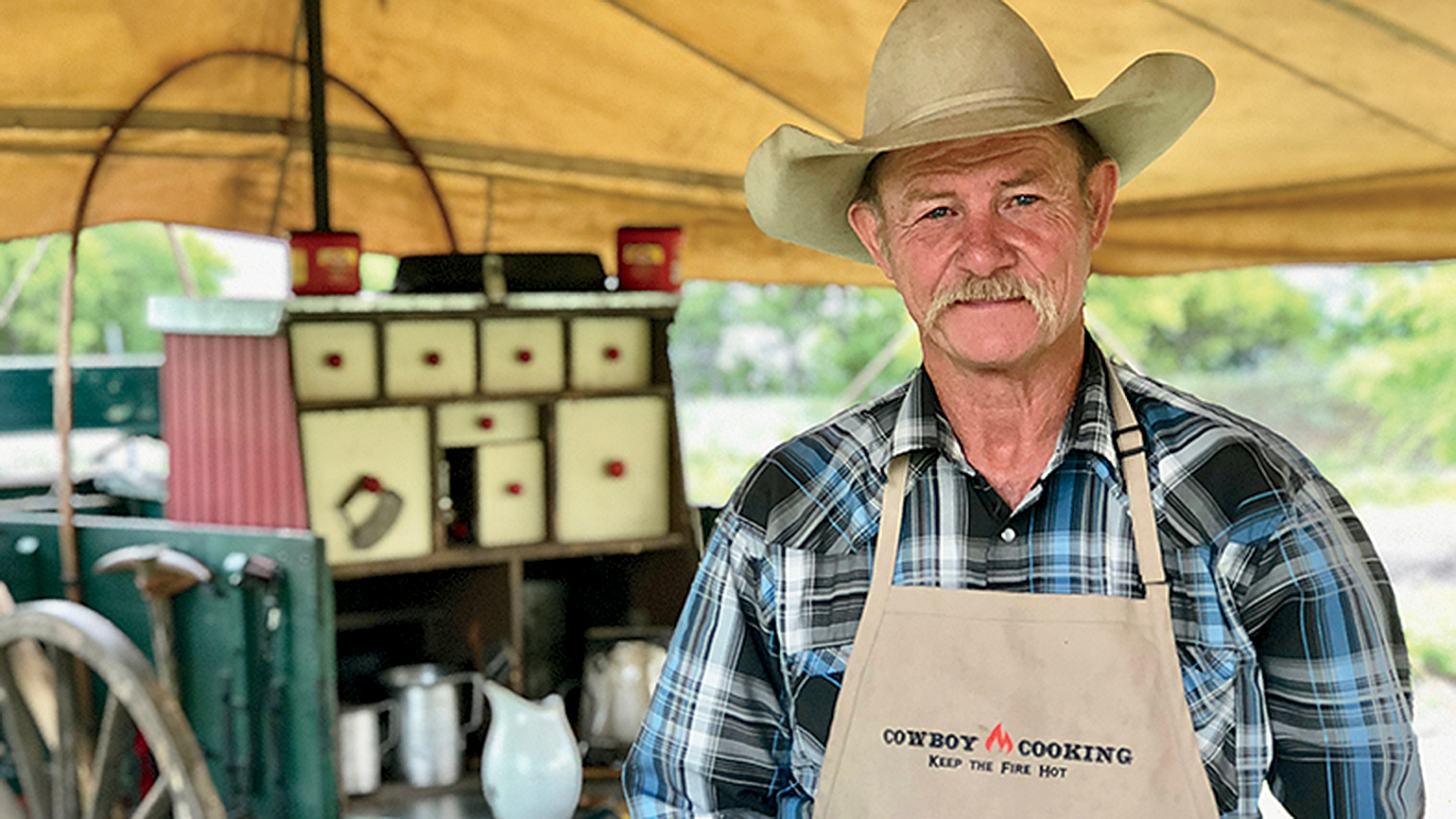
Texas’s Palo Duro Canyon gets mighty cold in December. Especially at 3:45 in the morning. My hands, my whole body, felt frozen as I rolled out of my 1876 Studebaker chuck wagon. I could barely hold a match to the lantern, the wind blowing from the north. “God, let this catch,” I muttered.

The cowboys were still asleep, though they’d be stirring before long. It’s my job as cook to be up first, firing up Bertha—my 385-pound, wood-burning camp stove—and get enough eggs and bacon going to feed a small battalion. An army moves on its stomach, they say. A cattle drive is no different. Without a hearty breakfast…brother, we’ve got problems. It’s all riding on me.

Go For It In Article Ad

I gave up a good-paying, secure job to become a chuck wagon cook. At the time, it felt like what I was meant to do. But on mornings like this, a warm bed sure did seem inviting. I went to the barrel to get water for coffee, but it was frozen solid. I’d have to chop it to get some in the percolator. Lord, what am I doing here? I wondered. Just then, the lantern blew out.

My whole life, I’d been around cowboys. I was the youngest of four children, and my daddy ran about 250 cows on a small ranch in southwest Oklahoma, some of the most beautiful and desolate land on God’s earth.

When I was eight, I went on my first cattle drive, moving a herd 10 miles. Just like here in the canyon, it was still dark when we saddled our horses and led them out of the pen. We paused, and Daddy said, “Let us not forget we all have Someone beside us, Someone to help us as we ride along. So let’s cowboy up and get it done.” It was a long, hard day, and there were times I wanted to quit, not that I ever let on. The next morning, my entire body was sore. Still, I stood a little taller that day, even if it made my muscles ache more.

There came another day when I awoke and the temperature was barely five degrees, the wind blowing something fierce. Daddy and the other cowboys went about their chores regardless, but my mama held me back. “Why don’t you and I make a chocolate cake today?” she said.

I took another look outside, the men bracing themselves against the cold, and quickly agreed. Mama told me the ingredients I needed to find and began spooning flour and sugar into a bowl. “How do you know how much to use?” I asked. I’d never seen her look at a recipe to cook anything.

“Each ingredient has a purpose,” she said. “It’s like a team that works together. It’s about finding the right balance. You’ll make mistakes at first, but that’s how you learn.”

Soon the house was filled with the sweet aroma of rich, velvety chocolate. The heat from the oven was warm and welcoming.

“You know what comes next?” Mama asked me.

“Eating!” I said.

Mama laughed. “First comes cleaning up,” she said, filling the sink with hot soapy water. Hmm, even fun jobs required hard work. “The joy of cooking isn’t about the eating. It’s about seeing the smiles on people’s faces.”

I didn’t quite see how a smile could beat a piece of chocolate cake until I was a few years older. I was 15, and Daddy, my brother and I were pitching in at a friend’s ranch, an annual custom called neighboring up. Around midday, I heard an old feller, sweat running down his face, say, “We better get paid well today.” Wow, we’re getting cash money, I thought.

Then I looked up to see car after car coming down the driveway, wives and moms bringing platters of fried chicken, breaded pork chops, salads of all kinds, cakes and pies. The cowboys were grinning from ear to ear. To this day, I remember how good that food tasted after a morning of hard work.

That afternoon, the cowboys worked twice as hard, laughing and cutting up. Me included. I thought about what Mama had said about why she liked to cook. To be able to give folks that much pleasure, well, that seemed pretty special. I knew there were men who specialized in cooking for cattle drives. I set my mind to figuring out how I could do that.

That’s how I found myself on cattle drives in places like Palo Duro. Now the lantern was lit again, and it was almost toasty with Bertha throwing out her mesquite-fueled loving. The cowboys gathered round the table, warming their hands on cups of coffee. “Let’s bow our heads,” I said. “Dear Father, we thank you for all you’ve given us. Bless this food and help us get through this day without any bad accidents. Amen.”

The fellers ate quickly. When they were done, they tipped their hats. “Mighty good,” one cowboy said. They mounted up, the sun barely peeking over the horizon. “Let’s hit a trot,” I heard someone say. “We’re burning daylight.” I felt a tinge of sadness watching them ride off. As important as I know breakfast is, it still seemed like I was on the outside looking in. How much could a plate of eggs and bacon really matter?

My first chance to cook for cowboys came after high school. An uncle in New Mexico who worked as a hunting guide invited me to cook for his clients. I jumped at the chance. I didn’t have Bertha then. I cooked over pits I dug in the ground. The wind blew dirt and burning embers over me. And I quickly learned how much I didn’t know about cooking. Such as how elevation affects how dough rises. Where we were camped was more than 3,000 feet above sea level.

One morning, I made biscuits for breakfast, the way Mama had showed me. But they hardly rose at all and tasted like shoe leather. “Is this flatbread?” an old-timer asked.

“It’s the only bread we’ve got,” I said. I felt like a failure. Still, hadn’t Mama said mistakes were part of learning? I tinkered with the ingredients, and the next time they came out better, still not perfect but more recognizable as biscuits. Cooking was hard work, but I loved the camaraderie with the other men, seeing their smiles as they dug into breakfast.

But Daddy was getting older and needed my help at the ranch. I moved back home. There was no time for cooking, especially after Daddy was diagnosed with cancer. Running the ranch fell to me. I worked 20-hour days trying to keep things together.

After Daddy passed, the pressure on me only grew. I took a job operating a road grader for the county highway department to make ends meet. The pay was good and came with a retirement pension. I wasn’t happy, though. I missed cowboy culture, the joy I got from cooking. But how could I give up the security of a government job to chase after a dream? Besides, cattle drives weren’t exactly common anymore. Maybe I’d just been born at the wrong time.

I told Mama everything I was struggling with. “You need to do what makes you happy,” she said. “We’ll trust God with the rest. He’ll see us through with the ranch.”

It was nearly dusk in Palo Duro. It had been a long day for all of us. We’d moved the herd 10 miles, no mean feat in freezing temperatures. In the distance, I could see the cowboys coming back into camp. Bertha was throwing off a ton of heat, the hickory logs inside her crackling. Soon she’d be cooking platters of chicken fried steak to perfection. I already had potatoes and blueberry pie going in my Dutch ovens.

My menu offerings had grown more sophisticated since my days in New Mexico, cooking over open pits. My world had changed dramatically. Word had spread, and I was traveling all over Texas and Oklahoma, cooking for cowboys. The governor had named me the official chuck wagon of Oklahoma. Still, every meal I cooked felt like a new test. Especially in these conditions. The cowboys rode in. One of them—a crusty sort—dismounted and shuffled over to me, sniffing the air. The other men would be following his lead.

With no warning, he wrapped his arm around my neck. “You sure do make a feller feel at home,” he said.

Home. I couldn’t have imagined a bigger compliment. We were nowhere near the comforts of civilization, and yet through my cooking, I’d done my part to create a feeling of family, of belonging. A reminder, that even on a cold December day in Palo Duro, we had Someone helping us as we rode along. God would see to it, just as Mama said.

“The pleasure’s all mine,” I said.

Try Kent’s prize-winning recipe for Cowboy Chili at home!

For more inspiring stories, subscribe to Guideposts magazine.

This Christmas, Give Yourself the Gift of Peace

A key theme of the Christmas season is peace—a message that comes with the celebration of the birth of Jesus, whom the prophet Isaiah called the “Prince of Peace.” In the Gospel story, an angel appeared and said, “Glory to God in the highest heaven, and on earth peace to those on whom His favor rests.”  

You may question what it means to have peace both within and around us. Pastor and licensed mental health counselor, Rev. Cheryl Colt, states, “Peace means different things to different people. For some, it’s the absence of war, for others peace is about living within harmony, and for others peace means family relationships are healed.” In these anxious times, when bad news feels more prevalent than good, peace is what we all need.  

The Lies That Bind In Article Ad

Peace is a gift that we can receive and give to others. Creating inner peace means that we don’t allow the outside world to define the state of our inner being. We take time to breathe, regain our composure and think clearly. We take a moment to pause and pace ourselves in a healthy way, not letting the pressure of others and the holiday dictate our lives. 

When you feel the pull of commercialism, remember this is not the meaning of Christmas. It’s not about going into debt, but giving what we can. And the simple gifts of friendship, love and grace are worth much more than anything we could buy. 

If you are overwhelmed by problems and lack peace, pray for strength and wisdom in finding a solution. Work on one problem at a time instead of trying to deal with all of them at once. And let others come into your life to help and support. Life is much easier when we have peacemakers around us. 

Last but not least, set boundaries. You can’t be all things to all people or be in multiple places at once. It’s ok to say no; this too is a gift of peace. When we take small and simple steps we can find calm, and experience the gift of peace.

This CEO Had the Perfect Response to an Employee’s Mental Health Day

This one email is creating awareness about the importance of mental health support in the workplace.

Madalyn Parker, a Michigan-based web developer at the chat software company Olark, sent an email to her fellow coworkers and CEO a few weeks ago openly discussing her mental health and why she needed to take a couple of days off to recharge and reset herself. While some of us are hesitant to even take deserved vacation days, Parker was honest about why she decided to take time away from her job in order to focus on herself.

NIVFLB Inarticle ad

Her boss’ reply is the perfect example of how important it is to respect and encourage employees to look after their own mental health. 


After Parker’s tweet went viral, Olark CEO Ben Congleton received praise for how he handled the situation. While his answer to Parker’s email may surprise some, letting employees take mental health days isn’t just considerate, it’s good business. Studies show that taking care of mental health issues increases productivity and performance at work.

In response to all of the fanfare, Congleton posted a message on Medium, detailing exactly why he believes it’s a boss’ job to urge their employees to look after themselves.

“I wasn’t expecting the exposure, but I am so glad I was able to have such a positive impact on so many people,” Congleton wrote. “It is incredibly hard to be honest about mental health in the typical workplace. In situations like this, it is so easy to tell your teammates you are ‘not feeling well.’ Even in the safest environment it is still uncommon to be direct with your coworkers about mental health issues. I wanted to call this out and express gratitude for Madalyn’s bravery in helping us normalize mental health as a normal health issue.”

Congleton went on to plead with other CEOs and executives to begin nurturing an open dialogue amongst their employees about the importance of mental health.

“It’s 2017,” Congleton continues. “We are in a knowledge economy. Our jobs require us to execute at peak mental performance. When an athlete is injured they sit on the bench and recover. Let’s get rid of the idea that somehow the brain is different.”

This 75-Year-Old Fitness Influencer Has the Secret to Aging Well

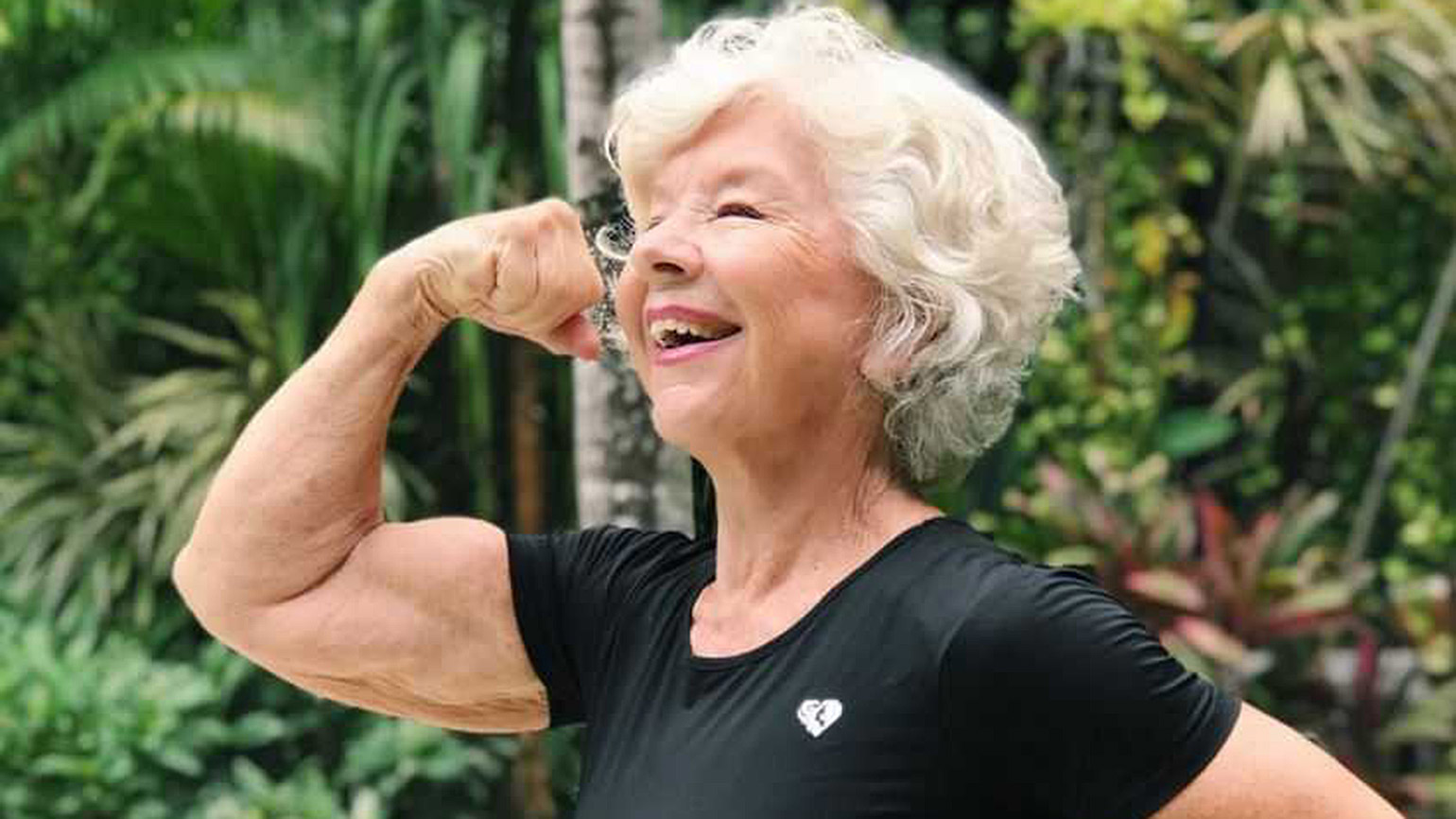
Fitness influencer Joan MacDonald knows the secret to aging well and she’s happy to share it with her millions of followers on social media.

“[I] can’t keep all the good stuff to myself!” she jokes with Guideposts.org.

Rejoice in All Things in article ad

For MacDonald, whose fitness journey began with a wake-up call at the doctor’s office, getting older used to signal more health problems, uncomfortable weight gain, and an overwhelmingly negative outlook on life. It wasn’t until her daughter, a body transformation coach, staged a kind of intervention for MacDonald that she finally began taking her health seriously.

“I knew I didn’t feel well,” she recalls. “I needed to change things.”

Part of the change included improving her fitness levels, another element involved eating better, but perhaps the most important realization for MacDonald was when she decided to take a holistic approach to healthier living. And that is her secret. It’s not just exercising more, it’s not just consuming fewer calories—it’s both. 

“I knew what healthy food was but didn’t know how to break it up in my day, in a way that worked well for me,” MacDonald says. She worked with her daughter and a trained professional, who upped her meal count and helped her calculate how much proteins, fats and carbs her body needed to not only lose weight, but build muscle too. 

“I trusted an expert,” MacDonald explains. “Everyone is different and their baseline diet will differ as well. I always suggest working with an experienced professional when getting started.”

Still, she couldn’t deny the results she was seeing and feeling. “I felt good mentally,” she says. “I started eating more whole foods. I was eating five meals a day. I was making a change and seeing results physically in the weight loss. Over time with diet and exercise, I gained more energy and mobility.”

MacDonald said that as she continued to treat her meal plan as a way to fuel her workouts, her relationship with foood changed as well. She realized that more protein meant the chance to build more muscle, and a stronger body meant fewer problems with ailments like arthritis and brittle bones. The more healthy carbs she ate—like whole grains or quinoa—translated to more energy, the desire to get moving, which helped her avoid being sedentary for long periods.

“I’ve always said, ‘If you don’t use it, you lose it,’” MacDonald says. “It’s true and I apply that to movement day to day. I have arthritis and I notice a difference when I stretch and train. I still have some stiffness and pain but nowhere near what it would be like if I did not do those things.”

For MacDonald, her popularity on social media isn’t just an accountability tool anymore. She wants to help others realize their full potential, especially older women like herself. It’s why she regularly shares nuggets of wisdom, from workout tips to healthier eating tricks to the products she swears by, such as food scales and blenders, topical rubs for soreness to mindfulness apps. But her best piece of advice for aging well and embracing life as you grow older is fairly simple:

“Build a life that you love! Ignore the naysayers. Dream big, and create action steps, daily habits that continually get you there. Fill your life with love and surround yourself with those who support you.”

This 74-Year-Old Blind Woman Teaches Dance Classes

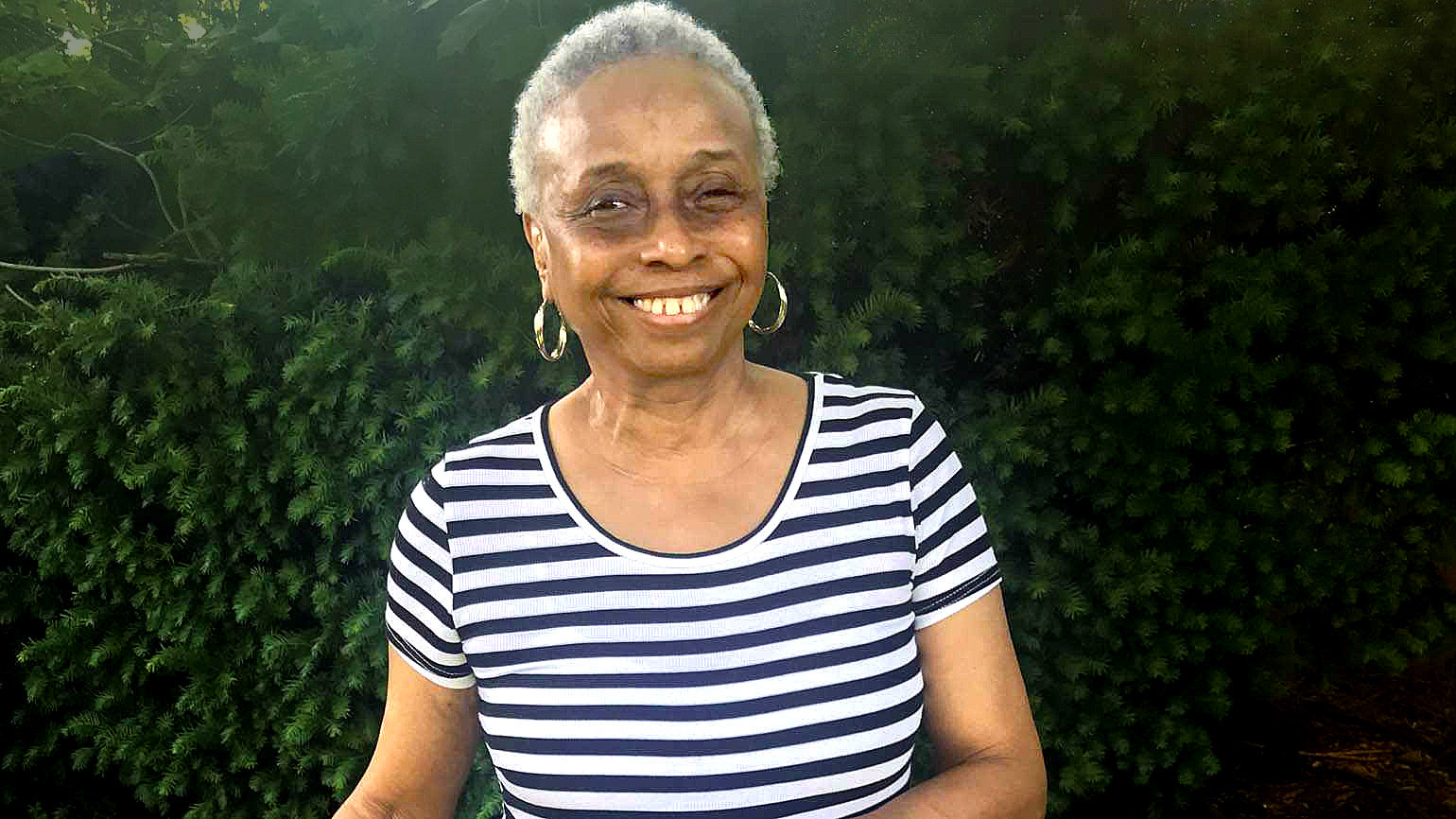
When Marion Sheppard began to go blind in her 40s, she cried, she raged, she felt sorry for herself. Wasn’t it enough that she’d been partly deaf since childhood? That struggle, and the bullying that came with it, had made her strong and stubborn and nearly indomitable—or so she thought.

“This isn’t right,” she said to God over and over again. “This isn’t fair.” The doctors said she would never regain her sight; it would only get worse since her diagnosis, retinitis pigmentosa, is a progressive degenerative disease.

Pray A Word a Day - 2023 In article

Since childhood, Sheppard had always been an avid dancer. But now she was so scared she rarely left her Bronx apartment. She was afraid that, unable to see a stranger’s approach, she would be mugged out on the streets. But mostly, she worried about the way she would appear to the world. She wondered constantly, “What if people look at me differently, treat me differently?”

But then after several months of being paralyzed with grief and fear, Sheppard heard God’s voice. “I want you to show the world what I can do for you,” He said. “You don’t understand yet, but you’ve got to keep moving.”

As hard as it was, Sheppard forced herself to go out. She attended a social event for people with visual impairments, and was shocked to find that not only did no one dance, they barely moved. They all just sat, still and physically withdrawn. “Oh no!” she told herself. “That is not the way I want to live!” She pushed herself not to be self-conscious. She bought a cane and named it Tyreek, the name she’d always planned on giving a son if she’d had one. A single mother of one daughter, Kokeda, Sheppard continued to work at her library job at The New York Times until her vision further declined in her 50s. And she kept moving, she kept dancing, just as God had instructed her.

Sheppard was 61 when she attended a summer camp for the blind in 2008, where she taught her first line dancing class.

After that, she asked at a Manhattan community center run by Visions, an organization for the visually impaired, if she could teach her class there, but was told no, that it would be too dangerous for the students. Still, she persisted, and soon convinced the administrators to let her teach line dancing and aerobics on a volunteer basis. Her classes proved to be so popular that in 2012, Visions hired her to be on staff. Sheppard was ecstatic.

Right up until the coronavirus pandemic shut things down, she was teaching over a dozen adoring students moves like the Electric Slide and the Cupid Shuffle to the music of Motown. Most of them were seniors whose eyesight had deteriorated as adults and so could remember the sighted world. But Sheppard instructed her beloved students on far more than dance steps. With confidence-building affirmations and constant encouragement, she also instilled in them dignity, independence and resilience. In her classes, the students got to be themselves without feeling inhibited by disability. Each student in her line dancing class would take a turn in the center of the group, busting moves as the others cheered them on.

As Sheppard says, “We may be blind, but we’re doing our thing.”

Sheppard hopes that her classes at Visions will resume shortly, but in the meantime, she’s keeping busy. She conducts a light exercise class for the blind once a week via conference call, and another in which the participants tell stories in response to R&B songs spun by two DJs. In addition to a certification to teach basic exercise from the New York Department of Parks and Recreation, Sheppard also recently became certified to teach water aerobics. As a way to combine movement with her faith, she formed a group called The Blind Sisterhood, which performs praise dancing to African liturgical hymns throughout the New York City area.

Sheppard’s advice for maintaining both physical and spiritual health, despite the obstacles that life throws at you? That’s simple: “Keep it moving until God calls you home.

This 103-Year-Old Runner Shares Her Top Longevity Secret

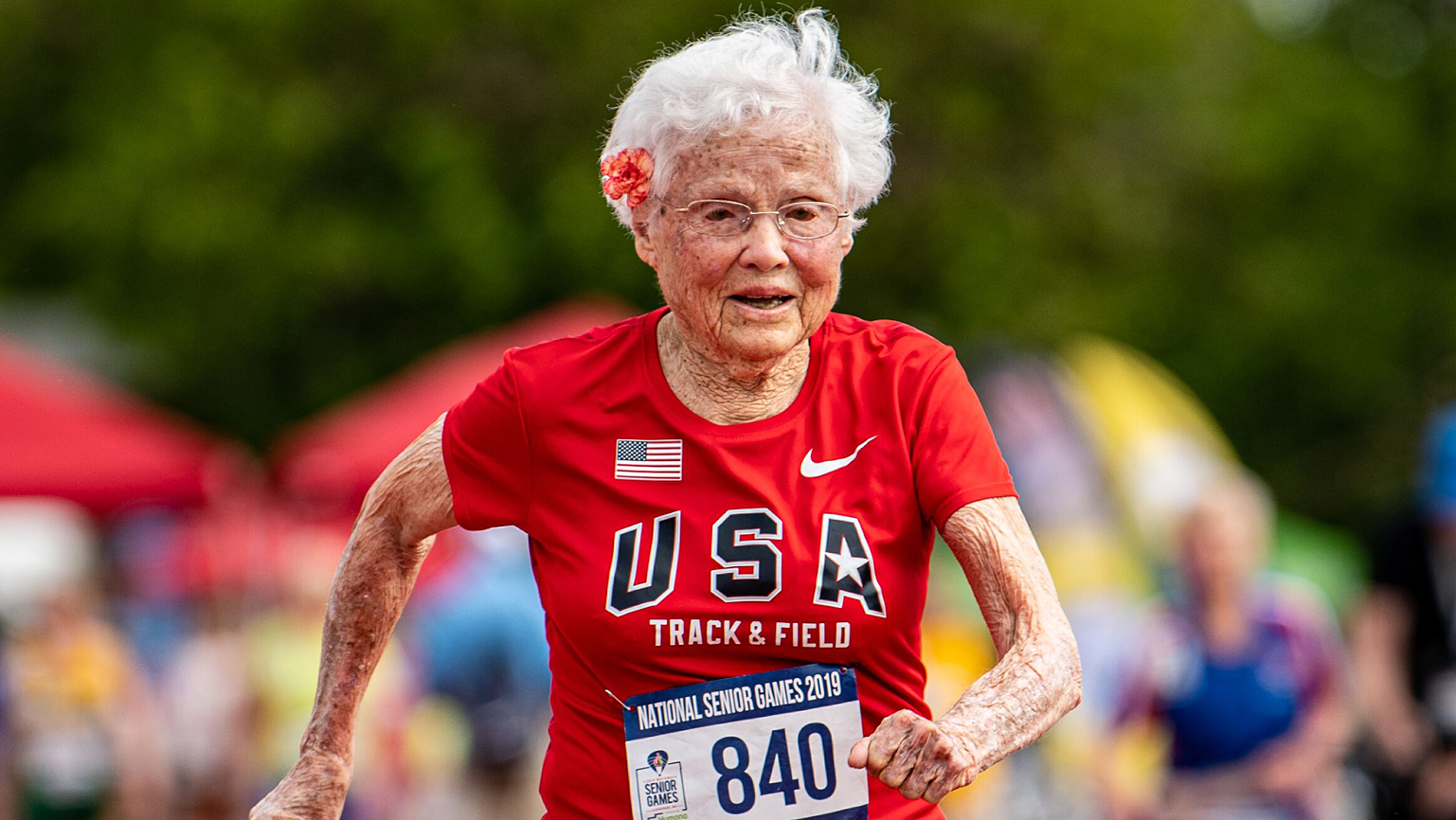
Julia Hawkins has always led an adventure-filled life, which is why the fame she’s gained now—at the ripe age of 103-years-old—seems humorous…and a bit puzzling.

“All kinds of things have happened in my life, besides running and breaking world records,” Hawkins tells Guideposts.org.

Sweet Carolina Mysteries In Article Ad

The records she’s referring to are her recent wins at the 2019 Senior Olympic Games, the biennial competition opened to athletes 50 and older. Hawkins, who’s competed in the games for years, came away with two gold medals after running in the 50- and 100-meter dashes. The Louisiana native had already set world records for the 100- and 60- meter dashes just two years earlier.

It’s a feat made even more impressive once Hawkins reveals that she picked up running just three years ago, at 100 years of age.

Hawkins had competed as a cyclist in the Senior Olympics before changes to the course forced her to step away from the bike. She still loves going for a ride in her downtime, but she wanted to continue to push herself, which is why running caught her eye.

“I thought it was fun,” Hawkins says.  “It was just fabulous to see these men and women exerting themselves, old as they were, keeping trim and keeping going.”

Hawkins credits her physical health to an active lifestyle.

“As you get older, everything gets weaker,” she explains. “I just happen to have pretty good knees and hips from biking and from being active all my life.”

That active life is something Hawkins has been cultivating since her youth. Her parents ran a summer resort on the river, about 60 miles from New Orleans. There, she taught campers how to fish, paddle and swim, eventually managing her own camp, becoming a Girl Scout leader and teaching school once the season ended. She also taught in Honduras one year and spent her free time horseback riding and playing golf. Once she married her late husband—by telephone when he was stationed in Pearl Harbor—the pair traveled together, spending their courtship outdoors before starting a family.

“It’s been an adventurous life and an active one,” Hawkins says. “I’ve been always doing something.”

The secret, for Hawkins at least, has been in finding what she lovingly refers to as “magic moments.” She writes about them in her book, It’s Been Wondrous: The Memoirs of Julia Welles Hawkins.

“It’s [when] you see something or feel something or hear something that affects you very much,” Hawkins explains, citing a compliment from a friend or hearing a beautiful piece of music as two recent personal examples. “Magic moments are still big in my life. There are lots of wonderful things out there and people need to be aware and search them out. They’re there to see.”

For Hawkins, sharing her life story and her formula for living a long, happy life is just a way to keep inspiring people of all ages to pursue their passions, challenge themselves and keep exploring.

“I’m an inspiration to people, and if I’m that, I’m so glad,” Hawkins says. “I feel like, if I’ve done nothing in life, I’ve shown people that you can keep going…even at 103. Don’t give up. Keep them moving.”

Think Positive with the No Complaining Rule

One simple rule is having a big impact.

I didn’t invent the rule. I discovered it—at a small, fast growing, highly successful company that implements simple practices with extraordinary results.

Pray a Day Vol 2 In Article Ad

One day I was having lunch with Dwight Cooper, a tall, thin, mild-mannered former basketball player and coach who had spent the last 10 years building and growing a company he co-founded into one of the leading nurse staffing companies in the world.

Dwight’s company, PPR, was named one of Inc. Magazine‘s Fastest Growing Companies several times but on this day it was named one of the best companies to work for in the country and Dwight was sharing a few reasons why.

Dwight told me of a book he read about dealing with jerks and energy vampires in the work place. But after reading and reflecting on the book he realized that when it comes to building a positive, high performing business there was a much more subtle and far more dangerous problem than jerks. It was complaining and more subtle forms of negativity and he knew he needed a solution.

Dwight compared jerks to a kind of topical skin cancer. They don’t hide. They stand right in front of you and say, “Here I am.” As a result you can easily and quickly remove them. Far more dangerous is the kind of cancer that is subtle and inside your body. It grows hidden beneath the surface, sometimes slow, sometimes fast, but either way if not caught, it eventually spreads to the point where it can and will destroy the body.

Complaining and negativity is this kind of cancer to an individual and organization and Dwight had seen it ruin far too many. He was determined not to become another statistic and The No Complaining Rule was born. 

Despite the name The No Complaining Rule, which is also the title of my new book, the goal is not to eliminate all complaining. Just mindless complaining that negatively impacts our health and performance and sabotages our individual and team success. And the bigger goal is to turn complaints into solutions and positive actions. After all, every complaint represents an opportunity to turn something negative into a positive.

Instead of letting complaining generate negative energy, we can use it for a positive purpose. We can utilize our complaints to move us towards solutions and positive actions.

The key is to determine if a complaint is a mindless complaint or a justified complaint. If it’s a justified complaint then the goal is to think of one or two possible solutions and/or positive actions to address and rectify the complaint.

On the other hand if you are engaging in or dealing with in mindless complaining then you’ll want to try to break the habit ASAP. Start by trying not to complain for one whole day. And then challenge yourself by following my No Complaining Week. Try it and let me know how you did!

Read more stories about positive thinking.

Download your FREE positive thinking ebook!

Think Positive!

I am one of those people who has the tendency to never be satisfied. It is like a disease. When I was in college, I wanted a communications job in New York City. Once I had that job, I wanted to get ahead quickly.

A couple of promotions later, I decided I didn’t like working in Corporate America and started my own marketing business.

Faithful Paws and Purrs In Article Ad

I got that business going fairly easily, but found I was spending too much time attracting and servicing clients and wanted more time to write. Now I write full time, and I miss the daily people interaction!

I inherited this trait from my dad and it’s reinforced by my equally unsatisfied husband. But no matter. The way I’m headed, this will go on and on until I’m dead. And in heaven, no one gives you a gold star because you were successful in a variety of endeavors.

I think that in the end, what really matters is if you were happy or not. And if you’re never satisfied with your lot, it sure is hard to be happy. I’ve asked some people for advice on how to become more satisfied, and here are some of the gems I’ve heard and tried myself:

1. Don’t always “one-up.”
It’s annoying when an acquaintance does it to you in a bar, so don’t do it to yourself. When you meet a goal you worked hard for, take a moment to celebrate the achievement instead of immediately focusing on what you can, or should do next. 

2. Live in the moment.
As Ferris famously said, “Life moves pretty fast. If you don’t stop and look around once in a while, you could miss it.” People who get bogged down in the past or are always looking ahead to the future miss the small joys of life—like eating a perfectly well-done burger or seeing their baby smile—that are right in front of them today. 

3. Find a positive angle.
Everyone experiences setbacks, but be careful not to allow a negative turn of events to color your view of the world. Look for something in the scenario that will help you learn and grow, and focus on that as you weather through. 

4. Look for the good in people.
It’s easy to ruminate on your friends’ and family members’ flaws, as I’m sure there are many of them. But by having unrealistic expectations of what people should do or how they should act, you’re setting yourself up for disappointment. The truth is that most people mean well, even if they screw up every now and then. 

5. Be thankful for the big things.
In my house, we have a tendency to “sweat the small stuff.” But come on. I have a great career, a stable family, a roof over my head, and a healthy body. Do I really need to fret over the fact that Bass didn’t take my expired coupons? 

6. Beware of the “grass is always greener.”
You don’t know the intimate details of other people’s situations, so it’s irrational to be jealous of them. And remember that you can be satisfied without being perfect. Even if you have your dream job or your dream family, you’re bound to have bad days. That doesn’t mean you should overhaul everything because you think you can do better someplace else.

Read more stories about positive thinking.

Download your FREE positive thinking ebook!

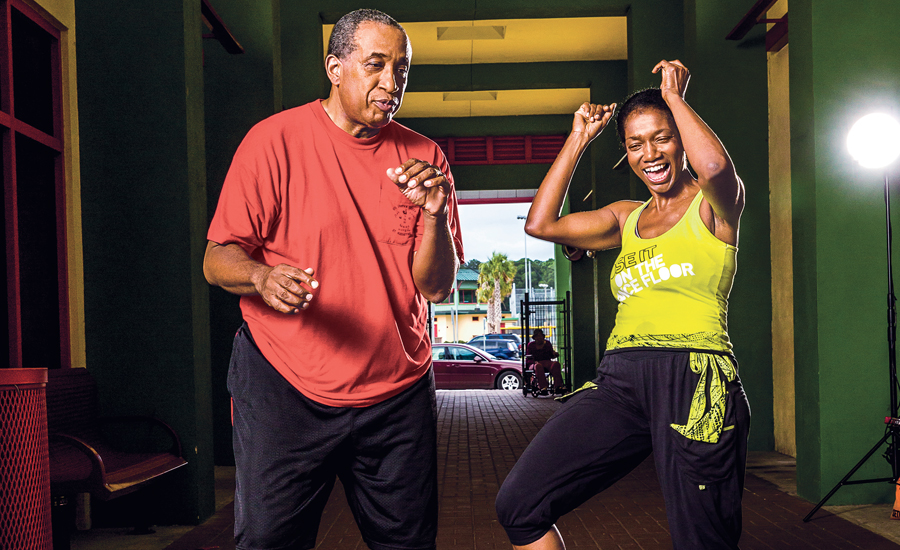
The Zumba Cure

Friday afternoon. the YMCA was packed. At 48, I felt out of place in the sea of twentysomethings working out. I had no intention of joining them. I couldn’t remember the last time I exercised! I was only here to cancel my younger son’s membership.

“He’s off to college next month, so he won’t be around,” I told the trainer at the front desk.

NIVFLB Inarticle ad

“Let me get the paperwork for you,” she said.

I wasn’t sure I was ready for my husband, Thomas, and me to have an empty nest. After 25 years of marriage, we still adored each other, yet our lives had revolved around our two sons for so long that the sparks that once flew between us were just embers now.

Besides, when we weren’t working—I was a college professor, Thomas was the director of the research institute at the state health department—we were busy helping my mother, who was recovering from a stroke, or visiting Thomas’s father at the veterans’ care center with his mother.

Honestly, we could’ve used some stress relief. Like exercise, which was what we’d bonded over when we met in grad school. I had run track in high school, Thomas played basketball, and our dates usually involved getting moving together.

Long walks. Bike rides. Dancing. We could always liven up the dance floor, get any party started.

Even after we married and our boys came along, Thomas and I carved out time to stay fit together. Then, two years ago, Thomas tore up his knee playing basketball. Ever since, we’d both taken it easy on exercise…too easy.

We weren’t into fast food (I’m a vegetarian, and Thomas doesn’t eat red meat), but we’d have big portions or go for an all-you-can-eat brunch after church. And sweets! After a long week, we’d sink into the couch Friday night—and into a tub of ice cream.

No wonder we’d both started to look like the couch. My cholesterol shot up and I needed medication. Thomas had high blood pressure. I knew we needed to make a change, but how?

The Y’s schedule caught my eye. Zumba at 6:00 p.m., Zumba at 8:00 p.m., it read. “What is Zumba?” I asked the trainer when she returned with the forms.

“It’s a high-energy dance-and-fitness class,” she said. “It’s a lot of fun. Check it out!” She pointed to a class where a dozen women swayed in unison to a samba. It’s been a long time since I moved like that, I thought.

“Beginner’s Zumba is tomorrow afternoon,” she said. “You should come.”

“I’ll think about it,” I said. I did, the whole drive home.

“While I was at the Y, I saw this thing called Zumba,” I told Thomas. “It’s a mix of dancing and cardio. There’s a class tomorrow. Want to come with me?”

“Zumba? Isn’t that for ladies?”

The class I’d peeked in on was all women, but I wasn’t about to tell him that. “Remember the fun we used to have dancing at weddings?”

Thomas shrugged. “Gyms aren’t my thing,” he said. “Don’t worry about me, sweetie. I got this.” What he had was a can of salted peanuts. He popped the top. End of discussion.

Fine. I went to the beginner’s Zumba class by myself the next day, almost as if a little voice whispered that I’d be sorry if I didn’t.

“Ready to Zumba?” the instructor shouted over a catchy Latin beat. “Five, six, arms up and kick!” I mimicked her moves. My knees cracked. My calves burned. I breathed hard. But after the first song, I got into a groove.

Our empty-nest blues, our health, our parents—all my worries fell away in a rush of Zumba energy. It was like a door into a whole new part of my life.

Zumba gave me something to focus on after the boys left for college. In a month, I dropped 10 pounds. I showed off some of the moves for Thomas one Saturday night. Maybe I could entice him into doing Zumba with me. “You look great,” he said. “But it’s not for me.”

That’s when my next move came to me: prayer. All my prayers had been focused on our boys and our parents. Somehow I hadn’t prayed for us. Lord, you’ve given me the chance to get healthy, to feel great. I want that for Thomas too. I want us to grow old together. Help me to get him moving again.

Eight months later, I was at Zumba, totally in the zone. As I kicked my left leg, I noticed a pair of men’s dress shoes in the doorway. They looked familiar. I glanced up. I know those khakis, I thought. And that oxford shirt.

There was Thomas, in work clothes. Had something happened to one of our parents? I relaxed when I saw his foot tapping to the beat. Why was he here?

“Come join us!” the instructor called. Thomas shook his head. I felt his gaze on me. Our eyes met. He gave me a slow smile. I smiled back, my cheeks flushing. Fifteen minutes later, he waved and left. “I wish my husband looked at me like that,” one of the ladies said to me.

“It was good to see you,” I told Thomas later.

“I just wanted to see what Zumba was all about,” he said, his tone nonchalant. I didn’t push.

Thomas showed up at my next class. The following one too. Each time, he watched from the sidelines. I have to admit, his admiring gaze made me put extra zing in my moves. Sometimes I felt like I was dancing just for him.

The class after that, I looked to the doorway. No Thomas. The music started and there was a tap on my shoulder.

Thomas…in workout clothes!

I threw my arms around him. Everyone applauded.

From all that watching, Thomas knew the routines. He didn’t miss a step, showing off his silky smooth moves. The ladies were impressed. Me most of all.

Back home, though, I played it cool. I didn’t want to scare him off. “Thanks for coming tonight,” I said. “Did you have fun?”

“I did,” he admitted. “Working up a sweat helped worked off my stress. I feel great!”

“What have I been trying to tell you?” I said, laughing.

“There’s something else,” he said. “I love how you move. You’re really good.”

This time when our eyes met, sparks flew. And they’ve been flying between us ever since.

We’re so into Zumba now that we teach classes together. I’ve lost 40 pounds and Thomas has lost 55. I don’t need my cholesterol medicine anymore. We take better care of our parents now that we’re taking care of ourselves.

God didn’t just get us moving again, he got us moving even closer together. Why else would every night feel like date night?

Download your FREE ebook, The Power of Hope: 7 Inspirational Stories of People Rediscovering Faith, Hope and Love.

The Woman Who Helped Him Achieve His Dreams

WHY NOT?! I must’ve said that a million times growing up. My grandparents raised me in a Philadelphia suburb, and whenever I couldn’t have something I wanted, I’d say, “Why not?!” even though I knew the reason: There was no money for extras. To me, Why not?! were words of complaint. It wasn’t until I met Miz Lane, the schoolteacher across the street, that I learned Why not?! are two of the most powerful words in the English language—the words of possibility.

No one expected me to amount to much. Not my parents, who abandoned my brothers and me. Not my grandparents, who loved us but were too overwhelmed with keeping us fed and clothed to think beyond the basics. Not my teachers, who saw a kid more interested in sports than books. And certainly not me. The only place I didn’t feel lost was the playground. I was small but fast and good at playing ball.

You Got This In Article Ad

My grandparents’ neighborhood was one modest square block in an otherwise affluent area. Miz Lane and her family moved in when I was nine. Her son, Norman, and I were both little and scrawny. People said we looked like brothers. One day Norman and I got into a sandlot fight (the “you’re the new kid on the block” fight). After an unimpressive pugilistic moment (by our neighborhood standards), he asked, “Want to come over for peanut butter and jelly?” I sure did!

The first time I stepped inside the Lanes’ house, I could tell it was different. There was a warmth to it, a warmth I’d never known. And it came from Norman’s mom, Miz Lane. She sat us down and fixed us PB&J sandwiches. I depended on the free lunch program at school, so that was a real treat.

Miz Lane must have sensed that I was hungry for more than food. She asked about me. What was my favorite sport? Did I like to ride bikes? “You come over anytime,” Miz Lane said.

I did, almost every day. Norman got to be my best friend, and the Lanes’ house was my refuge, especially after my grandmother died when I was 10. That summer, Norman went away to camp. I still dropped by. Miz Lane would fix me a snack. I’d help her do the dishes. She’d comb my hair (I was sporting an Afro then). It took a while to work through the kinks, and that’s when we had our best talks. She’d have me read from Miss Manners or the encyclopedia. She never stopped teaching, not even during summer vacation.

One day that fall, I told her, “I’m thinking about trying out for the school play.” Not that there was any chance I’d make it. “Why not?!” Miz Lane said. “You’ll never know how good you are until you try.”

I was stunned. No one had ever had that kind of faith in me before. The next day, I tried out. To my surprise, I landed a role. I raced straight from school to Miz Lane’s. “They chose me!”

“Why not?!” she said. Her smile told me she knew I’d had it in me all along.

“Why not?!” Miz Lane asked when I mentioned learning the cello. “Why not?!” she demanded when she urged me to take college preparatory courses instead of vocational classes. “Get ready for college. Don’t let others define your possibilities.”

Norman and I went away to college. He graduated. I didn’t. Maybe it was because I missed Miz Lane’s daily wisdom. My girlfriend and I had a baby. I dropped out and moved back in with my grandfather. I got a job as a stock boy. At first, I was too embarrassed to visit Miz Lane. I felt I’d let her down.

I’d let myself down too. I wanted to do bigger things. But how? I had no money, no degree, a child to support. All of a sudden, I heard Miz Lane’s voice in my head, clear as a bell: Why not?!

I enlisted in the Air Force and went to tell Miz Lane. “I’m going to make something of myself,” I said. She hugged me. I’d never felt so proud.

The Air Force trained me to be a translator and stationed me in Germany. My secret dream was to play pro soccer. I was a good player, still fast, and I made the Air Force team.

The day before a big playoff game, I got word that Norman died in a car accident. I dedicated the game to my best friend. In the second half I jumped up to kick the ball. I landed funny. My knee buckled. Just like that, my dream was finished.

I went back to Philly for Norman’s funeral on crutches. Soon as Miz Lane saw me, she cried, “From now on, you’re my son.”

It was a responsibility I had to live up to. “I’d like to stay in sports, go back to school to study athletic training,” I said. Guess what Miz Lane said. “Why not?!”

At St. Joseph’s University I was the head athletic trainer by day and a student by night. At graduation, Miz Lane’s smile told me again: I knew you had it in you.

I got a job as the Philadelphia 76ers head athletic trainer. A few years later I landed an executive position with Nike. I thought I’d hit the jackpot. So I was taken aback when Miz Lane said, “I know there’s something bigger waiting for you.”

“How do you know that?” I asked.

“Your story is an inspiration to everyone in this neighborhood,” she said. “You need to write a book to show other people how they can do what you did.”

“I can’t write a book!”

“Why not?!” Miz Lane said. And as usual, she was right.

In 2005 I wrote Rules of the Red Rubber Ball, a book about finding and following your dreams. Now I travel the world, talking to business groups and most importantly, to kids. If I could make something of myself, I tell them, they can too. It’s my way of following in the footsteps of the best teacher I ever had. Why not?!