Embrace God's truth with our new book, The Lies that Bind

The Angel of Persistent Prayer

Just yesterday, it seemed, I was a new mother, but here I was expecting my first grandchild. I was lucky my daughter, Shayne, and her husband, Shawn, lived close by. I didn’t want to miss a second of watching their child grow up.

That got me to thinking seriously about retiring from my job as an art teacher. I was at an age when retirement was an option, and I’d toyed with the idea before. At the dinner table one night, I raised the issue with my husband.

NIVFLB Inarticle ad

“We can afford to live on one salary,” I said to Buz, “but Shayne and Shawn need both their jobs to support their young family, now more than ever.”

What a help it would be if I watched the baby while they worked. Plus, it would give me a chance to be really close to my first grandchild. That’s what I wanted more than anything else.

“Sounds like you’ve already made up your mind,” Buz said.

Buz was right. It was what I wanted now. Trouble was, I didn’t know if I’d regret my decision later on. And then where would I be? In bed that night, I asked God to give me a sign. Just so I know retirement’s right for me, I prayed.

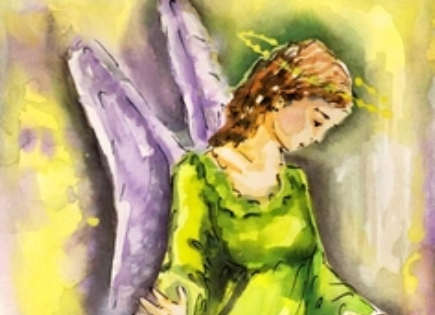
I knew if I put my trust in God, he would help me. I’d learned that at an early age. My mother drilled it into my head by telling me a fanciful story: A little angel heard a lady praying for a baby with curly red hair. The angel knew this baby was going to have brown hair, straight as a poker.

However, the angel had curly red hair, and that gave her an idea. “Please, God,” she prayed, “let me trade my hair for the baby’s.”

“That mother will love her baby no matter what color hair she has,” came God’s reply. But the little angel was very persistent. Every day she prayed and asked God to answer her request.

Finally the baby was born, with a shiny red curl right in the middle of her forehead. “God hears my every prayer!” the mother exclaimed. The little angel looked down from heaven with straight brown hair, and smiled.

“That story says everything I need to know about prayer,” Mom used to say. “If you’re patient and persistent, like the angel, God won’t let you down. If you ever doubt that, just think of that redheaded baby.”

I held the image of the little angel in my mind until I drifted off to sleep. Morning, noon and night of every day I prayed for my sign. Did God hear me?

I was still waffling the night Shawn called to say the baby was on the way. Buz and I hurried to the hospital. Buz thumbed through magazines on the waiting room coffee table. I was too anxious to do anything but pray.

God, watch over Shayne and my new grand-baby, and remember, I’m still asking for my sign.

The first rays of morning light were peeking through the window when Shawn burst in with the news. “It’s a girl!”

We all tiptoed into Shayne’s room. She looked beautiful, cradling her newborn. “Congratulations, honey,” I said, nearly bursting with pride.

Everything I’d worried over, my doubts and second thoughts and what-ifs, all dissolved in this perfect moment. I knew with complete clarity what I wanted to do. I wanted to have a hand in raising this baby, and I knew that I would never regret my decision to retire.

Maybe the school would let me work with the new teacher on a casual basis. Suddenly everything didn’t seem so black and white. I could think creatively about my new life. After all, I was an art teacher! Everything would fall into place. I was sure of it.

Guess I didn’t need that sign I’d prayed so hard for, after all. All I needed was one look at this baby named Lily.

I leaned in close. Tiny nose, pink lips, delicate skin, her eyes squeezed shut. I peeled back the blanket that covered her perfectly round head-what was this? A silky red curl! We had no redheads on our side. “Does this red hair come from you?” I said to Shawn.

He shook his head. “Nope,” he said. “Lord knows how she got it.”

The Lord did know, and so did I. He hears my every prayer.

The Angel in the Woods That Saved Her Son from Addiction

It was 2:45 a.m. according to the clock radio on my night table. I strained my ears for the sound of my son David’s car pulling up to the house, but heard nothing. Will this be the night he doesn’t make it home at all?

Of my five children David had always attracted the most trouble. At two he pulled a dresser over on himself trying to climb it. At six he barely missed being hit by a car while he was riding his bike.

GP In Article Desktop

“His guardian angel sure gets a workout,” my husband, Jeff, and I used to say.

David was 19 now, and finding more trouble than even his guardian angel could handle. He went around with a bad crowd whose main source of fun was drinking and doing drugs, and David was all too happy to join them. It looked like David’s guardian angel had given up on guiding him. So have I, I thought, staring up at the ceiling.

Jeff and I had tried everything to get David to turn his life around. Ultimatums, punishments, pleading. David had promised us a dozen times to change his life.

“I’ve really learned my lesson,” he’d said six months before. That was after spending a night in jail. He’d been drinking and a policeman found him sleeping it off in his car by the side of the road. He’d charged David with intent to drive under the influence of alcohol.

“I see where my life is heading,” David told us when we got him home. “No more drugs and no more drinking from now on.”

But the next night he went out to meet his friends again. “I’m not going to do anything,” he assured us as he pulled on his coat. “I’m just going to hang out. If anybody offers me drugs I’ll just say no.”

I wasn’t surprised when he came home high again the next morning. David couldn’t even admit he had a problem, much less ask for the help he needed to fix it. The words came easy enough, but he wasn’t ready to make the kind of changes in his life necessary to give up drugs. For the kind of friends he had now, getting together was just an excuse to get high, and I no longer believed David’s promises about a new start. Lord, David doesn’t want my help–or yours. But could you keep his guardian angel close?

I heard a car outside and sat up in bed. The front door opened and David’s footsteps sounded on the stairs outside my bedroom. Thank you, God, for bringing him home safe one more night! I pulled on my robe and went to David’s room.

“Are you all right?” I asked from the doorway. “It’s very late.”

David blinked up at me. There was something different about him, but I couldn’t put my finger on what it was. It must be the drugs, I thought.

“Mom,” David said. “An angel drove me home from the party tonight. I swear.”

“An angel?” I said. Yes, definitely drugs. I was familiar with their effects by now.

“I went to a party out in the woods,” David said. “I was high. I started to hallucinate. I thought there were spiders crawling all over my skin.”

I shuddered.

“I knew I had to get out of there, but I wasn’t fit to drive. My car was parked on the street. Remember how you and Dad used to say I had a guardian angel? I asked God to send him to help me get home.” He frowned, as if he were trying to remember what happened.

“I must have tried to drive, but it wasn’t me at the wheel, Mom. I swear I was in the passenger seat. An angel was behind the wheel!”

I walked into the room and sat down next to him. He was my son, and I loved him no matter what. Even if I hated seeing him like this. “It’s okay now. You’re home. You’re safe.”

“The next thing I knew we were parked in front of the house. Mom, God sent me an angel. I’m done messing up. I’m going to change.”

“Okay,” I said, but how many times had I heard this same speech from David? He would promise to try harder to stay away from drugs and alcohol, but he wouldn’t really make a change. “Get some sleep now.”

The next day I told Jeff about David’s angel story. “He must have still been hallucinating,” I said. David’s angel was no more real than his promises. It was all just a fantasy brought on by the drugs. “I’m just glad he didn’t get hurt. Or hurt anyone else.”

The phone rang and my daughter answered it. “David,” she called. “It’s your friend on the phone!”

David came into the kitchen. He looked at the phone and shook his head. “Tell him I can’t talk to him,” he said.

Jeff and I looked at each other in surprise. David never refused friends’ calls.

“I can’t be with those guys anymore,” David said. “If I hang with them I’ll just do what I always do.” He sat down at the table between his dad and me. “I meant what I said last night,” he said. “I really want to change. But I don’t think I can do it alone. I need help.”

I grabbed David’s hand tightly in my own. “David, we want to help you. If only you would really let us.”

That night David stayed at home. And the next night. And the rest of the week. Every evening I expected to see him pulling on his jacket to meet his friends, but he continued to refuse their phone calls. Don’t let yourself believe it, I thought as I went to bed one night, grateful that David was in his own room. Sooner or later he’ll go back to his old ways. He always does.

Months went by and David stayed away from drugs. I knew that for sure, because he never left the house without one of us with him. “Just in case I’m tempted to get in touch with my friends,” he’d explained. He even agreed to attend family counseling sessions and talk about his struggle to our pastor.

“Did David tell you about the angel?” I asked the pastor one Sunday.

“Yes, he insists he was driven home that night. He wasn’t behind the wheel.”

“He was hallucinating from the drugs,” I said. “He doesn’t remember driving himself home.”

“I don’t think it matters if it’s true or not,” the pastor said. “David draws a lot of strength to fight his addiction from thinking God sent him an angel. Who are we to tell him it didn’t happen?”

A few weeks later I was at the supermarket picking up things for dinner. Just knowing David would be joining the family around the table made my shopping more enjoyable. I should enjoy it while it lasts, I thought as I got up to the cash register. The man behind me in line helped me unload my cart onto the conveyer belt.

“David seems to be doing a lot better,” the man said.

“Oh, do you know my son?”

“I live in town,” the man said. “One night several months ago my car broke down up there in the woods. I couldn’t get any phone reception. I asked God to send an angel to help me and began walking. About five minutes later David crashed out of the trees. I recognized him, although he was very distraught; He was yelling about spiders crawling all over him. He handed me his keys and begged me to drive him home. To tell the truth I was a little afraid of him in that state,” the man said, “but I knew if it were my son I’d want him home safe.”

I stared at him. “You drove David home?”

“Yup. I watched him get inside safely and used my cell to get a ride home myself. David sure wasn’t the angel I expected that night, but he was a lifesaver. My wife and I have been praying for him ever since.”

So David’s angel was real, all this time, I thought as I drove home from the store. He wasn’t a hallucination or one of David’s stories. God had answered David’s prayer, why couldn’t he have answered my own? I believed in David’s angel. I believed God was helping him. And now, finally, I believed David had left drugs behind him forever.

Excerpted from A Procession of Angels.

This story first appeared in the May 2008 issue of Angels on Earth magazine.

The Amazing Way This Couple Beat Cancer Together

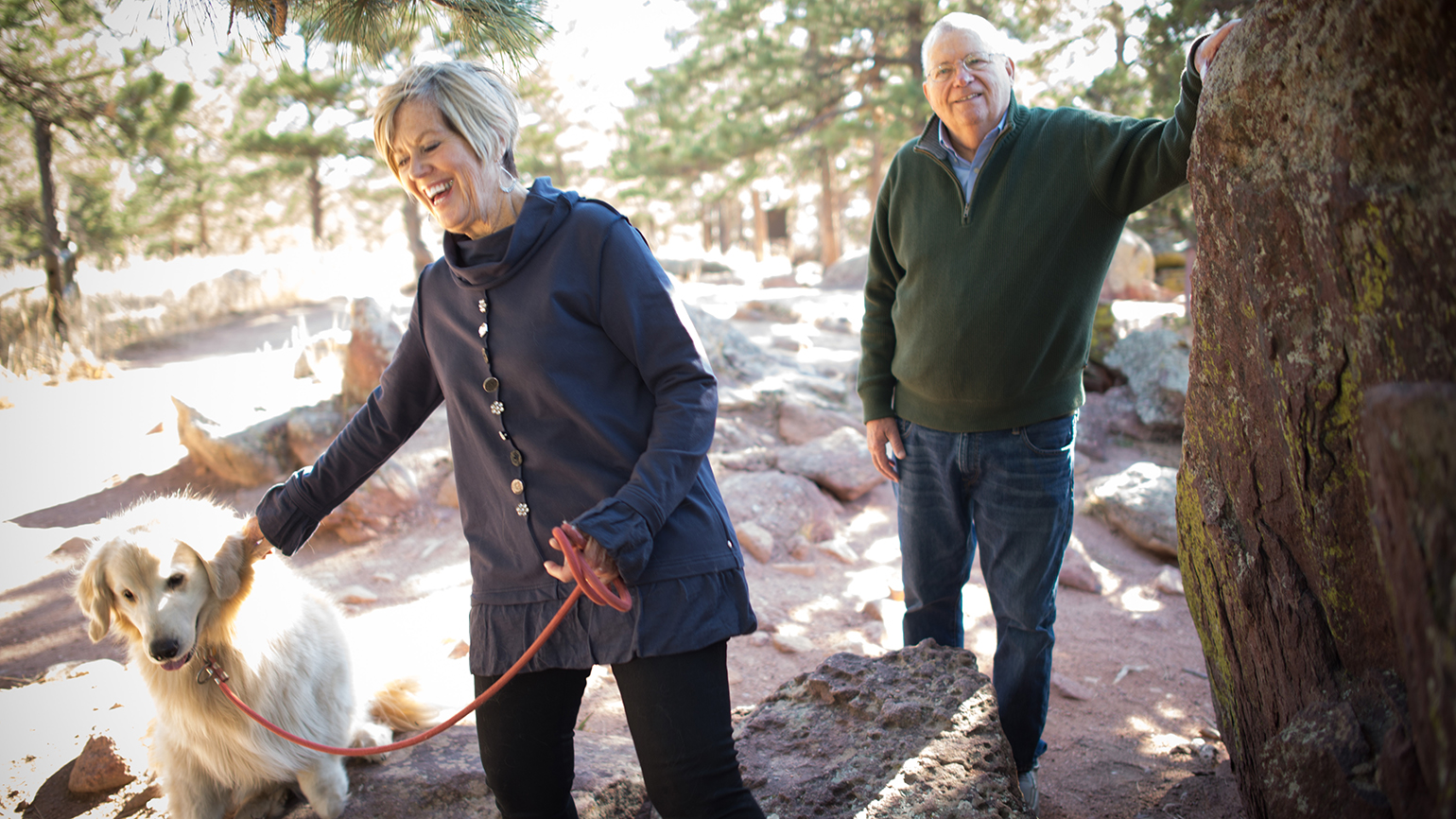
Eleven years ago, my doctor gave me a death sentence. Incredibly, at almost the same time, my husband got similar news.

I’d recently turned 60. Lynn was 62. We’d thought we were just hitting our prime. The best decade of our lives. Wasn’t 60 was supposed to be the new 40, or something like that? Then both of us were diagnosed with advanced cancer—Lynn with a malignant brain tumor; me, six weeks later, with Stage 4 ovarian cancer.

Pray a Day Vol 2 In Article Ad

I asked the oncologist to give it to me straight: How long did I have? Two years. That was her answer. I tried to process the shocking prediction: I could be dead in two years.

Start each day with encouragement for your soul. Order Mornings with Jesus 2019

Well, I wasn’t. I didn’t die. But it was when Lynn and I thought we might be dying that we learned how to live with intent. To make each day matter. To embrace the moment.

What does it mean to live intentionally? Here is some of what we learned:

Be Present
I’m not going to sugarcoat it. Chemo was draining, physically and spiritually. My first instinct was to retreat to the safety and privacy of home, where I could be at my weakest and most vulnerable. My hair was falling out. I had no energy. I couldn’t go to work or take a hike in the mountains around our Colorado home. I couldn’t even bring myself to go to church.

What would I say when everyone asked how Lynn and I were doing? They wouldn’t want to hear that we were feeling discouraged, afraid and overwhelmed any more than I wanted to hear well-meaning suggestions about special diets or miracle supplements that would cure us.

One day our pastor stopped by and I admitted that I’d let my world grow small. “I feel safer at home, where I don’t have to answer any questions.”

He paused and then said, “Remember, just by showing up you encourage others. You don’t have to say anything. They see you and they see your strength. I call it the gift of presence.”

I didn’t understand what he meant until Lynn and I finally did make it back to church. The first time, we left before the service was over so we could avoid conversations. That afternoon I got an e-mail: “You blessed me because you came to church.” By midweek I’d received half a dozen cards saying the same thing. That response gave us the motivation to keep going back. And sometimes the courage to stay and talk to people.

READ MORE: FAITH OVER FEAR IN THE BATTLE AGAINST CANCER

Every three weeks I had to spend a day at the infusion center receiving chemo. Instead of resenting chemo, with all its negative side effects, I decided to be fully present and to “lean into” the experience. I imagined chemo as my friend, not my enemy. It was on my team, and together we were fighting cancer.

Lynn and I were also present for each other. Driving together to our medical appointments (there were dozens of them) and our treatments. Lying in bed, recuperating from chemo (Lynn underwent radiation as well), sometimes too weak to move. We’d jokingly argue about who was the sickest and who should get up and let our old Labrador out. Even who would die first.

Grim, I know, but why not make a joke about what we each knew the other was thinking? Humor can soften reality, and we needed that. Sometimes Lynn would leave me tender notes: “Thanks for all the things you do for me that are seen and unseen,” he wrote. “You are such a good grandmother. Your grandgirls will always remember Oma.”

But it was the many times when we didn’t talk or didn’t try to make light of our situation that meant the most to me. The silence was a communion. We each understood what the other was going through and there was nothing that needed to be said. It was enough to know that we were there for each other, as we’d been for more than 40 years of marriage.

Be Open to the Possibilities
I was diagnosed in December 2005. At the beginning of the New Year I sat at my desk looking at my 2006 calendar with all its blank squares, knowing that the only things I’d be filling in were chemo appointments and doctor’s visits. Was that all I had to look forward to?

My life used to be full of activity, of meaning. There was my job writing and teaching for MOPS, an international faith-based network of moms’ groups. I went for bike rides and long walks with friends, took aerobics classes. Lynn was a lawyer, a partner at his firm. We were active in our church.

READ MORE: 7 ENCOURAGING SCRIPTURES FOR LIVING WITH CANCER

Now it was as if all that had been erased, as if I were on the edge of a precipice staring into a deep, dark void. Two years. That’s what the doctors said.

When someone from church visited one day, I told him how depressing it was to see all those empty squares on the calendar.

“Don’t think of the days ahead as empty. Think of them as open,” he advised me. “Be open to the possibilities. Possibilities that your circumstances might hold more than what you see right now.”

What possibilities, I wondered. Yet a few days later, Lynn woke up early and, while it took him longer than usual to get ready, he went to work. And the day after that he did it again.

I wondered how he had the energy. Then it hit me: This was his way of living intentionally. His work made him feel fulfilled and renewed and purposeful. I loved my job, but I could no longer handle the responsibilities and the 45-minute commute to the Denver headquarters of MOPS. Instead I offered to babysit our grandgirls on the days I felt strong enough.

I dug out a box of dressup clothes. “Look, Oma!” one of my granddaughters said, twirling around. “I’m Cindewella!” We danced. We sang. I hosted tea parties for various “pwincesses,” and we sat at the kitchen counter eating bowls of ice cream together because ice cream always made me feel better. On those nights, I fell into bed exhausted but happy.

From then on, I pushed myself to do something meaningful, something life-affirming, every day. It didn’t have to be big. I played with the grands every chance I got. Other days it was just walking the dog, taking my time to delight in everything the way he did—sniffing the fresh air, even walking through mud puddles. I stayed in the moment, day by day.

READ MORE: STAYING HOPEFUL THROUGH CANCER

Be With Others
Living intentionally means making choices to do what matters most. For us, that meant spending time with the people who matter most. Even at the expense of fatigue sometimes. Showing up at a grandchild’s preschool party. Going for a walk with a friend, just to listen. Attending a funeral not because I knew the deceased but because I knew her daughter. Being in relationships means being inconvenienced sometimes.

We looked for ways to celebrate with others. We attended our granddaughter’s baptism in Denver. I really didn’t feel up to it that day, but I forced myself to go. Sunlight streamed into the church as the minister sprinkled the water, casting such a glow over the baby that I caught my breath with the joy and wonder of celebrating new life!

Lynn and I hosted family dinners more often. No special occasion necessary. No heavy discussions. Just laidback meals and conversation, a time to be together around a table.

Our children gave us a spontaneous fortieth-anniversary party, pulling it off in just a few days. More than 40 people showed up to create a great memory. We ended our first year of treatment around Christmas. Our kids celebrated the milestone with a family “chem-over” party and gave us a golden retriever puppy I named Kemo because of my decision to make chemo my friend.

Be Optimistic
We chose to look at our future with hope. Lynn and I weren’t sure we had a lot of time left but, oddly, we had lots of time on our hands. People don’t ask you to serve on committees or attend meetings when they think you’re dying. So we made a bucket list. Things we wanted to do. Things we wanted to live for.

Lynn wanted to go to Alaska. I wanted to visit New York City at Christmastime. We’d lost a golden retriever not long before we got sick. I wanted one more golden to love. That was Kemo. And there was one more thing we both wanted: to see our daughter Kendall, who’d had three miscarriages, become a mother.

READ MORE: SEUN ADEBIYI LIVING ‘BREATH TO BREATH’

My focus was on living one day at a time. But in accepting that I couldn’t control when I would die, that only God numbers my days, I found a freedom I wouldn’t have known otherwise. A chance to imagine a future for myself. Others helped me do that.

The fall after I was diagnosed, a few friends came over to the house and planted some bulbs in the yard as a sign of faith that I would see them bloom in the spring. They knew that I was afraid to hope at the time. Spring would come three to four months after I had finished chemo, which is often when a cancer recurs.

In the spring of 2007, my scans were clear, and the tulips and daffodils my friends had planted burst into view. How to be optimistic when you might not have long to live? Be open to God’s promise to grow good things in hard places. Be open to discovering new hope. To having a future.

Believe
One summer morning, our daughter Kendall came over and plunked a sign down on our kitchen counter. In big letters it read: BELIEVE.

“Mom, you and Dad just have to believe,” she said.

I looked at the sign, at the word I’d read and written and spoken so many times. And for the first time I saw lie tucked into the middle of it. How often had I focused on a lie rather than believing the truth of God’s promises?

We hung the sign above the kitchen sink. I saw it every day, and every day it reminded me that faith overcomes the fearful lies that distract me. Slowly, an odd peace came over me, a trust that God would provide and prepare Lynn and me for our future, regardless of the outcome.

READ MORE: CANCER SURVIVOR SHARES WORDS THAT INSPIRED HER

Eleven years after that initial diagnosis, we’ve crossed off all the items on our bucket list. Alaska. Christmastime in New York. Our dog Kemo is now a distinguished older golden. Our daughter Kendall is the mother of three, bringing us to a total of 10 grandchildren, a constant source of joy and wonder.

Lynn had a recurrence of his brain tumor and went back on treatment. He had to retire from his legal practice, but is done with treatment once again. I have had no relapses.

We don’t need a bucket list anymore. We’re now on what I call our Divine Detour, using what we learned in one season of our lives to carry out God’s purposes for us in the next. You could say it took a death sentence to teach us how to live with intent.

We’ve held on to that habit. We exercise regularly to keep our strength up for doing what matters most. We love to spend time in the mountains near our home, especially with our children and grandchildren. Lynn is a hospice volunteer and serves as a Stephen minister at church. I mentor mothers through MOPS, and I walk alongside people who have been diagnosed with cancer.

I’ve come to see this as my new purpose, the reason I’m still here—to encourage others living with cancer. Only God knows when our journeys will end. Everything between now and then is a world of possibilities that we are put here to help each other discover.

Did you enjoy this story? Subscribe to Guideposts magazine.

The Aim of Being Aimless

Back in March, I blogged about one of my “Secret Spaces” in New York City, Highland Park, a hidden gem on the boarder of Queens and Brooklyn. My wandering walks there always brought me peace and solace, and I would leave feeling a greater sense of connection to the world. These walks were powerful spiritual experiences.

Since I moved away from the park, I’ve kept up my long walks—I get out of the train a subway stop earlier and walk an extra 20 minutes home, or walk a half hour to a friend’s house instead of taking a cab—but they haven’t felt as fulfilling. It wasn’t until a recent article in the health section of the Washington Post covering a new form of therapy that I realized why.

Pause & Pray In Article Ad

Read More: Traveling the World with Guideposts

According to science writer Meeri Kim, Shinrin-yoku, or “forest bathing,” is poised to be “the new yoga” in the West. The practice entails going on guided tours of beautiful forests, not to identify wildlife or hike to a set destination, but to slow down and take everything in.

Studies both here and in Japan cited by Kim show that taking the time to wander in nature has enormous benefits: lower stress, lower blood pressure, improved cognition, reduced negative rumination, and so on. One study conducted in Japan even showed that participants who took a three-day forest walk showed a 50% increase in white bloods cells responsible for fighting cancer.

In forest bathing, you purposefully set aside time to be purposeless. That’s what I had been doing. My walks now? No longer aimless. I was headed somewhere—home, my friend’s house—instead of being somewhere.

So I returned to Highland Park, which is now lush and green.

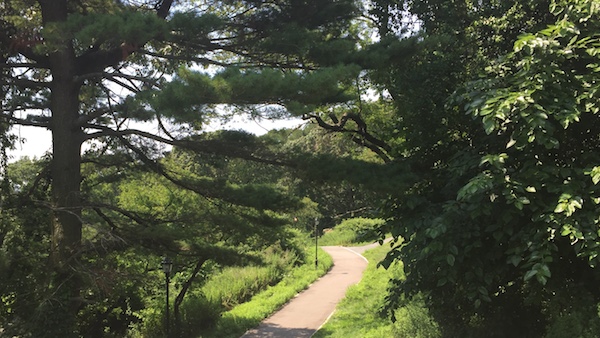
Walking in Highland Park in Queens, New York.

I stopped midway through my walk and sat on a bench. There, I looked at a tree in front of me, for five or ten minutes, and noted every detail–how the branches swayed with the wind, the color of the bark, the sky which made its backdrop. This process transformed the tree into an object of awe and helped rid me of my anxieties about the things I needed to do.

When I set out back home, a state of calm came had over me that I had forgotten I could attain. It even lingered into the rest of the week. I realized, reflecting on my walk, that while spiritual experiences are often intuitive and spontaneous, I still needed this deliberate time.

And you know what? The more disciplined I am about my weekly walks, the more often I notice myself feeling calm and peaceful just walking outside my apartment, or even outside the Guideposts office in the busy New York City financial district. By reminding myself to be aimless once a week, a little bit of peace seeps into the rest of my life.

One Man’s Journey to Sobriety

Hi, Guideposts. I’m Gerry Sowards. I’ve been clean and sober for three years. Everything started from where I used to work at the cemetery. I was digging graves there. And I actually buried a friend of mine’s daughter, which was a very young girl. She was, maybe, in her mid-20s, maybe a little older.

That one, right there, really touched me. I mean, it’s touching to hear stories of other people that you see die or pass as a direct result of addiction. But it never really hits home ’til it’s somebody that’s dear and close to you.

Witnessing Heaven In Article Ad 827x123

Even before I went to rehab, I knew that I wanted to change my life. But when I went to rehab, they started to teach me to fit in society, to be normal again. I almost always say it like a computer, they kind of wiped my hard drive clean, and reprogrammed me, and made me new again.

And then that was a big stepping stone for me. But the biggest stepping stone was when I met God. I had a spiritual connection with God and realized how much that God is sparing me. Because when I got clean, the day before I got clean, that’s what happened. I was on a riverbank, homeless. And I was just at the bitter end.

And I asked God for mercy. I got on my knees. And I meant it with my whole heart. And the very next day is when I ran into Sassy, a friend of mine. She was like, “Hey, you’ve already avoided the liquor store this long. Why not go to a meeting with me, an AA meeting? And if you don’t like what they got to say, heck, I’ll buy you a drink.”

So I go to the AA meeting. And they just spoke fire on me. I mean, everything they said just really hit home. And I was, like—man, I was inspired. Their testimonies were inspiring to me.

And then we got done with the meeting. She said, “So, how do you feel now? Do you still want to go have a drink?” And I said no. I was, like, “I’m not sure what to do now.” She was, like, “Well, I’ve got a little experience in recovery. So why don’t you just listen to me?”

And I did the five-day detox. And so I went up there to Pine Crest, did the 28-day. I graduated the program. I got my certificate. I think I was out for two days, and had a job. Because I knew, right from the start, that the idle time…I got in my head a lot. And I’ve always been told, idle time does the devil’s work.

I’ve already been to jail. I’ve already done the institutions. I’ve already hit my rock bottom. So the only thing left for me was death. That was the only thing left. Because if that’s what it took for me to find God, that was the important part to me, you know? Because, in this life, the real blessings come from above.

Don’t think that addiction has to be the end of your story. Because it can be the beginning of your recovery if you allow it to be. And don’t let people tell you you’re less than. Because I’m telling you, I lived on them cold streets, on the river bank, for multiple years. And that wasn’t the end of my story. And if I can do it, if I can give my life to God and change my life, God will give you the confidence you need.

And mainly, do it for yourself. You can choose. You don’t have to be like that. You don’t have to be homeless. And you don’t have to live a life of addiction. You can be normal. You just have to want it with your whole heart. Just give it to God with your whole heart. I’m living proof. Any time you look in the mirror and you think you’re too far gone, just read my story. And it speaks for itself.

The 7 Most Important Decisions of Your Life

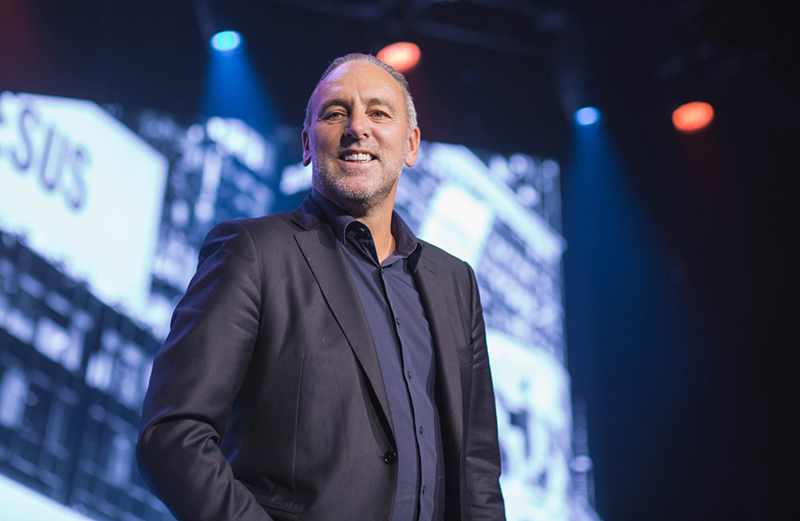
At Madison Square Garden in New York City last week, international megachurch Hillsong held its 2014 stateside conference, a gathering meant to inspire and empower the local and global Church. During the event, founding pastor Brian Houston spoke about the generational impact our decisions can have. Far too often, Houston says, Christians make choices mistakenly believing that the consequences for those choices are small or only affect the self, when in fact, the consequences can ripple on endlessly, trickling down to children and grandchildren and so on, long after we are gone.

The good news is that we can make choices that will positively impact people in the present as well as the generations to come. Here are what Pastor Houston calls the seven most important decisions you’ll ever make, and how to make them wisely.

Go For It In Article Ad

1) Whom you marry. After salvation, Pastor Houston says the most important decision you will ever make will be the person you choose to partner with for life. That person can build you up or break you down, cause you, your children and extended family and friends pain and suffering, or love and joy. When deciding whom to marry, Pastor Houston says, “Find someone with spiritual passion, who loves Jesus more than you, whose dreams and goals compliment your dreams and goals, and who is consistent.

“Find someone who knows who they are, what they’re about and where they’re going,” Pastor Houston says. And just as important, “Find someone who can make you laugh.”

2) With whom you associate. 1 Corinthians 15:33 says, “Do not be misled: bad company corrupts good character.” That goes for spouses as well as friends, business associates and anyone you keep in your circle. And 2 Thessalonians 3:6 warns against associating with “idle” believers, ones who profess Christ but are not dedicated to living a life which reflects Christ. Be vigilante when deciding who your friends are and with whom you will form working relationships.

3) Where you live. Too many people make decisions on where to live thinking only of what their present situation is. Pastor Houston says not to underestimate the importance of building a community and the power of being connected to an incredible local church. Where you live might help you now, but will it take you where you need to go?  “Are you living for comfort or calling? [Your] calling [from God] has to be more important than your comfort.” So make decisions on where you will live and build roots based on what your calling is.

4) What to do. Unfortunately, Pastor Houston says, we often live within the sphere of what our limitations are instead of the limitless sphere of the almighty God who created us with and for a purpose. When deciding what to do, or what you’re “supposed” to do with your life, Pastor Houston says to pay attention to what you’re good at. “When God graces you to be good at something, use whatever God’s put into your hand to do what God has placed in your heart. When you’re doing “what God graces you to do,” you will liberate generations to walk in their purpose, as well.

So don’t fantasize about what someone else is able to do. Admire it, respect it, but don’t be envious of it. Remember: “God didn’t make you one way to use you another way.”

5) When to do it. Just as critical as deciding what to do is knowing when to do it. Ultimately, you could be doing the right thing, in the right place, with the right people, but wind up doing it at the wrong time, and your efforts will fail and have a negative generational impact. When there is synergy, however, and you’re doing the right thing, in the right place, with the right people, at the right time, you’ll see a positive impact on the world around you for generations to come. When making the decision about when to act, pray without ceasing, read the Bible, and speak with godly counselors to help you make the best decision.

6) Why you’re doing it. What’s your motivation for the things you’re doing?  Pastor Houston warns against doing the “all the right things for all the wrong reasons,” like wanting to prove someone wrong or wanting to be famous.” These are not good motivations, and they’ll only lead to feeding your own insecurities. You can end up with massive fame but be filled with massive emptiness, like so many celebrities. Instead, focus all of your energy on doing what is pleasing to God for the overarching purpose of pleasing God.

7) What you wish for. Pastor Houston reminds us that God once asked Solomon the simple question: “What do you want for yourself?” Solomon answered: the wisdom to lead your people. Not surprisingly, God gave Solomon wisdom and everything else his heart desired. It’s the simple truth of Matthew 6:33, “But seek first the kingdom of God, and all things will be added unto you.”

What you wish for yourself ought to be in line with God’s will. You’ll know your desires are in line with God’s will when you don’t have to chase after anything you want, besides Him. If you seek Him, blessings will chase you down and overtake you, just by your obedience to God. Pastor Houston says:

“Just make the choice that what you want ultimately is the grace and wisdom to do what God created you to do.”

The 77-Year-Old Breast Cancer Survivor Who Biked Across the Country

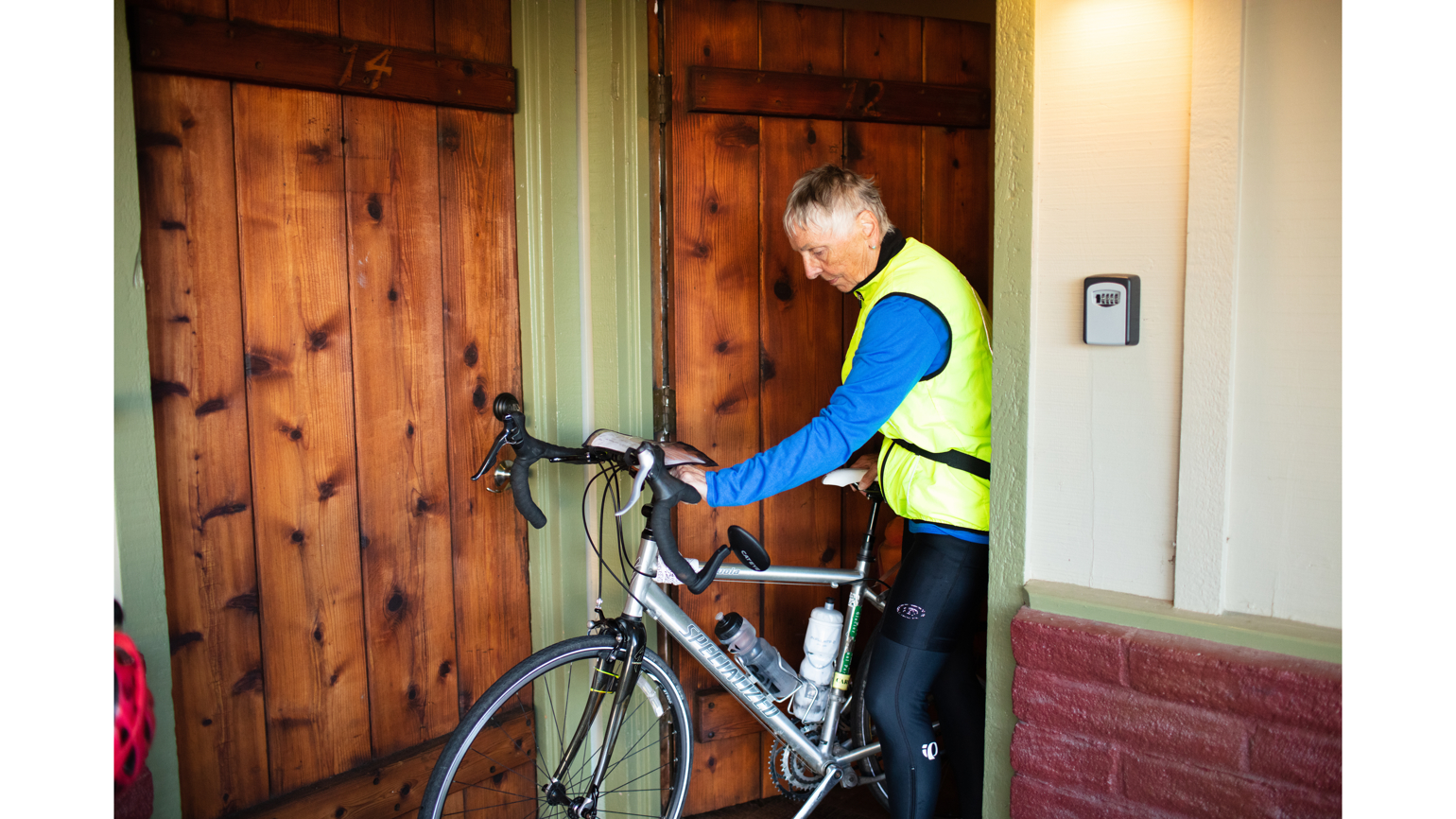
Carol Zemola Garsee and a group of friends set out to bike from Florida to California in February 2019. She was the oldest woman embarking on the long journey, riding 50 to 80 miles a day for 65 days. Carol shared with Guideposts the highlights of her final riding day in San Diego.

That First Step of Faith

I thought about something today that had never entered my mind before. The word “ear” is part of the word “fear.” Let me explain why I think that’s important…

Have you ever had God place a dream on your heart? Something He wants you to do that’s out of your comfort zone or something so crazy that it seems impossible?

Mys of Blackberry Valley In Article Ad

I have, and you know what Satan does to me immediately? He starts whispering in my ear, planting fear and doubts, telling me there’s no way those things will ever happen. Can any of you relate?

You see, if he can plant enough fear in us, it defeats us from accomplishing the tasks God has for us to do. Satan works to get our eyes on the impossibilities of what God’s called us to do instead of on the possibilities of what God can do for and through us.     

God has a unique plan for each of our lives, a plan that nobody else can accomplish. My friend McNair Wilson was a Disney Imagineer, and I love what he says, “God put you here to do youand if you don’t do you, who will? If you don’t do you, you won’t get done, and the worldCreationwill be incomplete.”

I don’t want to get to the end of my life and hear God say, “I gave you so many gifts and talents. I had so much I wanted you to do. I would have opened doors for you! I would have equipped you with everything you needed—but you let fear win out and you never took that first step on the journey.”

You know what I think is one of the most important things we can do to reach those dreams God has for us? Take that first step of faith.

Noah took that first step when he started building an ark to survive the floodand they’d never even seen rain. Can you imagine how crazy that must have seemed to everyone? But God had a plan for Noah’s life.

David was just a young lad when he faced Goliath. But he would never have slayed that giant if he hadn’t taken that first step of faith and walked out to face him.

Abraham took that first step of faith when God told him to travel to find his inheritanceand he didn’t even know where he was going. But God said, “Get moving!” and that’s exactly what Abraham did.

When God told Abraham to sacrifice his beloved son, Isaac, Abraham took that step of faith and prepared for the sacrificenot knowing how it would end.

God gave orders to Joshua to march around the city of Jericho for seven days. Imagine how ridiculous that must have looked while they marched for seven days before the walls fell. But it wouldn’t have happened if Joshua hadn’t been obedient and taken those first steps.

It was a step of faith for the Children of Israel to walk into the Red Seabut God provided dry ground for them to walk on.

Shadrack, Meshack, and Abednego had to take a step of faith to walk into that fiery furnacebut by doing so, they got to literally walk with God.

I can only imagine how overwhelmed a young orphan girl felt when God told her to stand before the king and beg for the lives of her people, but the Jewish people were saved because Esther took those steps of faith.

Sweet friends, what has God asked you to do? Does it seem ridiculous? Will everyone think you’re crazy?

The God who calls you to the task will equip you with everything you need to accomplish the task.

Don’t let Satan fill your ear with fear. I challenge you to take that first step of faith today and then watch what God can do!

Behold, I will do a new thing, Now it shall spring forth; Shall you not know it? I will even make a road in the wilderness and rivers in the desert. (Isaiah 43:19)

Thankful for a ‘Dysfunctional’ Thanksgiving

In the weeks leading up to Thanksgiving, I looked toward the holiday with apprehension. The last time I’d spent it with my family was in 2011. Up until this year, I’d lived too far away to make it home. In fact, I hadn’t been to any family gathering for years. I keep up with my extended family through my parents, who inform me of the latest news.

Unfortunately, that news often isn’t very good. My aunts and uncles aren’t getting any younger, so it often has to do with their declining health. This year, I heard that my favorite uncle, my dad’s brother, was getting divorced. He wouldn’t be at our celebration. Furthermore, there was a nearly unresolved dispute over where to have dinner–it’s getting more and more difficult, apparently, to bring everyone to the same place.

Community Newsletter

Get More Inspiration Delivered to Your Inbox


These are the kinds of problems all families face–I certainly don’t think I’m alone. Nonetheless, last week I had built up a narrative in my head in which I was visiting my dysfunctional family, who would not let me return to New York emotionally unscathed.

But the key word here is narrative–a part of these expectations for my Thanksgiving celebration was a fiction. This is why I found my colleague Diana’s recent “Gratitude Challenge” to be so important–it challenges us to choose a happy narrative for our lives in which we see the good and don’t emphasize the bad.

This was also the theme of a recent New York Times editorial, where author Arthur C. Brooks discussed the neuroscience and psychology that has shown how choosing to be grateful, even when it doesn’t seem natural to do so, actually improves our satisfaction with our lives. “This is not just self-improvement hokum,” Brooks writes. “Researchers in one 2003 study randomly assigned one group of study participants to keep a short weekly list of the things they were grateful for, while other groups listed hassles or neutral events. Ten weeks later, the first group enjoyed significantly greater life satisfaction than the others.”

I had all of this in mind as we drove to my aunt’s house Thursday afternoon, though it was still difficult for me to let go of my cynicism. But later that day I got my own gratitude challenge–or, rather, my ingratitude was challenged.

My favorite uncle surprised all of us by walking in with my cousin and my aunt. The three of them were getting along fine despite the divorce. Pretty soon I was yucking it up with all of them just like ages ago.

Later that day my cousin and I sat in the backyard, enjoying the beautiful fall weather. “How is everything?” I said.

My cousin had been through a lot, but he’s the sort who can just go with the flow. “You know, it was difficult at first, but I think it’s good. They can finally pursue what they meant to pursue for a while now.” My uncle was moving to Philadelphia, where he would be closer to his son and have easier access to the music and culture that city has to offer. My aunt had used the money she’d got from selling their house to buy a bed and breakfast, a long-time dream. “I’m happy for them, actually,” my cousin said.

I was happy for them too. There were a lot of negative ways to look at what had happened to my aunt and uncle, but instead of dwelling on a story of doom and gloom, my cousin had chosen one of renewal and affirmation. It’s not unlike what I talked about in my last Mysterious Ways post–sometimes life’s setbacks are not actually setbacks at all, but just unexpected guideposts showing us the way.

Tell us about your Thanksgiving celebration—what surprises made you grateful to be there?

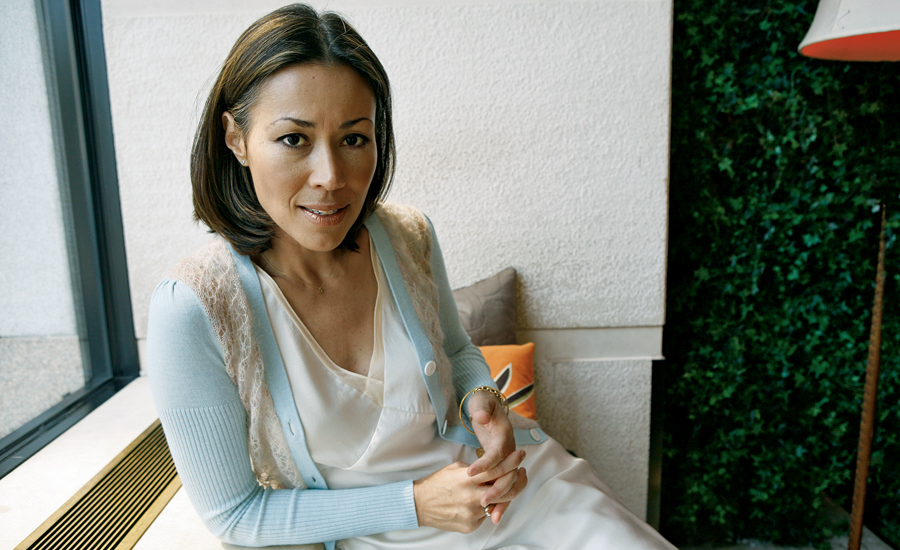
Ann Curry: Telling Stories of Hope

“How do you keep doing what you do?” people ask me all the time.

It’s a good question.

Inspiration from the Garden in article ad

Over the past two years alone, my work for NBC News has taken me to Iraq, Afghanistan, Iran, Pakistan, India, Congo and the edge of Darfur. Why is it I feel driven to cover these stories of human suffering, including Hurricane Katrina and the Southeast Asian tsunami, when it means leaving my husband and two children behind at home

I don’t have to. Anchoring the news on Today and Dateline NBC keeps me busy enough.

To be honest, leaving my family for days—even weeks—at a time is painful. It also hurts to see the degree to which people suffer in parts of the world.

There are days when I wonder if I’m a bit traumatized by it all. But still, when these stories happen, I feel a call, an urgency, to report them because I know I can give voice to those who need to be heard. Not only do they deserve that, but you deserve it too.

Your knowing about what’s happening in the rest of the world gives you a chance to care, and it is that empathy that offers the greatest hope. You see, I believe journalism is an act of faith in the future. That might sound strange in this day and age when so much on TV seems scandalous or frivolous. But then, I am my parents’ child, living lessons that have guided me from the beginning.

My father, Bob Curry, was a career Navy man who enlisted right out of high school. My mother was the daughter of a Japanese rice farmer. Her name was Hiroe.

They met when Dad was stationed in Japan as part of the Allied occupation forces after World War II. The war left my mom’s family without seed to grow their crop, so at 18 she found a job in the city as a streetcar conductor. My dad happened to get on her streetcar one day, and knew he had to see her again. He took that streetcar every day until he worked up the nerve to ask her on a date. They went out for noodles and fell headlong in love.

Back then the Navy frowned on marriages between American servicemen and Japanese women, and shipped my father out before a ceremony could take place. It took two years, but he managed to get sent back to Japan. He told me of taking her into his arms again, only to realize she was extremely thin. It turned out she had tuberculosis and wasn’t expected to live.

He used her healthy sister’s lung X rays to get clearance from Navy doctors, and married her anyway. Now that she was a U.S. military wife, she was able to get the care she needed. She survived to become the mother of five, of which I’m the oldest.

Dad stayed in the Navy for nearly 30 years, and so our family moved often. We lived in Guam, Japan, Hawaii, Virginia, California, until he finally retired in Ashland, Oregon, where I finished high school.

An enlisted man’s salary didn’t go far when there were five kids to raise. My parents couldn’t give us much in the way of material possessions, but they made sure we knew the importance of family and honor, character and love.

Mom was the embodiment of perseverance in the face of adversity. She’d endured bombing raids and starvation during the war, TB during the occupation and racism when she came to the U.S. At that time it was hard for people to accept her.

“Gambaru,” she used to tell me, which is Japanese for “Never ever give up, even and especially when there’s no chance of winning.” She’d been raised Buddhist, but when she needed spiritual sustenance in America, she couldn’t find a temple. She finally found the Catholic church.

She didn’t know a word of Latin and her English wasn’t good either, but that didn’t stop her. She felt close to God in church, and that’s what mattered. Besides, she had me to tell her when to stand, kneel or sit during the service.

Life as a mixed-race child in a poor family wasn’t easy. “Ann, this is good for you,” Dad would say when I complained. “Trials and tribulations make you stronger.”

He got tired of hearing all five of his kids whine. One day he announced, “The next person who says, ‘That’s not fair’ is going to drop and do ten push-ups. I don’t care where we are.” Doing 10 on the sidewalk in front of a bunch of people? We did it, and learned quickly whining didn’t accomplish anything.

That might not have meant so much if it weren’t for one time we got on a bus. It was crowded and the five of us jumped into empty seats before Dad could get one. “That’s not fair,” he said. We looked at him. Without another word, he dropped down in the aisle and did 10 push-ups! To see our father be true to his word was a great lesson in character.

When I got older, Dad and I would have dinner-table debates about the Vietnam War. I was a teenager deeply affected by Walter Cronkite’s reports on the war and I questioned our country’s role. Sometimes our discussions got so heated, my siblings would pick up their plates and leave the table.

“I don’t always agree with you,” Dad would say at the end, “but I’d still vote for you for president.” I knew he was proud of me for caring about something bigger, something beyond my day-to-day high school life. It tied in to what he was always telling me, “Do something of service, Ann. So that at the end of your days, you’ll know your time here mattered.”

I decided the best way to do that was to be a journalist. He respected my choice, and a girl could not have asked for a greater cheerleader than I had in my dad.

My father and I were the first in our family to go to college, and we went at the same time. He was on the GI bill. I got a few small scholarships and did all kinds of work to pay my way through the University of Oregon—bookstore clerk, sandwich maker, hotel maid.

I got a job as an intern at KTVL, the local TV station, but when I applied to be a reporter, the producer told me there’d never been a woman reporter in the newsroom because women didn’t have news judgment. Do you think the daughter of Hiroe and Bob Curry would let that dissuade her? Of course not. I convinced him to give me a chance.

I became the station’s first woman reporter. When I left for a bigger city, that producer called me and said I should never let anything he told me stop me from my dreams.

Eventually I got to Los Angeles, where I covered big breaking stories, but the one I remember most was about a boy who was born with his thumb fused to his hand. He was miserable because kids made fun of him, but his parents were poor immigrants who couldn’t afford surgery.

A nurse caught the story on TV, talked to a surgeon and they arranged for the boy to have the operation free. His family invited me to the recovery room. The boy proudly held up his hand and said, “Thank you.” At that moment, I understood why my father pushed me to use my talents to serve others. I felt an incredible sense of fulfillment knowing one small thing I did helped make a difference in someone else’s life.

I joined NBC News in the 1990s, and found myself drawn to telling stories of people who might otherwise not be heard. Interestingly enough, what some might consider a big professional disappointment—not being named cohost of Today when Katie Couric left—has only clarified my mission. I would’ve loved that job, but not getting it made me think, What is it I need to be doing?

The answer was clear: humanitarian reporting—finding those who are suffering far from the eyes of the world and getting their stories out, making people care about them. That’s what brings me back to places like Congo. Most people don’t realize it is the site of the deadliest conflict since World War II. The fighting and war crimes against civilians challenge every definition of decency. Thousands die every month from malnutrition and disease.

Yet even in this place of suffering, it is possible to find hope. I’ll never forget Sifa, an 18-year-old Congolese woman I met in February 2008. I talked to her in the hospital. What she told me made me weep. Her parents were killed in front of her. She ran, but the killers caught her, chained her to a tree and raped her. She became pregnant; when the baby came, everything inside her broke. “Do you want revenge?” I asked.

She said, “No, all I want is to rise from this bed, thank the people who helped me and work for God.”

Almost without thinking, my fingers went to my necklace. It had a little gold charm, the Sanskrit symbol for peace. Peace was my prayer for her and her country. I took the necklace off and clasped it around her neck. For her dignity I walked out of the room without looking back. But my producer was watching. He said she raised her head in a little bow.

How do I keep doing what I do? I believe in people like Sifa, who can teach us all about resilience. And I believe in you. I know you special souls will care about people like her, who have no one to protect them.

I have faith that once you hear about someone’s suffering—even someone whose language you can’t speak, whose customs you don’t share—you will care enough to help.

Read more about Ann’s humanitarian reporting.

For more inspiring stories, subscribe to Guideposts magazine.
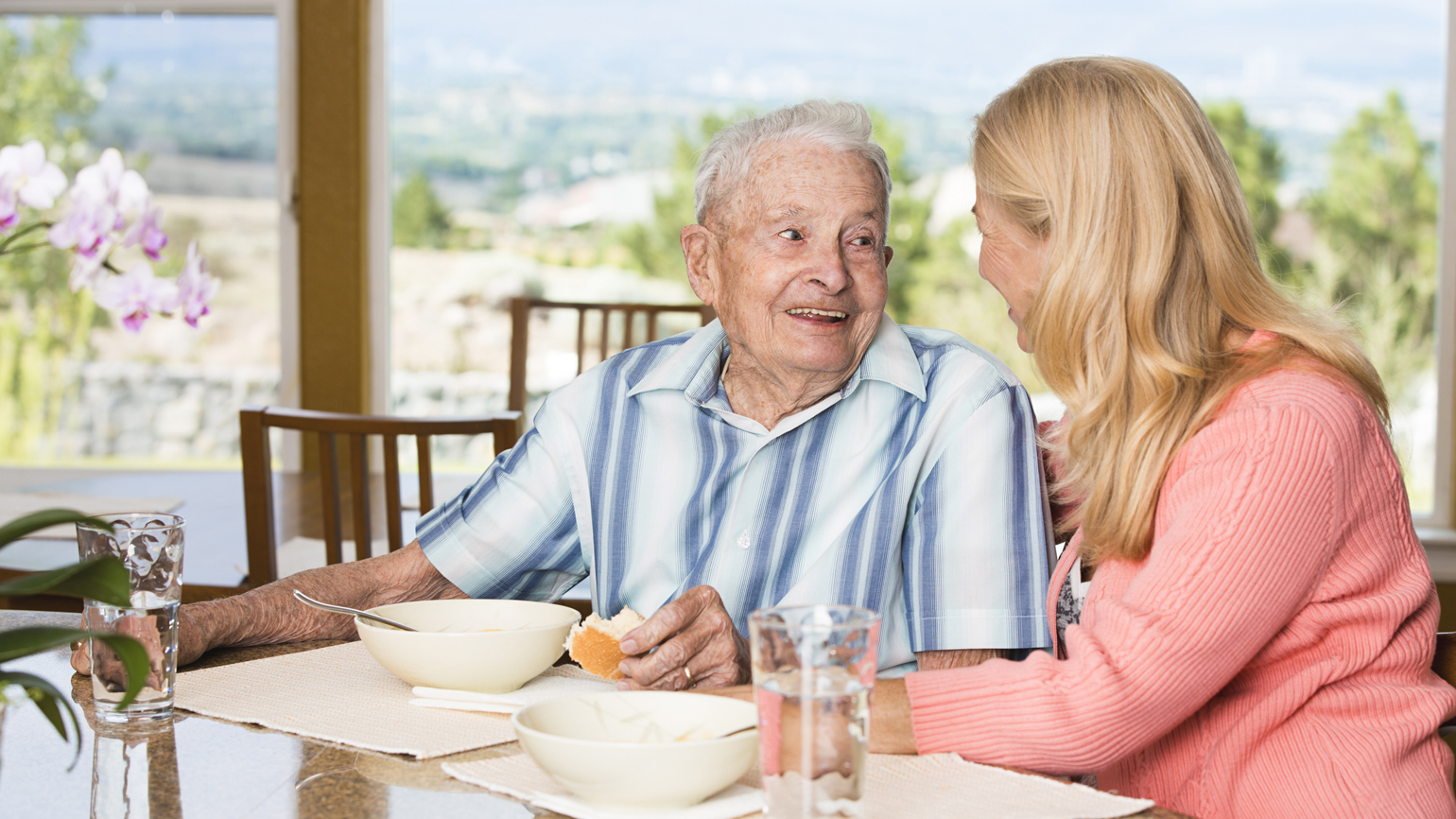
Techniques To Cut Down on Messy Eating for People with Alzheimer’s

This article is based on information provided by Home Instead Senior Care.

Dementia can make it hard for your loved one to manipulate utensils, cups, glasses and dishes. He or she may have developed messy eating habits as a result of various factors related to the condition. Among the possible causes are loss of control and attentiveness and diminished attention to hygiene and self-care.

Light for Life NASB Study Bible in Article

The following tips may help you to have more manageable mealtimes with your loved one:

· Minimize expectations and try not to focus too much on the person who is eating messily.

· Put down a vinyl tablecloth, which can be cleaned off after each use, or paper placemats which can be tossed away.

· Put a napkin in his or her lap before eating.

· Cut up foods prior to serving them.

· Avoid “risky” foods, such as sauces and condiments (mustard, ketchup, mayo). Put seasonings on the dishes before presenting the meal.

· Hand your loved one a “spork,” a combination spoon-fork often sold in camping stores.

· Offer finger foods that don’t require utensils. You could try chicken nuggets, little meatballs, pizza rolls, mozzarella sticks, sandwiches cut into quarters.

· At the beginning of the meal, offer the finger-foods all around, so that your loved one doesn’t feel singled out.

· If you’re having soup, put it in a mug, rather than a bowl, and let it cool a bit first.

· Put food on unbreakable dishes or heavy ironstone that’s less apt to slide around.

· Use plastic cups instead of glass or ceramic ones.

· Present only one or two foods at a time.

· Serve liquids in a cup with a spout (available in some hospital-supply stores), or pour only a small amount at a time into a small cup.

· If your loved one has a blunder (a spilled cup of soup), don’t shame or blame. You could casually say, “Oh, Mom, that soup is so messy, let me just dab it off you.” 

· Keep clothing clean by washing out stains at night, since people with Alzheimer’s are prone to wearing the same items repeatedly.

Learn more about our Terms of Service