Embrace God's truth with our new book, The Lies that Bind

Searching for an Epiphany?

Wonder where you’re going this year? Looking for some good guidance? Wishing you had some benchmarks to find your way? I don’t think you have to look farther than the wise men.

Not for nothing do we celebrate the wise men at the beginning of the year. January 6 is their day, the Feast of the Epiphany, a big fancy word that means discovery. A realization, a new understanding, the perception of something that changes everything.

extraordinary women of the bible

Like it did for the wise men.

We all know the story. Wise men from the East–or magi as they’re called–saw a star in the heavens that told them the newborn king of the Jews was born. They followed that star, bringing treasure chests of gold, frankincense and myrrh.

Read More: Devotion for the New Year

They only got as far as Jerusalem and figured they would ask the current leader, King Herod. Obviously they were powerful enough and rich enough to go straight to the top, commanding an audience. Imagine what would have happened to the poor shepherds if they had tried the same.

King Herod was a monstrous, murderous leader, and he listened to these wise men only for his only subversive purposes. As soon as he found out where this newborn king would be found, he would kill it. Get rid of all competition.

He called for his chief priests and the legal experts to give the foreigners some advice–apparently, these wise men, coming from some other faith tradition, did not know Scripture very well or at all.

Start each day with encouragement for your soul. Order Mornings with Jesus

The experts consulted their texts and determined that this new king would be born in Bethlehem.

Sneaky, treacherous King Herod, putting on a charm act, sent them on to seek out the baby and then come back and give him a full report. He was the sort of leader to make others do his dirty work.

Indeed they found the baby Jesus with his mother Mary, fell to their knees, opened their treasure chests and gave Him gifts of gold, frankincense and myrrh to this true king. In a dream they were informed of Herod’s malicious ways and instead of returning to Jerusalem, they went home a different way.

Two lessons for all of us in search of our own epiphanies:

1)  Follow your star.
Look to the heavens, gaze into the deep, be willing at any moment to go on the journey of discovery that God sets before all of us. I do believe we all have stars we’re meant to follow, leading to the Child who is King.

2)  Consult the Scriptures.
But remember, the magi wouldn’t have made it if they followed the star alone. It could only take them so far. They needed more than what the heavens told them. They had to consult Biblical texts, guided by the chief priests and legal experts (even under Herod’s heavy thumb, the latter delivered the truth).

So read and follow. May you come upon your own blessed epiphany.

Scripture to Tame Your Temper

It is very important what you do when angry. Your action rides, to a large extent, on the destiny of your life. You can stir up trouble, make enemies, ruin chances or make yourself sick.

On the contrary, by proper handling of anger you can keep situations under control, cement friendships, win respect and stay healthy. 

Witnessing Heaven In Article Ad 827x123

I suspect that some people’s lives have been ruined by anger. By the same token, the skillful mastering of anger has added to the effectiveness of many. The following verses constitute an extraordinarily effective anti-anger technique:

“Good sense makes a man slow to anger, and it is his glory to overlook an offense” (Proverbs 19:11).
This verse pits good sense against anger and stresses the value of imperturbably overlooking offense. When anger surges upon you, just say to yourself, It is stupid to get angry. It won’t get me anywhere except into trouble. The momentary satisfaction of letting go isn’t worth the difficulties I will experience as a result.

In this manner, you may talk yourself into being sensible. This rational procedure will slow down your anger-reactions, and help you rise above the provocation. In other words, meet anger with urbanity.

“Know this, my beloved brethren. Let every man be quick to hear, slow to speak, slow to anger” (James 1:19).
This verse teaches us to be alert to people and situations but always to react slowly to emotional stimuli.

The longer you can keep quiet the more effective will be your reactions. Don’t say the sharp words, do not make the quick retort, do not write that nasty letter–or, if you do, tear it up. Say nothing. Keep quiet. Make no rejoinder. Practice the great strategy of delay….  “do not let the sun go down on your anger” (Ephesians 4:26).

Never let a day end without getting rid of your anger. This advice is psychologically very sound. Empty anger out every night to keep it from accumulating. In your prayers drain off any anger content that may be in your mind.

Forgive everybody and practice the great art of forgetting. You can build up resistance to anger by letting these verses soak into your thought processes until they exert an automatic check upon your emotional reactions. Study them. Memorize them. Use them.

Scott Hamilton’s Greatest Victory

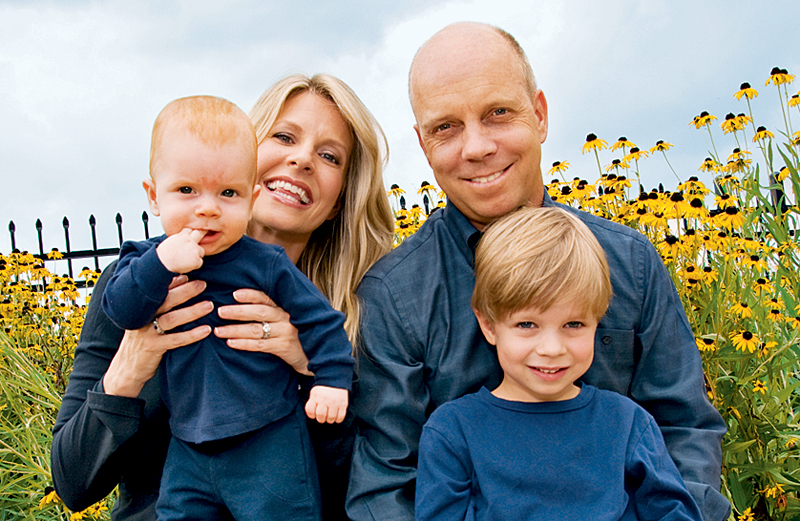
I skated out to center stage, or rather center ice, 10,000 people cheering me on at The Forum in L.A. I know it sounds hammy, but I’m a performer, and all my life center stage is where I’ve wanted to be. This was my comeback performance–my comeback from testicular cancer.

Everyone, including me, wanted to see if I was as good as I’d been before the cancer. It had been 14 years since I won the gold medal at the Sarajevo Olympics. My own expectations were probably higher than they should’ve been.

Mys of Blackberry Valley In Article Ad

I waited for my friend, country music singer Gary Morris, to begin singing “With One More Look at You.” I chose it as a tribute to my mother, Dorothy. She died of breast cancer when I was in high school. Everything I knew about courage and determination, I owed to her.

Gary started singing. I launched into my routine. Within the first minute, I realized how tough this was going to be. My body felt different. Logy, weak. It had been just five and a half months since my chemo, four months since major surgery. It was like I had no leg muscles at all.

I was determined, though. The show must go on. All my skating friends were there, in tribute. Kristi Yamaguchi, Brian Boitano, so many others. CBS-TV was doing a special broadcast.

I gathered myself and, as the music reached a crescendo, I flew into my signature jump, a triple toe loop. Somewhere in midair I lost control. Next thing I knew, I was flat on the ice. The crowd hushed. Gary paused.

In my head I could hear my mother say, You’ve got to keep going. That would have been just like Mom, always urging me to do my best. Especially when it came to my skating.

From the very first day I laced up skates when I was nine, I loved it. I glided to the center of the rink and waited for the music. “Look at him go,” the kids from school said. I ate up the attention. I loved showing what I could do.

I was too small to be good at any other sport. On the ball field, I was always the last one chosen. Skating, though, was different. I didn’t have to be bigger or stronger or faster. Just myself.

By middle school, I was winning events and gearing up for the Junior Nationals. Mom was very involved, always looking out for my best interests. “You can be as good as you want,” she said. “If you make the commitment, we’ll make the commitment with you.”

“Okay, Mom,” I said, not even sure what she meant.

Next morning Mom woke me at 5:30. “Ready?” she asked. She drove me to the skating rink, then sat on the sidelines and watched, peeking at her lesson book. Mom was a second-grade teacher. But she had other plans.

“I’m going back to school,” she told my dad. “Scott has a real chance to do something special, and the only way we can afford to pay for his coach and ice time and equipment and all of his travel to competitions is for me to get a better-paying job.”

Evenings, after teaching all day, after fixing dinner, she studied for her master’s degree in education. She parlayed it into an associate professorship in family relations at Bowling Green, where Dad was a biology professor.

Even that wasn’t enough. The more I advanced, the more coaching and training I needed. She convinced Dad to sell our house and move to a smaller one out in the country. One spring morning I found her and Dad digging up the backyard.

“What are you doing?” I asked.

“I’m planting lettuce, tomatoes, cucumbers–a vegetable garden,” Mom replied. She did it to save money–money she used to pay for more ice time and more lessons for me.

I was young and self-absorbed, and didn’t think too much about it. Skating came so easily. Maybe too easily. I kept winning competitions, but didn’t always train as hard as I should have.

Then Mom got sick. Doctors found a lump in her breast. When Dad brought her home and they told us the diagnosis, I could see in her eyes that she was scared. But her voice was firm. “I’m going to beat this. Don’t worry,” she said. I was 15 years old, a sophomore in high school.

Me, I would have been a quivering mess. But Mom was so positive. She acted like cancer, chemo and surgery were opportunities to finally do all the things she’d wanted to do. When chemo made her hair fall out, she happily got wigs.

“It was such a pain to have my hair done all the time,” she said. The chemo also killed her appetite. She lost weight and showed off her new figure to her friends, telling everyone how great she looked. But she never let a soul see her pain.

The last time she saw me compete was at the 1977 U.S. Senior Figure Skating Championships, my first year at the senior level. I went out and laid an egg–I dropped to ninth after the free skate, my strongest event.

My new coach, Carlo Fassi, couldn’t get me to focus and work hard. I was more into hanging out with my friends. But that day when I looked to my mother in the grandstand, I could see the disappointment in her eyes.

The day Mom died I went for a long walk. I was angry and feeling sorry for myself. My prayers were all complaints: “God, why did you do this to me? I’m too young to lose my mother.” What was I going to do now? How could I go on?

But then I thought about how Mom dealt with her cancer. She never complained. She never gave up. Instead, she made the most of every minute God gave her. Wasn’t that a challenge I had to take up now?

The first thing after Mom’s funeral, my coach called to express his sympathy. “Carlo,” I said, “I want you to know that a different person is coming back to you to train. He is going to be totally dedicated to being the best he can be.”

Carlo was skeptical. But from then on, it was like Mom was still urging me on. I went to bed early. I ate properly. I didn’t waste a moment on the ice. There was no quit in me.

I worked till I got things right. Four hours a day on compulsory figures. Two hours a day on my free skate. Weightlifting two or three times a week.

By the time the 1984 Sarajevo Olympics rolled around, I was in the best shape of my life. I was ready. And when the competition was over, I stood atop the podium listening to our national anthem. My first thought during the ceremony was, Mom, without you, this would never have happened.

The Olympics opened doors. It made life as a professional skater possible, and I went at my pro career with the same intensity as my run-up to the Olympics. If I wasn’t working every week, I felt like I was letting Mom down.

With my skating friends I launched a series of ice shows that played 70 cities a year. It was hugely successful.

Then, on tour in 1997, I felt a pain in my abdomen. I pushed my belly button and it changed shape a little bit. It had this odd feeling. I couldn’t describe it.

All I knew was it didn’t feel normal. My stamina slipped. I told myself that it was an ulcer. Or maybe I was just burned out. At the end of the tour I’d get it checked out. But the pain got worse. One afternoon in Peoria, Illinois, I couldn’t straighten up.

A few hours before the show that night, I went to the emergency room. The doctor asked me a ton of questions and ran a battery of tests. Then he sat me down. “We’ve found a mass,” he said. “You need to take care of this right away.”

I did the show that night and made sure it was great. I was afraid it would be my last show ever. The next morning I checked into the Cleveland Clinic Taussig Cancer Institute.

This is going to be the biggest battle you’ve ever faced, I told myself. I would need to hold on to the faith and determination I found after Mom’s death. Fighting cancer, she had taught me how to live.

When the doctors returned with my diagnosis–testicular cancer–I was ready. “Let’s get started,” I said. “I have a skating tour in the fall.”

“You may want to reconsider,” one doctor said. “Chemotherapy and surgery take a lot out of you. It will be a while before you can get back to your life.”

“You don’t understand,” I told them. “I determine what I do, not this cancer.” It’s exactly what Mom would have said.

The chemo and surgery were rough, I’m not going to kid you. But I had this attitude: Cancer likes darkness; it doesn’t like light. And I was going to attack it with all the light I possibly could. I prayed. I surrounded myself with good friends, I watched videos and read books that made me laugh.

When I woke up in the recovery room after surgery, totally free of cancer, I felt like my life had just begun.

That’s what had led me to that comeback night at The Forum in L.A., and here I was, splayed on the ice. But not for long.

The audience began to applaud. The sound grew louder and louder–the kind of cheering I heard at Sarajevo. There was only one thing to do. Get up. I popped to my feet and went back to my routine. A smile lit my face that just wouldn’t go away.

I could fall again, I might get sick again. That didn’t matter. What mattered was making the most of what I’d been given.

Go for it, I thought. I flew across the ice, leaped as high as I could and landed a perfect double axel. Then another. I felt like the night needed to end with an exclamation mark, so I did several back flips. Mom would have been so proud. She was always my biggest fan.

More Winter Olympics!

Download your FREE ebook, True Inspirational Stories: 9 Real Life Stories of Hope & Faith.

Say Yes to Your Dreams

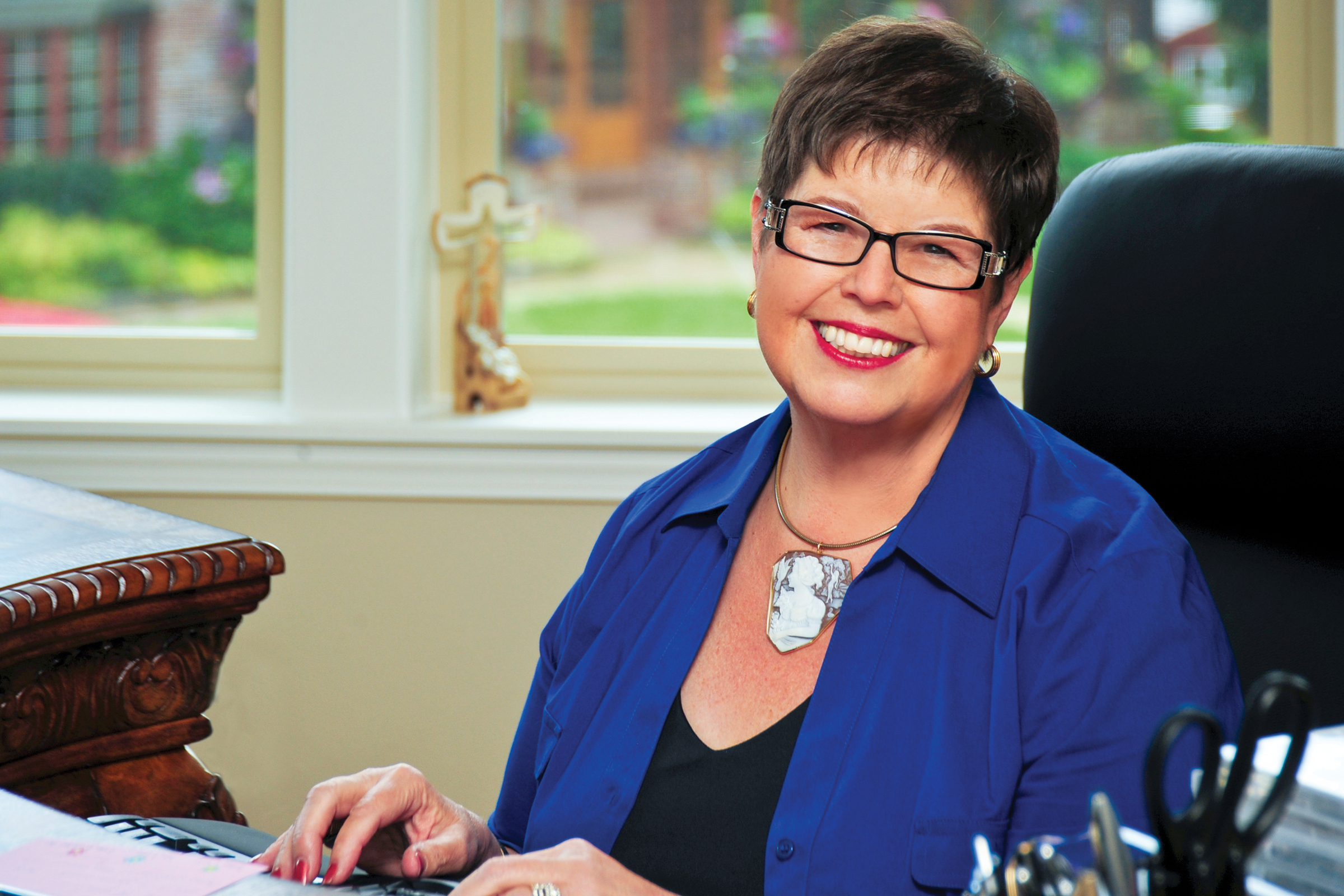
“Honey, you need to find a job.” It was early 1980 and my husband, Wayne, stood in the kitchen doorway, clutching a handful of unpaid bills. My stomach clenched and I swallowed an automatic protest before I saw the look of regret in his eyes. We were going deeper into debt each month while I struggled to sell my first novel.

From as long as I could remember, I dreamed of writing novels. My love for the written word started early, when my mother took me to the library for story hour. From the time I was three years old, I went to sleep at night with a book in my hands.

Inspiration from the Garden in article ad

I discovered the powerful connection between the story and the reader. I could feel what the characters felt, cry with them, laugh with them. I wanted to write stories like that. I dreamed of the day when readers would hold my book in their hands.

FOR MORE STORIES LIKE THIS ONE, SUBSCRIBE TO GUIDEPOSTS MAGAZINE!

You might be surprised to know that reading didn’t come easy to me. I was the only girl in my first-grade class to be in the robin (slow) reading group. It turned out that I was dyslexic, but back in the early 1950s my teachers didn’t have a word for it. I can remember my third-grade teacher telling my mother, “Debbie is such a nice girl, but she’ll never do well in school.” To this day I’m a slow, thoughtful reader and a creative speller.

Nevertheless, the dream persisted. I wanted to write books. When Wayne and I married and had our four children in quick succession, it was easy to stuff my dreams into the future with a long list of justifications and excuses. Then a dear cousin died suddenly. It felt as if God was saying to me that if I was ever going to write, the time was now. Life is short. Get started.

We rented a typewriter and I put it on the kitchen table. The kids would go out the door to school and Super Mom was transformed into that hopeful young writer. For two and a half years I sat at that kitchen table and pounded away on those typewriter keys, completing two full novels. Because I was doing something I loved, I was genuinely happy. Because I was pursuing a lifelong dream, I was a better wife and better mother.

But everything came to a crashing halt that Sunday afternoon. Wayne set down the unpaid bills. Together we reviewed our finances and I realized there wasn’t any alternative. I had to get a job, a real job, that would contribute to our family income.

With the newspaper in hand, I circled three positions to apply for the next morning. Even if I was fortunate enough to get hired right away, I’d be lucky to receive anything above minimum wage.

As I looked up from the newspaper, my gaze fell on the typewriter and I knew this would be the end of my dream of selling a novel. All four children were involved in sports, music, Scouts and church. There simply weren’t enough hours in the day for me to keep up with the kids’ schedules, work full-time, maintain the house and still write. I might as well kiss that dream good-bye.

What was the use anyway? Really, what chance did I have of selling a novel? Everyone said I had to know someone if I was ever to get published—an editor, an agent, someone in the business. I didn’t, and that was just one more strike against me.

Doubts battered me as I considered those three want ads. There wasn’t anything wrong with any of them, except that I had no desire to work as a receptionist or a cashier. I was born to tell stories—only now that dream had to be dashed.

I went to bed that night and tried not to let Wayne know how depressed I was. In the darkness, Wayne sleeping beside me, I remembered the enthusiasm with which I’d started out on this venture. Despite everything, I felt so sure God was leading me to write. I was willing to tackle every obstacle. With my Bible and a copy of Norman Vincent Peale’sThe Power of Positive Thinking at my side, I was certain that sooner or later a New York publisher would recognize my talent.

Here I was, two and a half years into the journey and I hadn’t sold a single word. Instead of contributing to our family finances, I was draining them. My dream was simply too expensive.

I tossed and turned miserably. Finally, in desperation, I silently called out to God. Lord, you gave me this dream in the first place and I’ve gone as far as I can with it. I’m giving it back. The rest is up to you.

About two or three in the morning, Wayne rolled over. “Are you awake?”

“I haven’t been to sleep yet,” I said.

He waited a moment and then asked, “What’s wrong?”

My heart was so heavy that I blurted out the truth. “You know, I really think I could have made it as a writer.”

Wayne didn’t say anything for a long time. Then he sat up and turned on the light. An eternity passed before he said, “All right, Honey, go for it. We’ll make whatever sacrifices we need to make. We’ll figure it out. Don’t worry.” I am forever grateful to my husband for rescuing my dream. How fortunate I am that Wayne believed so strongly in me and my talent.

I wish I could tell you it was only a matter of a few weeks before New York recognized my talent and offered me that first contract. It was another two and a half years of financial struggles before I sold a manuscript. I faced one challenge after another. The most humbling came at a writers’ conference where my manuscript was picked to be reviewed by a real New York book editor. She had the entire room laughing at the implausibility of my plot. Afterward, I went to her and asked if she’d be willing to look at the manuscript again if I rewrote it. She looked me in the eye, leaned forward and placing her hand on my arm said, “Throw it away.”

I loved this story and the characters, and refused to believe that it deserved to be discarded. Instead I submitted it elsewhere. Then in 1982 the long-awaited phone call came from New York. I was going to be a published author! Soon after, I wrote Dr. Peale and thanked him for writing The Power of Positive Thinking. His book was instrumental in helping me hold on to my dream. “I believe God plants dreams in our hearts so we’ll learn to turn to him, to trust him to see them to fruition,” I wrote. To my absolute delight Dr. Peale wrote me back with more encouragement. It meant as much to me as any advice I’ve ever gotten from an editor.

Not long ago I discovered a spiral-bound journal. The first entry read: January 1, 1973: Since the greatest desire of my life is to somehow, some way, be a writ­er, I’ll start with the pages of this journal.

A dream is a journey that begins with a single step and the belief that you will be led faithfully along the way.

Did you enjoy this story? Subscribe to Guideposts magazine.

Say Yes to Hope

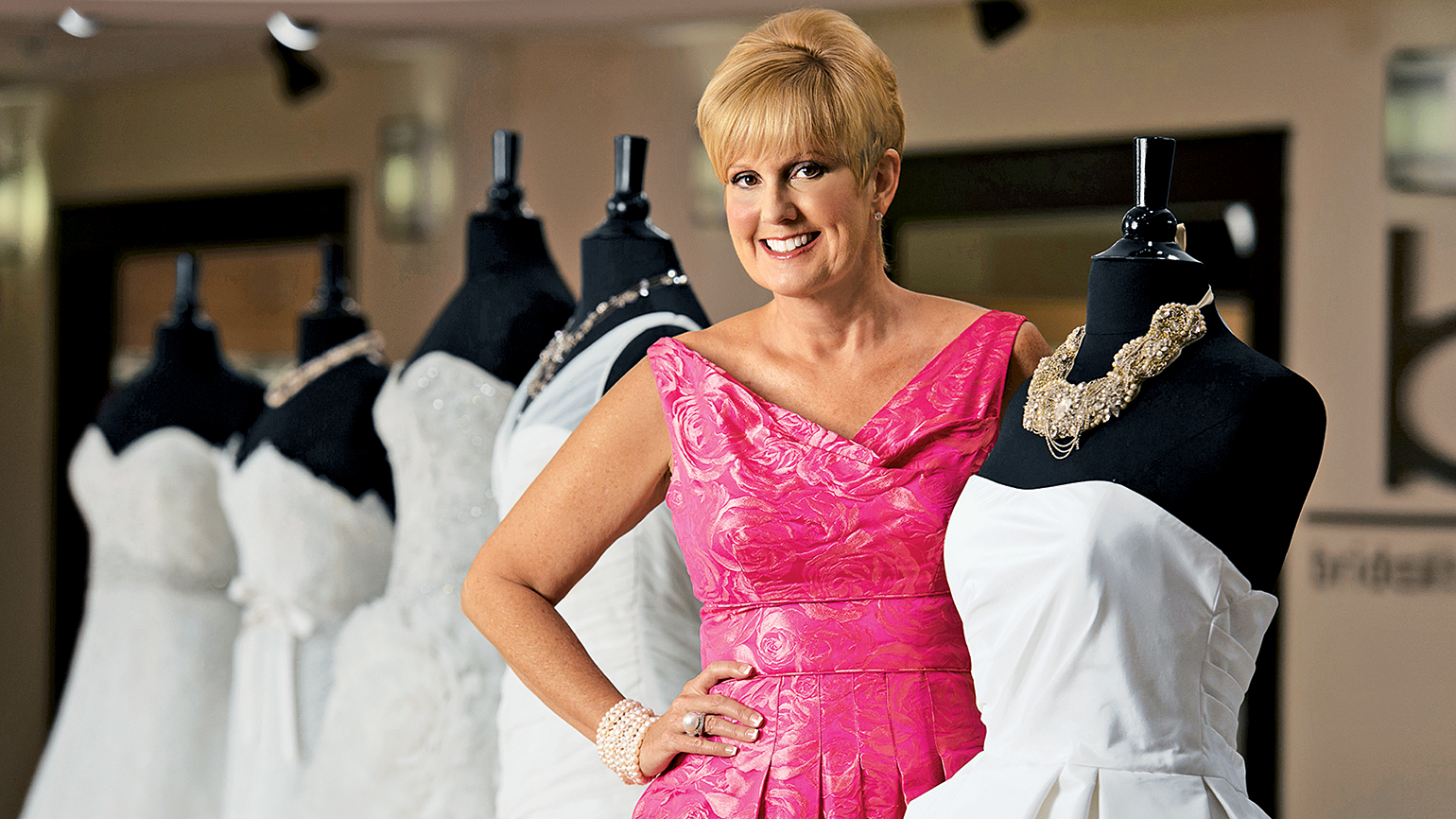
Y’all might know me from TLC’s Say Yes to the Dress: Atlanta, the show where I help brides find their dream wedding dresses at my store, Bridals by Lori. I absolutely love what I do. 

After all, my own wedding 32 years ago to my college sweetheart, Eddie, was the most important day of my life and I’d do it all over again (except for maybe those bright sunshine-yellow bridesmaid dresses, and, honey, I mean bright). 

GP In Article Desktop

But there’s actually another important day in my life—one that changed it in ways I never could have imagined.

It was Friday, April 13, 2012. Eddie and I were walking out the door. He was going to the hospital for a routine procedure. We were almost at the car when my cell phone rang. Who’s calling at 7:05 A.M.? It was Dr. Moore, my longtime ob/ gyn.

“I’m so sorry, Lori,” he said, his voice cracking. “You’ve got breast cancer. We’ve caught it early, but it looks like there may be two types of cancers there. You’ll need to see a surgeon. Right away.”

“No!” I cried, collapsing into Eddie’s arms. I had a wonderful marriage, two kids, Mollie and Cory—one married, the other just out of college—a successful business, two hit TV shows.

God had given me opportunities and I’d taken charge of them. I was following his plan, wasn’t I? How could cancer be a part of that?

My passion for bridal fashion is embedded deep in my Southern roots. My mom’s twin sister, my aunt June Cottingham, owned a bridal shop in Birmingham, Alabama. Mom took me to visit all the time.

I was mesmerized by the rows of gorgeous embellished dresses, the veils and tiaras—it was like something out of a fairytale.

I watched Aunt June closely. She didn’t just take note of a bride’s style and body type, she’d take time to talk to each bride, get to know her. Then she’d say, “Try this one, honey,” and hand her a gown. Sure enough, the bride would put on the dress and light up the room. 

I want to make someone that happy! I thought. I want to do what Aunt June does.

I got my chance while I was studying business and fashion merchandising at Columbia College. I worked for a few bridal stores part-time and I loved helping brides of all shapes, sizes and backgrounds find their perfect gown.

“This is the one,” they’d tell me, tears of joy in their eyes, and I’d get the biggest rush. A feeling that this was what I was meant to be doing.

Lord, I prayed, I’d love to have my own bridal shop someday. Can you help me make that happen?

God worked fast. Real fast. At the end of my senior year, I found out about a storefront in an Atlanta shopping plaza that was available for rent. It was tiny as all get out but a great location.

My sweet parents, Carroll and Jean Burns, took some of their savings and financed my opening for a college graduation gift and, 12 days after my graduation, on December 27, 1980, I opened Bridals by Lori. I had four dressing rooms and maybe 25 dresses. Now it was time for me to get to work.

And did I work. I was busier than a bee making honey! I wanted Bridals by Lori to become the biggest bridal store in Georgia, in the South, in the whole country, even.

Sometimes it was really rough juggling the shop with raising the kids, but I was the captain of the ship, and the captain never shows her fear, never lets anyone see her panic. I just kept working hard and praying even harder. And with help from Eddie and my parents, I kept the ship sailing.

Little by little the business grew. We moved to bigger storefronts in the shopping plaza. We decided it was time to purchase our own building, so in 2000 we constructed my dream store.

In 2001, we moved to our beautiful 25,000-square-foot space with three floors: bridal, bridesmaids and menswear, making us one of the largest full-service bridal salons in the country.

Two years ago TLC called and before I knew it we were shooting Say Yes to the Dress: Atlanta and another show, Say Yes to the Dress: Bridesmaids. What a whirlwind!

When the reminder card for my annual mammogram came in the mail, I set it on the counter and promptly forgot about it. A few days later I got a voicemail reminder from Northside Hospital. I ignored it.

With family life, running the bridal salon and filming two TV shows, something had to give. Besides, I’d had yearly mammograms up till then, did regular self-checks, ate healthy and exercised. Heck, I hadn’t missed a day of work in six years! Then the reminder card came again. So I went, grumbling.

Two days later I had to go back for a second mammogram. I’d had that happen before and it turned out to be nothing, so I wasn’t concerned. But this time the second mammogram showed something suspicious.

“We’ll need to do a biopsy,” Dr. Moore said. “Try not to worry; most lumps are benign.” Who had time to worry?

Then came that call at 7:05 A.M. on Friday the 13th. I took Eddie to the hospital for his procedure in a daze. I sat in the waiting room, questions swirling in my mind. Two types of cancer…what did that mean? Where would I find a good surgeon? Was I going to die?

Eddie’s surgeon, Dr. Garcha, came out to the waiting room. “The procedure went smoothly,” he said. “Eddie’s fine.”

I breathed a sigh of relief.

Dr. Garcha must have seen something in my expression. “What’s the matter?” he asked.

“I was just diagnosed with, um, I have…” I couldn’t even say the words “I have breast cancer” but he figured it out. He told me that he performed breast surgery too, and agreed to be my surgeon.

MRI scans showed that I had cancer in my right breast, only it was complicated. There were two types of cancer cells growing in that breast. One was a ductal carcinoma, which is fairly common, and the other was a more vicious linear-growing carcinoma. There were atypical cells in my left breast too.

“You have two options,” Dr. Garcha said. “A lumpectomy, where we remove the lump and surrounding tissue in the hopes of getting rid of all the cancer, then we hit it with radiation. Or, we can perform a mastectomy where we remove the entire breast.”

That night I talked my choices over with Eddie. “I don’t know what to do,” I said.

He pulled me close. “Listen,” he said, “you are going to beat this. We’re going to beat this. Whatever you choose, I’ll support you.”

I felt so blessed to have Eddie and the kids to lean on, but they couldn’t make this decision for me. Lord, whatever the right choice is, please let me feel at peace with it, I prayed. I did some research online and decided on a double lumpectomy.

I’d read that with the radiation it was just as effective as a mastectomy and I didn’t want to leave atypical cells in the noncancerous breast.

The lumpectomy went more quickly than I had expected, and the pain afterward wasn’t bad. But the strange thing was, I didn’t feel at peace at all. I was scared, really scared.

Dr. Garcha called me at work with the results. “Lori, the pathology report wasn’t clean,” he said. “We removed the tumor in your right breast but there are atypical cells extending into the surrounding tissue, which raises concern.

“Remember, there were atypical cells in your left breast and if we didn’t get all of those, they could eventually become cancerous too.”

I felt almost dizzy with fear. “We can do another lumpectomy,” Dr. Garcha went on. “Or do a bilateral mastectomy, remove both breasts. Let me know your decision as soon as you can.”

I hung up the phone, tried to get a hold of myself. “What do you want me to do now, God?” I asked. I heard a voice from deep within. Are you really listening to me? it seemed to say.

I looked out at the salon floor, at my bridal consultants helping brides find their dream dress, at the thriving business I’d built from the ground up. That’s when it hit me.

Yes, I’d worked hard—really hard—to build this business but I hadn’t done it on my own. I wasn’t the captain of the ship. God was. Always had been. Hadn’t I gone to him from the get-go with my idea of running my own bridal shop and asked him to help me?

Who else could have guided me from that first inkling to the little storefront with 25 dresses all the way here to one of the largest full-service bridal salons in America? Who better to steer me through the rough waters of breast cancer?

Suddenly it was clear what I needed to do. I called Dr. Garcha back. “Let’s do the bilateral mastectomy,” I told him. As soon as I said those words, I felt the peace I’d been praying for.

This time after the surgery Dr. Garcha had great news for me: The pathology report came back clear. I didn’t need radiation or chemotherapy. “You made the right decision,” said Dr. Garcha. “There were so many atypical cells that it would’ve been impossible to remove them all without a mastectomy.”

I’ve had two reconstructive surgeries since then and I’m regaining my strength. My breast cancer journey was featured on a special called Say Yes to the Cure: Lori’s Fight. Opening up about my struggle and my fears was one of the best decisions I’ve ever made.

I’ve heard from so many people with cancer, including brides who come into my shop. The outpouring of love and support from fans of the show has been overwhelming, and I’ve received nothing but positive comments from telling my breast cancer story on TLC.

In fact, many women tell me as a result of the show, they’ve made the mammogram appointment and they’ll be less afraid if they do get that dreaded phone call.

I pray the cancer is gone for good. Yet something stayed, a peace I’d never known before my illness, a peace born of a knowledge that my course is set, navigated from above.


The cover of Lori Allen's book, Say Yes to What's Next Lori Allen’s new book, Say Yes to What’s Next: How to Age With Elegance and Class While Never Losing Your Beauty and Sass!, is available in bookstores now.


For more inspiring stories, subscribe to Guideposts magazine.

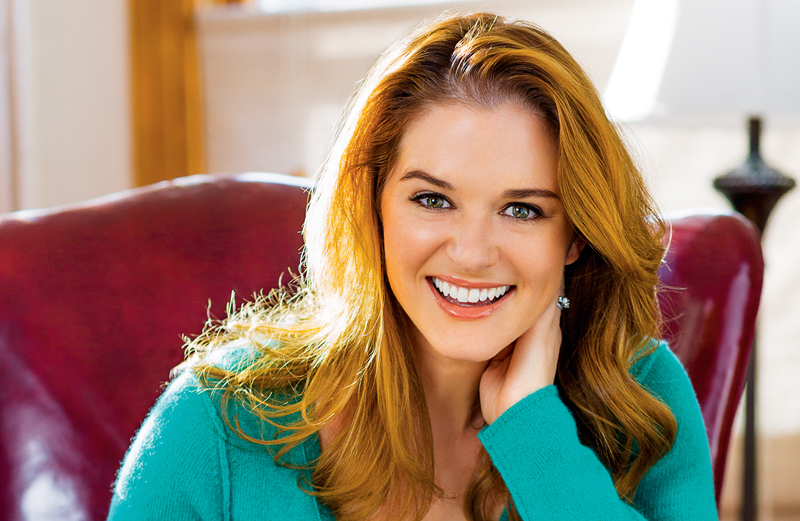
Sarah Drew: Lessons from Dad

Fear. It can hit when you least expect it. When everything in your life is going great, when your dreams are being fulfilled, when you’ve become what you had hoped to become, even when you’re a person of faith and used to calling on that faith and leaning on it.

That’s what happened to me not long ago. Even though I chose the notoriously difficult profession of acting, I’d been fortunate in my career. I was cast in a professional production right out of college. Since then I’d had roles in a Broadway play, television and movies.

Sweet Carolina Mysteries In Article Ad

At last I’d landed a regular recurring role on one of America’s most popular TV series, Grey’s Anatomy, and my husband, Peter, and I, after 10 years of marriage, were expecting our first child. I should have been on top of the world.

ENJOY THESE GUIDEPOSTS BOOKS FOR FATHERS

I wasn’t. My marriage was solid, I loved my job, but I was terrified, absolutely terrified, by the prospect of parenthood. What if I turned out to be an awful mom? It would be hard–if not impossible–to live up to the example set by my own parents.

What was I thinking, bringing an innocent child into this world where so much is broken? What if I couldn’t cope with losing my freedom? Being a parent means being responsible for another life. All my worries might have been irrational, but the fear was real. And it was crushing me.

My character on Grey’s Anatomy, April Kepner, and I have one big thing in common: We both take our faith very seriously. We pray, we read the Bible, we try to live our beliefs.

For me there’s also a personal side to it. My dad is a Presbyterian minister, and when I really need help, when I’m struggling, I turn to him. I have since childhood.

Forget those clichés of the wild, rebellious preacher’s kid. My brother and I weren’t like that, and I give the credit to our parents.

You’re in a fishbowl when you’re sitting in the pew and your dad’s in the pulpit, but our parents never force-fed us religion. They let us find our own way to God. It wasn’t the sermons Dad preached that made the difference. It was how he lived them.

If it hadn’t been for him and Mom showing me how much they loved me, I wouldn’t have made it through elementary school. Dad was serving a church on Long Island then. I went to a couple of different schools, but in every place, the same thing happened: I just couldn’t make friends.

I wanted so badly to be liked. But my desperation, combined with my awkwardness, was the kiss of death in the schoolyard.

Sometimes mean girls picked on me. More often, I was left out, ignored, as if I weren’t worthy of interest, which is its own particular kind of loneliness. The sad thing was, I was intensely aware of social interactions.

In fourth grade, Mom, who’s a science teacher, tried to get me to learn to take good notes in class. My notes had nothing to do with what the teacher said. They were all about my classmates–who sat together, what they talked about, which girls seemed closer, which ones had a falling out.

Our family had a New Year’s tradition of each writing a letter to God. We’d thank him for everything he’d given us the year before and ask his help with whatever we were worried about in the year to come. Every year my letter ended with the same prayer: Dear Lord, please send me a friend. Just one.

The only time I felt good about myself was onstage. I don’t even remember when I started acting, but I’ll never forget how incredible it felt to be acting a role, no matter how small, in a school play. I did community theater too.

Onstage I wasn’t the girl with no friends, stuck on the outside looking in. I could be someone totally different. Someone in the center of the action. Someone brave and joyous and free.

Like Eric Liddell in Chariots of Fire (a favorite movie in our house) when he says, “When I run, I feel God’s pleasure.” That’s what acting was for me.

Mom and Dad came to every one of my shows. Even though teaching kept her busy, my mom worked the stage crew in community theater, just to support me. She’s got sweatshirts from every show we did together.

My parents drove hundreds of miles to see me in college plays. I think they sat through my first professional production, Romeo and Juliet, at least 15 times, and they brought their friends too. “You have a God-given gift,” Dad said. “You need to honor that.”

But I’m getting ahead of myself.

The summer before eighth grade I signed up to go to a Christian sleepaway camp on Martha’s Vineyard. After all my rejections at school, I was gun shy about meeting new people, but this sounded okay because I wasn’t going alone. Dad would be there that first night, preaching to the group.

We dropped off my stuff at the bunkhouse, and everybody went to hear Dad speak. He was good. He knew how to capture a crowd, even a group of teenagers. But then it was time for him to leave. I was petrified about going back to the bunkhouse on my own. All those girls I didn’t know.

“Daddy, don’t leave,” I pleaded, bursting into tears. “I’m going to be so lonely here. It’ll be just like school. What’s wrong with me?”

Dad held me close and then he prayed for me. In that same voice I’d heard pray for the congregation, the sick, the suffering, people in desperate situations, here he was praying just for me. “Lord, bring Sarah a friend. Just one friend.”

Wouldn’t you know it? I went back to the bunkhouse and there were two girls sitting by the door. “Hey, wanna hang out with us?” they said. We were inseparable during the rest of camp.

For the first time in my life, I had a friend. Not just one, but two. That one sweet week more than made up for the years of hurt that had come before.

I can think of another time Dad showed up when I truly needed him. I was 23, making my Broadway debut in a play called Vincent in Brixton. Talk about a fishbowl. It was intimidating sharing the stage with seasoned professionals, having my performance analyzed by critics.

The cast was kind and supportive, but one night after the show we all went out and the topic of my faith came up. “You really believe all that stuff?” one of the guys asked. I tried to find the right words to explain what God meant to me, but nothing I said came out right.

The next morning I woke up still upset. My parents were in New York City too, Mom heading the science department at a girls’ school, Dad pastoring a church in upper Manhattan. I called him up. I told him about the argument I’d gotten into.

“Is there a Scripture, anything you can give me to encourage me?” I asked.

His answer? “Let me cancel my appointments for the day. I’ll come down and see you.”

We spent a couple of hours walking around Times Square, having lunch at a little chicken shack, talking. Well, mostly it was me talking. Dad listened (he’s great at that). On the way back to the theater we ran into the actor who’d challenged me about my faith. I introduced him to Dad.

We chatted a bit, then Dad kissed me on the cheek and left. My castmate asked why my dad had come by. I admitted that I’d called him because I was upset about the night before, and he dropped everything to be with me.

Understanding dawned in my castmate’s eyes, and I knew my dad’s actions demonstrated the power of faith far better than any theology I’d tried to spout.

But now, when I was feeling undone, more terrified than ever because I was taking on the biggest, toughest role of my life–being a mom–Dad couldn’t just hop on a subway and reassure me. I was all the way across the country in L.A.

It was too late to call. I sent him an e-mail explaining how I didn’t want to live trapped in fear. Were there some Bible verses that could help? Was there something I could do to feel more thankful and joyful?

There was an e-mail waiting in my in-box the next morning. Five pages long, with wise advice and passages from Scripture. I’ve referred to it again and again, even passed it along to friends, and I can quote some of Dad’s advice here for you now:

Try to identify clearly what you are fearful of. This is important because there is very little you can do with a generalized fearful frame of mind. But once you identify more precisely what you fear, you will be able to find texts that speak directly to the fear.

While it is good from time to time to imagine the loss of things that are precious to you, it is not good to dwell there. God will give you what you need when you need it, not before. Practice aggressive thanksgiving for what you actually have now.

The losses you fear may never come, so what’s the point in thinking about them? Rather than letting fears about a future you cannot control fill your mind, aggressively fill it with thanksgiving and good things.

Dad urged me to pick a few of the verses that spoke to me and memorize them. Repeat them when the anxiety set in, even sing them.

Like everything Dad has given me, it has proven to be very practical advice grounded in spiritual wisdom, and “aggressive thanksgiving” has guided my prayer life. Every morning I write in my journal all the good things God has given me.

These days, our almost-two-year-old son, Micah, is at the top of that list. He is a joy, as is parenthood. All those fears that overcame me? Dad was right. They never came to be.

For example, I haven’t lost my freedom being a mom. Maybe I get less sleep, but I feel freer to love, more compassionate, more understanding, more grateful. More like my dad.

*    *    *    *

Scriptures That Help Banish Fear
Sarah’s dad is the Reverend Charles Drew, senior minister at Emmanuel Presbyterian Church in New York City. The four passages he recommended are Romans 8:28-39, Psalm 23, Philippians 4:4-7 and Matthew 6:25-34. He says about the last, “I love the common-sense approach of these words of Jesus, ‘Which of you by being anxious can add a single hour to his span of life?’ Anxiety accomplishes precisely nothing, so what’s the point? Verse 34 is also great: ‘Therefore do not be anxious about tomorrow, for tomorrow will be anxious for itself. Sufficient for the day is its own trouble.’

“Don’t waste your time fretting about a tomorrow that you cannot control and that may never come. Dwell instead on the issues of the present—the blessings as well as the concerns—since today is really the only day we have. The other thing that is so reassuring about this passage is the repeated reference to the Father. We really are in very good hands and we remember this every time we call God ‘Father,’ which we should do often.”

Watch as Sarah discusses motherhood, faith and “Moms’ Night Out”!

Download your free eBook, Let These Bible Verses Help You: 12 Psalms and Bible Passages to Deepen Your Joy, Happiness, Hope and Faith.


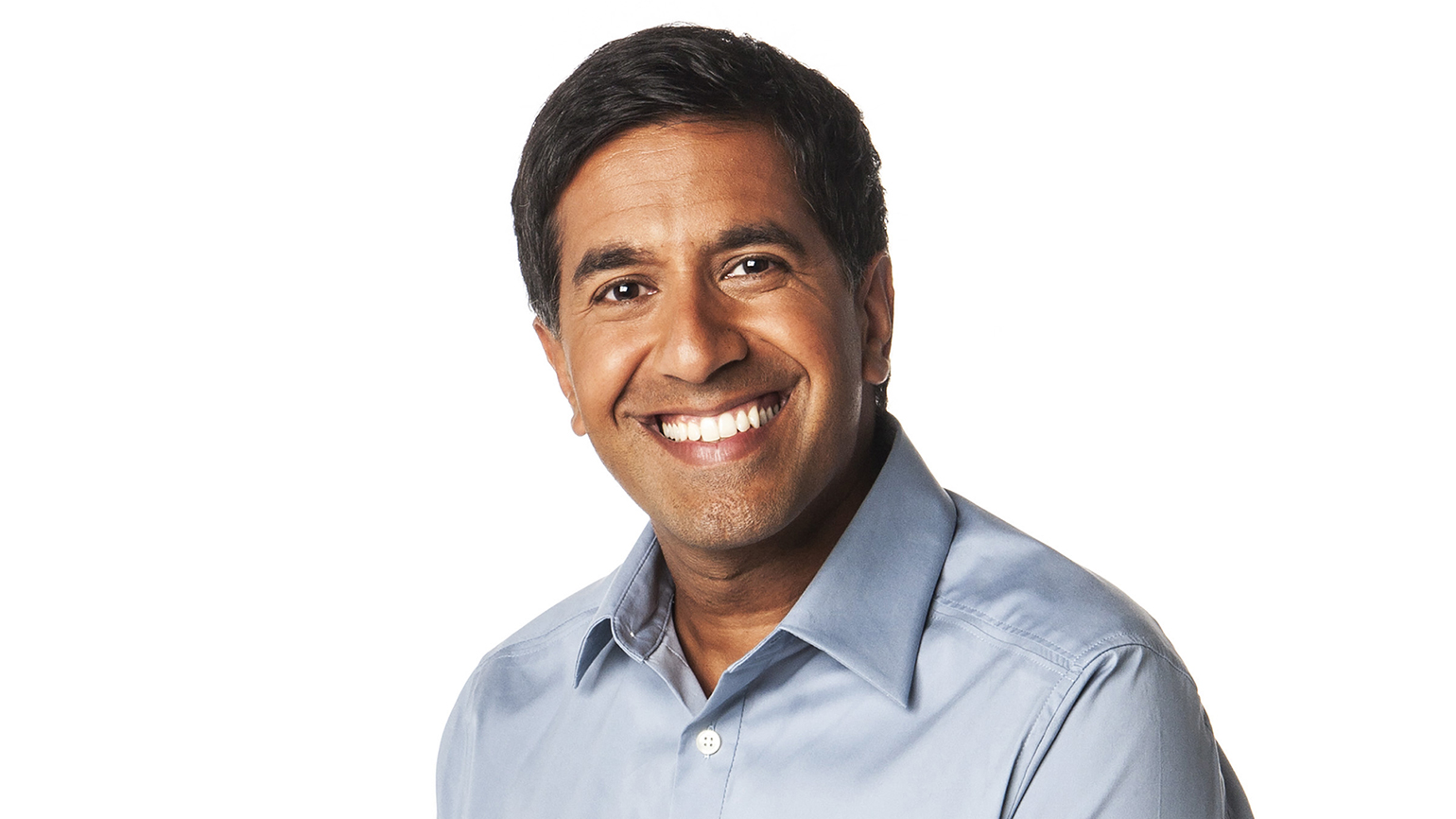
Sanjay Gupta: Finding My Path in Life

I’m a medical correspondent and for years now I’ve been reporting from all over the world for CNN.

I’m often in the midst of disaster, drawing on my years of training as a neurosurgeon. I hope my work gives people a context in which they can view medicine and health on a broader scale. Inevitably people ask: Which is more important to you? Are you a doctor or a reporter?

Pray a Day Vol 2 In Article Ad

The best way to answer is to tell you how I got into this line of work. I grew up in Michigan, in the town of Novi outside of Detroit. My parents were immigrants from India, working for Ford Motor Company. My mother was the first female engineer ever hired by Ford, a fact that is presented with great pride in the Indian and engineering communities.

I was a bookish kid. I spent long hours in the library reading everything I could find, histories, biographies, science fiction, fantasy, mysteries. I was curious about the world and there’s no better way to find things out than through the pages of a book. Even today if some kid asks me what’s the first step to take to become a doctor, I answer, “Read, read, read.”

I was in my teens when our family faced a medical crisis. My grandfather, with whom I was very close, had a stroke and landed in the hospital. Sitting anxiously at his bedside, I watched nurses come and go, checking his vitals and looking at the monitors attached to his body. I remember sitting there wondering what could I do to make him feel better—to bring back the warm, thoughtful man I knew.

It was the neurosurgeons who fascinated me. When they explained what they could do surgically to help, I thought, I want to be like them. I want to know what they know and have the ability to heal like they do. Eventually my grandfather got better, and my path in life was started.

My reading changed. Added to the stacks I checked out from the library were new volumes about science, medicine and some of the men who were pioneers in the field, like Harvey Cushing, the father of modern neurosurgery. I learned if I wanted to be a doctor I needed to take courses not offered at our high school. I’d taken biology and chemistry, but I wanted to learn physics. I remember asking Mr. Armstrong, one of my science teachers, if he had a textbook on physics.

“Why do you want it?” he wondered.

“I’d like to learn physics,” I said.

“I’ll teach you,” he said. “We’ll do it after school together.” For the whole year Mr. Armstrong devoted countless hours to teaching me physics—an extraordinarily generous thing to do when I think of how many other obligations he had.

At the end of that year I took the Advanced Placement exam that would give me college credit for what I’d learned. I scored well, and placed out of entry-level physics, all thanks to Mr. Armstrong.

I was accepted into Inteflex, a special seven-year program at the University of Michigan that combined an undergraduate education with med school. In effect, I was accepted into med school straight out of high school, which was challenging, but it also gave me more time to pursue some of my other interests.

One of the things my mom liked to say (something I still apply to my life today): “A change of activity is a form of rest.” When you need a break, try doing something different. I’d always loved writing. So I started doing articles for small magazines and newspapers.

The more I wrote the bigger the magazines and newspapers became. I even did a stint for the White House, planning events and writing speeches. I added to my knowledge, and started thinking in a different direction. If I could help a patient one-on-one in a doctor’s office, think how many more I could reach with a story about a promising new cancer treatment or information on preventive medicine. I could save people like my grandfather. I didn’t know how it would fit into the overall picture. I wanted to become a neurosurgeon. I also just happened to like writing.

By now I’d finished med school and my residency and was teaching at the University of Michigan. I flew down to Atlanta to interview for a position at Emory University and Hospital. At the airport I ran into Tom Johnson, CEO of the Cable News Network—and I mean that literally. I bumped into him. I’d known him from my work at the White House. “Why are you in Atlanta?” I asked.

He told me he was starting a medical division at CNN. “Would you be interested in joining us?” he asked.

“On television?” I was a neurosurgeon, not a newscaster. I scratched my head and told Tom I’d think about it.

I took the job at Emory. I loved teaching and practicing medicine, but the CNN idea intrigued me. It was an exciting way to reach people and help them understand medicine and what doctors do.

“I’ll do it,” I finally told Tom, “on one condition. I need to see patients and perform surgery.” I didn’t want to be a reporter without that firsthand experience of being a doctor. They offered me a schedule that allowed me to perform surgery every week and teach.

I’d been much better prepared to enter an operating room than stand in front of a camera. I stumbled over my words or looked into the wrong camera. I had only one suit and wore it every day. Someone from wardrobe had to clue me in, “You need to buy new suits, Sanjay. Viewers have noticed you’re wearing the same thing.” Eventually I did settle in.

My first big story came with the terrorist attacks on the World Trade Center and the Pentagon. I flew to New York with the first CNN team allowed in the air. I planned to explain the medical triage that follows such a disaster, the challenges EMTs and doctors face. But I found myself reporting on firefighters who marched up those burning towers when everyone else was leaving. They were heroes and their actions provided a context to my story. When the worst things happen they can bring out the best in people.

Soon after the invasion of Iraq I found myself embedded with a group of Navy doctors over there. It was unlike anything I’d ever experienced. Rocket-propelled grenades blew up near me. Our convoy went over a land mine and I was thrown out of a truck. Why had I come? I wrote a letter home, fearful it was the last I’d ever write.

Then we came upon a boy who’d suffered severe head wounds. The Navy surgeons turned to me, “Can you help us?” In that difficult situation it was an easy question. This was what I did. Neurosurgery. I was a reporter and a doctor.

When that story aired, I came under another sort of fire. “How can you be objective when you’re standing shoulder to shoulder with Navy doctors?” Another newspaper wrote that I “crossed the line.”

I disagreed. There’s a different set of rules when it comes to saving lives. Nowhere does it say that when you put on your press credentials they are a bar to your humanity. My worlds of medicine and media have come crashing together quite a bit since then, most recently in Haiti. I operated aboard the USS Carl Vinson on a 12-year-old girl named Kimberly at the request of the U.S. military. Again, the criticism was leveled, and again I wasn’t fazed by it, but rather happy that Kimberly, once near death, was alive and reunited with her father.

Not all my stories have been so dramatic, but when it’s appropriate—by which I mean helpful and informative—I include myself in my reporting. For instance, I often stress the importance of exercise, and I practice what I preach! My Weimaraner Bosco is often seen on my long runs for exercise segments.

Or I’ve discussed the value of prayer in medical emergencies. I was never formally trained in the interplay between the type of healing we think of in hospitals and the type of healing that takes place in the private recesses of our minds. Yet over time I’ve come to deeply appreciate the role of prayer in the healing process. Often patients or their loved ones have prayed with me before surgery. I see it as an expression of confidence that their loved one will be healed. It makes me feel more inspired.

It was curiosity and the desire to help that got me started on my path and continues to guide me, that moment when I stood beside my grandfather’s bed and wondered what I could do. Not long ago I was headed to the Gulf Coast to report on the oil spill. My wife and I have three daughters and I had carefully explained to our eldest, five-year-old Sage, the extent of the disaster. About a year prior I’d done a science experiment with her, showing her the concept of osmosis across a filter and how magnets could remove fluid that carried an ionic charge. She had obviously been paying attention.

“Here, Daddy,” she said to me before I left. She gave me a picture of the ocean and a water-filtration system. She had drawn brown water with these big magnets on one side and then the water getting less and less brown and eventually turning blue with someone filling a cup at the end to drink it. Clean water.

Wow, I thought, she totally gets it! A five-year-old’s take on reverse osmosis. Who knows what Sage will become when she’s grown up, but right now she’s looking for ways to help, and amazing things can happen when you start seeking solutions to the big problems of the world.

For more inspiring stories, subscribe to Guideposts magazine.

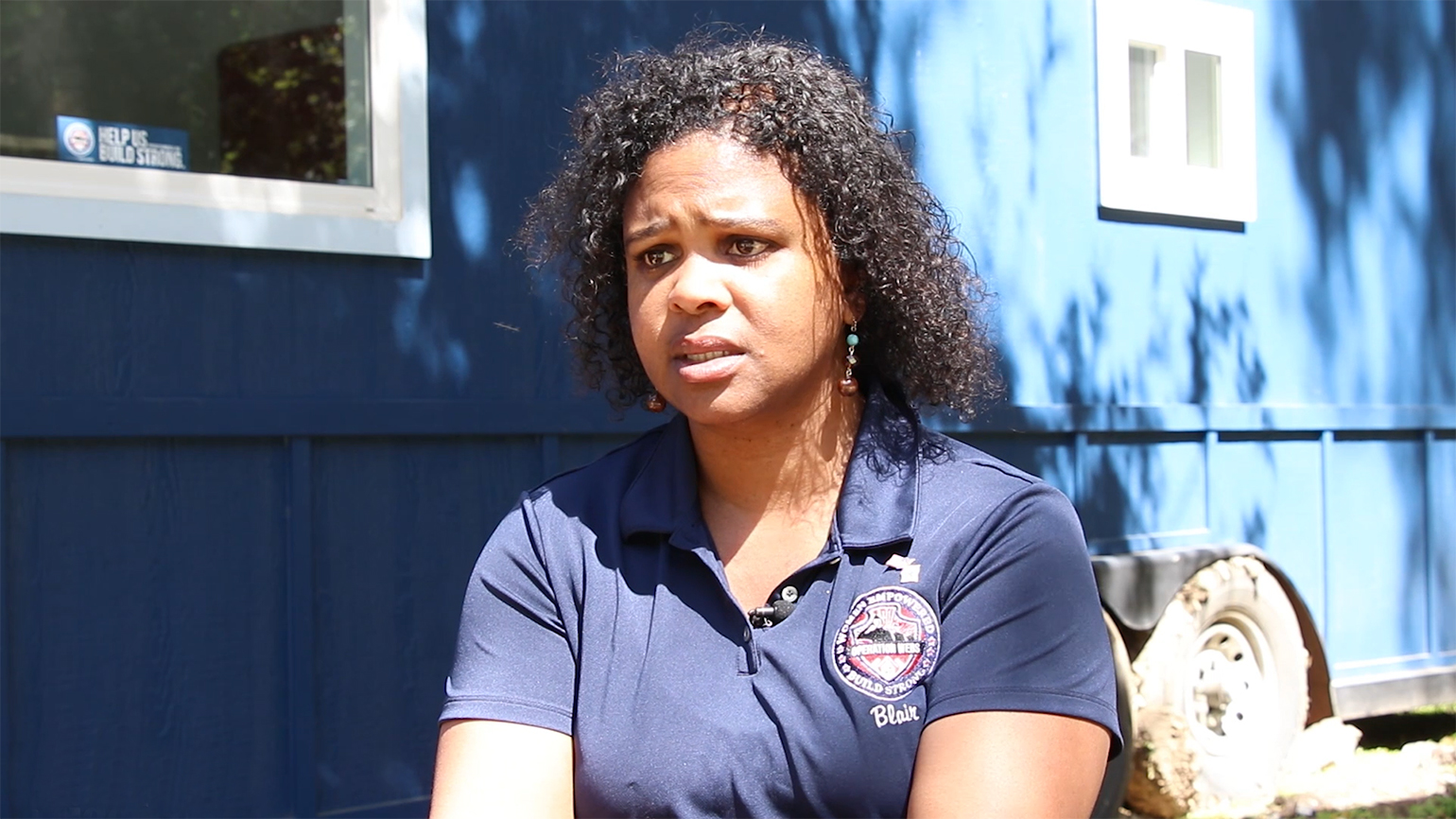
Sandy Blair on Helping Military Women Transition to Civilian Life

I’m Sandy Blair, founder of Operation WEBS, here in Orchid, California. I am an Air Force veteran. I served 12 years in the United States Air Force, and I am from Jamaica.

Because of some medical issues that I experienced throughout my career, the Air Force decided I was unfit for duty, and within six months, I was discharged honorably. And that pretty much created a huge transition I was not prepared for.

Community Newsletter

Get More Inspiration Delivered to Your Inbox


There was no guidance on how to become a civilian again. It was a trying time, because every job opportunity I applied for, I was told I was overqualified. I became very depressed, just not having a purpose anymore. And not being able to provide for my kids really took a toll on me. But trying to fit into the civilian world again, it just was very, very…it was hard. It was depressing.

I kind of was learning about tiny homes, and I came with this idea and I brought it to my family. I said, “What would it be to build these tiny homes and create a place for women veterans? A place where we can feel secure and safe, a place where we can share stories and feel comfortable with being who we are, no matter what our background is?”

Operation WEBS provides an avenue for resources so we connect these women that we meet, who are ready to receive help. Personnel who can help them with their VA claims, who can help them get into the hospital, who can provide, you know, job resources for them. We don’t have boundaries, we don’t care where they come from. As long as they are willing and ready to rebuild their lives.

And the women we’ve housed have come from… three out of their cars, they had been living in their cars. One out of Good Samaritan, two of them out of domestic violence situations. So when I say immediate housing, once I get that call, it’s yes, let’s figure out what we’re gonna do.

I just know that in doing my small part to share the blessing that we’ve been given to be able to have this ranch, I feel like that small bit will pay itself forward every time we help one female veteran get back on her feet, regain that stability, regain that purpose, regain that self-worth. That she can continue to overcome all the challenges that she’s facing in her transition and beyond. That’s who we’re here to serve, and we do it best together, Women Empowered Build Strong. And yeah, that’s what we’re here to do.

Sacrifice Fosters Forgotten Joys

I know some people who are, instead of giving something up this Lent, taking something up. Patty Kirk, author of A Field Guide to God: A Seeker’s Manual, for example, offered five things to do instead of sacrificing chocolate, wine, sweets, soda.

I, however, stuck with my previous Lenten sacrifice of TV. It was a matter of taking on a difficult challenge while hoping that I would be able to refocus my life a bit.

Journey With Jesus in article ad

Let me tell you, it’s been really, really hard. Ash Wednesday was the worst, because that’s the night I am glued to the tube at 8 p.m. to watch a British comedy, Doc Martin. I savor settling in to watch a socially challenged London heart surgeon who has developed a terrible case of hemophobia (fear of blood) treat and interact with the eccentric characters who live in the small fishing community of Port Wenn, in Cornwall. 

Come 9 o’clock, it’s time for BBC America and reruns of the Showtime series The Tudors.

Throughout the week, there are many visual bonbons that I so enjoy indulging in, and which, I’m sad to say, I’ve become addicted to. I know this because in the last week, I’ve felt a physical pull to press the remote’s on button. And I knew it was beyond mere habituation when I caught myself debating whether watching programs on Hulu would be counter to the spirit of my sacrifice. Duh!!

In the end I resisted the temptation, and that’s where the personal growth part kicked in: I feel a real sense of accomplishment. Furthermore, I find myself spending more quality time with the cats, reading, even writing to friends—on paper. I rediscovered the joy of choosing note cards that I think my friends would appreciate and sending off short missives! How quaint, yet satisfying.

So despite the occasional temptation, I’ve found that sacrificing a pleasure surprisingly brings another. 

And who knows? Maybe next year, I’ll not only give up TV again but also devote my evenings to one of the items on Patty Kirk’s list of five things to do in Lent.

Download your FREE ebook, Inspirational Quotes About Life, Love, Faith and Hope

Ryan White’s Brave Battle with AIDS

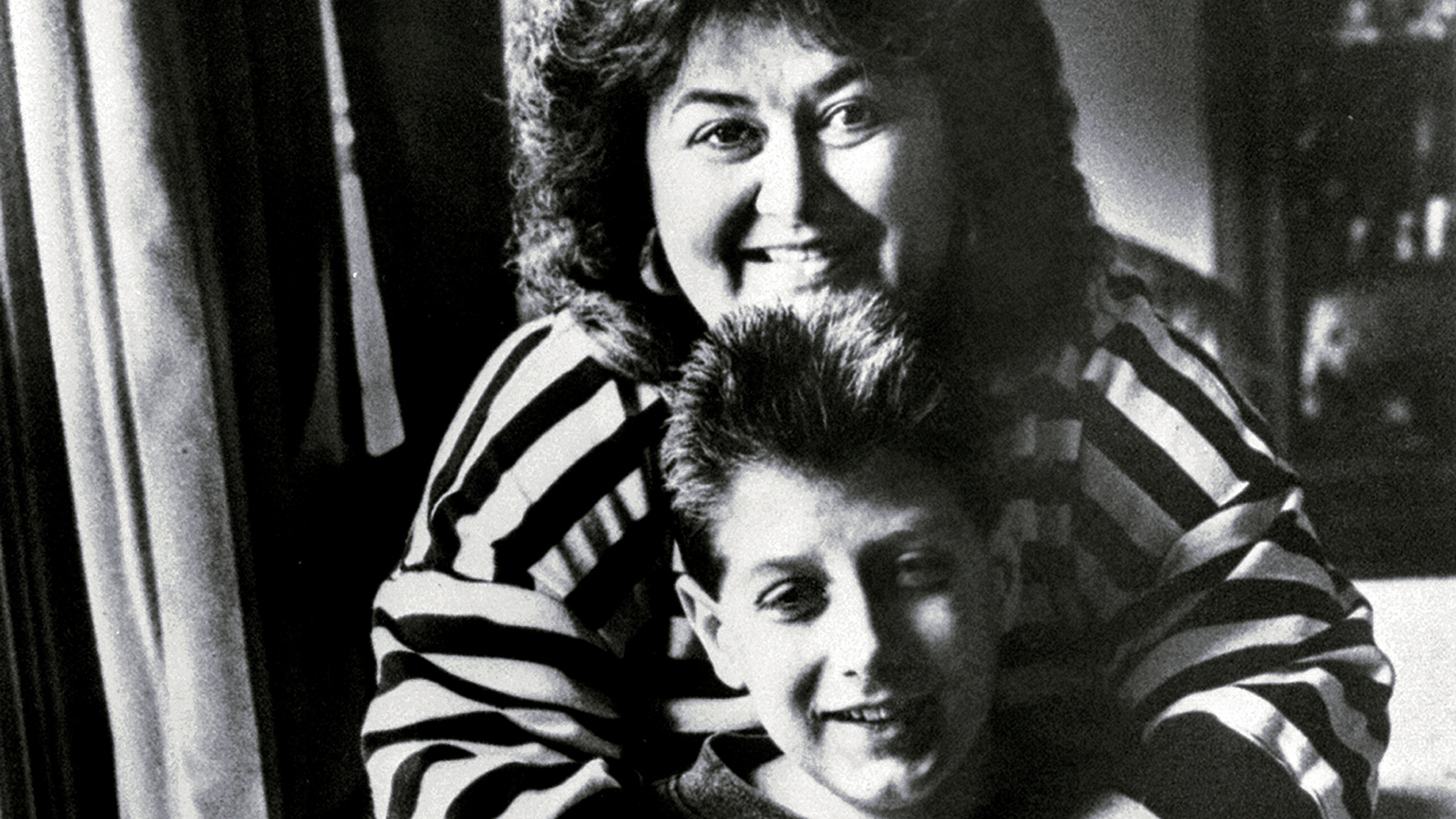
My son, Ryan White, died in 1990. Ryan, a hemophiliac, contracted a fatal illness from a type of blood product critical to people with hemophilia. But at the time no one realized that a new and deadly virus was then lurking in the nation’s blood supply.

Ryan had just turned 13 when he was diagnosed in December 1984. I was a single mother. We lived in Kokomo, Indiana. Ryan had been born there, as had his younger sister, Andrea. So had I, and my ex-husband and my parents. My mom’s big worry when I was growing up was that I might marry someone who would take me away from Kokomo. You weren’t ever supposed to leave Kokomo. Kokomo took care of you. It was home. Then Ryan was diagnosed with AIDS.

GP In Article Desktop

When Ryan first became sick, we took him to the James Whitcomb Riley Hospital for Children in Indianapolis, where they discovered that Ryan had a rare form of pneumonia that usually indicates AIDS. But it was a few days before his physician, Dr. Martin Kleiman, knew for sure. I didn’t want to tell Ryan until after Christmas. Ryan loved Christmas, and Dr. Kleiman couldn’t guarantee that this wouldn’t be Ryan’s last.

“The disease is so new, and so few children have it, that we just don’t know how long Ryan can hang on,” he explained.

Looking back, two incidents at Riley should have warned me of what was to come. First was a snatch of conversation in the cafeteria, a nurse speaking to a doctor: “I will not go into that boy’s room,” she insisted, trying to keep her voice low. “I don’t care what they say about not being able to catch it; I’m not taking a chance.” It wasn’t just what she was saying. It was the hard edge of fear in her voice.

Then two of Ryan’s favorite teachers from his middle school showed up to deliver a big batch of get-well wishes from his classmates. Though Ryan didn’t know about his diagnosis yet, I thought it was time to tell his teachers. They paled and, fumbling, pushed the cards into my hands. “We shouldn’t bother him,” one of them said. Quick as that, they were gone. Strange, I mused, they drove an hour to see Ryan, all the way from Kokomo.

By Christmas Eve, Dr. Kleiman was able to take Ryan off the ventilator and removed his chest tube so he could talk again and celebrate Christmas. The day after, I told Ryan he had AIDS.

He didn’t cry. He didn’t even seem scared. He just wanted to know when he could go back to school. “Mom, I want to get on with my life,” he said.

Before I left his room that night I switched on a little plastic guardian angel that church friends from Kokomo had given us when Ryan was in and out of the hospital with hemophilia. It was just a battery-operated night-light, but Ryan always had it by his bed whenever he was hospitalized.

In the morning Ryan told me something incredible. “Mom,” he said, matter-of-factly, “I saw Jesus last night.”

I didn’t know what to say.

“He told me that I had nothing to worry about,” Ryan continued. “He promised he would take care of me.”

“Ryan, what did Jesus look like?”

Ryan kind of smiled. “Well, he didn’t look anything like that picture I have hanging in my room.”

He never again mentioned the incident. But I thought of it often. I hoped it meant that God would work a miracle and cure Ryan. Is that what you mean, Lord, by taking care of him? Are you going to give us a miracle?

Ryan came home in February but missed the rest of the school year. By summer he was well enough to get a paper route and hang out with his friends. He began agitating to go back to school. Ryan could never play sports because of hemophilia, so he poured all his energy into his studies. He was desperate to go back. He was bored to death sitting around the house watching I Love Lucy reruns.

“All right,” I said. “I’ll tell them you’re coming back in September.”

It wasn’t going to be that easy.

The school board wouldn’t let him back. Everybody was afraid. The board claimed it couldn’t guarantee the health of Ryan’s fellow students, despite overwhelming medical evidence that AIDS wasn’t contracted through casual everyday contact. Finally a court forced the board to relent and Ryan returned to school.

But only for a day. A group of parents promptly brought suit to bar Ryan and he was sent home until arguments could be heard in court. Months dragged by. Eventually a judge affirmed Ryan’s right to attend school. But by then, after more than a year of bitter legal combat in the center ring of a national media circus, the damage was done. Kokomo had hardened its heart against one of its own.

Still, Ryan was glad to be back; he even agreed to endure some completely unnecessary “precautions.” He drank from a separate water fountain and used a separate bathroom. He ate with other students but was forced to use paper plates and disposable utensils. He wasn’t allowed to take gym or use the locker room or pool.

Crazy rumors spread: that Ryan spat on food and tried to bite people. Parents didn’t let their children associate with him. When he walked down the hall at school, kids ran away screaming. One day Ryan found his locker defaced with obscenities.

“Mom, are these people nuts?” he demanded. “I don’t even know what half those words mean!” I knew how he felt. At my job with one of the huge auto plants in town, I was getting threatening anonymous notes attached to my time card.

Usually Ryan was able to shrug these things off. He was tough. He’d wanted to fight this fight. He’d always been more disgusted with the people who secretly supported him but were afraid to stand up than with those who openly attacked him. Now he worried about Andrea, his grandparents and me.

On Easter Sunday 1987 we were sitting in the back pew of our church—Ryan, Andrea, my parents and me—so Ryan’s cough wouldn’t upset people. When it came time for the traditional Easter greeting of peace, folks turned to the people in the pews behind them with a handshake and the words “Peace be with you.” As the greeting rolled to the back of the church, I glanced over at Ryan. There he stood, gaunt, his growth stunted by AIDS at five feet, with his hand outstretched. But no one would shake his hand.

Afterward, as we walked to my father’s car, I cried out silently, Lord, I thought you promised Ryan you would take care of him. Every night Ryan and I had thanked God for another day. Now I wondered how much more my son could take. Ryan had been in and out of the hospital with the kind of illnesses that plague AIDS patients. He was on a medical roller coaster, and it was taking its cruel toll. Yet he held on. He had faith. Each time he was hospitalized, he brought his little plastic angel. But I was still waiting for a miracle.

The next Sunday, while we were at church, a bullet shattered our home’s picture window. “Mom,” Ryan announced, “it’s time to get out of Kokomo.”

I dumped our house at a tremendous loss—everyone dubbed it the “AIDS house”—and we moved 20 miles south to a community called Cicero.

To our amazement, Ryan’s new high school accepted him with open arms. The students themselves had decided to get together for AIDS awareness classes. They invited expert speakers and offered counseling to anyone who was afraid. The truth was, when the issue was left to the kids, they handled it much better than the adults.

Ryan’s life had taken so many incredible turns. By now the whole country knew of his plight. He’d been on Nightline and the Today show and had made hundreds of new friends. He traveled the country speaking to people about AIDS. Everywhere, AIDS patients told Ryan the same thing—because of his public battle, Ryan had eased the way for them. “See, Mom,” he said, “some good did come from that mess back in Kokomo.”

I thought a lot about Kokomo. You don’t just walk away from your hometown. I had family there. The local paper stood behind us, and our true friends never faltered. Ryan put it in perspective. “Look,” he explained, “people were just doing what you were trying to do—watching out for their kids. They were scared to death, and that’s why they acted so crazy. In a way, I really can’t blame them—though they were wrong.”

Ryan didn’t have time to be bitter. He had forgiven. I prayed to find that same forgiveness.

In the spring of 1990 Ryan began slipping, and while we were in Los Angeles for an AIDS benefit, he became very ill. As soon as we got back to Indiana, Dr. Kleiman admitted him to Riley. Ryan knew it was bad. “I’m scared this time, Mom,” he said.

He was 18.

Over the next week Dr. Kleiman exhausted the medical options. Ryan’s immune system was failing, and he slipped into unconsciousness. “Jeanne,” Dr. Kleiman said, “I give him a 10 percent chance of making it. And the only reason I give him the 10 percent is because he’s Ryan.”

Ryan had always said that when it got to this point, it would be harder for me than for him. Now I was afraid he was struggling to hold on to life for my sake. “Just let go, sweetheart,” I whispered to him. “It’s all right now.”

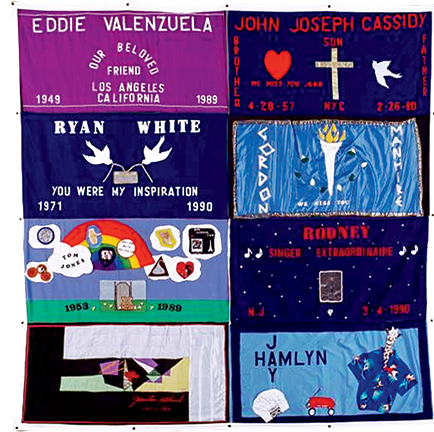
A patch on the AIDS Memorial Quilt memorializing Ryan White, who died in 1990. credit: The NAMES Project Foundation
      A patch on the AIDS Memorial Quilt memorializing
Ryan White, who died in 1990. Credit: The NAMES
Project Foundation

On Palm Sunday, 1990, Ryan let go. Like the day’s last rays of sunlight, his breathing faded and then his heart stopped. Dr. Kleiman nodded. I leaned over and gave my son a last kiss. Then I reached for his guardian angel night-light and switched it off.

A week later, after the funeral, I put the angel on our mantel next to Ryan’s high school picture. I stared at that angel, remembering how it had been given to us by our Kokomo friends so many years before. In Ryan’s last week, word came through that the churches in Kokomo were praying for him. That was the Kokomo I wanted to remember.

And then, suddenly, looking at Ryan’s angel, I knew that God had worked a miracle. He had taken care of Ryan. How else could Ryan have survived for nearly six years when the doctors had given him only six months? God chose Ryan, an average boy from an average town in Middle America, to do his work—to be an example in the face of ignorance and prejudice and fear, and to sow compassion in the heart of the nation.

Four years later, I still keep his angel on our mantel. Ryan has not been forgotten. The other day at the mall I noticed someone staring at me. A few seconds later she came over. “Of course,” she said, “you’re Ryan White’s mother.”

For the life of me, I can’t think of anything better to have been.

Update: Jeanne White-Ginder has remained an activist in the 30 years since her son, Ryan, died. Now 72 and living in Florida, she keeps up a busy schedule, speaking at AIDS fund-raisers and on behalf of the National Hemophilia Foundation. In 2007, the Children’s Museum of Indianapolis opened a permanent exhibit called “The Power of Children.” The exhibit includes a recreation of Ryan’s bedroom alongside replicas from the lives of Holocaust victim Anne Frank and civil rights pioneer Ruby Bridges. Ryan’s beloved guardian angel night-light plays a prominent role in the exhibit. It sits on Ryan’s bedside table and lights up during a multimedia presentation about Ryan and his fight for acceptance. Jeanne returns to Indiana four times a year to talk to children at the museum. “I’m so fortunate I got to tell my story in Guideposts,” she says. “Most of the media coverage about Ryan left out the spiritual side, but that’s what got us by. That was everything.”

For more inspiring stories, subscribe to Guideposts magazine.

Running on Faith

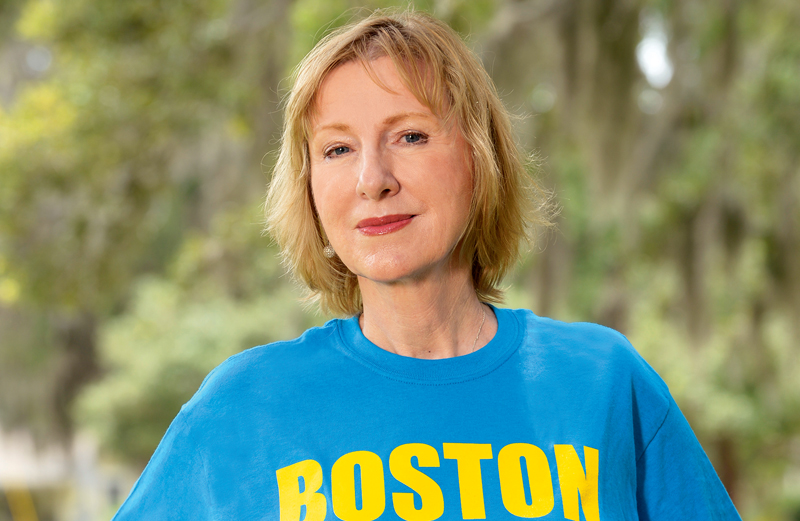
April 15, 2013, 3:00 p.m., medical Tent A, the Boston Marathon. My fourth year volunteering as a nurse. Our 150-person medical team was busy that afternoon—mostly treating runners with minor injuries and dehydration. I was taking the vitals of a female runner who felt light-headed—a typical postrace complaint.

But there was nothing typical about the sound I heard while listening to her heartbeat. Thump-thump, BOOM! A powerful force shook the tent and reverberated through my body.

Light for Life NASB Study Bible in Article

I yanked the stethoscope out of my ears and looked at the TV above my patient’s cot showing live footage from the finish line, about a hundred yards away. Plumes of smoke covered the picture. Probably just a celebratory cannon shot for Patriots’ Day, I thought, turning back to her.

BOOM! A thunderous explosion louder than the first rocked the ground beneath us. Sirens wailed. An acrid smell filled the air. I looked at the other volunteers as we struggled to make sense of everything.

“Stay calm, and remain with your patients while we figure out what’s going on,” our medical coordinator, John, said over the loudspeaker.

Seconds later, I heard the screams of pain. Runners started staggering into the tent covered in blood and soot, their expressions frozen with shock. First responders wheeled in others with gruesome shrapnel wounds and missing limbs.

Word spread that the sounds we’d heard were bombs. Our first-aid tent was now a trauma unit.

Immediately I started calling my kids. My husband, Jerry, had died five years earlier and they were my world.

They would understand how bad this was. Johanna, my eldest, was in the Capitol building on 9/11. Sean and Brendan, both Marines, had done tours in Afghanistan and Iraq. Andrew is a paramedic and Bridget a speech therapist.

Brendan was the first to pick up. “It’s like a war zone here,” I said, “but I’m okay.” I wasn’t sure if he could hear me, so I texted Johanna the same thing and added, “Please let your siblings know I’m fine.” After that, phone traffic went dead.

As a family we’d always leaned on prayer. We tried to live by the advice of Saint Francis: “Preach the Gospel always. And when necessary, use words.” So if there was one thing stronger than my nursing skills, it was my faith.

Still, I never imagined I’d have to deal with something like this. This nightmare was a world away from Manatee Memorial Hospital in Bradenton, Florida, where I’d been a lactation consultant and obstetrical nurse for more than 30 years.

In 2008, one of my colleagues, Cathy, in her late fifties like me, was training to run the Marine Corps Marathon in D.C. I preferred ballet to running, but I admired her ambitious goal.

“Wish I could be there to cheer you on,” I said.

“Actually…they need volunteer nurses in the medical tent,” she said. “Why don’t you come? And volunteering would be a nice way to honor your sons and their Marine service in the Middle East.”

I loved the idea of doing something as a tribute to them. And I was still getting over Jerry’s death, so a fun trip with a friend sounded great. But I was a baby nurse. “I don’t know a thing about treating athletes,” I told her.

“Come on,” she insisted. “We’ll have a great time.”

I called the volunteer headquarters. “If you can take a blood pressure, we’d love to have you,” they said. That was it. I packed my bag and joined Cathy. Being around passionate runners and all those feel-good endorphins inspired me more than I’d imagined. It was like I’d added a new chapter to my life.

And in 2010, when an athletic trainer friend raved about the Boston Marathon (“It’s one of the greatest races in the world!”), I volunteered for that too. I was hooked!

This year, I’d come up from Florida the day before the race to stay with my cousin Suzanne. We stuck to the ritual we’d developed in previous years—walking the 30 minutes into Boston together, since her office was close to where I had my pre-marathon meeting.

After we said goodbye I headed to the meeting, where we were briefed about the most common kinds of injuries to expect—muscle strains and sprains, blisters, cramps, knee pain and dizziness.

Nothing like the horrific injuries I saw now. John continued to direct us while a trauma doctor relayed instructions to him.

“We need to prepare for triage,” John said as calmly as he could. Patients would be quickly assessed 3, 2 or 1, according to the seriousness of their injuries.

The most badly injured ones—the 3s—were sent to the back of the tent, where a handful of ambulances were waiting to transport them to one of the city’s major hospitals. “Stay calm and do what you are trained to do,” he added. “Treat one patient at a time.”

A rookie volunteer turned to me, trembling. “I’m a primary-care nurse. I’m not qualified to treat these kinds of injuries,” he said.

I knew how he felt. No one could have been prepared for this.

“You can do this!” I said, grabbing his face with my hands, willing him not to give up. And, in a way, maybe I was willing myself as well. “We have the supplies we need and we’ll work together to handle anything God sets in front of us.”

“Okay, okay,” he said.

I didn’t want anyone else to be afraid either. Almost unwittingly, I thrust my hand up and waved it. “Does anyone want to pray?” I called out. “Prayer is powerful! It will give us strength!”

Before I knew it, several volunteers had gathered around me. I said the first prayer that came to mind, the Our Father. But when I came to the line “Give us this day our daily bread,” I quickly changed it to “Give us this day our skills and supplies.” Today, those were our daily bread.

And when we got to the part about forgiveness, I found it difficult to say. How could we forgive this atrocious act of terror?

I followed the Our Father with a line from the prayer to Saint Michael that I said daily before leaving my house: “Saint Michael the archangel, defend us in battle. Be our protection against the wickedness and snares of the devil.”

I looked around the tent. The pandemonium ceased as we all sprang into action. We worked together like a well-oiled machine.

Then, a man was wheeled past me with two bones protruding from where legs should have been. Blood was everywhere and his face was completely void of color. More people in horrifying shape entered the tent. I repeated the prayer as we worked.

“Our Father, who art in heaven, hallowed be thy name….” Others joined in.

Over the next two hours I continued praying that prayer with patients and volunteers. Hoping to comfort them and, in turn, comforting myself. I felt God’s presence at every cot. But did anyone else?

I wondered that as I treated one young woman whose skin was shredded with shrapnel wounds on her legs, arms and neck. Her doctor pulled out scissors and went to cut a lovely silk scarf from her neck. This poor woman had been through so much. Couldn’t she at least keep her scarf?

Quickly, I unknotted it and slipped it off just before his scissors had the chance. I placed it in her hands.

“Thank you for saving my scarf,” she whispered weakly. She gave my hand a squeeze with the little strength she had left. I squeezed it right back.

We processed an incredible 97 patients in the first 20 minutes following the explosions. Three people were killed and there were 264 injuries, but no one died in the tent that day.

When the last patient was dismissed I started to think about making my way back to Suzanne’s house, but the T—Boston’s public-transportation system—was shut down, my phone was dying and I hadn’t memorized anyone’s phone numbers. Just then Suzanne called me.

“I’m in a car in South Boston,” she said. “As close as I can get.”

It was still a distance from me. Police had barricaded the area and a full investigation and manhunt were under way.

“What if I don’t find you?”

“Don’t worry, I’ll find you,” she said.

“Just start walking.”

Police on radios cleared me through the streets and helped direct me to Suzanne. I hadn’t cried all day, but the moment we hugged, all those tears I’d held in came flooding out.

I’ll never understand why tragedies like this happen, why senseless acts of terror occur. But I know who helps us get through them. The One who gives us the strength to rise above fear when we aren’t sure we can.

And it’s because of that strength that I know right where I’ll be next April: in Boston, volunteering at one of the greatest races in the world.


Download your FREE ebook, A Prayer for Every Need, by Dr. Norman Vincent Peale

Rule Your Spirit

Our nation is in the clutches of a moral crisis. The truth of this is clear in the grave problems facing us—crime, the breakup of families, drugs, alcoholism, homelessness, racism, the collapse of sexual morality, illiteracy, the despoiling of the environment, and the erosion of honesty, especially among those who are leaders of government and business.

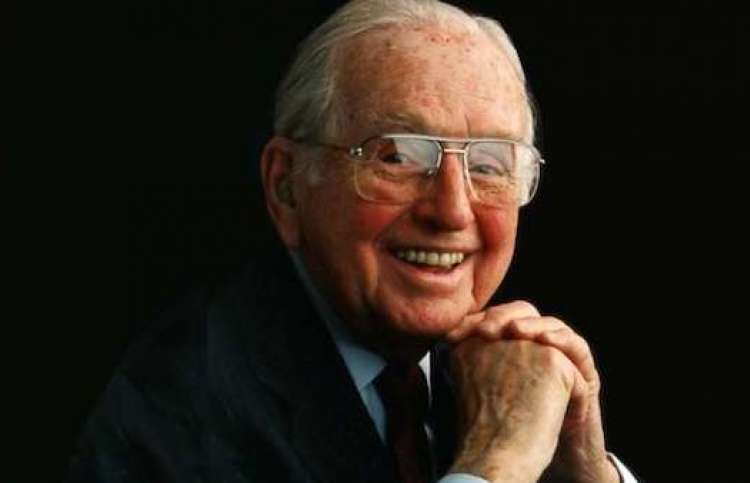
For more than 65 years, ever since my ordination as a minister, I have been preaching that if a person would surrender to Jesus Christ and adopt strong, positive attitudes, he would have a joyful, abundant life. I am still convinced that this is true. But I also have to admit that the trend during the latter decades of the 20th century seemed to be away from the principles and practices of religion.

Journey With Jesus in article ad

During my speaking-engagement travels, discouraged people come up to me seeking answers. In recent years their most frequent question has been this: Why, with so much natural harmony in this bountiful God-given land of ours, have human beings made such a mess of things?

At first that depressed me, because I didn’t have an answer. When something is troubling me, my wife, Ruth, and I try to get away from the noise and confusion of New York City and go up to our country place in Dutchess County. It was there while taking a walk one night that I came up with an answer. It was a tranquil moonlit night, and as I strolled down the flagstone path I recalled a man who came up to me after I’d given a talk in a midwestern town.

“Dr. Peale,” he had said, “do you think we’ve had it?” I asked him what he meant. “Can’t you read the signs?” he said angrily. “Sure, we’re powerful and prosperous. But so was Babylon. So was Rome. You know what I think? I think God is fed up with us!”

Recalling this incident made me stop walking, and I stood by the white fence with my hand on the gate. Was God really turning his face away from us? No, I decided, if anything, in all of today’s apparent decay, God was trying to tell us something. But what?

A rabbit hopped out into the road, then skittered into the bushes. In the distance an owl hooted softly. The moon was high in the sky now. For millions of years it had been circling the earth. Even its eclipses were predictable.

Through the trees, lights shone from neighbors’ houses. In them were human beings like myself, worried sometimes, groping for answers. There was nothing completely predictable about the life of any of us, none of the certainty that governed the rest of nature. The moon obeyed the laws of gravity. The rabbit in the road was controlled by instinct. So was the owl that might swoop down on the rabbit. But human beings had been given freedom of choice. They alone could change the direction of their future, because God had given them free will.

This freedom—wasn’t it possible that in rebelling against the authority restraints of the past, we Americans were neglecting our own inner controls? That would explain the current degeneration, these harmful, selfish acts that distress all thinking, God-fearing people.

I recalled a story I had read. It said that when the founders of our nation came out of the final session dealing with the Constitution, some of the waiting crowd surrounded Benjamin Franklin. “What have you given us?” someone asked. “A republic,” answered Ben, “if you can keep it.”

This wise old statesman meant that a republic with individual freedom is such a delicately balanced form of government that whether or not it survives depends entirely on its citizens. Not on how much prosperity and security they have. But on their intelligence, energy, selflessness, honesty, toughness, vigilance and patriotism—in other words, their character.

“I am still convinced that freedom of choice is at the heart of all morality.”

Ben Franklin was aware of the danger in a free society—that if the citizenry gets too lax, too soft, too self-satisfied, too indifferent, then they might lose their freedom.

Some people in our country today think we can solve many of our problems by recruiting more and more law-enforcement officers. But past and recent events in Europe and other parts of the world show what utter failures police states have been throughout history.

So that brings us to the answer to our moral crisis that I arrived at up at our country place: The reason we’ve made such a mess of things is because so many of us as individuals are out of control. The conclusion I reached that night was this: Our best hope of preserving our freedom in a free society is by convincing citizens that they would have to restrain themselves. I believed they could be shown how to do this, and helped to do it, and made to see what an exciting thing this new way of life could be. Not by imposed restrictions, but by self-control and self-discipline.

I am still convinced that freedom of choice is at the heart of all morality. It is not the lock on the door or the policeman on the beat that prevents a burglar from breaking into a house—although they may be deterrents. The choice is really up to the burglar. If his inner restraints do not restrain him, he is going to make the attempt to burglarize.

Most of us never contemplate burglary or other serious crimes, but we all face moral choices. It is precisely this freedom to do right or wrong that makes doing right an exhilarating and strengthening thing.

Have you ever been in a school where the honor system really does work? You can feel the pride in the atmosphere, and sense the dismay and anger when someone violates the code. Once, in such a school, I heard a skeptic say to the dean, “But this honor system gives the students a perfect opportunity to cheat.” The dean replied, “No, it gives them the opportunity not to cheat.”

However, not everyone has such a positive outlook. I got a letter from an irate teenager who took exception to a sermon he had just sat through (fortunately it wasn’t one of mine). “We young people,” he wrote, “are fed up with lectures on morality. And do you know why? Because they just consist of an endless series of don’ts. It’s always, ‘Don’t do this! Don’t do that! Don’t do anything.’ And we’re sick of it.”

That angry young man has a point. Too often morality is made to seem like a gloomy procession of negatives.

How much better it would be if we concentrated on building the young man’s pride in himself. What if we truly gave him the opportunity not to cheat, if we showed him what a wonderful thing the human body can be without drugs, if we gave him goals. He might listen if someone said, “Why not control your life, why not be master of your habits, why not know the joy and satisfaction of self-discipline? And I’ll give you all the help possible.”

I’m not proposing that all “don’ts” can be eliminated. Obviously they can’t. Jesus himself did not try to reinterpret or change the Ten Commandments, which for the most part are powerful “don’ts.” But Jesus did add the positive love commandment—to love God and “your neighbor as yourself.” And it was this same man who said, “The kingdom of God is within you.”

The Bible also says, “He who rules his spirit is better than he who takes a city.” Surely this spark in the human spirit is not dead. I truly believe that individual self-discipline and self-control are our best hopes to preserve the values and freedoms we Americans cherish.

Download your FREE positive thinking ebook!