Embrace God's truth with our new book, The Lies that Bind

How to Add Humor to Your Caregiving Routine

Something changed about a year after Dani Klein Modisett moved her mother to a new senior residence in Los Angeles.

In spite of the fact that her mom was living with Alzheimer’s, she’d adjusted fine to the move from her longtime home in New York City. Then her spirits seemed to flag and she disconnected from others, including her own daughter.

Walking with Jesus L&E evergreen_in article ad

Modisett took a novel approach to the challenge: she phoned a comic.

Her response may have been a little different, but it wasn’t off the wall, given that Modisett herself had spent years as a professional comedian. She had an overriding desire to make her mother laugh, and it worked. The caring comedian she found, hit it off almost instantly with her mom and the two spent a few hours together each week, joking around and just generally relating. The effects were transformative.

The success of that shot in the dark led to Laughter on Call, the company Modisett founded as a way to use comedy to bring people together, especially in tough circumstances.

That includes caregivers and their older loved ones who have dementia or other chronic conditions. In addition to providing “open-hearted, warm and loving” comedians (currently via Zoom) to people who need a bit of levity, Laughter on Call also focuses on self-care for caregivers and helps them to bring humor into the caregiving situation.

“If you can keep yourself joyful or energized and healthy, that’s what you’re bringing to the caregiving,” Modisett said. “It’s not only important for your own well-being and your own sense of burnout, but for the person that you’re caring for.” That can mean anything from laughing to learning conscious breathing, to finding ways to take breaks. 

The type of comedy that works for people with Alzheimer’s is what Modisett calls “humor from your humanity.” No sarcasm, no witty repartee, no current events. It’s broad—exaggerated. 

“You’ve got to be willing to be silly,” she said. “But all laughter is good. It raises endorphins, brings more oxygen to the lungs, exercises facial muscles, there’s a serotonin release. Just on a purely physical level it has value.”  There’s another important aspect, however, to injecting humor into the caregiving relationship. “When you have shared laughter, it’s evidence of connection,” said Modisett, whose mother died last year, having bonded with more than one of the comedians her daughter brought her way. “When you can laugh with someone, you have a certain bond, and that is more than most people do with the Alzheimer’s community. People don’t want to see it because it’s hard.”

As was the case with Modisett and her mom, it’s sometimes difficult for people with Alzheimer’s to connect with those who are close to them, while it can be easier to do so with others.

“The person with the disease has a very heightened sensitivity,” Modisett said. “If there’s something about you that’s familiar that they can’t place, that creates frustration.” And connection goes beyond humor. “I am primarily about cognitive engagement,” she said. “I call it Laughter on Call because Cognitive Engagement on Call is not fun.”

To that end, Modisett has developed a set of caregiving tools she calls BHILATYS. She offered the following tips to help you forge better connections with a loved one who has dementia:

B — Breath

“Taking the time for conscious breathing, even just one, can make a difference in your day. Taking a deep breath not only brings more oxygen to your lungs, it’s gives you a pause before reacting under stress and helps with responding with patience,” Modisett said. “I call this tool the first building block of self-care.” 

H — Honesty

“Be willing to be honest,” Modisett said. “I observed many people in my mother’s community who would be like, ‘Oh hi, mom, you look great! Isn’t it great, it’s so great!’ Not being in the moment, not being truthful, not really meeting the person where they are. You see this a lot in Alzheimer’s care. Meet the person where they are.”

I — Imperfect

“Imperfect is great. My father died of cancer 20-something years ago, and everybody was there the day before, reading to him. Then my mother got Alzheimer’s and in two, maybe three, months, she was down to one friend. Some of it was, ‘I’ll just remember her the way she was.’ There were also people who just didn’t know what to do and they were afraid they wouldn’t do it right,” she said. “It wasn’t going to be perfect, so they didn’t come at all. If you show up, you’re 12 steps ahead of most people.”

L — Let go of the moment before

Moods of people with Alzheimer’s tend to be mercurial and impulsive, Modisett said. One moment, your loved one may be angry and upset and the next moment is making silly sounds and waving to people. If you remain invested in the earlier moment, you miss the next one. Meditation can help to let go of thoughts you may be stuck in.  

A — Appreciate

“There’s always time to say, ‘I love you, and I appreciate the opportunity to care for you, or I appreciate X …’ The hardest one for people is appreciating themselves,” Modisett said. ” So, I have people write a letter, ‘Dear Me, what I love about you is …’ Then take the time to read that letter.”

T — Timing

Understand the difference between macro-timing and micro-timing. “Macro is, ‘When do we take the keys away?’ or ‘When do we get help …?’ Then there’s the micro of the day: ‘When do we eat lunch?’ ‘When is a good time to bathe?’ ‘When’s a good time for visitors, so she doesn’t get frustrated? Definitely not after 4.’ Things like that.”

Y —Yes, and …

“Don’t argue with anybody in memory decline,” Modisett said. “You’re never going to win. You’re just going to frustrate yourself. So, it’s kind of, ‘Yes and yes, and we try this [instead].”

S — Silly

“Don’t be afraid to be silly. At Laughter on Call, we put on music, we dance, we make a funny face,” Modisett added. “Even people in end stage Alzheimer’s can mirror the face back. So, communicate physically with a voice or something that connects with them, and they do it back. That’s something we really believed in and pursued, rather than this, ‘Well, I don’t’ know, he’s gone, what’s the point?’ They hear you! They’re in there!”

How This Teacher Helped Her Student Through Alcohol Addiction

I looked at the blond teenager slumped at his desk in the back row of my classroom and felt sick inside.

Only six weeks ago, before I started my first year of teaching English to college freshmen, I had prayed, “God, please send me students who need what I can give.” And now I asked despairingly, “Why, Lord? Why did You send me Robby?”

Pray a Day Vol 2 In Article Ad

There was absolutely nothing I could give this student. I suspected strongly that he was an alcoholic, and that was a disease I’d had no luck coping with. When I stopped at his desk to return a paper he’d handed in, it was clear that he’d been drinking before class. Once again he smelled like a brewery; his eyes were bloodshot; his hair, disheveled. My words tumbled out before I could stop them.

“Robby, are you in the habit of drinking beer for breakfast?”

I regretted the sarcasm but couldn’t control my frustration. I felt as angry and helpless as I had been on a Christmas Eve during my childhood when my father staggered into the tree on his way to the kitchen for another beer. Ornaments shattered on the hardwood floor, and the colored lights sputtered and went out.

After my mother helped him up, he still got that beer. “Mama, don’t you ever want to g-give up?” I asked in an unsteady voice. She sighed. “He needs me to stand by him and pray for him. With God’s help, somehow, someway … well, I know he’ll find his way.”

Now, in my classroom, Robby looked at his desk and shoved both hands into the pockets of his jeans. “I’m rushing a fraternity,” he muttered. “You must smell beer from the party last night.”

I shook my head. “Robby, you’ve already missed three classes.” I held out the theme he’d written. “And a D on your first paper isn’t a good way to start the semester.” He looked up pleadingly. “But I won’t be absent anymore. I promise. And I’ll work harder on my next paper.”

Classes were changing, and before I could respond, he had risen and disappeared into the crowd. I walked briskly down the hall to my office. I hated myself for being angry and blamed Robby for making me feel that way. He’s just like my father, I thought. He was unreachable. Irresponsible. How many times had I tried to get through to my father—to no avail? And then more heartbreak: My younger brother started drinking. Again and again I’d begged him to stop, bailed him out of jail, listened to his lame excuses. All for nothing. My heels drummed on the terrazzo floor of the hall. Robby would have to solve his own problems, I decided. I had nothing left to give.

For the next several weeks, Robby did come to class regularly. Slumping at a desk in the back left-hand comer of my classroom, he daydreamed or gazed out the window into bright leaves and sunshine. Sometimes he’d get up during a class discussion to go outside and drink from the water fountain.

The two papers he handed in looked as if they’d been dashed off. I marked a large D on each. Yet when I lectured or led discussions, I’d find myself looking back to Robby’s comer of the classroom. His eyes carefully avoided my gaze; sometimes he’d flinch, as if recoiling from a punch.

When I handed back Robby’s fourth assignment, I watched him open it to the back page. His eyes fell on the inevitable D, and I saw tears well in his eyes. They always cry, I thought bitterly, remembering how my father’s large hands would shake as he’d cover, his face and say he was sorry and promise to change. Now, for some reason, I felt guilty, as if I were the cause of Robby’s misery. I quickly caught myself. I would not be manipulated into feeling responsible.

“He’s got to take responsibility,” I vowed.

Determined to confront him, I caught him at the door after class. “Robby, can we talk a minute?” I asked. He looked at the floor and didn’t answer. “I—I don’t like giving D’s,” I began, “but you haven’t given me much choice.”

“I can’t write like you want,” he muttered. “Whatever it is you want, I can’t do it.” I stiffened. That’s always it, I thought. Blame anything but the alcohol. Just give up. Expect to be bailed out.

“Robby, you could write perfectly well,” I found myself saying, “if you’d stop drinking and start caring about your work.” He looked up at me.

“I hate the paper topics,” he countered. “They’re stupid.”

Paper topics were under the control of the English Department and I assigned what the syllabus demanded. Now Robby wanted me to make an exception for him. I hated exceptions. I stared at Robby; for a fleeting moment I recalled my mother’s eyes, warm and steady, reflecting her conviction. I could hear her saying firmly, “We won’t give up on your father. We’ll go on believing that God can give him the will to change.”

Something broke within me—or maybe I was just tired of being angry, unsure of what to do next. I knew what Mama would do.

Robby poked nervously at a hole in his faded jeans, shuffled his feet and waited for me to respond. Then, obviously anxious to retreat, he tried to edge past me. “It’s not your problem,” he said. “You can just flunk me and forget it.”

But I stood there blocking his path. He was wrong. It was my problem. I remembered the prayer I’d said before school began. I hadn’t asked God for the best students but for those who needed what I could give. I took a deep breath. “Okay, Robby, on the next paper you can write about anything you want. Forget the assignment sheet. Just make sure your paper’s at least two full pages, and … and that it’s about something that matters to you.”

His eyes widened in disbelief. “Anything?” he asked.

“Anything,” I answered.

Afterward I worried that I’d violated the letter of the law set down by the English Department for freshman composition. But I consoled myself by arguing that I hadn’t violated its spirit. I went on worrying about Robby and my response to him while I cooked dinner, did my laundry and fed the cat. A week later, after he handed in his next paper, I pulled it from the pile as soon as I sat down in my office, anxious to discover what he had to say. Neatly stapled together were six full pages of small, careful print. The first sentences were: “Kevin woke up with his face in the high grass beside the interstate. He could hear cars whizzing by and his head hurt. He’d blacked out again.”

I looked up from the paper and felt my eyes begin to sting. Taking a long gulp of coffee, I kept reading. In a moving, concrete and straightforward style, Robby continued for six pages describing the life of a teenage alcoholic. “Kevin,” he wrote, “hated looking into the mirror at himself. It made him want another beer.” The Kevin that Robby described lost friends because of his drinking, woke up in places he couldn’t remember arriving at, and made D’s in chemistry, calculus and English. He felt “desperate, alone and sure of dying.”

At his paper’s conclusion, Robby added a postscript: “Miss Bradford, this is not me. I wanted to try writing fiction, but I don’t want you to think this is me.” I pushed his paper aside, put my head on my desk and cried. All of the times my father had bellowed, “I don’t have a drinking problem,” replayed themselves on the screen of my thoughts.

I reached for a tissue. What should I do? If I referred Robby to the alcohol treatment program at Student Services, he wouldn’t go. If I contacted his counselor at the General College, what would I say? That to every alcoholic his dependency is only fiction? That I had a way of knowing when people drank too much? That I’d grown up with an alcoholic father? That my younger brother had looked just like Robby his first year in college—the year he wrecked two cars and nearly killed himself? I knew I wasn’t a counselor, a social worker or a psychiatrist, and I was sure Robby’s presence in my class had been some kind of cosmic mistake. I’m just an English teacher, I thought. But the words stuck in my mind as if they contained the answer. You are an English teacher. Just teach English the very best way you can.

I poured another cup of coffee. Then, with an almost peaceful determination, I began grading the paper. Scrupulously I marked every misspelling or grammatical error, put in absent commas and suggested shorter paragraphs. Finally, in my end note I wrote, “Robby, this is your best paper yet. Concrete, compelling and interesting. You involve the reader in Kevin’s painful, desperate situation. But fiction requires a conclusion. What happens to Kevin? Does he find help or end up a victim of the bottle? For your next paper, I’d like you to finish the story.” I scrawled a large B below the note.

When I handed the papers back, Robby was in class, but he missed the two classes that followed. Panic crept over me at odd moments that week. Had I done something so wrong that he’d decided not to come back at all? How could I have imagined I could help such a confused, haunted teenager? I knew if he didn’t show up for class the next time, I’d have to notify his adviser.

When I walked into my classroom on Monday morning, I immediately looked back at Robby’s seat. It was empty. As I opened my book, I tried to squelch disappointment long enough to teach the other students. Then, glancing up to take roll, my heart jumped. Robby was there after all, but not in his usual seat in the comer. He’d moved to the second row. His hair was combed, and he wore a bright-green polo shirt and crisp khaki pants. I’d never seen him in anything but torn jeans and an old shirt. Catching my gaze, he smiled broadly.

Back in my office an hour later I turned to the conclusion of Robby’s “fictitious” narrative. He’d written a single paragraph: “I couldn’t write it. I was afraid how it would end up. I’m not drinking anymore and I’m going to Alcoholics Anonymous. I know I can finish this now—if I can just get an extension.”

I wrote at the bottom of the sheet, “Extension granted.”

I still saw Robby after he finished my class, taking away a B- as his course grade. Usually it was early in the morning. I’d be walking across campus, clutching a cup of coffee, not yet awake, and I’d hear him shouting exuberantly, “Hey, Miss Bradford, bow’s it goin’?”

Robby had needed the professionals he went looking for and found. But I’d been wrong in arrogantly declaring that I had nothing to give. He’d needed me to believe he could make the changes so important to his leading a healthy, productive life. My mother had been that believing person for my father and brother—to this day faithful members of Alcoholics Anonymous.

I thank God for using my classroom as one of the instruments in Robby’s change. And I remember Robby at the beginning of each semester when I carefully pray, “God, send me students who need what I can give.”

*Names have been changed

This story first appeared in the March 1987 issue of Guideposts magazine.

How This MMA Fighter Recovered from Addiction

Mixed martial arts is one of the world’s most violent sports. Two combatants climb into a cage and attempt to pummel one another into submission using almost any fighting style they choose. Unlike boxing, which is governed by strict rules, fighters in MMA matches can hit and kick almost any part of their opponent’s body, twist arms behind backs, throw opponents to the mat and force a concession by contorting limbs into painful positions or using choke holds. MMA fighters are injured more than four times as often as amateur boxers. From 2007 to 2017, six fighters died.

I was an MMA fighter for six years, and I loved it. I had a lot of anger, and I used that anger to dominate opponents. In the ring, my wreck of a personal life (and believe me, it was a huge wreck) no longer mattered. I had one focus: to survive and conquer. I was in control. I was the victor.

Inspiration from the Garden in article ad

Then, three years ago, it all fell apart. I was so addicted to the drugs I used to numb the pain of injuries, I couldn’t even fight. I lost my job at an MMA gym. I was homeless, sleeping in a drug dealer’s house and making deliveries for him to pay for my opioid habit. I used to be cut—five foot seven, 155 pounds— but I wasted away to 119 pounds.

My parents wouldn’t let me stay at their house because I’d robbed them. They only agreed to take in my beloved dog, Leonidas, after it became painfully obvious I couldn’t care for him.

One night, desperate, I climbed over Mom and Dad’s back fence and collapsed in their garden shed. They found me the next morning, passed out. It was four days before Christmas.

All my life, I’d been a fighter. I thought I could fight my way out of anything. Even addiction.

Where did all that fighting get me? To the brink of death. I was 25 years old, and I had no more fight left. I just wanted it all to be over.

I grew up the youngest of four children in Biloxi, Mississippi. My dad managed a shrimp plant. Mom stayed home to raise us kids.

We were a competitive, big-personality family. From a young age, I knew I had to fight for attention. My siblings were all athletic, so I focused on that. I competed in everything: baseball, soccer, golf, cross-country, track.

My parents never made me feel as if I had to win to earn to their love. They were supportive even when I lost. But I ate up the praise, the excitement of winning. I craved approval, and winning felt like the easiest way to get it.

Biloxi is a party town, a spring break destination. I fell into that culture, tagging along with siblings to high school parties when I was a seventh grader.

At parties, I found a new way to gain approval: get drunk and act outrageous. I developed a reputation as the craziest guy in school.

In high school, I managed to keep my partying from interfering too much with sports or academics. I landed a golf scholarship to a community college about 20 miles from Biloxi.

The freedom of college was not good for me. My first year, I got caught with alcohol on campus and was put on probation. I struggled on the golf team and lost my temper on the course. One match I broke four clubs.

Eventually I failed a drug test and was kicked off the team. I lost my scholarship and transferred to another school. There I got drunk at a football game, fell out of a car on the way to a party and injured my hand. Once again I was kicked off the team. This time I didn’t wait to get expelled; I dropped out.

I’d been the first person in my family to go to college. Blowing that chance—twice—filled me with shame. My drinking escalated, and I started smoking pot daily. I just wanted to be numb.

I moved back home, and my parents insisted I get a job. For a few years, I’d been practicing jujitsu and kickboxing at a Biloxi gym whenever I was in town. The gym owner, Alan Belcher, asked if I’d be interested in trying mixed martial arts.

“It’s no-holds-barred,” he said. “Any fighting style. Nothing unfair or excessively dangerous allowed. But pretty much you do what you want in the ring.”

I tried a match. The adrenaline rush was intense. The aim of MMA is not to kill your opponent, but sometimes it feels that way in the ring. The instant the fight started, all those feelings of shame and failure vanished. I was totally focused on survival. Scoring a hit or taking down an opponent, I felt invincible. Full of limitless power.

I wanted more. I began competing at the gym and on a local fight circuit. Alan offered me a job as an instructor and later as an assistant manager at the gym.

Somehow I managed to stay in shape, fight and keep partying. I went from being an unknown underdog to a fighter people wanted to watch. The pressure I faced in the ring rose.

That’s when I discovered the power of pain pills. I’d taken my first pain pill after injuring my hand in college. Even then I noticed how the medication made me feel relaxed and trouble-free, sort of a passive version of the freedom and control I felt in the MMA ring.

Like most MMA fighters, I got injured. I broke my hand in a street fight. Ruptured my appendix and needed surgery. Blew out my shoulder during wrestling practice.

With each of those injuries, I got prescriptions for pain pills. Soon I was taking the pills even when I wasn’t injured. They helped me cope with the pressure of fighting. High on pills, I could train for hours, compete with confidence and still have gas in the tank to party all night. Some people zone out on pills. I amped up.

I thought the pills gave me control over my life. In fact, the pills controlled me. My drug use increased until my performance in the ring suffered. I lost matches. Failed to show up at the gym. Spent days high out of my mind.

My girlfriend broke up with me, and I turned to injecting drugs. I took them all: opioids, methamphetamines, cocaine. I lost my job at the gym, ran out of money and ended up on that drug dealer’s couch. And I gave up Leonidas. That hurt as much as anything.

Then I collapsed in my parents’ shed. Two weeks after they found me, they drove me to a faith-based recovery center in Vancleave, Mississippi, 20 miles from Biloxi. They enrolled me in a 90-day residential program. My first days in rehab were a blur of sickening detox. At one point I awoke in a fog and saw 30 guys, counselors and other program participants, standing around my bed, praying for me. Was this real or a hallucination?

Once the worst of detox was over, I faced the bleak prospect of rebuilding the life I had wrecked. This, I thought, is the fight of my life. For years I’d been fighting for attention and approval. Now I had to fight my way to recovery.

The rehab center was called Home of Grace, and it employed a Christian take on 12-step recovery. I’d been to church as a kid but long ago given up on a relationship with God. What would God want with a hard-partying, hard-fighting drug addict like me? I had to be fully recovered before I could look God in the face.

One evening I was at a worship service in the rehab’s chapel. I was still sick from the drugs and still feeling somehow separate from the other guys in the program. They all seemed further along than me. I could sense in their closeness with one another a healing and blessing that I hadn’t earned yet. I wanted that healing. I knew I had to fight for it.

The preacher was talking about salvation and kept repeating one word: grace. “Grace,” he said, “means God already loves you. Already forgives you. There’s nothing you have to do. Nothing you can do. You can’t fight to claim what’s already yours. You just have to receive it.”

Was grace really an absolute? Could that possibly be true, that God loved someone like me? Accepted me and forgave me before I even did anything to deserve it?

I didn’t believe it. But the preacher kept saying it.

All of a sudden, I felt this powerful pull to walk to the front of the chapel, kneel down and give myself to God.

Stop fighting, the feeling seemed to say. Stop trying to win approval. Just let go. Surrender. Put the mess of your life in God’s hands, and ask him to help you put the pieces back together.

I walked forward. I felt hands on my shoulder. Heard prayers of encouragement. I was crying. I felt overwhelmed.

I knelt down and bowed my head.

“God, if there’s something you can do with my life, it’s yours,” I said.

Never before had I admitted defeat like that. Never before had I felt so free.

That was three years ago. Except for one relapse that lasted less than a day, I’ve been sober ever since. I’m now enrolled in Bible college in Missouri. I hope to become a pastor and mentor young people toward a better path than the one I chose.

I still drop by the gym whenever I’m in Biloxi. I try to stay in fighting trim.

But I’m not a fighter anymore. To support myself in school, I help manage a farm that’s part of a larger Christian community affiliated with the college.

I don’t fight my addiction or for approval. I don’t fight for God’s love.

I lay myself open to God and to serving others. I know my sobriety depends on my daily acknowledgment that I am powerless over drugs.

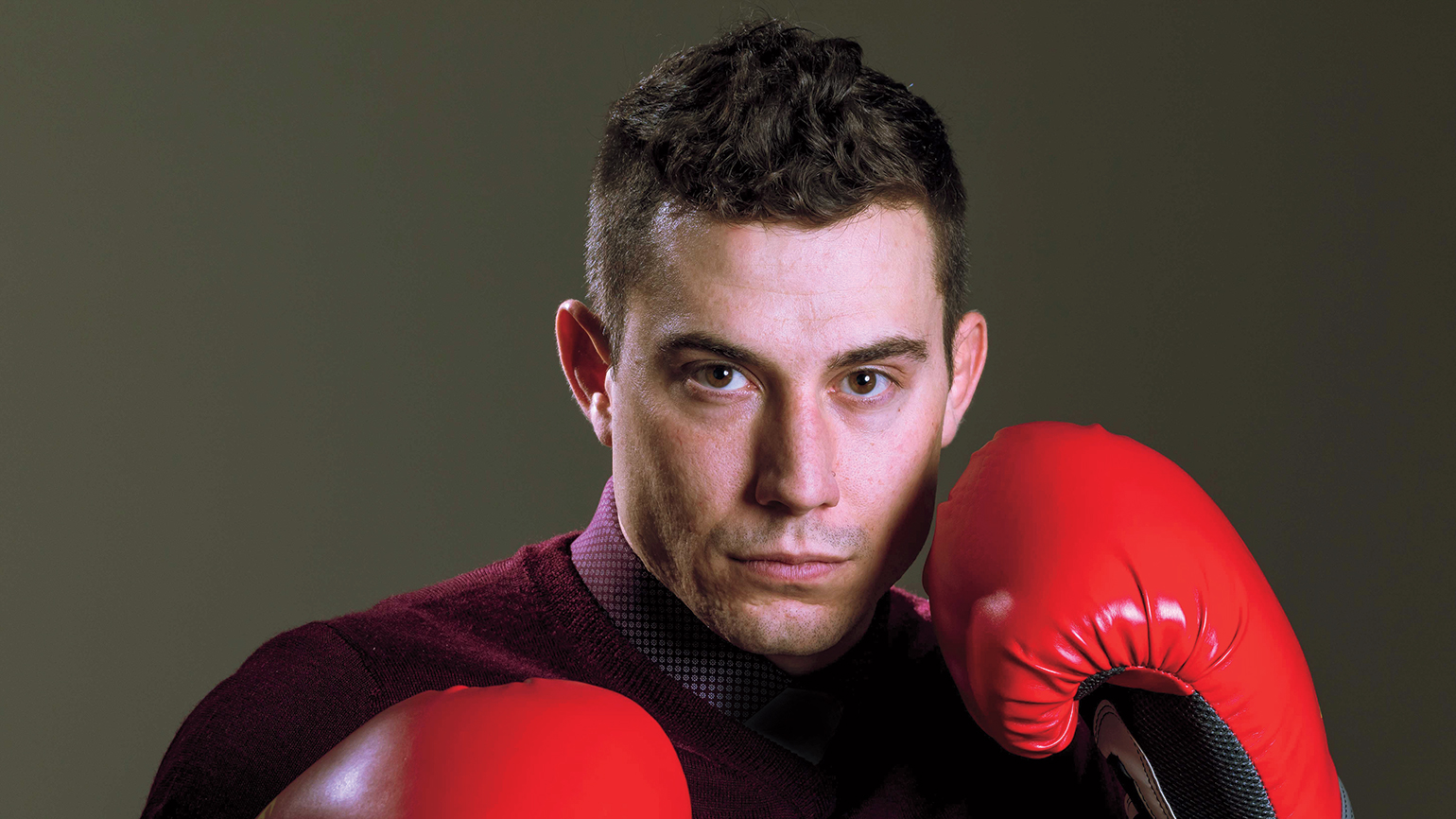
I may be powerless, but God is not. After a lifetime of fighting, I have taken off my gloves. I don’t need them anymore. With God on my side, the fight is already won.

How This Megachurch Embraces Diversity

This interview is part of our What Our Faith Calls Us To series.

In 2015, a white police officer in Cincinnati, Ohio, shot and killed an unarmed Black man during a traffic stop. The incident drew national attention and prompted Chuck Mingo, who is Black, to develop a racial reconciliation program at Crossroads, a megachurch where he is one of several pastors on staff. Crossroads, with roughly 38,000 members, is one of America’s largest and fastest growing churches.

GP In Article Desktop

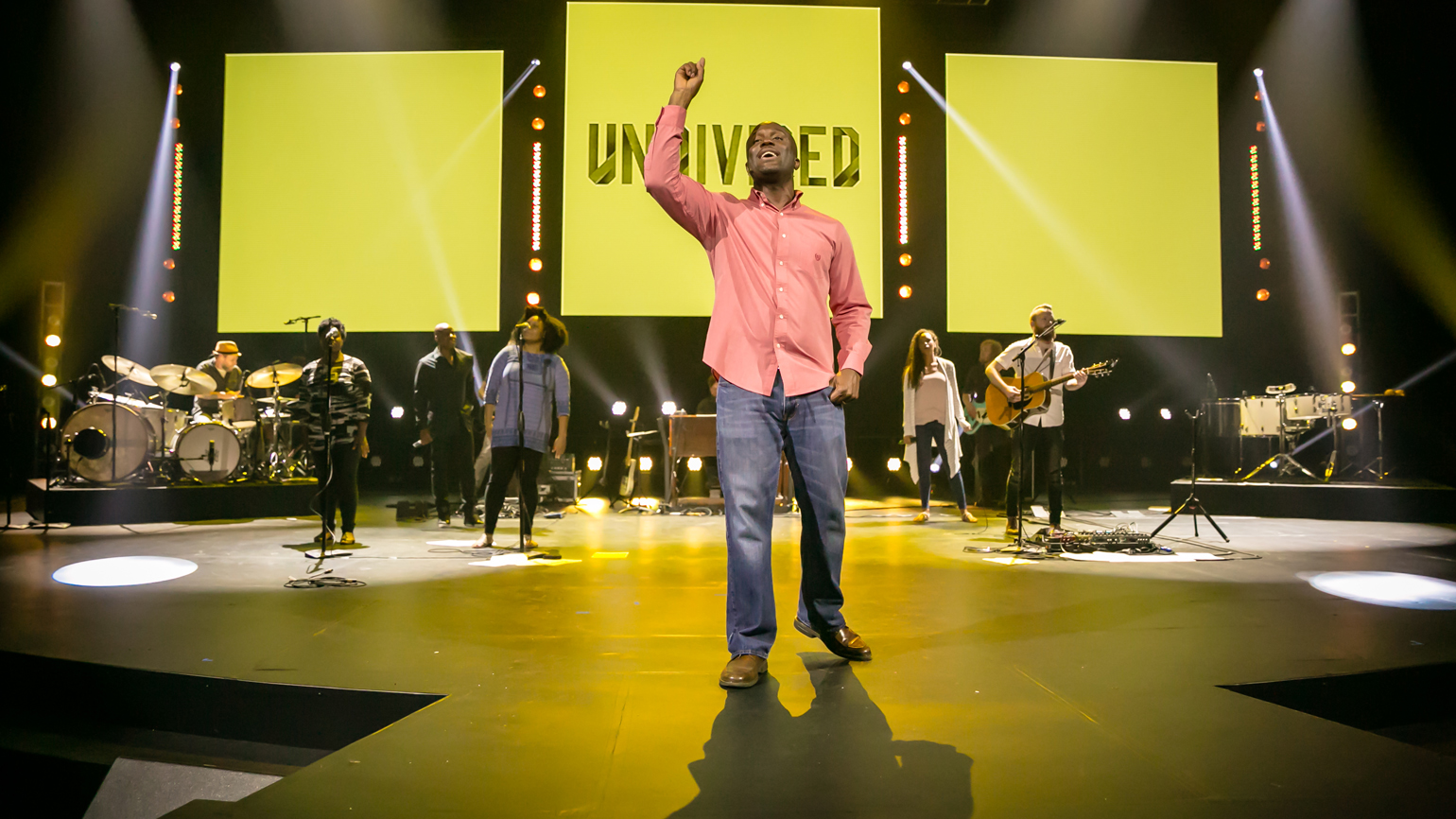
The initiative, called Undivided, promotes diversity using education, Bible study, small groups and social activism. The congregation was galvanized by the program and Crossroads now helps other churches nationwide do similar work.

“God’s heart is for a church that looks like heaven,” Mingo says. “This is a part of the gospel. In Ephesians, Paul says Jesus came to break down the dividing wall of hostility and make one new humanity.”

At Crossroads, participants in the Undivided program were divided into racially-mixed small groups. Members studied biblical messages of inclusivity, learned about racial injustice in U.S. history, shared a meal and engaged in honest— and sometimes difficult—conversations about personal experiences of racism.

The groups were then prompted to use what they had learned to benefit the city of Cincinnati. Participants in the program campaigned for a citywide ballot initiative that raised property taxes to fund education. Backers of the ballot initiative credited Crossroads’ support with motivating voters in a city that typically favors low taxes and small government.

Similar change has come to other churches adopting the Undivided program. A few years ago, a Lutheran congregation in a mostly white suburb of Cincinnati formed Undivided groups with a historically Black church near downtown. The churches forged close ties and participants in the program went on to take joint mission trips. Members continue to meet and, in Mingo’s words, “do life together.”

“There is a beautiful promise on the other side of owning where we have fallen short,” Mingo says. The church is “an army of reconcilers. We’re an army of love.”

How This Country Music Singer Overcame Alcohol Addiction

You might not believe part of the story I’m going to tell you. In fact, if it hadn’t happened to me, I myself might find it pretty hard to swallow. All I know is my life got turned around when I wasn’t sure I wanted to go on living.

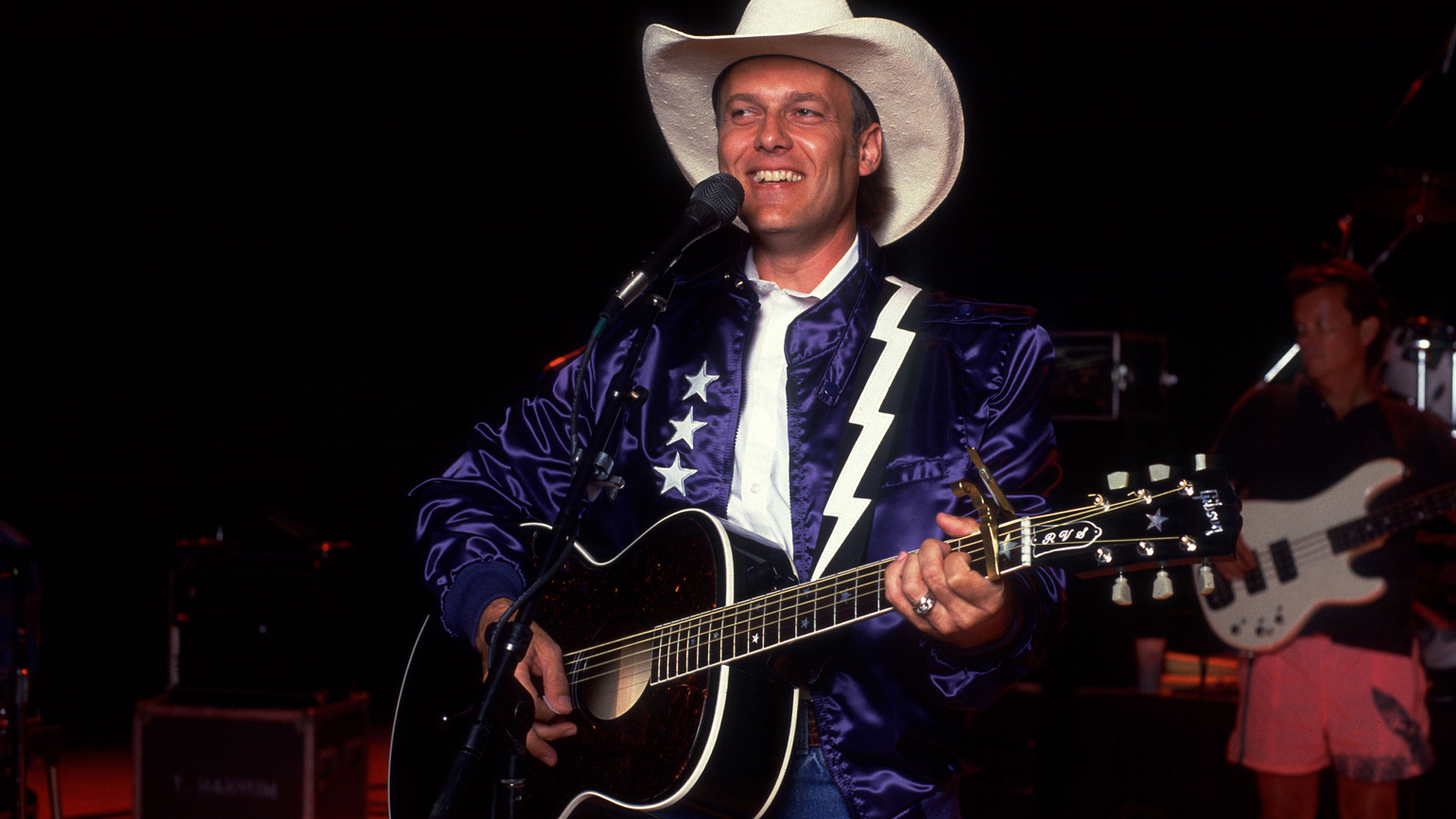
In 1991 I was at the height of my career. I had a hit album, had been named The Nashville Network/Music City News Entertainer of the Year and Male Artist of the Year, and had received 16 other awards in five years. It was a dream come true, one I’d worked hard for. But my life was a mess. I was addicted to alcohol, my marriage was in shambles, and I was so depressed that even music meant nothing to me.

Whistle Stop Cafe In Article Ad May 2023

And music had always been the center of my life. I grew up in Grit, Va., a small town near Lynchburg, the youngest of the five Shelton children. My daddy worked in a factory, my mama raised us kids. 

Faith was important to our family; we went to church more than most people went to work. I started singing when I was so tiny that I couldn’t see over the altar rail. My folks would just pick me up, stand me on top of it, hit a few chords on the piano, and I’d let loose with a chorus of “Mansion Over the Hilltop.” I knew for certain, with the faith of a child, that God was real and there was a place for me in heaven. My daddy’s favorite song was “Don’t Overlook Salvation,” which I sang loud and strong.

When I became a teenager, my taste broadened to include popular music. By the time I was 14, I’d mastered 25 chords on the guitar.

Then my older brother Ronnie bought a mandolin. He’d go over to a friend’s house, where a group sat around the kitchen table playing the same country songs all night. When Ronnie asked me to come along, I said, “No, thanks.” But when he said he’d let me drive his car, that got me interested. I started hanging around with the group, and in the process, I fell in love with country music.

Soon I was hooked on old standards like “Hello Darlin’” and “I’m So Lonesome I Could Cry.” While other kids were playing basketball or baseball, I was playing guitar and singing. When my friends went to the junior-senior prom, I played a gig with my brother in some beat-up barn.

The summer I was 18 I had a real personal relationship with God. But that fall I rebelled and quit going to church. After I got out of high school, I pumped gas and worked as a pipe fitter, plumber—even a car salesman. I always carried my guitar with me, just in case somebody wanted to hear a song after work. If I had a gig out of town and my boss wouldn’t let me leave early, I’d quit my job. No contest.

It was in Grit that I met Bettye, the girl who became my wife. Often we talked about how great it would be to move to Nashville, the country-music capital of the world. We could start fresh, and I could try to make something of my music.

In 1984 Bettye was offered a job in Nashville. She said, “Ricky, what have we got to lose? Let’s do it.” I said, “Darlin’, my bags are packed.”

In Nashville I played in the little clubs around town, just like thousands of other hopefuls. After a year and a half I was getting pretty discouraged. Then the husband of a woman Bettye worked with heard me sing and said he had the connections to set up an audition with CBS Records. Two weeks later I was in the studio cutting my first album. It took off and went platinum—sold a million copies—and five of the songs ended up number one on the charts.

Suddenly there were managers, band members, and roadies who followed me around. Instead of singing in some dive, I was on national television. I began touring. In 1988 I was home only 20 days. Whenever we played, I had a strict rule for the band and the roadies: If you’re wired, you’re fired. No drugs or alcohol before a show.

After a show, however, it was anything goes. And eventually alcohol took control of my life. When I was drinking it was easy to forget Bettye waiting at home so far away. Even when I was at home I’d do my chores as quickly as possible so I could pick up a beer. Or two. Or three.

By 1991 I knew I was addicted. Once when Bettye asked me what was wrong between us, I admitted I’d betrayed our wedding vows—when I was drunk I had no self-control. Instead of leaving me, Bettye and one of her friends prayed for me and for our marriage. I’d come to hate my life, to hate the power that alcohol had over me. Oh, it never interfered with my professional obligations—I stayed sober to perform—but it sure made a shambles of my personal relationships and my self-esteem.

Yet Bettye loved me, and so did my parents. Every time I talked to Mama and Daddy on the phone, the last thing they always said was, “We’re praying for you, Son.” Their love and the memory of my happy childhood days in church made me decide to do a gospel album and record all those old-time favorite gospel songs. It was a present for Daddy and Mama.

Those hymns brought back memories of when God was my companion, my best friend. But my own way to God seemed blocked. The price of going back to him seemed too great: I’d have to give up my fun, my friends, my parties. I continued my downhill slide, and despair became a way of life. Seldom did I remember the next morning what I’d done the night before. I got to the point where I didn’t want to be married. I didn’t want to perform. I didn’t want to do anything … even go on living.

Everything came crashing down one night in California. I woke up in the back of my tour bus, drunk, filled with guilt and shame. Once again I faced the humiliation of knowing I had lost yet another battle. I sat bolt upright, my heart pounding. I felt like I was losing my mind—and maybe I was. If there had been a gun around, I think I’d have shot myself just to stop the misery. “This is it,” I said. “I can’t handle this anymore.”

I picked up the phone and called Murphy, my bus driver, who was sound asleep in a nearby motel. “Ricky, it’s the middle of the night,” he said. “You sure this can’t wait till morning?”

“Murphy,” I said, “get over here and take me home.” Murphy had been with me for five years, and he could tell from the sound of my voice that I was serious. He showed up, took one look at my face and got behind the wheel of the bus and headed cross-country for Tennessee.

Through three states I lay on my bed in the back of the bus. By the time it was midday we were in Oklahoma and I was stone sober, but I still wanted to die. I kept begging God for help, but frankly I didn’t know what he, or anybody else, could do to end my pain.

All of a sudden there seemed to be a cloud floating above me. And then right in front of my eyes appeared what I can only describe as the face of the devil. It sounds unbelievable, but I know what I saw. That face kept coming closer and closer—ugly, overpowering, evil. I was terrified. The face was smirking, as if to say, “I’ve got you now, boy. You’re mine.”

It was true I’d messed up pretty bad. But I would not believe that the devil had me. I started crying and hitting at that horrible face, punching hard like a boxer. It didn’t work. I began to sob as the face came still closer. “You can’t beat me,” it seemed to say.

And then I heard words coming out of my mouth, strong and sure, as though they had been inside me all along just waiting for the chance to get out. “Maybe I can’t beat you,” I shouted, “but I know who can. God can beat you.” In an instant that devilish face recoiled with a look of pure terror. It shriveled up right before my eyes and was gone.

I fell back on the bed, gasping for breath. I knew I’d connected with God again. And he had shown me his power, and what his holy name could do. I haven’t had a drop of alcohol since that day. God took my addiction away and gave me back my self-respect. In the months after I got home, I thanked God that his gentle grace and the prayers of my loved ones had kept me going.

Funny thing is, I’d kept hearing that the gospel album I had recorded the year before my life-changing ride in the back of the bus—the one with all the old favorite hymns—was affecting a lot of people’s lives. I had called that album Don’t Overlook Salvation. And finally I’d followed my own good advice.

This story first appeared in the August 1994 issue of Guideposts magazine.

How This Christian Nonprofit Is Helping Families and Children with Intellectual Disabilities

Parenting can be a challenging role for anyone. Parenting a child with a disability, however, requires extra effort in time and resources; often leaving these caregivers with little to no time for themselves.

This is where Jill’s House—the Christian nonprofit based in Washington D.C.—comes in, empowering and supporting parents of kids with intellectual disabilities between the ages of 6 and 17 through breaks from their caregiving roles. 

Pray A Word a Day - 2023 In article

“That short-term respite care is the core of Jill’s House,” CEO Joel Dillon told Guideposts.org. “Parents get to sleep through the night, go on a date, give their other kids their undivided attention—precious gifts that many parents take for granted.”

Named after Jill Soloman—who at three months old, was diagnosed with Dravet syndrome, a severe type of epilepsy characterized by prolonged seizures—the organization acknowledges the financial and emotional stress that caring for a child with a disability could impose on a family.

Jill’s parents, Lon and Brenda Solomon, who founded the organization, were inspired to help families with kids with disabilities after receiving regular respite from their church during a time in which they struggled maintaining a happy home, while raising three boys and a daughter with a disability. After about a decade of planning and fundraising, the family opened the doors to Jill’s House in October 2010.

Jill's House volunteer reading a book with a childThe five-acre campus in Washington, D.C. offers fun  activities and resources,  such as music therapy, arts & crafts, swimming, and educational show & tells run by volunteers; each tailored and customized to the child’s interest and abilities. The professional staff is made up of client care specialists and nurses. Most importantly, children make friends with other kids with varying abilities and ages—an opportunity not available at schools, where kids are often segregated based on their age and diagnosis, according to Dillon. 
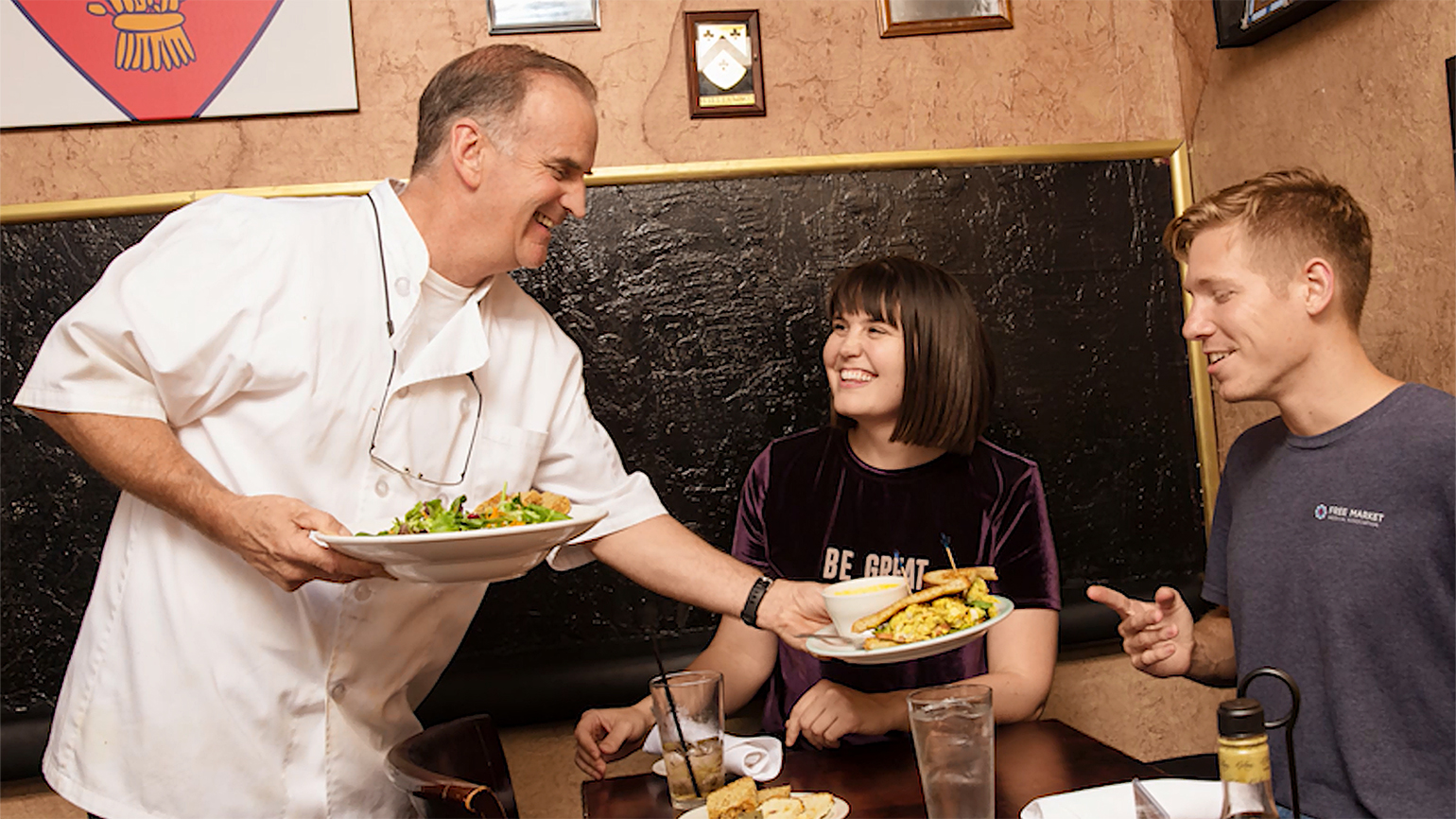
“Having a disability can be really isolating,” he said. “Kids who come to Jill’s House really develop in ways their parents hadn’t imagined. They develop socially, make friends and sort of come out of their shell more than they would at school.”

In addition to offering respite for parents, Jill’s House is committed to building a community in which families who experience similar situations can get to know each other and find support and acceptance. There are families, Dillon said, who met through Jill’s House and went on to become friends, planning play dates outside of the overnight respite center. Dillon also shared how joining the organization became a “turning point” for couples who were on the path to divorce, until Jill’s House offered them time to re-engage and re-connect.

Dillon’s goal for Jill’s House is to continue offering their services to families who need them and sharing their ideas and support to churches and organizations who are interested in becoming involved in their own way because “Jill’s House belongs to God, not us.” The organization is dedicated to building relationships with families over the long-term, serving them well into the kids’ young adult years.

“We’re happy to give away anything that we’ve learned over the years because the need is so great, we’re not going to be able to do this all by ourselves anyways,” he said. “We’re there for everybody and want to share the gospel in word and deed.” 

How This Busy Restaurateur Learned to Cope with COPD

My name’s Sean Cummings, and I have COPD.

You can get all caught up in right now and, once again, be afraid for the next 20 years or whatever, until something happens. But a lot of people that get a chronic disease or chronic illness, once they’re told that, they think it’s a death sentence. And it’s really not.

What it is just telling you what we already know—that sooner or later, it’s going to happen. Now this doesn’t mean it’s in five years, 10 years, or 20, and if we really have watched other people in life, nobody knows. Literally nobody knows, so I’m not going to buy into that. I have to buy into right now, I’m healthy. It’s great. My kids are all not in prison. They have a full set of teeth. I mean, they’re all pretty nice, good human beings. I’m happy with them. I mean, that’s what I got to be joyful about. I mean, I’ve got a pretty solid life. The bad thing is that every once in a while, I can’t breathe.

I think the best way for me to stay hopeful is, I go back to this mantra of, are we going to live in hope or are we going to live in fear? What do you want to do do? You want to look at today for being the best thing that’s going to be, Or you want to start off and look at today for the worst it’s going to be? Because we’re going to have dishes of both, right? We’re going to have a dish of both.

There’s an Indian saying that goes, Do you want to feed the angry dog, or do you want to feed the good dog? It’s our choice. Where do you put your energy? Because I’ve got to have energy for one. I don’t have enough energy for both. I only have so much energy in storage every day, and literally it’s about four hard hours and then I can do four other ones about medium. And when we get to that point, I literally have to lay down somewhere and go to sleep.

And that’s what I do, knowing full well that’s the deal. In about 30 minutes I can get up and do whatever needs to be finished. But with the way my body works right now, I just take naps throughout the day. Anytime I need them, I just stop and take a nap. And everybody I work with knows it. I tell you, what I find valuable for me—and I know a other people, they don’t frown on it, they think it’s funny or cheesy—is I do meditation in the morning and then I do prayer. Now the prayer I do is just a repetitive, over and over and over again, the same thing. And I find that works for me to take my mind out to whatever I’m on.

Meditation, there’s a couple of different things that I do: breathing, where I can breathe in a color and breathe out a color, and it feels like it can get rid of inflammation with that, and it seems to work. The other one is, literally, I will lay down on the ground and I run my hands over myself as if it’s an X-ray machine, and I say, I need the white light of Jesus Christ to heal this tissue. And I’ll move it all through my body and then out through my feet. I’ll push out whatever negative energy, whatever sludge I feel is in my body. And I just do that over and over and over again, till my body, to me, feels like it’s clean.

And you know what you’re going to do is just get out of bed. And the biggest thing that I would say for other people is, you know, if you want to feel lousy, set a timer. 15 minutes and go. I’ll feel lousy for 15 minutes. And when that 15 minutes is up, you got to get up and get going. What ends up happening is you’re just not getting enough oxygen to your muscles. So nothing feels good, and it makes you think, I’ll just curl up here and die. And that’s just not what I do. I do a 15-minute deal and get rolling.

What I think the most helpful thing is that I do, dealing with COPD, is so, I have a regimen. I get up. I meditate. I do some form of workout. I think these are two really important things, because a lot of times you just don’t want to get out of bed in the morning. Prayer, meditation workout. And I eat, literally, like a diet that’s friendly to it. For some reason or another, if I eat a whole bunch of white flour and stuff, it inflames it—I have no idea why, but it inflames it. And the other thing is that I monitor my body a little bit better, and look out for what is, or is not, affecting me. And emotionally, it can trigger this stuff as well. So you really got to worry about how deep I want to get into other people’s problems, you know? If people are around me that are negative, I buy into their negativity. If people are around me that are positive, I buy into their positivity. So I have to be around positive people. I can’t afford to slide back on that negative thing.

How the Power of Prayer Stopped His Nicotine Addiction

I had tried repeatedly to stop smoking, but my resolve never lasted. I had built up a powerful nicotine addiction. It had started in the Marine Corps when I was 17. By the time I was city editor of a Pennsylvania newspaper 23 years later, I was up to a four-pack-a-day habit.

One afternoon I was walking down the street puffing away when I had an urge to go into a used-book store. While browsing among the dusty bookshelves, I spotted a worn volume whose title, Direct Healing, caught my eye. I snapped it up.

At home in my apartment that evening I clicked on a lamp, grabbed my new book and settled into a rocking chair, a fresh pack of cigarettes on the table beside me. The book, which talked about how God is capable of healing everything from a broken arm to a broken heart, intrigued me right from page one.

I was three quarters of the way through the book when I came upon a paragraph that stopped me cold. It read, “Let us suppose, for instance, that you are a slave to the tobacco habit … ” Uh, oh. The writer talked about the importance of prayer in overcoming an addiction. When ready to pray, the author advised, “Go into your closet or your quiet, darkened chamber.” I don’t have a dark, quiet room. At that second the light went out and the room was plunged into darkness.

I groped for the lamp and jiggled the shade, thinking maybe the bulb had been loose. No, that wasn’t it. It had to be burned out. Or maybe it was a blown fuse. I flicked the lamp switch off and stubbed my cigarette in the ashtray. Then for some reason I tried the switch again. The bulb blazed with a burst of light so sudden it hurt my eyes.

I got the message. I walked to the front door, opened it and flung my pack of cigarettes as far as I could down the block. That was the first night in years I didn’t want my usual bedtime smoke. Nor did I crave one the next morning.

When I got to the newsroom at 6:00 A.M. the first thing I saw were packs of cigarettes on the desks near mine. I couldn’t go into a dark room, but I could pray. I closed my eyes. Please, Lord, help me. Someone lit up. I got a whiff of smoke—and gagged. I knew I would never touch another cigarette as long as I lived.

Twenty years have passed. I still haven’t.

This story first appeared in the April 1997 issue of Guideposts magazine.

How ‘The Power of Positive Thinking’ Shaped One Family’s Future

In 2020, Guideposts celebrates 75 years of spreading hope and positivity. We hear all the time from readers about the impact our publications and the work of Dr. Norman Vincent Peale have had on their lives. We recently heard from long-time subscriber Cindy Abel about her family’s long relationship with Guideposts. Here is her story:

For Cindy Abel, Guideposts has always been a family affair.

NIVFLB Inarticle ad

Her father, Richard Savage, was a Guideposts magazine subscriber for years and gifted each of his daughters and daughters-in-law Daily Guideposts every year.

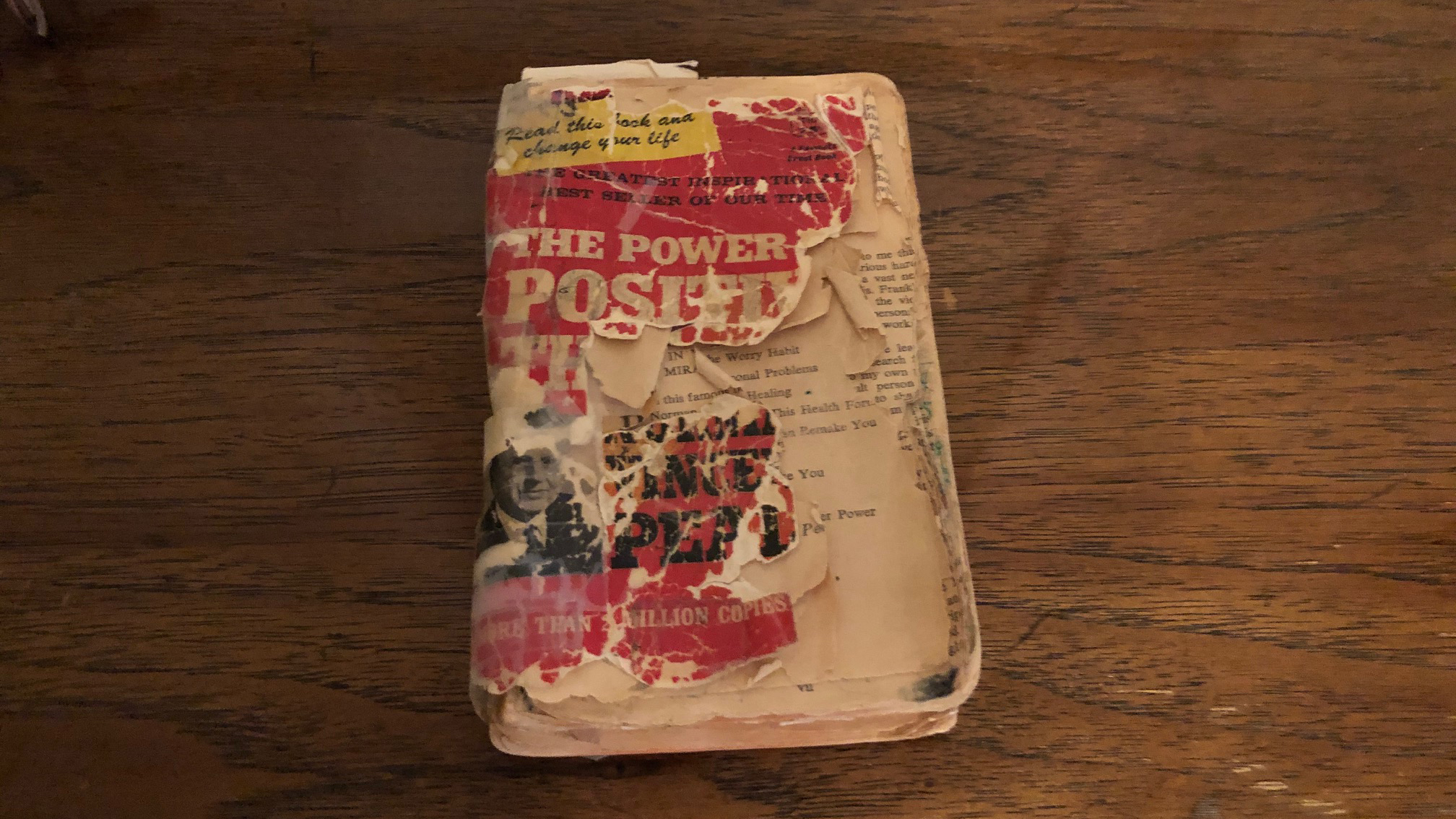
But it wasn’t until her father passed away in 2017 that Abel and her siblings discovered just how much of an impact Dr. Norman Vincent Peale, founder of Guideposts, had on him. While going through his things the family discovered a well-worn copy of The Power of Positive Thinking and Positive Thinking Every Day.

“We all knew that my father had a tremendous amount of faith and that’s what got him through some challenging times in his life,” Abel told Guideposts.org. “But it became very apparent as we went through all of his [things]…that his faith was much stronger than we ever realized.”

In the early 1980s, Savage was going through a challenging time in his personal and professional life, Abel said, adding that it was then he got Dr. Peale’s Book, The Power of Positive Thinking and “just poured himself into this book.”

“Then [he] started getting all the other Guideposts publications,” she said. “[He] spent every morning and every night reading these pieces and…starting with that foundation of thinking positive and believing in yourself.”

The book is full of notes and underlined passages. Some of the notes are dated, showcasing all the years her father spent with the book—dating all the way back to 1982. The notes show that Savage read the book almost every year in the 1980s. He read his copy of The Power of Positive Thinking so many times that the cover came off and he had to tape it back on.  

Abel always knew faith was important to her dad, but discovering his Guideposts memorabilia brought home just how much of a prayer warrior he was. Among his belongings was a collection of letters he had received from Guideposts after sending in prayer requests.

“Dad always saw the glass half full rather than half empty,” Abel said. “And I guarantee you that was impacted by Dr. Peale’s writings in all the Guideposts publications.”

Abel credits her dad’s commitment to his faith and positive thinking for their close-knit family. Her and her siblings all work for their family-owned company.

 “We have a very tight family and that foundation comes from my father,” Abel said. “He was the start of all this. It [was] just a great foundation.”

Abel misses her father tremendously. She carries on his legacy by donating to Guideposts and gifting her own family Daily Guideposts every year.

“[Guideposts has] become kind of a second family to me,” Abel explained.  “I know how important it was to my father and to be able to…keep that tradition going with my family means the world to me.”

How the Power of Positive Thinking Lives On

Last week I had the opportunity to share some Peale history with the students in the psychology class I teach. The Peale History Center and Library is located in Pawling, New York. Inside is a very well archived museum and library documenting the lives of my grandparents, Dr. and Mrs. Norman Vincent Peale. Within this space are Grandma and Grandpa’s offices, just as they were when they were in use. Photos, documents, honors and awards are displayed.

My psychology class is made up of high school juniors and seniors. We are learning about the historical and more current perspectives in the field of psychology, one being Positive Psychology.

Inspiration from the Garden in article ad

In anticipation of our visit to The Peale History Center and Library, I had my students read research studies on positive thinking/optimism and pessimism. These studies provided an important opportunity for them to see how positive thinking has been examined, researched and validated through the scientific method.

Read More: Prayer Tips from Norman Vincent Peale

George Hart, the archivist for the Peale History Center and Library, guided our tour and did a terrific job of explaining to the students how historical events, specifically the Great Depression and World War II, impacted people emotionally and psychologically and how Grandpa Peale’s ministry and mission served such people.

Grandpa Peale joined forces with psychiatrist Dr. Smiley Blanton in 1937 to found the Blanton-Peale Institute and Counseling Center, bringing psychology, psychiatry and religion together to support those struggling. 

The Blanton-Peale Institute is still going strong, offering counseling and therapist-training programs. My students not only learned a great deal about the innovative approach taken by Drs. Blanton and Peale, they were also able to see how the Blanton-Peale efforts fit into the history of psychology.

The students were surprised to learn the following day from another teacher that Dr. Peale was my grandfather. I was honored to answer their questions about him and what it was like to be his granddaughter. I shared with them that my choice of social work as a career path was directly influenced by Grandma and Grandpa Peale’s example of helping people from all walks of life see their value and potential.

I took a great photo of my psychology class and Mr. Hart in Grandpa Peale’s office, standing behind his desk. I told my students how much Dr. Peale would have appreciated the opportunity to meet them. He would have had each of them sit down and share with him about themselves. He loved stories and people.

Grandpa Peale’s historical impact is strong (I invite you to Pawling, New York, to tour the Peale History Center and Library), but his message of positive thinking is as relevant today as it was in the 1930s. There is science to prove it.

How the ‘Power of Positive Thinking’ App Can Help

Did you know you can listen to a Norman Vincent Peale sermon whenever you like? The Power of Positive Thinking, right at your fingertips.

Recently, I was feeling a little stressed and overwhelmed, and I clicked on the “Power of Positive Thinking” app I loaded on my phone. And there was the sermon I needed, “A Sure Cure for Worry.”

Light for Life NASB Study Bible in Article

There Dr. Peale says, “Say to yourself in the morning, at noontime, when you go home and before you go to sleep, ‘The Lord is with me.’”

Just hearing that booming, kind, wise and good-humored voice was more than enough. As always with Dr. Peale, you can tell he’s not just sermonizing about something you should do. He’s talking about something he does, too.

The “Power of Positive Thinking” app comes to your phone, courtesy of the Ruth Stafford Peale and Norman Vincent Peale Foundation, founded by Norman and Ruth Peale years ago and now operated by all their children and grandchildren. I was talking to Pepper Peale—great name—who is married to Cliff Peale, one of Norman and Ruth’s grandchildren, and she told me about why the Peale Foundation developed the app. Turns out, the foundation is just continuing the long, innovative tradition established by Ruth and Norman by providing access to digital versions of Norman Vincent Peale’s writings and sermons.

Pepper related a couple of stories you may have heard about the way Ruth and Norman Peale started out. Early in his pastoral ministry in New York, he wondered how he could get more people in the pews. He ended up reaching out to ConEd (the local utility provider) and got a list of customers who had just moved nearby. He mailed them letters, then visited and invited them to church. This was years before the onset of direct mail and data targeting. Dr. Peale was decades ahead of his time.

But just getting people in the pews wasn’t enough. The Peales wanted even more people to hear the lessons and inspirations offered from the pulpit. One Monday, someone called the church office and asked if they could have a copy of that week’s sermon. No, they said. There was no printed copy to share. He would write out his sermons longhand ahead of Sunday, but then spoke extemporaneously. That was part of his charm.

Ruth Peale happened to be in the office that day and she lived by that wonderful notion “Find a need and fill it.” This was a need she could fill. She found a secretarial school near the church, hired two stenography students to attend Sunday worship and transcribe the sermons. By Monday, the church had the finished documents to share.

According to the Peale Foundation, that desire to more effectively provide Dr. Peale’s sermons beyond the pulpit was the beginning of sharing those messages with an even wider audience. It was even the beginning of what you’re reading here on Guideposts.org too! The Peales always believed in reaching people where they are. Nice to think that their family is continuing to do that today, through the latest technologies available.

This was the point of Pepper’s stories: the extraordinary ministry Dr. and Mrs. Peale started continues to grow. It lives a new life through the app that delivers hope and help wherever people need it. Thanks, Pepper. So glad to have Dr. Peale’s sermons right on my phone!  

How the Great Outdoors Helped a Pastor on His Sobriety Journey

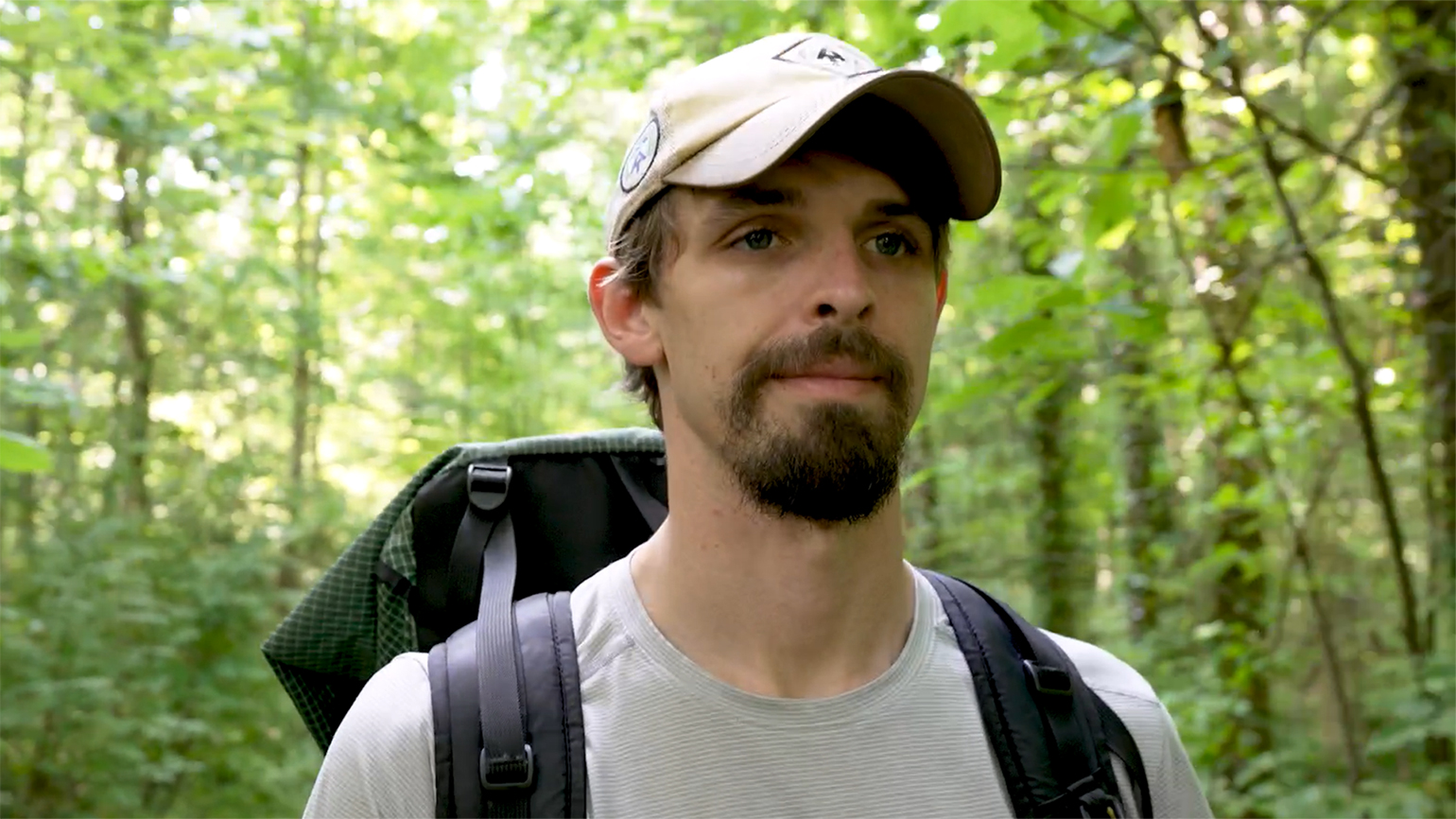
Hi Guideposts readers, my name’s Matt Hall. I served as the 2017 Appalachian Trail chaplain. On the trail, my name was Trigger. I currently serve at First United Methodist Church in Maryville, Tennessee.

My thru-hike helped me in my recovery journey by allowing me to make a physical amends to a body that I’d abused by alcohol and drugs for so many years, while being able to use my body as a tool of ministry.

The Daily Bible Large Print relaunch with digital free gift in article ad

My thru-hike lasted five months, walking through 14 states and covering over 2,190 miles through the Appalachian Mountains, from Maine to Georgia. I encountered thru-hikers, day hikers and section hikers all along the way. I stayed outdoors in shelters and shared living space with other hikers.

The first day of my hike, I was summiting Mount Katahdin as I was going southbound from there. That day I was coming to the summit and I could feel the hair on my arms standing up, knowing that I was surely in the presence of God.

It turns out I was also in the presence of an electrical storm, but even in the midst of that storm, God was with me, as I was with people made in his image.

I believe that experiencing the outdoors and taking on a challenge can help anyone in recovery, because it allows us to firmly be connected to our Creator and allows us also the ability to connect with others and disconnect from so many of the things that distract us in this modern day.

Any advice I would give to someone struggling with recovery or seeking recovery for the first time would be to reach out to someone locally. There are many organizations that are willing to help. Your local church can help find a recovery ministry or an AA or NA meeting of any sorts.