Embrace God's truth with our new book, The Lies that Bind

Encouraging Words to Help You Release Fear

“I release you, my beautiful and terrible fear,” begins “I Give You Back,” a poem by Joy Harjo, who served three terms as Poet Laureate of the United States and was the first Native American to do so.

In the poem, Harjo, who is a member of the Muscogee (Creek) Nation, writes powerfully of the concentric circles of fear, pain, anger, and heartbreak that she describes, collectively, as her “beloved and hated twin.”

Throughout the poem, she writes with all the passion and grief of a eulogy about what it feels like to release those terrible feelings, letting them go from her life.Have you ever loved something you recognize has caused you harm, hurt, and pain?

I’d wager that anyone who struggles with fear, anxiety, worry, or other so-called “negative” emotions can relate to this sensation of feeling attachment to something painful. And the truth is, those feelings are normal parts of the human condition—but they can overtake us if left unchallenged.

As in Harjo’s imaginings, painful feelings can even come to feel normal, to the point of belonging, being right, serving as companions throughout our days.

As she lists the many ways fear has manifested in her life, from the generational trauma of racism to feelings of grief, loss, hunger, and rage, Harjo writes again and again, “I am not afraid…. You are not my blood anymore.”

The poem ends in a way that illuminates the complexity she feels at the rejection—the loss—of her fear:

You are not my shadow any longer.
I won’t hold you in my hands.
You can’t live in my eyes, my ears, my voice my belly, or in my heart
my heart my heart my heart.
But come here, fear.
I am alive and you are so afraid of dying.

In those final words, Harjo models the courage required to confront something painful and then let it go. As you reflect on her poem, what will you be brave enough to let go of?

Emily Norton Opens Up About Battling Depression as a Caregiver

If you recognize the names Chris and Emily Norton it’s probably because a video of them has popped up on your social media feeds. When Emily helped Chris, a quadriplegic, walk across the stage to accept his college diploma, the couple went viral.

Part of the reason the video was so moving was because after being injured during a college football game, Chris was told he had a 3% chance of moving anything below his neck ever again. Emily and Chris trained for months so Chris could walk at his graduation. Another reason the video was so touching was because the couple had just gotten engaged the night before.

After successfully completing the graduation walk and being interviewed by numerous media outlets, Emily and Chris returned to normal life. From the outside it might have seemed like they had a fairytale love story, but on the inside their relationship was crumbling.

“I went into a deep depression,” Emily told Guideposts.org. “How I was feeling—with the lack of energy and just wanting to stay in bed—I honestly lost hope for ever feeling like myself again.”

After the graduation, Chris and Emily moved to Florida and fostered Whittley, a teenage girl Emily had met while volunteering with a mentoring program for elementary school kids. On top of taking care of Whittley, Emily was also taking care of Chris.

“If it had to be done, I did it—grocery shopping, cooking, cleaning, laundry, everything,” Emily wrote in the couple’s first book The Seven Longest Yards. “On top of that, I was Chris’s full-time caregiver. I filled his water bottle, emptied his leg bag, set him up on his bike, stayed nearby in case he fell, and helped him get ready each morning and night.”

Things that were a normal part of the couple’s daily routine, now seemed impossible. Even getting up to fill Chris’s water bottle felt exhausting. Despite the change in her emotional state, Emily didn’t think she was depressed. How could she be? She was engaged and in love. But instead of reaching out to loved ones, Emily remained stubbornly independent.

“I didn’t let Chris help,” Emily said. When he suggested they hire someone for caregiving assistance, she refused. “I buried…my feelings. It just got to a point where it was, everything was so hard and I became really, really angry instead of feeling anything else. I just felt anger.”

She struggled with insomnia, sometimes sleeping only two hours a night and her heart raced constantly. Despite Chris’ suggestions, she wouldn’t go to a therapist. Her health struggles made her feel weak and vulnerable and she kept them secret from everyone except Chris, who received the brunt of her anger.

After a particularly bad outburst that left Emily in tears, she realized that her mental state was putting all of her relationships at risk. At a loss, she went to church. She started praying and journaling, habits she had lost over the past few years, and began to feel more like herself.

“The switch really got flipped when we went back to church,” Emily said. “I started feeling a little hope. That was the thing I hadn’t felt [in] a long time, feeling like maybe…things could possibly change.”

One Sunday, the pastor gave a message that changed Emily’s perspective completely.

“I felt he was talking directly to me,” Emily said. “He shared the message that sometimes people go through hard moments, so that pieces of them that aren’t meant to be there…will get stripped away so [they’ll] be able to pursue [their] purpose.”

As an example, he talked about how a really independent person going through a hard time might need to realize they had to depend on God. Emily knew instantly that she was that independent person and letting go was exactly what she needed to do.

“I had been doing everything myself for so long and viewed help as weakness,” Emily said.

After hearing that sermon, Emily made an appointment with a therapist and received medication that gradually helped lift her out of the fog of her depression. A few weeks after, she was playing cards with Chris and for the first time in years, felt a deep love for their life.

“That was the first time I had thought that for so long and I was living the exact same life, but the chemicals inside by body were just completely messed up,” Emily said. “I just needed some help. I realized that getting help is strength not a weakness.”

As Emily learned to surrender control and accept help, her relationship with Chris strengthened. They chose a date for their wedding and began training for the big day. In 2018, they were married, and Chris walked with Emily down the aisle after the ceremony. Since getting married, the couple has expanded their family even more. They adopted Whittley, who graduated high school while living with them, and four sisters they had been fostering. The family of seven has no plans of slowing down. In 2019, Emily told the Des Moines Register the couple plans to continue fostering.

“I’ve learned to surrender the weight to God…and just focus on what I can do,” Emily said. “I honestly don’t think that we would be foster or adoptive parents if I didn’t learn that.”

Emily still takes many intentional steps to maintain her mental health and be the best wife, mom and caregiver she can be.

“With caregiving…I have lost the control I was trying to hold on to,” Emily said. “We have someone come in to help Chris with his routine, and getting [him] up a few days a week and during the day.”

She also makes sure to take time to exercise and do things just for herself in the midst of her busy schedule. Emily recognizes there will likely be difficult times ahead, but chooses to focus on the joy of each day.

“I have a strong relationship with God and I find a lot of peace in that,” she said. “I focus on what I can do each day and just keep pushing through.”

Embracing Faith

When facing challenges, people tend to lose their faith–or embrace it. Why is this? As a pastor, I have seen this play out over and over. When times get rough, it is hard to stay hopeful, and we may ask ourselves, “What did I do wrong?” or “Why would God allow this to happen?”

From years of working in ministry, I have come to realize that people who remain faithful give witness to how their faith got them through their troubles.

This doesn’t mean that they never question God, doubt or struggle with their faith. It means that in spite of their worries and fears, they kept their faith.

Become an OurPrayer Volunteer and Change the World One Prayer at a Time

A few years back, a colleague’s mother was diagnosed with bone cancer. She was given six months to live. Instead of giving up, her mother embraced her faith and faced the facts with hope. She then overcame it.

Ten years later, she was diagnosed with breast cancer and overcame that as well. It has been 30 years since she was first diagnosed with cancer, and she lives every day with faith and hope at the age of 95.

We must remember that faith is not a magic wand; we cannot wave it and make everything better instantaneously. But we do become better people through our faith.

Faith gives us the courage to bear difficult times, make hard decisions, accept the unexpected and endure. Faith connects us to a source of strength when our own power is depleted.

Why is your faith important to you? Please share with us.

Lord, let help me keep believing, praying and trusting You in faith.

Embracing a New Family of Faith

I found a seat just before the nine o’clock service. It was one of those mornings. My husband, Lonny, was out of town again for work. My oldest son was away at college. My teenager took so long to get dressed that he wasn’t much help with his little brothers, who were surly because they hadn’t slept well.

There’d been a mad dash to get here so they wouldn’t be late for their Bible classes. Now I just wanted to leave. Everywhere I looked, folks were catching up. Laughing. Sharing. Everyone but me. I sat alone. Again.

We’d been at this church for six months. Would I ever feel at home here? Like I belonged?

Help me to stay right here, Lord, I prayed. Because all I want to do is pluck the boys from their classes and head back to Cornerstone. Our old church, which, true to its name, had been a cornerstone in our lives. We’d made just-like-family friends and incredible memories there.

Lonny and I discovered Cornerstone when we had just two boys and needed a place to learn about God’s love. The people welcomed us with open arms. We wouldn’t have made it through years of infertility, a miscarriage and the challenges of homeschooling without them.

At Cornerstone, our family grew in number— to five boys in all—and we grew in faith. Then, after six years, we decided to move. Not far. Just 22 miles across the mighty Mississippi from Iowa to Illinois to shorten Lonny’s commute to work.

One morning we sat on the peeling porch steps of the old Victorian we planned to buy.

“I don’t want to leave Cornerstone,” I told Lonny. “I just can’t give up what we have there.”

He pulled me close. “Don’t worry, Shawnelle,” he said. “Nothing about church has to change.”

We bought the house and made the move…and we made the drive to Cornerstone. On the interstate. Over the long bridge from Illinois to Iowa. From our creaking back door to the wide-open front doors of the church. For three years, it was worth every mile.

But our lives got busier. There were basketball, soccer and baseball games. Plenty of church activities too. Deacon meetings. Fellowship meetings. Youth group for the older boys, Bible club for the little ones. Our once-a-week trips to Cornerstone became almost daily treks. The river now felt like an ocean.

One Sunday Lonny said, “Going back and forth like this is wearing us all out. I feel like maybe God wants us to find a church where we live. Get to know folks better. What do you think?”

“I just…I just can’t imagine leaving,” I said. Why does everything always have to change, Lord? Then I thought about how hectic things had become. Constantly rushing from place to place…. That wasn’t good for any of us. Maybe Lonny was right. I finally relented. “Okay,” I said. “Let’s try it.”

So we found a church in town. And we went faithfully every week. We joined a Sunday school class, got the kids involved with programs. But making just-like-family friends? Feeling like it was our second home? That didn’t happen.

One time we stood at a church dinner, plates in hand, searching for seats, and no one made room at their table. I’m reserved by nature but I’d tried getting acquainted with some of the ladies after service. We never seemed to get beyond polite chitchat.

Now I sat here alone in this pew. It had been so hard for me to leave Cornerstone, but I thought we’d made the right choice. Had we heard God wrong?

The service ended. I waited to break into the flow of folks streaming out the door. At Cornerstone, friends would’ve caught me outside, wanting to hear about my week or how the boys were…. Today I’d be lucky to make it to the van before my eyes burned with tears.

“Morning, Shawnelle,” came a voice from behind me.

I looked over my shoulder. Becky. From Sunday school class. We’d talked once or twice.

“Morning,” I said, then glanced back at the door.

Becky laid her hand on my shoulder. “How are you?” she asked. “Is Lonny okay?”

“We’re fine,” I said. “Lonny’s just out of town for work.”

“That’s tough,” she said. “The boys doing okay?”

I was about to tell her they were fine. I was fine. Everything was fine. But there was something in her eyes. Kindness. Understanding. Sure, this church was different. But that look? I knew it well. I’d seen it at Cornerstone. Something inside me crumbled.

“I’m really not fine,” I admitted. “Lonny’s been gone a lot. The boys are cranky. Getting out the door this morning, it felt like my last thin thread was going to break.”

“I’m sorry,” she said, taking my hands in hers. “May I pray for you now? Pray for you and all those boys?”

I nodded. We closed our eyes.

Right there, standing in line, Becky prayed out loud. For me to have patience. For Lonny to get home safely. For our boys to be content and peaceful. And I prayed too. Quietly. In my heart. Thank you, Lord, for Becky. For the way she reached out. For the way she listened.

The warmth of Becky’s hands flowed into my spirit. People hadn’t meant to be unwelcoming, I realized. I was the one who had a wall up. I really hadn’t tried all that hard to reach out.

I’d been holding back, clinging so tightly to our memories at Cornerstone that I wasn’t open to the new experiences, and new friends, right in front of me. That was me all right, fighting change, always trying to make time stop.

God must’ve heard Becky’s prayer as well as mine, because the boys were quiet that afternoon and I had some time to think. After Lonny got home we sat out on the porch to talk. “I want to get more involved with people at our new church. I want them to know me, know you, know our boys,” I said.

“Me too,” he said. “I’m ready if you are.” Then he gave me a big, reassuring hug, as big as the mighty Mississippi.

That was a year ago. Today Lonny and I lead a small Bible-study group and I’m teaching Sunday school. The boys love it too. And Becky and the rest of our church friends? They’re just like family.

That’s right, our church feels like home now. It’s where I belong on this side of the Big River. And each week when I step through the doors, I’m reminded that it’s okay to look back on the past, to cherish the memories, as long as you make room for the joy that is right before you.

Download your FREE ebook, A Prayer for Every Need, by Dr. Norman Vincent Peale

Embracing an Angelic August

August? Already? How can that be?

I grew up sort of an anxious child, and I could always count on that Sunday night stomach ache before a new week of school started. When I came across this anonymous quote this morning, I cringed: “August is like the Sunday of summer.” Ugh.

No way am I going to have a stomach ache all month long. Instead I’ve copied some lovely quotes onto index cards and will reflect on one each day, near a fan and a tall glass of iced tea.

Read More: 10 Favorite Summer Recipes

To stir my enthusiasm on Monday, from Tuck Everlasting by Natalie Babbitt, a book from our mother/daughter book club a few years ago:

“The first week of August hangs at the very top of summer, the top of the live-long year, like the highest seat of a Ferris wheel when it pauses in its turning. The weeks that come before are only a climb from balmy spring, and those that follow a drop to the chill of autumn, but the first week of August is motionless, and hot. It is curiously silent, too, with blank white dawns and glaring noons, and sunsets smeared with too much color.”

For every other weeknight, watering the plants outside at dusk, Yukio Mishima puts an artful image to sound:

“Again and again, the cicada’s untiring cry pierced the sultry summer air like a needle at work on thick cotton cloth.”

When I sit on my porch after dinner letting my mind wander while my Jack Russell, Archie, runs around the yard:

“The summer night is like a perfection of thought.”

Thank you, Wallace Stevens.

And on Saturdays:

“Summer afternoon–summer afternoon; to me those have always been the most beautiful words in the English language.”

Henry James, I do agree.

For Sundays:

“Rest is not idleness, and to lie sometimes on the grass under trees on a summer’s day, listening to the murmur of the water, or watching the clouds float across the sky, is by no means a waste of time.”

John Lubbock seems to know I have a stream in my backyard. And I’m endlessly thankful for it.

Read More: 8 Prayers to Help You Savor Summer

And at any time, night or day, I like to think of my favorite summertime friendship. In To Kill a Mockingbird, Harper Lee wrote:

“Summer was on the way; Jem and I awaited it with impatience. Summer was our best season: it was sleeping on the back screened porch in cots, or trying to sleep in the tree house; summer was everything good to eat; it was a thousand colors in a parched landscape; but most of all, summer was Dill.”

The fireflies and I will embrace an angelic August.

Elizabeth Vargas: How Prayer Helped Her Overcome Anxiety, Addiction

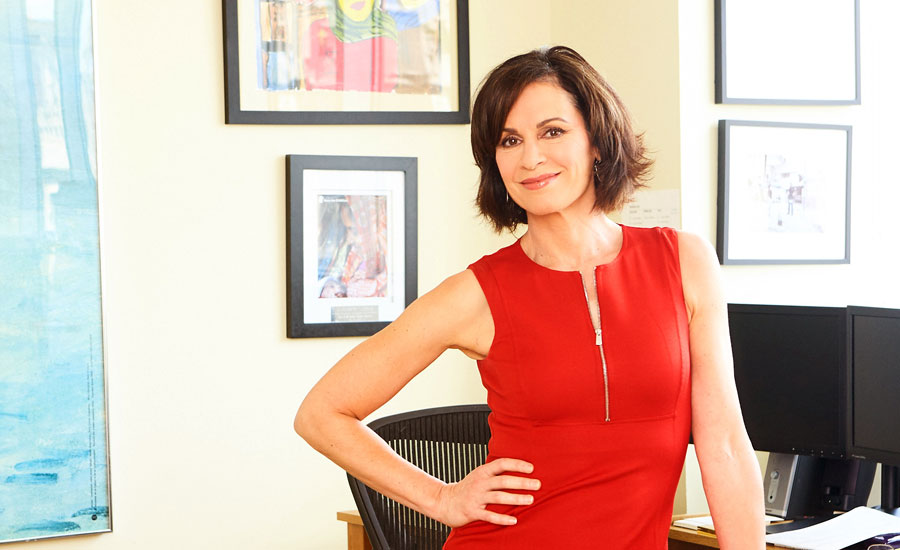
I can feel it coming, like a wave. My heart beats faster, my head pounds, my stomach churns, fear surges through me. It can happen in the middle of a busy day at work at the ABC television news magazine 20/20 or at home with the boys.

There was a time not so long ago that I would have reached for the bottle of wine in the fridge—or the bottle I’d hidden underneath the bathroom sink. Now I’ve found something that works much better. Something that helps me live, not die—the powerful weapon of daily prayer.

I don’t know if I was born an alcoholic, but I was definitely born anxious. The alcoholism came later in life, after years of drinking on the sly. But the anxiety? It was there from the start, as if it was part of the essence of me.

I grew up in a very Catholic home. My dad was in the Army, and our family’s involvement in the church was our spiritual constant as we moved from base to base. In the late sixties, we moved to Okinawa. My dad was sent to Vietnam, to Saigon, leaving my mom and my younger brother, Chris, and me in Japan.

My mom was pregnant with my little sister, and in order to stay on the island she had to work every day, leaving us with a babysitter. Each morning I would panic. I would chase after her, crying, begging her not to go, grabbing at her skirt, digging in my heels, holding her legs until she peeled away my fingers.

On the night Mom gave birth to my sister, I looked out the window from my bunk bed and saw her walking to the car, clutching her stomach with one hand, carrying a bag with the other. I knew she needed to go to the hospital, but I could not contain my panic. I jumped out of bed and ran to the door.

I was stopped by a neighbor who had come over to look after us. “What’s the matter with you?” she said. “Go back to bed. Stop making a scene.”

I was only six, but the message sank in, imprinted on me: My anxiety, my panic, was something shameful… something to be hidden at all costs. And the costs would prove huge. I white-knuckled my way through anxiety during childhood and adolescence.

My dad’s Army postings meant homes on nine different bases. I went to eight different schools. I wasn’t wise enough to turn to prayer to deal with stress and panic. I learned to survive the attacks in secret, to bury my feelings.

I thrived academically, graduating from the University of Missouri’s top-ranked journalism school and starting a career in TV broadcasting. I prided myself on being cool in a crunch, a real professional. My secret was safe. Except once.

It was a Saturday night in Chicago in the early 1990s. I was working at WBBM, doing the 10:00 p.m. newscast with a veteran coanchor. All at once I felt like I couldn’t breathe. My hands trembled. I was queasy. I was sure I was going to vomit. I clenched my jaw and stopped reading the teleprompter right in the middle of a story.

The air went dead. Hundreds of thousands of viewers could see the real me, exposed. A full-blown panic attack on air. So much for being a cool professional.

My coanchor jumped in and read my part. We went to commercial and he glared at me, furious, and then—like that neighbor all those years ago in Okinawa—demanded to know what was wrong with me. I had no answer, at least not one I was willing to share. I’d violated one of my basic rules: Don’t make a scene. I vowed it would never happen again.

I was careful never to do a broadcast on a full stomach. I discovered that a beta-blocker could help. Better yet, off air, when I needed to unwind, a glass of wine hit the spot. It was like turning off the worry switch. “Just wine” was my rule, though. Nothing stronger.

I put a lot of pressure on myself. Good enough wasn’t good enough; everything I did had to be perfect. The more successful I became, it seemed, the more I had to hide. And the more I hid, the more I cut myself off from other people and from God. When I prayed, it was reactive—pleading to get through a stressful day or through a panic attack without anyone knowing—not a true relationship with God.

Then came the job at 20/20. It was a huge break. And there was a price. Besides the long hours, I’d have to do a ton of traveling. More hours on a plane, trapped in a tube at 30,000 feet. Reason enough for anxiety.

After suffering a particularly harrowing panic attack on one flight— sweating, hyperventilating—I went to a doctor and for the first time confessed my anxiety. He gave me a prescription for anti-anxiety medication. It helped. So did the wine the helpful flight attendants brought to my seat.

But you can’t hide from everyone, especially someone you love and trust. I met Marc after I moved to New York and soon we were married. We had two beautiful boys. Marc was the only one I had confided the secret of my anxiety attacks to. He countered with a truth I wasn’t ready to believe. “I think you drink too much,” he said.

“Are you kidding?” I was furious. No one had ever said that to me before. No one knew how much I drank. How dare he!

I walked right out of the room. Me, a drunk? I was an Emmy-winning broadcaster on network TV, meeting deadlines left and right, appearing on air night after night. I could cut back or quit anytime I wanted. No problem. What alcoholic could do that?

Since Marc didn’t like to see me drinking, I would sometimes stop in a little bar on my way home from work and have a glass—or two—of wine there… draining the day’s tension. But that didn’t feel quite as nice. I felt pathetic, sitting there alone. Sometimes I would pretend I was waiting for a friend.

“That’s all right,” I would say into my dead cell phone. “I just sat down. Take your time.”

Things got out of control so slowly that I convinced myself there was no problem. I’d go on a trip for work, drink heavily at night after the shoot, then pull it together in time to be on camera in the morning. I told myself I was good at maintaining the work-life balance. But then, on a long-anticipated family vacation, I ended up spending most of the time in bed, sleeping off my hangovers from raiding the minibar.

The shame was incredible, palpable, almost as bad as a panic attack. It was like a moral panic attack. I checked into a rehab facility right away. But only for a couple of weeks. Doing the full 28-day program would have meant revealing to my bosses at the network that I had a problem. So I told them I needed surgery—nothing life-threatening. It was a flat-out lie.

The rehab place was beautiful and the people were kind. They helped me reconnect with God for the first time in years. Not that I was ready to turn my will and my life over to a higher power. That wasn’t happening.

Two months later I was drinking again. I went back into rehab for a longer stint, the full 28-day program. There was so much I had to deal with, especially my feelings. I’d spent the majority of my life hiding.

Recovery meant getting honest, most of all with myself. I had to dig deep. I had to confront why I’d become so dependent on alcohol. People all around me spoke openly about themselves. I had to be open too. It was hard, maybe the hardest thing I ever did.

One day close to the end of my stay I spoke to the group. “I’m really scared,” I said. “I’m afraid of going back to my life, of being surrounded by stress and temptation. I’m afraid of my anxiety and what I will do to escape it.”

Tears came to my eyes. I rarely allowed myself to cry in front of anybody. I thought people would be embarrassed seeing me cry. I expected to be reprimanded, the way I had been by that neighbor all those years ago. Instead, my tears were met with understanding and compassion. Was it possible that I could reveal the worst about myself and still be loved?

“God bless you,” someone said. “Pray to God to help you.” Prayer was the tool I could take with me, prayer whenever the stress hit, prayer when the desire to reach for a glass of wine overcame me. This time I managed to hold it together back in New York City. For a while, at least.

I was so glad to be sober, so glad to be back at work. But the stresses were still there, and when I dropped into a recovery meeting with other alcoholics, as I’d promised I would, I would sit in the back, hiding under a hat, never speaking out, never revealing that I was struggling like everyone else in the room. Gradually I stopped going to meetings, stopped reaching out to friends in the program.

Then came the first setback. I couldn’t handle it sober. I thought the anxiety was going to kill me. I didn’t pray. I walked into a bar and ordered a drink. It wasn’t so much the glass of wine that was my downfall, but that I was no longer praying daily or talking with other people in recovery. My isolation was growing again.

Soon I was sneaking wine regularly and I suppose it was inevitable that I would show up for work drunk, which I did.

I hit absolute bottom. Back in Chicago I’d fallen apart on the air. This was worse. Much worse. Yes, the cure turned out to be worse than the disease.

There was no hiding it. Now everyone knew I was going into rehab—again. I had to issue a public statement: “Like so many people, I am dealing with addiction.” My shameful secret was there for all to see. “I am in treatment….”

This rehab place was much tougher than the other one. It was grim, and I felt hopeless there. Reaching out to my parents and my brother and sister was what saved me.

There was a weekend when family members came. Family histories—and family secrets—were revealed and explored in a therapeutic setting. My brother, Chris, my sister, Aimie, and both of our parents made the trip. For the first time ever we talked about our childhood.

Mom and Dad discussed the trials of raising us kids when Dad was in Vietnam and Mom was all on her own in Japan. They knew how hard it was on us kids. My mother had agonized over my daily panic attacks when she left me in the morning. She admitted she didn’t comfort me. She didn’t know how. The U.S. military was not helping Vietnam vets with their PTSD then. There certainly was no one to help their families with such issues.

“I wished I could help you,” my mom said. “I felt so helpless. I didn’t know what to do.” She put her hand on mine. “I’m so sorry.”

Those words meant everything. They validated my feelings. An enormous weight lifted from me. A burden I’d been carrying for forty-some years. It was all right to be afraid and to talk about it—to God and to other people. Anxiety wasn’t going to kill me, but isolation would.

I discovered that prayer is my most powerful weapon. Not just at moments of high anxiety, moments when I feel on the verge of losing control, but all the time, turning to God for reassurance and strength as I move through my day.

I have a real relationship with him now, an awareness that it’s not just me on my own, that there’s a higher power at work in my life—every moment, every day. I end each day by making a list of all the things that I’m thankful for. Gratitude is a potent antidote to fear.

I am grateful to my family, grateful for my job and especially grateful to all those people who have supported me and loved me when I doubted I deserved love. I don’t hide in the back of recovery meetings anymore but sit in the front, glad to help as I have been helped. Anxiety is always there, but prayer is too. It has given me the power to say no to drinking and the power to say yes to life.

This story originally appeared in the October 2016 issue of Guideposts magazine.

Elders Share Advice Online

I needed help. Help with my finances. Sure, I had a steady paycheck from my new job at GUIDEPOSTS, but I was a recent college grad. Juggling school loans with credit-card bills was tough! I sat staring at my checkbook. All those numbers made my head spin.

With a wedding approaching I wondered how I’d ever afford a new dress and a nice gift. Then I heard about an amazing group—Elder Wisdom Circle, a nationwide organization of seniors offering free advice through the internet. Advice seekers type their queries on the group’s website, where an elder, under a “nom de advice,” replies. These self-dubbed “cybergrandparents” are web savvy and eager to help.

The group tosses topics from non-flowering begonias to aiding troubled teens, the premise being that elders, with their accumulated know-how, have much to dish on all subjects. Maybe they can untangle my frazzled finances, I thought. At least it might make a good story for the magazine.

On a crisp November day, I drove to Asbury Methodist Village, in Gaithersburg, Maryland—a town about a half hour outside of Washington, D.C. I pulled up to the retirement community and entered a lobby, brightly decorated with autumn leaves. A woman shook my hand energetically. “Welcome, I’m Trish Mayyasi,” she said. Wow, not what I expected.

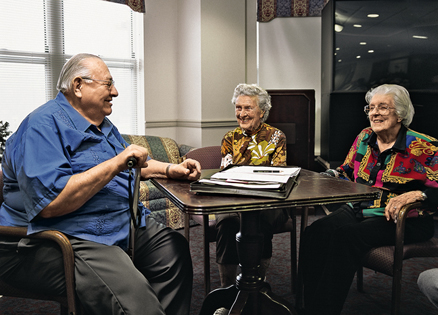
She steered me toward the mauve-carpeted meeting room where 14 seniors sat. Wednesday mornings at 10:15 sharp the elders meet. Trish, founder of the Gaithersburg chapter, serves as facilitator—printing the e-mailed quandaries from her computer.

Armed with a stack, she travels to Asbury Methodist. After reading queries to the group she e-mails the response, under the moniker “Asbury Friends.” I took a seat and pulled paper and pen from my bag. Trish is in her early seventies, but the average age of the rest is about 90!

“Okay! Ready to get to work?” asked Trish. Gray heads nodded. Trish read the first letter: My last grandparent just passed away. I’m 23, and my family moved to Illinois, but I stayed here in Georgia. I’m lonely. Please share any information to help me. Trish said, “That’s a big one!”

But retired Reverend Bernard Fogle didn’t miss a beat. “Tell her to read GUIDEPOSTS!” he bellowed, giving me a conspiratorial wink. Then he continued seriously. “She could volunteer in a hospital’s children’s ward.” Trish compiled the group’s reactions—that the young lady should volunteer and meet people in her community.

A letter from a woman with relationship troubles got 96-year-old Stephanie Martenson riled up. Seems the woman’s fiancé wasn’t pulling his weight financially. Should she kick him to the curb? “Dump him!” Stephanie said. “Financial differences are the biggest cause of divorce.” Bernard agreed. “He’s bad news!” The group’s vigor was so contagious, I wanted to join in!

“This one will really get you going!” said Trish, reading the next e-mail. Do you have advice on teaching children to be respectful? The seniors laughed. A petite woman with a halo of soft curls perked up. “Politeness is to do and say the kindest thing in the kindest way.” Dorothy Thompson, 91, had a calm sensibility about her.

After the meeting I chatted with several elders. Maryland native Bernard has been a member since the group’s inception two years ago. “I first came out of curiosity,” he said. “Now I’m hooked.” Stephanie explained, “This group is great—we old folks know what happens after years of living.”

Leaning closer she whispered, “You have to take the bitter with the better.” Dorothy beamed. “My favorite category is love. Mother always said, ‘Love reflects love.’” Finally I got up my courage and asked about financial issues plaguing so many young people (like me!). Dorothy’s voice grew firm. “Oh, naturally save. Save a little, spend a little!”

Although the session was under an hour, I was amazed at how much great advice the elders dispensed. I collected my notes and pen. Trish gave me a grandmotherly squeeze goodbye. During the long drive home, I reflected on what I’d learned. I’ve always been grateful for the way the internet connects me with my friends, but who knew it would link 20-somethings and nonagenarians?

Back at my desk, Dorothy’s words echoed through my mind: Spend a little, save a little…. Just the plan I needed. Maybe I didn’t need a new dress, but with the money I saved I could afford a great gift and have a little savings left over. Elder Wisdom Circle is a godsend. For me. For you. For anyone needing some grand advice.

Eating Better Transformed Her Health and Her Career

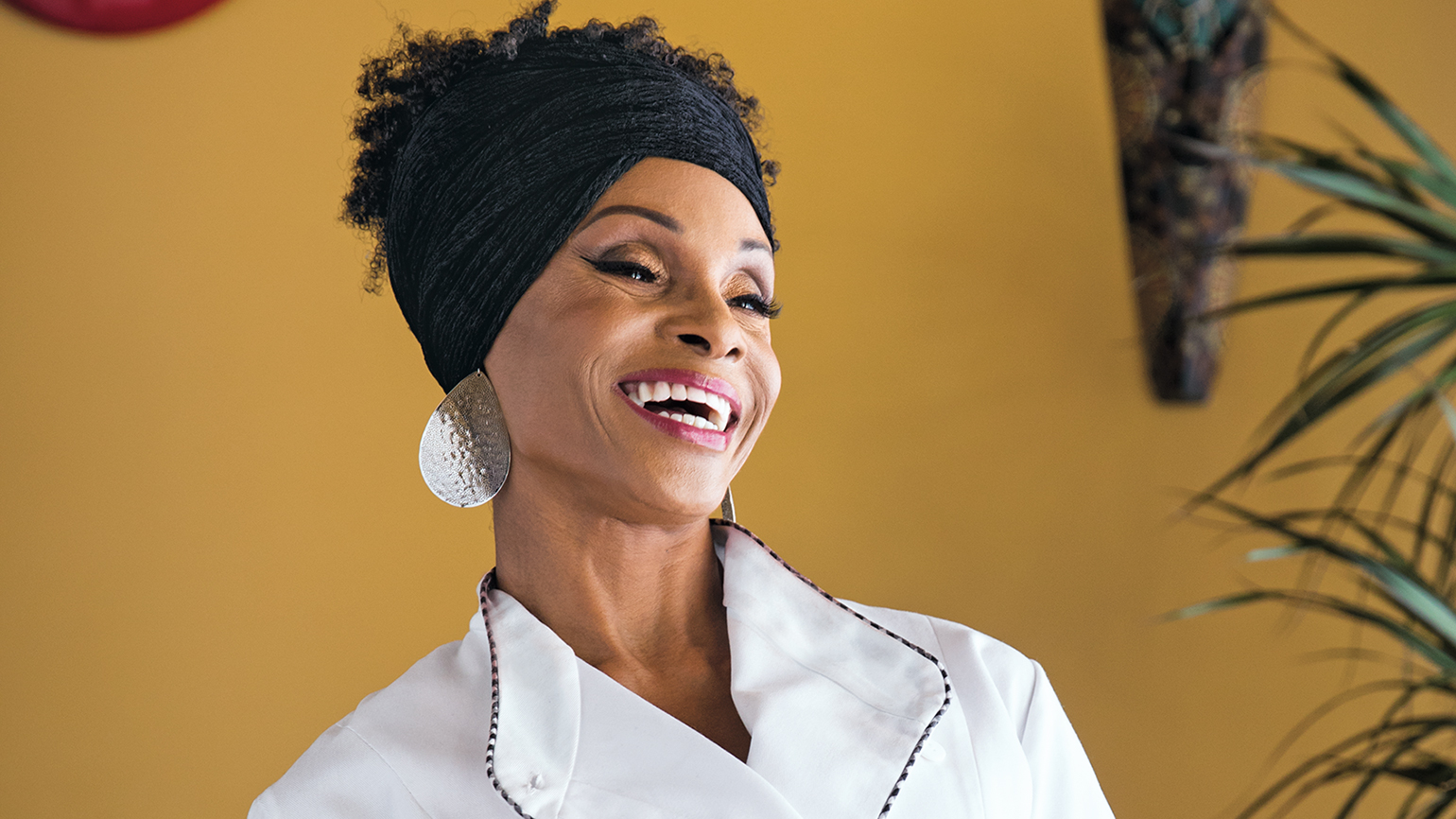
Meet me now and it’s hard to believe that, for decades, I was the worst cook ever (just ask my friends) and spent very little time in the kitchen and even less in the gym. Eating healthy and exercising weren’t even on my radar. Now, at age 67, I’m a world-class vegan chef, a fitness coach, a motivational speaker and the owner of Stuff I Eat, a successful vegan soul food restaurant in Inglewood, California. I’m also the healthiest I’ve ever been.

How did this incredible transformation come about? Like a great recipe, it took time for all the ingredients to come together.

My Mom’s Cooking
The first ingredient was my mom’s cooking. I grew up on the Eastside of Los Angeles. My mother was a cook for a couple households on the Westside. I saw her on the weekends and, during the week, stayed with my godmother, who was a vegetarian. She served frozen or canned foods. Bland, boring, tasteless—that was my impression of a vegetarian diet. Very different from what my mom whipped up.

She loved to cook, and everything that came out of her kitchen was delicious: chitterlings, smothered pork chops, baked chicken, cornbread, even the vegetables—because she put sugar in them. “When I was a kid, vegetables came from the garden and had a beautiful, sweet flavor,” she would tell me. “These vegetables from the store aren’t like that, so I sugared them up.” And her desserts were to die for!

I was crazy about sweets. There were candy factories in our neighborhood, and I’d go Dumpster diving behind them and gobble up all kinds of discarded candy. That’s how addicted I was to sugar. And it showed. My teeth were a mess.

My Health Challenges
Second was my health issues. Besides dental problems, I had a number of other ailments as a kid—asthma, eczema, earaches. In adulthood, I suffered digestive problems. I’d get heartburn, bloating and stomach aches after every meal, especially the down-home Southern cooking I’d grown up with. I didn’t cook much, but when I did, I mimicked my mom. Sundays I’d make baked chicken, mashed potatoes and gravy, steamed cabbage with bacon and, for dessert, warm banana pudding. I’d load my plate, devour every bite. Then, oh my goodness, I’d be gassy and sluggish all day long.

Finally I couldn’t stand feeling sick every time I ate. I didn’t know anything about nutrition. I just cut out the stuff that didn’t seem to agree with me. No more chitterlings and bacon. Less fat. I started eating cleaner meals—baked fish, rice, salad. I felt a bit better, but healthwise I still wasn’t doing great. I had a series of surgeries for fibroids and hernias.

My Inspiration
It didn’t dawn on me that I needed to change my way of life until the winter of 1990, when I was 40. That’s where the third ingredient came in. I met a fascinating man named Rondal Davis when I auditioned as a singer for his music group. He was handsome and fit and a big yoga enthusiast. During breaks, he’d do all these yoga poses. I had no idea the human body could bend like that! I thought we were all destined to break down with age. At least, that’s what my body was telling me. But Ron was two years older than me and living proof that dedication to your health could make a difference.

On one of our first dates, he invited me over to his place for a home-cooked meal. When I walked into his kitchen, a tantalizing aroma greeted me. I watched as Ron tossed white chunks into a cast-iron skillet.

“That chicken looks good,” I said. “My stomach’s growling.”

“It’s not chicken. It’s pan-grilled tofu to go with our string beans and basmati brown rice.”

“Tofu? And bas-what?

Ron laughed. “You’re just going to have to trust me.”

I’d never heard of basmati. The only rice I knew was Uncle Ben’s. And the one time I’d tried tofu, it was totally tasteless, even more bland than my godmother’s canned vegetables.

I’d showed up hungry because Ron had promised he was fixing us a delicious meal. I really liked this guy. What if I didn’t like his cooking? How was I going to explain not finishing my food when I’d already confessed my stomach was growling?

I sat down at the table, and Ron set a full plate in front of me. “Dig in,” he said.

I took a tentative bite. I didn’t know what seasonings he’d put in the tofu and string beans, but the flavors worked together in a way I had never tasted before. I finished everything. What an amazing meal!

The most amazing thing was, I didn’t feel tired, heavy and bloated afterwards. To my surprise, I had no digestive issues. I actually felt energized. “I need to learn how to cook like this,” I said to Ron.

He shared a wealth of information about his vegetarian lifestyle and a few of his favorite books—Fit for Life, Volumes 1 and 2, by Harvey and Marilyn Diamond and Mucusless Diet Healing System by Professor Arnold Ehret.

That dinner date with Ron was the first day in my new life as a vegan.

I read the books he suggested and thought about my eating habits. Mom had always tried to get me in the kitchen. But I’d never really gotten into it, maybe because I’d felt sick after every meal. Now I was inspired. No more processed, overcooked foods. I became a chemist in the kitchen, experimenting with herbs and spices and other ingredients, creating dishes that were so delicious and satisfying that I didn’t miss meat and dairy.

Ron also motivated me to exercise. As a kid, I was the fastest runner on the block, but I wasn’t physically active as an adult. Ron became my exercise partner. We started off with power walks. After a few months, he felt I was ready for more of a challenge.

He took me to the bottom of a steep, 1,600-foot hill at Griffith Park.

“We’re going to go all the way to the top,” he said. I looked at him as if he’d lost his mind.

Ron just smiled and started running up the hill, backwards. “Come on—you can do it.”

I gazed up at him as the distance between us grew. He was older than me and able to conquer the hill. I could do it too. I started climbing, slowly. I promised myself that one day I would be able to run up that hill, just like Ron.

The more time I spent with him, the more I learned—and the more inspired I felt. Ron and I married in 1992 and continued our journey together.

My God-Given Purpose
The fourth ingredient was one I discovered overseas. Flight attendant, hairstylist, owner of a floral and balloon design business, singer—my résumé jumped from one experience to the next. I wanted to find my calling. In 2002, I got a gig singing at the Motown Café in Tokyo. There I prayed and meditated about what to do in the second half of my life. I knew singing wasn’t it for me anymore.

While the other musicians were busy writing songs and rehearsing, I worked out and continued my experiments in the kitchen. I discovered new ways of cooking without meat and shared what I made with everyone else. I wanted people to feel as if they’d eaten a really good meal, even with no meat on the menu. Seeing everyone clean their plates and sit back with satisfied smiles was better than getting a standing ovation. Finally I understood why my mother loved being in the kitchen. Cooking was a way to connect with others, to make them happy. And it was fun!

Before that gig in Japan, I’d done some light catering at the church Ron and I attended. But I hadn’t taken it seriously. I delivered food late and always had stuff left over. How could I hope to be a blessing to others if I wasn’t consistent and committed?

I decided to go all in and start a full-service catering company when I got home. “This might mean I have to turn our living room into a catering business,” I told Ron.

“You want me to help?” he asked.

I was good at creating tasty meals. Ron excelled at business, organizing, logistics. He had our own special 15-foot cart built with a griddle, a refrigerator and a smoothie counter. We set up every Sunday at our new church home, Agape Spiritual Center in Culver City, and our customers came in droves. We bought a few tents for people to sit under and enjoy eating with one another. Soon we had so many customers, the line wrapped around the block.

After a few years, Ron and I knew it was time to expand, but we didn’t know how or where. We didn’t have much money. We prayed about it and decided we were going to wait for a sign from God.

One day, while walking down Market Street, here in Inglewood, we saw the doors to a building open. We went inside and I spotted the built-in steam table—one with the exact same color and tiles we’d used on our cart. That was the sign I needed. We met the owner, who had been thinking of turning the space into a sporting goods store. He took our business card and, within days, called us, offering the space for a budget-friendly rent.

Stuff I Eat opened its doors on July 1, 2008. It was slow going at first. People in this neighborhood are used to eating what I grew up with, meat-based cooking. I’d let them try a wild rice taco for free, and then most would sit down and order a full meal. Business has grown steadily over the past nine years. We’ve never done any advertising—our customers come by word of mouth, and they become a part of our family.

I never would’ve dreamed all my experiences would lead me here, living my best, healthiest life and helping others do the same. I’ve never felt better, physically or spiritually. But that’s what happens with a great recipe—the ingredients come together in a way that’s truly inspired.

Early-Onset Alzheimer’s: A Sister’s Caregiving Journey

“How about some lunch?” I said to my twin sister, Karen. I headed into the kitchen. Pad, pad, pad. Karen was right behind me, as always.

“What can I do?” she asked, looking puzzled.

Community Newsletter

Get More Inspiration Delivered to Your Inbox


I cast around for an easy job. “You can spread the mayonnaise,” I said, handing her a jar and a knife. Karen looked at them blankly. I showed her how to dip the knife in the jar and spread the mayonnaise on a slice of bread. With me guiding her hand, she could do it. When I went back to slicing cheese, she stopped and stared at the knife.

I wanted to cry. Karen was 50 years old. For most of those years, she had been my rock and my closest companion. From the time we were kids, knowing each other’s thoughts without speaking, we shared a deep, unbreakable bond. Even after we grew up, got married and weathered the ups and downs of adulthood, we were always there for each another.

Karen was my support when my first marriage broke up. My cheerleader when I went back to work after raising kids. My sounding board when I remarried and learned to live in a blended family. She was always there and always would be. Or so I’d thought.

Karen had been diagnosed two years earlier with early-onset Alzheimer’s. This year she and her husband, Lance, had moved from Indiana to Georgia, where our two families bought neighboring houses so I could care for Karen. I’d quit my job as an assistant in a doctor’s office and devoted myself to helping Karen through daily life. Each morning, Lance walked Karen over to my house on his way to work. I was with Karen all day until Lance got home.

Bible Verses for Alzheimer’s Caregivers

It had been only a few months, but I was already wondering whether I was up to the job. I loved my twin so much, I’d assumed caring for her would come naturally. I was wrong. Karen needed so much help with so many things. And it was precisely because I loved her that it hurt to see her so diminished.

That pain, the pain of slowly losing my sister, made it hard to think objectively. If I couldn’t even show her how to make a sandwich, how was I ever going to help Karen cope with the long-term consequences of her Alzheimer’s? Her loss of self?

We’d all been blindsided by her diagnosis. Of the two of us, she seemed the least likely to lose her mental sharpness. Karen was always put together, always on top of things. I’m a jeans-and-sweatshirt girl, happiest when things are casual and unplanned. Karen loved dressing up, and she was masterful at organizing social events. My first inkling something was wrong was when she totally dropped the ball organizing a party for her younger son’s high school graduation.

“Maybe we’ll order some sandwiches or something?” she replied distractedly when my family arrived early for the graduation and asked about the celebration. Friends from her church ended up throwing something together at the last minute. Karen didn’t even seem fazed. It was as if she didn’t grasp what had happened.

More and more she forgot things. Got lost running errands. Repeated herself on the phone. One day she called in tears to say she’d lost her job in a medical office because she’d been double-billing patients. Lance’s stepmom, a dentist, hired her to work in her office, but Karen kept forgetting how to do tasks she’d been taught just the day before.

She resisted going to the doctor. “I’m not stupid, just a little forgetful,” she would say. But eventually she relented, went to see a neurologist and began a round of memory tests and blood screens.

I had been flying to Indiana from Georgia to accompany her to appointments. Flying home after the doctor told her she had dementia, I cried and poured out my anger at God. The intensity of my anger shocked me. I called a friend from church who’d recovered from breast cancer and asked if she too had gotten mad at God.

“Of course!” she said. “But then I realized how stupid it was to say, ‘Why me?’ I mean, why not me? I’m not so special. I stopped being mad and just asked God to help me get through it.”

I wanted to do that. It was hard enough when I was seeing Karen every few weeks, while she and Lance had still lived in Indiana. Now that I was with her every day, I kept finding new reasons to grieve or feel frustrated or inadequate.

I hated seeing my sharp-witted sister befuddled by everyday tasks such as putting on a shirt or spreading mayonnaise. She’d always been the competent one! I used to call her for recipe advice, clothes advice, just to hear her voice and her hilarious stories about her two boys, now grown up and living on their own. All of that was gone now.

“You’ll never regret this time with her,” my husband, Rick, had said when we talked and prayed about my becoming Karen’s caregiver. He was right. I didn’t regret it. But I didn’t know how long I could keep it up. It was hard just getting Karen into a car to go to appointments. I had to walk her through everything. And when I wasn’t with her, engaging her, she often just sat, staring straight ahead.

“What are you thinking, Sissy?” I’d ask her. “Nothing,” she’d say with a tentative smile, as if hoping that was the correct response.

The evening after our not-so-successful lunch, I couldn’t sleep. I felt overwhelmed. That day had been especially hard. Karen had been confused by everything, and at one point she simply started crying. I couldn’t console her, couldn’t soothe the tears away. I just held her, wondering, yet again, how God could allow this to happen to my sister.

Now, in bed, I asked for some sign that I was meant to care for Karen. Give me the strength to do this, I pleaded. Don’t abandon me.

I remembered all the times Karen had been strong for me. Like the day in high school she gave me the courage to sing in front of my class for a music test, and I passed. Or the time I phoned her in a panic from the stairwell at a temp job, after I’d started working again following my divorce.

“I can’t do this,” I managed to say.

“Yes, you can,” Karen said. “And you will. Go back in there and do your best, and I’ll talk to you tonight.” I went back to my desk, counting on that phone call.

Well, Karen was counting on me now. God did not answer my question about why she got Alzheimer’s. And no voice told me I was strong enough to do the job. But I did drift off to sleep. When I awoke, I felt a profound peace. In that moment free from fear, my mind cleared and I realized I didn’t have to do this alone.

Lance had mentioned a blog he’d been following by a woman whose husband had Alzheimer’s. I looked it up and found a link to an online Alzheimer’s support group. I was amazed. The stories sounded so much like mine! Same challenges. Same frustrations. Same pain and grief and guilt. If those people could do it, couldn’t I? I wasn’t alone!

My brother’s wife worked in a retirement home, but before then, I remembered, she had done in-home care visits. Some of those clients had Alzheimer’s. I called her.

“I’m so glad you called!” she said. “I’ve wanted to help, but I didn’t want to intrude. I have a lot of suggestions for you. There are even things you can do to help slow Karen’s memory loss.”

She sent over a care package filled with puzzles and games designed to exercise Karen’s mind. And she gave me practical tips for understanding Karen’s limits and not letting them get to me.

Rick’s mom, who lives in Nebraska, called and asked if she could come stay with us for part of the winter. “Obviously I want that southern warmth,” she said. “But I want to help with Karen too.”

She was invaluable. Getting Karen into the car was so much easier with two of us. Everything was easier. Rick’s mom was gentle and patient. “It gives me a chance to be a mom again,” she said. “Just you wait. When you get to my age, you’ll miss it too.”

I signed Karen and me up for a comfort blanket ministry at church. Karen couldn’t sew the fabric edges to finish off the blankets, but she liked being with the other women. They gave her lots of attention and put her in charge of collecting scrap material and bagging it up, a job she seemed able to handle. She laughed whenever someone told a joke, or said “Aw” after a sad story. The interaction with other people was good for her.

Back home one afternoon after the blanket ministry meet-up, Karen and I sat in the living room working on one of my sister-in-law’s cognition puzzles: four large pieces made out of an old family photo of Karen, Lance, our brother and his wife. The pieces, backed by flexible magnetic material, fit onto a cookie sheet my sister-in-law had decorated with rhinestones and a shiny letter K, for Karen.

“See if you can put this together,” I said to Karen, showing her the pieces.

“Is that right?” Karen asked on her first try.

“Not quite,” I said. “Keep going.”

Karen got three pieces to fit and held the fourth, turning it around to figure out which way to place it. In that moment, I knew we would be okay. Yes, the Karen I knew and loved would never come back. We would lose a little more of her each year. But it was a puzzle we all could put together. I was not alone. I could learn how to do this. God was with us.

“Is this right?” Karen asked, fitting the last piece.

“Perfect,” I said.

Karen’s face lit up. I reached over and hugged her. My twin sister and me. Always there for each other.

Dr. Norman Vincent Peale’s 7 Values to Live By

We all have values, whether we know it or not, but deciding what values will guide us through life requires great thought and prayer. These values will impact who we are and how we live, so it is best to be intentional when determining them.

When developing values based on biblical principles, Dr. Norman Vincent Peale’s booklet, Seven Values to Live By, can help you do just that. The booklet focuses on integrity, courage, enthusiasm, happiness, faith, hope and love. The last three are from the biblical text in the 13th chapter of Corinthians, “And now these three remain: faith, hope and love. But the greatest of these is love.”

Living by our values can be challenging in a society that is always testing and tempting us. When you choose to live with integrity, there will be many situations filled with pressure to go against it. For example, if a boss wants an employee to lie on a report to cover up a bad financial decision, this would cause a dilemma, and a difficult decision would have to be made. The individual could lie and make the boss happy or do the morally correct thingpossibly anger the boss and even lose a job.

In his booklet, Dr. Peale wrote, “One of the best ways to strengthen your standards of honesty is to speak out against dishonesty wherever you encounter it.” Being a person of integrity could cost you a relationship, spouse, or, in this situation, a job. But in the end you would be a better person for it.

Our values are more than just ideas. When we stay true to them, they become our actions. The stakes are high but so are the rewards. It is not always an easy journey. There will be days when we fall short and need God’s grace to redirect us, but that’s okay. We are human. As long as we work hard to live out our values and do good in the world, we are better for it.

To listen to my interview about Seven Values to Live By on the Charisma Podcast Network click here, or download the booklet by clicking here.

Lord, give us the wisdom to choose our values and the courage to live by them.

Driving Home Positive Point

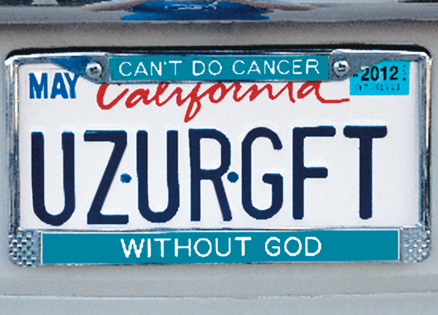
License plates don’t have much room for a message, but I always find something to say with my personalized plates. I got my first one as a senior in high school: RAD RU. No, RAD wasn’t a slang term for cool. The letters were an abbreviation of my last and first names.

When I married and had children my plate read MNVNHVN for Minivan Heaven. That message stayed with me until 2005, when I started my own business. It was called Room Sweet Room—or RMSWTRM on my license plate.

Long hours at work kept me away from my family too much. So I closed up shop. My new plates read JAKE RA for my kids, Jake and Rachel.

I’d always used my license plates to say something about myself. But a few years ago, after I was diagnosed with cancer, I wanted my plates to say something to others as well.

If there was one thing my illness taught me, it was that we should always appreciate the things God has given us in our lives, and find ways to share those blessings with others.

That might sound like a lot to fit on a license plate, but luckily by now I have practice being concise. My new plates read: UZURGFT. That’s Use Your Gift in license-plate speak.

If something as small as a license plate can be used to good purpose, just imagine what we can do with the talents and blessings God gives us. That’s a message I’m proud to carry wherever I go.

Download your FREE ebook, Rediscover the Power of Positive Thinking, with Norman Vincent Peale

Do Your Part So God Can Do His

Whenever I speak at writers’ workshops and conferences, I often share my testimony of how God opened the publishing doors for me at my very first writers’ conference. In fact, I pitched two children’s books at that conference and ended up with two contracts from two different publishing houses. Then I always say, “God put His ‘super’ to my ‘natural’!”

Of course, that statement often raises questions, so I go on to explain that if I hadn’t researched what publishing houses were going to be at that particular conference, prepared my manuscripts in a professional manner, practiced my pitch and made appointments to meet with those two publishers, I wouldn’t have walked away with two book contracts in the highly competitive children’s book market. I had to do my part so God could do His.

If I had stayed home from the conference and prayed for God to somehow get my stories published but never sent them off to any publisher, then I’d still be unpublished and “believing God” for His supernatural intervention.

Too many of us are waiting on God to act when He is waiting on us to be obedient and do what He has called us to do in the natural, so He can add His “super” to it.

The Bible is full of examples of this principle. Let’s look at three:

God will never do our part. But, if we obey Him and do what we know to do, He will do His part, which always leads to the supernatural outcome we desire. So, if you’ve been waiting on God to do the supernatural in your life, ask Him what part He wants you to play and then obey. His “super” is sure to follow…