Embrace God's truth with our new book, The Lies that Bind

Faith Puts Bausch’s Life Back on Track

Dotsie Bausch is the picture of power, her muscular legs like pistons propelling her bicycle around the indoor velodrome track at world-record-setting speeds. At 39, she still has the looks that once made her a runway model.

It’s hard to imagine that in her twenties she barely had the strength to walk across a room, her 5’ 9” frame literally skin and bones, her hair falling out in clumps, all due to severe eating disorders.

Go For It In Article Ad

Some recent graduates thrive on the uncertainty of post-college life. Not Dotsie. She’d earned a communications degree, but an internship as an entertainment reporter showed her the field was all wrong for her. She tried modeling and found it no more fulfilling.

Stricken with anxiety, she binged and purged and strictly limited her diet, convinced that the punishing regimen would give her some control over a life that seemed to have no direction or purpose.

What am I living for? she half wondered and half prayed. Yet when she thought about ending it all, she couldn’t do it. Her family would be devastated.

She got help and went into treatment for eating disorders. Slowly her body began to recover. One day her counselor said, “You’re ready to get moving again. But I want you to do something new, something with no connection to what you’ve been through.”

What about bike riding? She hadn’t done that since she was a little girl.

Dotsie bought a mountain bike with thick knobby tires and found an empty stretch of road. It was exhilarating, the wind blowing through her hair, her legs pumping faster and faster. She felt so alive! She rode every day, getting stronger each time out.

One afternoon she was tooling around Griffith Park in Los Angeles. A group of guys on road bikes flew past. Dotsie gave chase. In seconds she’d caught up.

Her heart was pounding, her legs burning. But she stayed right on their heels for one mile, then two, close enough to notice their matching skintight jerseys. These guys were competitive cyclists, yet here she was keeping up with them, on a clunky mountain bike, no less.

“This cycling thing, I’m actually pretty decent at it,” she told a friend that night. “Who knows, maybe I’ll enter a race.”

Two years later, in 2000, she won the California state championship open division. By then she had been transformed. She was strong and confident. She’d found her passion, her purpose. And she knew it wasn’t by chance.

As part of her recovery, she started going to church and studying the Bible. She was reading Philippians when verse 4:6 jumped out at her: “Have no anxiety about anything, but in everything… let your requests be made known to God.”

Yes! Hadn’t he answered her most desperate prayer, the one she had uttered back when she didn’t even know who she was praying to?

In 2002, Dotsie joined the U.S. national team. She has won six national titles in 10 years. Now she hopes to race for Olympic gold as part of the team pursuit squad.

She wants to win not only for herself. The better she does, the more she can tell her story and help people looking to find their way, like the more than 70 women she mentors in their healing from eating disorders.

Read more inspiring Olympic profiles.

Faith Over Fear in the Battle Against Cancer

Content provided by Cancer Treatment Centers of America

When someone is diagnosed with cancer, the first question is often focused on the medical treatment plan: Will I need surgery, radiation, chemotherapy or perhaps a combination of options? Such treatments are essential to fighting the cancer. Some patients have also found that a spiritual treatment plan helps prepare them for the road ahead—mind, body and spirit.

Witnessing Heaven In Article Ad 827x123

Cancer not only attacks you physically; it also tears at you mentally, emotionally and spiritually. As a Chaplain at our hospital in Newnan, Georgia, I meet with patients and talk about the importance of staying spiritually strong. For many people, spiritual strength is critical in the fight against cancer. Spiritual strength can help you maintain a sense of hope, faith and courage in the face of the disease.

Read more on developing your spiritual strength to fight cancer.

Faith in a Greater Vision

When the phone rang in my office that morning, I had no idea how it would change my life.

I assumed it was a business call. In some sense it was. The caller was Bill Bryce, an old friend from church. “Hi, Rich,” Bill said. There was something funny in his voice.

Pray a Day Vol 2 In Article Ad

“Everything okay?” I asked.

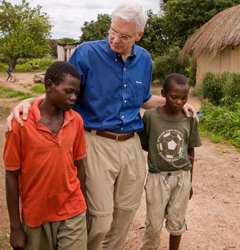
“Oh, sure,” he replied. He paused. “It’s just that our president’s leaving World Vision.” Bill had moved away several years earlier to take a job raising money for World Vision, an international humanitarian organization. I was one of his first donors, but I still didn’t know a whole lot about the organization.

Bill paused again. And then our phone call turned very weird. “Actually, that’s why I’m calling,” Bill continued. “I’ve been praying, Rich. And, um, the thing is, God told me you’re going to be the next president of World Vision.”

For a moment I was speechless. My eyes darted around my office. I was CEO of Lenox, one of the world’s largest makers of fine china. I sat behind an imposing cherry wood desk at our headquarters near Princeton, New Jersey, surrounded by oil paintings and cabinets lined with elegant plates and teacups. A fountain splashed in a pond outside. A door led to my private bathroom. “You must be joking,” I said to Bill.

Bill insisted he wasn’t. “I know it sounds crazy,” he said, “but I’m certain God spoke to me.” He told me where to send my résumé.

“Bill!” I finally barked. “I’m not sending my résumé anywhere. I like my job. I don’t know anything about international—whatever it is World Vision does. I’m not qualified, I’m not interested and I’m not available.”

Bill was silent a moment. “Rich, you’re not listening to God’s plan.”

Huh? That was almost rude! A few awkward moments later we hung up.

Not listening to God’s plan! I’d been listening for 25 years, ever since that day in business school when I fell to the floor and cried out, “My Lord and my God!” I’d been a hard-headed atheist before then.

Coming from a dysfunctional family, I’d been determined to get a business degree, become a CEO and get rich. My girlfriend Reneé, a committed Christian, broke up with me when I told her I’d never follow her in faith. Then I started reading the Bible and other books on religion and philosophy.

Gradually I became convinced Jesus Christ really was God’s son, and one day I committed my life to following him wherever he might lead. Everything afterward flowed from that decision. Reneé and I married and had five wonderful kids.

I climbed the corporate ladder, each rung an affirmation from God. We attended church regularly. Tithed. Participated in Bible studies. Supported missions.

The fruits of listening to God’s plan were all around me. My job at Lenox. The private school where we sent the kids. Our 10-bedroom, 200-year-old farmhouse in Pennsylvania. My company Jaguar. Just recently I’d told Reneé we could afford to retire in less than a decade. How could I listen any more diligently?

Bill called periodically to update me on the World Vision search process. A colleague at Lenox even mentioned seeing an ad for the job in the Wall Street Journal. I shrugged it all off. Eventually, World Vision would find a president and the issue would go away.

One day my assistant buzzed to say a job recruiter was on the phone. Absently I told her to put him through. “Hello, Rich, I’m Rob Stevenson, a recruiter for World Vision. They’re looking for a new president. Do you have a few minutes?”

A chill ran down my spine. “Did Bill Bryce put you up to this?”

“Bill who? No, I got your name from a list of World Vision donors.”

I regained a bit of composure. The recruiter asked if I knew anyone who might be a good fit for the job. Relieved, I said, “You’d have to be part CEO, part Mother Teresa, part Indiana Jones. I don’t know anyone like that. Sorry.”

“What about you? You interested?”

“Me? Hey, I run a luxury goods company. I don’t know anything about international relief and development.”

Rob persisted. “You’re not going to believe this, but while we’ve been talking I’ve sensed the Holy Spirit telling me we ought to meet. I’ve talked to two hundred people so far. You’re the first I’ve had this feeling about.”

Whoa. I felt a stir of panic. I knew World Vision was a Christian organization. That was one of the reasons I gave them money. But this was unbelievable. “We don’t need to meet,” I said.

Rob paused. “Let me ask you a different question. Are you willing to be open to God’s will for your life?”

I practically dropped the phone. This was becoming a dangerous conversation. “Of course I want to be open to God’s will,” I stammered. “But I’m pretty sure this isn’t it—”

“Let’s find out,” Rob interrupted. “Have dinner with me.”

That night I told Reneé about the latest encounter with World Vision. She said, “You never know what God might have in store. We need to be open to his leading.”

I cringed. It was never a good sign when Reneé and I disagreed. Since our first impassioned discussions about faith all those years ago, she’d been setting the spiritual bar for our family.

There had to be a benign explanation for all these signs pointing to World Vision. I hadn’t gone to business school to run a nonprofit! Obviously Reneé wasn’t thinking about paying for the kids’ college.

Rob must have enjoyed our dinner. To my chagrin I found myself on a shortlist for the World Vision job. I was interviewed along with three other finalists. I did everything I could to explain to the search committee why I was a terrible fit. Rob called the next day. “Congratulations! You got the job!”

Flabbergasted, I told him I wanted to fly with Reneé to Seattle to visit World Vision’s headquarters. “I’m not committing yet. I need to find out more. I need time to think!”

Rob arranged the trip and I spent the days leading up to it in agony. How had I gotten myself into this jam? I’d been trying to turn these people down for a year. Still they offered me the job! It fit no definition of God’s plan I even remotely understood.

The very day I was to leave for Seattle a visitor arrived at my Lenox office. Keith, a successful tableware executive about 10 years older than me, said he was planning to buy an English china company and merge it with his own. “I’d like to hire you as CEO of the merged company,” he said. “You’d get a ten-percent ownership stake worth about twenty-five to fifty million dollars.”

My jaw dropped. I stammered for a moment until I realized the only way to preserve my sanity was to tell Keith the truth. I explained I’d been offered a position leading a charity and wouldn’t be able to consider his proposal until I’d dealt with the other job offer.

For a moment Keith seemed taken aback. Then a strange look came into his eyes. “That’s really admirable of you,” he said. “But you know, I think I understand.” He launched into a story.

Years before, devastated over the sudden death of his 10-year-old daughter, he’d begun sponsoring a little girl in India. That simple act of helping another child had eased his grief like nothing else.

“The charity that put me in touch with her was absolutely wonderful,” he said. “They’re called World Vision. Whatever charity you’re interviewing with, I’m sure they’ll benefit from a man with your experience. I hope you’ll take my offer. But I’ll understand if you don’t.”

By the time Keith finished speaking I seemed to hear another voice, the same voice that had spoken to my good friend Bill Bryce and recruiter Rob Stevenson all those months before. I realized Reneé and I were witnessing something profound—God working directly in our lives, showing us, plain as day, that his plan for us involved something more amazing than I ever could have imagined.

My corporate career, my comfortable life, my safe and tidy church involvement—all of it was just prologue, maybe even a distraction from serving the Jesus I had committed my life to 25 years earlier. I knew then that if I truly wanted to follow that Jesus, I would have to follow the one who gave himself for the poor and dispossessed.

Rich, Jesus seemed to say, you promised you’d follow me wherever I might lead. Will you follow me to the poor, to the refugee camps and to the garbage dumps where children scavenge for food? Will you follow me there, Rich?

I’m embarrassed to say it took several more weeks and a lot more prayer before I finally gave in and became World Vision’s president. Today, more than a decade later, I can hardly believe my agony over that decision.

Friends from our Lenox days still marvel at what Reneé, the kids and I gave up. I try to explain that corporate perks and Jaguars mean nothing after you’ve tasted the reward of doing the real work God always meant for you to do.

In the end, though, words fall short. Follow me, says God. And when we do, we find our deepest purpose and the true adventure begins.

Faith Fuels This Fire Chief’s Fight Against the Opioid Epidemic

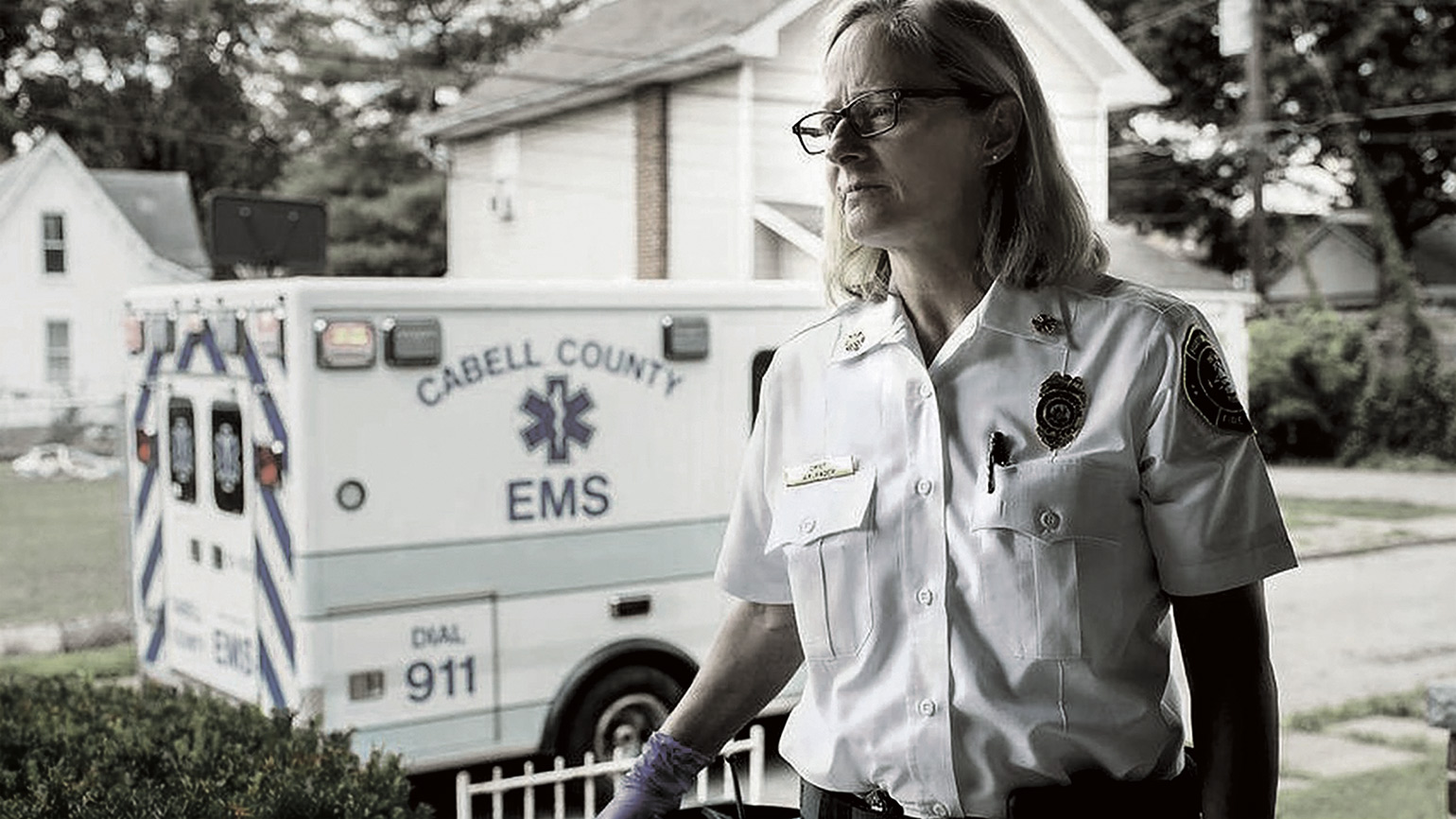
I’m the fire chief in the city of Huntington, West Virginia. I command a department of nearly 100 firefighters. I grew up in this area, just across the river in Ironton, Ohio. I’ve been a firefighter in Huntington for 24 years. I love this city, and I’m fiercely loyal to it.

It pains me deeply that these days Huntington is known to the rest of the world mostly for the people who die here. “Overdose capital of America,” the national media calls my city. It’s true, the rate of drug overdose here is tragically high. We had close to 2,000 overdoses in 2017 in Cabell County, which includes Huntington. The county’s population is just 96,000 people.

Daily Strength for Women in Article ad

The overdose rate more than quadrupled in the past two years. One in 10 residents of Cabell County suffers from a substance use disorder. One hundred thirty-two of those users died in 2016. The medical cost of this crisis in our county is estimated to be about $100 million annually.

The cost for us firefighters is high too. More than a quarter of all emergency calls we respond to today are drug overdoses. By comparison, just eight percent are for actual fires. Every day, my firefighters encounter people with substance use disorders at their worst—strung out, passed out, dead or near death, sometimes sprawled in front of their own children. We revive those people with Naloxone, a medicine that rapidly blocks or reverses the effects of opioids. Often we revive the same user a few days later. And again a few days later.

Fire chief Jan Rader on the cover of the Feb 2018 issue of Guideposts
As seen in the Feb 2018 issue of Guideposts

Firefighters are tough and stoical by nature. The men and women in my department do their jobs with commitment and professionalism. Still, the work takes a toll. We all mourn for our city. We are baffled and frightened by the destructive power of drugs. We grow frustrated at helping the same people over and over. We feel helpless when we arrive at a house and find children in diapers crying over the bodies of their incapacitated parents.

And yet I have hope. I believe Huntington will come to grips with this crisis. I believe even the most addicted individual can recover. I do not face the future with fear.

Why? My answer to that question starts in an unlikely place—a filthy apartment above a bar in downtown Huntington. That’s where three firefighters and I responded to an overdose call a few years ago. There we found a man named Mickey Watson lying fully clothed in a tub filled with water and ice. Mickey had overdosed on heroin. His friends put him in the tub in a misguided effort to revive him.

My firefighters and I were on our guard. We’d revived Mickey from drug overdoses four times in the past six weeks. He was a hard-core addict. He’d been using drugs since he was a child— his mom, also an addict, gave him his first taste of alcohol when he was eight years old. Now 30, Mickey could become enraged as he crashed from a high, even if his life was being saved.

His lips were blue, his body gray. The drugs had stopped his breathing. Were we too late? Two firefighters heaved him from the tub while a third kept an eye on his drug-addled friends. Mickey’s hair was plastered down his shoulders. A paramedic put a breathing mask on his face and handed me a canister of Naloxone nasal spray. I administered the medicine. An anxious pause. Mickey heaved a breath.

He was alive!

There are some people in Huntington— anyplace, really, dealing with drug abuse—who wonder why so many resources are expended on people like Mickey. I think that’s the wrong question. All people were created by God. It’s not up to me or anyone else to judge the worth of a human life. Substance use disorders do not discriminate by race, economic background or spiritual background. I can drive through any neighborhood in this city, rich or poor, point to houses and say, “Someone overdosed there.”

Many addicts in Huntington were prescribed powerful opioid painkillers after an injury. They got hooked without knowing it, then needed more drugs to avoid becoming what we call “dope sick”—nauseous, in pain, freaked out, unable to sleep. The classic symptoms of opioid withdrawal. Heroin is the next step, cheaper and stronger than pills. Before you know it, a once upstanding member of our community is a heroin addict or hooked on fentanyl. Then that person overdoses and my firefighters are called to save another life. It’s the lifesaving that gives me hope.

Lifesaving is what drew me to firefighting. In my twenties, I was happily employed as a gemologist at a mall jewelry store near Washington, D.C. One day I saw a woman collapse in the mall outside the store. I didn’t even know CPR then. I called 911 and waited helplessly until the paramedics arrived.

To my surprise, one of the paramedics was a woman. I’d always assumed firefighting was a guy’s job. They revived the woman and took her to the hospital. At that moment, I knew I wanted to do that kind of lifesaving work.

My brother, then a pastor in Huntington, told me the city was hiring firefighters. “You’re in great shape,” he said. (I was a runner.) “You should apply.”

I took the test and scored high enough to be hired. There was one other woman in the department. The next year she retired. For the rest of my time in Huntington, I’ve been the sole woman in the department.

I fought lots of fires. But my passion was always for saving lives. I even went back to school, got a nursing degree and worked on my days off in a hospital emergency room. I wanted to know more about medicine, what happened to the people we rescued after they left the ambulance.

The overdose calls started coming in the early 2000s, around the time I got promoted to lieutenant and then captain. Suddenly firefighters under my command were reviving people strung out on prescription pain pills. We never imagined we were on the cusp of an epidemic. Drugs, we thought, were a big-city problem, not an issue here in the Bible Belt.

The calls kept coming. We had to learn how to respond. I helped write our standard operating procedure for using Naloxone. We also had to develop safety measures to protect ourselves from violent addicts and to help bystanders, especially kids. The drugs we deal with are always changing—different formulations, strengths and mixtures with other drugs, such as methamphetamines. Every addict behaves differently. When a call involves a shooting or a stabbing, we wait for police to give us the all-clear before we go in.

That doesn’t sound very hopeful, does it? Well, I was raised in the First Baptist Church in Ironton. And one of the principles of my faith is that God is present even in the midst of tragedy. My mom was active with the American Cancer Society. Dad built houses with Habitat for Humanity. My parents did not let the size of a problem stop them from contributing to the solution.

I do not view the work my firefighters do as a hopeless rearguard action against an unbeatable epidemic. Every life we save is another opportunity for an addict to bottom out and turn around. You never know when God is going to change someone’s life. Remember Mickey Watson? The heroin addict in the bathtub? That day, my firefighters and I were accompanied by a film crew making a documentary about drug addiction in the heartland— a sad by-product of Huntington’s reputation as an overdose capital is the steady stream of reporters and film crews documenting life in our city.

After we revived Mickey with Naloxone, the filmmakers needed him to sign a release form so they could show the episode in their documentary. Before he signed the form, he demanded to see footage of his overdose. He watched himself getting hauled from the tub, his skin blue, his face contorted. The sight shocked and disgusted him. That moment, he made a decision to get sober.

Today Mickey is off drugs, married and working as a cook at a local restaurant beloved for its barbecued ribs. He’s a loving father to the four kids he had during his years of addiction. He helps others suffering from substance use disorders. None of that would have happened if we’d given up on him.

That’s why I have hope. Addiction is not a sign of irredeemable moral failure. It’s a disease, a physical, mental and spiritual condition. And like every other disease, it can be treated. One reason Huntington is in the news so much is because our mayor believes in being open about the problem, not fudging or downplaying the numbers. Our city’s transparency has enabled us to come together to work on solutions. Doctors and nurses do ride-alongs with my firefighters. Churches are partnering with the local medical school to share wisdom about how to help the addicted. Once a month, pastors, community leaders and I meet to confer and pray for our city.

Not long ago, I was at one of those prayer breakfasts, sitting with the police chief and other community leaders. My phone buzzed with a Facebook message. It was from someone in longterm recovery.

“I know this is random, but God put it in my heart to let you know the difference you’ve made in my life,” he wrote. He recalled the many times we’d revived him from an overdose. He described his treatment for addiction, his marriage, his job and his newfound joy raising his kids. “None of this would have happened if not for you all doing what you do so selflessly,” he concluded.

Hopeful? You bet. Every day, we firefighters see addiction’s destructive effects on our community. We persevere, knowing that God and good people working together can overcome any challenge. We will never give up.

For more inspiring stories, subscribe to Guideposts magazine.

Faith, Family, Football for NFL’s Oldest Cheerleader

"Action!” the director yelled. A camera crew huddled around me while I tore open the letter that could change my life. This is it, I thought. A local network was filming “The Making of a Ben-Gal,” a show about women who’d tried out for the Cincinnati Bengals cheerleading squad. Was my dream about to come true?

Ah, who was I kidding? The other girls auditioning were in their 20s. I was a divorced single mom about to turn 40. Me? An NFL cheerleader? Get real, Laura, I thought. I could hear my ex-husband’s voice in my head. You’re too old. Who do you think you are? Ugly. Idiot. Dumb.

Pause & Pray In Article Ad

I wasn’t always so hard on myself. Growing up in Dayton, Ohio, I’d often catch Bengals games on TV. Whenever I caught a glimpse of the fit, glamorous Ben-Gals, I was mesmerized. They were everything I wanted to be.

After high school, I graduated from California State University with a degree in dietetics. I was ready to help others fall in love with staying healthy too.

Then I got married, moved back to Ohio and became a dietitian. Things looked picture-perfect—my husband and I had great jobs, a beautiful home. But just under the surface, my life was a nightmare. He was abusive and controlling.

It didn’t take long for me to believe the cruel things he said: “You’re ugly!” “I hate you!” “You don’t know anything!”

Still, I stayed. He was better around our daughters, Marija and Courtney, and I didn’t want to break up our family. To deal with the pain, I overate. I felt worthless. Until one day I grew the courage to leave him. For good.

Starting over was a blessing. I’d never been so happy with the girls, and I threw myself back into health and fitness. One Sunday I was invited to a Bengals game. The Ben-Gals took the field, and I was eight years old again, mesmerized by the glamour of those strong, beautiful women. That’s what I want to be, I thought.

The idea was ridiculous. But it inspired me to sign up for a dance class. One of the other girls had once cheered for the Ben-Gals. “You’re really good,” she said. “You should think about trying out for the squad.”

She didn’t think I was too old. Back home I went online and read up on the Ben-Gals. The pay was low. There were long practices, public appearances, charity work. I loved the idea of helping the community, and I could handle the low salary and hectic schedule…I printed out the application.

It’s not like I’ll make it, I thought, stuffing it in the mailbox.

A few weeks later I arrived at Paul Brown Stadium for the first round of auditions. The girls came in droves! About 120 of them. I looked around at the army of Barbies and panicked. Their faces were wrinkle-free, their lips lustrous and their hair—oh, their hair! I was the oldest. By far.

“Five, six, seven, eight!” a judge called. I kicked, did the double turn, then launched into a leap and…tripped. I tried once more and landed it. Phew! After a few more rounds of tryouts, they called my number. I’d made it to the finals!

There, my kicks were high (my hair was even higher), my leaps were on point and I nailed the dance.

Now it was time to find out if I was good enough. The girls came over and sat down next to me. I held that all-important letter, my hand trembling. I imagined myself running out onto the field, shaking those orange-and-black pom-poms.

I read it aloud: “Dear Ben-Gal Candidate, We appreciate your hard work. Unfortunately, your score did not make the final squad.”

I’d just been rejected. On air. In front of the whole city. The director turned off the cameras. “Hey,” he said, “I’m really sorry.”

The girls leaned in. “You did great, Mom,” Marija assured me.

“You made it to finals—most people never get that far,” Courtney said.

After wiping my tears, a calm fell over me. The girls were right. I’d overcome years of pain and abuse to make it to the finals of being an NFL cheerleader! How crazy was that? I was already a winner with two beautiful girls—cheerleaders of my own. That was something to celebrate!

“You know, Mom, you can try out again,” Marija piped up.

“Please!” Courtney added.

That decided it. The next year I worked even harder and made it to the finals again. A few days later I was interviewed on a radio show, along with two other girls who’d tried out. The director of the Ben-Gals walked in.

“You ladies are going to find out if you’ve made the squad, right here on the air!” she said, handing us each an envelope.

I flashed back to the “Making of a Ben-Gal” program. I couldn’t be rejected in front of the whole city again, could I?

“Why don’t you open yours first, Laura?” the host asked.

I pulled out the letter. There were words all over the page, but I only saw one: “Congratulations!” I bawled.

This year I’ll turn 44. I’m still the oldest cheerleader in the NFL. Other than “Mom” it’s the title I’m most proud of. Each time I grab those orange-and-black pom-poms, I’m reminded that it’s never too late to chase your dreams. Just have faith, and remember: Go! Fight! Win!

Watch as Laura shares more Ben-Gal inspiration!

Download your FREE ebook, The Power of Hope: 7 Inspirational Stories of People Rediscovering Faith, Hope and Love

Faith Cancels Out Fear

What are you afraid of? Maybe it’s losing your job or your home. It could be ill health or public speaking or even flying. Perhaps you struggle with fear of failure or divorce. I have good news, no matter what frightens or discourages you: You don’t need to go through life shackled by those fears.

How can you be free of them? I will answer that question in four words: FAITH CANCELS OUT FEAR. Faith is stronger than fear. That is saying a great deal, because fear is very strong. But faith is very much stronger. The Bible is literally full of texts on overcoming fear. “God is our refuge and strength, an ever-present help in trouble. Therefore we will not fear, though the earth give way and the mountains fall into the heart of the sea” (Psalm 46:1-2). “Fear of man will prove to be a snare, but whoever trusts in the LORD is kept safe” (Proverbs 29:25). “Perfect love drives out fear” (1 John 4:18).

Walking with Jesus L&E evergreen_in article ad

But one of the greatest fear/faith verses in found in 2 Timothy 1:7: “For God has not given us the spirit of fear, but of power and of love and of a sound mind.” Power? What power? The power of faith. Faith can take a weak, fearful, defeated individual and completely change his life.

Here’s how to make faith conquer your fears:

1. Be bold and mighty forces will come to your aid.
The person who is afraid cuts himself off from the flow of power. But when you venture boldly, letting yourself go, then from the depths of your being, perhaps also even from the life-force of the universe itself, there comes a flow of power in response.

2. Deny adverse conditions.
Don’t go around saying or thinking, “Conditions are against me,” or “Things don’t look good.” Face facts, but realize it often happens that a person is defeated not so much by the facts of a situation as by his negative interpretation of the facts. In every problem there is an inherent good. Believe that.

3. See and constantly picture good outcomes.
By envisioning good things you actually bring good influences into play, both within yourself and in the world around you.

4. Practice brotherly love toward everybody.
Don’t just be nice or kind to those who treat you that way. Reach out.

As you go about your day, say to yourself, “I am strong in the Lord. I am not afraid. For God has not given me the spirit of fear; but of power and of love and of a sound mind.”

Download your FREE ebook, Let These Bible Verses Help You: 12 Psalms and Bible Passages to Deepen Your Joy, Happiness, Hope and Faith.

Faith Brought Her Back from the Brink

Slowly, my eyes adjusted to the light. My mind was so foggy. Where am I? This bricklike bed wasn’t mine. I tried to lift my arms. My wrists. They were strapped to the bed frame. Dear God, what have I done? A nurse came in. She took my hand and undid the straps.

“You’re in the hospital,” she said gently. “You made an attempt on your life.”

Whistle Stop Cafe In Article Ad May 2023

A panicky recollection stirred inside me. I remembered swallowing a handful of sleeping pills. The phone suddenly ringing. A girlfriend. My words coming out in a confused garble, her saying she was calling 911.

“Baby, you’re too young to be tired of living,” the nurse continued. “But we’re going to take good care of you and you’re going to get better.” She squeezed my hand. “I’ll be back in a bit.”

Her words stuck with me. What was it I had to live for? I’d struggled all my life to find…what? Happiness? Acceptance? Love? At 25, I was washed up, my brief chart-topping career as an R & B singer over.

But the emptiness I felt went deeper than that. I wondered: Does anyone really care whether I live or die? Do I?

The men I’d dated, the two women I’d sung with in Sisters With Voices, our manager, the relatives I’d been shuffled off to as a teenager, all had crushed me in a way that seemed irreversible. Maybe I was the problem.

The one person—Eddie—who I’d thought might be different I hadn’t even gone out with, only talked to for a short period on the phone long ago. Yet for some reason I’d never forgotten him. Too late now, I told myself.

A knock on the door interrupted my thoughts. My brother Wayne rushed in. “I came as soon as I heard,” he said. He touched my arm. “You look just like Mommy…” His voice trailed off.

Our mother died when I was 14, her last years bedridden, her once strong, beautiful body slowly wasting away. There was no one to care for her in our tiny apartment except for my three older brothers and me. We used to take turns skipping school to be with her.

“Don’t ever lose faith,” she whispered to me one afternoon. All she’d ever known was grinding poverty, abuse and disappointment. So many nights she went hungry so we’d have a few more bites of food.

We lived in Brooklyn, New York’s tough Bed-Stuy neighborhood. But she’d done everything she could to shield us from harm, even if it meant constant beatings from our stepfather.

After she died my brothers and I were split up among relatives. All I wanted was to escape my life. A year out of high school, I heard about two women looking to start a singing group. Our first album sold three million copies. I thought I’d found my ticket out.

“I’m so sorry,” Wayne said. “They said I couldn’t stay long. Why didn’t you tell me you were going through something? I wish there was more I could do.” He gave me a gentle hug and left.

Fame couldn’t fill the emptiness. There was constant drama with the other girls. I tried to find comfort from my boyfriends. But I wasn’t much better than Mommy at picking men.

I dated the last guy for nearly three years. I thought he’d change his ways if I could just show him how much I needed him. But I couldn’t hold him tight enough to keep him from straying.

One Christmas, after we’d been dating about a year, we went to Orlando, Florida. We dropped by a mall one evening. I turned to look at a dress and when I looked back he was gone. Unbelievable! I called his cell. Straight to voicemail.

I felt a tap on my shoulder and whirled around. “Where were…” I started to snap at him. But it was just two young guys.

“Can I get your autograph?” the taller one said, holding out a pen. “My name’s Eddie and I’m a huge fan.”

“Sure,” I said. I took the pen and scribbled my name on his shopping bag, barely looking up before they melted into the crowd of holiday shoppers.

My boyfriend resurfaced an hour later. “What?” he said when I pressed him on his disappearance. “Do I have to get your permission to breathe?” That angry tone I’d heard many times before. But I felt trapped. I couldn’t bear the thought of being alone.

Things only got worse in the next year. I slipped into a depression. Every day seemed a struggle, another fight with the Sisters, our CD sales in decline.

One cold December night about a year after the mall incident a girlfriend called. “A bunch of us are going out,” she said. “Come with us. It’ll do you good.”

But the music at the trendy jazz club couldn’t lift my spirits. I was about to go home when my friend spotted a group of tall, handsome men across the room. “Come on,” she whispered. She dragged me to their table.

One of the men saw us coming and jumped up from his chair to greet us. “Hi, I’m Eddie George,” he said. “You signed an autograph for me…last year at The Florida Mall. I was there playing in the Citrus Bowl.”

The what? A Citrus Bowl? I smiled without knowing what I was smiling about. I felt myself nodding, but…those eyes. So kind. Those dimples. I would have remembered meeting him, right?

“So what brings you to New York?” I finally managed to get out. For some reason his buddies started hooting and hollering at the question.

“Don’t mind them,” he said. “We’re just here celebrating. I won the Heisman Trophy today.”

“Wow! Congratulations,” I told him, but I thought, The Heisman what?

We exchanged numbers and I went home, never expecting him to call. I’d just switched off the news when the phone rang. “I hope I’m not calling too late,” a warm voice on the other end said.

I’d never met anyone so easy to talk with. He told me he’d been born into a troubled home too, his mother and father divorced when he was five. Sent to a military academy when he was a teen. That and his strong faith had kept him on the straight and narrow.

Mostly, though, he wanted to know about me. He never interrupted, never sounded bored. He made me laugh. I couldn’t remember the last time I’d laughed like that.

I looked at the clock. It was two in the morning. “I’d love to see you again sometime,” Eddie said.

“That sounds…” I stopped. My boyfriend. We’d been together for nearly two years. I wanted to believe it could work for us. Eddie was nice, but I barely knew him. “The thing is…” I bit down hard on my lip. “I’m in a relationship. And, well, now’s just not a good time.”

That was the last I heard from Eddie. I’d heard he’d gone on to play football for the Tennessee Titans. I wondered if he ever thought about me.

I got up the nerve to call him once—by then my relationship was down the drain—but a recording said the number had been changed. My worst fear had come to pass—I was alone. I had no reason to live.

Now I stared at the walls of my hospital room. Why had I been spared?

I recovered from my suicide attempt slowly—physically, at least. Emotionally I’d never been lower. Late one evening, my hospital room quiet, I closed my eyes, desperately wanting to sleep. But my mind wouldn’t let go.

All at once I heard a voice, crystal clear, ask, “Why don’t you love yourself?”

Great, I thought, now I’m hearing things. But the question nagged at me. I thought back over my life, my abusive stepfather, those who said I was ugly and worthless, the boyfriends who cheated on me, the manager who said I wasn’t that talented.

All my life I’d seen myself through the eyes of people whose vision was negative, toxic. I believed it all.

Then a voice, more powerful than the first, said: Let me help.

Deep inside I understood where the voice came from. I’d been raised to love God. But I couldn’t accept that God loved me more than I loved myself.

Now though I felt an overpowering love, waves of warmth rushing over me, soothing me, the comfort I’d dreamed of. God reaching out, folding me into his arms. But even as I marveled at his presence, I worried. I didn’t deserve this. I’d tried to end my life.

Lord, please forgive me.

I reached over and pulled a Bible from the nightstand next to my bed, started reading. “In the beginning…”

Eventually I was released from the hospital. I found a church and met Minister Baize. “Honey, just focus on being good to yourself and let God do the rest,” she told me.

I prayed and read the Bible daily. It was amazing how much less stress I felt. I learned to like my own company, the joys of a hot bath and curling up with a good book. But I wondered if it would somehow all go away, like fame and boyfriends and love.

Months went by quietly. The Sisters went their separate ways. I’d sworn off dating. I couldn’t afford any distractions. Here and there I picked up some modeling jobs to pay the bills. That was enough excitement for now.

It was February, NBA All-Star Game weekend in New York. I’d been asked to model a new line of women’s wear for music impresario Russell Simmons’s latest fashion show.

I’d done my one turn up and down the runway. I was waiting for it to end so I could go home and relax and do my Bible reading. Thirsty, I walked to the bar and ordered a glass of cranberry juice. “Make that two,” a voice said behind me. “And give me the check.”

I turned. “Thanks, but…” And there he was. Eddie. “What…I mean…how…” My brain couldn’t seem to engage.

He laughed. “It’s great seeing you too. You were wonderful in the show. Listen, I’m here for the weekend. Would you like to meet for lunch tomorrow?”

“That’d be great,” I managed to say.

At the restaurant it was like we’d never been apart. We talked for hours, occasionally interrupted by a fan wanting his autograph. It was funny. Now he was the star, not that I knew much about football.

All I could think about was how God had brought us together three times. He’d been watching over me all along.

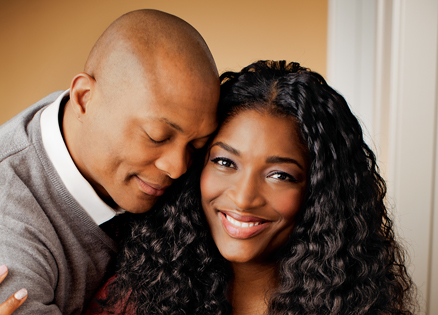
Eddie and I were married eight years ago. Have I finally found true love? I would say yes. I had to find something else first, though. I had to find myself, the person I was always meant to be.

Watch this Interview with the Authors as Tamara and Eddie George discuss their book, Married for Real: Building a Loving, Powerful Life Together.

Download your FREE ebook, True Inspirational Stories: 9 Real Life Stories of Hope & Faith

Faith Bolsters Him Against His Toughest Opponent: Multiple Sclerosis

Late into that fall morning in 2007, I remained in bed, my body weak with pain and fatigue, my spirit worn out too.

I was living alone in a townhouse outside Celebration, Florida, my life a shell of what it had been. Sixteen months earlier, in June 2006, I was diagnosed with multiple sclerosis. My marriage ended. My body failed me. Things really fell apart. I needed physical help every day. I was no longer Superman: successful, in amazing shape, strong in every sense of the word.

The Lies That Bind In Article Ad

I couldn’t work anymore as a television producer. The daily pain and fatigue of my MS meant I couldn’t keep up with grueling production schedules. I was trading stocks to make ends meet, but I couldn’t take care of my family the way I used to. MS had also given me a limp. I had to drag my left leg everywhere I went. It was mortifying.

I barely left the townhouse. Not to go to work. Not to see my friends. Not even to go to the gym, as I had done habitually six days a week for years. I’d gone from a self-made millionaire to a depressed, sick recluse.

I lay there and stared at the ceiling. God, is my life over? Really?

I knew firsthand the power God had to give direction to the lost and the broken. Growing up in the Bronx and Queens in the 1960s and 1970s, I was always getting into fights. First in the streets and later as an amateur boxer. I had a lot of anger and a chip on my shoulder the size of a Frisbee.

It wasn’t until I was 16 and a girlfriend brought me to Bible study that I gradually came to clarity. There is another way, God seemed to be saying to me. But I wasn’t willing to turn my life over to the Lord until many years later, when I went from an angry rebel to a serious body builder and businessman who owned his own gyms.

Working out became a way of life. It focused me almost like prayer. When I wanted to transition into producing television and film projects, I again leaned on the Lord. I worked hard and signed a deal with a leading sports entertainment marketing company, then with FOX Sports on two sports reality competition shows.

By the time I turned 47, I was proud of the life I’d built. I had three wonderful kids, a thriving career. I was in great shape. I spent time as a youth pastor and gave glory to God, sure, but I had a big ego too. Didn’t I deserve some of the credit?

One day in March 2006, I was at the gym, pressing a cable down as part of my triceps workout, when a sharp, burning pain erupted in my left shoulder. Must be a pinched nerve, I thought. The pain spread to my left arm and fingers. Could this be a heart attack? I shoved the thought to the back of my mind. Superman didn’t have heart attacks. I asked God to fix the problem and pushed on with my workout.

Over the next few months, the pain went into my legs, along with numbness and weakness. I tried to ignore the symptoms. One day, my youngest had to pull me out of the swimming pool because I couldn’t raise my legs to do it myself.

Maybe I need to see a doctor, I thought. The timing, however, could not have been worse. I had a big business trip to California already planned. I didn’t have time for doctors’ appointments.

Nonstop meetings, getting into and out of the rental car, pitching my ideas over and over again—I barely held it together on that trip to Los Angeles. I came home to Florida and finally pulled my head out of the sand. I made an appointment to see a general practitioner. The doctor examined me and listened to my list of symptoms. “Have you ever had a head injury?” he asked.

“I was always a fighter,” I said. “Both in and out of the ring.”

The doc looked concerned. “Maybe it’s finally caught up with you.”

We scheduled MRIs. When the results came back, the doctor called and said, “You need to get to the hospital right now.” The MRI showed lesions in my brain.

I was admitted for a full neurological workup—more MRIs and a lumbar puncture. I hated the idea of needing care and refused to be treated as an invalid. I insisted on dragging myself to the bathroom rather than allowing myself to be catheterized.

It wasn’t until I was alone in my room later that night that panic surfaced. Why, God? I prayed. Why? What is your plan? I was supposed to be Superman.

On my fourth day in the hospital, the neurologist came to my room with the results of the tests. “From what I see, you have all the symptoms of multiple sclerosis,” he said.

I knew nothing about MS. The neurologist explained that it was an inflammatory disease. The myelin sheaths around the nerve cells in my brain and spinal cord were damaged, disrupting communication between my brain and my body. There was no cure. The pain and fatigue would probably get worse. Vision loss and impaired coordination were likely in my future. I could need caregivers as the disease progressed. To depend on others to help me through my day-to-day.

I was stunned. What about the life I’d worked so hard to build, the life I’d thought God wanted for me?

In the almost year and a half since my diagnosis, I had prayed to understand God’s will. But I’d had to give up my work and life as I knew it. I didn’t go out with my friends anymore. The only people I saw regularly were my kids. My life had shrunk along with my muscles, my strength. Now here I was, alone in my townhouse, lying in bed, staring at the ceiling. I’d never felt so weak, so vulnerable. God, what do I do? I pleaded.

In my heart, I heard him say, David, I made you a fighter. You have to get back to what you know.

Early the next morning, I forced myself out of the house and through the doors of the fitness center in Celebration. It wasn’t the kind of hard-core gym where I used to work out—I didn’t want anyone who knew me to see me. I was scared. My body had been so inactive since my diagnosis. What if I couldn’t do even one rep? What if my legs wobbled or, God forbid, collapsed under me?

Best to start light. With my arms at my sides, I held a five-pound dumbbell in each hand and, very slowly, curled the weights up to my shoulder. I caught my reflection in the mirror and recoiled. My biceps were so puny. I shook my head. Keep fighting, I told myself. Get back to what you know.

I made myself go to the fitness center every other day, early in the morning, always alone. Until one morning in November, when I heard a knock at my townhouse door. “Ready to work out?” It was my buddy John. He’d gotten wind of my solo workouts and wanted me to come to his body-building gym.

I didn’t want to go and embarrass myself, but John was a big, strong guy. He could pick me up if he wanted and throw me in the car. I knew he wouldn’t take no for an answer.

Darren, the gym manager, was waiting for us. He and John had tailored a training plan to ensure that I could keep up. After years of being in charge and running my own gyms, I was following these guys and letting them coach me as if I were a beginner.

“You can do this,” John said whenever I struggled. “You’re a body builder, a fighter, and you’ll always be one. Train any way you can, and you can beat this disease.”

It was time to relinquish some of my ego. My desire to be the best, the strongest. I just needed to get through the workout that day and come back. Some workouts were better than others, but I kept training. That week. That month. That year. Exercise helped me regain strength, function and mobility. Darren and John picked me up and drove me to the gym, encouraging me all the way. Without their belief in me, I don’t know if I would have ever found my way back to body building.

Two years later, I returned to television production. I met a wonderful, godly woman named Kendra, who became my wife. A registered nurse who worked with MS patients, she knew the downward progression of the disease yet still chose to be my partner in life.

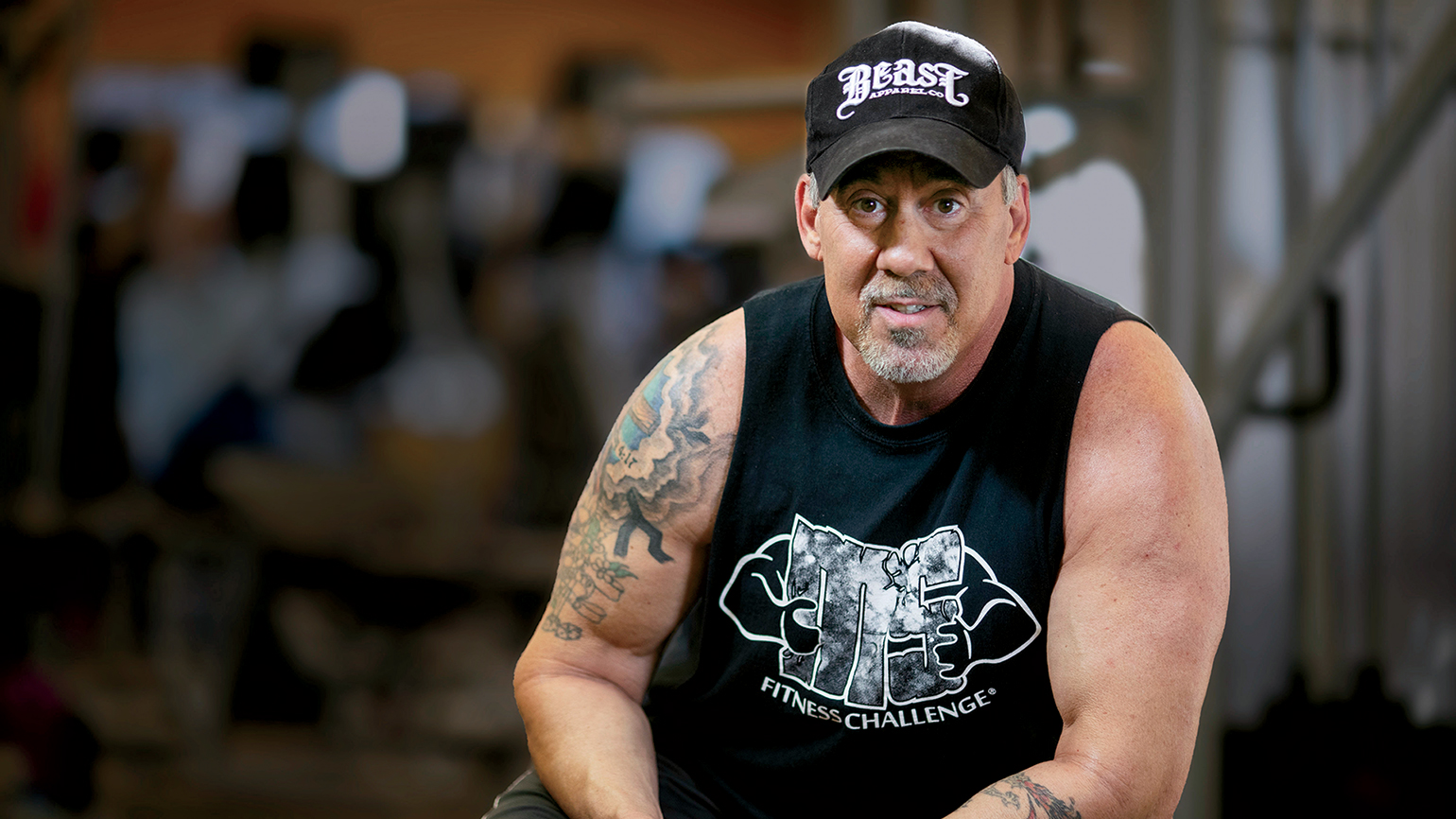
Our marriage has been the biggest blessing the Lord could have given me. Kendra grounds me, humbles me and makes me appreciate that multiple sclerosis is God’s way of enabling me to make a positive difference in the world. At age 50, three years after I was diagnosed with MS, I competed in a state body-building contest and won a trophy for Most Inspirational Body Builder.

In 2012, Kendra and I founded the nonprofit MS Fitness Challenge to help support people with multiple sclerosis who want to keep their bodies moving. We are also educating trainers on how to work with the MS community, and our charity has expanded to more than 25 countries.

It’s hard doing all this while living with MS. Some days I’m so tired, I practically have to crawl out of the gym. But I know I’m not Superman, and I don’t need to be. I can lean on my friends and family and, most of all, on the Lord, who, as my arm tattoo of 2 Timothy 4:17 proclaims, stands with me and strengthens me.

For more inspiring stories, subscribe to Guideposts magazine.

Faith as a Bridge to Healing

Recently, my wife was telling me about two of her friends who are going through a difficult time. One friend, who has no history of dealing with emotional stress, is now battling severe anxiety. This is a strong, hard-working man, who is suddenly feeling very anxious about work, his upcoming retirement and other life matters, but refuses to take medication. Her other friend is left heartbroken from the unexpected death of her son in a car accident. The emptiness and profound sadness she feels are physically and mentally draining.

These two individuals have been struck with the unexpected, leaving them without words, strength and energy to move forward. At times, life can be messy and complex. Getting through life’s struggles and inner battles will call for the support of loved ones, medical intervention for some, and spiritual strength for all. Faith allows us to cross the rising waters of life. Let faith be the bridge you build to overcome hurts, addiction, grief. As God said in the Book of Isaiah, “When you pass through the waters, I will be with you; and when you pass through the rivers, they will not sweep over you. When you walk through the fire, you will not be burned; the flames will not set you ablaze.”  

Journey With Jesus in article ad

When you lack the strength to keep your faith, God will provide and keep you close. We must believe and trust in God when the waters of life are rising, our faith will get us through it.

Lord, help us to keep our faith and give us the strength to hold on to You.

Faith and the Art of Waiting

For most people, learning to be patient is a challenge. In today’s fast-paced society, we expect instant results and speedy service–from the promise of quick-fix fad diets to expedited shipping options when we buy something online. When we do not get immediate results, we become cranky and impatient.    

Recently I encountered both the positive and negative effects that waiting can have on a crowd. While traveling home from a business trip, the pilot announced a possible mechanical problem with the plane. He explained that prior to departing, the mechanics would need to assess the situation.

Twenty minutes later we received great news, the plane was fine, and we were good to go–or so we thought. Once on the runway, the pilot then announced that we were behind several planes, and it would be over an hour before takeoff. This caused many to become frustrated.  

For those of us who are impatient, a brief delay can seem long and troublesome. In the spiritual world, waiting requires practice and discipline. Waiting for a prayer to be answered or for God’s intervention can be trying. But what if we changed the way we think about waiting?

Instead of viewing a delay as a burden, what if we saw it as a time to practice submission? Some of my fellow plane passengers practiced submission by busying themselves with other activities such as reading and writing while we waited.

As we wait for answers, we can engage in continuous prayer, worship and other forms of spiritual discipline. During this process we gain self-discipline and tranquility.

READ MORE: 3 BIBLE VERSES TO HELP YOU LIVE JOYFULLY 

As Isaiah, the prophet, once said to the people of God during a difficult time, “But those who wait upon God get fresh strength. They spread their wings and soar like eagles, they run and don’t get tired, they walk and don’t lag behind.” There is much to be said about waiting as an act of submission to God. How do you practice waiting? Do you find it to be difficult at times? Please share.  

God, teach me the spiritual discipline of waiting on You and for everyday living; grant me fresh energy to wait and live out my faith.

Faith and Prayer Helped Her Overcome Depression

Easter Sunday, the calendar on my kitchen wall proclaimed. So did the kids’ baskets with their neon-colored eggs and marshmallow bunnies. And our new outfits for church.

Jamie, 13, and Katie, 11, had polka-dot dresses like mine, and three-year-old Thomas proudly wore a miniature tie. Easter was all around.

The Lies That Bind In Article Ad

So why wasn’t it Easter inside me too?

“Look!” my husband, Rick, said as we pulled out of the driveway. “The pear trees are blooming! First time since we planted them!”

I don’t even remember us having pear trees. What’s the matter with me, Lord? It had come on so suddenly, this gray, gloomy hopeless feeling.

At church, shouts of “Happy Easter!” bombarded us. “Happy Easter!” I parroted, mimicking my friends’ bright smiles. Put on a happy face. What kind of Christian is sad on Easter?

I told myself it was only temporary. But April and May went by with the same dreary numbness. I forgot to eat, I was losing weight, I couldn’t sleep. My mother wanted me to see my doctor, but what could I say to him–”I’m feeling sad but there’s no reason for it”?

Besides, weren’t Christians supposed to rejoice in the Lord? All my 34 years I’d gone to two church services every Sunday, Tuesday night outreach, Wednesday night Girls-in-Action when I was younger, nowadays Prayer Meeting with Rick.

What would everyone think if they knew that I was feeling this darkness inside, that I was failing God so?

Maybe I just needed a change of scene. In June, when we went on vacation, things would be different.

On the drive to Florida’s Gulf coast, I tried to join in with Rick and the kid’s excited plans about everything they wanted to do once we got to the beach, but I ended up feeling like the odd sock in the dryer.

At our rental condo I went through the motions, packed picnics for the beach, played games, and at night while my family slept, slipped outside to cry.

Stepping out the glass sliding doors into the briny darkness, I listened to the rhythm of the waves. Why didn’t it soothe me as it always had? I have new freckles on my arms, Lord, so I must be in Florida. Why can’t I feel anything?

I came home feeling worse than when we left. I stopped looking in mirrors, unwilling to face the drawn, needy-eyed woman lurking there.

All summer I forced myself to take the kids to our neighborhood pool, thinking, Maybe if I act like the other moms, I can feel like a mom again. As my friends chatted, I put on sunglasses and pretended to be absorbed in a magazine.

I thought I was fooling even Rick, till one evening he said, “You don’t hum any more, Julie. Is something the matter?”

No! That was the trouble. Everything was fine, except me. “I’m just a little tired,” I told him.

“Let’s pray about it,” he said.

I have prayed! I’ve prayed and prayed and nothing happens. Rick must have been more worried than he let on, because for the first time in our married life, he suggested we kneel and pray out loud together. I repeated everything after him, like wedding vows.

“The Lord is my shepherd, I shall not want.”

“The Lord is my shepherd, I shall not want.”

It became a nightly ritual, praying together at bedtime. “Thank you, Lord,” Rick would close, “for giving Julie your perfect peace.” I’d feel peaceful too–for as long as he prayed. Then he’d fall asleep, and when I couldn’t lie still any longer, I’d ease off the covers and tiptoe over to the clock.

12:10. 2:30. 4:15. It became one more thing to conceal. How could I tell my husband that his prayers weren’t working? How could I disappoint Rick like I’d disappointed God?

By October my mother had started dropping in “just to say hello” a couple of times a week. She asked no questions but her transparent efforts to cheer me up told me that my forced smiles were no longer fooling her, either.

In early November she insisted on taking me shopping. At the mall Mother zipped over to an outfit. “Look, Julie, this is the new color for fall! Mustard. See those jeans? And the matching vest?” Explaining it to me like I’m a preschooler.

She grabbed the clothes and pushed me into the fitting room. My back to the mirror, I pulled on the jeans, two sizes smaller than usual, and tightened the belt to its last notch.

“Julie, what’s taking so long? Can I come in now?”

“Okay,” I said resignedly.

“Oh, Julie, that color’s wonderful with your red hair! I’m getting you the outfit. Why don’t you wear it out, and we’ll stop for ice cream on the way home.” Yippee. Ice cream.

Back in her Oldsmobile, I refused to get out again. “You go in for the ice cream and bring it out.” I was safer in the car than with people who might expect me to be chatty and cheerful.

Mother came back with my childhood favorite, a chocolate milkshake with real whipped cream. I sucked hard and fast through the straw to try to remember those shivery feelings. It was no good. Why isn’t anything in life fun anymore?

Mother started coming by daily. I hated it when she arrived, and I hated it worse when she left. One morning she walked in with her camera and followed me around the house snapping pictures. “I want to show you how pretty you are.”

Mothers always think daughters are pretty. I’m a fake and a failure and it has to show. Still, seeing her trotting after me, clicking away, was so funny that I had to laugh. It was like hearing a forgotten song. She finished the roll and hurried off to a one-hour developer.

Coming back, she fanned out the pictures like a winning hand of cards. She must have had these touched up. I look so… normal.

I picked out my favorite shot, the one with me laughing, and carried it around the rest of the day, then put it on the refrigerator. I wanted to hold on to that laugh, to believe it meant I could be happy–be me–again. But as with Rick’s prayers at bedtime, the lift didn’t last.

When Mother came back the next day, I was sitting on the kitchen floor crying. She got down beside me. “Julie, I think it’s time to see the doctor.”

The last fragments of my self-respect crumbled at that. Dialing the doctor’s number felt like the final defeat. He gave me an appointment right away.

I sat in the familiar green leather chair in his waiting room, wishing I could be one of the other patients. The lady with the five fidgety kids, the old man staring out the window, the gangly teenager.

What grown woman needs her mother to go to the doctor with her? And what would Dr. Kelly say when he found there was nothing wrong with me? I could see him marking my chart “Mental Case/Weirdo.”

“Julie, come on back,” the nurse called. Would she have to know too?

“What’s the matter, Julie?” Dr. Kelly prompted gently.

Confessing my condition to someone else was one of the hardest things I’d ever done. “I–I just don’t feel like myself anymore. I guess I haven’t felt like me for maybe nine months now and I can’t seem to stop crying.”

In a matter-of-fact manner, my doctor went on asking questions. Had the symptoms come on suddenly? he inquired.

“Have you lost weight?”

“Do you sleep too little or too much?”

“Have you lost pleasure in the things you used to enjoy?”

“Do you have trouble concentrating?”

Yes, yes, yes! To them all.

“Julie,” the doctor said, “you’re in a depression. Depression can have many causes, but when it comes on this suddenly it can be a physical condition due to a decreased serotonin level in the brain. It’s not a character failing or a sign of weakness. Even big, strong football players experience depression.”

He’s not judging me! Football players. Say it again… a physical condition…

“But, Dr. Kelly, if I had enough faith, couldn’t God heal depression?”

“I’m a man of faith too, Julie. Sometimes God uses doctors to help heal. Remember when Jamie broke her arm? You took her to an orthopedist.

“Depression is an illness,” he went on, “often treatable with medication.” He tore a prescription off his pad.

“With this, your serotonin level will gradually increase. As it does, I believe you’ll start feeling like your old self. You’ll need to stay on the medicine at least six months. I’ll want to see you again in four weeks.”

I left his office walking on air. But a week on the medication changed nothing. Hope slipped away like an escaping balloon.

Then one morning in the second week, I woke up and realized I had slept the whole night through. Like a slow-motion film, frame by frame, other changes followed, cheerful moments breaking one by one through the grayness.

One Saturday some two months after my visit to the doctor, Rick and I took the kids to McDonald’s. We stepped through the door and suddenly I remembered the taste of french fries. This is what it feels like to be excited about food! I stood in line like an impatient child.

“May I take your order?” said the boy on the other side of the counter.

“Yes!” I answered eagerly. “I’ll have a large order of french fries and a large chocolate milkshake, and, oh yeah, lots of ketchup!”

I grabbed the tray and followed my family to a booth. Yummy, salty, hot french fries! Adding plenty of pepper, I dragged each fry through a big mound of ketchup. The saltiness made me crave my milkshake. I sucked the cold drink down so hard and fast that my throat shivered.

Thank you, Lord, for my chocolate milkshake. I grabbed Rick’s hand under the table and whispered, “I love you.”

Two more months went by, the good days coming more and more often. Then it was Easter Sunday again–oh, but not like any Easter I’d ever known!

As we pulled out of the driveway on the way to church, I noticed the pear trees were a glory of white lace. In place of dull gray were yellow daffodils, pink dogwood–everywhere new life, new hope.

And most of all in me. Dr. Kelly was wrong. “You’ll be your old self again,” he promised. But this was a new self! This self didn’t have to be the model Christian who never missed a church service and showed only her best side.

This self was weak and needy and depressed and knew that was all right–all right with people and all right with God. Once I admitted I was hurting, I’d found his helpers all around me. Rick. Mother. Dr. Kelly. My friends at church I’d assumed would be so disapproving.

It was when I thought I’d failed God that I’d truly found him, when I’d plummeted the farthest that I’d landed in his arms. Sometimes, I realized as we drove up to the church, the most glorious way we can rejoice in the Lord is to let him have our deepest pain.


Faith and Family Behind Jennifer Hudson’s Success

Before the tragic deaths of her mother and brother, Guideposts spoke to Jennifer about the influence of her grandmother on her singing and her meteoric rise to fame.

Even I can’t believe it sometimes, how incredibly blessed I’ve been in my young career. Not that I haven’t worked hard and kept believing in the face of setbacks, but so have plenty of other talented people and they’re still waiting for their big break.

GP In Article Desktop

I went from my first professional job, singing in a local production of Big River when I was 19 to being on American Idol to winning an Academy Award for my portrayal of Effie White in Dreamgirls. I turned 27 this fall, and I have a lot to celebrate and be thankful for. Incredibly thankful.

My first album just came out—something I’ve been dreaming of for years! And now I’m playing the strong, outspoken character Rosaleen in the movie version of Sue Monk Kidd’s bestseller The Secret Life of Bees.

You might think all of this success would go to my head. It’s exciting, definitely, and I’m enjoying every minute of it.

But no matter how many red carpets I get to walk down, no matter how many big names I’m fortunate enough to know, or how many albums and movies I make, I’ll always be the same girl whose greatest joy in life was singing, even if there was no one around to listen. I’ll always be my grandma’s girl.

That would be my mother’s mom, my late grandmother Julia Kate Hudson. Our family’s what we call “born into the church,” and I was no exception.

So many of my earliest memories are of being at Pleasant Gift Missionary Baptist Church on the south side of Chicago. We were there Tuesday night for choir rehearsal, Wednesday night for Bible study and all day Sunday—morning service, evening service, communion, everything.

My grandmother was a deeply spiritual woman, the soloist in the church choir and the singer in the family.

She was so good that people used to tell her she could be a professional, but she always insisted that her voice was a gift from the Lord and the best way to show her gratitude was by using it to serve him. Like when she was singing one of her all-time favorites, “How Great Thou Art.”

No doubt about it, I got my voice from my grandma. I didn’t realize that right away, but everyone else knew. My mom likes to tell a story about when I was a lap baby, not even one yet, sitting with her during choir rehearsal.

The choir director was trying to get the group to hit a certain note, and they didn’t do it. But out of the blue, I opened my mouth and hit that note right on! I can almost imagine my grandma slapping her hand over her mouth so she wouldn’t giggle out loud.

The fact is, I was surrounded by music. Not just at church, but at home too. My grandma couldn’t live on her own because of her health—she had diabetes and seizures—so she lived with us.

I was the youngest. When my mom was picking my sister up from school and my brother was out playing basketball or riding his bike, it was just Grandma and me in the house. She’d sing, I’d listen.

One day—I don’t even remember what prompted it—I joined in and something just clicked. I felt beyond happy. I felt connected to something larger and more beautiful than I’d ever imagined.

I didn’t have the words for it then, but now I’d say it was a rightness in my soul, the kind of feeling you get when you sense something is meant to be. I was only seven years old, but from then on, I knew singing was what I wanted to do, what I was meant to do.

That’s why I started asking around at church, “Could I have a solo? Please?” I begged the choir director, who sent me to the head musician, who sent me to someone else. They kept giving me the runaround.

I got so frustrated that I hid in the bathroom and cried. “If nobody will listen to me,” I decided, “I’ll listen to myself sing.

I did just that until I finally wore the choir director down. I got my first solo, “Must Jesus Bear the Cross Alone.” I practiced and practiced in my little pink bedroom on the third floor of our house. I couldn’t wait to show everyone what I could do.

That Sunday I got up in front of the congregation. I stood there and looked at everyone sitting in the pews—my family, my friends, people from the neighborhood. Then I opened my mouth. Nothing came out. Not a sound! Here it was, my big moment, and I forgot the words!

I closed my eyes, praying that I’d remember just one word, one note. Dear Lord Jesus, help me! I’m stuck! All of a sudden I heard a beautiful sound. Someone singing the first words of the hymn.

I opened my eyes. It wasn’t just one person; it was the whole congregation helping me along, lifting me up with their voices until I found my own again.

It started to dawn on me then what my grandmother meant about singing being an expression of gratitude. To God, first and foremost, and to the people he put in my life to support me and inspire me.

I thought about that a lot when my grandma’s health was failing. By the time I was in seventh grade, she was bedridden. She couldn’t really carry on a conversation anymore, let alone sing.

So I sat with her and sang to her: “How Great Thou Art” and “Jesus Promised Me a Home Over There,” all her old favorites from church. And a new song—the first one I ever wrote—“To Love Somebody.”

It was my way of thanking her for all she had given me. It probably wasn’t enough, but it was everything I had.

Even though my grandmother died in 1998, I kept thinking of her, singing for her. Like when I was voted off American Idol. I was shocked at first. I thought that my biggest opportunity had just been lost.

Was it time for me to give up trying to make it as a singer? Just go home to Chicago and do something else? Who did I think I was, anyway?

But the next morning I woke up and remembered how my grandmother used to say her voice was a gift from the Lord. I still have my voice, my gift, I thought. No one can take that away because God put it in me. He made music a part of me. I couldn’t give it up. I knew I couldn’t walk away.

Of course, I haven’t. I love singing for people, moving them and inspiring them, like music has inspired me since I was that little lap baby sitting in choir practice. But I also sing every day without consciously thinking about it. It feels as natural to me as breathing or praying.

I sing even if there’s no one around to listen. Actually, I take that back. There’s always Someone listening. And like my grandmother before me, I know he hears in my voice how grateful I am.

Jennifer’s Inspirational Playlist

“What songs inspire you most?” we asked Jennifer.

1. “Encourage Yourself” by Donald Lawrence
I tell everyone to listen to this. Sometimes you have to encourage yourself. What you think, how you feel, what you believe—all you’ve got to do is set your mind to it.

2. “I Believe in Music” by Donny Hathaway
I love what this legendary soul singer is saying: “Music is the universal language and love is the key.”

3. “Can’t Give Up Now” by Mary Mary
All of the songs from this sister duo are uplifting, this one especially.

4. “There Is No Failure in God”
God will do whatever you ask him to, but you need to have faith.

5. “Impossible Dream” sung by Luther Vandross
Such a motivator for me!

6. “How Great Thou Art”
Every time Grandma would get happy she’d shout, “How great thou art!” We’d be in the car and she’d see clouds or mountains or trees and say, “How great thou art.” I wondered, What does Grandma mean?

But now I understand, and it’s why I feel so blessed—that God, out of all the things he does, took time to touch me, to give me a gift.

When I did the song “And I Am Telling You” in Dreamgirls, everyone asked me where all that emotion came from. It was from this song “How Great Thou Art”—because Grandma used to sing it. I had a recording of it and listened to it before I did that scene.


Download your FREE ebook, True Inspirational Stories: 9 Real Life Stories of Hope & Faith