Embrace God's truth with our new book, The Lies that Bind

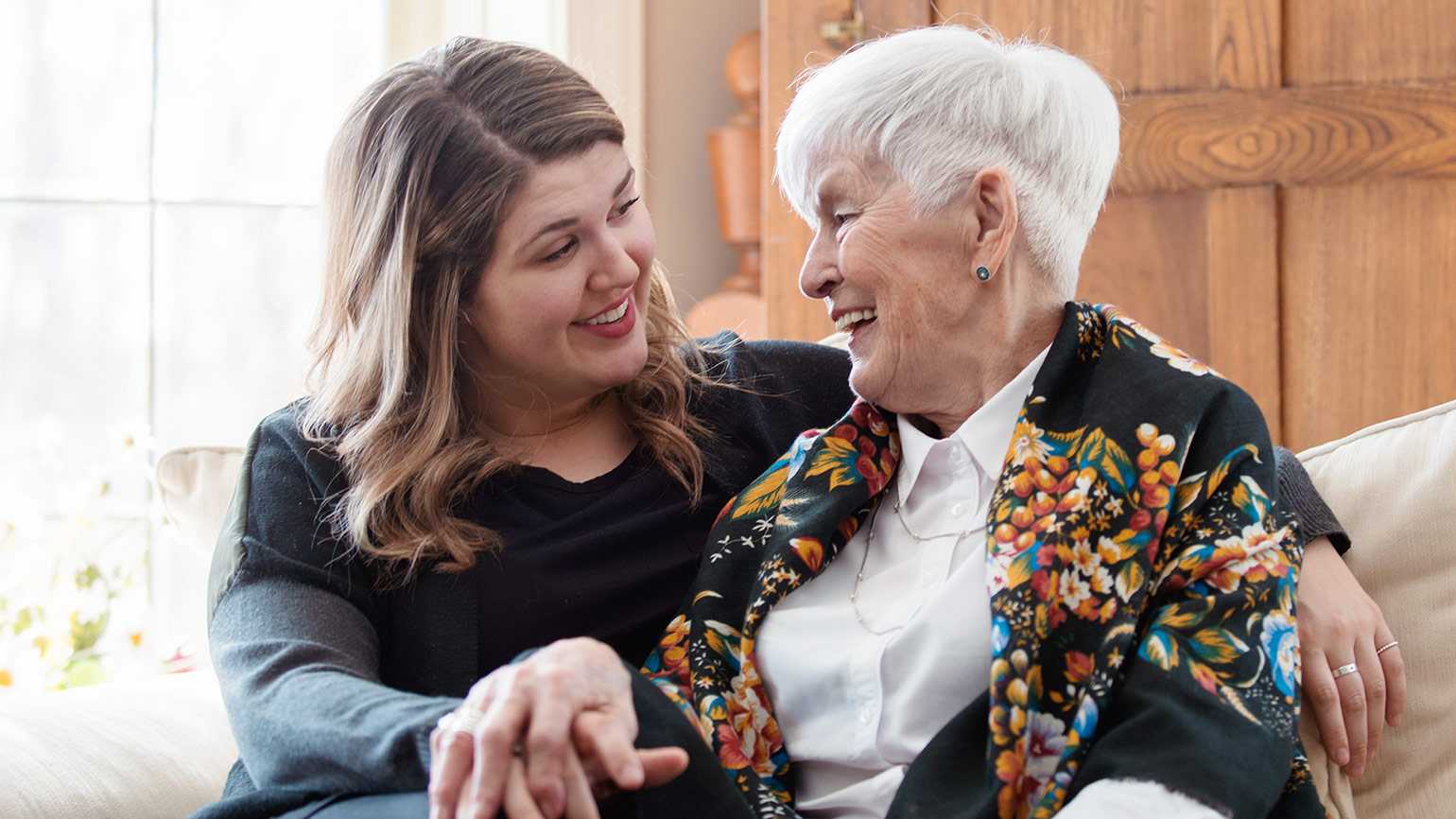
5 Tips to Prevent Loneliness and Find Community as You Age

Hope Irvin Marston and Jerry Borland found the best way to overcome their loneliness after losing a spouse was to reach out to others. Judy Ryan, Ph.D., former president and CEO of the Good Samaritan Society, would applaud that. Her 46 years in healthcare administration and 15 years of retirement have shown her that relationships are the key to active aging and preventing loneliness in your senior years. Her advice:

Make a plan for your retirement. Consider all aspects of your wellbeing: physical, mental, emotional, financial and spiritual. Dr. Ryan recommends the book Always We Begin Again, by John McQuiston II, a modern rendition of the Rule of Saint Benedict. It inspired her to live a balanced life incorporating work, study, community and prayer. Her simple take on the Rule: “Be still. Be well. Do good work. Keep in touch.”

Find a spiritual focus. “Be still” refers to Psalm 46:10 (“Be still, and know that I am God”). “If you don’t have a sense of the divine—of something greater than you—it’s difficult to make sense of the changes in life as you age,” Dr. Ryan says. “I try to be awe-filled, grateful, joyful and faithful.”

Develop a daily pattern for balanced living. “Be well” for Dr. Ryan means not only following a healthy diet and exercising regularly but also continuing to learn and to grow in her faith. She has a daily practice of meditation and journaling, using the book A Guide to Prayer for All Who Walk With God, by Rueben P. Job, Norman Shawchuck and John S. Mogabgab.

Stay engaged with what you care about. That’s where “Do good work” comes in. Dr. Ryan remains an advocate for senior care through partnering with rural communities—something she was passionate about during her long career. She lives in a Good Samaritan Society senior community in Sioux Falls, South Dakota, and has seen other residents pursue their own interests. Different folks run the community’s chair volleyball program, library and art room. One man wanted to do something to recognize the strength of the people of the Northern Plains, so he asked residents to share their stories and then put them together in a book.

Take charge of your relationships. “Keep in touch” with your family, friends and former colleagues. “Don’t wait for someone else to alleviate your loneliness,” Dr. Ryan says. “Reach out. Get involved.”

Visit good-sam.com/guideposts to hear more from Dr. Judy Ryan about living an active, balanced senior lifestyle.

Read More: Two Eighy-Somethings Find Love Late in Life

For more inspiring stories, subscribe to Guideposts magazine.

5 Tips to Get Spiritually & Physically Fit

Kristen Feola is a personal trainer, a speaker and author of The Ultimate Daniel Fast and Spiritually Strong. Guideposts.org caught up with Feola to find out her top 5 tips for getting spiritually and physically fit.

1. Read the Bible Every Day.
In Spiritually Strong, Feola includes her 6-week Bible study program to help readers get spiritually disciplined. “My goal is to help people establish those disciplines in a very simple way,” she tells Guideposts.org. “Six weeks is not an intimidating amount of time but it still establishes that pattern of reading the Bible every day. Make it a priority.”

2. Get moving.
This is key to getting into physical shape, Feola says. “If you’re starting from nothing, just try to walk 2-3 times a week for 30 minutes. Ease into it so you can gain confidence and get that sense of victory on the short term so you can reach a long-term goal.”

3. Drink water.
Everyone’s got an opinion on how much water you need to drink but Feola says to just jump in drinking it.”People are walking around dehydrated and that’s a huge source of problems. However much you’re drinking now, increase that by 1 glass. How much you should drink varies depending on your weight and height, but start off just drinking more water than you did yesterday.”

4. Eat lots of fruits and vegetables.
We’re often encouraged to eat fruits and vegetables in order to lose weight, but Feola’s got an interesting take on this: “Try a new vegetable or new fruit. Get out of the box.”

5. Remember who you are.
This step is one of the most important. Feola says, “In order to be prepared for everything God has for you to do, you need to be spiritually fit and physically fit. I never want the Lord to call me to do something but I can’t physically handle it because I haven’t been taking care of myself. I want every believer to be in a place that there wouldn’t be any hindrances to what God has called you to do. Everybody doesn’t have to be a body builder, but take care of the temple that God dwells in.”

“A lot of times as Christians we have guilt and shame when we don’t take care of ourselves. You don’t have to feel guilty about what you’ve done in the past. Just get into the joy and satisfaction in obedience to God. If you just do what God says, you will have joy. God wants us to live an abundant life.”

5 Tips to Get Back on Track After Falling Off the Weight-Loss Wagon

Since making my New Year’s Resolution to get to a healthy weight this year, I’ve had a relatively easy time of it. For months, I was focused, on target, and lost weight each and every week.

Until the first week in August, that is. Since then between cravings, work deadlines, travel and tempting summer treats, I fell off my self-designed program, got back on, fell off again—and finally got back on track.

Community Newsletter

Get More Inspiration Delivered to Your Inbox


Here are some tips, advice, strategies and stories I found that helped me get re-focused and re-inspired.

1. Get back on the scale.
First step: Fess up to what damage you may have done then simply start all over again. In the weight-loss game, you’ve got to be honest with yourself about what you weigh, what you’re eating, and how much and if you’re exercising. The scale is the place to start.

2. Keep track of what you eat.
A food journal is an essential weight-loss tool. It’s one of the keys to the Weight Watchers system but you can find free online food journals like the one at myfooddiary.com or sparkpeople.com. By journaling, you stay aware of everything that goes into your mouth and are better equipped to make wise food decisions.

3. Aim for progress not perfection.
This is an article written for men, but we women can certainly make use of its very valuable advice. I love its premise: Falling off your diet is the best way to stay on it. I can’t count the times in the past when I imposed tight restrictions on my food intake and lost weight only to indulge away my resolve. To avoid that scenario, the article suggests the following:

‱ Plan to cheat (in moderation, of course).
‱ Don’t rely on snacks.
‱ Don’t have tempting foods lying around. Make sure you have to go out and buy your tempting snacks—very sound and valuable advice.

4. See an occasional slip-up as a part of the process.
It’s not so much that we fall off the wagon, what really matters is how we deal with the slip-ups when they happen. The most effective way is, just like the song says: “Pick yourself up, dust yourself off and start all over again.” Simple but wise advice. If you want academic research to back up that philosophy read about the abstinence-violation effect which is basically black-and-white thinking: Because I fell off the wagon, I can’t lose weight. The corollary is: I fell off the wagon, therefore, I might as well binge. The takeaway from this article in a nutshell is: Always remember, you have a choice, you are not powerless. And if you feel powerless, then call upon a power greater than yours for help: prayer.

5. Visualize positive outcomes.
If you’ve been avoiding exercise—whether it’s gardening, walking, doing yoga, swimming, whatever—remember how good you felt afterwards: refreshed, back in touch with your body, energized. When I’m exercising regularly, I hold myself differently. I stand taller and feel better. Remembering that feeling helped me get back to the health club.

When I find myself over-indulging in food and my stomach starts to pooch, I remember how good it felt to slip into jeans I hadn’t been able to wear in years! I specifically make myself remember the compliments I’ve gotten about my weight loss. And I remember how good I felt not being literally weight-ed down.

Focusing on the positive, actually conjuring up a felt-sense of energy and positivity, helped me get back on track. It can help you too!

5 Tips to Ensure a Healthy and Stress-Free Holiday Season

The holidays are a time full of family, friends, celebrations and delicious food. Unfortunately, the most wonderful time of the year can also lead to stress and unhealthy habits that make experiencing the joy of the holiday season difficult.

One survey found that 62 percent of participants experienced elevated stress during the holiday season. Some common causes of stress noted on the survey were busy schedules, money and physical health.

You’re not alone if you’re feeling stressed this holiday season, but that doesn’t mean you can’t take steps to have a happier, healthier holiday. Here are a few practical ways to do just that:

1. Take time for yourself

Parties, gift buying and family visits should be fun-filled, but cramming too many activities into an already busy schedule can lead to exhaustion and crankiness—the opposite of how it should feel to spend time with loved ones.

Get ahead of your stress by scheduling alone time each day. Even if it’s just waking up fifteen minutes early to drink a cup of morning coffee in silence, making time for a few minutes of solitude will leave you feeling recharged, rested and ready for your holiday activities.

2. Move your body

A study from the American Psychological Association found that people spend more time engaged in sedentary activities during the holidays—sometimes watching TV or eating to cope with the holiday stress. This is actually counterproductive since it’s well known that

exercise is one of the best ways to relieve anxiety. Even just thirty minutes of movement can trigger your brain to release feel-good hormones. Plus, movement can be an opportunity to bring family and friends together. Try going for a walk after a holiday meal or playing a family game of football.

3. Prioritize

It’s easy to get overwhelmed with parties, family gatherings and gift exchanges. Sometimes, all of the festivities can seem like a chore instead of an opportunity to spend time with those who mean the most to us.

Prioritize the activities that are important to you. It’s okay not to make it to every white elephant party or skip the annual Christmas play. Choose the holiday traditions that mean the most to you and commit to enjoying them fully, rather than spreading yourself thin and missing out on the magic of the holiday season.

4. Plan ahead

Make a list of gifts you need to purchase. Purchase ingredients for holiday meals and cook ahead of time when possible. If you’re committed to eating a particular diet, this can also apply to attending holiday parties. Think about what you will eat and how much. If you start preparing for the holidays early, you’ll be able to navigate stressful situations with ease.

5. Savor the moment

The most important thing you can do to enjoy a healthy holidays is to enjoy the blessings in your life. Stress robs us of gratitude and presents us from being present. Take a minute to breathe, notice holiday decor and smells and send a prayer of thanks for the people and blessings in your life.

5 Tips to Create a Personalized Memorial Service

Content provided by Home Instead Senior Care.

Conversations about end-of-life planning can be uncomfortable and overwhelming. A lot of people have an irrational fear that if they talk about death it’s more likely to happen.

As a result, apprehension may exist when it comes to approaching the topic. But the earlier you can start these conversations, the better, as the anxiety and stress that come when the end of life is imminent may make it far more difficult for seniors and their families to plan accordingly.

A good way to start the conversation is by expressing preferences for the type of funeral services that would best reflect a life. Ask senior loved ones their wishes, or tell your own adult children what you want.

Adding personal touches does not make the service any less respectful, but it gives people a sense of belonging and inclusiveness. As more people look to create memorial services that fit their specific desires, we are definitely seeing a rise in non-traditional funerals and more people wanting their memorial to celebrate their life rather than just focus on mourning.

From Dignity Memorial’s Imagine Book, here are five things to consider when planning a personalized memorial:

1. Music

To set the stage for a truly distinctive event, start by selecting the music. Ask your loved one what kind of music they really love. Would they prefer live or recorded music at their funeral, or a combination of the two? Do they prefer jazz or classical? Remember to ask them their favorite song and whether they would like to have it played during the service.

2. Formal or Casual Themes

Discuss with your loved one what kind of atmosphere they want to create for their service. Do they want people to mix and mingle graveside sharing stories of your loved one’s life? Or would they prefer something more traditional, such as a formal service in a house of worship?

3. Flowers

Nearly every flower has a special meaning. Red roses symbolize love, gardenias joy, and jasmine grace. The right flowers can capture a person’s style and personality, and really set the tone for the whole service. They also show that extra thought and care were given in reverence to the deceased’s memory.

4. Mementos

Does your senior loved one have a collection they’d like to share or a fitting forget-me-not? A memento is a little something for guests to take home with them to remember the person they lost. This could be something as simple as a best-loved recipe or more elaborate like custom CDs with the person’s favorite music.

5. Capturing their Story

What is your loved one passionate about? If they’re a gardener, perhaps plan to hold an outdoor service and hand out custom seed packets to guests. Or if they loved a sports car more than anything, plan to have the ceremony outside where it can be part of the remembrance.

An effort to make a loved one’s funeral ceremony unique and personal is a respectful and loving way to both celebrate who they were as an individual and to mourn their loss.

For more information, visit www.ComposeYourLifeSong.com in the U.S. (www.ComposeYourLifeSong.ca in Canada).

5 Tips to Adjust Your Expectations as a Caregiver

Branka Primetica, MSW, is the BRI Care Consultationℱ Program Manager at Benjamin Rose Institute on Aging

The demands of caregiving are ever evolving. Yet one thing remains the same: On any given day, much is required of you as a caregiver. It is no easy feat to handle the needs of your loved one, as well as those of other family members, while also juggling work, household chores or other responsibilities. Chances are you often feel overwhelmed. Despite this, do you tell yourself that you have to do it all? Do you burden yourself with unrealistic expectations? Do you feel pressured to meet what you believe to be the expectations of friends, family members or people you don’t even know? If so, you can begin to ease up on yourself by accepting the situation and adjusting your expectations by adopting a more realistic view toward your caregiving role.

Caregiving tasks and pressures can exact quite a toll. In fact, according to an AARP report, caregivers spend an average of 24.4 hours per week caring for family and friends. Furthermore, almost 1 in 4 caregivers spend over 41 hours per week providing care (Pinquart, M. & Sorensen, S. (2003) Differences between caregivers and non-caregivers in psychological health and physical health: A meta-analysis. Psychology and Aging, 18(2), 250-267). As a result, caregivers experience higher levels of stress compared to those individuals who do not provide care. About 16 percent of caregivers are emotionally strained while 26 percent state that taking care of their loved ones is emotionally challenging. They often feel frustrated, exhausted and guilty. Does this hit home with you? If so, you can begin now to adjust your expectations and accept a more realistic version of yourself as a caregiver.

Where should you begin to balance your own and others’ expectations? The following tips can help you to meet your responsibilities in a more realistic way:

There are professional resources that can help answer questions about caregiving and provide you with education and support. To explore the coaching services offered at Benjamin Rose Institute on Aging, visit WeCare
 Because You Do. In addition, the Family Caregiver Alliance provides caregiver information and support, services and advocacy.

5 Tips for the Best Summer Naps

I love everything about Spain: the food, people, history and the gorgeous landscapes. But I’m completely captivated by the daily siesta.

Surely, life would be so much better if the U.S. followed the lead of many Mediterranean countries and shut down for an hour or so in the early afternoon, so everyone could rest. Alas, that is not likely to happen, but you can still savor a summer nap on your own time.

Numerous studies tout the many benefits of even a mere 15-20 minute nap, including improving memory, mood, productivity and cognitive functioning. A 2015 study at the Universite Paris Descartes-Sorbonne found that napping can even boost immune function.

The longer days, frequent vacations and heat-induced lethargy, make summer the prime napping season.

So whether you want to curl up in the air conditioning, swing in a hammock, or let the lapping ocean waves lull you to sleep, here is how to make the most of your summertime snooze.

1. Plan for post-lunch

Between 2 to 3 p.m. tends to be the sweet spot for napping, according to the Mayo Clinic. Not only can you beat the worst heat of the day, but an hour or two after lunch, your blood sugar and energy starts to dip. This time also works with your body’s circadian rhythms: nap too late and you may interrupt your nighttime sleep pattern; do it earlier and your body may not be ready for more sleep.

2. Keep it “short and sweet”

James B. Maas, Ph.D, the co-author of The Art of Napping, coined the now-popular term “power nap.” He says that a nap of 20-30 minutes is ideal. It takes 90 minutes to complete a sleep cycle and a 60-minute nap might interrupt deep sleep, causing grogginess and inertia after you wake up.

3. Ignore the naysayers

Some people associate napping with laziness or a lack of ambition; others believe napping is only for children. Tell them that Thomas Edison, Winston Churchill and Eleanor Roosevelt are just a few famous high-achievers who napped. Case closed.

4. Be sun safe

If you do want to nap at the beach, make sure you apply adequate amounts of sunscreen before dozing. According to the CDC, the sun’s ultraviolet rays can damage your skin in as little as 10-15 minutes. A hat with a brim and sunglasses will also protect your scalp and eyes.

5. Perk yourself up post-nap

According to the National Sleep Foundation, taking a quick walk and snacking on some protein or fruit are ideal ways to get yourself going again after your snooze.

5 Tips for Navigating Mother’s Day When You’re Caring for Your Mom

A picture-perfect Mother’s Day is an ever-elusive prospect, given the age-old question: “What is perfection?”

When you’re both caregiver to an older mother and mother to your own kids, it can be especially tough to find the time and emotional wherewithal to carve out a celebration for the annals. If you throw a job into the mix, your challenges may feel insurmountable.

The key is to find your own particular sweet spot, even if it means honoring yourself and your mother separately or marking the holiday on a different date entirely, said Liz O’Donnell, founder of Working Daughter, a community for women balancing eldercare, career, kids and life.

“My term is always ‘sufficiently celebratory,’” O’Donnell told Guideposts.org. “I think as we all get older, what we tend to crave the most is time and connection, not killing ourselves to find the perfect gift but finding a way to be with another human being and connect with them.”

O’Donnell was a busy marketing executive raising two children when she became a caregiver; shortly after both her parents were diagnosed with terminal illnesses on the same day in 2014. She shared the following tips to help working mothers—who care for their own mothers—successfully navigate this holiday.

Realize that you’re grieving. “I think the two biggest challenges are time and grief,” O’Donnell said. “Time, I think, is pretty obvious. You’re working, you have children, you have potentially your own interests, and self-care. And then you have older parents and it’s incredibly difficult to fit all that in.”

O’Donnell said grief happens well before somebody passes away. “As our parents age, even as we age, as things change, we’re constantly grieving what was, whether we realize it or not. Grief might be a heavy word but we’re grieving the loss of the way things used to be. Because things are changing, the holidays aren’t the same.”

One way to deal with grief is to stay the heck off social media, O’Donnell said. “The thing about it is that we’re all putting our best moments forward,” she said.

“You’re struggling during a holiday moment and other people are posting ‘the flowers my husband gave me,’ and your husband didn’t give you flowers, or ‘the beautiful brunch with my mother’ and maybe there were only two minutes of that brunch that were actually pleasant. It’s unnecessary and it’s not healthy.”

Manage your expectations. Society leads us to believe there are people out there who are having these picture-perfect days, and yet real life never seems to measure up, so there’s some stress in that gap. Set expectations for yourself.

If that day on the calendar isn’t a day that makes sense to have a get-together or some fun event, Mother’s Day doesn’t have to be on Mother’s Day, O’Donnell said. “If life circumstances are particularly challenging this May, pick a day in June when whatever crisis or challenge you’re facing has subsided a bit.”

When bringing everyone together, think about what are the needs of the group. If you have young kids, it could be as simple as packing activities for them so you can sit and enjoy a cup of tea or a brunch with your mother.

From the older parent’s perspective, consider the environment, if they get disoriented or are hard of hearing, or have incontinence issues. Think about how you are setting up each group—the children, the adult child and the mother—for success and what’s the common ground; that’s probably where your sweet spot is for celebrating, according to O’Donnell.

Determine your values around the holiday. O’Donnell suggests that you think about what about “Mother’s Day” as a holiday is important to you. “For me, when my kids were young and I was working, I just never felt like I had enough time with them, so I wanted Mother’s Day to be about me,” she said. “I wanted it to be a day where I was pampered a little bit by my family, and I could be with my children and relax.”

O’Donnell said that as her kids got older and became less hands-on, however, all she really wanted was to spend time with her mother and mother-in-law. “I wanted to make the day about them and I didn’t really care if they did anything for me,” she added.

“I think every one of us, as we go through life, are going to have different needs around the holiday,” O’Donnell said. “It’s okay to set your own goals and expectations. You don’t need to feel bad about that.”

Outsource impersonal tasks. There’s that bit of eldercare that’s quite intimate and personal, or that the care recipient may not want outsourced to other people. “Think about what are the tasks that you can outsource? Those tend to be chores, meals, yardwork, those sorts of impersonal tasks that we all have to do every day,” O’Donnell said.

“Outsource them or ask for help to do my grocery shopping or pitch in for some housecleaning, so that I can be attentive to my adult parent and maybe I can also get a breather.”

Don’t isolate. Because caregiving can be so isolating, there are sensitive topics you may not be comfortable talking to other people about, O’Donnell said.

“We talk freely in the Working Daughter Facebook group about everything from, ‘Does anybody know the best walker?’ to ‘Somebody tell me something funny today.’ Caregivers really need support,” she said. “Here’s a place, 24 hours a day, where you have 6,000 people who get what you’re going through and the group is very supportive of each other. It’s kind of a beautiful place.”

Working Daughter also offers gift ideas for older parents, including those specifically for Mother’s Day.

5 Tips for Making a Career Change

Gone are the days when people would work 30 years in one company, let alone one career. In this fast-changing world, it’s important to explore and navigate new career opportunities with as much knowledge and preparation as you can. Business expert Jon Acuff’s new book, Do Over: Rescue Monday, Reinvent Your Work, and Never Get Stuck explains how you can better handle career changes.

Acuff has written 5 books and feels that enriching the business community is God’s calling on his life. He says he wrote Do Over to generate hope as well as give people practical career advice.

The most basic of his advice is his concept of having a Career Savings Account to draw on. The CSA consists of your relationships, skills, character and hustle.

He defines relationships as people you know, skills as what you do, character as who you are, and hustle as how you work. “All four are equally important. They temper each other,” Acuff tells Guideposts.org. “You need to have all four of these things in balance in order to make a career change. If you are missing one, you will not reach your full potential. “

When your CSA is in order, you’ll be able to know when to leave a bad work situation, and more important, when to leave a good one, as too much comfort in a good job might actually placate you from pursuing your true calling.

Acuff shared with Guideposts.org his top 5 tips for making a career change:

1) Be honest about your expectations.

Ask yourself: Why do I want to make a career change? What am I expecting the new job to offer me? What are my expectations about my current job? Acuff says that you sometimes have a fantasy version of what you think a dream job is, and when your current job doesn’t meet that, you think it’s time to go. However, you should be realistic. Every job will have things that you don’t want to do – that’s part of working. He says sometimes people get stuck in wanting the new job to be the perfect job. But if you are currently unemployed, it is about finding the next job and not the best job.

2) Do research.

Thanks to the internet, you can no longer say “I don’t know.” You can find the answer to just about anything. So if you’re going to make a career change, Acuff says you should find people who are doing what you want to do and ask them a question about it. Or ask them what books they would recommend to read. Acuff says that you make impulsive career jumps when you don’t take the time to do research. But if you do the research, and talk to people who are doing what you want to do, you’ll have the most information and will therefore be able to make the best decision.

3) Build your team.

Now is the time to build the team that’s going to help you make the career change. You weren’t meant to do life alone, Acuff says, and that includes changing where you work. You need everything from casual friendships who can expose us to people and places outside our circle, to advocates or mentors who can tell us the truth about ourselves. You also need to ask people for help. After all, relationships often get you the first gig.

4) Sharpen old skills and learn new ones.

Be honest with yourself. Identify what skills you have, and figure out what skills you need to make a career change. Relationships may get you the first gig, but skills will get you the second. Even if you love your best friend, Acuff says, if she can’t cut hair well, you won’t go back a second time. The best way to become “stuck proof” is to learn new skills. If you are not sure what your skills are, Acuff has an exercise in Do Over for how to identify them.

5) Hustle.

If relationships get you the first gig and skills get you the second, every other gig you will get will be based on hustle. Hustle may have a negative connotation these days, Acuff says, describing it as sounding like an Axe body spray scent–but it is important. Hustle is an act of focus, not frenzy. Part of why people get stuck is because they don’t put in valuable time against a valuable decision; instead, they spend too much time on time-wasters like fantasy football. With hustle, you put in the time, and are brave about the decisions you are making. Don’t put valuable time into things that don’t matter, Acuff says.

“Sometimes I am afraid to make the wrong decision when I feel stuck,” he says. “But I have to remember that God’s ability to do what He wants to do in my life isn’t limited by my ability to make the right decision.”

5 Tips for Keeping Healthy House Plants When You Don’t Have a Green Thumb

If you’re like me, you’ve never been able to keep a plant for more than a few weeks. Maybe a month. I just never grew up with plants in the house (I definitely inherited my mom’s black thumb). Every house plant I bought or got as a gift didn’t last long. My old roommate joked that I could kill a cactus.

When the Covid-19 pandemic hit and we all went into quarantine, I saw many of my friends show off their house plants on social media. Their living rooms and bedrooms popped with beautiful plant life, while they noted the many physical and psychological benefits of having indoor plants. Why can’t that be me? I thought. So when my friend offered me a spider plant sprout, I decided to try something I’d never done before: commit to becoming a plant person.

The journey hasn’t been without its ups and downs. I made a lot of mistakes. But after doing research and changing my perspective, I can proudly say I am succeeding. Here are five ways to take on house plants when, like me, you do not have a green thumb.

  1. Start with Easy Plants

Like taking on any major project, it’s best to start simply. I can’t tell you how many plants I killed because I didn’t realize they were difficult plants. Just water and sunlight, right? Apparently not. Orchids, ferns, and fig trees are beautiful, but they require a lot of care and know-how. So as a beginner, I decided to take a different approach when cultivating my indoor garden. I focused my efforts on easy plants, such as Chinese evergreens, peace lilies, spider plants, English ivy, and various succulents. These plants grow easily, have basic needs, and aren’t as temperamental as some other plants.

  1. Research!

It might seem like a pain but doing a little research can be the difference between your plant surviving and thriving. Look up how much sunlight the plant needs, how often to water it, what temperature it does best in, and if it requires any special care. It usually isn’t that complicated, especially if you start with simpler plants. Write down some of the basics and keep them on notecards near the plants. And don’t be afraid to ask for help. There are tons of resources and forums out there filled with plant lovers that know how to deal with the ups and downs of plant care.

  1. Create a Watering Schedule

Watering has always been a weak point in my plant care. I killed a lot of indoor plants because I over watered them. Too much water can drown the plant, prevent it from getting the nutrients it needs from the soil and can lead to root rot. On the other hand, I’ve also killed plants because I didn’t water them enough. Usually it slipped my mind and I simply forgot to water them! Not watering your plant enough can cause it to dry out and die very quickly. After doing a little research, I made a watering schedule to make sure I didn’t over or under water my plants. It got me to make plant care a part of my daily schedule, instead of just an afterthought.

  1. Cater to the Plant

When I first got my spider plant, I put it in a colorful pot and set it on my windowsill. It looked beautiful and matched perfectly with my living room. However, after just a few weeks, I noticed the plant leaves were losing their green color. I was giving it plenty of sunlight and water, so I couldn’t understand what I was doing wrong! After a little research, I learned spider plants don’t do well with intense afternoon sunlight, which was exactly the kind of sunlight it was getting. So I completely rearranged all my plants in my living room to cater to their specific sunlight needs. Because I prioritized the plants’ needs over what I thought looked best, my plants are now thriving more than ever.

  1. Do It with Love

Perhaps the most profound change I made with caring for my plants was changing my mindset. Before, I always considered the watering, repotting, and trimming to be a chore. Something on my to-do list like doing the dishes or folding laundry. Getting my spider plant sprout forced me to reconsider my perspective. I started viewing the time I spent caring for plants as time I was also caring for myself. It got me to get up, take a break from my computer screen—and focus on another living thing. I even started listening to music and singing while I do it. (Did you know that some studies indicate that singing to your plants can be good for them? It releases carbon dioxide which the plant needs and then, in turn, uses it to produce fresh oxygen for you!) I now look forward to my time with my plants, and that has made all the difference in their health— and mine.

5 Tips for Healthy Eating

Good food nourishes us not only physically but also emotionally and spiritually. Home cook Diane Hill Roark and Kyle Adams, executive chef at Good Samaritan Society’s national campus in Sioux Falls, South Dakota, have both observed that while cooking for others. “Eating healthy, nutritious food keeps your body, mind and soul working together,” Adams says. Here are some tips on how you too can feed the soul:

Plan ahead. “Feeding the soul is not just about cooking,” Adams says. “It’s about being committed to the entire process, from meal planning and shopping to prep, cooking and storage.” Start by choosing recipes that fit your needs and your schedule for the week. Make a list of the ingredients (this helps prevent impulse buying and overbuying), and set aside time to shop for them.

Use the freshest, healthiest ingredients you can. That might mean going to more than one market. Seek out the places in your area that offer great produce, fresh fish and hormone- and antibiotic-free meat. Shop at farmers’ markets. Buy what’s in season, and incorporate those items into your menu planning. Adams has taken things a step further, starting an aeroponic garden to provide fresh salad greens year round at the Sioux Falls campus.

Prepare your own food. “If it comes in a box or a can, try to stay away from it,” Adams says. “If you make it yourself, you know exactly what’s in it.” Be realistic—save the made-from- scratch lasagna recipe for a day when you have more time. For dinner on busy workdays, “put together greens and vegetables in a salad, make a quick vinaigrette and sear a piece of salmon or chicken breast to go with them,” Adams suggests. Want to learn more cooking techniques? Look on YouTube, or find classes and demonstrations at stores or the Y.

Eat mindfully. Before you dive in, bless the meal. Think about everyone who helped bring the food to your table. Put down the phone, turn off the TV and focus on what you’re eating and drinking. Don’t wolf down everything. Take time to savor the flavors, textures and aromas.

Connect over food. “Food calls up so many emotions and memories,” Adams says. “Sharing a meal can be a wonderful bonding experience. It’s also an opportunity to develop healthy habits with your entire family—taking care of the older generation and establishing good patterns for your kids and grandkids.”

Visit good-sam.com/guideposts to learn about more ways to feed the soul.

For more inspiring stories, subscribe to Guideposts magazine.

5 Tips for a Major Attitude Adjustment

I slumped on my couch after coming home from work. My fiancĂ©, Nick, looked up from his phone. “You okay?” he said.

“No, I’m crabby!” I said. “I stepped in dog poop this morning. I had 62 emails waiting for me at work. I ordered no sour cream on my taco at lunch and guess what? Mouthful of sour cream. The driver in front of me was going 10 miles an hour all the way home. And I’ve had toothpaste on my sweater all day.”

Nick cracked a smile. “Is that all?” he joked. “You’re a glass-half-empty kind of person, aren’t you?”

I opened my mouth to object, then stopped. At 29, I was the assistant director in the giving department at the University of Idaho. In love with a good man who was in love with me. But if I was honest with myself, I was consumed with grumpiness, pessimism and stress on the best of days.

Nick, an electrician, was the opposite. Even a day spent maneuvering through spider-infested crawl spaces and 120-degree attics never seemed to sour his mood.

“I can be pretty negative,” I said, as tough as it was to admit.

“Shouldn’t your faith help you with that?” Nick said.

This time his question was sincere. I’d been talking to him about the importance of faith. But he’d seen right through me.

“You’re right,” I said. “I need to work on that.”

Since that day, I’ve made a conscious effort to be more positive, more grateful, to truly live my beliefs. Small steps that anyone can do. Let me show you what I mean.

Give thanks daily

I excelled at identifying things that weren’t going right, many having to do with my two dogs: Lucy, a boisterous puppy, and Charlie, a three-year-old with health issues. But counting my blessings? Not so much.

A few days after my conversation with Nick, I was taking my morning shower. Despite a double dose of conditioner, my hair remained a tangled mess. Soapy water pooled at my feet, the drain semi-clogged. “Off to another great start,” I muttered.

Then I heard Nick in my head. I stopped grumbling and let the shower spray warm me. It was soothing, washing away my annoyance.

“Thank you, God, for clean water,” I said. Something I took for granted. “Thank you for my family,” I continued. “For my dogs. For my old Audi, which is still running. For my health, my job and Nick—especially for Nick.”

Afterward, I found myself looking forward to getting to the office, chatting with my coworkers, digging into those emails.

In the next morning’s shower, I gave thanks for more specific things. The potato chip meat loaf I planned to cook for dinner. The vanilla bean lotion I’d bought the day before. A coworker who’d passed along positive feedback from a donor. I committed to thanking God for something new each day during my shower. I was worried I’d run out of things to mention, but the more gratitude I expressed, the more I found to be grateful for.

Take time-outs

Plenty of things still annoyed me, like the day I picked up Lucy from the vet after surgery. “No running or jumping for two weeks,” the vet had instructed. On the way home, Lucy pinballed around the back seat. I rolled down the window, hoping a little fresh air would calm her down. Instead, she started yelping, loud enough for other drivers to notice.

Finally home, Lucy proceeded to pee on the carpet, then the couch. I wanted to scream, “Can anything else go wrong today?” Instead, I took a time-out. I closed my eyes and breathed deeply. It took only a minute for my aggravation to leave me.

The world wasn’t ending. Lucy’s surgery had been a success. I had the week off work to care for her. I got my spray bottle of stain remover, and soon everything was clean. I curled up on the couch, Lucy next to me. Not even her cone of shame or the damp cushion under my feet could spoil the moment.

Surround yourself with Scripture

As a teenager, I loved reading the Bible, but I’d let the habit lapse. I decided to start every day on a positive note, with Scripture. I set my alarm 15 minutes earlier. I stayed in bed and read, so I wouldn’t disturb the dogs. The stillness alone helped me feel closer to God.

I focused on verses about gratitude, joy and peace and used them as pick-me-ups whenever I felt myself feeling a little down. I wrote 1 Thessalonians 5:16 in my planner, a reminder to be joyful always. I jotted Colossians 3:15 on a note card and set it in my car’s center console. It prompted me to let peace rule my heart whenever I got stuck in traffic. Reading Psalm 118:24 on a bookmark before bed encouraged me to come full circle, ending my day with rejoicing.

Encourage others

My coworker Dave exudes joy. He’s always positive. Always encouraging the people around him. I told Dave once how much I admired him. “What’s your secret?” I asked.

Dave thought for a moment. “I guess I try to think of others more than I do myself,” he said. Good advice, but I couldn’t flip a switch and be naturally outgoing the way Dave was. I’m an introvert, better at putting my thoughts down in writing. Maybe I could work with that.

I bought a jumbo pack of greeting cards. Each week I wrote and sent cards of encouragement and appreciation, starting with close friends and family, then distant relatives, friends I hadn’t talked to in years, the front office staff at the vet.

I wrote a letter to my childhood best friend Karla’s mom, Pam, who’d been like my second mom. We hadn’t been in touch in almost 10 years. I included photos of me, Nick and the dogs.

A couple weeks later, I was delighted to find a letter from Pam in my mailbox, with an update on her life, including her adoption of a puppy. She gave me Karla’s new phone number. I messaged Karla that evening. We spent hours reminiscing. With just one small gesture, I’d regained two friendships. I made sure to thank Dave. In person.

Use positive reinforcement

Potty training Lucy was a nightmare. After she soiled the carpet for the fourth time in one day, I screamed, “You’ll never learn! This will never get better!” Lucy tucked her tail between her legs and wouldn’t look at me. Then I remembered the dog training advice I’d heard hundreds of times: Use positive reinforcement. I wasn’t such a fast learner myself, was I?

I changed my tone. “You’ll get the hang of it, Lucy,” I said in an upbeat voice. “This will get better.” It didn’t. For weeks. Still, I praised her for the slightest improvement. One day, she walked to the back door and stood there. “You want to go out?” I asked. I opened the door, and she trotted into the backyard, squatted and looked at me as if to say, “See? I’m doing it!”

“Good girl!” I said, scratching her head and giving her a few treats. Sure, there were more accidents, but I encouraged her instead of scolding. Every time she did her business outside, I lavished her with praise. I used the same technique on myself (minus the head scratches and treats, of course). Rather than berating myself when I backslid into negativity, I said, “I am becoming more joyful. I can do this.” Repeating these affirmations lifted my spirits and gave me more determination to keep trying.

A few months after I committed to being more positive, I noticed drops of oil on the garage floor. I took my beloved 2007 Audi A4 to the mechanic.

“I’ve got some bad news,” he told me. The repairs would cost more than the car was worth. It was time to say goodbye. I was heartbroken.

“I’m so sorry,” Nick said when I told him about the Audi. “Try not to stress about it.”

“It’s okay,” I said. “I’ve enjoyed seven great years in that car—with almost as many speeding tickets.”

Nick looked surprised for a second, then wrapped his arm around me.

I leaned into his hug. He’d noticed my glass was half-full, even though I hadn’t told him how hard I’d been working on my attitude makeover.

“I’ll help you look for your next car,” he said, adding with a chuckle, “as long as you don’t drive it as fast as you drove your Audi.”

I laughed and said, “I need to work on that.”

For more inspiring stories, subscribe to Guideposts magazine.