Embrace God's truth with our new book, The Lies that Bind

Addicted to Opioids, This Pastor Found Honesty Was the Path to Recovery

In the 1978 film, “Ice Castles” (remade in 2010), a talented figure skater (Lynn-Holly Johnson) is close to accomplishing her dream of becoming a champion skater when a tragic accident renders her blind. She has to learn how to skate all over again. Especially poignant is the scene of her first competition as a blind skater. The crowd throws roses into the rink, and she needs the help of her boyfriend to pick them up.

The experience of relapse is like that.

Community Newsletter

Get More Inspiration Delivered to Your Inbox


I remember the day I stood up in a room of recovering alcoholics and collected my 24-hour chip of sobriety after years of staying clean and sober. It was humbling. But I emerged from that relapse a much wiser and resilient person.

“Fall seven times, stand up eight,” says a Japanese proverb. So it is with recovery from addiction, depression, or any ailment. We fall and, with the help of others, get up and start skating again. As painful as they are, relapses bear hidden gifts and teach us invaluable lessons. Here are just a few.

1. Relapse teaches us to befriend our imperfections.

A curious thing happens when we get comfortable with failure. We end up stronger, sturdier, and more at peace with who we are. As a stage-four perfectionist who is often crippled by the fear of messing up, I live by the words of Leonard Cohen: “Ring the bells that still can ring. Forget your perfect offering. There’s a crack, a crack in everything. That’s how the light gets in.” Tucked away in our vulnerabilities and weaknesses is the good stuff – a life force that makes us persevere through disorder, confusion, and despair. When we learn how to be gentle with ourselves and practice self-compassion, we succeed in things big and small. When we stop keeping score and join the human race of flawed people, we access our humanity and become more alive.

2. Relapse teaches us that it is always possible to begin again.

There is something beautiful in a beginning. We get a blank canvas on which we can write our life story and design our path to healing. We can assemble and use the pieces that helped us in the past or we can chart an entirely fresh course of recovery. Relapse teaches us that it is always possible to begin again—that recovery isn’t a race to the finish line, but a series of starting points in which we pause and view the forest through the trees. Much like the intuitive skills of riding a bike, our progress is not lost. We simply press pause and take a moment to breathe, benefiting from a perspective of recovery that can help guide us in the future. Then we begin again.

3. Relapse teaches us how to focus on the moment.

Attend any 12-step meeting and you’ll hear a gentle reminder to live one day at a time. That’s how you stay sober. You don’t think about all the booze that will be offered at your office cocktail hour next week or about your family get together in a month. You need only concern yourself with staying sober for the next 24 hours. And if that’s too long, you can break it down into 15-minute intervals. Relapse reminds us of this critical lesson. Nothing good happens when we live in the past or the future. Peace and serenity are found in the present moment.

4. Relapse teaches us how to love the questions.

In school I always preferred math to English because, unlike the abstruse classics we had to read, math problems always had a concrete, clear answer. However, life is more like a confusing novel than an algebra equation. The gift of relapse is that it makes us appreciate ambiguity and how to sit with the questions, as the late poet and novelist Rainer Maria Rilke advised his young protege: “Be patient toward all that is unsolved in your heart and to try to love the questions themselves. Do not now seek the answers, which cannot be given you because you would not be able to live them. And the point is, to live everything. Live the questions now. Perhaps you will then gradually, without noticing it, live along some distant day into the answer.”

Relapse is messy, complicated, and puzzling. In its disorder, most of us come to realize that life is much more circular than linear–that not everything makes sense. If we pay close attention, we can also begin to see beauty and meaning in the confusion.

Sign up for Guideposts Free e-Newsletters and Get Inspiration Delivered to Your Inbox

5. Relapse teaches us how to ask for help.

The young ice-skater in “Ice Castles” couldn’t learn how to skate again by herself. Her boyfriend held her hand on the ice as she regained her balance. He picked up the roses in the rink so that she didn’t trip.

A life of recovery is not a solitary endeavor. It requires asking for help from others. Relapse teaches us that lesson very clearly. We come to the rooms of sobriety or other support programs via a trust fall, where we put our faith in our fellow mates—knowing that they will be there to catch us. We are all in this together–sharing our experience, strength, and hope—keeping each other accountable. There is strength in numbers. One plus one doesn’t equal two. It equals 15 or 25 or 200.

6. Relapse teaches us how to celebrate the fight.

Theodore Roosevelt once wrote, “It is not the critic who counts; not the man who points out how the strong man stumbles, or where the doer of deeds could have done them better. The credit belongs to the man who is actually in the arena, whose face is marred by dust and sweat and blood; who strives valiantly; who errs, who comes short again and again, because there is no effort without error and shortcoming; but who does actually strive to do the deeds.”

Relapse reminds us that we are fighters, striving for a life of recovery. Our efforts are worthy of praise and celebration. We are not sitting on the sidelines of life. We are in the arena, duking it out with our addictions and illnesses and behaviors. We may stumble. We may err. We may come up short again and again. But we are fully engaged. We are the courageous ones. We are daring greatly.

7. Relapse teaches us how to nurture our sense of humor.

“There is a line between tragedy and comedy, and it’s thin,” writes former Navy SEAL Eric Greitens in his book “Resilience.” Consider Abraham Lincoln and Winston Churchill. Both suffered from depression but were known for their sharp wit. Most of the funniest people we know are individuals who have known great hardship or heartbreak. They have fallen and failed. Relapse, in all its awkwardness, teaches us how to keep our sense of humor, how to take ourselves less seriously, and how to laugh at life’s curiosities and entanglements.

8. Relapse teaches us the importance of faith.

There is a saying in recovery rooms: “There but for the grace of God, go I.” The second step (of the twelve steps) is about believing in a higher power. The third is about turning your will and life over to that higher power. The message is clear: We need God to stay sober and healthy and free of destructive behavior. Faith is the foundation of sanity and recovery.

There is no better reminder of that than relapse. Many of our setbacks happen because we take the helm as the manager of our lives, thinking that we don’t need any help from above. We may do fine for awhile, but then life throws one too many detours our way and before long we are back to our destructive behavior. Relapse teaches us that faith is critical to recovery, and that with God’s help anything is possible.

Editor’s Note: For more stories about addiction and recovery, check out our new series “Overcoming Addiction” in Guideposts magazine. The first story in the series features a pastor whose life was nearly destroyed by opioid addiction. Read what lead him to recovery.
A Day with a Cancer Nurse

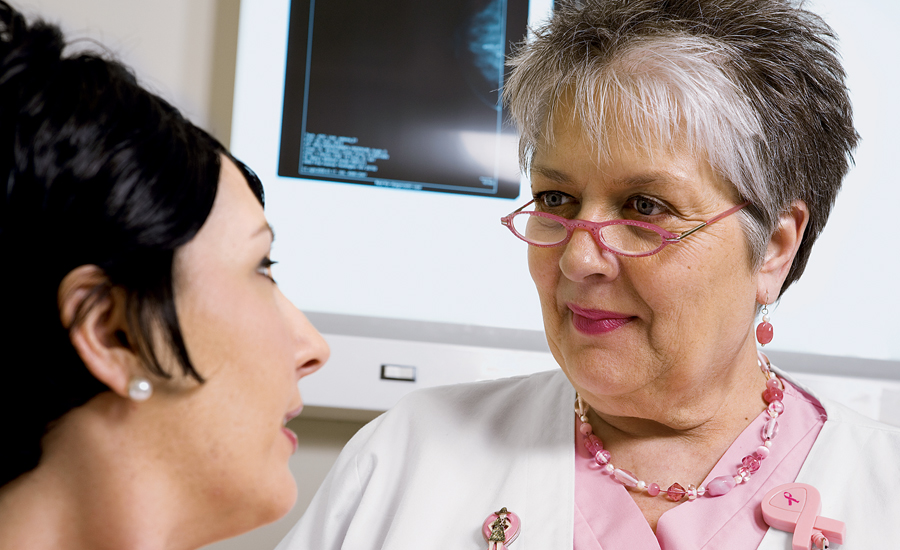
Early morning and I’m in my car, rushing along the interstate, with the sun just rising over the Ohio River. I approach a beautiful, almost futuristic looking building with gleaming white walls and green-tinted glass. This is where I work, one of the most uplifting places I know—the Edwards Comprehensive Cancer Center in Huntington, West Virginia, where I’m a cancer nurse. 

Yes, that’s right, a cancer center, where people are diagnosed and treated for all kinds of cancer by 12 specialized physicians and a team of nurses and support staff.  

Go For It In Article Ad

I work in the Diagnostic Breast Center, helping women through mammograms, biopsies and the inevitable challenges they face when they hear those dreaded words, “I’m sorry. It’s cancer.”

READ MORE: NURSE’S NIGHTMARE SAVES A LIFE

The cancer center is a two-and-a-half-year-old wing of Cabell Huntington Hospital, where I’ve been an oncology nurse for 13 years. I love the way the sun hits the center in the mornings when I arrive at eight. The offices and exam rooms are already filling with patients getting tests, radiation treatments and other outpatient procedures—anything serious requiring an overnight stay happens in the main hospital. 

The Diagnostic Breast Center has celery-colored walls and artwork in the exam rooms, including a cross-stitch done by one of our patients, depicting a sailboat on the sea, a tiny pink ribbon fluttering from its full sails.  

I go to my cubicle, where I keep pictures of my four grandchildren, and answer phone messages, many from patients needing something you might not associate with a hospital—a loving, supportive voice.

I became a nurse late in life after raising four kids as a stay-at-home mom, and I think that experience, as much as my nursing education, helped prepare me for what I encounter every day in a cancer center.  

Patients diagnosed with cancer are often, at least initially, shattered. Their first need, beyond the practicalities of treatment, is an anchor, someone to remind them that all is not lost, that there is hope. I’m that person.

I’m usually with them in the exam room when the doctor delivers the diagnosis, and I’m there for them as long as they’re getting treatment or involved with the hospital in any way. It’s an emotionally demanding role.

Not long ago a couple came in to hear results of the wife’s breast-cancer biopsy. “I’m sorry,” said the doctor, delivering bad news. The doctor left and I stayed in the room, going over treatment options and reassuring the wife that she’d not be alone, that her prognosis was better than she probably felt right then. 

FOR MORE INSPIRING STORIES, SUBSCRIBE TO GUIDEPOSTS!

Suddenly her husband broke down in tears. “Sir, it’s okay,” I said, putting a hand on his shoulder.

He looked up. “It’s not. I lost my first wife to cancer fifteen years ago. I can’t do it again.” 

I waited a moment, letting him cry. Then I said, “That’s terrible to hear, sir. But that grief doesn’t have to rule you now. Your wife needs your support, and so do I. Let’s focus on where we go from here.” 

He gathered himself and, as he and his wife became regulars at the center, I watched his strength and support for her grow enormously.

I see transformation like that every day, especially during the monthly support-group meetings I convene in a conference room on our floor. One of my patients, a tiny Appalachian woman named Olive, in her sixties with ovarian cancer, was an avid participant in those meetings. 

She lived with her disease for 11 years, enduring rounds of chemotherapy, losing her hair, weakening, all the while working as a public-school cafeteria cook. 

And yet she made that monthly hour-and-a-half drive from her rural home without fail, often calling other patients to encourage them to come too, or just to talk and pray with them. She grew during her illness, becoming a person of unfailing faith and charity.

As soon as I can, I begin seeing patients, either accompanying them during tests or consultations or working with them on some aspect of treatment. Often I pray for strength, specifically for the strength to be a source of hope. It’s what patients need most and, contrary to what you might think, it’s what they find here. Cancer teaches everyone, doctors as well as patients, that hope is a discipline, not an emotion. 

Once, I was with an older woman just diagnosed with breast cancer. Her daughter had had a lumpectomy two years before. Like any mother, she was grieved that her daughter had gotten sick first—somehow she felt that she had let her down.  

“Don’t look at it that way,” I said. “Of course you wish your daughter had never gotten sick. But now the two of you can support each other. Your relationship will go even deeper.” She looked at me gratefully, as if a new future had suddenly opened before her.

READ MORE: A NURSE’S FAITH FOLLOWING KATRINA

That new future can be long or short, depending on the patient. But it is always rich with new wisdom and, sometimes, even redemption. 

Once, I cared for an older man diagnosed with terminal lung cancer. He began his hospital stay taciturn and embittered. But one day, as his time came near, his two grown sons, aged 18 and 20, appeared at his bedside—a miracle, since, after he had left their mother and dragged the family through a bitter divorce, he had been estranged from them. 

They had come to tell him in his last moments that they loved him, maybe even that they forgave him—I didn’t hear the whole conversation. His body wanted to sleep, but he was fighting it. “If I go to sleep, I may not wake up,” he said with difficulty. “I want to hold on to this family.”

“Don’t worry, Daddy,” the boys said. “We’ll be here.” The man went to sleep and died peacefully—not just free of pain, but free of remorse that, were it not for his condition, he might never have shaken.

As my workday wears on, I find myself feeling more, not less, energized. I meet with doctors to talk about patients, attend seminars on the latest treatment developments, talk and share stories with my two fellow nurses in the breast-cancer unit and always find myself newly inspired by patients’ profound resilience. 

The city of Huntington is surrounded by rural Appalachia. What people who come to the hospital lack in education or money, they more than make up for with faith. Abundant amounts of it. And they’ve taught me that few things are more important to health than hope and belief. 

READ MORE: A MID-LIFE SWITCH TO NURSING

“I’m a winner either way,” many of them say. “Maybe I’m healed and go on living. Or the Lord calls me home and I get to see heaven.” That understanding turns what could be crippling tragedy into an opportunity to get closer to God, closer to real life.

Of course, my patients also teach me about the importance of good humor. I keep by my desk a toy wand. When I wave it, it emits a tiny electronic twinkle, the sound of fairy dust. If someone’s having a bad day, I say with mock seriousness, “We’ve tried everything. What you need is a little fairy dust.” I wave the wand, and the patient invariably bursts out laughing. Usually, they feel better. 

Inevitably, there are days when I leave work knowing that someone, maybe a patient I’d grown to know and love, has died. These deaths do not make me despair. On the contrary, my work has taught me that death is merely a transition, not a conclusion. 

Once, I was at the bedside of a woman with advanced cancer named Edith. Edith moaned in pain, and somehow I sensed she was readying to die. I medicated her to make her more comfortable, and she began to relax. 

Her breathing became shallow as it does when the body prepares to go. Suddenly, she raised her arms into the air, as if reaching toward a loved one.

Her sister, who was at her bedside, asked, “Edith, are you okay? Why are you doing that?”

Edith, her face now very calm, replied, “I’m going home.”

Of course I hope no one has to be admitted to a cancer center. But I’m so grateful that I get to spend my days here. When my work is done, I gather my things, say goodbye to my colleagues and walk to the parking lot. The late-afternoon sun is just sinking toward the horizon, and I feel a sense of completeness, of God’s presence over the whole hospital.  

Maybe you’re wondering how I could possibly be inspired, working with people battling life-threatening illness. But I assure you, a cancer center is not a place of death. It is a place of life and hope. A place where I’m privileged to have one of the most uplifting jobs in the world. 

Did you enjoy this story? Subscribe to Guideposts magazine.

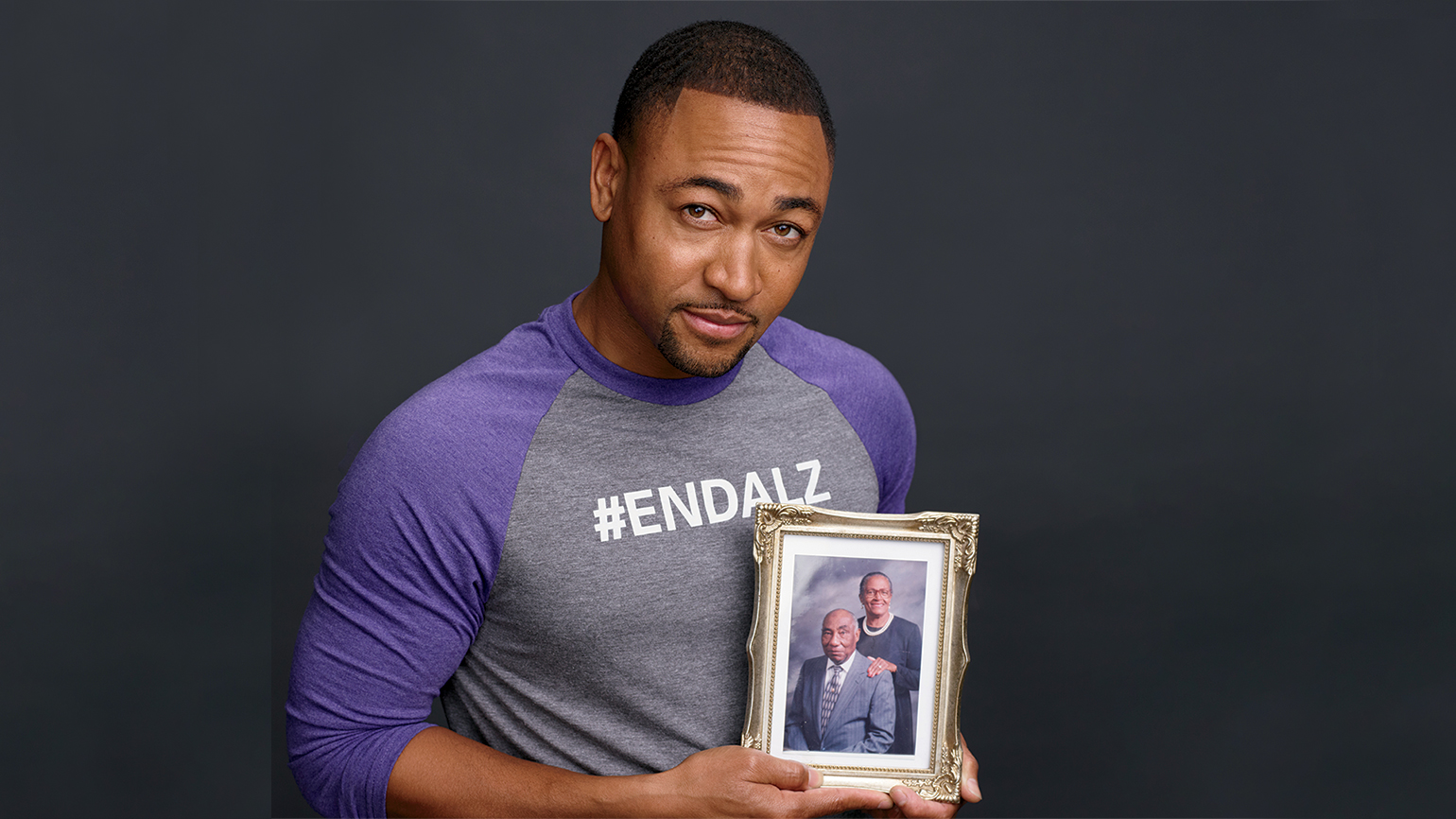
Actor Percy Daggs III on Caring for a Loved One with Alzheimer’s

Tell us about your grandmother, Sadye Daggs.

My grandma was the best grandma. She was all about family. She sacri­ficed for whatever her kids and her grandkids needed. She was always available. I had a special relation­ship with her, and I’m sure each one of my cousins thought that they had a unique relationship with her too. When I was a kid, I used to get pink eye and nosebleeds a lot in school. My mom and dad both worked during the day, so the person called to come get me was Grandma Sadye.

Whistle Stop Cafe In Article Ad May 2023

That was a special time for just the two of us af­ter she picked me up. I think she cher­ished having that time with me too. I got to learn who she was. She had an excellent sense of humor. Very quick. Very intelligent and definitely a wom­an of faith, who not only shared the Word with us but also made sure we formulated our own relationship with God.

She was the organist, soloist and choir director at our church, Christ Second Baptist in Long Beach, Califor­nia, for more than 50 years. She had some formal training but played very much by ear, and she would make sure that everyone was in proper key. She was the first Black PTA president at the school here. And Grandma Sadye was a loving wife to my grandfather Percy. She did so much for so many.  

How did you find out she had Alzheimer’s?

It was five or six years after we lost my grandfather, the love of her life, that we started to notice something was off. We would all go to Grandma’s house on Sunday. She would make these extraordinary meals. She cooked everything—pies, mac and cheese, yams, greens, turkey, chicken, you name it. Her sweet potato pie was my favorite. She would occasionally leave the stove on, which was one of the big­gest alarms for us.

I noticed she was repeating thoughts and statements. She was getting lost while driving in our small community, and we no­ticed little dents in the car. I had never seen confusion in my grandmother’s eyes before. But I would see it when she couldn’t find something that was close by or when she sometimes didn’t know who I was. Moments that hurt my heart.

In our own time, everybody said, “Hey, you know, this is getting worse than we thought.” Doctors first said she had early-stage dementia. Within a couple years, the diagnosis became Alzheimer’s.  

What did you do?  

My family is close. My dad, his four sisters and my cousins and I communicate well through good times and bad. We try to hold each other ac­countable and show up for each other. If you have an issue, we’re going to see you through it like my grandmother did for us. Especially in my teenage years, she made sure I was hanging with a good crowd.

She was always watching how you carried yourself and spoke. She guided you, making sure you knew how to get back on track. She did that for her children, for us grandchildren. We’ve always ral­lied around each other, and we rallied around her.

My dad and my aunts had many meetings to determine what was best for Grandma. They knew how much she loved her home and wanted to try to keep her there. We were all on board with making sure we were there for her the way she had always been for us. Whoever was ca­pable of staying with her would stay with her for longer than overnight. I was the first of the family to do it.

You were 22 when you became a caregiver for your grandmother for several months. How did that go?  

It’s a different experience than going over on Sunday or checking in on a weekday and seeing good moments and being encouraged by that. It’s not until you stay overnight for an ex­tended period of time that you discov­er exactly what she’s going through. I kept close enough that I was able to recognize when I had to step in and help her do the things that used to be routine for her.

I enjoyed doing for her what she had done for us. Making meals, helping her find things, mak­ing sure she was safe. If you knew my grandmother, she was tough. It’s hard when your grandbaby is telling you what you’re not gonna do.

I would get in there and make it a shared ex­perience. I would watch whatever she was watching and engage with her, go through any mental hurdles she had to remember or sustain a way of think­ing. If she jumped from one thing, I jumped with her. If she jumped back and was in a pleasant cognitive mo­ment, then we shared that.

Were there moments that brought you even closer?  

This time gave me more insight into who my grandmother was. I wanted to make sure she had her space. There were times when she definitely want­ed to do things on her own.

There were times when I was staying in the room that my dad and his sisters used to share in the back of the house. Some­times Grandma Sadye would come in and talk to me as if I were my father or grandfather. Sometimes she would weave in and out of who she was talk­ing to. That was tough.

Sometimes she would share stories about her life and I would call my dad later and ask, “Did this really happen?” So I learned a lot about our family’s history when Grandma would reminisce. I stayed with her as long as I could. Our fam­ily members all took turns. But as the Alzheimer’s progressed, it got to the point where she needed more help and we got her to an assisted living facility and then a live-in facility.  

How did your faith play a role?  

God gives you different gifts, and as far as grace goes, we give that back in service to him for his people. My grandmother, along with my mother, was a significant example of this in my life. Grandma didn’t miss a rehearsal, let alone a Sunday service, in her commit­ment to her faith. She showed up and shared whatever God gave her.

That was the spark for me as I navigated what my gifts were in the space that I felt God was placing me in, which was acting. I do my best with opportuni­ties to tell stories on camera that en­tertain, inform and inspire, but what’s most important is the story I tell with my life off camera. A life of love and service to others. That’s who my grandma was.

I think that was always what drove me. That it’s not about me. My grandma inspired me in this field when I read Martin Luther King Jr.’s “I Have a Dream” speech out loud in church at age 10. Everyone applauded. My grandmother was so excited. And I felt I was doing something in service for the Lord. I did more public speak­ing after that. Grandma nurtured me every step of the way.   

Do you have a favorite Bible verse that you lean on?  

Matthew 5:16: “Let your light shine before men, that they may see your good works….” That Scripture is one of those things that I always go to. Even when I’m struggling, I smile and try to be a light or a positive pres­ence wherever I go because I know that I’m not the only one who’s going through something. I know that the God I serve, who gets me through all the things that I do get through, is a promise keeper.

I just try to be a light to others as much as possible so that, if people see anything good in me, I can tell them that it isn’t me—it’s all the love of God.  

Is there one memory of your grand­mother that makes you smile?  

Funny story. I fell in love with this beautiful woman, Jontille, in 2007. She and I went to visit Grandma. I prayed we’d have a good day. Some­times that was just Grandma knowing who we were. When she met Jontille, who is my wife now, Grandma was excited, but she looked at Jontille and said, “I know that’s your boyfriend. But that’s always gonna be my Percy.” That was one of the last clear moments I ever had with her. In that moment, I knew she knew who I was.  

How has participating in the Alzheimer’s Association Walk to End Alzheimer’s helped you and your family?  

Participating in the Alzheimer’s As­sociation Walk to End Alzheimer’s honors our grandmother and her life of service. We started the walks af­ter she passed in 2013 and have done them every year since. We want to be able to support those who are going through what we were going through. It’s been a way for us to cope and heal and come together as a family.

For more inspiring stories, subscribe to Guideposts magazine.

Active Retirement: Volunteer Champion

Content provided by Good Samaritan Society.

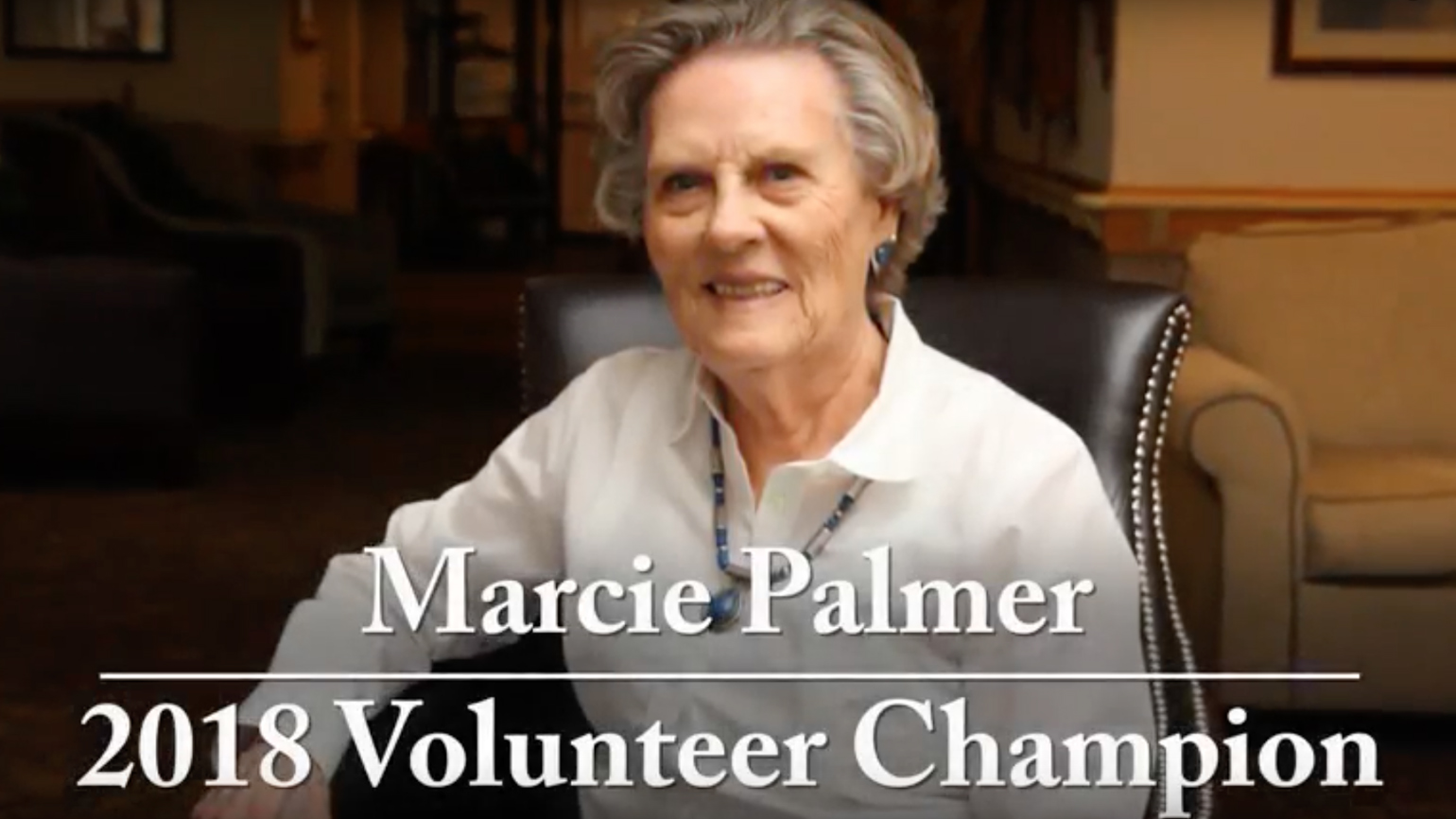
Marcie Palmer has been volunteering all her life and continues the habit in her retirement. “I believe we need to keep busy and use our brains,” she says. “If we don’t, it will be a very dull life.”

Witnessing Heaven In Article Ad 827x123

Among her strategies for keeping busy is visiting her friends and neighbors. She spends time every day with residents of her retirement community, whether they live on their own or have moved to the skilled care center. Resident Terese Ortutay relies on those visits. “I am here alone,” she says. “What would I do if I didn’t have friends like Marcie to look after me? I’m thankful to God for friends like her.”

Marcie was honored in June as the Good Samaritan Society Volunteer Champion at the organization’s annual meeting in Sioux Falls, South Dakota.

Watch the video to see how this active volunteer puts her life philosophy into action.

A Comforting Sign from Heaven

I stood outside my sister’s house that cold March morning trying to understand how everything had changed. Police cars lined the driveway. An ambulance drove away and a coroner drove up.

How was this possible? We had all been together the night before eating Sunday dinner at my mom’s house. Could it really be true that my sister was dead?

Faithful Paws and Purrs In Article Ad

“What do you think happened?” I looked at my mom, shivering. Neither of us had grabbed a coat in our urgent dash to my sister’s house on the other side of town.

Mom shrugged and shook her head. “When do you think the police will let us in?” I asked, wrapping my arms tightly around myself. Time seemed to be going backward. How long had we been outside her house? An hour? Two hours? “What do you think happened?” I asked again.

“Look,” Mom pointed to Maria’s wraparound porch. “There’s a pileated woodpecker. It’s been there since I got here.” The large bird with its vibrant red head stood on the railing just a few feet from the police officer standing outside the door. Mom kept her eyes on the bird. “It’s rare to see them,” she said. “How strange one would be here now with all these people.”

I looked at the big black bird with the bright red head. A redhead…like my sister, I thought. The police officer signaled that we could go inside. “It’s what happens when a young person dies at home,” she explained. “It’s protocol to take pictures and investigate. All normal.”

Normal? How was any of this normal? I walked into the house and saw my brother-in-law for the first time.

READ MORE: THE POWER OF THE PRAYER BENCH

“She didn’t wake up,” he said, putting his hands over his face. As Maria’s house filled with relatives, friends, and neighbors, I looked at the green cupcakes Maria must have made the night before to go to her youngest daughter’s second-grade class and remembered it was Saint Patrick’s Day.

Over the next weeks grief consumed me. I missed my sister’s daily phone calls. I missed everything about her. She was my best friend, my oldest sister, a second mother to me. I was lost without her, confused by what had happened and angry that God hadn’t given us the opportunity to pray for another outcome.

Even the autopsy was a disappointment. According to all the tests, my sister was healthy. She hadn’t died of a heart attack or an aneurysm as we had thought. She had just died in her sleep.

The abrupt loss without a known cause made it feel as if Maria had simply vanished, as if she had disappeared in the night. God, please send me a sign, I prayed. Something so I know she’s not gone.

On a cold May morning, the day of my niece’s college graduation, I woke up and poured myself a cup of coffee. Maria would love to be here today, I thought. She would be so proud to see her oldest daughter graduate. She’d have a huge party to celebrate.

Instead I was driving Mom to the ceremony and my husband was staying home to get our house ready for my niece’s graduation party. My niece’s college was about an hour away.

As I drove down the road, the weight of my sister missing this milestone grew heavier. With each mile I felt myself fighting back tears. Mom and I were about halfway there as the winding rural roads brought us into a small city.

“Slow down,” Mom said. “There’s a light coming up.”

“Maria should be here,” I said. As I came to a stop, I saw something swoop down and land on the shoulder of the road in front of us.

A pileated woodpecker! The large red, white, and black bird stood right where it had landed and looked at us.

Mom and I stared right back, hardly believing our eyes. The light turned green and as if on cue the large bird took flight. I didn’t see which way it flew, but I knew that whether it followed our car or not, my sister was with us in spirit.

Since that day a pileated woodpecker has visited me a number of times. One perched in a tree in front of our house on Christmas Day. Another appeared and waited for the bus on the day my son began kindergarten. Another flew overhead at a memorial gathering for my sister, and once when I was going through a hard time, one even pecked at my bedroom window, persistently tapping on the sill until I woke up.

There are still days when I’m overcome with grief and miss my sister deeply, but I’m comforted to know that she didn’t disappear like a thief in the night. I know Maria is in God’s care. A big redheaded bird told me so.

A Christmas Prayer

Christmas Eve 2001.

Normally I loved to decorate the tree with my youngest daughter, Kristy, and wait for my six older children to arrive. But now, sitting in the living room, I couldn’t shake the desolation I felt. I’d been diagnosed with lung cancer and the prognosis wasn’t good.

New Every Morning Journal In Article Ad A

What will Kristy do without me? She’s only 17. She’d already lost her dad to cancer five years before. This will be too much.

“Hi, Mom,” Kristy said, jarring me out of my thoughts. “Here’s my Christmas list.” She handed me the paper then left. I’d asked Kristy for her list weeks ago. I was surprised she’d taken so long. Then I began to read. It wasn’t a typical list. She was telling me she wanted me to be well. I cried as I read her last request: “I wish my dearest mother will be with me for so many more years, with so much more time and so many more happy memories.” I put the page down. Lord, please take care of my girl. I felt a glimmer of hope. Christmas that year was not as sad as I’d feared.

But in early spring I took a turn for the worse and had to go in for surgery. My kids came to the hospital. When I saw Kristy my heart ached. I knew she’d take it the hardest if I didn’t come through this. Soon after the doctors came for me.

Hours later I awoke and saw Kristy next to me. “Hi,” she said, kissing me through her tears of joy. All the tumor that had collapsed my lung came out easily when the doctors operated. My lung re-inflated and was functioning normally. The doctors thought they’d gotten everything. My prognosis was much better.

Today I’m healthy at 66. Kristy just finished college. This Christmas, as with the last five, I will take joy in the celebration of Christmas—a celebration of life—and prayers answered.

A Chance to Pause in Gratitude

We all get caught up in our daily to-dos, checking things off our list, and rushing to and fro. But there’s nothing like being present in the moment, appreciating the company of those we enjoy and love and allowing ourselves to be spontaneous with our time.

The profound and life-changing moments, like the death of a family member or dear friend, compel us to take stock of our own lives, our health, our relationships, how we make choices, how we spend our time. Yet other, smaller-scale experiences—moments—can speak to us, too, about how we live our lives and how we can see those moments and experiences as lessons or reminders of our world around us. 

The Lies That Bind In Article Ad

How about a seemingly out of the blue note or call from an old friend, who got in touch just because they were thinking about you or wanted to share a memory? How about watching a child’s soccer game and being enveloped by the joy and excitement they feel when their team scores a goal? Or how about a colleague finding your key card and returning it to you when you didn’t even know it was missing? Moments and experiences that take us out of our scheduled and programed thinking and doing can give us the chance to pause in gratitude, to be more present, to allow us to be more open to the kind gestures of others, and, even, to be kinder to ourselves. 

I so often come back to this quotation from the journalist Malcolm Muggeridge: “Every happening, great and small, is a parable whereby God speaks to us, and the art of life is to get the message.” The challenge, I find, is being open and receptive to the parables amidst the demands of our daily lives, demands imposed upon us both by ourselves and by the world around us. Perhaps having the faith that the messages are out there for us to receive is one way to begin getting the message.  

A Chance Encounter Kept Him Sober

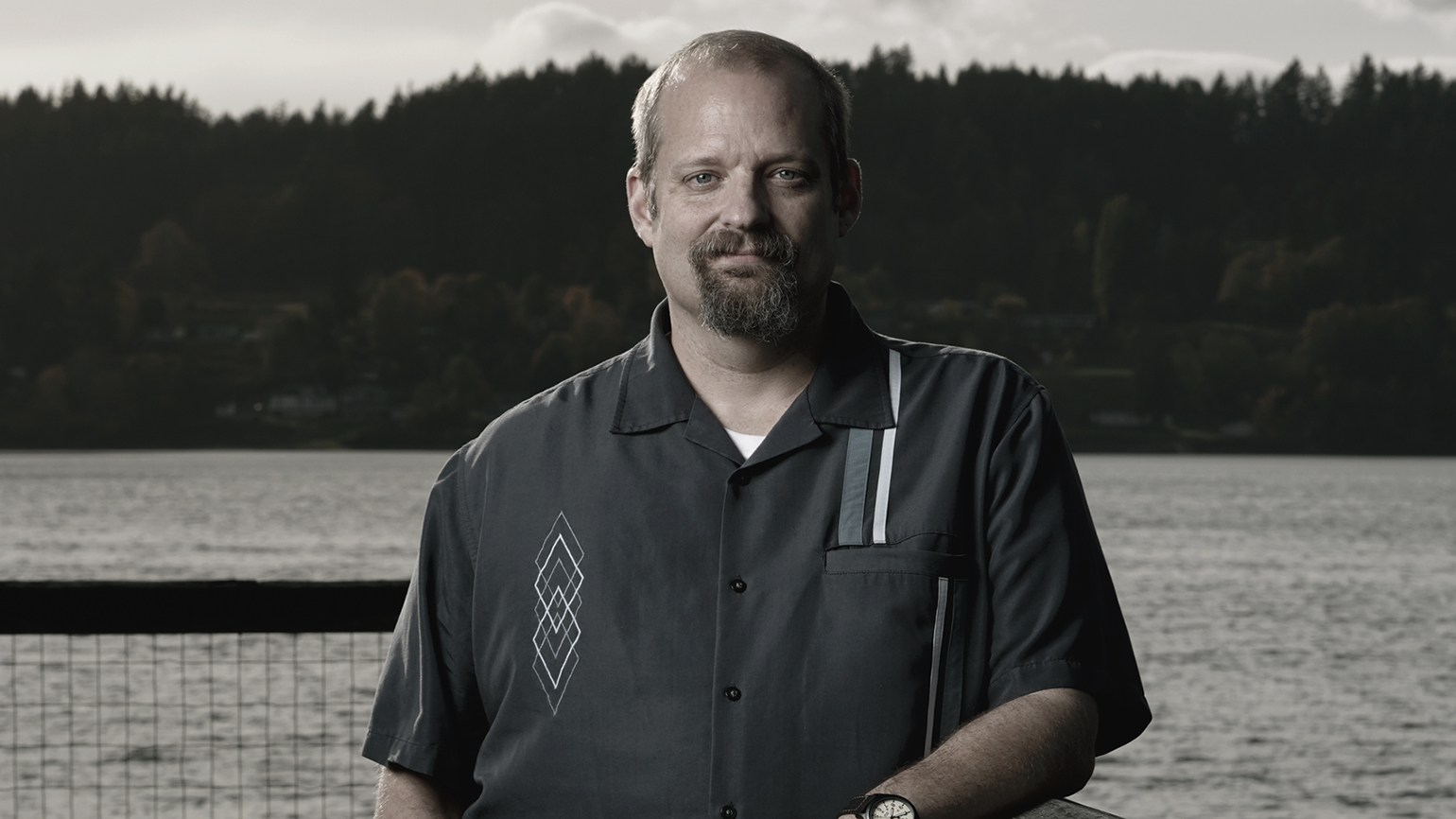
“We need to pick up toothpaste,” my wife Rhetta said as we drove through north Seattle on my seventieth day of sobriety. We pulled into the parking lot of a PCC market, about two miles from home. We walked in, passed the liquor aisle, plucked a tube of Jason’s Toothpaste from a shelf and stood in line. The scanner beeped as the checker whisked groceries across. Gray northwest light shone through the windows. Someone called my name and I recognized a friend from the Seattle Symphony, where I play violin. We chatted: “How are you? How’s life?” that kind of thing. It all seemed so normal—store, toothpaste, a friend. Far more normal than I felt inside.

You see, 70 days is not very long when you’ve lost one marriage and nearly ruined a second with alcohol. Outwardly, standing under the bright fluorescent lights of that market, I’m sure I looked like any other upbeat customer. I had my flourishing career, my devoted wife. I breezed past those bourbon bottles. I had been following the steps of Alcoholics Anonymous, admitting I was powerless over alcohol, surrendering myself to God. I won’t let you down, sweetheart, I thought, looking at Rhetta. At least that’s what I wanted to believe. But did I, really? Could I trust myself—trust God—to take me to day 71? Seventy days is not very long. And I had been an alcoholic for a very long time.

Go For It In Article Ad

Thirty-eight years, more or less, just about since the day I stepped off a helicopter at an Army-supply base thousands of feet up the side of a mountain in Vietnam’s Central Highlands. I had been drafted in 1967 at age 25, just two years after signing a contract with the Seattle Symphony, my dream since the sixth grade, when I started playing violin seriously. I was thrown into basic training with kids just out of high school, janitors, gas-station attendants. They called me, inexplicably, the “outhouse lawyer.” I was assigned as a medic. After eight weeks of field-medicine training in Texas, I was suturing soldiers ripped open by mortars in the jungles of southeast Asia. One day, 235 men were killed in a firefight not far from the base. The helicopters, weighed down with bodies, came thumping low over the trees and kicked up dirt on the landing pads. All day they flew through the thin mountain air. Landing, lifting off. Landing, lifting off. All day.

I was terrified and lonely. At night, mortars whistled over our barracks, thudding into a nearby airstrip. Men went crazy. When the power went out, as it often did, we filled beer cans with rubbing alcohol and lit them as lamps. One soldier, named Red, knocked his can over and set himself on fire. He ran through the barracks, burning. He was gone the next day. A few evenings, I got my hands on a violin when a sergeant let me borrow one he had scavenged. But mostly, I prepared for bed by drinking. I’d go to the base movie theater and drink. Then go back to the barracks and drink. Write letters to my parents and down beer until I passed out. All I wanted was to forget.

There was one person, though, I didn’t want to forget. Thin Puih, my interpreter. I was assigned to a special team that flew to far-flung villages. We dispensed food and medicine to local mountain people in exchange for information about Viet Cong troop movements. Most members of that team were officers rotating in and out. But Thin, himself a Montagnard, fluent in several regional dialects, was constant. He was 19, short, with a kind, intense face. Like me, he was bewildered and scared, but eager to please. I came to rely on him, to trust him, even, in a place where trust was in short supply.

We’d sit together in a helicopter as it rose from the base and skimmed over banana trees and bread-fruit trees to villages built on red-clay dirt. Children with distended stomachs ran to greet us. I opened my first-aid kit and handed out vitamins and candy bars while Thin asked parents where the next attack might come. It was a delicate dance, and Thin and I fell into a rhythm. In the evening, when work was done, we sat, talking and joking, in the red jungle sunset.

Once, my unit went through his village and he introduced us to his girlfriend. “Fisk is a very good friend for me,” he told her. She smiled shyly and bowed her head.

One day, Thin injured his ankle. I wrapped it in a bandage and checked it periodically. That night, a mortar attack came. I leaped from my bunk, ran to his bedside and helped him up. As sirens sounded and the air coursed with shouts and distant explosions, I put an arm around him and walked him past sandbags, down the steps and across the yard to a bunker. For a long time, as the sky above lit with tracers, we huddled together in the dark, Thin leaning against the wall, waiting for the all-clear. “Thank you,” he said. “You saved my life.” I nodded. I tried to absorb the meaning of his words. But at that time, in that place, nothing really made sense to me.

I never got to say goodbye to Thin. Days before my year-long tour of duty was up, I fell on patrol and caught my foot in a vine. My knee was wrenched, and I was loaded onto a helicopter and flown to a hospital at Cam Ranh Bay. A few weeks later, I was home.

Most veterans are haunted by their war memories. I drowned mine. The nightly drinking ritual I began in the barracks continued even as I rejoined the symphony and got married. I never missed a concert. Never stopped loving the music. I just got drunk enough each night to slur my voice and numb the nightmares. Yes, the memories faded—even memories of Thin—and my need for alcohol grew. Eventually, my first wife, Shauna, had enough. She left me.

I remarried. I promised Rhetta I’d never hurt her. But of course I did. “Why do you have to drink so much?” she pleaded with me.

“I’m stressed,” I said, and hid it. Like the time we went to the ocean with friends. I slipped a bottle of bourbon under the mattress. I kept another one in the trunk. “I think I left something in the car,” I said in the middle of a bridge game, and slipped out. I took a long, hard pull on the bottle. But even then something told me it would never be enough.

I hit bottom one Christmas morning. Rhetta and I went to a cabin we owned in Wyoming. It was a clear, cold night. Rhetta got out of bed to go to the bathroom. Perfect, I thought. I tiptoed to the sliding-glass door and onto the deck. The cold smacked my skin, but I had a bottle hidden in the wood pile. I took a drink and the bottle froze to my lips. I turned and saw Rhetta watching. I walked inside and she took my hand and said, “We need to talk.”

A few days later, on New Year’s morning, I drove over snowy mountain passes to a treatment center in Yakima, smarting from the shot I’d received at a hospital to stop the shakes. I wasn’t very hopeful. I’d been flirting with Alcoholics Anonymous for years, always tripping over that second step on the path to recovery: “We came to believe that a Power greater than ourselves could restore us to sanity.” I wasn’t raised religious, and all I thought was: Power? What Power? I don’t have a relationship with any Power.

My first day at the treatment center, a counselor in a flowered shirt marched into our meeting room and announced, “Sometimes God moves us from one place to another so he can work with us.” Okay, I’m desperate, I thought, and grasped at the offer of faith. For awhile, I thought that was the watershed. I stayed at the center for 23 days and returned to Seattle determined to quit. Rhetta and I joined a church. I prayed. I surrendered. Or thought I did. I was back in the treatment center seven months later.

By the time Rhetta and I walked into that PCC market, I had relapsed yet again, just 70 days before. I couldn’t help wondering: Am I simply an incorrigible drunk? Is this chemical addiction too strong for a young faith like mine? Standing in line, I thought, I believe in you, God. I rely on you. Am I going to make it this time?

The cashier rang up the toothpaste. As Rhetta and I turned to leave, I felt a sharp tug on my sleeve. A small voice beside me said, “You Vietnam?”

I turned and saw a short, middle-aged Vietnamese grocery clerk gripping my shirt between his thumb and forefinger. “Er, yes I was in Vietnam,” I said, and turned away.

Another tug. “You Fisk? Vietnam?”

I looked at the man more closely. His eyes were upturned, kind and intense. I looked at his name tag. Thin.

“Holy smoke!” I shouted. The store became still. I looked around wildly. “This guy is my Montagnard interpreter from Vietnam!” And I folded Thin in my arms as if it had just been yesterday that we were huddled in a bunker with mortar rounds screaming overhead. I held him, tightly, then loosened my grip and saw customers and clerks around us smiling and wiping their eyes. “Give me your telephone number,” I said. “I’m not letting you go this time.”

A few days later, Thin and his wife met Rhetta and me for dinner. We stayed up late, telling our stories. Thin had married Blin R’Mah, the girlfriend he’d introduced me to all those years before. When the North Vietnamese gained control of Vietnam in 1975, they captured him and imprisoned him for six long years in a labor camp. After his release, Thin worked as a rice farmer until finally gaining permission to emigrate to America in 1996. He had been living a few miles away from me for nearly 10 years.

As we talked, I saw the green wall of foliage that had ringed our base. I heard the chugging of the chopper and the shouts of excited children. But this time, with Thin beside me, it all seemed different. God, I thought, my relationship with you isn’t fragile at all. It’s been growing for thirty-eight years. You were there in Vietnam. You’re here with me now. Of course you’re strong enough to keep me sober. I looked at Thin. He was finishing his story, and for a moment it felt like we were two young men again, sharing some quiet talk in the jungle sunset. “Thin,” I said when he was done. “You saved my life.”

This story first appeared in the November 2006 issue of Guideposts magazine.

Accepting Osteoporosis

The woman on the phone said she was a nurse. “Ms. Barber, I’m calling from your HMO. I just wanted to let you know we’re writing a prescrip­tion for you—it’s a bone-restoration medication. Your scan results show that you have osteoporosis.”

Clunk. I dropped my laundry basket, heavy with one more load before our vacation to Colorado. “Osteoporosis?” I sputtered. She must have the wrong Karen Barber. No way I could have osteoporosis! I was young—well, not old, anyway—the picture of health.

Pray A Word a Day - 2023 In article

The nurse, apparently unaware that this was the first I’d heard the news, launched into an explanation of how to take the pills. “In the morning, on an empty stomach…” Her voice faded in my mind. Osteoporosis?

Yes, I’d had a bone-density scan a month before, but only because my general practitioner insisted—something about standard procedure after menopause. But osteoporosis? That was an old person’s disease, right? I power walked two and a half miles each day!

The only reason I’d even been in the doctor’s office was to get checked out for an upcoming mission trip to Honduras. Frail old people did not take mission trips to Honduras. Surely there was a mistake.

The nurse, however, referred to the exact date I’d had my scan. She asked if I had any questions. Too stunned to think, I mumbled no and hung up. I stared at the laundry, piled high in the basket.

Every year my husband, Gordon, our three boys and our daughter-in-law spent a week at a cabin in the Colorado mountains. Everyone else skied—I didn’t know how—and I took long walks on the mountain roads. What did this mean, osteoporosis? That I was too frail for trips like that?

Come on, I was only 54. Gordon and I had so many plans now that our youngest was about to leave for college. I exercised every morning—walking and praying—drank plenty of milk, ate yogurt, took calcium supplements. I hadn’t broken a bone since I was five years old. Not fair, God. I’m too young for this!

A few days later we left for Colorado. I didn’t fill the prescription and barely mentioned the nurse’s call to Gordon. No sense worrying him, especially if this all turned out to be a big mistake.

Besides, the nurse had said something about stomach upset as a possible side effect. I certainly didn’t want that on vacation. I tried to put the whole thing out of my mind.

At the cabin, though, I found myself feeling irrationally fearful. I had toyed with the idea of taking skiing lessons and joining the others on the slopes. What if I fell? Would my bones snap? Well, I could at least try some sledding. I looked at my boots by the door.

Fear surged again and for a moment the entire outdoors loomed like an endless danger zone, a world of potential falls and bone breaks. I flopped down on the sofa and turned on the TV. A single phone call had accomplished what 54 years of life had not. Suddenly I felt old.

Well, I thought when we got back home, I am not dealing with this now. Each day I found a new excuse not to go to the pharmacy. When I ran out of excuses, I decided to confront my doctor.

I would tell him about my healthy active lifestyle and he would say, “Of course, Ms. Barber, you don’t need medication. There must have been some mistake.”

The doctor listened then fixed me with a patient but pointed look. “Ms. Barber, there’s no other way to put it. You have osteoporosis.” He drew a picture: two circles, one filled with dense, crosshatched lines, the other with just a few lines.

“These are normal bones,” he said, pointing to the full circle. “Lots of bone mass here, which in a young woman’s body is constantly being replenished. After menopause, though, estrogen levels go down and the body stops replacing bone mass so reliably.” He tapped the other circle.

“But, I’m young!” I protested. “I take calcium pills.”

“Osteoporosis affects women of all ages,” he replied, “even some men. And the fact is, people who have it need supplementation to help their bodies absorb calcium. Often you can’t replace bone mass you’ve lost. But you can keep what remains—if you take the medication.”

Dejected, I dragged myself to the pharmacy. The crowning insult came with the pharmacist’s instructions. I would have to take the pill first thing in the morning on an empty stomach, then eat nothing and remain upright for half an hour. What did that mean? No breakfast? Could I still take my walks? I was becoming an old lady tethered to her pills!

The next morning I woke up and looked in the medicine cabinet. The orange pill bottle stared back at me. I had spent the previous evening poring over the instruction sheet and looking up the medication online.

Lots of unpleasant side effects, especially the stomach upset. I had a meeting at church. Best not to risk feeling sick. I’ll start tomorrow, I thought, and closed the cabinet.

The next day was the same, and the day after that. Always some reason to postpone. The pills greeted me each morning, silent ambassadors from the land of old age. I’d stare at them, waver and close the cabinet.

One misty spring morning, I left the house for my 6:00 a.m. walk. I liked to pray on these walks, a different kind of prayer on each section. I glided through our woodsy backyard, smelling the damp earth.

I crossed a bridge over a creek and climbed a hill past some tennis courts to the road. The road was where I switched to thankfulness prayers—not asking God for anything, just thanking him for what I already had, and the blessings I knew I would continue to receive. I thanked him for Gordon, for the boys, our house, the beautiful morning.

And, suddenly, without quite realizing it, I found myself thanking him for those osteoporosis pills. The pills?! Yes, the pills. My prayer rolled on. Thank you, God, for my doctor watching over me so wisely. For the scan machine that found this problem with my bones. And for supplying a way to fix it. You take such good care of me.

The mist was lifting, the sun just illuminating the road with soft, daffodil-colored light. I felt a warmth inside of me too, some small but profound shift. All this time I had been regarding these pills as my enemy, an unfair, unwanted sign of advancing age, of mortality, of lost youth.

But that’s not what they were at all. They were a gift, a life-giving gift. I didn’t need to fear them. I knew I should be grateful for them. Indeed, just thinking of them that way—as something to be thankful for—drove out my fear.

I wasn’t afraid of the pills, I realized. I was afraid of growing old. I was in denial of the most basic plan God had laid out for us, of a journey that began and ended with him.

The mist disappeared and the sun shone on me brightly. I finished the walk, entered the house and made straight for the medicine cabinet.

Today, nearly a year later, I take my medication regularly, and have suffered not a single side effect. Gordon and I recently got back from a European cruise—our empty-nester dividend.

Am I old? I think about that question differently now. God knows the number of my years. And he’s giving me what I need to make the most of them. Just like he always has.

Accept God’s Plan After Disappointment

Jeffers is the author of Coast to Coast, part of the Miracles of Marble Cove series from Guideposts Books.

I’m an optimist, and life rarely lets me down. Not that I haven’t had struggles. There have been plenty. But the sun always comes back up, eventually.

Mys of Blackberry Valley In Article Ad

Three years ago, my husband, Jim, and I made a major life change. We sold our farm and built our retirement dream home on a wooded lot behind our daughter’s home (with her blessing). We’d always been close, and now we’d be neighbors.

We moved into our lovely new Craftsman bungalow two days before Christmas. Our children surprised us by decorating it and we had 14 people in our new house Christmas day. Life is good. Our dream came true.

And then, the day after Christmas, our son and his family packed up and left for his new job in Kentucky, 2,173 miles away. Oh, how we cried, excited for them to start a new chapter (he’d been jobless for a year), but now they’d be so far away! At least we had our daughter’s family next door, with a woodland path between us.

Our house completed, we took a once-in-a-lifetime trip to Alaska for the summer. During this trip, I wrote Coast to Coast, in which Margaret struggles to come to terms with a woman who seems to despise her. Margaret likes people, and she expects them to like her. It’s painful for her to think that this assumption she holds so dear might be wrong. As I worked through her story and how she deals with this problem, I had no idea I was about to face my own dashed expectations and disappointment.

When we got home, our daughter and her husband came over for dinner and shared their exciting news with us. She was so excited! She had a new job. Of course, it required them to move across the state, 400 miles away, immediately.

Our dream shattered. All expectations of the closeness we would share during our golden years died. We are happy for them. Truly. But Jim and I looked at each other and silently communicated, “Now what?”

Isn’t that just like life? We make our plans, then life happens and expectations turn to disappointments. But there is a sunny side. It’s wonderful to see our children and grandchildren stepping up to their own life challenges with boldness and courage and determination. We fulfilled God’s call to us to raise up our children, and now it’s their turn. 

A Caregiving Q&A with Nikki DeLoach

Q. You grew up in Blackshear, Georgia, population: 3,500. How did your upbringing shape your faith?

A. I was really free-range—that’s the beauty of growing up in a teeny, teeny town. I loved church, Bible study and church camp in the summer. That’s where I first started performing. When I was three years old, I remember sitting in Sunday school and feeling I was wrapped in this blanket of light and warmth and love. I never really knew what that was until I felt it as an adult and was like, “That’s the presence of God!”

Sweet Carolina Mysteries In Article Ad

Q. Tell us about your dad.

A. My dad worked in our family’s timber and trucking business. He was a logger and drove 18-wheelers. He worked six days a week, got up at five in the morning to work, then came back home to take my sister and me to school. He was my basketball coach and drove me to voice lessons. He always made time for my brother, sister and me. Now you might be sitting outside the school for 30 minutes, and he might come swinging in on two wheels, but he always showed up. I could not have asked for a better father.

Q. In 2017, your newborn son needed heart surgery. Then, the same week, your dad was diagnosed with dementia at age 62?

A. Bennett had only one coronary artery, and it was in the wrong place. At five days old, he had major surgery. Five days later, I got a call from my mother about Dad. I had been trying to get my mom to get him checked out. He kept forgetting things and didn’t seem like himself.

At first I didn’t even think it was Alzheimer’s or dementia because he was so young. But Dad was diagnosed with a rare and aggressive form of dementia called Pick’s disease (commonly referred to as frontotemporal dementia). It affects the brain’s frontal or temporal lobes. Luckily we have the Alzheimer’s Association doing research, people dedicating their lives to finding answers on treating it and slowing its progression.

Q. What did it feel like to get this news all at once?

A. The best way I can describe it: The life you once had, the life you once knew, it’s all gone. I had to figure out a way to exist inside this new reality. Part of my heartbreak was that I was 2,500 miles away, in California. Bennett was in the hospital for a month after his surgery. He came home on oxygen. He was super compromised. We couldn’t have people visit, and no one could hold him.

I couldn’t get to my dad because I had to keep my son alive. To not be able to get to this man—who had spent his life protecting me, taking care of me and being my biggest advocate—was excruciating.

Q. What changes did you see in your dad’s personality leading up to the diagnosis?

A. The year my older son, Hudson, was born, my dad forgot my birthday. He was always the first person to call on my birthday. My family visited after Hudson arrived. Dad loved kids. His grandkids were obsessed with him. He was the one who got up in the middle of the night to give us kids our bottles. But he was just not interested in my baby. He held him for a minute, said “okay” and handed him off.

He was disconnected emotionally—so unlike him. He lost his temper a lot, got frustrated and was disengaged from people. “He’s just unhappy with work right now,” my mom said. I thought maybe he was going through a midlife crisis. But the strange behaviors became even more strange.

Q. Did your dad know something was wrong with him?

A. I buy my mother’s Christmas gifts—I know what she likes—and Dad would give me the money for them. I landed in Georgia, and he said, “How much do I owe you?” He wrote out a check. Later that night, he came back with his checkbook. “Hey, I want to pay you for your mom’s stuff,” he said. “Dad, you already gave me a check,” I reminded him. The next day, he asked again. Same thing the next day.

I sat him down. “Dad, are you okay?” He said, “I just know something’s wrong, but I can’t put things together.” My dad was not a crier, but he put his head down and tears started down his face. I put my arms around him. “You know what, Dad? You may have to see some doctors, but we’ll figure out what’s going on.” Months later, Dad went to the Mayo Clinic. That’s when we got the diagnosis.

Q. How heartbreaking. What got you through those days with your son’s heart problem and your dad’s diagnosis?

A. My faith is my everything. Sometimes there’s this idea that if you just pray hard enough, or if you live a perfect life and do exactly what God expects of you, then bad stuff is not going to happen. Bennett was five days old when he had his first surgery. There’s nothing he did to deserve or cause it. The truth is, that’s life. Devastating, heartbreaking things happen.

What helps you move through them is faith. What helped me find every single miracle and every single piece of magic inside those really hard times is my faith. I don’t know how I would’ve gotten through these past three years, and I certainly don’t know what kind of person I would’ve been on the other side, if I didn’t have God and Jesus in my life.

Q. How does prayer help you?

A. I pray every single morning; it’s the first thing I do. And it’s the last thing I do before I go to bed. I pray over everything. I was praying, “Lead us to the right doctors, lead us to those we need and those who need us.” And for my dad to be, in every single step, protected. The Alzheimer’s Association, at every turn, has been so helpful.

We went through a hard moment where we thought we were going to lose my dad. My first call was to the Alzheimer’s Association. They helped us find a great doctor ASAP. I pray to have the courage to ask for help, the openness to see what I’m not seeing and to walk through a tough situation with an open heart so that I can be there for my mother and for my dad. We can be reminded every day of our job as human beings, which is we are all here walking each other home.

Q. How did you and your family care for your dad?

A. At first it was manageable, figuring out, Why is he hiding boxes of Pop-Tarts in his car? It progressed to “We’ve got to get anything that can be used as a weapon out of the house.” You go through different stages.

I flew home whenever I could. A lot of times, we were dealing with big things. I thought, I’ll be the bad guy and take away the keys to his truck. He can show up at my brother’s or sister’s and ask, “Where are the keys?” But if I say I took the keys to California, he can’t get to California. It made sense for me to be the bad guy in those situations.

Q. What’s your advice to caregivers who find themselves in a constant state of worry?

A. When you’re in a stressful, scary situation, the way to move through it is to tell yourself, “All right, I’m going to get through this next minute. Then, after that minute, I’m going to get through the next minute.” Those minutes become hours, days, weeks, months. I had to learn how to do this with Bennett. Being at a hospital, asking, “What’s going to happen?” “Is he going to make it?” “Am I going to be able to bring him home?” All of those questions do a number on us.

I have shared this with people during the Covid pandemic: “Let’s not focus on what’s going to happen in six months.” This allows you to find the moments of joy and happiness and a little bit of laughter. We need that.

Q. How is your dad doing now?

A. Last year, we moved Dad into a facility. These are hard conversations that families have to have. We always said to my mother, “When you cannot do this anymore, wave the white flag. Then we will do whatever is necessary to save you.” She waved the white flag. She’d been up all day and night for nine days straight. Dad wasn’t sleeping, so she couldn’t sleep. He was a danger to himself.

With Pick’s, your brain does weird things and disconnects in a very specific way. You can pick up an iron and think it’s a knife. He was up all night pacing and outside with a flashlight, thinking people were coming after him. He was setting off the alarm all night long. We did what a lot of families have to do—we had to save the caregiver.

Q. How do you connect with your dad these days?

A. We FaceTime a lot. There’s an incredible woman at the facility he’s in. Her name is Des. Shout-out to Des! She is in charge of all the activities. She is an angel. She takes such great care in making sure that my dad is okay and happy. I FaceTime through her and get to see him. Every time he sees me [on FaceTime], he says, “Hey, Nik.” He still remembers my name. That’s a miracle.

For more inspiring stories, subscribe to Guideposts magazine.

A Caregiver’s Encounter with an Angel Named Mandana

I pulled a red knit top from the rack and held it in front of me.

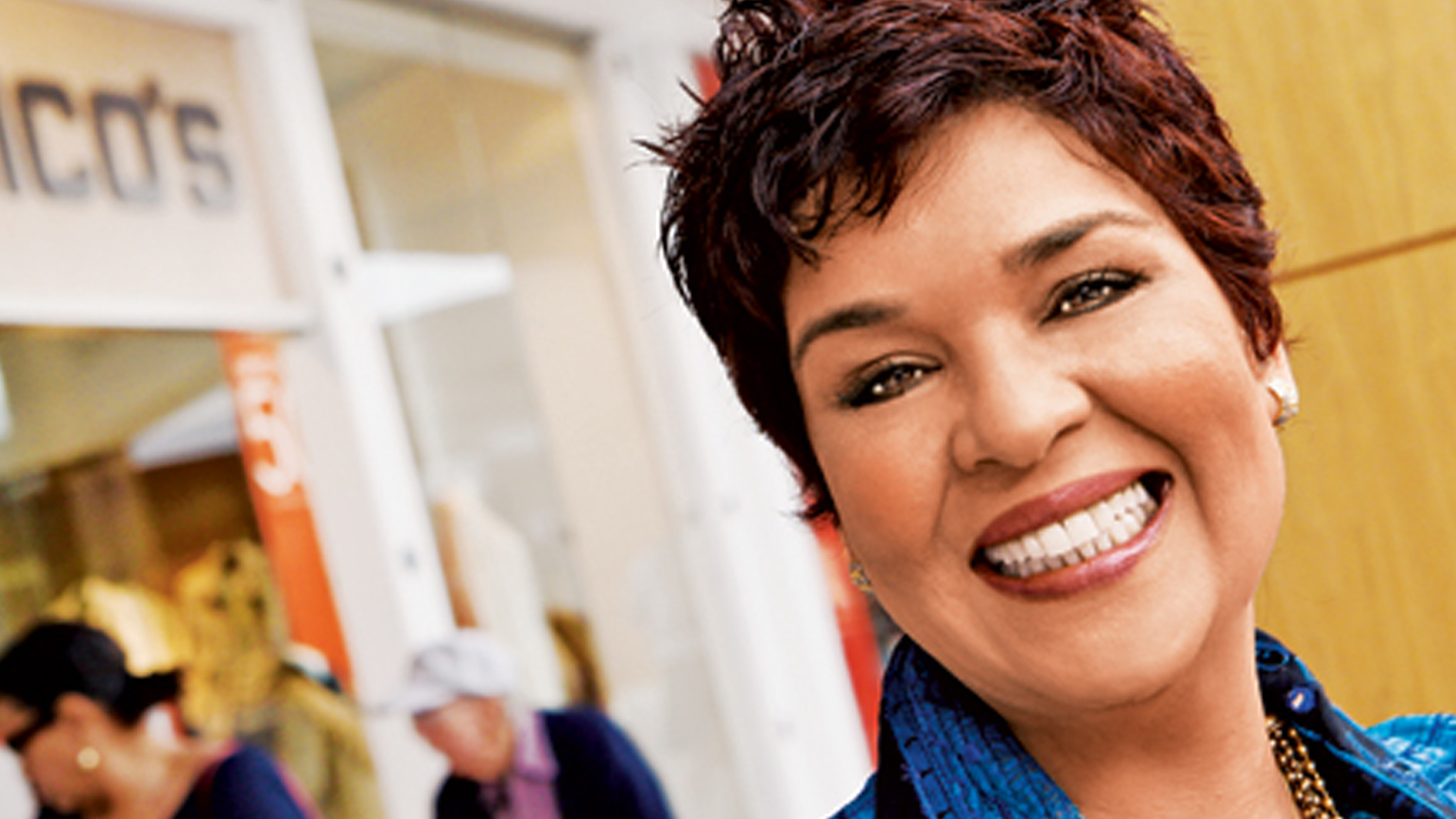
“What do you think?” I asked my husband, Neil, who was sitting in a chair waiting patiently. We were at the Chico’s boutique on Manhattan’s Upper East Side, a world away from our tiny village in upstate New York.

You Got This In Article Ad

“Can I help you?”

I turned to see a beautiful olive-skinned woman. She was wearing an elegant blue dress, set off by a gold necklace and earrings. Her dark hair was short and spiky. She had a sort of glow about her and looked like no one I had ever seen back in Turin. But what held my attention was her accent. It sounded like music.

If only there was some way you could help, I thought.

Neil had bladder cancer and we were in New York City so he could have surgery. The next day he was to begin a two-day pre-op regimen. On Monday, surgeons at Memorial Sloan-Kettering Cancer Center would remove his bladder and create a new one. Then there would be 11 difficult days of recovery before he was discharged and four more weeks in the city before we could go home.

He would need my constant attention. I wanted to be there for him. But I felt so alone and scared here, 300 miles away from family and friends, from anyone who would be able to relieve me. Other than God, there was no one I could even share my feelings with. Lord, I prayed night after night, give me the strength to help Neil.

We’d been married 36 years, and I knew he was worried even if he didn’t show it. That was Neil. So I had to stay strong. For both of us.

“Thanks,” I said to the saleswoman. “But I don’t even know what I’m looking for.”

“Let me help you,” she said. “My name is Mandana.” Mandana. Even her name sounded like a melody.

She stayed by my side through each section of the store, as if I were the only customer there, asking about my taste in clothes, suggesting a top, pairing it with a sweater. I’d never felt more pampered. I’d answered all her questions, but she was still a mystery to me.

“Are you originally from New York City?” I asked.

“I was born in Iran,” she said. “But I left there for a better life. I’ve lived in France and Los Angeles. Now New York is home. My husband is completing his medical residency here.”

Iran? France? Those were places I’d only read about.

Our arms were draped with jeans, sweaters, tops and tanks. Mandana escorted me to the dressing room. I modeled each piece for her and Neil, letting him cast the deciding vote with a thumb up or down.

We bought far more than I had planned on and I left with a pang of guilt. The shopping trip had been Neil’s idea, and it was a helpful distraction for both of us, but I was still anxious about the surgery and what the future held.

The next day Neil heated water for bouillon in the hotel coffeemaker and began his pill regimen. I busied myself trying on my new clothes again before putting them in a dresser drawer. I slipped the red top on. It didn’t fit quite right. I hadn’t noticed that in the store.

“Go ahead and take it back,” Neil said. “I’ll be all right.”

At Chico’s I was making the exchange when Mandana popped out of a back room. She wore a long, flowing sweater over black leggings. “So nice to see you again, Aline,” she said. She glanced around. “Where’s your husband?”

“He’s back at the hotel,” I said. But I didn’t—couldn’t—stop there. There was so much worry inside of me. I had to tell somebody. I poured out my story.

She listened as intently as she had the day before. When I finished, she said, “What hospital are you at?” She nodded at my answer and said, “I will pray for him. And for you.”

I thanked her and hurried back to the hotel. I’d spent far too long unloading my fears on Mandana. I didn’t want Neil to be alone any longer than necessary.

The surgery lasted seven hours. It was nearly midnight when Neil was finally moved out of recovery. He was heavily sedated, but slept fitfully. Each time he awoke his eyes searched for me. “Water,” he pleaded. He couldn’t drink anything because he had a nasogastric tube. I tried to soothe him by swabbing his dry, cracked lips with a tiny sponge, but I knew it provided little relief.

I hardly slept either. In the morning I changed Neil’s sheets, then gave him a sponge bath and got him into a new gown. I didn’t want him to have to wait for a nurse. Back in bed he grimaced in pain. I adjusted his pillows. “Try to relax. It’s going to be okay,” I said. “I’m here.”

For the next three days I barely left Neil’s side. Every few hours I had to help him walk to build strength, have him breathe into a monitor, adjust his pillows. More than anything I wanted to be a comfort to him. He watched me for any sign of distress. I couldn’t let him see me worry. But after three days I was exhausted. I hadn’t changed my clothes and my hair was greasy.

Thursday evening, I was sitting by Neil’s bed holding his hand when I heard a noise at the doorway. At first I thought maybe I was dreaming. There was Mandana with a dark-haired man.

“Is this a good time?” she asked. “I thought you might like a little company.” There was that voice. Music to my ears.

“This is my husband, Foad,” Mandana continued. “He wanted to come too. I hope you don’t mind.”

Without thinking I hugged her tight, then pulled away, realizing how dirty and disheveled I was. Mandana didn’t even notice. She sat next to me. “How are you doing?” she asked. “I’ve been praying for you.”

In minutes we were talking like old friends. I overheard Foad telling Neil of patients in Iran who had had the same operation and how well they were doing.

The evening flew by. “I’ll come back tomorrow,” Mandana said when visiting hours ended. I looked at Neil. He was sleeping peacefully.

Friday evening I glanced down the hallway to see Mandana striding toward me, holding a book and a soda. I’d just finished tending to Neil. She pulled a chair close to him. “Go back to the hotel,” she said. “Eat. Shower. Take a nap. We’ll be fine.”

For a moment I stood rooted in place. Was it really okay to leave? She shooed me away. I gave her a bundle of swabs, kissed Neil, put on my coat and left.

Outside the hospital’s double glass entrance doors I entered a different world. Steam whooshed from sidewalk grates. Taxicabs zipped by. People rushed past in an endless stream.

I got to our hotel room and hopped in the shower. Soap and hot water had never felt so good. I scrubbed off the sweat of the past few days and slowly my worries seemed to fall away as well. I got out of the shower and went to the dresser. I couldn’t wait to get into some clean clothes.

There in the drawer were all the things I’d bought at Chico’s. I put on one of my new tops, remembering the care that Mandana had shown me from the moment we’d met. It had been more—much more—than a chance encounter. God had sent us an angel.

I returned to the hospital revitalized. My pace quickened as I got closer to the room. Mandana was reading and Neil was resting comfortably. Like I’d never left.

“I don’t know how to thank you,” I told Mandana.

“It was my pleasure,” she said. “I hope we can stay in touch.”

Neil made a complete recovery. Mandana called and e-mailed, cheering his progress every step of the way. In fact, we celebrated his first successful post-op checkup at her apartment with a delectable 12-course Persian feast I will never forget.

Sometimes it takes a stranger to show you that even in a time of need you are never alone.

This story first appeared in the March 2011 issue of Guideposts magazine.