
Embrace God's truth with our new book, The Lies that Bind

5 Tips for Making a Career Change

Gone are the days when people would work 30 years in one company, let alone one career.  In this fast-changing world, it’s important to explore and navigate new career opportunities with as much knowledge and preparation as you can. Business expert Jon Acuff’s new book, Do Over: Rescue Monday, Reinvent Your Work, and Never Get Stuck explains how you can better handle career changes.

Acuff has written 5 books and feels that enriching the business community is God’s calling on his life. He says he wrote Do Over to generate hope as well as give people practical career advice.

Pray a Day Vol 2 In Article Ad

The most basic of his advice is his concept of having a Career Savings Account to draw on. The CSA consists of your relationships, skills, character and hustle.

He defines relationships as people you know, skills as what you do, character as who you are, and hustle as how you work. “All four are equally important. They temper each other,” Acuff tells Guideposts.org. “You need to have all four of these things in balance in order to make a career change. If you are missing one, you will not reach your full potential. “

When your CSA is in order, you’ll be able to know when to leave a bad work situation, and more important, when to leave a good one, as too much comfort in a good job might actually placate you from pursuing your true calling.

Acuff shared with Guideposts.org his top 5 tips for making a career change:

1) Be honest about your expectations.

Ask yourself: Why do I want to make a career change? What am I expecting the new job to offer me? What are my expectations about my current job? Acuff says that you sometimes have a fantasy version of what you think a dream job is, and when your current job doesn’t meet that, you think it’s time to go. However,  you should be realistic. Every job will have things that you don’t want to do – that’s part of working. He says sometimes people get stuck in wanting the new job to be the perfect job. But if you are currently unemployed, it is about finding the next job and not the best job.

2) Do research.

Thanks to the internet, you can no longer say “I don’t know.” You can find the answer to just about anything.  So if you’re going to make a career change, Acuff says you should find people who are doing what you want to do and ask them a question about it. Or ask them what books they would recommend to read. Acuff says that you make impulsive career jumps when you don’t take the time to do research. But if you do the research, and talk to people who are doing what you want to do, you’ll have the most information and will therefore be able to make the best decision.

3) Build your team.

Now is the time to build the team that’s going to help you make the career change. You weren’t meant to do life alone, Acuff says, and that includes changing where you work. You need everything from casual friendships who can expose us to people and places outside our circle, to advocates or mentors who can tell us the truth about ourselves. You also need to ask people for help. After all, relationships often get you the first gig.

4) Sharpen old skills and learn new ones. 

Be honest with yourself. Identify what skills you have, and figure out what skills you need to make a career change. Relationships may get you the first gig, but skills will get you the second. Even if you love your best friend, Acuff says, if she can’t cut hair well, you won’t go back a second time. The best way to become “stuck proof” is to learn new skills. If you are not sure what your skills are, Acuff has an exercise in Do Over for how to identify them.

5) Hustle.

If relationships get you the first gig and skills get you the second, every other gig you will get will be based on hustle. Hustle may have a negative connotation these days, Acuff says, describing it as sounding like an Axe body spray scent–but it is important. Hustle is an act of focus, not frenzy. Part of why people get stuck is because they don’t put in valuable time against a valuable decision; instead, they spend too much time on time-wasters like fantasy football. With hustle, you put in the time, and are brave about the decisions you are making. Don’t put valuable time into things that don’t matter, Acuff says.

“Sometimes I am afraid to make the wrong decision when I feel stuck,” he says. “But I have to remember that God’s ability to do what He wants to do in my life isn’t limited by my ability to make the right decision.” 
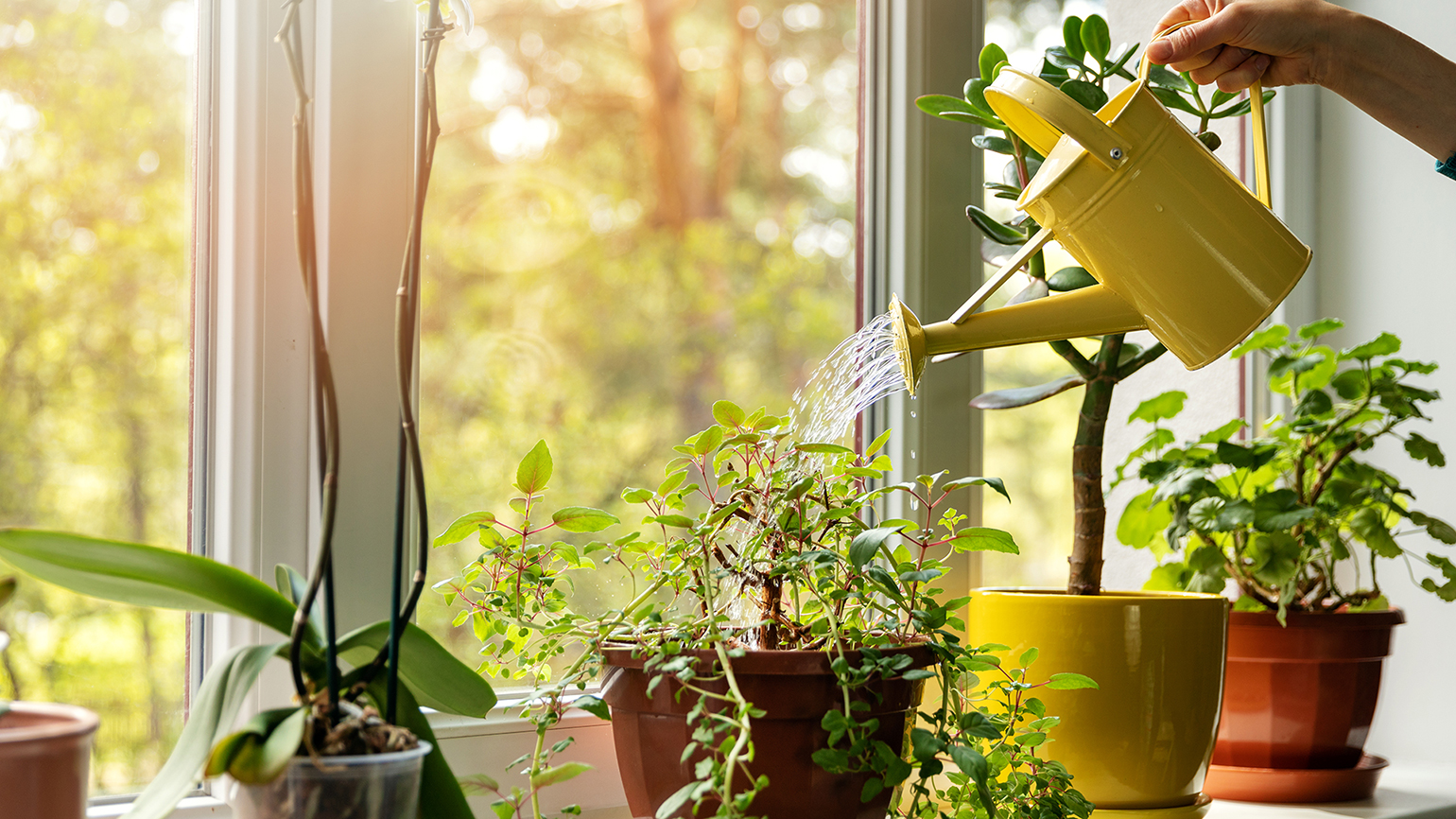
5 Tips for Keeping Healthy House Plants When You Don’t Have a Green Thumb

If you’re like me, you’ve never been able to keep a plant for more than a few weeks. Maybe a month. I just never grew up with plants in the house (I definitely inherited my mom’s black thumb). Every house plant I bought or got as a gift didn’t last long. My old roommate joked that I could kill a cactus.  

When the Covid-19 pandemic hit and we all went into quarantine, I saw many of my friends show off their house plants on social media. Their living rooms and bedrooms popped with beautiful plant life, while they noted the many physical and psychological benefits of having indoor plants. Why can’t that be me? I thought. So when my friend offered me a spider plant sprout, I decided to try something I’d never done before: commit to becoming a plant person.  

NIVFLB Inarticle ad

The journey hasn’t been without its ups and downs. I made a lot of mistakes. But after doing research and changing my perspective, I can proudly say I am succeeding. Here are five ways to take on house plants when, like me, you do not have a green thumb. 

  1. Start with Easy Plants 

Like taking on any major project, it’s best to start simply. I can’t tell you how many plants I killed because I didn’t realize they were difficult plants. Just water and sunlight, right? Apparently not. Orchids, ferns, and fig trees are beautiful, but they require a lot of care and know-how. So as a beginner, I decided to take a different approach when cultivating my indoor garden. I focused my efforts on easy plants, such as Chinese evergreens, peace lilies, spider plants, English ivy, and various succulents. These plants grow easily, have basic needs, and aren’t as temperamental as some other plants.  

  1. Research! 

It might seem like a pain but doing a little research can be the difference between your plant surviving and thriving. Look up how much sunlight the plant needs, how often to water it, what temperature it does best in, and if it requires any special care. It usually isn’t that complicated, especially if you start with simpler plants. Write down some of the basics and keep them on notecards near the plants. And don’t be afraid to ask for help. There are tons of resources and forums out there filled with plant lovers that know how to deal with the ups and downs of plant care.  

  1. Create a Watering Schedule 

Watering has always been a weak point in my plant care. I killed a lot of indoor plants because I over watered them. Too much water can drown the plant, prevent it from getting the nutrients it needs from the soil and can lead to root rot. On the other hand, I’ve also killed plants because I didn’t water them enough. Usually it slipped my mind and I simply forgot to water them! Not watering your plant enough can cause it to dry out and die very quickly. After doing a little research, I made a watering schedule to make sure I didn’t over or under water my plants. It got me to make plant care a part of my daily schedule, instead of just an afterthought.   

  1. Cater to the Plant 

When I first got my spider plant, I put it in a colorful pot and set it on my windowsill. It looked beautiful and matched perfectly with my living room. However, after just a few weeks, I noticed the plant leaves were losing their green color. I was giving it plenty of sunlight and water, so I couldn’t understand what I was doing wrong! After a little research, I learned spider plants don’t do well with intense afternoon sunlight, which was exactly the kind of sunlight it was getting. So I completely rearranged all my plants in my living room to cater to their specific sunlight needs. Because I prioritized the plants’ needs over what I thought looked best, my plants are now thriving more than ever.  

  1. Do It with Love 

Perhaps the most profound change I made with caring for my plants was changing my mindset. Before, I always considered the watering, repotting, and trimming to be a chore. Something on my to-do list like doing the dishes or folding laundry. Getting my spider plant sprout forced me to reconsider my perspective. I started viewing the time I spent caring for plants as time I was also caring for myself. It got me to get up, take a break from my computer screen—and focus on another living thing. I even started listening to music and singing while I do it. (Did you know that some studies indicate that singing to your plants can be good for them? It releases carbon dioxide which the plant needs and then, in turn, uses it to produce fresh oxygen for you!) I now look forward to my time with my plants, and that has made all the difference in their health— and mine.  

5 Tips for Healthy Eating

Good food nourishes us not only physically but also emotionally and spiritually. Home cook Diane Hill Roark and Kyle Adams, executive chef at Good Samaritan Society’s national campus in Sioux Falls, South Dakota, have both observed that while cooking for others. “Eating healthy, nutritious food keeps your body, mind and soul working together,” Adams says. Here are some tips on how you too can feed the soul:

Plan ahead. “Feeding the soul is not just about cooking,” Adams says. “It’s about being committed to the entire process, from meal planning and shopping to prep, cooking and storage.” Start by choosing recipes that fit your needs and your schedule for the week. Make a list of the ingredients (this helps prevent impulse buying and overbuying), and set aside time to shop for them.

A Journey of Faith In Article Ad - Avail Now

Use the freshest, healthiest ingredients you can. That might mean going to more than one market. Seek out the places in your area that offer great produce, fresh fish and hormone- and antibiotic-free meat. Shop at farmers’ markets. Buy what’s in season, and incorporate those items into your menu planning. Adams has taken things a step further, starting an aeroponic garden to provide fresh salad greens year round at the Sioux Falls campus.

Prepare your own food. “If it comes in a box or a can, try to stay away from it,” Adams says. “If you make it yourself, you know exactly what’s in it.” Be realistic—save the made-from- scratch lasagna recipe for a day when you have more time. For dinner on busy workdays, “put together greens and vegetables in a salad, make a quick vinaigrette and sear a piece of salmon or chicken breast to go with them,” Adams suggests. Want to learn more cooking techniques? Look on YouTube, or find classes and demonstrations at stores or the Y.

Eat mindfully. Before you dive in, bless the meal. Think about everyone who helped bring the food to your table. Put down the phone, turn off the TV and focus on what you’re eating and drinking. Don’t wolf down everything. Take time to savor the flavors, textures and aromas.

Connect over food. “Food calls up so many emotions and memories,” Adams says. “Sharing a meal can be a wonderful bonding experience. It’s also an opportunity to develop healthy habits with your entire family—taking care of the older generation and establishing good patterns for your kids and grandkids.”

Visit good-sam.com/guideposts to learn about more ways to feed the soul.

For more inspiring stories, subscribe to Guideposts magazine.

5 Tips for a Major Attitude Adjustment

I slumped on my couch after coming home from work. My fiancé, Nick, looked up from his phone. “You okay?” he said.

“No, I’m crabby!” I said. “I stepped in dog poop this morning. I had 62 emails waiting for me at work. I ordered no sour cream on my taco at lunch and guess what? Mouthful of sour cream. The driver in front of me was going 10 miles an hour all the way home. And I’ve had toothpaste on my sweater all day.”

You Got This In Article Ad

Nick cracked a smile. “Is that all?” he joked. “You’re a glass-half-empty kind of person, aren’t you?”

I opened my mouth to object, then stopped. At 29, I was the assistant director in the giving department at the University of Idaho. In love with a good man who was in love with me. But if I was honest with myself, I was consumed with grumpiness, pessimism and stress on the best of days.

Nick, an electrician, was the opposite. Even a day spent maneuvering through spider-infested crawl spaces and 120-degree attics never seemed to sour his mood.

“I can be pretty negative,” I said, as tough as it was to admit.

“Shouldn’t your faith help you with that?” Nick said.

This time his question was sincere. I’d been talking to him about the importance of faith. But he’d seen right through me.

“You’re right,” I said. “I need to work on that.”

Since that day, I’ve made a conscious effort to be more positive, more grateful, to truly live my beliefs. Small steps that anyone can do. Let me show you what I mean.

Give thanks daily

I excelled at identifying things that weren’t going right, many having to do with my two dogs: Lucy, a boisterous puppy, and Charlie, a three-year-old with health issues. But counting my blessings? Not so much.

A few days after my conversation with Nick, I was taking my morning shower. Despite a double dose of conditioner, my hair remained a tangled mess. Soapy water pooled at my feet, the drain semi-clogged. “Off to another great start,” I muttered.

Then I heard Nick in my head. I stopped grumbling and let the shower spray warm me. It was soothing, washing away my annoyance.

Thank you, God, for clean water,” I said. Something I took for granted. “Thank you for my family,” I continued. “For my dogs. For my old Audi, which is still running. For my health, my job and Nick—especially for Nick.”

Afterward, I found myself looking forward to getting to the office, chatting with my coworkers, digging into those emails.

In the next morning’s shower, I gave thanks for more specific things. The potato chip meat loaf I planned to cook for dinner. The vanilla bean lotion I’d bought the day before. A coworker who’d passed along positive feedback from a donor. I committed to thanking God for something new each day during my shower. I was worried I’d run out of things to mention, but the more gratitude I expressed, the more I found to be grateful for.

Take time-outs

Plenty of things still annoyed me, like the day I picked up Lucy from the vet after surgery. “No running or jumping for two weeks,” the vet had instructed. On the way home, Lucy pinballed around the back seat. I rolled down the window, hoping a little fresh air would calm her down. Instead, she started yelping, loud enough for other drivers to notice.

Finally home, Lucy proceeded to pee on the carpet, then the couch. I wanted to scream, “Can anything else go wrong today?” Instead, I took a time-out. I closed my eyes and breathed deeply. It took only a minute for my aggravation to leave me.

The world wasn’t ending. Lucy’s surgery had been a success. I had the week off work to care for her. I got my spray bottle of stain remover, and soon everything was clean. I curled up on the couch, Lucy next to me. Not even her cone of shame or the damp cushion under my feet could spoil the moment.

Surround yourself with Scripture

As a teenager, I loved reading the Bible, but I’d let the habit lapse. I decided to start every day on a positive note, with Scripture. I set my alarm 15 minutes earlier. I stayed in bed and read, so I wouldn’t disturb the dogs. The stillness alone helped me feel closer to God.

I focused on verses about gratitude, joy and peace and used them as pick-me-ups whenever I felt myself feeling a little down. I wrote 1 Thessalonians 5:16 in my planner, a reminder to be joyful always. I jotted Colossians 3:15 on a note card and set it in my car’s center console. It prompted me to let peace rule my heart whenever I got stuck in traffic. Reading Psalm 118:24 on a bookmark before bed encouraged me to come full circle, ending my day with rejoicing.

Encourage others

My coworker Dave exudes joy. He’s always positive. Always encouraging the people around him. I told Dave once how much I admired him. “What’s your secret?” I asked.

Dave thought for a moment. “I guess I try to think of others more than I do myself,” he said. Good advice, but I couldn’t flip a switch and be naturally outgoing the way Dave was. I’m an introvert, better at putting my thoughts down in writing. Maybe I could work with that.

I bought a jumbo pack of greeting cards. Each week I wrote and sent cards of encouragement and appreciation, starting with close friends and family, then distant relatives, friends I hadn’t talked to in years, the front office staff at the vet.

I wrote a letter to my childhood best friend Karla’s mom, Pam, who’d been like my second mom. We hadn’t been in touch in almost 10 years. I included photos of me, Nick and the dogs.

A couple weeks later, I was delighted to find a letter from Pam in my mailbox, with an update on her life, including her adoption of a puppy. She gave me Karla’s new phone number. I messaged Karla that evening. We spent hours reminiscing. With just one small gesture, I’d regained two friendships. I made sure to thank Dave. In person.

Use positive reinforcement

Potty training Lucy was a nightmare. After she soiled the carpet for the fourth time in one day, I screamed, “You’ll never learn! This will never get better!” Lucy tucked her tail between her legs and wouldn’t look at me. Then I remembered the dog training advice I’d heard hundreds of times: Use positive reinforcement. I wasn’t such a fast learner myself, was I?

I changed my tone. “You’ll get the hang of it, Lucy,” I said in an upbeat voice. “This will get better.” It didn’t. For weeks. Still, I praised her for the slightest improvement. One day, she walked to the back door and stood there. “You want to go out?” I asked. I opened the door, and she trotted into the backyard, squatted and looked at me as if to say, “See? I’m doing it!”

“Good girl!” I said, scratching her head and giving her a few treats. Sure, there were more accidents, but I encouraged her instead of scolding. Every time she did her business outside, I lavished her with praise. I used the same technique on myself (minus the head scratches and treats, of course). Rather than berating myself when I backslid into negativity, I said, “I am becoming more joyful. I can do this.” Repeating these affirmations lifted my spirits and gave me more determination to keep trying.

A few months after I committed to being more positive, I noticed drops of oil on the garage floor. I took my beloved 2007 Audi A4 to the mechanic.

“I’ve got some bad news,” he told me. The repairs would cost more than the car was worth. It was time to say goodbye. I was heartbroken.

“I’m so sorry,” Nick said when I told him about the Audi. “Try not to stress about it.”

“It’s okay,” I said. “I’ve enjoyed seven great years in that car—with almost as many speeding tickets.”

Nick looked surprised for a second, then wrapped his arm around me.

I leaned into his hug. He’d noticed my glass was half-full, even though I hadn’t told him how hard I’d been working on my attitude makeover.

“I’ll help you look for your next car,” he said, adding with a chuckle, “as long as you don’t drive it as fast as you drove your Audi.”

I laughed and said, “I need to work on that.”

For more inspiring stories, subscribe to Guideposts magazine.

5 Things to Do Instead of Complaining

I’ve been speaking to a lot of organizations around the country and the one thing I keep hearing from leaders and employees is that complaining is at an all time high. I’m not surprised.

There are two main reasons why we complain.

God's Constant Presence In Article Ad

1. We complain because we feel powerless.

2. We complain because it’s a habit.

The economy has shaken a lot of people’s foundations and we feel powerless which leads to a rise in habitual complaining.

So this week I want to encourage you to go on a complaining fast. Not because it will make everyone around you happier, although it will, but because it will help you experience more joy, peace, success and positive relationships. Believe me; I know a lot about complaining. I use to be a professional complainer and found that it not only sabotages your happiness and success but the morale of your team and family.

To help you break out of a “complaining” rut here are five things you can do instead of complain. These tips will help you realize you are not powerless. You have the power to choose your beliefs and actions. And in your focus on the positive instead of the negative you’ll find the faith, strength and confidence to take on life’s challenges and identify the solutions to your complaints.

1. Practice gratitude.
Research shows that when we count three blessings a day, we get a measurable boost in happiness that uplifts and energizes us. It’s also physiologically impossible to be stressed and thankful at the same time. Two thoughts cannot occupy our mind at the same time. If you are focusing on gratitude, you can’t be negative. You can also energize and engage your coworkers by letting them know you are grateful for them and their work.

2. Praise others.
Instead of complaining about what others are doing wrong, start focusing on what they are doing right. Praise them and watch as they create more success as a result. Of course, point out their mistakes so they can learn and grow, but make sure you give three times as much praise as criticism.

3. Focus on success.
Start a success journal. Each night before you go to bed, write down the one great thing about your day. The one great conversation, accomplishment, or win that you are most proud of. Focus on your success, and you’ll look forward to creating more success tomorrow.

4. Let go.
Focus on the things that you have the power to change, and let go of the things that are beyond your control. You’ll be amazed that when you stop trying to control everything, it all somehow works out. Surrender is the answer.

5. Pray.
Scientific research shows that daily prayer reduces stress; boosts positive energy; and promotes health, vitality, and longevity.

When you are faced with the urge to complain or you are feeling stressed to the max, stop, be still, plug-in to the ultimate power, and recharge.

Download your FREE positive thinking ebook!

5 Things to Be Thankful for in January

All holidays feel like moveable feasts. I’m ready for Christmas in July and think Easter is worth celebrating every Sunday, which I sort of do anyway (church puts me in a Resurrection mood).

I’d like to propose a mini Thanksgiving right now. Don’t bother with a turkey and stuffing. A celebration of thankfulness will do. Here’s a smorgasbord of what I’m thankful for right now. Got any of your own mid-winter prayers of thanksgiving to add?

NIVFLB Inarticle ad

All Those Christmas Cards
If grace is a word to describe undeserved love and favor, our pile of Christmas cards is certainly a sign of grace. Carol and I haven’t sent a Christmas card since before the millennium. Just can’t get organized to do it. But year after year, we receive them by the dozens. I love the family shots and seeing how the kids have grown (spitting images of their parents). I also adore pictures of pets. Not to mention gorgeous full-color images of the Nativity. How thankful I am for all those friends and their blessings.

Good Health
Four years ago in January I was recovering from open-heart surgery. Couldn’t walk up a few stairs without feeling winded. Couldn’t even sing a Christmas carol. Guess what? I feel terrific now. Maybe my recovery was not as quick as my surgeon would have led me to believe, but recovery came. Here’s my word of advice on recovering from a health crisis: Don’t rush it. Not for nothing are patients called patients (even when we’re not patient). Give the Great Physician time. Nothing makes you appreciate the gift of health like a temporary setback. But call it just that.

The Weather
Remember those hot sweltering summer days when you yearned for air-conditioned splendor? They’re here and you don’t have to flick a switch or worry about BTUs—just go outside. When I first started at Guideposts, there was an elderly secretary who insisted this cold weather is excellent for your health. “The freezing weather kills off all the germs,” she said. Don’t know if that’s true, but her attitude is worth embracing. Glory in the seasons. Go for a brisk walk. At least when the sweltering days come, you’ll be able to remember how you wished for some heat.

My Family
Prayers of praise for them. They are an endless delight. Last year we had our share of sorrow. I lost my dad in February and my brother-in-law was in a plane crash that killed the five other passengers and nearly killed him. I grieve for those losses and am grateful for Mike’s recovery. He is one tough cookie, a walking miracle. But I couldn’t have made it through those trials without a loving, laughing family. Yes, there was always something to laugh about. Even at Dad’s funeral. Laughing with your loved ones is prayer on helium. What a lift.

The New Year
Thank God for a clean slate, a chance to start over. Got your New Year’s resolutions? I believe in little ones, not those big ones that overwhelm you by January 3rd. Faced with the failing brain power of an aging Boomer, I’ve decided to take up memorizing Scripture on my morning runs. Not a lot. A few psalms will do. But it’s something new for me. Got something new you want to try? A recipe, a book, a prayer practice? The calendar is clean, waiting for you. Happy New Year!

5 Things I Wish People Knew About Opioid Dependency

Past three o’clock in the morn­ing, two weeks before Easter. I sat in the darkness of my car, parked in my driveway, feeling as if I were go­ing insane. I’d been awake all night. I couldn’t stop twitching, moving, grabbing at myself. My mind raced. Bad voices clawed the edges of my brain. I tried everything I could to stop them. Racing up and down my attic stairs. Doing frantic jumping jacks. Bicycling my legs in the air. But it was hopeless. On the streets, they had a name for what ailed me: dope sick.

At 64, I was in withdrawal from opioids. For 28 years, I’d been pre­scribed OxyContin for pain relief. I have a genetic condition that causes invasive, noncancerous tumors to grow on nerve cells all over my body. I’d undergone 34 surgeries over the years to remove the worst of them. But the ones that remained caused constant pain.

Witnessing Heaven In Article Ad 827x123

At first, the OxyContin was a god­send. It allowed me to keep my job as a nurse and to live a normal life. But my town in Appalachia had been gripped hard by the opioid crisis. My insurer stopped paying for Oxy­Contin. My doctor said new insur­ance rules required me to enroll at a pain management clinic for a new prescription. A specialist there took me off OxyContin entirely and put me on a new, weaker medicine for nerve pain to be taken every 12 hours.

“It’ll help you more than the Oxy­Contin did,” the specialist assured me. “You might have some with­drawal symptoms as you go from one drug to the other. They shouldn’t be too bad.”

The last three days had been hell on earth! I’d been taking OxyContin for a long time. While I’d never deviated from my doctor’s instructions and she’d tapered me off slightly before I quit cold turkey, I’d built up a strong dependency. Deprived of OxyContin, my body panicked. It ached like a giant toothache. Pain signals coursed up and down my arms and legs. I called the clinic. I was told to tough it out. How? I shook with chills. My skin felt as if insects were crawling all over it. I couldn’t keep anything down. Worst of all, my mind buzzed with bad voices. They taunted me endlessly.

It’s going to be like this forever, Roberta….

You’re going crazy.

There’s no point trying. Just give up already.

No one else knew what I was go­ing through except my sister Rebekkah. She’d come to stay with me after I left the pain clinic. I’d sent a brief e-mail to friends in my writing group, asking for prayers because I was going through a “rough time.” But I kept it vague. I was ashamed of my dependence on OxyContin. What would people think?

No one loves you.

Even God’s left you.

You’re all alone.

Not sure what else to do, I’d ban­ished myself to my car in the early hours of the morning. It was usually the place I did my best praying. Now that I was here, though, I couldn’t think. I could barely get Jesus’ name out. I had too much trouble breathing. I was going to die in this car. God, where are you when I really need you? Have you totally left me this time?

The dashboard clock told me it was four o’clock. A piece of advice someone had told me ages ago came to me: “It’s the friends you can call at 4 a.m. who really matter.” I thought of my dear friend Sue. Her husband used oxygen for a lung condition—maybe it would help? We usually talked every day, but I hadn’t heard her voice since this whole withdrawal thing. She’d probably been calling, worried sick. I hadn’t checked my voice mails, e-mails or mailbox for days. I dialed her number on my cell and told her my situation.

“Come right over,” Sue said. “I’ll get the oxygen set up.”

Rebekkah drove me to Sue’s house in the cold, black night. Sue tucked me into a makeshift bed on her sofa and got the oxygen. I breathed it into my greedy lungs. She parked her chair by the sofa and massaged my agitated legs. Within minutes, I was no longer starved for air. I began to relax. Three hours later, I woke up to the smell of coffee and raisin toast. I’d slept for the first time in days.

Sue fixed up the guest room so I could stay with her as long as I needed. The pain and panic persist­ed. I didn’t know how much longer I could survive. I thrashed wildly at night, hitting my head against the brass headboard. Sometimes I awoke to the sound of Sue playing Easter hymns on her piano, convinced I was hallucinating.

Then, four days before Easter, something changed. I awoke in the middle of the night with the most bizarre feeling. As if I were being held, wrapped in a giant hug. Safe and secure, buoyed by some force. As if being lifted up somehow. Tentatively, I listened for the voices. They were still there. But they were differ­ent this time.

You’re going to make it, Roberta!

Don’t be afraid.

You aren’t going to just survive. You’re going to thrive.

This new medicine is going to work wonders!

I felt strong. Confident. Coura­geous. It defied all logic! I grabbed my journal and wrote down every­thing I was hearing. These voices…they weren’t mine.

The pain didn’t immediately sub­side. But I knew, without a doubt, I was going to be okay. On Easter morning, I awoke to Sue practicing the piano again, singing the hymn “He Arose.” I zipped up my jacket, poured myself a cup of coffee and found my way out to the front porch. It was daylight. I climbed into Sue’s big wicker porch swing and listened to the birds singing. Across the street, I could see a wife planting flowers as her husband washed windows. Yellow and white daffodils had pushed their way through the wintry soil. Pink dogwoods were in glorious bloom. It had been ages since I’d seen or contemplated such things. I thought again of the voices. The good ones, now running through my head regularly.

There’s nothing to fear, Roberta. You’re going to make it!

I knew this time I would.

After 10 days at Sue’s, I was well enough to return home. As I rejoined the living, I finally listened to my voice mails, read my e-mail and col­lected the big stack of colorful en­velopes and packages from my mailbox. I hadn’t told a single soul, out­side my inner circle, what I was going through. And yet dozens—many dozens—of people had prayed for me anyway.

“I sensed you’re in crisis, Rober­ta,” one friend wrote. “I’m praying for swift healing.”

“I felt moved to pray for new pain relief for you,” another e-mailed.

Wanda in Montana placed a lovely lace handkerchief inside healing passages in her Bible, prayed the verses and then tucked the handker­chief inside a gorgeous card she sent me. Peggy and Mike in upstate New York mailed me a comfort blan­ket they’d prayed over. Karen in Georgia had been pausing by a bush of red roses every morning to talk to God specifically about me. The prayers got more and more specific.

“I suddenly felt you need God’s peace, Roberta. Lord, I am praying that you be with my friend and com­fort her.…

“Dearest Roberta, I knew you were in trouble, so I gathered my entire church and we were anointed with oil and prayed for you.”

Readers of my stories that have appeared in Guideposts and Myste­rious Ways wrote in too.

“I found your address online and had to write to say that I am praying for you,” wrote a woman named Pauline from Michigan. “I sense you are in difficulty and am asking God for your healing from pain.”

The prayers went on. And on. I went back and checked the dates on the messages, then compared them to the dates in my journal. They were all dated a few days before Easter. The very time I’d felt inexplicably held.

“It’s the friends you can call at 4 a.m….” the advice went.

I had called. The greatest friend of all—and his network of followers—had answered.

Roberta shares 5 things she wishes people knew about opioid dependency.

5 Spiritual Benefits of Fasting

Are there spiritual benefits to fasting? Many of us think of fasting, which is often done during Lent (when people choose to give something up for 40 days), as a spiritual duty to God. We are depriving ourselves of food and drink for a period of time in order to prove our love for God. While long-suffering is a part of being human and certainly a part of being Christian, fasting should not be included when we think about “suffering for Christ.”

READ MORE: 7 Ways to Fast According to the Bible

The Daily Bible Large Print relaunch with digital free gift in article ad

If you’re considering a fast, check with your doctor before beginning to make sure it’s medically safe for you to do so.

What are the Spiritual Benefits of Fasting?

In fact, fasting is less about what we’re giving up and much more about what we’re making room for. When we fast, we exchange what we need to survive for what we need to live—more of God. Here are five spiritual benefits to fasting:

1) A Soul Cleansing

How often we forget that our bodies are the temple of the Lord—especially when deciding what to eat! Fasting is a great time to remember the spiritual connection we have to our physical bodies. Without the toxins we put in our bodies, we not only give our bodies a break from the digestive process, but we also allow our spirits to be detoxed.  Fasting is a faith-move, an expectation we have that God will fill us with His Holy Spirit, just as He promised. But as Christ told His disciples, “[N]o one pours new wine into old wineskins. Otherwise, the wine will burst the skins, and both the wine and the wineskins will be ruined. No, they pour new wine into new wineskins.” By fasting, we meditate, cleanse the soul and makes it new so we can receive the Holy Spirit and become empowered to live for Christ in a new way.

READ MORE: 20 Lent Bible Verses for Reflection and Guidance

2) A New Desire for God

When we acknowledge through fasting that we need God to live, and to live more abundantly, we can begin to desire God in a new way. When we realize we need God more than we need food, we can start to understand what the Psalmist meant when he wrote, “Like the deer that pants after water, my soul longs for You.” God, the sustainer of all life, wants nothing more than a closer connection with us, and through the spiritual benefits of fasting we can quench that new desire for more of Him in our lives.

READ MORE: 10 Inspiring Bible Verses for Fasting

3) A Deeper Praise

Because the body does not have to do the work of digestion, it has more energy to focus on other things. In the same vein, since we are not consumed by what we are going to eat next and when, we have more energy to devote to God. While we’re experiencing a new desire for Him through fasting, we should also emit a deeper praise as we think about everything God is to us and all He has done. Once we get caught up in our desire for God and our praise for His mighty acts, we won’t have time to be hungry or count down the hours until our fast is over. We’ll be celebrating the whole time!

4) A Sensitivity to God’s Voice.

The New Testament prophetess Anna is praised in the book of Luke for being a devoted servant to God and His temple. Because she regularly fasted and prayed, she was able to hear the voice of God speak clearly to her the day that Baby Jesus was brought into her temple to be dedicated. She knew He was the Christ and told everyone who would listen about His arrival. When we detox the spirit and become consumed with desire and praise for God, we become sensitive to His voice. Like Anna, when God speaks to us in the midst of chaos, we’ll still be able to pick out His voice and know what He wants us to do because we have trained our ear to hear Him through fasting, prayer, study and praise.

READ MORE: Prayers for Fasting During Lent

5) A New Satisfaction

When you finish your fast, renewed, full of energy, detoxed, with a new desire, a new praise and a sensitivity to God’s voice, you’ll find that the absence of food was small in comparison to what you gained. When Christ’s disciples noticed that He hadn’t eaten all day and tried to get Him to slow down to eat, Christ said, “I have food to eat that you know nothing about….My food is to do the will of Him who sent me and to finish His work.”

Physical food never fully satisfies; in a few hours, you’ll need to eat again. But when you are fed from doing the work of the Lord, you can feel the spiritual benefits of fasting. Whether you are fasting to give your Lenten season a deeper meaning, or fasting during any other season of your life, you will find a new satisfaction like you’ve never experienced.

READ MORE ABOUT FASTING AND LENT:

5 Self-Care Tips for a Positive Christmas

The days before Christmas can feel like the not-so-calm before the storm. It’s a joyful storm, of course, but after weeks of planning, shopping, baking, gifting and gathering, fatigue can compete with excitement as the holiday draws near.

This is when the self-care skills we’ve cultivated all year serve us so well. Walking a positive path through Christmas week means reaching into our self-care toolbox and remembering the tried-and-true techniques for loving and supporting ourselves.

Light for Life NASB Study Bible in Article

Start each day with encouragement for your soul. Order Mornings with Jesus.

1)  Set Boundaries

Remember that celebrating Christmas doesn’t require you to say “yes” to every invitation, respond to every Christmas card with a long, personal message or display the most spectacular lights or tablescape for your neighbors and guests. Identify the things you most value about your family’s Christmas experience, and do those things—give yourself permission to gently say “no” to everything else.

2)  Breathe

If this isn’t the cornerstone of achievable self-care, I don’t know what is. Breathing slowly and deeply is available to you every minute of every day. Remind your brain to send your body the “relax!” signal by extending your exhales so they last one count longer than your inhales. Notice when your breathing is becoming tight or shallow, and see if your next breath can be just a little slower, just a little deeper. Even five mindful breaths can reset your outlook in a more positive direction.

3)  Feed Your Whole Self

Eating positively over Christmas doesn’t mean opting for a salad when everyone else is tucking into roasts and cakes. It does mean choosing foods that feed you in every way—satisfying your physical hunger, of course, but also connecting you with memories of holidays past, exiting you with flavors both comforting and new, and leaving you satisfied but not uncomfortably full. Ask yourself, what will nourish my body and spirit today? Then enjoy every bite.

4)  Move—and Rest—Your Body

Maintaining anything resembling a typical sleep-wake schedule during Christmas can be difficult, but it is important to make space for the restorative sleep you need to be your best self around the tree and table. Just as important as rest is movement—you don’t need to do a full-on workout on Christmas morning, but bundling up and taking a walk around your neighborhood or in a nearby park will get fresh air in everyone’s lungs, and a positive outlook in your hearts.

5)  Feel Your Feelings

Christmas is a time of joy, but it can be challenging for people who are experiencing relationship struggles, grief or financial difficulties. If you are struggling to connect with the positivity of the season, check in with a close friend, clergy member, or professional counselor for guidance. Allow yourself the time and space to experience the wide range of emotions that comes with such an expectation-laden time of year, and remember that part of walking a positive path is seeking the right supports during tough times.

5 Scientifically Proven Benefits of Laughter

You’ve probably heard that stress can have a negative effect on your health. Prolonged exposure to frustration-inducing situations can lead to higher levels of stress and increased blood pressure, which can lead to or exacerbate health conditions. Unfortunately, we can’t just wish the bad stuff away. And, there’s no substitute for medical care. If stress is affecting your health, go to your doctor, or if appropriate, a mental health professional for diagnosis and treatment.  

After you’ve done that, though, there is something you enjoy doing that also helps improve your health: Laughter.

Whistle Stop Cafe In Article Ad May 2023

If you’re looking for a reason to watch a comedy or giggle with a good friend, keep reading.

Here are five scientifically proven benefits of laughter.

1) Blood pressure reduction

Has your doctor brought up blood pressure concerns? Get a little help from laughter! Did you know laughter has cardiovascular effects that are similar to exercise? It can be a great short term solution when you don’t have the energy to work out. The deep breaths it triggers combined with the use of abdominal muscles causes an effect similar to exercising. Laughter results in a short term blood pressure increase and promotes healthy circulation. In the long term, however, laughter results in a decrease in blood pressure.

2) Decreased Anxiety/Depression

Many of us deal with negative emotions from time to time. But guess what?! Laughter is a wonderful tool to help you cope with difficult situations. According to Mayo Clinic, laughter promotes positive mental health by decreasing the stress hormones. Reducing stress hormones allows us to directly reduce feelings of anxiety and depression. The endorphins that are released during laughter add an overall sense of well-being, similar to that of exercise. Even if you don’t suffer from depression, laughter helps by promoting a general positive view on life.

3) Better Memory

The hippocampus is an area of the brain that plays an important role in being able to make new memories. According to PsychEducation.org, hormones associated with stress can damage the hippocampus. Alzheimer’s shows us the effects of hippocampal damage. It targets the hippocampus first and causes those diagnosed to be stuck with past memories instead of living in the present. Stress hormones can damage the hippocampus but because laughter helps decrease cortisol and other stress hormones it aids in memory function!  

4) Improved Immune System

Our thoughts affect us in more ways than we think. Long term exposure to stress (or heavy weighing negative thoughts) can weaken your immune system. Luckily, when stress hormones are reduced, your immune system is able to function at a higher capacity. According to research in Immunobiology: The Immune System in Health and Diseaselaughter boostsT-cells–immune system cells that help fight off illness. Increased immune function means less sickness and less time feeling yucky!

5) Pain Reduction

Suffering from chronic aches and pains? Laughter can help with that! In addition to helping you fight off illnesses, laughter also helps decrease pain. According to research in Scientific American, when you laugh, your body produces its own natural painkillers called endorphins. Laughter also increases your threshold for pain for a short period of time. So, schedule a time to meet with friends and laugh some of that pain away!

Remember, nothing can replace your doctor’s advice and medical treatment, but laughter is a great–and free!–addition to your health plan. Take your new knowledge on the benefits of laughter and laugh heartily.

5 Reasons to Thank God for Difficult Days

I’ve seen plenty of articles and posts about thanking God for the good times in our lives. I don’t know that I’ve ever seen one about thanking Him for the hard times we face.

I mean, who finds delight in experiencing difficult situations? It goes against the grain to say, “God, I thank You for this horrible health diagnosis.” or “Lord, I thank You that I lost my job and finances are so tight that I don’t know how I’m going to make the house payment.”

Pause & Pray In Article Ad

I’ve been going through a long period of health problems, and I’ll be honest—I’ve done my share of whining, complaining and asking God why we can’t find the answers to what’s wrong with me. But He’s given me some new gratitude insights recently, and I want to share them with you. Here are 5 short prayers and reasons for thanking God:

1.  Lord, I thank You for trusting me enough to give me this situation.

God has a purpose and a plan for every moment of our lives. My prayer is that I will respond to the situation with a Christ-like attitude, and that others also will see that God is “enough” for every situation.

Read More: 10 Ways to Boost Your Mood

2.  Father, I’m grateful for what You will teach me through this difficult time.

There’s something about going through a trial that makes us learn things we wouldn’t learn otherwise.

3.  God, thank You for how this will mature me spiritually. 

This is an opportunity to learn patience and acceptance for God’s plan for me—even if it’s not the one I’d choose. Lord, draw me closer to You. 

4.  Lord, thank You for how this difficult situation will help me know You more intimately.

Hard times do wonders for our prayer lives and lead us to spend more time in God’s Word as we seek comfort and guidance. And it’s often in those moments that we’ll see Him in ways we’ve never seen Him before, when we’ll feel His presence hovering close.

5.  Father, I thank You for how I can take what I’ve learned through these difficult days and use it for You.

None of our life experiences goes to waste. God can use all of them if we’ll let Him. Whether it’s a hug, taking time to pray with a hurting friend, giving a monetary gift to someone who needs it or sharing how God was faithful to us when we needed Him, we can help comfort others because of what we’ve lived through.

God, we thank You for being with us through difficult days. Help us look for the blessings in the hard times and help us to be faithful to serve You no matter what circumstances we face. Amen.