Embrace God's truth with our new book, The Lies that Bind

Pets Alive: An Inspiring Animal Sanctuary

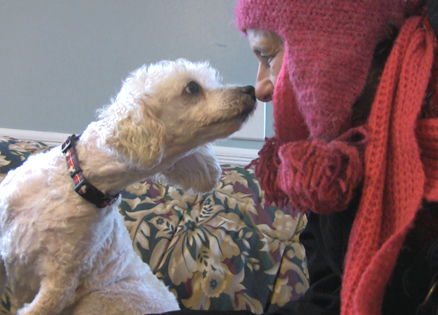
[BLUES GUITAR MUSIC] Pets Alive has been around for about 35 years, and we are no-kill sanctuary. We have always been a no-kill. The majority of our animals come from euthanasia lists from other shelters. Max just came to us recently from Arkansas, from a puppy mill. When they went under, they pretty much abandoned all the dogs. 

He’s a poodle. And his hair was stuck together in his fingers, he couldn’t spread his toes. And so the staff had to shave him all down. And he’s very shy. So putting Max, a shy dog that’s terrified and scared and a little skittish, and actually now has no winter coat, in our kennel environment is not a good situation for him. And so Max now lives in the adoption room, which is a big spacious room that we do adoptions out of. So he gets to see a lot of people coming and going. He gets to interact with other dogs, coming and going in and out of the adoption room. And he gets to spend all day with our adoption staff. 

Witnessing Heaven In Article Ad 827x123

We adopt between 1,000 and 1,500 animals every year, just out of this one location. Without volunteers to help us, we couldn’t do it. One of our things here is the starfish. And the story is that the man is walking along the beach, and he’s picking up starfish, and he’s throwing them back in the ocean. And someone comes up and says, why are you doing that? It’s ridiculous. You can’t save them all. And he says, no, but I can save this one. And it matters to this one. And that’s what keeps me going. 

When we have our alumni picnic, we invite everyone that’s adopted an animal from us to come back and bring that animal. This year we had the biggest response ever. We had 90 dogs come back with their owners. And I walked through and saw all these dogs and the grins on the people’s faces as they bragged about their dog and talked about their dog and how wonderful their dog was. Walking through that, that gives me the energy. That gives me the energy, saying this is what I was meant to do. This is why Pets Alive exists because of the love that is generated here. 

Glen came to us when the owner had run out of money and given up on taking care of Glen. Glen has a lot of medical problems, and he’s a very elderly horse. And when we first got Glen he was severely emaciated. He could barely stand on his own. And our volunteers, of course, we reached out to them and said, listen, Glen needs extra attention, and he has no teeth. So they showed up with baby food. And they would open up these jars of baby food and pour them into a dish and let Glen lick them up. 

Here at Pets Alive, we believe that the emotional needs of the animal are just as important as the physical. And for him to live alone just wasn’t acceptable. So Glen got his own goats. He has his own pet goats. And when we first put the goats in with Glen, he was terrified of them and he ran away. And we’re like, oh, no, this isn’t going to work, either. This is terrible. But eventually, in a couple of days, he was following the goats around and herding his goats. I mean “herding,” not “hurting”– herding his goats around. And now, whenever you see them out there, they’re hanging out together. And he’s got his little pals. But Glen recently had an eye issue. He’s none the worse for wear. He’s still hurting his goats around and owning his little pasture out there. 

All of our cat rooms are set up to be like living rooms as much as we can because we don’t believe in cages for animals. And we know that cats like to look out the windows. And we know that they like comfortable couches. And it helps their adjustment to go into a home. Pets Alive is going to definitely continue to grow. We are one of the few organizations that’s actually doing very well in the recession. People believe in no-kill. They want to see no-kill. They’re willing to help us financially with no-kill. 

Camp Tyler is our new dog area. Every year we try to do one big project. Rob Thomas is a musician, and him and his wife Marisol are both on our board of directors. They support us very, very strongly. And whenever they do a fundraiser for us, we try to use that money to do something big. And this year our big thing was to build Camp Tyler. And Camp Tyler is named that because they adopted a dog from us named Tyler many years ago, and he recently passed away. And it was to honor Tyler and to honor all that Rob and Marisol and their foundation, Sidewalk Angels, does for Pets Alive. 

There’s big spacious runs where there’s two or three dogs in each one. And they have a kuranda bed, and there’s a misting system for when it’s warm, and it sprays cool water on them. And they have their dog igloos, and they have pools in the summer. We have pools for each of the dogs. Camp Tyler is a place for them to have fun, enjoy their life, be loved on by our volunteers, walked– we have a beautiful dog walk here– while they are temporarily homeless. But they’re not homeless, they’re at camp. 

Petsalive.com or petsalive.org, either is acceptable, and there’s a section that says “About Us,” and it has all sorts of tours and video pictures, and you can see what we’re all about there. [GUITAR PICKING] 
Perry’s Good Shepherd

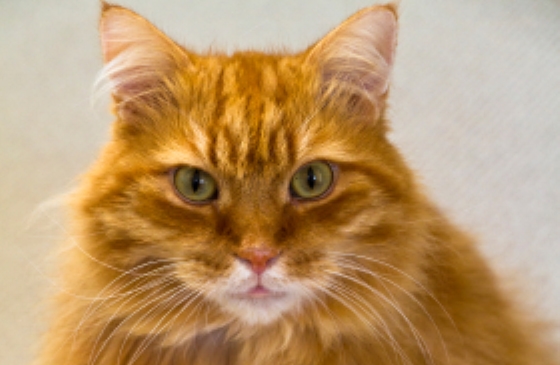
Perry is a very special kitty, the first to live indoors with my in-laws, Harold and Doris. They got him from relatives who could no longer keep him. He is totally enjoying his new life as he chooses where to sleep and whose lap to jump on for some pampering. This gorgeous fluffy orange cat with bright peridot eyes knows just what he wants and how to get it. He loves Harold and Doris, but like all ornery kids he knows how to work them.

On one particular evening when I’d been visiting with them, Perry decided to be a bit more playful than anyone desired. When we walked out the back door, Perry slipped out behind us and followed. He darted under my car to hide. I saw him first and began to call him, but there was no way he was going to obey me. This was playtime. He raced to the back of the vehicle and sprinted down the long driveway.

Walking with Jesus L&E evergreen_in article ad

Harold and Doris live in the country, but their home is near a popular road where cars drive fast. Perry could have been in great danger. He would have had little chance of survival on this road in the dark of night. Fortunately, his faithful master took care of him. As I started to go after the truant, Harold stopped me. He said, “Cover me with the flashlight and I’ll go get him.”

Although Perry was ornery, perhaps this cat had some “horse sense.” He got close to the road but turned aside. He darted into the pasture at the east end of the farm. Perry slunk down in the high grass while Harold, age 82, tried to sneak up on the mischievous feline in his stocking feet in the dark.

I felt bad that Harold would not let me join him in the pursuit, but this was his cat, his “child,” his responsibility. He was Perry’s “good shepherd,” and he was acting as any good shepherd would. Giving up or giving in was never an option.

Finally, Perry seemed to realize that Harold was in charge (or he chose to let Harold think he was). Perry hunkered down and let his human grab him. I could tell that even though Harold was tired and his stocking feet were muddy, he was pleased to have Perry back safely in his arms.

Harold probably just thought of this as another one of many chases he had with Perry. But to me, it was more. It was a reenactment of the Parable of the Lost Sheep. In Matthew 18:12-14, Jesus talks about the shepherd who left the rest of his flock to search for the one little lost sheep that had wandered off.

I take comfort in this parable. It is a way of telling us that we will never be left alone. No matter what our age, if we choose to run off by ourselves, like Perry did that night, our Good Shepherd will always go after us and bring us home in His loving arms, if we allow Him to.

Suppose one of you has a hundred sheep and loses one of them. Doesn’t he leave the ninety-nine in the open country and go after the lost sheep until he finds it? And when he finds it, he joyfully puts it on his shoulders and goes home. Then he calls his friends and neighbors together and says, “Rejoice with me; I have found my lost sheep.” I tell you that in the same way there will be more rejoicing in heaven over one sinner who repents than over ninety-nine righteous persons who do not need to repent (Luke 15:4-7).

Consider This: Have you ever strayed from God? What lured you away? How did your Good Shepherd pursue you? Did you let Him carry you home? If not, would you like to do that right now? Is there someone God might want you to shepherd for Him?

Perfect Partners

“Nothing big for my birthday this year,” I warned my husband, Angelo. “No surprises, okay?”

“Don’t worry about it, Antoinette,” he said. I wasn’t sure if I trusted him, though. Angelo was such a sentimental guy. It was hard to imagine he wouldn’t want to celebrate this birthday “milestone.”

Community Newsletter

Get More Inspiration Delivered to Your Inbox


The last thing I wanted for my 50th was some over-the-top bash with tons of people. Angelo loved parties, especially surprise parties. Me? I hated surprises.

I guess you could say I’m a bit of a control freak. All right, more than a bit. I write lists for everything. I make lists of lists I need to make! Angelo? He’s the exact opposite. Happy-go-lucky. Laid-back. Impetuous. Romantic.

His calm attitude kept me grounded through the big stuff, like when my father was in the final stages of Alzheimer’s and Angelo was my rock. When it came to the small stuff, that was a different story.

I worried Angelo would be late picking up our eight-year-old son, Joseph, from school. Or that he wouldn’t get dinner ready in time. I was constantly leaving him notes and reminders. My birthday was one more thing to worry about. And a surprise was the last thing I needed.

I hated feeling my life was out of control. I’d sworn that would never happen again. And I knew one thing: I would never allow a man to control my life again.

Before I met Angelo, I went through a difficult divorce. At 36, after 10 years of marriage, all my plans were in ruins. My life list was in tatters. I desperately wanted to put the past behind me and trust God with the future. But in the back of my mind, I had my doubts. Could I ever trust again?

Which was maybe why I became even more of a control freak. I spent weekends holed up at home. Going out and trying to meet another guy was asking for trouble, asking for my life to be turned upside down. Finally my mom suggested tango lessons. Seriously! She’d heard of a six-week course at a nearby high school. 

I’d taken tap lessons with Fred Kelly–younger brother of Gene–as a kid. I liked the structure of tap, even then–learning steps, nice and neat. I wanted to feel like that again. But I couldn’t find a dance partner. I’d asked some of the guys at work–they’d all gone pale at the word tango.

My sister, Joanne, had promised to join me in the lessons. The week before they were going to start, she dragged me to a fifties dance club to knock some rust off our dancing skills. All at once she was pointing to someone across the room and nudging me. I put on my glasses to take a look.

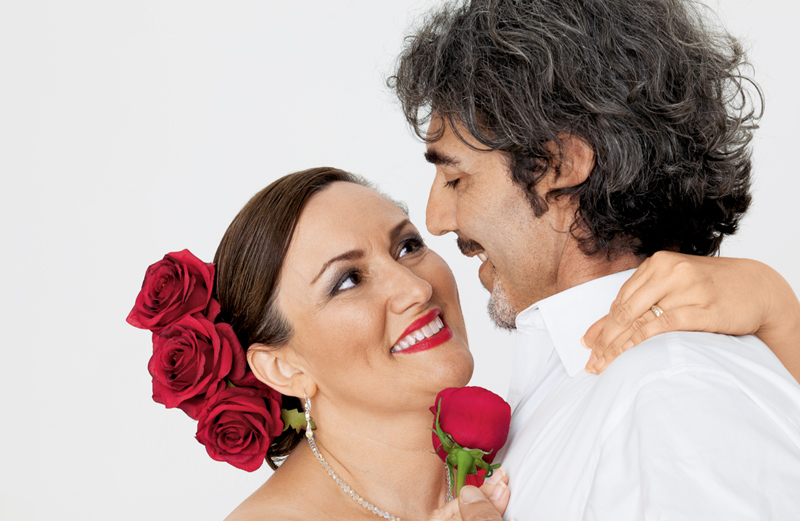
A tall guy with long, curly black hair. He was wearing a billowy white shirt. Very Pirates of Penzance. I needed a tango partner, right? This guy fit the bill perfectly, down to the outfit. Before I could talk myself out of it, I marched over to him and introduced myself.

“Sono Angelo,” he said after an awkward pause. “Io non parlo Inglese. Sono Italiano.” His friend Marcos translated. Angelo was from Italy, on a two-month- long vacation visiting family in New Jersey.

Even better, I thought. No chance this would turn into anything, and normally I’d run the other direction from a shirt like that.

“You guys want to tango with us next week?” I asked. I did a little dance to demonstrate, putting up my arms tango-style. “Tannnggo?”

Angelo’s face lit up. His eyes danced. “Si, tango! Mi piace il tango.”

Then he disappeared. Just ran off. He reappeared minutes later with a red rose. Guess that’s how Italians say yes!

The following week, when Joanne and I arrived at the high school gym, I found Angelo waiting inside, ready to tango. “Bellissima!” he cried when he spotted me, raising his hands and waving.

I smiled, cautious. This was just a way to get out of the house. No way was I going to get swept off my feet by some Casanova straight from Italy.

The instructor strode into the gym. He was wearing a silk shirt with wide, frilly sleeves. It made what Angelo had had on that first night seem like a button-down Oxford by comparison.

“The Argentine tango is poetry in motion,” the instructor proclaimed. “First, we will learn how to walk. Gentlemen–lean on your partner. Guide her in the right direction. And ladies–trust that he won’t lead you into a brick wall!”

Polite laughter broke out, but frankly, the idea of trusting a man made me queasy. Angelo touched my arm. It was so strange–his grip was both firm and gentle, commanding yet respectful.

He led me onto the dance floor. We rehearsed some steps. I felt myself relax for the first time in I don’t know how long. I didn’t even mind too much that the man takes control in the tango.

My high school Italian finally came in handy. I pieced together that Angelo was an artist who designed mosaics for buildings throughout Europe. He had just finished working on an intricate stone courtyard for a castle in Germany.

He talked to his mother regularly, hummed Italian folk songs and once nursed a wounded bird back to health. Too good to be true, this guy. We parted ways after class.

I figured I’d never see him again. Probably for the best. Already I was daydreaming about him–that was a bad sign. Surely God wasn’t leading me to this guy. We didn’t even live in the same country.

Angelo showed up the next week, though, ready to tango. After class he asked me out. I said yes. What was the harm? It was just dinner.

That one dinner turned into many. I tried to convince myself that our relationship was nothing serious. Angelo had to go back to Italy at some point. I knew that.

But by week three, he’d become a regular at my parents’ house. He was so kind, so attentive. He’d even been watching American movies on a loop to learn English–just for me.

The tango, though, was our favorite way of conversing. The Argentine tango was very different from tap. It was improvisational. Spontaneous. No two dances were the same.

I was in Angelo’s hands, relying on him to lead me left or right, wherever the music took him. Every time I got too caught up in the intricacy of the steps or stared down at my feet, I tripped us up.

“No, no,” Angelo said kindly, showing me how to turn. “Like this.” I had no choice. I could trust his lead or fall on my face. Even with all that had happened in my life I found myself trusting Angelo. Trusting him and more.

But what about our relationship? Angelo had already extended his vacation by two weeks. In truth, I wasn’t even sure how he felt about me. He was affectionate and demonstrative, but maybe that was just the way he was. Maybe it didn’t mean as much as I’d come to hope.

The week before our last class, we went out to dinner at our favorite Italian restaurant. I was fidgeting, tearing my napkin into little pieces. He reached across the table and took my hand, just as gently as he had in that first class.

That’s what I loved most about him. He knew me so well. He could calm my nerves with one gesture.

I took a deep breath. I’d take a chance. Improvise, like we’d done so many times with the tango. Trust my heart and trust what God had put into it.

“Angelo,” I said, “you are my life.” Those words, words I thought I’d never say again, felt so good to say, no matter how Angelo responded.

“Antoinetta,” he said, “you are my whole life.”

Angelo decided to stay in America. Even so, the what-ifs didn’t automatically disappear. There were still twists and turns, moments we never planned for. But I was learning you can’t always plan your life, and so often there is a better plan than you could ever dream.

I turned to Angelo now. We’d been married for eight years and his eyes still danced like they had when we first talked. I thought about the steps of the tango. The spontaneous beauty of it all. And how Angelo had won me over, easing my fears little by little.

God had used him to teach me to trust again. I’d always be a little uptight and my husband would always be a little laid-back. That’s what makes us perfect partners.

I took his hand. “I’ve changed my mind,” I said. “Plan whatever you like for my birthday.”

“What do you want, Antoinette? I’ll do anything for you!”

I gave him a smile and then a hug. “Surprise me,” I said.


Download your FREE ebook, Paths to Happiness: 7 Real Life Stories of Personal Growth, Self-Improvement and Positive Change.

Patricia Heaton on the Joy of Cooking for Others

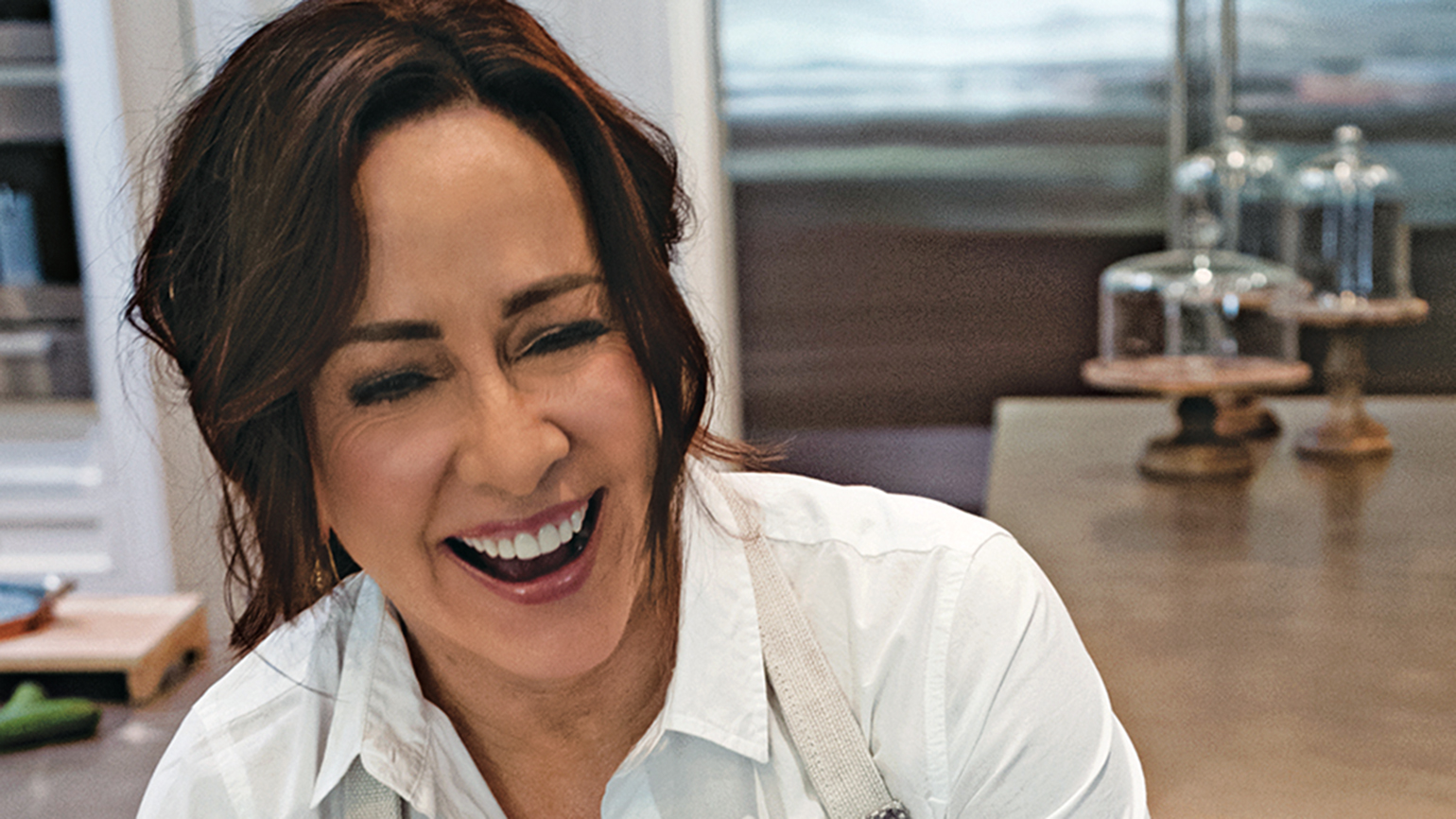
My husband, David, and I had just gotten married and were living in L.A., trying to make it as actors. In his crisp British accent, David asked me one evening, “What are we going to have for dinner tonight, dear?” We were happy to order out, but for the first time it occurred to me that I wanted to learn how to cook for my family, how to pick the best recipes and make them—and how utterly clueless I was.

There was no trove of family recipes for me to rely on. My mom was one of 15 children, and her mother didn’t have time to pass along any culinary secrets. To feed my four siblings and me, Mom scrambled to figure out what other moms—and dads—already knew. I’d come home from school and see her in front of the TV, watching Julia Child and taking notes. We never feasted on boeuf bourguignonne or a perfect French soufflé, though. It was just too complicated. Mom stuck to the standards: meat loaf, spaghetti and meatballs, chicken, pork chops, burgers, pot roast and fish sticks on Fridays.

Rejoice in All Things in article ad

We couldn’t have afforded anything fancier anyway. We lived in a Cleveland, Ohio, suburb called Bay Village. In warm weather, we kids stayed out riding our bikes until the streetlights went on and our mothers would yell from behind screen doors to come home “right this minute.” Families made pilgrimages to the Dairy Queen, and neighbors threw potlucks with cheesy casseroles and marshmallow-topped treats. Mom far preferred reading theology, like the works of priest-philosopher Pierre Teilhard de Chardin, to peeling potatoes. She wasn’t a natural homemaker.

When I was 12, Mom died of a brain aneurysm. I was devastated. We all were. My bewildered father was suddenly responsible for the care and feeding of our clan. My older sister tried to help. I remember the time she made a tuna salad orange Jell-O mold. It was awful, but everybody choked it down without saying a thing. We were in such mourning. Our family lived on Kraft spreadable cheese sandwiches, beans on buttered bread, Pop-Tarts and canned cream of mushroom soup washed down with Tang.

After college, I moved to New York City to launch my acting career. I survived on pizza and Chinese takeout. I’d grab a slice between auditions. On sweltering summer nights in my un-air-conditioned studio apartment, I gorged on cold sesame noodles with crisp slices of cucumber.

No wonder I had no idea how to cook when I got married! But I wanted to learn. Not just for my husband and myself but to be the kind of mom my own mother had tried to become. I pored over cookbooks and watched chefs on TV. David’s mother gave me a copy of her favorite cookbook, and I figured out how to convert British measurements to American. I tried recipes, then adapted them to our tastes, learning how to cook one meal at a time.

The acting jobs came. And so did the children—four boys. When I was working on Everybody Loves Raymond and The Middle (playing a mom on both) I didn’t always have time to cook, but I made sure our family ate together, even if it was breakfast at dinner. Pancakes, bacon, eggs, cereal at night. The boys loved that.

Serving others is a holy thing, like Christ washing the feet of his disciples, something Mom understood. As wonderful as it is to say “I love you,” sometimes it’s the meatballs that do the talking. (Thanks, Mom. I got those meatballs from you!) Cooking is my chance to bond with friends and family, to show love to my husband and to our sons. The boys are teenagers now and just mumble at me, but when they take a bite of something I’ve cooked, close their eyes and sigh, I feel like they’re loving me right back.

Try making Patricia’s recipe for Cold Sesame Noodles With Cucumber at home!

For more inspiring stories, subscribe to Guideposts magazine.

The cover of Patricia Heaton's Food for Family and Friends

Patricia Heaton is the author Patricia Heaton’s Food
for Family and Friends
(William Morrow Cookbooks,
2018). She also stars on The Middle, airing on ABC
on Tuesdays at 8:30pm ET|7:30 CT.

Passing the Faith from Generation to Generation

My little granddaughter, Ava, said, “Daddy, I want to build stuff like you do when I grow up.” My youngest son, Jason, is a children and youth pastor, but on the side, he makes gorgeous furniture and pallet-wood signs.

It’s a gift that was given to Jason by God, but those same skills were handed down to him from previous generations. My husband, Paul, (Jason’s dad) is a building contractor. Paul’s dad, Roy, was a master carpenter. Roy’s dad, Granddaddy Tom Cox was also a master carpenter. My grandfather and uncle were in the building industry as well. I love that we can ride around our city and neighboring towns and see their handiwork on buildings, churches, tunnels, and roads.

God's Constant Presence In Article Ad

My oldest son, Jeremy, is also in ministry . . . and building . . . and in farming. A love for the land and raising cattle is another gene that’s been handed down from family members who came before us.

But the similarities from previous generations don’t end there. You see, Jason and Jeremy’s grandfather seven generations back was also a pastor—a circuit-riding preacher—and now my two sons are in ministry. I love the continuity of that.

One of my great-great-great grandfathers was a chief chaplain in the Civil War, and he and other family members have helped to establish and build numerous churches through the years. A favorite photo of my husband shows Paul high in the air working on the roof of our new church building. We’ve even worked on churches in Costa Rica as a family. I love how those things have been passed down from generation to generation.

It’s been fascinating for me as I’ve worked on our family genealogy to see how the gifts, talents, and interests of our ancestors were the same as what many of us are doing today. But none of those touches my heart like looking back and seeing how our faith has been handed down from generation to generation.

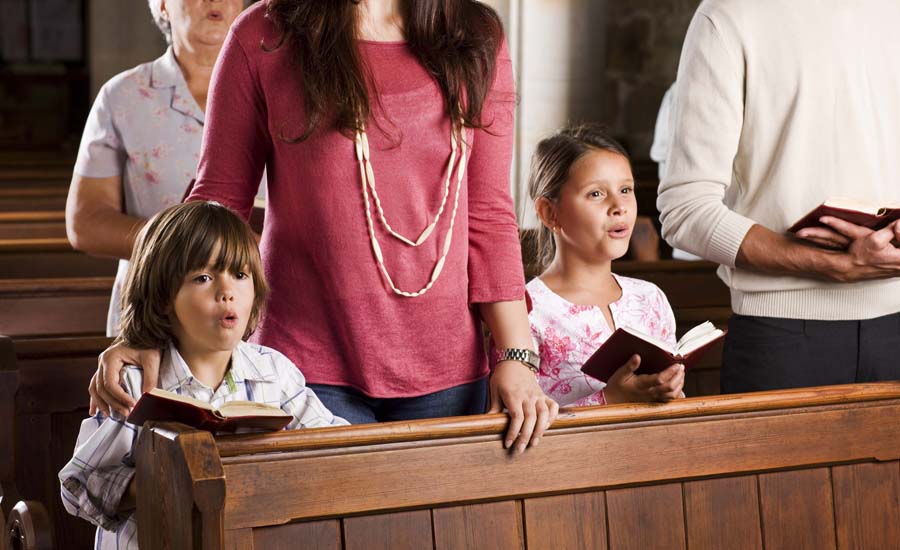
I see it in family heirlooms like my grandfather’s Bible and in precious church-related memories. And now as a grandmother, it gives me great joy to sit in church with my grandchildren. To see the torch of faith handed down to another generation. To hear those little ones quote entire passages of Scripture. To hear the sweetness of childish voices as they sing hymns and songs of praise to God.

I’m grateful for all the gifts and talents that those before me left behind, and I hope we’ll be as faithful to carry our faith and love of God to another generation . . .  and another . . . and another.

Tell ye your children of it, and let your children tell their children, and their children another generation. Joel 1:3

Our Heroic Military Working Dogs

The image is one I can’t get out of my mind–the beautiful Belgian Malinois dog, trembling in a ditch, terrified in the moment of battle.

I was talking to Sgt. Chloe Wells, helping to bring her story to Guideposts. She told me how her adopted military working dog named Ddoc (pronounced “Doc”) had been out on patrol with his handler when powerful mortar fire hit close, sending the dog and soldier flying backwards.

Mys of Blackberry Valley In Article Ad

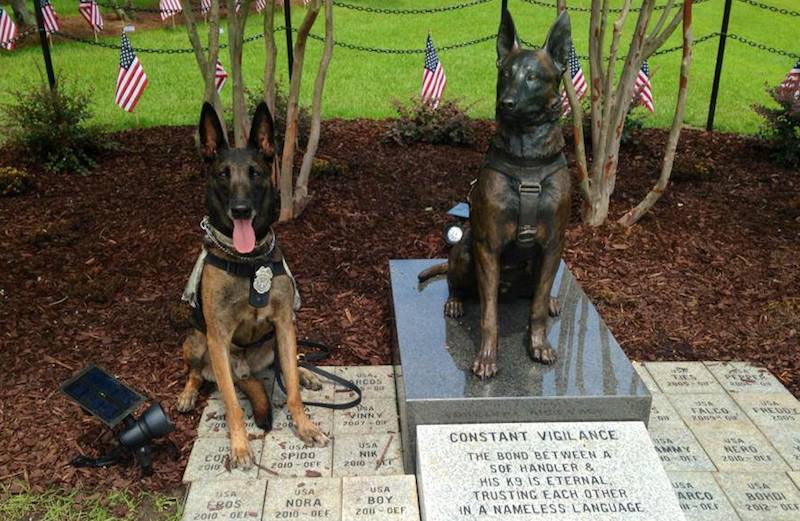
Ddoc at the Special Forces Canine monument, Fayetteville, NC. Photo courtesy of Sgt. Chloe Wells)When the soldier tried to return fire, Ddoc refused to go on and dragged him back to the base, where the stunned dog hid under a bed.
Not only do servicemen and women suffer from the stress of combat, but military dogs do as well. They are often the first line of defense, sniffing out bombs, mines and other explosive devices.

My heart breaks thinking of the fear Ddoc must have faced. Fortunately, Chloe works closely with Ddoc, showing him the kind of love and support he needs to heal–and even help others.

This Veteran’s Day, many military working dogs are being honored along with soldiers.

In the 2014 Veteran’s Day Parade in New York City, six military dogs, each credited with saving the lives of 150-200 servicemen and women, will be featured on a parade float. Celebrities, including American Humane Association President and CEO Dr. Robin Ganzert will also ride along on the float.

Dr. Ganzert has spearheaded projects to help military dogs and their handlers, along with Mission K9 Rescue and the U.S. War Dog Association.

You can watch the televised broadcast of the parade in New York, Washington DC, Los Angeles, Chicago, Houston, Dallas, Baltimore, Orlando, Minneapolis and Phoenix (check your local listings.)

I’m also excited for the premier of the new documentary series on the A&E Network, called Dogs of War, exploring the PTSD many veterans face and the dogs who help them through. The series chronicles several veterans who are matched with shelter dogs that have been trained in rehabilitation.

This arrangement is mutually beneficial, as the A&E website describes how “a veteran condemned to a life of isolation and a dog condemned to a shelter come together and rescue one another.” The series premiers Tuesday, November 11 at 10pm ET/PT, then moves to Sundays at 10pm beginning November 16.

This year, while honoring our veterans, take time as well to remember our canine heroes.

Are there any veterans and/or military animals you’d like to recognize today? Let us know in the comments.

Opposites Attract

Oil and water, that’s us, I thought when I met Teri 20 years ago.

She was outspoken. I’m reserved. Teri didn’t wear makeup; I wouldn’t leave home without it.

extraordinary women of the bible

Back in the day, Teri loved hitting the road on her Harley. I preferred curling up with a good book. We’re just so different, I thought.

Until I went through a devastating divorce. I passed the days in a fog, sobbing for hours when I got home from work. Friends and family called, worried.

A phone call wasn’t enough for Teri. One day she strode into my office. “You need to have some fun,” she said. “I’m taking you to a Garth Brooks concert this weekend.”

“I can’t,” I protested. “I’m not ready to go out.” But Teri wouldn’t take no for an answer.

We had a blast at the concert! For the first time in ages, I laughed and felt like life could go on. Soon Teri and I were going to more concerts, San Diego Chargers football games, church volunteer projects.

One day I gave Teri a card. “Thank you for never giving up on me,” I wrote.

Slowly I climbed out of that terrible darkness, in large part because of Teri, who boldly showed me that life is full of joys—especially our friendship.

Operation Tadpole: A Valuable Parenting Lesson Learned

I was washing dishes one day last May when my youngest, 11-year-old Nathan, came running into the house.

“Mom, you won’t believe what I found in the mud puddle. Come see!”

extraordinary women of the bible

We were two months into pandemic lockdown by that point, and remote learning hadn’t been holding Nathan’s interest. I was glad to hear him excited about something.

I dried my hands and followed him to a large puddle in our driveway. “They’re tadpoles!” he said. “Dad said a frog must have laid her eggs in there.”

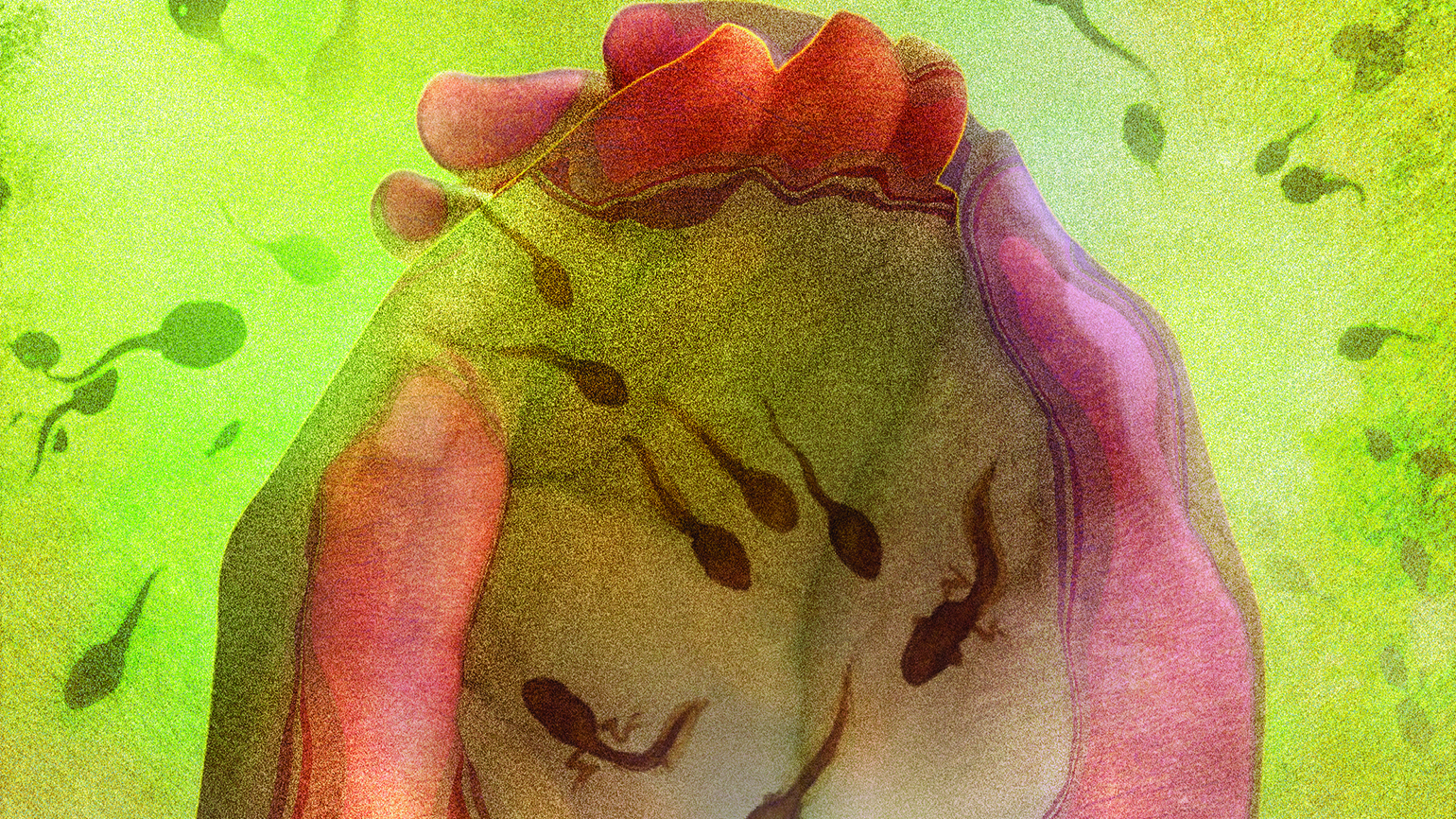
I bent down for a closer look. There were hundreds of tadpoles swimming around.

“Aren’t they cool?” he said.

The next few days, Nathan kept his eye on the tadpoles. One afternoon he asked if he could use my phone to check the weather. “The puddle is drying up, and it’s not supposed to rain this week,” he said. “We have to do something or the tadpoles will die.”

“What can we do?” I asked, hesitant about where this might lead.

“Operation Tadpole. I’m going to move them into the pond where they’ll be safe.” He grabbed a bucket and headed outside. Within a few minutes, he was back. “Mom, the bucket is too big. There’s not enough water and I’m just scooping up mud.”

I handed him a red plastic cup. “This should work.”

“Can you help? There are so many tadpoles.”

“I have things to do…” I started to say, but the look on Nathan’s face stopped me. This was important to him. I grabbed another cup and followed him.

We scooped up water and tadpoles, walked over to the other side of our property and emptied the cups into the pond. After just a few trips, the puddle was almost out of water but still very full of tadpoles.

“What are we going to do, Mom? We have to get them all out!”

I went back inside and grabbed two plastic spoons. We sat next to the puddle, caught the tadpoles with the spoons and put them in the plastic cups. When the cups were full, we transferred the tadpoles into the pond.

After two hours, there were still dozens of tadpoles to be rescued. I was hot and tired.

Then a fish in the pond swallowed several of the tadpoles. I cringed, hoping Nathan hadn’t noticed. Too late.

“I thought they’d be safe here,” he said, fighting tears. I tried to explain that things like that happen in nature, but he wouldn’t listen. He ran back into the house and grabbed an old fishbowl. “The rest of the tadpoles are coming in the house,” he announced. “I’ll put them back outside when they’re bigger and won’t get eaten.”

We used the spoons to scoop the remaining tadpoles into the fishbowl. How had Operation Tadpole ended with us getting 50 new pets? I wondered. “This is your project and you need to take care of them,” I told Nathan.

“I will, Mom. I promise,” Nathan said. I knew better. Their care would fall on me. Nathan was a sweet, thoughtful boy, but he had trouble following through. Whether it was finishing a chore or putting in the work at school, he dropped the ball more often than not.

I first noticed it when he was in first grade. There was a bulletin board that showed each student’s progress on their math tests. I was dismayed to see that Nathan still hadn’t passed the first test, while most of his classmates had completed 10 or more. We started practicing his math facts each night, but he struggled to memorize them. The same thing happened with spelling. He would spell a word correctly, but less than a minute later, he’d forget. He’d shut down and refuse to keep at it. Then, of course, he’d fall behind.

Nathan’s learning issues had improved a lot since then, but he still needed more help than his siblings had at the same age. He would be starting middle school in the fall, and I wasn’t sure how he would handle the change, especially after being out of school for so long because of the pandemic. We’d done our best with at-home learning, but it wasn’t ideal.

The next morning at breakfast, my husband, Eric, peered into the fishbowl and said, “I wonder why some of the tadpoles are black and some are brown with orange spots.”

   Diane, Nathan and Eric Stark

“The black ones are American toad tadpoles and the brown ones with the spots are Eastern spadefoot tadpoles,” Nathan said.

“How do you know that?” Eric asked.

“Last night I looked on the Department of Natural Resources website. It has a list of the frogs and toads that live in Indiana. It describes what each species looks like when they’re tadpoles, so I just matched them up,” Nathan explained.

“What else did you learn?” I asked.

“The Eastern spadefoots will probably change into toads sooner. Their metamorphosis period is between two and nine weeks. The American toads change between six and ten weeks,” Nathan said matter-of-factly.

Eric and I exchanged a look. How did he remember all those details?

Three weeks later, in mid-June, Nathan burst into my bedroom. “The tadpoles have legs!”

I rushed downstairs. Three of the brown tadpoles had back legs. A week later, they’d grown front legs. I found Nathan rooting through the plastic containers in the kitchen. “I’ve got to get the toadlets out of the fishbowl before they drown,” he said. “Tadpoles have gills, but toadlets have lungs.”

“I didn’t know that,” I said.

We found a suitable container. Nathan set up a second habitat with rocks for the toadlets to sit on so they could breathe. I watched him, impressed by his focus. It occurred to me that I’d only had to remind him to feed the tadpoles once that week.

“I love these taddies,” he said.

I smiled. “You’re doing a great job caring for them.”

Over the next several weeks, more of the tadpoles grew their legs and then lost their tails. One afternoon, Nathan and I carried the toad habitat down to the pond and released them next to the water.

“I’m so glad we saved them,” Nathan said.

“Me too,” I said. “It’s been fun, and I’ve learned a lot from you.”

Over the summer, Nathan and I watched the rest of the tadpoles transform one by one into toads. We released them by the pond. By late August, there were just two tadpoles left. Nathan named them George and Harry. We checked on them every day, but they weren’t developing.

“What’s taking them so long?” I asked. “All of the others changed more than a month ago.”

“Every tadpole is different, Mom. They’ll change when they’re ready.”

Nathan started middle school as a hybrid learner. He attended in person two days each week and did at-home learning the other days. Our other kids had done fine with the transition to middle school, but academics had always been harder for Nathan. Would having seven teachers and more assignments overwhelm him? What if he didn’t follow through and fell behind?

Then one morning in late September, I checked on George and Harry, the two remaining tadpoles. Harry had back legs. Finally! I looked at George. Every tadpole will change when it’s ready, I remembered. A lesson I would hold close when it came to my son too.

For inspiring animal-themed devotions, subscribe to All God’s Creatures magazine.

Opening My Heart to Our New Dog

Woof! I jumped back. I’d never heard such a bark. The huge brown Lab pressed himself against the wire caging, wagging his tail, his tongue lolling from his mouth.

“Isn’t he great?” my husband, Joe, asked, shouting over the dog.

New Every Morning Journal In Article Ad A

“He’s awfully big,” I said. “And loud.”

“Well, I think he’s perfect,” Joe said. “I really miss having a dog around.”

No argument from me. Our beloved beagle, Bernadette (Ben for short), had died of cancer 10 months earlier. With her sweet nature, Ben had made her way into our hearts and stayed there for 13 years. I’d actually gotten Ben as a Christmas present for Joe. She was supposed to be his dog. But I was home with her most of the time when she was a puppy. She became my best furry friend. We’d walked a path through the woods in every season, rain or shine, side by side. I still couldn’t bear to think of that day we’d taken her to the vet when her suffering had become too much.

Joe worked maintenance at the airport and the county dog pound was on the same property. Lately he’d been bugging me to come look at the dogs. I’d hedged, not sure if I was ready. If I’d ever be ready. But I thought maybe God would lead us to another beagle—compact, cute, with a pleasant personality. Another Ben. And that suddenly I’d be ready to welcome another dog into our lives. The hole that Ben left behind would be filled.

There were no Bens. Only this overgrown, overexcited Lab.

Woof! Woof! Woof!

Joe reached through the wire and patted his big head. “Sure is a nice-looking fellow. I bet he’s a full-breed chocolate Lab. Looks a lot like Buck.”

Buck, his boyhood Lab. I’d heard many a story of their adventures. Like the time Buck devoured the entire Sunday roast right off the dining room table when no one was looking. How he yanked the blankets off Joe every morning to wake him up. How he’d grab clean laundry off the line and roll around with it in the garden.

“Well?” Joe asked, like an excited kid.

“He is really large,” was all I could say. “And loud.” I’m not even sure Joe could hear me. His eyes were pleading. So were the spectacular copper-colored eyes of the giant Lab. As if they were ganging up on me. How could I say no?

“You’re going to love him! We’ll call him Sam,” Joe said, filling out the paperwork. I had a feeling the shelter was happy to let him go.

His second day with us, Sam slipped his collar and took off. He raced across the field next to our house and disappeared. We drove around calling his name until we found him charging down the highway, where he almost got run over by a snowplow. Then we chased him through the woods until he finally decided it was time to come home. He hopped into the cab of our truck, collapsed on my lap and pressed his wet, sloppy muzzle against my neck.

Ben had never run away. She liked nothing better than to walk at my side. She came when she was called. Not Sam! He chased everything that could run or fly, usually with me desperately hanging on to the end of the leash.

“From now on, you’ll have to walk him,” I snapped at Joe one day after Sam had yanked me to the ground yet again. “He’s too much dog for me.”

“He just needs to get used to us is all,” Joe said. He gave Sam a rub behind the ears. How could he have gotten over Ben so easily?

I tried praying for Sam to get used to us, not to run away anymore, to behave. Sam—or maybe God—wasn’t listening, though. Sam was a canine escape artist. He figured out how to push against the latch on the back door to open it and would take off, ignoring our calls, returning only when he was good and ready. No wonder he’d ended up in the pound!

It was all a game to Sam.

Until one snowy day, about eight months after we got him, when Sam took off in the apple orchard by our house . . . and didn’t come back.

“Sam!” I yelled. Nothing. “Sammy!” I wandered the orchard, clapping my hands in the cold air. Silence. For a split second I saw him. He looked right at me. “Sammy boy!”

But just like that he was out of sight. My frustration mounted as I slogged through the snow back to the house.

“Did he come home?” Joe asked.

“No,” I said, sighing. “He saw me, though, and I swear, Joe, he laughed at me and ran.”

“Relax. He’ll come back,” Joe said. “He always does.”

I wasn’t so sure. I thought about Sam in the pound. His eyes pleading with me from his cage. What if he got picked up again? The temperature was dropping. “I’m going to get in the car and look for him,” I said.

Lord, why doesn’t Sam want to be here with us the way Ben did? I thought, driving around. I caught a glimpse of brown fur flashing across the road into the woods. I jumped out of the car and stood in the middle of the road, calling Sam’s name. He either didn’t hear me or didn’t care. I couldn’t live like this. Not after having a perfect dog like Ben.

I drove home, cold and discouraged. Not discouraged. Defeated. By a dog.

“Leave the back door open,” Joe suggested from his chair by the woodstove. “Sooner or later, he’ll get hungry and tired and come back. He always does.”

How can Joe be so nonchalant? I wondered. Doesn’t he care?

I sat down in a chair next to him and checked my cell phone to distract myself. I swiped the screen and there she was. Sweet Ben. One of my most treasured photos of her. It was as if she were looking right into my heart.

“I’ll never love another dog the way I loved Ben,” I said to Joe.

He reached for my hand. “Monica, you don’t have to. There will never be another Ben. But there will be other dogs for you to love.” Other dogs . . . like Sam. Why was I so worried about him if I didn’t care? Was it fair to compare him to my perfect Ben?

To be honest, Ben was not always perfect. We’d had to newspaper the entire kitchen floor when Ben was a puppy, because if there was one square inch that wasn’t covered, she’d find it and pee there. We went through so many papers we were asking friends for theirs! Sometimes she’d cry at night until we let her get in bed with us. And she always had to be the center of my attention. Ben was wonderful, but she wasn’t perfect. God doesn’t make perfect dogs any more than he makes perfect people. We have to learn and love and grow. To move on.

I put on a fresh pot of coffee.

Suddenly, there was a rustling at the back door. I tiptoed closer. Sam! He tilted his head, staring at me with those copper eyes: “Should I come in or go back outside?”

“Oh, Sam!” I said, kneeling down and holding out my arms. “Come inside, buddy. Come in and get warm.”

He wiggled into my grasp, almost knocking me over.

That night I didn’t just let Sam inside the house. I let him inside my heart, where he’s been ever since. Because God always has another dog for you to love.

On Father’s Day: Celebrating Charles Clifford Peale

It is a privilege to write about my great-grandfather Charles Clifford Peale in anticipation of Father’s Day. Though I wasn’t fortunate enough to know him personally, I know wholeheartedly that his influence has shaped each generation of Peales since.

Charles Clifford Peale was born August 4, 1879 in Lynchburg, Pennsylvania, and died on September 21, 1955 in Harrison Valley, Pennsylvania. Great-grandfather Peale was a Methodist minister and a medical doctor. What I know about Great-grandfather Peale I have learned from my mother and her siblings, Uncle John and Aunt Maggie, and through anecdotes by Grandma and Grandpa Peale.

Sweet Carolina Mysteries In Article Ad

Charles Clifford Peale, Norman Vincent Peale's fatherAs noted in “A Founder’s Father,” Charles Clifford Peale was “a man of courage, conviction and compassion.” His deep faith in God and in the goodness and value of all people were the foundation for his life. He believed in the responsibility each human has to one another.

He saw his life-ministry as twofold and very much intertwined—healing and nurturing through his roles as minister and medical doctor. I cannot help but think how his example must have inspired Grandpa Peale, who along with Dr. Smiley Blanton, envisioned a place where faith and psychiatry would come together to help and heal those in need, and founded the Blanton-Peale Institute and Counseling Center.

When I asked my mom and her siblings about their grandfather, they were awash with memories.

They, too, spoke of his compassion, of his strong beliefs, and his courage to teach God’s way and our responsibility to honor God and all other human beings. They also spoke of a man who was a lover of the celestial world, of agriculture and of baseball.

Uncle John Peale (who named his only son Charles Clifford Peale) recalls, “He had a ready smile, and the ability to make anyone he was with feel at ease, including his grandchildren. Getting to know this type of person is comparatively easy. When I was with him, I just listened to him talk. I was impressed. He had a restless curiosity and desire to learn about almost anything. I remember most two topics: the starry heavens above and the snakes and reptiles that crawl the earth.

“Together we listened on the radio to Red Barber’s coverage of Brooklyn Dodgers baseball games, which Grandpa loved, and so did I. One night Gil Hodges hit a home run with the bases loaded to win the game, and we were happy together, and this I’ll never forget.

READ MORE: A FOUNDER’S FATHER

“I own one book that came from the library of Charles Clifford Peale, entitled Human Destiny, by Pierre Lecomte du Noüy. On the inside front cover is a scene of mountain peaks, and Grandpa put his name curled around the highest of the peaks! Symptomatic of his outlook in life.”

Aunt Maggie Peale Everett says, “Grandpa was a great baseball fan and it is from him that I got my love of baseball. Those were the days before television so John and I used to sit by the radio with him and listen to the games and Grandpa would tell us stories about the players, both the ones playing then and the ones who had gone before. He was a great storyteller, and I loved listening to him.”

My mother, Elizabeth Peale Allen, spoke of her grandfather teaching his eldest son, her father, Norman Vincent Peale, through words and action, about human love and compassion and how Norman was deeply devoted to his parents. He was attentive and respectful and took their values to heart, Mom says.

READ MORE: POSITIVE THOUGHTS FROM NORMAN VINCENT PEALE

She remembers Charles Clifford Peale’s funeral service in 1955 in Pennsylvania at which there were many, many clergy. During the service, the clergy were asked to sing “Blessed Be the Tie That Binds Our Hearts in Christian Love.” For my mother and for all present, I imagine the message of this hymn encapsulated the life Great-grandfather Peale led.

His influence remains strong throughout our family and, with faith and hope, we will make every effort to continue to put his courage, conviction and compassion to practice. I will always look at the highest  mountain peaks with thoughts of him.

No Solutions, Please; Just Listen

My wife, Carol Wallace, and I were on vacation in California this past summer, lounging at the beach, when her cell rang. She plucked it out of her bag, looked to see who it was, then answered. She walked off to the water’s edge, talking, listening. The call was important.

Ten minutes later she returned, dropped her phone in her bag and went back to the water without a word. She kicked the sand and shook her head.

NIVFLB Inarticle ad

My wife and I both work with words. If you ask me, she has the far tougher job. I work for Guideposts, finding and editing stories for the magazine and writing for our website.

Carol works at home, writing books. She’s had over 20 books published, but still hits rough patches and has dealt with disappointments.

I waited a moment then went to Carol.

“The book’s not doing well,” she said. This was her latest novel, Leaving Van Gogh, about the artist Vincent van Gogh and the doctor who cared for him. A project she’d put her heart and soul into. “It’s only been out a couple of months,” I said. “You’ve gotten some great reviews. Isn’t it too soon to tell?”

“Not for the publisher. Remember the publicist who told me that a book has just six weeks to find its readers?”

“But, but…” I sputtered. I wanted to protect her and at the same time argue her out of her despair. Make her see the bright side, even if it was pretty dim. I wanted to help. “Books last a long time. People can still buy it online. Strangers have sent you e-mails. Readers love it!”

“Apparently not enough of them.” She turned to me, too angry to cry. “I got fooled by this book. I shouldn’t have hoped so much. I hate hoping. What a waste of energy and time.”

I wanted to say more. She couldn’t give up hoping! But something, maybe a little lesson gleaned from 28 years of marriage, told me to keep silent. I hugged her and she headed down the shore, grieving. I returned to our summer rental, hatching plans.

I opened my laptop and started compiling a list of how to fix things. Isn’t that what husbands do? I knew how publishing worked. Some of Carol’s books had sold hundreds of thousands of copies, some had dropped off the map, but that was no reason to give up.

I thought of one of her first books, To Marry an English Lord, about American heiresses at the turn of the last century who married into British aristocracy. It hadn’t been a best seller, yet 20 years later it was still in print.

“Thirty Surefire Ways to Promote Leaving Van Gogh,” I typed.

“1. Launch new publicity campaign.

“2. Create Facebook identity for Leaving Van Gogh with paintings on wall.

“3. Tweet Van Gogh quotes three times a day & link to website.

“4. Forward reviews to additional press.”

Late afternoon, brimming with ideas, I put on my running shoes and jogged out on the boardwalk, following the curve of the bay. Mentally I added to the list: Contact libraries for a potential book talk… Visit local Barnes & Noble and offer to sign inventory…

The sun dipped lower on the horizon. Move Carol to the top of your prayer list. Of course. She was feeling down. If she’d follow my suggestions, just half of them, books would start moving.

I turned around and headed back, my feet pounding along the boardwalk. What else could I do to help Carol?

Carol had spent four years on this book. She took a huge risk. No publisher had asked her for it. She’d done it on faith, trusting she’d been given the inspiration for the story because she was meant to write it. She’d labored over every page.

The first few agents she sent it to didn’t respond to her e-mails. When she finally sold the manuscript, it was like sending our firstborn off to kindergarten.

She quoted Van Gogh at the front, “It is my constant hope that I am not working for myself alone,” but the epigraph could have been hers too. And now she felt like she’d failed. I felt her pain.

I stopped running and focused on a sudden thought: Rick, keep that list to yourself. It’s not what Carol needs. Don’t try to fix things. Just listen and sympathize.

Our vacation ended and we went back to New York. Carol had a few talks scheduled. Friends asked her to speak to their book groups. She got another rave review and more positive comments on Amazon. I wanted to say, “See, good books do find their readers,” but I refrained.

We were anxious about money with our younger son in college, but when Carol asked, “Who will ever buy a book of mine again?” I knew it wasn’t a question to answer out of anxiety.

It takes as much faith to write a book as it does to trust in God’s provision. That was what we needed to do. But Carol was inconsolable.

Then something amazing happened. That September we got hooked on a British TV series called Downton Abbey, about a British earl and his American heiress wife. It was fictional, but the details were familiar to Carol from her earlier book—the grand English manor, the rituals, the upstairs-downstairs tensions.

The DVDs from Netflix couldn’t come fast enough. “The screenwriter, Julian Fellowes, is working on the sequel already,” Carol said.

One night I came home from work to find a clipping from the UK Daily Telegraph on the bed. It was an article about how Julian Fellowes had come up with the concept for Downton Abbey. He was searching for ideas for a new screenplay when he happened to read To Marry an English Lord.

“Wow,” I said. “Your book inspired Downton Abbey!” “I know. Isn’t that great?” Hoping again, I thought. Good books find their readers. Especially when they’re written with passion and faith. It is for writers to trust themselves and their gifts.

I couldn’t have said it better. But I didn’t have to. All I had to do was be there for Carol and listen. That was what she needed most. 
 

Download your FREE ebook, Paths to Happiness: 7 Real Life Stories of Personal Growth, Self-Improvement and Positive Change

Norman Vincent Peale: Keep Christmas Calm

Last year a mother in Pennsylvania wrote me a sad letter about Christmas in her home. “It had all started out so well,” she said. “My daughter and her husband traveled more than a thousand miles to be with us. The house was full of children and aunts, and on the morning of the 24th we all joined together to wrap the presents we give to a local home for indigents every year. That was about the last happy thing we did together.

“As the day went on, the tension and crowdedness began to work on us. Disagreements developed into emotional explosions. By Christmas morning our holiday was a shambles.”

The Lies That Bind In Article Ad

That letter probably sounds familiar to thousands of families who recognize the paradox that Christmas brings. The season of love can turn into a time of anger when, tired from travel, from shopping, from all the pressures, we are ready to explode.

How do you prevent such explosions? Families have to work at it.

I recall a friend telling me that Christmas at his home was always more serene when there were nonfamily guests in the house. The family, he said, acquired company manners for the occasion.

This idea of a special guest at Christmas has so impressed me that I’m going to make a suggestion to you if you feel a storm brewing in your home this Christmas: Try making the holiday guest in your house Jesus Christ.

Anybody who sets his mind to it can think of ways to include Him in the family gathering. One man I know says that the first thing his family does on Christmas morning is read the story of Jesus’s birth as Luke tells it. This seems to me a logical and lovely way to evoke His presence in the home.

Then, what guest at Christmas does not have a present waiting for him under the tree? I think of the mother in Pennsylvania who wrote about family gifts for the poor. A similar family project, dedicated to Him, would be a perfect gift, and a vivid reminder of His presence.

Perhaps the best conscious way of making Jesus a guest is at the dinner table. Try setting a place for Him at your table, and be aware of the meaning of the chair set aside for Him. When you say grace, join hands around the table and let the warmth of your love for one another flow from hand to hand.

In your prayer to God, thank Him for the coming of His Son. Pray that the Guest at your table will become a permanent resident in your hearts. I guarantee that Christmas will be a happier family occasion if you do.

Did you enjoy this story? Subscribe to Guideposts magazine.