Embrace God's truth with our new book, The Lies that Bind

Do Deceased Loved Ones Watch Over Us?

A dream, realer than real, in which a beloved relative, who passed away years earlier, suddenly appears. The heavenly sign, in the midst of a tough day, that could’ve only come from your mother up above. Or, a voice, seemingly from out of the blue, that sounds just like your deceased grandfather.

Some of the most miraculous and angelic encounters involve the dead offering some guidance, comfort, protection or a message from beyond. This begs the question: do our loved ones become angels—or more specifically, our guardian angels—when they die?

It’s a popular notion, one that pops up over and over again in popular culture, from books to movies where the deceased reappear to those they love on earth. So what’s truth and what’s fiction? Guideposts.org talked to Dr. Charity Virkler Kayembe, who has a doctorate in biblical studies and is the author of Everyday Angels, to find out.

Guideposts.org: There are many miraculous stories out there about people who receive signs from their deceased loved ones. But can the dead become angels?

Dr. Charity Virkler Kayembe: Obviously, we all want comfort after a loved one dies, and we want someone from heaven to be watching over us. But that’s God—He’s the one watching over us with His heavenly host, a.k.a. His angels. The angels, though, are not our deceased relatives. They’re a different, separate order of beings. The Book of Revelation gives us a picture of heaven—there are angels there, but there are also people. And we know that we are created in God’s image, whereas angels are not. That right there shows us we are different; so the spirits of our loved ones do live on after death, but not as angels.

GP.org: Who are our guardian angels then?

Kayembe:
God takes into account exactly who we are and matches us up to the angels who will bring emotional equilibrium and balance to our lives. I always say they’re like the best version of your very best friend. They are spirit beings. Hebrews 1:14 says that angels are ‘ministering spirits sent to serve those who will inherit salvation.’ Again, that’s a distinct order of beings that God created before people. That’s another reason we don’t turn into angels—they were here first.

GP.org: If we don’t become angels when we die, what will we do in heaven?

Kayembe:  Scripture doesn’t really talk about what work we’ll be doing; the one job that’s clear is that we will be worshipping God. Whatever we end up doing, though, I think it’ll be great.

GP.org: A lot of people receive mystical signs from beyond. If their loved ones aren’t behind it, who is?

Kayembe:
Let’s give the credit to God. Every good and perfect gift—including angels—comes from above, from the Father of life. So if you do receive a sign or experience synchronicity, it very well could be from your guardian angel watching out for you.

GP.org: Why would God send us a message using something we associate with a deceased relative, say, your mother’s favorite flower? Is he simply speaking to us in a language we’ll understand?

Kayembe:
Well, absolutely! God knows every single thing about us. The hairs on your head are numbered. He knows what’s going to be the most impactful, significant symbol for us and He wants to encourage and bless us. So, yes, He would use your mother’s favorite flower, or whatever it is, just to let you know that He’s with you, He’s watching over you, and He hasn’t forgotten you.

GP.org: Research shows that people who are dying often have dreams or visions where a deceased friend or relative appears. Why do you think that is?

Kayembe: I believe God wants to comfort us in that time of transition and doesn’t want death to be a fearful thing. It’s not necessarily a dead relative visiting. Rather, if you’re about to die and are afraid, God may show you a glimpse of the other side—your friends or family in heaven—in order to give you a sense of joy and peace.

GP.org: What about deceased relatives who appear in dreams? Are they actually visiting us or is something else going on?

Kayembe:
Dreams are bridges to the supernatural and are usually symbolic. If a deceased relative comes to you in a dream, I would interpret that person as a symbol, the same way I would interpret a living person in a dream as a symbol. So, for example, if your grandmother was very wise and appears in a dream, I wouldn’t say it’s your grandmother herself. Instead, she may represent the wisdom God wants to give you in a situation.

GP.org: What does it reveal about God that he would send us messages in this manner, i.e. using loved ones who have passed away?

Kayembe: God is such a loving, affectionate, compassionate Father—more than we could ever imagine. He will do everything he can just to encourage us at a specific time of need. He knows what will bring us the most comfort in that moment.

Dad’s War Stories

My dad was never one for telling old war stories and that’s probably just as well because we kids wouldn’t have listened much. Like other World War II vets, he came home, finished college on the G.I. bill, got married and did his best to forget what it was like to be on a submarine in the Pacific.

Glimpses of it were revealed when we kids watched an old war film on TV and Dad would say, “See the guy next to the periscope? That’s where I was stationed,” or he’d make a comment like, “I guess I’m sensitive to smell because of all those months on the submarine in the war” (what was he talking about?) or when I actually walked through a sub like his and couldn’t get out of those cramped claustrophobic quarters fast enough.

Dad’s war stories, if they got told, were quick anecdotes about sweltering in the desert during boot camp or spotting a pair of giant tortoises through that periscope and being relieved they weren’t enemy craft.

Only recently, in his 80s, did Dad actually explain what his submarine had done in combat and how grueling it was. A researcher working on an oral history project taped an hour-long interview with him and made copies of it.

Wow, I thought as I listened to it, this is a part of Dad that I never knew. I’m glad in a way that Dad never felt he had to prove anything to us with dramatic war stories at the dinner table, but I sure am glad I got to hear them. Finally.

So Happy Father’s Day, Dad. Thanks for having four raucous children and an even louder bunch now with spouses and grandchildren. But you didn’t have to take so long to speak up!

Rick Hamlin is the executive editor at GUIDEPOSTS.

—–

Watch Rick’s special Father’s Day message, along with other staff members’ dad stories.

Dad Braiding Is Helping Fathers Bond with Their Daughters

Dads are finding a new way to bond with their daughters – by braiding hair.

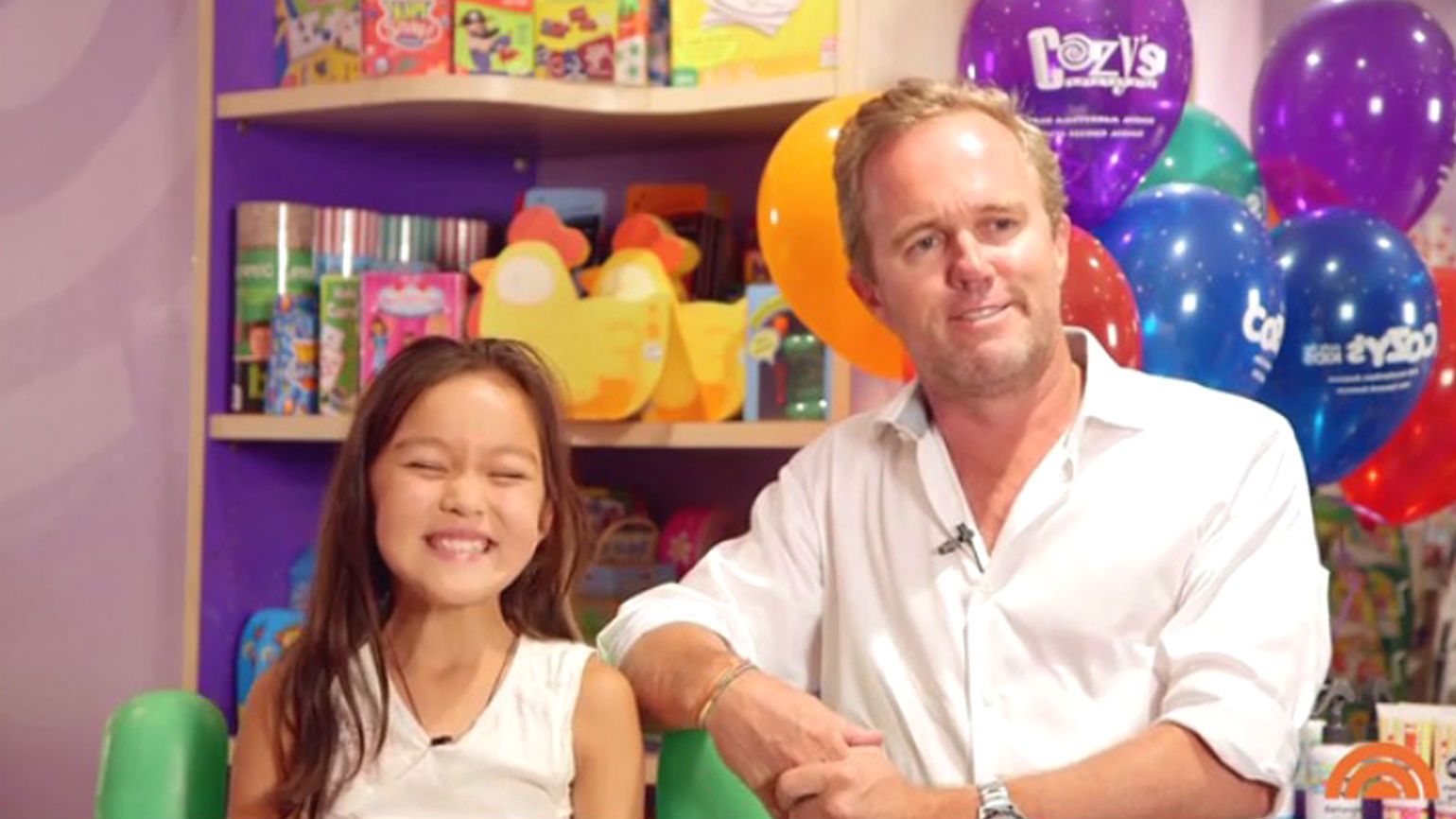
Cozy Friedman, the owner of the Manahttan-based Cozy Cuts Kids Hair Salon, decided to use her passion for hair styling to help make getting ready a more enjoyable experience for dads and daughters alike. Her popular “Dad Braiding 101” classes flip the notion that dads can’t help their daughter’s fix their hair on its head.

“Mothers usually braid or create their daughters’ hair,” Friedman tells TODAY. “So for a dad and daughter to come together on something and feel really good about it is amazing.”

The class not only teaches men how to wrangle their little girls’ manes, it also provides a special time for dads to connect with their daughters.

Braiding student Craig Axelrod is a father of three girls and says the class has helped him get to know his children better.

“When I saw we had the opportunity to take this class, spend time together, and learn, it’s a win-win for me,” he tells TODAY.

Dads learn basic braiding techniques as well as how to distract kids while they’re fixing their hair. Some of the men even get competitive with one another, wanting to perfect their techniques, but at the end of the day, everyone walks away happy. After all, the real reward lies in these dads learning how to share their time and a bit of confidence with their little girls.

Creative Patchwork

I sat on the sofa, coffee in hand, and flipped on the morning news. Anything to distract myself from the gnawing worry.

Or maybe it was sheer disbelief. What on earth was I thinking? A few days earlier I’d impulsively offered to fly all the way across the country to Florida for my dad’s eightieth birthday. Sure, 80 was a milestone, but my dad and I didn’t even like each other.

I hadn’t seen him in years. We hadn’t had a heart-to-heart since…well, had we ever had a heart-to-heart?

Actually, I knew exactly why I’d offered to fly to Florida. Same old Jill, hoping this time I’d manage to please him. I was 52 years old, for heaven’s sake! I had a husband and two grown kids of my own.

Yet it was as if I’d never left that little house in Bay Shore, New York, where every evening Dad came home grumpy and exhausted from the auto-body shop and I made sure to stay out of his way.

I couldn’t honestly say whether he loved me. Every so often I tried some extravagant gesture, only to fail. This time I’d made arrangements to fly to Daytona Beach and surprise him with a fancy dinner out with my mother, my uncle and his wife.

Not only had I set myself up for failure, now I was on the hook for a gift! What do you get the man who never wanted anything from you in the first place?

I thought back bitterly over the years. All my life the word family meant one thing: stress. When I was very little Dad went into business for himself, opening the auto-body shop. When I was five the shop nearly went bankrupt. We lost our house and moved in with Mom’s parents.

Dad worked like crazy to bring the business back and Mom just about went crazy too. She didn’t get along with her mother and there we were, all piled on top of one another.

My older sister rebelled and spent all her time with her friends. I was the shy one. I holed up in whatever quiet room I could find and played a little chord organ that we had.

Then I got into studying grasshoppers and butterflies. I made a net out of one of Mom’s old stockings and started a collection. The beauty of the butterflies comforted me.

The constant refrain of my childhood was Mom warning us, “Don’t bother your father.” He wasn’t tall but he was built like a football player and, boy, did he have a temper! Any time I was bad his thick hand drew back to spank me. When he talked to me it was mostly to correct me.

Right after I went off to college he and Mom sold their house (the body shop eventually made money and we moved out of my grandparents’) and decamped to Florida. It was like they couldn’t wait to be done as parents.

The final break came when I was 25, pregnant with our son. We’d had a daughter two years before and, just as I’d expected, Mom and Dad didn’t think much of my parenting. “You’re too permissive,” Mom would chide.

One day on a visit I dared to disagree and Dad confronted me. “Don’t you ever disrespect your mother like that!” he thundered. Shaken, I walked out, vowing never to speak to them again.

The coffee had grown cold. I swirled it around in the cup and sighed. What was I going to do? I’d already bought the plane ticket. I needed a gift. But what?

Go get the quilt. The voice spoke calmly and clearly. Startled, I looked around. The morning news hosts chatted away. California sun shone through the window–we were living in San Jose at the time, close to my husband’s work.

Suddenly I remembered. Ages ago, in yet another ill-advised attempt at a peace offering, I’d begun sewing a quilt for Dad. I loved quilting and all things crafty. I’d set the quilt aside pretty quickly. He wouldn’t appreciate it anyway, I’d told myself. “Do I even still have it?” I wondered aloud now.

I got up and walked to the bedroom. Deep in the closet were my plastic quilt-storage bins. I rifled through one. My breath caught. There, near the bottom, were several partial sections of quilt. I pulled them out and ran my fingers over them. Was this what the voice meant?

Well, I didn’t have any better ideas. What if it was God nudging me to make this quilt? I gathered the pieces and studied them.

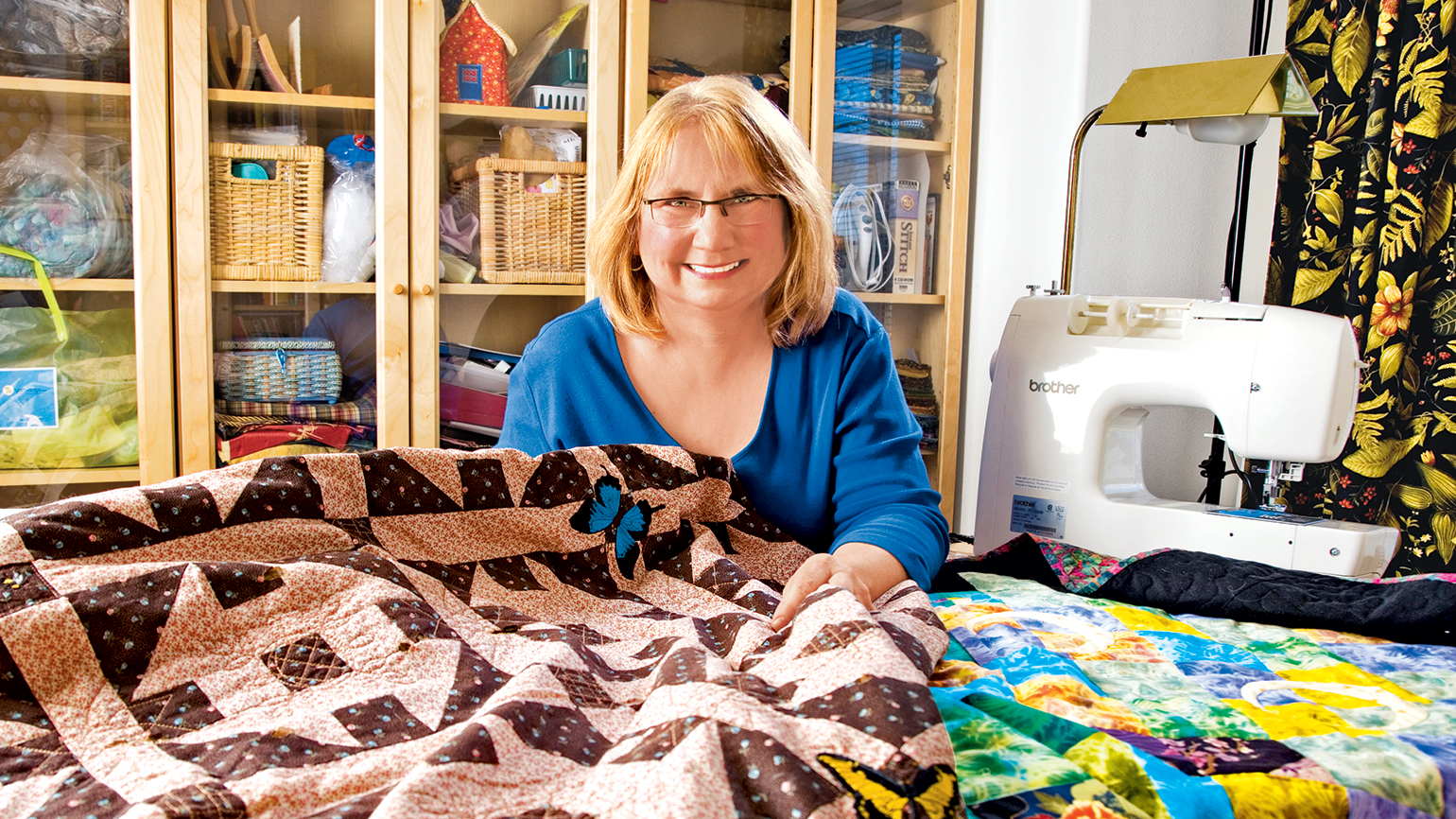
Gradually it came back to me. I’d decided to make this quilt using a repeating pattern of squares and triangles that ends up looking like rows of open monkey wrenches. Perfect for a mechanic, right?

How else could I personalize it? I looked online for embroidery patterns and quickly found one called Mourning Cloak. A butterfly. Mourning cloaks–Nymphalis antiopa–were the first species I ever collected. They were beautiful–mahogany wings bordered with bright blue dots and a yellow stripe.

Suddenly my heart leaped with a memory. I’d brought a mourning cloak caterpillar home and raised it until it turned into a butterfly. That day, totally unexpectedly, Dad took me to meet Augie Schmitt, a professional butterfly collector in a nearby town.

I’d ended up working in Augie’s shop. He’d taught me everything I knew about insects. I always considered his shop a refuge from home. And yet–it had been Dad who brought me there!

I found another butterfly pattern, Tiger Swallowtail. Another memory engulfed me. I was 12, at home one humid summer day. Dad called from the shop. “Get down here,” he rumbled. I pedaled over in terror on my bike, certain I was going to catch it for something.

“Look in my office,” Dad said when I arrived. There, inside a jar on his desk, was a gorgeous tiger swallowtail, a black-and-yellow beauty every butterfly collector yearns for. “I found it trapped in a customer’s car,” Dad said gruffly. “Thought you might like it.”

I stitched butterflies onto the quilt –mourning cloak, tiger swallowtail, Papilio ulysses from Australia. My childhood bedroom had been lined with so many lovely butterflies. I’d taken all that beauty with me when I left home. Now I could give some of it back.

I embroidered a bee because once, when I was away at college, Dad had actually added a few words in his own handwriting to a letter Mom sent. “Daddy says BEHAVE!” he wrote.

That was a joke. Any time my sister and I left the house he always barked, “Behave!” I didn’t need to add -have to the bee. He’d get it.

Finally it was time to choose the quilt’s backing. I drove to the fabric store praying I’d find the right thing. As soon as I saw a big bolt of cotton printed with a sheet-music pattern I stopped, remembering the one thing I’d been able to do to make Dad happy.

As he flopped into his chair exhausted from work I’d sit at my organ and play for him. He never said anything but I knew he liked it. He’d have told me to stop otherwise. I pictured his thickset body, his big, grease-stained hands–and I felt an overwhelming rush of love.

Oh, Daddy! I wanted to cry. You did love me. You just never knew how to say it.

I went home and finished the quilt, sewing the last stitch the day before my flight. My uncle and I had planned the visit as a total surprise. I arrived in Daytona, drove to my parents’ house and parked outside.

I called them on my cell phone to make them think I was still in California, then walked to the front door and knocked. They practically fell over when they saw me!

“I’m taking you out for dinner,” I said. At the restaurant all I could think about was the quilt. We returned to their house. The big moment had arrived. I could hardly breathe.

“Happy birthday, Daddy,” I said, bringing out the quilt.

Dad didn’t say a word. Was he surprised? Indifferent? I put the quilt in his calloused hands. He felt the fabric. He peered at the design. I told him what everything meant, how God had led me to each part of the design meant perfectly for him. “Remember the time…?” I kept saying.

All the while a smile slowly spread across his face, as if a lifetime were spooling through his mind. He held the quilt close and whispered, “This is mine.” He looked at me a long time, tears trickling down his cheeks. In his same old gruff voice he murmured, “I love you, baby. Thank you.”

I wiped away my own tears. “I love you too, Daddy.”

The funny thing is, Daddy and I never had to come out and say, “I forgive you.” The quilt did that for us, reminding us both of the love that had always been there between us. I don’t dwell on the lost years or ask what could have been.

Instead, Daddy and I talk all the time. I always pour myself a cup of coffee before I call him and I sit on the sofa, making believe we’re right next to each other. There’s so much to say. A lifetime of love to catch up on.

I suppose forgiveness is a little like a butterfly. Even when it seems impossible, as lifeless as a dry brown chrysalis, that’s when it’s preparing to burst forth in new and beautiful life.

Download your FREE ebook, Creativity and Personal Growth: 7 Inspiring Stories on How Crafts Can Change Your Life

Courtney B. Vance on Family, Faith, and Making Marriage Work

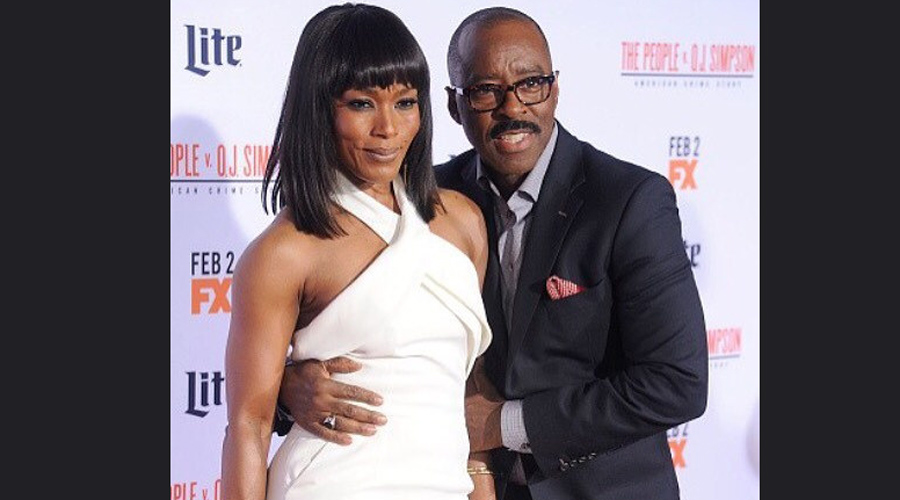
Tony-winning actor Courtney B. Vance is going for an Emmy in his latest critically acclaimed role on the hit FX crime drama The People v. O.J. Simpson: American Crime Story. Vance stars as Johnnie Cochran in the 10-episode miniseries that explores the social, political and legal consequences of the infamous O.J. Simpson case.

The Harvard graduate has had a long and storied acting career, from theater to film, since 1980 when he began at Yale University School of Drama, along with his future wife, Golden Globe-winning actress Angela Bassett. The two have since been married for nearly 20 years and are the parents of twins, daughter Bronwyn and son Slater Vance. Guideposts.org caught up with the busy actor to learn how he manages faith, marriage and family in Hollywood.

GUIDEPOSTS: How has faith played a role in your acting journey and how have you been able to sustain a successful career as an actor?

COURTNEY B. VANCE: The difficult thing is viewing things from God’s eyes. From his perspective a day is like a thousand years and a thousand years is like a day. So I have learned to look at the pauses in between, God is working something out and for me not to worry about it and for me to continue work. Just like a farmer is not standing over his seedlings waiting for them to grow. He is busy getting things done, preparing for that time when it’s time to harvest because when it’s time to harvest and you’re not prepared then you’re in trouble. It’s all about preparation and perceived blessings. I’m just trying to be prepared.

GUIDEPOSTS: When you were in that seed stage of life, how did you prepare? How did you learn to be patient and persevere?

CBV: By failing. You know failing is nothing but an opportunity for learning how to succeed next time. I’m a big proponent of “you’ve got to fail.” I was in college and I did an apprenticeship out at the Shakespeare Company in Lenox, Massachusetts, and for a weekend, master clown, Mary Conway came in and taught us. She said, “Here’s the secret: acknowledge your failure, and in the acknowledgment of your failure, you can make people laugh, make people cry, you can do anything you want to and you can make people go with you. But you have to be willing for the audience to see you at your lowest.” And that has stuck with me since that time. The failures can be an opportunity into places unknown and to let God do His thing.

GUIDEPOSTS: That’s an interesting parallel between the level of vulnerability you have to have in order to succeed in your career and the vulnerability you have to have in order to excel in your relationship with God. What advice do you have for people to be more vulnerable?

CBV: No one likes going back to Kindergarten. But every time we begin a new project–as actors and I’m sure in business, in law, in faith—you have to start where you are. You have to start not knowing. But if you try to short change that [vulnerability] or go around that, you will never get to that place where you are commanding the stage. [God] is asking us to let Him in and if we let Him in, He will give us the desires of our heart and “open up the windows of heaven and pour out a blessing we don’t have room enough to receive.” That’s ours; that’s the promise. But that’s hard for us because we want to know everything now, we want to know and be in control and we’re not. Ultimately, we have to sit and pray and hope and work in that in-between time.

GUIDEPOSTS: How does this idea of relinquishing control impact how you maintain your high-profile marriage and parenting pre-teens?

CBV: It’s all about humility. I fail every day in my relationships and my marriage. I must say, “Honey, I’m sorry,” about 10 times a day. “I messed that up, didn’t I?” You may be a go-getter in life, but when you come home, you have to check that ego at the door, because it doesn’t fly in God’s house. [The Bible says] if I don’t do what I’m supposed to do in terms of honoring her, my very prayers will be hindered. When I read that, I said, “Oh, my goodness! It’s all about her.” It doesn’t work without her being happy.

Sometimes my lowly human self thinks I’m in control and I’m head of my house and all that. She checks me so fast–woo! [LAUGHS] So, I recognized that I’m fifth. God’s first, she’s second, the children are third, my work is fourth and I am fifth. That’s why, I think, 50% of marriages fail. Because we just don’t understand how it’s supposed to work. That you give and then you get. You humble yourself and then God gives to you.

Watch Courtney B. Vance in The People v. O.J. Simpson: American Crime Story on FX on Tuesdays.

Could He Trust God to Oversee His Family’s Hiking Journey?

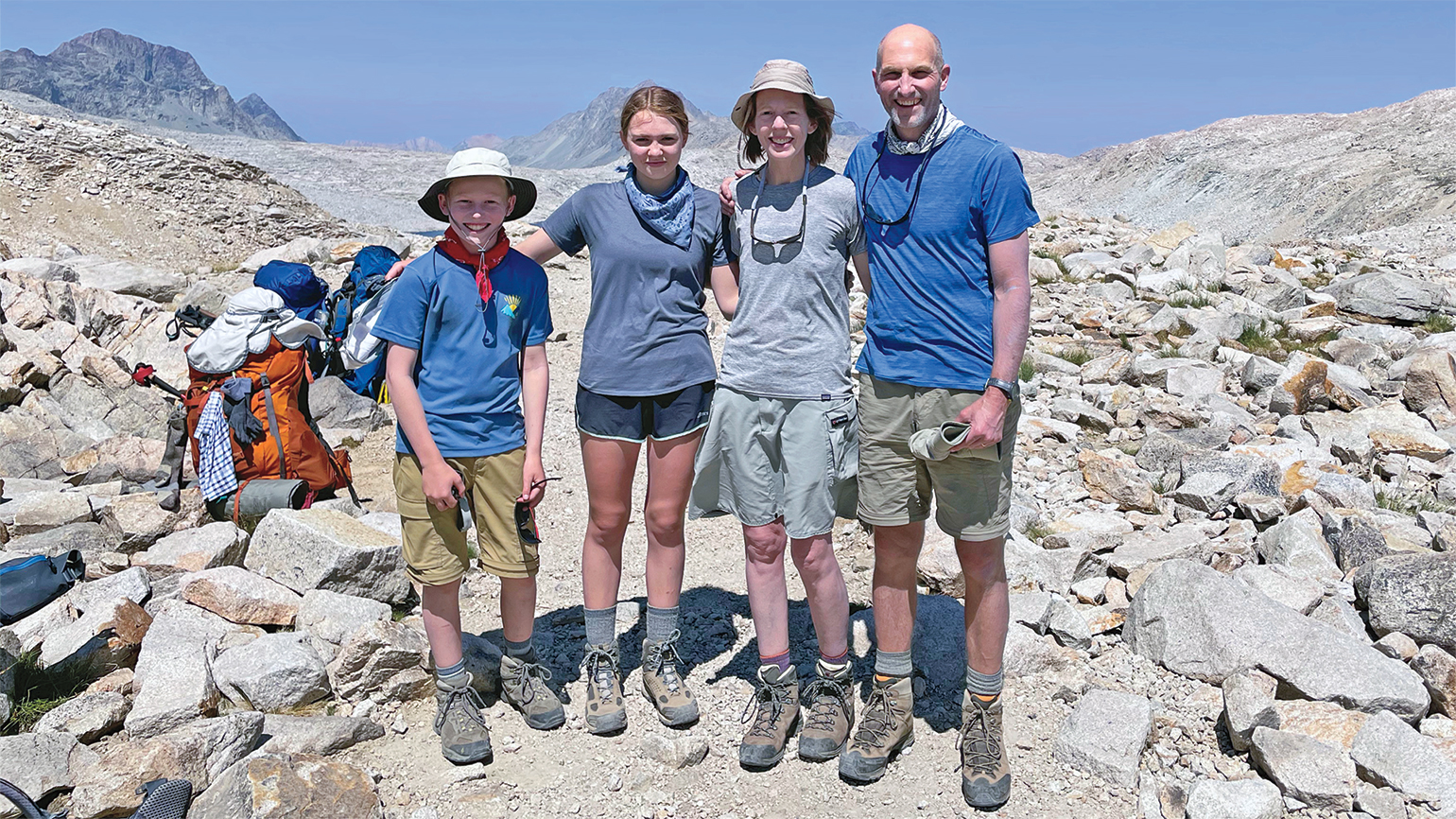
The John Muir Trail is a 211-mile footpath through the high country of California’s Sierra Nevada Mountains. It starts in Yosemite National Park and ends atop the 14,505-foot summit of Mount Whitney, the tallest mountain in the lower 48 United States.

For many hikers, the JMT, as it’s called, is the adventure of a lifetime, a challenging but rewarding trek through some of America’s most iconic mountain landscapes. Completing all 211 miles usually takes about a month.

My wife and kids and I met our match at mile 135.

It was August 9, 2021. We were on a three-week trek along the southern two thirds of the trail—from south of Yosemite to Mount Whitney.

This trip was my idea. Years ago, I edited a Guideposts story about an Oregon family who’d hiked the JMT when their kids were 11 and 13. At the time, my son and daughter were in kindergarten and third grade. I want to do that when the kids are old enough, I thought.

After seven days along the trail, that seemed like one of my dumbest parenting ideas ever.

We began the day at a rockbound lake above the tree line in Evolution Basin. We hiked up and over 11,955-foot Muir Pass, then descended the tricky, volcanic switchbacks of LeConte Canyon.

We had hiked almost 10 miles, ascending and descending close to 4,000 feet. The sun was disappearing behind the canyon’s western wall, and the air was getting chilly.

The kids were exhausted. Frannie, our 14-year-old, had had a growth spurt right before we left, and her brand-new hiking boots no longer fit. Her feet were covered in bandages and duct tape. She winced with every step.

Benjamin, 11, had started the day buoyant and leading the pack. Now he hung his sweat-streaked head and plodded along. We stopped for water, and I consulted our guidebook. Every campsite we’d passed for the past few miles had been taken by a large horse-packing expedition. The next possible site was close to a mile away.

“No!” the kids cried out. “That’s too far. Please, can’t we stop?”

My wife, Kate, and I looked at each other. Longtime hikers, we’d been taking the kids camping since they were toddlers. Were we overmatched today? I felt a wave of self-doubt. I’d had such high hopes for this trip. Hopes that went far beyond the beautiful scenery.

I’d envisioned a time of spiritual renewal. Restoration of my confidence as a parent. A time of family togetherness before the kids transitioned to high school and middle school. A healing encounter with God in the wilderness after a year of pandemic craziness.

Now I felt like a jerk for forcing the kids to go on this trek. I’d planned our route and the daily mileage, while Kate had taken charge of the food. Every meal had been terrific so far. My route-planning? Terrible, obviously.

We had 75 miles to go until Mount Whitney. From here, the terrain was even steeper and the hiking days I’d planned were even longer.

Kate is an Episcopal priest. She leads a large, historic parish in New York City. It’s a demanding job. When the kids were little, I stepped back from work to take care of them.

I mostly enjoyed working part-time and spending afternoons and many weekends with the kids. (I say mostly because, let’s be honest, parenting is not easy.)

Kate worked long hours, but her schedule was flexible. We prioritized family evenings and time outdoors. Our early camping trips grew into multiday mountain adventures.

It was the kind of life I’d dreamed about while growing up in a household scarred by alcoholism and my father’s debilitating stroke when I was nine years old. Trust is hard for me—especially trust in God and myself. After many years, I was at last beginning to trust myself as a parent.

Then Frannie hit her teens. Not only did she start taking a dim view of outdoor adventures, but she also stopped confiding in me. Rolled her eyes at my dad jokes. Ignored my book recommendations. Made it clear her friends were top priority.

It was all developmentally appropriate. It stung anyway. And I couldn’t help wondering what I’d done wrong. Was Benjamin next?

Hiking the JMT seemed like a way to recover lost ground. Away from school, screens, the city, the pandemic, we could reconnect as a family and I would be reminded of God’s abundant provision.

The kids’ weary eyes bored straight through my gauzy notions. They’d seemed to be having fun up to this point. Probably they’d just been making the best of it and counting down the days till we were done.

We trudged to the next campsite. It was empty! We dropped our packs and stood catching our breath. Peaks soared in every direction. A stream dashed over rocks. Golden evening light filled the canyon.

We washed off in the stream, and Kate and I made some quick decisions. Gathered around our little cookstove, we announced a change of plans.

“Tomorrow we are hiking off the JMT,” I said. Before the hike, we had arranged to pick up a resupply of food at Parchers Resort, a small collection of cabins.

“We’ll ask the people at Parchers if we can stay in one of their cabins for a few nights. We’ll rest, maybe get new boots for Frannie, then we’ll find a ride to another trailhead farther along the trail and restart the hike there. We’ll still end at Mount Whitney, but we’ll shave 50 miles off the hike. We can go slower and have more time for fun. What do you think?”

The kids’ faces lit up. “That sounds great!” they said.

My voice must have sounded more confident than I felt. This plan was as much of a gamble as the old one.

Parchers’ cabins had all been full when we dropped off our food supply a week ago. We would need a last-minute vacancy.

We also needed a ride down the mountain to the town of Bishop, an outfitter with hiking boots, another ride to the town of Independence and a place to stay plus a ride from Independence to the new trailhead.

If even one part of the plan went wrong, we’d be stuck. Imagine the kids’ expressions then.

The next day’s hike was even worse, a torturous slog up rocky switchbacks to a campsite in Dusy Basin, just below Bishop Pass.

Parchers was on the other side of the pass, but we were too tired to continue. Benjamin was in tears along one steep stretch. We set up tents and tried for a swim in a nearby lake. Drought had turned the lake into a shallow mud wallow.

“Guys, we just have to give the rest of this trip to God,” Kate said as we gathered around the cookstove that evening.

“We don’t know how everything will work out,” I said. “All we can do is put it in God’s hands and trust.” It’s the kind of thing a parent is supposed to say. I willed myself to believe it.

After dinner, I walked down to the muddy lake to filter water for the next day’s hike. Dusy Basin is one of our family’s favorite places in the Sierras, an alpine landscape of lakes, granite and wildflower meadows surrounded by jagged peaks.

The sun sank behind the western ridgeline, and silvery twilight settled over the basin. I looked back and saw Kate and the kids sitting by the stove, boiling water for tea and instant chocolate pudding. They were silhouettes against the remains of the sunset, their faces illuminated by the stove.

All of a sudden, I felt overwhelmed by love for them. Usually, feelings of love are shadowed in my heart by fear of loss. This time, the wave of emotion built until it seemed to fill Dusy Basin. It was God’s love dwarfing mine, upholding my love for my family and rolling right over my fears.

The sunset became an orange line along the distant ridgetop, then vanished, and stars dotted the sky.

Trust me, the landscape seemed to be saying.

I’ll try, I said.

We woke up the next morning excited by the prospect of returning to civilization. The kids powered over Bishop Pass and sailed down the trail to Parchers.

“I think we can fit you in,” the woman at the reception desk said. “We had a couple of cancellations.”

Turned out, there was a daily shuttle bus from a nearby fishing lake to the town of Bishop. There, an outdoor gear store had hiking boots perfect for Frannie’s torn-up feet. They had one size left—Frannie’s size.

A woman in a burger restaurant overheard us trying to figure out how to get to Independence and offered a ride. “I hiked the Pacific Crest Trail a few years ago,” she explained. “So many people helped me out. I’m always looking to pay it forward.”

We found a motel in Independence, and the staff there arranged for someone to drive us to the Kearsarge Pass trailhead the next morning.

You’d never have known our kids had struggled watching them charge up the trail toward Kearsarge Pass.

Each day of hiking seemed better than the one before. We fell into a rhythm, kids in front telling stories, singing and cracking jokes. We explored streams and lakes, examined animal tracks, spent afternoons reading and playing cards and ended each day with compline, an Anglican nighttime prayer service.

By the time we reached the summit trail to Mount Whitney, it was the kids motivating me. I don’t like precarious heights. The trail isn’t technical, but there are some steep drop-offs.

“You can do it, Dad,” the kids said. Frannie hung back to accompany me up the last stretch.

“Remember that time you took me camping in the redwoods and we got lost and you had to carry me up that steep hill?” she said. “Now it’s my turn to keep you going!”

We clambered up the last rocky section and stood atop the mountain. Peaks in every direction. Chasms, spires and a dome of blue sky.

The kids were ecstatic. We crowded in for a family hug and asked another hiker to take our picture.

I knew Frannie would snap back into teen mode when we finished the hike. I knew Benjamin would be a teenager one day and trust would always be a struggle for me.

But I had learned something on this hike. When I doubted myself, when things seemed to go wrong, I knew what to do. Just trust. Trust my kids. Trust our family. And trust the God who’d brought us to these mountains and who provides for us—on the trail and off.

For more inspiring stories, subscribe to Guideposts magazine.

Could a Dog Help Her Son With Autism?

I’m a talker—I have a habit of talking to every person I see—but that afternoon in March 2015, I sat beside my husband, Andy, on the 45-minute drive home from the Marcus Autism Center in Atlanta without saying a word. It was the most deafening silence of our 11-year marriage. We were both so overwhelmed, we didn’t know what to say.

I glanced back at our two-and-a-half-year- old son, Wesley, asleep in his car seat. We’d had him checked out because of his continuing obsession with letters, numbers and counting things, and his seeming indifference to communicating with people, even though he had an enormous vocabulary. Wesley had spent the day being assessed by a team of specialists. They’d diagnosed him with autism spectrum disorder.

A stress migraine pounded my temples. Could I be that mom? The one who could educate myself, advocate for our son, intervene when necessary. I am not your girl, God, I kept thinking. I can’t be the mom Wesley needs. He deserves someone better, someone more capable.

I’d been given pamphlets and instructions and suggestions and told to sign up for classes that I knew we could never afford. The full written report on Wesley wouldn’t arrive for a few weeks, and already I was failing him. Out of everything the specialists had said, the only words I could remember were socialization and involvement—key for Wesley to develop social skills. In the car, I desperately brainstormed ways to make his world more social.

The weirdest, most off-the-wall idea came to mind, so weird that I blurted it out. “We need a dog!”

Andy looked at me as if I were crazy. “What are you talking about, Rachel? You don’t even really like dogs, and I’m allergic.”

That was true. I’d had bad experiences with dogs growing up, not exactly a Lassie kind of childhood.

“And how on earth are we going to afford a dog right now?”

I sighed. “You’re right, but…”

He shook his head. “I can’t believe with all the talk we had thrown at us today about therapy, speech intervention and preschool classes, your one takeaway is that we need a dog.” But somehow I couldn’t shake the idea. Maybe I was cracking under the stress already.

A couple weeks later, I was outside playing with Wesley and Sam, our older son, when a woman with a medium-size, black curly-coated dog walked by. Must be a new neighbor. Like I said, I talk to everyone I see. “Hi!” I called and introduced myself.

She stopped. “Hi, my name is Rachel too and this is Oliver,” she said. “I can tell Oliver would love to play with your kids. Would that be okay?”

I nodded. The dog frisked between the boys. He was so gentle; he didn’t jump on people the way I’d seen a lot of dogs do. I watched, amazed. It was as if he knew exactly how careful to be with each of them. “What breed is he?” I asked.

“He’s an Aussiedoodle,” the other Rachel said proudly. “A mix of an Australian shepherd and a poodle.” Then she continued, “He was bred by a woman who has three autistic sons. She found that Aussiedoodles work perfectly as service and therapy dogs. Plus, they’re hypoallergenic.”

Was this for real? “We need an Oliver, stat!” I said. It turned out that the breeder lived in Blairsville, just two hours away in the mountains.

I couldn’t believe it. What I do believe in are divinely orchestrated situations—I just knew that God was setting this up for our family. Wait until I told Andy!

The next day, I called the breeder, Robin, at Big Doodle Dreams. We spoke for more than an hour. She told me how much people with autism could benefit from service dogs; I’d had no idea. Everything was coming together, I thought.

But a few days later, before I could get Andy on board, Wesley fell and broke his femur, the thigh bone, in his right leg. He ended up in a body cast for eight weeks. He couldn’t move. Couldn’t go to speech therapy or to school. Couldn’t socialize, even if he wanted to. Or play with a dog.

I read up on neurodiversity and how Wesley’s unique way of thinking, learning and relating should be embraced. Although he struggled to answer simple yes-or-no questions, he had already taught himself to read. At two! He could spell words like lopsided and pumpkin in Scrabble tiles. So what if he got his pronouns confused?

Finally the body cast came off. It took three more weeks to help Wesley walk again. Only one obstacle remained to getting our family’s dream dog: money. Then out of the blue, my sister said she wanted to buy us the dog.

Now the decision was up to Andy. I explained to him that Aussiedoodles tend to be hypoallergenic. They also tend not to shed, so no worries on that front.

“Do you really think a dog will help Wesley that much?” he asked.

“Yes!” I told him everything the breeder had told me.

“Okay, then. Get the dog.”

I called Robin right away, but by then she had only one puppy left, which she’d planned to keep her for herself. “Please,” I begged. “My son needs this dog. We can drive out to Blairsville and get her right away.”

There was a pause, only for a few seconds but seemingly endless, as if everything hung in the balance. “Okay,” Robin said. Boy, when God is ready, get out of the way!

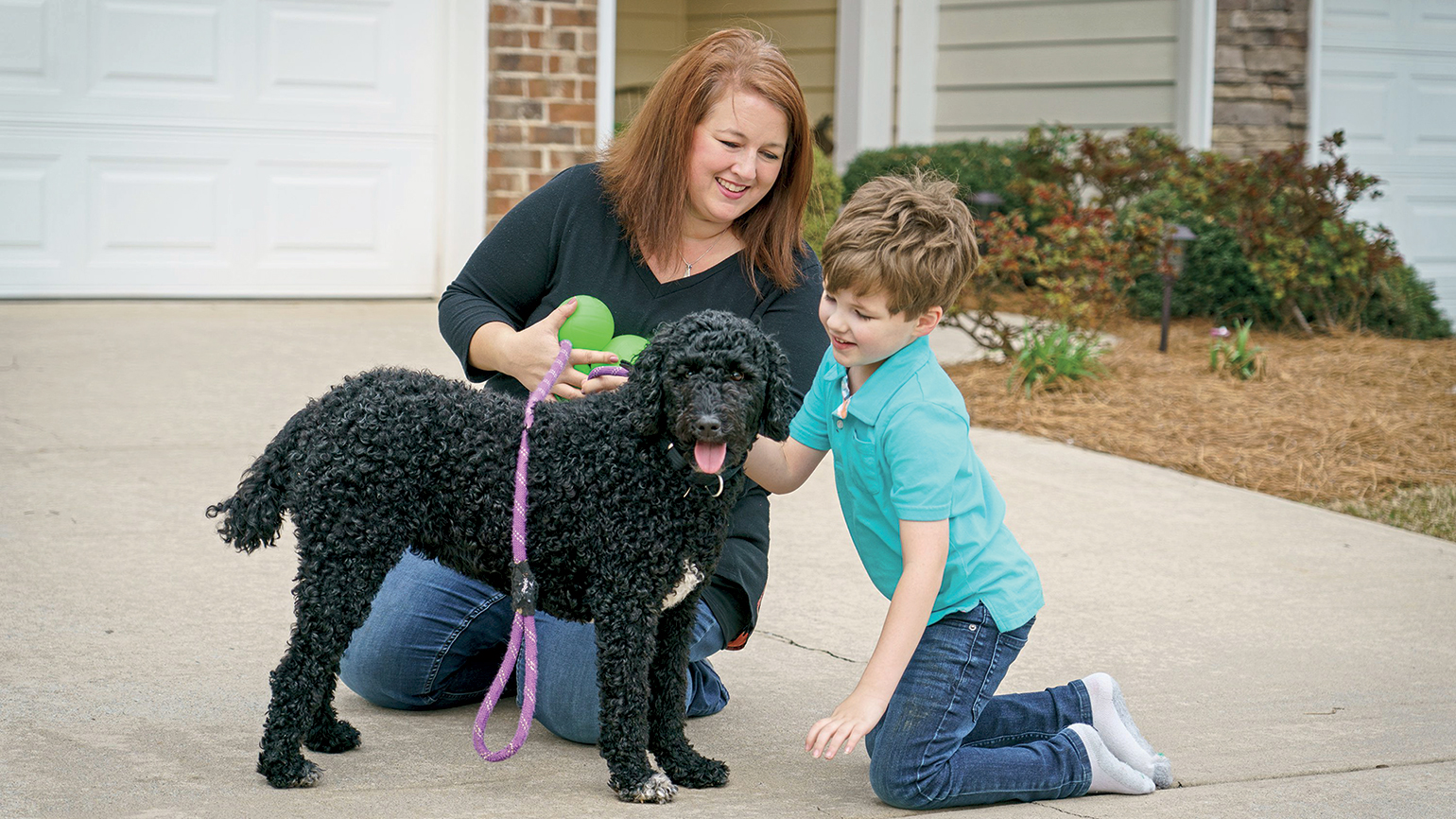
We brought Josie home the third week in December, an early Christmas present for the boys. A black, curly-haired ball of energy, she pranced between them. Sam immediately petted her, but Wesley hung back—which wasn’t surprising because he always has to be the one to initiate any contact. He busied himself lining up the votive candles and counting them.

Christmas, then New Year’s, came and went. I worried that Wesley wasn’t bonding with Josie. He just didn’t seem that interested in her, no matter how adorable she was. But then I began to catch Wesley petting her when he thought no one was looking, usually in the back seat of the car.

Four months after we’d gotten Josie, I took the two of them out for a long play session. By the end, they were both exhausted. As soon as I put Wesley in his car seat, he fell asleep. He slept the whole way home, with Josie leaning her head on his shoulder. That’s when I knew they had finally bonded. One of our biggest challenges was that Wesley had no sense of danger and didn’t understand to “look both ways.” He would dart out into the street without warning. I was terrified he’d get hit by a car. Josie solved that problem. We tethered Wesley to her by tying the leash around his midsection. Josie was able to keep him safely on the sidewalk with us whenever we went out.

We didn’t formally train Josie as a service dog. But she has proven to be exactly what Wesley needs. When he sits on the stairs, crying, because he’s having a hard day or is in timeout, she sits quietly next to him, watching him with her soulful dark eyes. If he wants to reach out and hug her, he can. If not, Josie gives him his space; she instinctively knows she can jump in everyone’s lap in the house except his. Once or twice, when Wesley was having a meltdown, Josie lay down on him, effectively a weighted blanket—something children with autism find very calming.

The best thing about having a dog is that kids come to you. Even the daily walk to the bus stop provides a fantastic opportunity for Wesley to socialize with other children. Kids pepper him with questions about Josie—How old is she? Can I pet her?—and we practice his answers at home so he’s more comfortable talking in public.

Wesley and Josie share an aversion to loud noises, and fireworks are the absolute worst. Josie actually goes into hiding. One evening two summers ago, Andy wasn’t home from work yet, and Sam wanted to watch our neighbors’ Fourth of July fireworks. I ran back and forth between Sam in the yard and Wesley crying on the couch. Suddenly I saw Josie. She’d crept out of her hiding place and bravely planted herself beside Wesley. When Andy got home and I was finally able to stay with Wesley, Josie went back upstairs to hide for the rest of the fireworks. What an incredible comfort it was to know that she would never abandon Wesley when he was upset.

The first year of handling my son’s autism diagnosis was a year of grief and desperation and uncertainty. I felt as if God had given Wesley the wrong mom—how could I help him when I always felt like a mess myself? Josie showed me that I was capable of making good decisions for Wesley and for our family. I learned how to make peace with autism while also fighting it. How to celebrate Wesley’s gifts while finding ways he can overcome his challenges. Helping my son become the person God designed him to be—as I’ve become the mom God designed me to be.

For more inspiring stories, subscribe to Guideposts magazine.

Compassionate Giving

Each man should give what he has decided in his heart to give, not reluctantly or under compulsion, for God loves a cheerful giver. (2 Corinthians 9:7, NIV)

The boys and I are mulching, loading our wheelbarrow with heaps of wood chips colored a deep, dark brown. We’ve just rounded the corner, in front of the house, when the old, wooden handle of the wheelbarrow breaks.

“Oh,” Gabe says. “That’s sad. We’ve had this a long, long time.”

He’s right. The wheelbarrow has been around longer than he has. It was sold to then three-year-old Samuel by Grandpa Eliasen, nine years ago.

My husband Lonny, Grandpa, and Samuel had been setting posts for our fence. We’d just moved in, so Grandpa had brought his yard tools.

“Sure do like that wheelbarrow,” Samuel had said.

“Thanks,” Grandpa said. “It’s been in the family a long time.”

“It’s bigger than mine,” Samuel said. He looked at his green, plastic Little Tykes cart.

“Yep,” said Grandpa.

Samuel sat on the grass, wrapping his arms over his knees. “Maybe I could buy that wheelbarrow,” he said. “We could use it. For work. Around here.”

I stood back and watched as Grandpa smiled. At the time, he still lived in Lonny’s boyhood home. There was plenty of yard and always work to do. I knew, too, that the wheelbarrow had passed through more than one generation of Eliasen hands.

“Í could pay you for it,” Samuel said. He looked his grandfather square in the eye. “I can give you twenty-five cents.”

Grandpa took his hat off. Looked at his grandson while I waited and watched. Grandpa made his living as an accountant. He dealt in deals that made good sense.

“You’ve got it,” Grandpa said. “Sold. For twenty-five cents.”

Samuel was off in a shot. I trailed him in the house and up the stairs. He removed the rubber stopper from his bank–the one that looked like a battered, ceramic baseball. We sorted through an assortment of change until we found a quarter.

“This one?” he’d asked.

I nodded.

And the money changed hands. The wheelbarrow became ours.

Today, I push the now one-handled wheelbarrow along over our stretch of front yard, I remember Grandpa’s gesture. I’m blessed to think of his compassionate giving. He still had a need for the wheelbarrow. I’m pretty sure that he went out to purchase himself a new one the next day. But he saw the desire of someone else’s heart, and he gave from his own.

I want to be a compassionate giver. Whether time, material things, affection, encouragement, whatever the resource, I want to give to others without reserve.

The boys and I use shovels to remove the last load of mulch, then we push the wheelbarrow to the garden for retirement. Tomorrow I’ll fix the handle, and I’ll fill it with dirt and flowers. Near the rusty lip I’ll plant a free-falling vine.

It will make a nice, vintage garden piece–holding bright summer color and cool shades of green.

But the wheelbarrow holds a memory, too.

A gentle reminder of giving.

Lord, open my eyes today. Show me ways to give. Amen.

Comforted by a Canine Angel

I huddled in the vinyl chair near the foot of the hospital bed. That man lying there, pale and still, monitors blinking all around him, oxygen tube clamped to his nose–I barely recognized him. How could that be Mike, the husband I’d relied on for 31 years?

My take-charge guy was battling multiple blood clots in his lungs that had debilitated his body. The doctor said the worst was over. Now we just had to be patient.

But I’d made myself sick with worry, spending my days at the hospital and night after sleepless night at home, scared and completely on my own. For the first time in my life, I had no one to depend on.

We were one of those couples who did everything together.

At breakfast we did the daily crossword puzzle, sharing a pen. We went together to the gym, where we climbed aboard adjacent treadmill machines, plugged in our ear buds and watched the same show on TV. When Mike tapped me on the shoulder and pointed to the screen, I always knew exactly what he was thinking.

Mike was my rock. Lord, please help him get better. I feel all alone without him. A strange sound came from the hospital corridor. A sharp click-click-click-click on the linoleum floor drew nearer till it stopped outside Mike’s room. I did a double take. A dog loomed in the doorway.

Are you a dog lover? Check out Man’s Best Hero.

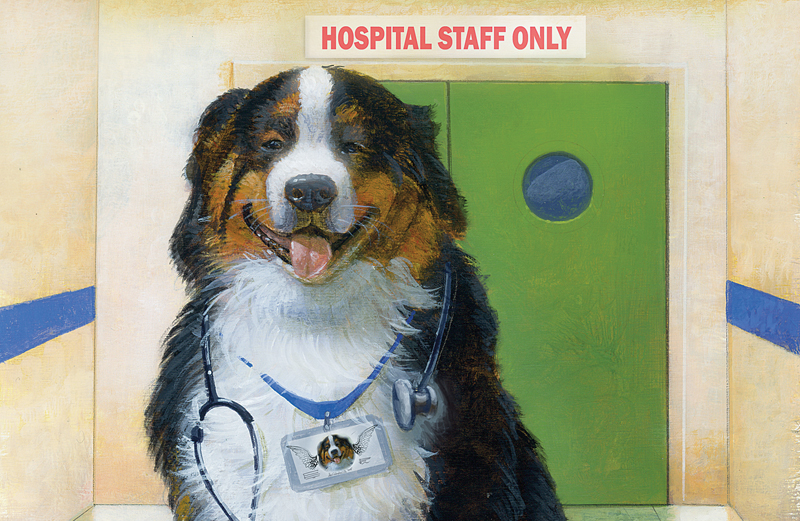
I recognized the breed by his distinctive black and white coat highlighted by rust-colored markings–a Bernese Mountain Dog. The special collar distinguished him as a therapy dog. I gazed at Mike, awake but dazed.

I’d been a dog-lover all my life, but what could a therapy dog possibly do to help my husband? The dog seemed to read my thoughts. He had a job to do and he got to it.

Purposefully, he stepped into the room, handler in tow. I sat quietly watching this well-trained beauty. Maybe petting the dog’s soft fur will give Mike some small comfort.

As the dog headed toward Mike’s bedside, he suddenly stopped. He padded over to my chair and looked into my eyes. With that, the dog nudged his head against my waist, as if asking for a hug. I put my arms around him and buried my face into his thick, velvety fur till I felt the gentle pulsing of his heart.

I am here, its rhythm seemed to say.

My whole body relaxed. My stress lifted away. Mike smiled from the bed. The dog let me hold him for as long as I needed to. When I finally released him, he put his paw on my knee and looked up at me. I turned to his handler. “How did he know that I was the one who needed him?”

“Gabriel always knows,” she said.

I stroked the dog’s neck. Gabriel. My angel dog. The Lord knew how to soothe me. He’d keep me strong while my husband regained his health. On that I could depend.

Comfort Dogs Bring Hope to Sandy Hook

I grabbed the phone on the third ring. I was babysitting my grandkids on a Friday night in mid-December. All day I’d been so busy I’d never even switched on the computer. “Hello,” I said, trying not to sound rushed.

“Have you heard?” It was Sharon, a close friend and fellow dog handler. Her voice was pinched with strain. “There’s been a shooting at a grade school in Connecticut. Twenty first and second graders are dead. I’m sure we’re going to be called to go there, to Newtown. And, well, I just wanted to talk to you.”

Subscribe to Guideposts’ New Inspiring Pets Magazine ‘All Creatures’!

My eyes flew to my grandkids, four and two and a half, sitting contentedly on the couch. Not much younger than these children who’d been. . .slaughtered. Beside them was Hannah, my service dog, specially trained to give comfort to trauma victims. Sharon and I both were volunteer handlers. I’d wanted to be a help to people. But was I ready for such a huge undertaking? Was Hannah? She was just a puppy, 11 months old. I’d only had her for a few weeks. But it was more than that. A handler’s job is to stay in the background, to not show emotion. I looked again at my grandkids. How could I do that when 20 children were dead? Twenty sets of parents facing the worst moment of their lives with virtually the whole nation watching?

I’d have to talk to Tim Hetzner, the director of Comfort Dog Ministry. For years we’d gone to the same Bible study. It was listening to his amazing stories of how the dogs touched the lives of children and adults alike that inspired me to become a handler. Tim had started the program in 2008 after a gunman had killed five people at an Illinois university. He and some other church members had taken their dogs to the campus, hoping to offer compassion in whatever way God led them. But he hadn’t anticipated the full impact of an animal in traumatic situations. He’d found that dogs were able to connect with the students and faculty in a way that no one else could.

“The dogs don’t judge,” was how Tim explained it at Bible study. “They’re patient and loving. And that creates a bond, where people feel safe. We just let the dogs do God’s work.”

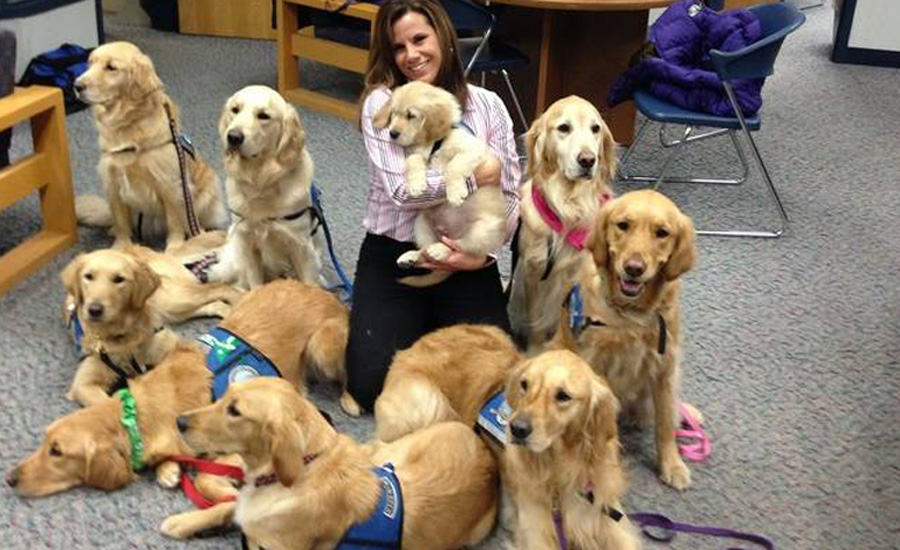
Tim founded Comfort Dog Ministry, part of Lutheran Church Charities. It had grown into a team of 60 dogs and handlers, with months-long training for new dogs when they were just puppies, provided by prisoners at an Illinois penitentiary. Golden retrievers, known for their sensitivity, were the breed of choice.

The team had gone to Joplin, Missouri, after the tornado there. And to New Jersey after Superstorm Sandy. But most requests were from people in the area, after fires and on oncology wards, for school programs, nursing homes and the like.

I had known it wouldn’t always be easy. But this was way different. The whole nation was grieving. Dear God, I prayed. If you think I’m not ready I’ll let someone with more experience go instead.

Tim called soon after Sharon. He told me the team was ready to go. “The whole town is devastated,” he said. “I only wish we had more dogs to send. You can do this, Barb. You just have to step back and let God be in control.”

That night in bed I talked to God until sleep finally came. I don’t know how to do this, I said. How can I not respond when they’re in such pain? I cry too easily. And Hannah. I don’t know if she has the patience yet. Maybe if she was older.

In the morning I woke with an unmistakable feeling: Hannah and I needed to be in Newtown. I thought of those families and how in an instant their lives had been shattered. We couldn’t back down. Okay, God, I’m going, I thought. I still wasn’t sure I had the strength to look into the face of such terrible grief, but I knew I would never find out unless Hannah and I went to Newtown.

Sharon too felt called to go, with her golden, Maggie. I had to pack. “I’ll pick you up in an hour,” I told Sharon on the phone. It was a 14-hour drive, a two-day trip. Two days to think about what was ahead.

I looked at Hannah and wrapped my arms around her. “We can do this,” I whispered.

Hannah had been trained to stay calm at all times, to be comfortable with being stroked and nuzzled. But in the confines of the prison she hadn’t seen children or any of the distractions of the outside world. That was my job, to socialize her. I’d gotten her on Halloween. I’d taken her to schools and to parks, places where there were lots of people, to a concert and once to a funeral.

Hannah and I had gone with the team to a program in early December at O’Hare airport for terminally ill children—a Polar Express kind of event, complete with a plane ride to the “North Pole” to see Santa—and his dogs. A great night, tinged with sadness, of course, but the kids were happy to be there, smiling and laughing. It was magical. Not like Newtown. Not like the Sandy Hook families.

I clung to that memory as we drove. Sharon and I did our best to support each other. And pray. We prayed all the way.

We arrived late sunday afternoon. Nothing could have prepared us for the scene as we drove into the central business district of Newtown, a quaint picture-postcard New England village. Hundreds of people milled about the town square amid throngs of TV news reporters and camera operators, sending out images to a nation in mourning, to a world in shock. I found a place to park and put Hannah’s service vest on her. She seemed to sense that she was about to be tested. Sharon, Maggie and the rest of the team joined us as we made our way through the crowd. It was freezing cold. But what I noticed more was how quiet it was. No one spoke. It was eerie. You could feel the sorrow and a pervasive sense of despair. It weighed on me. There was nothing to say. Nothing anyone could do to heal the wound.

We reached an opening in the crowd and there in the center was a Christmas tree, lit with colored bulbs. Many in the town had taken down their holiday displays. This lone tree was the town memorial. All around it people had left flowers and teddy bears, photos of the victims, letters and poems. And a sea of candles. I felt myself coming apart.

I looked into the faces of the people around me, police officers and firefighters. Stunned, shell-shocked, haunted. I wanted so badly to shake their hands, to thank them for their service, to tell them that God was here among us. But I couldn’t. All I could do was stand there with Hannah and do nothing. When would the pain ever lessen? I wondered. When would anyone feel comforted? How was that even possible?

A firefighter came over to us, knelt down and stroked Hannah’s head. “Hey, girl,” he whispered. He looked up at me. “Thanks for coming. It means a lot. More than you know.” Lines rimmed his eyes; his face was drawn. I couldn’t imagine the horror he’d witnessed.

More people noticed us. A small crowd gathered around, everyone wanting to pet the dogs, to talk to them, just wanting to be close to them. Especially children. One little girl wrapped her arms around Hannah and cried into her fur.

A newscaster edged up to us, the lights from a TV camera blinding. “Can you tell me what brought you here?” he asked. I looked at his face. He had tears in his eyes.

Hours later Sharon and I drove back to our hotel room. Neither of us said a word. I was exhausted, drained by the raw emotions. In bed I pressed my face into the pillow. Dear God, I prayed. I don’t know if I can do this day after day. Please help me, help me know that you’re here. Help Hannah. I am worried this might be too much for her gentle heart.

The next morning we went to the community center and were ushered to a hallway just inside the door.

It was 7 A.M. and already the building was filled with people. Many were young parents with toddlers and preschoolers. But even the little ones were quiet, staying close to their parents, small hands gripping bigger ones. Their world was suddenly a frightening place. Their innocence stolen from them. No one smiled. Few made eye contact.

I stood there waiting. Hannah sat by me, her eyes riveted on the children, as if she could sense their sadness even from a distance.

A family with a small boy walked slowly up to us. “This is Hannah,” I said. “You can pet her. That’s why she’s here.”

The boy looked to his mother and she nodded. He knelt down next to Hannah and stroked her fur. Barely a trace of emotion. Lips pinched tightly together, as if he were holding the whole world inside. It was heart-wrenching. Even Hannah couldn’t reach him.

Hannah moved her great head. She nuzzled the boy’s face. All at once he wrapped his arms around her neck. He buried his face in her fur, arms squeezing tight. But Hannah didn’t resist even as his tiny hands tugged at her. She seemed to lean in to him.

I bent down to him and whispered, “Hannah really likes secrets. You can tell her anything and it will be just between you and her.”

I couldn’t tell at first if he even heard me. And then he raised his lips to her ear and said something. His mouth kept moving, almost silently, until finally his hands relaxed. He patted Hannah on the head. And smiled, just for a second. Not a huge grin. But it was enough.

His parents turned to me. “He’s hardly said a word since the shooting,” the mother said. “We didn’t know what to do. Thank you. Thank you so much.”

“I’m glad we could be here,” I said. “God bless you.” But as they walked away I thought about how little I’d done. Nothing, really. Hannah and God had done all the work.

For a week Hannah and I ministered to dozens of families and children, police officers and firefighters. A week of moments shared by a dog and a person who was struggling to find hope in a senseless act of mass murder. Too soon we had to leave. We left a community still deep in sorrow, with many difficult days ahead. But they weren’t alone. Far from it. Together we’d see each other through even this. In the presence of our greatest pain there is always one great healing power that reaches us in profound and unexpected ways. On the way back to Chicago, Hannah and Maggie settled in comfortably. They slept almost all the way home.

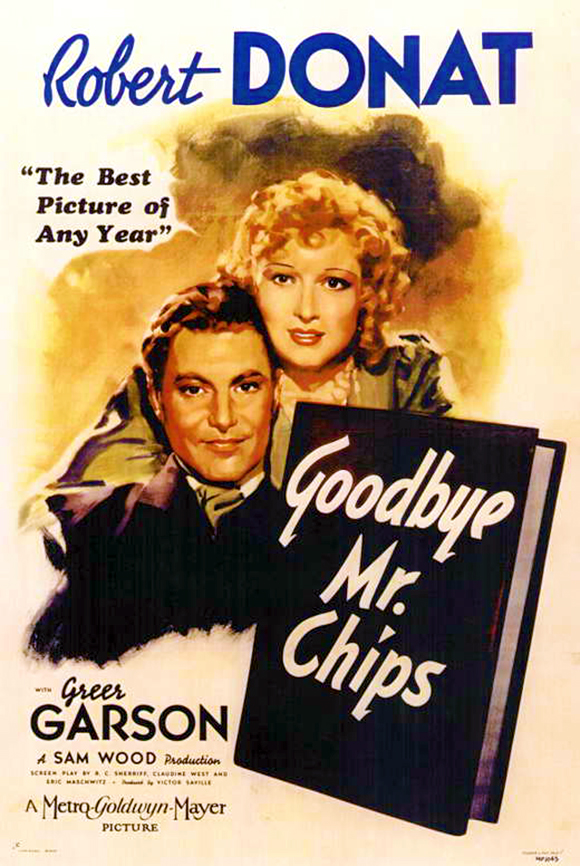
20 Classic Films to Watch on TCM in September 2021

With summer winding down and autumn just around the corner, curling up on the couch to watch a classic film with loved ones becomes all the more appealing. Here are 20 movies airing on Turner Classic Movies in September that we think you’ll enjoy.

City Cats Go After Rats in Washington D.C.

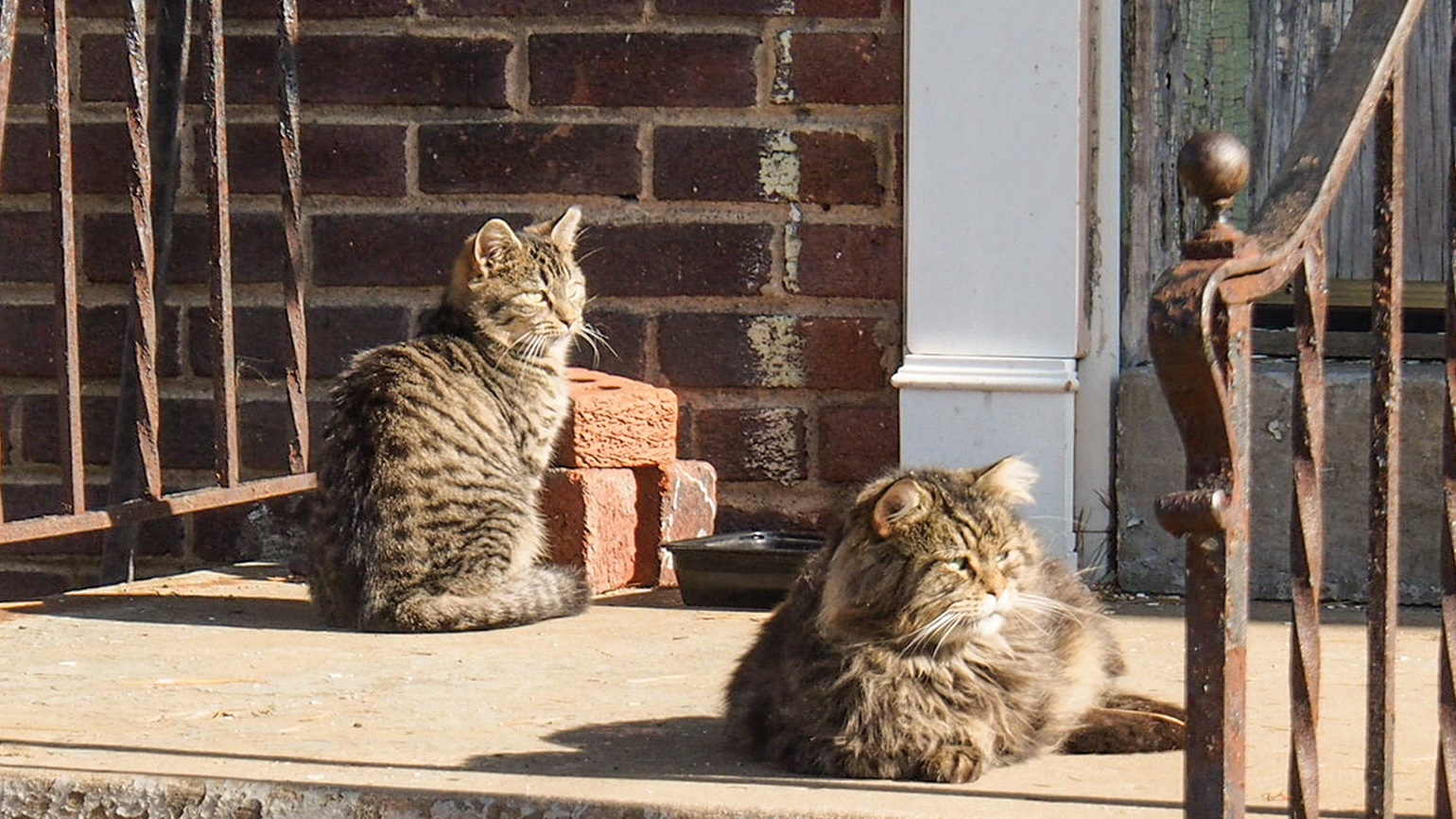
For cats living on the streets of a major city, life can be hard and dangerous. Finding food and shelter from the elements is often a struggle. Even if they are lucky enough to be adopted, many of these feral cats—used to defending themselves and surviving on their own—won’t adapt well to being family pets.

That’s why for the past 10 years the Humane Rescue Alliance (HRA) in Washington, D.C., has been taking care of the city’s community cat colonies, which are protected by law, by trapping, neutering and releasing feral cats—placing them in homes only if they’re adoption candidates. In 2015 the HRA started mapping out a program to address the needs of cats that couldn’t be returned to their outdoor homes after neutering but that were also not adoption candidates. The idea of a working cat program grew into what Blue Collar Cats is today.

The program was launched to provide unsocialized felines with a purpose while keeping them healthy and safe. “Our main goal is to give a cat that has been living outside a good outcome,” says Erin Robinson, HRA’s community cat program manager. “We know that becoming a Blue Collar Cat helps these felines lead fulfilling, happy lives.”

This new initiative in the D.C.-Maryland-Virginia area is modeled after barn-cat programs that have long existed in suburban and rural settings for feisty felines who like hunting and prefer to live outside. While cats have been working in stables, warehouses, nurseries and even breweries for a while now, the HRA wanted to focus on more urban areas, similar to programs in Chicago, Los Angeles and New York City.

Since February 2017, the organization has placed 117 cats—all spayed or neutered, microchipped, ear-tipped and vaccinated—with businesses and homeowners. Blue Collar Cats are permanently placed at no cost with the understanding that their human employers will provide food, water, shelter and vet care for the rest of the kitties’ lives. “The program has been wildly successful and supported,” Robinson says, adding that many people are seeking a natural and more effective way to curb D.C.’s high rat population. “Now, we actually have a waiting list of people!”

These working kitties play a variety of roles. Take Patty and Wednesday, who control the rodent population in a Maryland prison. Or Butch Cassidy and Sundance Kid (@patiocats), who keep rats from creeping into their employer’s D.C. home. Blue Collar Cats are even working outdoors at some of the city’s restaurants, where shelter is offered on the eateries’ back patios.

If you’re interested in hiring one of these mousers but aren’t a cat person, that’s not a problem. While some Blue Collar Cats might have a friendly demeanor, the majority of them aren’t interested in being your pal. They’re content to keep their distance and focus on their work.

Though hunting prowess varies from cat to cat, even the laziest employees get the job done, Robinson says. Their presence alone keeps rodents away. As the HRA website puts it, “Rats are smart and word spreads quickly that your business is no longer a safe place.”

Even Robinson is amazed by the success of Blue Collar Cats. “At first, we didn’t know what to do for these cats that we knew couldn’t be indoor pets,” she says. “Now we do. We’re helping them through a more creative, nontraditional solution—and they’re happy as a result.”

Did you enjoy this story? Subscribe to All Creatures magazine.