Embrace God's truth with our new book, The Lies that Bind

What Is Pentecost? The Church’s Birthday

It happened to me years ago, in Europe on a Sunday in May, and a French friend said to me in French, “Bonne Pentecôte” which means “Happy Pentecost.” I wished her the same but observed to myself: Does anyone ever wish anybody else “Happy Pentecost” back in the States?

Nope. It’s never happened to me. Not yet. And it’s too bad because Pentecost is a major holiday, a big feast day, an occasion to observe with much celebration. Think of it as the church’s birthday. Imagine a cake at your church with nearly 2000 candles on it and sugared writing, “Happy Pentecost!”

Read More About the Meaning of Pentecost

Jesus didn’t leave behind him a massive organization. He didn’t create a lengthy constitution with a long list of rules. He didn’t build a magnificent building. He didn’t even leave behind a book (that would have to be created by others).

What He gave His followers were stories that they shared endlessly, sayings that they mulled over (and we continue to contemplate), the practice of breaking bread and drinking wine in community and the vivid–and sometimes painful–memories of His Crucifixion and Resurrection.

He kept promising that in his absence He’d send them the Holy Spirit to guide them. I don’t doubt they must have been mystified by that. What was this Spirit He promised? How would they know when it arrived? And how would it help them?

They found out on Pentecost. Christ had died and risen and come back on earth before leaving for good. Now that he was gone they were scared. What were they going to do? How were they going to put the life-changing love they’d gotten from Jesus to work? How was it going to happen?

According to the book of Acts, they were gathered together in Jerusalem, when a sound from heaven like a fierce wind filled the house and “They were all filled with the Holy Spirit and began to speak in other languages as the Spirit enabled them” (Acts 2:4).

This gift of “tongues” was a means of communication. They could suddenly speak to their fellow Jews in Jerusalem who had come from every different nation. They could be understood. They had power that they didn’t know they had, and they could spread the good word that they had heard.

Because of them, the good news spread to a few hundred and then thousands and over the years to millions and now billions. This was the beginning of the church. This is why that day, Pentecost, has been celebrated over the centuries and is celebrated today.

It’s the birthday of the church, the place where you worship whether it’s a magnificent cathedral, a school auditorium, a gathering of believers on a sandy beach or in a friend’s living room. “Happy Pentecost!” we can say to one another. “Happy Birthday, church!” Because of the Spirit, because of Jesus, because of His love, we’re here.

What Ash Wednesday Means

Has this ever happened to you? You’re in the office, you notice a smudge on your colleague’s forehead—it looks to be in the shape of a cross—and you’re about to offer them a handkerchief. Then you remember. It must be Ash Wednesday. Consider what we can learn from this day. Could an Ash Wednesday reflection bring us closer to God?

Ashes and a cross in a bowl on top of palm fronds for an ash wednesday reflection service

What is Ash Wednesday?

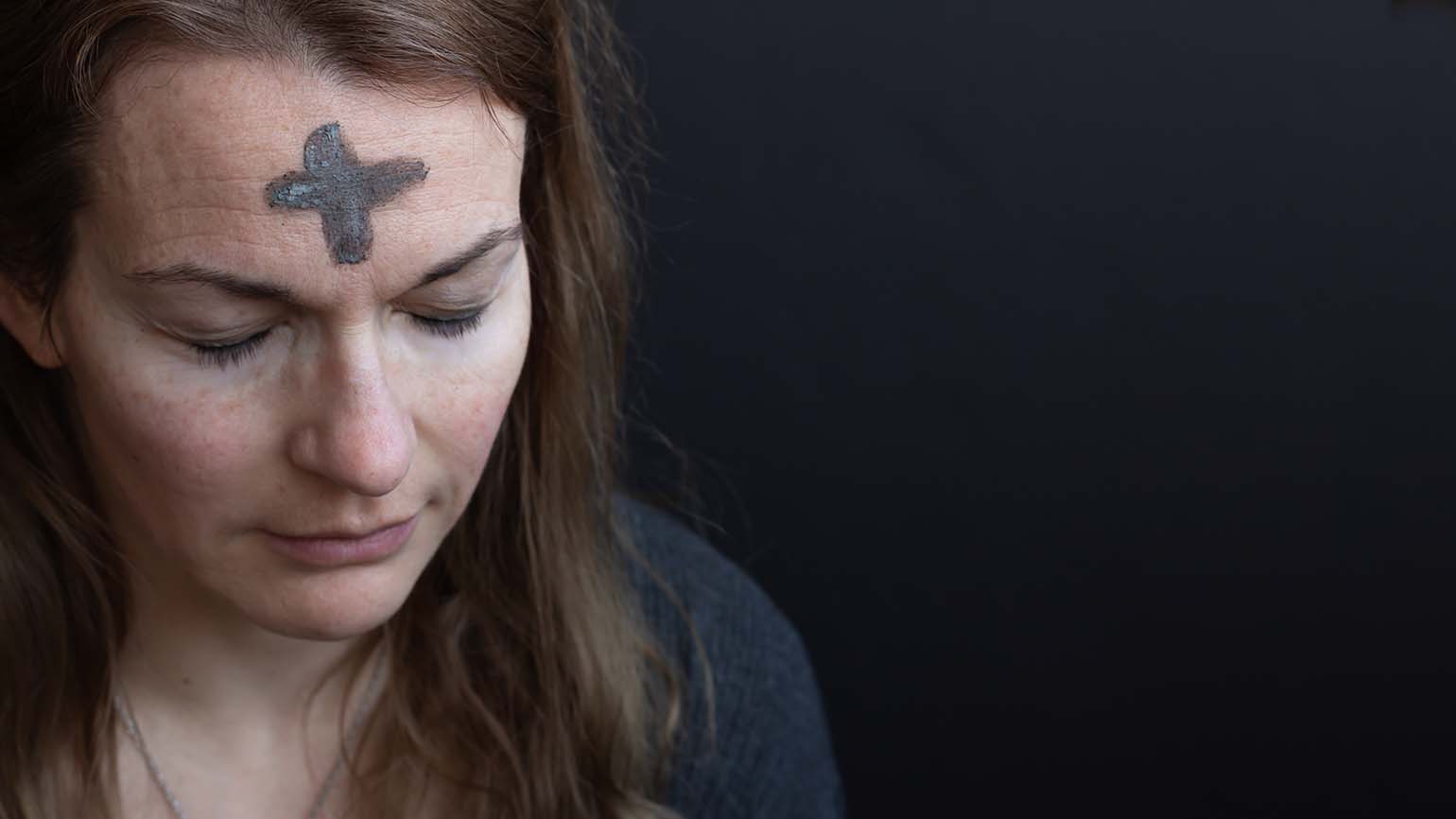
Ash Wednesday marks the beginning of Lent. On this day, many people attend church service, where a cross will be put on their forehead with ashes. These ashes are meant to signify our mortality. The tradition is accompanied with the sacred words: “Remember that you are dust, and to dust you shall return.” This is the date many people start their Lenten fasting or the practice of giving something up.

Lent is a time to prepare our hearts for Easter and growing our relationship with Christ. It takes place during the 40 days leading up to Easter (not counting Sundays). Those 40 days is a reference to the 40 days Jesus spent in the wilderness before beginning His ministry. A chance for us to take our own wilderness journeys.

Taking the time to reflect on what this single day of Ash Wednesday means can be an important step to making your Lenten season more meaningful and spiritually fulfilling.

5 Ash Wednesday Reflections

Here are some lessons we can learn from this holy day. Reflect on them and how you can bring them into your own life. Is there something else we can take away from Ash Wednesday after the service is done?

Woman looking at herself in the mirror reflecting on ash wednesday
Getty Images/iStockphoto

1. We are human

The words from Genesis are read at most Ash Wednesday services, what God told Adam and Eve when they were kicked out of Eden: “…you are dust, and to dust you shall return.” It’s a reminder of our own mortality, something we all have in common. I like to hold that thought in prayer. It’s reassuring, a chance to step back from my ego-centric wishes and let God enter in.

Group of people holding hands and praising God for their ash wednesday reflection

2. We are God’s children

A small group from our church stands on a busy New York City corner on Ash Wednesday and offers “ashes to go.” They mark passersby with the sign of the cross and pray for them. When my son Tim did it, a bus driver pulled up, opened the door, signaled for Tim to come in so he could get ashes on his forehead, then drove off. Whether you ask for ashes in a church–or on a street corner–they are a mark that we’re all made by same Maker. Good to remember on a busy day.

Woman walking along a misty path in the woods on ash wednesday

3. We’re not stuck in the wilderness forever

Jesus was there for only 40 days. There was an end to His trials. While He was in the desert He had to say no to the temptations of power, success, wealth, prestige (the devil can be so sneaky) and then the angels came and took care of Him. Think of that when you face a time of trial. Stay true to who you are. The angels are ready to help.

A wooden cross wrapped in purple ribbon with lent symbols like ashes and palm to show an ash wednesday reflection

4. Be startled by the cross

Crosses are so fashionable these days, appearing on dresses, cloaks, gowns, jewelry, that it’s easy to forget how shocking the cross really is. Someone once said it would be like wearing an image of an electric chair around your neck. But most often that cross is empty, a reminder of what’s coming. “He is risen,” we say at Easter. He is risen indeed.

Woman praying for others on the beach during her ash wednesday reflection

5. We are what we believe

I confess that I felt so self-conscious about getting ashes on Ash Wednesday and everybody seeing them on my forehead (“Why is that person on the subway staring at me?”) that I avoided it for years. Even now I do it at the end of the day. But to believe something is like putting a “heart” emoji on it for all to see. Seems like the cross on my forehead says the same thing.

Ash Wednesday and Lent Quotes

  • “Even the darkest moments of the liturgy are filled with joy, and Ash Wednesday, the beginning of the Lenten fast, is a day of happiness, a Christian feast.” —Thomas Merton
  • “God refuses to give up, and we who are enlisted to be fellow-workers with God know that the only reason we continue is that death did not have the last word; that Good Friday was not the end of the story.” Desmond Tutu
  • “Do you wish your prayer to fly toward God? Make for it two wings: fasting and almsgiving.” —Saint Augustine of Hippo
  • “O Lord, make this Lenten season different from the other ones. Let me find you again. Amen.” —Henri Nouwen
  • “The Lent period of fasting should be passionately pursued.” ―Lailah Gifty Akita

READ ASH WEDNESDAY AND LENT REFLECTION:

This Holy Week: The Promise of Hope

This week doesn’t at all feel like Holy Week. There are no services to go to. No marching around with palms on Palm Sunday. No sharing of the bread on Maundy Thursday. No gathering together to mark Jesus’ suffering on Good Friday.

Jesus told us to love our neighbors as ourselves. That can seem hard to do these days when loving your neighbor means staying at least six feet away from them.

Our closest neighbor here in our New York apartment building has the dreaded disease. Seems to be a mild case. We pray it stays that way. In the meanwhile, I struggle to hold on to hope. The promise of Easter feels light years away.

But then I remember how Jesus’ original followers must have felt during that first Holy Week. The threat of death very much in the air, the possibility of a horrible crucifixion. And yet, this was the week that brought them to faith. Here are a few ways I’m mimicking them to try and stay faithful myself.

Give thanks.

God gives us the day. Every morning I give thanks for it. For the sun coming up, the flowers bursting through the soil, the fresh-scented air, the wind shaking the branches of the forsythia and the daffodils flush with gold. God is right here.

Don’t hide.

Jesus didn’t begin His ministry until He spent 40 days being tested in the wilderness. In the end He told the Tempter to be gone. Enough already. We can do the same. I observe my emotions like anger and fear. I won’t hide from them (they get bigger that way). Then I can send them packing. Over and over.

Turn to the Word.

How helpful it is to turn to a Bible verse and just hold it in my head and heart. “Casting all your anxieties on Him, because He cares for you” (1Peter 5:7). “I can do all things through Him who strengthens Me” (Philippians 4:13).

That first verse is from Peter. That second from Paul. Look at the hard times they had to face. What wildernesses they wandered through. And wow, listen to what they could say.

Reach out–virtually.

Send that email, send that text. Get together on FaceTime or have a Google hang out. Just because we can’t physically see people doesn’t mean we can’t love our neighbor.

Pray for others.

Every night I pray for the medical workers at the hospital south of us, only 15 blocks away. They cared for me in crisis moments. I care desperately for them. I close my eyes and picture them, flooding them with warmth. God’s love is always here.

The Real “City Upon a Hill”

This Thursday is National Day of Prayer, and prodded by Ross Douthat’s new book Bad Religion, I figured I’d look up John Winthrop’s famous sermon “City Upon a Hill,” so often mentioned in politicians’ visions of America.

Winthrop was one of the leading Puritans who established the Massachusetts Bay Colony in 1630, and on his trip over from England he wrote a template of his hopes for the settlement. It’s short, succinct, steeped in Scripture and has inspired many claimants to say that America has been that spiritual exemplar, that shining city on the hill, ever since.

But this is what Douthat reminded me, and what colors any of my own prayers for America: that when Winthrop used his now famous phrase, it was as a warning. “For we must consider that we shall be as a city upon a hill,” he wrote, “the eyes of all people are upon us, so that if we shall deal falsely with our God in this work we have undertaken and so cause him to withdraw his present help from us, we shall be made a story and a byword through the world …”

We’re not that city upon a hill by claim or proxy but by our dealings with God, and if we botch those up we’re not much; in fact, we could become a laughingstock. He might have said, don’t just assume God is on your side unless you’re working hard to make sure you’re on God’s side.

Winthrop prospered in America and served as the struggling colony’s governor 12 times. In one poignant glimpse of his private life, his biographers explain how his wife (his third of four) waited a year before she followed him because she was pregnant. For the period of separation they agreed, in that pre-cell-phone pre-email era, to dedicate the hour between five and six in the evening on Monday and Friday to think of each other. I like to think they thought of each other at other times too.

A part of Winthrop’s sermon that doesn’t often get quoted is the opening, written as though in mid-thought: “Now the only way to avoid this shipwreck and to provide for our posterity is to follow the counsel of Micah: to do justly, to love mercy, walk humbly with our God.”

That I’m writing this today, almost 400 years later, must mean that those Puritans and all us who have followed got something right. The counsel of Micah is pretty good … and so was Winthrop’s.

The Day a Train Station Knelt in Prayer

This story first appeared in the June 1958 issue of Guideposts.

Thousands of people criss-crossed back and forth through Washington’s Union Station that morning back in 1944. The high-ceilinged central waiting room was alive with a tense excitement that was reflected on the faces and in the quick footsteps of the wartime commuters coming to the capital. There was a sense of expectancy in the air. For weeks, months, one word had been in people’s minds. It hung in the air, almost touchable, just out of reach: Invasion.

Community Newsletter

Get More Inspiration Delivered to Your Inbox

Notice: JavaScript is required for this content.

/* FORM STYLES */

#nf-form-5-cont {
background-color:#ffffff;
border-radius:35px;
-webkit-border-radius:35px; }

/* FIELDS STYLES */

.nf-form-content .nf-field-container #nf-field-27-wrap {
margin:0;
border-radius: 25px;
-webkit-border-radius: 25px; }
.nf-form-content .nf-field-container #nf-field-27-wrap .nf-field-element .ninja-forms-field {
background-color:#ffffff;
border-color:#ffffff;
margin-bottom:0;
border-radius: 25px;
-webkit-border-radius: 25px; }
.nf-form-content .nf-field-container #nf-field-28-wrap {
width:120px;
}
.nf-form-content .nf-field-container #nf-field-28-wrap .nf-field-element .ninja-forms-field {
background-color:#00ab84;
width:120px;
}
.nf-form-content .nf-field-container #nf-field-28-wrap .nf-field-element .ninja-forms-field:hover {
background-color:#00ab84;
}


var formDisplay=1;var nfForms=nfForms||[];var form=[];form.id=’5′;form.settings={“objectType”:”Form Setting”,”editActive”:true,”title”:”Sign up for Newsletter”,”show_title”:0,”allow_public_link”:0,”embed_form”:””,”clear_complete”:0,”hide_complete”:0,”default_label_pos”:”above”,”wrapper_class”:”master-signup-form-wrap”,”element_class”:”master-signup-form”,”key”:””,”add_submit”:0,”currency”:””,”unique_field_error”:”A form with this value has already been submitted.”,”logged_in”:false,”not_logged_in_msg”:””,”sub_limit_msg”:”The form has reached its submission limit.”,”calculations”:[],”container_styles_show_advanced_css”:1,”title_styles_show_advanced_css”:0,”row_styles_show_advanced_css”:0,”row-odd_styles_show_advanced_css”:0,”success-msg_styles_show_advanced_css”:0,”error_msg_styles_show_advanced_css”:0,”formContentData”:[{“order”:1,”cells”:[{“order”:0,”fields”:[“master_signup_email”],”width”:66},{“order”:1,”fields”:[“subscribe_now_1660636976556″],”width”:34}]}],”changeEmailErrorMsg”:”Please enter a valid email address!”,”changeDateErrorMsg”:”Please enter a valid date!”,”confirmFieldErrorMsg”:”These fields must match!”,”fieldNumberNumMinError”:”Number Min Error”,”fieldNumberNumMaxError”:”Number Max Error”,”fieldNumberIncrementBy”:”Please increment by “,”formErrorsCorrectErrors”:”Please correct errors before submitting this form.”,”validateRequiredField”:”This is a required field.”,”honeypotHoneypotError”:”Honeypot Error”,”fieldsMarkedRequired”:”Fields marked with an * are required”,”container_styles_background-color”:”#ffffff”,”container_styles_border”:””,”container_styles_height”:””,”container_styles_margin”:””,”container_styles_padding”:””,”container_styles_float”:””,”container_styles_advanced”:”border-radius:35px;n-webkit-border-radius:35px;”,”title_styles_border”:””,”title_styles_height”:””,”title_styles_width”:””,”title_styles_font-size”:””,”title_styles_margin”:””,”title_styles_padding”:””,”title_styles_float”:””,”row_styles_border”:””,”row_styles_width”:””,”row_styles_font-size”:””,”row_styles_margin”:””,”row_styles_padding”:””,”row-odd_styles_border”:””,”row-odd_styles_height”:””,”row-odd_styles_width”:””,”row-odd_styles_font-size”:””,”row-odd_styles_margin”:””,”row-odd_styles_padding”:””,”success-msg_styles_border”:””,”success-msg_styles_height”:””,”success-msg_styles_width”:””,”success-msg_styles_font-size”:””,”success-msg_styles_margin”:””,”success-msg_styles_padding”:””,”error_msg_styles_border”:””,”error_msg_styles_width”:””,”error_msg_styles_font-size”:””,”error_msg_styles_margin”:””,”error_msg_styles_padding”:””,”drawerDisabled”:false,”export_settings”:[],”form_title_heading_level”:”3″,”ninjaForms”:”Ninja Forms”,”fieldTextareaRTEInsertLink”:”Insert Link”,”fieldTextareaRTEInsertMedia”:”Insert Media”,”fieldTextareaRTESelectAFile”:”Select a file”,”formHoneypot”:”If you are a human seeing this field, please leave it empty.”,”fileUploadOldCodeFileUploadInProgress”:”File Upload in Progress.”,”fileUploadOldCodeFileUpload”:”FILE UPLOAD”,”currencySymbol”:”$”,”thousands_sep”:”,”,”decimal_point”:”.”,”siteLocale”:”en_US”,”dateFormat”:”m/d/Y”,”startOfWeek”:”1″,”of”:”of”,”previousMonth”:”Previous Month”,”nextMonth”:”Next Month”,”months”:[“January”,”February”,”March”,”April”,”May”,”June”,”July”,”August”,”September”,”October”,”November”,”December”],”monthsShort”:[“Jan”,”Feb”,”Mar”,”Apr”,”May”,”Jun”,”Jul”,”Aug”,”Sep”,”Oct”,”Nov”,”Dec”],”weekdays”:[“Sunday”,”Monday”,”Tuesday”,”Wednesday”,”Thursday”,”Friday”,”Saturday”],”weekdaysShort”:[“Sun”,”Mon”,”Tue”,”Wed”,”Thu”,”Fri”,”Sat”],”weekdaysMin”:[“Su”,”Mo”,”Tu”,”We”,”Th”,”Fr”,”Sa”],”recaptchaConsentMissing”:”reCaptcha validation couldn't load.”,”recaptchaMissingCookie”:”reCaptcha v3 validation couldn't load the cookie needed to submit the form.”,”recaptchaConsentEvent”:”Accept reCaptcha cookies before sending the form.”,”currency_symbol”:””,”beforeForm”:””,”beforeFields”:””,”afterFields”:””,”afterForm”:””};form.fields=[{“objectType”:”Field”,”objectDomain”:”fields”,”editActive”:false,”order”:1,”idAttribute”:”id”,”label”:”Email”,”type”:”email”,”key”:”master_signup_email”,”label_pos”:”hidden”,”required”:1,”default”:””,”placeholder”:”@Your email”,”container_class”:”master-email-wrap”,”element_class”:””,”admin_label”:”master_signup_email”,”help_text”:””,”custom_name_attribute”:”email”,”personally_identifiable”:1,”wrap_styles_border”:””,”wrap_styles_width”:””,”wrap_styles_margin”:0,”wrap_styles_padding”:0,”wrap_styles_float”:””,”wrap_styles_show_advanced_css”:1,”label_styles_border”:””,”label_styles_width”:””,”label_styles_font-size”:””,”label_styles_margin”:0,”label_styles_padding”:0,”label_styles_float”:””,”label_styles_show_advanced_css”:0,”element_styles_border”:””,”element_styles_width”:””,”element_styles_font-size”:””,”element_styles_margin”:0,”element_styles_padding”:0,”element_styles_float”:””,”element_styles_show_advanced_css”:1,”cellcid”:”c4722″,”value”:””,”drawerDisabled”:false,”wrap_styles_advanced”:”margin:0;nborder-radius: 25px;n-webkit-border-radius: 25px;”,”element_styles_background-color”:”#ffffff”,”element_styles_border-color”:”#ffffff”,”element_styles_advanced”:”margin-bottom:0;nborder-radius: 25px;n-webkit-border-radius: 25px;”,”manual_key”:true,”id”:27,”beforeField”:””,”afterField”:””,”parentType”:”email”,”element_templates”:[“email”,”input”],”old_classname”:””,”wrap_template”:”wrap”},{“objectType”:”Field”,”objectDomain”:”fields”,”editActive”:false,”order”:2,”idAttribute”:”id”,”label”:”Subscribe Now”,”type”:”submit”,”cellcid”:”c4725″,”processing_label”:”Processing”,”container_class”:””,”element_class”:””,”key”:”subscribe_now_1660636976556″,”wrap_styles_border”:””,”wrap_styles_width”:120,”wrap_styles_margin”:0,”wrap_styles_padding”:0,”wrap_styles_float”:””,”wrap_styles_show_advanced_css”:1,”element_styles_border”:””,”element_styles_width”:120,”element_styles_font-size”:””,”element_styles_margin”:0,”element_styles_padding”:0,”element_styles_float”:””,”element_styles_show_advanced_css”:0,”submit_element_hover_styles_border”:””,”submit_element_hover_styles_width”:””,”submit_element_hover_styles_font-size”:””,”submit_element_hover_styles_margin”:””,”submit_element_hover_styles_padding”:””,”submit_element_hover_styles_float”:””,”submit_element_hover_styles_show_advanced_css”:0,”wrap_styles_advanced”:””,”element_styles_background-color”:”#00ab84″,”submit_element_hover_styles_background-color”:”#00ab84″,”drawerDisabled”:false,”id”:28,”beforeField”:””,”afterField”:””,”value”:””,”label_pos”:”above”,”parentType”:”textbox”,”element_templates”:[“submit”,”button”,”input”],”old_classname”:””,”wrap_template”:”wrap-no-label”}];nfForms.push(form);


I stood there on this morning of June 6, 1944, waiting for a friend and scanning the faces of the commuters as they poured out of their trains and into the station. There was no announcement on the loudspeaker, no Extras were shouted, there was no visible source of the news: but suddenly the scurrying and the criss-crossing stopped, the loud hum of a thousand conversations ceased, the news passed from friend to friend, from stranger to stranger: “What is it? What’s happened?”

“The Invasion’s begun… they’re landing in Normandy.”

A hush fell over the waiting room. I was aware of little things—the soft tread of the few people still walking, the stream of sunlight that fell into the waiting room as it does in a cathedral.

While I stood watching, it began. First it was a woman who, right there in the station, dropped to her knees and folded her hands; near her, a man knelt down. Then another, and another, until all around me people knelt in prayer before the hard wooden benches of Union Station.

What were we praying for that morning of the Invasion? For Jim or for Franz, or for Giovanni—or just for peace. Perhaps for no reason at all, except that in the hush we felt the need to pray.

The quiet lasted for no longer than a few minutes. Then, slowly, the woman rose to her feet. The man next to her rose, too, cleared his throat and walked off rapidly as if he felt a sudden embarrassment. Within seconds the station was alive with movement and talk again. But for those of us who witnessed the hush, Union Station will always have a special meaning: we were there on the day the railroad station in Washington, D. C., became a house of worship.

Did you enjoy this story? Subscribe to Guideposts magazine.

Pray the Nunc Dimittis

If I had to choose my favorite time to pray, I would say, all the time. But if you forced me to give a narrower answer, I would say, bedtime.

Or, to use the more liturgical term, Compline, which is the seventh and final prayer service (or office) of the day. (The English word Compline comes from the Latin completorium, or completion.)

Pray the Nunc Dimittis at the end of the day. Photo by Jayson Photography.I’ve written elsewhere about the blessing of Compline, but one of the greatest blessings of my evening prayers is the Nunc Dimittis.

“The What What?” you might ask.

The Nunc Dimittis is the “Song of Simeon” or “Canticle of Simeon” recorded in Luke 2:29–32.

The title, Nunc Dimittis, is simply the first two words of the song–which is also a prayer–in Latin. (“Nunc dimittis” translates to “now dismiss.”)

It was Simeon’s response when he met Mary and Joseph presenting the infant Jesus in the Temple:

Lord, now You are letting Your servant depart in peace,

According to Your word;

For my eyes have seen Your salvation

Which You have prepared before the face of all peoples,

A light to bring revelation to the Gentiles,

And the glory of Your people Israel. (Luke 2:29-32, NKJV)

Like the Magnificat, the Nunc Dimittis is a wonderfully appropriate prayer to pray during Advent, as well as a fitting prayer for the ending of the day, which is why it is included in the text for Compline. I usually pray it in a slightly adapted form:

Lord, now let Your servant go in peace,

according to Your word;

for my eyes have seen Your salvation,

which You have prepared in the sight of all people,

a light to enlighten the Gentiles,

and the glory of Your people Israel. Amen.

Sometimes I’ll add a word or phrase (for example, “Lord, now let Your servant go to sleep in peace” or “my eyes have seen Your great salvation”), but I pray it most evenings and usually in the exact form in which I first learned it.

However you pray it, the Nunc Dimittis can be a fitting benediction to your Christmas celebration or to your everyday life.

Pray the Lenten Prayer of St. Ephrem


The St. Ephrem prayer is a classic prayer most often used during Lent, a time of fasting and the spiritual practice of giving something up. What is the history of this prayer? Who wrote it? And why is it associated with the Lenten season? Could this simple prayer help us gain a deeper understanding of the meaning of Lent?

Who was St. Ephrem?

Drawing of St. Ephrem writing kneeling to say his prayer
Drawing of Saint Ephrem (1886)

Saint Ephrem (or Ephraim) the Syrian was born around the year A.D. 306 in Nisibis, a Syrian town located in modern-day Turkey.

In some reports, Ephrem’s father was a pagan priest, but there are indications that both of his parents were (at least later in Ephrem’s life) Christians. Ephrem was baptized as a young man by Bishop James of Nisibis.

He lived in a period when churches were suffering great persecution under the Roman Emperor Diocletian. He became highly respected in his hometown, but later fled with other Christians to Edessa, where he continued teaching and praying.

St. Ephrem wrote prolifically. He composed more than 1000 poems and hymns, earning him the name, “Harp of the Faith.” He composed prayers, sermons in metrical form and wrote commentaries on the Old Testament and on Paul’s Epistles. He died in Edessa in A.D. 373 while ministering to victims of the plague.

However he is most famous today for “The Prayer of Righteous Ephrem,” also called “The St. Ephrem Prayer,” which continues to be used during Lent by Orthodox Churches. It is considered to be the classic Lenten prayer, used in all weekday Lenten services in Orthodox churches and several times a day in private prayers during Lent.

READ MORE: A Special Lenten Devotion

The St. Ephrem Prayer

Here are the word of the St. Ephrem prayer:

O Lord and Master of my life, take from me the spirit of sloth, despair, lust of power, and idle talk.

But give rather the spirit of chastity, humility, patience, and love to Thy servant.

Yea, O Lord and King, grant me to see my own transgressions, and not to judge my brother, for blessed art Thou, unto ages of ages. Amen.

How to Pray the St. Ephrem Prayer

Silhouette of a woman praying the St. Ephrem prayer for Lent outside

It is traditional to do the following when praying the Lenten Prayer of St. Ephrem:

However you choose to pray the St. Ephrem prayer—several times a day, like our Orthodox brothers and sisters, or daily, or simply once a week or one time during your Lenten journey—it can help your observance this year reflect a true Lenten spirit.

READ MORE ABOUT LENT PRAYERS AND PRACTICES:

Prayers of Thanksgiving

“I will praise the name of God with a song, And will magnify Him with thanksgiving.” (Psalm 69:30)

I am the only member of my immediate family who does not wear glasses or contact lenses. I tease my daughters that they got their eyesight from my husband. One day I squinted to read something and my family took that as an opportunity to say that I needed reading glasses; they gave me a pair as a gift. I insisted I did not need them. However, as I began to work on budgets and forecasts, I could see how useful they were. I no longer had to strain my eyes to see small numbers; the glasses made the numbers appear larger.

The reading glasses act as a magnifying glass. The numbers and words on a piece of paper are still the same size, but the glasses make them larger, and I see them better.

There is a similar principle to the giving of thanks. Although God always remains the same size, I enlarge my understanding by thinking of the many things he has done for me. As I begin to count my blessings and name them one by one, there is a magnified sense of gratitude. The kind of gratitude that wells up on the inside, inspiring an expression of thanksgiving.

Be inspired each day with Daily Guideposts 2019​

Today, I am thankful that I live in a country where I can freely give thanks to God. I am thankful for life, health and the strength to carry on my daily affairs without human intervention. I am thankful for the many opportunities for ministry and those whom I work with in ministry. Of course, I am thankful for my family and friends. Life is not guaranteed to any of us and every day I wake up is a day to magnify God, as Psalm 69:30 tells us. Many people choose a word to guide them—words like joy, peace or love. Mine is thanksgiving.

My prayer point and challenge for the rest of this month is to focus on the word thanksgiving. It does not need a holiday. It can be any day and every day. As you pray, ask God to reveal how good he has been during your lifetime. As he does, offer unto him thanksgiving and magnify his name.

God bless you!

10 Inspiring Prayers for Lent and Fasting

This article includes:

A Unique Way to Use Lent Prayers

Last year, instead of giving something up like sugar or chocolate, I wanted to offer time and intentional appreciation during my Lent fasting. Something simple enough to continue all 40 days. Could I do this with Lenten prayers?

I made a list of 40 people who make my life better and hand wrote a note and prayer to each of them. My wonderful sister. A friend who mows my yard because I have chronic back pain. My mother. A friend who faithfully prays for me. My veterinarian, who helps me care for my aging German shepherd. The baggers at my favorite grocery store. “You came to mind as I was counting my blessings,” I wrote. “I wanted to write to tell you how much I appreciate you. You really bless my life!” So many people said they were touched to be remembered out of the blue that Lenten season. But I’m thankful for their kindness all year.

May your own Lenten journey of prayer through the wilderness of this world lead you to the glorious message of new life. Let these Lent prayers deepen your connection to Him in this holy season.

7 Lent Prayers to Strengthen Your Faith

Woman outside saying lenten prayers

Morning Prayers for Lent

1. Dear Lord, as I begin my journey toward spiritual growth, help me to look deep within myself and let go of the old and embrace the new life that comes from you. Amen.

2. Father, help me to see this holy season of Lent as a time of spiritual renewal, rather than a time of deprivation. Motivate me to reach a new level of experiencing Your grace. Amen.

Evening Prayers for Lent

3. Heavenly Father, during this Lenten season, give me a new and expanded vision for my life. Help me to live full of faith. Teach me to find hope in the face of adversity. Amen.

4. For God alone my soul waits in silence; for Him comes my salvation. He only is my rock and my salvation, my fortress. I shall not be greatly moved. Amen. (Psalm 61:1-2)

Short Prayers for Lent

5. Lord, Jesus Christ, fill me, I pray, with Your light and life. Amen. (Saint Ignatius of Loyola)

6. May this season of repentance bring us the blessing of Your forgiveness and the gift of Your light. Amen. 

7. As a deer pants for water brooks, so my soul longs for Thee, O God. My soul thirsts for God, for the living God… Amen. (Psalm 42:1-2)

The Purpose of Fasting

Woman in her kitchen looking up and saying lenten prayers for fasting

If we were to meet an early Christian and ask about his or her most important spiritual discipline, the answer might surprise us. Because there’s a good chance Lent fasting would be high on the list. In fact, the New Testament contains about 20 references to fasting (depending on the version or translation you’re using). It was an important and valued part of early Christian experience. Fasting has various spiritual benefits and prayers for fasting can help us feel more connected to God during our period of fasting.

Yet some followers of Jesus today don’t fast. Some of us barely know what fasting is. Put simply, fasting is denying yourself something—usually (but not always) food—for a set period of time in order to focus your heart and mind more fully on God.

Early Christians fasted and prayed for clear direction and during special seasons of need. Fasting wasn’t only for special occasions, however; it was a way of exercising self-control and dethroning one’s all-too-human appetites while also aspiring to a new level of intimacy with and devotion to God. Fasting and prayer go together beautifully, especially during Lent fasting.

READ MORE: 15 Inspiring Bible Verses for Fasting

How to Fast

Woman at the table saying a lenten prayer for fasting

Whether you’ve tried before or not, or whether you’ve tried-and-failed or not, consider a fast as a way of enriching and expanding your spiritual life. There are numerous ways to do it. You may fast from food—for a meal, perhaps, or for a day. You may, as many do, fast from red meat on Fridays during Lent. You may fast from eating out or from eating dessert. But a Lent fast doesn’t have to be food-related. You may fast from a pleasure or a habit for a certain period. Common things people give up during Lent fasting include:

Whatever you fast from and however you choose to do it, Lent fasting can do wonderful and unexpected things in and for you—particularly if you soak your fast in prayer.

3 Short Prayers for Fasting

Man sitting in his bed and saying prayers for fasting

1. Prayer for Before Your Lent Fast

God, You are my God, and I seek You earnestly (Psalm 63:1). I seek You as I undertake this fast. I bow before You and ask You to purge me of all unworthy thoughts, words and deeds. Forgive my sins as I forgive those who have sinned against me. Keep me strong and alert during my fast. Protect me from the Evil One, deliver me from temptation and steer my mind and heart away from all distractions. Help me to bring my spirit, soul, body and mind into subjection and focus them on You, to Whom all praise belongs, amen. 

2. Prayer for During Your Lent Fast

Lord, the great and awesome God, Who keeps Your covenant of love with those who love You and keep Your commandments (Daniel 9:4), I give myself to You. I love You more than these things from which I fast. I seek You more than my own comfort and pleasure. Meet me here. Amen.   

3. Prayer for When Your Lent Fast Ends

Almighty God, my Father, thank You for being with me as I fasted. Stay with me as my fast ends, that I may not wane in my devotion to You. Remind me always of the purpose of Your fast, as You revealed through Isaiah: to loose the chains of injustice and untie the cords of the yoke, to set the oppressed free and break every yoke, to share my food with the hungry and to provide the poor wanderer with shelter, to clothe the naked and not to turn away from your my flesh and blood. Then, let it be so that my light will break forth like the dawn, and my healing will quickly appear, that my righteousness will go before me, and the glory of the Lord will be my rear guard, that I will call, and You will answer, that I will cry for help, and You will say: Here am I (see Isaiah 58:6-9). 

READ MORE ABOUT LENT FASTING AND LENT PRAYERS:

Plan a New Prayer Path for the New Year

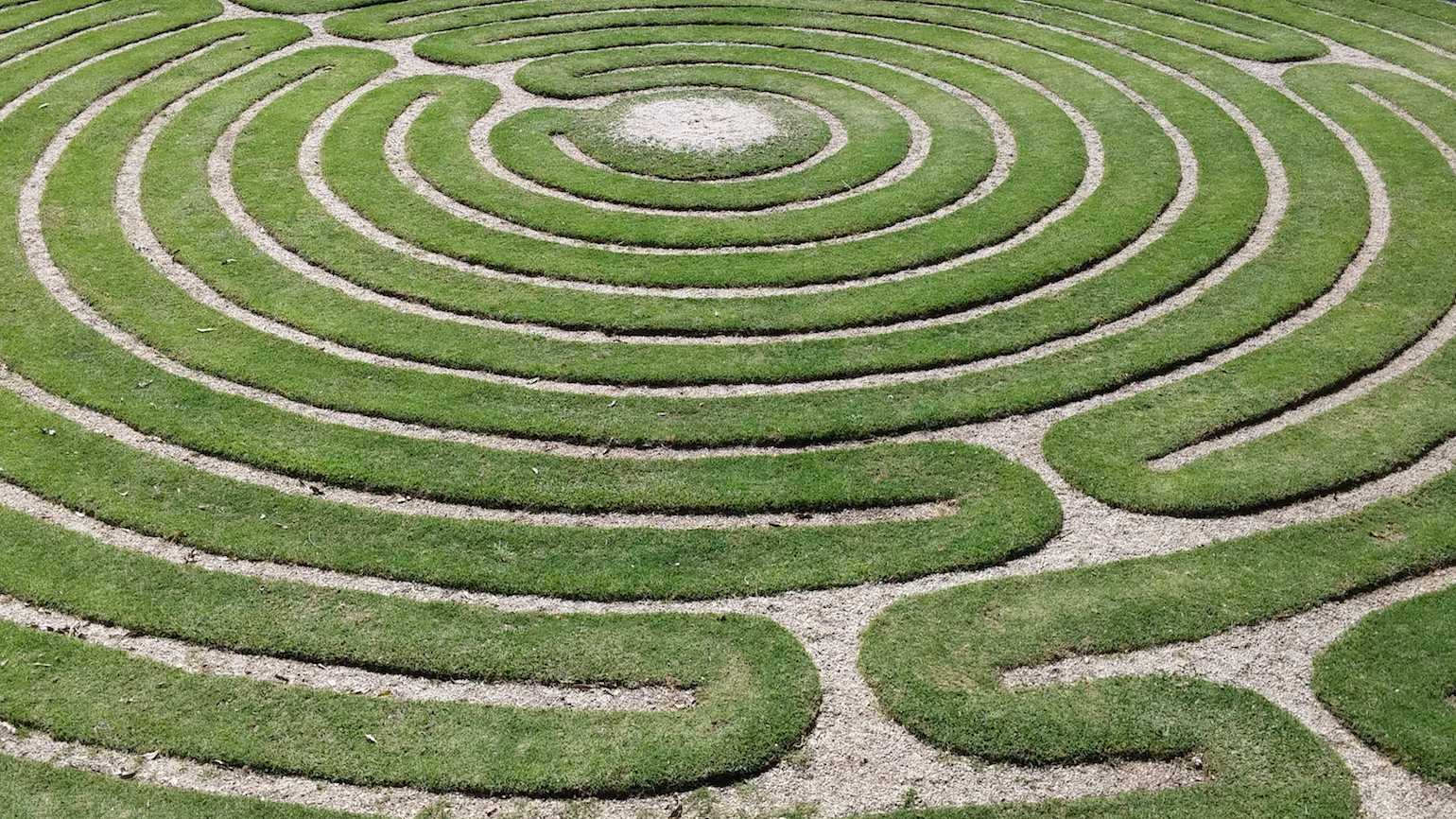
Not long ago, a good friend of mine was excited to explore a labyrinth on the beautiful grounds of a Kentucky seminary. He found it, but was disappointed. It wasn’t much of a prayer path at all; it was old, and worn—more of a pathetic prayer patio.

I knew how he felt. Sometimes our prayer paths get worn and weary. We need new ones now and then to revive and renew our energy and enthusiasm in prayer. There may be no better time than the beginning of a new year to scout out a new prayer path or two—or more. Here are some ideas:

1) Pick a new place.
A change of scenery can be a boon to prayer. Try out a bench in the park or spread a blanket by a lake. Or duck into a downtown church; many places of worship still open their sanctuaries for personal devotion during the day.

2) Start a new devotional book.
If you like to read, find daily inspiration and prayers in the pages of a book. It can be a one-year devotional (like Daily Guideposts, Mornings with Jesus, or my new release, The Bard and the Bible: A Shakespeare Devotional) or something shorter or undated, like A Diary of Private Prayer by Kenneth Baillie.

Shop Guideposts: Collections of Mornings with Jesus

3) Motivate yourself with music.
Sacred music often moves the human heart to praise and prayer. So choose a new CD or playlist of worship music or hymns to listen to, say, on your daily commute. You may even want to program a reminder each month to switch to something new, and so keep the music—and the prayer—flowing.

4) Plan a silent retreat.
Few things are as conducive to prayer as silence. Even if you’re an extrovert, you may find a silent retreat—say, a morning in a garden or a whole day at a convent or monastery—to be a rewarding time of reflection and conversation with God.

5) Enlist a partner.
I discovered long ago that losing weight is much easier when my wife participates with me. Not just because her watchful eye keeps me honest, but also because her encouragement and companionship motivate me. That kind of support extends to spiritual matters, too. So invite your spouse or a friend to join you for times of prayer—in person, via email, or even over Skype or Face Time.

6) Start a new Sabbath practice.
The poet, essayist and novelist Wendell Berry has, for years, written a poem every Sabbath (he has published them in several collections). I once made a weekly habit of taking a walk every Saturday and, in addition to praying as I walked, taking at least one photo on the trip. You may take a drive once a week or pray as you putter in the garden, or try something else that makes it easier and more enjoyable for you to spend some time in prayer.

7) Engage a spiritual director.
People in some traditions have profited from spiritual direction for a long time; to others, it is a new concept. But what better time than a new year to try something new? Spiritual directors are companions and guides on the path of growing closer to God. There are different kinds of spiritual directors, of course, and the process sometimes involves trial-and-error. But spiritual direction is a helpful and rewarding prayer path for many.

You probably won’t want to try all of these simple suggestions, but you might try one or two—or be inspired by one of them to blaze a path all your own—and that can make a huge difference in your prayer life in the coming year.

Pick a Word a Day During Lent

Lent is a solemn observance that lasts for 40 days, beginning on Ash Wednesday and ending before Easter Sunday. As Pope Francis stated, “Lent comes providentially to reawaken us, to shake us from our lethargy.” It’s also a time for reflection and preparation before the celebration of Easter. It’s a wonderful season to spend a few minutes each day pondering our faith, reflecting on God’s love and reading the Gospel.

There are many ways to reflect and prepare for Easter. This year, why not try something new? Join me in selecting one word for each day of Lent to reflect on. These words should relate to the season, for example: faith, love, mercy, joy, self-control, patience, doubt and justice. In reflecting on these words, you can choose to write down your thoughts, search the Scriptures for biblical texts that contain the word and even draw or paint what the word means. We are enriched by the different ways we see and experience our faith.

The purpose of this spiritual plan for Lent is to draw us closer to the Lord and help us think about God’s love for us. I hope this Lenten season will awaken you spiritually and deepen your faith.

Lord, be with us as we begin Lent. Help us to pray, fast, serve and reflect on our chosen words and Your love for us.

What is a Palm Sunday Parade?

“Does your church march around outside on Palm Sunday?” a friend emailed me. I considered for a moment lying and telling him, “No, we don’t. Not at our church.” I was afraid he wouldn’t come if I told him my church did a Palm Sunday parade.

I understood his hesitation. It sounds pretty embarrassing, doesn’t it? Being part of church congregation and marching outside, carrying palms, worshipping on a busy New York City block. I don’t expect we make a pretty picture. It’s always a big congregation on Palm Sunday and getting everybody organized to march outside and go down the block is unwieldy. What if someone was looking? What if someone he knew saw him?

But we should remember, there is a history and meaning to this Palm Sunday tradition.

Illustration of a Palm Sunday parade in Venice (19th century)

What is a Palm Sunday Parade?

A Palm Sunday parade, also called the palm procession, is when a church congregation parades outside after the palm fronds are blessed. The parade usually includes singing, prayer, and members of the church wearing religious vestments while carrying important religious icons, items, and the blessed palm fronds.

READ MORE: 5 Palm Sunday Devotions

The fresco of Entry of Jesus in Jerusalem (Palm Sundy parade) in Duomo by Lattanzio Gambara (1567 - 1573)
Fresco of Entry of Jesus in Jerusalem (Palm Sunday parade) by Lattanzio Gambara (1567-1573)

The Meaning of Palm Sunday Parades

Palm Sunday parades commemorate Jesus’ triumphal entry into Jerusalem. The scene is described in various New Testament gospels, specifically the Book of Matthew, the Book of Mark, the Book of Luke, and the Book of John. The palms signify how the people of Jerusalem welcomed Jesus on the city streets with palm fronds in their hands. As John 12:12-13 states:

The next day the great crowd that had come for the festival heard that Jesus was on his way to Jerusalem. They took palm branches and went out to meet him, shouting, “Hosanna! Blessed is he who comes in the name of the Lord! Blessed is the king of Israel!”

READ MORE: 15 Palm Sunday Bible Verses

Members of a church coming out of their church for the Palm Sunday parade

Palm Sunday Parade Reflection

Our congregation tries to sing while we process, making our loud “Hosannas. The front part of the procession usually gets ahead of the back part of the procession so we don’t even end up singing together. We’re just a disjoint group of people staring at programs and hymnals, stuck at a traffic signal.

And yet, I’m always struck by the wonder of it. Palm Sunday is a chance to take our faith outside and put it on parade. What an occasion of witness.

Palm Sunday is a chance to take our faith outside and put it on parade.

Maybe someone will look up from their Sunday Times, glance out the window and think, “Those people must really believe in what they’re doing or they wouldn’t risk looking so foolish.” But remember that Paul made the point in his letter to the Corinthians that what looks foolish to the world can be God’s wisdom at work, “because the foolishness of God is wiser than human wisdom.”

Members of the St. Michaels Church in walking their Palm Sunday parade on the streets of New YorkMaybe foolishness itself is important to experience on Palm Sunday. Think of how self-conscious the disciples must have felt when they were walking along behind Jesus on the colt with the people shouting, “Hosanna to the Son of David. Blessed is he who comes in the name of the Lord.”

Didn’t they worry about being noticed? Weren’t the apostles wary of what this hosanna-singing crowd really thought? After all, in less than a week, some of these same people waving their palm branches would be urging the authorities to crucify Jesus.

The phrase that comes to mind for this little Palm Sunday parade is “ritual humiliation.” The events of Holy Week, after all, led to a tremendous, monstrous humiliation. When we celebrate Holy Week we walk through what Jesus’ followers felt–their bewilderment, their despair, their fear and their faltering faith.

Members of the St. Michaels Church in New York do their Palm Sunday parade

Don’t I feel all those things when I contemplate Jesus’ suffering?

Palm Sunday is a mixed celebration, a parade that ends in a minor key. Sorrow hovers close by. We start out singing hymns of praise and then we end contemplating the Crucifixion.

“Yes, we walk outside on Palm Sunday,” I wrote back to my friend. “It’s a little embarrassing and I’m sure we look foolish, but it’s a good foolishness. It’s a way to welcome what is coming, a getting ready for Easter, which has always looked like foolishness to the world. Come to church with us. I’ll give you a palm frond of your own to carry.” I hope he comes this year.

READ MORE ABOUT PALM SUNDAY AND HOLY WEEK: