Embrace God's truth with our new book, The Lies that Bind

Happy Birthday, American Legion

March marks the 98th year since the founding of the American Legion. Most of us are only familiar with the organization because we pass by a local post or see them marching in a parade. Before our son joined the military I had no idea why they even existed.

But for those with a loved one who’s served, the American Legion is much more. Many benefits that our veterans receive are due to their untiring efforts. In honor of this great organization, I’d like to share a few of the things they’ve accomplished over the years:

The Lies That Bind In Article Ad

1.  The American Legion was begun in 1919 by a group of battle-weary soldiers. They banned together and quickly became a driving force in helping combat veterans receive the assistance they so desperately needed after they returned home.

Read More: Giving Our Troops the Power of Hope and Inspiration

2.  In 1921 they created the U.S. Veterans Bureau that quickly became the Veterans Administration. They continue to fight for veterans’ rights in regard to medical, disability and education.

3.  In 1923 they drafted the first “Flag Code” which Congress adopted in 1942. They continue to work toward a constitutional amendment preventing desecration of the flag.

4.  In 1925 they created the American Legion Baseball program, and today more than 50% of Major League Baseball players are graduates of this program.

5.  In 1943, National Commander Harry W. Colmery began a draft of the G.I. Bill of Rights. When it was signed into law in 1944, it was—and still is—considered to be one of the greatest legislative achievements.

The organization went on to pioneer and fund efforts to address issues from heart disease to mental illness to child welfare. It is non-partisan and not-for-profit and exists to ensure our veterans are never forgotten.  

Every time I drive by an American Legion post or see them marching in a parade, I’m challenged by the deep sense of service that veterans still feel to one another and to their country. Do you know anyone in the American Legion? You might thank them for all that they do.

Happiness Off Camera

It was one of those rare nights when I actually sat down for din­ner with my family.

We talked about Christmas, just days away. Then I grew serious.

“I’ve got some news, guys,” I said to our three children, Cameron, Claire and Evan. Cameron, my older daughter, was 11. Claire and Evan were nine and seven. Everyone quieted down. My husband, Ron, watched me. He knew what I was about to say.

“I’m not going to be working at CNN anymore,” I announced, trying to sound upbeat. “I’m going to have some time off to spend with you guys and do fun things around the house. Then I’m going to figure out what other great job I can get.”

Two days earlier my job had been eliminated at the Cable News Network, where I was a high-profile correspondent covering the Justice Department and the Supreme Court. I’d been dreading this moment with the kids. I hoped they wouldn’t worry too much.

Claire and Evan sure didn’t. “Yeah!” they cheered. “Mom’s going to be home!”

I looked at Cameron. She’d started middle school this year. All of a sudden my confident, carefree daughter was giving way to someone moodier, harder to reach. She stared at me with a look of betrayal. Then she burst into tears.

That was the way I thought I’d react when CNN let me go. But I didn’t flip out. Maybe I’d seen it com­ing. I was over 40. I’d worked at the network for 25 years.

TV news is a fickle business. I was away on vacation when I lost my job. Part of me was actually excited—for the first time since my kids were born I’d be able to celebrate Christmas without obsessively checking my BlackBerry or getting hauled off at three in the morning to cover some breaking news story. Deep down inside I knew I needed a break from it all.

It was Cameron I wasn’t prepared for. She was angry the night of my announcement and she stayed upset. For a while she glared at me as if somehow losing my job was my fault.

Then she tried a new tactic. One morning she bounded into the kitchen. “Mom, I have an idea,” she said. I glanced up from the paper. “Why don’t you become a reporter for Fox? Or MSNBC?” She looked at me hopefully. When I explained that getting a job wasn’t quite so easy, she stalked off in a huff.

Cameron was back at it the next day. “How about the White House?” she asked. And the next: “You could do your own radio show.” Every day a new tip. I should write a book, be in a movie, anything so long as it was high-profile.

I couldn’t figure it out. Ron still had a good-paying job and I’d lined up part-time work teaching journalism at a college. We were making it financially. Why couldn’t Cameron just be happy to have me around, like Claire and Evan were?

One day I was out running errands with the kids. Someone chatting in line at the store asked me where I worked. Before I could answer Cameron blurted, “My mom used to work for CNN!” And that’s when it hit me. Cameron wasn’t worried about losing money or security or anything like that. She was worried about losing her own identity, which was all wrapped up in being the daughter of a high-profile television reporter.

I remembered one time when Cameron was all of five years old. “When’s your mommy on TV?” she asked a neighbor kid. At the time I’d laughed. Now I realized what it meant. When Cameron thought of me she thought of my job. When she thought of herself she thought of my job. How on earth was I going to undo that?

I threw myself into being a mom. I baked cookies and brownies for the kids’ classes. I went on field trips. I took Cameron with me on a trip to England to visit an old friend. Cameron loved the trip and at the British Museum, we got to see the Rosetta stone, which she was studying in school.

When we returned, she went right back to job-coaching. I even caught her eavesdropping on my phone conversations, hoping one might be a job interview.

One morning I was home alone. Ron was at work and the kids were at school. The house was quiet. I thought of the day stretching ahead of me, how by this point at CNN I’d have been working for hours, adrenaline pumping, somehow juggling sources, phone calls, on-camera appearances and whatever I’d vowed not to let slip as a mom—that upcoming school play, homework deadlines, cupcakes for Evan’s birthday party.

How had I managed it all? And why—Why, God?—had everything changed so suddenly? I remembered how hard I’d prayed before starting as a correspondent at CNN. I’d even fasted one night, asking God whether journalism was the path I should pursue. The very next day I was offered my first on-camera assignment.

Okay, God, I thought. Where’s my clear sign now?

That afternoon I picked up Cameron from school. “How was your day?” I asked, expecting the usual, “Fine.”

Cameron was quiet. All of a sudden she launched into an anguished story about her group of friends, how everything was changing and she was feeling left out. She stared ahead while she talked then fell silent.

It took me a moment to know what to say. Finally, I told her a similar story from my own middle school days and explained that everyone feels left out at that age, even the most popular girls. Cameron nodded.

After that, I hardly ever got just “fine” after school. Cameron told me more and more about what was going on in her life. I reassured her that hair didn’t need to be long to be beautiful, that she was already skinny enough, that her body might change but she could still be the same Cameron.

Gradually it dawned on me what was happening. Just by being home every day, doing something so simple as talking on the drive back from school with my daughter, I was getting to participate in her life in a whole new way.

All of my years at CNN, I had prided myself on moving heaven and earth to be there for the kids’ milestones. Suddenly I realized where parenting really happens—in all of the little day-to-day stuff.

I began noticing all kinds of things that I had missed while working at CNN. The kids dressing up like pirates one evening, just because. Evan wanting to spend the night in an igloo he built on a snow day. Even Cameron asking Ron and me for a cell phone. Had I still been working at CNN I might have turned that request down cold.

Now that I was home and could keep an eye on things—especially all of the text-messaging—Ron and I decided to say yes. Of course, we did draw the line at Facebook (for now) and revealing T-shirts and too-tight sweat pants and so many other teen temptations.

Not long ago Cameron came rushing into the kitchen one day after school. “Mom!” she cried. “Luke wants to be my boyfriend!” By this point Cameron was 12. Luke was an exceedingly nice boy whom she’d known since pre-school. I had a hunch neither of them knew exactly what being boyfriend and girlfriend meant.

“Well, what are you going to tell him?” I asked.

Cameron thought about it a long time. She liked Luke. They were good friends. Maybe it was a good idea. A few days later she decided to say yes. She ran out to the front lawn, where Luke was waiting.

An hour later she came running back into the kitchen. “Mom! I’m not going out with Luke anymore!”

“Why?” I asked.

“Because I just like being friends. I didn’t want that to change,” she said.

I told her that was a great decision. “One day you’ll be ready for a relationship like that,” I said. “But right now being friends is probably the best thing. for you both.”

Cameron went back out to talk with Luke. It was the middle of the afternoon. Crunch deadline time at CNN. No way if I’d still been a reporter would I have witnessed this moment, my oldest daughter’s first brush with romance. I felt a rush of joy. At the back of my mind I knew even this time at home couldn’t last. Ron and I had three kids to put through school. Soon I’d have to start a job search in earnest.

For now, though, I had my clear sign from God. Neither Cameron nor I realized it that night I told the kids about losing my job, but at that moment God was giving us exactly what we needed.

No, the world doesn’t make you famous for helping a young girl become a healthy and happy adolescent. But both Cameron and I needed to learn what matters more.

Cameron still comes up with job ideas for me. Lately, though, a new topic has crept into our conversations—her career path. My little girl is growing up. I thank God every day for the privilege of growing alongside her.

Happiness Is Owning a Dog

I write books for a living, but it took a dog to teach me what living was all about.

In the end she taught me about dying too, and how to let go of something you couldn’t imagine going on without.

Light for Life NASB Study Bible in Article

Her name was Trixie and my wife, Gerda, and I would never be the same after she came into our lives.

Trixie was an inspiration. She restored our sense of wonder. She made us laugh and at times made us weep in anguish.

For me as a novelist she was a revelation, encouraging me to take a new, risky, challenging direction in my writing. She was a beautiful golden retriever, trained as a service dog, but she was also a sort of angel.

She’d been with us less than nine years, but that Friday morning when she refused food for the first time in her life, declining to take a single bite of an apple-cinnamon rice cake, one of her favorite things, I knew it was an ominous sign.

I rushed her to the vet who took an ultrasound and discovered a tumor on her spleen. “It could burst at any time,” he said. “You have to get her to surgery right away.”

In the large waiting room of the specialty hospital, Gerda and I sat side by side, sometimes holding hands, anchoring each other in the shallow optimism that circumstances allowed. Between us, we demolished a box of Kleenex.

We never had children. Gerda and I had been together every day, virtually all day, in our 32 years of marriage. She managed our finances, did book research and relieved me of all the demands that kept my fingers away from the keyboard.

We had always promised each other that we would get a dog, but we knew that a dog requires almost as much time as a child. And because of our work schedules—60 hours a week, sometimes 70—we hesitated to take the plunge.

We were supporters of Canine Companions for Independence, an organization that raises and trains assistance dogs, and they had encouraged us to adopt. Finally one evening I said to Gerda, “We’ll be ninety and too busy. We should just do it and make it work.”

Trixie had taken early retirement due to elbow surgery. Joint surgery will force the retirement of any assistance dog because, in a pinch, it might need to pull its partner’s wheelchair.

When Trixie met us, she was a highly educated and refined young lady of three. We were standing with others, but she came right to us, tail swishing, as if she had been shown photographs of us and knew we were to be her new mom and dad.

It was love at first sight.

She had a good broad face, dark eyes and a black nose without mottling. Her head and neck flowed perfectly into a strong level topline and her carriage was regal.

Beauty, however, took second place to her personality. Well-behaved, with a gentle and affectionate temperament, she had about her a certain cockiness as well.

In a picture of her CCI class, 11 of the dogs sit erect in stately poses, chests out, heads raised, each holding the end of its leash in its mouth. The twelfth dog sits with legs akimbo, grinning, head cocked, a comic portrait of a clownish canine ready for fun. Did I say refined? Not totally.

At first Trixie accepted the work schedule that Gerda and I maintained, which kept us at our desks until at least six o’clock, often until seven or later. Soon, however, Trixie decided that we were insane, and she set out upon a campaign.

One day, promptly at five, she came to the farther side of my U-shaped desk and issued not a bark but a soft woof. After telling Trixie that it was not yet quitting time and that she must be patient, I turned my attention back to the keyboard.

Fifteen minutes later, she issued another sotto voce woof. This time her head was poked around the corner of the desk, peering at me. Again, I told her the time to quit had not arrived.

At five thirty, she came directly to my chair. When I didn’t acknowledge her, she inserted her head under the arm of the chair, staring up at me with a forlorn expression that I couldn’t ignore.

Within two weeks we regularly knocked off work at five thirty, and within a month, because of the clock in Trixie’s head and her diligent insistence, five o’clock became the official end of the workday in Koontzland.

Those extra hours passed in a blizzard of tennis balls. I would throw and Trixie would retrieve until either I had no more strength or she dropped from exhaustion.

The shimmer and flash of her golden coat in the sun, the speed with which she pursued her prey, the accuracy of every leap to catch the airborne prize…she was not just graceful in a physical sense.

The more I watched her, the more she seemed to be an embodiment of that greatest of all graces we now and then glimpse, from which we intuitively infer the hand of God.

Then there was the “Lassie Incident.” One Saturday Gerda and I were working in our adjacent offices, she on bookkeeping, I on a novel with an approaching deadline.

As quitting hour drew near, we agreed on pizza for dinner. Gerda went to the kitchen to preheat the oven, then returned to her office to finish her data entries. About 15 minutes later, having approached my desk without making a sound, Trixie let out a tremendous bark.

I shot from my chair as if it were a cannon. I responded to Trixie with a command I had used only once before, “Quiet.” She padded away. From Gerda’s office came a window-rattling bark. I heard Gerda say, “Quiet, Miss Trixie. You scared me.”

Returning to my work space, she launched me from my chair again with two furious barks. Her raised ears, flared nostrils and body language indicated that she had urgent news to convey.

Feeling as if I were Lassie’s dad and Timmy had fallen down an abandoned well, I said, “What is it, girl? Show me what’s wrong.”

She hurried out of the room, and I followed her. Trixie trotted along the hallway, glancing back. Halfway across the living room, I detected the faint acrid scent of something burning.

Running now, Trixie barked one more time. In the kitchen, tentacles of thin gray smoke slithered out of the vent holes below the oven door. Peering in, I saw an object afire.

For a moment, I couldn’t identify the thing, and then I saw that it was a burning hand, standing on the stump of its wrist. I half-expected the burning hand to wave—but then I realized that it was not a hand after all. An oven mitt had been left in the Thermador. That night we gave Trixie extra treats.

I found the innocence of her soul to be a revelation. She didn’t need a new sports car or a week in Hawaii to know joy. For her, bliss was a belly rub, a walk on a sunny day—or in the rain, for that matter—an extra cookie when it wasn’t expected, a cuddle, a soft word.

She lived to love and to receive love, which is the condition of angels. If Gerda and I had decided to delay adopting a dog or if we’d decided not ever to have a dog, I wonder who I would be. Whatever, I would not be the Dean Koontz I am now.

In our house we liked watching movies on a big-screen TV. Usually I sat on the floor so I could give Trixie a long tummy rub and ear scratch.

From time to time, Trix seemed to take an interest in the story. If she happened to be watching when a dog entered the frame she stood and wagged her tail. It was the image that attracted her, because she reacted even when no bark or doggy panting alerted her to a canine presence.

One evening, a character rolled into a scene in a wheelchair, which electrified Trixie. She stood and watched intently, and even approached the screen for a closer look. I’m sure she remembered a time when a person in a wheelchair needed her, and when she served ably.

The second novel I wrote after Trixie came to us was From the Corner of His Eye, a massive story, an allegory that had numerous braided themes worked out through the largest cast of characters I had dared to juggle in one book.

The day I started, Trixie curled up on her bed in my office and she watched me from the corner of her eye. The opening made a series of narrative promises that seemed impossible to fulfill.

The more I observed Trixie, however, the more confident I felt about being able to write this challenging book. The protagonists of Corner were people who suffered pain and terrible losses but who refused to give in to cynicism.

Because Trixie restored my sense of wonder to its childhood shine, I knew I had to write this story, a book that went on to sell more than six million copies worldwide and has generated tens of thousands of letters.

That night of Trixie’s surgery I never went to sleep, but spoke to God for hours. At first I asked him to give Trixie just two more good years.

But then I realized that I was praying for something that I wanted. And so I acknowledged my selfishness and asked instead that, if she must leave us, we be given the strength to cope with our grief, because her perfect innocence and loyalty and gift for affection constituted an immeasurable loss. Even in my pain and confusion, Trixie helped to teach me how to pray.

Over a week later Trixie died at home on her favorite couch, on the covered terrace where she could breathe in all the good rich smells of grass and trees and roses.

As her mom cradled Trixie’s body and told her she was an angel, I held her sweet face in my hands and stared into her beautiful eyes, and, as always, she returned my gaze forthrightly.

I told her that she was the sweetest dog in the world, that her mom and I were so very proud of her, that we loved her as desperately as
anyone might love his own child, that she was a gift from God.

And she fell asleep, not forever but just for the moment between the death of her body and the awakening of her spirit in the radiance of grace where she belonged, like an angel.


Hanukkah Lights of Friendship and Faith

Back in 1996 the Markovitzes were the only Jewish family on a street in Newton, Pennsylvania. Come December their house was lit with a Hanukkah menorah in the window. Until vandals smashed it.

Mrs. Markovitz was no stranger to anti-Semitism. Her family moved to the States long ago to escape religious persecution in the Soviet Union.

Whistle Stop Cafe In Article Ad May 2023

The next morning, Lisa Keeling, a neighbor, heard about the incident. "I'm going to put a menorah in our front window, so that the Markovitzes will know they've got friends on our block," she informed her husband.

Lisa told her neighbor Margie Alexander her plan. Margie joined in. The two went shopping and bought menorahs for every house on the block. Just before sunset, every family lit candles on their new menorahs.

That evening when Mrs. Markovitz pulled into their street, she saw Hanukkah lights glowing all around her.

The neighbors have put up menorahs every December since. "For me, it's become the best part of the holidays," Margie says. "It's amazing to see people of different faiths support one other."

And a good thing to celebrate.

Handing Grief Over to God

Last week we learned that my daughter Elizabeth’s potassium and phosphorus levels were dangerously low, putting her at high risk for heart failure. This is a result of malnutrition brought on by her anorexia. She was quickly sent to the hospital, and I flew out to be with her last Saturday.

On Sunday I went to church alone. Midway through the service, as preschoolers bounced up the aisle to plunk their offerings in the children’s basket, I had a vivid recollection of Elizabeth’s glowing eyes and enchanting smile as a little girl. The contrast between remembering that little-child joy and holding her grown, gaunt body in a cardiac ward was excruciating. I rummaged frantically in my purse for tissues and used them all.

You Got This In Article Ad

Parents envision good and healthy futures for their kids. We need to, because it helps us set our priorities and guides us in our parenting. Yet it wouldn’t surprise me one bit to learn that Mary, who’d been warned ahead of time that a sword would pierce her own heart, moaned, “I never imagined it would be like this” as she gazed on her son bleeding on the cross.

It’s the groan of mothers and fathers the world over. It’s the grief of not understanding, of heartache, of wanting a bit (or a lot) more heaven on earth than we currently have. We didn’t imagine it because we couldn’t, for we never would have said yes if we had known in advance.

After my little breakdown it was super obvious (partly because I was in church) that what I needed to do with my battered heart was give it back to God. So I did. Then I thanked Him that my daughter was still alive. I inhaled deeply a few times, breathing in the Spirit and blowing out stress. And then I returned to the hospital, to do whatever it was I needed to do that I’d never imagined.

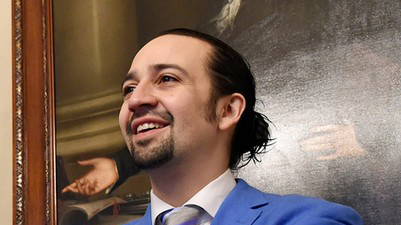
‘Hamilton”s Lin-Manuel Miranda on Fatherhood and Legacy

Lin-Manuel Miranda has won Grammys, Tonys and the Pulitzer Prize for the Broadway play he wrote and starred in, Hamilton. Now, the multi-talented performer can add one more accolade to his impressive list: father of two.

His second son with his scientist-attorney wife Vanessa Nadal is just a few weeks old, joining the family along with older son, three-year-old Sebastian.

A Journey of Faith In Article Ad - Avail Now

“It’s wonderful. It’s very surreal,” he said of watching his newborn change dramatically over the course of a week. “There’s one song in Hamilton that is truly autobiographical; There’s no historical precedent for it, it was just a song that came out while I was writing. There’s a moment where Eliza is singing to Hamilton, it’s called ‘That Would Be Enough.’ That’s the thing that changes,” he said of a new parent’s priorities. “You have this new person that, with any luck, is going to get some of the attributes of the love of your life [and that’s enough].”

With a new baby, he was certain that he’d be out of the office for at least two months. Then, Oprah called. 

“It’s the only thing I’m leaving the house for,” Miranda said as he sat with the talk-show icon on the famed Apollo Theater stage in Harlem, New York. Oprah brought Miranda, The Late Show host Stephen Colbert, Oscar-nominated director Jordan Peele, actress Yara Shahidi, The Daily Show host Trevor Noah and actress Salma Hayeck there for the latest edition of her live series, Supersoul Conversations.  Of course, as a dad of two children under five years old, the playwright had his children on his mind, and he was thinking of their future.

Much like his play’s inspiration, Alexander Hamilton, Miranda’s been thinking a lot about legacy. 

“The biggest gifts my parents gave me (and I say that as I look at my sister in the audience, because she got these too) was one, I think, immense pride in our culture. We grew up in New York. We grew up on 200th Street. So we spoke Spanish at every business we walked into. We always were speaking Spanish and English and always spent the summers in Puerto Rico. So there was a great sense of connection to where we came from and where they came from. That’s a real gift. And the gift of also being sent to Puerto Rico. So you can’t speak English with your parents. The grandparents don’t speak English, so it’s sink or swim and make yourself understood. That was a real gift.”

The other gift they gave him was independence, or as he described it, a “sort of glorious, benign neglect.” 

“My parents both worked really hard. I have never known either of my parents to have just one job. They always had many jobs at once, and they worked really hard so that we could have the things we wanted,” he said. “So I had this enormously rich, imaginative life.” He called it a “creative loneliness.”

With him and Nadal both flourishing in their careers, however, their two children will have an entirely different upbringing, full of access, opportunities and support for their creativity. Oprah asked how they plan to parent children who will have a childhood that will be so much easier than their own. 

“The most important thing you can give your children is empathy. It’s the number one tool in your toolbox as an artist. You can do anything if you can imagine yourself in someone else’s shoes. That’s the whole gig as a writer and as an actor. I had to figure out what Aaron Burr cared about,” he said of writing the “villain” in Hamilton’s story. “I had to figure out what Alexander Hamilton cared about. Your only tools are research and empathy.”

And, perhaps, time. It took Miranda seven years to complete Hamilton, taking each grain of inspiration and building upon it. Hamilton’s story spoke so strongly to Miranda because of Hamilton’s status as an immigrant from the Caribbean. 

“[Hamilton] got a scholarship, and that’s what got him off the island. And that’s exactly what happened to my father. My father got a full ride to NYU grad school when he was 18 years old. He’d already graduated from the University of Puerto Rico by the time he was 18. So I am the dummy slacker of the family,” he jokes. 

When he discovered that this founding father was an immigrant, everything he knew about Hamilton started to make sense. “I went, ‘Oh. So he had to work this hard.’ because that’s, that’s the gig, right? You work three times as hard and you’re promised maybe a fraction as much, and he knew those rules going in. That’s why he invented a financial system and the Coast Guard and the New York Post Office.”

The other similarity between Hamilton and Miranda is that both of their home islands were destroyed by a hurricane. Miranda has been on the ground in Puerto Rico partnering with non-profits to establish a $2.5 million recovery fund, water, food and more after Hurricane Maria hit in the fall of 2017. He released a single, “Almost Like Praying,” with guest vocals from legendary performers Rita Moreno, Gloria Estefan and more, with all proceeds going towards hurricane relief. Still, he’s hoping for more efforts to restore quality of life in the U.S. territory.

“Puerto Rico is still forty percent without power. How many months later? My parents’ hometown does not have power. They have been running on generators, waiting in line for gas for four months. The gas situation has eased; the money situation has eased. But for a while, the ATM would put a cap on how much you could withdraw,” he said. “There are places that are harder hit, and they’re still as if the hurricane happened yesterday. And there are places, metropolitan areas, where it’s better,” he said of the island’s biodiversity of mountainland, beaches, rainforest and metropolises. 

In January 2019, he will bring Hamilton to Puerto Rico and reprise his leading role, offering extremely discounted $10 tickets to Puerto Ricans. “It’s impossible to talk about this without crying, so I’m just going to cry while I talk about it,” he said, explaining how important it is for him to bring Hamilton to Puerto Rico. He’d already been planning to tour there since his first New York Times review, but the hurricane’s devastation expedited the announcement.

“It is coming at a time when it can be of great use,” he said, with pride. The money made from tickets purchased by tourists will go to restoring arts funding in Puerto Rico. 

“When you did your Tony acceptance speech, you wrote a sonnet about Hamilton. You said, ‘This show is proof that history remembers. We live through times when hate and fear seem stronger. We rise and fall, and light from dying embers remembrances that hope and love last longer,’ Oprah said, quoting Miranda. “That feels like a prayer.”

“It is,” he responded. “It was a prayer that came out of a really tough day [just after the mass shooting at the PULSE nightclub in Orlando, Florida].”  

“So I was like, ‘I can’t freestyle rap to this moment. I will not be able to meet the moment that way.’ It demands something else.”

So, he wrote a sonnet that spoke to the grief of the moment and to the heart of the musical. Though Hamilton died the youngest of the founding fathers, his story lived on, thanks to the work of his wife, Eliza Hamilton. 

“So it’s speaking to both Hamilton and this notion that we’re going to go through trying times and we’re going to go through challenges, Lord knows we’re going through challenges, but if we’re survived by the people who love us and remember us, then we’ll kind of go on forever.”

Watch this talk on Oprah’s Supersoul Conversations on February 27, on OWN.

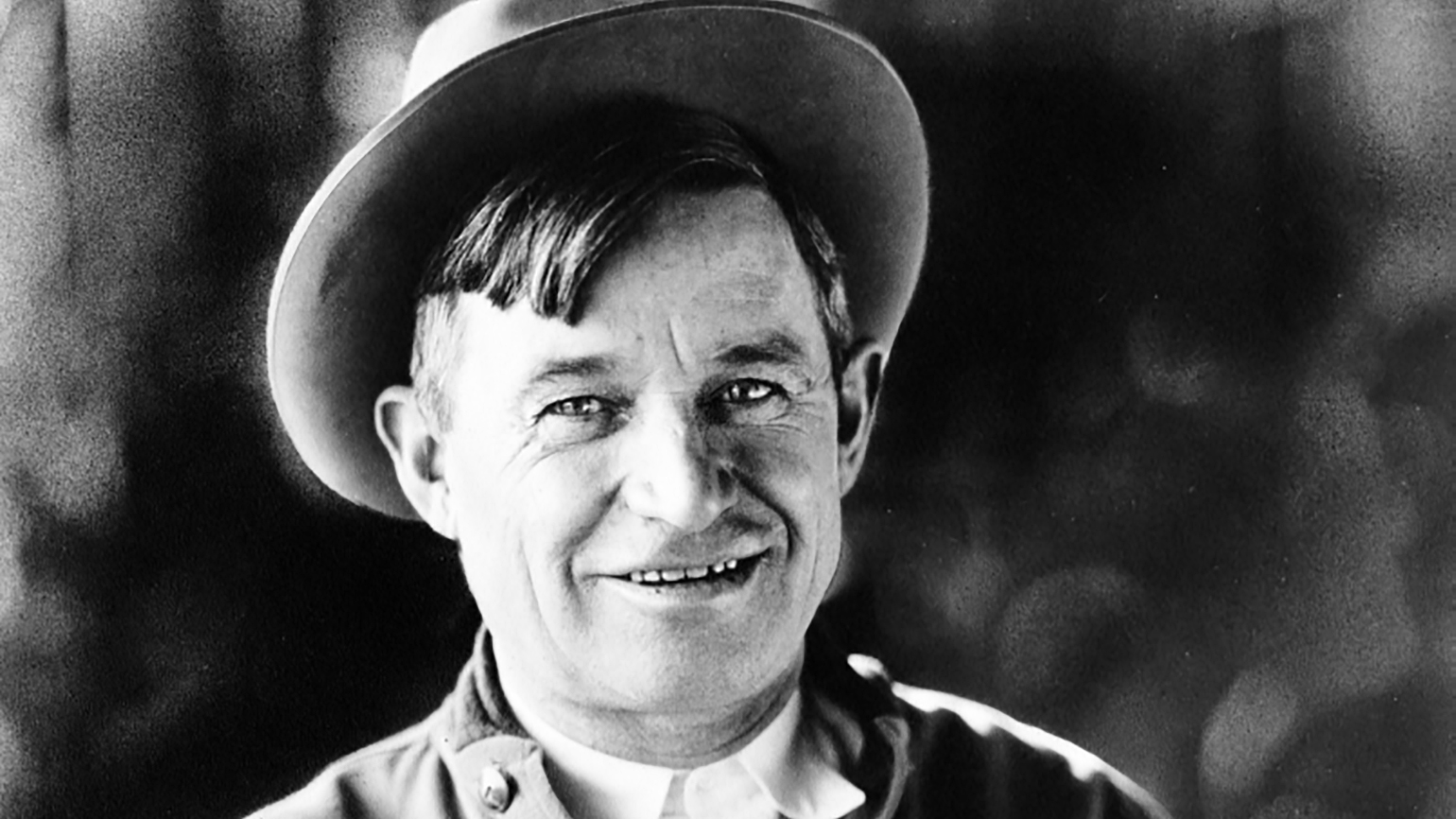
Guideposts Classics: Will Rogers Jr. on His Father’s Life Lessons

“Live in such a way that you would not be ashamed to sell your parrot to the town gossip,” my father once said.

If Will Rogers had a rule to live by, maybe that’s the one. Anyway, it’s one I remember best.

Witnessing Heaven In Article Ad 827x123

Many of his words are still repeated often. However, his heritage to his children wasn’t words, or possessions, but an unspoken treasure, the treasure of his example as a man and a father.

More than anything I have, I’m trying to pass that on to my children. I would like the treasure of my father’s past and the best of my present to merge with their future.

The spiritual heritage we get from our parents isn’t easy to pass on to our children, but I shall never cease trying.

I remember my father with reverence and laughter. To many he was the Oklahoma cowboy, with a hair lick over his forehead, an infectious grin, twirling a long lariat, and speaking a language of his own that bit big hunks into the sham of his day.

He’s thought of as a humorist. He was, but he was more, too. He was never an actor, though his name blazed in lights from Hollywood and Broadway to Berlin and Alaska. He was always himself.

Even as a wit he was trying to express ideas and ideals, and he would have preferred approval for them rather than applause for his humor.

I do not remember receiving very much lecturing from him at any time. He gave my sister Mary, my brother Jim, and me a good moral tone with the quiet sincerity which was always evident in all he said and did.

When I was a kid I wanted a motor to attach to my bike. I wanted it badly, maybe because none of the other kids had one. But it was very expensive and when I asked my father for it he said no.

“But Dad, we’re rich,” I protested.

Well, the whole roof descended on me. He said no kid of his was ever going to parade any advantage he might have, and I’d better unlearn any such notion at once. Then he muttered something about show-offs, the poor show-off who is always lonely because he’s always empty.

That made a big impression on me. Not so much the event, but the meaning my father gave it. Undue emphasis on material things made possessions ends in themselves, and that was morally wrong, if not destructive.

Growing up with that idea can make Christian ethics a habit, though at the time we didn’t think of it that way, and my father didn’t put it to us that way. The example is always more effective than the sermon. And he often put his ideas to us with a kind of barbed laughter.

When any of us felt important or inflated with our knowledge, we had only to remember his remark:

“Everybody is ignorant, only on different subjects.”

Once, while in high school, I rushed home all excited because I’d been picked to recite a long, humorous poem. I had to try it out right away. My father retreated behind his newspaper, so I made Mother listen. Half way through I fumbled, faltered, and came to a helpless halt.

Father, who I thought was paying no attention at all, came out from behind his paper and finished the whole poem. He also knew the author and when it was written. Then he went back behind his paper. I never recovered my conceit.

He was always the example. In those days parents assumed an automatic leadership I don’t see in parents today, including myself.

My father was the head of the house. He behaved as the head of the house. He was the parent, kindly, generous, but definite. When he said it should be done, it was done. That fashioned us when we were young.

Sunday school for us was like going to regular school. We just went. And we were taught the reality of prayer at home. When I was about nine my father got sick. In the hushed house, my mother told us about the time all her children were sick with diphtheria.

That was before I could remember. I had another brother then, Fred, who died of diphtheria; Mary and Jim and I almost did.

“But your father was down on his knees praying for all of you,” Mother said. “Now let’s kneel and pray for him.”

We did.

He taught us to ride and rope out on a polo field near our house. I couldn’t get third money in a rodeo with my rope, but I liked riding and polo, and went to the University of Arizona so I could play it.

Well, I played it all right, and got to drinking and almost flunked out. I felt pretty miserable after that first term, and pretty ashamed. My father didn’t bawl me out or cut off my allowance or anything like that. He had a better lever.

It’s a palpable fact that every son wants his father’s respect, and at this point I wanted his desperately. His disapproving silence was like a lash. Once in a while at the table he’d mention some of the wastrels, handy examples in those days, who rode around in their cars doing nothing.

The only way I could win his respect again was to switch to another university and do better.

The next term I went to Stanford, and majored in philosophy. I took two courses in comparative religion, among other things, studied hard and figured I had it all solved. One day I told my father:

“That old Greek, Socrates, put it all in two simple words: ‘Know thyself.’ “

“Yep, and then get to know the other fellow, too,” my father said. “There’s always two halves to a whole.”

That was pretty good for a cowboy who never got beyond the fourth grade.

He was always suspicious of any one with a pat and absolute answer to every problem. He believed in man’s failure as well as his glory, and was willing to accept both, because with his compassion he knew all of us take two steps backwards before we move one step forward.

My father’s family were Methodists and Baptists, and I remember the giggling among us kids because his sister, Aunt Sally, said it was improper to dance. Well, times change and now most ministers think dancing is all right, and there’s a lesson there:

“The basic ideas of faith do not change,” my father said, “but how you adapt those ideas to a changing world is the important thing, and will determine the durability of your faith.”

My wife, Collier, and I have three sons: Randy is 18 and at Cedar City University in Utah. Clem is 17 and Carl is only five. They’re good kids and developing into fine young men.

They are all adopted children, and from the very first I have always talked to them as adults. I tried to expose them to some of the ideas I picked up at Stanford. They were bored.

So I try to use my father’s approach. I want them to speak from the strength and security of conviction. Maybe that comes with age; it did with me, only I’d like my sons to get it a little earlier.

Randy was once in a car wreck. His car and the other one were coming around a curve, and both skidded off the road and hit each other. No one was hurt. Randy phoned all excited, and to hear him tell it, it was all the other fellow’s fault.

“Were you really going slow?” I asked.

“Well, not too slow,” he hemmed.

“How slow? 60?”

“Not 60! Honest, Dad. It wasn’t 60—maybe 50—55, but not 60!”

He was driving in a 40-mile zone. But he told the truth, and he learned a lesson about speeding. We all know we have to believe each other the rest of our lives, and the truth is more important than the deed. He knows it, they all know it.

Once a year the boys make up a list of food and send it to a Navajo family of 20 people. They’ve always had a sense of responsibility for this family. When a member of that family bought a wagon, a necessity on the reservation, the boys saw that it was properly outfitted.

To me things like goodness, honesty, charity are absolute truths. They have intrinsic value in themselves. Live by them and you will live a happier, better life.

My father gave me the notion that it’s nice to believe in God because it will tend to make you honest, but it’s more important to believe in God because a symbol bigger than yourself is essential to morality. Otherwise everything is as small, limited and fallible as you are.

The boys get that idea.

God’s existence, I tell them, is above and beyond us. It s a spiritual matter that can’t be measured by any tape or microscope.

We are given a mind by God, and that mind makes moral judgments. Only the belief that you are good, or capable of it, that your fellow man and all creatures are good, only that concept can bring you happiness. The more you practice it the better you will be.

My father lived that concept.

“And that concept is God,” I tell my sons, “or one facet of Him anyway. But it’s big enough to keep you busy for an awful long time.”

We’re all busy at it.

For more inspiring stories, subscribe to Guideposts magazine.

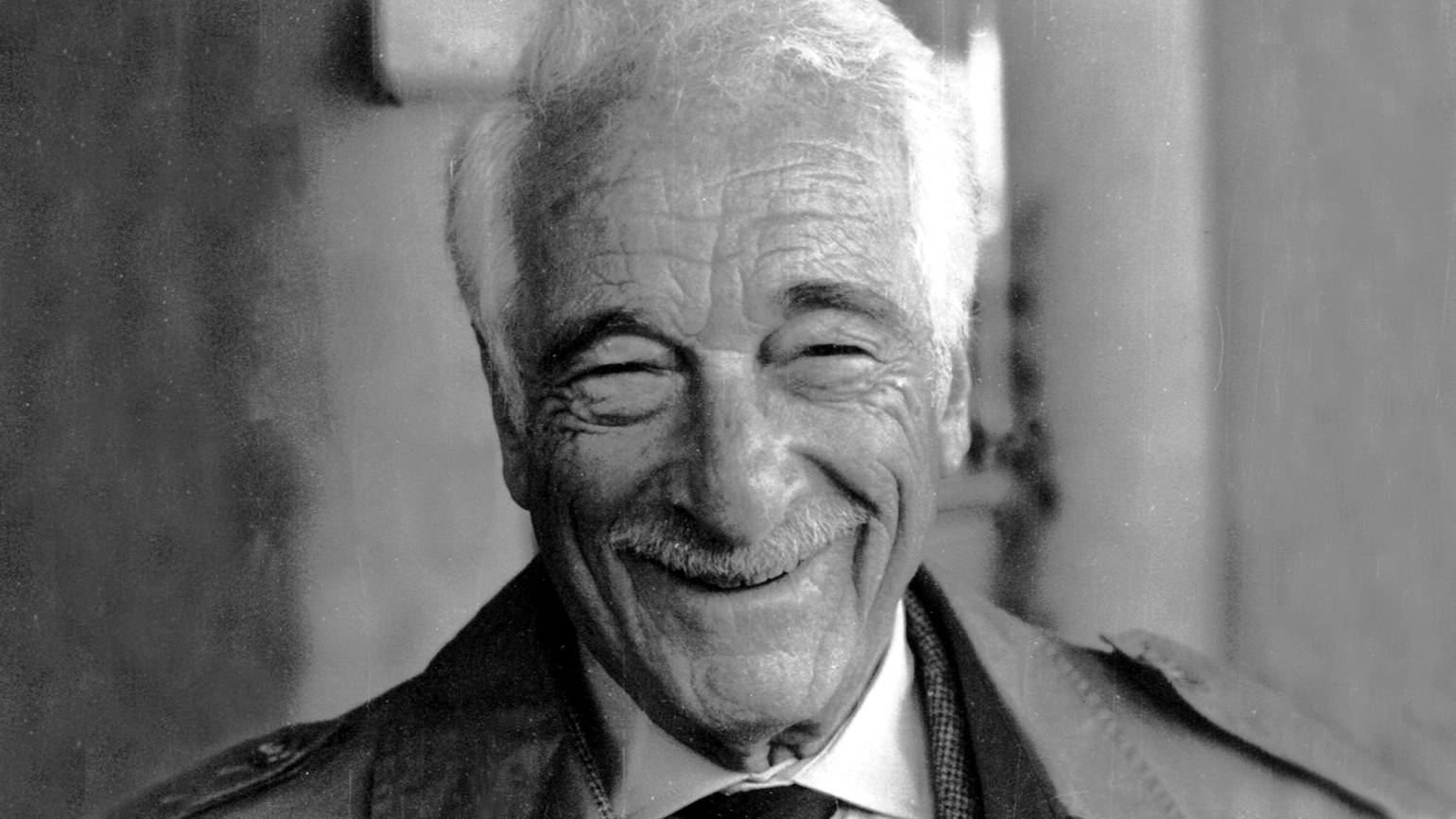
Guideposts Classics: Victor Borge on Finding Comfort and Sanctuary

When I grew up in Denmark, my family was bound together by love for one another and our intense interest in music. For 35 years my father was a violinist in the Royal Philharmonic Orchestra, and he wanted me to take up the violin, too. My mother, however, loved the piano. And that did it!

In the 1920s and ‘30s I became immensely busy on the stage, radio and in the movies. But in the 1930s something else was happening in Europe. We in Denmark despised the Nazis, and it was natural for me to make them the butt of much of my satirical humor. That they were not in love with me either was obvious from the letters and threatening phone calls I received.

extraordinary women of the bible

My father, who at my birth in 1909 was 62 years old, had died in 1932. By the spring of 1940, just as I had left for Sweden to star in a musical revue, Mother grew gravely ill. Then, on April 9th, the Germans swept into Denmark. In my absence Mother was immediately brought to a private hospital and admitted under an assumed name to save her from being held hostage in retaliation for my disappearance, because I had been placed on the most-wanted list by the Nazis.

Known as I was by every Dane, I nevertheless managed to slip back into Denmark undetected. Fully aware of the danger involved, I had to see my mother, who had not been told of the Nazi invasion. Pale and weak, she held out her arms to greet me and drew me close. “You see,” she whispered, “I’m getting better, and soon …” Her strength had gone. At that moment, desperate to find a way to cheer her, I told her that I had just received an incredible offer from Hollywood, and that—as soon as she was well enough—together we would go to America. It was a tremendous lie. At that time I had not the slightest notion of going to America. But I would have done or said anything just to see her smite again. She did … and whispered barely audibly, “…don’t let it go to your head…”

We talked a little until it was time to leave. I leaned down and kissed her. “Good-bye, Mother; and as the sound of the last word echoed in my ears, I knew that I should never see her again.

That evening I returned across the Sound to Sweden. How was it possible to perform those nights in a musical comedy revue? A week later the cablegram came: Mother had died in her sleep. At 10 o’clock on Friday morning there would be a service for her.

I wanted desperately to get back, but it was impossible. The dangers were now too hazardous to overcome, and no longer could I offer comfort to my mother. In my hotel room in Stockholm I read the cable again—“Service at 10 o’clock,” it said. What sort of service would there be? As a student, I’d earned extra money playing the organ at many funeral services. The ritual I knew by heart.

On the day of the funeral, at 9:30 in the morning, I climbed the steps leading to a cemetery in a Stockholm suburb. I knocked on the door of the caretaker’s office. Yes, he understood what I wanted to do, and led me to a small stone chapel, opened the door, walked away, and left me alone.

For a moment I stood in the aisle of the little church. A soft light filtered down from the stained-glass windows. Then I went to the organ and sat down. I looked at my watch. It was almost 10 o’clock.

Five hundred miles south in Copenhagen, the people who knew and loved my mother were filing into the sanctuary where her body rested. I began by playing a simple lullaby that Mother had sung to me. My hands dropped to my lap. After a few moments had passed I could almost hear the voice of someone in that distant chapel speaking about my mother’s dedication to her family and friends, and her devotion to decency and to dignity. I played again, improvising upon some music we had shared.

Strange, I thought, that the walls of the little chapel could withstand the surge of my emotions.

There I was, far from home in another country, forbidden to be at my mother’s side even during the last hours of her life.

But she was now freed from the horrors of war and the Holocaust—and so was I. For her death made it possible for me to escape the tragic fate which I would have been dealt by the enemy.

That’s the way my mother would have chosen it. I know …

And, by miraculous circumstances, I was able to reach America, where soon after I went to Hollywood and was virtually absolved from my great lie.

For more inspiring stories, subscribe to Guideposts magazine.

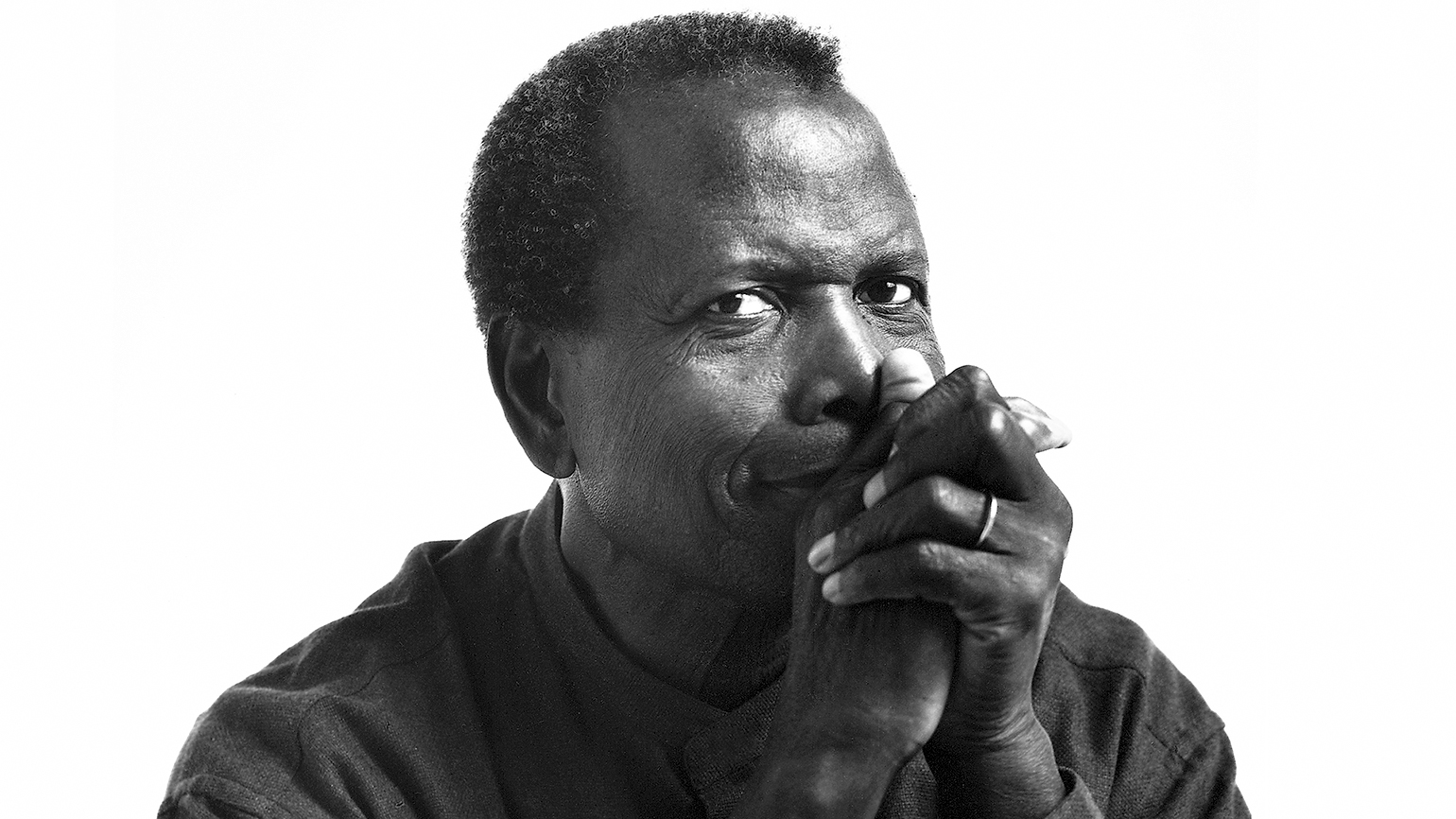
Guideposts Classics: Sidney Poitier on Honoring His Parents

When I left the Bahamas and came to New York City as a teenager, I had no plans to be an actor. I just kind of stumbled into it because I needed work and was leafing through the want ads in the Amsterdam News one day.

The “Actors Wanted” page caught my eye and I thought, Why not? I’d already tried Dishwashers Wanted, Porters Wanted, Janitors Wanted, Drivers Wanted.

Community Newsletter

Get More Inspiration Delivered to Your Inbox


I tried out for the American Negro Theatre company and persevered to get an understudy job. One night the guy playing the lead role—a kid named Harry Belafonte—was absent, and I had to go on in his place.

It just so happened that night a casting director was in the audience. He got me a part in a Broadway production of Lysistrata. The play ran only four days, and though the critics hated it, they liked me.

Like this article? Sign up for “Your Weekly Inspiration”,  a weekly newsletter of Inspirational stories of hope and faith – Click Here.

I got another part as an understudy for a road show, then I was in two major feature films, No Way Out and Cry, the Beloved Country. But after that, nothing.

Meanwhile, I had married a beautiful girl named Juanita, little Beverly had come along and there was another baby on the way. I’d made three thousand dollars from the movies, but I had sent that back home to my parents in the Bahamas. With no work coming in, we were up against it.

So when a buddy of mine had got the idea of starting a rib joint, it seemed that we had nothing to lose. We scraped together enough to open Ribs in the Ruff. It was just another Harlem hole in the wall, eighty cents a meal, including side dishes.

My partner and I did everything. We cooked the ribs, made the potato salad and coleslaw, bussed tables and scrubbed the place down when we closed. Times were so tough right then I used to take milk home for the baby.

I was tapped out and feeling pretty worried one day, and there was nothing encouraging in sight. Out of the blue, a big-time agent by the name Marty Baum called. “Would you come down?” he asked. “I have something I want to talk to you about.”

He wasn’t my agent, of course. He was just helping out on a casting assignment. I went right over to see him.

“Go over to the Savoy Plaza Hotel,” he said. “There’s a gentleman who wants to see you about a part. Here’s the name.”

I could hardly believe my luck. I went over. Two guys were there, the producer and the director. “We would like you to read for us,” one of them said right away.

They gave me a script and a few moments to look over the scene. Then I read for them. I felt good about my delivery, but they didn’t say much about it.

Instead, they asked me about my life and what I had done in the business. Then they gave me a copy of the script to take with me and said that they’d be talking to Marty Baum.

I talked to Marty too. “Read the script,” he told me. “Call me tomorrow and we’ll work something out.”

I went straight home to my apartment at 127 Street and Seventh Avenue and read the script. I didn’t like it. The part they wanted me for was a janitor in a casino.

He was a very nice man, but there had been some kind of murder at the casino, and it was thought this janitor might have some information that could incriminate whoever was responsible. He received threats and warnings to keep his mouth shut, so he didn’t do anything, didn’t say anything.

Then, to prove they meant business, the bad guys killed his young daughter, throwing her body on his front lawn. He was enraged. He was tormented. Still, he remained passive. He didn’t do anything for himself. He just left it to other people to fight his battles for him.

READ MORE: MICHAEL LANDON ON DIVINE BLESSINGS

I thought long and hard after reading the script. Here was a chance at a role that might pay good money. But something else, more important than money, stuck in my mind. Memories of growing up back on Cat Island.

It was a wonderful place to live. We were poor, so even as a child, I had my jobs, my purpose, and I knew I had to contribute to the thin margin of our survival. As soon as I was big enough to lift a bucket, I carried water for my mother. I went out into the woods to gather bramble to make our cooking fire.

But I felt lucky. I knew how we’d all sit together on the porch at the end of each day, together, fanning smoke from the pot of burning green leaves to shoo away the mosquitoes and sand fleas. And every Sunday we would walk to the little Anglican church in Arthur’s Town to attend services.

Then we would walk home, all the kids with our shoes slung over our shoulders by the laces—not to be worn again for another week. Life was simple back then, and I was free to roam anywhere. I wasn’t a spoiled child, but I was bathed in love and attention.

When I was 10, we moved to Nassau, the capital of the Bahamas. My dad, Reggie, was 50. He was hardworking, but the only thing he knew how to do was tomato farming, and the soil in Nassau wasn’t good for that. Plus, by then he was suffering severely from rheumatoid arthritis.

The only way he could make a living was to have my brother in Miami send him boxes of very cheap cigars. He’d spend the day walking around town selling the cigars, one to this person, two to another. That’s how poor we were. But my dad did what he had to do.

My mom, Evelyn, always measured up too. She would go scouring the neighborhood and nearby woods, picking up rocks and stones—20-pound, 30-pound, sometimes even 50-pound stones. She’d gather them into a big mound of about 2,000 pounds in our front yard.

Then she would sit under an almond tree with a hammer in her hand and a big straw hat on her head. From early morning to night my mother would hammer those stones until they were gravel.

It would take her weeks, sometimes months, to break a pile of stones. When she had an impressive enough pyramid, a man would come by with his truck. They’d bargain, and he’d pay whatever price she was able to negotiate—fifteen shillings, if she was lucky, which was only about six dollars.

Then his workmen would come with his truck and shovel all the gravel into it and take it away. But the things that Reggie and Evelyn did for a living in no way articulated who they were as people. Everything they undertook was honorable, because that’s who they were.

When I got to New York, I was given the opportunity to do work that would reflect who I was. And who I was had everything to do with Reggie and Evelyn and each cigar sold and each rock broken.

That’s how I’d always looked at it. My work is who I am, and that work would never bring dishonor to my father’s name.

So I knew I couldn’t take the role. The character simply failed to measure up. He didn’t fight for what mattered to him most. He allowed himself to be dishonored.

First thing the next day I went back to Marty Baum’s office.

“How’d you like the script?” he asked.

“I have to tell you, I’m not going to play it.”

“What do you mean?” he asked, irritated.

“I can’t really tell you,” I said. “But there’s something about it. I just don’t want to go into it.”

READ MORE: DUKE ELLINGTON ON HIS PATH OF PRAYER

“That’s the way it goes,” he told me.

I thanked him and left. Then I went over to Fifty-seventh Street and Broadway, one flight up to a place called Household Finance Company, and I borrowed seventy-five dollars on the furniture in our apartment. Our second child was due soon, and I knew that was what the hospital was going to charge.

Six months later, Marty Baum called again. “What are you doing?” he asked.

“I’m still in the restaurant, working.”

“Come down. I want to talk to you.”

So I went down to the offices of Baum and Newborn, across from the Savoy Plaza Hotel. Marty sat me down.

“I don’t have a job for you,” he said. “But I wanted to say something to you.” He stared for a moment before continuing. “I’ve never met anybody like you. That was a good part, and you turned it down. You haven’t done anything since, and it would have been $750 a week, which is a nice piece of change.”

He asked again why I hadn’t taken the part. All I could say was, “It’s the way I am.”

Marty Baum shook his head and said, “Anybody as crazy as you, I want to handle him.”

That’s how I landed with a big agent, and how my career got on solid footing.

If I could tell Marty Baum now, maybe I’d say it’s all a matter of conviction. We all have to live with the consequences of sticking to our convictions. I walked away from $750 a week, but I also walked away with my self-respect.

If I had gone the other way, I might have ended up in a bright situation, but I know I would have felt something was missing. You see, I long ago learned that my work is me, and I try my hardest to take care of me, because I’m taking care of more than just the me one sees.

I’m also taking care of Evelyn and Reggie, the parents God blessed me with back in a special place in the Bahamas named Cat Island.

For more inspiring stories, subscribe to Guideposts magazine.

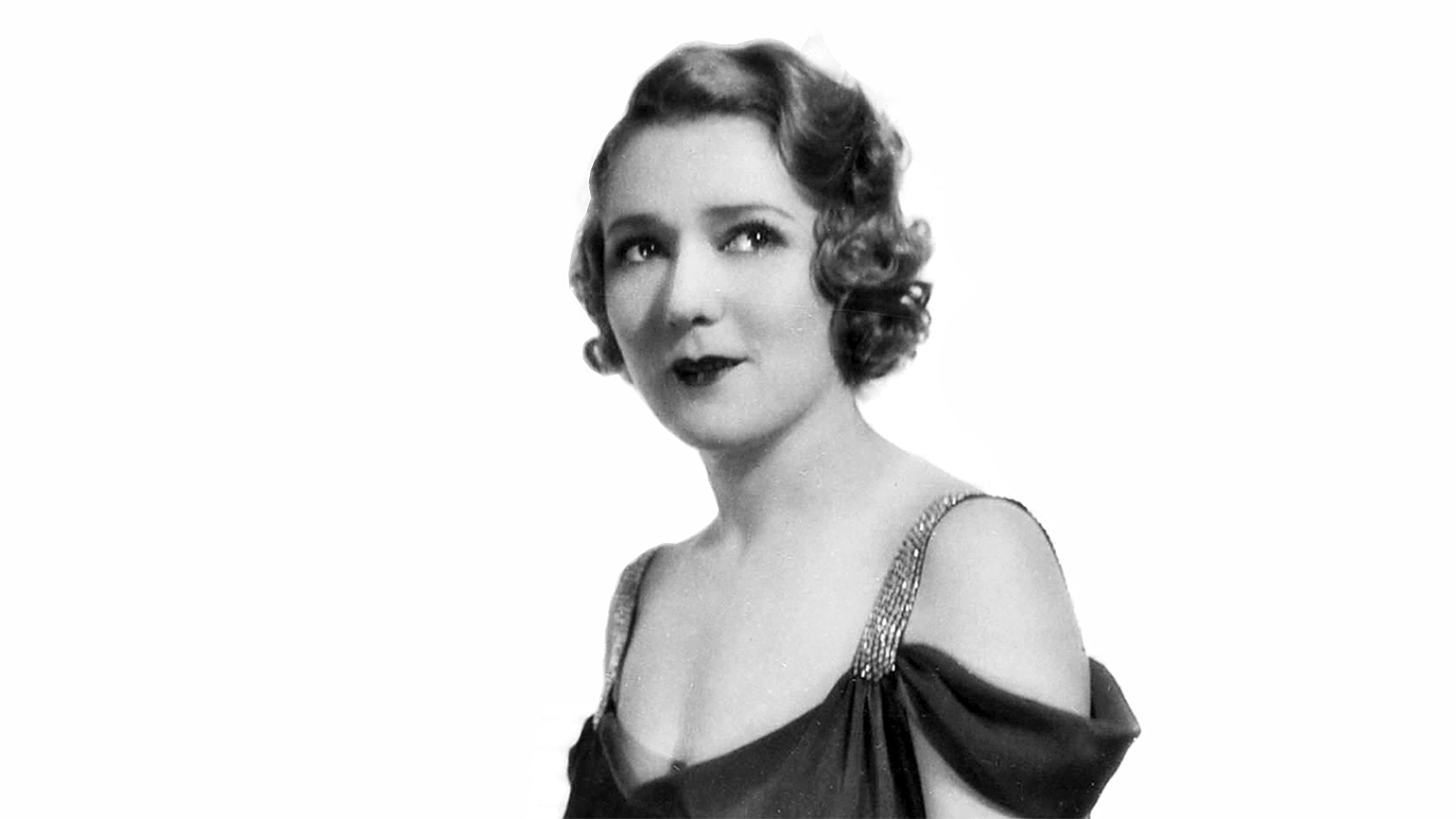
Guideposts Classics: Mary Pickford on the Blessings of Children

“Have girl for adoption along lines discussed,” the telegram read. Perhaps the most thrilling message in my life—it was from a Foundling Home.

Buddy and I were on a plane the next morning, excited at the thought that our search might be over. But I personally had a feeling of panic too. We had been years trying to find a child. Once before we had settled on an adorable two-weeks-old baby girl. All formalities and paper-signing had been completed, and we had even prepared a nursery for the baby in our home.

A day or so before the child was due to arrive—she died.

Since then I had often wondered, although I battled such thoughts, if God really wanted me to have a child. It had seemed like a double deprivation to have to close the door on that empty nursery. And yet why had God given me such an insistent urge for children—and an almost obsessed love for babies? My idea of the perfect home had always been four children—and it still is.

At the Foundling Home we learned somewhat to our dismay that the girl in question was eight years old. We had asked for a baby. “Does the child know we have come to see her?” I asked the woman in charge.

She shook her head. “We never build up the hopes of any child by giving advance notice.”

I looked around for my husband, but he had stepped out the door to the playground, evidently attracted by the shouts of some boys playing ball. Moving over to the window I too watched the action. One small lad with tousled hair and quick, agile movements interested me at once. He seemed to run the hardest and throw a ball the straightest.

Although the smallest boy on the field, he by his eagerness and ability was the recognized leader.

Buddy too, I could see, was engrossed in this youngster. As soon as the matron of the Home returned with the girl, I asked her about the lad. “We would be glad to have you meet him, Mrs. Rogers,” she told me.

Buddy and I had already talked with the girl when the boy was brought in and introduced. He marched straight up to us, shook hands firmly, looking us both in the eye. There was much wisdom in that 6-year-old look. I was sure that Buddy had the same feeling about him that I did, but I relied upon a little double talk in front of the boy to check my husband’s reactions.“

We ought to make some decision about closing the deal,” I said.

I’m all for it, but remember, dear, it’s a long-term investment,” he replied.“

I know, but the best one we’ll ever make.” And we smiled our joint decision.

We called our boy Ronny Rogers.

Every couple who considers adoption has some fear as to how it will work out. An infant probably absorbs an atmosphere. The older the child, people feel, the more adjustments will have to be made. These and other thoughts were in my mind as we left the Foundling Home that day with Ronny.

Yet one unmistakable fact loomed far above any other. We had gone into the Home man and wife—and had come out a family.

Once in our home Ronny belonged as if he had been there all his life. True, a small boy is at some disadvantage when he transfers from a Foundling Home environment to a large Hollywood home where he is in somewhat of a spotlight.

Yet no child has been more loved than Ronny, and he has known this from the start. This love is all that really matters to a child whether his parents live in a two-room flat, a mansion, or a house by the side of the road.

There are thousands of youngsters in institutions who are well fed and well taken care of. What they do not have—something more important almost than being well fed—is the sense of belonging, of being loved. My heart aches for these children. But it also aches for all the homes without children; for the couples who deprive themselves of the one thing it takes to make a home and a family—children to love.

I had asked for a girl and expected an infant. If I had any disappointment at finding myself with a six-year-old boy, it didn’t last long. Ronny completely assaulted our hearts. I thank God for so guiding us.

Almost everyone wants an infant, but those from six to fourteen years of age are the ones really in need of a home. So much happiness flooded our house with the arrival of Ronny—that we soon decided to enlarge the family some more.

Within ten months the Lord had sent me what my heart fancied—an infant baby. Please don’t be skeptical when I use the phrase “the Lord sent me,” because when I think of the years I had been searching for an infant to adopt… the delays, the heartbreak, the difficulties and involvements that go with adoption, you can understand why I truly felt that God meant this particular child for me.

We named the baby Roxanne and everyone in the house was completely happy —except Ronny! “She’s a nuisance,” he had said. “What’s so wonderful about her? Just another girl.”

But Ronny too was slowly to succumb to Roxanne’s baby charms. We watched the air of brother-ownership and self-appointed censor and guardian develop.

No home can be a completely happy one without God. Bible reading and prayer have been to me like the foundation of a building. With sound religious training as a basis, children can grow up to become better citizens, and I find parents themselves acquire new depth and understanding while teaching the importance of God’s teachings to their offspring.

Roxanne’s childish faith is especially appealing. The moment she overhears any discussion about religion or God, whether it be in a small family gathering or a room full of people, she interrupts with her pet phrase: “There izno spot where Godiznot.”

This remark always delights everyone except Ronny, and it really gets his little gray goat. Yet recently Ronny surprised and pleased me with a burst of youthful feeling for religion.

It was during a recent holiday when I was taking Ronny and our Belgian foster child (who had been permitted to come to this country for a visit) to the theatre. While passing along the street, we were stunned to come upon a man whose rasping voice hawked out such phrases as “Down with religion… down with God … away with priests and ministers.” In his hands he held copies of “The Atheist.”

Other people were staring at him with as much revulsion as we. This man looked like a model of halitosis, sour linen and dark alleys. He seemed the true embodiment of the Devil himself, for I’ve always thought it absurd to portray the devil as a dashing handsome scarlet lure.

Ronny (now 12 years old) screwed up his face in disgust, and suddenly I had the notion he would break away from us and lunge at the man. I think he was ashamed that our Belgian foster child was getting such a wrong impression of America. I tightened my hold on his arm, feeling a strong sense of pride at his swift reaction.

“Let him be, Ronny,” I advised, “he’ll die of his own poison.”

I think my deepest satisfaction came one day when Ronny and I and a cousin were driving to see the newborn baby of my niece.“

Just think,” said my cousin who was driving and forgot for the moment, I suppose, that Ronny was in the back seat, “how wonderful to have a child of your own flesh and blood.”

I grew cold with horror for a moment, thinking of how Ronny would feel, and I said as casually as I could: “Yes, wonderful—but it’s a little terrifying wondering how they’re going to turn out.”

From the back Ronnie spoke up instantly: “Just think how lucky you were, Mother! I was six years old and you could tell exactly what you were getting.”

I laughed back at him, thankful that his eyes glowed with pride and importance. No sense there of not belonging; he knew he was wanted. And I was warmed inside with fresh love for my family and gratitude to God for the fulfillment of a life-long dream—a home with children.

For more inspiring stories, subscribe to Guideposts magazine.

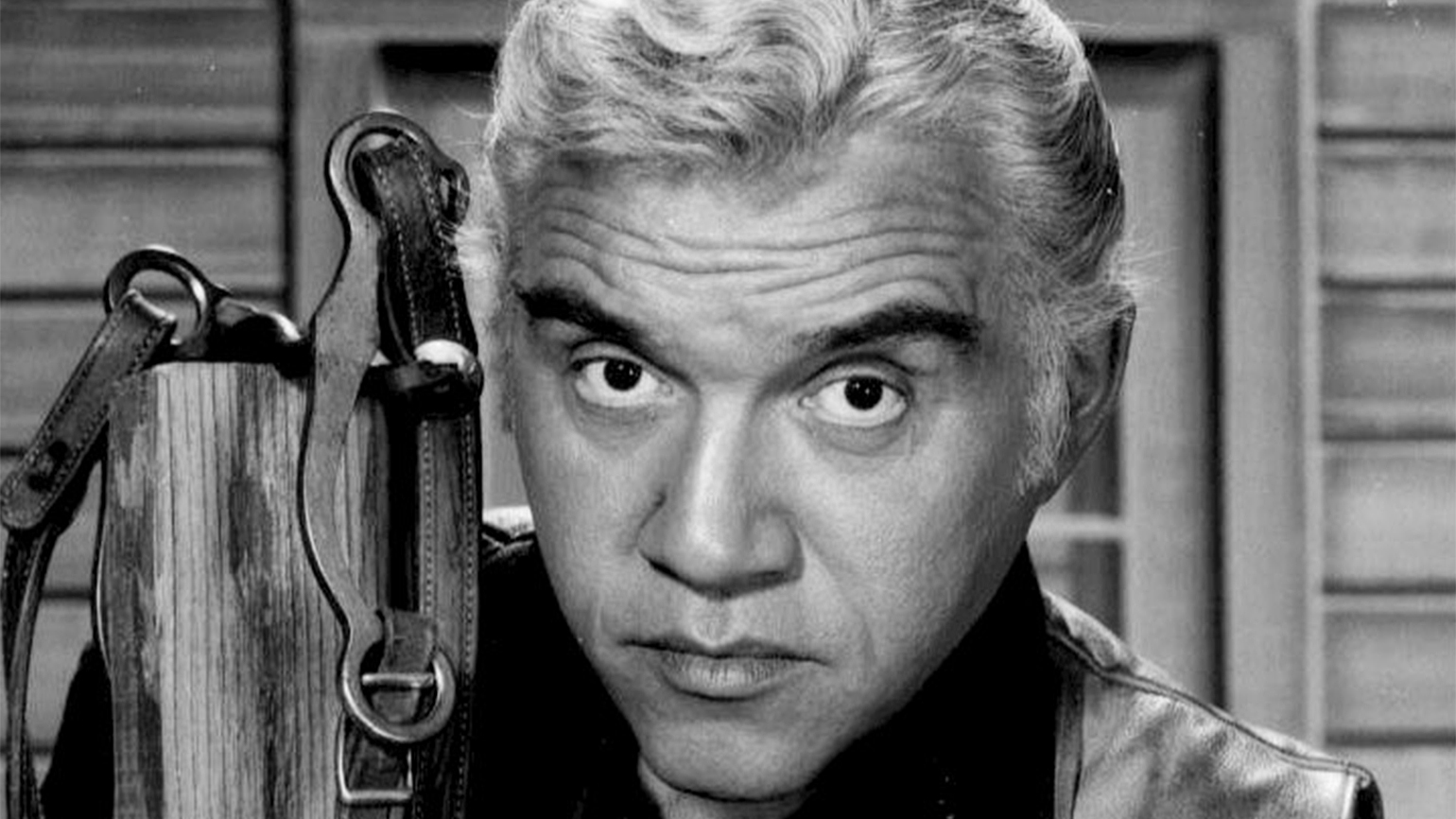
Guideposts Classics: Lorne Greene on the Value of Silence

In 1956, three years before I was given the part of the father in Bonanza, my father died. But in another sense he lives every time Ben Cartwright walks before the TV cameras.

The way the role was originally conceived, for example, Cartwright was an aloof, unfriendly sort of person who greeted strangers with a rifle. I remember one early line I had to speak.

Community Newsletter

Get More Inspiration Delivered to Your Inbox


“We don’t care for strangers around here, Mister. Git off the Ponderosa—and don’t come back!”

Well, I said it, but my heart wasn’t in it, and gradually I began to play Ben Cartwright more like the father I knew best.

His way of greeting strangers was to invite them home to dinner. There were only three of us in our family, Dad, Mother and me, but our house in Ottawa, Canada, always seemed to be full of people. 

My most typical childhood memory is of creeping halfway down the stairs after my bedtime to listen m the company talking in the living room—and wondering in the morning who had found me asleep there and carried me back to bed.

The people Dad, who made his living as a shoemaker, invited home most often were actors, artists, musicians, anyone connected with the world of beauty and make-believe that had been closed to him as a child and young man.

Dad’s family had been poor. He’d gone to work early, apprenticed to a leather worker at 15, and Dad’s friends filled in a part of life he’d missed.

Dad was a huge man. He wasn’t unusually tall, but he was tremendously broad across the chest and shoulders. And like so many big men, he was exceptionally gentle.

He had one special quality which I have come to think of as the essence of his fatherhood. It’s such a simple thing, on the surface. He knew that there is a time for silence.

I remember the day I discovered this quality in my father. It was my eighth birthday, and Mother and Dad had given me a watch—a gift so far beyond my wildest dream that I had to keep taking it from my pocket to be sure it was real. At bedtime Dad warned me about winding it.

“It’s wound tight now. Tomorrow, when it’s run down some, I’ll show you exactly how to do it.”

Of course, I promised not to wind the watch and went to sleep in a fever of impatience for the morning.

Several times that night I woke up: would daylight never come? At last I drew the watch from safekeeping under my pillow, stared into its phosphorescent face and came to the incredulous conclusion that it was not yet three o’clock.

Surely it was later than that! My watch must be losing time! It was as though my dearest friend lay dying in my arms. Dad had said not to wind it, but wasn’t it almost murder to let it run down?

And so after a regrettably brief struggle, I wound the watch. After every few twists I held it to my ear but the watch ran no faster. Desperate now, I wound and wound until finally, I fell asleep…

Early next morning Dad came into my room. “Well Lorne! What time is it?” Dad picked up the watch, his eyes still shining with the pleasure that giving the gift had brought him. Then he frowned. “Five minutes past three?” he said. He held it to his ear, then tried the stem. “Lorne, did you wind this watch?”

I must have felt much like Adam in the garden, with the taste of apple still in his mouth. “No, Dad, I didn’t wind it.”

I looked up at Dad and there in his eves I saw some deep communion broken. For a full 10 seconds he watched me without speaking and then he left the room.

He didn’t speak of the matter, then or ever, and he had the broken mainspring on the watch repaired, but his silence demolished me. I sobbed for hours. I hated myself—whereas a lecture might have let me twist things around and hate him—and I never forgot it.

I was 15 before I tried deception on my father again—and this time I went in for it in a big way. It happened that Mother went to New York for two weeks to visit her sister, leaving Dad and me alone in the house.

The more I thought about that house, standing empty and peaceful all through the day while Dad was at the shoeshop, the more delightfully it contrasted with the restraints of school.

I took out a sheet of Mother’s note paper, experimented with her signature until I was satisfied, then signed an illness excuse and began to enjoy a few days of leisure.

One morning I picked up my pile of hooks as usual, and left the house. Dad always left for his shop at 8:30, but I was taking no chances: I waited until 9:30 before going home. I let myself in, gloating at my own cleverness, and slammed the front door behind me.

“Who’s there?” Dad’s deep voice boomed through the hall.

He stepped out of the bathroom, a towel around his shoulders, and my cleverness deserted me. Staring into his eves the only thing I could think of was:

“I—uh—came back for an umbrella.”

Both of us instinctively glanced out the window. As luck would have it there was not a cloud in the sky. In the immense silence proceeding from my father I went through the wretched pantomime of taking an umbrella from the closet. I was halfway out the door when he spoke.

“Aren’t you forgetting your rubbers?”

Miserably, I crept back for those, too.

“Lorne,” Dad said, “let’s you and me have lunch together today.”

Now ordinarily this was a great treat, to meet him at a restaurant downtown during the school lunch hour, and I tried to sound hearty as I accepted.

I knew what that lunch date was for: it was a chance for me to tell him anything that might be on my mind. But somehow when I got there the words stuck in my throat.

Dad didn’t press me on the subject of my behavior; he maintained that prayerful silence of his which said so much more than words. After the meal, he said simply, “I’ll walk you back to school.”

We walked up the high school steps, down the hall, into the principal’s office, and there, of course, it all came out: the illegal absences, the forged note, everything.

That principal bawled me out for half an hour. He threatened and harangued and banged the desk and said a great many things, all of which were probably very well put and doubtlessly true. And five minutes after we left his office I couldn’t have told you one of them.

All the while Dad said nothing at all. He simply sat looking at me. And whereas I cannot tell you a thing the one man said, the well-timed silence of the other has haunted me ever since.

I remember once during my first semester at college when I faced a decision about the future. I was enrolled in the chemical engineering course at Queen’s University in Kingston, Ontario, about 100 miles from home.

I’d been intrigued by chemistry for years, but I had another love, too, perhaps born on the hall stairs one night as Dad’s guests talked in the living room. I wanted to be an actor. Not professionally, perhaps, but as a hobby. One reason I’d chosen Queen’s University was because of the Drama Guild there.

But as soon as I started classes I made a jolting discovery: being a scientist was going to take all of my time! There were lectures in the morning, labs all afternoon, and written assignments for the evening. Only people in non-lab courses could go out for the Drama Guild.

Suddenly I wanted very much to be talking this all over with Dad. I put through a phone call and raced the three-minute limit to get it all said.

“Isn’t this a coincidence!” Dad’s voice interrupted me. “I’ll be passing right through Kingston tomorrow on my way to Toronto. Why don’t I stop by the school and you can tell me more?”

Today, of course, I know he didn’t have to go to Toronto any more than he had to go to the moon. He closed his shop and made that 100-mile trip because there was a boy with something on his mind who needed a good listener.

At the time I only knew that we sat all that September afternoon on the shore of Lake Ontario while I poured out my thoughts, my hopes, my dreams for the future, and that by the time I had finished I had chosen a lifetime in the theater.

What he thought about my plans, whether he would have been prouder of an engineer in the family than an actor, or whether he cherished completely different dreams for me, I never knew.

I was talking with a friend not long ago about Dad’s gift of creative silence. My friend, Joe Reisman, is a song writer, and suddenly he picked up a piece of paper and started jotting down some of the things I’d said. Here’s what he wrote:

You can talk to the man.
He’s got time. He’ll understand.
He’s got shoulders big enough to cry on.
Tell all your troubles, and take your time.
He’s in no hurry. He doesn’t mind.
It matters not how bad you’ve been:
You can talk to the man.

Now I’d been talking about Dad. But by the time Joe had set the words to music and we’d made a record of them, the word “Man” had become capitalized, arid the record was about God the Father of us all.

But that’s a natural progression, when you come to think about it. Doesn’t what we know of the Father in heaven start with a father here on earth? We believe in His love because we’ve known human love. We believe that He listens to our prayers because another father has listened to our words.

For more inspiring stories, subscribe to Guideposts magazine.

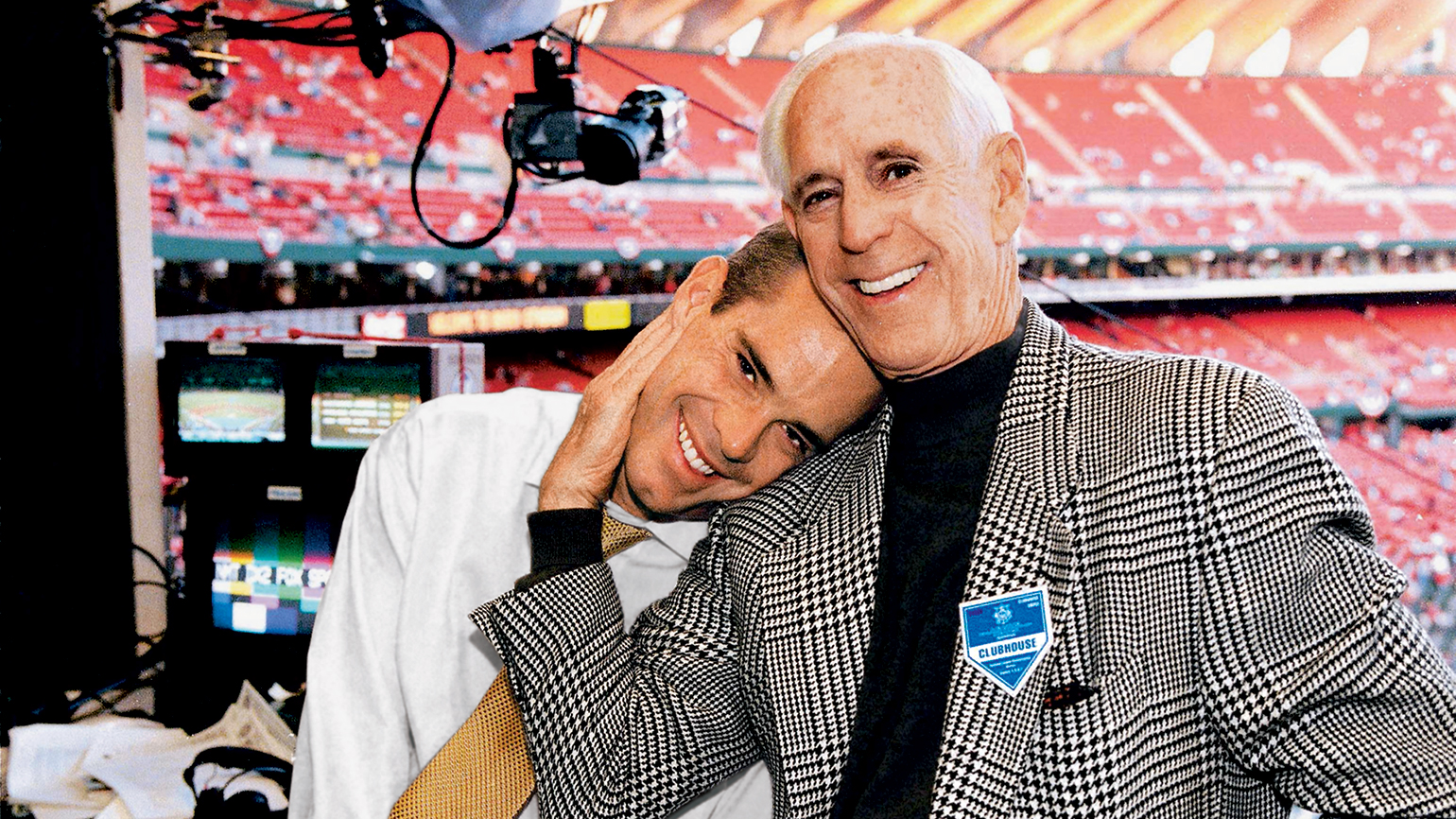
Guideposts Classics: Joe Buck on His Hero, His Father

The night before the doctors removed my father from the ventilator, the last night they said he’d be alive, I sat by Dad’s bedside in the hospital and said all the things I needed to say. I held his hand and told him how much I loved and admired him. I assured him that I would take care of Mom. I thanked him for all he had taught me.

“It’s okay,” I said. “You don’t have to worry. You can just let go.”

You Got This In Article Ad

Dad could only gaze back at me. He couldn’t speak because of the tube in his throat from a tracheotomy. He had Parkinson’s, lung cancer and now an infection. He lifted his eyebrows. I love you. That was all.

I squeezed his arm and left the room. I slumped against a wall in the hallway. He’d been in the hospital for months. This was it. The end I’d been dreading. How could I go on without my father?

Millions of baseball fans knew my father, Jack Buck, as the gravelly radio voice of the St. Louis Cardinals. For 40 years, in that funny, folksy, self-deprecating style of his, he had served as the heartland’s storyteller, until he had become as beloved as the Cards’ most legendary players. At the entrance to Busch Stadium, around the corner from the statue of the great Stan Musial, there is a sculpture of my father holding a microphone. And in Cooperstown, New York, there is a plaque commemorating his election to the National Baseball Hall of Fame.

But to me he was Dad, my best friend, my hero. I followed him into broadcasting, eventually becoming his partner, calling Cardinals games. Nine years ago I began a second job telecasting the big national sports events, including the World Series. I was on the road a lot those days, but still I called my dad after every game. I wanted his input and advice. I wanted it still, on this unbearable night. After you go, Dad, the city will honor you, I thought. But what will I do?

I drove home in a daze. The next morning I called the hospital. My mother answered. “He’s still with us,” she said.

I had a Cardinals game to broadcast that evening. From Busch Stadium. First place was at stake. I’d told the radio station I’d be there. But now I was having second thoughts. How could I go, with my dad breathing his last a few miles away? That afternoon I drove to the ballpark to prepare. That meant mixing with the players, coaches and managers to gather personal stories to share with my audience—anecdotes of life on the road, a practical joke pulled in the clubhouse, how a player had emerged from a batting slump. It was a trick Dad taught me.

“How’s he doin’?” a coach hitting fungoes asked.

“Hang in there, Joe,” a player said.

My earliest childhood memory is of being in a broadcast booth with my father. I was three years old. He was on the air, in the middle of describing a play, when I spilled Coca-Cola all over him. My dad shot me a look I will never forget. I burst into tears.

But not even that could keep me away. I was the only one of Dad’s seven kids who tagged along with him to the radio booth. I was a big baseball fan, and I loved being around the game. Mostly, though, I loved spending time with my father. He was on the road a lot, so any chance to be with him was a treat.

Dad grew up poor. He hawked newspapers as a seven-year-old. Later my father took on odd jobs—short-order cook, crane operator, deckhand on an iron ore boat—anything to help the family. At night he worked on his voice by reading the sports pages to his father, who suffered from cataracts.

Thanks to my dad, I never had to struggle like that. But I shared his appreciation for hard work. Dad never pushed me to follow in his footsteps. He didn’t have to. Starting when I was 13, I’d drive with my father to Busch Stadium, and while he was broadcasting the game to millions I’d call the action into my tape recorder in an empty radio booth. We’d listen to the tape on the drive home.

“What do you think?” I’d ask.

“Work on your diction,” he would say. “The first rule for a play-by-play man is that he be understood. The second is: bring the action to life.”

My dad gave me plenty of advice—“Just be yourself,” or “Remember, you’re not the star; the game is”—but I never really knew if he thought I was any good. Then for my eighteenth birthday he took me on a road trip to New York for a Cardinals-Mets game. I was sitting in the back of the booth, soaking up the atmosphere, until I heard him say over the air, “Now to take us through the fifth inning is my son, the birthday boy, Joe Buck.”

I snapped out of my seat, totally unprepared. “Please, don’t make me do this,” I said to him off-mike. “I’ve barely been following the game.” My dad just smiled, and he and his broadcast partner left the booth.

I had no choice. I sat in his chair—Dad’s chair—and started talking. I tried to imagine that I was Dad. That I had his authority, his knowledge of the game. Thankfully, nothing major happened. And no fans called to complain. “I had to prove to you that you could do it, son,” Dad told me.

Three years later I landed the Cardinals job. My father and I were the broadcast team. The first game we called together was opening day, 1991—the Cards beat the Cubs, 4–1, at Chicago’s Wrigley Field. What I remember most about that day is that in the third inning it dawned on me that my father was my partner and I didn’t know what to call him. Between innings I turned and said to him, “I’m certainly not going to call you Dad on the air.”

Dad laughed. “Don’t call me anything. Just start talking. I’m the only other guy here. I’ll know you’re talking to me.”

We got so comfortable in our eight years on the radio that eventually I did start calling him Dad on the air. By then his Parkinson’s made his hands shake. I knew our time together was limited. I figured, Why not let the listeners know how much I love him?

Those years together meant everything to me. All that time my father spent away from home when I was little, I got it all back. It was as if God were making it up to the both of us. On the road, we stayed at the same hotel and had lunch together every day. How many guys in their 20s get the opportunity to spend that kind of time with their dads?

It was near the end that I came to admire my father more than ever. Dad got the most out of every minute he lived. His hope for me was that I’d do the same. One night, after he’d undergone radical surgery, he looked up at me from his hospital bed. “I know you’re thinking of buying a house, and that you’ve been putting it off because you’ve been so concerned about me,” he said. “Go ahead. Don’t put off what’s important. Live your life.”

Now the moment I had dreaded had finally arrived. The next breath Dad took could be his last, and here I was miles away in the broadcast booth, waiting for the start of another game. I looked over to where he used to sit. The chair was empty.

“What would you do?” I whispered.

The answer came in an instant. Dad had never missed a game in his life, not until he got really sick and landed in the hospital. He wouldn’t want me to miss this one. I sat down behind the microphone, and the Cardinals took the field.

I told baseball stories between pitches, just as he would have done. I called the plays, hearing his advice: “Remember, you’re not the star; the game is.” Between innings I talked to my mother. Dad was still breathing. Dear Lord, I prayed, I’ve got to let him know I’m going to be all right. The Cardinals scored six runs in the first three innings and vaulted into first place with a 7–2 victory.

After the final out, I rushed back to the hospital. “He’s still holding on,” Mom said. Dad was tucked in, now without any tubes or wires attached. I leaned in close and said, “I’ve got you covered. Everything’s going to be fine here.”

How could I be so sure? Because my father had taught me so well. As much as I was going to miss my dad, I would remember him—honor him—in everything I did. That’s how I would move on past the numbing grief.

Dad died five minutes later. But a part of him has never gone. I still feel him every time I do a broadcast. I’ll be calling the action, and I’ll look at the chair where he sat and know his spirit is never far away.

For more inspiring stories, subscribe to Guideposts magazine.