Embrace God's truth with our new book, The Lies that Bind

Finding a Profound Sense of Peace

Have mercy on me, my God, have mercy on me, for in you I take refuge. I will take refuge in the shadow of your wings until the disaster has passed. (Psalm 57:1, NIV)

The world around us is heavy with conflict, from wars on foreign soil to the violence here at home. It’s hard not to approach each day waiting for calamity to strike. I struggled with this melancholy mindset when our son was first in the military. Every whisper of global strife tugged at my heart and nibbled away at the sense of peace I fought to hold onto. The harder I tried to keep it all together, the more my shaky foundation crumbled.

Faithful Paws and Purrs In Article Ad

One morning I awoke to a new set of casualties announced on the morning news, and I couldn’t take it any longer. I crawled back into bed, buried my face in the pillow and sobbed my fears out to God. I didn’t hold anything back. I put into words all the things I had been too scared to face.

Read More: Embracing Hope and Soaring in Troubled Times

And then I felt a profound sense of peace wash through me. It almost seemed as if God had His hand on my back, comforting and reassuring me. Where once I’d felt anguish, now I was filled with a quiet sense that God was there with me. I knew for certain that He cared deeply about the fears I carried. More than that, He had somehow taken those fears from me, and I was released from that burden.

I sat up, dazed by the change in my mood, and reached for my Bible. I wanted to find an explanation for what had happened. I opened directly to Psalm 57 and began reading. There it was, the perfect description of what I’d just experienced. As long as I’d been trying to cope on my own, I’d been standing without protection. The moment I dove into the protection of God by sharing all my fears, He provided the refuge I so desperately craved.

That wasn’t my last day of tears, but it was the last day of utter despair. Because that day I learned how to seek refuge from the only One who could truly provide it.

Feeding the Soul

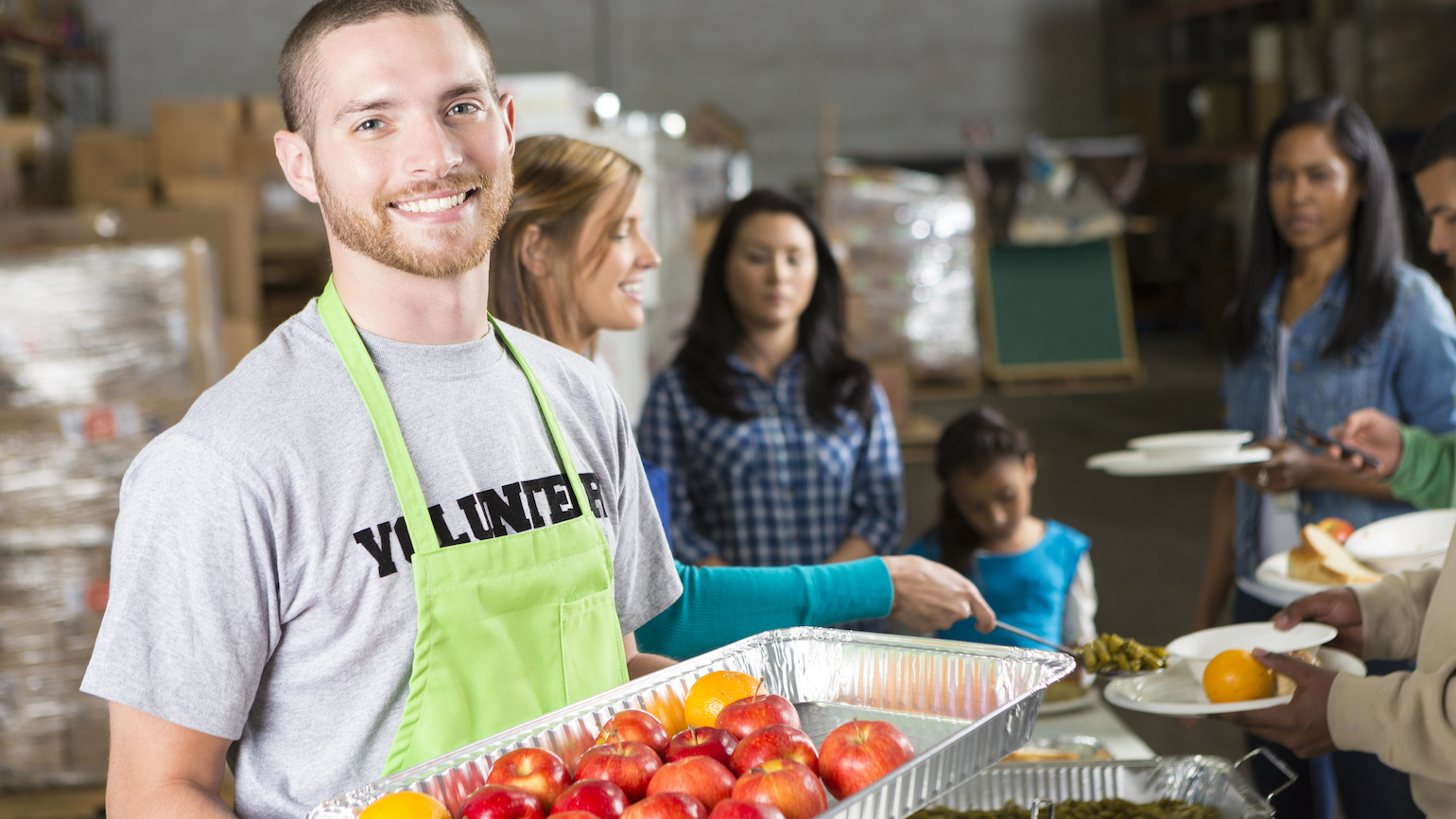
“I’m meeting up with Mehrab after I’m done at the soup kitchen tomorrow, and we’re going to the Met,” my 14-year old informed me. Last week Stephen requested a soccer-related purchase—he is a huge international football fan—and I said yes, with the caveat that he’d have to earn it. Since there was nothing that needed to be done around the house, I proposed that he sign up for two shifts at the huge soup kitchen in midtown Manhattan. It’s an experience I strongly recommend to anyone visiting the city. Try serving at Holy Apostles.

I’d done soup kitchen shifts with my son when he was younger. It was a good, manageable exposure to the larger world of New York. Some of the people who come are bike messengers who are able to pay rent only because they get a free meal each weekday. Others are homeless. There are noisy folks and nervous folks and people coming straight from the hospital, but the soup kitchen is run efficiently, and rules are gently enforced.

Inspiration from the Garden in article ad

Sometimes all you do is cut up roast turkeys. Other times you scoop rice onto plates or wipe down tables for two intense hours. Once Stephen handed out vouchers for haircuts and toiletries, so that people could maintain a sense of dignity and go to job interviews. “It was amazing how many people needed socks!” he reported, unaware until then that underclothes wear out faster than jeans. 

So tomorrow my son will be spending his summer vacation serving at the soup kitchen in the morning and meeting up with a friend to see art at the Metropolitan Museum in the afternoon. To me, that’s what New York City is about: exposure to culture on every level. If you are ever in town, I urge you to see the whole of it. 

Father’s Day

With Father’s Day just around the corner, I’ve been thinking of what to get my husband. 

He is one of those guys who’s difficult to shop for since he already has too many clothes, the proof being his closet just collapsed. He is definitely not Mr. Fix-it, so forget tools. He has no idea how to turn on the grill (nor has he ever asked), and he is always saying that he doesn’t want anything.  

Walking with Jesus L&E evergreen_in article ad

Truth is, though, he’d be very hurt if my daughter and I didn’t make a big fuss over “his” holiday. I’ll likely get him a gift certificate to a good golf pro shop, since golf is his real passion.

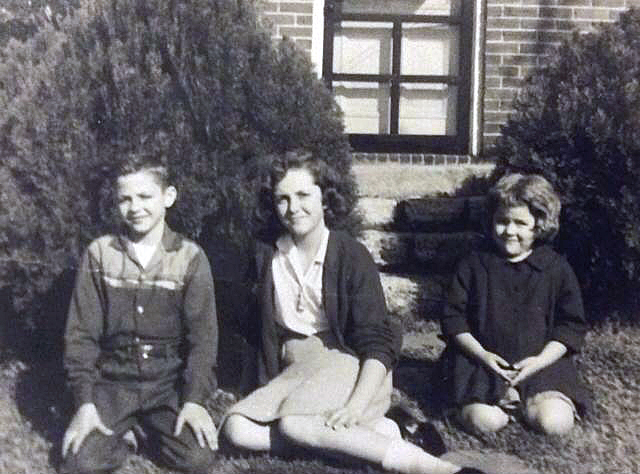
But there is another side of Father’s Day as well. It elicits memories of my own father. He’s gone now, and I am very much a grown-up, but I still can remember how I was once “Daddy’s Little Girl.” He called me “Little Toot” after the children’s book of the same name, and I would feel so special when we would dance together as I balanced on the tops of his shoes.

So what is Father’s Day? It’s a day to show our love and appreciation, often with cards and presents, to our men for all that they do for us. But it’s also a day to remember the ways our fathers helped shape us.

Ultimately it’s a day to thank God, the Father, for giving us the gift of Eternal Life, as well as to take a stroll down memory lane to dance another dance balanced on the tops of my father’s shoes.

Linda Raglan Cunningham
GuidepostsBooks

Family Comes Together Through Soup Tradition

My husband, Scott, is in the military and his career has kept us on the move. It isn’t easy packing up and leaving friends behind. I always pray that I will be able to make our new house a home.

There is one thing I look forward to each time we move, and that’s unpacking my soup pot. It was a wedding gift, but I didn’t put it to good use until seven years ago.

Light for Life NASB Study Bible in Article

We were living in Pennsylvania then, 1,100 miles away from our family in Florida. Snow was piling up, I was pregnant with our first child and Scott was in bed with a cold. I wanted to do something to help him. I remembered that Mom always made chicken noodle soup from scratch when we were sick. But the only kind I’d ever made came out of a can. I picked up the phone.

“Mom, Scott’s sick. Could you tell me how to make chicken soup?”

“Sure. It’s easy,” came her reassuring voice. “Take out your big soup pot.”

I dug the pot out of a cabinet.

“Chop some onion and celery and sauté them in oil,” she said.

She talked me through it. Chicken broth, chicken breasts, spices and noodles all followed in order as she finished her instructions.

“I think I can do that,” I said.

Before I knew it, there on the stove was my own steaming pot of homemade chicken noodle soup. I called Mom again. “Mom! I did it!” I said.

She laughed. “Of course you did.”

Scott loved the soup. “Thanks, that really was good!” he said. By that night, he was already feeling better.

My success with the soup made me brave. I called Mom for more recipes. I started reading cookbooks and experimenting in the kitchen. By the following winter, I had become a soup expert. I even made soup for our daughter Ma­kenna’s first solid food. It was a bowl of veggie beef and barley.

“Yum,” I said, spooning a few soft carrots and barley pearls onto the tray table of her high chair. She squealed, devouring every morsel as fast as her chubby little fingers could grab them. Three years later, when it was time for her twin sisters, Gabriella and Mattea, to eat their first meal, the menu was never in doubt. They delightedly flung around carrots and barley. The dogs might have eaten more than they did. The same scene repeated itself a few years later when their brother, Caleb, had his first bowl of veggie beef and barley soup.

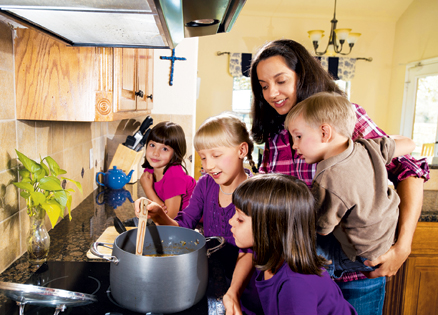
Today when we make soup—which is often—the kids each have their stations. Makenna, seven, the sous chef, peels carrots and sautés the vegetables. Gabriella and Mattea, age five, wash the vegetables and sprinkle spices. Two-year-old Caleb waits impatiently to be our official taste-tester. I feel a little bit like a circus ringmaster. Before long the twins are sopping wet and we have food all over the place. It’s as much fun as a trip to the park.

Our favorite soups come with their own special memories. Like the time we made Italian wedding soup for a friend deploying to Afghanistan, or for my sister when she brought my nephew home from the hospital. The kids love to make Grandma Fiorello’s broccoli tomato soup because they enjoy hearing me tell how Gram would feed it to her family. We live so far away that we rarely get to visit Gram. But when we make her soup, it’s as if she’s there in the kitchen with us.

See how my old soup pot makes the newest posting feel like home? It’s just one of the ways God fills our lives with blessings, no matter where we are.

Try Kendra’s Veggie Beef and Barley Soup!

Families and Faith

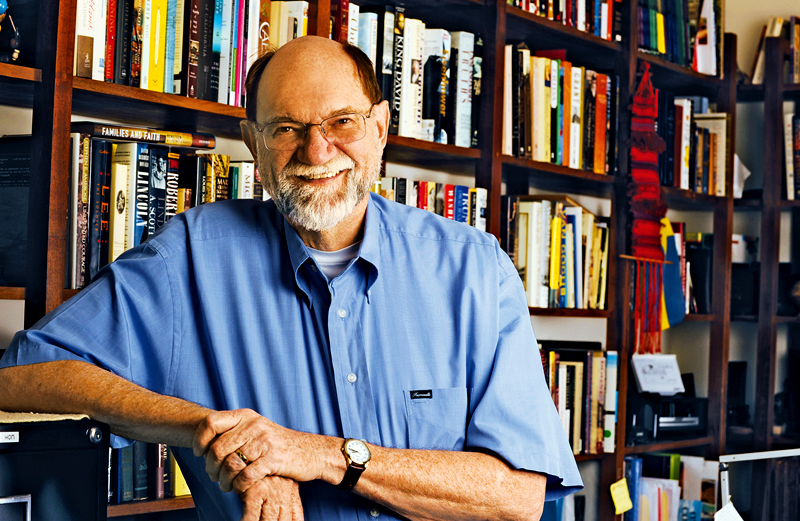
I am a believer–in God, and in scientific data. I’ve studied religion from the inside as a person of faith and from the outside as a social scientist.

This may seem paradoxical to some people. To me it’s been a journey of discovery, about my own faith and about how faith is passed from one generation to the next. I’ve been surprised at the way my own faith journey has been borne out by the very research I’ve done.

New Every Morning Journal In Article Ad A

For 35 years, my research team and I have interviewed thousands of people from different generations in a study of families and health that included questions about religion.

What I’ve learned is this: Even with all the societal pressures families face today, when warm and loving parents practice faith, most often their children will follow them in faith.

Maybe not exactly in the same way and not without periods of questioning, but the data from our study are clear: A warm, faith-based home most often produces faith-based children.

Parents Set the Foundation
It’s easy to get the impression that young people don’t listen to their parents, especially on matters of religion. But people were saying that same thing generations ago. It wasn’t particularly true then, and our data show it’s not true now.

My research indicates that children who grow up in what they experience as close, loving relationships with their parents are nearly twice as likely to share their parents’ religious beliefs as those who say their parents were distant and unaffectionate.

Another researcher, Scott Myers, a sociology professor at Montana State University, analyzed the results of numerous nationwide studies and concluded that “parents’ religiosity is the primary influence on the religiosity of their adult offspring.” Not by dictating faith practices but by setting a consistent example.

My own experience is a case in point. I was born into a very religious family. As far back as the 1600s, the men in my family were church leaders. My dad was an Evangelical Covenant Church pastor. I was an only child, and it was assumed that I would be called to be a minister too when I grew up.

Every Sunday I sat in the church listening to my father preach about how God is always with us, always guiding us, telling us what his will is for us. At home my dad would ask for God’s guidance in everything, the smallest decision in his life, praying aloud, his head bowed.

“God speaks to us every day,” he told me. “You just have to listen.”

My parents encouraged me in everything I did. I excelled in school, especially science. And in music. When I was old enough I joined the church choir. All those voices joined as one, the organ soaring, the poetry in the words, it all filled me with joy. That was what I looked forward to most about church.

But guess what? God never spoke to me, not once, certainly not the way he conversed with my father. So how could I be a preacher, as my parents wished? I prayed. But as far as I could tell, no one out there was listening.

I could see the hurt in my parents’ eyes when I told them I wanted to go into science, not ministry. But I did please them by going to our church college, North Park University in Chicago. There I found some amazing classes that opened my eyes to the variety of religious experiences.

Then I was off to doctoral studies at the University of Chicago, where I met students and faculty who said, “God is dead,” and who felt modern society had outgrown religion. It was the 1960s, and nothing was sacred. This new generation, my generation, seemed to want to tear everything down.

Where was all of this coming from? What role had their parents played in shaping these students’ values? The upheaval of the time stimulated my curiosity as a scientist. I would spend the rest of my life seeking data to answer questions like these, both personally and professionally.

I joined the gerontology faculty at the University of Southern California. My wife and I began attending a church quite different from the faith I grew up in. I wasn’t sure what I believed anymore, and this was also true of many young adults I was interviewing in my research.

But with two children of my own I thought it was important that we go to church–and I loved the music. Then tragedy hit: My beautiful young wife died of leukemia. Our daughters were only seven and four. Where was God? Where was that voice I needed to hear now more than ever?

All around me the world seemed dark, lonely, unforgiving and joyless. Where could I possibly turn?

Faith of Our Fathers
Mothers, of course, play a crucial role in their children’s religious upbringing, but in my research I found that fathers are often the key. Children raised by loving, affectionate, affirming fathers are twice as likely to follow their parents in faith as are children with distant, authoritarian fathers. Our data are clear on this.

My father’s work as a pastor kept him busy. I often wished he had more time to spend with me, but I never doubted his love. He was a warm, cuddly guy. Unfortunately he died before I reached full adulthood. Still, I see his influence alive in much of my life today.

I learned from his organizational and management skills as a pastor, from his passion for people and his ability to bring out the best in them. “Always do your best,” he would tell me. “God gives us gifts, but how we use them is up to us.”

He taught my eighth-grade confirmation class. I sometimes found his answers to my continual and probably annoying questions less than satisfying, but I could see he respected me for posing those questions. He never put me down for doubting.

He had served as a chaplain in World War II and ministered to soldiers of many faiths. Had he lived longer I’m sure he would have helped me with what I was struggling to understand, that God speaks to different people in different ways.

In those dark years following my wife’s death, the faith foundation my father laid down early in my life was there beneath me, even if I couldn’t feel it.

The Power of Grandparents
My widowed mother came to live with us for a time after my wife died. She was there when the girls came home from school every day. She helped with their homework and made them snacks.

And at night, after their baths, she tucked them in their beds and read them Bible stories. Noah and the ark. Daniel in the lions’ den. And, of course, Jesus. His birth. The miracles. His death and Resurrection. The same stories she had told me when I was a boy.

But my mother and I couldn’t talk about religion. I was grateful for her help and didn’t want to argue with her–I was too consumed with arguing about these things within myself.

My mom’s conservative faith was the cornerstone of her life. My decision to leave the church she and Dad had raised me in had created a gulf between us. I couldn’t tell her the questions I wrestled with.

She was scared, like some of the parents in my research, who are frightened that if their son rejects their religion, it means he rejects them too.

Even as we struggled, though, my mother taught her granddaughters about her faith. And this has had lasting consequences. My daughter Julie is reading her son Tyler Bible stories from the same book her grandmother read to her. A priceless gift.

My experience is far from unique. Especially today, with grandparents living longer and taking on more childcare responsibilities, my research found that this older generation continues to have a significant influence when it comes to shaping values and beliefs.

More than 40 percent of the grandchildren in our study shared the same religious affiliation as their grandparents, nearly the same percentage as in 1970. Faith is a spiritual legacy passed from one generation to the next. The data are clear on this too.

Prodigals and Their Return
By my sixties I had turned my back on church even as my long-term study of families, including religion, went on. By then my children were grown. I’d remarried, to a woman who was an agnostic from a fundamentalist childhood. No chance God would speak to me now!

What I didn’t see, what I couldn’t have expected, was the possibility of a connection between my research findings and my own life.

It was 2009, a Sunday in Santa Barbara. I woke up early and was reading the paper when I realized it was Easter. I thought of how that week I’d driven by a beautiful church building on State Street. It had been, what, a decade since I’d been inside a church?

But now, all I knew was I had a sudden and overpowering need to get up and go to this particular place.

“I’m going to church,” I told my wife, putting down the paper. She looked at me as if I’d said I was going to Mars.

The service was just starting. I slipped sheepishly into the only space available, at the very back. The choir was singing, their voices majestic; the organ was like thunder; trumpets were blasting. Those sounds, a clarion call. The voice–no, voices–of God. There was no mistaking them.

All those years I’d spent as a boy listening to my father preach, my mother beside me, those beautiful hymns…. A connection hundreds of years in the making.

This was where I belonged. I finally understood what my father meant: We hear God by feeling him, and I felt him now in the deepest reaches of my soul.

Today I sing every week in that choir, at Trinity Episcopal Church in Santa Barbara. I’m there for the Bible study Wednesday at noon. Monday night is my theology study group, Education for Ministry. I’ve been on the vestry, the church’s governing body.

I’m 73 now and still I wonder what my parents would think. I never got a chance to tell them how grateful I am for what they tried to teach me. But I like to think they’d be pleased with how I turned out. Similar to how the data my own lifelong research would have predicted.

I suppose that’s a kind of miracle, but the kind that happens frequently, one generation after another.


Download your FREE ebook, The Power of Hope: 7 Inspirational Stories of People Rediscovering Faith, Hope and Love.

Faith Reunited Them

Any minute now Michael would be over to pick up the boys for their weekend with him. I gave the house a once-over. Not bad. I’d dusted every room. It smelled lemony-fresh. Hardly any dirty dishes in the sink. Laundry done.

What will Michael think of all this? I thought, with a chuckle. He’d probably wonder where I’d gotten the money to hire a housekeeper.

Sugarcreek Amish Mysteries In-Article Ad 2023

Our marriage had been over for seven years. We were civil to each other, but that was mainly for the sake of our sons, Johnny and Cameron. I had no regrets, though. Michael hadn’t known what he was getting into when he married me. He deserved better. I saw that now.

And though I’d changed a lot since the divorce, especially recently, I was content to be on good terms with my ex. I certainly wasn’t foolish enough to think things could ever go back to the way they’d once been, when we were two kids crazy in love.

I met Michael in high school. I was hanging out with my sister and some other kids when Michael drove by in a cool car. My sister dared me to call out to him, and I was never one to back down from a dare. Our first date wasn’t long after that.

We fell in love hard and fast. That love had been real; it was so intense. All these years later, I could still recall that feeling. We married in 1991. A big, beautiful wedding, like I’d always fantasized about, and a real blowout of a party afterward. I didn’t want it to stop.

It wasn’t long ’til I realized the party was over. Married life was a different story. I liked going out, seeing and being seen. I mean, I was still young!

Michael? He came home from work, had a bite to eat, watched some TV and crawled into bed early. Way too early for a night owl like me. Then our sons came along, two years apart, and another realization: I wasn’t made to be a stay-at-home mom.

I told Michael I needed to get out in the world. I got a job at a bank. I made a bunch of new friends and started going out after work.

Well, Michael wasn’t very happy. One night we had a huge fight over my partying. Michael wasn’t one to lose his temper, but that time he let it rip. We got into a shouting match that ended with him yelling, “You’re just jealous of how I grew up! You’re afraid of marriage!”

That stopped me cold. I thought about Michael’s family—kind, supportive, loving, always there. After my dad died when I was nine, I’d never really felt stability at home, even though Mom eventually remarried.

Michael was everything I wasn’t. Steady, low-key, dependable. Was that what drove me toward him in the first place? “Maybe I am jealous, Michael. Maybe I am afraid. But I’m still going out.” And out the door I went.

We talked less and less, fought more and more, slept in separate bedrooms. One day Michael had to go out of town on business. He would be gone for several days.

I felt so free, like that daredevil teenager I’d once been. Free to go out into the night, where anything was possible. I could get a sitter and not have to come home to Michael’s angry, disappointed face.

He called me the next day from his hotel and made small talk. Just be quiet already, was all I could think. “I miss you, Michelle,” he said.

Something snapped. An awful feeling came over me. It had been simmering ever since Michael accused me of being afraid of marriage. “I don’t care, Michael,” I told him. “And I don’t care about you. I want a divorce.”

Michael drove right home. But he couldn’t talk me out of it. Anything was better than this—for Michael, for the boys, for me. A couple of weeks later we sat on stools in the kitchen. Michael made a list: “Hers” and “His.” We talked about everything we had and he divided it all equally. Organized and responsible to the end. That was my Michael.

I felt a twinge of shame, but pushed it down. I was determined to do this with no regrets. I moved out in 1996 and the divorce was finalized a year later. We shared custody of the boys, and when we saw each other we were civilized.

I worked hard, was a good mom to the boys and kept up my social life even after those nights out started feeling stale and lonely. It was, after all, what I’d wanted all along. Wasn’t it? So where was the fun?

A few years after the divorce Johnny and Cameron announced that their dad had started taking them to church when he had them on Sundays.

“We like it, Mom,” Johnny said. I guess it made sense; Michael had grown up going to church. I went with him a few times, but didn’t like it. The people all seemed like goody-two-shoes. I told Michael I wasn’t going back. So, we didn’t.

One day I struck up a conversation with a couple of coworkers. They weren’t in my party crowd, but they always seemed pretty upbeat. I asked what they did for fun.

“I guess the most exciting thing in my life is my church,” one said. “It really changed my life.”

“Me too,” the other girl said.

Sorry I asked, I thought, groaning inside. But the next Sunday morning I woke up with an overwhelming desire to go to church. I drank a cup of coffee, thinking the crazy urge would go away. Come on, you’re still young. Too young for a midlife crisis. Yet the urge stayed, as persistent as any urge I ever had to go out into the night.

I flipped open the phone book and found the nearest church. Then I got the boys up—sleepy, a little confused, but very much willing to go along with this.

We walked into the sanctuary and part of me wanted to run back to the car. But I grabbed my sons hands and found us a spot in the back row. Close enough, I thought. I don’t even belong here anyway.

Oh, but I did belong. That’s what I discovered. The preacher talked about how Christ made a sacrifice. For every single person on earth, not just for the people in that sanctuary. And, by the way, those people turned out to be pretty nice, when I gave them a chance.

The boys and I kept coming back. I even tried reading the Bible in the evenings instead of going out.

Before bed one night I had another irresistible impulse: Pray for Michael. Pray for him to find the good, godly wife he deserved. A fine, churchgoing woman who took good care of her kids.

Every night after that I prayed the same thing. It made me feel like I could finally close that chapter of my life with a clean conscience. There’s always that one raw nerve that even a divorce decree cannot deaden. Now I felt at peace.

The bell rang and snapped me out of my reverie. Michael was here for Johnny and Cameron. “There’s something I need to talk to you about,” he said.

I ushered him in and—just as I’d predicted—he looked shocked at the gleaming kitchen floor and the fresh zinnias on the table. I poured us both glasses of fresh iced tea, and cut up a lemon for his.

We sat and stared at each other for a long time. What’s up, Michael? I thought. Finally he spoke. “I don’t know how to say this. I’ve been praying a lot lately. For a godly wife. Then, well…I talked to my pastor—”

“Oh, Michael! I’ve been praying for the same thing for you!”

“But listen to what my pastor said,” he continued. “He thought I should ask you if you’ll, if you’d consider counseling. Us. Maybe we could…reconcile.”

The last word was spoken so softly I almost missed it. But for some reason the words shot out of my mouth: “Okay. Sure.”

That first night I was terrified. Michael’s pastor was a huge man, towering over me. I sat in his office, unable to say a word. “I’m not here to force you two to do anything,” he said. “I just want you to give it a try, see how things go.”

Michael and I both had scars from our marriage. Talking with a wise and nonjudgmental counselor helped. “Are you two open to dating again?” he asked us. “By which I mean a non-intimate, nonphysical relationship. Not even holding hands.”

We agreed.

Those “dates” took place over six months. Movies, dinners, shopping. I felt like a teenager all over again, thrilled to be out with such a nice guy. Michael was still steady, low-key and dependable. The same man I’d fallen in love with all those years ago. I felt myself falling for him all over again. But what did he feel for me?

One of the very last things we were told in our counseling sessions was to write letters of gratitude to each other. We had to sit down and list all the things we were grateful for in the other person. And no negatives. We were to read them out loud, then pray together. That’s what happened on our very next date.

Michael came by my place. I peeked out the window and saw him with letter in hand. He came inside. The boys were sitting on the sofa. They would be part of this too. Michael plopped down on the floor. So did I.

“I’ll start,” I said. I scrunched my feet up under me. “Dear Michael,” I began. But I didn’t have to read the letter; I’d already memorized it. “I’m so thankful for you. You’re doing an excellent job raising our sons. I don’t know how long I have on this earth. But however long, I want to spend it with you.”

Michael read me his letter. “Dear Michelle,” it started. “You’re the only woman I’ve ever loved…” It went on from there, but honestly it didn’t have to. Afterward, he took my hands. First time in seven years. Michael’s grip was firm and true. “Lord, we want to do what you want us to,” he prayed. “Just help us understand what that is.”

Right then I felt two more pairs of hands on top of ours. I opened my eyes and there were Johnny and Cameron, who had a bit of peanut butter on his hand. To this day, the smell of peanut butter reminds me of that moment.

“Michelle, will you marry me? Again?” Michael asked.

“Yes,” I said. “Yes.” But this time I knew what I was getting into. Whatever I needed wasn’t out there somewhere in the night waiting for me to find it. No, it had been here all along, with Michael and our sons. It just took time for God to change me into the woman—and wife—I was meant to be.

Did you enjoy this story? Subscribe to Guideposts magazine.

Faith of His Father

My bike ride to work is the most peaceful part of my day. I have a demanding job in Silicon Valley—vice president of global customer operations for the social-networking company LinkedIn.

I ride along bike trails beside San Francisco Bay with sweeping views of wetlands and forested hillsides. It’s my time to think, to pray, to get some fresh air before plunging into 10-plus hours of meetings, video conferences and e-mails.

Pause & Pray In Article Ad

This past winter, my dad died and that peacefulness vanished. Dad was 81. His death took all of us—Mom, me, my four siblings—by surprise. He was a Kansas farmer, vigorous and dedicated to the land. He farmed right up until his heart gave out.

ENJOYING THIS STORY? SUBSCRIBE TO GUIDEPOSTS MAGAZINE

I missed Dad intensely. My first days back at the office, I sat at my desk and wondered why I was there. At meetings I blankly watched numbers come and go on PowerPoint slides.

In Silicon Valley people live to work. We’re passionate about innovation, global impact and changing the world. After spending a couple of weeks in my rural hometown, telling stories about Dad, hearing everyone in our small church recall his steadfastness and quiet acts of generosity, work no longer seemed so significant.

I felt adrift in a way I didn’t understand. Dad’s death made me vividly aware of my own mortality. I was in my forties. How should I spend the years remaining to me? I wanted to make them count. Should I leave LinkedIn and join a start-up? Write a business book like other Silicon Valley leaders have done? Or something totally different? Whatever it was, I wanted to make a difference. I kept thinking about these questions on my ride to work.

Dad wasn’t troubled by such uncertainty. Farmer, father, husband—those were his callings and he stuck to them. His name was Ed. He was sturdy, with hands toughened by work and a ready smile that widened around Mom. He loved us kids, and part of that love was putting us to work. “It’s child abuse not to teach your kids to work,” he said.

His standards were high. “Is that the best you can do?” he’d ask quietly. It wasn’t criticism as much as motivation. It always made us want to do better.

Life on the farm was fun when I was little. I rode my dirt bike and wandered the fields with my black Lab. As I got older, Dad ramped up the chores. I tended nearly 1,500 hogs, a dirty, smelly job I did not enjoy. I was 12 when I started driving tractors. Other kids my age got lifeguard jobs and spent summer days by the pool. I plowed fields in the broiling sun.

READ MORE: A SON’S LETTER TO HIS HALL OF FAME FATHER

Dad never pressured me to go into farming. That wasn’t his way. In fact, he never pressured any of us kids to do anything. He led by example. I think he learned that at church.

Dad was no Bible-thumper. He lived his faith by deeds, not words. Our tiny Methodist church had all of six or seven families. But they were big farm families, so the sanctuary always felt full. Mom led the choir. Dad taught Sunday school. We showed up for worship without fail. Dad firmly believed that if you relied on God, everything else would fall into place. No rain? No problem. God would provide. For Dad, faith meant being faithful. He was faithful to the farm. To Mom. To his family.

And he did the right thing even when it hurt. At the funeral, my cousin told a story about a day he went to the store with Dad and my brothers to buy supplies. Back in the car, my cousin realized the cashier had undercharged him.

“Check it out, guys, free money!” my cousin exclaimed.

The car slowed. “What was that?” asked Dad, his eyes on the road.

“The guy at the counter didn’t charge me enough,” my cousin said. Dad looked at him in the rearview mirror. “You’ll want to make that right,” he said.

“It’s only a couple bucks,” my cousin muttered. The look in Dad’s eyes made it clear that that was no excuse. My cousin got the message—and still remembered it all these years later.

READ MORE: NORMAN VINCENT PEALE’S MEMORIES OF HIS FATHER

I could picture that road, long and straight, bordered by endless waves of wheat. Sometimes, riding along the flat bike trail beside San Francisco Bay, under a big blue sky, I felt like I was back on those country roads of my childhood. Of course it wasn’t Kansas. And at the end of my ride was a cubicle, not a farmhouse. There wasn’t much in that cube, just a computer and a phone, because we changed desks all the time in typical restless Silicon Valley style.

Was that why I felt so unsettled? Silicon Valley restlessness? Here, if you’re not changing jobs every couple of years people wonder what’s wrong with you. I steered my bike into the LinkedIn campus, a cluster of low-slung gray office buildings surrounded by parking lots and flower beds. I locked the bike, showered, changed and sat down at my desk. It was early and the office was still quiet.

Another wave of memories came over me. How different the farm seemed without Dad bustling around it! My older brother Tom had taken over day-to-day management years earlier, and he’d brought the operation into the twenty-first century. The combine harvester alone cost several hundred thousand dollars and used GPS to harvest crops on autopilot with accuracy down to inches. The driver sat in a cockpit like a spaceship’s.

Dad preferred the old methods but he was a realist. And he had to admit the air-conditioned cab was nicer than getting blasted by sun and dust all day. Maybe high-tech and farming weren’t so different after all.

What would Dad have thought about this cubicle? I wondered. How would he have answered the big questions about life and work I keep asking?

Actually, I knew how he’d answer. He’d wake up before dawn, get on his tractor and plow. He’d take care of the livestock. Order fertilizer and meet with the seed supplier. Check up on me and my brothers and sisters. He’d plant what needed to be planted, harvest what needed to be harvested and nurture everything in between. At the end of the day he’d be at the dinner table thanking God for providing.

READ MORE: MY FATHER’S FLAG

Dad led by example. He did what he said he was going to do. He didn’t scan the horizon restlessly, looking for a new direction in life. He already knew what was important, and he focused on those things with unwavering faithfulness.

I smiled. The more I thought about it, the more I realized I knew the answer to my questions too. Dad had been showing me that answer my entire life. The externals—this job, that job—mattered less than living with integrity. I didn’t have to change the world. I just had to be myself.

Businesspeople talk a lot about leadership. The most influential leader in my life was my dad. And he was still leading me, even after he was gone. His values were part of everything I did—mentoring employees, coaching my son’s Little League team, writing songs with my daughter. From now on, I would make those values even more central to my life.

I turned on my computer and glanced at my schedule. Another busy day. Not on a farm—but the principles were the same. Lots of chores. A rich harvest of work and relationships. Doing the best I could do. Having an impact by living with integrity. “Thanks, Dad,” I said quietly. And I got to work.

Faith in Action

That afternoon there was the usual mid-week mayhem. My two daughters were making a ruckus in the living room. I was in the kitchen, taking a break from job hunting and rustling up dinner. The front door slammed. That meant Reuben, my 17-year-old, was home. “Mom!” he called.

Reuben loped into the kitchen. He was cradling something against his football jersey. Oh, no, what is it this time? I wondered. He was always bringing home some poor stray, as if we were the town animal shelter. Last time it had been a turtle.

Inspiration from the Garden in article ad

I had enough on my mind without adopting another pet. Mainly, how much longer could we keep the house we rented if I—a single parent—couldn’t find work?

“Look, Mom,” Reuben said. He uncurled his hands. In his palms was a tiny ball of fur. A puppy that wasn’t more than three weeks old.

“Honey, we can’t,” I told him, shaking my head. “The landlord has already warned us about pets.”

Reuben held out the puppy to me. “There’s something wrong with its left leg in the front,” he said. There certainly was. It was badly deformed, as if a child had taken a piece from a jigsaw puzzle and jimmied it into place backward and upside down.

The dog’s troubles didn’t end there. It had no right foreleg at all, just a nub of a paw that protruded from its chest.

“I rescued it,” Reuben said. “Its mother was sitting on it, trying to smother it to death. I jumped over a fence and grabbed it away.”

I patted the dog’s tiny head and looked at Reuben. “That’s what mother animals do when they know their babies can’t survive,” I explained.

Reuben wasn’t going to take no for an answer. He had that look in his eyes. “Okay,” I said. But I thought, This is crazy. We have no money. The last thing we need is to take in a dog that most likely will die.

Laura, 13, and Caity, 12, who’d been watching from the sidelines, rushed into the kitchen to get a good look at the pup and to help. I carried the tiny thing to the sink and gently cleaned her. She was a mutt, but seemed to be at least part chow.

When I turned her over, she looked up at me, silent. On top of everything else, something seemed to be wrong with her vocal chords. This is hopeless, I thought.

Then the puppy looked at me with her big, brown eyes. I tried to resist. We had too many problems already. Lord, don’t do this to me! A wave of pity washed over me. “Mom, you look all choked up,” Laura said.

“If you want to save this dog, we’ve got to get to work,” I said. “Now.”

The kids took turns cradling the pup. I opened a can of Milnot, dissolved it in water, then rummaged around the kitchen, looking for an eyedropper. I figured it was the only way to feed her. It didn’t work. She wouldn’t—or couldn’t—swallow.

The next day I called a vet. By now it was early evening, after working hours. I finally reached her at home. “Bring the dog in first thing in the morning,” she said, then added, “if she makes it that long.”

The kids and I stayed with her throughout the night, working in two-hour shifts. We kept trying to feed her. No luck. When it was my turn, I laid on my back and let her sleep on my chest. I could feel her tiny body rise and fall with each shallow breath.

It reminded me of when my own children had been newborns, so utterly helpless, so completely dependent upon me. I’d almost forgotten what it was like to care for someone who needed me so much.

In the morning I wrapped the pup in a hand towel, laid her on my lap and drove to the animal clinic. The vet wasn’t optimistic. “If she lives, she’ll only be able to get around by dragging herself on her belly,” she said.

“Eventually, she’ll rub a hole in her chest. Besides that, her throat and voice box are damaged. Normally, people put dogs like this to sleep.”

I carried her back to the car. Maybe the vet’s right, I thought. Maybe the kindest thing would be to put her down. But how would I tell the kids? They’d never understand. Besides, something in the way the dog had hung in moved me. Was God showing me that I’d be okay too, if I just hung in there?

The vet suggested we try feeding her a special pet formula through an infant’s eyedropper. She lapped it up. The kids and I continued our round-the-clock feedings. We could tell she was getting stronger.

“Let’s call her Faith,” Laura suggested. Faith, I thought. That’s perfect. Soon she was eating mashed-up Puppy Chow off the floor and scooting around the house on her belly.

I went on the internet and found a company that makes wheelchairs for dogs without rear legs. But nothing for an animal missing its front legs. One day I tried strapping Faith to a miniature skateboard. But as soon as I let her go, she wriggled free. Faith hated to be tied down.

I phoned the vet, desperate for help. “Maybe you can teach her to hop like a rabbit,” she suggested.

Yeah, right. I sat in the living room, circling possible job leads. It seemed so hopeless. I glanced at Faith, trying her darndest to get around. Okay, maybe helping her would help me get the energy to keep looking. Hop like a rabbit? Well, why not!

I spent the next days, in between phone calls, putting one hand under Faith’s belly, then sitting her upright with my other hand bracing her back. “Come on, you can do it,” I urged.

But she couldn’t. Each time she tumbled forward onto her chin, but she never stopped trying. Her chest hair had almost worn off, but she would do anything I asked.

Lord, I sat and prayed one day, thank you for Faith. I’m not sure how I would have gotten through these last few days without her. Please keep helping us.

Winter came on. We had our first snow. The kids went outside to play. I carried Faith outside and set her down. She burrowed her nose in the wet, white blanket that covered the ground. Laura and Caity tossed snowballs at Reuben and chased him around the yard.

Suddenly we heard a bark. Then a second one. We stared at Faith. She barked again. It was the first time she had managed any sound. And at that same moment she pushed herself up onto her rear legs and stood there, then hopped around. We looked on in disbelief.

“Mom…?” Reuben said, his eyes wide.

“Yes,” I said. “That dog can do anything.” Anything she sets her mind to.

Back inside I opened a jar of peanut butter and put a dab on the end of a spoon. I held it out to her, just beyond her reach. “Come and get it,” I said. Almost immediately, she did. Within days she was romping round the house.

That would have been good enough, a dog that hopped like a rabbit. But one day I took her outside to play with another puppy about her size. I handed each of them a rawhide bone. Within minutes the other dog snuck up on Faith, wrested it from her and sauntered away.

I watched to see what Faith would do. To my amazement she didn’t hop after that dog. She ran, one foot after another. It was a startling thing to see. A dog walking—running—like a person would!

Faith has made quite a name for herself ever since. The kids and I made a video of her and posted it on the website a fan of Faith’s had made. It was just something I figured people would want to see.

Well, to my surprise, millions have logged on and hundreds have left messages telling us what an inspiration Faith is to them. I’ve written books about her, and Faith and I have started making visits to school children, helping them with their reading.

Sure, money is sometimes tight, but our family is doing just fine and my job situation is much improved. We’ve got faith.

Watch this video about Faith’s inspiring victory over her disabilities.

Faith Affirmed by a Cat Named Sweetie

Perhaps my antagonism toward cats dated from the time I used to chase them from my father’s fish pool with a garden hose. To me, cats were snooty creatures with an insouciant air of independence, not at all like good-hearted dogs, who slavered for attention and practically somersaulted for a pat on the head.

When my younger son, Kit, carried in a gray-and-white kitten he had found, I reluctantly accepted the new addition. Kit and his brother, Peter, named her Sweetie, and she soon made friends with our two dachshunds. But the cat and I were not close.

Sweet Carolina Mysteries In Article Ad

Everything changed when we moved to a small farm in northern Virginia, where Sweetie enjoyed roaming our barn and nearby field. One evening we returned from shopping to hear a plaintive cry from the barnyard. Out of the shadows came Sweetie, crawling on her belly. Kit picked her up and cried, “She’s been hurt!”

Her lower legs were in bloody shreds. Evidently she had been bush-whacked by a sickle from someone mowing the adjacent field. We called a local veterinarian, who said to bring her by in the morning. “She’ll be dead long before that,” gasped my wife, Betty.

We called a friend, who suggested a big-animal vet in nearby Leesburg. Although the vet was tending a sick horse at the time, he said to bring our cat right over.

Kit drove while I held Sweetie on my lap, cushioning her on a towel. As the headlights cut through the black trees lining the small dirt road, I found myself talking to Sweetie, praying for her and gently rubbing between her shoulder blades with my thumb. That seemed to soothe her.

The vet, William Rokus, met us at the door of his office. He was a giant man dressed in khaki, with hands the size of hams. What could he do for our pitiful bundle of fur?

The man gently took Sweetie, gave her a shot that knocked her out, and then sat down to work while Kit and I watched. An aura of compassion emanated from the huge man as he worked ever so patiently and carefully, those big hands expertly wielding suture and needle as he deftly stitched Sweetie’s shredded paws and legs.

Finally he handed me the cat, gave us instructions and medication, and told us that he thought Sweetie just might make it.

We drove home in silence. The next morning we coddled Sweetie, fed her warm milk and stroked her fur. Again I found myself rubbing her between the shoulder blades, and she cocked her head to squint up at me.

In a few days Sweetie was clumping around on plaster casts and before long was limping on paws that looked remarkably normal, thanks to the skill of veterinarian William Rokus.

Soon Sweetie was patrolling the barn again, but she never returned to the field. When an engine started up, she streaked from sight. She always had a slight limp, but it never seemed to bother her. When we moved to New York, she became a city cat, reigning over her yard and hissing off any creature that had the audacity to edge close.

But some kind of bond had been struck between Sweetie and me that night. When I read the paper or worked at my typewriter, a warm bundle of fur sprang into my lap to rest and purr. At night she curled on my pillow against my head.

Sweetie lived for 16 years, quite old for a cat. It has been a few years since she died peacefully in her sleep. But I still think of her. She taught me so much.

I learned that we should avoid prejudice, that we should not judge proficiency by appearance, and that God does listen to our prayers for animals.

I also discovered that everyone has a need when wounded, whether it’s for quiet companionship, a sympathetic word…or a gentle massage between the shoulder blades.

Facing Fear to Find Calm Waters

Summer for our family means at least one trip to the beach. For me, almost everything about the sea is relaxing. The warm sun, soft sand and rhythmic pattern of the waves all combine to slow my hectic life to a more peaceful pace. The only thing I don’t like about the ocean is that stretch of water between the shore and the deep where the waves crest and threaten to overwhelm anyone in their path. I have always been a sit-on-the-shore-and-watch type of beach-goer. 

Part of it is the fact that I’m not a strong swimmer, so facing rough waves didn’t seem like a good idea. For years, my family couldn’t coax me past that breakwater and into the ocean beyond. They told me it would be much calmer once I got further out, but I refused to see past the pounding surf.

Light for Life NASB Study Bible in Article

Beach Quotes to Inspire Your Vacation


Finally, one day I gathered all my courage and let my husband escort me through the waves and into the pleasant water beyond. There I held on safely to a float and let the gentle up and down motion of the sea cradle me. It was well worth the fear I’d faced to get there, and I regretted not braving the barrage of rough water sooner.

As I bobbed in the waves, it occurred to me that this was a perfect example of how I’d initially dealt with our son being deployed in the military. At first, I’d been so focused on the crashing waves of worry and fear that I hadn’t been able to see past to them. Yet God promised to cradle me in His perfect peace if I’d just look beyond the daily crisis of having a son at war and wade out with Him. Once again, it took me a while to decide to go for it. Sure enough, when I left behind the crashing waves, I found the peace I so desperately needed. 

Exactly the Cat This Military Family Needed

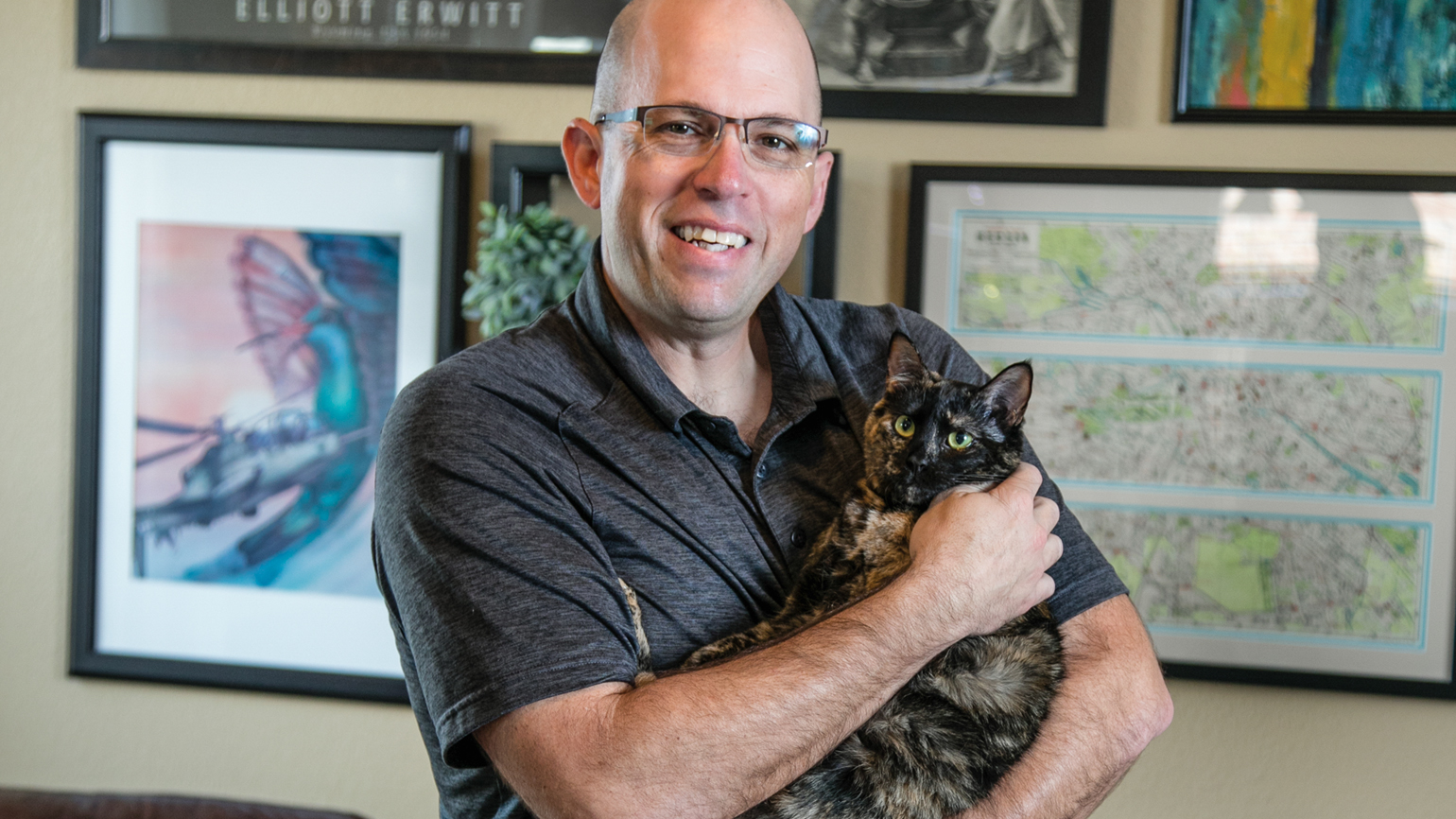
Eleven moves in 18 years—each time I received permanent change-of-station orders. As a military officer, I ask a lot of my family. My wife, Elizabeth, has had to give up jobs she loved. Our three daughters have had to leave behind wonderful friends. I think that’s why our cat, a tortie named Wembley, meant so much to us.

Elizabeth and I had adopted her right after I’d come home from a deployment to Iraq that was tough on both of us. Elizabeth pulled a tiny tortoiseshell kitten out from under a box at a pet adoption event and knew she was the one. It was early in our marriage, and Wembley was our first baby. Her love helped us heal the pain of that deployment. In 15 years, she had seen us through many moves, one more deployment, many separations and the births of our children. She had traveled with us to 25 states and three countries. A true military cat. 

extraordinary women of the bible

She was great with the girls, patient and protective. When they were babies, Wembley would sprint into their rooms to check on them if they cried. If anyone pulled into our driveway or rang the doorbell, she would growl loudly in warning: This is my family, and you’ve got to go through me first. The girls, in turn, adored her.

Wembley was a source of comfort and stability in a life full of change. In January 2017, she got sick. Our veterinarian ran tests, we tried different medications, but two weeks later, on January 20, her kidneys started to fail and we had to put her down. We were devastated. Wembley’s death was the first major loss for our children. It was hard for Elizabeth and me too. Our cat had been through it all with us and now she was gone.

Our twelfth change-of-station move was coming up—we would be relocating from Virginia to Texas in seven months—so Elizabeth and I decided we would not adopt another cat until we were settled in our new home. Our daughters didn’t want to wait. They launched a determined campaign. Every day someone would say, “Can’t you reconsider? Seven months is a long time.” Or “Wembley wouldn’t want us to be sad.” Or “I’m ready to love another cat.”

Truth was, I wasn’t ready. Neither was Elizabeth. Wembley had been more than a cat to us. She was Elizabeth’s companion all those times I was gone training or on deployment, her defense against loneliness. She was my exercise buddy, keeping me company when I ran on the treadmill. Elizabeth and I used the move to take time to grieve.

I went to Texas in April to assume my new duties. We wanted our daughters to finish the school year in Virginia, so my family didn’t join me until the summer. Immediately the questions started. “You said we could get a new kitty when we moved. Can we go get her today?” Elizabeth deflected the requests. “Maybe once the boxes are all unpacked!”

Our family hadn’t been in Texas long when we got an email from the Girl Scouts about a carnival and cultural fair. We didn’t have any plans for the weekend. Why not? I programmed the destination into our GPS, and we set off. But the GPS got confused. And even though I’d lived here for three months, I didn’t have a clue as to how the roads were laid out. I knew the way to post, the gas station and the grocery store, and that was it.

How long it takes me to figure out where things are after we relocate is a big joke with Elizabeth and me. That’s because I usually have to leave with my unit, so it’s up to her to learn the way around town.

But it didn’t seem so funny as I was trying to match up street signs with what was on the GPS. Morgan, our oldest, said from the back seat, “Momma, I think we’re settled. You have most of the boxes unpacked. Can we please get a kitty?” I bristled. The loss of Wembley was still too real. “We aren’t settled!” I said. “I don’t even know where I’m going! What makes you think we’d be able to find the animal shelter in this place?”

“Turn left,” the GPS instructed. We popped out on what looked to be a main corridor. As we crested a hill, we saw a large sign that read ANIMAL SHELTER with an arrow.

“I knew you’d find it, Daddy!” Morgan said. “Can we go? Now?” I groaned. “If we can find our way back after the fair, maybe we’ll stop. Maybe.

Before the girls could erupt into cheers, I added, “But we aren’t adopting any cats!”

Elizabeth chuckled, then whispered to me, “I know the way back.”

At the fair, the girls kept talking about their new cat. “We aren’t getting a new cat,” I said. “I only want another tortie. They aren’t going to have one, so don’t get your hopes up.” Even balloons and carnival rides couldn’t distract them from their mission. After one ride, our youngest, four-year-old Hadley, tumbled out of her seat and said, “Daddy, I’m ready to go get our new cat.”

“Fine, we’ll stop on the way home,” I said. “But don’t be sad when we leave without a cat.” The kids couldn’t run to the car fast enough.

We pulled up to the shelter, and I reminded them of the rules—only a tortie! “Go on ahead,” I said. “I need a minute.”

My heart was heavy with the pain of losing Wembley, but that wasn’t all. Like I said, as a career soldier, I ask a lot of my family. I wanted this shelter to give them hope. I didn’t want just any cat. I wanted…no, it was more than that. I needed a cat that could fill an important role, taking my family from duty station to duty station and from deployment to deployment, supporting them the way Wembley had, with the love only a pet can give. I needed the right cat. I took a few moments to pray that this shelter would hold our new hope.

I walked inside and didn’t see my family. The front desk attendant asked, “Are you with the group of girls looking for cats?”

“No, we’re looking for one cat! A tortie.”

“Your oldest daughter told me the rules,” she said, laughing. “I’ll take you back.”

She led me to the cat overflow room. I saw Elizabeth, Morgan, Brynn and Hadley through the window, hovering over a cat, their backs to me. The door creaked as I opened it, and their heads turned. Tears ran down all their faces. Then I looked at what was in their arms. They were holding a beautiful tortie. A kitten whose coloring was shockingly similar to Wembley’s.

“She’s available for adoption,” the attendant said. “She was brought in at three weeks, and she’s about five months old.”

“No one wanted her?” I asked.

“We can’t figure out why she hasn’t been adopted. She’s very friendly and likes to snuggle. She can be protective and growls when someone opens the door,” the attendant said. “But I didn’t hear her growl when you all came in.” My jaw dropped. “I’ll go get the checkbook to pay the adoption fee,” I finally said.

I knew why this tortie hadn’t been adopted. She was meant to be ours, and she was just waiting for us to find her. The girls named her Nina Gato. She is very patient and protective. She growls at the mailman and sits at the door of the kids’ bedrooms, howling when she wants to see them. We’ve taught her to sit up and shake for a treat and to come when we whistle. Our Nina, exactly the cat we needed.

Did you enjoy this story? Subscribe to All Creatures magazine.