


Embrace God's truth with our new book, The Lies that Bind

25 Valentine’s Day Quotes to Inspire Your Love

This February 14th, everyone is searching for beautiful and meaningful Valentine’s Day quotes to share with their loved ones. But why are these quotes important for celebrating this holiday of love?

What is Valentine’s Day?

Valentine’s Day is an annual holiday dedicated to celebrating love. It is named after Saint Valentine, a Roman priest who lived during the 3rd century; he was the patron saint of lovers, epileptics, and beekeepers, among other things. Every year, Valentine’s Day takes place on February 14th because this is Saint Valentine’s feast day.

The historical reason Valentine’s Day celebrations and traditions came to be is hard to pin down. According to Britannica, this date has been viewed as a day for people to celebrate love as well as the coming of the spring season since the 14th century. Since then, it has evolved throughout time and various cultures to become the modern Valentine’s Day we know today—one that focuses on romance, gift giving, and expressing sentiments of love.

While some may view Valentine’s Day as a commercialized holiday to sell greeting cards, flowers, and chocolate, we shouldn’t overlook its importance. Valentine’s Day is an occasion to celebrate love in its many forms—divine, romantic, platonic, and familial. The day is about telling the people in our lives how much we love and appreciate them. True, this is a practice we should try to bring into every day of our lives—not just February 14—but a dedicated day is something to celebrate as well.

We hope these beautiful Valentine’s Day quotes bring you inspiration and joy in this season of love.

READ MORE: 8 Fun Valentine’s Day Traditions for Newlyweds

Boyfriend giving his girlfriend a piggy back ride after reading valentine's day quotes

Why Read Valentine’s Day Quotes?

Reading Valentine’s Day quotes from the minds of poets, writers, and artists can remind us of the importance of love. They show how love can heal us, give us joy, bring us together, and fill us with hope.

We can also use Valentine’s Day quotes to inspire our own writings about love. If you are hoping to write a love letter to your partner, or a note of gratitude to a close friend, find encouragement in the words of those before you. Just be sure to keep your own letters of love truthful and unique to the relationship you share with your loved one.

We hope these beautiful Valentine’s Day quotes bring you inspiration and joy in the season of love.

READ MORE: 50 Best Bible Verses About Love and Devotion

Happy Valentine’s Day Quotes

  • Oh, if it be to choose and call thee mine, love, thou art every day my Valentine! —Thomas Hood, poet
  • Love recognizes no barriers, it jumps hurdles, leaps fences, penetrates walls to arrive at its destination, full of hope. —Maya Angelou, memoirist
  • Love is patient and kind; love does not envy or boast; it is not arrogant or rude. It does not insist on its own way; it is not irritable or resentful; it does not rejoice at wrongdoing, but rejoices with the truth. —Corinthians 13:4-8
Young couple on a date at a coffee shop discussing Valentine's Day quotes

First Valentine’s Day Quotes

  • Love is when you meet someone who tells you something new about yourself. —Andre Breton, author and poet
  • The most important thing in life is to learn how to give out love, and to let it come in. —Morrie Schwartz, sociology professor and author
  • Love makes your soul crawl out from its hiding place. —Zora Neale Hurston
Couple laughing at funny Valentine's Day quotes on their phone

Funny Valentine’s Day Quotes

  • Without Valentine’s Day, February would be…well, January. Jim Gaffigan, comedian
  • Just last week I wrote ‘I still love you, see last year’s card for full details.’ —Michael McIntyre, comedian
  • If you love them in the morning with their eyes full of crust; if you love them at night with their hair full of rollers, chances are, you’re in love. —Miles Davis, trumpeter and composer
A group of friends run into the ocean after reading Valentine's Day quotes

Valentine’s Day Quotes for Friends

  • Love is a friendship set to music. —Joseph Campbell, author
  • Love many things, for therein lies the true strength, and whosoever loves much performs much, and can accomplish much, and what is done in love is done well. —Vincent Van Gogh, painter
  • Hold a true friend with both hands. —Nigerian Proverb
Couple lying in bed and kissing after reading romantic Valentine's Day quotes

Romantic Valentine’s Day Quotes

  • Love is friendship that has caught fire. It is quiet understanding, mutual confidence, sharing and forgiving. It is loyalty through good and bad times. It settles for less than perfection and makes allowances for human weaknesses. —Ann Landers, advice columnist and author
  • The best and most beautiful things in this world cannot be seen or even heard, but must be felt with the heart. —Helen Keller, author
  • Being deeply loved by someone gives you strength, while loving someone deeply gives you courage. — Lao Tzu, philosopher
Couple making a heart with their hands at sunset after reading Valentine's day quotes about love

Valentine’s Day Quotes About Love

  • You know it’s love when all you want is that person to be happy, even if you’re not part of their happiness. —Julia Roberts, actress
  • I have decided to stick with love. Hate is too great a burden to bear. Dr. Martin Luther King, Jr., pastor, author and civil rights activist
  • Love is not only something you feel, it is something you do. —David Wilkerson, pastor and author
Woman smiling alone after reading Valentine's day quotes

Valentine’s Day Quotes for Myself

  • Your task is not to seek for love, but merely to seek and find all the barriers within yourself that you have built against it. Rumi, poet
  • Loving people live in a loving world. Hostile people live in a hostile world. Same world. —Wayne Dyer, author and speaker
  • Keep love in your heart. A life without it is like a sunless garden when the flowers are dead. —Oscar Wilde, author
Dog with a heart of his nose with short Valentine's Day quotes

Short Valentine’s Day Quotes

  • At the touch of love everyone becomes a poet. —Plato, philosopher and mathematician
  • Life without love is like a tree without blossoms or fruit. —Khalil Gibran, artist, poet and writer
  • If you would be loved, love, and be lovable. —Benjamin Franklin, author, inventor and statesman
  • The love we give away is the only love we keep. —Elbert Hubbard, author and philosopher

READ MORE ABOUT VALENTINE’S DAY:
14 Helpful Tips for When Your Dog Goes Missing

If your dog is lost, your first instinct may be to wander the streets, calling out his name. That’s actually the worst thing you could do. Instead, follow these expert tips and your chances of being reunited with your furry companion are far greater.

The following is an edited excerpt from Poppy in the Wild by Teresa J. Rhyne and has been reprinted with permission by Simon & Schuster, Inc.

1. Stop. Stop what you are doing. Stop chasing your dog, stop calling its name. Stop. Know that every part of this will go against your instincts. Your instincts are wrong and are fear-based. Stop and listen to the experts. Your dog’s life may depend on it.

2. DO NOT CHASE YOUR DOG. This bears repeating. DO NOT CHASE YOUR DOG.

3. DO NOT CALL OUT YOUR DOG’S NAME. Your dog will hear the panic in your voice and think, “If he/she is scared, I’m scared. I better hide!”

4. Call in a pet recovery specialist.

5. Give your dog a way to come home. Leave a door open—especially at night.

6. Do not run around spreading your scent throughout the neighborhood where your dog is lost. You want to establish one place where your scent is that your dog can find its way back to—that may be at home or it may be where your dog was lost (see #11 below). If your scent is all over several square miles, your dog may chase that scent and wander farther off.

7. Put out some dirty laundry that smells like you—socks, underwear, a T-shirt.(Not your whole laundry basket or bedsheets; dogs have a very strong sense of smell, and you don’t want to startle them.) If you can hang a piece of dirty laundry in a tree or bush in front of your home, do so. The wind will carry the scent farther.

8. Get a PR campaign going—you want thousands of eyes on thousands of flyers. Produce as many flyers as you can, and ask volunteers to hang them in the area the dog was last seen and for miles out from that spot.

9. Put up big, bright posters where people are most likely to see them.

10. Do not have volunteers, however well meaning, out searching for your dog. You want people watching from a seated position, observing, and reporting sightings, but not chasing, not following, and not walking around. Activity will cause the dog to hide. A place with lots of humans roaming around will not be viewed as safe by your dog. Give your dog a chance to find its way to a safe spot.

11. Eventually, if your dog doesn’t find its way back to your home, or if it was lost somewhere not familiar to it, your dog will establish a pattern. It will settle down in one locale. You’ll learn where this is by the sightings reported to you by people seeing your signs. This may take a while. Do not give up.

12. Once a locale is established, go to that spot with smelly food and a piece of your dirty laundry and sit, waiting. Your only job is to give the dog a safe space in which to expose itself. Do not call to the dog; do not chase the dog. Do not make movement toward the dog if you see the dog. Just wait. Let the dog find you. They will see you and smell you, long before you see them.

13. Eventually you’ll find where the dog is and be able to set a humane trap.

14. Do not give up.

For more inspiring pet stories, check out All Creatures magazine.

13 and Dating

I’m often surprised to hear that some parents allow their pre-teens or younger teens to date.

I’ve even seen some parents encourage it by jokingly introducing the boyfriend as their future son-in-law. They think the relationship is cute until it leaves one of the two involved with a broken heart when the two kids eventually break up.

I know there isn’t a magic age that determines if one is ready to start dating. It really depends on the maturity level of the teen, but dating at an early age may cause long-term relationship issues.

Are you allowing your teen daughter to date at an early age? Here are a few things to consider as you determine whether she is ready.

Teen girls and boys. Photo from 123RF(r).1. Early dating may lead to early sex, especially if your daughter has a steady boyfriend. The longer she’s with her boyfriend, the easier it will become for her to give into the pressures of taking the relationship to the next level. Same thing goes for guys.



2. Dating too early may lead to lots of boyfriends and breakups. I’ve talked to many teen girls who go from boyfriend to boyfriend. With each boyfriend, the teen girl gives away her heart and sometimes engages in sexual activities.

It becomes easier and easier in each relationship. Before you know it, your teen daughter has a promiscuous reputation. Instead, help your teen daughter to discover her interests and talents. This will boost her self-confidence and show her that she can accomplish her goals without frequent boyfriends.

3. Early dating relationships take away from forming same-sex friendships because all their time is spent with the boyfriend. Our girlfriend relationships teach us how to develop interpersonal and social skills that will carry us through life. There will be plenty of time for love.

Pay attention to your daughter’s personality to know when she’s ready to start dating. You will know. She’ll be ready when she is confident, secure in who she is and responsible.

I have told you these things, so that in me you may have peace. In this world you will have trouble. But take heart! I have overcome the world. (John 16:33)

10 Ways to Stay Husband and Wife for Life

My newsfeed on Facebook this week has been filled with images of beautiful weddingsnew husbands and wives. Gorgeous brides are clad in lacy bridal gowns, handsome grooms sport tuxes (and sometimes cowboy boots), and receptions look like settings for fairy-tales.

It’s beautiful to see young love in bloom, to see excitement and dreams for the future in the eyes of the bridal couple. But to me, it’s even more beautiful to see old love in bloom—the couples who’ve withstood the test of time, the ones who’ve truly lived their wedding vows, and have come to their golden years still in love and still holding hands.

So how does one accomplish that? I’ve been thinking about that a lot this week because in addition to all the happy wedding updates, my week also has been filled with news of couples who are calling it quits, men and women who stood before God and their family and friends pledging “till death do us part.”

I’m troubled by how many lives are destroyed in the aftermath of divorce and affairs, and especially for the children whose lives and security are shattered when their parents split up. It’s not worth it, folks! So here are a few thoughts God put on my heart this morning. Click here to read my 10 tips to keep your marriage strong.

10 Tips for Enjoying Your Class Reunion

In my experience there are three schools of thoughts when it comes to class reunions: There are those who wouldn’t miss theirs on a bet, those who wouldn’t attend one if their lives depended on it, and the rest of us, who find the prospect of reconnecting with our former classmates both intriguing and daunting.

I’ve always taken the approach that a class reunion will definitely be interesting, and it just might prove to be fun. I attended my (gulp) 40-year reunion a few weeks back, and, like the trio of 10-year gatherings that preceded it, it was not only less painful than I might have feared, it was downright enjoyable.

Skeptical? I understand. But hear me out: Following the reunion, I turned to my classmates on the Facebook page we’d used to organize the event and asked them for tips that might help those people who were hesitant to take the plunge to enjoy the experience, and I have to say, the class of ’76 came through with flying colors. Here are 10 indispensable tips for making the most of your next reunion, even if it happens to be your first.

1. If it’s the first time you’ve attended a reunion, whether you graduated ten years ago or thirty, make plans to go with a friend.

It helps to have someone you’re close to who can serve as “home base” as you try to overcome your nerves (almost everyone experiences a bit of nervousness at a reunion) and reach out to your former classmates.

READ MORE: SCHOOL SUPPLIES AND MORE!

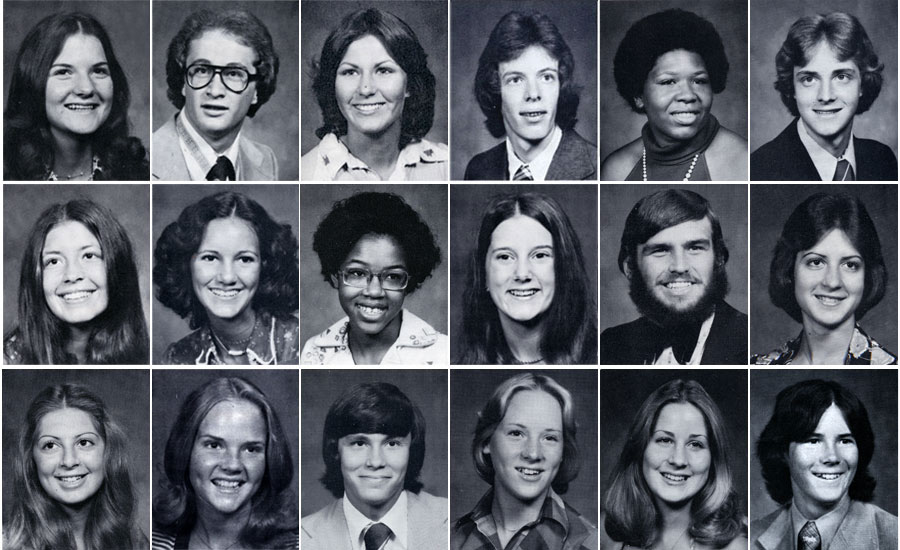
2. Peruse your old yearbook before you go.

This tip grows more useful with every passing decade. If you’re just ten years removed from high school, chances are pretty good that you’ll recognize everyone at the reunion, but after forty years, I can tell you from first-hand experience, not all the faces you’ll encounter will be so familiar. And when you do recognize former classmates, you may briefly struggle to recall their names. A little time with your yearbook could a long way toward alleviating both problems.

It’s also a good idea to bring your yearbook along to the reunion. Your friends who are struggling with all those not-so-familiar faces and names will thank you as they sneak a quick peek at it.

3. Use Facebook to (re)connect with folks ahead of time.

Facebook and other social media outlets have really had an impact on the reunion experience. Ten years ago, at my 30-year reunion, I had very little idea what was going on in the lives of my classmates or, in some cases, how their appearance had changed.

But this time, I was familiar going in with the basic circumstances of many of my classmates’ lives and was able to quickly move beyond the typical catch-up chatter (and in some cases, to avoid asking awkward questions) and spend some quality time with them.

READ MORE: ONE OF THE CROWD

4. Be proactive.

Don’t sit at a table waiting for classmates to approach you. It’s perfectly normal to feel shy or be nervous—everyone goes through that—but try to push past it. Just find a familiar face or two and say hello. It won’t take long at all before those nerves dissipate.

5. Introduce yourself when greeting a classmate you’ve not seen in years.

Don’t put people on the spot by asking them if they remember you. They may recognize your face right away, but still experience momentary difficulty in recalling your name. That happens to most of us at one time or another, so simply state your name when saying hello. Believe me, your former classmates will appreciate it.

6. If you sometimes feel you don’t know what to say, ask others to tell you about their lives.

As you learn about the paths your classmates have followed through life, you’ll laugh, you’ll cry, you’ll be inspired, and you’ll be reminded that everyone goes through good times and bad. It’s one thing we all have in common.

7. Look at everyone with new eyes and a forgiving heart.

If you encounter someone who hurt or offended you in high school, try to let bygones be bygones. Chances are, they don’t remember the incident and if they do, they are very likely now sorry for their behavior. Give everyone you encounter at the reunion a pass on the past and you’ll be pleasantly surprised at how decent and kind most of your classmates have turned out to be.

8. Don’t compare your insides to anyone else’s outsides.

With each passing year, the social pressures of high school—the resentments, the rivalries, the unrequited affections—fade away, but many of us are still tempted to compare our lives with others’. You may encounter some people at your reunion who appear to be especially prosperous and happy, but we can’t always know someone else’s pain or troubles, past or present.

READ MORE: DOES NOSTALGIA MAKE YOU HAPPY?

After a decade or more, it’s a good bet that every person in the room has experienced setbacks and heartbreak as well as good times, so be happy for those who appear to be doing well, sympathetic to those who might be struggling, and embrace your own journey, wherever it has led you.

And most of all, don’t worry about your weight, your hair (or lack thereof), your wrinkles, or what you’re wearing. Before you know it, you and your classmates will all feel as if you are back in high school and you won’t even know notice the changes the years have wrought.

9. Spend time with people you didn’t know very well back in the day.

This is one aspect of reunions that can be very rewarding, especially for those of us who went to larger schools. There were more than 450 people in my graduating class, for example; there’s no way I could have been close with them all.

At the past couple of reunions, though, I’ve had the chance to become better acquainted with some former classmates I was only casually acquainted with back in the day, and it has been a gift. Not only can you reconnect with old friends at your reunion, you just might make some new ones.

10. Don’t talk politics—focus instead on the memories.

This was especially good advice for me, as my recent reunion took place during this heated election season, but it’s a good policy for any such gathering. Who needs friction when old friends have convened to celebrate the bonds they share?

If you follow the above advice, I think you’ll find your reunion to be a positive experience, one that is not only interesting but rewarding and fun.

Our thanks go out to the members of Oklahoma City’s John Marshall High School, Class of 1976, who contributed their wisdom, experience and insights to this story.

10 Life Tips from Henry the Dog

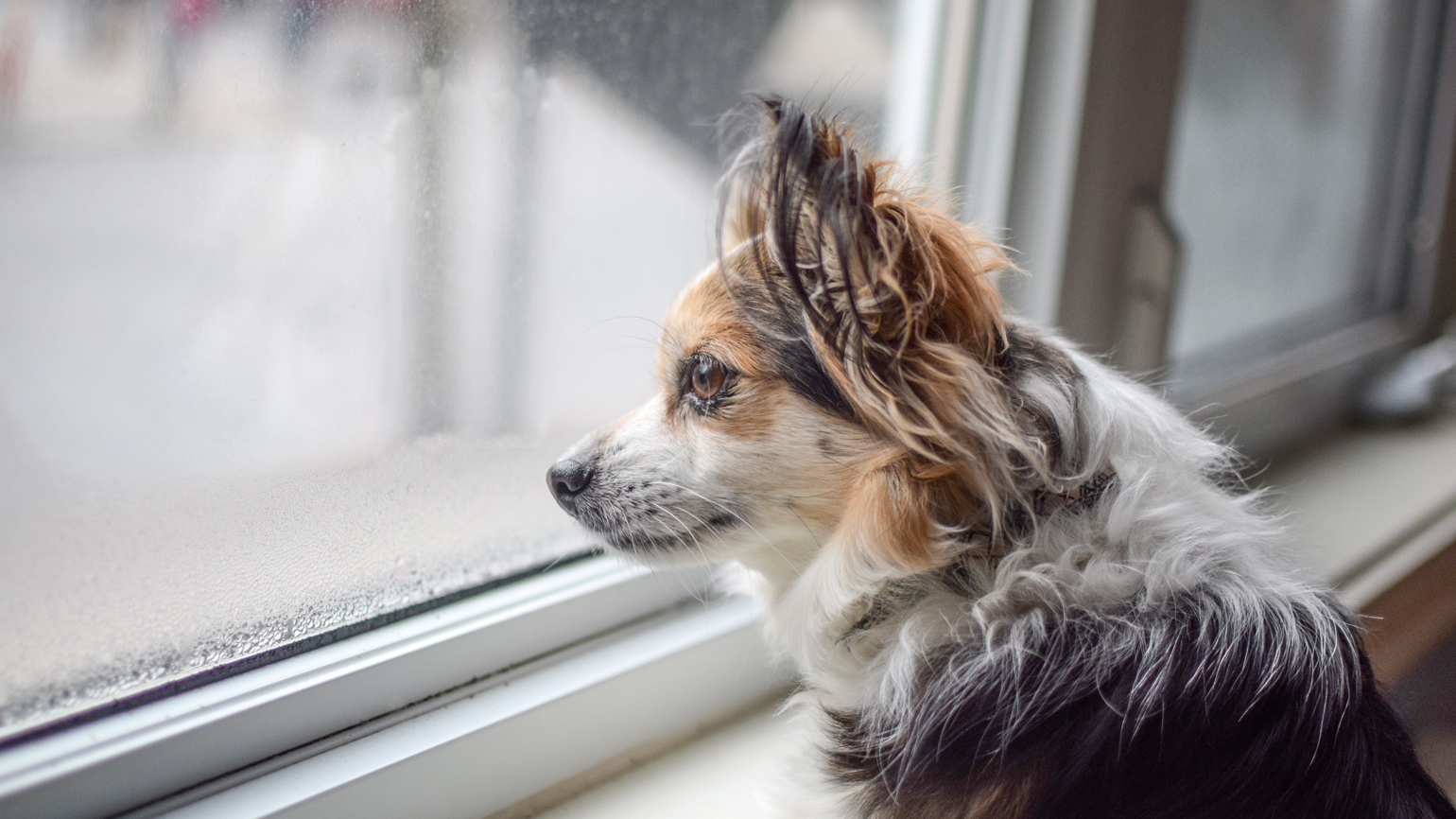
This is Henry. He has only one eye. We’ll come back to that. My partner and I love dogs but travel often and wouldn’t want to subject a pet to a life of kennels. When we’re not traveling, we work from home, which leaves us long stretches to offer attention, comfort and love to a dog who needs it. So we decided to foster. When we met Henry, a four-year-old papillon mix, there was no doubt: He should live with us until he found a permanent home. We were happy to have his company and committed to teaching him a few things, one of which was not to bark so much. What I didn’t realize was that this beautiful one-eyed creature had a lot to teach me too.

GET THE NEW DAILY DEVOTION FOR ANIMAL LOVERS

1. Everyone has a story. A family first adopted Henry from a pound, but as it turned out, they weren’t a good match. That’s how he ended up in a rescue, where we found him. We were told he didn’t get along with the family’s children and its other dog, but it’s hard to know for sure (and Henry wasn’t talking). It reminded me that you can hear things about others, but you’ll never really know the truth unless you were there. We weren’t there. We just accepted Henry and loved him.

2. Accept the things you cannot change. The vet said Henry was probably born without a second eye. I like to think he looked around, saw others who have two eyes and thought, Two? How can you even see out of both at once? There’s power in accepting the things you can’t change. Henry didn’t mind that he was missing an eye. And he certainly couldn’t will himself to have a second eye. He never let having only one eye stop him from living his best life. We all have our “second eye.” The closer we can get to having an attitude like Henry’s, the better off we’ll be.

3. Let others lift you up. Henry was too short for some of the things he wanted to do, like getting on our bed at night. He would scramble on the floor from one side of the bed to another, hoping to find the low side. (There was no low side.) In the end, one of us would always pick him up and set him on the bed. It’s okay to rely on others. Being independent isn’t the same thing as being insistent on doing everything yourself. Sometimes there’s strength in letting others carry you.

4. Live in the now. Our human brains can be our greatest weakness. I can’t prove it, but I’m convinced Henry didn’t know how to hold a grudge and that he thought little, if at all, about the future or the past. He was all about the now. If you told Henry that he was going for a walk, he thought you meant he was going for a walk right now. There was no later, and there was no before. There was only this moment. Stay present like Henry.

5. Find your peanut butter jar. Life is too short for half-hearted endeavours. I learned this from watching Henry spend hours digging into a nearly empty peanut butter jar. When he finished, the jar was licked clean as far as his tongue could reach. His dedication was admirable. Find the thing you love and give yourself over to it.

6. Be a good listener. Henry never interrupted. He never made things about himself. He never brought his baggage to a conversation. When I spoke, he was patient and tilted his head adorably to indicate his engagement. Being a good listener means contributing to someone else’s well-being without saying a word. Whether you tilt your head is up to you.

7. Don’t dwell on the negative. Step on Henry’s foot while he watched us make dinner? He howled for an instant, then went right back to hoping for scraps. Nip his ear while I attached his collar? He got over it before I realized what happened. Maybe Henry’s neurocapacity didn’t allow him to dwell on the negative because, well, dog brain. But we can choose how to expend our mental energy—why waste it on something that upsets us?

8. Don’t let anyone tell you you’re small. Henry didn’t weigh more than 15 pounds soaking wet, a fact he seemed blissfully unaware of. If he saw something that unnerved him, he barked. It wasn’t a booming or menacing bark that would alert others or frighten his target. But that never stopped him. He would speak up whenever he thought something was wrong, even if his voice was small.

9. Exercise, drink plenty of water and rest. This would probably mean more coming from, say, a doctor than a dog foster, but here we are. And the essential truth is undeniable. Henry went for three or four walks a day, followed up with a healthy drink of water and always made sure he got his sleep. No late-night Netflix benders for him. It seems simple, but we humans often wind up off track, make poor choices, then have to deal with the consequences. Take care of yourself. Henry never regretted getting up and out—you won’t either.

10. Let it roll right off you. People would sometimes stop us on walks. Did they ask about Henry’s hobbies? Admire how well he behaved on a leash? Never. It was always about the eye. Every time. It annoyed me. But you know what? Henry didn’t care. You may say that he didn’t understand, and I concede that. Our ability to process language means we do not have that luxury. But we can still get ourselves to the same place as Henry. And the sooner we do, the more we can enjoy life. Henry lived with us for a month. Then he got adopted. The best part? His forever home is with my mother-in-law. He lives six hours away now, but we still have his leash ready for when he visits. And a peanut butter jar.

Did you enjoy this story? Subscribe to All Creatures magazine.

10 Lessons Military Families Learn

Sometimes having a loved one in the military can make us feel like we’re from another planet. Things we take for granted make no sense to our civilian friends. I’m going to give the rest of the world a peek about things a military family learns when a loved one enlists:

1) Not just soldiers.
Those in the Navy are sailors, those in the Marine Corps are Marines, and those in the Airforce are Airmen. Only those in the Army refer to themselves as soldiers. “Service Members” or “Troops” are the acceptable generic terms for those in the military.

2) Acronyms aplenty.
MOS (Military Occupation Specialty), FPO (Fleet Post Office), PCS (Permanent Change of Station), CO (Commanding Officer) and XO (Executive Officer) are just a few of the terms that actually make sense to us.

Read More: Giving Our Troops the Power of Hope

3) Boots that are not footwear.
This is also a term for those who have graduated boot camp but haven’t yet been on deployment.

4) Defining a civilian.
Anyone who does not have a loved one in the military is considered a civilian.

5) Digging deep for bravery.
Sending a loved away to war with a smile and a hug is one of the bravest things I’ve ever seen.

6) Telling military time.
When someone asks us the time, we’re as apt to come out with “eighteen hundred hours” as we are “Six o’clock.”

7) Seeing the price of freedom.
For us, it’s not a concept. The price of freedom brings the face of someone we love to the forefront of our minds.

8) Never missing a call.
During deployment, there’s nothing more precious than hearing the voice of a loved one. That static-filled, 30-second conversation is a lifeline. I’ve seen family members dive over furniture, leap across toddlers and upend a bottomless seeming purse to avoid missing that call.

9) True heroism.
It has very little to do with mighty acts. Instead it’s made up of the quiet fulfillment of duty—no matter the cost.

10) Trusting God.
He’s able to provide protection, comfort and peace—even when the world around us is filled with worry, fear and war.

Having a loved one in the military really isn’t so different or scary, once we get used to it. God is always with us, no matter how frightened we feel.

10 Easter Traditions (Old and New)

On Easter morning, families will come together to celebrate the holiday with their favorite traditions. But do you know the origin behind all your Easter customs? Are you interested in changing things up and maybe adding a new way to celebrate. Here are 10 Easter traditions—five of our favorites and five new ones to try—so you can make the most out of Easter 2023.

READ MORE: 40 Beautiful Easter Quotes to Share

Favorite Easter Traditions

Family decorating Easter eggs together for their family tradition

1. Decorating Easter eggs

Decorating Easter eggs is a custom that originated as far back as the 13th century, yet it is still a popular tradition amongst families today. Eggs are associated with the Easter story because they represent beginnings and new life. Countries all over the world have their own customs. Like pysanky, the Ukrainian art of decorating Easter eggs with hot beeswax and dye. Or the Belgium custom of dying eggs with red onion skins and leaves.

READ MORE: 10 Easter Eggs from Around the World

With so many different styles, there really is no “right way” to decorate your eggs. When you make your own, you can use crayons, food coloring, stencils, or even paint. Decorate your eggs with images of things that bring you hope—a blooming flower, a shining sun, or your favorite animal.

Colorful easter eggs on a blue background for an Easter tradition

2. Easter egg hunts

After your eggs are decorated, head outside to hide them for an epic Easter egg hunt. Some historians believe this tradition dates back to the 16th century, when the priest Martin Luther organized an Easter egg hunt for his congregation. Even after so many years, churches, communities, and families still take part in this fun custom.

If you are hiding them for kids or grandkids, make a map showing where all the eggs are hidden. Encourage the kids to work together so no one feels left out. Even though this Easter tradition is geared toward kids, that doesn’t mean you can’t enjoy it as an adult. Surprise your partner or spouse on Easter morning with your own Easter egg hunt. You can do it around the house, in the yard, or even use a map to make it a town or city-wide egg hunt.

Mother and son hold Easter eggs in a basket for their Easter tradition

3. Easter baskets

The Easter tradition of Easter baskets began during medieval times when people would exchange baskets to celebrate the end of Lent. Nowadays, kids and grandkids wake up on Easter morning to find a colorful basket (perhaps from the Easter bunny) filled with decorations, candy, and toys. Keep this tradition alive within your own family by making a new and unique Easter basket every year. Consider making them not just for the kids, but also for your friends, neighbors, coworkers, or people you know who may be spending their Easter alone. This tradition is a great way to give something small and let someone know that you are thinking about them.

People attend a church service for their Easter tradition

4. Attending an Easter service

On Easter Sunday, people across the country will wake up early and dress up for Easter service. Many churches host special services and events on the day, like choral concerts and festivals. If you are considering attending an Easter service, bring the whole family and then some. See if there is anyone in your life who wants to join you. Perhaps someone who does not have anyone else to go with. Make a day of it by going out for lunch after and sharing your favorite parts of the service.

If you are not attending an Easter service this year, there are plenty of ways to celebrate Easter at home. Gather the family together and try one of these traditions:

READ MORE: The Easter Story in 14 Bible Passages

Five kids doing the tradition of an Easter egg hunt with baskets

5. Attend an Easter Parade

Easter parades are a tradition that started back in the 1800s, when people would promenade (or take a leisurely walk in a populated area) after Easter services. They eventually evolved into their own events that take place on the city streets. Many classic parades also include a bonnet contest where people can show off expertly crafted bonnets and win a prize. Google to see if there is an Easter parade in your town or city and make a day of it with the whole family. There are sometimes petting zoos, magic shows, face painting, and rides.

New Easter Traditions

Brother and sister lie in a field doing their Easter egg tradition

1. Have an Easter egg scavenger hunt

This year, instead of doing the usual Easter egg hunt by searching all over the house or yard, try starting a new tradition by having a family scavenger hunt. Begin with a clue that will lead the participants to the first egg. In that egg, put a clue for the next egg. Then keep going until they find the ultimate prize at the end—perhaps a treasure trove of goodies or an Easter basket. You can have the scavenger hunt lead people around the house, around the neighborhood, or even around your whole town. Pick spots that are family favorites, like a playground, a restaurant, or a school.

Couples looking for a way to make Easter special can take up this tradition as well. Make a scavenger hunt for your spouse or partner as an Easter surprise. Pick sports that are important for you both, like where you met, the spot for your first date, the first place you kissed, or the place where you got married. End the scavenger hunt with a special Easter dinner or an Easter gift.

Family doing their tradition of an Easter dinner

2. Share hope during Easter dinner

Easter dinner is a wonderful time for everyone to come together and enjoy some good food and laughs. Make the meal even more special by focusing on what this season is about: hope. Sharing what hope means to us with our loved ones can bring us closer together and help us dig deeper into the spiritual importance of this season. Here are some prompts to get you all started:

  • What does hope mean to you?
  • What brings you a sense of hope?
  • What are you hopeful for in the future?
  • How can you bring hope to others?

READ MORE: 7 Spring Prayers for Hope and New Beginnings

Couple having their traditional Easter bonfire together

3. Have an Easter bonfire

The Easter custom of lighting a bonfire is actually an old tradition originating from Germany. It is meant to symbolize a light within darkness (like the Resurrection) and the end of the winter season. Bring this custom into your own family’s Easter celebrations. You can do this by lighting a fire pit in your backyard (be sure to check your neighborhood’s fire safety laws) or seeing if your community does a bonfire every year. As you gather around the fire, take turns reading an Easter Bible verse or quote, sharing any lessons you learned during the chilly winter months, or saying what you look forward to in the spring season.

Two people holding hands in forgiveness for their Easter tradition

4. Forgive someone

Singer Reba McEntire once said, “Easter is very important to me. It’s a second chance.” Let this season be the opportunity to give someone a second chance. Like Jesus forgiving our sins, we can embody this grace in our own Easter celebrations. Whether it’s a friend you’ve fallen out with, a coworker who bothered you, or a neighbor you never got along with, now is the time to approach life with an attitude of acceptance and mercy. Here are some ways to reach forgiveness for a past wrong:

  • Write down what made you sad or angry on a piece of paper. Then tear up the paper, letting it go with each tear.
  • Tell the person that you forgive them, whether in person or by letter.
  • Read Bible verses or pray about forgiveness to understand it on a deeper level.
  • Don’t forget that the road to forgiveness often includes forgiving ourselves as well.

READ MORE: Luke 23:34—A Closer Look at Forgiveness

Young woman doing her Easter tradition of cooking for her elderly neighbor

5. Do a yearly act of kindness

This is a time to remember how blessed we are. This Easter, start the tradition of being a blessing for someone else. Whether you do it for a family member, friend, acquaintance, coworker, neighbor, or a stranger, doing one act of kindness every Easter can lift your spirits and remind you what this season is all about. Here are a few tips for good deeds to do. Do them on your own, with your partner, or together as a family.

  • Take a meal to someone alone on Easter
  • Volunteer your time on Easter weekend
  • Organize a neighborhood Easter egg hunt
  • Donate to an animal shelter

READ MORE: 10 Acts of Kindness to Do for Easter

10 Blessings of Having a Pet Later in Life

Are you thinking about getting a pet but hesitating because you’re of a certain age? Consider this: Having an animal companion can be just as rewarding when you’re over 65 as it was when you were younger. Here’s why:

1. Staying Active

Exercising a dog can help you to get the exercise you need too. Be mindful of your physical condition: The right dog with the right training could be the perfect partner for strolling around the block, hiking in the woods or whatever activity you enjoy. Likewise, a playful cat may inspire you to stretch and move, all while having fun.

2. Improving Your Health

Did you know that pets are good for your heart? Studies show that petting a cat or dog can actually lower your blood pressure. Spending time with your pet can also increase your oxytocin, the “feel-good” hormone.

3. Finding Companionship

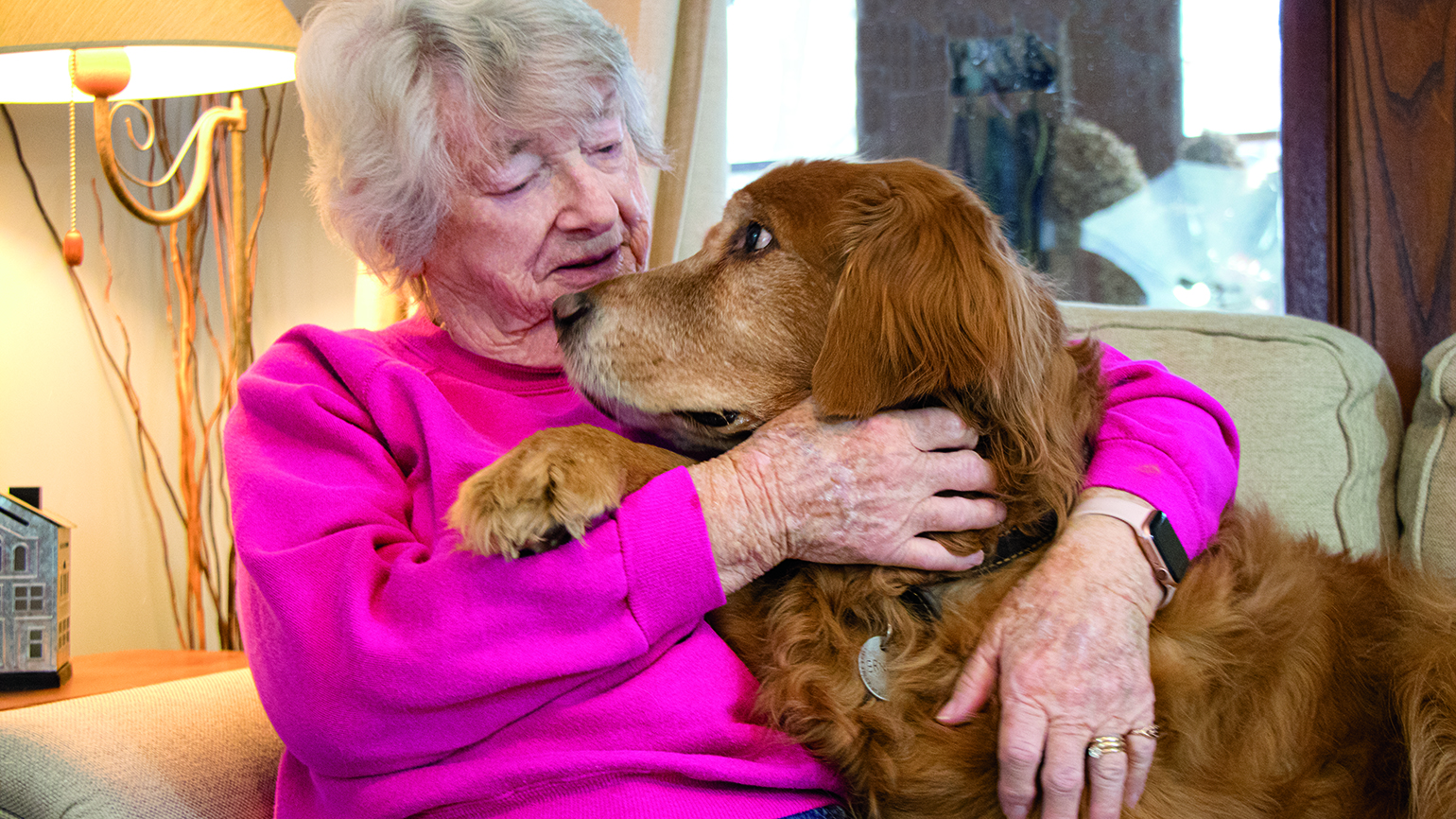
Public health experts are concerned about the loneliness epidemic in the United States, particularly among seniors. Live alone? Having a pet in the home means there is always someone there to greet you at the door and sit by your side.

4. Discovering Purpose

An empty nest or retirement can leave you feeling restless, even lost. Pets depend on you to take care of them, filling some of those voids. The level of care ranges from a dog, which requires significant time and energy, to fish, which are still engaging but require less attention.

5. Feeling Joy

A dog chasing a ball, a cat batting at your shoelaces or a guinea pig squeaking for a treat are all good for a laugh. Watching pets enjoy themselves can warm your heart. Consider the fun and games involved before choosing your companion.

6. Filling Your Schedule

Earlier in life, work and family kept you busy with no time to clean a litter box or walk a dog. Now, if your schedule is less demanding, a pet may fit in perfectly. Think about what kind of animal best suits your needs and interests. A toy poodle? A parakeet? A gecko?

7. Learning Something New

Keeping a pet, especially an uncommon one, is a way to expand your knowledge. Go beyond simply learning what your pet needs to stay healthy and happy. Research its origins. Try your hand at training—that way, you are both learning!

8. Relaxing

Sure, not all pets are relaxing all of the time. But have you ever wondered why many doctors’ waiting rooms contain aquariums? They’re calming—the serene water, the fish swimming back and forth, even the sound of the bubbles in the tank. If you like the idea of keeping an aquarium, talk to someone at your local pet shop to discern the type of fish and best setup for you.

9. Helping Another Senior

A senior pet, that is. Rescuing an animal is a wonderful way to provide a homeless pet with a family, but senior cats and dogs are often overlooked. Give a home to one of these less-adoptable pets, and you will both be rewarded.

10. Becoming More Social

If you feel awkward or anxious in social settings, a beloved pet is an easy conversation starter. People may even approach you while you’re walking your dog (“He’s beautiful. What breed is he?”). Before you know it, you’ve made a new friend.

Whether it’s a rabbit, turtle or basset hound, there are benefits to having a pet at any stage of life. Do your research, talk to family and friends and find the right animal for you and your household. Then enjoy all the relationship has to offer!

For inspiring animal-themed devotions, subscribe to All God’s Creatures magazine.